
Kashmir Great Lakes Trek 2026: Route, Cost, Difficulty and Latest Permit Update
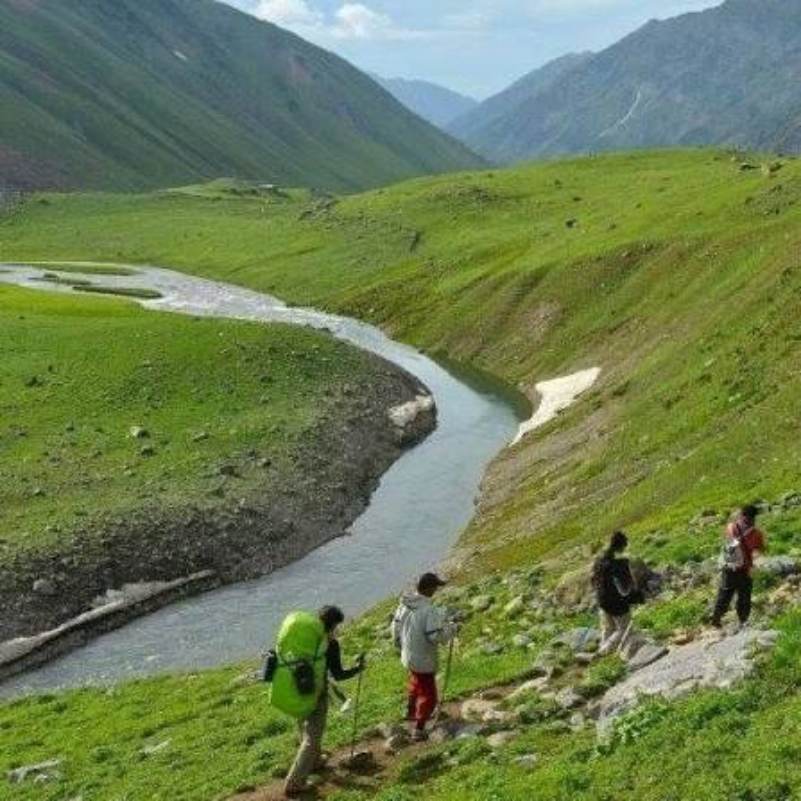
The Kashmir Great Lakes Trek is one of India’s most spectacular high-altitude adventures, taking you through alpine meadows, dramatic mountain passes and a chain of crystal-clear lakes surrounded by the Himalayan peaks.
This guide by Travel Coffee explains the complete route, expected cost, trek difficulty, best travel period and preparation required for the journey.
It also covers the latest permit requirements and important trail updates to help you plan the trek safely and confidently.
Quick Answer
The Kashmir Great Lakes Trek is normally a seven to eight day camping trek from the Sonamarg or Shitkadi side to Naranag, covering roughly 68 to 75 kilometres with the highest point at Gadsar Pass, about 13,750 feet.
But here is the part that matters right now. As of our research on 23 July 2026, multiple major operators had suspended or cancelled their KGL departures while awaiting official confirmation of government permits.
So no, we cannot tell you the trek is open. Anyone telling you otherwise without a written permit in hand is guessing.
Before you pay for anything non-refundable, get written confirmation of permits and read the refund terms twice.
Is the Kashmir Great Lakes Trek Open in 2026?
Current permit position
Indiahikes, Trekkers of India, Searching Souls and TrekUp India currently report that their 2026 KGL operations have been cancelled or suspended while official permit approval remains pending.
As of 23 July 2026, we could not find an official notification confirming that the trek had reopened. The safest position is to treat the Kashmir Great Lakes Trek as not officially confirmed open and check the latest permit status directly before making any booking.
Here is what most tourists get wrong at this stage. They see an operator accepting enquiries, advance payments or provisional registrations and assume the trail is open.
It is not the same thing. An operator taking your money does not prove the government has issued the trail permit for your departure.
Why Kashmir trekking routes were restricted
Kashmir trekking trails remained shut during security reviews that followed the April 2025 Pahalgam attack.
In June 2026, an appeal from the trekking community specifically requested reopening of the Great Lakes routes covering Gadsar, Krishansar, Vishansar, Satsar and Gangabal.
That is the factual position. We are not going to add speculation on top of it, and you should be careful of blogs that do.
How travellers should verify reopening
Ask your operator for written confirmation that permits have been issued for your exact departure date. Not "permits are expected." Issued.
Check the latest instructions from the district administration, tourism department and local authorities close to your travel date.
Read the cancellation and force majeure clauses before you book flights, Srinagar hotels or trek services. If permits get withdrawn a week before departure, you want to know exactly what you get back.
If the trek stays shut and you still want a Kashmir holiday through areas that are officially open, our Kashmir tour packages can be customised around current permissions.
What Is the Kashmir Great Lakes Trek?
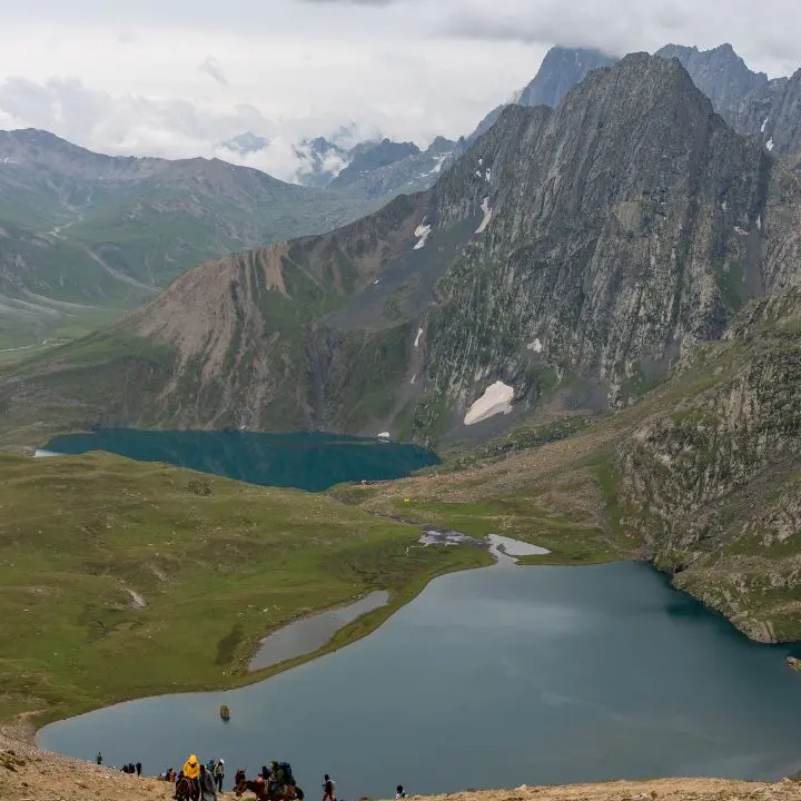
The commonly used route starts near Shitkadi or Sonamarg and finishes at Naranag, a village that sits at the other end of a long chain of meadows, passes and lakes.
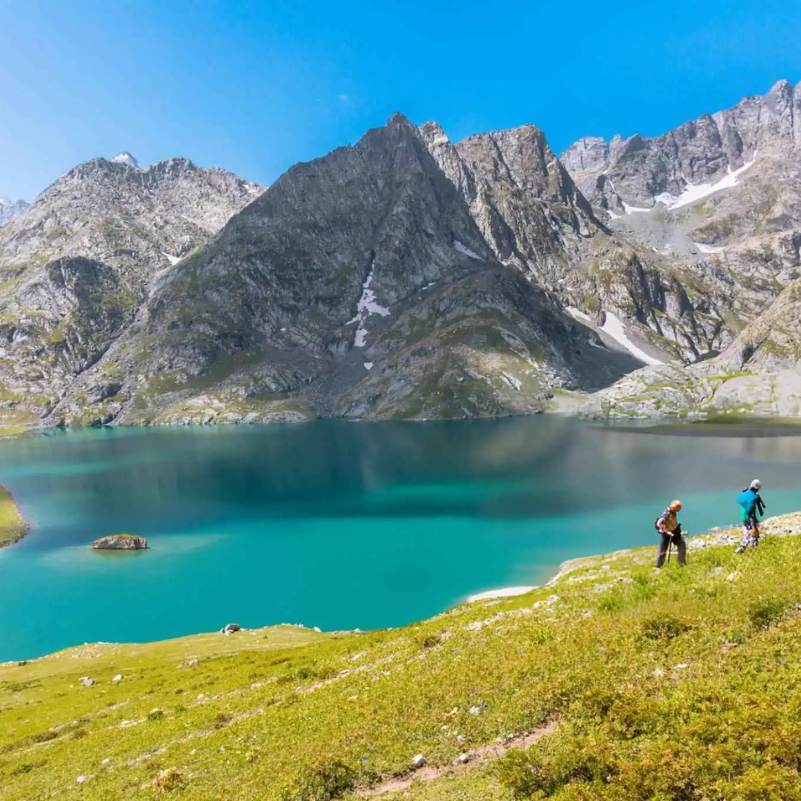
You walk through alpine meadows, pine and birch forest, rocky ridges and boulder fields, past a series of glacier-fed lakes that change colour with the light.
This is a moving camping trek. You sleep in a different campsite most nights, your tent and kitchen move with you, and there is no hotel anywhere on the route.
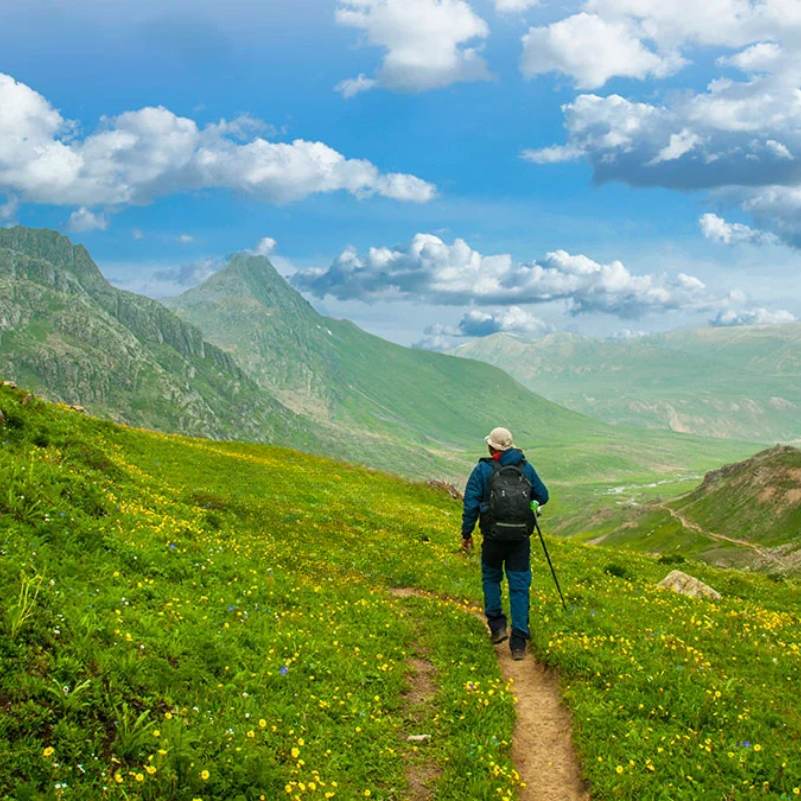
The trail normally crosses three passes: Nichnai Pass, Gadsar Pass and Zaj Pass. Do not mistake the green meadows in the photos for an easy sightseeing walk.
Which Lakes and Mountain Passes Does the Trek Cover?
Vishansar and Krishansar lakes
Vishansar and Krishansar are the first major highlights. You see them during the approach toward Gadsar Pass, usually with a campsite close to Vishansar.
In our experience, this is where most trekkers take their first real "why did I not do this earlier" photo. Two lakes, one ridge, no buildings anywhere.
Gadsar Lake and Gadsar Pass
Gadsar Pass is generally treated as the highest point of the trek. Published figures vary from roughly 13,715 to 13,800 feet, so we use about 13,750 feet.
The Gadsar stage is one of the longest and hardest days of the whole route. Plan your energy for it, not just your photos.
Satsar, Gangabal and Nundkol
Satsar is not one lake. It is a group of alpine lakes, and how many hold water depends on the season.
Gangabal and Nundkol form the big final lake section before the long descent toward Naranag. Many trekkers rate this campsite as the best of the trek.
The three passes
Nichnai Pass, Gadsar Pass and Zaj Pass mean the trail keeps climbing and dropping. You never just walk flat for a full day.
The later part of the route has rocky and boulder sections. They are not technical, but they are slow and tiring, especially in rain.
Kashmir Great Lakes Trek Quick Facts
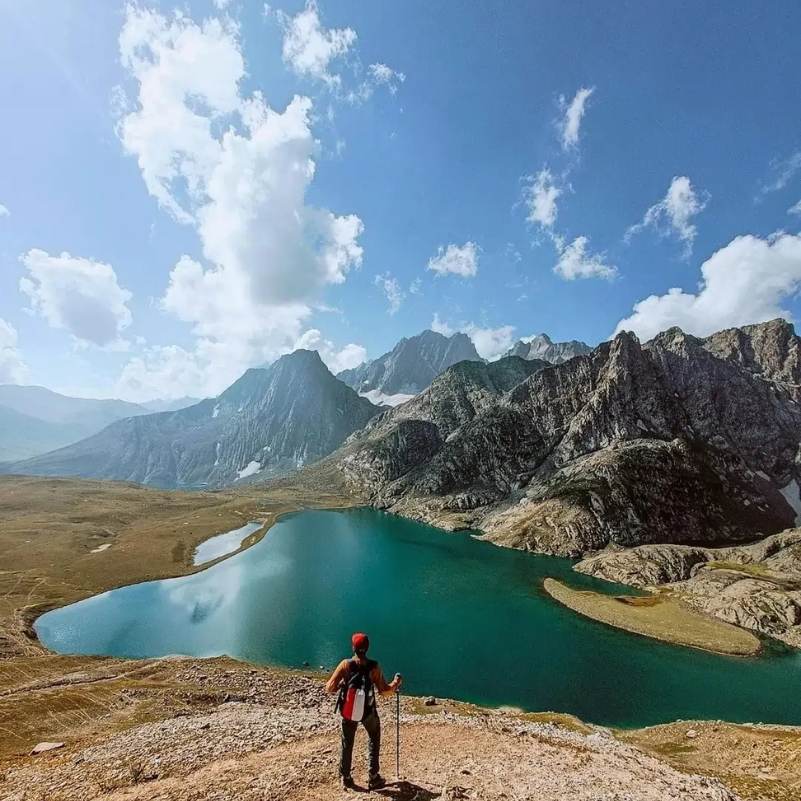
Normal duration is seven to eight days depending on how the operator handles arrival, rest and buffer days.
Published trekking distances range from 68 to 75 kilometres. The difference comes from varying trailheads, campsite locations and how each operator measures the itinerary.
The trek normally starts from the Shitkadi or Sonamarg region and ends at Naranag.
The approximate maximum altitude is 13,750 feet at Gadsar Pass.
Difficulty is generally rated moderate to difficult.
The trek normally operates between July and September, with mid July to early September commonly described as the strongest window.
One reminder before you screenshot any of this. Normal season information does not mean the route is open in 2026. Season and permission are two different things.
What Is the Complete Kashmir Great Lakes Trek Itinerary?
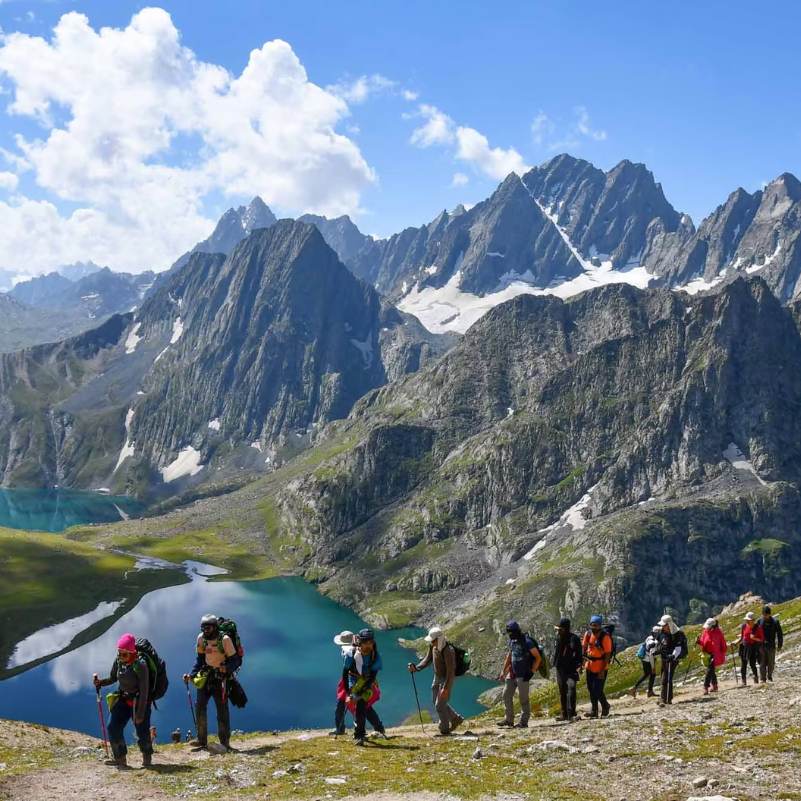
The itinerary below follows the eight day version published by Trek The Himalayas. Other operators combine or rearrange days, so match this against the exact plan you are quoted.
Day 1: Srinagar to Shitkadi or Sonamarg base
The drive is usually described as roughly 80 to 90 kilometres and around three hours, depending on the exact camp, traffic and pickup point.
Reach Srinagar one day before the scheduled transfer. What we always tell our travellers is simple: never make Day 1 of a Himalayan trip also your arrival day.
Day 2: Shitkadi to Nichnai via Shekdur
About 11 kilometres and around eight hours of walking.
The altitude gain on this day is significant, and the trail moves from forest into open meadow. Nichnai camp sits at roughly 11,500 feet as per the TTH itinerary.
Day 3: Nichnai to Vishansar via Nichnai Pass
About 12 kilometres and around seven hours.
Nichnai Pass is listed by TTH at roughly 13,100 feet. You climb to the pass, cross it, and then descend toward the Vishansar campsite.
Day 4: Acclimatisation and Krishansar exploration
Some eight day itineraries keep this as an acclimatisation, rest or weather day near Vishansar.
Krishansar is described as roughly 1.5 kilometres from the campsite in the TTH itinerary. Shorter itineraries skip this day and move forward instead.
Here is a timing tip that changes the experience. Walk up toward Krishansar early in the morning on this day, before breakfast if you can manage it. The water is still, the light is soft, and you will have the viewpoint mostly to yourself before the group activity starts.
Day 5: Vishansar to Gadsar via Gadsar Pass
About 14 kilometres and around ten hours. Gadsar Pass is about 13,750 feet.
We will be honest with you. This is a long, demanding day, and it is the one where undertrained trekkers struggle the most.
Day 6: Gadsar to Satsar
About 9 kilometres and around six hours.
Check-post formalities may apply on this stretch. Keep your ID handy and let your trek leader handle the process.
Day 7: Satsar to Gangabal and Nundkol via Zaj Pass
About 11 kilometres and around six hours.
This day includes a boulder section and the crossing of Zaj Pass, which TTH lists at roughly 13,000 feet. Slow, careful foot placement matters more than speed here.
Day 8: Gangabal to Naranag and drive to Srinagar
About 15 kilometres and around seven hours. The descent to Naranag is long and hard on the knees.
Do not book a flight for the scheduled return evening. A following day departure is safer, and every trek leader we know says the same thing.
How Difficult Is the Kashmir Great Lakes Trek?
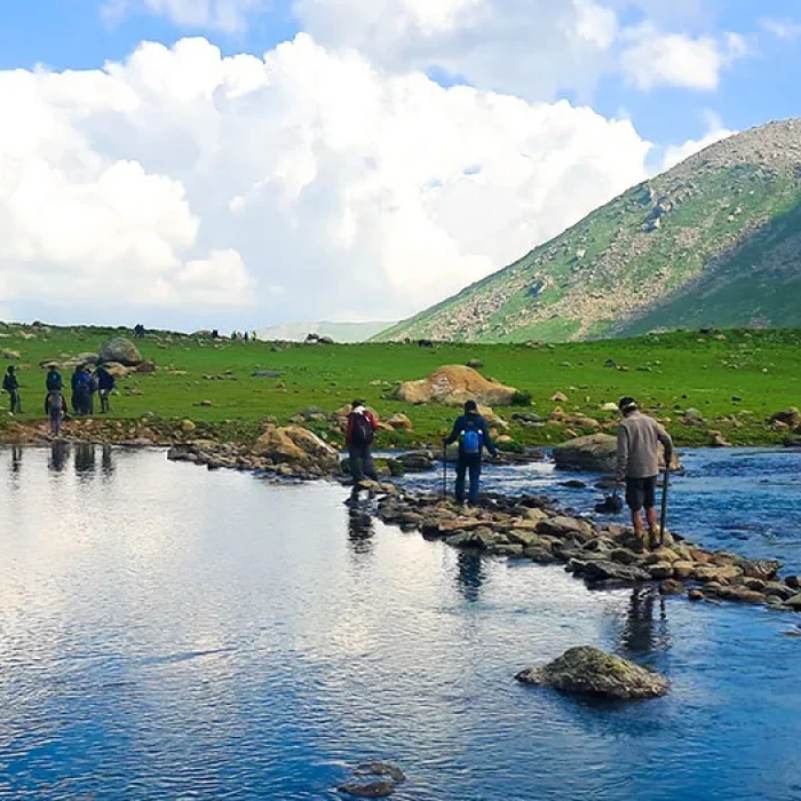
It is a moderate to difficult, nontechnical trek. You do not need ropes, crampons or climbing technique in normal conditions.
The difficulty comes from somewhere else. Consecutive long walking days, fast altitude gain, steep descents, uneven trails, boulders, wet ground and weather that changes without asking you.
Do not call it easy just because large sections pass through grassland. The meadows are pretty. The distances and the altitude are not.
Can Beginners Do the Kashmir Great Lakes Trek?
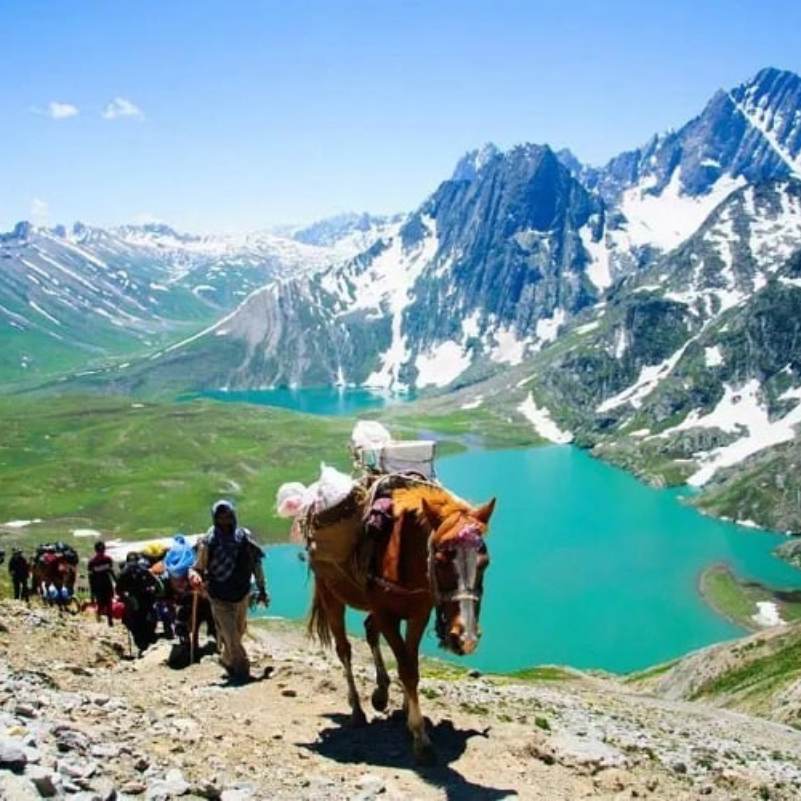
A well prepared beginner can complete it with a properly supported group. We have seen it happen, and we have also seen the opposite.
An untrained first timer should not treat KGL as a casual first trek. The Gadsar day alone will make sure of that.
If possible, do a shorter multi day Himalayan trek first. Even one three or four day trek teaches you how your body behaves at altitude.
And one thing our team repeats every season: youth, gym strength and general fitness do not make anyone immune to altitude illness. It picks people randomly.
How Should You Train for the Trek?
Start several weeks in advance. Brisk walking and jogging build your base, stair climbing builds the specific strength your legs will need on the passes.
Add lower body strength work, balance practice, and a few long walks carrying a light daypack so your shoulders are not surprised on Day 2.
No running time guarantees trek fitness. Training improves your odds, it does not buy you a certificate.
If you have heart, lung, blood pressure or any other medical concerns, talk to a qualified doctor before you commit. Not a trek forum. A doctor.
What Is the Best Time for the Kashmir Great Lakes Trek?
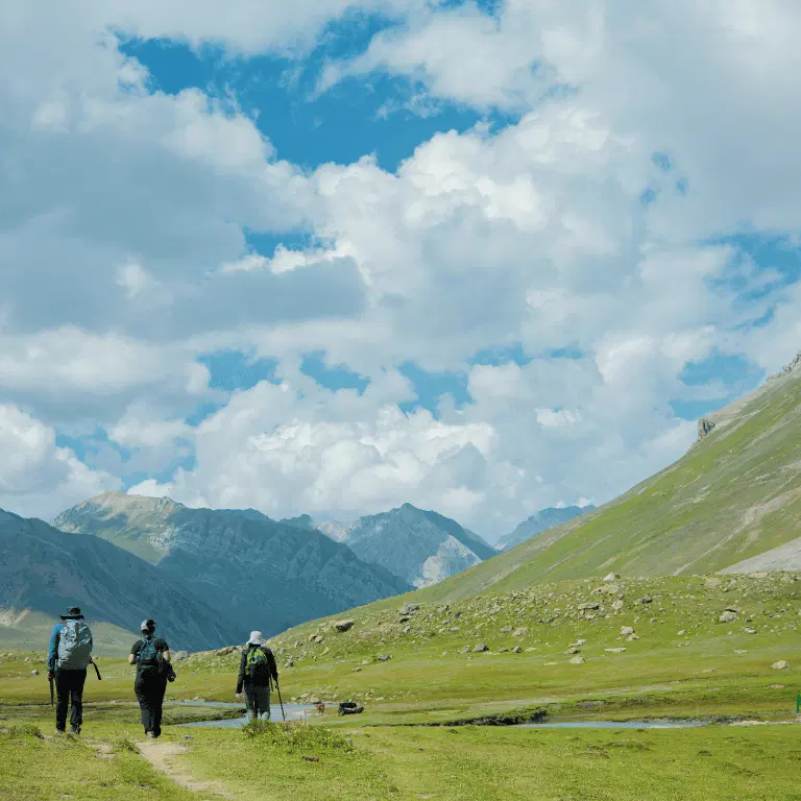
Everything in this section describes the normal seasonal pattern and should not be taken as confirmation that the trek is open in 2026. As of 23 July 2026, its official opening status had not been confirmed.
July
The normal trekking season begins once enough snow has melted from the passes.
Early in the month you may still find snow patches, along with fresh green meadows and the first wildflowers.
August
Meadows are normally at their greenest and flowers may still be visible.
Rain, mist and wet terrain are all possible. Proper waterproofing for yourself and your bag is necessary, not optional.
September
Temperatures drop and the landscape starts moving toward autumn colours.
The chance of early snowfall increases later in the month. There is no fixed closure date, so late season plans need flexibility.
What Permits and Documents Are Required?
Trek operators commonly ask for a valid government-issued photo ID and a medical fitness certificate.
Some operators arrange trail permits and check-post permissions as part of the trekking package.
However, the exact permit authority, application process, fees, processing time and required document list for the 2026 season have not been officially confirmed. Check these details directly with your trek operator before paying or submitting documents.
One more time, because this is where people lose money: an operator booking receipt is not a government-issued trail permit. Ask to see the actual permission for your batch.
How Much Does the Kashmir Great Lakes Trek Cost?
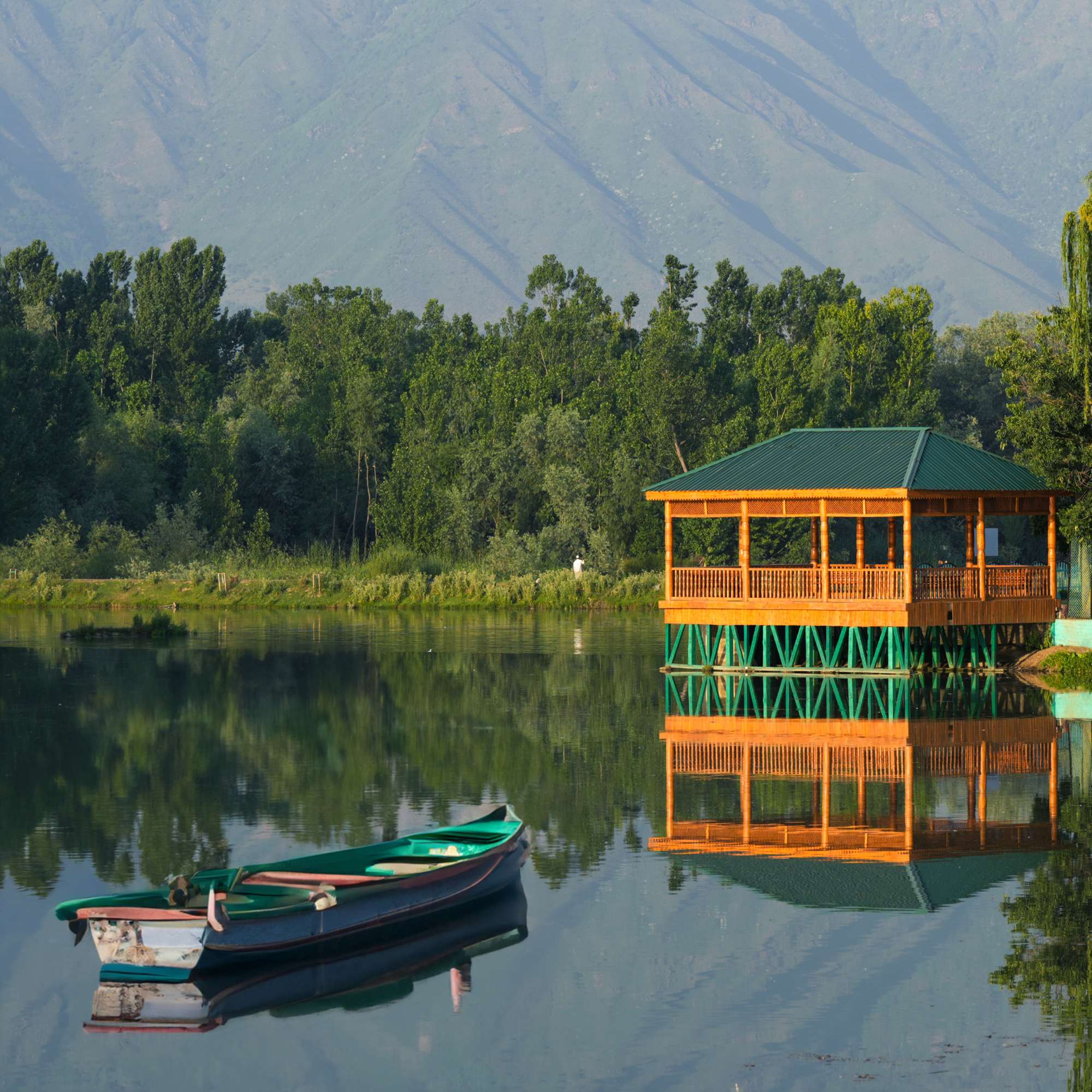
Published package prices
One 2026 market guide places commonly advertised packages around ₹15,000 to ₹22,000 per person before Srinagar travel and buffer expenses.
We are not quoting a fixed Travel Coffee price for this trek, because 2026 operations are not confirmed and any number would be dishonest.
Here is a warning with real numbers attached. Trek The Himalayas currently displays conflicting figures on its own pages: one section shows ₹21,000 plus 5 percent GST, while its FAQ mentions ₹17,300.
That is a gap of several thousand rupees on the same trek from the same operator.
This is exactly why you should never book on a displayed price. Ask for a written final quotation with every inclusion listed, and pay against that document only.
What packages normally include
Operator packages may include tents, meals, a trek leader, local guides, support staff, common camping equipment, basic safety equipment and transport of common luggage between camps.
Some operators include permits and local transfers, others charge for them separately. The words "may include" matter. Check the written inclusion list line by line.
Additional trip costs
Budget separately for travel to Srinagar, hotel nights before and after the trek, personal gear, backpack offloading if you want it, insurance, and extra buffer days.
At least one major operator states that rescue costs are not included in its normal trek fee. Read that sentence again before you skip insurance.
Also budget for the cancellation scenario. If permits are withdrawn, flights and hotels booked on non-refundable rates become your loss, not the operator's.
👉 Wondering what the Kashmir Great Lakes Trek will actually cost? Send us a WhatsApp message.
How Do You Reach the Starting Point?
Srinagar is the usual assembly city. Fly in, or arrive by road, and the operator transfer takes you to the base.
Sonamarg is roughly 80 kilometres from Srinagar, though some operator base camps and pickup routes push the figure closer to 90 kilometres.
Reach Srinagar at least one day early. Keep another buffer day after the trek before any flight.
A small money-saving tip from our side of the desk
Those two buffer nights in Srinagar are where most people overspend, because they book premium lakeside stays in panic the week before travel.
Book your Srinagar nights the same day you book the trek and you will pay noticeably less for the same room.
What Are Food, Camping and Toilets Like?
Organised groups commonly use twin sharing tents. You share with one other trekker unless you pay for a single tent where offered.
Food is simple cooked trekking meals. Menus vary by operator and by what the kitchen team can carry, so do not expect a fixed daily spread.
While you are still in Srinagar or Sonamarg, drink a proper kahwa at one of the small local tea stalls before the trail starts. In our experience it is the last genuinely local thing you will taste for a week, because everything after that comes out of a trek kitchen.
Toilets on the trail are temporary dry toilet tents that move with the camp. Washing facilities are limited to basic camp arrangements.
Carry your own toilet paper and hygiene products, and carry every piece of non biodegradable waste back with you.
Is Drinking Water Available on the Trail?
Streams and natural water sources occur along the route, and the trail is rarely far from running water.
That does not mean untreated stream water is guaranteed safe. Livestock and campsites sit upstream of more sources than people assume.
Use water provided or approved by your trek team, and treat or filter water where required. A stomach infection at 13,000 feet ends treks.
Is There Mobile Network or Charging on the Trek?
Dependable mobile coverage is generally unavailable after you leave the base region. Plan for a full offline week.
Some coverage may exist around Sonamarg and Naranag, but do not build any plan on it.
Prepaid SIM connectivity for travellers from outside Jammu and Kashmir can be restricted or inconsistent. Check the latest network rules with your telecom provider shortly before travelling.
Charging points are generally unavailable on the trail. Carry adequate power banks, keep your phone on flight mode, and tell your family the exact dates you will be unreachable.
What Should You Pack?
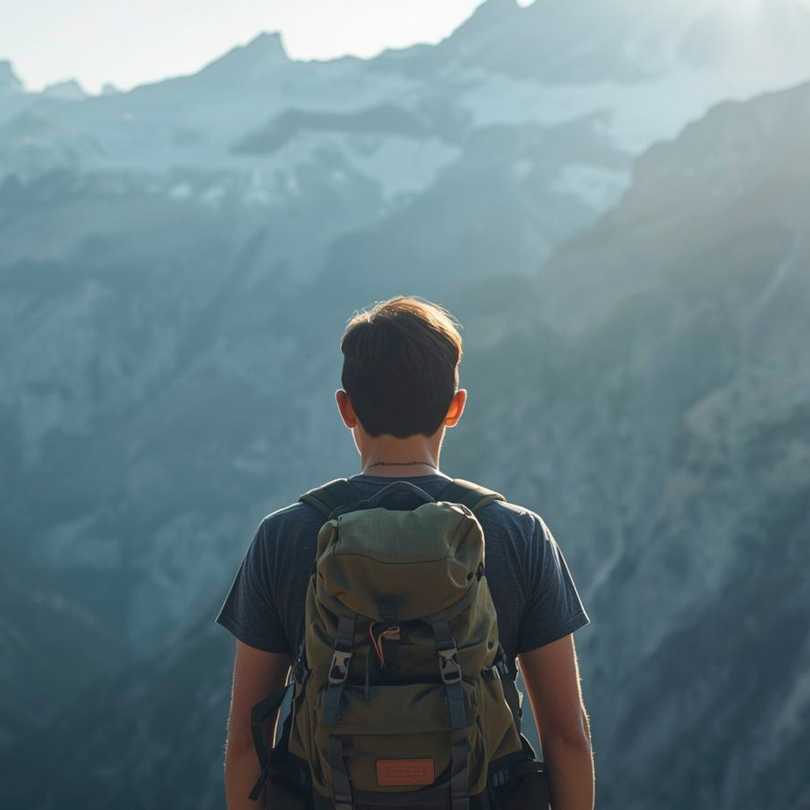
Waterproof trekking shoes that are already broken in, layered clothing, thermals, a warm jacket and a proper rain jacket. Wet and cold together is the combination that ruins this trek.
A backpack with rain cover, a small daypack, trekking poles, a headlamp, sunglasses, sunscreen and refillable water bottles.
Personal medicines in their original packaging, plus anything your doctor has specifically advised for you.
Operators may provide tents and sleeping equipment, but confirm this in the written package inclusions before you leave your sleeping bag at home.
The "skip this" advice
Skip the urge to buy a full rack of new branded gear for one trek. Rented or borrowed jackets and poles do the same job on a nontechnical route, and the money you save covers your buffer nights in Srinagar. Spend properly on shoes and rain protection, go easy on everything else.
What Are the Main Safety Risks?
Altitude illness
Possible symptoms include headache, nausea, appetite loss, fatigue, dizziness and difficulty sleeping.
Do not continue ascending to sleep higher while you have these symptoms. If symptoms worsen despite rest, descent is required. That rule has no exceptions.
We are deliberately not naming preventive medicines here. Discuss preventive medication with a qualified doctor before the trip, based on your own health history.
Rain, thunderstorms and slippery ground
IMD's forecast issued on 23 July 2026 warned of heavy rain and thunderstorms on multiple days through 29 July.
That is a date-specific advisory. Replace it with the latest forecast before you travel, and check it again the morning you leave Srinagar.
On the trail, follow official warnings and your trek leader's calls. A fixed itinerary is never a reason to walk into a storm.
Evacuation and insurance
Understand what an evacuation actually looks like here. It may first require walking, or being carried, to a road head before any vehicle or further help is possible.
Check whether your insurance covers trekking at roughly 13,750 feet, medical evacuation, and trip cancellation caused by withdrawn permits. Most basic travel policies cover none of the three.
Is the Trek Safe for Solo and Female Travellers?
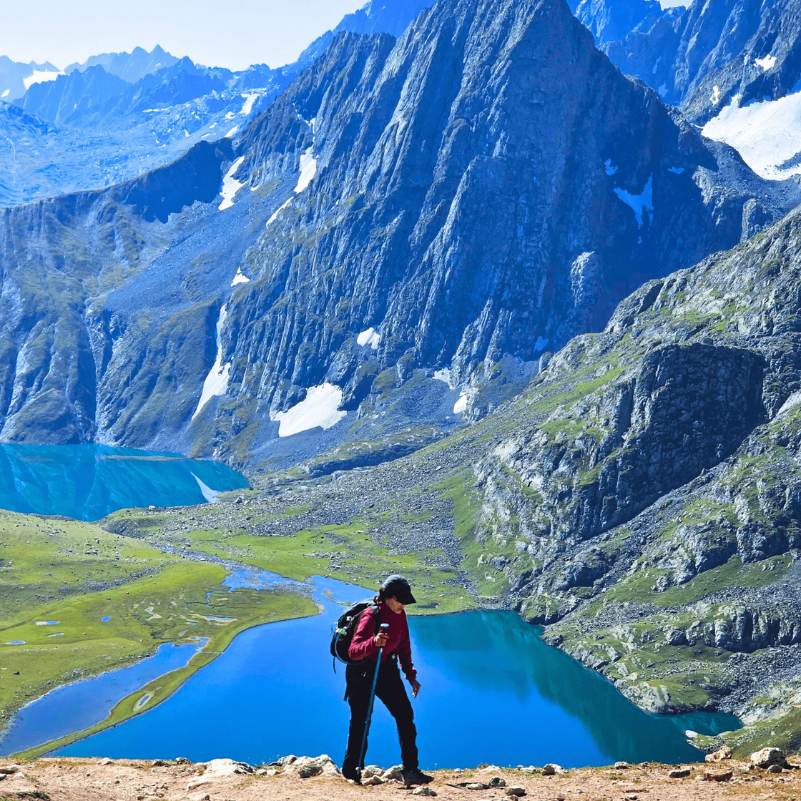
We will not hand you an unconditional safety guarantee, because no honest operator can.
The route is remote. It involves permits, check-posts, camping logistics, stream crossings, altitude and almost no communication with the outside world.
The sensible approach is joining a properly permitted group with trained leaders and local support staff, rather than attempting it independently.
Solo women should ask specific questions before booking
Women should ask: how tents are allocated, what the group composition looks like, whether female staff are present, what the emergency procedures are, and whether permits for the batch are verified in writing.
What Can You Plan If KGL Remains Closed?
First, the non-negotiable part. Do not attempt to bypass a closure or reach the lakes through an unapproved route. It risks your safety, your money and other people's jobs.
If Kashmir itself is your priority, a customised road holiday through places officially open at the time is the honest alternative, and we build these around current permissions rather than wishful thinking.
If high altitude is what you are really chasing, look at Ladakh and Spiti. Our Ladakh tour packages and Spiti Valley tour packages both run through confirmed open routes in season.
To be clear, neither is a copy of KGL. The landscapes are drier, browner and more open, and the trek experiences are different. Different does not mean worse.
If a high altitude lake is the specific itch, our Chandratal Lake package puts you beside a crescent shaped lake at over 14,000 feet, and we covered the season timing in detail in our guide on when Chandratal will open in 2026.
How Can You Trek Responsibly?
Carry all plastic and non-biodegradable waste back down with you. Every wrapper you carried up weighs the same on the way down.
Do not wash, use soap or throw food directly beside the alpine lakes. These water bodies stay clean only because trekkers before you followed this rule.
Use the designated toilet tents and avoid wet wipes where possible, because most of them never decompose at this altitude.
And when legal trekking resumes, hire licensed local guides and support workers. The people of this region carried the trekking economy through the shutdown, and your booking choices decide who benefits when it reopens.
👉 Explore the Great Lakes responsibly. WhatsApp us for help planning your Kashmir adventure.
👉 Find the Right Kashmir Tour Package for Your Dates
Related topics
Frequently Asked Questions
Is the Kashmir Great Lakes Trek open in 2026?
As of 23 July 2026, multiple major operators report their KGL departures called off or suspended because permits are not confirmed. Verify the current status in writing before booking.
Is a permit compulsory for the KGL Trek?
Yes, the route involves trail permits and check-post permissions. The exact 2026 permit authority, process and fee are not officially confirmed, so confirm through your operator in writing.
What is the best time to do the Kashmir Great Lakes Trek?
The normal season is July to September, with mid July to early September commonly preferred. Season timing does not confirm that the route is open in any given year.
How difficult is the Kashmir Great Lakes Trek?
It is moderate to difficult and nontechnical. Long back-to-back walking days, fast altitude gain, boulder sections and unpredictable weather create the difficulty.
Can a beginner complete the KGL Trek?
A well prepared beginner can manage it with a supported group and proper training. An untrained first timer should build up with a shorter Himalayan trek first.
How many days and kilometres does the trek take?
Seven to eight days is normal. Published distances range from 68 to 75 kilometres depending on the trailhead and itinerary measurement.
What is the highest altitude of the Kashmir Great Lakes Trek?
Gadsar Pass at about 13,750 feet. Published figures vary slightly between roughly 13,715 and 13,800 feet.
Which lakes are covered during the trek?
The main lakes are Vishansar, Krishansar, Gadsar, the Satsar group, Gangabal and Nundkol.
Where does the trek start and finish?
It normally starts near Shitkadi or Sonamarg, about 80 to 90 kilometres from Srinagar, and finishes at Naranag.
What is the expected cost of a KGL package?
Commonly advertised packages sit around ₹15,000 to ₹22,000 per person before Srinagar travel and buffers. Always take a written final quotation, since even major operators currently show conflicting prices.
Is mobile network or charging available?
No dependable network exists on the trail, and charging points are generally unavailable. Some patchy coverage may exist near Sonamarg and Naranag, but do not rely on it.
Is KGL safe for solo and female travellers?
The route is remote with limited communication, so join a properly permitted group with trained leaders. Solo women should confirm tent allocation, staff composition and emergency procedures before booking.
More about Kashmir
 Kashmir
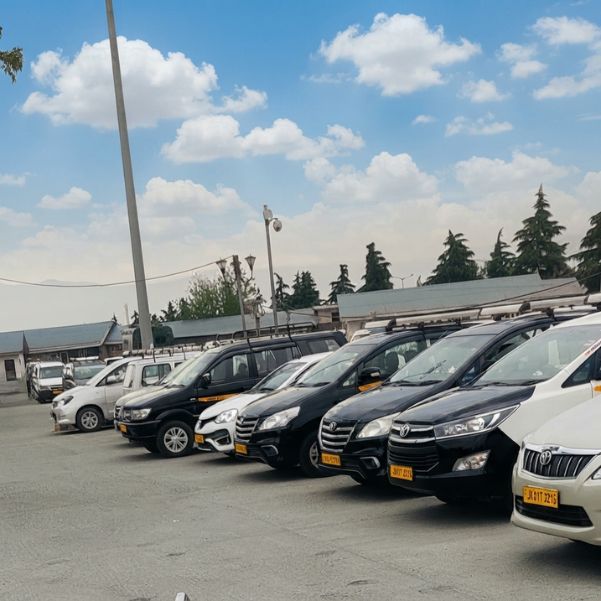
Kashmir Taxi Guide 2026: Local Union Rules, Cab Routes & Current Fare Logic
Planning to use taxis in Kashmir in 2026? Understand local union rules, popular cab routes, sightseeing restrictions and how taxi fares are generally structured across Srinagar, Gulmarg, Pahalgam and Sonamarg.
 Kashmir
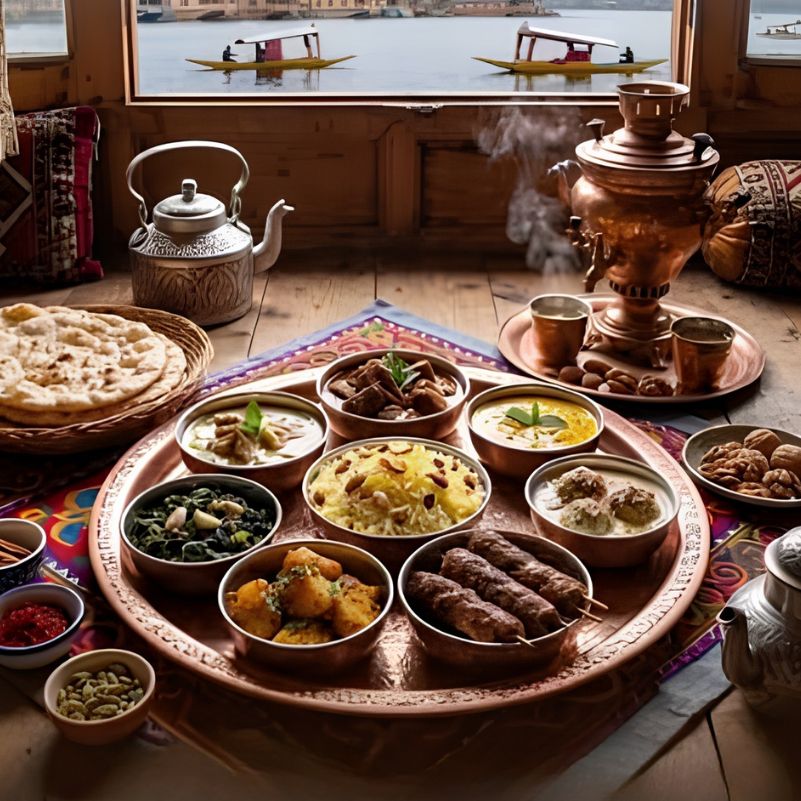
Kashmiri Food Guide 2026: What to Eat in Srinagar, Pahalgam & Gulmarg
Discover what to eat in Kashmir in 2026, from traditional Kashmiri dishes and Wazwan to local snacks, breads and drinks. This guide covers food experiences in Srinagar, Pahalgam and Gulmarg for first time visitors.
- Things to Do
- Places to Visit
 Kashmir
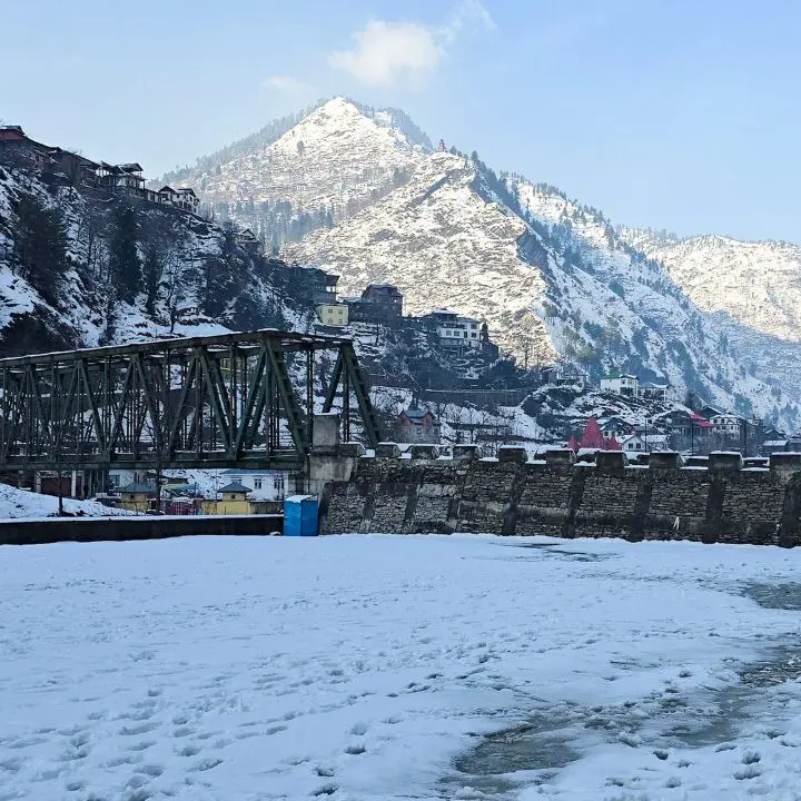
SIM Cards in Kashmir 2026: Internet, ATMs, IDs & Tourist Essentials
Travelling to Kashmir in 2026? Learn about SIM card access, mobile internet, ATM availability, accepted ID documents and other essentials tourists should arrange before visiting Srinagar, Gulmarg, Pahalgam and Sonamarg.
- First-Time Travellers