
Jispa In July 2026: Complete Travel Guide
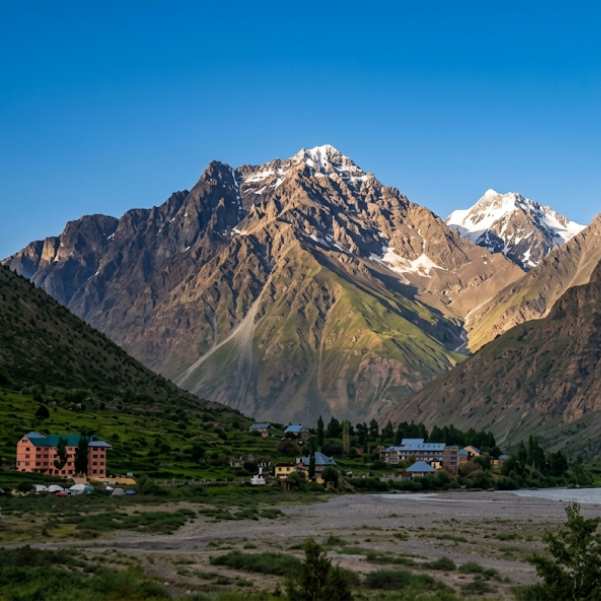
If you are thinking about Jispa in July, you are most likely planning a Manali to Leh road trip and looking for a comfortable place to break the journey. Good choice. But July is also monsoon season in lower Himachal, and that one fact changes how you should plan everything.
We send travellers through Jispa every season. The village itself is calm and easy. The tricky part is the road that gets you there. Here is the honest version of what July looks like, what to check before you leave, and how to plan it so rain does not ruin your trip.
Quick Answer: Is Jispa Good To Visit In July 2026?
Yes, Jispa in July is possible and popular, especially as a halt on the Manali to Leh route. But it is not the safest month. Monsoon mostly hits the lower Himachal stretch through Mandi and Kullu, not Jispa itself, yet that lower section is exactly what you have to cross to get there.
Early July is usually better than late July, since rain builds up as the month goes on. Keep one buffer day in your plan. And always check road status the morning you leave Manali. Roads here change overnight.
👉 WhatsApp Travel Coffee for current conditions and safer travel timing updates.
What Is Jispa Like In July?
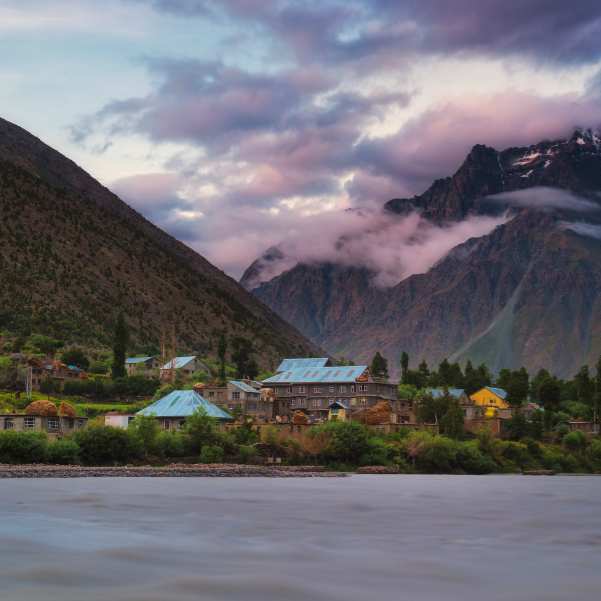
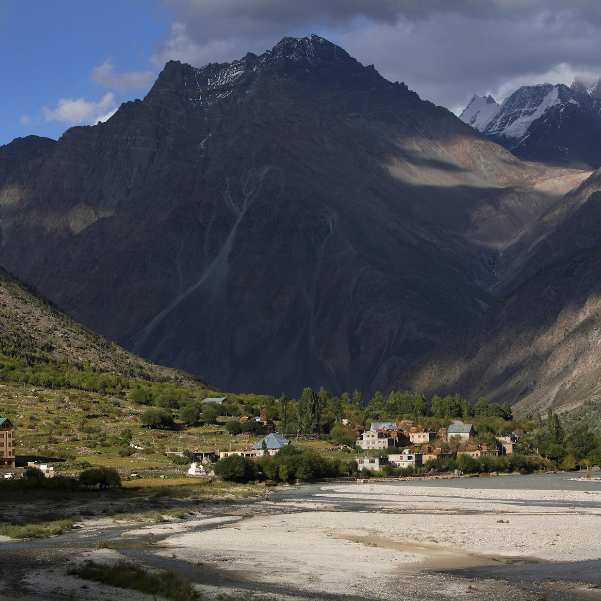
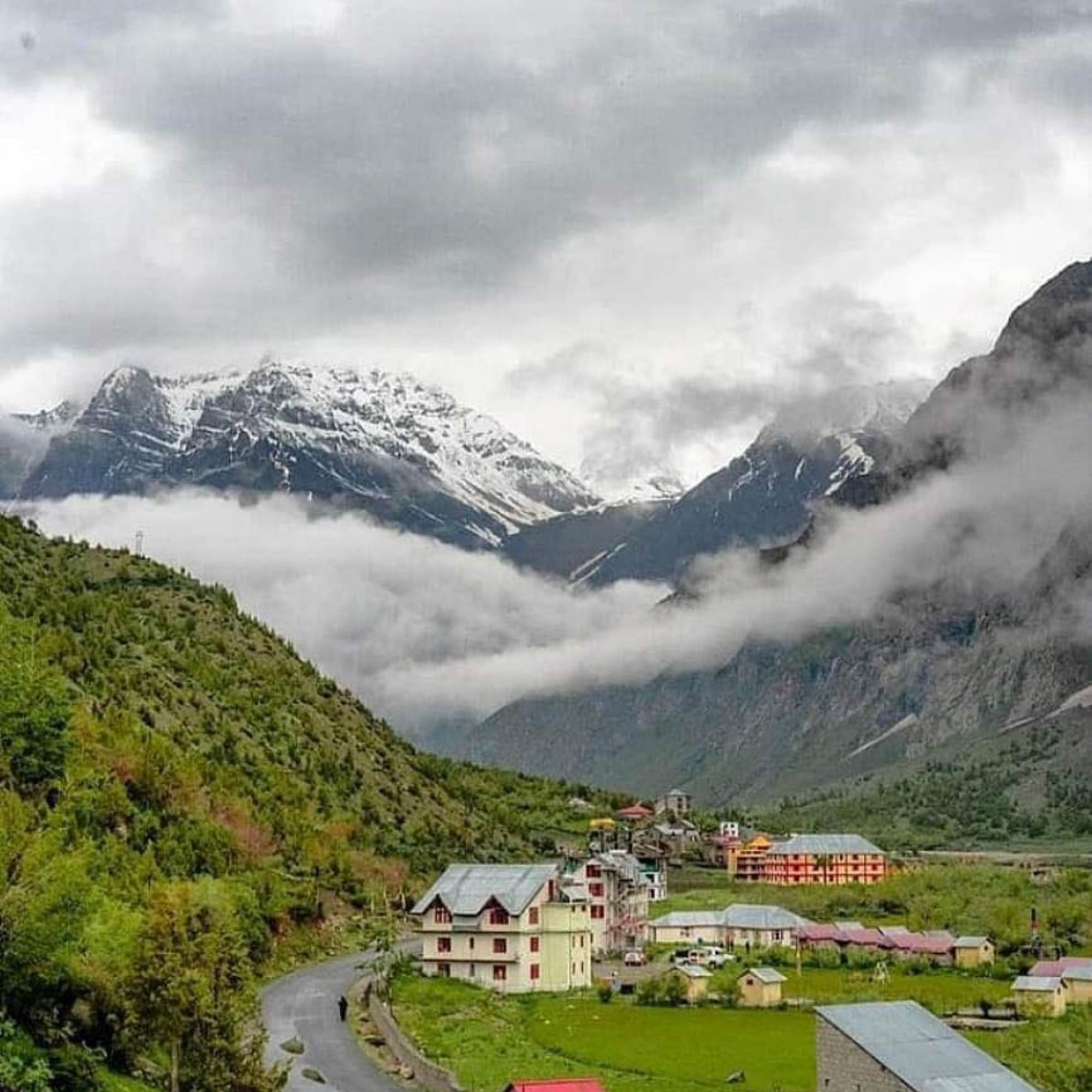
Jispa is a small, quiet village in Lahaul and Spiti district, sitting right beside the Bhaga River. It is not a tourist town with markets and cafes on every corner. It is a peaceful overnight halt, and that is its whole charm.
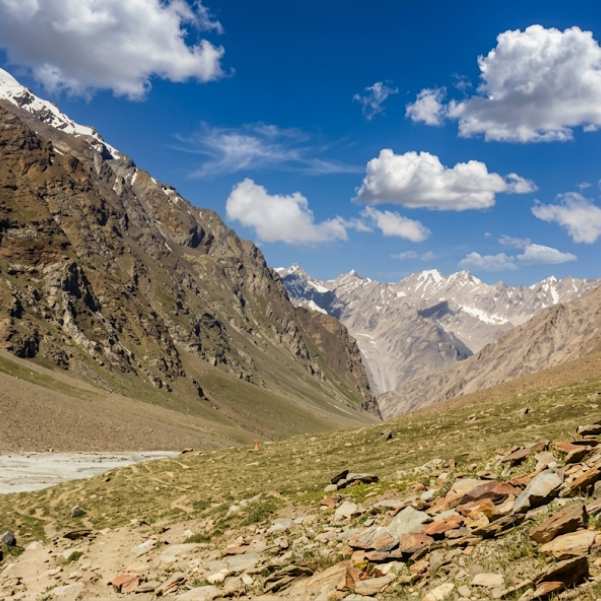
In July, the patches of green show up against the bare brown mountains. The Bhaga River runs full and loud from the snowmelt. Evenings get cold fast, even when the day felt warm.
You will share the village with bikers, Ladakh road-trip groups, and a steady flow of travellers heading north. Most people stay one night in a camp or homestay, sleep, eat, and move on the next morning.
What most tourists get wrong here is treating Jispa like a destination. It is not. It is a rest stop that happens to sit in a beautiful valley. Come with that expectation and you will love it. Come expecting things to do all day and you will be bored by lunch.
Jispa Weather In July: Temperature, Rain And Visibility
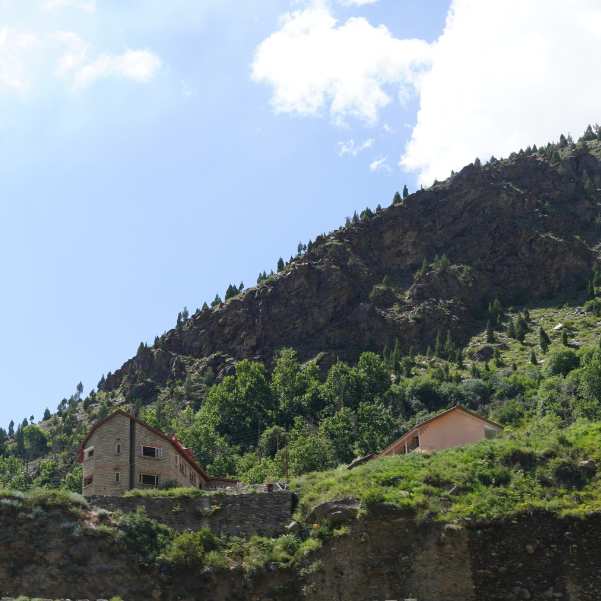
Most sources put Jispa weather in July around 12°C to 20°C. One travel source gives a slightly tighter range of about 12°C to 19°C, with the maximum hovering near 19°C and the minimum around 12°C. Either way, days are pleasant and nights are cold.
Here is the catch. Mountain weather changes within hours. A clear morning can turn into thick clouds and rain by afternoon. Check the forecast a day or two before you travel, not a week before.
July brings rain, mist, and cloudy skies more often than people expect. You will also get clear windows, usually early morning, which is when the light on the river and mountains is best for photos.
In our experience, the travellers who carry a rain jacket and a warm layer in the same bag are the happy ones. The ones who packed only for "summer" spend the trip cold and damp.
Is Jispa Safe In July?
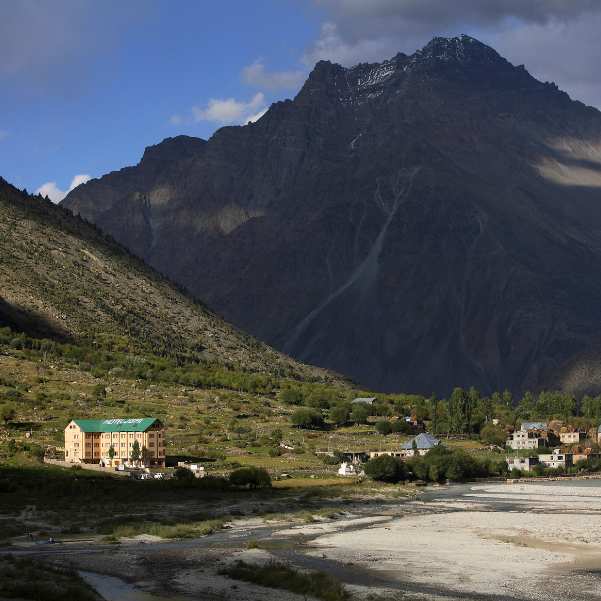
Jispa is safe in July when the roads are open and there is no active rain alert. The village itself is not the risky part. The drive to reach it is.
The lower route through Mandi, Kullu, and Manali gets hit harder by monsoon than Jispa does. Landslides and road delays on that stretch are the real concern, not the village.
Do not drive at night here. Do not push through a landslide zone just to save time. And keep one extra day in your plan so a single road closure does not collapse your whole trip.
We always tell first-timers the same thing. A buffer day is not a wasted day. It is the difference between a relaxed trip and a stressful one when the road shuts for a few hours.
Road Status In July 2026: Manali To Jispa, Jispa To Leh And Darcha-Sarchu
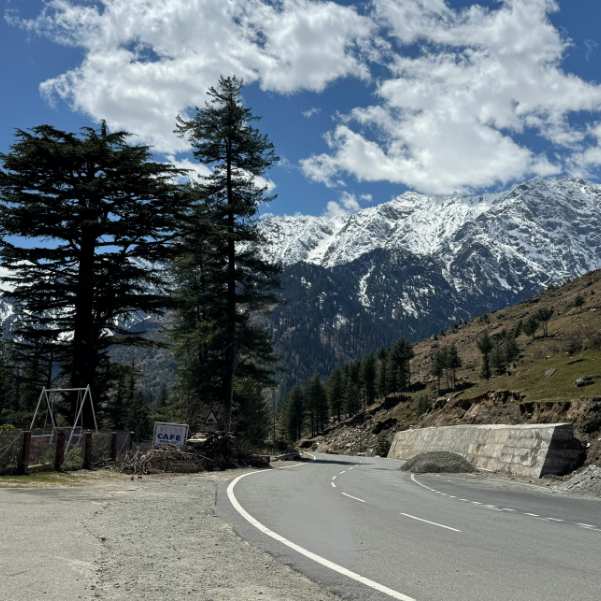
BRO officially reopened the Manali-Leh highway on May 12, 2026, after around five months of winter closure. The full highway runs 428 km.
The Darcha-Sarchu stretch reopened for light motor vehicles by May 14, 2026. This matters if you are continuing past Jispa towards Leh, since this is one of the high, exposed sections of the route.
The official Lahaul-Spiti road status page, last updated March 20, 2026, listed Manali-Keylong and Keylong-Leh as open, while Keylong-Kaza was closed. By July those listings will have shifted, so do not treat any of this as final.
Verify road status close to your travel date. Himalayan roads change after every spell of rain or fresh snowfall, and a page from March tells you nothing about a Tuesday afternoon in July.
A quick check with a local operator or the official district page the morning you leave is worth more than any blog.
If you want to break the drive properly, the village of Sissu just past the Atal Tunnel makes a good first stop, and our Sissu Tour Packages cover stays and timing there.
How To Reach Jispa In July
Manali To Jispa Via Atal Tunnel
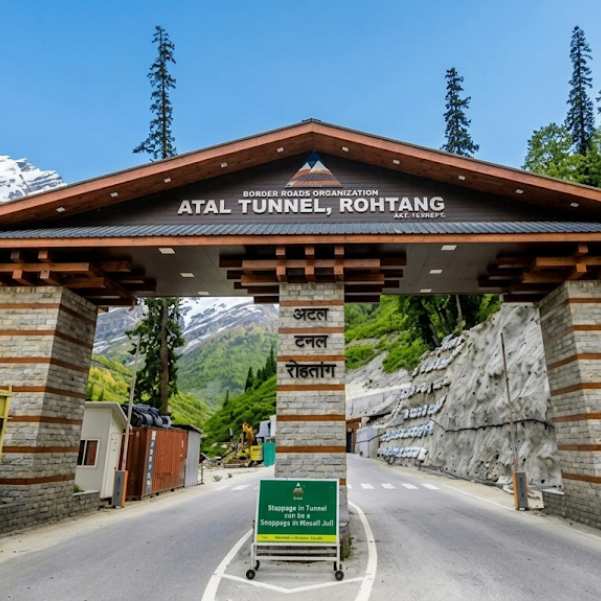
The practical July route runs from Manali through Solang or Palchan, into the Atal Tunnel, then on to Sissu, Keylong, and finally Jispa. This is the route most travellers use, and it is the one we recommend for July.
Manali to Jispa is best written as around 92 to 95 km via the Atal Tunnel, depending on the exact starting point in Manali and the route taken through Solang, Sissu, Tandi and Keylong. HPTDC lists Manali to Keylong as 70 km.
The official Lahaul-Spiti district tourism page places Jispa 22 km from Keylong, so the official distance markers support the shorter estimate rather than the 120 km figure. Some travel sources still quote about 120 km, but for clean content, “around 92 to 95 km via Atal Tunnel” is safer.
Manali To Jispa Via Rohtang Pass
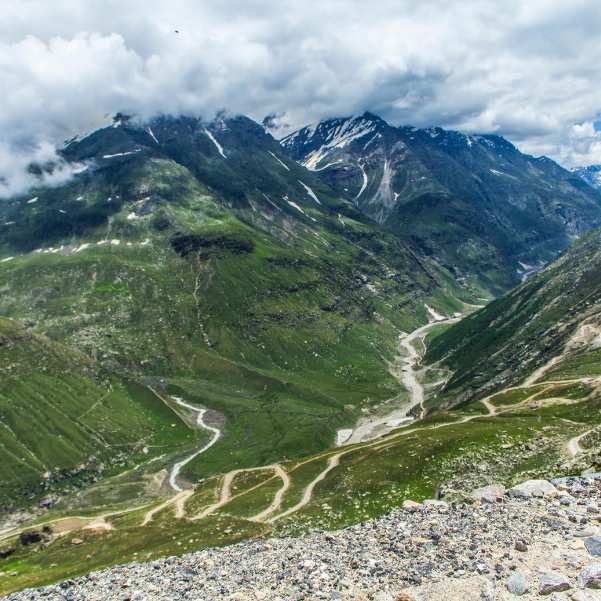
The Rohtang route is more scenic but slower and fully weather dependent. One source lists this route as about 140 km via Rohtang, and it requires a Rohtang permit.
In July, Rohtang can be cloudy, muddy, and crowded. The views are better on a clear day, but you are gambling on weather and adding hours. Most travellers skip it in favour of the tunnel.
Delhi Or Chandigarh To Jispa
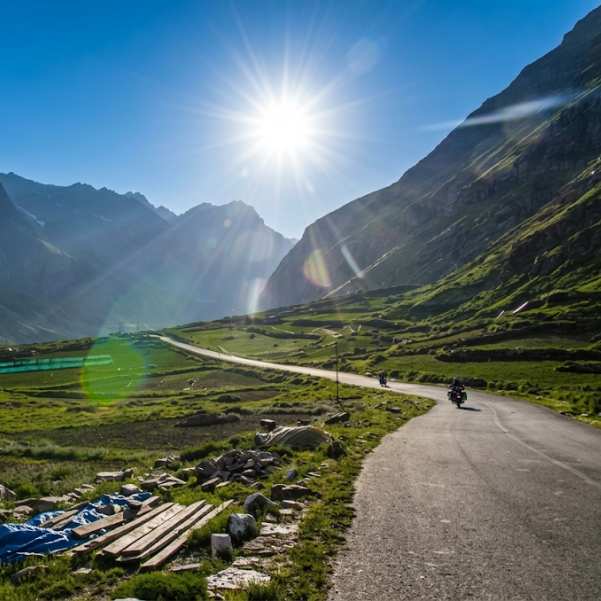
Doing Delhi or Chandigarh to Jispa in one shot is too much for almost everyone. The altitude gain is steep and the driving hours are brutal.
Break the journey at Manali. Sleep there one night, let your body adjust, and start fresh towards Jispa the next morning.
One real warning. The Kiratpur-Manali highway has active landslides and restoration work going on. NHAI identified 44 critical landslide or erosion locations between Pandoh and the Manali and Kullu-Manali stretches. Expect slow patches and possible holds on this section, especially after rain.
If you would rather have someone handle the stays and timing for the Manali leg, our Manali Tour Packages come with a local driver and handpicked stops.
Do You Need A Permit For Jispa In July?
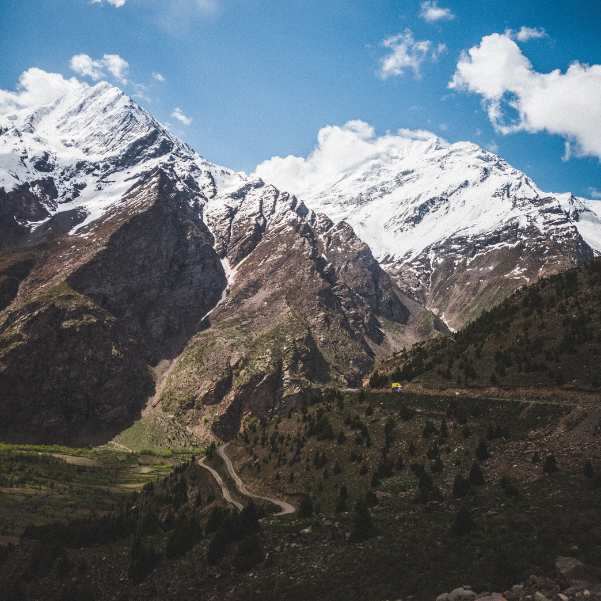
A Rohtang permit applies only when you use the Rohtang Pass route. If you go via the Atal Tunnel, you skip the Rohtang permit entirely.
The official Rohtang permit system has moved to rohtangpermits.hp.gov.in, and the official info page says only 60 petrol and 40 diesel vehicles are allowed to Rohtang daily, so the slots go fast.
There is a second layer to know about. The e-Aagman portal says vehicles entering Lahaul and Spiti need an e-pass. It also says the Koksar-Chandertal circuit needs an e-permit, while other places need an e-ticket.
Do not trust any fee amount you read online, including ours. Permit rules and charges shift between seasons. Check the official portals before you leave so you are not stuck at a checkpoint.
Best Jispa Itinerary For July 2026
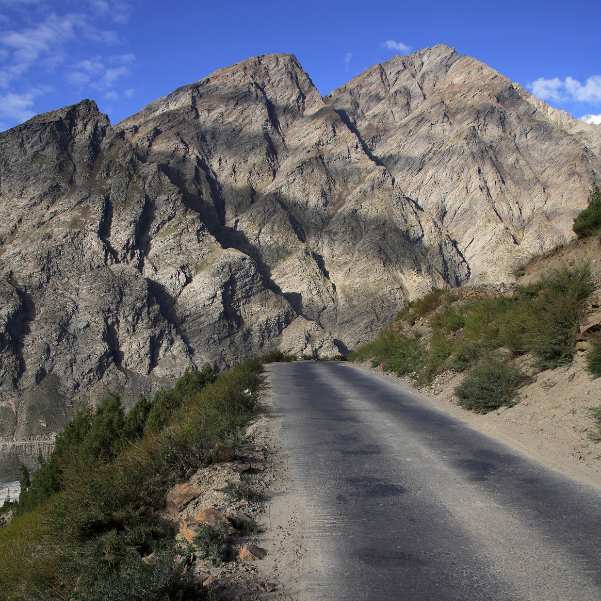
2 Days: Manali To Jispa Weekend Escape
On Day 1, drive from Manali through the Atal Tunnel to Sissu, then on to Keylong, and reach Jispa by evening. Settle into your stay and sit by the river before the cold sets in.
On Day 2, take slow riverside time in the morning. Visit Gemur Monastery if the weather holds, then start your return drive to Manali. Tight but doable if you start early.
3 Days: Manali, Sissu, Jispa And Keylong
This version adds one slow Lahaul day, which is the right call for July. On the way, stop at the Sissu waterfall and explore Keylong's monastery options.
Spend a relaxed night at a Jispa riverside stay, then return at an easy pace. The extra day gives you a buffer if rain delays the road, and it makes the whole trip feel less rushed.
Jispa As A Ladakh Halt
If Leh is your goal, do not try Manali to Leh in a single day. The altitude gain is too fast and the road is too long.
Manali to Jispa to Leh is far better. Jispa is lower and more comfortable than higher, windier halts like Sarchu, which makes it the smarter overnight stop for first-timers. Your body gets a gentler climb and you sleep better.
For the full Leh route with proper acclimatisation built in, our Ladakh Tour Packages handle the planning so you do not have to guess.
Best Things To Do In Jispa In July
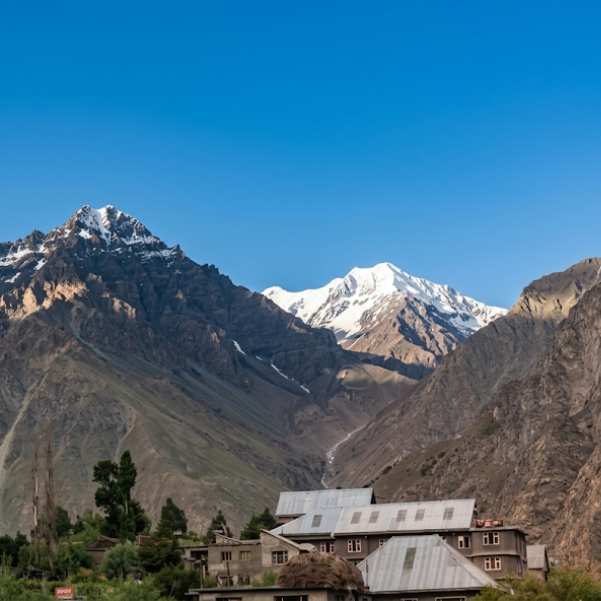
The biggest draw is the Bhaga River. Walk along it, sit beside it, and photograph it in the early morning when the water is calm and the light is soft. In July the river runs full, so it looks and sounds dramatic.
Camping by the valley is popular, and on a clear night the stargazing at this altitude is excellent. If skies cloud over, you lose that, which is just part of the July gamble.
Gemur Monastery is about 5 km from Jispa and makes an easy short trip if you are staying in or around Jispa. The monastery is known for its annual masked devil dance, also linked with the local Tsheshu fair tradition.
Since the festival date follows the local calendar and can vary each year, travellers should confirm the 2026 date locally before planning a full day around it.
Beyond that, do a short hike, eat a hot local meal, and slow down. The point of Jispa is not to fill a checklist. It is to breathe.
Where To Stay In Jispa In July
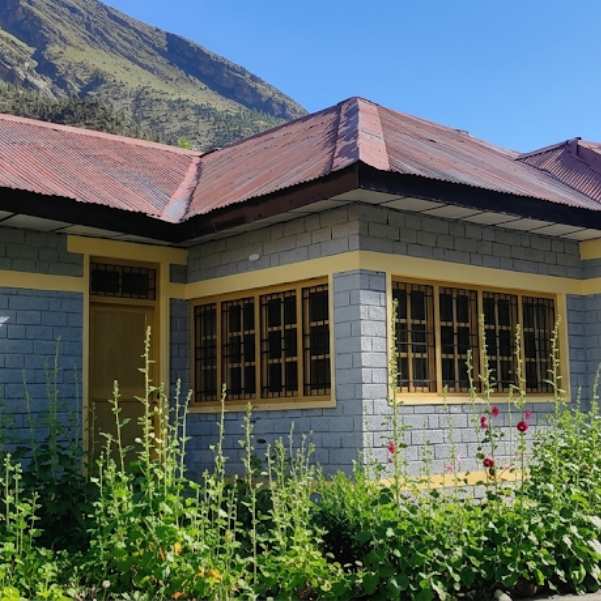
Your options are camps, homestays, small hotels, and the PWD rest house. The official district tourism page confirms Jispa has a PWD rest house right by the Bhaga River.
The official district accommodation page lists PWD rest houses across Lahaul including Jispa, and gives the Lahaul PWD rest house phone number as 01900-222276. Worth a call if you want that option.
July is peak road-trip season, so rooms and camps fill up fast. Book ahead. We have watched travellers arrive at 7 PM in July assuming they would find a bed, then end up driving back towards Keylong in the dark looking for one. Do not be that traveller.
Jispa Camping In July: Worth It Or Not?
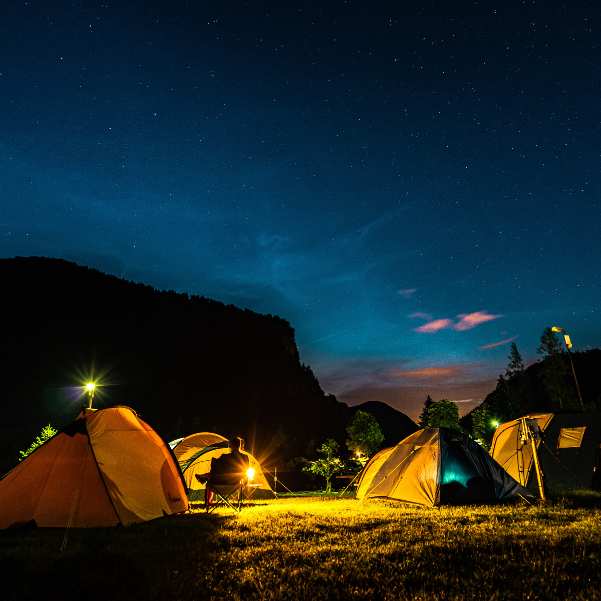
Camping in Jispa is worth it when the weather is stable and the camp is set up properly. That means waterproof tents, warm bedding, and a proper washroom. A cheap camp with thin tents in July rain is misery.
One real safety point. Do not let anyone pitch your tent too close to the Bhaga River. The river runs full in July and water levels can rise. Keep a safe distance.
For pricing, proper Jispa camp stays usually start around ₹2,500 to ₹3,500 per night and can go higher depending on the camp quality, meals, season, and facilities.
Very low prices like ₹400 to ₹800 should not be treated as a standard camping stay rate unless you confirm exactly what is included.
In our experience, the camps with solid washrooms and thick blankets are the ones people remember fondly. The bargain ones are the ones they complain about. Pay a little more here.
Jispa With Family, Kids Or Parents In July
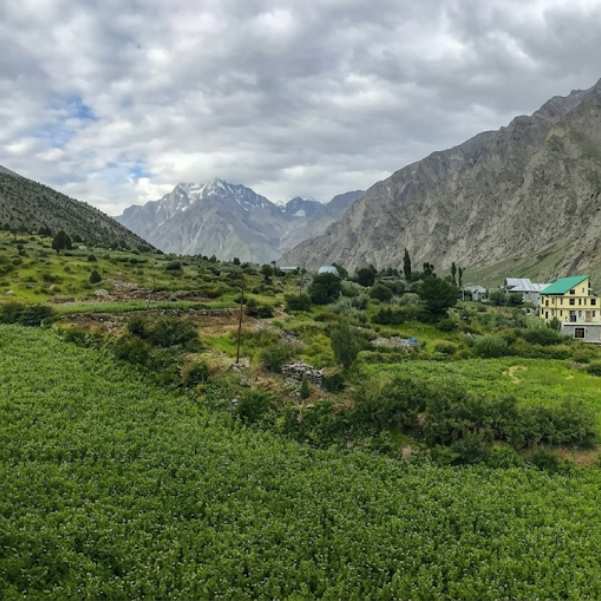
Families can absolutely visit Jispa in July as long as the plan stays slow and comfortable. The altitude and cold are the things to respect.
Book a private cab instead of self-driving so nobody is stressed on the wheel. Lock in a fixed stay ahead of time. Pack warm clothes, basic medicines, and plan zero night driving.
One honest limitation. Medical stores in Jispa may only stock basic medicines, and food choices are limited to simple North Indian and Tibetan dishes. Carry any specific medicines your family needs, because you will not find them here.
If you want a calmer Himachal trip with easier access and family-friendly stays, you can also check our Sissu Tour Packages. Sissu works well for families who want mountain views without pushing too hard on altitude or long travel days.
Jispa Bike Trip In July
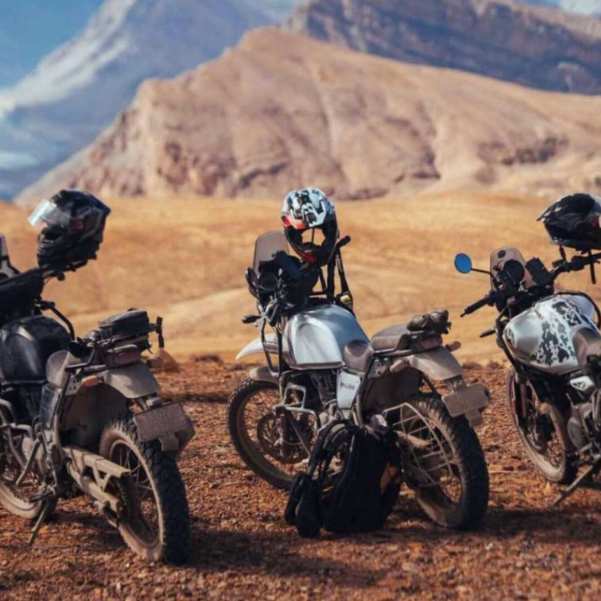
Bikers love July because the highway is active and the whole Manali-Leh route is open. But July also means rain, and riding wet mountain roads needs patience.
Carry waterproof luggage and pack extra gloves, because cold wet hands ruin a ride fast. Start early every single day so you finish riding before the afternoon clouds roll in. Check your fuel constantly.
Do not ride in the late evening, and never push towards Sarchu or Leh in bad weather just to stay on schedule. The road will still be there tomorrow.
We have seen too many riders gamble on a stormy afternoon push and end up stuck or worse. Early starts solve most of it.
What To Pack For Jispa In July
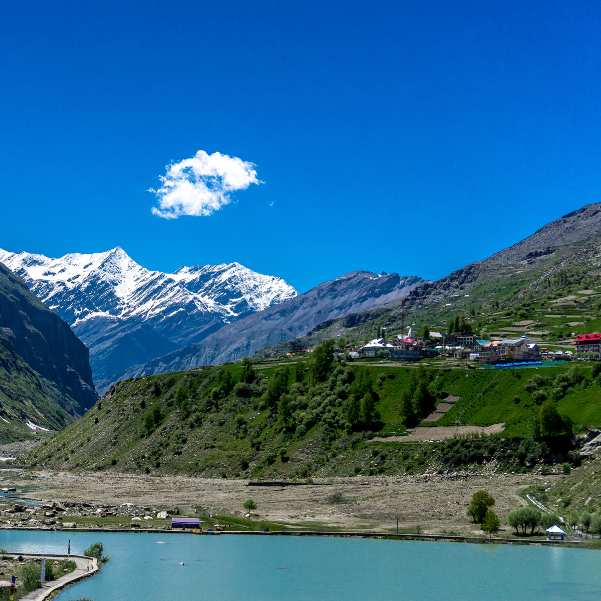
Pack for two seasons in one bag. You need a warm jacket and thermals for the cold nights, plus a rain jacket for the daytime showers. Waterproof shoes save you a lot of grief.
Carry your basic medicines, plenty of cash, a power bank, and offline maps since signal is patchy. Keep your ID and vehicle papers handy for checkpoints.
Throw in some snacks and sunscreen too. The sun at this altitude burns faster than you expect, even on a cloudy day.
Common Mistakes To Avoid In Jispa In July
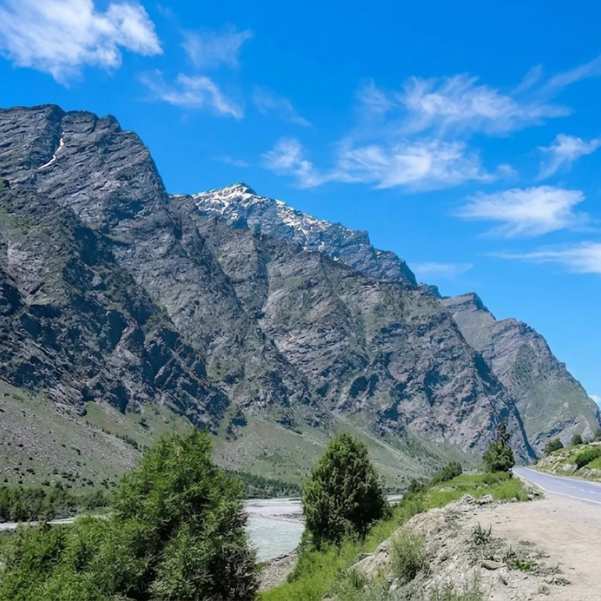
The most common mistake is starting late. A late start means you hit the rough or rain-prone sections in fading light, which is exactly when you do not want to be there.
People also ignore rain alerts, rely only on UPI, and assume hotels will have rooms on arrival. All three backfire in July. Carry cash, since the last ATM is in Keylong about 23 km away.
BSNL is the most stable network here, some spots catch Jio, and other networks are unreliable, so do not count on UPI working.
Other regular errors are not carrying warm clothes, camping too close to the river, and trying to do Manali to Leh in one day without acclimatising. Each one is avoidable with a little planning.
Jispa Or Sarchu In July: Which Is Better For Night Halt?
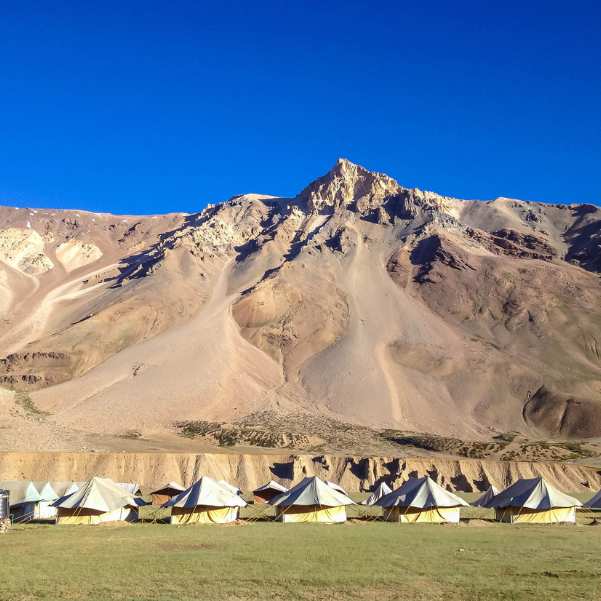
For most first-timers, families, and anyone coming straight from Manali, Jispa is the better night halt. It is lower, more comfortable, and has proper stays.
Sarchu feels colder, windier, and more exposed. Sitting higher up, the altitude sickness risk there is usually greater, especially if you have not acclimatised on the way.
Our honest take is simple. Sleep low, climb high. Jispa lets your body rest before the harder, higher sections towards Leh. If you are doing the broader region, our Spiti Valley Tour Packages also factor in this kind of altitude pacing.
Suggested Budget For Jispa In July
We will not hand you a made-up budget. Here are the few numbers we have, and every one of them needs checking for July 2026.
For budget travellers, bus travel from Manali towards Jispa is usually the cheapest option, but the exact fare depends on the running HRTC route, season, and where the bus drops you.
A basic Manali to Keylong fare is often around ₹200, and Jispa is further ahead, so check the current fare at Manali bus stand before planning.
For taxis, a basic one-way Manali to Jispa sedan may start around ₹3,000 to ₹3,500, while SUVs and Innova-type vehicles usually cost more. If you are booking a sightseeing trip with Jispa, Baralacha Pass, or Shinkula Pass included, the fare can be much higher.
Remember the last petrol station is about 25 km away, so fuel up before you commit to the final stretch. Confirm all current rates before you lock anything in, since prices move every season.
Should You Book A Jispa Trip In July With Travel Coffee?
We are a Shimla-based Himachal travel team, and we drive these roads every season. July is not really about booking a hotel. It is about reading road status, watching rain alerts, timing your route, picking a stay that does not leak, and building in backup days.
That is the part travellers underestimate, and it is the part we handle well. If you want a Jispa plan that accounts for weather and road reality instead of just a room booking, we can put it together.
👉 Need a practical Jispa plan for July? WhatsApp Travel Coffee.
Related topics
Frequently Asked Questions
Is July a good time to visit Jispa?
Yes, July is popular for Jispa, mostly as a Manali to Leh halt. Just keep a buffer day and check road status, since monsoon affects the lower route.
Is Jispa safe in July during monsoon?
Jispa itself is safe when roads are open and there is no rain alert. The bigger risk is the lower Manali-Kullu stretch, so drive only in daylight.
What is the temperature in Jispa in July?
Most sources place it around 12°C to 20°C, with one giving roughly 12°C to 19°C. Days are pleasant, nights are cold. Verify the forecast before you leave.
Does it rain in Jispa in July?
Yes, July brings rain, mist, and cloudy skies, though clear morning windows are common. The Spiti side stays drier than the Manali approach.
Is the Manali to Jispa road open in July 2026?
The Manali-Leh highway reopened on May 12, 2026, so it should be open through July. Always verify close to your travel date, as roads change after rain.
Do I need a permit to visit Jispa via Atal Tunnel?
The Rohtang permit applies only on the Rohtang route, not the tunnel. But vehicles entering Lahaul and Spiti may need an e-pass via e-Aagman, so check the portal first.
How many days are enough for Jispa?
Two days work for a quick weekend halt. Three days are more comfortable and give you a buffer for July road delays.
Can I camp in Jispa in July?
Yes, if the weather is stable and the camp has waterproof tents and warm bedding. Do not pitch too close to the Bhaga River, since it runs full in July.
Is Jispa better than Sarchu for a night halt?
For most travellers, yes. Jispa is lower, warmer, and more comfortable, with less altitude sickness risk than the higher, windier Sarchu.
Can families visit Jispa in July?
Yes, with a slow plan, a private cab, warm clothes, and no night driving. Carry your own medicines, since local stores only stock the basics.
What should I pack for Jispa in July?
A warm jacket and thermals for nights, a rain jacket and waterproof shoes for the day, medicines, cash, a power bank, offline maps, ID, and sunscreen.
Is Jispa good for a bike trip in July?
Yes, the highway is fully active in July. Carry rain gear, start early every day, check fuel often, and never push to Sarchu or Leh in bad weather.
More about Jispa
 Jispa
JispaJispa in November 2026: Weather, Snow, Road Status and Travel Guide
Planning a trip to Jispa in November 2026? Discover expected weather, snowfall chances, temperatures, road conditions, travel safety tips, and everything you need to know before visiting Jispa in early winter.
- Road Status
- Snow Travel
 Jispa
JispaDarcha 2026: The Base for Baralacha La and Shinkula Pass (Stay, Fuel & Route)
Planning to use Darcha as your base in 2026? This guide covers where to stay, fuel options, route details and how Darcha connects travellers to Baralacha La, Shinkula Pass and the road toward Zanskar.
- How to Reach
- Road Status
 Jispa
JispaJispa in December 2026: Snowfall, Temperature, Road Status and Travel Guide
Planning a trip to Jispa in December 2026? This guide covers expected snowfall, temperatures, road conditions, winter accessibility and practical travel tips to help you plan a safer visit.
- Road Status
- Snow Travel