
Is Spiti Valley Good for Honeymoon in 2026? Honest Guide for Couples

You have probably seen the photos. Empty roads, blue lakes, whitewashed monasteries on cliffs, and a sky so full of stars it looks fake. If you are asking whether Spiti Valley is good for honeymoon, the short answer is yes, but only for the right kind of couple.
We run trips into Spiti every season. We have watched honeymooners come back glowing, and we have watched some come back exhausted and frustrated. The difference was almost always expectations.
This guide by Travel Coffee shares an honest take on who Spiti suits and who may be better off choosing a different destination.
Quick Answer
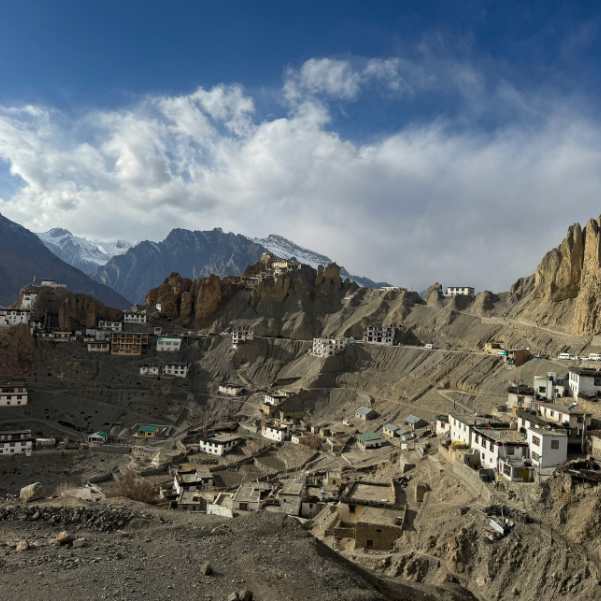
Spiti Valley is a wonderful honeymoon if you love road trips, mountain silence, star-filled nights, and sharing long drives together. It is not a good honeymoon if you want spa-style luxury, nightlife, room service, or easy low-effort comfort.
September to October is the sweetest honeymoon window for atmosphere. June to August is better if you want full route access and Chandratal on the plan. Plan for 7 to 10 days minimum.
In our experience, couples who come here for shared memories, not curated Instagram shots, go home happiest.
Why Do Some Couples Love Spiti for a Honeymoon?
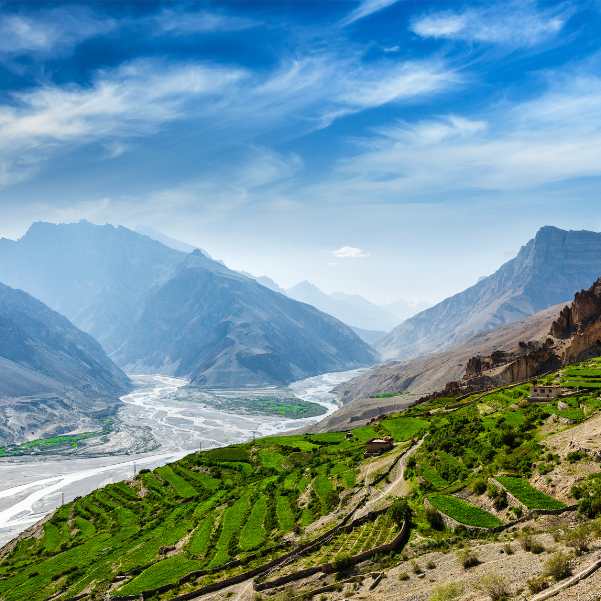
Spiti gives you something most honeymoons cannot: real time together. No network, no notifications, no wedding relatives calling to ask if you reached safely. Just you, your partner, and a valley that looks like nowhere else in India.
Evenings in Kaza are quiet in a way that stays with you. You walk back to your homestay after dinner, look up, and the Milky Way is right there.
We have had couples tell us they talked more in three nights in Kaza than they had in the six months of wedding planning before. That is what Spiti does to people.
The drive itself is part of the honeymoon. The road from Kinnaur to Kaza unfolds like a film.
One moment you are in an apple orchard, then the trees vanish, and suddenly you are in a cold desert with brown mountains and one river cutting through it.
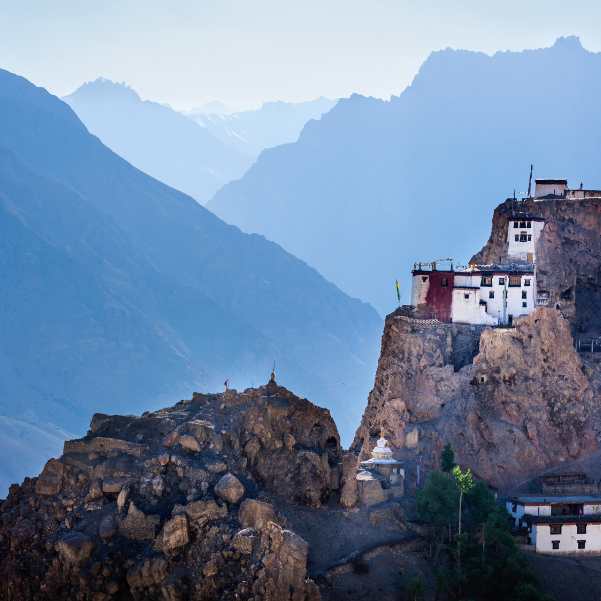
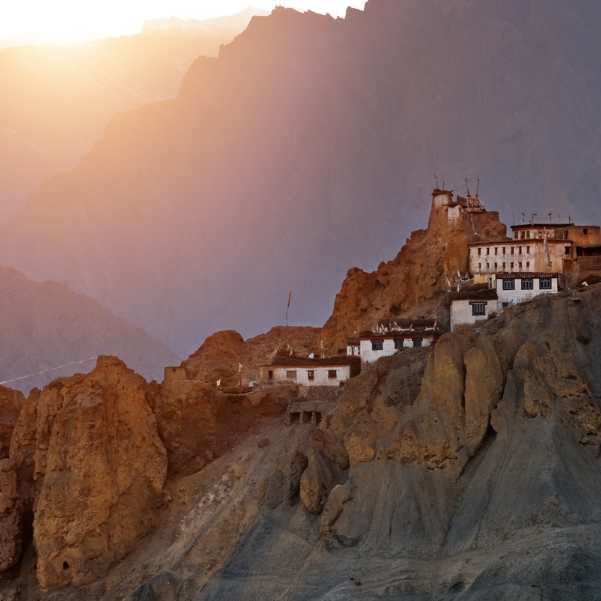
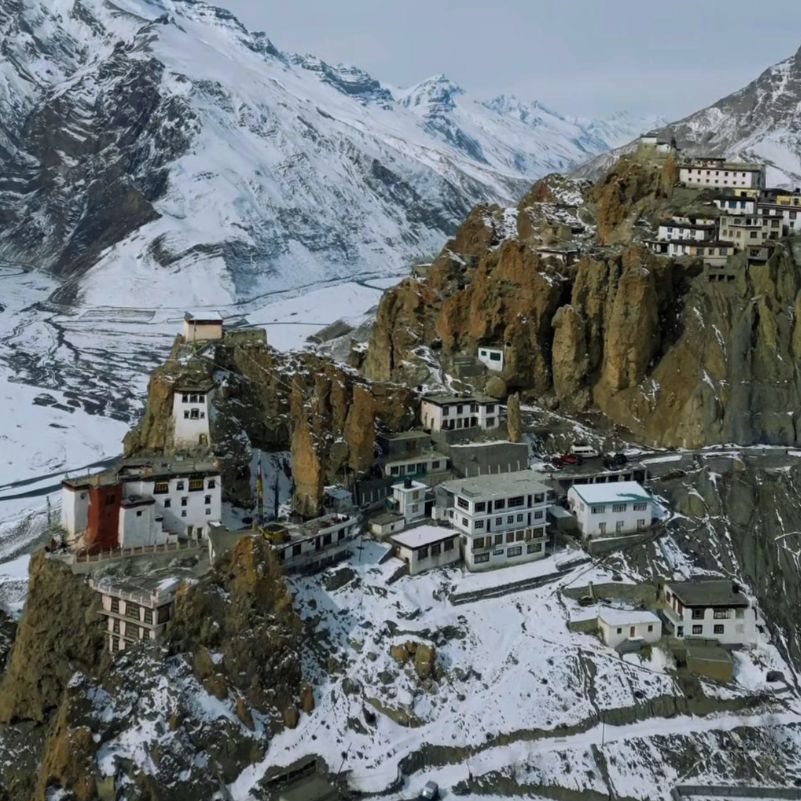
Dhankar at sunset is something else entirely. The monastery sits on a crag above the confluence of the Spiti and Pin rivers, and the light at 6 PM turns everything gold for about twenty minutes.
You sit there, you do not talk, and it works.
Hikkim lets you send a postcard home from what is often called the world's highest post office. Couples love this.
You write to each other, post it, and it arrives six weeks later when the wedding chaos has settled and you actually have time to read it.
And if Chandratal is open when you visit, a night under the stars at 4,250 metres is the kind of memory that anchors a marriage.
Who Should Not Choose Spiti Valley for a Honeymoon?
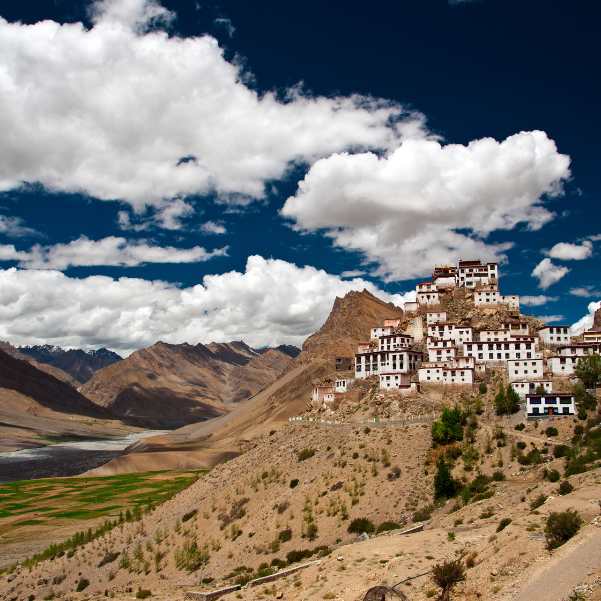
This is the part most travel blogs skip, and we think it is the most important part. Spiti is not a resort. It is a cold, high-altitude valley with rough roads and selective comfort.
If you are exhausted after the wedding and just want to sleep and eat and be looked after, do not come to Spiti. The drives are long.
You will spend 5 to 8 hours in a vehicle on some days. Even the most scenic drive feels long when you are tired.
If one of you has never been above 2,500 metres, altitude can hit harder than you expect. Kaza sits at around 3,650 metres, and villages like Komic sit above 4,580 metres.
Headaches, poor sleep, and loss of appetite are real possibilities for the first two days.
If you want nightlife, rooftop bars, couple spas, or a pool, Spiti has almost none of that. A few cafes in Kaza stay open till 10 PM. That is it.
Our honest take: if either of you has already done a mountain trip and you know how your body handles altitude, Spiti is magical.
If this is your very first Himalayan trip and you just got married two days ago, consider Kashmir, Kumaon, or Kinnaur instead and save Spiti for a later anniversary.
Is Spiti Valley Safe for Honeymoon Couples?
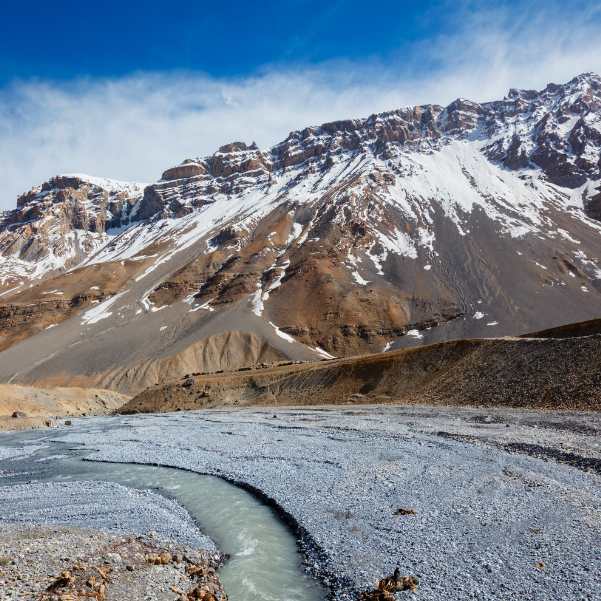
Safety in Spiti is mostly about altitude, road conditions, and how fast you ascend. It is not about any kind of security risk.
We have sent solo women, older couples, and young families into these valleys without issue. The real risk is Acute Mountain Sickness, which usually becomes a concern above around 2,500 metres.
Most of Spiti sits well above that. Common symptoms include headache, dizziness, fatigue, nausea, poor sleep, and loss of appetite.
The fix is simple. Do not gain altitude too fast. Drink water. Skip alcohol for the first two nights.
Do not plan any trekking or heavy activity in the first 48 hours of reaching Kaza.
Roads are the second consideration. The stretch between Gramphu and Batal, and the diversion to Chandratal, are rough.
A good vehicle and a driver who knows the valley make a bigger difference than any travel tip.
What we always tell our travellers: give Spiti a day more than you think you need. An unhurried honeymoon is a safe honeymoon.
Shimla Route or Manali Route: Which Is Better for a Honeymoon?
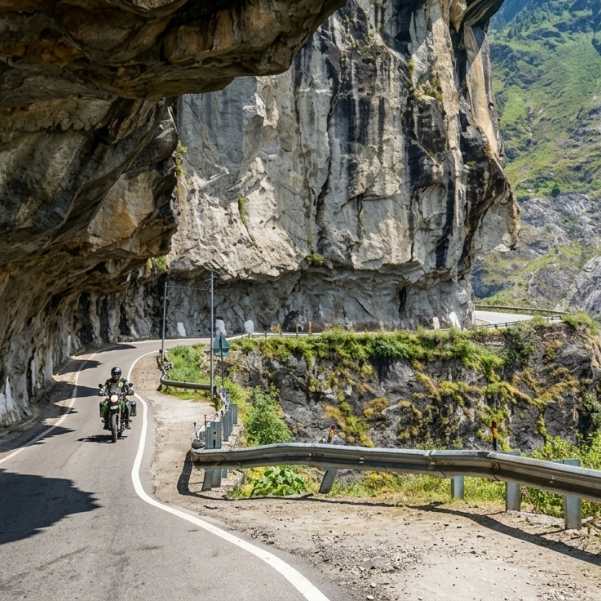
For couples, we almost always suggest the Shimla to Kinnaur to Spiti route as the entry. It gains altitude slowly.
You sleep at mid-altitude stops like Kalpa and Nako, your body adjusts, and by the time you reach Kaza you actually feel good.
The Manali route is more dramatic but more access-dependent. You cross the Atal Tunnel and then climb fast over Kunzum Pass.
That altitude jump on day one can ruin the first two days of your honeymoon.
We also watch the official road status closely. The District Lahaul and Spiti page on 20 March 2026 showed Keylong to Kaza closed, while Manali to Keylong and Keylong to Leh were both open.
That kind of partial closure is common in the early season. It is the reason we insist on checking the status the same week you travel, not a month before.
Our usual honeymoon flow: enter via Shimla, exit via Manali. You see the full valley, you acclimatise correctly, and you do not retrace the same road.
What Is the Best Time to Visit Spiti Valley for Honeymoon?
There are two answers, and they are different.
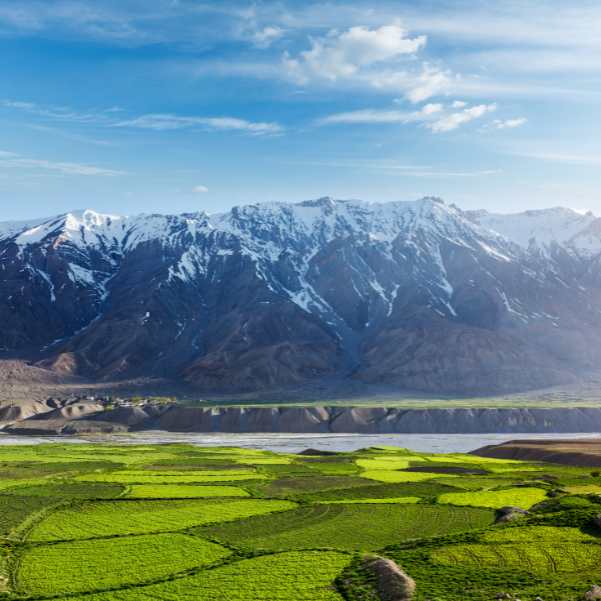
For romance and atmosphere, September and October are unmatched. Skies are clear, monsoon is gone, crowds thin out, and the landscape turns gold.
Nights are cold, which works in your favour at a homestay with thick blankets and the heater running.
For full access and Chandratal inclusion, June to August is the safer window. Both routes are usually open. Camps are running.
You can do the full loop without surprises. The trade-off is that peak July and early August are also the busiest weeks of the year.
Early May is risky. Kunzum Pass and the Chandratal diversion depend on snow clearance.
Mid to late May may allow partial access, while broader access usually happens from late May to early June. We cover the full timeline in our Chandratal opening dates guide if you want the year-by-year pattern.
If your wedding is flexible, pick a date between mid-September and early October. Clear days, crisp nights, and the valley almost to yourself.
>> WhatsApp us for a customised Spiti itinerary
How Many Days Are Ideal for a Spiti Honeymoon?
7 to 10 days is the ideal range for a Spiti honeymoon. 8 days is the sweet spot we recommend to most couples.
Five-day itineraries exist. Some operators even sell 4-day ones. Skip them.
At altitudes this high, doing Shimla to Kaza to Manali in five days means you are driving 7 hours a day on your honeymoon. That is not a honeymoon. That is a rally.
With 8 days, you get two nights on the Kinnaur side for acclimatisation, two or three nights in Kaza, one night at Chandratal if conditions allow, and a buffer for road delays.
Nobody feels rushed. You have time to sit with your coffee in the morning and actually watch the light change on the mountains.
Ten days is even better if you can get the leave. You can add a relaxed day in Tabo or Pin Valley, which most groups blow through at 30 kmph.
Which Places in Spiti Feel Most Romantic for Couples?
Kaza
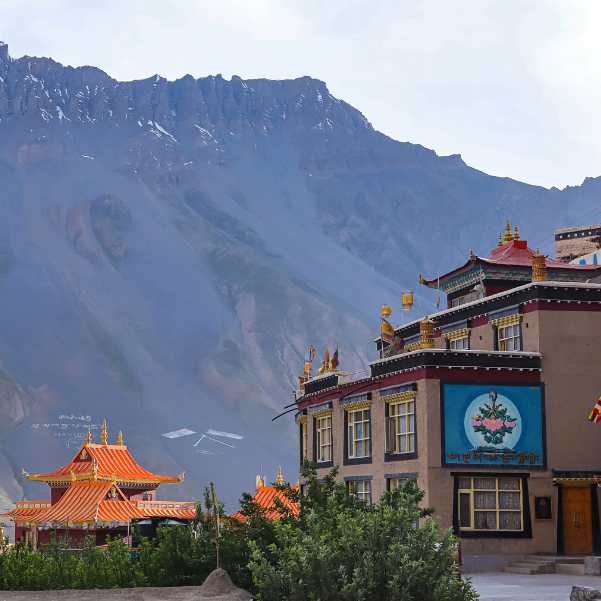
Kaza is your base. It has the warmest homestays, the best cafes, and enough power and network to still feel connected if you want. Evenings here are made for slow dinners.
Key Monastery
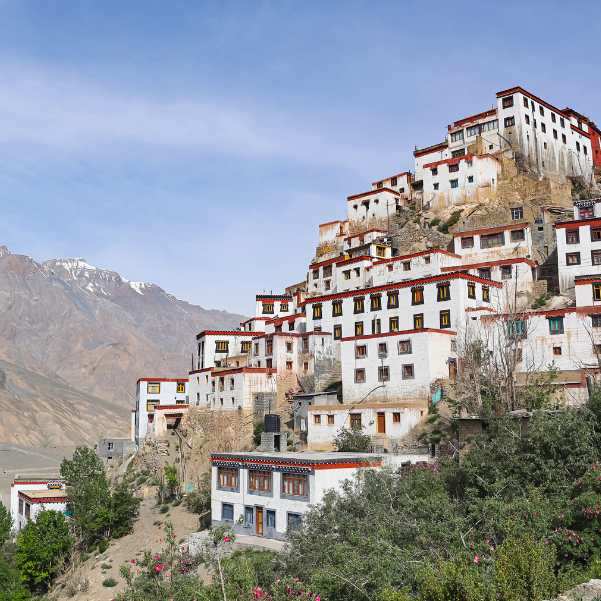
Key Monastery, sitting at around 4,166 metres, is best visited early in the morning. You can hear the monks chanting and almost nobody else is there.
Langza
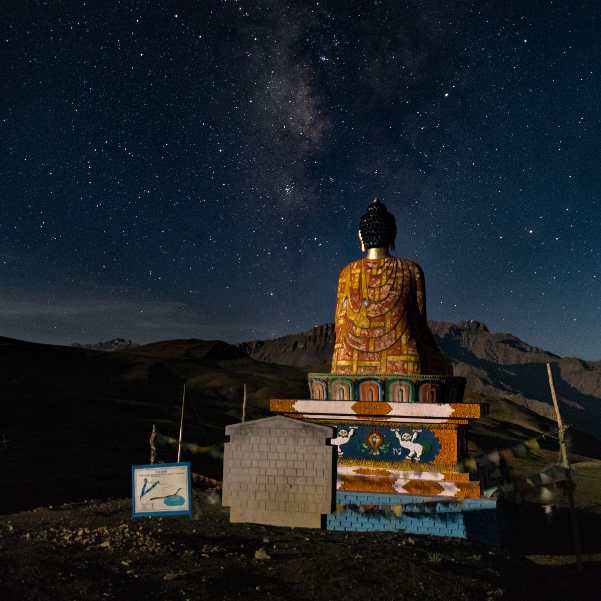
Langza is around 4,400 metres. Walk slowly between the houses, stop at the Buddha statue, and sit for a while.
The valley opens up in front of you with peaks on three sides. At this altitude, you will also walk slowly whether you want to or not.
Hikkim
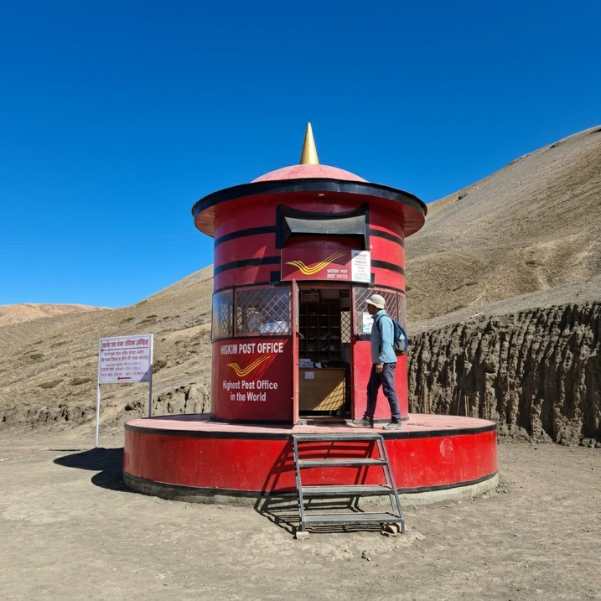
Hikkim, also around 4,400 metres, is where you send each other postcards. Small moment, lasting memory.
One insider tip: the Hikkim post office closes early, often by 3 PM. Reach before lunch. We have seen too many couples arrive at 4 PM and leave disappointed.
Komic
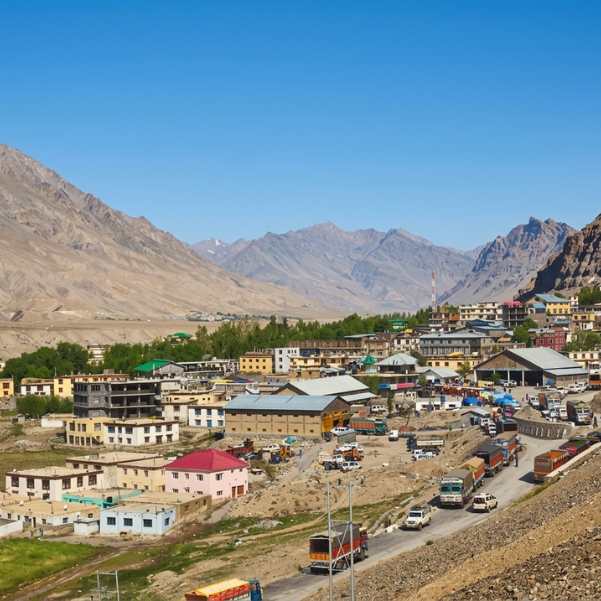
Komic, at over 4,580 metres, feels like the edge of the world. The monastery, a few houses, and then nothing.
Couples who want the "we were at the top of India together" feeling end up loving it.
Dhankar
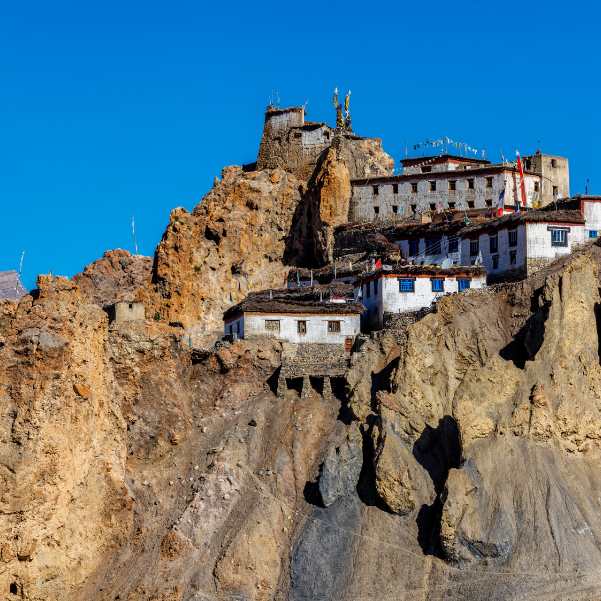
Dhankar at about 3,894 metres is the sunset spot. Monastery on a crag, rivers below, and an hour of light you will remember.
Pin Valley
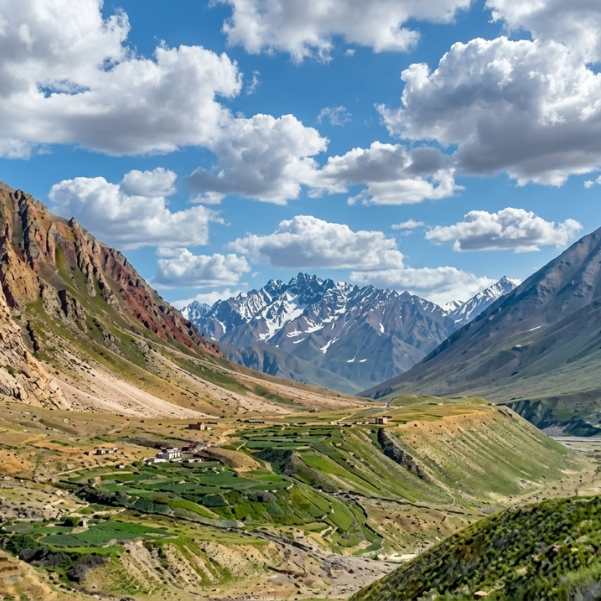
Pin Valley gives you privacy and real quiet. Fewer tourists, more herders, and the kind of landscape where you can walk for twenty minutes without seeing another person.
Chandratal
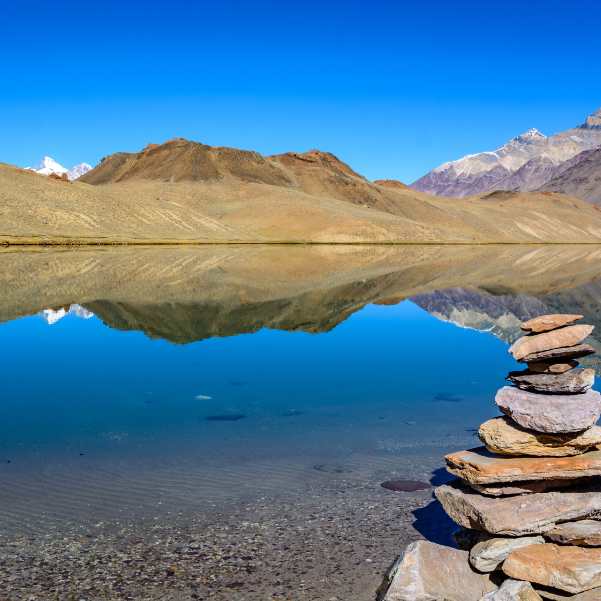
Chandratal at 4,250 metres is the crown of the trip if the road is open and you are up for a night of basic camping. The crescent-shaped lake, the silence, the stars.
Not for every couple, but it stays with the right one for years.
What Are the Most Romantic Things to Do in Spiti Valley?
Stargazing is the headline experience. Kaza got an official astro-tourism launch in 2025, and the area has some of the darkest skies in India.
Ask your homestay to set up two chairs on the terrace. Wrap yourselves in a blanket. Look up. That is the date.
Village walks through Langza, Komic, and Kibber are slow and scenic. You are not heading anywhere. You are just walking together.
Sending postcards from Hikkim is a small tradition couples love. You pay a few rupees, write a message, and the postcard finds its way back home weeks later.
Sunset at Dhankar is worth planning around. Reach by 5 PM, sit on the cliff edge, watch the valley change colour.
Warm meals in a Spitian homestay beat any hotel dinner. Thukpa, momos, butter tea, and a host family that actually talks to you.
We always tell couples to pick at least one homestay over a hotel on the trip. That one meal sitting in a small wood-heated kitchen often becomes the memory they mention first when they send us photos later.
Watching the landscape change during the drive itself becomes an experience. From apple orchards in Kinnaur to cold desert in Spiti within a day. You will pull over to just stare.
Are Stays in Spiti Comfortable Enough for a Honeymoon?
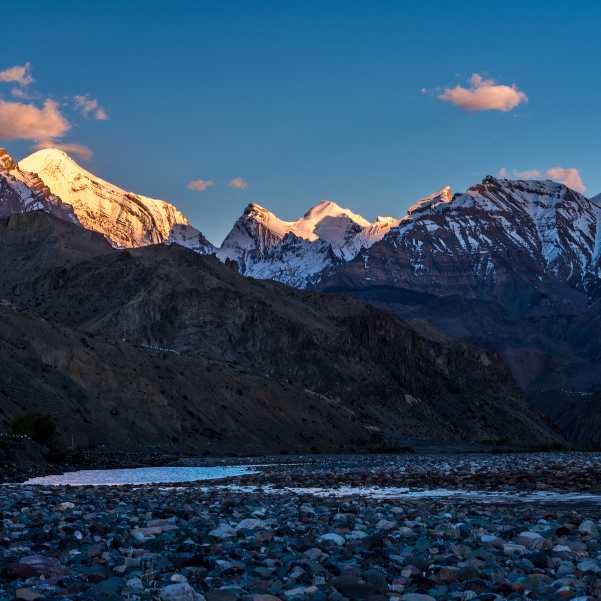
Let us be honest here. Spiti is not a luxury destination. There are comfortable stays, but nothing that would count as five-star by city standards.
Kaza has the most reliable options for couples. Some properties run proper heating, have clean attached washrooms, and serve good food.
These are the ones we pick when we plan honeymoon itineraries. Book them early for September dates because they fill up fast.
For the other villages, you are usually picking between a basic guesthouse and a homestay. Homestays are often warmer in every sense.
The family cooks for you, the rooms have thick blankets, and the food is home-cooked.
What to ask before you book: does the room have a heater, is hot water available all day or only in fixed windows, is the washroom attached, and is there a proper bed rather than mattresses on the floor.
These four questions matter more than star ratings in Spiti. Couples who prioritise heating and attached bathrooms over fancy decor have a much better honeymoon here.
What Does a Good Spiti Honeymoon Itinerary Look Like?
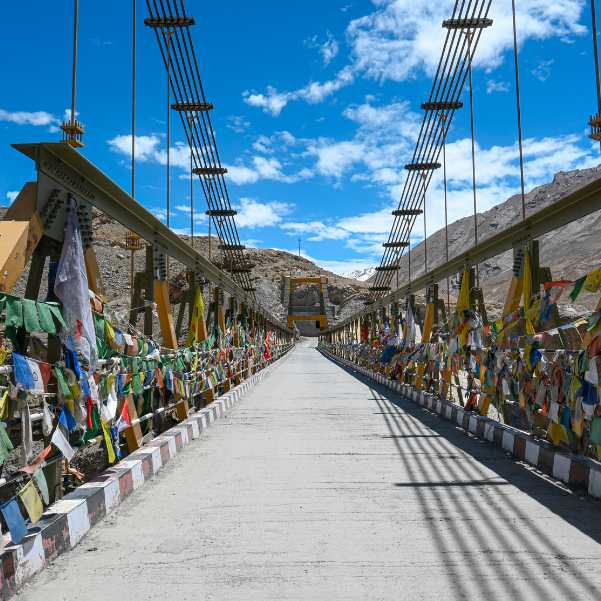
The shape we recommend is a Shimla to Manali circuit over 8 days, so the road does not repeat.
Day 1
Start with one night in Shimla or Narkanda to break the drive up from the plains.
Day 2
Day two takes you to Kalpa, which sits in front of the Kinner Kailash range.
Day 3
Day three to Tabo, which sits at around 3,280 metres. You visit the ancient monastery and rest at a lower altitude before climbing further.
Day 4
Day four to Kaza via Dhankar, the altitude sweet spot for exploring.
Day 5 and 6
Day five and six in Kaza for Key, Kibber, Langza, Hikkim, and Komic, spaced out so you are not in the car all day.
Day 7
Day seven, either drive to Chandratal if it is open or head straight towards Manali via Kunzum.
Day 8
Day eight, Manali to wherever you are flying out from.
You can book each stretch yourself, or you can have us put it together. Our Spiti Valley tour packages cover this kind of flow with homestays and a local driver.
The Kinnaur tour packages work well if you want a slower entry into Spiti, and our Manali tour packages handle the exit side of the loop.
Is Chandratal Worth Adding on a Honeymoon?
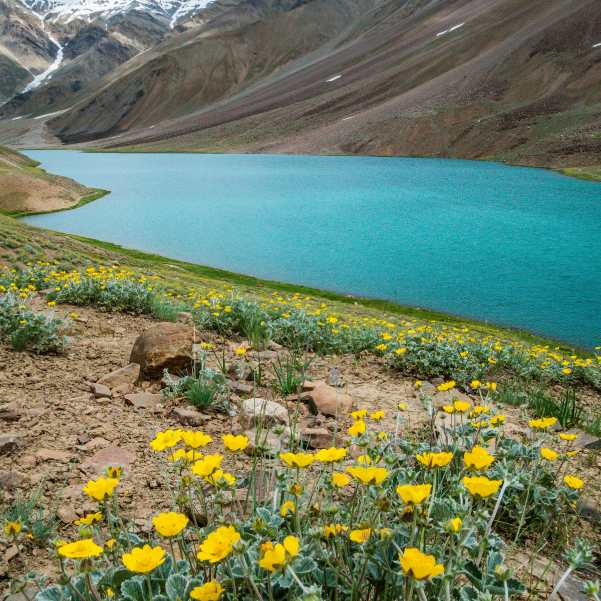
Our honest answer: yes, if you are the kind of couple that will remember a cold night under the stars at 4,250 metres forever. No, if either of you is uncomfortable with basic camping or struggling with altitude.
Chandratal is a camping-style experience. No hotel, no attached bathroom, no room service. Just a tent, a sleeping bag, and a walk to one of the most beautiful lakes in India.
The Himachal e-Aagman portal includes Chandertal as a permit or ticket destination, so factor that into your planning.
Opening in 2026 is expected between late May and mid-June, but the exact date depends on snow clearance that year.
If everything lines up, a single night at Chandratal becomes the story you tell for years. If your dates are too early or the weather is off, do not force it.
The lake will still be there next year. We would rather help you plan a second trip in your first anniversary year than watch you push a closed road in May.
For couples who want this memory built into the plan, our Best Selling Summer Spiti Circuit with Chandratal is built around this window.
We also clear up a common confusion in our piece on whether Chandratal is in Lahaul or Spiti, because the route you take depends on the answer.
2026 Planning Tips Couples Should Know Before Booking
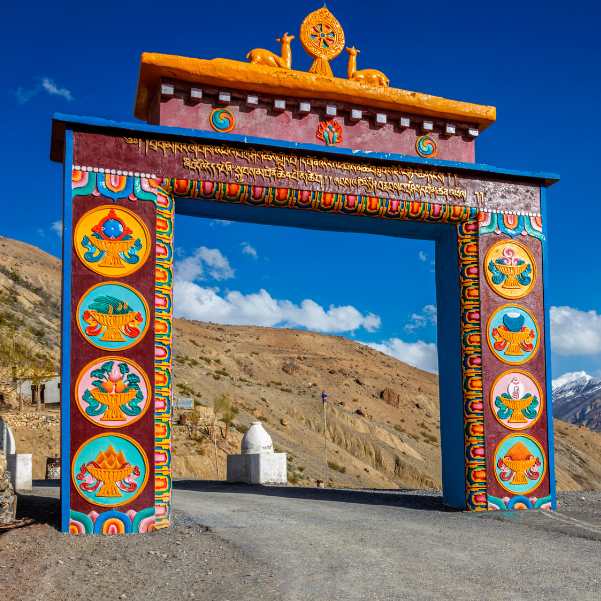
Check the official District Lahaul and Spiti road status the week before you leave. Not a month before.
Roads shift fast here, especially near Kunzum and Chandratal. One afternoon of heavy rain can change things overnight.
Route-specific closures happen. As we noted, on 20 March 2026 the Keylong to Kaza stretch was closed while other parts of the region were open. Partial restrictions like this are normal in early season.
Foreign nationals have separate permit rules. Protected-area permits are needed for some inner areas including Khab, Samdo, Dhankar, Tabo, Gompa, Kaza, Morang, and Dubling.
Indian couples do not need these, but if one partner is a foreign passport holder, start the permit process well before you travel.
Carry cash. ATMs in Kaza can run out, and many homestays and small dhabas prefer cash anyway.
Keep some in smaller notes for village shops and tips. An ATM trip to the nearest working machine can cost you half a day.
Book stays in advance for September and October. These months have fewer properties running, and couples looking for heated rooms with attached bathrooms get outnumbered fast.
One more money tip: skip the cheapest 5-day package that tries to do everything. At altitude, that low price buys you a shared SUV, a tight schedule, and a headache. Pay a bit more for the right pace and a private vehicle.
Spiti also entered a wider conservation spotlight when its Cold Desert Biosphere Reserve joined the UNESCO MAB network in 2025. Translation: more travellers will come here over the next few years. Book early.
Final Verdict: Is Spiti Valley Good for Honeymoon?
Spiti Valley is one of the most rewarding honeymoon destinations in India for couples who want silence, stars, long drives, and shared memories over easy comfort. It is not the right choice for couples who want effortless luxury.
If you are the first kind of couple, Spiti will give you a honeymoon that does not look like anyone else's. You come back with stories, not just a photo dump.
If you are the second kind, be honest with yourselves and pick a destination that suits where you are after the wedding.
You can always come to Spiti for your third or fifth anniversary, when you are rested and ready. We have planned plenty of those too.
Either way, plan for September to October for atmosphere, July to August for reliable access, and give yourselves at least 8 days.
Check the road status before you commit. And if the logistics feel overwhelming, let someone local handle them for you.
>> WhatsApp us for a customised Spiti itinerary
Browse our popular tours to see other Himachal options, or contact us directly if you want a plan built around your exact dates.
👉 Find the Right Spiti Valley Honeymoon Tour Package for Your Dates
Related topics
Frequently Asked Questions
Is Spiti Valley too tiring for a honeymoon?
It can be if you pack the itinerary too tight. With 8 or more days and a slow Shimla entry, it stays manageable and enjoyable. Rushed 5-day plans do get tiring.
Is June or September better for a Spiti honeymoon?
June is better for full route access and Chandratal. September is better for clearer skies, fewer crowds, and a more intimate feel. Most couples we send love September more.
Can we visit Chandratal on a honeymoon in May 2026?
Probably not for an overnight stay. Chandratal is expected to open between late May and mid-June, depending on snow clearance. Early May is too risky for camps.
Is Spiti safe for couples travelling privately?
Yes. Security is rarely the concern here. The real factors are altitude, roads, and weather, and a good driver plus a sensible pace handles all three.
Are there luxury stays in Spiti for honeymooners?
Not in the traditional sense. Kaza has some comfortable boutique options with heating and attached bathrooms, but nothing resort-style. Homestays often feel warmer than hotels.
Which is better for honeymoon, Spiti or Manali?
Manali is easier and more comfortable. Spiti is more memorable and more raw. If this is your first Himalayan trip, start with Manali. If you want something different, choose Spiti.
How many days do we need for a slow Spiti trip?
Ideally 8 days. Seven is workable. Ten is better if you can manage the leave. Anything under seven forces you to drive too much.
Is the Shimla route better than the Manali route for couples?
Yes, for the entry. The Shimla side lets you gain altitude slowly through Kinnaur, which keeps AMS at bay. Exit via Manali so you do not repeat the same road.
Do Indian couples need any permit for Spiti Valley?
Not for the main Spiti circuit. Indian ID is usually enough for Kaza, Tabo, Key, Langza, and Dhankar. Some restricted inner areas still need permits, which your operator can sort.
Do foreigners need a permit for Kaza and Tabo?
Yes. Foreign nationals need protected-area permits for inner areas including Khab, Samdo, Dhankar, Tabo, Gompa, Kaza, Morang, and Dubling. Start the process well before you travel.
Is Chandratal worth the detour on a honeymoon?
Yes, if you are open to camping at altitude and the road is confirmed open. No, if you want comfort or if either of you is struggling with altitude.
What should couples pack for Spiti in September?
Thermal inners, a down jacket each, warm socks, gloves, a beanie, windproof outer layers, sunscreen, and sunglasses. Nights drop to near-zero even in September. Pack warmer than you think.
More about Lahaul and Spiti
 Lahaul and Spiti
Winter Spiti from Bangalore in 2026-27: Flights, Leave Days & Delhi 4x4 Departures
Planning a Winter Spiti trip from Bangalore in 2026-27? Explore flight options, Delhi pickup points, leave requirements, 4x4 group expeditions, travel costs and a practical itinerary to help you plan your Himalayan winter adventure.
- How to Reach
- Snow Travel
 Lahaul and Spiti
What Does a Winter Spiti 4x4 Trip Really Cost in 2026-27? Package Price vs Total Holiday Budget
Planning a Winter Spiti 4x4 trip in 2026-27? Discover the real travel budget, including package prices, transport, meals, winter essentials and hidden expenses. Learn what your package covers, what costs extra and how to plan your Spiti Valley adventure without unexpected spending.
- First-Time Travellers
- Snow Travel
 Lahaul and Spiti
How Many Leave Days Do You Need for a 9-Day Winter Spiti Trip in 2026-27?
Planning a 9 day Winter Spiti trip in 2026 to 2027 requires careful leave planning, especially for working professionals travelling from cities like Bangalore, Mumbai, Hyderabad and Delhi.
- Itinerary
- Snow Travel