
How to Reach Chanshal Pass & Pabbar Valley from Shimla in 2026
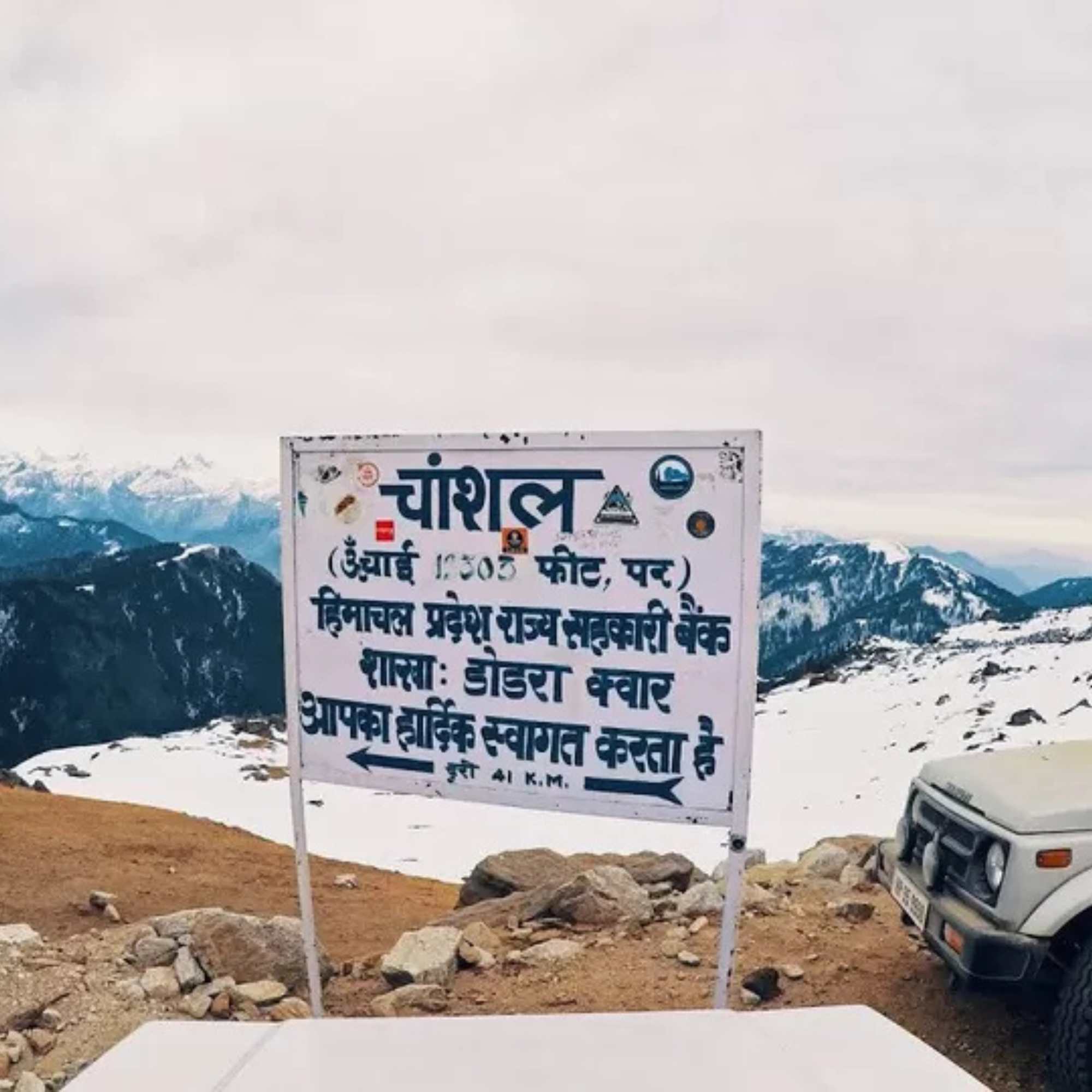
If you are trying to figure out how to reach Chanshal Pass from Shimla, the honest answer is that the distance looks small on the map but the last part of the drive will decide your whole trip.
The pass sits deep in the apple country beyond Rohru, and most people underestimate the final climb. We have sent travellers up this road for years, and the ones who plan it right come back glowing. The ones who treat it like a quick Shimla day trip come back stressed.
This guide by Travel Coffee breaks the full route down so you know exactly what you are getting into before you leave.
Quick Answer: How do you reach Chanshal Pass from Shimla?
The main way to reach Chanshal Pass is to drive from Shimla towards Theog, then take either the Kotkhai and Kharapathar side or the Narkanda and Tikkar side, reach Rohru, continue to Chirgaon and Larot, and then climb the final stretch to Chanshal Pass.
Rohru is your practical base. It has fuel, ATMs, and proper stays.
Larot is the last close village before the final climb, about 15 km before the pass.
The full distance from Shimla is about 160 km, but plan it over two or three days, not one.
Where is Chanshal Pass and why does Pabbar Valley matter?
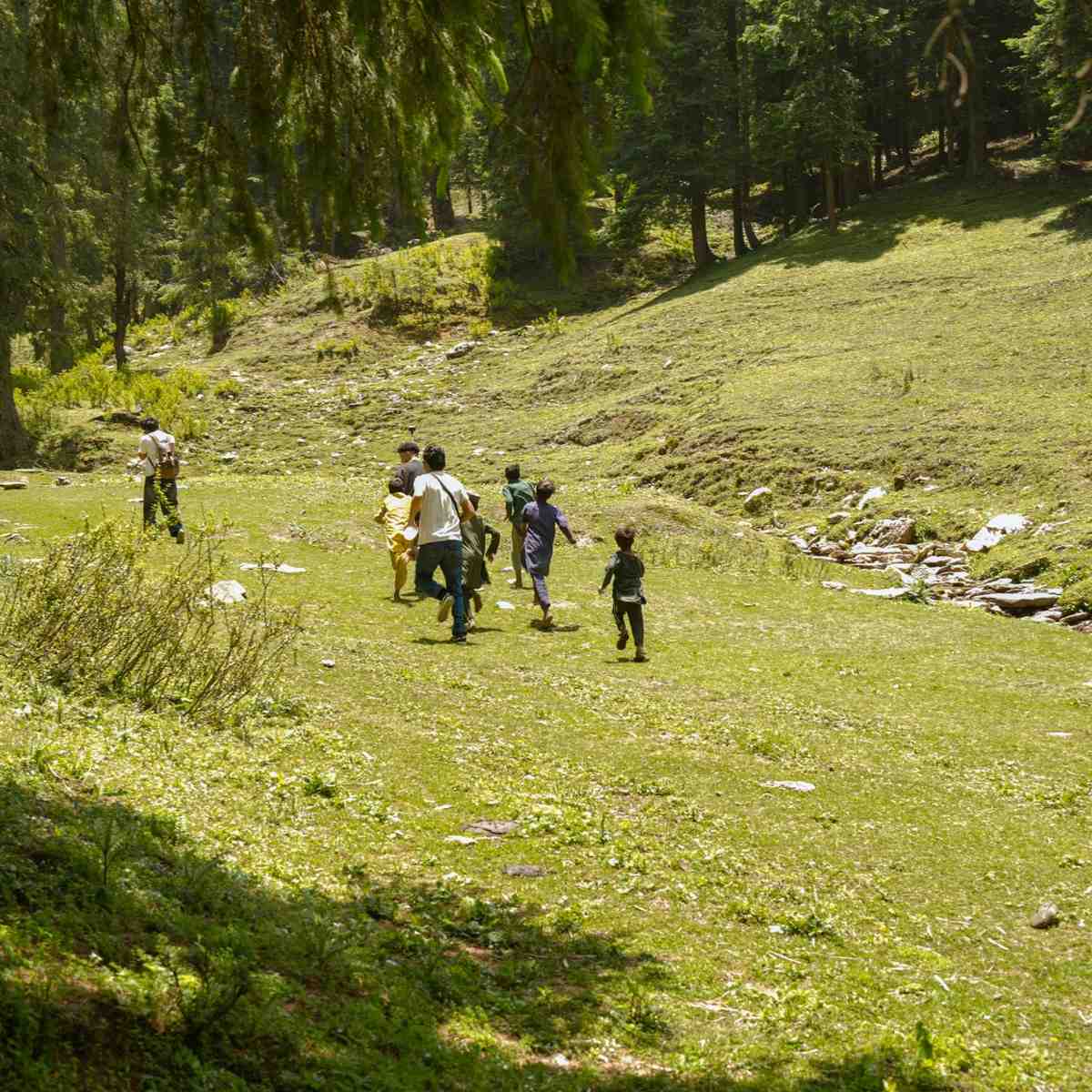
Chanshal Pass is in Shimla district, in the far eastern corner most tourists never reach.
It connects the Rohru and Chirgaon side with the remote Dodra Kwar Valley on the other side. That is its real job, a high mountain link between two worlds.
The pass is officially listed at 3,755 m on the Shimla District page, while some sources use the 4,520 m Chanshal Peak reference. Read altitude figures carefully, because the peak and the pass are not the same point.
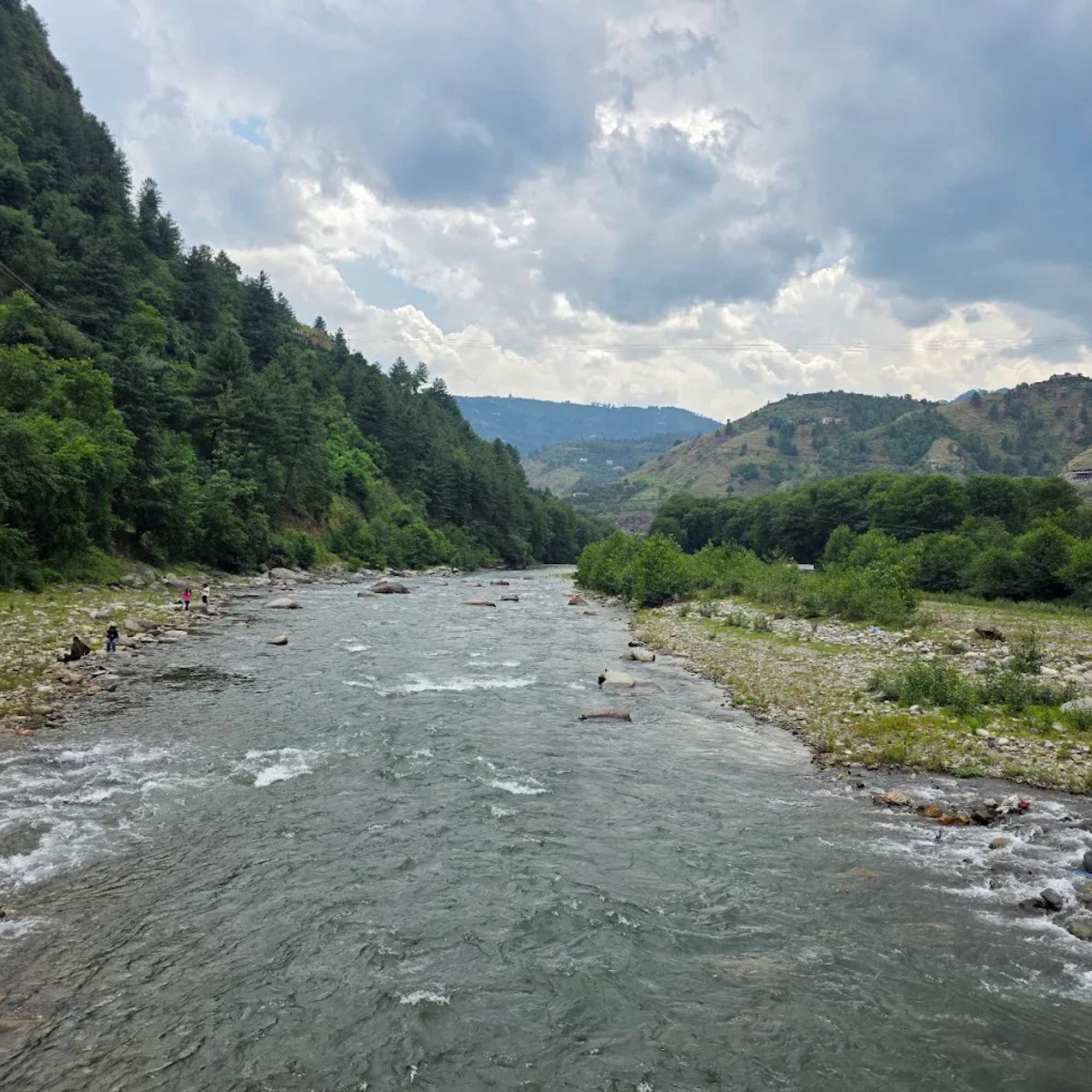
Pabbar Valley is the travel belt you pass through to get there. Think Rohru, Hatkoti, and Chirgaon, the Pabbar River running alongside the road, and apple orchards on every slope.
This is one of the best apple-growing regions in Himachal. In our experience, travellers who slow down here and actually stop in the orchard belt enjoy the trip far more than the ones racing for the pass.
What is the best route from Shimla to Chanshal Pass?
There are two official routes from Shimla, and the better one depends on the day you travel, not on a fixed rule.
Route 1: Shimla to Chanshal via Theog, Kotkhai, Kharapathar, Hatkoti and Rohru
This is the shorter line, about 160 km.
It runs Shimla to Theog to Kotkhai to Kharapathar to Hatkoti to Rohru to Larot to Chanshal Pass.
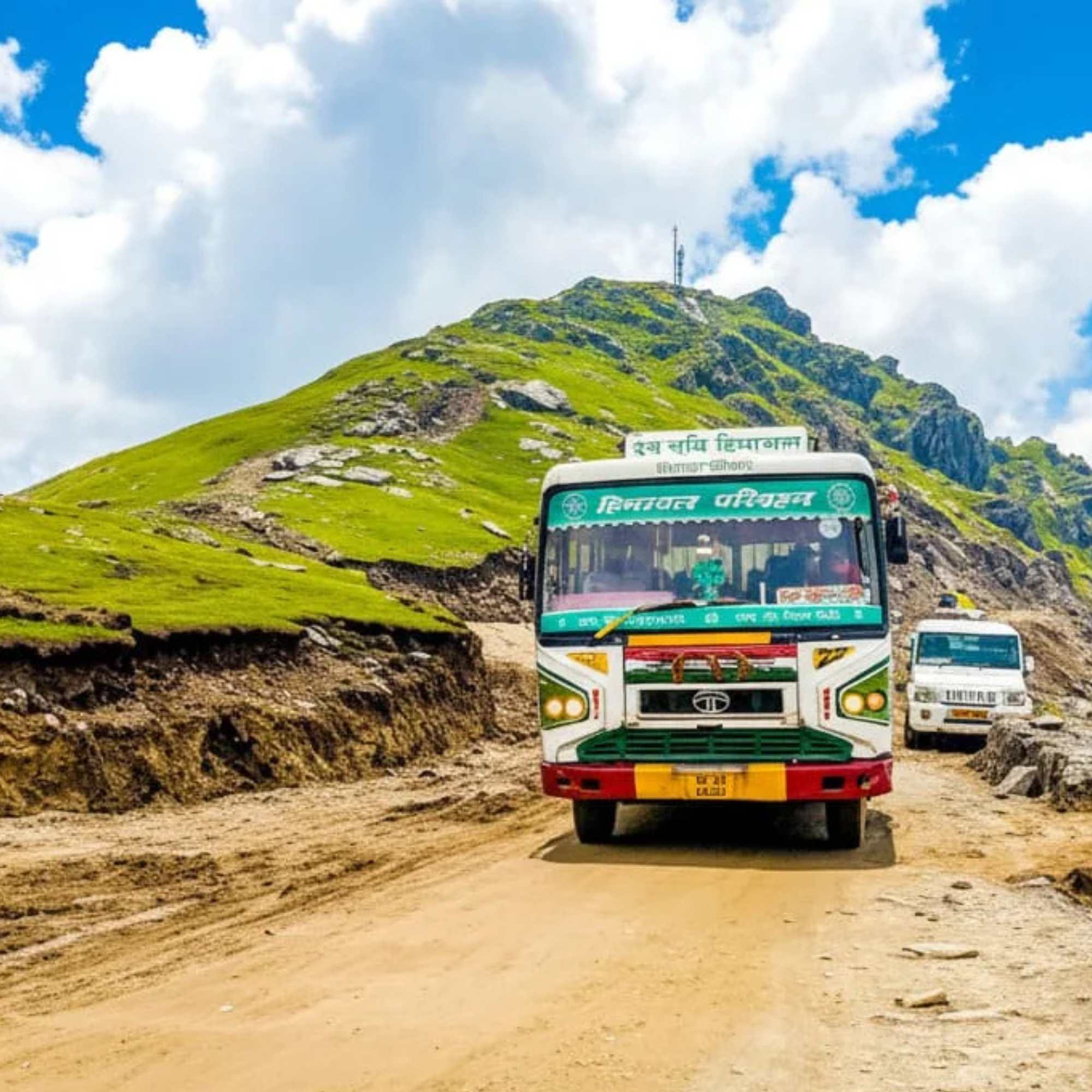
The catch is the road. The Shimla District page itself calls this route bumpy and not suitable for bike rides. So shorter does not mean smoother here.
Route 2: Shimla to Chanshal via Theog, Narkanda, Tikkar, Rohru and Larot
This is the longer line, about 175 km.
It runs Shimla to Theog to Narkanda to Tikkar to Rohru to Larot to Chanshal Pass.
The extra distance can feel more comfortable on the Narkanda side, depending on the road condition on the day you go. Conditions shift season to season, so do not lock this in blindly.
Which route should you choose?
Pick the route based on the current road condition, your vehicle, and the weather. Not just the number of kilometres.
If you are on a bike, the Kharapathar side being officially flagged as rough should weigh on your decision. If you have an SUV and the Narkanda side is clear, the longer route can feel easier on your back.
What we always tell our travellers is to call ahead to a Rohru contact and ask which side is holding up better that week. The map will not tell you that. A local will.
👉 Not sure which Chanshal Pass route is in better condition right now? Talk to our team on WhatsApp.
How long does it take from Shimla to Chanshal Pass?
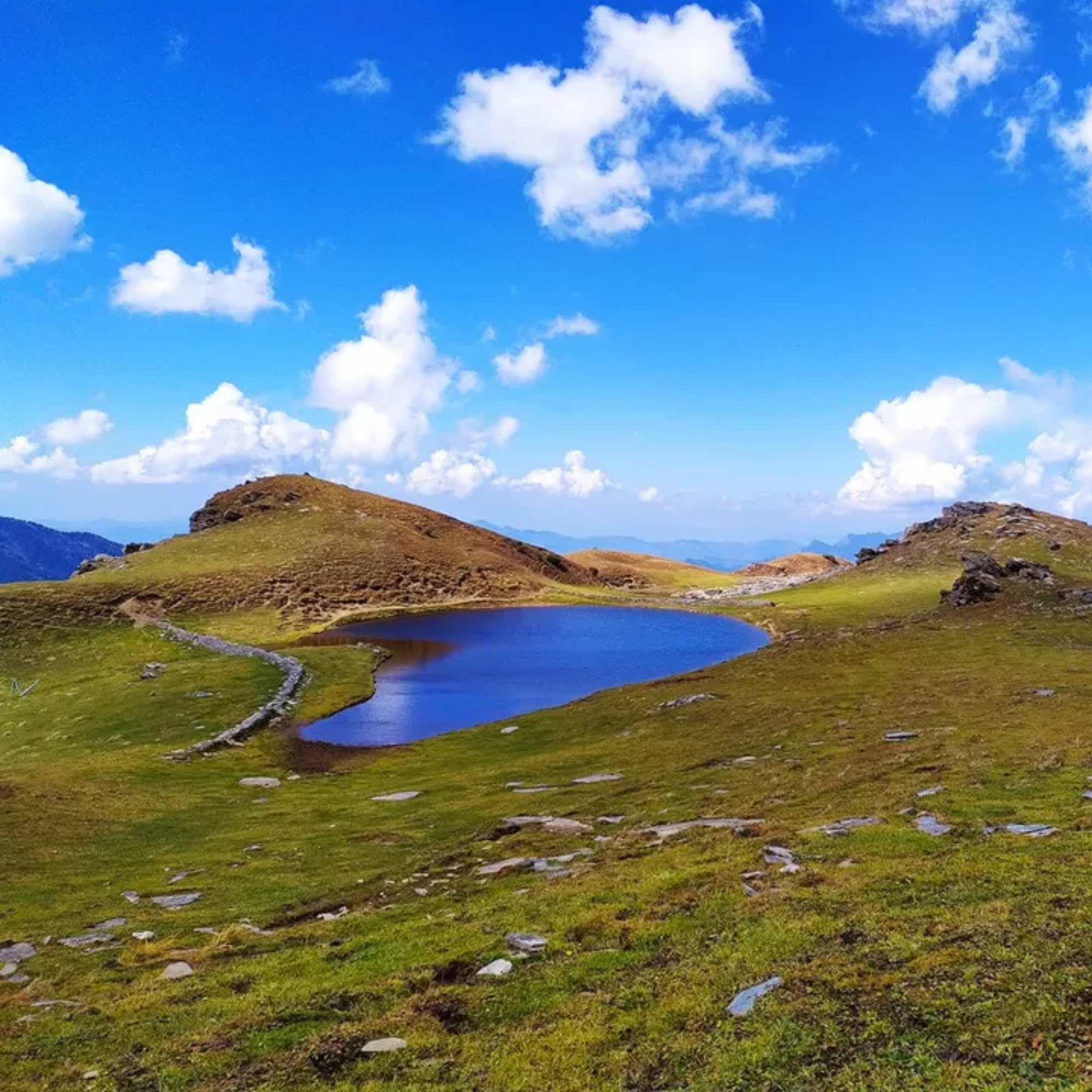
HPTDC lists Shimla to Rohru as 108 km and about 3 hours. That number is real for the Rohru leg, but tourist travel almost always runs longer once you add photo stops, tea, and slow traffic behind apple trucks.
Break the journey into pieces so it makes sense.
Shimla to Rohru is the long but mostly manageable first half.
Rohru to Chirgaon is about 20 km.
Chirgaon to Larot is short but slows down as the road gets rougher.
Rohru to Chanshal overall is around 48 to 55 km.
The final 20 km from Larot to Chanshal is the roughest section, and it eats time out of all proportion to its length. This is where people misjudge the day. Plan for the road quality, not the distance.
For reference, if you are coming from the plains, HPTDC lists Chandigarh to Rohru as 225 km and about 6 hours, so most travellers reach Rohru on day one and rest before pushing higher.
How to reach Chanshal Pass by car or taxi?
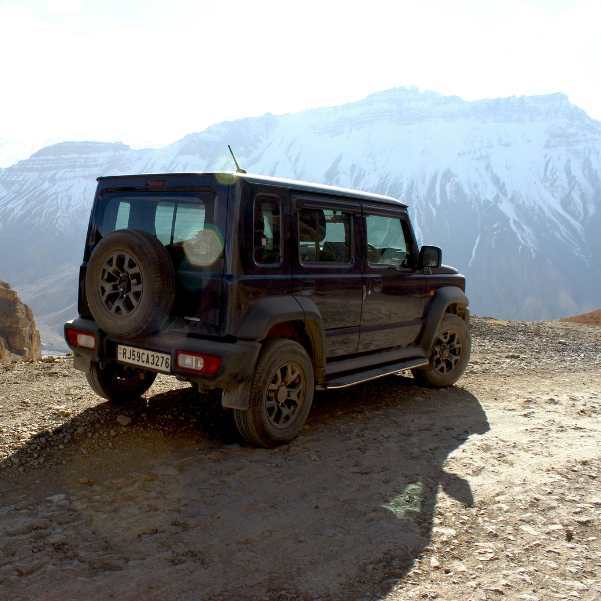
A private vehicle is the cleanest way to do this trip, and it gives you the freedom to stop where you want.
Start early from Shimla. A morning departure means you reach Rohru with daylight to spare and you are not racing the sun on the rough section later.
Halt at Rohru or Larot for the night. Do not try to hit the pass the same day you leave Shimla.
Attempt the final climb to Chanshal only in clear daylight. The light goes fast in these mountains, and the last 20 km is no place to be after dark.
An SUV or high-clearance vehicle is much better for that final rough climb. A low car will struggle and you will spend the drive worrying about the underbody instead of enjoying the view.
If you would rather not deal with the logistics, our Shimla tour packages come with a driver who knows these roads and a vehicle built for them.
Can you reach Chanshal Pass by bus or public transport?
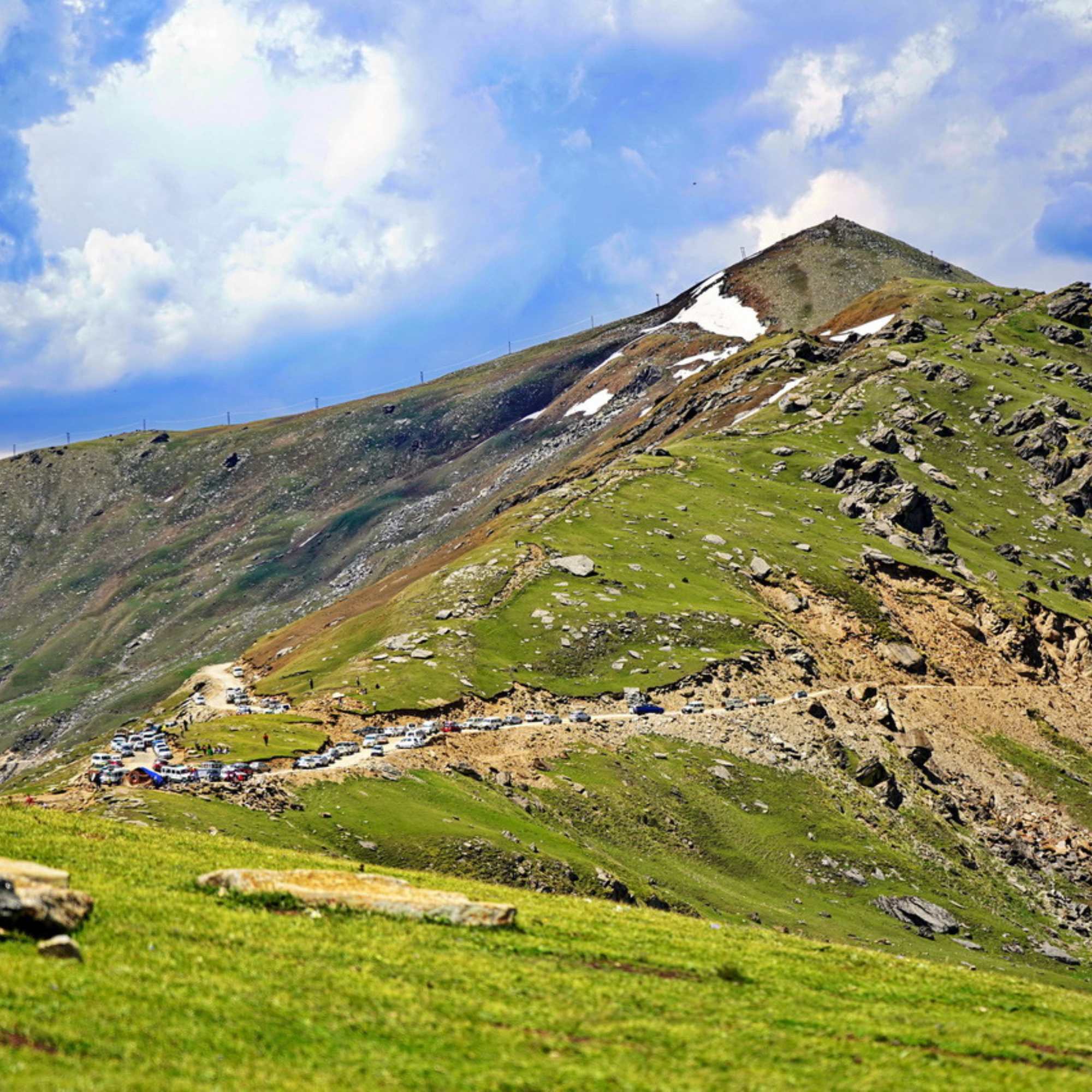
Yes, partly. You can do most of the journey by public transport, but the last stretch gets thin.
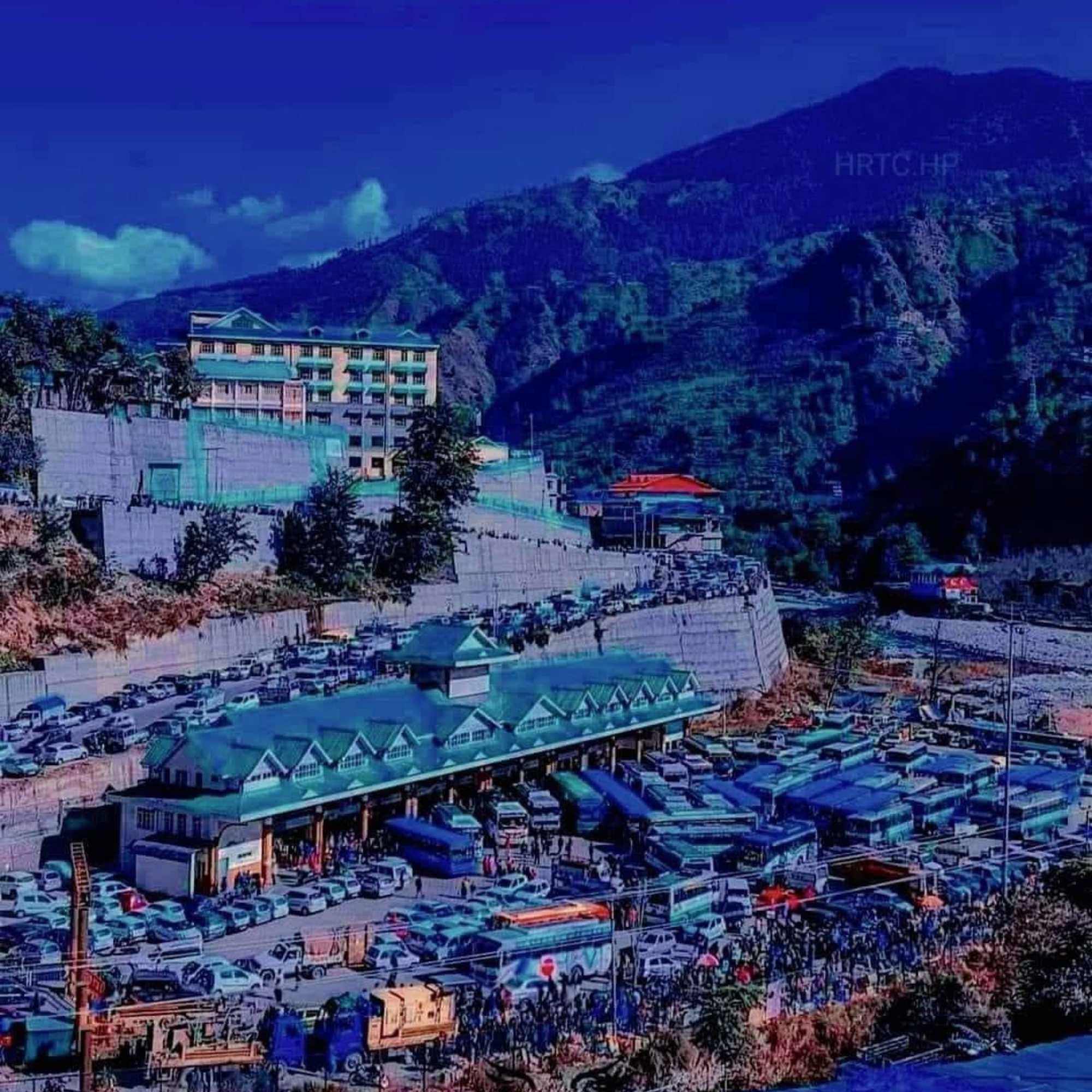
HRTC and local buses run Shimla to Rohru, so the long first half is easy enough on a bus. HRTC has an official online booking and ticket enquiry website, but remote local timings still need to be checked on the ground.
From Rohru, you take a local bus or shared cab to Chirgaon or Larot if one is running.
Onward transport from there towards Chanshal is limited and unreliable. You have to check it at the Rohru bus stand yourself, in person.
One old source reports a Rohru to Kwar bus via Chanshal that leaves at 10 AM, but timings on remote mountain routes change without notice, so treat that as a lead to confirm locally, not a guarantee.
Here is the honest part
If you are fully dependent on public transport, the final approach to the pass is the weak link. In our experience, travellers without their own vehicle do best by basing in Rohru and arranging a local cab for the pass day.
Is the road to Chanshal Pass safe for bikes, sedans and families?
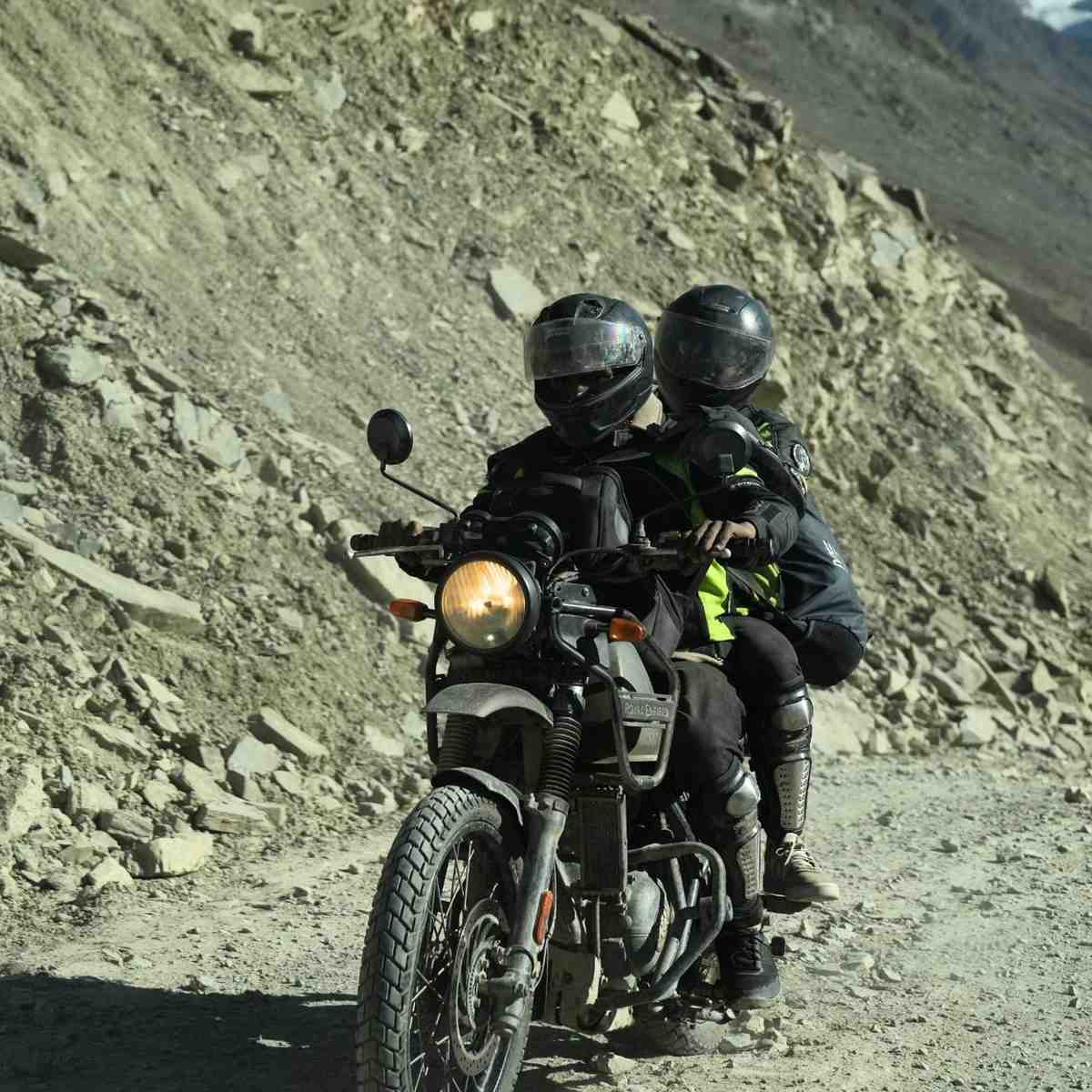
The road is doable, but who you are and what you drive changes the answer a lot.
For bikes
The Kharapathar route can be bumpy enough that the official page flags it as not suitable for bike rides.
The final climb needs confidence, good tyres, working brakes, and clear weather. If you are an experienced mountain rider, you will enjoy it. If you are new to broken high-altitude roads, this is not the place to learn.
For sedans and hatchbacks
A sedan or hatchback can be comfortable up to Rohru or Chirgaon in good weather.
The Larot to Chanshal stretch is a different story. After rain or snow it gets risky for low cars, and we will not promise you sedan access to the pass. Some days a careful driver manages it. Other days it is a bad idea. Judge it on the spot.
For families
Stay overnight in Rohru, attempt the pass early in the morning, and keep the day relaxed.
Avoid late evening driving, heavy rain, the snow season, and pushing on when the driver is tired. With kids in the car, the safest plan is the slow plan.
What is the current 2026 road status and best time to visit?
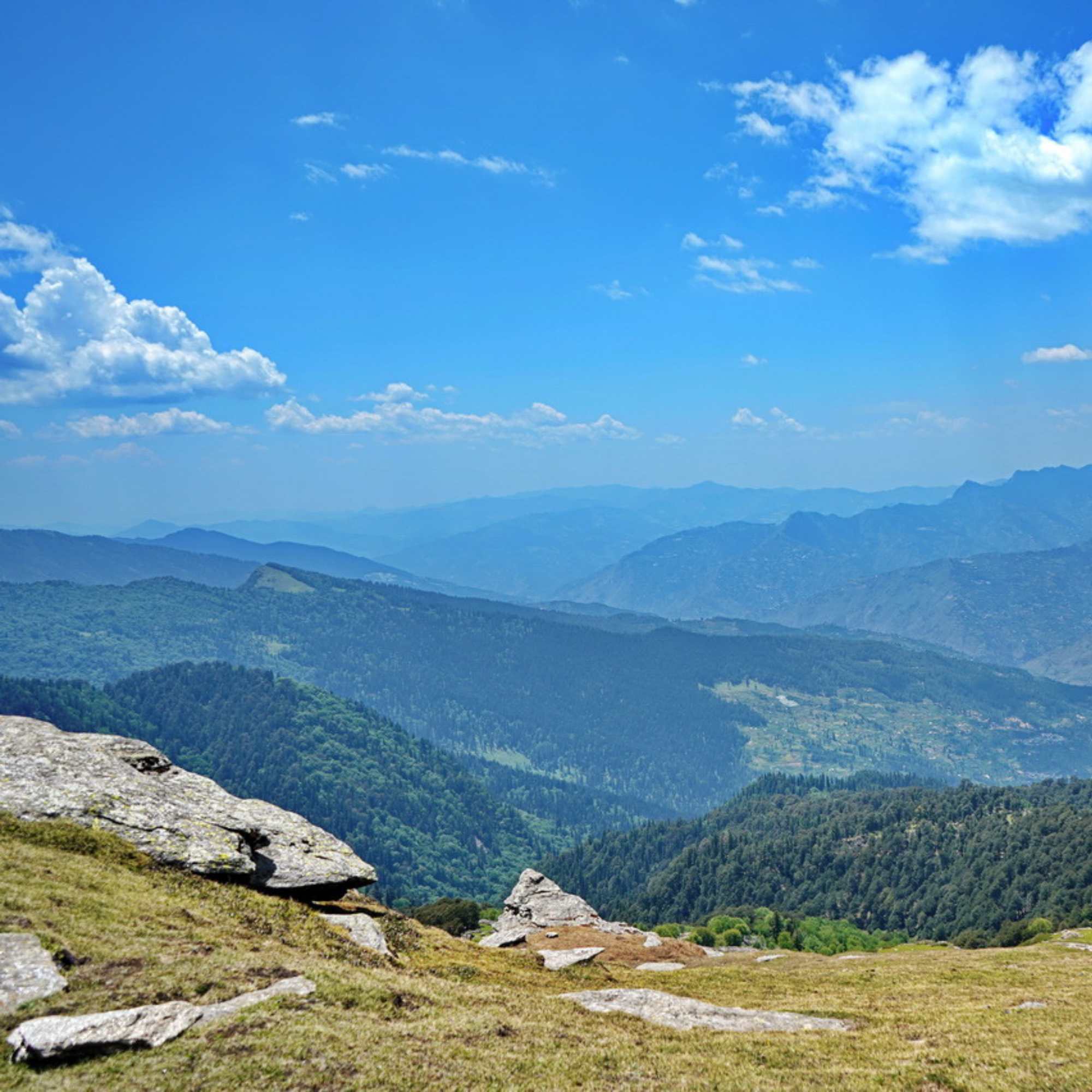
The official Shimla District page says the Chanshal road is generally open from May to November and closed for the rest of the year because of snow.
The best practical months are late June, September, and October.
Avoid July and August. The monsoon brings landslide and washout risk on these slopes, and a rough road plus rain is a poor combination.
Winter is out. Temperatures up here can drop below -10°C, and the pass shuts under snow.
One more 2026 point. Pending PMGSY road works in Dodra Kwar were extended until March 31, 2027, so any plan that goes beyond Chanshal or towards Dodra Kwar must be verified locally before you commit. The pass itself is one thing. What lies past it is another.
We covered the wider mountain-road planning logic in detail across our Himachal guides, and the same rule applies here, never trust an old road status blog. Conditions in 2026 are not conditions from two years ago.
Do you need a permit for Chanshal Pass?
This is a point where local confirmation is important, because available sources do not give one clear answer.
One source says no special permit is needed for normal Pabbar Valley or Chanshal travel for Indian nationals.
Other sources mention forest department permission for the Chanshal Wildlife Sanctuary or for forest and camping zones.
Here is the safest reading. A normal road trip to the pass usually does not feel like Rohtang-style permit travel. But if you plan to camp, enter forest zones, or go beyond regular tourist access, check first with the Rohru forest office or local authorities.
Rules in protected areas change, and the fine for getting it wrong is worse than the five minutes it takes to ask. Confirm before you pitch a tent anywhere near the sanctuary.
Where should you stay: Rohru, Chirgaon or Larot?
Rohru
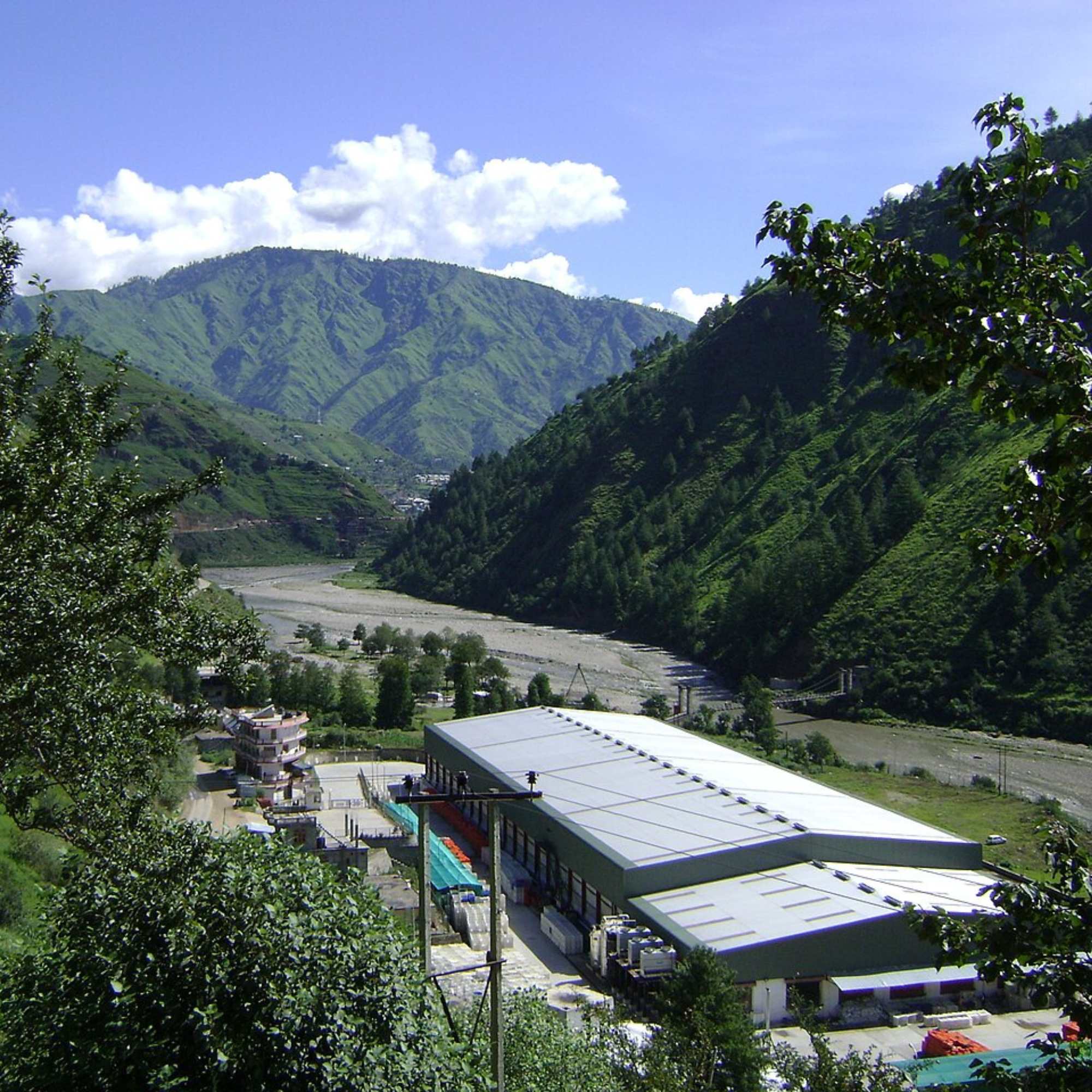
It is the most practical base, and it is what we recommend for most travellers.
It has the better hotels, fuel, ATMs, and general facilities you will want before heading into the thin upper stretch. Rohru is genuinely the safest place for cash, fuel, and supplies before you go further.
Chanshal
HPTDC Hotel Chanshal sits next to the Circuit House on the Hatkoti-Rohru road. Its facilities include a restaurant, parking, taxi on demand, doctor on call, and a public washroom, which is a solid combination for a region this remote.
Larot
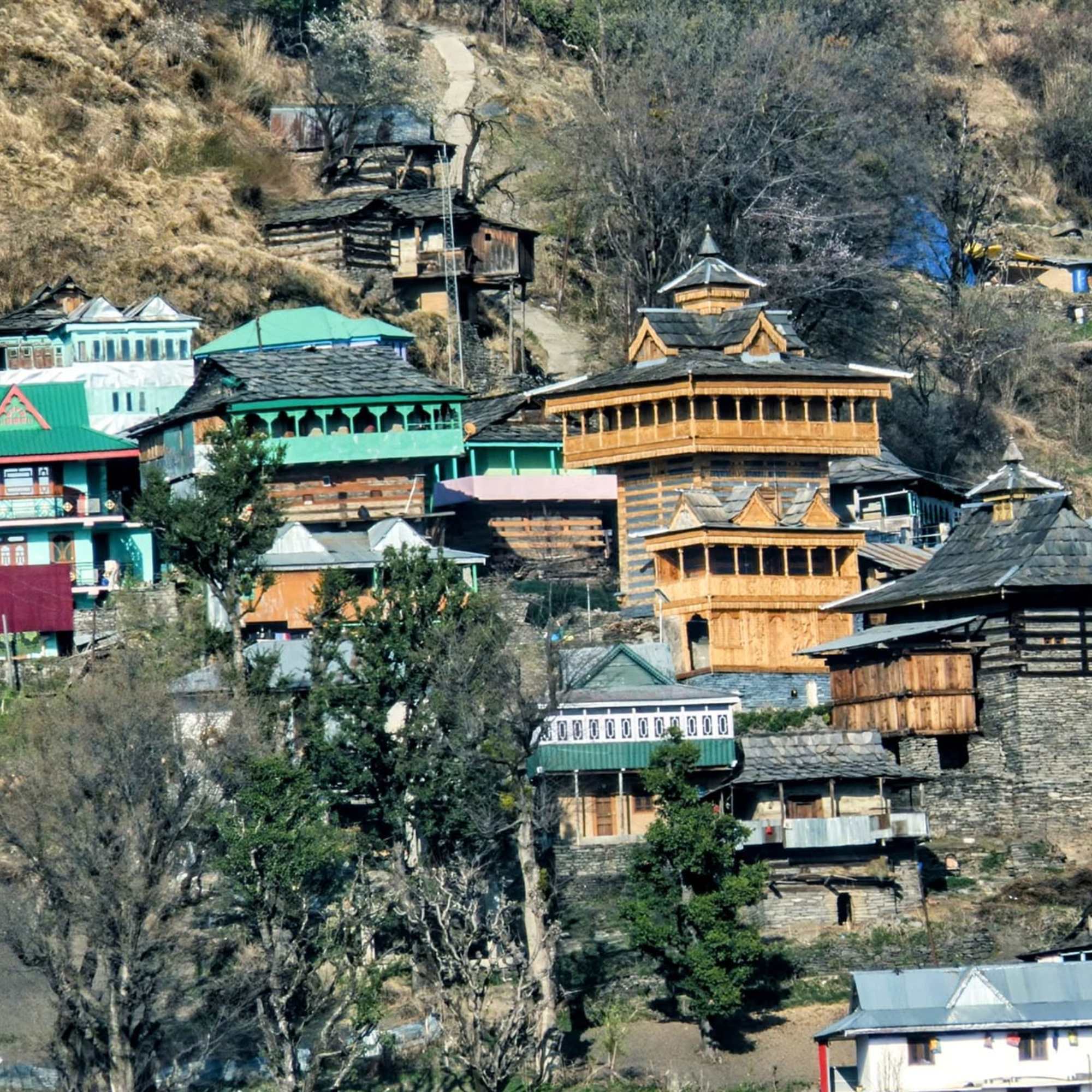
Larot is closer to the pass, about 15 km before it, and it has basic accommodation. Choose Larot only if you want to shorten the next morning's climb and you are fine with simple rooms.
Chirgaon
It works as a quieter in-between option if Rohru feels too busy for you, but it has fewer facilities.
Here is a small money tip most people miss. Chasing the stay closest to the pass usually means paying for a very basic room when a better-value, better-equipped place in Rohru is only a short drive away. Base in Rohru and drive up early instead.
Suggested 2-day and 3-day itinerary from Shimla
2-day quick plan
Day 1: Drive Shimla to Rohru or push on to Larot. Rest, eat, sleep.
Day 2: Early Chanshal attempt, spend time at the top, then return.
This works if you start early and the weather holds, but it leaves almost no buffer. One bad-road day and the plan slips.
3-day comfortable plan
Day 1: Shimla to Rohru. Settle in, fuel up, rest.
Day 2: Rohru to Chanshal and back. Take it slow, give yourself the full morning.
Day 3: Hatkoti, the Pabbar Valley stops, and the drive back to Shimla.
This is the version we usually suggest. It gives you real time at the pass and a relaxed run through the valley instead of a rushed dash.
Add-on ideas
If you want to extend, treat Kinnaur or Spiti as separate journeys, not rushed add-ons tacked onto the end of a tired trip.
You can see how those longer trips are structured in our Kinnaur tour packages and our Spiti Valley tour packages. Both deserve their own days, not leftovers.
What to see on the way to Chanshal Pass and Pabbar Valley?
The drive itself is the experience, but a few stops are worth your time.
Hatkoti Temple
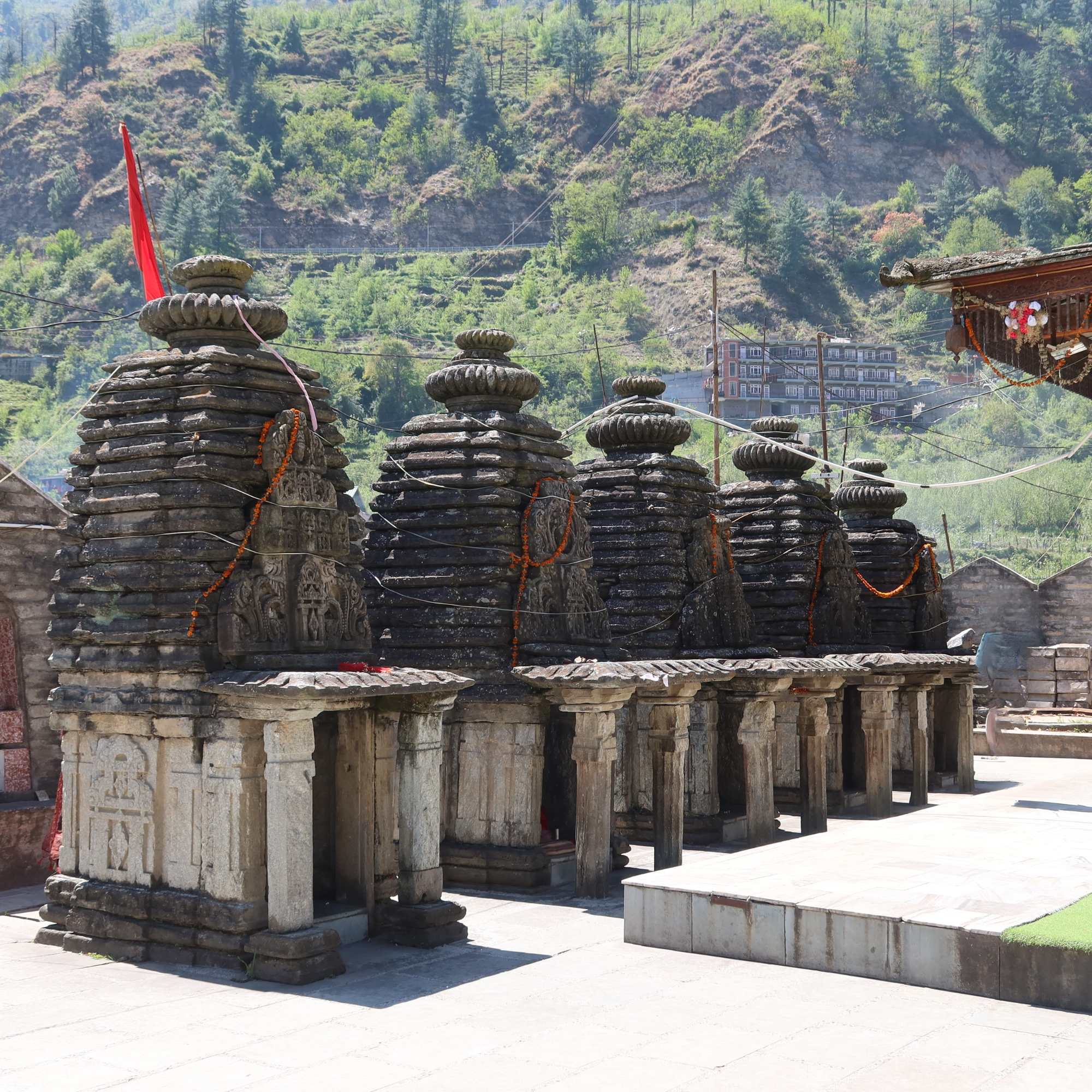
Hatkoti Temple is the obvious one, an old temple complex on the Hatkoti-Rohru road that most travellers stop at without planning to.
Rohru
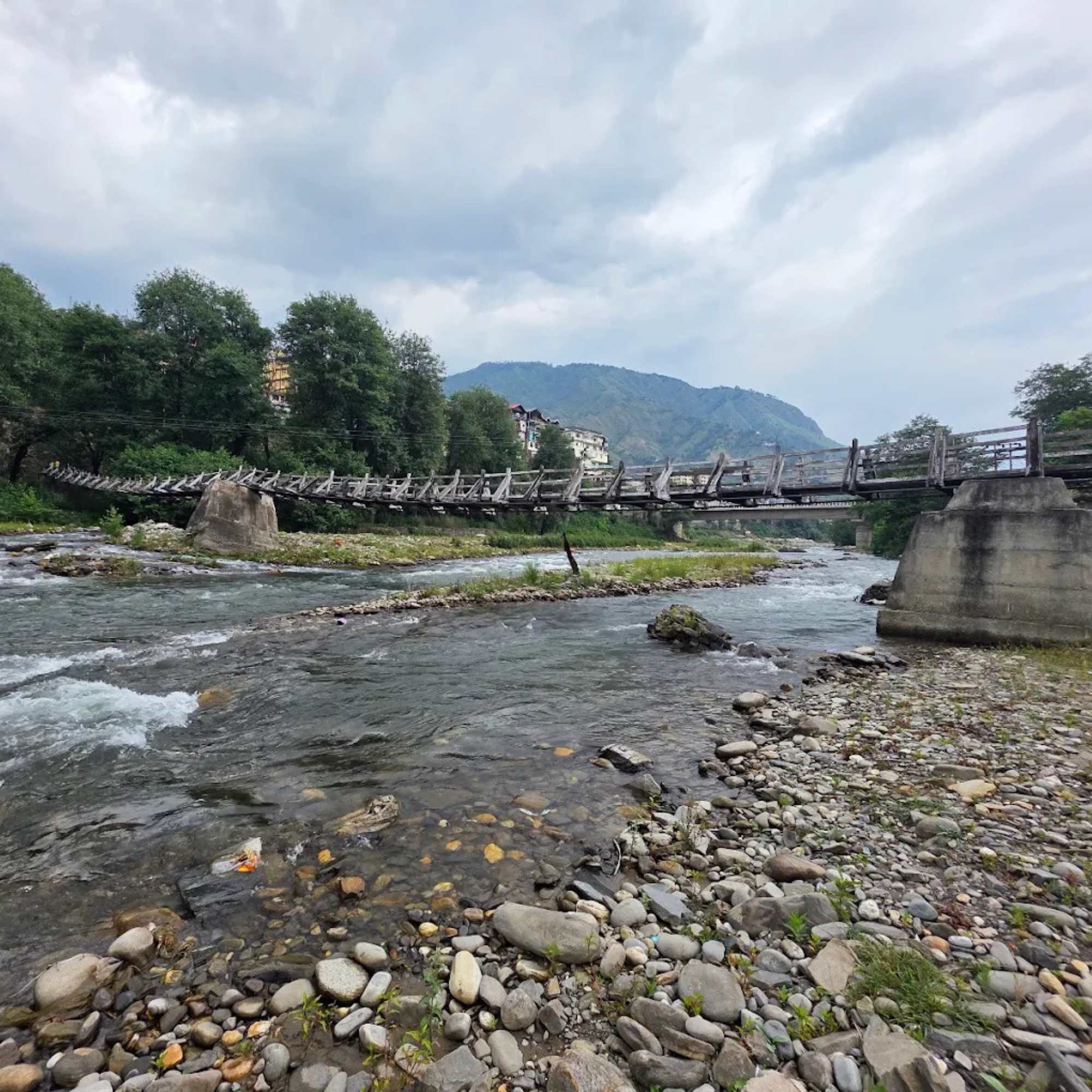
Rohru town is your services hub, and the riverside near the Pabbar is a good place to stretch your legs.
Pabbar River
The Pabbar River stays with you for much of the drive, and the apple orchards around Chirgaon and the valley are at their best in late summer when the trees are heavy.
Larot
It is more of a waypoint than a sight, but it marks the start of the real mountain section.
Go towards Dodra Kwar only if the road and your time genuinely allow it, and only after checking the road-works status. That side is for travellers with extra days, not a casual detour.
A timing tip from us
Reach the pass in the morning. The light is cleaner, the wind is usually softer, and you avoid the small midday rush of vehicles that build up on a clear day. By afternoon the weather can turn quickly at this height.
What should you pack for Chanshal Pass?
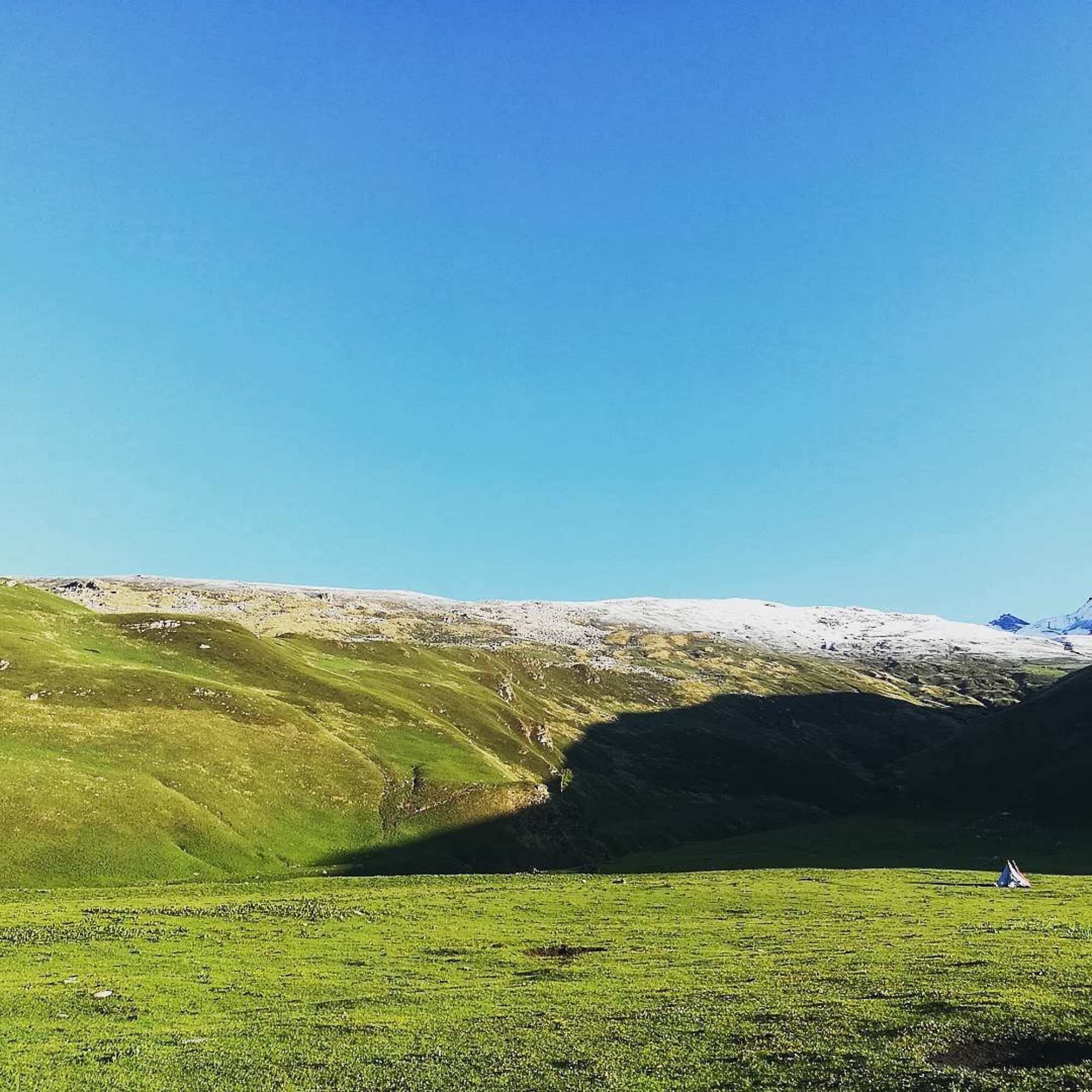
Pack for cold even if you are travelling in summer, because the pass does not care what month it is.
Carry warm layers, a windproof jacket, and a rain layer. A bright sunny morning in Rohru can turn into a cold, windy top.
Bring offline maps, because the network gets weak or vanishes near the pass.
Carry cash, since cards and UPI are unreliable once you leave Rohru.
Pack snacks, water, and basic medicines, and keep a spare tyre and a tyre inflator in the vehicle for that rough final stretch.
Fill full fuel at Rohru. There is no reliable pump beyond it, and running low on the way up is a real risk, not a small one.
This is also a safety warning worth repeating. Over the final 20 km from Larot, with weak network, no fuel, and temperatures that can fall fast, your self-sufficiency is your safety net. Treat that stretch with respect.
Common mistakes to avoid
The most common mistake is starting late from Shimla. A 9 or 10 AM start means you hit the rough section as the light fades. Leave early.
Do not trust old road status blindly. A route that was fine last season can be broken this one.
Do not take a low-clearance car up after heavy rain. The Larot to Chanshal stretch turns risky fast.
Do not plan this as a relaxed same-day sightseeing trip from Shimla. It is not. The distance and road do not allow it.
And do not camp without local permission. Check with the Rohru forest office first, especially near the sanctuary.
In our experience, almost every difficult trip we have helped fix came down to one of these five mistakes. Get these right and the trip mostly runs itself.
Is Chanshal Pass worth visiting from Shimla?
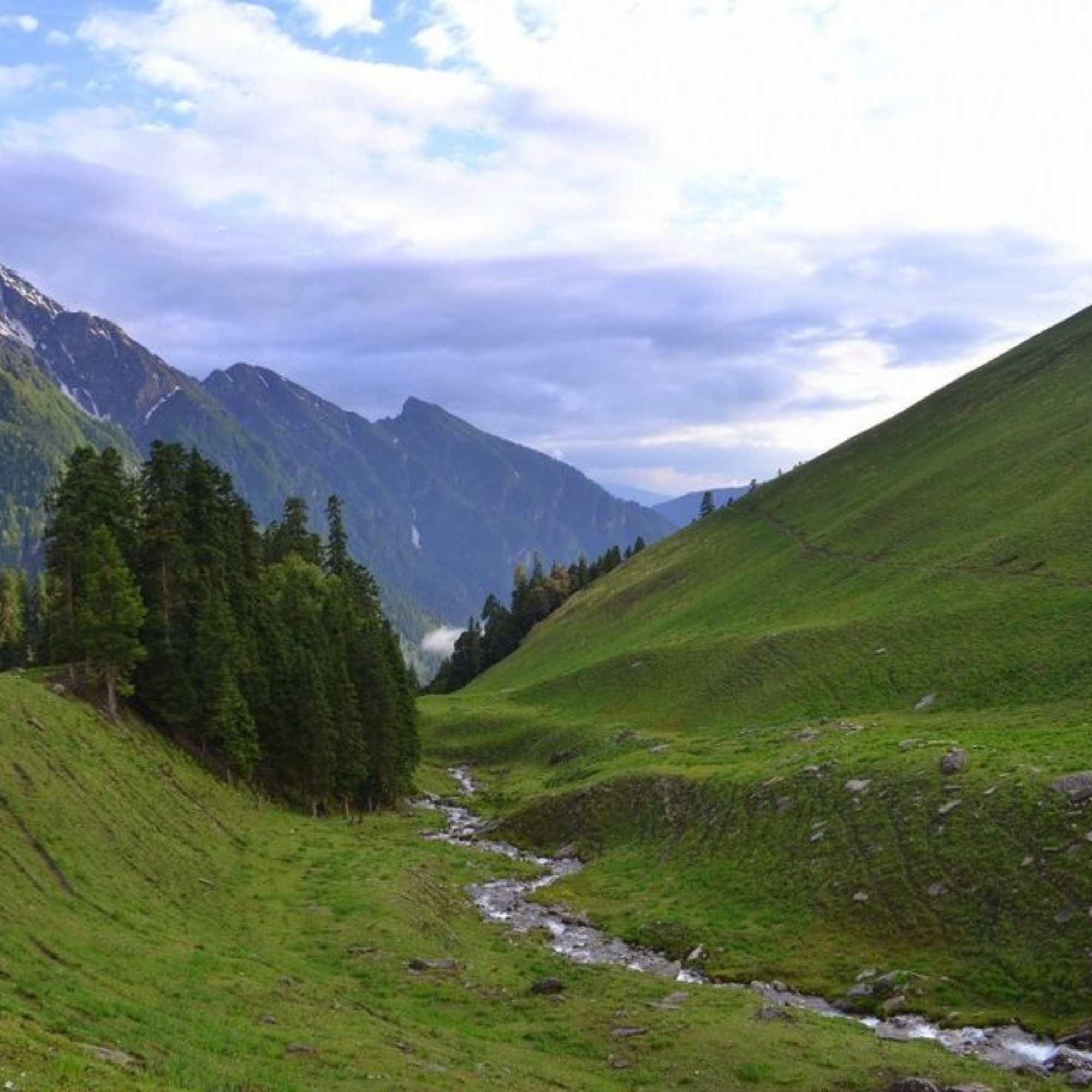
Yes, with the right expectations.
It is worth it if you love road trips, ride bikes on broken mountain roads, chase photographs, and enjoy quiet places that have not been smoothed over for tourists.
It is not for you if you expect cafes, luxury stays, and smooth tarmac all the way. Those things do not exist up here, and pretending otherwise will leave you disappointed.
The honest negative is the road. The final climb is genuinely rough, the facilities thin out fast, and there is no quick rescue if something goes wrong. That is the price of how untouched this corner still feels. If that trade sounds good to you, Chanshal will stay with you long after the trip ends.
And if you decide Chanshal feels too rough for your group, our greener, gentler Jibhi and Tirthan Valley trips are an easier alternative in the same state.
Explore Our Curated Chanshal Pass Tour Packages
 Group Tour5D/4N
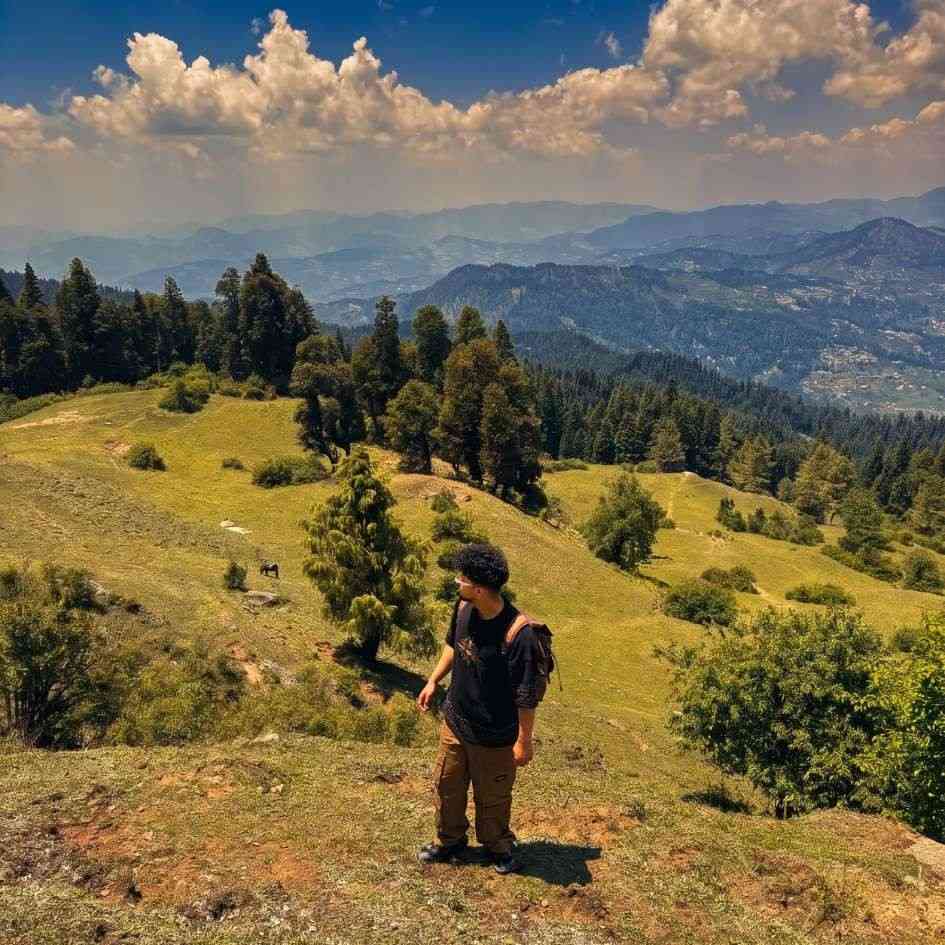
Chanshal Pass Weekend Group Trip With Giri Ganga and Kuppar Bugyal
1D Kharapathar / Kotkhai•1D Rohru / Chirgaon (Pabbar Valley)
₹8,999₹12,999SAVE INR 4,000/ person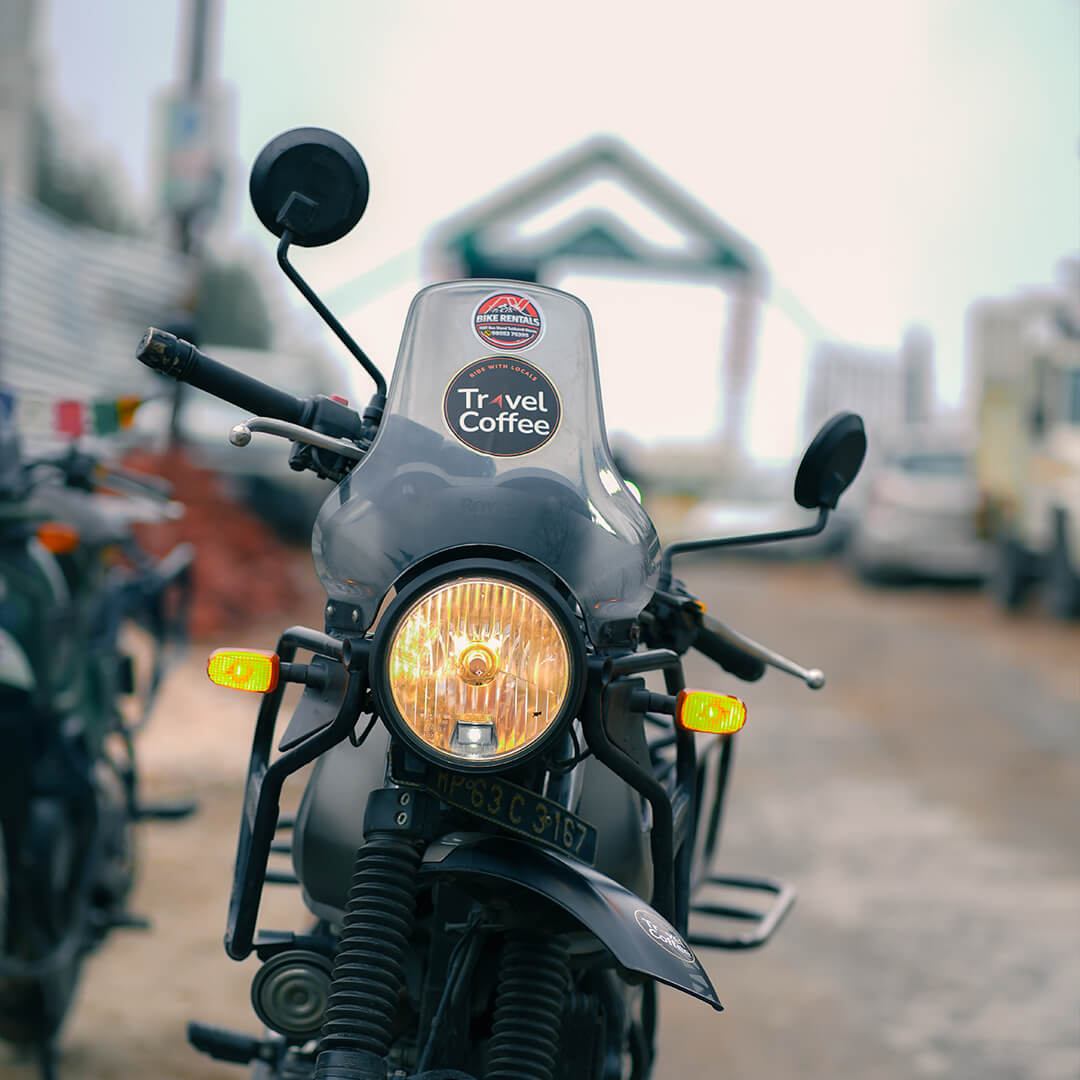 8D/7N
8D/7NUltimate Pabbar Valley Bike Expedition With Giri Ganga Kuppar Bugyal Chanshal Pass and Dodra Kwar
1D Kharapathar / Kotkhai•2D Rohru / Chirgaon (Pabbar Valley)+1
₹29,999/ person 8D/7N
8D/7NMost Loved 4x4 Pabbar Valley Expedition With Giri Ganga Kuppar Bugyal Chanshal Pass and Dodra Kwar
1D Kharapathar / Kotkhai•2D Rohru / Chirgaon (Pabbar Valley)+1
₹32,999₹39,999SAVE INR 7,000/ person
Related topics
Frequently Asked Questions
How far is Chanshal Pass from Shimla?
Chanshal Pass is about 160 km from Shimla according to the Shimla District official page. The shorter route is roughly 160 km and the longer Narkanda-side route is about 175 km.
Which route is best from Shimla to Chanshal Pass?
There is no single best route. The shorter Kharapathar route is flagged as bumpy, while the longer Narkanda route can feel more comfortable. Choose based on current road condition, your vehicle, and the weather.
Can we reach Chanshal Pass by bus?
Partly. You can take a bus from Shimla to Rohru, then a local bus or shared cab towards Chirgaon or Larot. Onward transport to the pass is limited and must be checked at Rohru bus stand.
Is Chanshal Pass open in 2026?
The road is generally open from May to November and closed the rest of the year due to snow. Always verify the current status locally before you travel, especially for routes beyond the pass.
What is the best time to visit Chanshal Pass?
The best practical months are late June, September, and October. Avoid July and August because of monsoon and landslide risk on the approach roads.
Is Chanshal Pass safe for sedan cars?
A sedan can be comfortable up to Rohru or Chirgaon in good weather. The Larot to Chanshal stretch is risky for low cars after rain or snow, so we do not promise sedan access to the pass itself.
Do I need a permit for Chanshal Pass?
This is a point where local confirmation is important, because available sources do not give one clear answer. Normal road travel usually does not need a Rohtang-style permit, but forest, camping, or wildlife sanctuary access may need permission. Check with the Rohru forest office before camping or entering forest zones.
Where should I stay near Chanshal Pass?
Rohru is the most practical base, with the best hotels, fuel, and ATMs. HPTDC Hotel Chanshal on the Hatkoti-Rohru road has a restaurant, parking, taxi on demand, doctor on call, and a public washroom. Larot is closer but basic.
How far is Rohru from Chanshal Pass?
Rohru to Chanshal is around 48 to 55 km. The final 20 km from Larot is the roughest and slowest part of the whole drive.
Can families visit Chanshal Pass?
Yes, if you plan it slowly. Stay overnight in Rohru, attempt the pass early in the morning, and avoid late driving, heavy rain, and the snow season. Keep the pace relaxed with kids in the car.
Can I do Chanshal Pass as a day trip from Shimla?
No. The distance and the rough final road make a same-day trip from Shimla impractical and unsafe. Plan at least two days, with three days being far more comfortable.
What should I pack for Chanshal Pass?
Warm layers even in summer, a windproof jacket, a rain layer, offline maps, cash, snacks, water, basic medicines, a spare tyre, and a tyre inflator. Fill full fuel at Rohru and expect weak or no network near the pass.
More about Chanshal Pass
 Chanshal Pass
Buran Ghati Trek Complete Guide 2026: Route, Cost, Difficulty, Best Time
Planning the Buran Ghati Trek in 2026? Explore the complete guide covering the route, itinerary, cost, difficulty, best time to visit, fitness tips, and essential trekking advice.
- Things to Do
 Chanshal Pass
Chandranahan Lake Trek 2026: Source of the Pabbar River
Discover the Chandranahan Lake Trek 2026, a breathtaking Himalayan adventure to the sacred source of the Pabbar River in Himachal Pradesh. Explore pristine alpine meadows, glacial lakes, and spectacular mountain landscapes with this complete trekking guide.
- Things to Do
- Chanshal Pass
Treks in Pabbar Valley: The Complete List for 2026
Planning to explore the treks in Pabbar Valley in 2026? This complete guide covers the region's best hiking trails, difficulty levels, ideal seasons, trail highlights, and essential planning tips for discovering one of Himachal Pradesh's most rewarding trekking destinations.
- Things to Do