
Hatkoti Temple & Jubbal in 2026: Temples, Palace and Apple-Belt Heritage
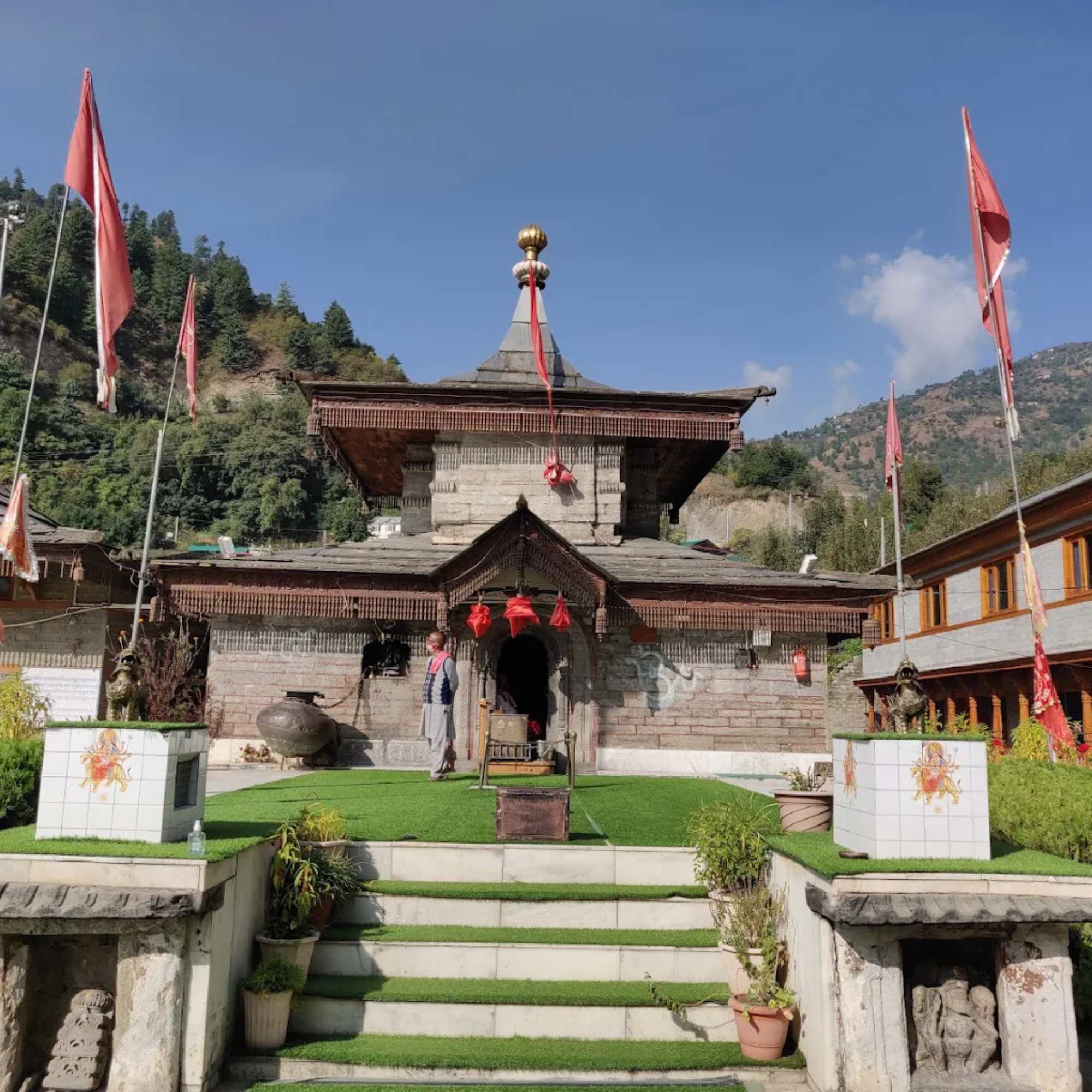
Most people who plan an Upper Shimla trip never make it as far as Hatkoti. They stop at Kufri, take a few photos, and turn back. That is the mistake. The Hatkoti temple sits deeper in, past the apple belt, in a quiet Pabbar valley that feels nothing like the crowded Shimla mall road.
In our experience running trips across Upper Shimla, this is the side of the district that surprises people most. Old stone temples, a heritage palace, orchards on every slope, and almost no tourist rush.
This guide covers the temple, the route, Jubbal Palace, the apple-belt story, and exactly how to plan it for 2026.
Quick Answer: Is Hatkoti Temple Worth Visiting in 2026?
Yes, if you like old temples, quiet valleys and heritage over crowds. The Hatkoti temple is a revered Hateshwari Mata temple in Jubbal, roughly 97 to 102 km from Shimla.
It suits travellers who enjoy temple architecture, the Pabbar River setting, Jubbal Palace, and apple-belt culture rather than busy hill-station cafes.
One honest caveat: timings and road conditions change, and different sources give different numbers. Check both locally before you travel.
Where Is Hatkoti Temple Located?
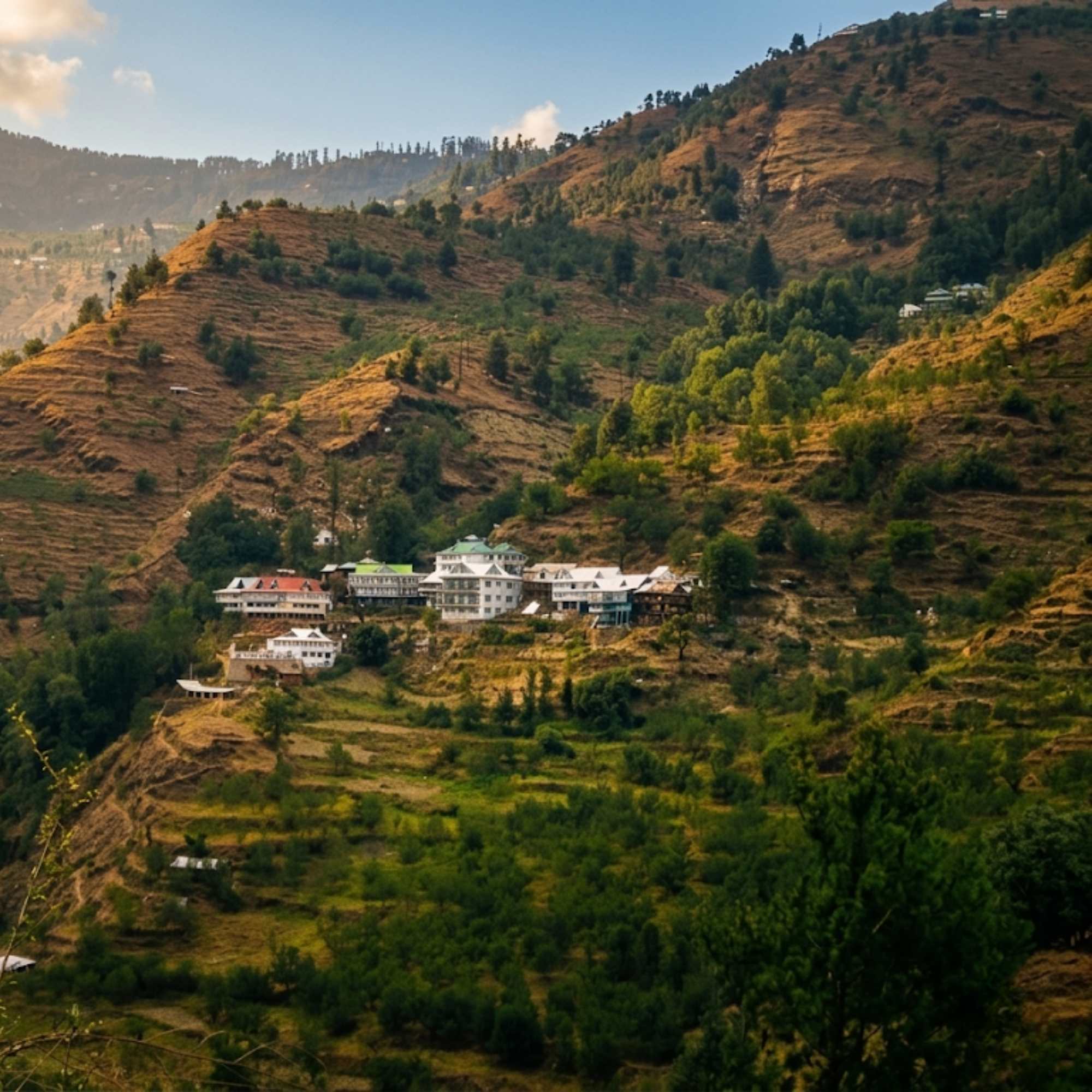
Hatkoti is a small village in the Jubbal area of Shimla district, Himachal Pradesh. It sits in a green river valley, far from the main Shimla tourist zone.
The official Shimla District page places it 97 km from Shimla and 84 km from Kufri. Some travel sources push the figure to around 100 to 102 km, depending on where they measure from.
The temple stands beside a river. Most sources call it the Pabbar River, though the official Shimla page spells it Jabbar River. Either way, the water running past the complex is part of what makes the spot feel calm.
What Is Hatkoti Temple Famous For?
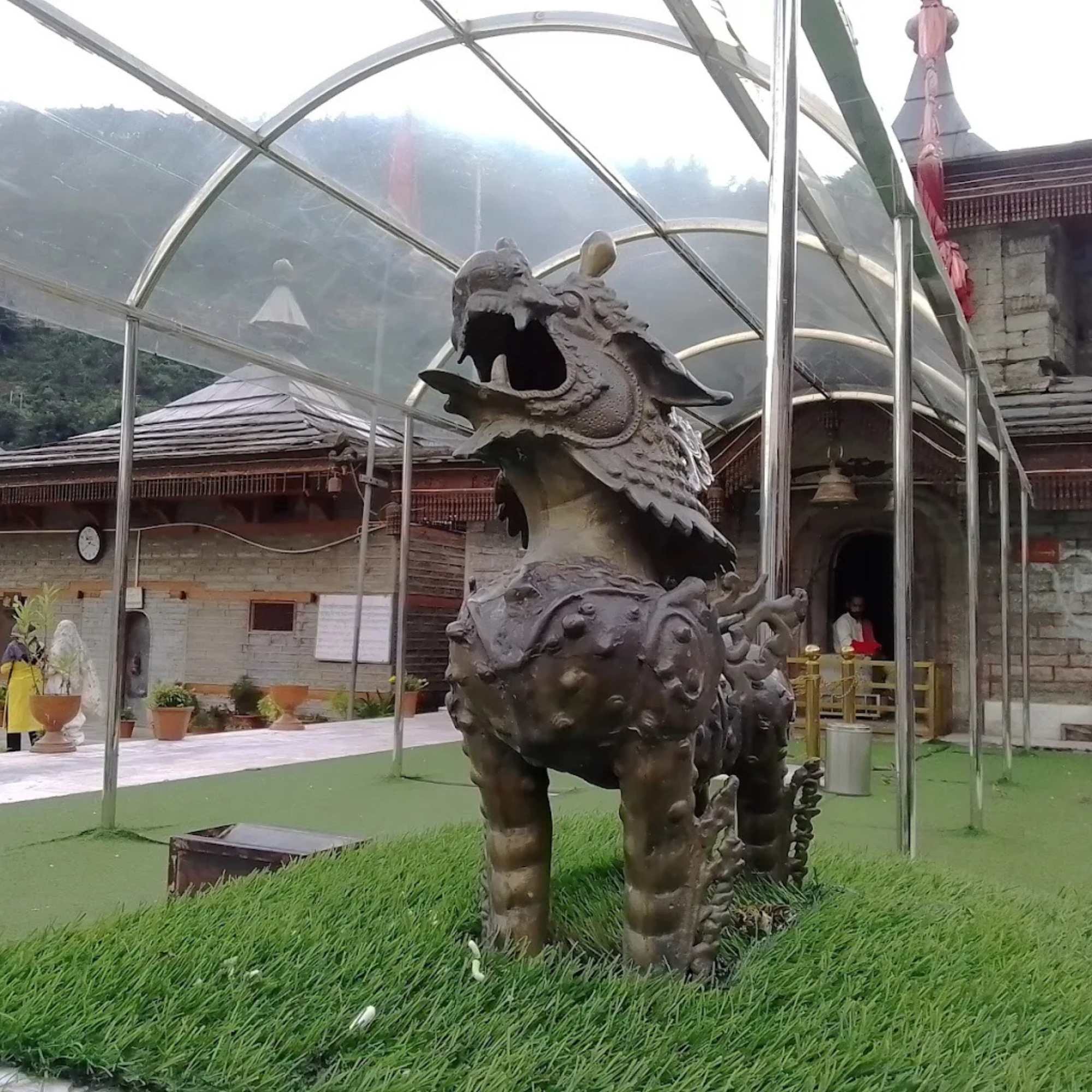
The temple is famous for Maa Hateshwari, also called Hatkeshwari Mata. Locals worship her as Durga in her Mahishasurmardini form, the goddess who slays the buffalo demon Mahishasur.
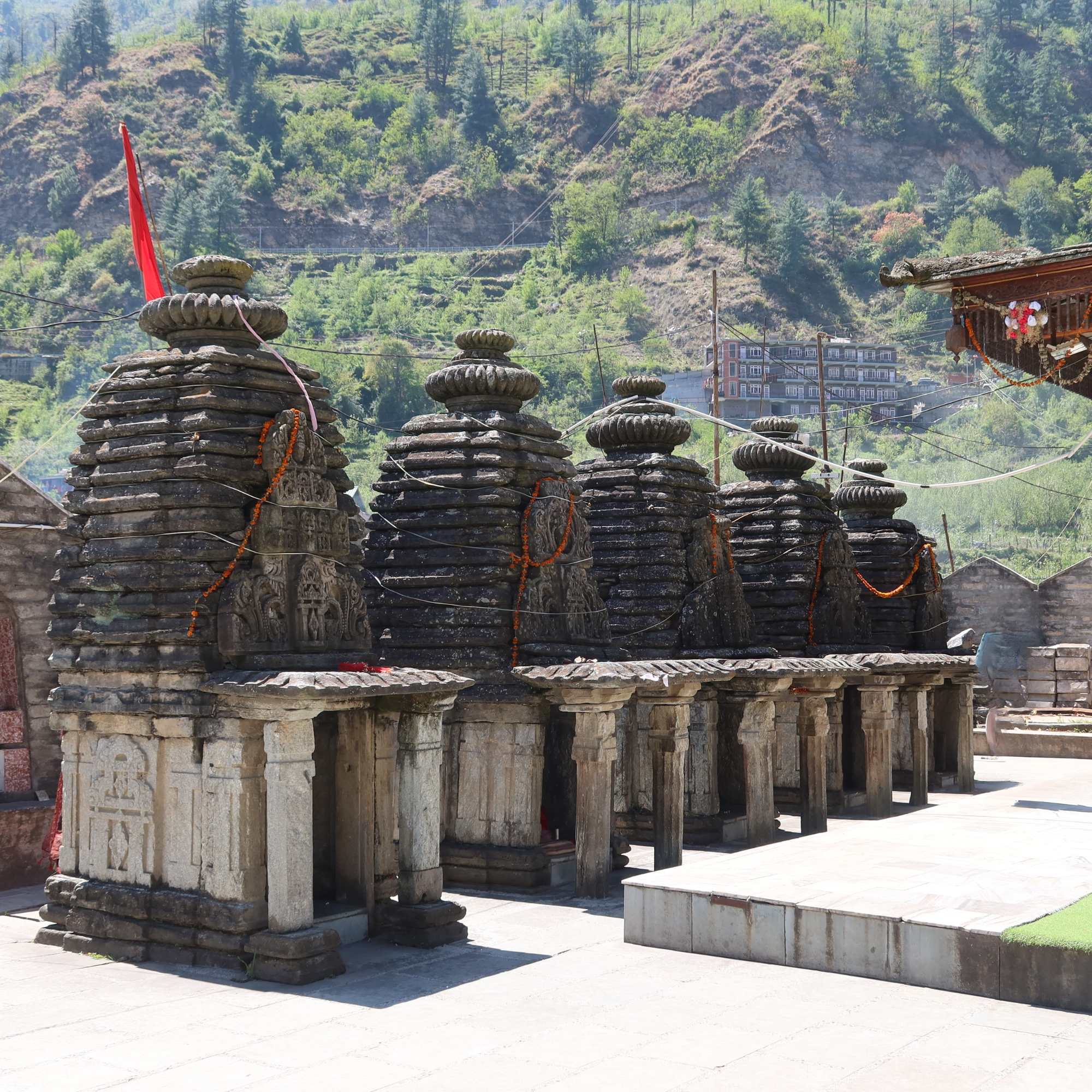
The complex is more than one shrine. There is the main Hateshwari shrine, a separate Shiva shrine, and shrines that locals link to the Pandavas.
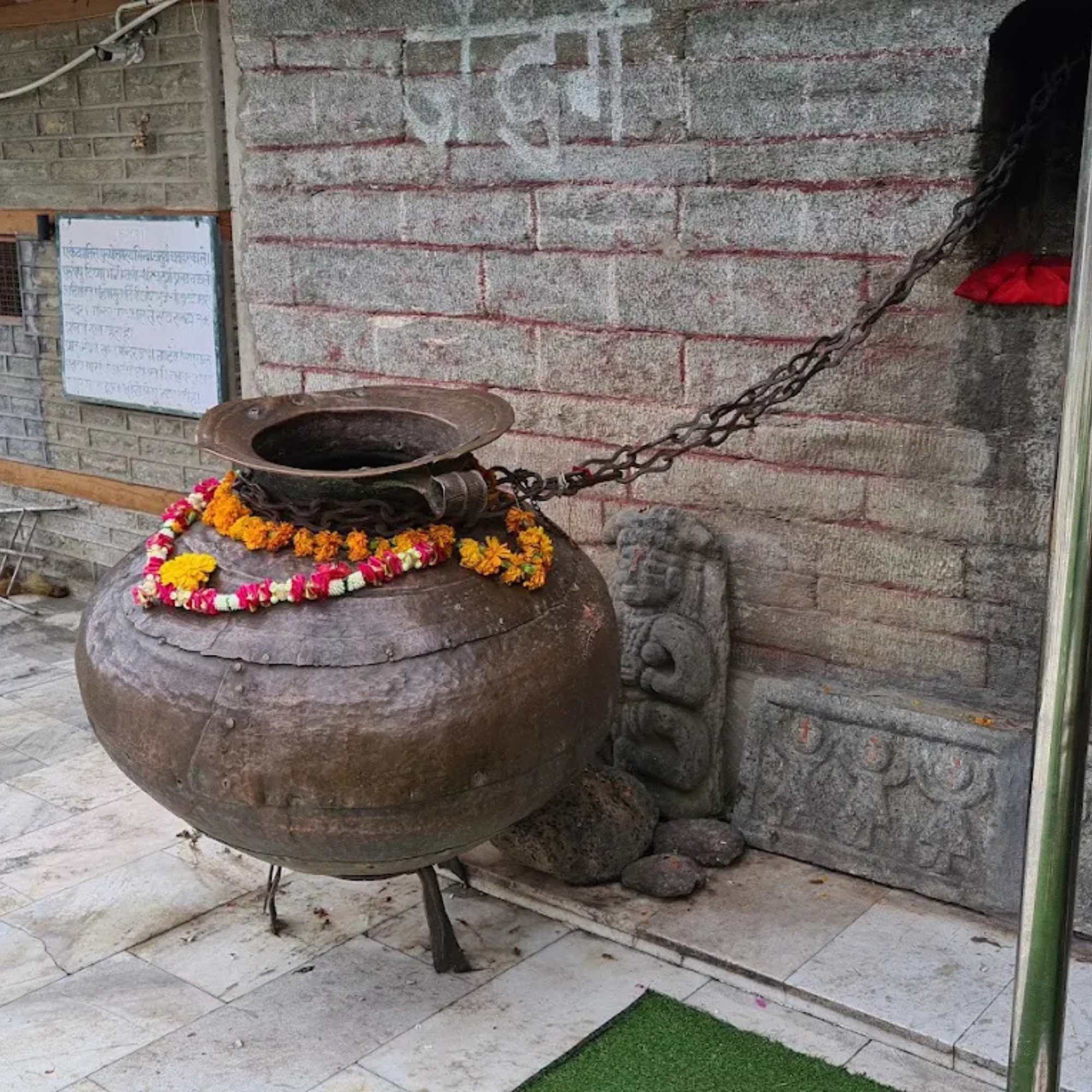
There is also the legend of a chained Kalash, a metal pot tied with chains, which carries its own story in local faith.
Treat all of this as living local belief rather than confirmed history. That is how the people of Jubbal hold it, and that is part of what makes the place feel real.
What Is the History of Hatkoti Temple?
The temple is old. How old, nobody can say with full certainty.
Different sources date it between the 6th and 9th century. Some point to the late 9th century, others to the Gupta period, and a few to the Pratihara period.
The Pandava and Mahabharata connections come from oral tradition passed down in the valley. We always tell our travellers to enjoy these stories for what they are: local memory, not a history textbook.
What Should You See Inside Hatkoti Temple Complex?
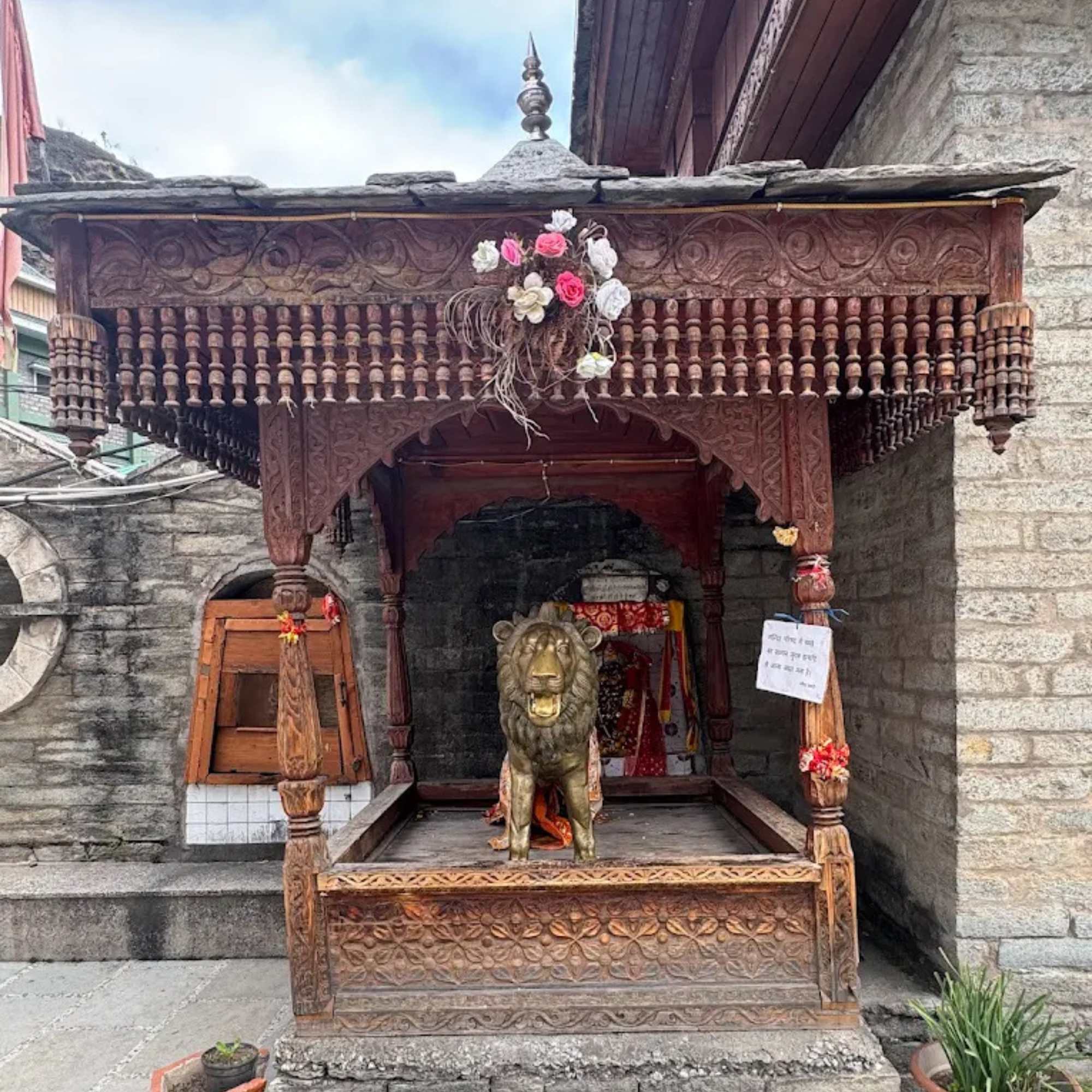
Maa Hateshwari Shrine
This is the heart of the complex. The idol is reported as 1.2 metres tall and made of ashtadhatu, an alloy of eight metals.
Sources disagree on the arms. Some describe eight arms, others ten. Stand in front of it and count for yourself.
Shiva Shrine
The complex also holds a separate Shiva shrine. Multiple sources confirm this, so it is one of the more reliable details here.
Many visitors miss it because they head straight to the main goddess shrine and leave. Walk the full complex.
Pandava Deols
Locals point to five Pandava-linked shrines or idols inside the area. The connection is local belief tied to the Mahabharata, not documented fact.
Chained Kalash or Charu
There is a large metal or copper pot tied with chains, known as the chained Kalash or Charu. A legend explains why it stays bound.
We will not call it a proven miracle. It is a piece of local lore, and it is worth asking a temple caretaker about when you visit.
Carvings and Architecture
This is where descriptions clash. The official source calls it classical shikhara style. Other sources describe a pagoda-style roof or nagara-style elements.
What you actually see is a mix of stone, wood and Himalayan temple features. But the carvings reward a slow look rather than a quick photo.
What Are Hatkoti Temple Timings, Entry Fee and Darshan Time?
Entry is reported as free by travel sources. You do not pay to enter and pray.
Timings are where sources fight. Several list 6 AM to 8 PM, while another lists 6 AM to 10 PM. Because of this gap, check locally before you plan an evening darshan.
Most visitors spend 1 to 2 hours inside the complex. That is enough to see the shrines, sit by the river, and not rush.
How to Reach Hatkoti Temple from Shimla, Chandigarh and Delhi
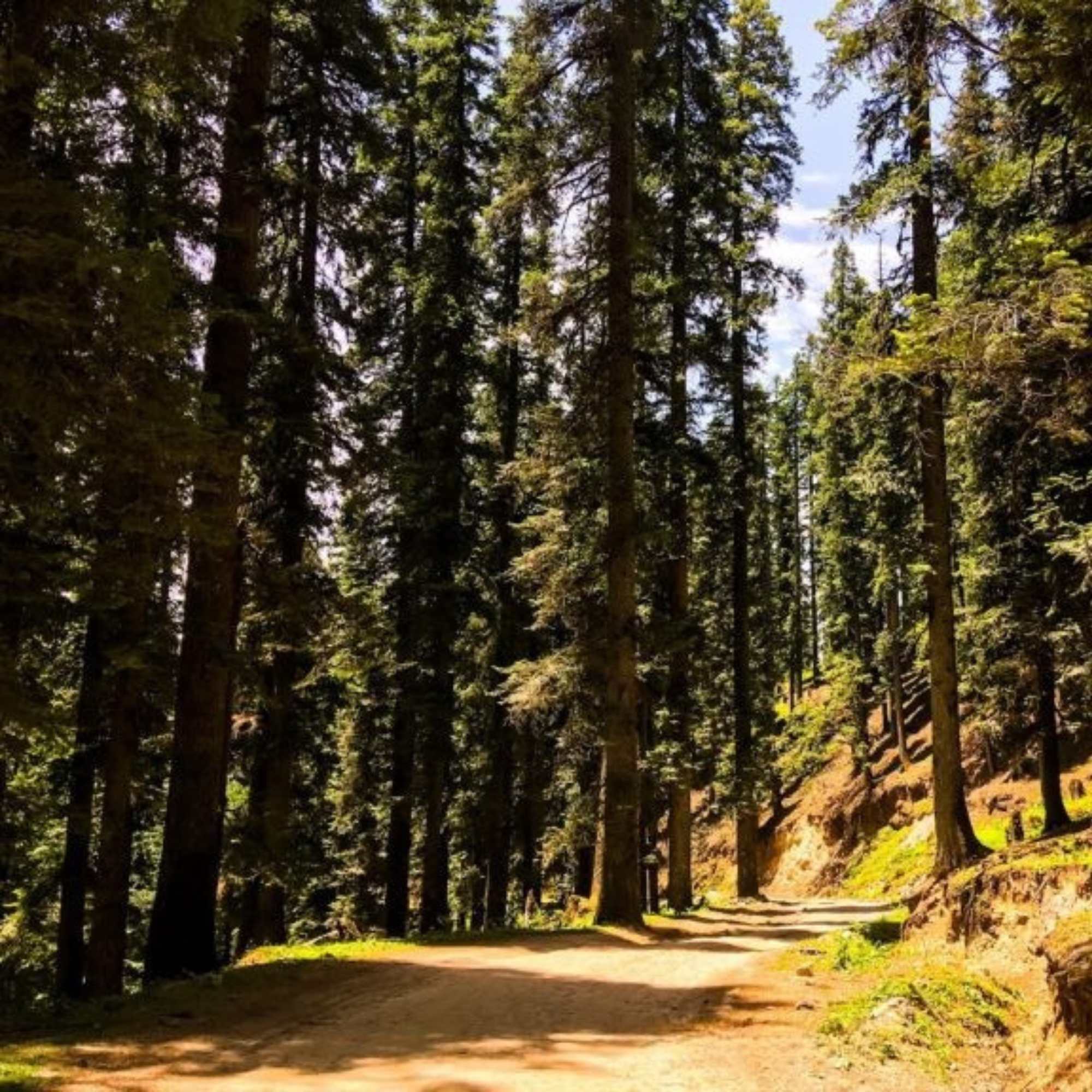
The common road route runs Shimla to Theog to Kotkhai to Jubbal to Hatkoti. This is the line most travellers and our drivers take.
By train, the nearest railhead is Shimla Railway Station, about 94 km away. By air, Shimla (Jubbarhatti) Airport is about 126 km away according to the official Shimla District page.
Road is the practical option. There is no quick flight-and-arrive route to Hatkoti, so plan for a drive.
Here is a 2026 update worth knowing. Shimla Police advised travellers coming from Chandigarh or Solan and heading beyond Shimla to use the Shoghi-Mehli-Dhalli bypass, about 33 km, to skip the worst of Shimla city traffic.
This bypass matters for anyone going toward Kufri, Theog, Kotkhai, Jubbal and Hatkoti. To put the congestion in context, around 85,000 vehicles entered and exited Shimla through the Shoghi barrier in a single weekend in June 2026.
If you would rather not drive a full Himachal loop yourself, our popular Himachal tours include routes our local team runs every season.
Can You Visit Hatkoti Temple as a Day Trip from Shimla?
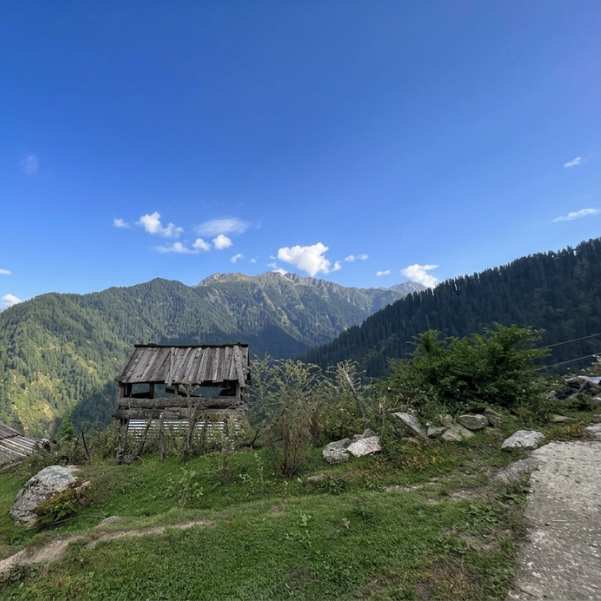
Yes, but only with an early start. This is not a lazy late-morning plan.
The drive time is one of those facts that depends on who you ask. The official source says Shimla to Hatkoti takes about 2 to 3 hours. Travel blog sources say 3 to 4 hours.
We tell people to plan a full day either way. Traffic, road repair, monsoon, snow and apple-season truck movement can all slow you down without warning. A buffer keeps a day trip from turning into a stressful night drive back.
What Is Special About Jubbal Palace Near Hatkoti?
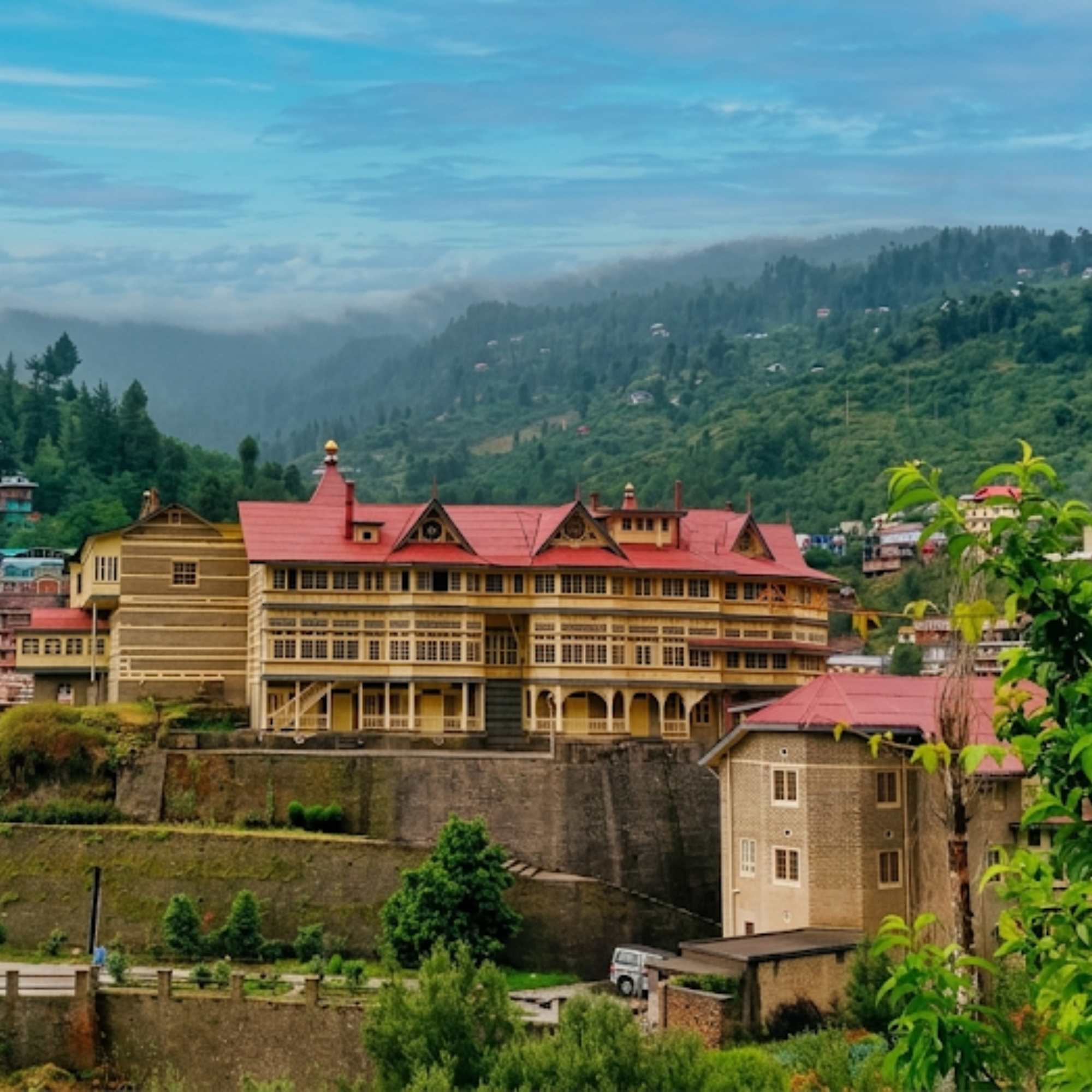
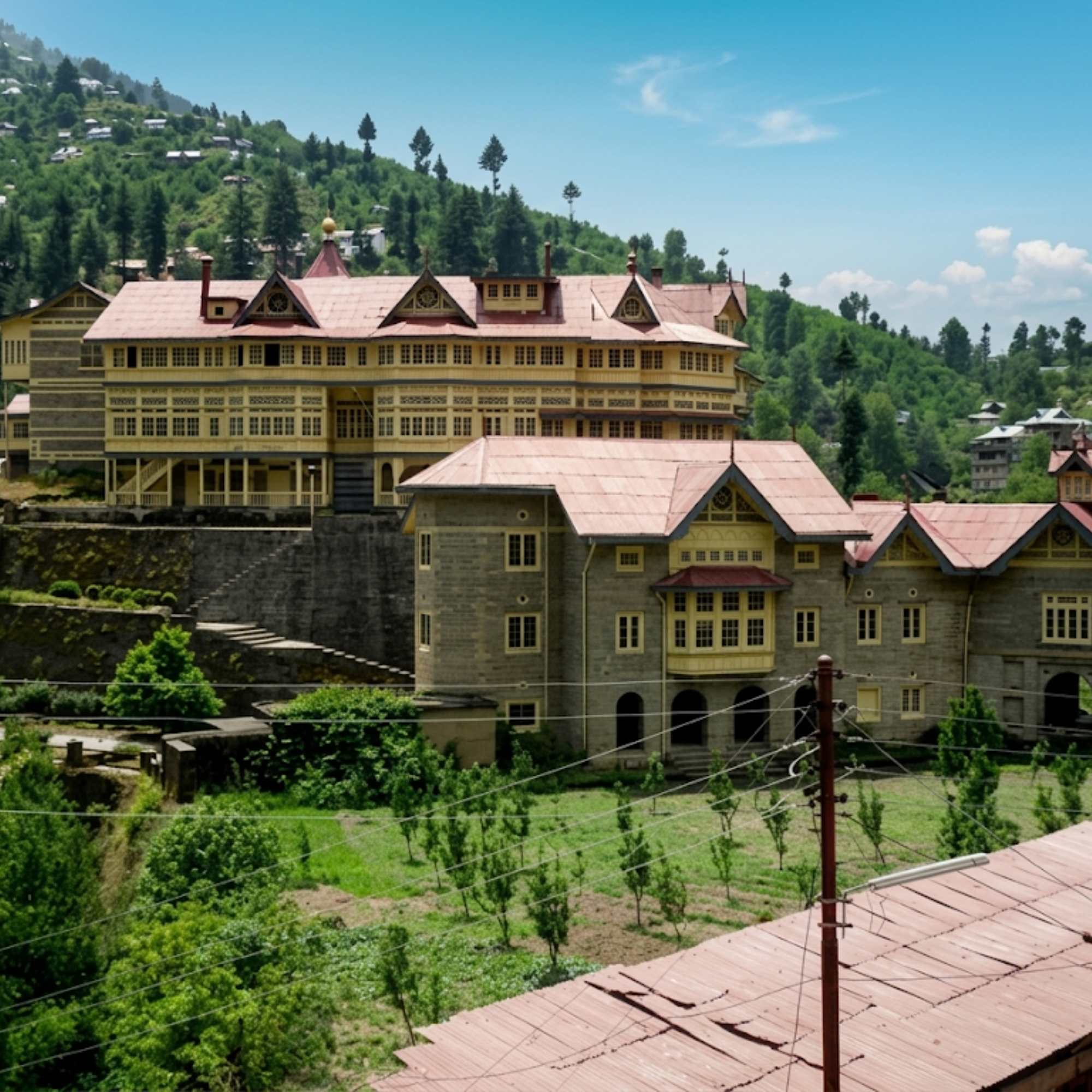
Jubbal Palace is the heritage highlight you pair with Hatkoti. Jubbal town sits around 90 km from Shimla and 76 km from Kufri according to Trawell.
Trawell lists the palace timing as 8 AM to 6 PM with free entry, since palace access can change depending on the family and upkeep. Trip.com suggests 1 to 2 hours of sightseeing here.
The building itself is the draw. Trawell describes it as a blend of Chinese, Indian and European design, with deodar timber, sloping roofs and red chimneys. It does not look like a standard Indian palace, which is exactly why it stays in your memory.
Jubbal state history goes back to the 12th century according to Nagar Panchayat Jubbal, so the area has carried importance for a long time.
If you are extending this trip toward the tribal districts, our Kinnaur tour package connects well with the Upper Shimla belt.
Why Is Jubbal Called an Apple-Belt Heritage Region?
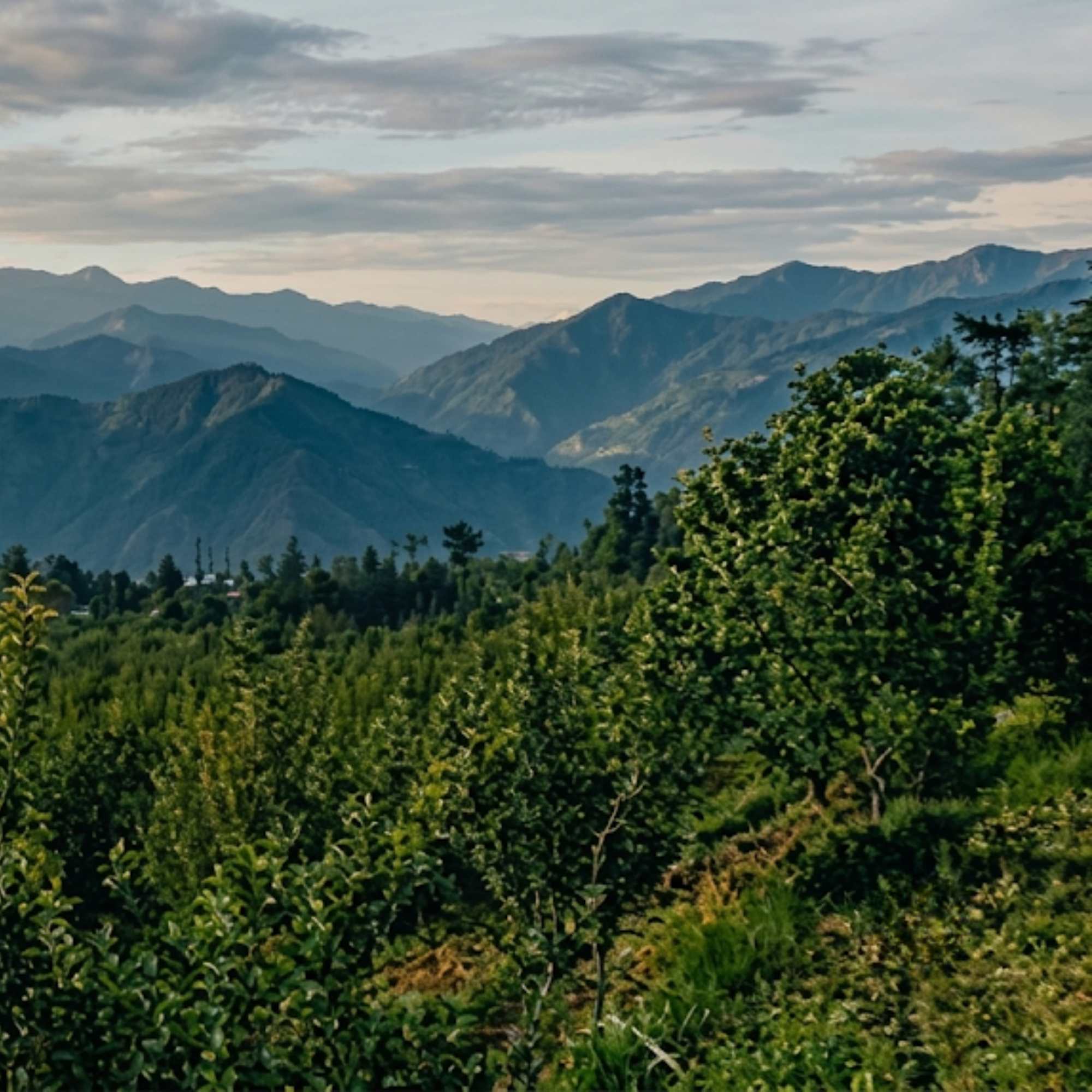
Nagar Panchayat Jubbal describes the town as a prosperous apple pocket. This is not a marketing line. Apples run the local economy here.
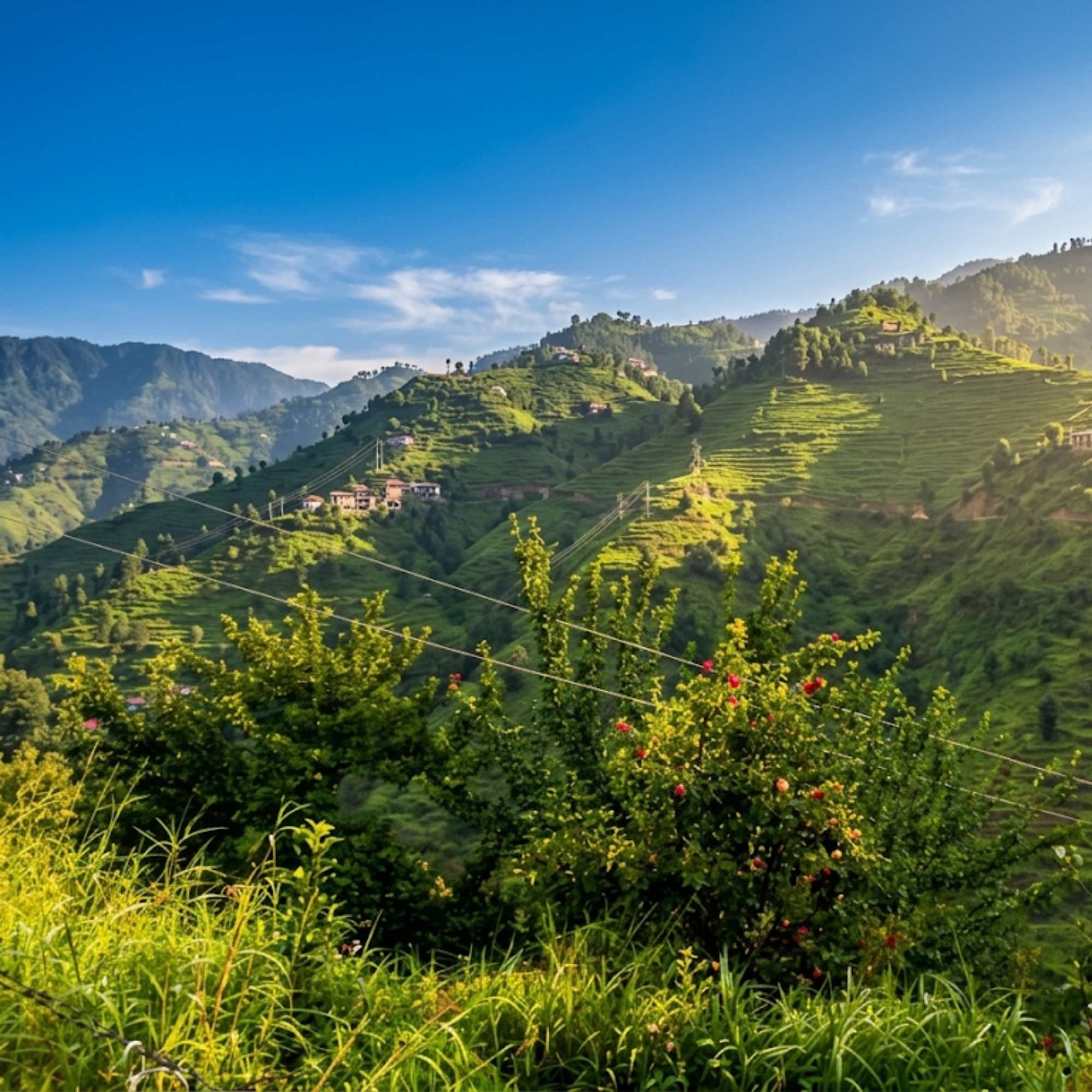
Look at the slopes and you see orchards everywhere. They are living heritage, a way of life passed across generations, not just a backdrop for your photos.
There is a real travel effect too. During apple season, roads get busier with local transport and orchard activity, so your drive can slow down.
For 2026 context, HPMC was directed in May 2026 to prepare for apple procurement under MIS. To show the scale, 98,540 metric tonnes were procured under MIS in 2025 according to reporting.
One honest warning. Recent reports said bad weather and damaged roads hit the apple trade and yield. During harvest and monsoon, stay flexible with your plans and expect the unexpected on the roads.
Best Time to Visit Hatkoti and Jubbal
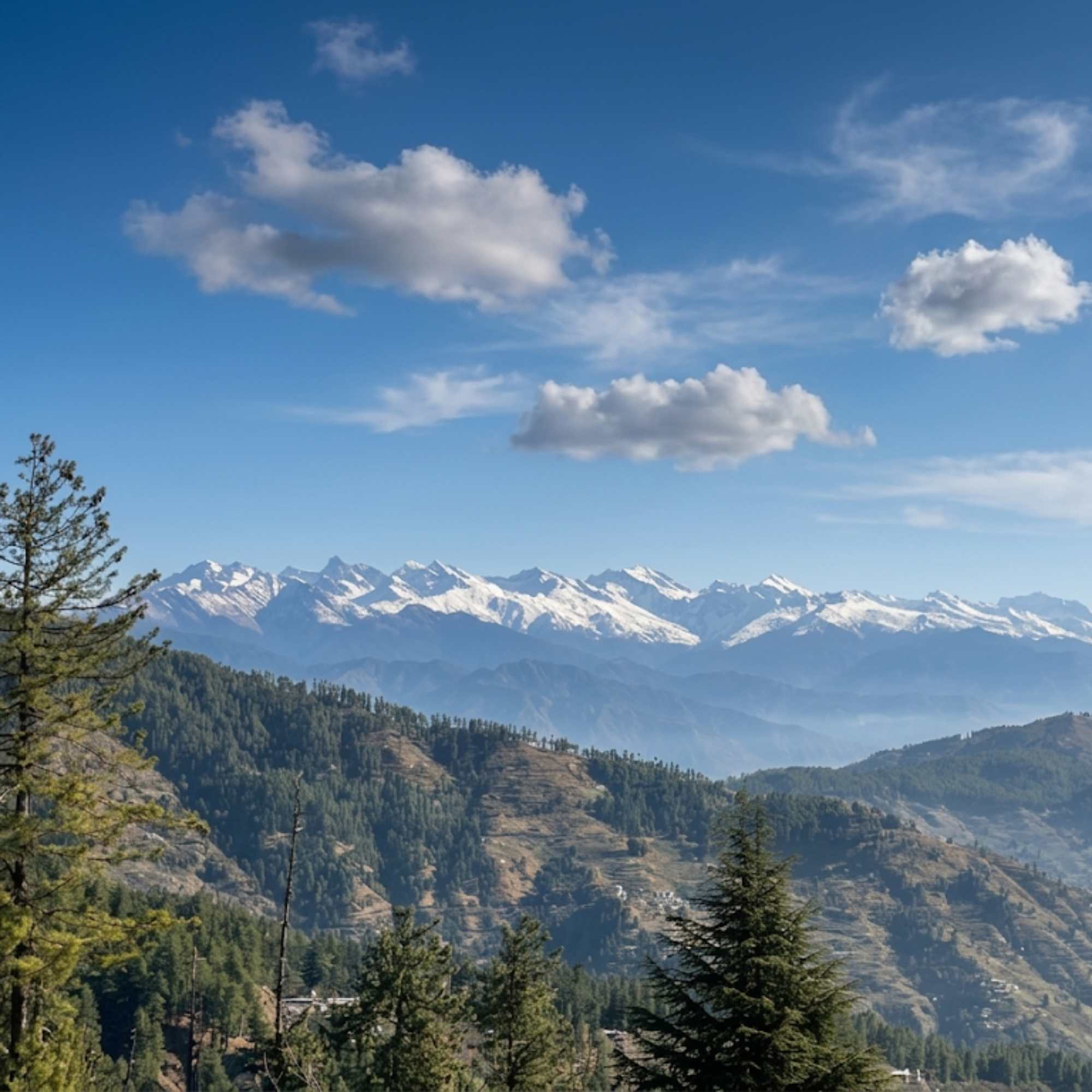
Trawell lists April to October as a good window. KKSb suggests March to June and October to November for pleasant weather.
Here is how we would actually plan it. Pick March to June for clearer drives and easy temple visits. Pick September to October for post-monsoon views and the full apple-belt feel.
If you want festival energy, time it for Navratri, when the temple comes alive.
The warnings are simple. Monsoon brings landslides. Winter brings snow, black ice and delays. Neither makes the trip impossible, but both make a buffer day and a careful driver non-negotiable.
Suggested 1-Day and 2-Day Hatkoti Jubbal Itinerary
One-Day Shimla to Hatkoti Temple and Jubbal Palace
Start early from Shimla and take the bypass toward Theog. Drive through Theog and Kotkhai, watching the landscape shift into orchard country.
Reach Jubbal Palace first, spend an hour or two on the heritage stop, then move to Hatkoti Temple for darshan and time by the river. Drive back to Shimla the same evening.
Do not overpack the day with extra detours. The drive and the two main stops fill it well.
Slow 2-Day Upper Shimla Heritage Route
Day one, drive from Shimla and stay the night at Kharapathar or Jubbal, breaking the journey instead of rushing.
Day two, visit Hatkoti Temple in the calm morning light, then Jubbal Palace, and take in the apple orchards from the roadside before heading back. We will not invent hotel names or prices here, so confirm stays with us or check on the ground.
Add-On Ideas
If road conditions are good and you have the time, you can stretch toward Rohru, Chanshal or Kinnaur. Only do this with solid roads and a flexible schedule, not on a tight day plan.
For a similar slow-valley feel on the other side of Himachal, our Jibhi and Tirthan Valley trips work the same way.
Practical Travel Tips Before You Go
Carry cash. Card and UPI coverage thins out as you move deeper into the valley, so keep small notes handy.
Dress respectfully at the temple and keep your behaviour quiet inside the complex. This is an active place of worship for the people of Jubbal.
Ask before you photograph people, and do not shoot the sanctum if it is restricted. Carry a water bottle, because dependable shops get rare on the route.
Keep buffer time in your plan and check road status before you leave. If you are not confident on narrow hill roads, hire a local driver who knows the bends.
KKSb reports parking, washrooms and prasad or snack stalls at the temple, but facilities at small temples change, so do not bank on them fully.
If you want a slow Himachal trip that is not the usual crowded Shimla-Manali run, message Travel Coffee and our Shimla-based team will build you a custom Hatkoti and Jubbal plan.
Should You Choose Hatkoti-Jubbal or Mainstream Shimla/Manali?
These are two different kinds of trips, and neither wins for everyone.
Hatkoti and Jubbal suit you if you want quiet temples, heritage buildings, river valleys and real local culture without a crowd around you.
Shimla and Manali suit you if you want classic hill-station comforts, cafes, easy infrastructure and plenty of things laid out for tourists.
If you are still deciding, a balanced trip can fold a Hatkoti-Jubbal day into a wider plan. Our Manali tour package can help you mix the quiet and the classic.
Explore Our Curated Jubbal Tour Packages
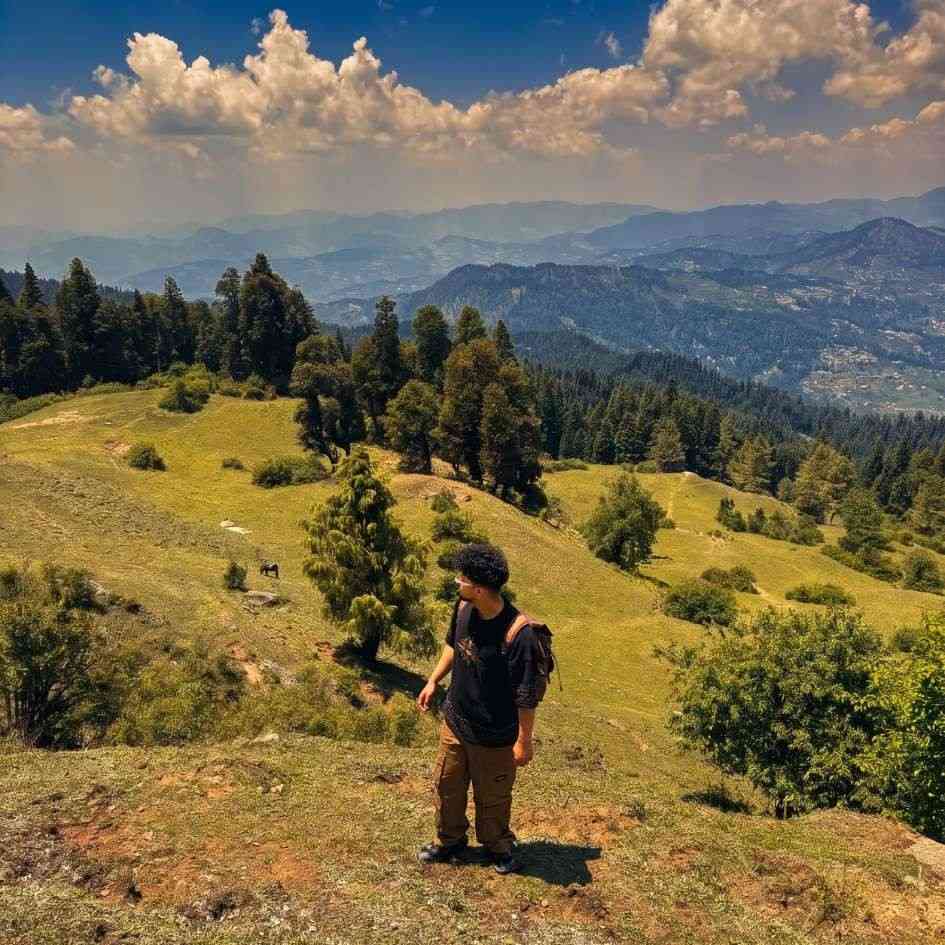 Group Tour5D/4N
Chanshal Pass Weekend Group Trip With Giri Ganga and Kuppar Bugyal
1D Kharapathar / Kotkhai•1D Rohru / Chirgaon (Pabbar Valley)
₹8,999₹12,999SAVE INR 4,000/ person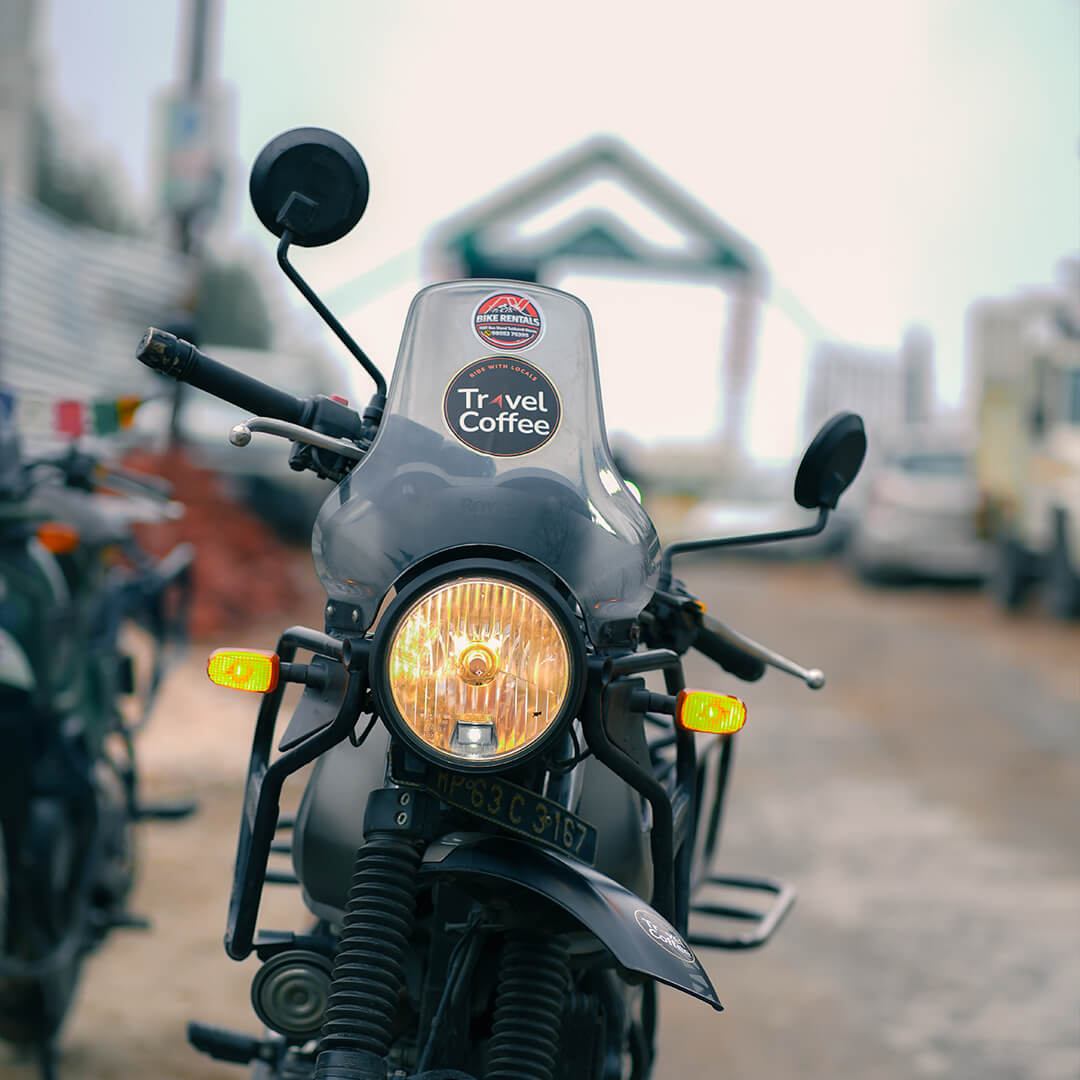 8D/7N
8D/7NUltimate Pabbar Valley Bike Expedition With Giri Ganga Kuppar Bugyal Chanshal Pass and Dodra Kwar
1D Kharapathar / Kotkhai•2D Rohru / Chirgaon (Pabbar Valley)+1
₹29,999/ person 8D/7N
8D/7NMost Loved 4x4 Pabbar Valley Expedition With Giri Ganga Kuppar Bugyal Chanshal Pass and Dodra Kwar
1D Kharapathar / Kotkhai•2D Rohru / Chirgaon (Pabbar Valley)+1
₹32,999₹39,999SAVE INR 7,000/ person
Related topics
Frequently Asked Questions
What is Hatkoti Temple famous for?
It is famous for Maa Hateshwari, worshipped as Durga in Mahishasurmardini form, along with a Shiva shrine, Pandava-linked shrines and the chained Kalash legend.
Where is Hatkoti Temple located?
In Hatkoti village in the Jubbal area of Shimla district, Himachal Pradesh, beside the river in a quiet valley.
How far is Hatkoti Temple from Shimla?
Around 97 to 102 km. The official figure is 97 km, while some travel sources say closer to 100 to 102 km.
What are Hatkoti Temple timings?
Sources list either 6 AM to 8 PM or 6 AM to 10 PM. Check locally before planning an evening darshan.
Is there any entry fee for Hatkoti Temple?
Travel sources report free entry. You do not pay to enter and pray at the temple.
Which goddess is worshipped at Hatkoti Temple?
Maa Hateshwari, also called Hatkeshwari Mata, worshipped as Durga in her Mahishasurmardini form.
What is the history of Hateshwari Mata Temple?
The dating varies between the 6th and 9th century, with some linking it to the Gupta or Pratihara period. Pandava stories here come from oral tradition.
What is the best time to visit Hatkoti Temple?
March to June for clear drives, September to October for post-monsoon views and apple-belt feel, and Navratri for festival energy.
Can Hatkoti Temple be covered in one day from Shimla?
Yes, with an early start. Drive time is reported as 2 to 3 hours officially and 3 to 4 hours by blogs, so plan a full day.
Is Jubbal Palace near Hatkoti worth visiting?
Yes, if you like heritage architecture. It blends Chinese, Indian and European design with deodar timber, sloping roofs and red chimneys.
What is the story of the chained Kalash at Hatkoti Temple?
It is a local legend about a large metal or copper pot tied with chains. Treat it as local belief, not a proven miracle.
Is photography allowed inside Hatkoti Temple?
Photography inside the sanctum may be restricted. Ask the temple staff first and avoid shooting where it is not allowed.
Is the road to Hatkoti open in 2026?
NH-705 Theog-Hatkoti repair work was reported in late 2025 as expected to finish by March 2026. Check road status before you travel.