
15 Famous Things To Buy In Manali
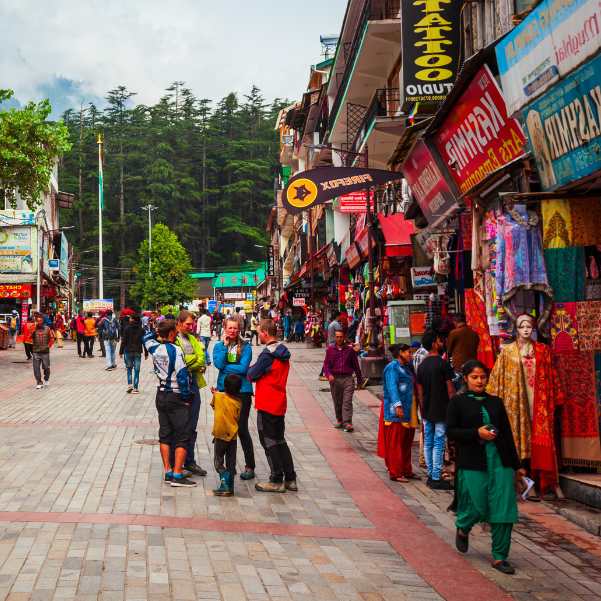
Manali's mountain markets have authentic Himachali crafts, traditional textiles, and unique souvenirs.
The town's bazaars mix local heritage with Tibetan influences in ways you won't find elsewhere. Whether you want handwoven shawls, aromatic spices, or traditional handicrafts, Manali has something special for every shopper.
We've been guiding travellers through these markets for years, and we've seen visitors fall in love with the famous things to buy in Manali.
👉 WhatsApp Travel Coffee to plan a Manali trip with time for local market shopping
10+ Unique Manali Finds for your 2026 Shopping Spree
These are just some of the things to buy in Manali that capture the essence of mountain life. Each item tells a story of the valley's rich cultural heritage.
Pashmina and Kullu Shawls
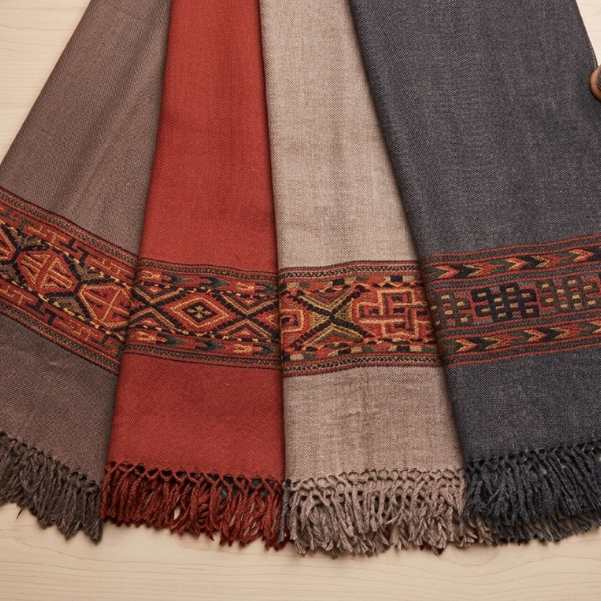
Walk into any shop here and the first thing locals will show you is pashmina. Real pashmina comes from the fine undercoat of Changthangi goats found in Ladakh and nearby Himalayan areas.
When you wrap yourself in genuine pashmina, you'll understand why it's been prized for centuries. No synthetic fabric comes close to that warmth.
Kullu shawls tell a different story. These are handwoven right here in the valley on traditional looms.
The weavers use patterns their grandmothers taught them and natural dyes from local plants. Each geometric design has meaning, often representing elements from nature or local folklore. You'll find shops selling these on Mall Road and throughout Old Manali.
Pure pashmina shawls range from ₹3,000 to ₹30,000 depending on thread count and quality. Kullu shawls are easier on the wallet at ₹800 to ₹5,000. We suggest you feel the fabric between your fingers and check how tightly it's woven.
Many shops sell pashmina blends, so always ask if it's 100% pure.
Tibetan Carpets and Rugs
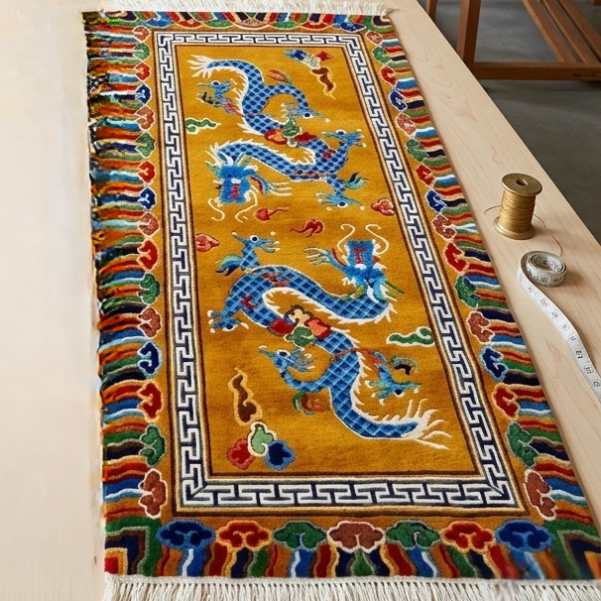
The Tibetan refugee community arrived in Manali in the 1960s and brought their carpet-weaving traditions with them. These aren't factory-made rugs. Skilled artisans spend weeks or months creating each piece by hand.
Head to the Tibetan markets in Old Manali or near Hadimba Temple. The shop owners there often know the weavers personally and can tell you the story behind each carpet. Small prayer rugs start around ₹2,000, while larger room carpets can run ₹50,000 or more.
With proper care, these carpets outlast generations. We've seen families pass them down like heirlooms.
Himachali Caps (Himachali Topi)
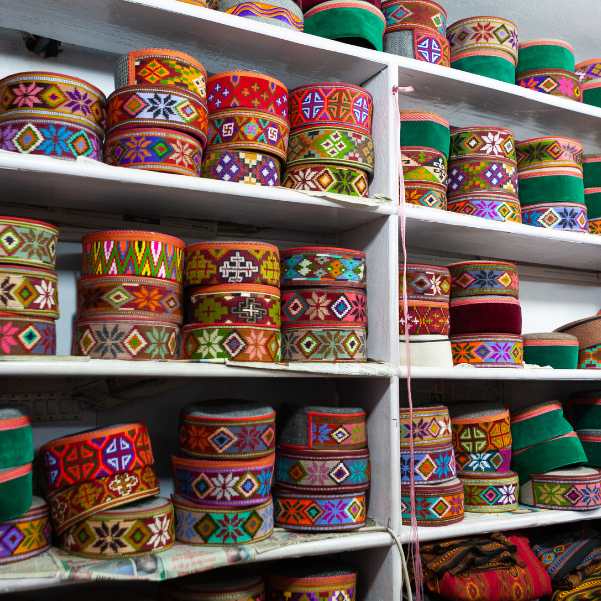
Every valley in Himachal has its own cap design. The classic green topi (cap) with red and yellow embroidery you see everywhere? That's the Kullu style.
But if you look closely, you'll notice caps from Kinnaur have different patterns, and Chamba caps tell yet another story through their stitching.
Local markets throughout Manali sell these caps. Prices range from ₹150 for machine-embroidered versions to ₹800 for hand-stitched pieces. The Tibetan Market and shops near Mall Road stock the best variety.
Machine-made versions work fine, but hand-stitched caps have character that only comes from hours of careful needlework by local artisans.
Tibetan Handicrafts and Prayer Items
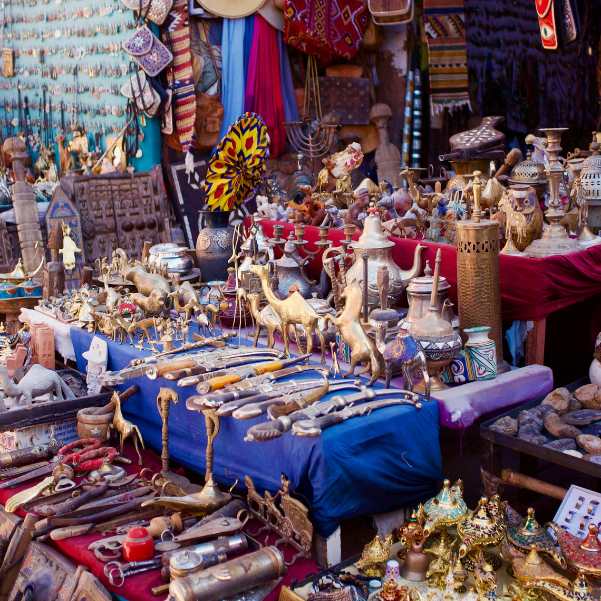
Old Manali's Tibetan shops are where spirituality and craftsmanship tune up together. Prayer wheels, singing bowls, thangka paintings, and carved masks line the shelves.
The singing bowls particularly fascinate visitors. Strike one or circle the rim with a wooden mallet and you'll hear that resonant tone used in meditation practices for centuries.
Wooden Handicrafts and Artwork
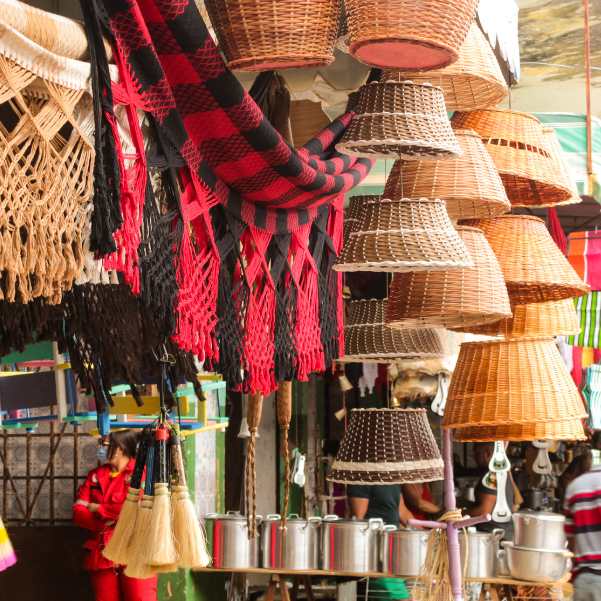
Local craftsmen have been working with Himalayan wood for generations. They use walnut, deodar, and pine from nearby forests to carve everything from small boxes to elaborate wall panels.
The Himachal Emporium on Mall Road also has quality and fair pricing. Private shops along the same stretch also stock genuine pieces.
Organic Honey and Local Produce
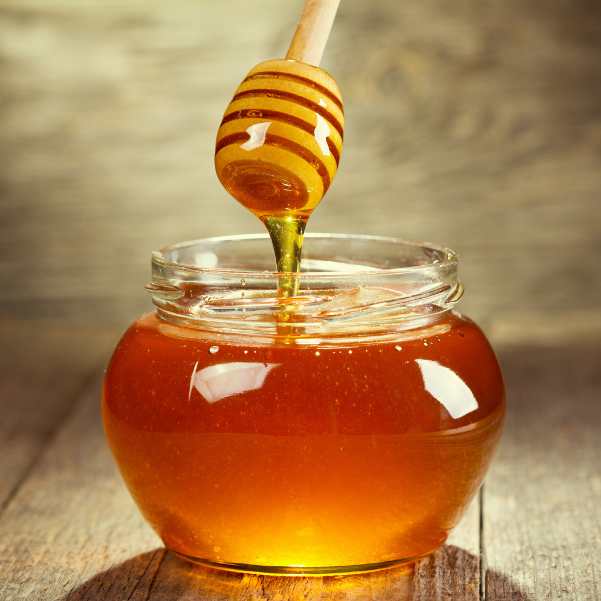
The bees here feast on high-altitude flowers you won't find in the plains. That's why Manali's honey tastes so distinct.
When shopping in Manali, you might want to buy the apple honey. It has a fruity sweetness, wildflower honey brings floral notes, and multiflora honey offers something in between. Many beekeepers also sell royal jelly and beeswax products.
Local markets and organic shops sell pure honey at ₹400 to ₹800 per kilogram. When honey crystallizes and looks thick, that's actually proof it's unprocessed and pure. You'll also find apple cider vinegar, jams, and dried fruits from orchards in the valley.
Always ask vendors where the honey comes from and when it was harvested.
Himalayan Spices and Herbs
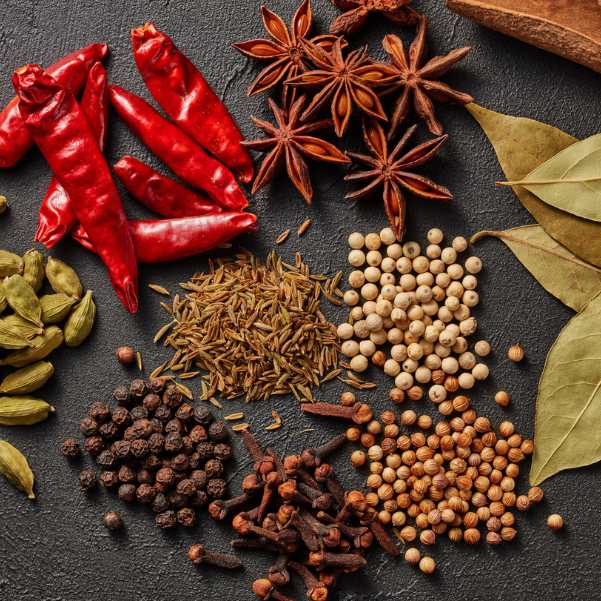
When shopping in Manali, close your eyes and let your nose guide you through Manu Market or the side lanes near Mall Road. The air fills with the scent of dried ginger, turmeric, cardamom, and mountain herbs.
Local vendors gather these from the surrounding slopes. The tea blends here often include Himalayan herbs that warm you from the inside out on cold mountain evenings.
Most spices cost ₹200 to ₹600 per kilogram, which is a steal compared to city prices. Vendors happily let you smell and inspect quality before buying. That's the mountain way…no pressure, just good conversation and honest trade.
While you are exploring the spice lanes near Mall Road, take a break and eat your way through the best of the town. Here are the 15 local street foods in Manali every traveller should try between shopping stops.
Yak Wool Products
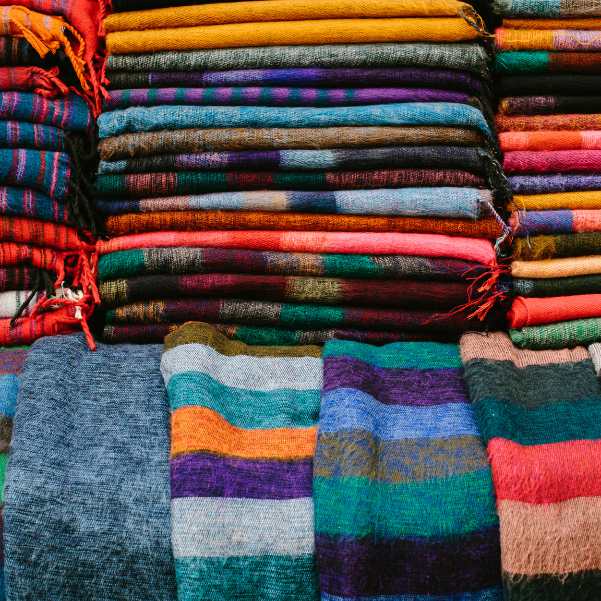
Ask any local what keeps them warm during harsh Himalayan winters and they'll point to yak wool. It's naturally insulating, surprisingly lightweight, and regulates temperature better than most materials.
Socks, sweaters, gloves, and blankets made from yak wool are popular with both locals and smart travellers.
Shops in Old Manali and the Tibetan Market specialize in these products. Many products mix yak wool with other fibres, so ask vendors about the percentage. Pure yak wool commands a premium but delivers unmatched warmth.
Traditional Jewellery and Silver Ornaments
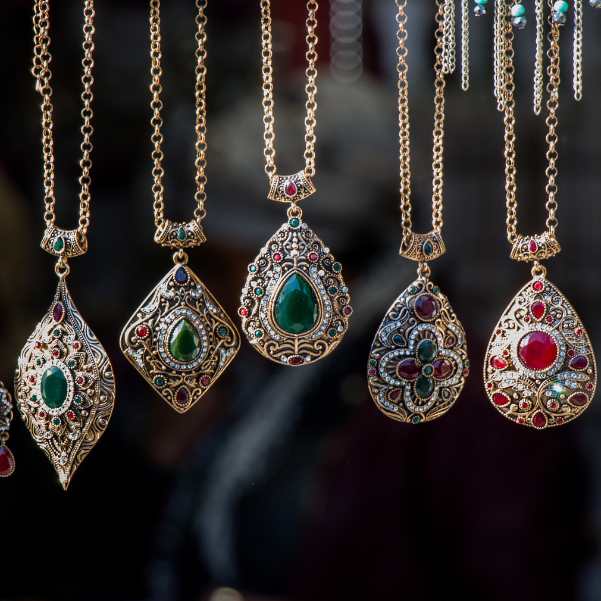
Tibetan and Himachali jewellery pieces tell stories through their designs.
Heavy silver necklaces set with turquoise and coral, prayer box pendants (ghau), and ornate earrings follow patterns worn during festivals and ceremonies for centuries. Each piece carries cultural meaning.
Don't miss verifying silver purity marks and stone authenticity. Imitations are common, so buy from reputable sellers who can explain where pieces come from.
Apple Products and Preserves

Himachal produces apples that supply markets across India. Naturally, you'll find excellent apple-based products here.
Apple wine, cider, jams, and pickles make practical souvenirs your friends will actually enjoy. The Himachal Emporium stocks quality products, with jams costing ₹200 to ₹400 per jar and wine ranging from ₹400 to ₹1,200 per bottle.
Visit during harvest season (September to November) and some orchards sell directly to visitors. You'll get better prices and often fresher products straight from the source.
👉 WhatsApp Travel Coffee to plan your Manali itinerary with market visits and day trips
Thangka Paintings

These Buddhist scroll paintings are detailed works of art. They show deities, mandalas, and spiritual teachings using mineral paints and sometimes gold leaf.
Real hand-painted thangkas can take months to make. Artists follow traditional methods passed down through generations.
Tibetan shops in Old Manali have collections from prints to hand-painted originals. Small hand-painted thangkas start around ₹2,000 to ₹5,000. High-quality pieces by master artists can cost over ₹1,00,000.
You'll also see machine-printed versions starting at ₹500. They're cheaper but don't have the artistic value of hand-painted ones. Ask about how it was made and who the artist is.
Woollen Clothing and Garments
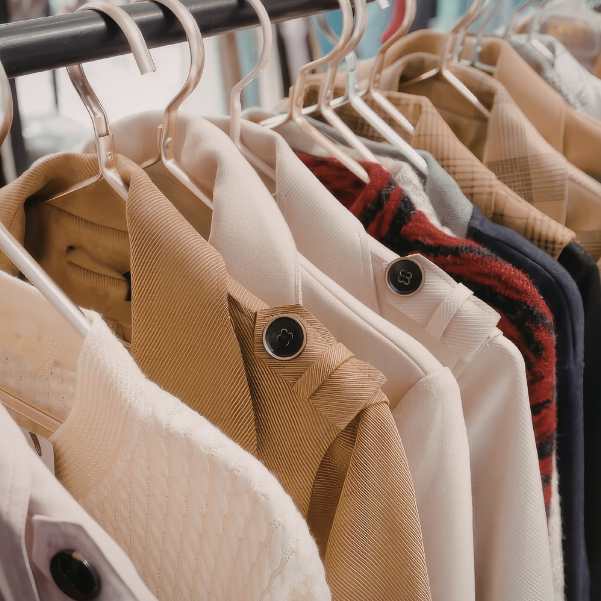
Manali's cold weather makes it a good place for winter wear. Locally made woollen sweaters, cardigans, mufflers, and shawls keep you warm. The clothing mixes traditional designs with everyday styles.
Angora Wool Items
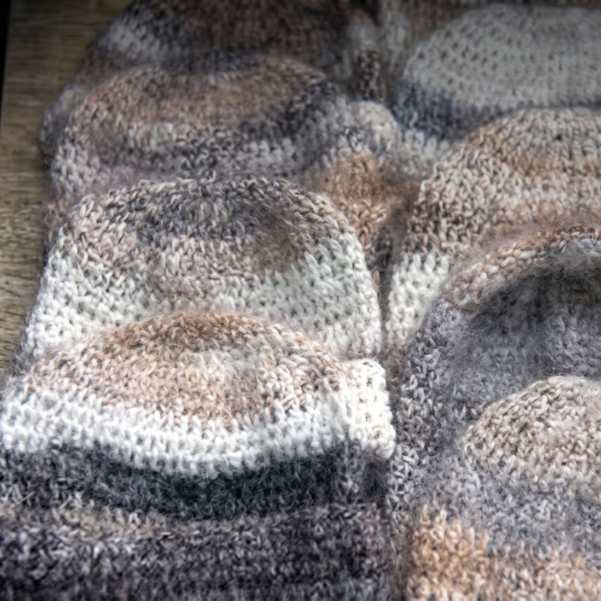
Some rabbit farms in Himachal Pradesh produce angora wool. It's used in premium clothing and feels silky while keeping you warm. It's less common than sheep or yak wool though.
Socks, stoles, and sweaters made from angora wool feel luxurious in cold weather.
Leather Goods and Accessories
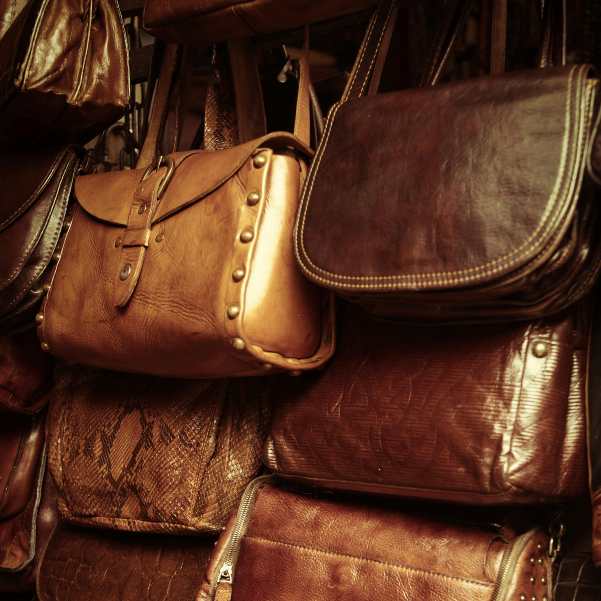
Local markets have leather jackets, bags, wallets, and belts at good prices. Leather goods aren't traditionally from Himachal but have become popular with tourists. Shops sell both real leather and synthetic alternatives.
Buddhist Artefacts and Home Décor
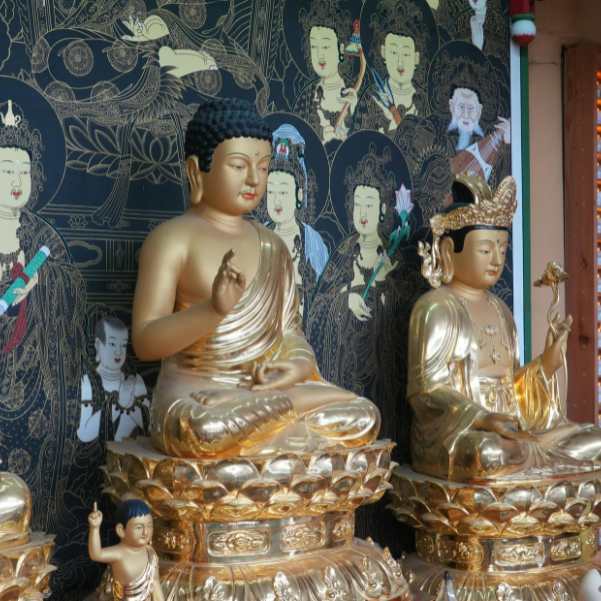
Prayer flags, incense holders, metal statues, and meditation cushions are a few other famous things to buy in Manali. They bring that peaceful mountain feel home. These items reflect Buddhist philosophy and Himalayan design traditions. Many are useful while adding cultural character.
Shopping is only one side of Manali. Between market visits, you can paraglide over Solang, raft the Beas, or bike to Naggar. Check out the top adventure activities in Manali to fill the rest of your days.
👉 WhatsApp Travel Coffee to plan your complete Manali trip
Make Your Manali Shopping Day Unforgettable with Travel Coffee
Shopping in Manali is absolutely about connecting with mountain culture, supporting local artisans, and taking home pieces that carry stories.
Whether you're wrapping yourself in a hand-woven Kullu shawl or decorating your home with Tibetan prayer flags, each purchase links you to centuries of Himalayan tradition.
At Travel Coffee, we've spent years exploring Manali's markets and building relationships with local vendors. We know which shops stock genuine products, where to find the best prices, and how to navigate the bazaars like a local.
Our guides can introduce you to artisans, help you understand quality differences, and ensure you bring home authentic treasures rather than tourist trinkets. Let us help you discover the real Manali, one shop at a time.
Related topics
Frequently Asked Questions
What is special in Manali to buy?
The famous things to buy in Manali include authentic pashmina and Kullu shawls, Tibetan handicrafts, traditional Himachali caps, and wooden artwork. The town also offers organic mountain honey, Himalayan spices, and yak wool products that reflect genuine craftsmanship.
Is Manali good for shopping?
Yes, shopping in Manali offers excellent options with markets combining traditional crafts, textiles, and local products at various prices. Quality varies between shops, so inspect items carefully before buying.
Is Manali cheap or expensive?
It depends on what you buy and where. Handicrafts and local produce are reasonably priced, while genuine pashmina and large Tibetan carpets cost more. Government emporiums have fixed prices and local markets allow negotiation.
What famous winter wear items should I shop for in Manali?
Famous things to buy in Manali for winter include Kullu shawls, pashmina wraps, woollen sweaters, yak wool socks, and angora stoles. Traditional Himachali caps, mufflers, gloves, and thermal wear are widely available.
Which are the best places in Manali to buy traditional Himachali caps?
Try the Tibetan Market, Mall Road shops, local vendors near the bus stand, or the Himachal Emporium. Prices range from ₹150 to ₹800 depending on whether they're machine-made or hand-embroidered.
Are Tibetan handicrafts in Manali worth buying?
Yes, items like singing bowls, prayer wheels, and thangka paintings offer good value when authentic. Prices beat Western markets and purchases support Tibetan refugee communities maintaining traditional crafts.
Which are the best places in Manali to buy traditional Himachali artwork?
The Himachal Emporium on Mall Road sells government-certified wooden artwork at fixed prices. Private Mall Road shops, craft stores near the bus stand, and some Old Manali workshops also stock genuine hand-carved pieces.
More about Manali
 Manali
Medical Help in Manali for Tourists 2026: Hospitals, Pharmacies and Emergency Steps
Need medical help while travelling in Manali? This guide covers hospitals, pharmacies, emergency contacts and practical steps tourists should take during illness or injury. It also explains what to do in urgent situations, including breathing problems at higher altitudes.
- First-Time Travellers
- Altitude & Health
 Manali
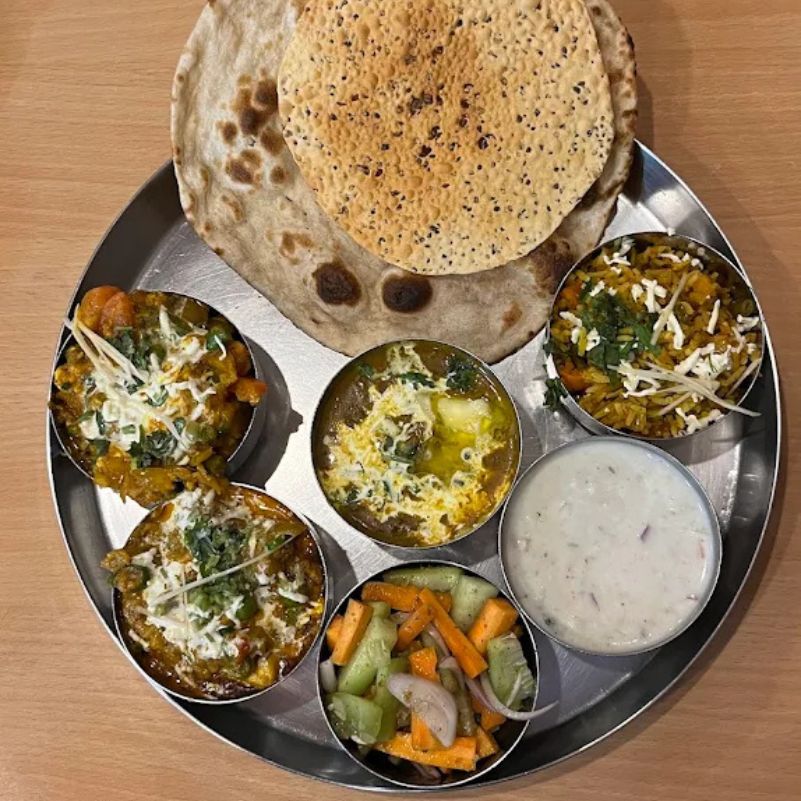
Vegetarian and Jain Food in Manali 2026: Where to Eat Without Guesswork
Looking for reliable vegetarian and Jain food in Manali? This guide covers pure veg restaurants, Jain-friendly places, no onion no garlic options, and practical tips on what to confirm before ordering in 2026.
- Things to Do
- Places to Visit
 Manali
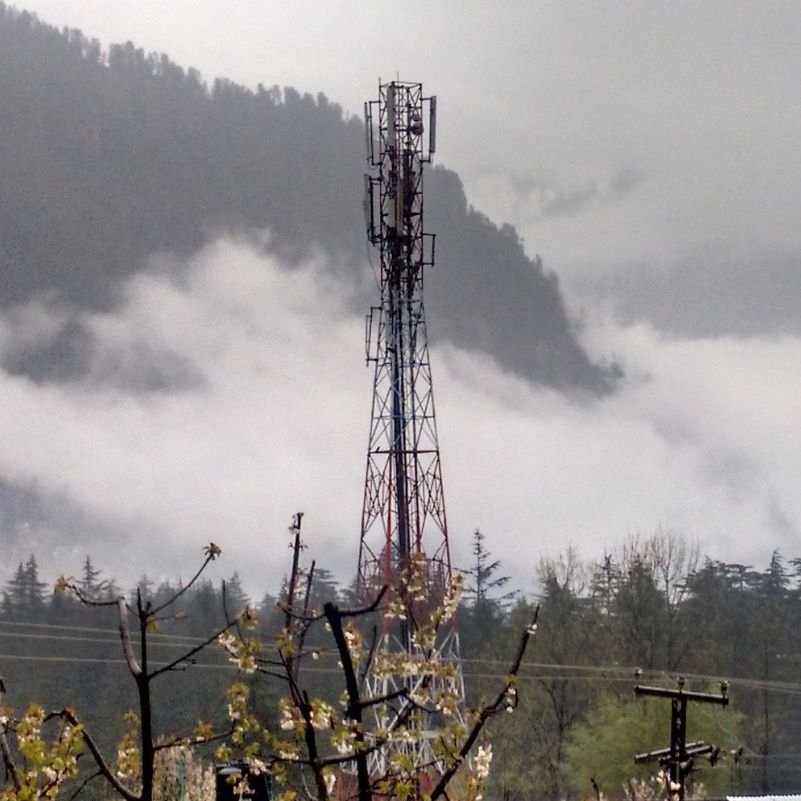
Mobile Network, Internet, UPI and ATMs in Manali 2026: What Works Where
Planning a Manali trip in 2026? Know which mobile networks work, where internet may be weak, whether UPI is reliable, and where to find ATMs. This guide helps you stay connected and payment-ready during your Manali trip.
- First-Time Travellers