
Dodra Kwar Travel Guide 2026: The Villages Beyond Chanshal Pass
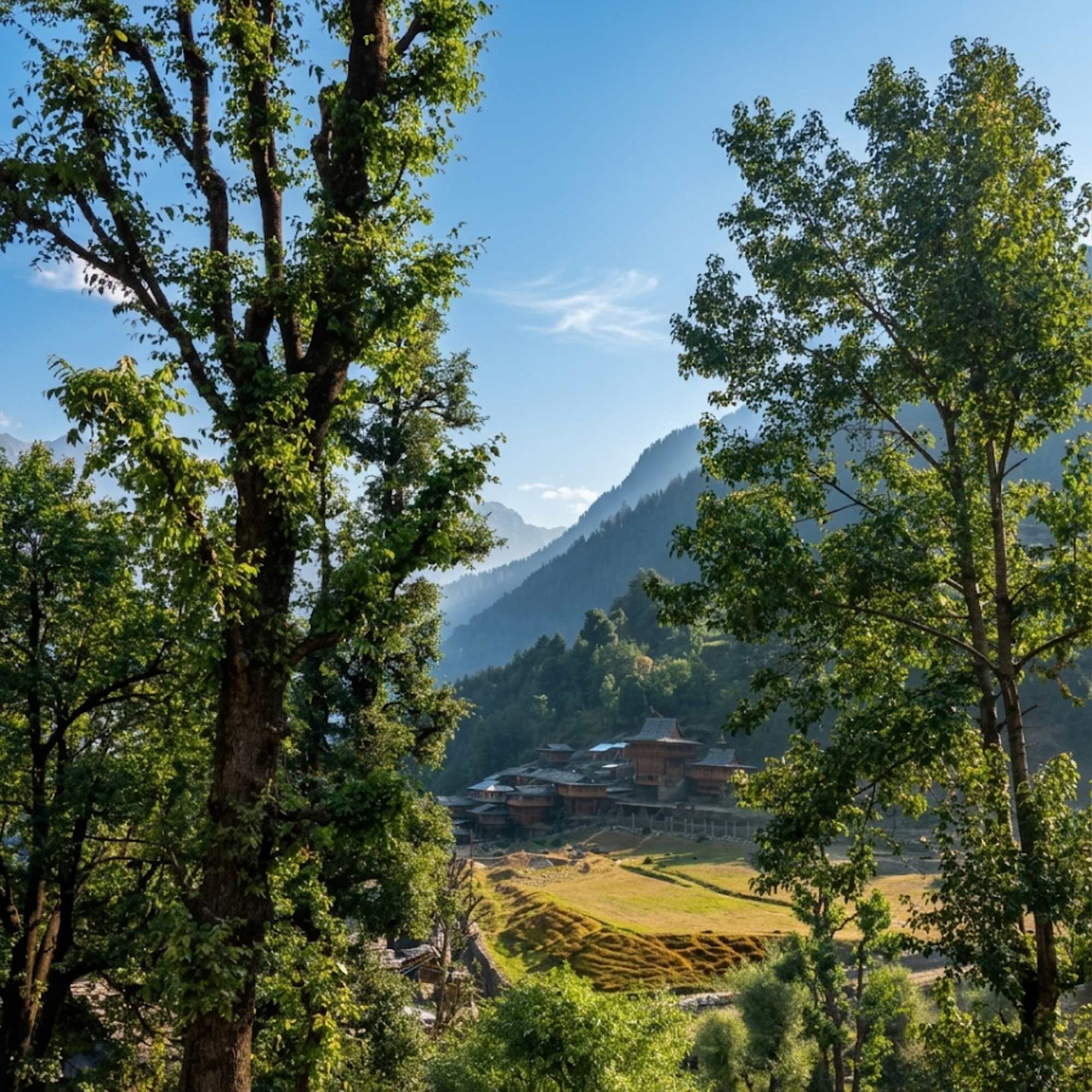
If you have been staring at maps trying to figure out what lies past Chanshal Pass, Dodra Kwar is the answer most people never reach.
These are two old villages in Shimla district, sitting in a deep valley that the regular tourist crowd skips completely.
Getting there means crossing a 3,755 m pass and driving roads that test your patience. That is exactly why Dodra Kwar still feels like the Himachal of thirty years ago.
We send travellers here every season. The ones who enjoy it most come for the journey, not for a checklist of sights.
Quick Answer: What is Dodra Kwar and is it worth visiting in 2026?
Dodra Kwar is a pair of remote villages in Shimla district, beyond Chanshal Pass in Himachal Pradesh.
Dodra and Kwar are two separate villages, split by the Rupin River. Dodra comes first when you cross over from Rohru, then Kwar.
It suits offbeat travellers, bikers, photographers and slow travellers who like quiet villages. It is not for people who want hotels, cafes and smooth roads.
Go only when the Chanshal road is open and you have confirmed the road status. The drive is the whole experience, and a broken road can ruin the trip fast.
>>Planning Dodra Kwar in 2026? Talk to our Himachal team on WhatsApp before you book.
What Most Tourists Get Wrong About Dodra Kwar
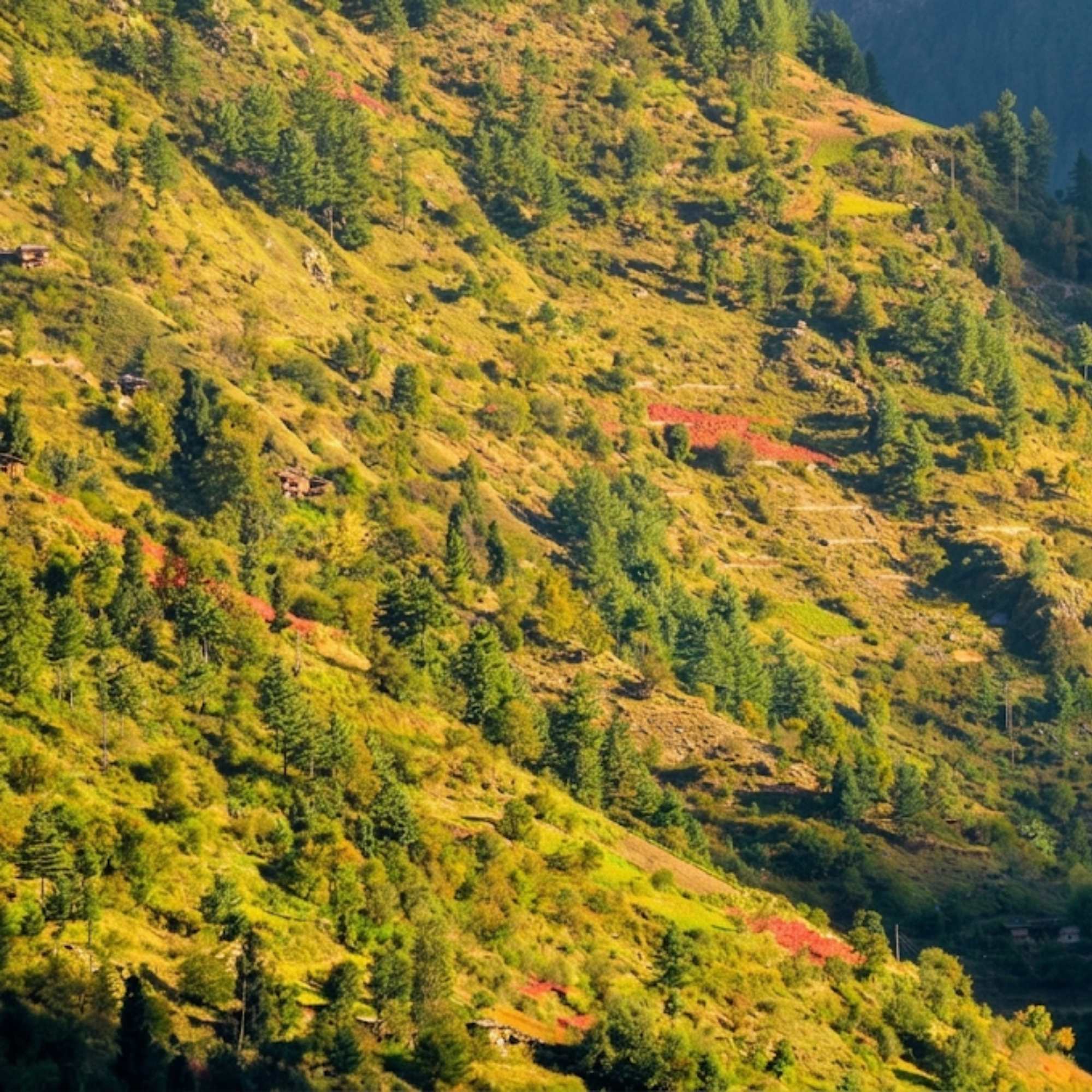
Most people treat Dodra Kwar like a normal Shimla side trip. They are not the same thing at all.
They check that Shimla and Rohru are open, then assume the road all the way to Kwar is fine. It often is not.
The Chanshal stretch beyond Rohru has its own season and its own moods. A clear day in Rohru means nothing for the pass above it.
In our experience, this single mistake causes more failed Dodra Kwar trips than anything else. Treat the Chanshal road as a separate question every single time.
Where is Dodra Kwar Located?
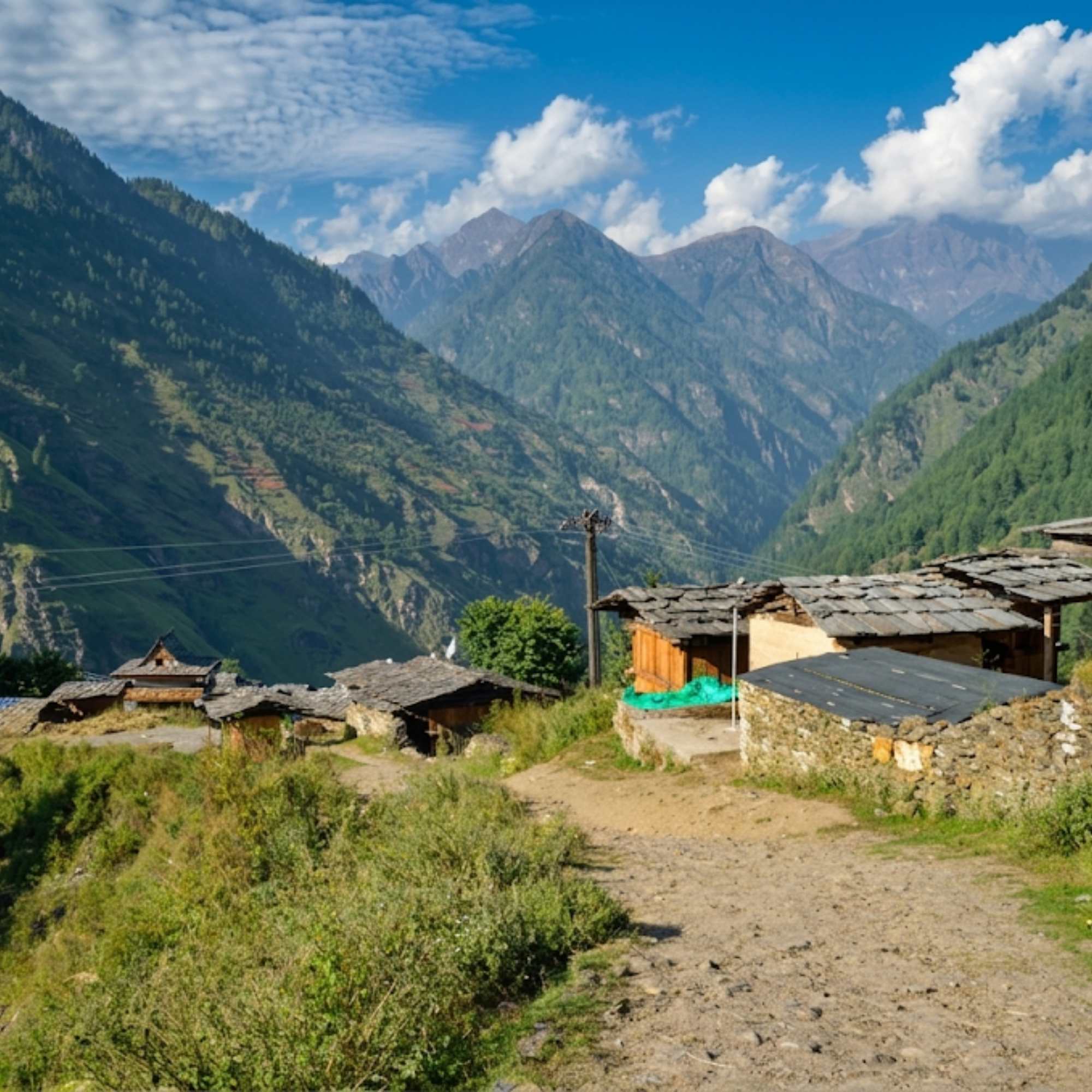
Dodra Kwar sits in the upper Rupin Valley of Shimla district, Himachal Pradesh.
The villages are around 2,500 m above sea level, the height listed by HPTDC. One 2026 study describes the altitude range as 2,400 to 2,800 m across the area.
The basic route runs Shimla to Rohru, then Chirgaon or Larot, then Chanshal Pass, then Dodra, and finally Kwar.
So when people say Dodra Kwar, they really mean a small cluster of homes tucked into a valley on the far side of a high pass. That remoteness is the whole point.
Why is Dodra Kwar Called the Villages Beyond Chanshal Pass?
Chanshal Pass is the gate. On one side you have the Rohru and Pabbar belt that more people know. On the other side sits the Dodra Kwar and Rupin world.
The pass stands at 3,755 m, and everything changes once you cross it.
Tourists thin out almost completely. The roads get rougher. The valleys feel deeper and quieter.
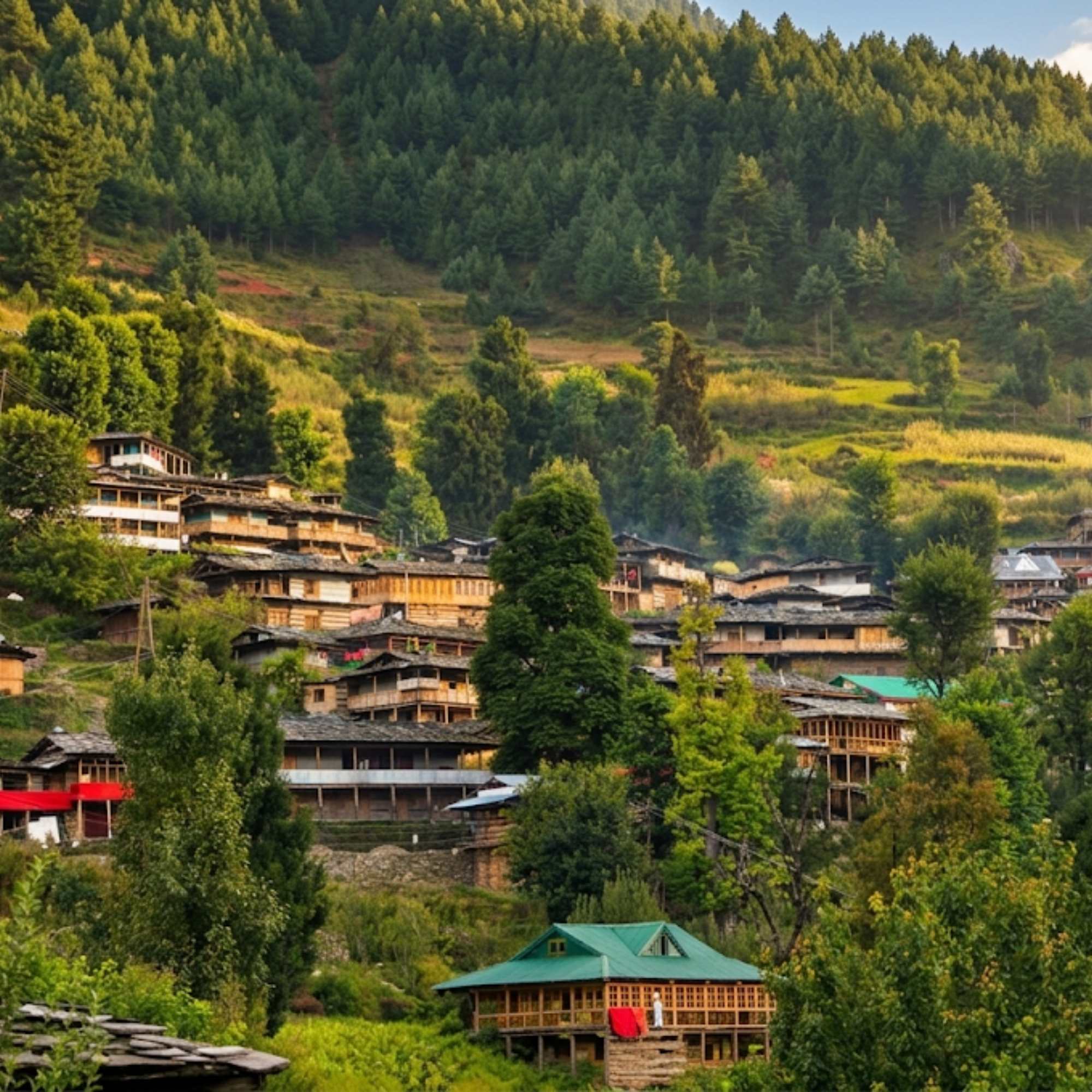
The homes also change. You start seeing older wooden houses, slower village rhythms and a way of life that has not been polished for visitors.
That contrast is why locals and travellers call Dodra Kwar the villages beyond Chanshal Pass. The pass is not just a road point. It is the line between busy Himachal and the older, slower one.
If you only want the high mountain part of this trip, our Shimla tour packages can keep things lighter and shorter.
What Makes Dodra Kwar Special?
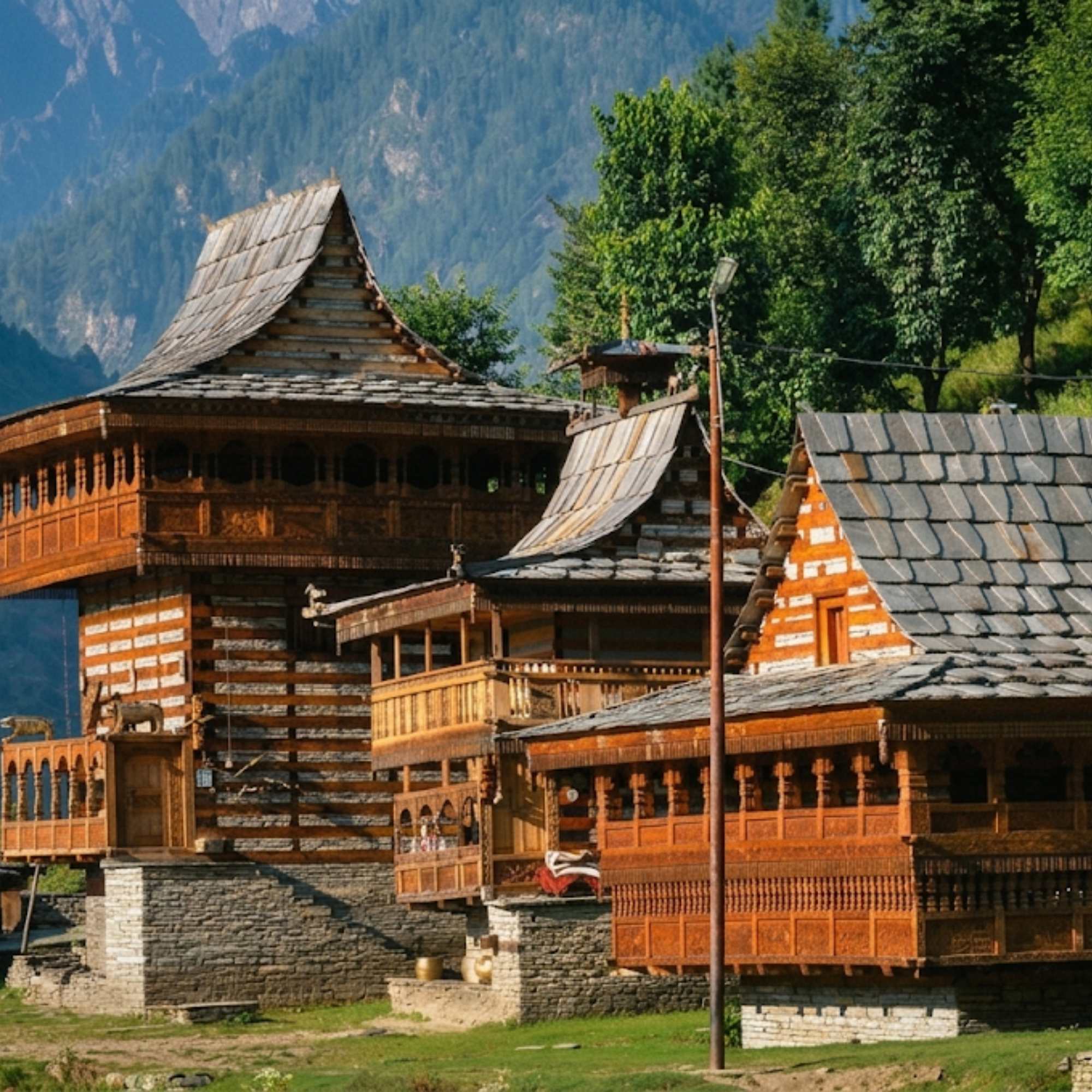
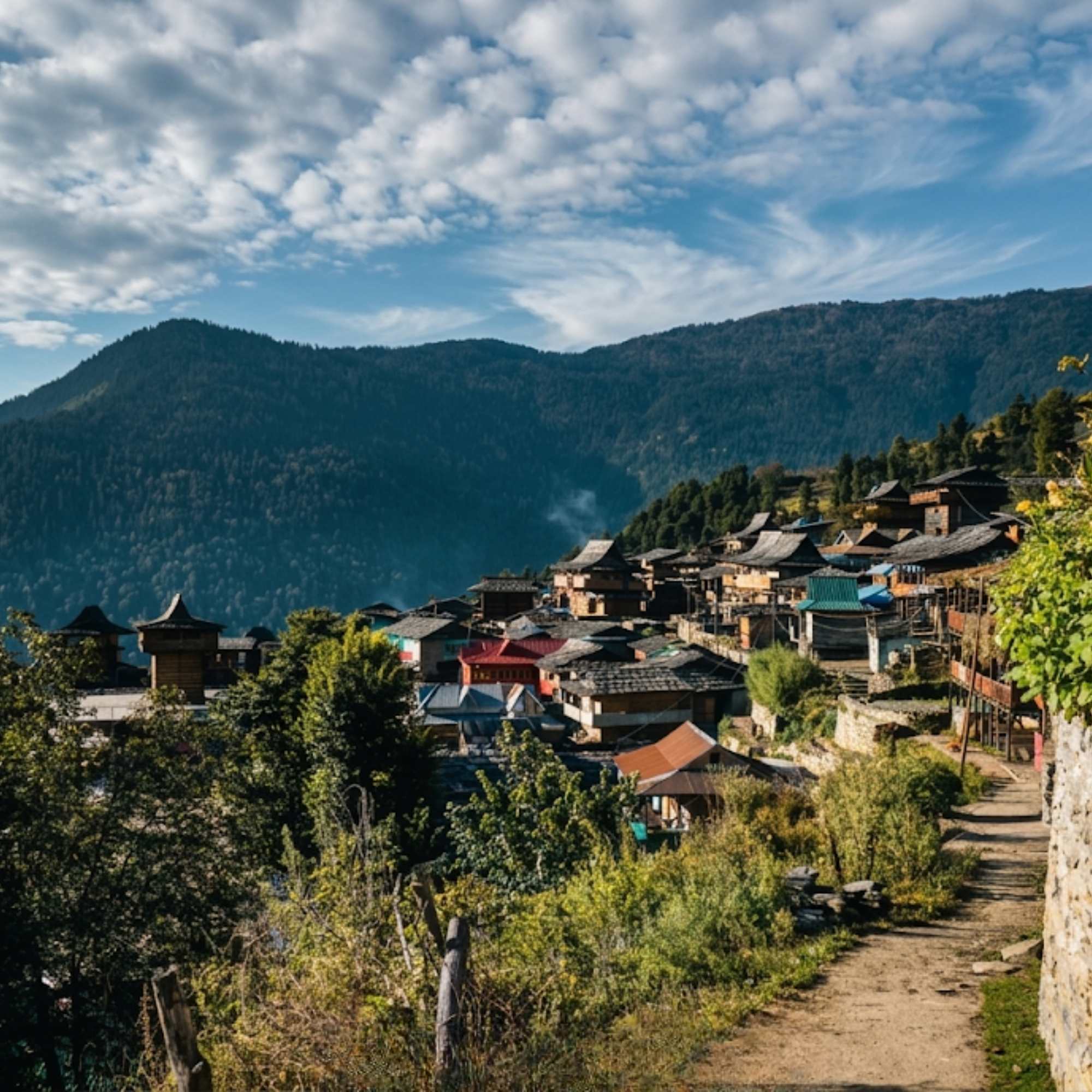
The first thing you notice is the houses. Tall, dark timber homes with slate roofs that have stood through decades of snow.
A 2026 study describes three broad house types in Dodra Kwar. Traditional timber houses, stone-timber hybrid houses, and modern RCC houses.
The old homes use deodar wood, stone and slate. Newer ones mix in RCC, cement walls and corrugated metal sheets.
Look at the roofs and you understand the place. They slope steeply so the heavy winter snow slides off instead of sitting and crushing the structure.
Around the villages you get forests, small temples, local farms and the apple belt that this part of Shimla district is known for.
The honest truth is that Dodra Kwar has no big sightseeing points. No famous monastery, no viewpoint with a ticket counter, no Instagram waterfall.
The real attraction is the road journey, the village character and the old Himachali architecture. If you need a packed list of things to tick off, this place will disappoint you.
How to Reach Dodra Kwar from Shimla, Chandigarh and Delhi
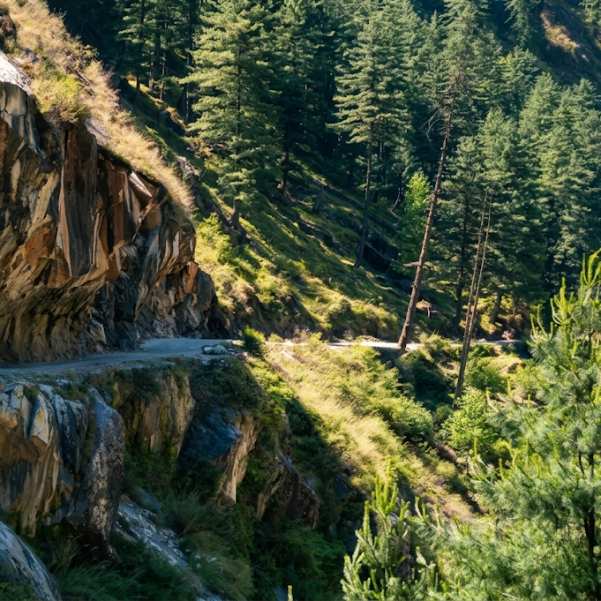
Shimla to Dodra Kwar Route
The Shimla District administration lists two main road options to reach Chanshal.
The first runs Shimla to Theog to Kotkhai to Kharapathar to Hatkoti to Rohru to Larot to Chanshal Pass.
The second runs Shimla to Theog to Narkanda to Tikkar to Rohru to Larot to Chanshal Pass.
Both feed into Rohru, which is your real base for this trip. From Chanshal Pass you drop down to Dodra first, then continue to Kwar.
Here are the distances worth keeping in your head. Shimla to Rohru is 110 km according to a travel guide.
Rohru to Chanshal Pass is around 48 km. After the pass, Chanshal Pass to Dodra is around 19 km.
Then Dodra to Kwar is around 22 km. In total, Rohru to Kwar via Chanshal is around 90 km.
Those numbers look small. They are not. The Chanshal side moves slowly, so plan your day around hours, not kilometres.
Chandigarh to Dodra Kwar Route
From Chandigarh, head up the Shimla and Theog side first, then push on to Rohru, and only then attempt Chanshal and Dodra Kwar.
We do not want to invent a fixed travel time for this, because road conditions decide everything past Rohru.
What we will say clearly is this. Break your journey at Rohru or somewhere nearby. The Chanshal side needs daylight and patience, and a tired driver should not be on it in the dark.
Delhi to Dodra Kwar Route
From Delhi, treat the first leg as a simple run to Shimla, Narkanda or Rohru depending on your timing and how fresh your driver is.
Do Rohru to Dodra Kwar the next day, with the pass attempted in good morning light.
If you are travelling by public transport, reach Shimla first, then get to Rohru, and sort out onward transport from there. There is no single bus that carries you straight from a metro city to these villages.
What is the Road Condition to Dodra Kwar in 2026?
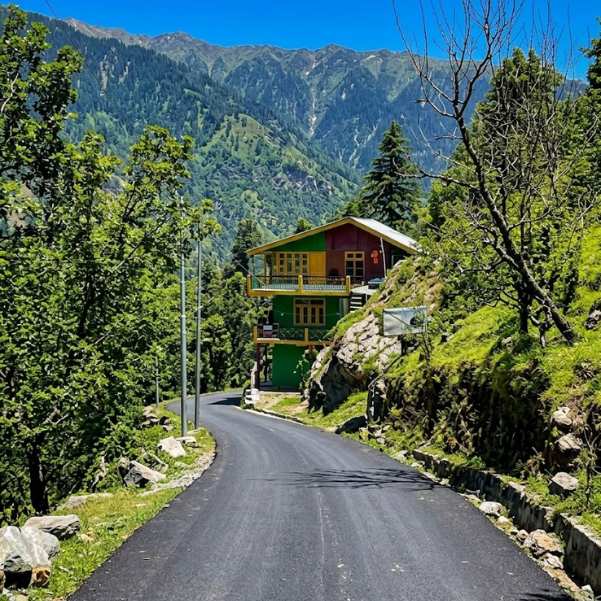
Here is the official picture. The Shimla District page says the Chanshal Pass road stays open from May to November and closes for the rest of the year because of snow.
The 2026 news on the ground is mixed. One report says pending PMGSY road works in Dodra Kwar have faced delays due to difficult terrain, heavy snowfall and a limited working season.
Another 2026 report says some PMGSY Phase I road work in Dodra Kwar is still incomplete because of fragile topography, severe weather and a short working window.
In plain terms, the road is usable in season but it is not a finished, smooth highway. Expect rough patches.
So here is what you actually do. Check road status before you leave Rohru, every time.
Start early so you finish the rough stretch in daylight. Skip night driving completely on this route.
Avoid the monsoon if you can. Keep a buffer day in your plan.
And the most important point. Do not treat this like a normal Shimla hill station drive. It is a remote mountain route that can change overnight.
Can Small Cars, Bikes and SUVs Go to Dodra Kwar?
For the Chanshal and Dodra Kwar stretch, an SUV or any high ground clearance vehicle is the sensible choice.
Small cars can sometimes manage in dry weather with good road conditions. They are not ideal for slush, broken patches and steep sections, so we do not recommend gambling with one.
We will not promise any vehicle a guaranteed clean run here. The road decides, not the brochure.
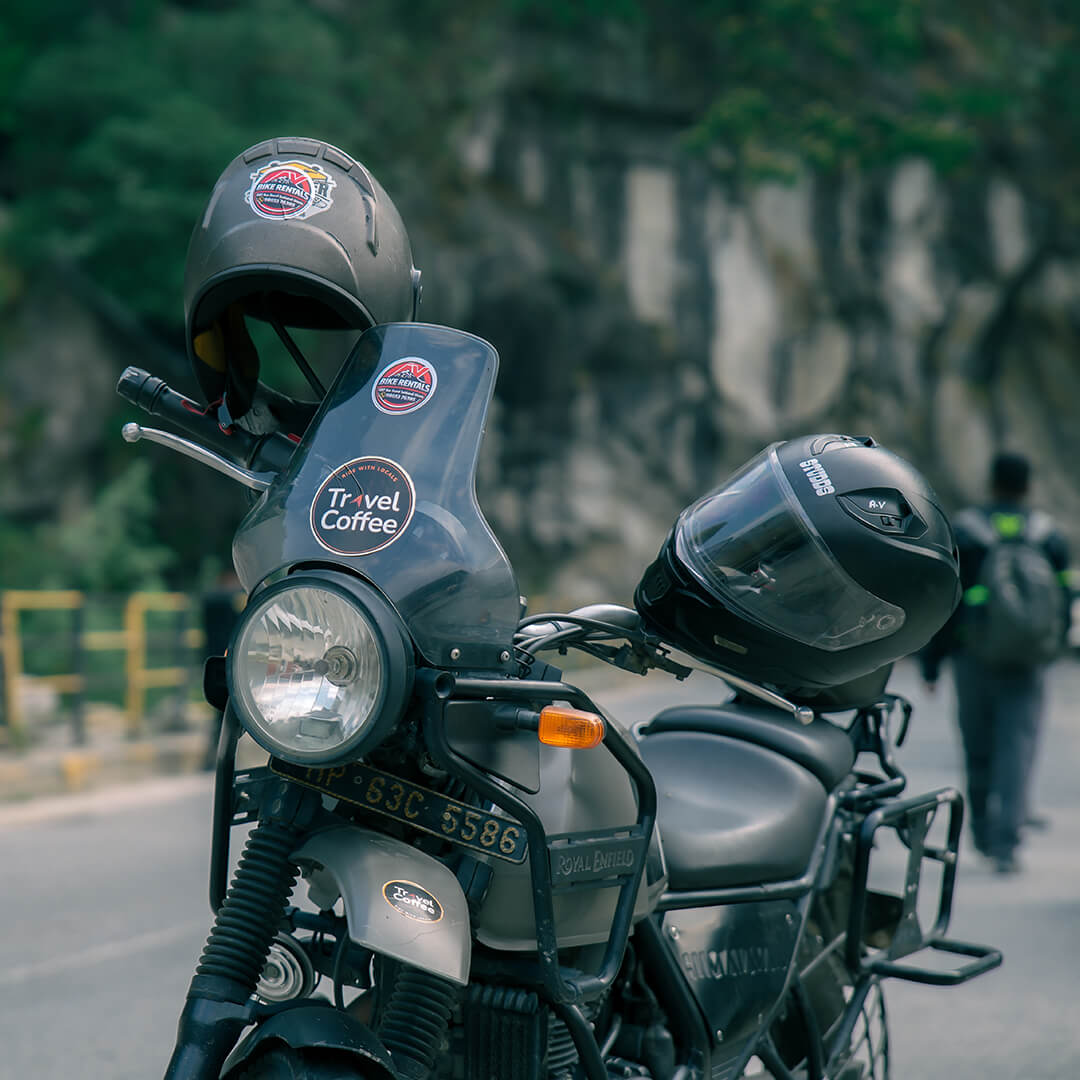
Bikers can absolutely do this route, and many love it. Carry rain gear, warm layers, a puncture kit and basic tools.
In our experience, the riders who struggle are the ones who pack for a sunny Shimla weekend and then meet a cold, wet Chanshal afternoon.
Is There a Bus to Dodra Kwar?
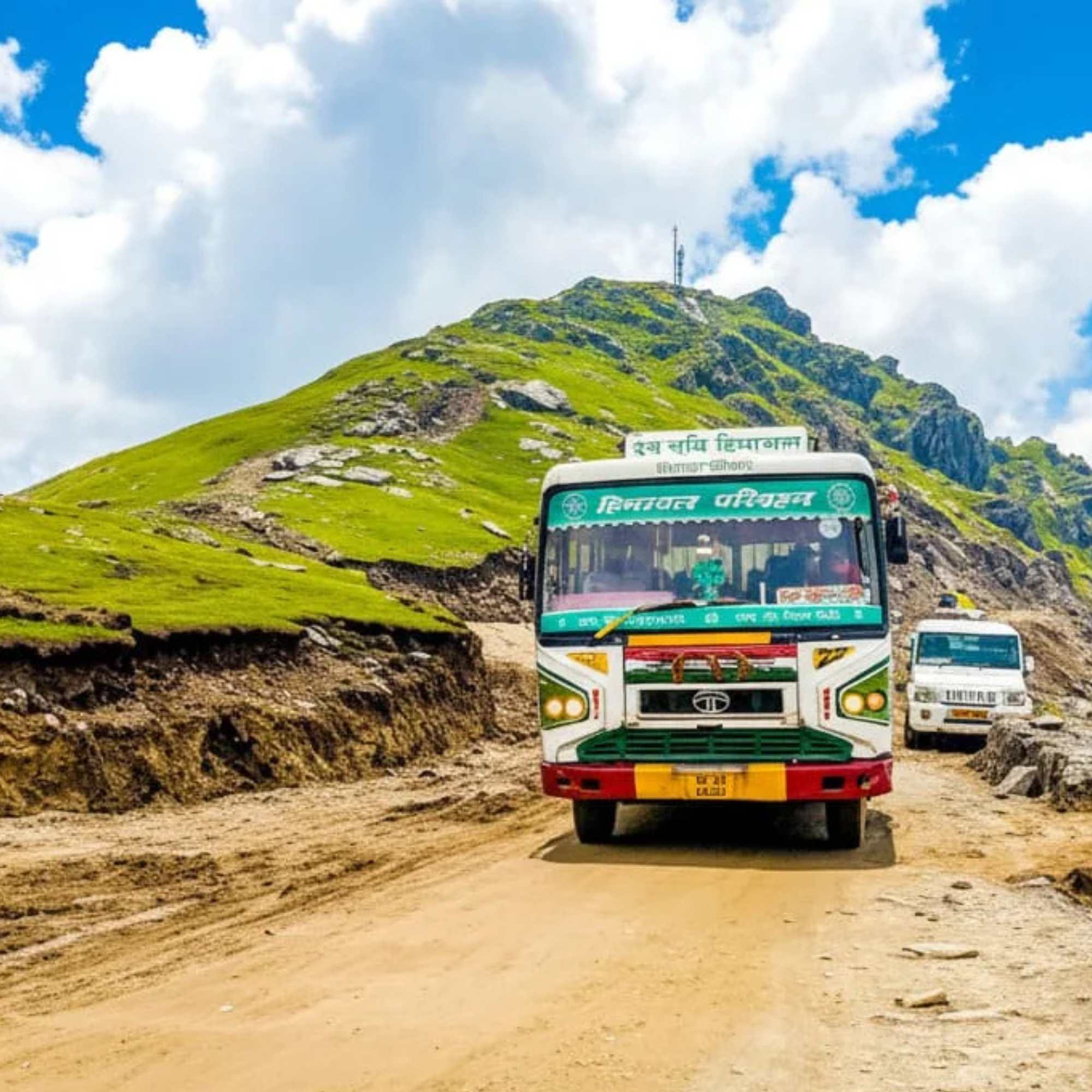
Yes, but it is bare bones, so plan around it carefully.
Older travel reports mention one daily bus from Rohru to Kwar, running via Chanshal and Dodra. The timing is reported around 10 AM or 11 AM.
The same older reports mention a Kwar to Rohru bus around 8 AM.
We are flagging these because the sources conflict and these schedules change without notice. Do not build your whole day on a timing from an old blog.
Confirm the current schedule at the Rohru bus stand or with HRTC before you commit your plan. A money tip while you are at it. The bus is far cheaper than hiring a private vehicle, and on a clear day it is a genuinely good way to see this valley if your timing lines up.
Best Time to Visit Dodra Kwar in 2026
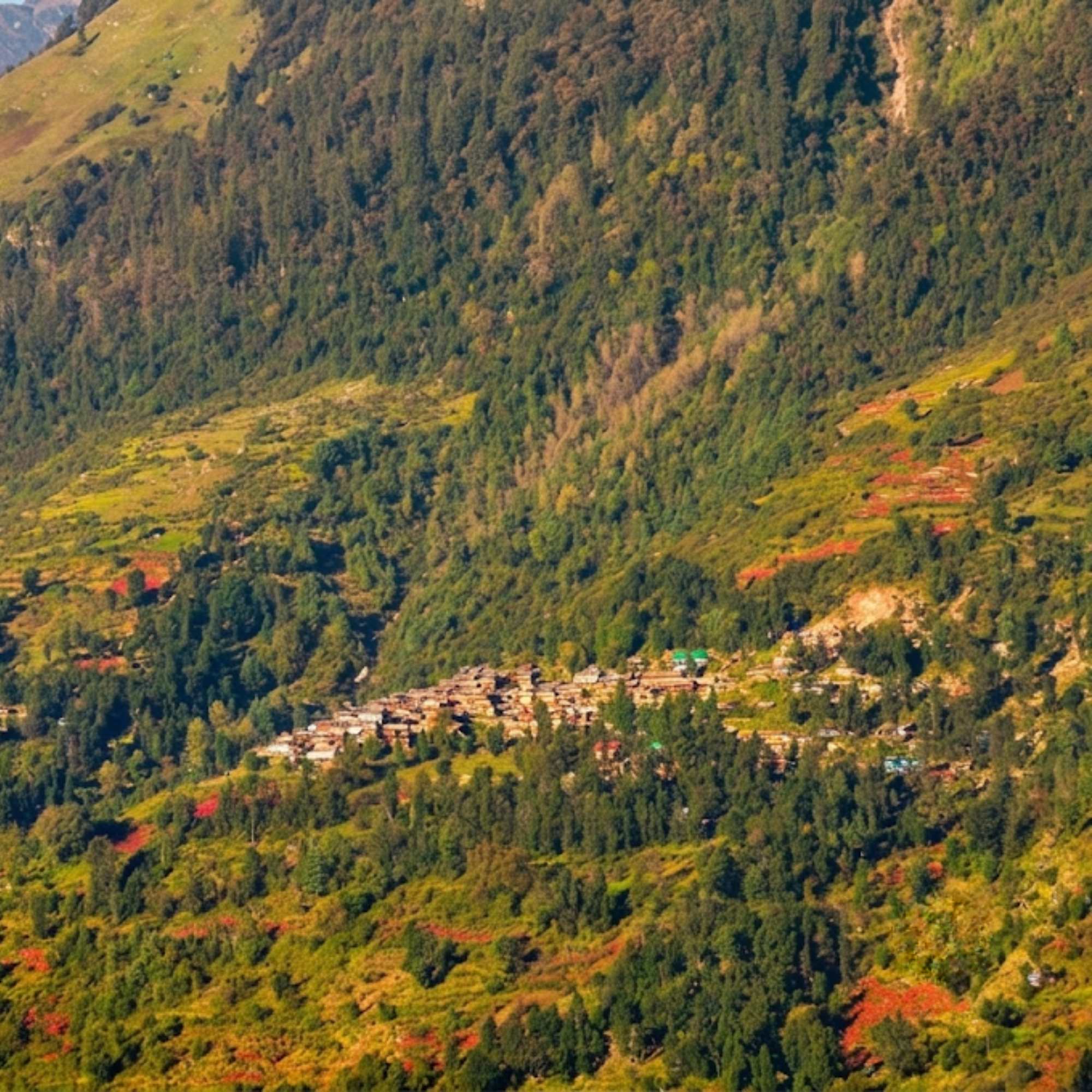
May to June
This is usually the early season, once the snow clearing opens the Chanshal road.
A travel guide recommends May and June for Dodra Kwar. Just check road status before you travel, because early season conditions are never fixed.
July to August
Monsoon makes this stretch risky. Landslides, slush and delays are all in play.
HPTDC lists May to August as the season for the Arakot to Dodra Kwar belt. For road safety though, we tell travellers to be cautious through the monsoon months and keep extra buffer days.
September to October
This is the best overall window for most people.
The official Chanshal guidance points to late June, early September, September and October. Older travel guides also push post-monsoon. Clear skies, settled roads and the apple belt looking its best.
November to April
We do not recommend this window for regular tourists. The Chanshal road usually stays closed because of snow outside the May to November stretch.
If your only free dates fall in winter, this is not the trip. Pick something lower and save Dodra Kwar for the open season.
Suggested Dodra Kwar Itinerary
3 Day Itinerary from Shimla
Day 1 is Shimla to Rohru. Settle in, eat well and rest.
Day 2 is Rohru to Chanshal Pass to Dodra or Kwar. This is your big driving and crossing day.
Day 3 is Dodra or Kwar back to Rohru or Shimla, depending on the road and how much energy you have left.
This plan works, but it is tight. One bad road day and you are scrambling.
4 Day Itinerary from Chandigarh
Day 1 is Chandigarh to Shimla, Narkanda or Rohru depending on your pace.
Day 2 is Rohru to Chanshal Pass to Dodra or Kwar.
Day 3 is for exploring Dodra, Kwar and the nearby village walks at a slow pace.
Day 4 is your return via Rohru. The extra day is what turns a rushed trip into a relaxed one.
5 Day Slow Travel Itinerary
This is the version we quietly prefer. Add Hatkoti and Rohru on the way up, then Larot and Chanshal, then proper village walks in Dodra and Kwar.
Keep one full buffer day inside this plan. This route depends on weather, and a buffer day is the difference between calm and chaos.
>>Want a plan made for your group and dates? Talk to our Himachal team on WhatsApp.
Where to Stay in Dodra Kwar, Rohru and the Chanshal Side
Let us be honest about stays, because this is where people get caught out.
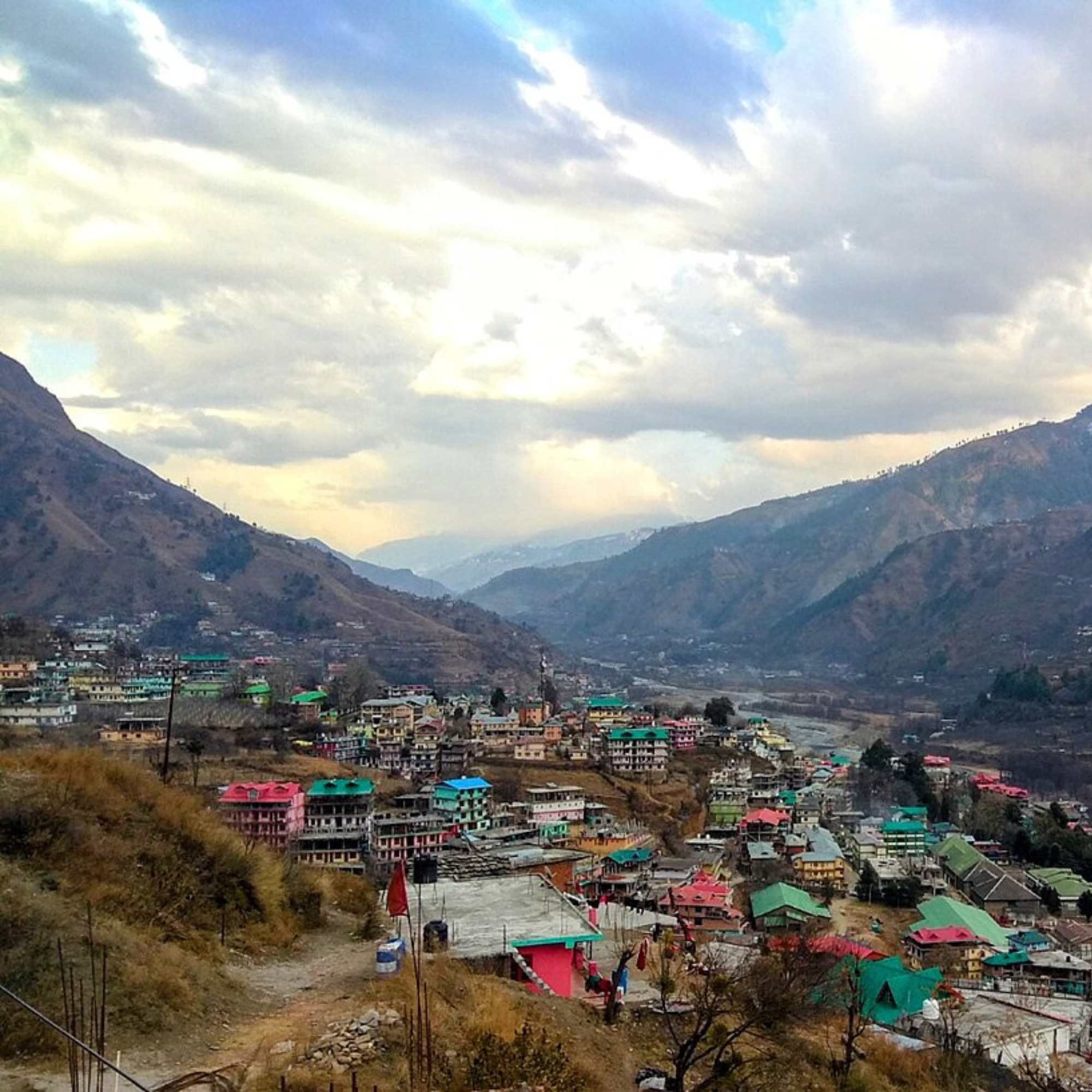
Rohru is your main base and has the most practical stay options. This is where you sleep before and often after the Chanshal crossing.
Older travel reports mention very limited stays in Dodra and Kwar themselves. Do not assume you will find a comfortable room waiting at the end of the road.
Some old traveller reports quote room prices around ₹300 to ₹500. Those numbers are old, so treat them as a rough hint, not a promise.
Larot can work as a Chanshal-side base. Confirm the accommodation before you arrive rather than turning up and hoping.
What we tell our travellers is simple. Lock your stay logic before you leave Rohru, because improvising for a bed at 2,500 m after a long drive is nobody's idea of fun.
Food, Fuel, Cash and Network Tips
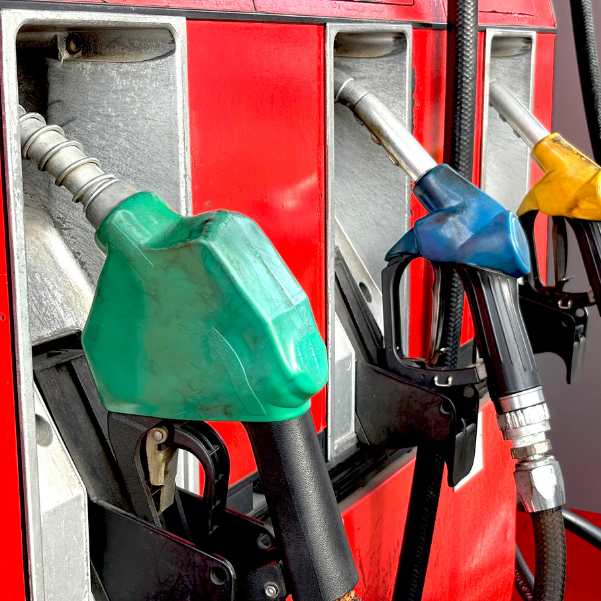
Fuel up before Rohru. Do not assume you will find fuel beyond the main towns, because you often will not.
Carry cash, and more than you think you need. The official Chanshal page advises extra cash in case the ATM facility is not available.
Your network will fade after Rohru. Older travel reports say data connectivity gets weak past this point, so download offline maps while you still have signal.
On food, Rohru is your last proper sit-down meal town before the climb. Eat a full meal there and carry snacks, because options thin out fast on the Chanshal side.
Pack water, dry snacks and basic medicines too. There is no chemist waiting for you near the villages.
Things to Do in Dodra Kwar
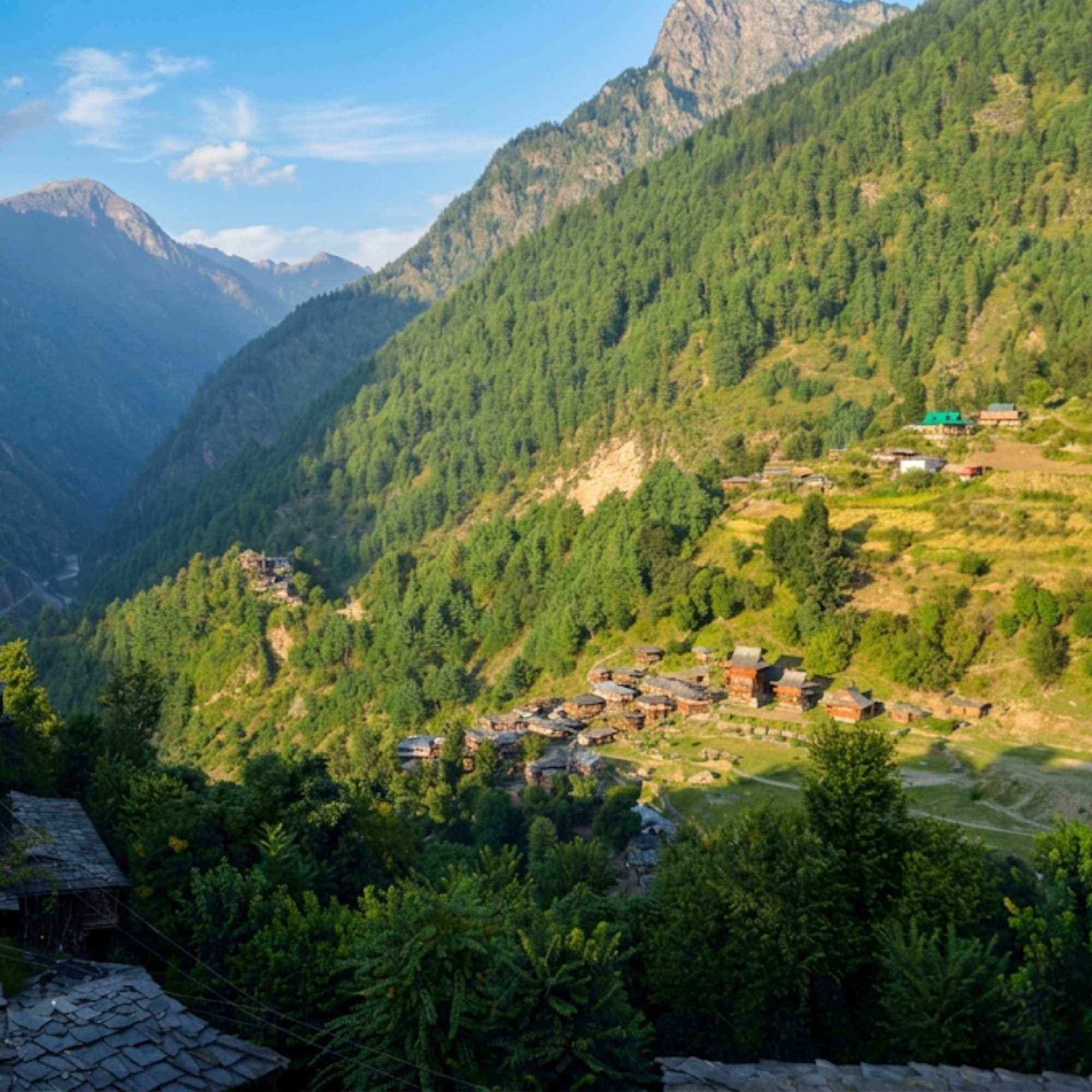
The best thing to do here is walk. Wander slowly through Dodra and Kwar, look at the old wooden houses from outside, and let the pace of the place settle into you.
Spend time near the local fields. This is farming country, and watching daily village life is most of the experience.
On the way, the Chanshal Pass meadows are worth a proper stop. Stretch your legs, breathe the thin air and take in the open high ground.
Watching the Rupin Valley landscape unfold from the road is its own reward. The valley feels enormous and empty in the best way.
Take short walks only with local advice. Do not invent your own trek into unknown forest, because help is very far away here.
If this kind of slow, low-key valley appeals to you, you might also like our Jibhi and Tirthan Valley package, which has a similar calm character with easier roads.
For another remote, old-world Himachal experience, our Kinnaur tour packages cover a region with the same kind of deep valleys and timber homes.
What Not to Do in Dodra Kwar
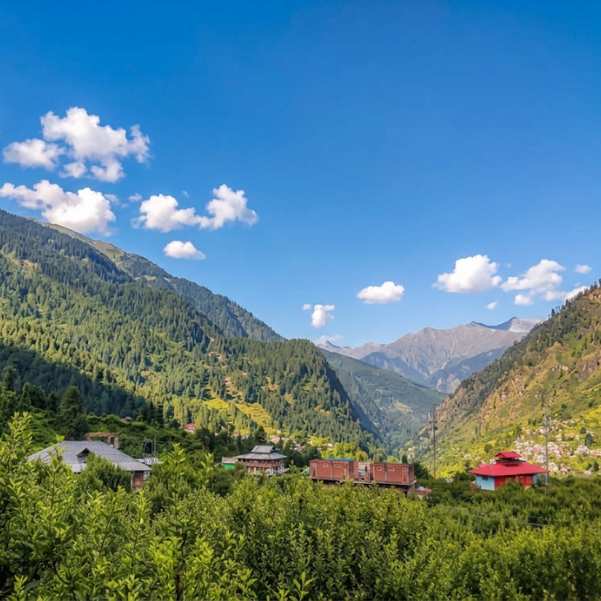
This is a living village, not an open-air museum. Behave like a guest.
Do not photograph people, homes or religious places without asking first. A smile and a question go a long way here.
Do not enter temple areas unless locals clearly invite you in. These are sacred spaces, not photo backdrops.
Do not litter, blast music, drink in public or fly a drone without permission. And do not wander off onto unknown trails alone.
The skip-this advice for this trip is mental, not physical. Skip the urge to turn a real village into content. The travellers locals remember warmly are the quiet, respectful ones.
Is Dodra Kwar Safe?
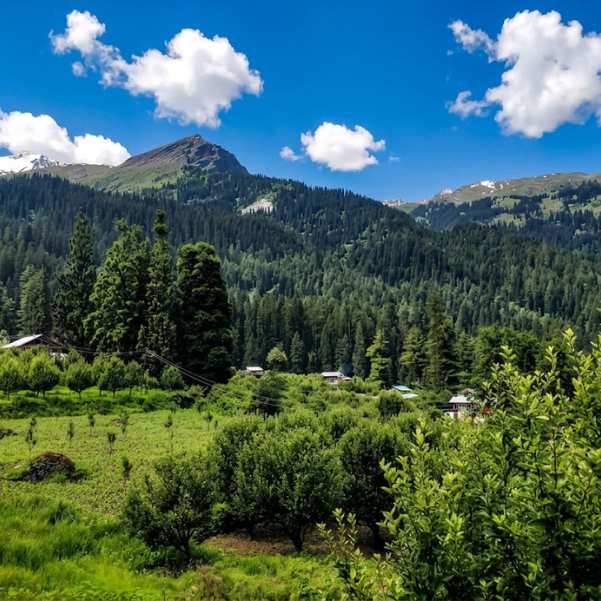
Dodra Kwar is safe for sensible travellers who plan properly.
What makes it tricky is not danger from people. It is the road, the weather, the weak network, the limited medical access and the sheer remoteness.
That combination makes it a poor choice for casual, last-minute hill station travel. This is not a place to wing it.
Families should come with a local driver or an organised trip, not a self-drive gamble.
Solo travellers should keep family informed of the plan and stay off unknown forest trails. The remoteness that makes Dodra Kwar special is the same thing that demands respect.
Dodra Kwar vs Chanshal Pass: Which One Should You Visit?
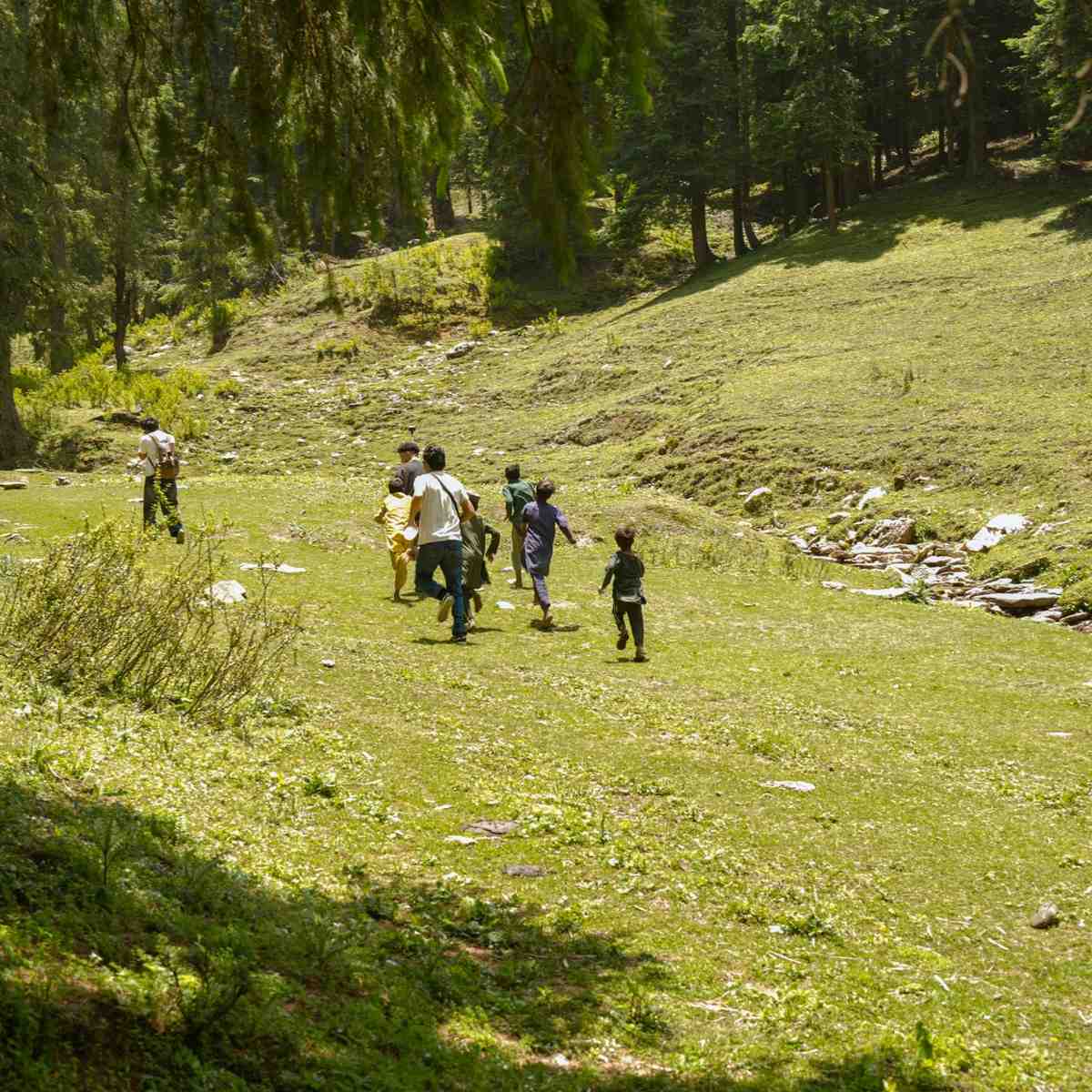
People often ask whether they should just do Chanshal Pass instead.
Chanshal Pass works better if you want a shorter high-pass drive with big views and less commitment. You can taste the high country without dropping into the deep valley.
Dodra Kwar is better if you want the real village experience and slow travel. The pass is the gateway. The villages are the destination.
The ideal trip combines both, if road, time and stay availability all line up. Cross the pass, soak in the meadows, then drop down and stay in the valley.
If you would rather have a softer, more comfortable Himachal trip on this holiday, our Manali tour packages are an easier call.
And if remote high-altitude travel is genuinely your thing, our Spiti Valley tour packages take that same spirit much further.
Local Travel Tips from Our Himachal Team
A few things we say to almost every traveller heading this way.
In our experience, Rohru is the smartest place to pause before attempting the Chanshal side. Sleep there, eat there, and start the hard part fresh.
Our team recommends starting early from Rohru, because the weather near the pass can change quickly. A clear 9 AM can become a cold, foggy 1 PM without warning.
We usually suggest adding a buffer day for Dodra Kwar instead of making it a rushed checklist trip. The people who give the road room to misbehave come back happy. The ones who fight the clock come back stressed.
One honest negative to sit with. Dodra Kwar has very little for travellers who need comfort. No proper hotels, thin food options, weak network and rough roads. If that list bothers you, this trip is not for you, and that is completely fine.
Explore Our Curated Chanshal Pass Tour Packages
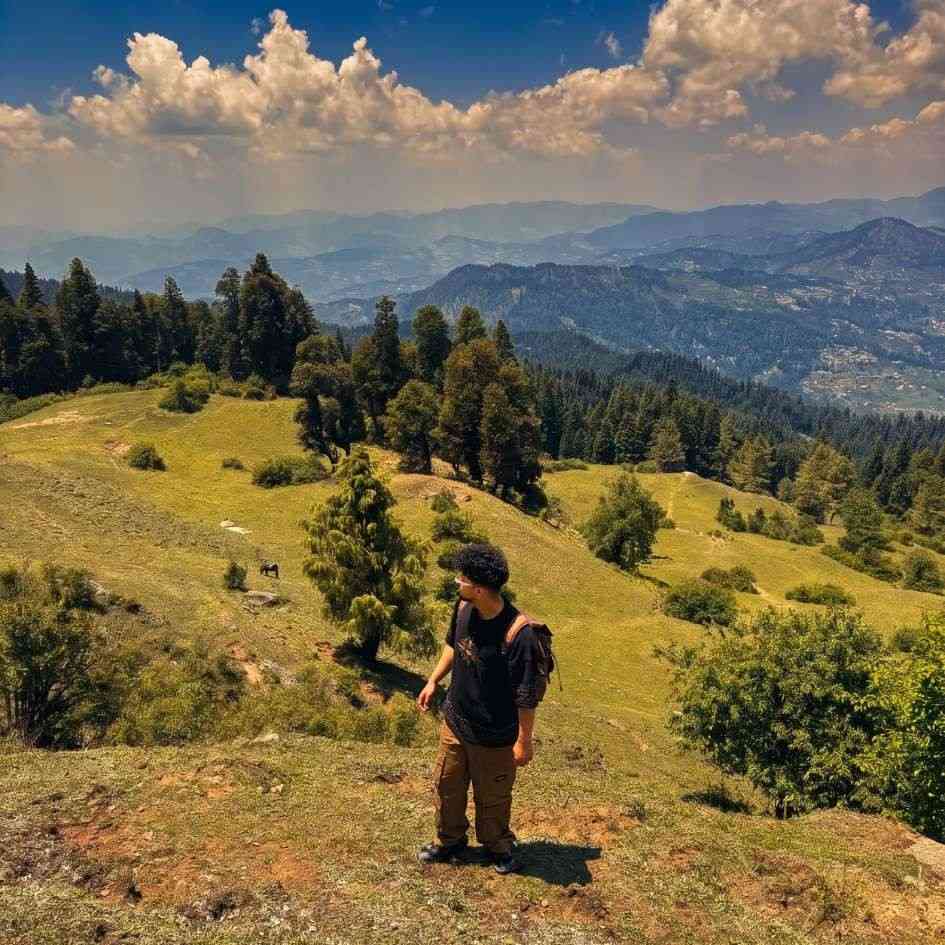 Group Tour5D/4N
Chanshal Pass Weekend Group Trip With Giri Ganga and Kuppar Bugyal
1D Kharapathar / Kotkhai•1D Rohru / Chirgaon (Pabbar Valley)
₹8,999₹12,999SAVE INR 4,000/ person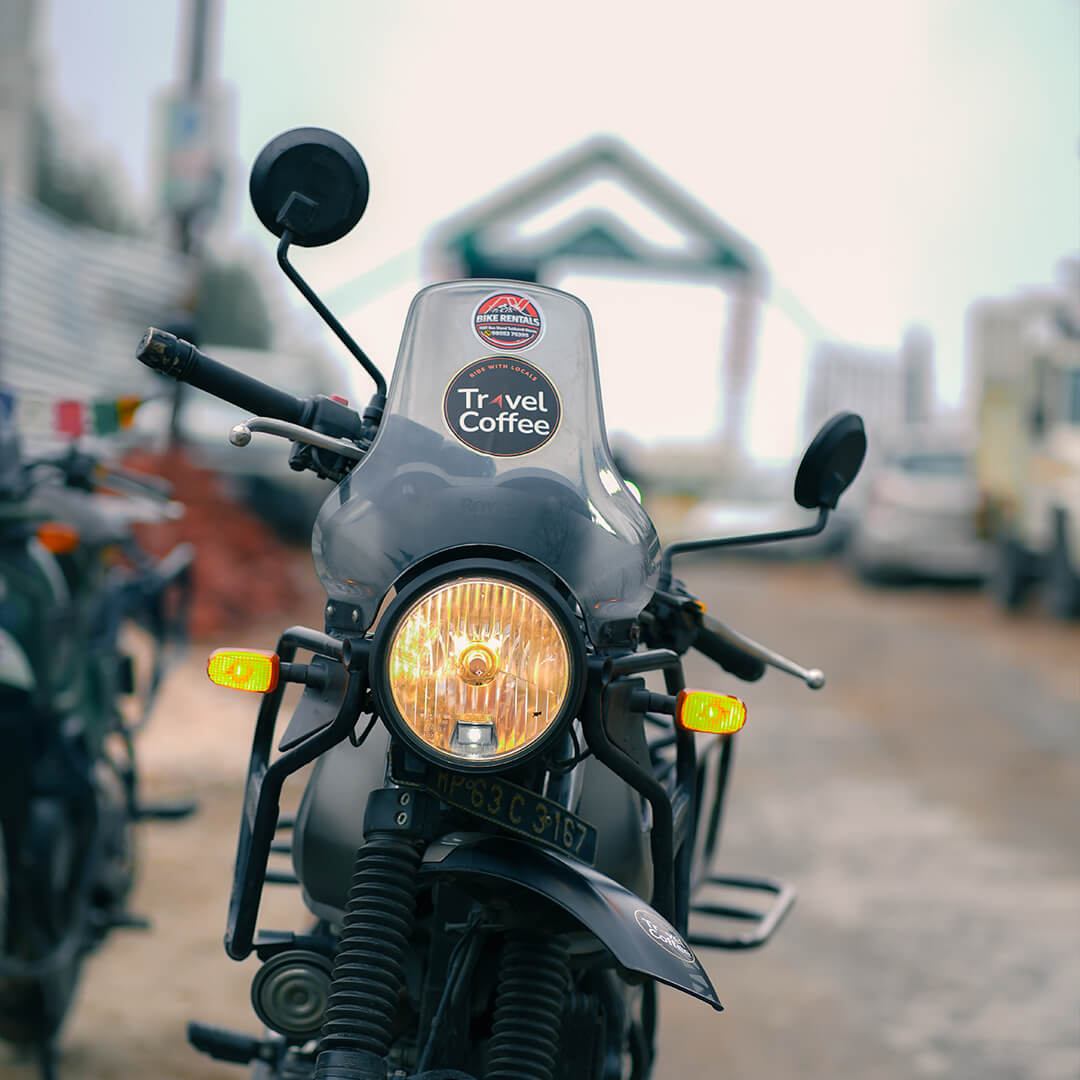 8D/7N
8D/7NUltimate Pabbar Valley Bike Expedition With Giri Ganga Kuppar Bugyal Chanshal Pass and Dodra Kwar
1D Kharapathar / Kotkhai•2D Rohru / Chirgaon (Pabbar Valley)+1
₹29,999/ person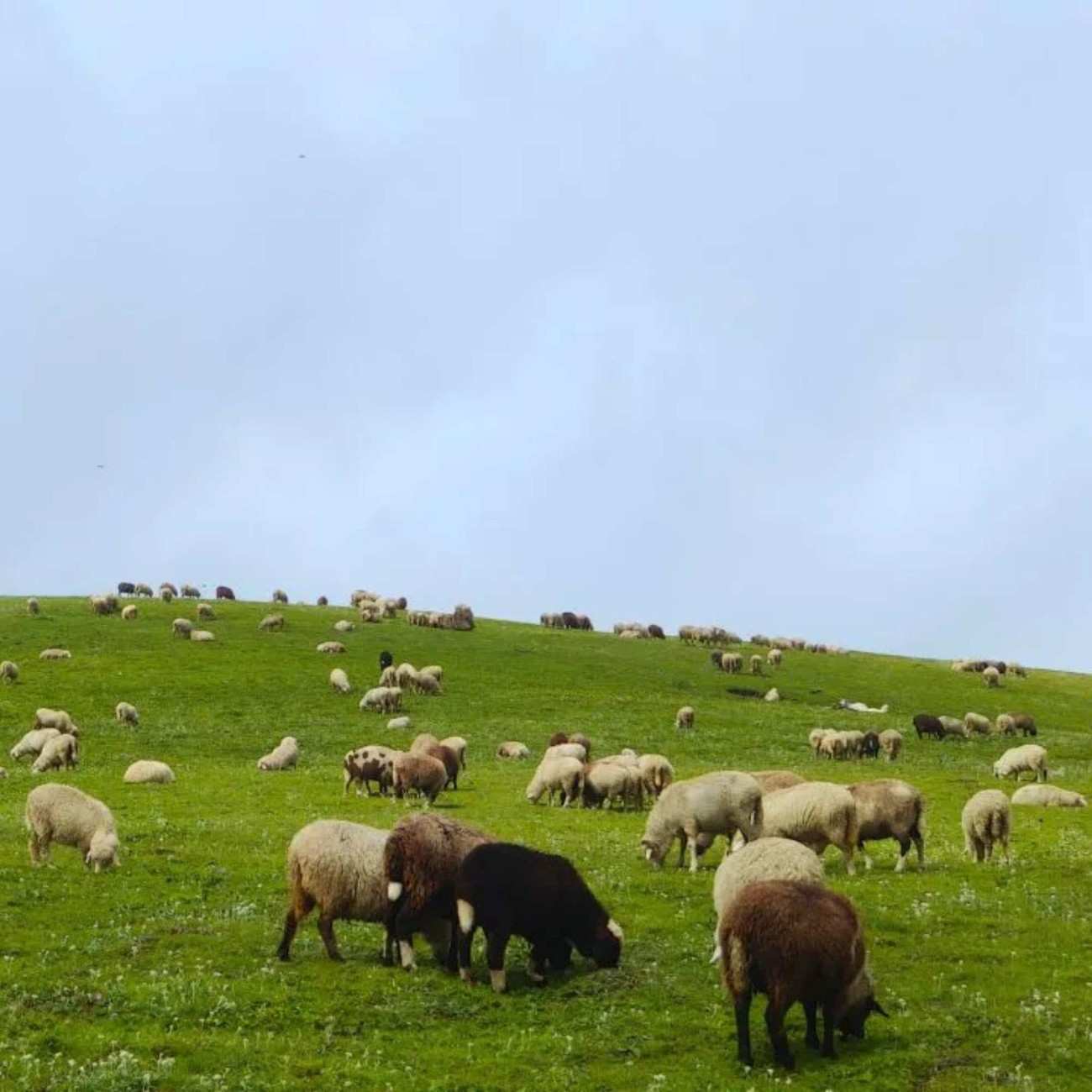 8D/7N
8D/7NMost Loved 4x4 Pabbar Valley Expedition With Giri Ganga Kuppar Bugyal Chanshal Pass and Dodra Kwar
1D Kharapathar / Kotkhai•2D Rohru / Chirgaon (Pabbar Valley)+1
₹32,999₹39,999SAVE INR 7,000/ person
Related topics
Frequently Asked Questions
What is Dodra Kwar famous for?
Dodra Kwar is known for its remote location beyond Chanshal Pass, its old timber and slate-roof homes, and its slow, untouched village life in the upper Rupin Valley.
Where is Dodra Kwar in Himachal Pradesh?
It sits in Shimla district, in the upper Rupin Valley, beyond Chanshal Pass. Dodra and Kwar are two separate villages divided by the Rupin River.
How far is Dodra Kwar from Shimla?
Chanshal Pass is about 160 km from Shimla according to the official Shimla District page, and Dodra and Kwar lie beyond the pass. Plan it as a multi-day trip, not a single drive.
How far is Dodra Kwar from Rohru?
Rohru to Kwar via Chanshal is around 90 km. Within that, Rohru to Chanshal is around 48 km, Chanshal to Dodra is around 19 km, and Dodra to Kwar is around 22 km.
Is Chanshal Pass open in 2026?
The Chanshal Pass road generally stays open from May to November and closes the rest of the year due to snow. Always confirm live road status before you travel.
What is the best time to visit Dodra Kwar?
September and October are the best overall, with stable roads and clear skies. May and June work as an early-season option if the road is open.
Can I take a small car to Dodra Kwar?
A small car may manage only in dry weather with good road conditions. An SUV or high ground clearance vehicle is the sensible choice for the Chanshal and Dodra Kwar stretch.
Is Dodra Kwar safe for families?
It can be, but only with a local driver or organised trip. The remoteness, weak network and limited medical access make it unsuitable for casual family self-drive trips.
Are there hotels in Dodra Kwar?
Stays in Dodra and Kwar are very limited according to older reports. Rohru has the most practical options, so most travellers base themselves there.
Is there mobile network in Dodra Kwar?
Network and data get weak after Rohru according to older travel reports. Download offline maps and tell someone your plan before you lose signal.
How many days are enough for Dodra Kwar?
Three days from Shimla is the tight minimum. Four to five days is far more comfortable and gives you a buffer day for weather.
Do I need a permit for Dodra Kwar?
We do not have a verified permit requirement to confirm for this route. Check the latest local rules with the administration or a local operator before you travel.
More about Chanshal Pass
 Chanshal Pass
Buran Ghati Trek Complete Guide 2026: Route, Cost, Difficulty, Best Time
Planning the Buran Ghati Trek in 2026? Explore the complete guide covering the route, itinerary, cost, difficulty, best time to visit, fitness tips, and essential trekking advice.
- Things to Do
 Chanshal Pass
Chandranahan Lake Trek 2026: Source of the Pabbar River
Discover the Chandranahan Lake Trek 2026, a breathtaking Himalayan adventure to the sacred source of the Pabbar River in Himachal Pradesh. Explore pristine alpine meadows, glacial lakes, and spectacular mountain landscapes with this complete trekking guide.
- Things to Do
 Chanshal Pass
Treks in Pabbar Valley: The Complete List for 2026
Planning to explore the treks in Pabbar Valley in 2026? This complete guide covers the region's best hiking trails, difficulty levels, ideal seasons, trail highlights, and essential planning tips for discovering one of Himachal Pradesh's most rewarding trekking destinations.
- Things to Do