
Delhi to Kasol Trip Guide 2026: Route, Bus, Cab, Cost and Itinerary
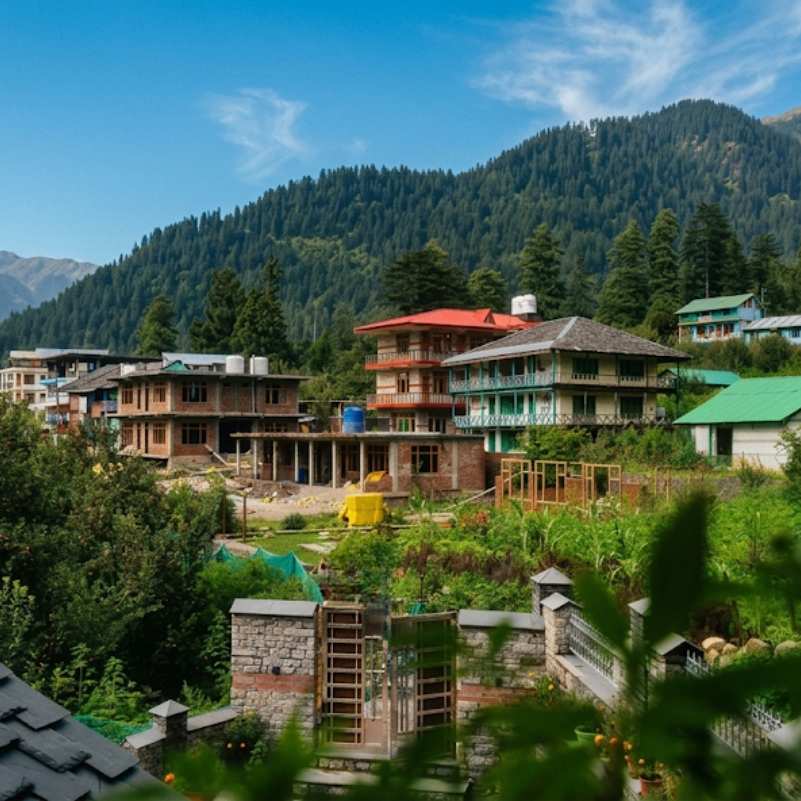
Planning a Delhi to Kasol trip in 2026 sounds simple at first, but the route, overnight bus options, cab cost, travel time and local itinerary can quickly confuse first time travellers.
Kasol is one of the most popular escapes from Delhi for people who want mountain views, riverside cafes, easy treks and a relaxed Himachal vibe without planning a very complicated trip.
This guide by Travel Coffee will help you understand how to reach Kasol from Delhi, which route to take, whether bus or cab is better, how much the trip may cost and how to plan a practical itinerary for a smooth Parvati Valley holiday.
Quick Answer: How to Plan a Delhi to Kasol Trip in 2026
A Delhi to Kasol trip works best as a 3 to 5 day plan. Anything shorter and you spend the whole time on the road.
The Delhi to Kasol distance is around 485 to 529 km, depending on which source and route you check.
The journey usually takes 10 to 14 hours by bus or cab. Traffic, stops, weather, and whether your bus drops at Bhuntar or Kasol all change that number.
Bus tickets start from around ₹598 on booking platforms and go up to ₹5,250 for premium services. One-way cabs start from around ₹6,498 to ₹6,547.
One thing you must check before booking in 2026. District Kullu has put official tourist-season rules on heavy vehicles and Volvo buses on the Bhuntar-Manikaran Road from April 14, 2026 to August 31, 2026. So always confirm your final drop point with the operator first.
👉 Need help organizing your Kasol trip? Chat with our team here.
What Is the Best Delhi to Kasol Route by Road?
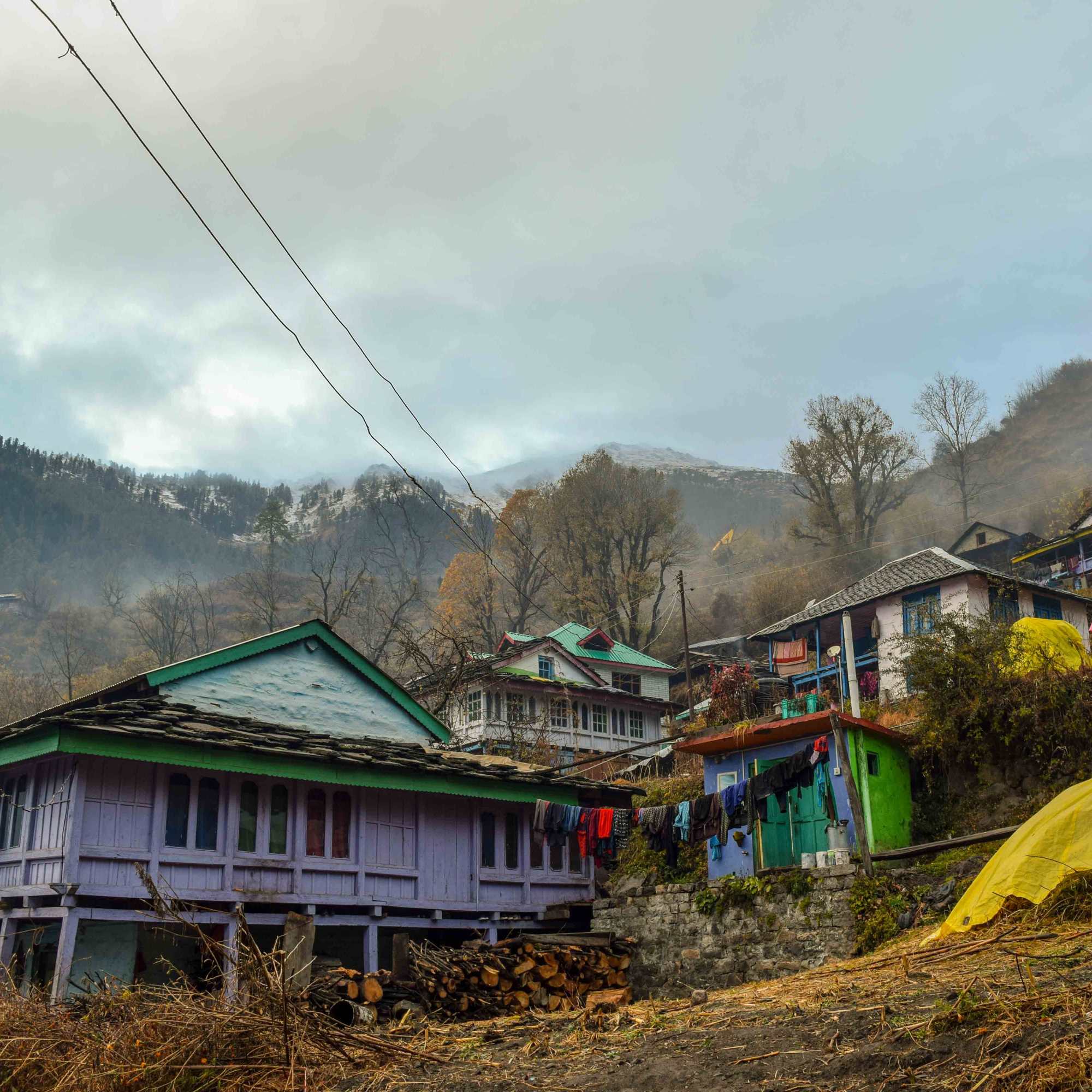
The normal Delhi to Kasol route runs Delhi to Panipat to Chandigarh or the Kiratpur side, then Mandi, then Bhuntar, and finally into Kasol.
We will not pin one exact figure because sources differ. The practical distance sits around 485 to 529 km end to end.
Your drive time is never fixed. Long weekends, rain, and slow mountain stretches can add two to three hours easily.
The smooth part is the plains run up to Chandigarh. After that the road climbs and narrows, and your average speed drops.
For food on the way, Murthal or Karnal are the usual first halts out of Delhi. Both have plenty of dhabas open through the night.
A proper break around Chandigarh or Kiratpur helps before you start the hill section. Stretch your legs, fill fuel, grab tea.
Bhuntar is your last real town before Parvati Valley. Most travellers do a quick stop here for an ATM, food, or to switch to a local ride for the final leg to Kasol.
In our experience running this route, people who plan one or two relaxed halts arrive far less tired than those who try to do it in one nonstop push.
For a ready Himachal plan with stays and transfers sorted, take a look at our Kasol tour packages.
Delhi to Kasol by Bus: Timings, Fare and Drop Points
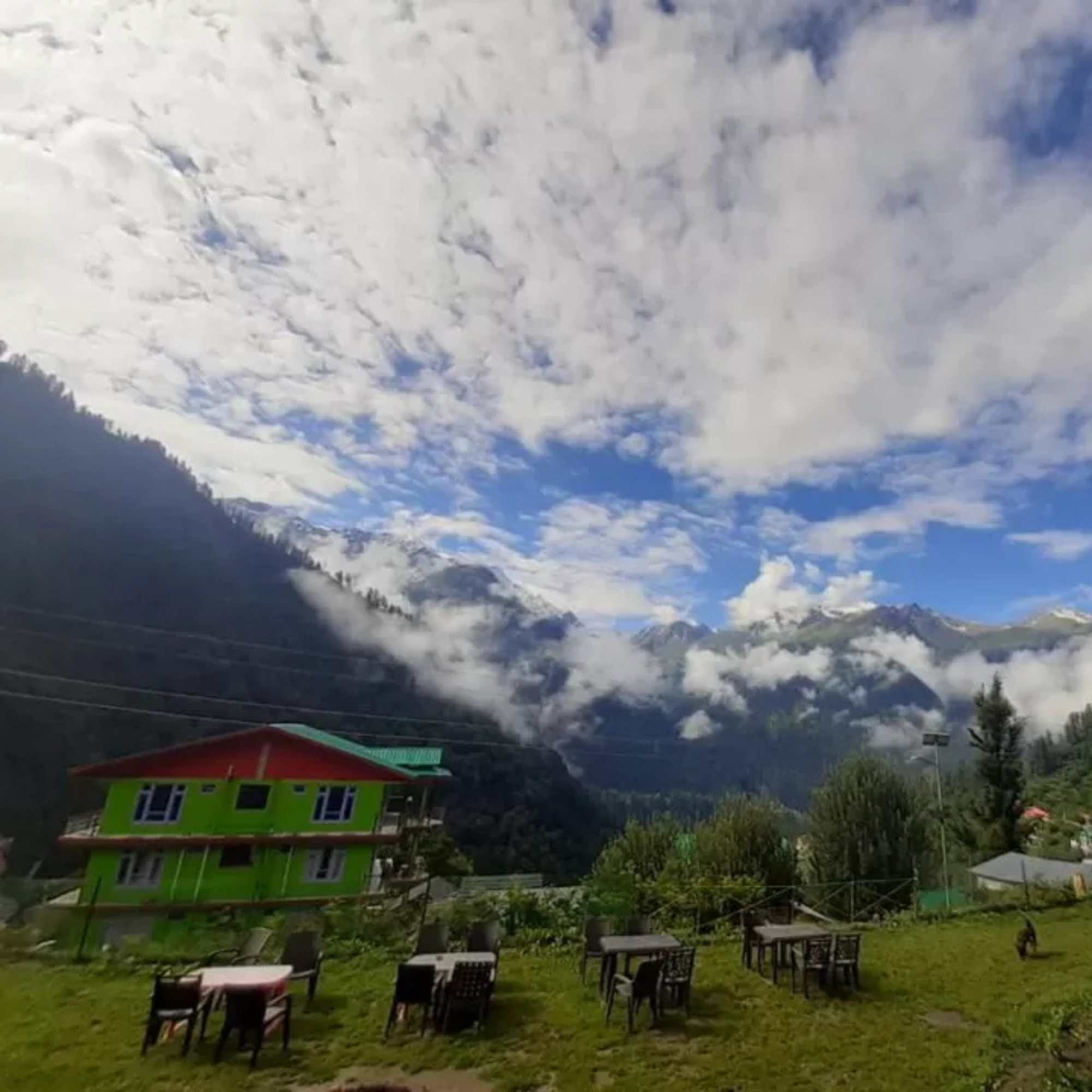
Buses are the most popular budget option for a Delhi to Kasol trip. They usually run overnight, which helps you save time and avoid spending one extra night on a hotel.
On most days, you will find multiple private Volvo and semi-sleeper buses from Delhi towards Kasol or Bhuntar. Fares usually start from around ₹600 to ₹1,500 for basic options and can go higher for premium buses, weekends, holidays, and last-minute bookings.
Travel time is generally around 10 to 12 hours, but you should keep some buffer for traffic, roadwork, weather, and delays near Himachal. Some buses drop travellers directly near Kasol, while others may drop at Bhuntar, from where you can take a local bus or taxi to Kasol.
Bus fares and timings are not fixed, so always check the latest schedule before booking.
Does the Bus Drop at Kasol or Bhuntar?
This is where most first-timers get caught out. Many people book a Delhi to Kasol bus assuming it goes all the way into Kasol, but some buses actually stop at Bhuntar.
RedBus lists both Bhuntar Bus Stand and Kasol Bus Stand as possible drop points. Traveller discussions on Reddit also mention that plenty of buses end at Bhuntar.
If your bus drops at Bhuntar, you then take a local bus or taxi for the last stretch into Kasol.
Because of the 2026 Bhuntar-Manikaran heavy vehicle and Volvo rules, this matters more than ever. Confirm the exact final drop point with the operator before you pay.
Where Buses Leave From in Delhi
You can board from several points across the city. The common ones are ISBT Kashmiri Gate, Majnu Ka Tilla, RK Ashram, Jhandewalan, Karnal Bypass, Mahipalpur, Morigate, and Sindhu.
Pick the boarding point closest to where you stay. It saves you a frustrating cross-city ride before an overnight journey even starts.
Bhuntar to Kasol Transfer
For the Bhuntar to Kasol leg, travellers usually take a local bus, a shared cab, or a private taxi.
We do not have a verified current fare for this short hop, so treat any number you see online with care. Agree on the price before you sit in any taxi here.
ComfortMyTrip notes that a real Delhi to Kasol by bus journey can take 12 to 16 hours once you add the Bhuntar to Kasol transfer. It estimates ₹900 to ₹1,800 if you go by ordinary or HRTC bus plus a local bus, and ₹1,400 to ₹2,800 by Volvo multi-axle to Bhuntar if you book early.
The money-saving move most agents will not tell you is simple. Taking an ordinary or HRTC bus to Bhuntar and then a local bus into Kasol works out cheaper than a single premium Volvo seat all the way.
Delhi to Kasol by Cab or Self-Drive: Cost, Comfort and Route Tips
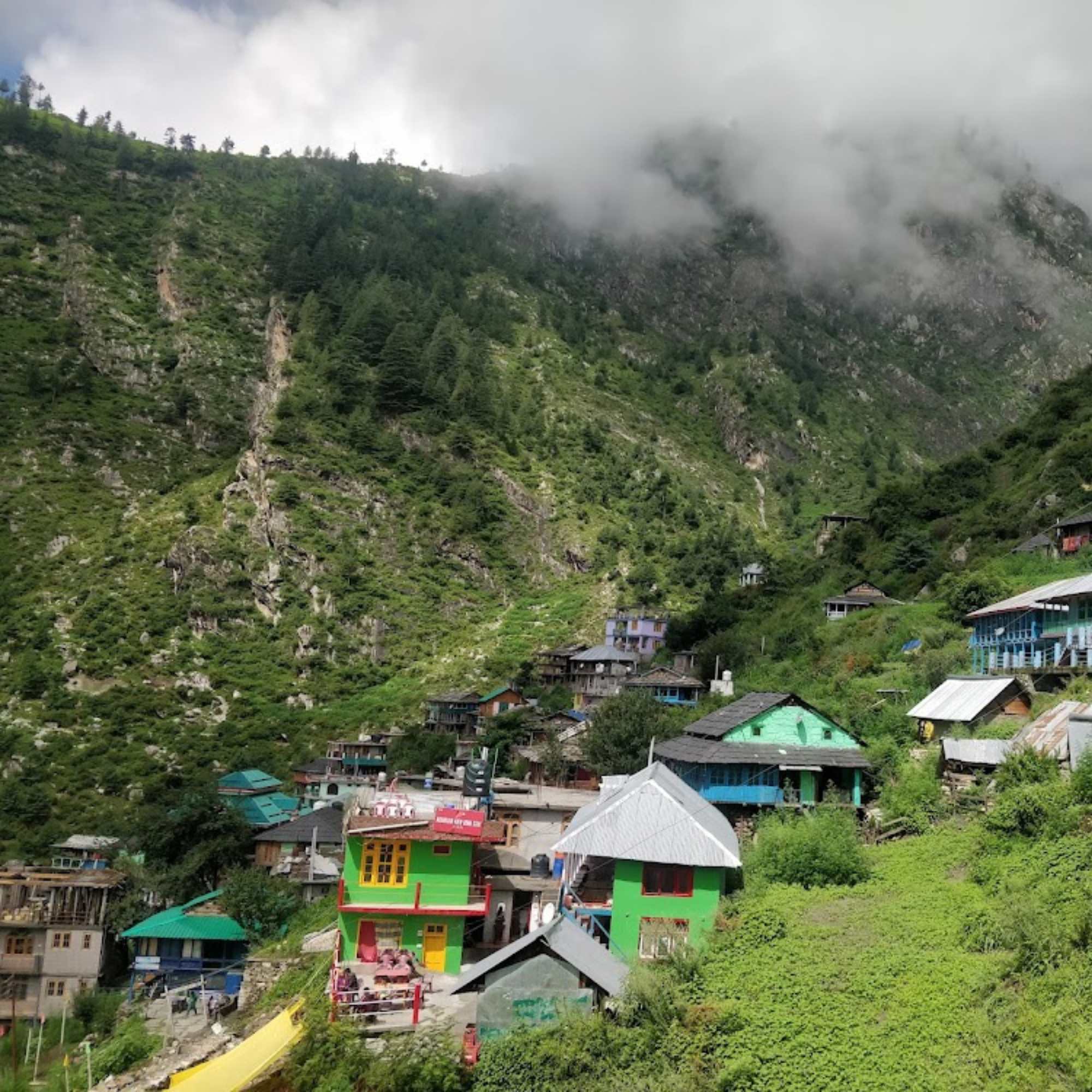
If a bus does not suit you, a cab or self-drive trip is the next option. Cab fares from Delhi to Kasol usually start from around ₹6,500 one way and can go higher depending on the car type, travel date, demand, route, and booking time.
For a round trip, the cost can vary widely, especially if tolls, taxes, driver allowance, parking, waiting charges, and night charges are added separately. Always confirm the final fare before booking, not just the starting price.
A cab is more comfortable if you are travelling with family, luggage, or a small group splitting the cost. For self-drive, start early, avoid night driving in the hills, and keep enough buffer for traffic near Chandigarh, Mandi, Kullu, and Bhuntar.
When a Cab Beats the Bus
A cab makes more sense for families, couples, or a group of 4 to 6 friends. You also want it if you carry a lot of luggage or simply cannot sleep on a semi-sleeper bus.
The biggest advantage is flexible stops. You can pull over for tea, photos, or a proper meal whenever you want instead of waiting for a fixed halt.
Split four ways, a cab fare per head is not as scary as it first looks. That is the version we usually suggest for small groups.
Self-Drive Tips
If you plan to self-drive, do not attempt the hill stretch at night unless you are used to mountain roads. The section after Bhuntar enters the narrower Parvati Valley road, and it punishes inexperience.
Keep cash on you, because ATMs thin out as you go higher. Keep your fuel above half and download offline maps before you lose signal.
Pack warm layers within reach, not buried in your boot. Evenings turn cold fast once you climb.
If you want to combine this with a few days higher up, our Manali tour packages pair well with a Kasol leg.
Delhi to Kasol Trip Cost: Budget, Mid-Range and Cab Sharing
Let us talk real money. A budget Delhi to Kasol trip cost lands around ₹5,000 to ₹8,000 per person.
A mid-range trip sits around ₹10,000 to ₹18,500 per person. The gap comes down to how you travel and where you sleep.
Stay costs vary a lot. Hostel dorms run ₹400 to ₹700 per night, budget guesthouses ₹1,000 to ₹2,000, and riverside camps ₹1,500 to ₹2,500.
Food is easy on the wallet here. A typical cafe meal costs ₹200 to ₹400, so even three sit-down meals a day stay reasonable.
Bus travellers spend the least overall. Your ticket plus a dorm bed plus cafe food keeps the whole thing tight.
Cab travellers pay more upfront, but a group of four splitting the fare brings the per-head cost down sharply.
We are not going to guess at tolls, parking, or driver allowance for self-drive or cab, because those change too often. Confirm them with your operator before you lock the trip.
How Many Days Are Enough for a Delhi to Kasol Trip?
Three days is enough for a fast weekend. You can cover Kasol, Chalal, Manikaran, the cafes, and some riverside time.
Four days is better if you want to add Tosh, Kalga, or Pulga. The pace feels human instead of rushed.
Five days suits you if you want Kheerganga as a day trek or you just like to travel slowly and sit by the river.
In our experience, most Delhi travellers enjoy Kasol more when they do not try to rush every village in one weekend. The valley rewards slowing down, not ticking boxes.
👉 Need help planning your Kasol trip? Message our Himachal team here.
3 Day Delhi to Kasol Itinerary for a Weekend Trip
Here is a clean weekend plan that actually works without exhausting you.
Day 0: Overnight Journey from Delhi
Leave Delhi in the evening by bus or cab. Most travellers prefer overnight travel, and there is a good reason for it.
You save one full hotel night and wake up close to the valley. That single choice stretches a short weekend into something usable.
Try to board between roughly 8 PM and 10 PM so you reach the hills by morning.
Day 1: Kasol, Parvati River and Chalal
You arrive in the morning. Check in, drop your bags, and rest for an hour, because the road takes it out of you.
Have a slow lunch at a cafe, then walk down to the Parvati River. The sound of the water does most of the relaxing for you.
In the afternoon, do the easy walk to Chalal. It is a short, gentle trail along the river, and we will not quote an exact distance because the path varies. Head back by evening.
Day 2: Manikaran and Tosh or Kalga
Start with a morning visit to Manikaran Sahib. The hot springs and the gurudwara are worth the early start, and it is calmer before the crowds build.
After that, pick one of Tosh, Kalga, or Pulga based on the road, the weather, and how much energy you have left.
Do not try to do all three. Pick one, enjoy it properly, and keep the day light.
Day 3: Cafe Breakfast and Return to Delhi
Take a slow morning. Have a long cafe breakfast and wander the local market for a bit.
Then head to Bhuntar or your bus pickup point for the return. Most people take an overnight bus back so they reach Delhi by morning and lose no extra day.
4 to 5 Day Delhi to Kasol Itinerary with Tosh and Kheerganga
A longer plan suits travellers who want treks or slow village stays. You get to actually live in the valley instead of just passing through.
Spread the first part the same way as the 3 day plan. Add one or two nights in Tosh or Kalga to soak in the quiet.
Kheerganga Day Trek
Here is where you need to be careful. 2026 travel guidance reports Kheerganga as a day trek only, with overnight camping banned, and trekkers expected to start early and come down by afternoon.
The reported trek distance is 12 to 13 km one way from Barshaini. There is a reported registration of ₹100 per head for the Nakthan route.
Reported timing asks you to arrive before 10 AM and descend by 2 PM. None of this is permanent. Confirm the current rules locally before you set out, because trek regulations here change season to season.
The honest part. If camping is off the table, Kheerganga becomes a long, tiring day. Some travellers love it, others find the climb up and down in one day too much. Go in knowing that.
Best Places to Visit on a Delhi to Kasol Trip
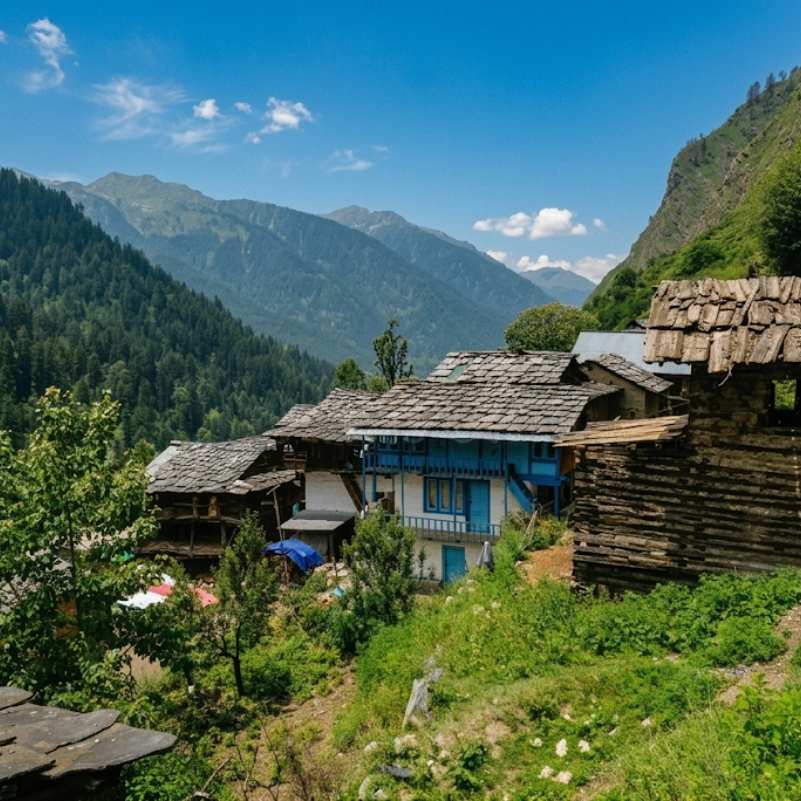
The Kasol market is small but lively, full of cafes, music shops, and travellers from everywhere. It is your base for everything.
The Parvati River runs right alongside, and a riverside seat with a cup of tea is half the reason people come here.
Chalal is a short, easy walk across the river. Quiet, green, and a good first-evening stroll.
Manikaran Sahib is the spiritual stop, known for its hot springs and the gurudwara. The food served at the langar is simple and warm.
Tosh sits higher up with big valley views and a slow, hippie pace. Kalga and Pulga are quieter still, good for a night of doing nothing.
Barshaini is the road head where vehicles stop and the Kheerganga trek begins. Grahan village is another offbeat trek option for people who want fewer crowds.
If you are still deciding between valleys, our Jibhi vs Kasol comparison lays out the differences plainly.
Best Time for a Delhi to Kasol Trip in 2026
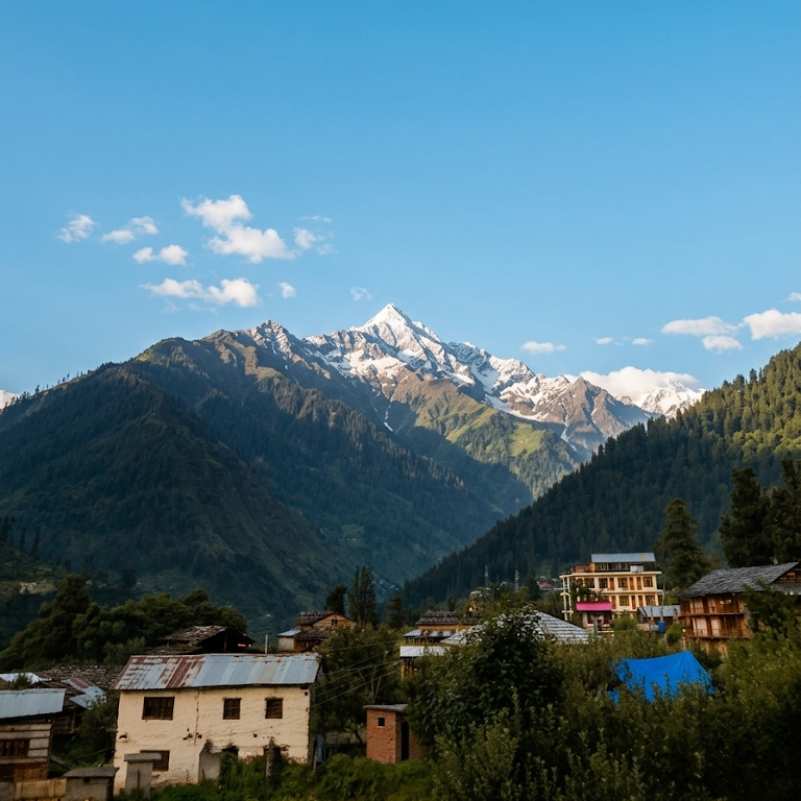
March to June is pleasant and the most popular window. Days are warm, evenings are cool, and the valley is at its busiest.
September to November brings clearer skies and colder evenings. The crowds thin out, which many travellers prefer.
July to September is monsoon. Landslide risk goes up and trails turn slippery, so this is the trickiest season.
2026 reporting included a landslide disruption on the Manikaran-Barshaini road, so check road status close to your departure date. A clear morning in Delhi tells you nothing about conditions in the valley.
December to February is cold, with possible snow in nearby areas. Fewer buses run and many treks shut down.
What we always tell our travellers is to treat road status as a daily check in monsoon, not a one-time thing before booking.
Where to Stay in Kasol: Hostels, Camps and Hotels
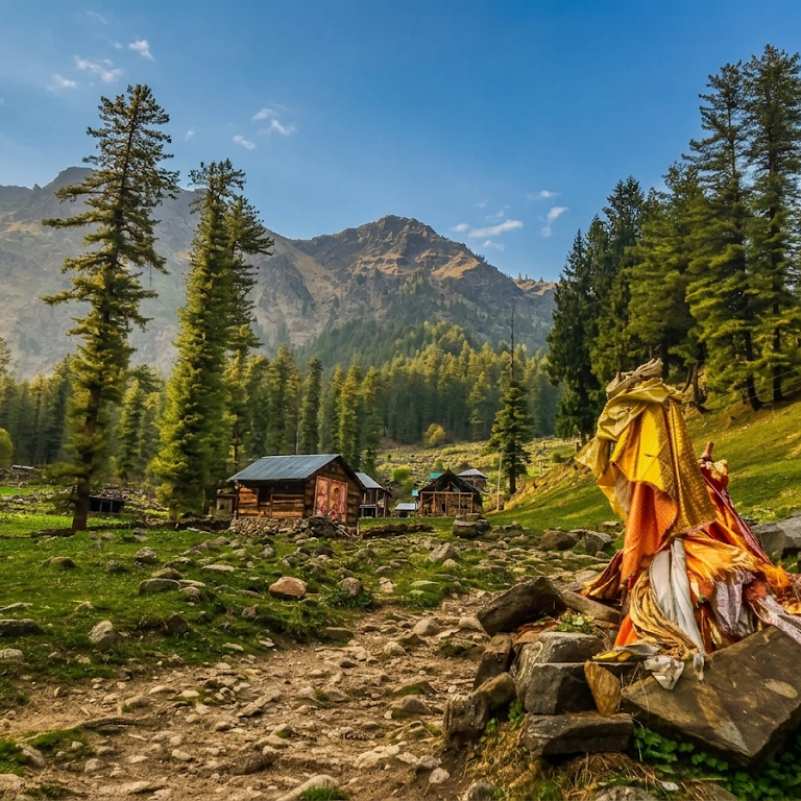
Budget travellers should go for hostels or simple guesthouses. They are cheap, social, and easy to book on the spot in the off season.
Couples and families do better with stays that have parking or easy road access. Dragging luggage up a steep lane after a long drive is nobody's idea of fun.
The cost ranges are clear. Hostel dorms run ₹400 to ₹700 per night, budget guesthouses ₹1,000 to ₹2,000, and riverside camps ₹1,500 to ₹2,500.
Book ahead for long weekends. Kasol fills up fast, and the good riverside spots go first. This is the one honest downside of the place. On a holiday weekend it can feel crowded and noisy.
What to Eat and Where to Cafe-Hop in Kasol
Kasol food leans Israeli, Italian, Indian, and continental. The cafe culture is a big part of why people linger here.
A typical cafe meal costs ₹200 to ₹400, which keeps eating out affordable for most budgets.
Competitor pages list cafes like Evergreen Café, Jim Morrison Café, Moon Dance Café, and Little Italy. Any of these makes a good lazy afternoon stop.
One honest tip. If you travel with elders or kids, do not depend only on cafes. Menus and service here can be slow and inconsistent, so keep a simple Indian dhaba option in mind for the days you just need a hot, reliable meal.
Is a Delhi to Kasol Trip Safe?
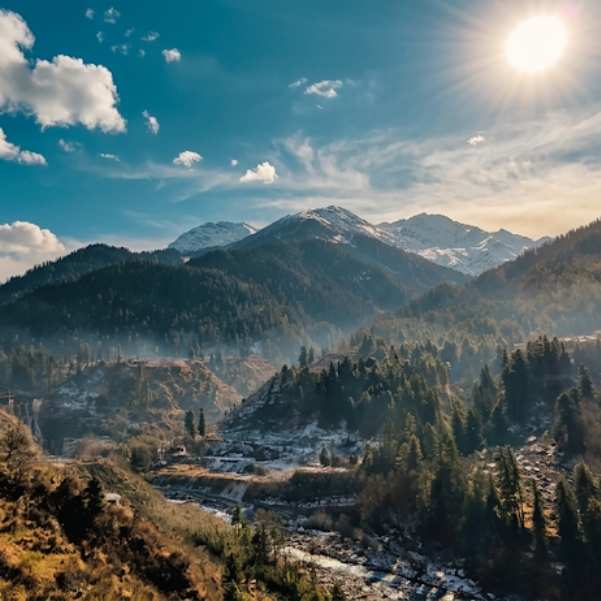
Yes, with normal sense. The trip is safe for most travellers when you plan the basics.
The bus is convenient for budget travellers, but confirm the operator, your pickup point, and your drop point before booking. The Bhuntar surprise catches people every season.
A cab is better for comfort, but avoid letting an inexperienced driver tackle the hill section at night. The Parvati road is narrow and unforgiving after dark.
Solo travellers should prebook the first night, keep family informed, and carry ID and cash. Avoid isolated riverbanks after dark.
Two practical cautions. Mobile network is weak in much of the valley, and ATMs are limited. Carry enough cash before you leave Bhuntar.
2026 Travel Updates You Should Know Before Going
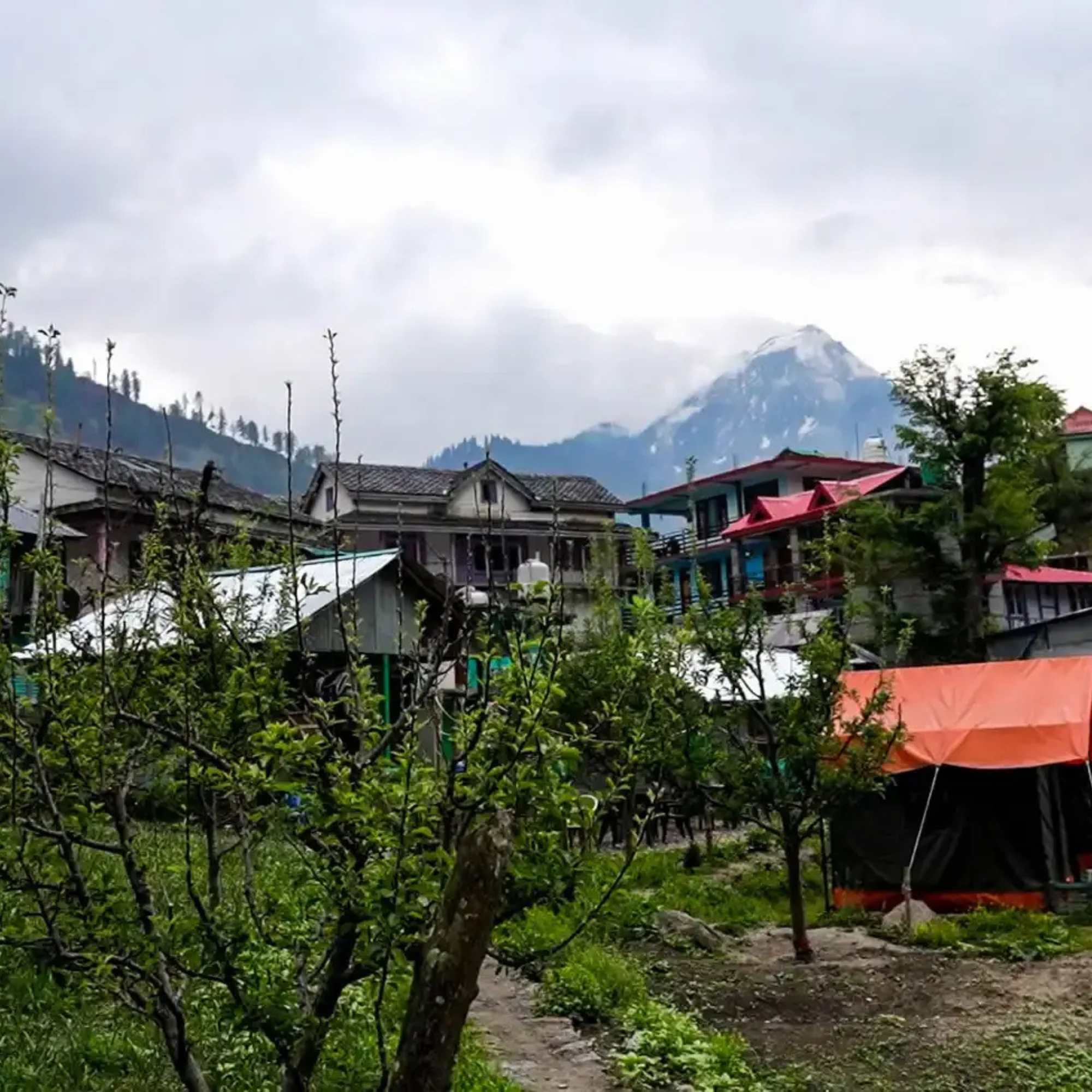
The big one. The official District Kullu order regulates heavy vehicles and Volvo buses on the Bhuntar-Manikaran Road from April 14, 2026 to August 31, 2026, because of narrow road conditions and heavy tourist inflow.
What does this mean for you? Direct Delhi to Kasol bus services may still show up online, but your final drop point could shift or involve a transfer.
So verify your drop point one day before departure. Do not assume the listing you booked weeks ago still reflects the ground reality.
We have seen travellers arrive expecting a Kasol drop and end up at Bhuntar with no plan for the last leg. A two-minute call to the operator fixes that.
Should You Book a Delhi to Kasol Package or Plan Yourself?
Three honest options here. A DIY bus trip is the cheapest, and it is perfect for backpackers who do not mind a bit of chaos.
A cab trip is best for families and small groups who want comfort and flexible stops without organising every booking themselves.
A customised package works best for first-time hill travellers, all-girls groups, couples, and families who want verified stays, planned routes, transfers, and someone to call if road conditions change mid-trip.
There is no single right answer. It comes down to your group, your budget, and how much you want to handle yourself.
If you would rather hand off the logistics, our Travel Coffee Kasol packages come with a local driver, handpicked stays, and a team that actually picks up the phone.
One last thing on cost. The flight route through Bhuntar (Kullu Manali Airport), around 31 km from Kasol, exists, but it is an expensive option and not the one we recommend for most travellers. Save that money for an extra night in the valley.
Explore Our Curated Kasol Tour Packages
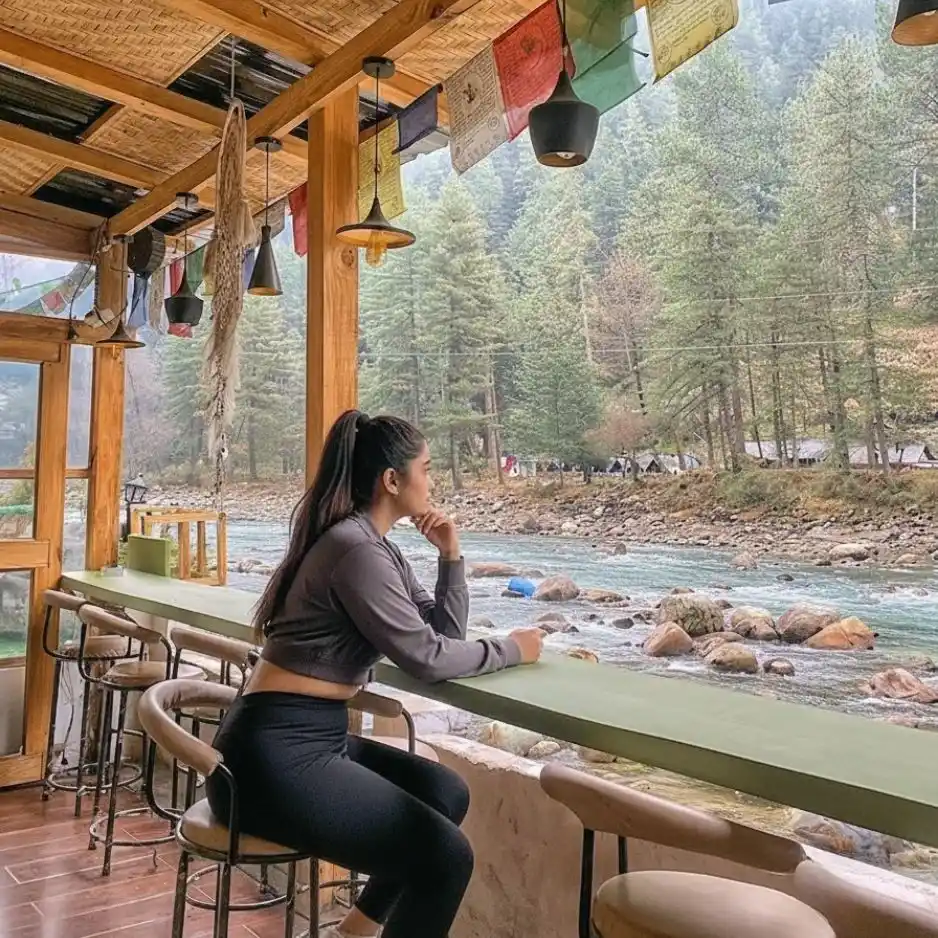 4D/3N
4D/3NPerfect Manikaran Kasol Tosh Weekend Getaway
1D Delhi•2D Kasol+1
₹15,999₹19,999SAVE INR 4,000/ person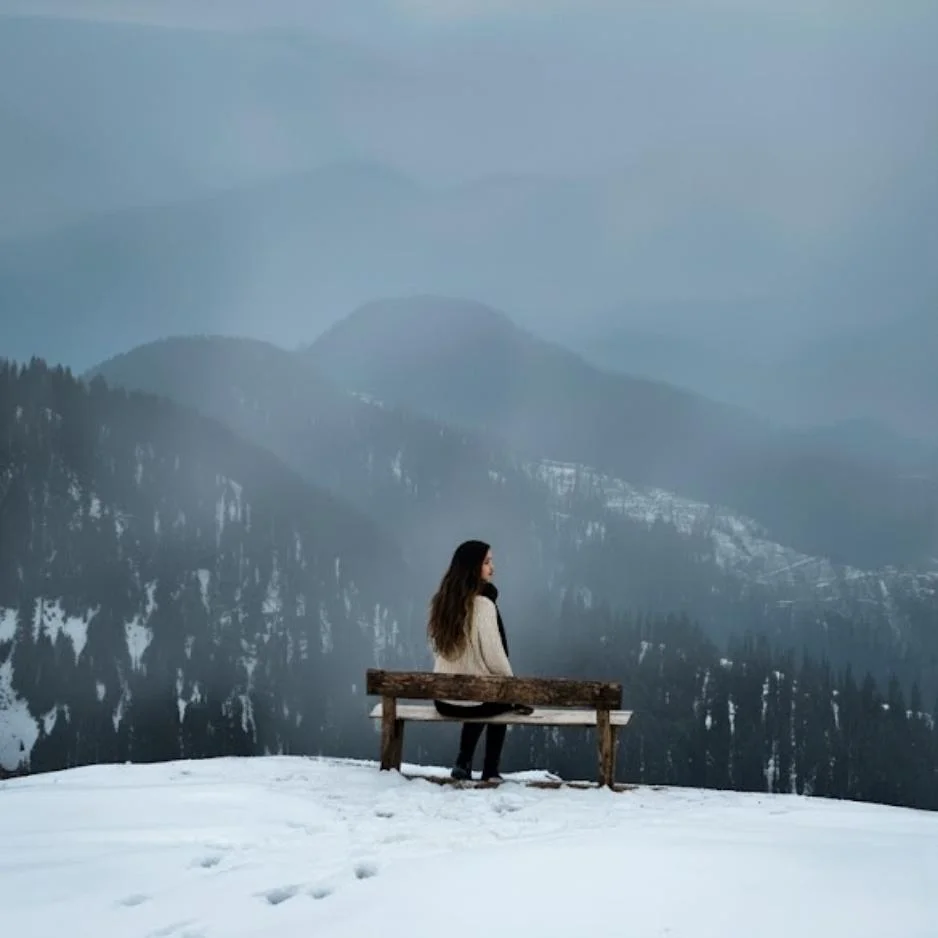 7D/6N
7D/6NManali Kasol Jibhi Valley Trip
1D Delhi•2D Manali+3
₹25,799₹32,999SAVE INR 7,200/ person 8D/7N
8D/7NManali Kasol Bir Himalayan Explorer
1D Delhi•2D Bir+3
₹21,999₹27,999SAVE INR 6,000/ person
Related topics
Frequently Asked Questions
How far is Kasol from Delhi?
The Delhi to Kasol distance is usually around 485 to 529 km, depending on the route, road conditions, and where your journey starts in Delhi. Some routes are shorter on paper, while others may feel longer because of traffic, diversions, hill roads, or stops along the way.
How much time does Delhi to Kasol take by bus?
Booking platforms show an average of around 10 to 11 hours, but real journeys often run 12 to 16 hours once you add the Bhuntar to Kasol transfer and mountain delays.
Is there a direct bus from Delhi to Kasol?
Yes, direct buses are listed, but some stop at Bhuntar instead of Kasol. Always confirm the final drop point with the operator before booking.
Does the bus drop at Kasol or Bhuntar?
It depends on the service. RedBus lists both Bhuntar and Kasol as possible drop points, and many buses end at Bhuntar, where you take a local bus or taxi onward.
What is the Delhi to Kasol bus ticket price?
Bus fares from Delhi to Kasol usually start from around ₹600 to ₹1,500 for basic or regular options. Premium Volvo, sleeper, and last-minute bookings can go much higher, sometimes crossing ₹5,000 during peak dates.
What is the Delhi to Kasol cab fare?
One-way cab fares from Delhi to Kasol usually start from around ₹6,500. For a round trip, you can expect the cost to vary widely, often starting from around ₹13,000 and going higher depending on the car type, travel date, demand, route, tolls, taxes, and driver charges. Always confirm the final fare before booking, because online starting prices may not include every extra charge.
Is bus or cab better for Delhi to Kasol?
Bus is cheaper and good for solo or budget travellers. Cab is better for families, couples, or a group of four who want comfort and flexible stops.
How many days are enough for Kasol from Delhi?
Three days work for a quick weekend. Four to five days are better if you want to add Tosh, Kalga, or the Kheerganga day trek.
What is the best time to visit Kasol?
March to June and September to November are the best windows. July to September is monsoon with landslide risk, and December to February is cold with limited services.
Is Delhi to Kasol safe by car?
Yes, with an experienced driver. Avoid the narrow Parvati Valley stretch at night, keep cash and fuel buffers, and download offline maps before you lose signal.
Do I need a permit for Kasol?
No permit is generally required for Kasol or Parvati Valley under current guidance. Carry a valid photo ID for hotel check-in and bus tickets.
Is Kheerganga camping allowed in 2026?
2026 guidance reports that camping is banned and Kheerganga is a day trek only, with an early start and afternoon descent. Confirm the current rules locally before you go.
More about Kasol
- Kasol
Best Offbeat Places Near Kasol Most Tourists Miss in 2026
Escape the crowds and discover the hidden side of Kasol in 2026. From peaceful villages and untouched valleys to scenic trails and secret viewpoints, these offbeat places near Kasol offer authentic Himalayan experiences that most tourists completely miss.
- Places to Visit
- Things to Do
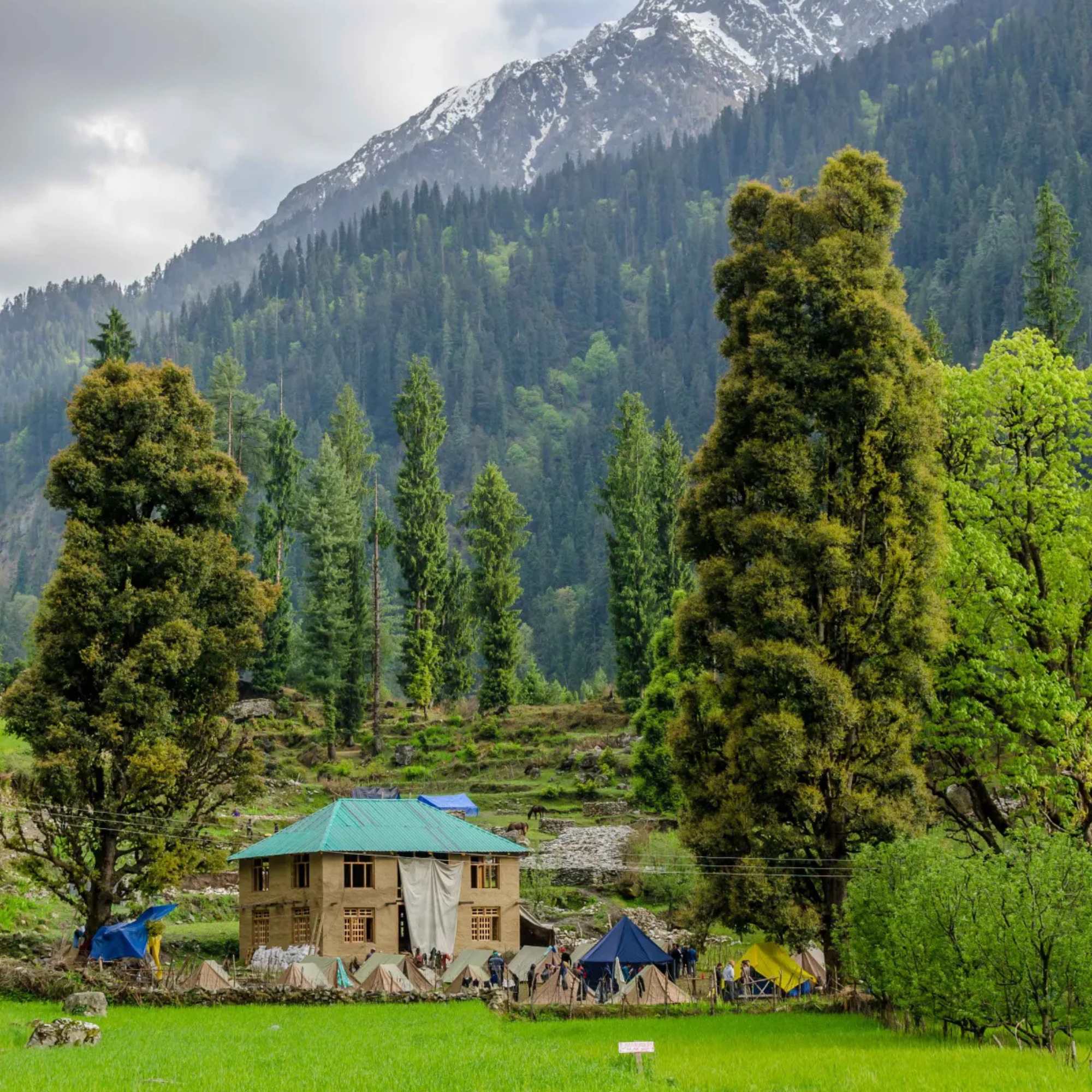 Kasol
KasolRasol Village Trek From Kasol 2026: Route, Distance & What to Expect
Planning the Rasol Village Trek from Kasol in 2026? Explore the complete trekking route, distance, difficulty level, stay options, and essential travel tips to experience one of Parvati Valley’s most peaceful and offbeat Himalayan villages.
- Things to Do
 Kasol
KasolKalga, Pulga & Tulga Villages in 2026: The Offbeat Side of Parvati Valley
A Himachal Pradesh travel expert or experienced Parvati Valley trek guide with firsthand knowledge of Kalga, Pulga, and Tulga. The content should provide practical insights on trekking routes, homestays, local culture, seasonal travel, and hidden attractions, helping readers plan an authentic offbeat Himalayan experience with confidence.
- Places to Visit