
Chanshal Pass Travel Guide 2026: Route, Best Time, Road Status, Stay & Itinerary
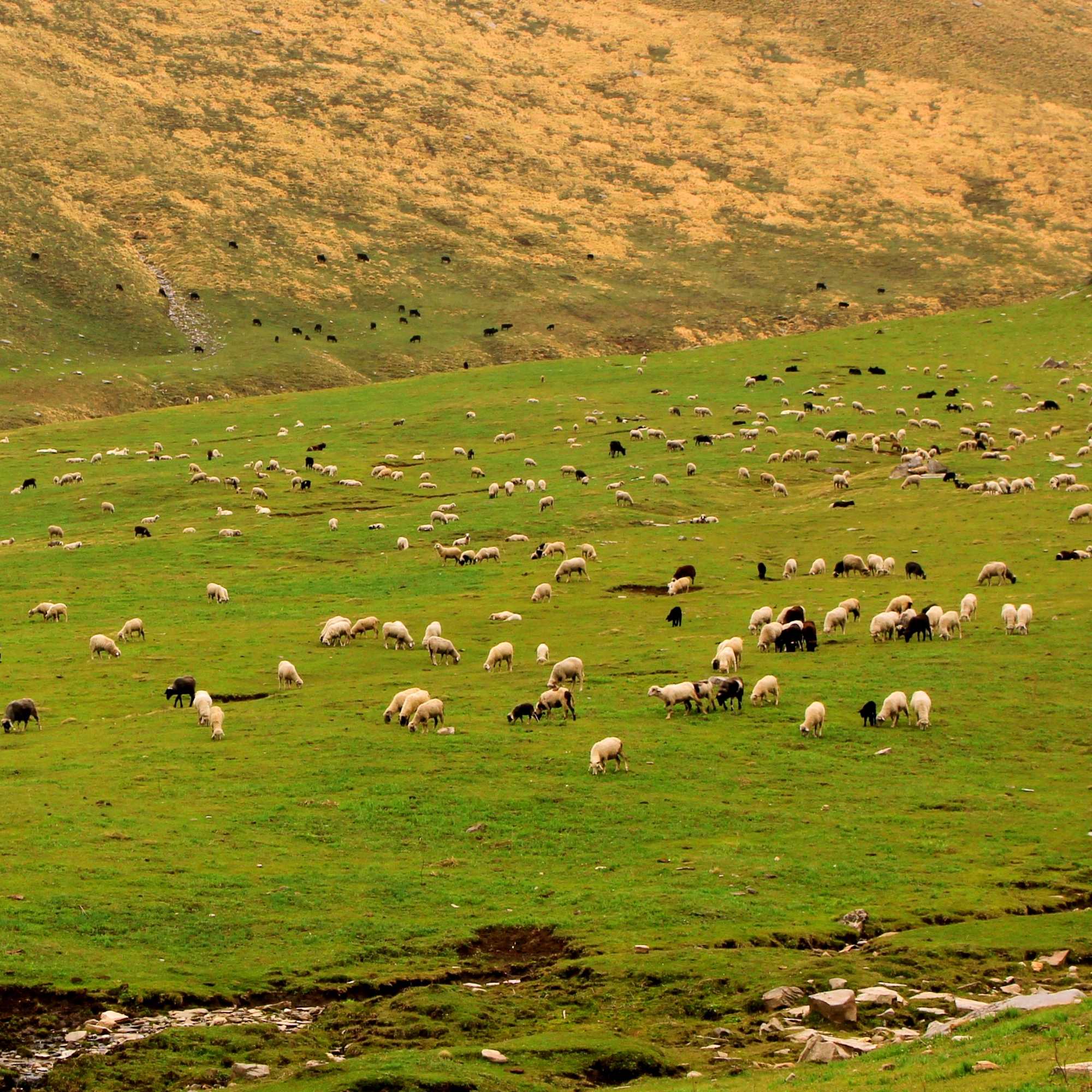
If you have done Shimla, Manali and Kasol and want a road that still feels untouched, Chanshal Pass is where you go next.
This is one of the highest, quietest mountain roads in Shimla district, sitting in the apple country beyond Rohru where the crowds simply do not reach.
We send travellers here every season, and the one thing everyone says when they come back is the same: it does not feel like the usual Himachal at all.
No mall road, no cafe queues, no traffic jams. Just an apple-belt climb, alpine meadows, hard wind, and a pass that opens up to mountains on every side.
This guide by Travel Coffee covers the route, the road status for 2026, the best months, where to stay, real itineraries, and the honest stuff most blogs skip.
Quick Answer: Should You Visit Chanshal Pass in 2026?
Yes, if you want an offbeat high-altitude road trip near Rohru in Shimla district and you are okay with rough roads instead of polished tourist comfort.
The best months are late June, September and October, when views are clearer and the road is more stable.
The drive is scenic, but it turns rough after Rohru and Larot. A SUV, an experienced driver, or an adventure bike is far safer than a low car.
Treat this as a proper mountain trip, not a quick weekend photo stop. Plan buffer time, start early, and never push the final climb after dark.
>>Want help planning a safe and realistic Chanshal Pass itinerary? Chat with our team on WhatsApp.
What Is Chanshal Pass Famous For?
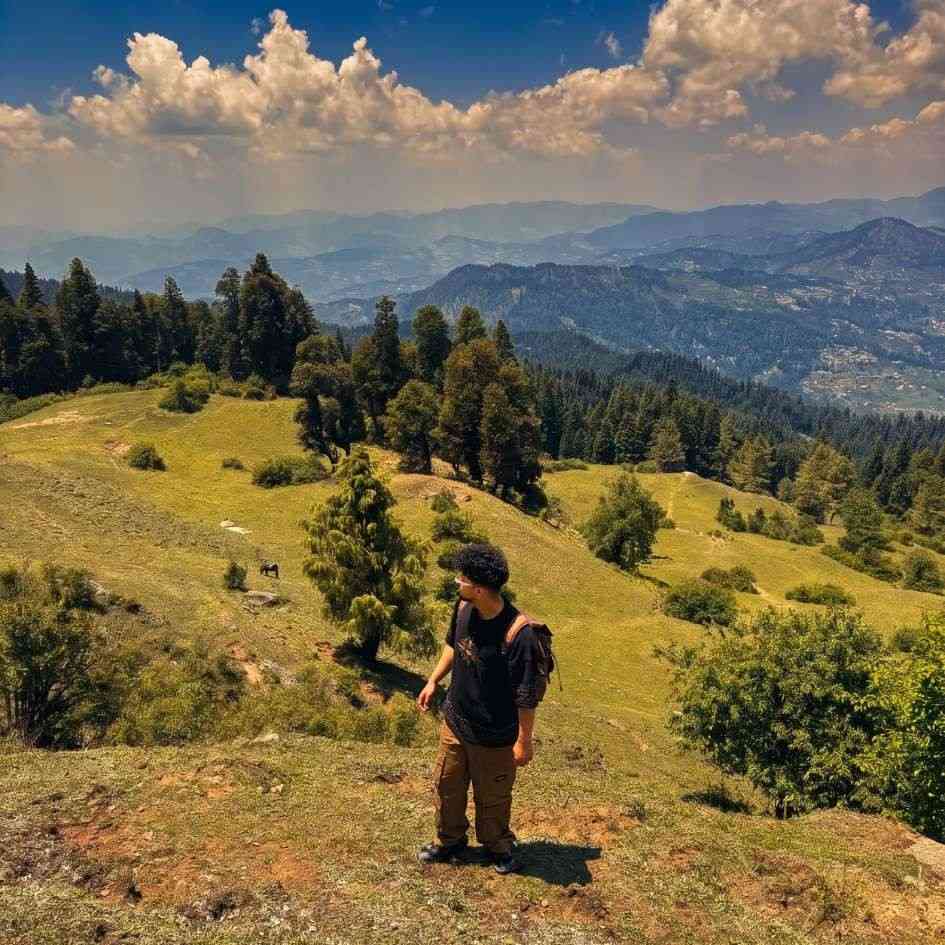
Chanshal Pass, also called Chanshal Valley, connects the Rohru and Chirgaon side with the remote Dodra-Kwar Valley in Shimla district.
It is famous for what it does not have. No commercial hill-station setup, no noise, just open mountain road.
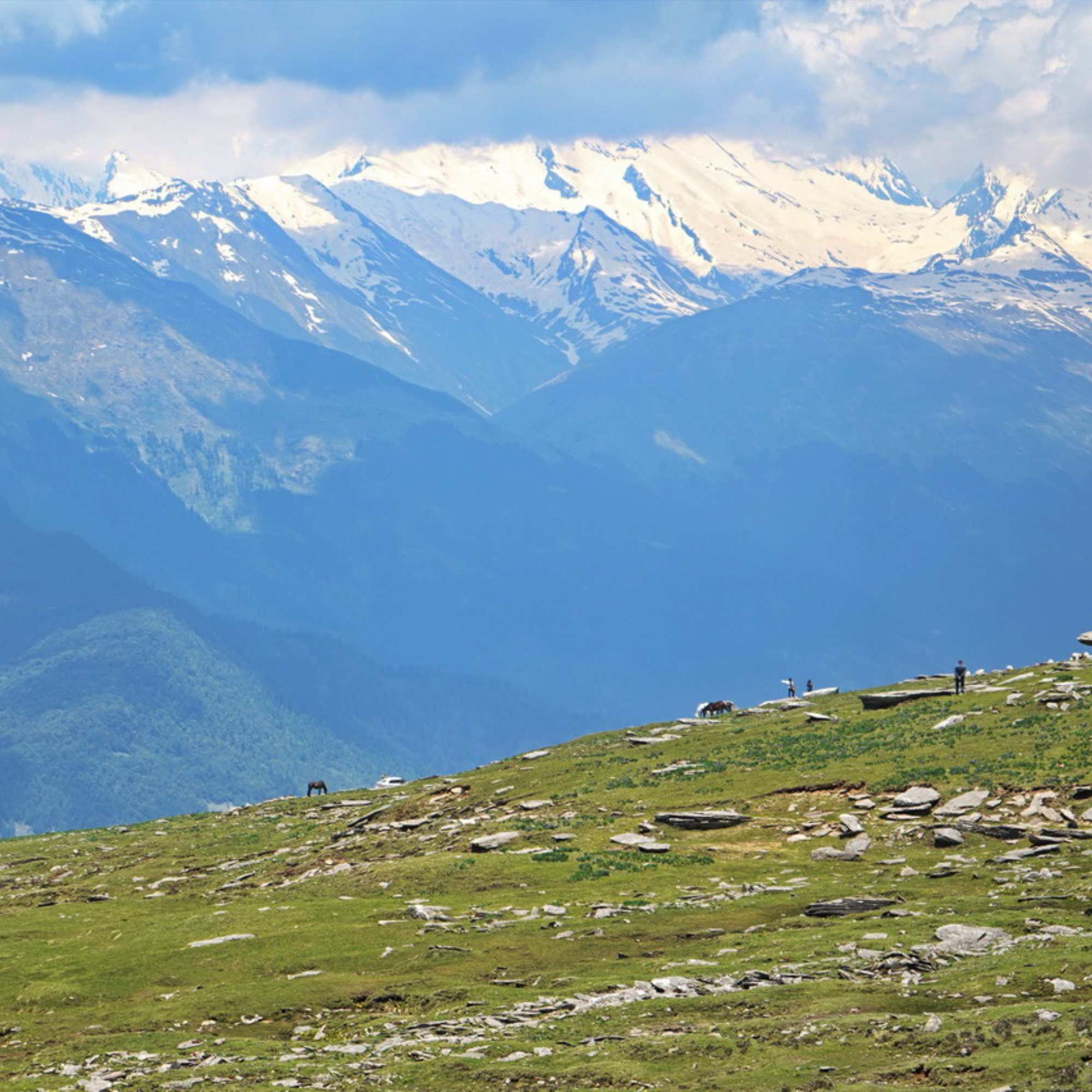
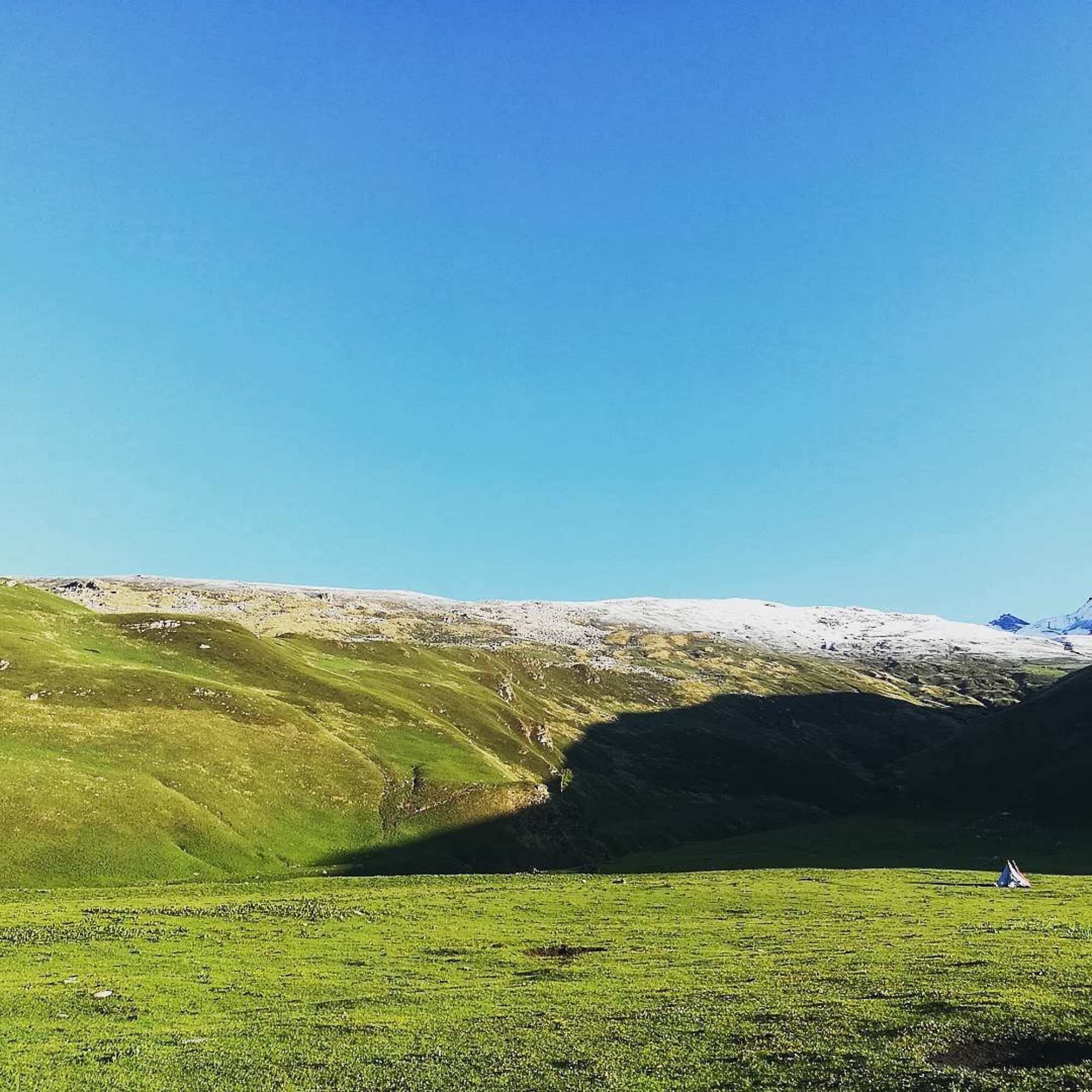
The views at the top stretch in every direction, with bare ridges, snow patches in early season, and meadows that turn green by mid-summer.
The wind up there is no joke. It hits hard and cold even on a sunny day, so the moment you step out of the car you reach for a jacket.
The approach is half the charm. You climb through the Pabbar Valley apple belt, past orchards and small villages that most tourists never see.
Most people who come here have already done the popular Himachal circuits and want something raw. That is exactly what this place is.
If you want to base your trip around Shimla and add this as the wild extension, our Shimla tour packages make a good starting point.
Where Is Chanshal Pass Located?
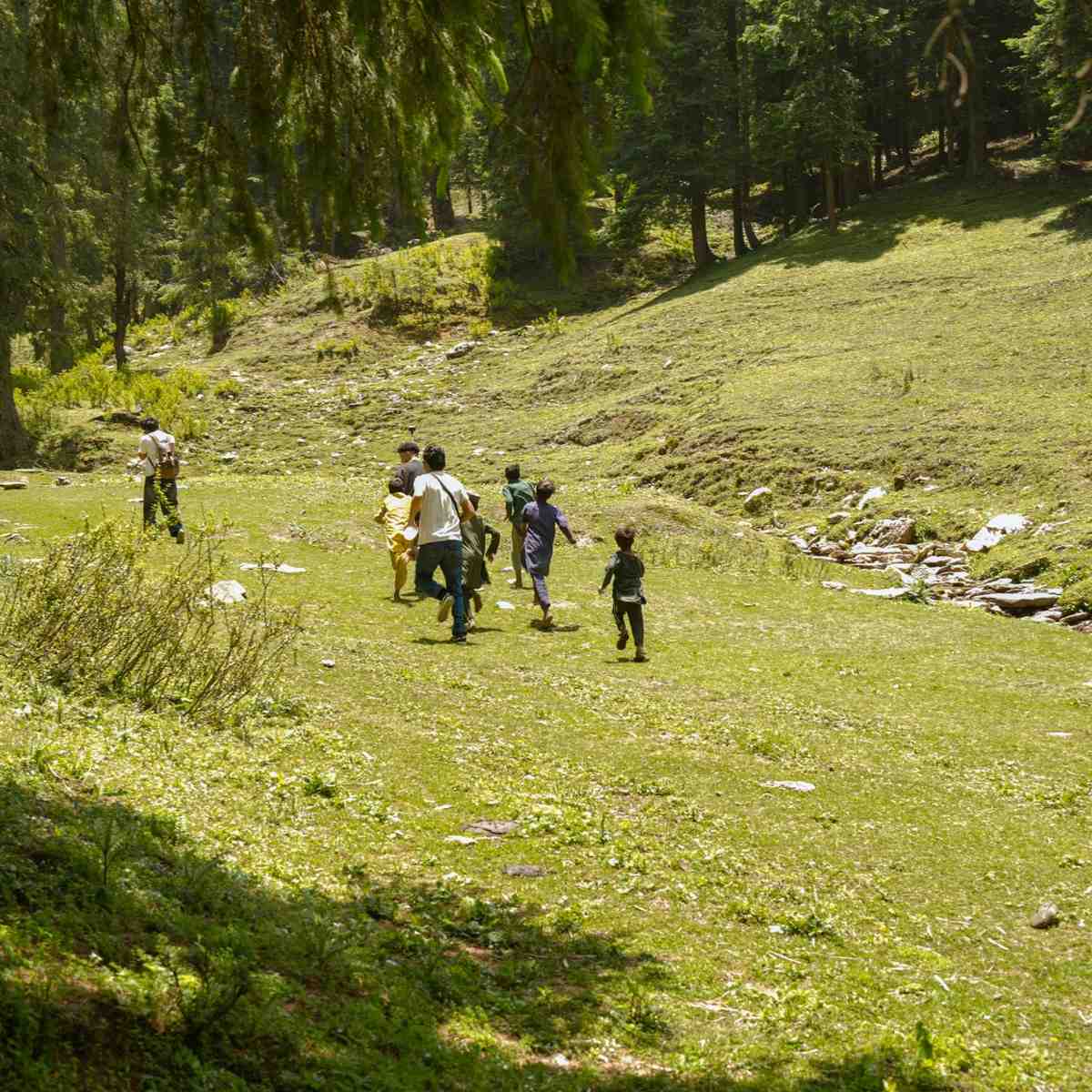
Chanshal Pass sits in Shimla district, Himachal Pradesh, towards the Himachal and Uttarakhand side.
The usual road journey runs through Theog, then Kotkhai or Narkanda, then Hatkoti, Rohru, Chirgaon and Larot before the final climb to the pass.
This is not a mall-road destination. There is no central market, no string of hotels, no easy public transport to the top.
It is a mountain road trip in the real sense, where the journey itself is the experience and the pass is the reward at the end.
What most tourists get wrong is treating Chanshal like a stop you "tick off." It is not. The road, the villages and the apple belt are the trip. The pass is just the highest point of it.
Is Chanshal Pass Open in 2026?
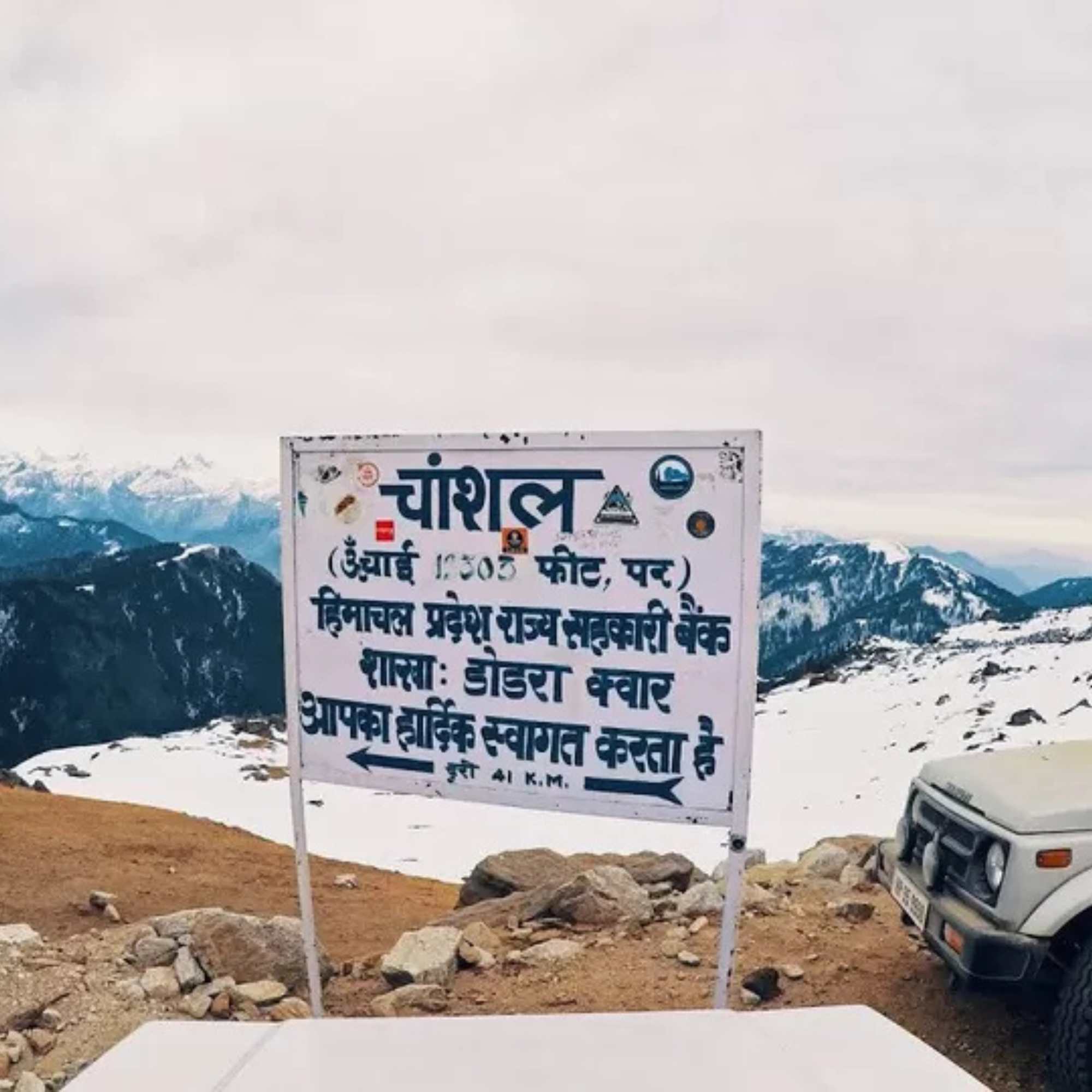
The official District Shimla page says the Chanshal road is generally open from May to November and closed the rest of the year because of snow.
So for a 2026 visit, your realistic window is May through November, with the sweet spots inside that range covered below.
A third-party live road-status page showed Rohru to Chanshal Pass open on 11 June 2026. That is a good sign for early-season travellers this year.
But do not treat that as a permanent green light. Mountain roads here change fast, and one spell of rain or a small landslide can block a stretch overnight.
The District Shimla page itself was last updated on 6 June 2026, which tells you even official sources refresh constantly.
In our experience, the only road status that matters is the one you confirm a day or two before you leave, ideally with a local in Rohru or Larot.
So check, then check again the morning you start. Never lock a tight plan around a road status you read weeks earlier.
What Is the Best Time to Visit Chanshal Pass?
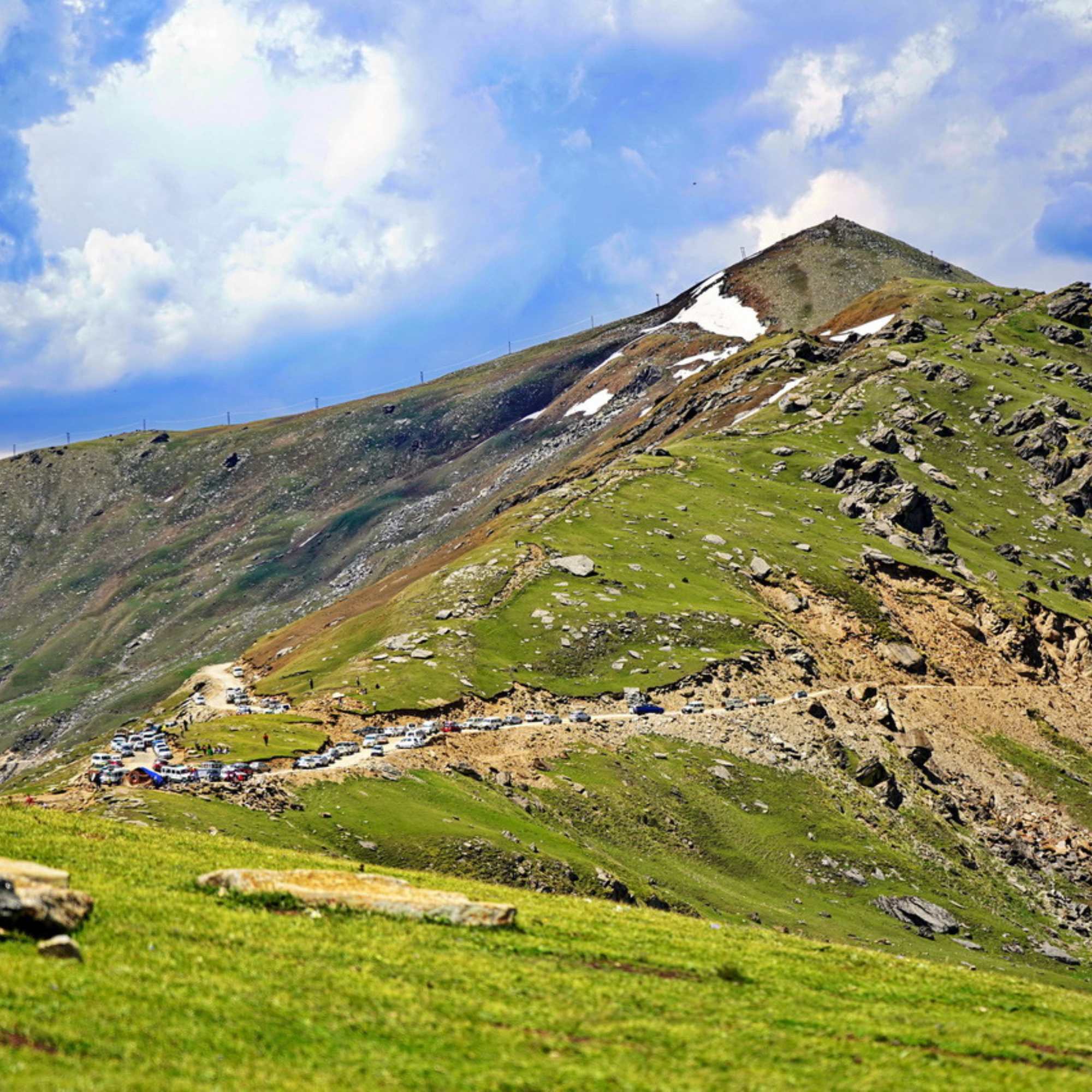
The official page lists late June, early September, September and October as the best windows. That matches what we see on the ground.
Late June
Late June is usually better than early May because the snow clearance and slush in the first weeks of the season can make the road messy.
By late June, the worst of that has settled and the road is more drivable.
You might still catch snow patches near the top, but never count on it. Some years the snow is gone, some years a little hangs on. It is a bonus, not a promise.
September and October
September and October are among the best months to visit Chanshal Pass.
The air is clearer, the views are sharper, and photography is at its best with the apple belt in full colour below.
Road conditions are also more stable in these months compared to the monsoon stretch.
If you want the cleanest skies and the lowest chance of a washed-out plan, this is the window we point most travellers to.
Months to Avoid
July and August bring rain, slush and a real landslide risk on these roads. The lake-and-pass scenery is lovely, but the getting there becomes a gamble.
December to April is not suitable for normal travellers. The road is commonly closed by snow, and winter temperatures can drop below -10°C as per the official page.
Unless you are an experienced winter mountain traveller with the right vehicle and zero schedule pressure, skip those months entirely.
How to Reach Chanshal Pass from Shimla, Delhi and Chandigarh
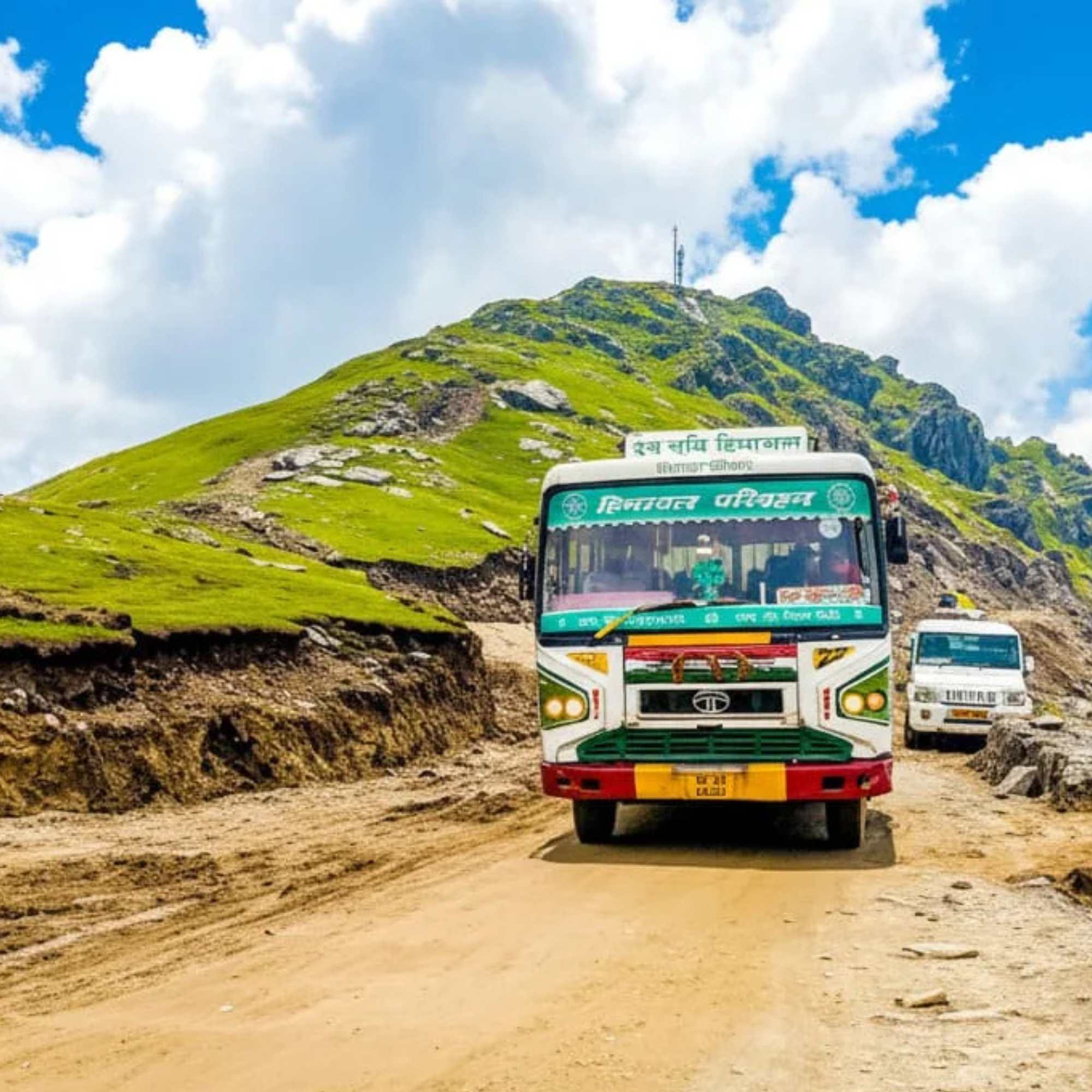
Most trips here start from Shimla, since that is the nearest big town with proper roads, fuel and stays before things get remote.
Shimla to Chanshal Pass Route
The official shorter route runs Shimla to Theog to Kotkhai to Kharapathar to Hatkoti to Rohru to Larot to Chanshal Pass, about 160 km.
The official longer route runs Shimla to Theog to Narkanda to Tikkar to Rohru to Larot to Chanshal Pass, about 175 km.
For reference, HPTDC lists Shimla to Rohru as 108 km and about three hours, so Rohru is your natural halfway base on either route.
Delhi to Chanshal Pass
If you are coming from Delhi, do not try to touch Chanshal in one rushed drive. The distance plus the rough final stretch makes that a bad idea.
Break the journey instead. Spend a night at Shimla, Rohru or Larot, then attempt the pass fresh the next morning.
Trying to do it in a single shot leaves you driving the worst part of the road tired, and possibly in fading light. Not worth it.
Chandigarh to Rohru
HPTDC lists Chandigarh to Rohru as 225 km and about a six-hour drive.
Our advice is to make Rohru or Larot your overnight stop, then take on the final climb to Chanshal the next day with full energy and full daylight.
For getting into the region in the first place, Shimla has Jubbarhatti airport, while Chandigarh is the nearest major airport. If you prefer the slow scenic option, the Kalka to Shimla railway covers 96 km in about six hours.
Which Route Is Better: Kharapathar or Narkanda?
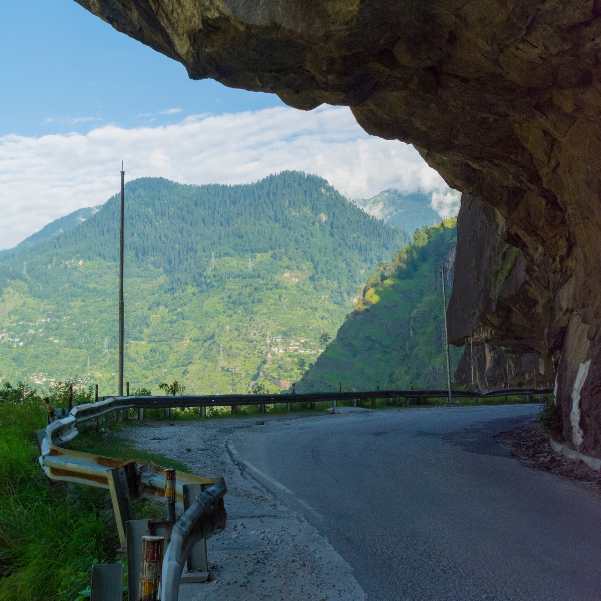
The Kharapathar route is shorter, at 160 km from Shimla to Chanshal. But the official page says this stretch is bumpy and not suitable for bike rides.
The Narkanda route is longer at 175 km, but it can be more comfortable depending on the current road condition.
So if you are on a bike, the Narkanda side is usually the smarter call. If you are in a capable SUV and want the shorter run, Kharapathar works.
Either way, confirm the latest local road status before you decide. One bad patch on either route can flip which one is actually better that week.
How Difficult Is the Rohru to Chanshal Pass Road?
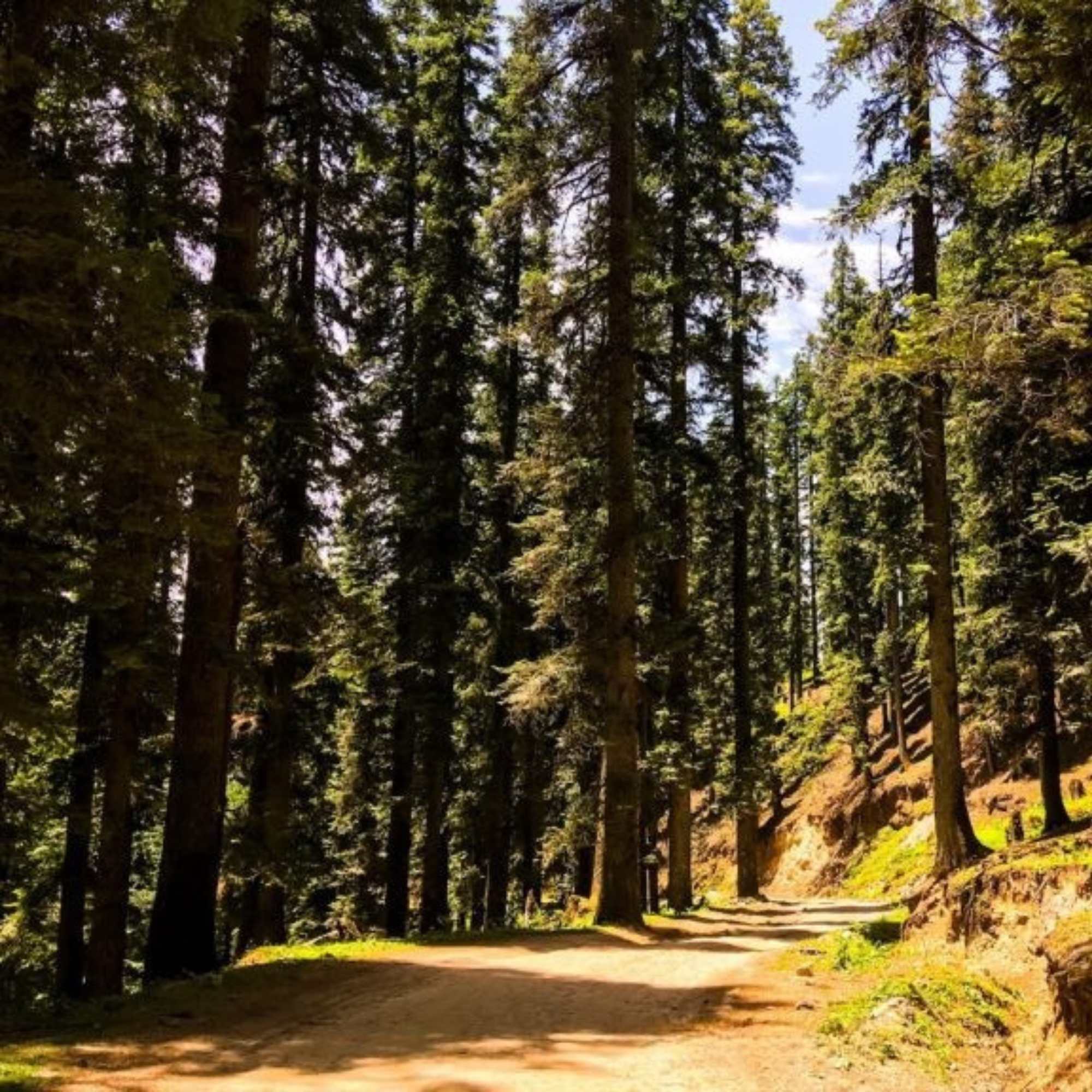
Rohru to Chanshal is roughly 48 to 50 km according to multiple travel sources. On paper that sounds short. In reality it eats up a lot of time.
After Chirgaon and Larot, the road turns narrow, steep and rough, with sections that are partly unpaved.
This is where a low car starts to struggle. A SUV, a 4x4 or an adventure bike handles it far better.
Our team always tells travellers the same three things for this stretch. Start early, do not drive after dark, and keep buffer time so a slow patch does not wreck your whole plan.
The honest negative here: this road is not "scenic and easy." It is scenic and hard. If you hate bumpy drives or get carsick easily, the last 48 to 50 km will test you.
If you would rather hand the driving and logistics to someone who knows the route, our Chanshal Pass tour package sorts the vehicle, the driver and the stays.
Suggested Chanshal Pass Itineraries
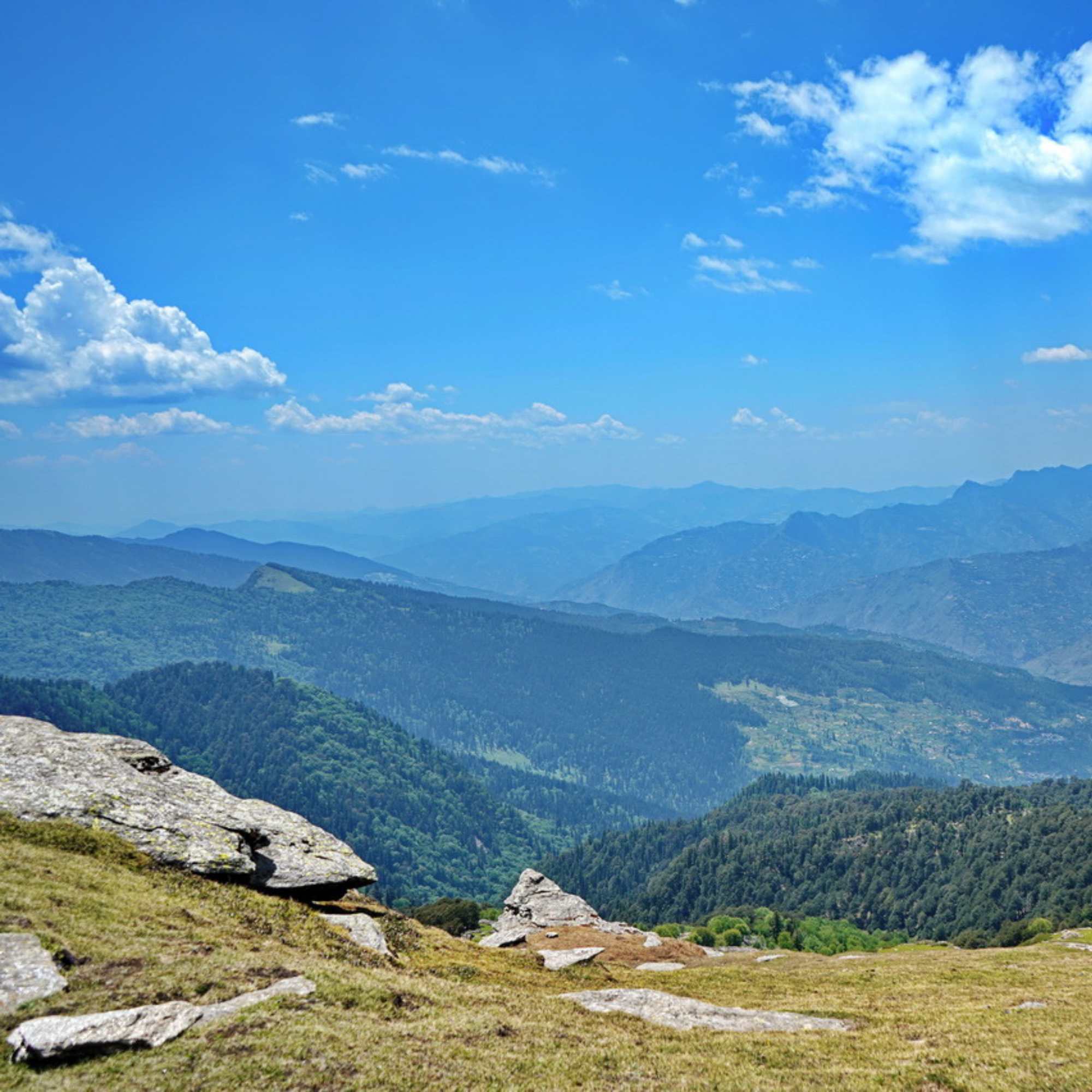
There is no single right plan. It depends on where you start, how much time you have, and whether you want to push to Dodra-Kwar.
2-Day Chanshal Pass Weekend from Shimla
Day 1 is your drive from Shimla to Rohru or Larot, settling in for the night so you are close to the pass.
Day 2 is an early-morning run up to Chanshal Pass, time at the top, and the return.
This is tight but doable for a weekend if you start early both days and the road is clear. Keep it flexible, because any delay eats into a plan this lean.
3-Day Chanshal Pass Trip from Chandigarh
Day 1 is Chandigarh to Rohru, which HPTDC lists as 225 km and about six hours. Reach, rest, and adjust to the change in pace.
Day 2 is Rohru to Larot to Chanshal Pass and back to Rohru, giving you real time at the top without rushing.
Day 3 is your return, via Hatkoti and Kharapathar or the safer current route once you have checked local road status that morning.
4-Day Slow Trip with Dodra-Kwar
This itinerary is best suited for travellers with a private vehicle, good weather, open roads and flexible plans. It adds a leg towards Dodra-Kwar, the remote valley on the far side of Chanshal Pass, for a deeper and slower travel experience.
Because Dodra-Kwar is remote, do not plan this route casually. Stays are very limited, road conditions can change quickly, and access depends heavily on weather and local road status.
Before committing to this extension, confirm both road availability and stay options locally with drivers, homestays or tourism contacts in Rohru.
Where to Stay Near Chanshal Pass
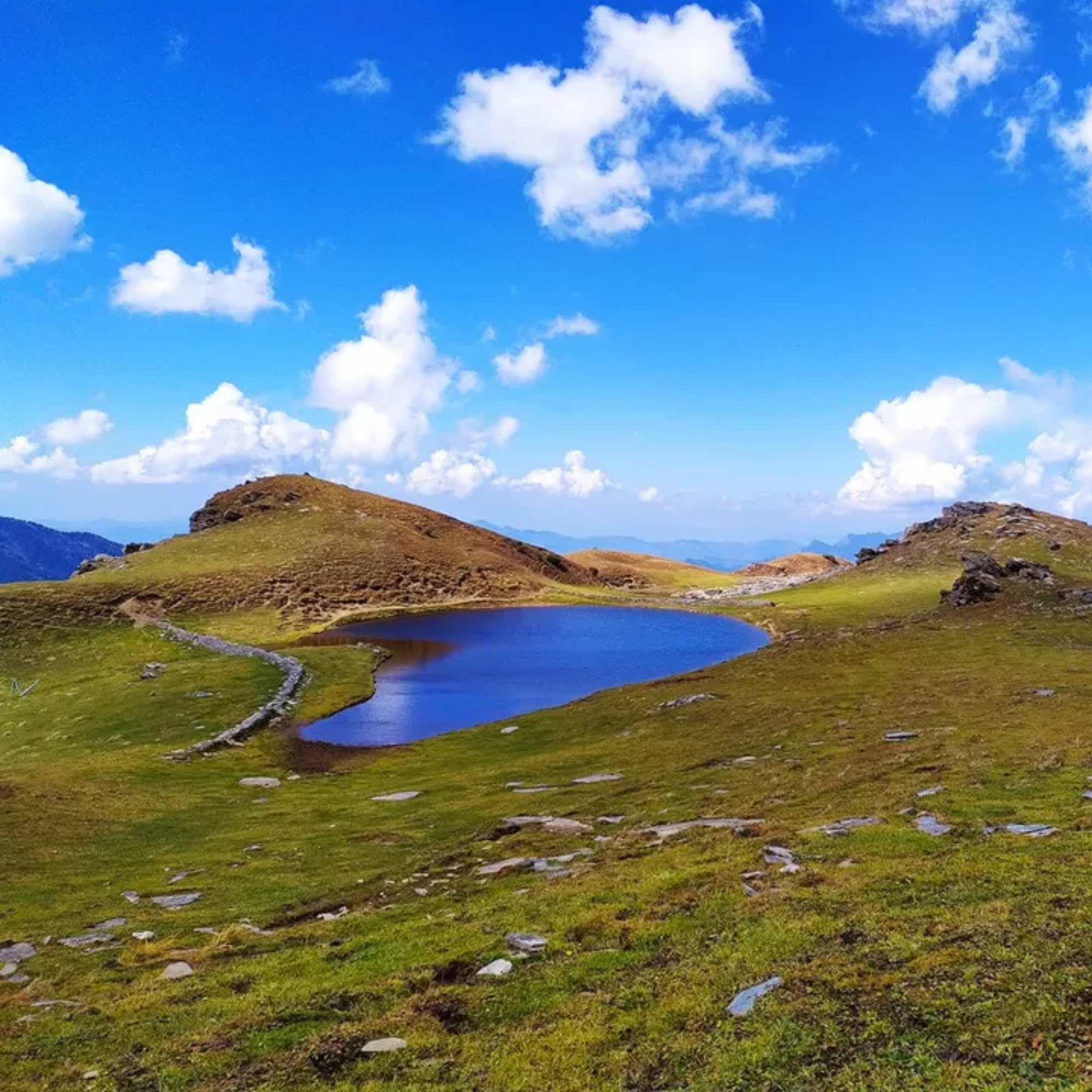
Rohru is the most practical base. It has the best facilities of anywhere close to the pass, which matters in a region this remote.
The HPTDC Hotel Chanshal is in Rohru, next to the Circuit House on the Hatkoti-Rohru road.
It lists a restaurant, parking, taxi on demand, doctor on call and card acceptance, which is more than you will find higher up.
Larot is closer to the pass but basic. If you want to cut the morning drive short, it works, just keep your expectations low on comfort.
Dodra-Kwar has very limited stay options. Only plan a night there after you have verified both the road and the accommodation.
A small money point. Because card acceptance and online payments are unreliable once you leave Rohru, sort your cash and your stay before you push higher. The convenience drops sharply past Larot.
>>Need help choosing the best base for your Chanshal Pass trip? Message our team on WhatsApp.
Things to Do at Chanshal Pass and Around Pabbar Valley
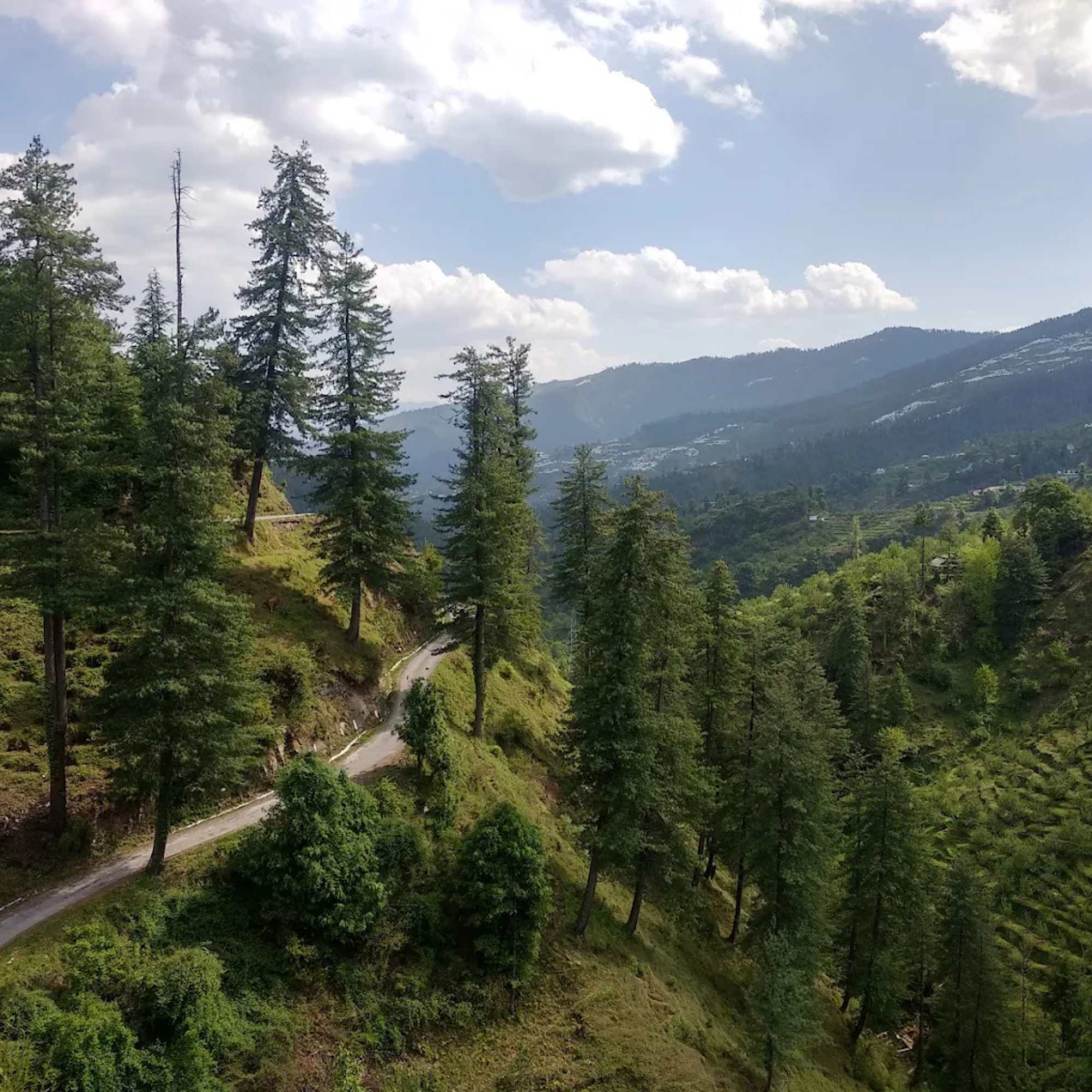
The biggest thing to do is simply the drive and the viewpoint stops, where you pull over, step into that hard wind, and take it all in.
Short walks near the pass are worth it for the angles, and photographers will not want to leave.
Lower down, the apple orchards around Rohru and Chirgaon are a quiet highlight, especially in the September picking season.
Larot village is worth a slow wander, and the Hatkoti Mata Temple on the way is a natural stop with its old stone architecture.
The Pabbar River runs alongside much of the route, and there are easy spots to stop, stretch and sit by the water.
If the road allows, Dodra-Kwar adds a remote-valley extension that very few travellers ever do.
One honest thing: do not expect cafes, nightlife or fancy hangouts up here. There are none. The whole point of Chanshal is that it is empty.
For food, keep it local and simple. The Siddu, rajma-chawal, trout and Himachali dham you find around the Pabbar Valley are the real experience, far better than hunting for anything fancy.
What we always tell our travellers is to eat where the locals eat in Rohru before heading up, because proper hot meals get scarce past Larot.
Chanshal Pass Trip Cost: What to Budget
We are not going to throw a fake package price at you, because the real cost swings a lot.
It depends on your starting city, your vehicle type, your stay choice, the season, and whether you add Dodra-Kwar.
A self-driven SUV trip costs very differently from a hired vehicle with a driver, and a basic Larot night costs differently from a Rohru hotel.
One online listing showed Chanshal Camps at around ₹2,733 plus taxes for a room, but prices in this region change frequently. Treat this only as a rough reference, not a fixed rate.
Before planning your budget or booking, confirm the latest room price, taxes, meal inclusion and availability directly with the property or local booking contact.
The smart move is to fix your route, vehicle and stays first, then budget around those, not the other way round.
Is Chanshal Pass Good for Families, Couples and Bikers?
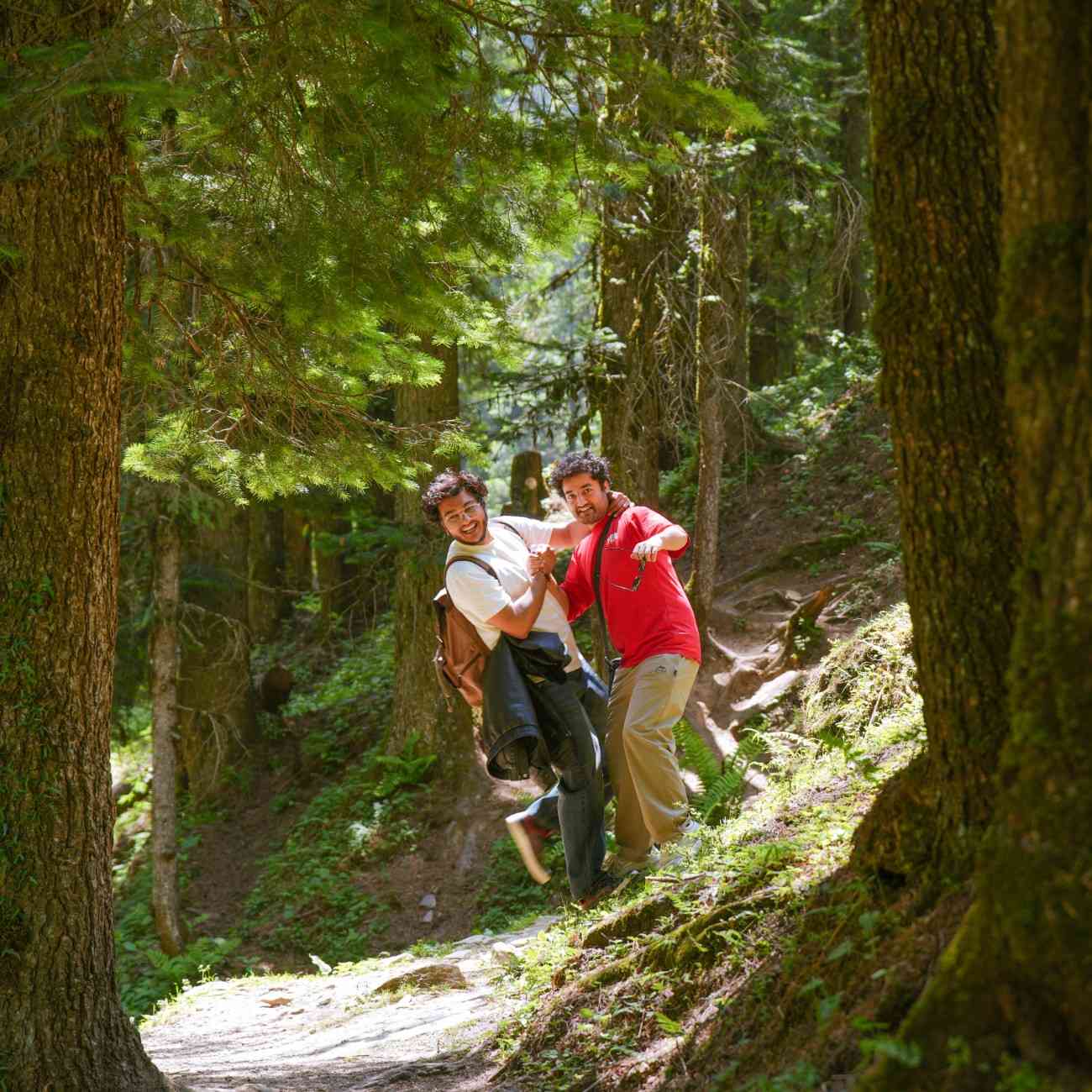
For bikers, this is a great pick, as long as you take the Narkanda side rather than the bumpy Kharapathar route.
For photographers and couples who like quiet roads over crowded viewpoints, it is hard to beat.
For travellers who have already done the popular Himachal spots and want something raw, this is the natural next step.
Families can do it, but only with a private vehicle, a flexible pace and realistic expectations about comfort and facilities.
It is not ideal for very young kids, for senior citizens with serious breathing or mobility issues, or for anyone expecting luxury hotels, cafes or nightlife.
Be honest with yourself about your group before you book. The road and the remoteness reward the right traveller and punish the wrong one.
Chanshal Pass Safety Tips Before You Go
Start early every single day. Daylight is your friend on these roads, and the rough sections are far safer in good light.
Avoid the monsoon months and never drive this route after dark. Both turn a manageable road into a risky one.
Carry enough cash, because remote villages may not accept online payments. Card and UPI get unreliable past Rohru.
Download offline maps before you go, since live GPS will let you down once you lose signal. Mobile network after Rohru is limited and data may not work reliably.
Pack warm layers even in summer, plus basic medicine, water and snacks. The wind at the top makes a sunny day feel cold fast.
Fuel up before Rohru so you are not caught short on the climb.
For permits, keep your plans flexible. Some travel sources mention a possible forest permit for certain routes or camping areas, but the official District Shimla information does not clearly list a standard permit requirement for this trip.
Before travelling, confirm the latest permit rules locally with your driver, homestay, forest check post or tourism contact in Rohru, especially if you plan to trek, camp or go beyond the usual road route.
A separate note for the curious: there is an official Chanshal trek of about 22 km listed, which is a different thing from the road trip. If you plan to trek, plan that as its own adventure with proper prep.
Chanshal Pass vs Other Offbeat Himachal Trips
Compared to Shimla and Manali, Chanshal is the opposite of a tourist hub. It is raw, quiet and built around the drive, not the destination.
If you want cafes, nightlife and easy comfort, Manali tour packages will suit you far better than Chanshal ever will.
If you want green forests, waterfalls and a slow valley vibe, look at Jibhi and Tirthan Valley instead.
For dramatic high-altitude landscapes with more established routes, Kinnaur tour packages and Spiti Valley tour packages are stronger picks.
Chanshal is not a cafe-hopping trip and it never will be. It is for the road-trip crowd who like empty mountains over busy towns.
Explore Our Curated Chanshal Pass Tour Packages
- Group Tour5D/4N
Chanshal Pass Weekend Group Trip With Giri Ganga and Kuppar Bugyal
1D Kharapathar / Kotkhai•1D Rohru / Chirgaon (Pabbar Valley)
₹8,999₹12,999SAVE INR 4,000/ person 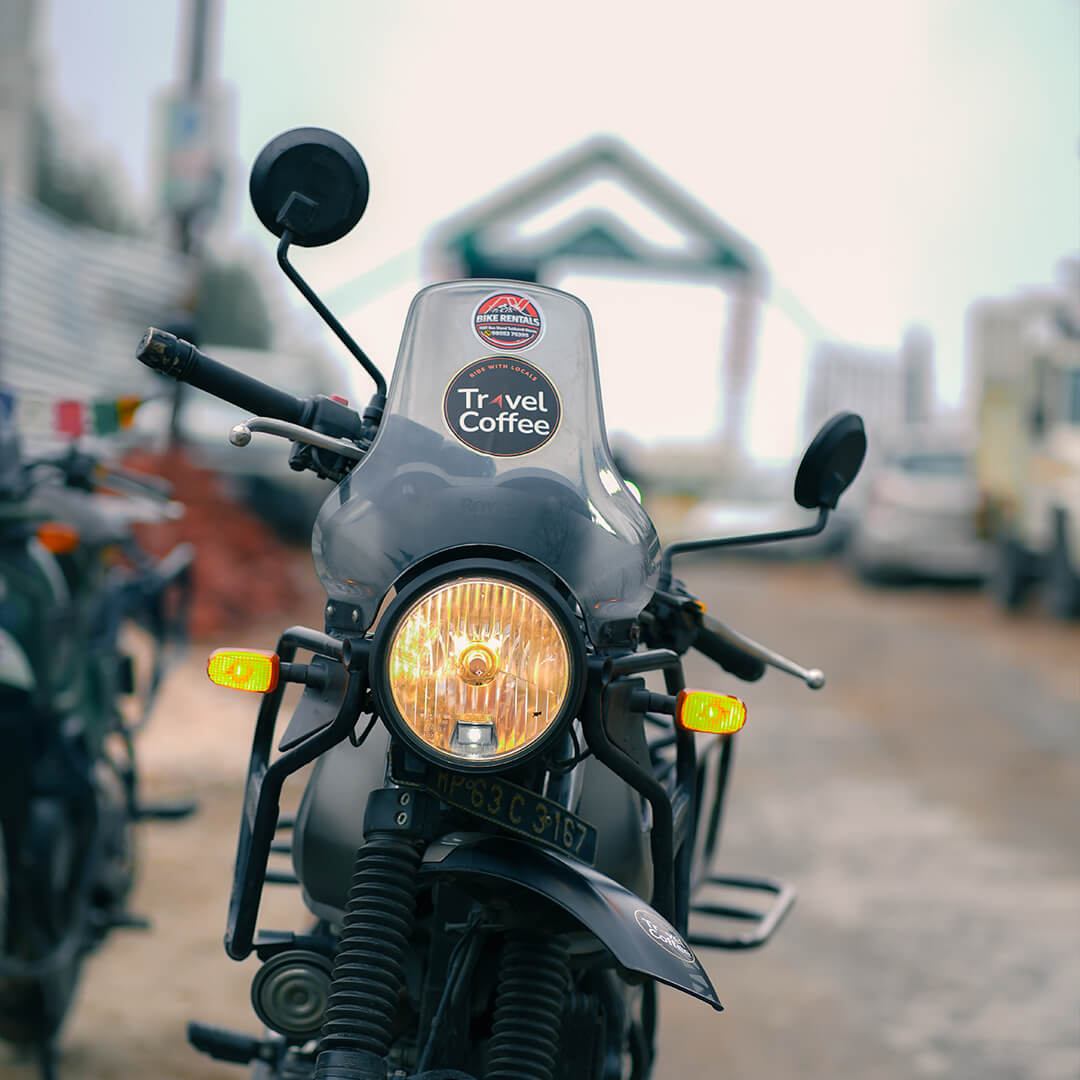 8D/7N
8D/7NUltimate Pabbar Valley Bike Expedition With Giri Ganga Kuppar Bugyal Chanshal Pass and Dodra Kwar
1D Kharapathar / Kotkhai•2D Rohru / Chirgaon (Pabbar Valley)+1
₹29,999/ person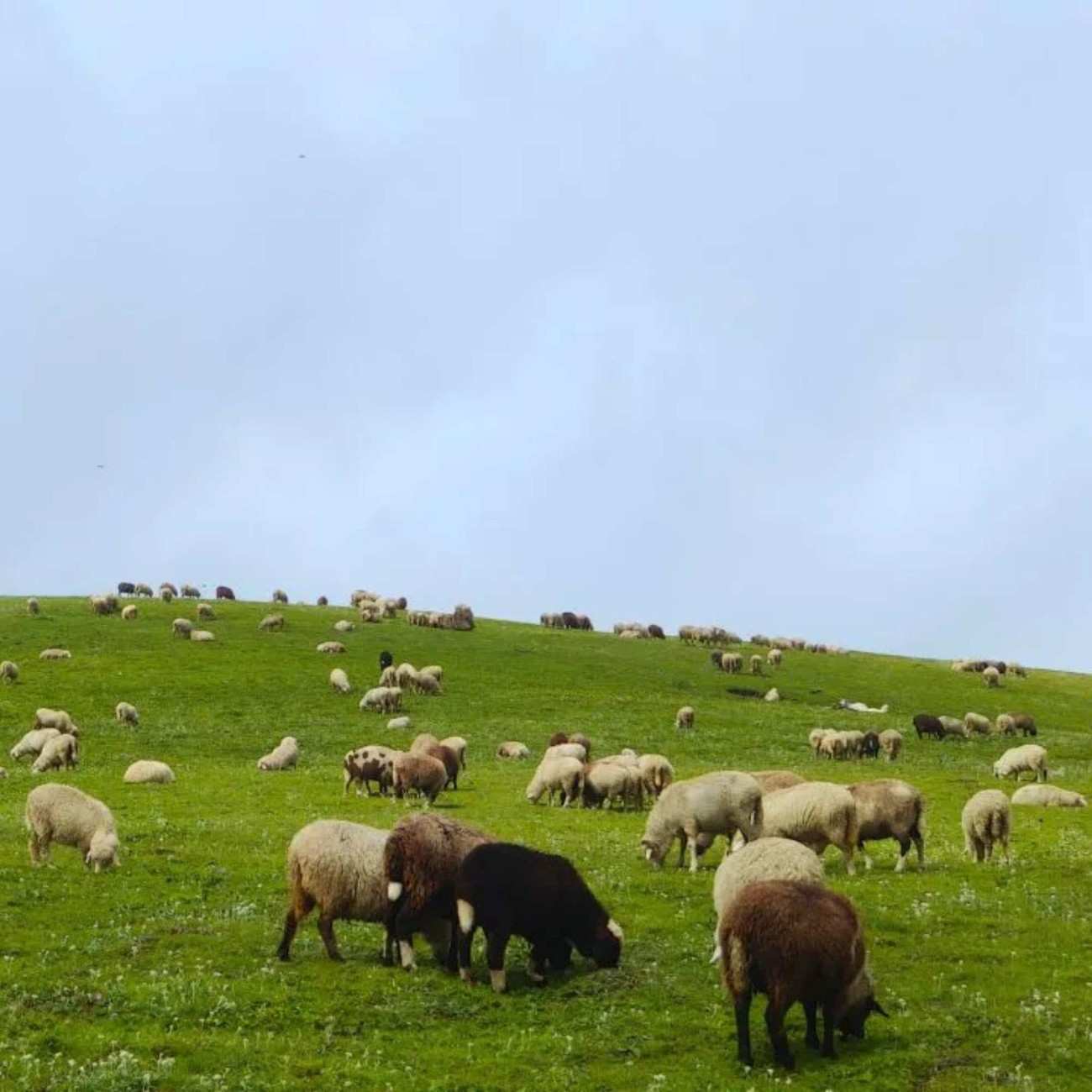 8D/7N
8D/7NMost Loved 4x4 Pabbar Valley Expedition With Giri Ganga Kuppar Bugyal Chanshal Pass and Dodra Kwar
1D Kharapathar / Kotkhai•2D Rohru / Chirgaon (Pabbar Valley)+1
₹32,999₹39,999SAVE INR 7,000/ person
Related topics
Frequently Asked Questions
Where is Chanshal Pass located?
Chanshal Pass is in Shimla district, Himachal Pradesh, towards the Himachal-Uttarakhand side, reached via Theog, Hatkoti, Rohru, Chirgaon and Larot.
What is Chanshal Pass famous for?
It is famous for being an offbeat, high-altitude road trip with open mountain views, alpine meadows, strong winds and an apple-belt approach through the Pabbar Valley.
Is Chanshal Pass open in 2026?
The official page says the road is generally open from May to November. A road-status page showed Rohru to Chanshal open on 11 June 2026, but always verify locally before leaving.
What is the best time to visit Chanshal Pass?
Late June, September and October are the best. July and August bring rain and landslide risk, and December to April the road is usually closed by snow.
What is the height of Chanshal Pass?
The pass sits at around 3,750 m. The nearby Chanshal Peak is often listed at 4,520 m or 14,830 ft, but sources conflict, so do not confuse the pass with the peak.
How far is Chanshal Pass from Shimla?
About 160 km via the shorter Kharapathar route and about 175 km via the longer Narkanda route.
How far is Chanshal Pass from Rohru?
Around 48 to 50 km, according to multiple travel sources. It is short on the map but slow because the road turns rough after Chirgaon and Larot.
Can a normal car go to Chanshal Pass?
It is not advisable. The final stretch is narrow, steep and partly unpaved, so a SUV, 4x4 or adventure bike is much safer than a low-ground-clearance car.
Is Chanshal Pass safe for a bike trip?
Yes, but take the Narkanda route. The official page says the shorter Kharapathar route is bumpy and not suitable for bike rides.
Where should I stay for Chanshal Pass?
Rohru is the most practical base, with options like the HPTDC Hotel Chanshal. Larot is closer but basic, and Dodra-Kwar has very limited stays.
Are permits required for Chanshal Pass?
This is unclear. One travel source mentions a forest permit, but the official District Shimla page does not, so confirm locally before you go.
Can I visit Chanshal Pass in winter?
No. The road is commonly closed by snow from around December to April, and winter temperatures can drop below -10°C. It is not suitable for normal travellers in winter.
More about Chanshal Pass
 Chanshal Pass
Buran Ghati Trek Complete Guide 2026: Route, Cost, Difficulty, Best Time
Planning the Buran Ghati Trek in 2026? Explore the complete guide covering the route, itinerary, cost, difficulty, best time to visit, fitness tips, and essential trekking advice.
- Things to Do
 Chanshal Pass
Chandranahan Lake Trek 2026: Source of the Pabbar River
Discover the Chandranahan Lake Trek 2026, a breathtaking Himalayan adventure to the sacred source of the Pabbar River in Himachal Pradesh. Explore pristine alpine meadows, glacial lakes, and spectacular mountain landscapes with this complete trekking guide.
- Things to Do
 Chanshal Pass
Treks in Pabbar Valley: The Complete List for 2026
Planning to explore the treks in Pabbar Valley in 2026? This complete guide covers the region's best hiking trails, difficulty levels, ideal seasons, trail highlights, and essential planning tips for discovering one of Himachal Pradesh's most rewarding trekking destinations.
- Things to Do