
Chanshal Pass Road Trip 2026: Self-Drive vs 4x4 Guide
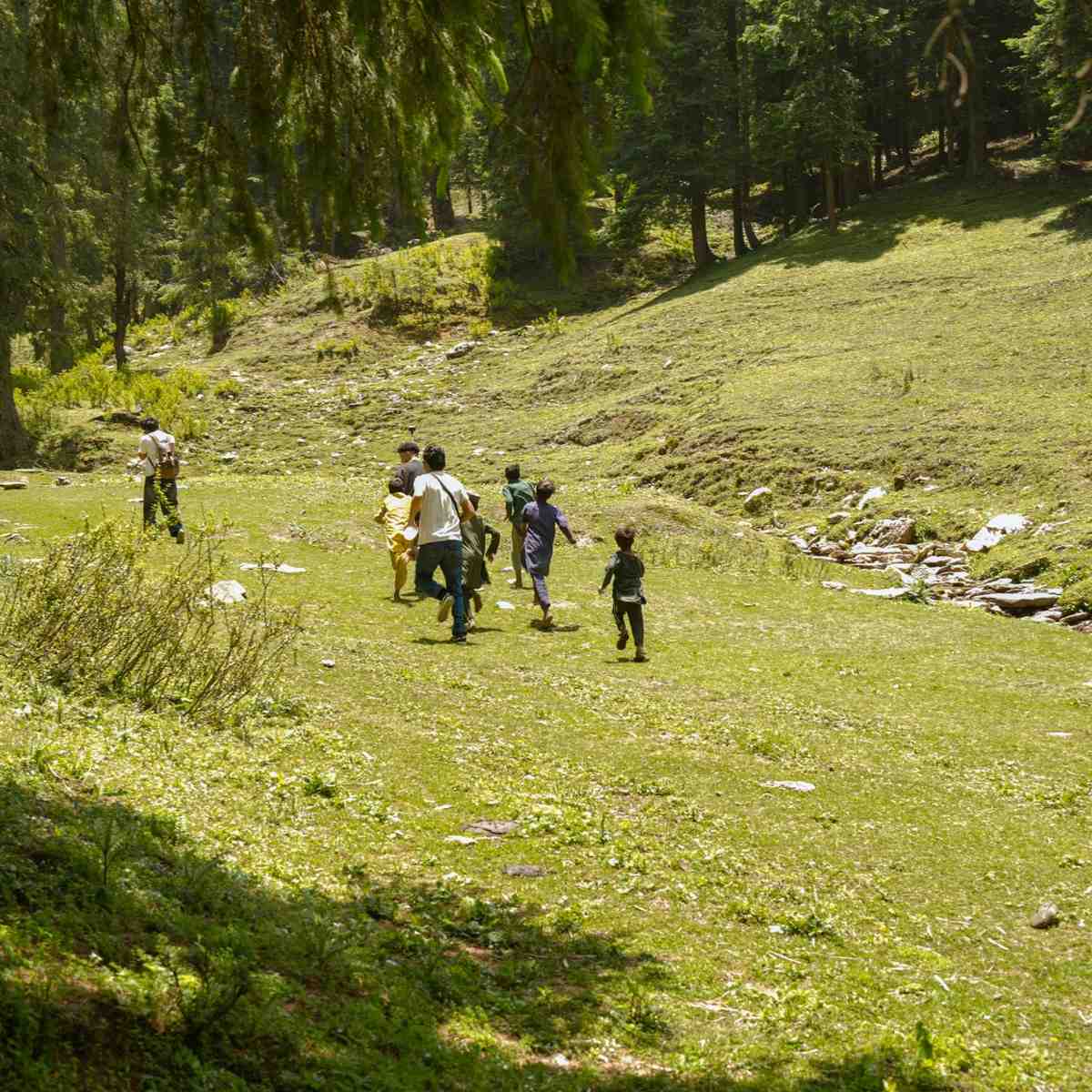
If you are planning a Chanshal Pass road trip in 2026, the real question is not whether the place is beautiful. It is whether your car can handle the last stretch, or whether you should hand the wheel to a local 4x4.
We have sent a lot of travellers up the Pabbar Valley towards this pass, and the ones who plan the vehicle right are the ones who come back happy. The ones who took the wrong car came back with a damaged underbody and a story they did not want.
This guide by Travel coffee settles the self-drive vs 4x4 question, section by section, with real road conditions and honest warnings.
Quick Answer: Should You Self-Drive to Chanshal Pass or Take a 4x4?
If you are an experienced hill driver in a high-clearance SUV, travelling in the right season, you can self-drive to Chanshal Pass.
If you are a first-timer, travelling with family, driving a low-clearance car, or going when there is snow, slush, or monsoon risk, take a local 4x4 or a guided plan instead.
The real decision point is Rohru or Larot. Up to Rohru, almost any car is fine. From Larot to the pass top, the road turns into off-road territory and your vehicle choice suddenly matters a lot.
In our experience, most people overestimate their car and underestimate that final climb. Decide your vehicle before you leave home, not at Larot when it is too late.
Where Is Chanshal Pass and Why Is the Drive Different?
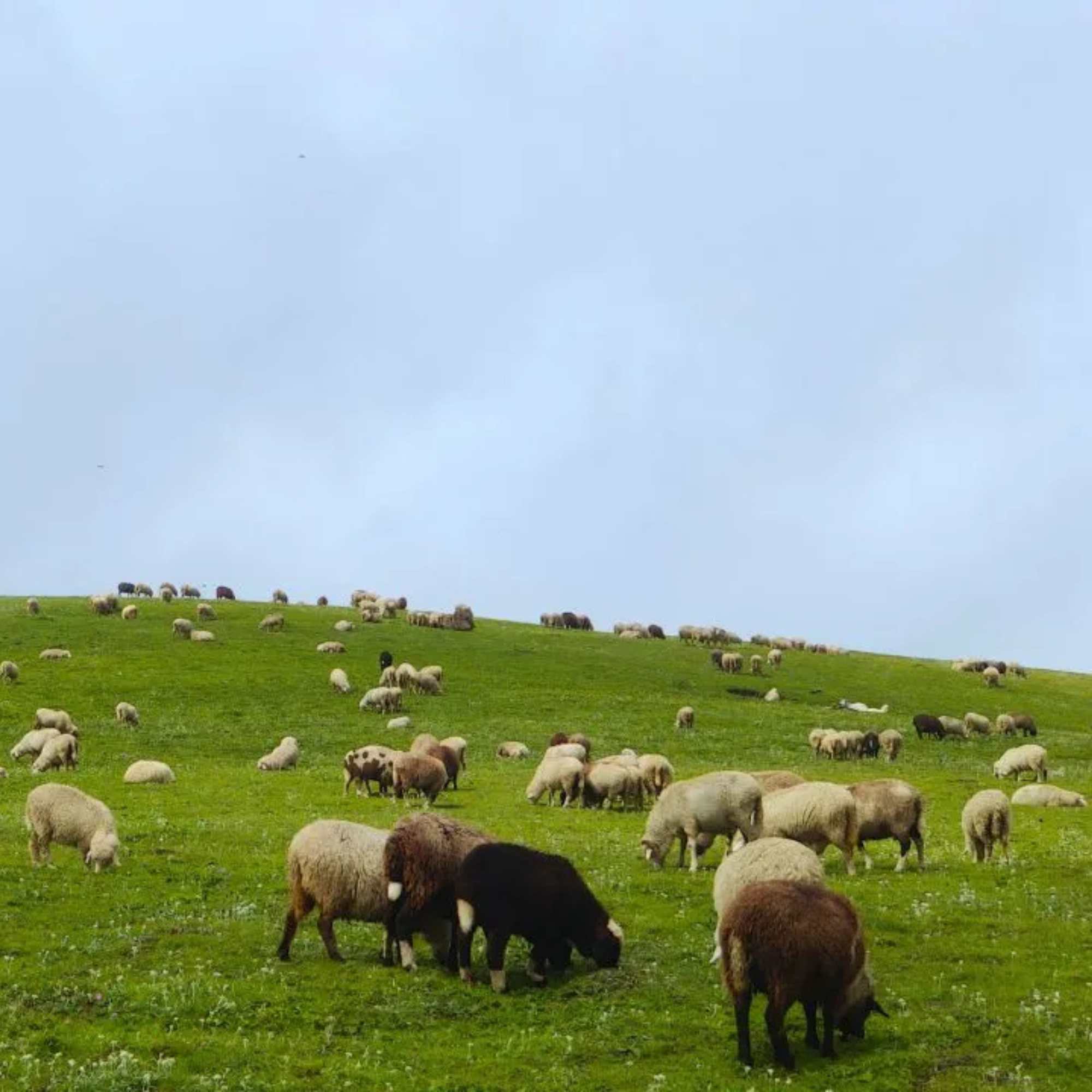
Chanshal Pass is an offbeat road trip in Shimla district. You reach it through Rohru, then Chirgaon, then Larot, climbing up from the green Pabbar Valley.
It is not on the usual Himachal tourist line. That is exactly why people love it, and also why the road is rougher than what most travellers are used to.
The pass also opens the way towards Dodra-Kwar, one of the most remote pockets in this part of Himachal. More on that road later, because it comes with its own warnings.
Here is the thing most blogs get wrong about Chanshal. They throw around one altitude number as if it is settled. It is not.
The pass is commonly cited around 3,700 to 3,755 m. The high point, often called Chanshal Peak, is frequently mentioned around 4,520 m.
So do not lock one figure in your head as final. Different sources measure different points, and the gap between the two is real.
What this means for you is simple. You are going high enough that weather flips fast and cold hits hard, even if the exact metre count is debated.
If you want to pair Chanshal with the more comfortable side of the district first, our Shimla tour package makes a soft landing before the rough stuff.
Chanshal Pass Road Status 2026: Is It Open Right Now?
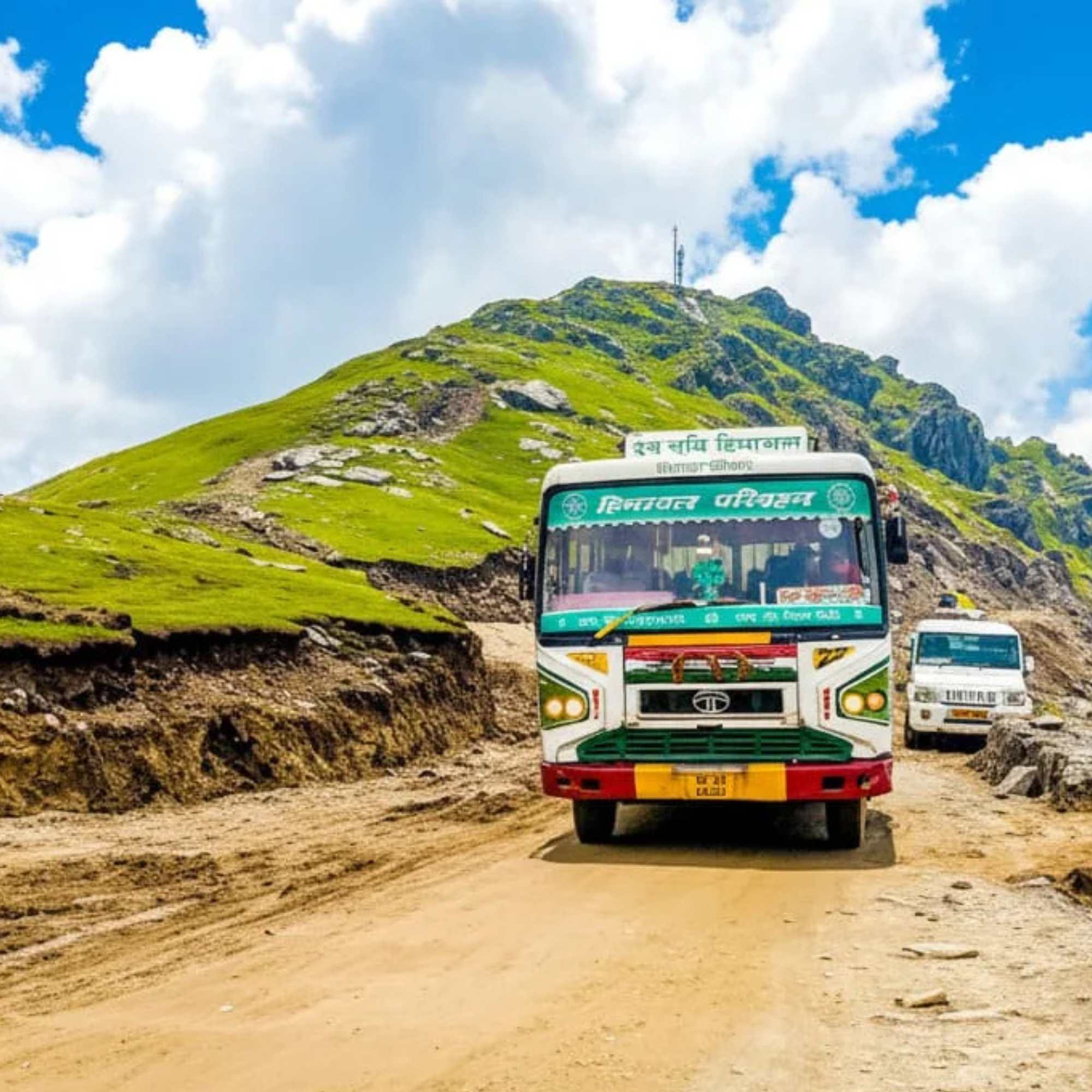
The official Shimla district page says the Chanshal Pass road is open from May to November and closed for the rest of the year because of snow.
One non-government road tracker listed Chanshal Pass as open on 11 June 2026. That is useful, but treat it as a starting point, not a guarantee.
Weather in this valley changes faster than any tracker updates. A road that is open in the morning can get a fresh snow dusting or a landslide by evening.
So check the status again, close to your travel date, before you commit. Do not judge this road by the calendar alone.
There is one more thing worth knowing. The PMGSY-I road works in Dodra-Kwar were extended until 31 March 2027 because of difficult terrain, severe weather, and short working seasons.
That tells you the whole region is still a work in progress. Roads here are not finished and forgotten. They are being built, broken, and rebuilt every season.
What we always tell our travellers is to confirm the road on the morning they leave Rohru, not three days earlier from a hotel in Delhi.
Self-Drive vs 4x4: Which Option Is Better for You?
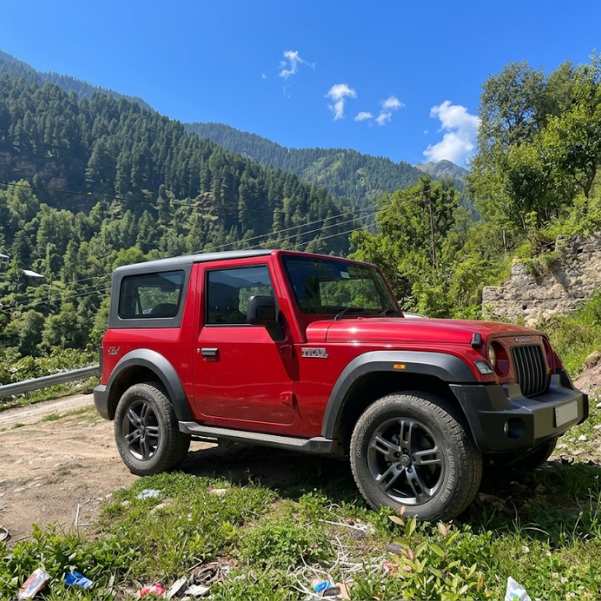
This is the heart of the whole trip. Get the vehicle decision right and everything else falls into place.
Choose self-drive if
Self-drive works best if you already have real hill-driving experience and a high-clearance SUV under you.
The best months for a self-drive are late June, September, and October, when the road is mostly free of snow and slush.
You also need to be in no rush. If your plan depends on pushing past safe limits to hit a deadline, self-drive becomes a bad idea fast.
In our experience, calm drivers who turn back when conditions worsen are the ones who do this route safely on their own.
Choose a local 4x4 if
A local 4x4 is the better call if you are driving a sedan or hatchback, or travelling with children or elders.
It is also the safer choice for first-time mountain drivers, and for anyone facing snow, slush, or monsoon risk on their dates.
The big advantage is backup. A local driver knows the broken patches, the water crossings, and the spot where you should stop and walk.
If you want comfort and a safety net instead of a stressful drive, hand the wheel over. There is no shame in it, and your trip will be far more enjoyable.
Do not attempt if
Some days you should not even try the pass top, in any vehicle.
Skip it if there is heavy rain, fresh snow, or low visibility on the upper section. Skip it if your tyres are weak, your clutch is acting up, or you have no spare tyre.
Also skip it if you have no local confirmation of the road that day, or if you are leaving Rohru late. A late start on this road is how people end up stuck in the dark on the worst stretch.
Can a Sedan, Hatchback, SUV, Bike, or 4x4 Reach Chanshal Pass?
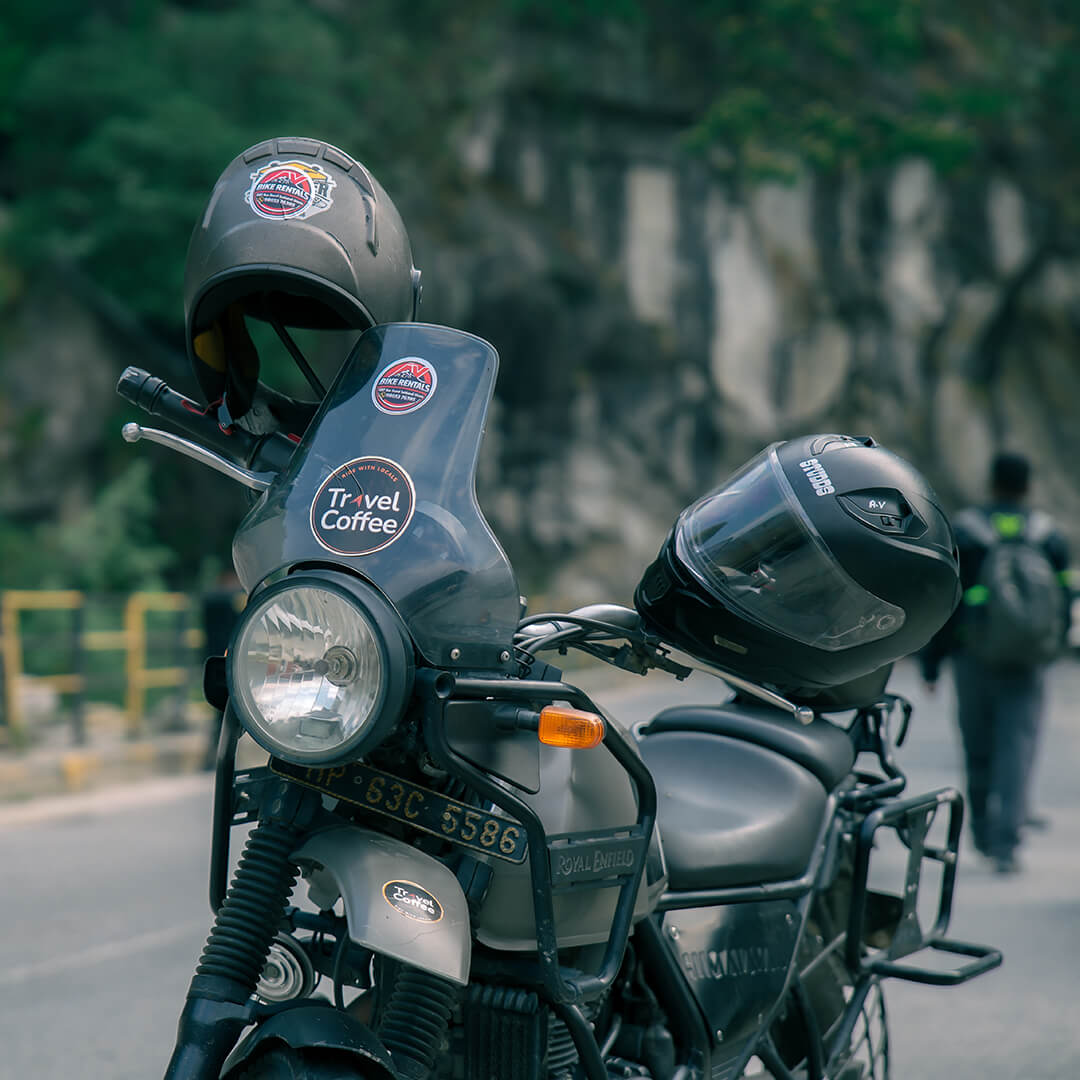
Let us go vehicle by vehicle, because this is where most planning mistakes happen.
Sedan or Hatchback
A sedan or hatchback can realistically reach Rohru, and sometimes Chirgaon, without much drama. The problem starts after that.
The final Larot to pass stretch carries high underbody risk for low cars. Rocks, ruts, and broken patches will scrape and bang the bottom of a sedan.
SUV
An SUV or high-clearance vehicle is strongly recommended for this trip. You want ground clearance more than you want power here.
A 4x4
A proper 4x4 is ideal for the final stretch, especially when there is snow, slush, or broken road. This is the vehicle the upper section was practically designed to defeat.
Bikes
Bikes are possible, but only for experienced riders. You need a serviced bike, good tyres, light luggage, and dry weather to make it work.
Online advice is genuinely conflicting on this. One source says sedans can manage in certain months. Another strongly warns about underbody damage on the final 20 km.
Here is our honest take. Do not take a low-clearance car beyond the point where locals tell you to stop. Their advice is free, and it is worth more than any blog comment.
We have seen sedans crawl up on a good dry day, and we have seen sedans turn back with a cracked sump on a bad one. The difference is luck, and luck is a terrible travel plan.
Route Options: Shimla, Narkanda, Chakrata, or Chandigarh?
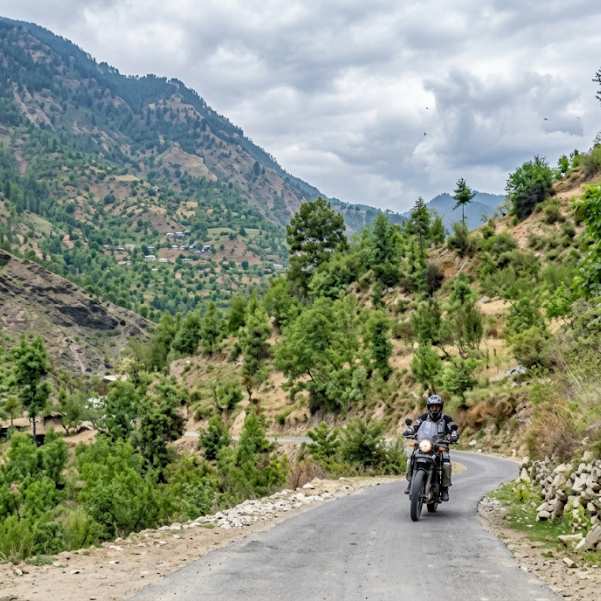
There is more than one way in, and the right one depends on where you start and what else you want to see.
Shimla-Theog-Kotkhai-Kharapathar-Hatkoti-Rohru-Larot-Chanshal
This is the shorter official route, listed at 160 km from Shimla.
The catch is in the official description itself. It calls this route bumpy and not suitable for bike rides.
So if you are on four wheels and want the quicker line, this works. If you are on two wheels, look at the other option.
Shimla-Theog-Narkanda-Tikkar-Rohru-Larot-Chanshal
This route is 175 km from Shimla, slightly longer.
It is the better pick if you want to fold Narkanda into your trip. The road still needs checking, but the routing makes sense for a relaxed loop.
Delhi or Chandigarh via Chakrata and Tiuni
Travel bloggers often use this as a loop, entering one way and exiting another.
Delhi to Rohru via Paonta and Tiuni runs roughly 380 to 420 km and 10 to 12 hours.
The return, Rohru to Delhi via the Chakrata side, is about 400 to 420 km and 12 to 14 hours.
Treat these as approximate driving references, not fixed promises. Mountain roads do not respect Google Maps timings, and a single landslide can add hours.
If you are coming from the Kinnaur side or thinking of a bigger Himachal loop, our Kinnaur tour package and our popular tours give you ready-made framing to build around.
Section-by-Section Road Condition: Rohru to Chanshal Pass
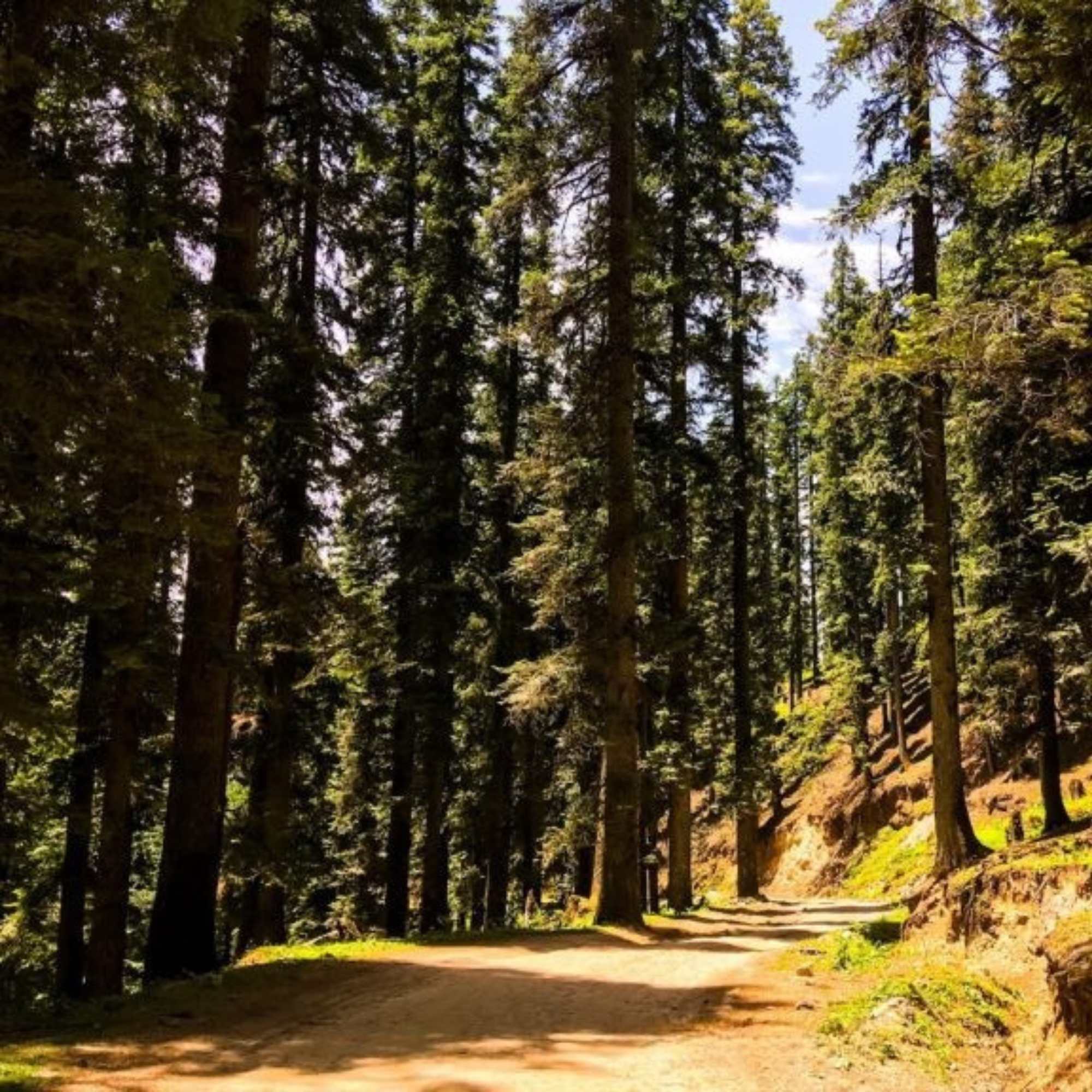
Think of this road in three parts. Each one feels completely different.
Rohru to Chirgaon is the easy part, around 20 km according to one travel source. The surface here is far kinder than what comes later.
Rohru to Chanshal is about 48 km in total. On paper that sounds like a quick hop. It is not.
The full Rohru to Chanshal and back run is roughly 100 to 110 km, and you should treat it as a full-day drive. Plan your whole day around it and nothing else.
The real test is the final 20 km from Larot to the pass top. This is off-road territory, plain and simple.
You get rough patches, loose rocks, steep sections, and weather that can shift while you are still climbing. This is the stretch that decides whether your vehicle choice was smart or foolish.
One honest negative, since we promise to be straight with you. This last section is not a fun, scenic cruise. It is slow, jarring, and tiring, and parts of it will make a nervous passenger go quiet.
The reward at the top is real. The road to get there is genuinely hard. Both things are true.
Best Time for Chanshal Pass Road Trip in 2026
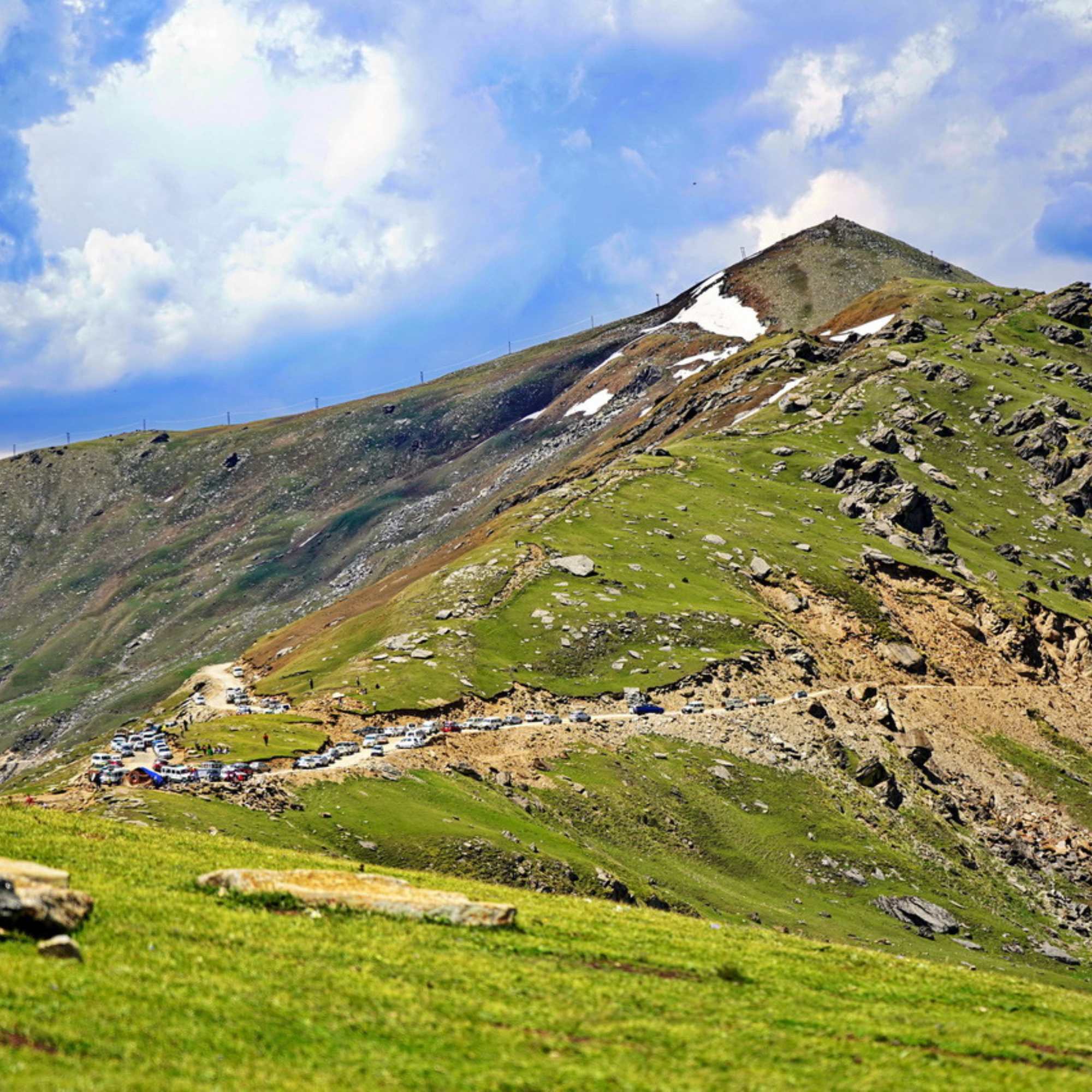
The best windows are late June to early July and September to October. These are the months we point most travellers towards.
May and early June can still have snow and slush on the upper section. Lovely if you want snow, tricky if you want an easy drive.
July and August are the risky months. Monsoon brings rain, landslides, waterlogging, and slippery roads, especially on the climbs.
November can shut suddenly after a snowfall. The road may be open one week and gone the next.
Winter is a different game entirely. Only attempt it with local support and a proper snow-drive setup, never as a casual self-drive.
The timing tip we give everyone is about the hour, not just the month. Leave Rohru early in the morning so you tackle the Larot-to-pass stretch in good light and head back down before the afternoon weather turns. Late starts are how easy days become scary ones.
>>Not sure which month is best for your Chanshal Pass trip? Talk to our team on WhatsApp.
3-Day, 4-Day, and 5-Day Chanshal Pass Road Trip Itineraries
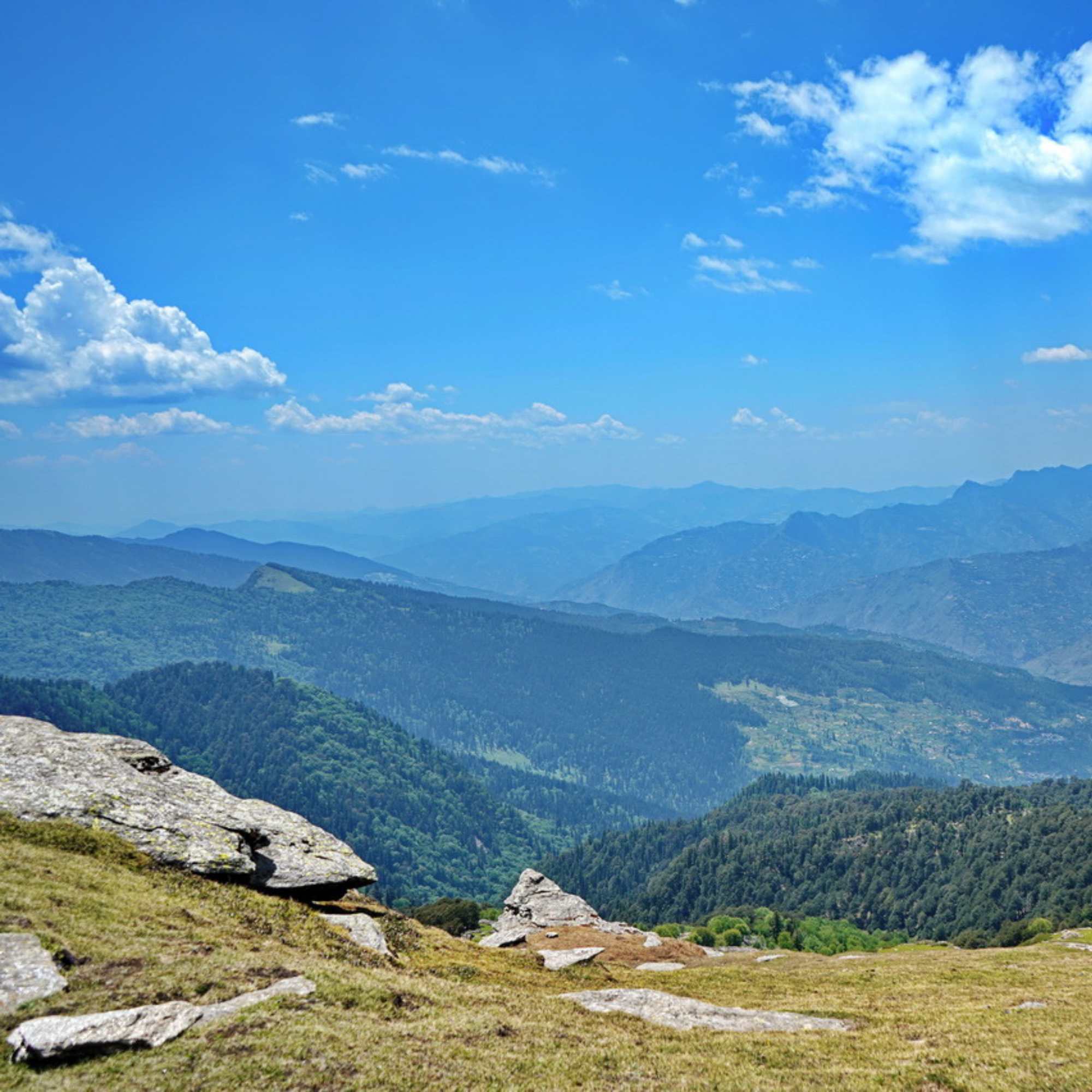
How many days you need depends on where you start and how much driving you can stomach.
3-day fast plan from Chandigarh or Shimla
Day 1, reach Rohru and rest. Day 2, do Chanshal Pass and return to Rohru. Day 3, drive back.
This works, but it is rushed. There is no room for a bad-weather day, and you will spend most of your time behind the wheel.
We usually suggest the 3-day plan only for people who genuinely cannot spare more time and accept the risk of missing the pass if the road plays up.
4-day safer plan
Add a buffer night somewhere around Rohru, Narkanda, or Shimla.
That one extra night is your insurance. If the road is closed or the weather is bad on your pass day, you have a spare day to wait it out instead of giving up.
Most travellers who choose 4 days come back relaxed. Most who squeeze it into 3 come back tired.
5-day scenic loop
Build a loop using Delhi or Chandigarh with Chakrata, Rohru, Chanshal, Narkanda, and Shimla, depending on your entry and exit points.
This is the version for people who do not want 12-hour driving days. You spread the distance out and actually get to look at the valley instead of just enduring it.
If you want help shaping this into something that fits your dates, our Shimla tour package is a good anchor, and you can always contact Travel Coffee to customise it.
Cost: Self-Drive vs Local 4x4 vs Planned Trip
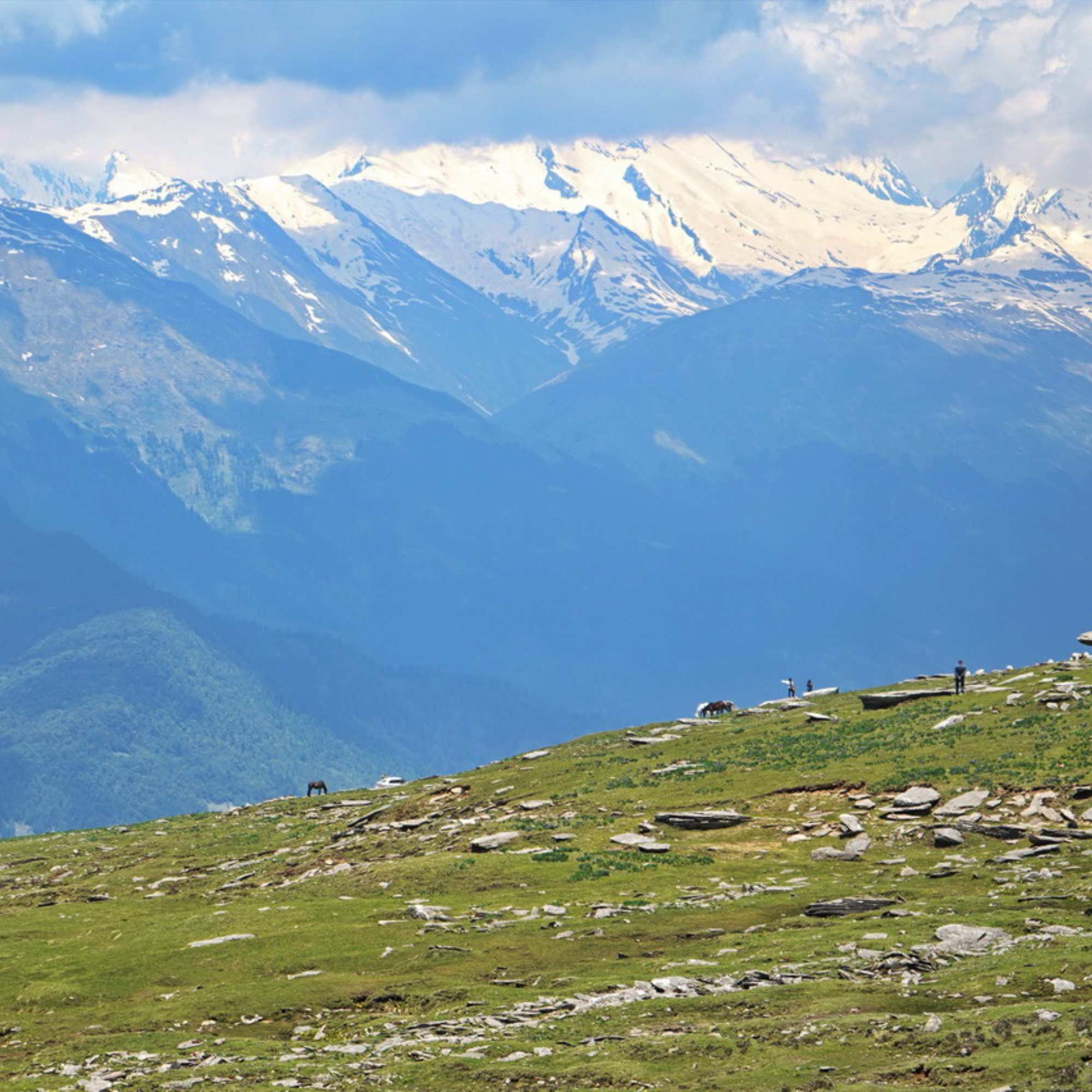
Let us talk real money, using only the figures we can stand behind.
A 3-day self-drive trip from Delhi has been estimated at ₹3,700 to ₹5,800 per person, assuming 4 people share a car.
That last part matters. The per-head cost drops a lot when 4 of you split the fuel and stay. Travelling as a group of 4 is the simplest money-saver on this route, and most people miss it by going as a pair.
A 3-day bike budget has been estimated at ₹2,500 to ₹3,500 per person, which is cheaper but far more demanding on the body and the bike.
For stays, Rohru hotels were listed from ₹1,188 onward on MakeMyTrip, though this is dynamic and shifts with dates and demand.
Chanshal Camps & Resort showed rates around ₹2,733 to ₹3,123 plus taxes for the searched dates, again dynamic, so confirm before you bank on it.
For local 4x4 hire rates, it is better not to rely on a fixed online estimate. Prices can change with season, demand, road condition, vehicle type and driver availability. Confirm the latest cost directly with a local operator in Rohru before planning this extension.
Permits, Fuel, ATMs, Network, Food, and Stay
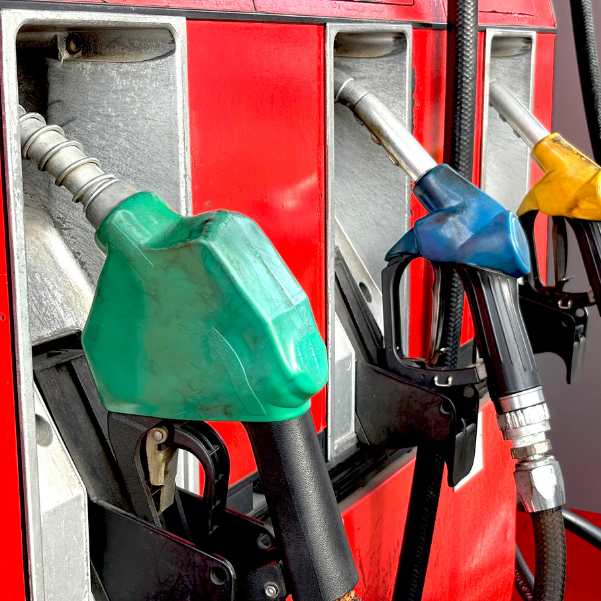
This is the practical stuff that quietly makes or breaks the trip.
Fuel is available in Rohru. There is no fuel station beyond Rohru towards the pass.
So fill your tank to the top in Rohru. Once you are past it, you are on your own with whatever you carry.
ATMs are available in Rohru, and there are none beyond it towards the pass. Pull out all the cash you might need before you leave town.
Mobile network is the next gap. Signal is unreliable at Chanshal top and beyond Larot, while BSNL and Airtel work better around Rohru and parts of the route.
Tell someone your plan before you lose signal. Up top, your phone is a camera, not a lifeline.
On food, Rohru is your last reliable spot for a proper hot meal before the climb. In our experience, travellers who eat well and stock up here have a far easier day than those who push up hungry. Carry snacks and water for the road, because options thin out fast past Larot.
For stay, Rohru is the most practical base town. It has fuel, cash, food, and rooms in one place.
A solid option is HPTDC Hotel Chanshal in Rohru, near the Circuit House on the Hatkoti-Rohru road. It has a restaurant, parking, taxi on demand, doctor on call, and a public washroom.
For distance context, HPTDC lists Chandigarh to Rohru as 225 km and 6 hours, and Shimla to Rohru as 108 km and 3 hours.
For permits, keep this point flexible. Several travel sources mention a possible forest permit for the area, but the current official fee and process are not clearly confirmed.
Before travelling, check locally with your driver, homestay, forest check post or tourism contact in Rohru, especially if you plan to camp, trek or go beyond the regular road route.
Safety Checklist Before You Leave Rohru
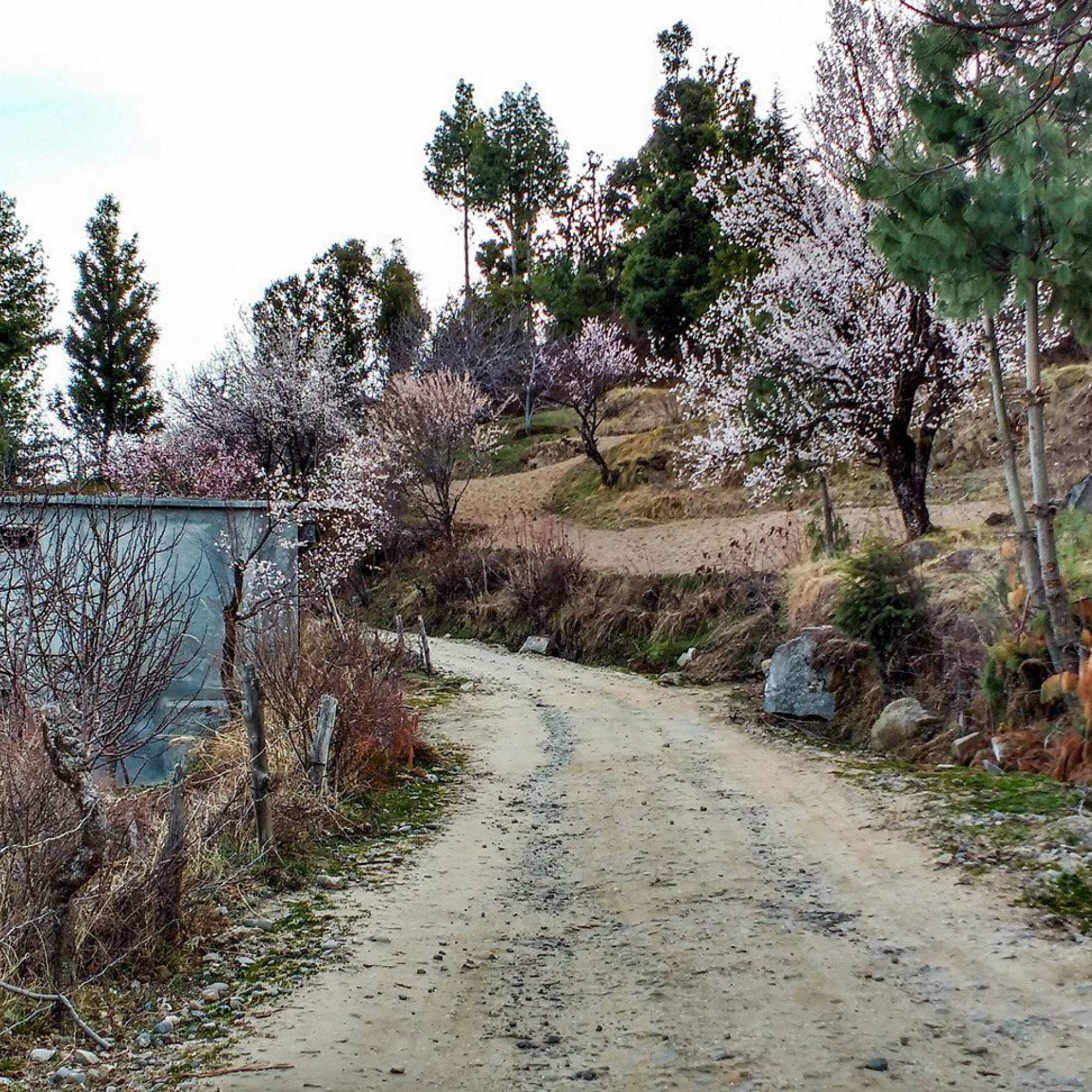
Run this check in Rohru, not halfway up. Once you are climbing, there is no garage and no help.
Start with the tyres. Check tread, check pressure, and make sure your spare tyre is real and inflated, not a flat decoration in the boot.
Test your brakes and clutch before the climb. The upper section is steep and unforgiving, and a tired clutch is exactly where trouble begins.
Fill fuel to the top in Rohru, since there is nothing beyond it. Download offline maps, because live navigation will fail past Larot.
Pack warm layers even in summer. It gets cold up there regardless of how warm Rohru felt.
Carry water, snacks, a first aid kit, a torch, a power bank, and a rain jacket. Keep cash on you, because cards are useless past Rohru.
And the most important item is not gear at all. Get a local road confirmation for that exact day before you start. One honest answer from a Rohru local can save your whole trip.
Who Should Book a Guided 4x4 Chanshal Road Trip?
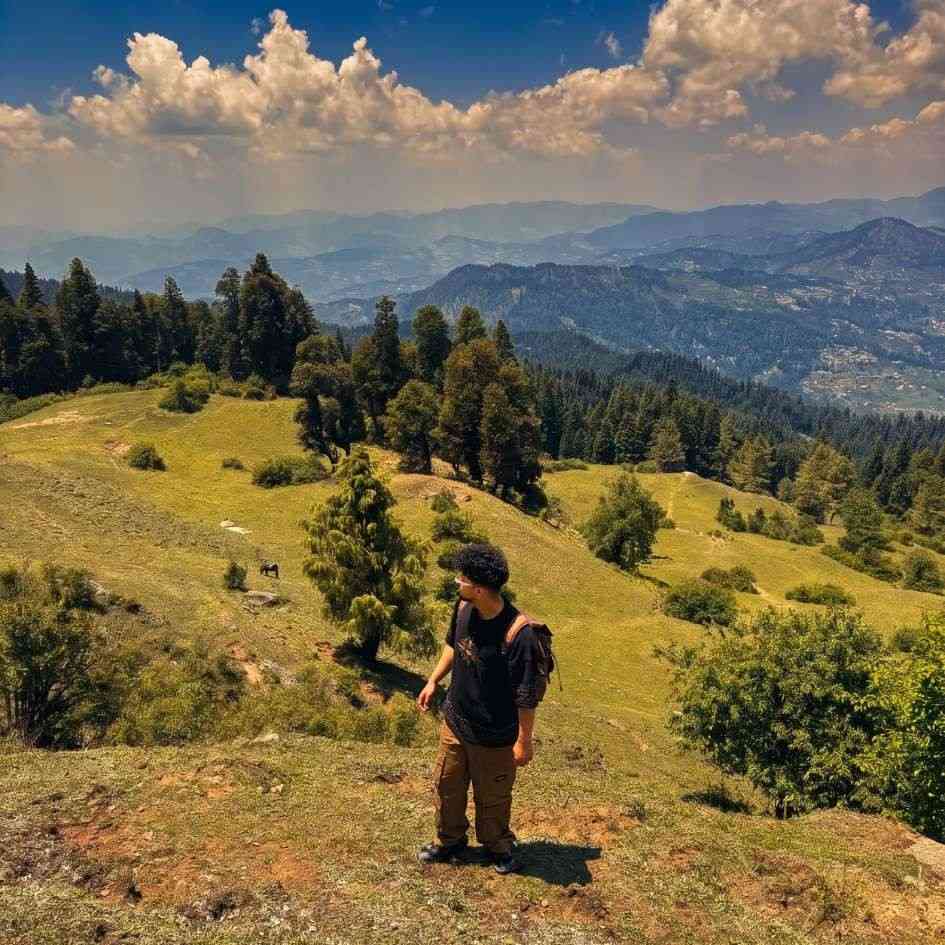
Some people are simply better off letting a local team handle this one, and that is completely fine.
A guided 4x4 trip suits families, first-time Himachal drivers, and travellers coming all the way from Delhi or Chandigarh who do not want to gamble on the road.
It also suits couples who want to enjoy the view instead of gripping the wheel, content creators who need to focus on shooting, and snow seekers who want the drama without the danger.
And honestly, if you have a low-clearance car but still want to see Chanshal, this is your way in. You get the experience without risking your car on a road it was never built for.
A local team helps with route planning, stay selection, vehicle choice, buffer days, and daily road checks. That last point, the daily road check, is the one that quietly saves trips on this route.
>>Let local drivers handle the rough roads while you enjoy the views. Talk to our team on WhatsApp.
Nearby Places to Add With Chanshal Pass
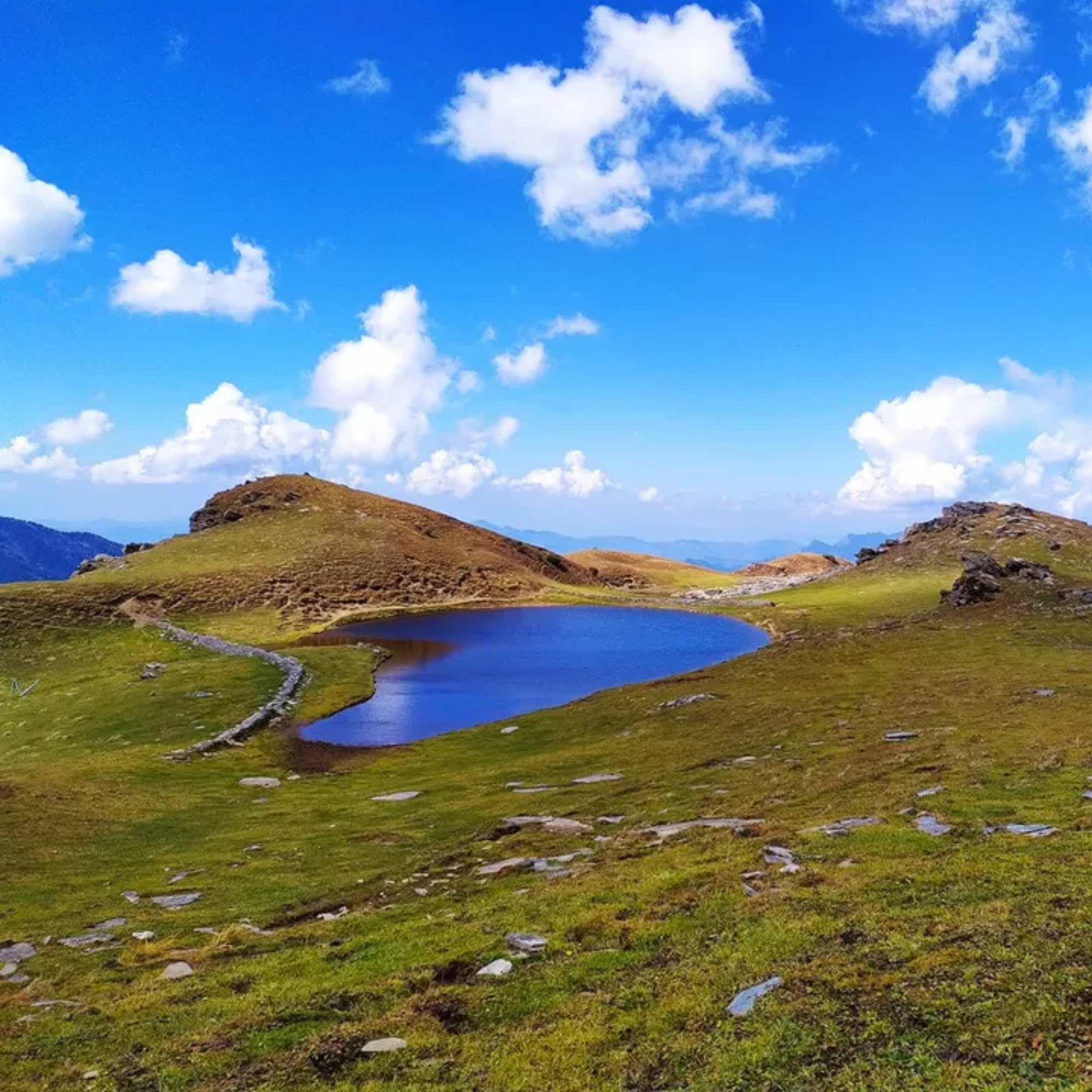
If you have the days, do not drive all this way for one pass and nothing else.
Worth adding around your trip are Rohru, Hatkoti, Pabbar Valley, Narkanda, Kharapathar, Chakrata, and Dodra-Kwar. Each one breaks up the driving and adds something different.
A word of caution on Dodra-Kwar. Road conditions and access there must be verified close to your travel dates, especially since road works in the region are still being completed.
In our experience, travellers who treat Dodra-Kwar as a flexible add-on, rather than a fixed plan, never get disappointed. Those who lock it in too early sometimes do.
If you catch the Himachal bug after this and want to go bigger next time, our Spiti Valley and Sissu trips are the natural next step.
Final Verdict: Self-Drive or 4x4?
Here is the straight answer, no hedging.
Self-drive is good if you are an experienced driver in a high-clearance SUV, travelling during stable weather in the right months.
A hired 4x4 or a guided plan is better for first-timers, families, sedans, hatchbacks, and anyone facing snow, slush, or monsoon uncertainty.
The pass does not care how confident you feel. It cares about your ground clearance, your timing, and your willingness to turn back. Match your vehicle to the road, and Chanshal rewards you. Fight the road in the wrong car, and it wins every time.
Explore Our Curated Chanshal Pass Tour Packages
- Group Tour5D/4N
Chanshal Pass Weekend Group Trip With Giri Ganga and Kuppar Bugyal
1D Kharapathar / Kotkhai•1D Rohru / Chirgaon (Pabbar Valley)
₹8,999₹12,999SAVE INR 4,000/ person 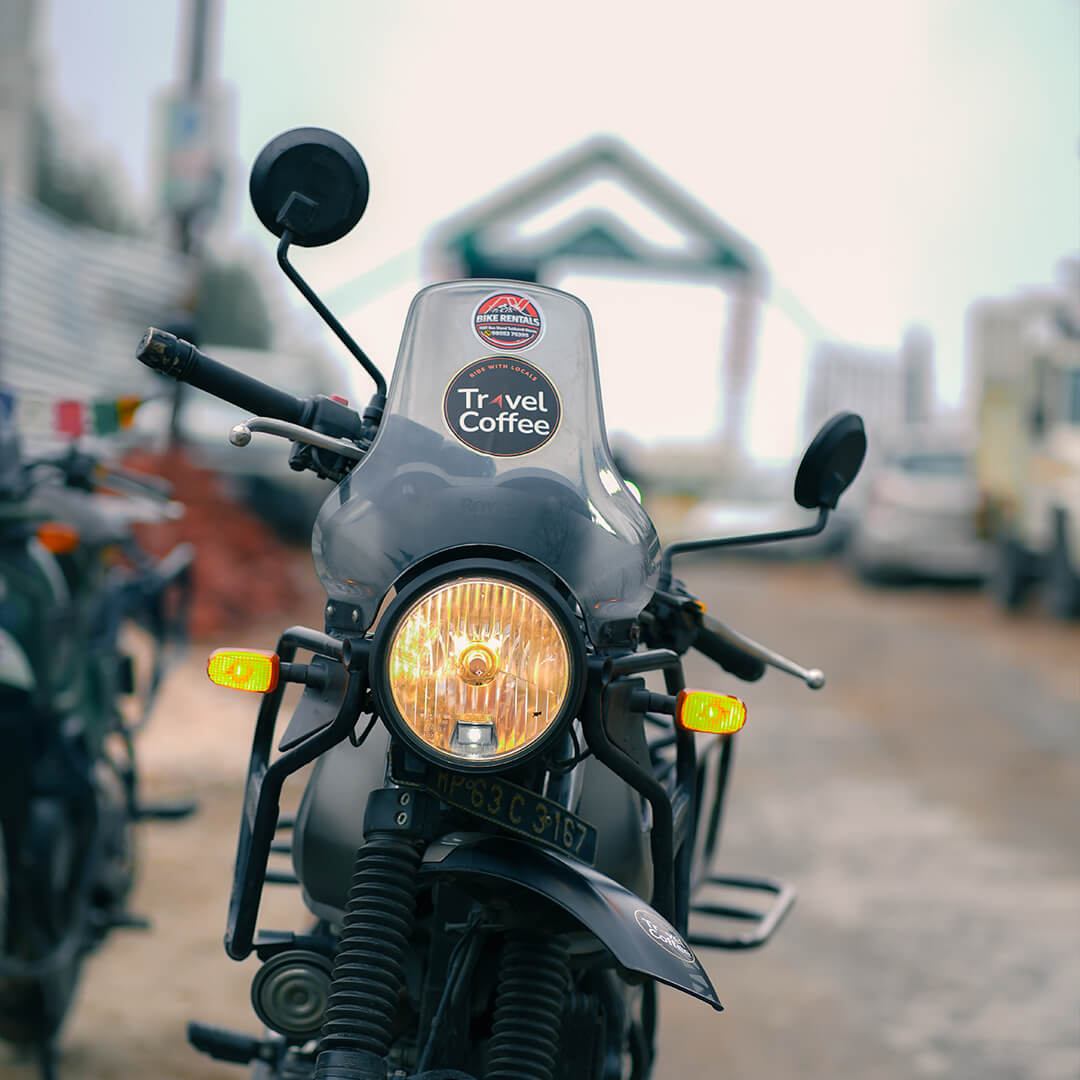 8D/7N
8D/7NUltimate Pabbar Valley Bike Expedition With Giri Ganga Kuppar Bugyal Chanshal Pass and Dodra Kwar
1D Kharapathar / Kotkhai•2D Rohru / Chirgaon (Pabbar Valley)+1
₹29,999/ person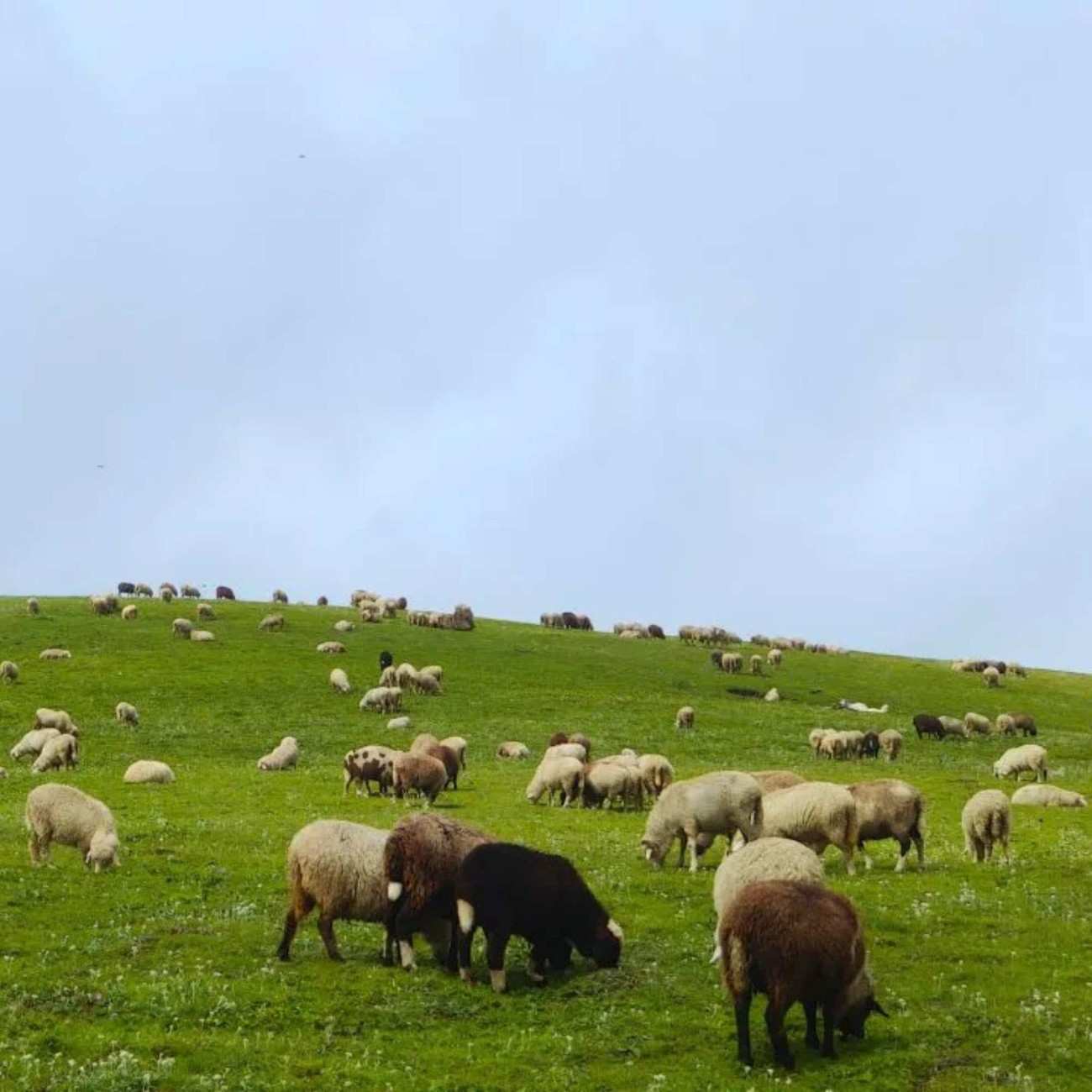 8D/7N
8D/7NMost Loved 4x4 Pabbar Valley Expedition With Giri Ganga Kuppar Bugyal Chanshal Pass and Dodra Kwar
1D Kharapathar / Kotkhai•2D Rohru / Chirgaon (Pabbar Valley)+1
₹32,999₹39,999SAVE INR 7,000/ person
Related topics
Frequently Asked Questions
Is Chanshal Pass road open in 2026?
The official Shimla page says the road is open May to November. A road tracker listed it as open on 11 June 2026, but verify again before you travel.
Can I drive my own car to Chanshal Pass?
Yes, if it is a high-clearance SUV and you have hill-driving experience. A low-clearance car can reach Rohru but risks damage on the final stretch.
Do I need a 4x4 for Chanshal Pass?
You do not strictly need a 4x4 in dry season with an SUV, but a 4x4 is ideal for the final 20 km, especially with snow, slush, or broken road.
Can a sedan or hatchback reach Chanshal Pass?
A sedan or hatchback can reach Rohru and sometimes Chirgaon. The Larot to pass stretch carries high underbody risk, so we advise stopping where locals say stop.
What is the best time for a Chanshal Pass road trip?
Late June to early July and September to October are best. Avoid July and August monsoon risk, and be ready for sudden closures in November.
How far is Chanshal Pass from Shimla?
The official routes are 160 km via Kharapathar and 175 km via Narkanda. The shorter route is described as bumpy and not suitable for bikes.
How far is Chanshal Pass from Rohru?
Rohru to Chanshal is about 48 km. The round trip is roughly 100 to 110 km, so treat it as a full-day drive.
Which route is better: Shimla-Kharapathar or Narkanda-Tikkar?
The Kharapathar route is shorter at 160 km but bumpy. The Narkanda-Tikkar route is 175 km and better if you want to add Narkanda. Check road condition either way.
Is Chanshal Pass safe for beginners?
The upper section is not ideal for first-time mountain drivers. Beginners are far safer with a local 4x4 or a guided plan than self-driving the final climb.
Do I need a permit for Chanshal Pass?
Several travel sources mention a possible forest permit, but the current official fee and process are not clearly confirmed. Before travelling, check locally with your driver, homestay, forest check post or tourism contact in Rohru, especially if you plan to camp, trek or travel beyond the regular road route.
Where should I stay near Chanshal Pass?
Rohru is the most practical base, with fuel, ATMs, food, and rooms. HPTDC Hotel Chanshal near the Circuit House is a reliable option with a restaurant and parking.
Is there mobile network at Chanshal Pass?
Signal is unreliable at the top and beyond Larot. BSNL and Airtel work better around Rohru and parts of the route, so inform someone of your plan before you lose signal.
More about Chanshal Pass
 Chanshal Pass
Buran Ghati Trek Complete Guide 2026: Route, Cost, Difficulty, Best Time
Planning the Buran Ghati Trek in 2026? Explore the complete guide covering the route, itinerary, cost, difficulty, best time to visit, fitness tips, and essential trekking advice.
- Things to Do
 Chanshal Pass
Chandranahan Lake Trek 2026: Source of the Pabbar River
Discover the Chandranahan Lake Trek 2026, a breathtaking Himalayan adventure to the sacred source of the Pabbar River in Himachal Pradesh. Explore pristine alpine meadows, glacial lakes, and spectacular mountain landscapes with this complete trekking guide.
- Things to Do
 Chanshal Pass
Treks in Pabbar Valley: The Complete List for 2026
Planning to explore the treks in Pabbar Valley in 2026? This complete guide covers the region's best hiking trails, difficulty levels, ideal seasons, trail highlights, and essential planning tips for discovering one of Himachal Pradesh's most rewarding trekking destinations.
- Things to Do