
Chanshal Pass Itinerary 2026: Pabbar Valley 3, 4 & 5 Day Plans
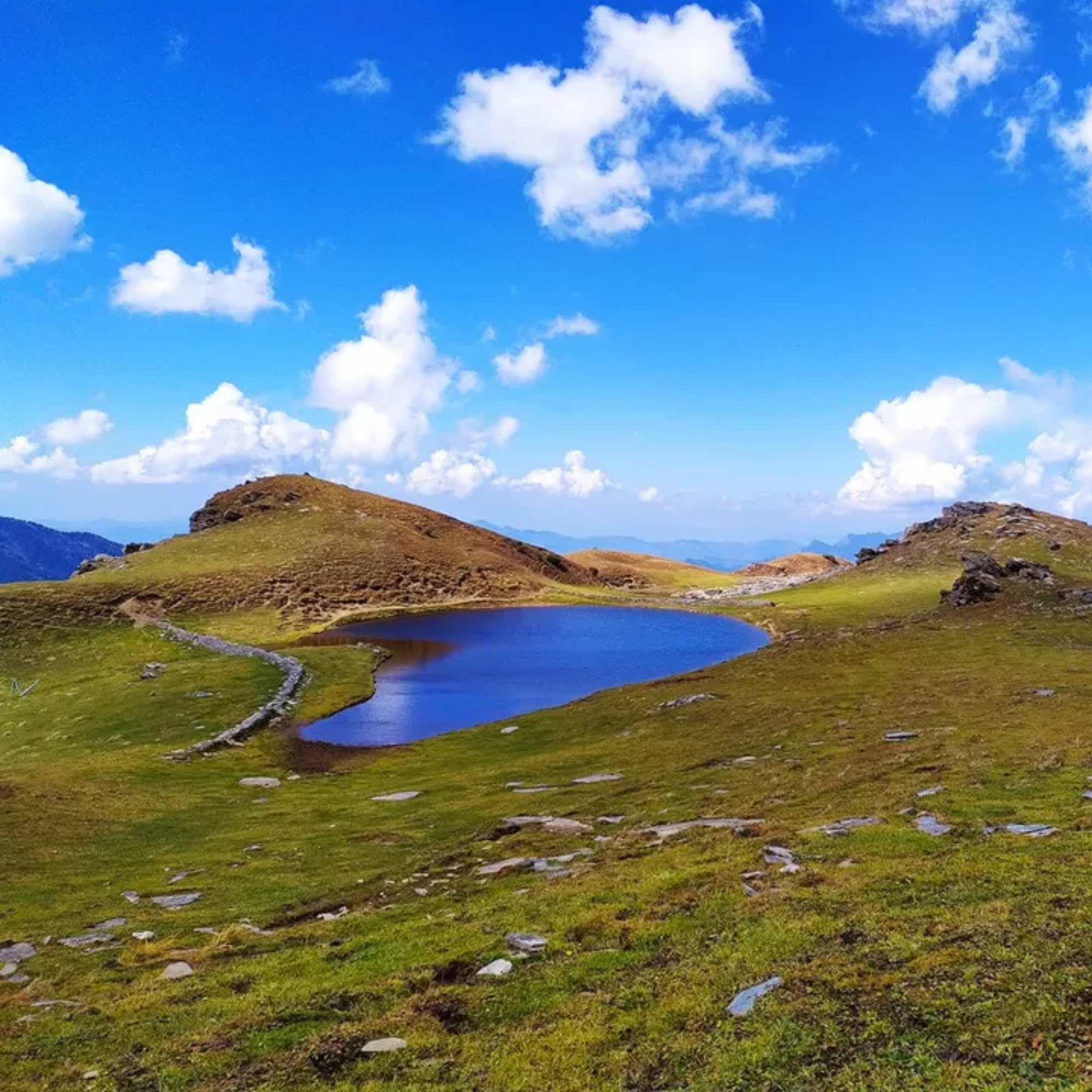
If you are trying to lock a Chanshal Pass itinerary for 2026, the real question is not what to see. It is how many days you actually need so the trip does not turn into one long, tiring drive.
Chanshal sits in upper Shimla district at 3,755 m, and most people reach it as a day excursion from Rohru through Larot. The road through Pabbar Valley is half the experience, so the plan you pick changes everything.
We run trips through this belt every season, and the same pattern shows up again and again. The travellers who slow down enjoy Chanshal. The ones who rush it just remember the bumps.
Quick Answer: Best Chanshal Pass Itinerary for 2026
For most travellers, 4 days is the most balanced Chanshal Pass trip plan. It gives you a proper pass day plus time to breathe in Pabbar Valley.
If you are coming from Delhi, go with 5 days. The distance is long and a 5-day plan suits families, couples and senior travellers far better.
A 3-day plan is possible but rushed, and you will spend most of it driving.
Rohru is the most practical base, and the pass is usually done as a day trip via Larot. Rohru to Chanshal Pass was listed open on 11 June 2026 on a live road status page, but check road status again before you leave.
Where Is Chanshal Pass and Why Is It Part of Pabbar Valley?
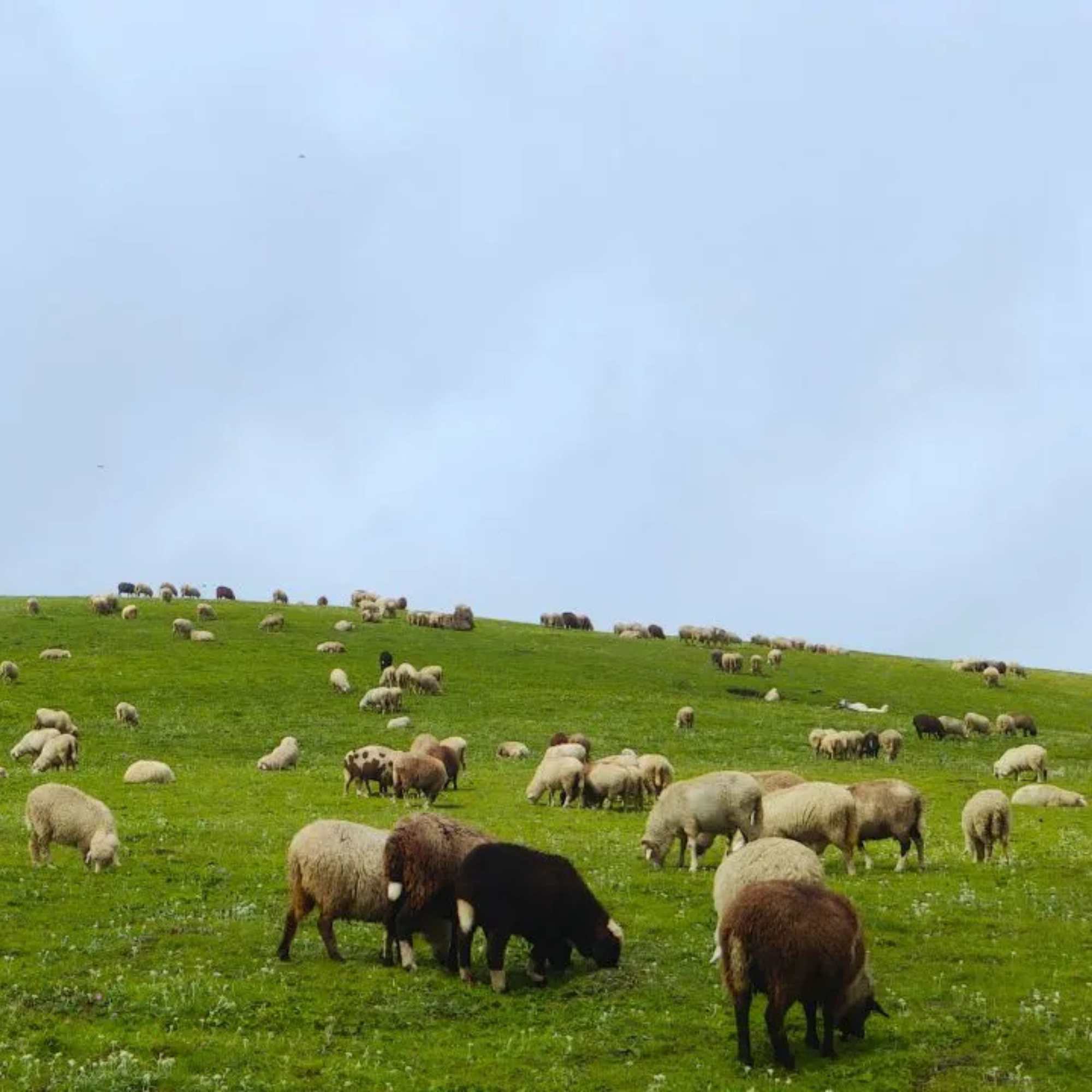
Chanshal Pass is in Shimla district, Himachal Pradesh, close to the Himachal and Uttarakhand side. This is the far end of upper Shimla, well past the usual tourist crowd.
The pass connects the Rohru and Chirgaon side with the Dodra Kwar valley. It is the high gateway between two very different parts of this region.
Most travellers use Rohru as their base. Some stop at Kharapathar on the way up, and a few stay closer in at Larot, which is the last real approach stop before the pass.
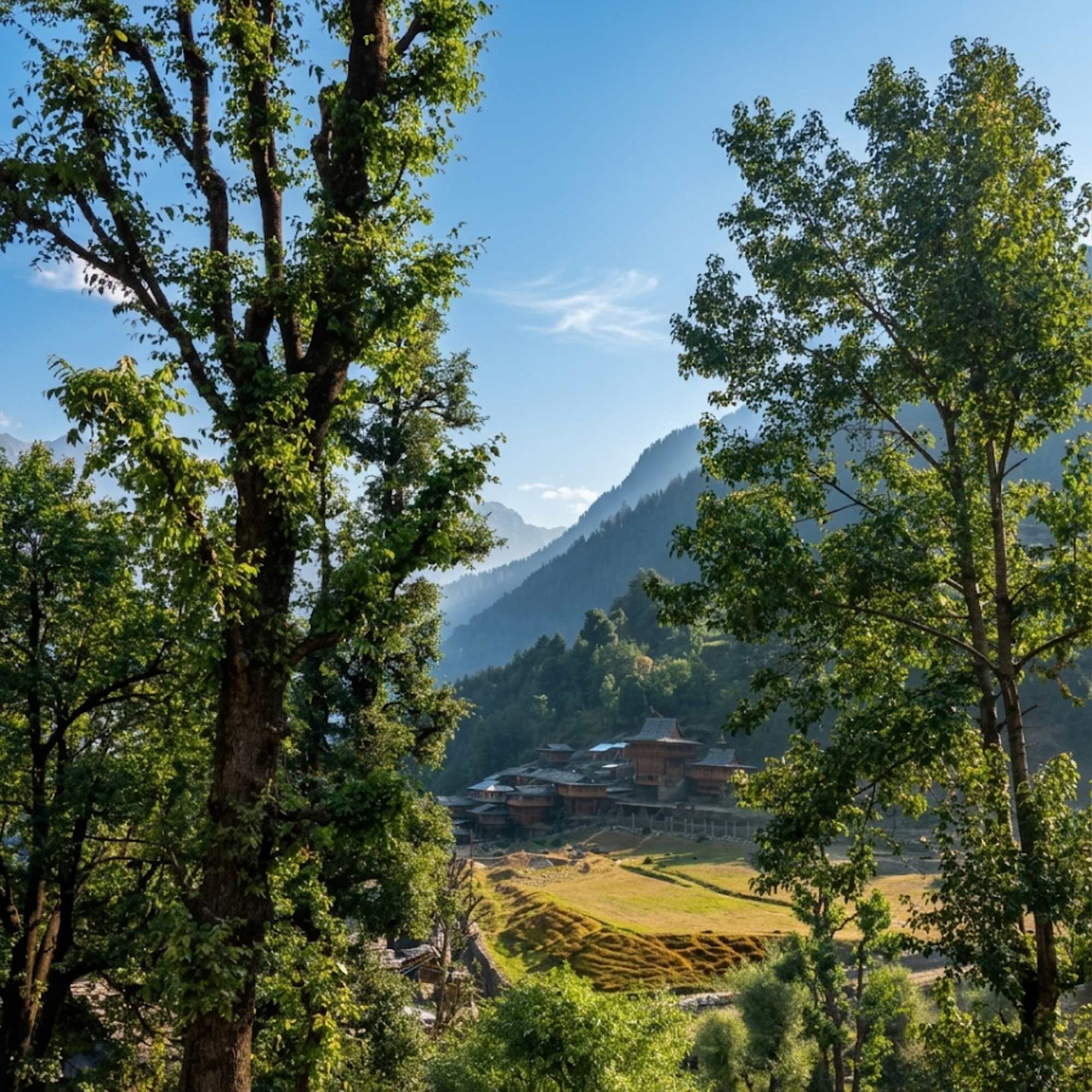
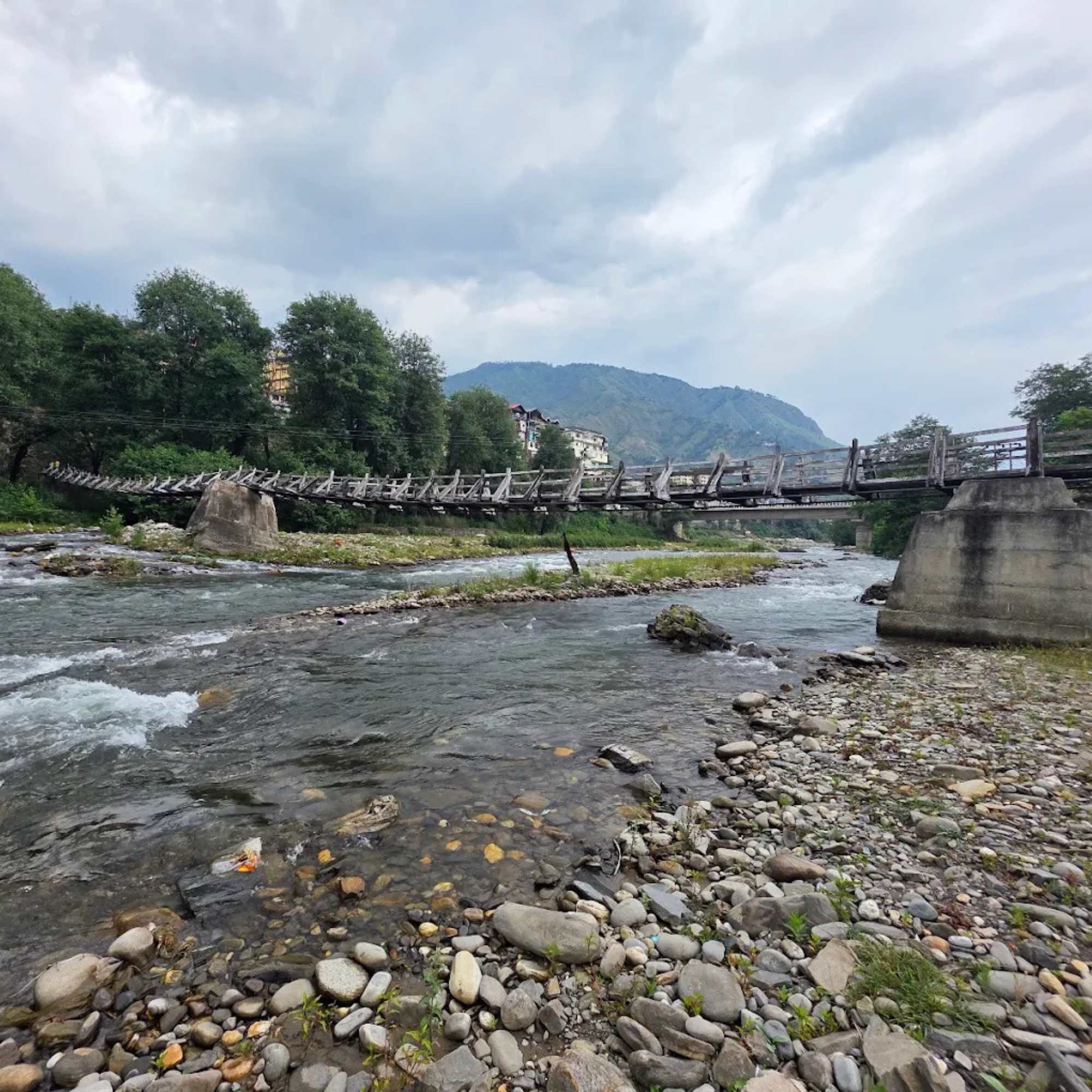
The whole drive runs through Pabbar Valley, named after the Pabbar River that follows you for much of the route. Apple country, river bends, small villages, then the climb to the pass.
This is still a quiet corner of Himachal. If you want to pair it with a wider upper Shimla trip, our Shimla tour packages cover stays and routing for this side of the district.
How Many Days Are Enough for Chanshal Pass?
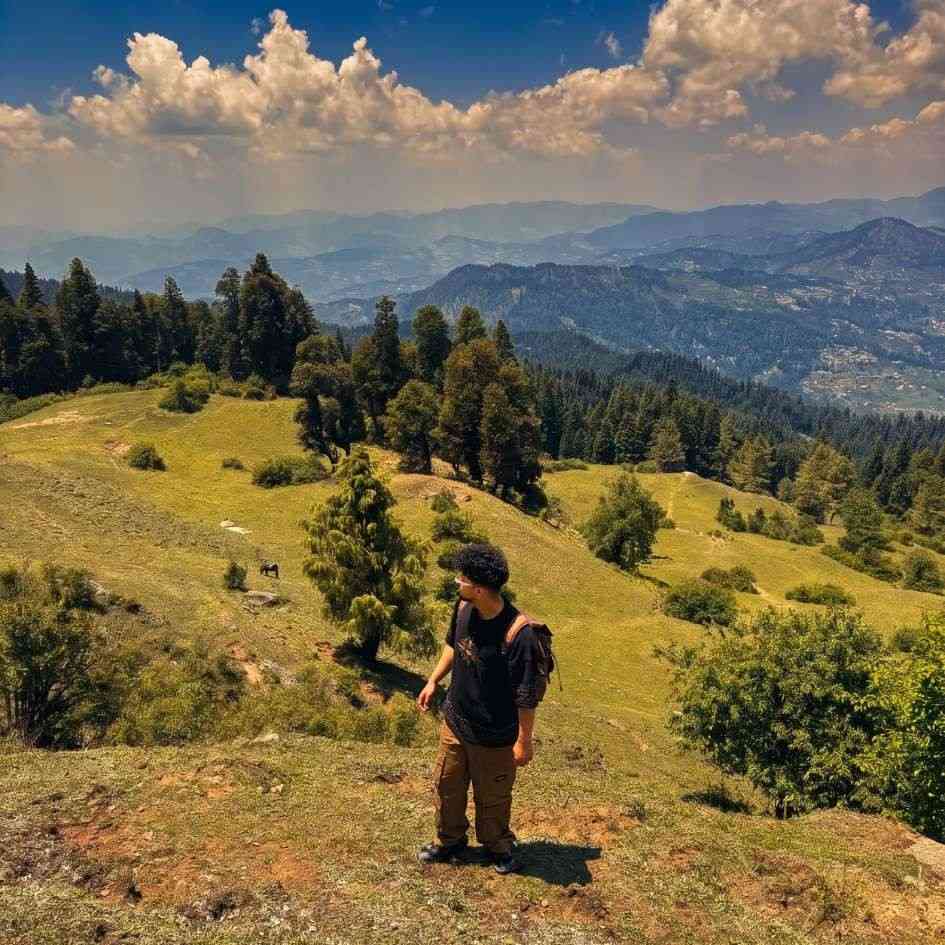
Three days is doable, but it is tiring. You drive up, you do the pass, you drive back, and there is very little slack if the weather or road acts up.
Four days is the sweet spot for anyone coming from Chandigarh or nearby cities. You get a real pass day plus a relaxed Pabbar Valley day without feeling rushed.
Five days works best from Delhi, and for families, couples and senior travellers who want to take it slow.
In our experience, most travellers enjoy Chanshal more when they do not treat it like a checkpoint. The pass is the headline, but the valley is the story.
Here is what most people get wrong. They block the shortest possible plan to "tick" the pass, then spend the whole trip behind the wheel and reach home wondering what the rush was for.
Chanshal Pass 3 Day Itinerary from Chandigarh or Shimla
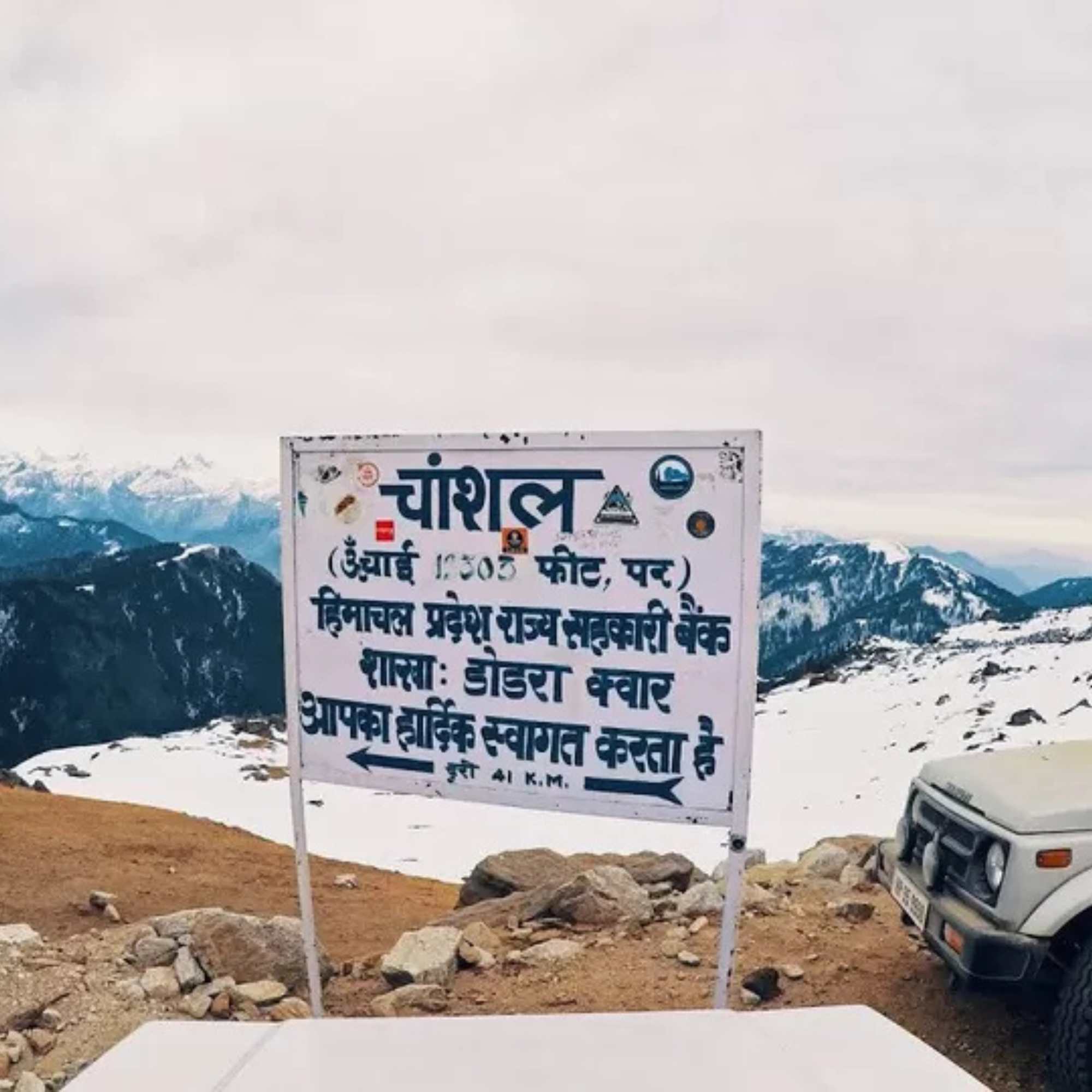
This is the fast version. It works if you are short on days and comfortable with long driving stretches.
Day 1: Chandigarh or Shimla to Rohru or Kharapathar
Drive up via Shimla, Theog, Kharapathar, Hatkoti and into Rohru. The road climbs steadily through apple country once you cross Theog.
Start early. The single biggest mistake on this route is leaving late and reaching Rohru after dark on unfamiliar mountain roads.
If you are driving from Chandigarh, note that one package page lists Chandigarh to Rohru as around 207 km and roughly 6.5 hours, though treat that timing as approximate and weather-dependent.
You can also break the climb at Kharapathar if you want a shorter Day 1 and a calmer evening.
Day 2: Rohru to Larot to Chanshal Pass and back
This is your pass day. Rohru to Chanshal Pass is around 48 km, running through Chirgaon and then Larot.
Leave early. You want time at the top and a safe return before dark, because the last stretch gets rough and weather can flip fast up here.
Carry your own snacks, water and cash. There is nothing reliable to count on once you climb past Larot.
Spend time at the pass, take it in, then turn back. Our team always tells travellers to head down with daylight to spare rather than chasing one more photo.
Day 3: Rohru to Hatkoti, Kharapathar and return
On the way back, stop at Hatkoti and a few Pabbar River points, and enjoy the apple belt views through the lower valley.
Keep this as a practical return day with a buffer for any road delay. Do not stack a tight connection on the same evening.
Chanshal Pass 4 Day Itinerary: Best Balanced Plan
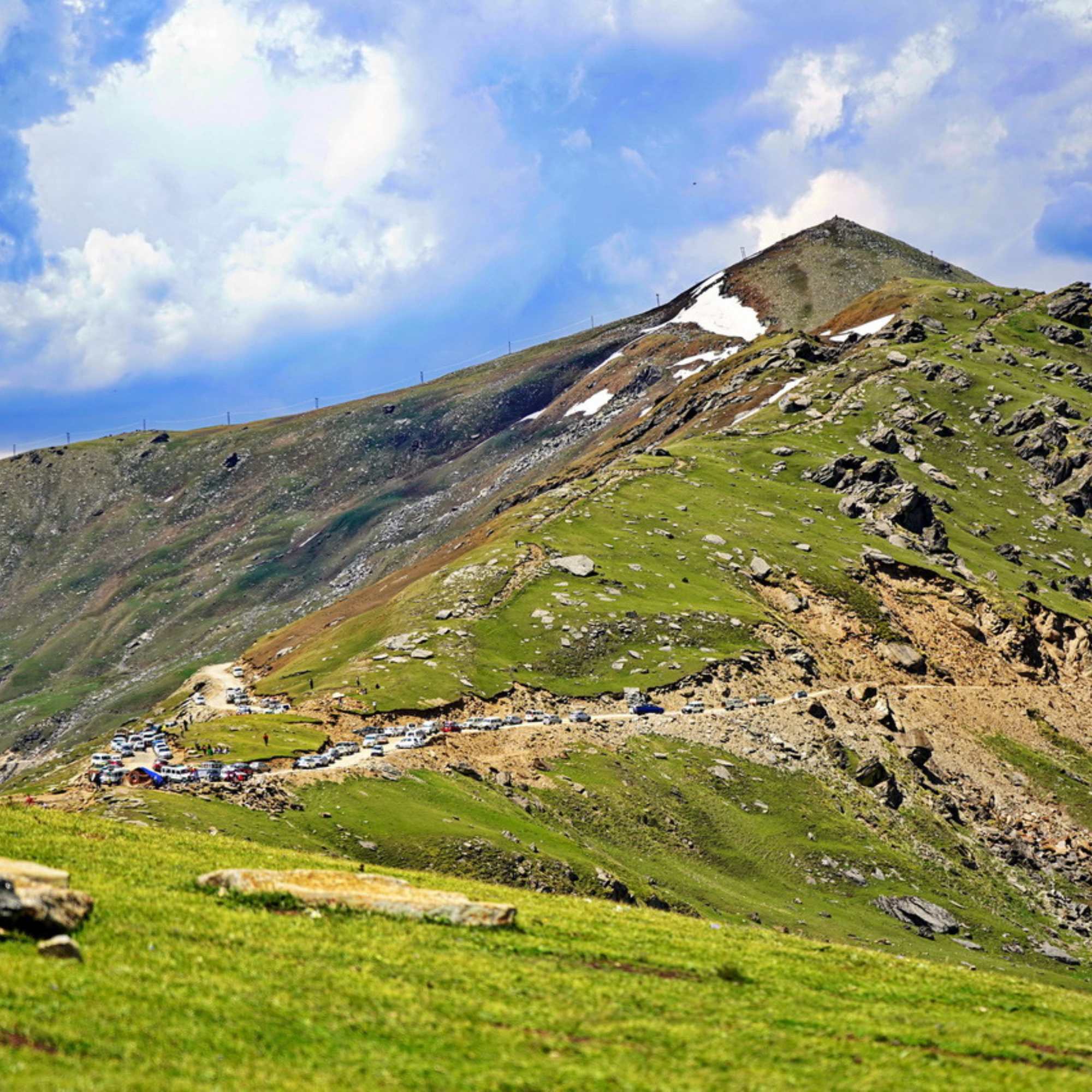
This is the plan we recommend for most people. It gives the pass the day it deserves and still leaves room for the valley.
Day 1: Chandigarh or Delhi to Kharapathar or Rohru
Make Day 1 about reaching the upper Shimla side in one comfortable push. Aim to settle in by evening rather than racing the clock.
If you are starting from Delhi, this day will still feel long. Be honest with yourself about the distance before you book.
Day 2: Giri Ganga, Kharapathar, Hatkoti and Pabbar Valley
Take this day slow. Giri Ganga and Kharapathar work well as easy stops if you want to stretch your legs and ease into the altitude.
Then drift down through Hatkoti and Pabbar Valley before your pass day. This gentle pacing makes the big drive tomorrow far easier on your body.
Rohru is the right place to base yourself for the night before the pass.
Day 3: Chanshal Pass Excursion via Larot
This is the main event. Drive from Rohru through Larot up to Chanshal Pass, around 48 km each way.
Expect rough road, strong wind and real cold near the top, even when Rohru below feels pleasant. Carry snacks, water and cash, because there is nothing up there.
Our team recommends returning to Rohru for the night unless you have a verified stay and a confirmed road plan beyond Chanshal. Do not gamble on finding a bed past the pass.
Day 4: Return via Shimla, Narkanda or direct route
Head back down and pick your return route based on the day's road status and how everyone is feeling.
You can drop down via Shimla or take the Narkanda side if conditions favour it.
Chanshal Pass 5 Day Itinerary: Best for Delhi and Slow Travellers
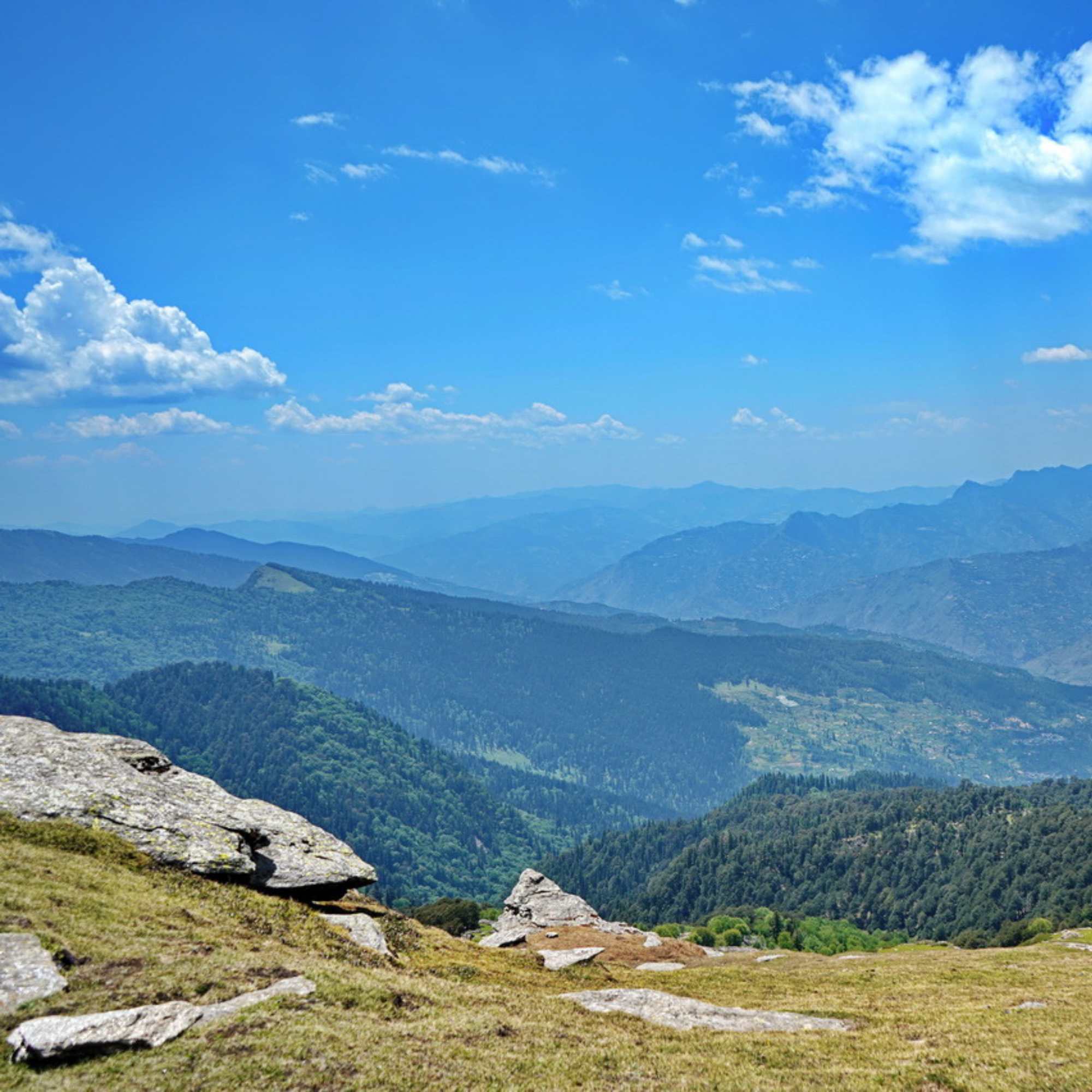
This is the most relaxed Delhi to Chanshal Pass itinerary. It suits families, couples, senior travellers and anyone who hates being rushed.
Day 1: Delhi to Shimla, Narkanda or Kharapathar
Delhi to Pabbar Valley is about 450 km, and Chanshal adds roughly 100 km more on top of that. That is a lot of road for one day.
So break the drive. Stop the first night at Shimla, Narkanda or Kharapathar instead of pushing straight through to Rohru, especially with family in the car.
Day 2: Kharapathar to Rohru via Giri Ganga, Hatkoti and Pabbar Valley
Drive down into the valley at an easy pace. Stop along the Pabbar River, look around the apple orchards, and pause at the small villages on the way.
Keep this day relaxed and reach Rohru with the evening still ahead of you.
Day 3: Rohru to Chanshal Pass via Larot and back
This is your pass day. Rohru to Chanshal is around 48 km through Larot.
Official sources list the pass at 3,755 m, so the cold and thin air are real. Go up early, enjoy it, and come back down with daylight in hand.
Day 4: Optional Dodra Kwar, Saru Lake, or Pabbar Valley Slow Day
Treat this whole day as optional and weather-dependent. If the road or sky looks unsure, just enjoy a slow Pabbar Valley day instead.
Dodra Kwar lies beyond Chanshal, so do not force it without road confirmation. For reference, travel blog data puts Chanshal Pass to Dodra at around 19 km and Dodra to Kwar at around 22 km.
Saru Lake is another option, but only with a local guide and safe weather. Do not chase it on your own.
Day 5: Return to Delhi or Chandigarh
This is a long drive back, and fatigue is real after a few mountain days. Build a proper buffer into it.
Do not book a late-night flight or train for the same evening unless you have a big cushion of time. One landslide or slow stretch can throw the whole schedule.
Which Route Should You Take to Chanshal Pass?
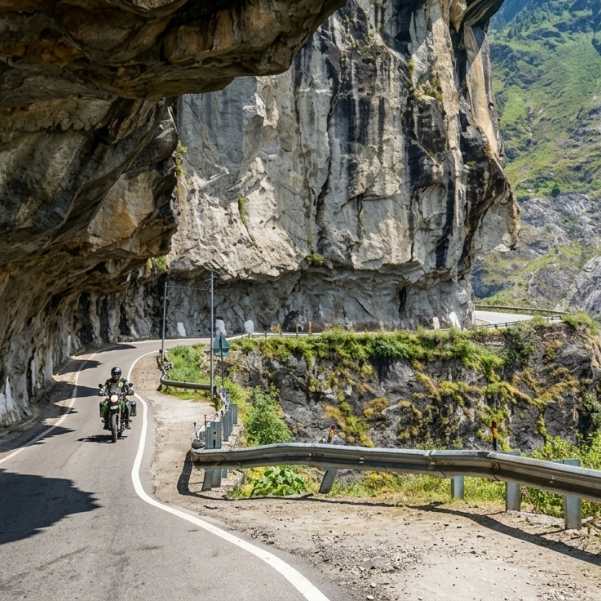
There are two official Shimla to Chanshal route options, and the right one depends on your vehicle and the day's road condition.
Route 1
It runs Shimla, Theog, Kotkhai, Kharapathar, Hatkoti, Rohru, Larot, Chanshal Pass. It is 160 km from Shimla.
Route 2
It runs Shimla, Theog, Narkanda, Tikkar, Rohru, Larot, Chanshal Pass. It is 175 km from Shimla.
The shorter route is the catch. The official page says the 160 km route is bumpy and not suitable for bike rides, so riders should weigh that carefully.
In practice, the best route comes down to recent road condition, your vehicle, the season and how much comfort you want. Ask locally before you commit to one side.
Is Chanshal Pass Open in 2026?
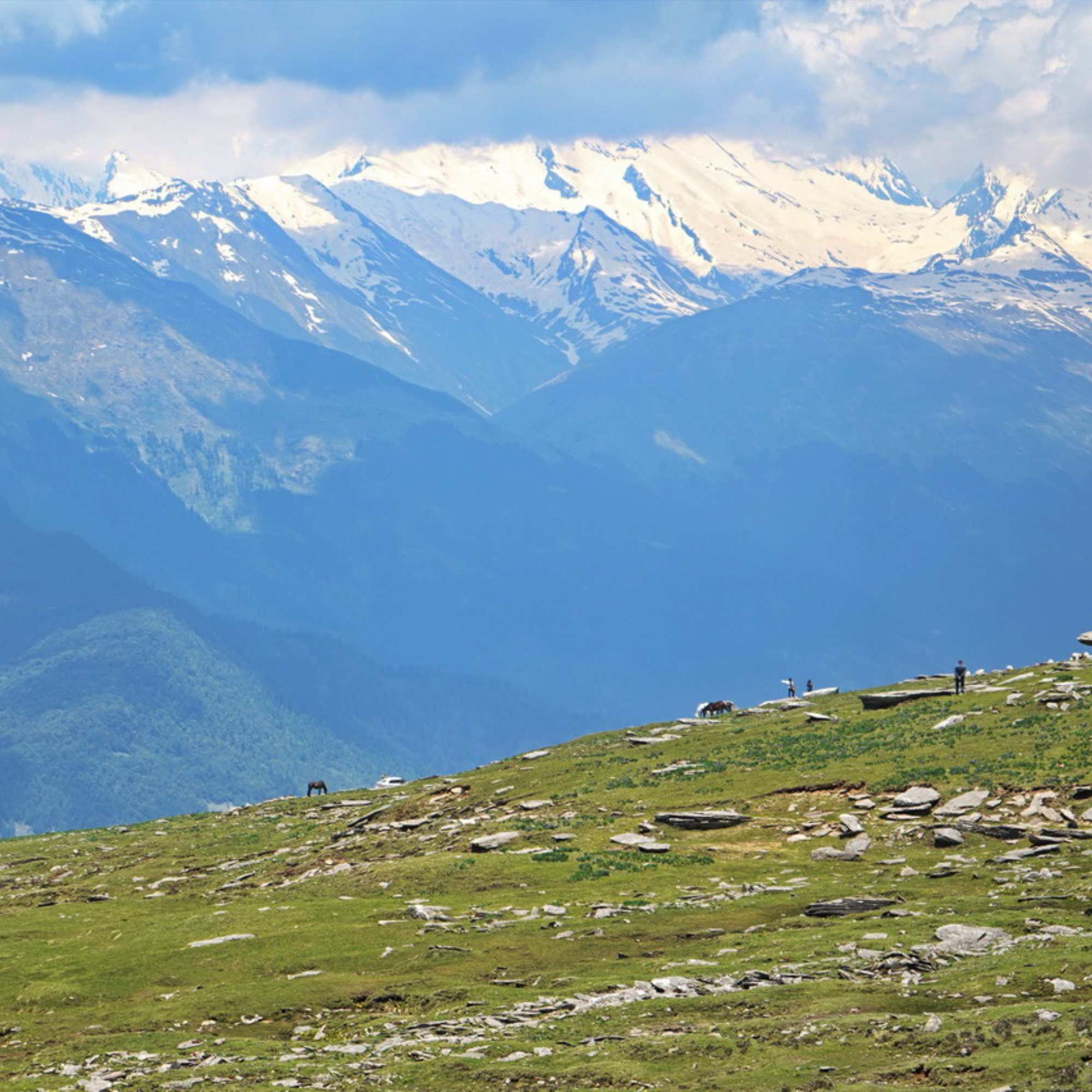
Rohru to Chanshal Pass was listed open on 11 June 2026 on a live road status page. That is a good sign if you are planning around now.
But that single listing is not enough for final planning. Mountain roads here can close on short notice due to snow, landslides, slush or repair work.
So check again close to your dates. The smart move is to confirm with a local operator or the local administration before you start driving.
👉 Unsure if Chanshal Pass will be open on your travel dates? Message our team on WhatsApp.
Best Time to Visit Chanshal Pass and Pabbar Valley
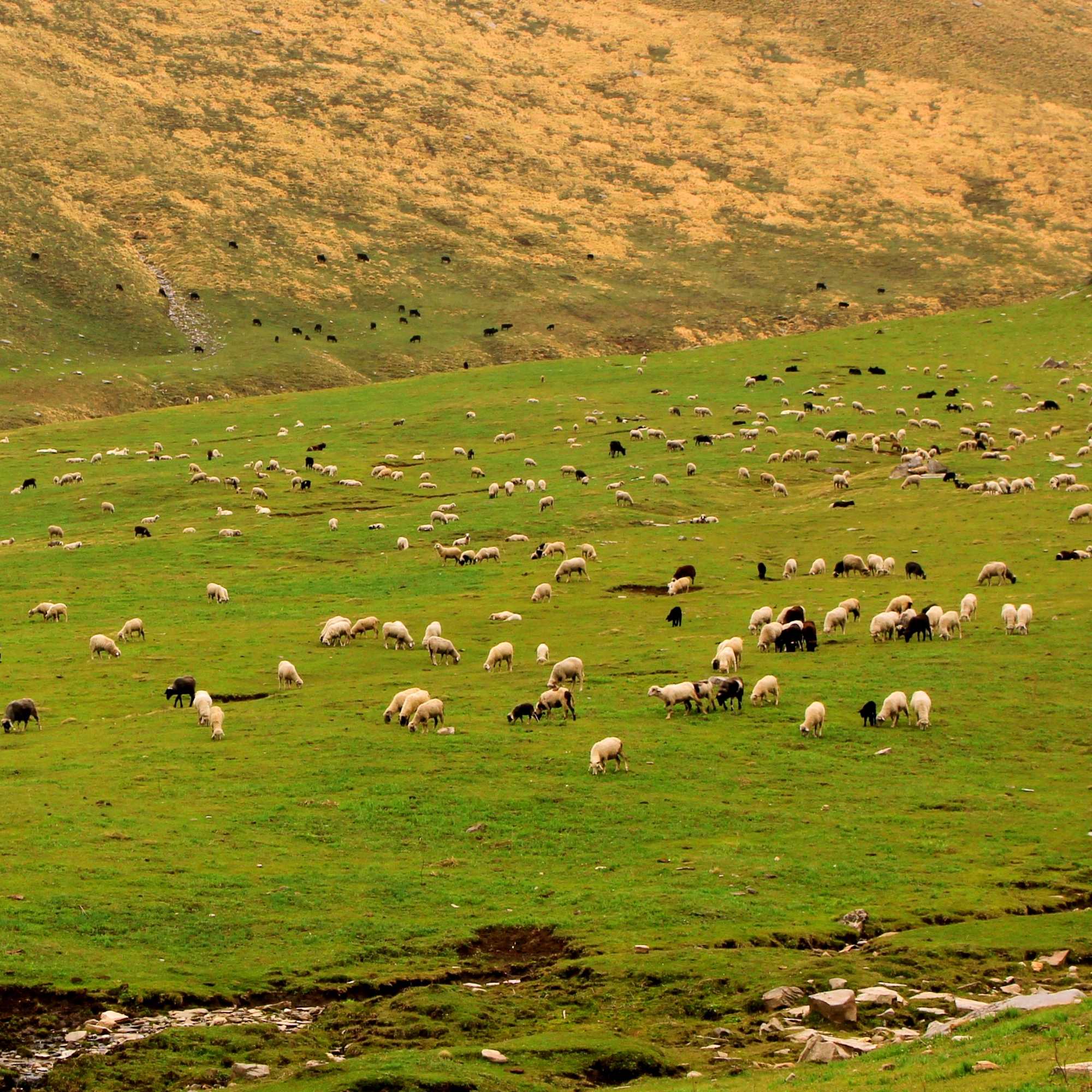
The official page says the road is normally open from May to November and closed the rest of the year because of snow.
The best windows are late June, September and October. These months give you the cleanest mix of access and weather.
May and early June bring snow patches and early-season drama, which snow lovers enjoy. The trade-off is rougher roads and more uncertainty.
September and October hand you clearer skies and the best road-trip comfort. For photographers, this is the window to target.
July and August are risky. Rain, slush and landslide chances go up, and the drive becomes far less predictable.
Winter is only for snow lovers travelling with local confirmation. The official page notes temperatures can drop below -10°C, so this is no place for a casual self-drive.
Where to Stay for Chanshal Pass: Rohru, Kharapathar, Larot or Dodra Kwar?
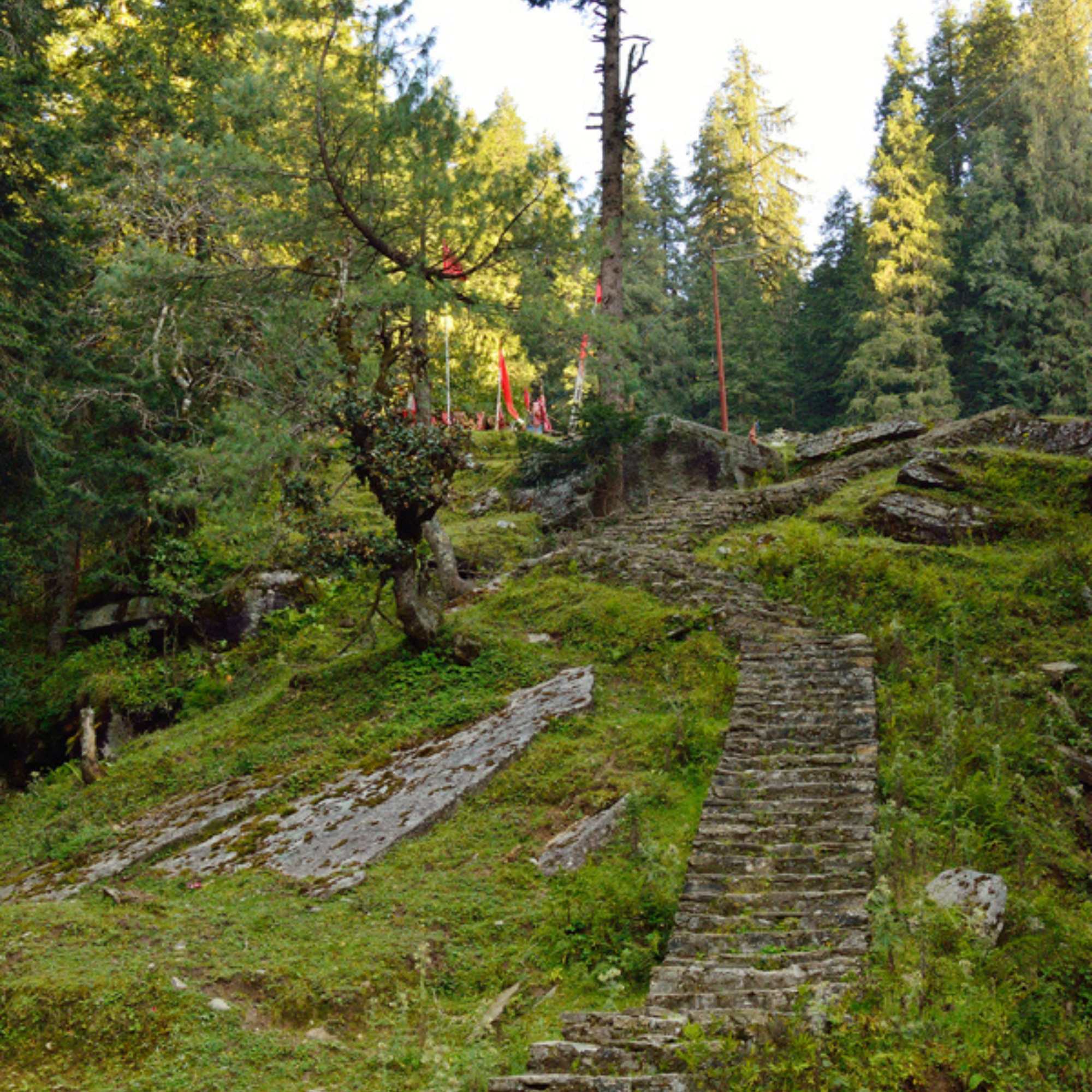
Rohru is the most practical base. It has the most hotels, plus fuel, ATMs and basic services you will actually need.
HPTDC Hotel Chanshal sits near the Circuit House on the Hatkoti to Rohru road, which is a handy government option in the area.
On the budget side, online Rohru hotel listings started from around ₹1,188 per night on MakeMyTrip on 10 June 2026. Prices here are dynamic, so confirm live rates before booking.
For a camp-style stay, Chanshal Camps & Resort showed sample online rates of around ₹2,733 to ₹3,123 plus taxes for sample dates.
Larot and Dodra Kwar stays are limited. Do not assume a room will be waiting. If you want to sleep closer to the pass, pre-book and verify before you drive up.
Here is a money tip most people miss. Run the pass as a day trip from Rohru instead of hunting for scarce, pricier beds at Larot or beyond. You sleep better, spend less, and skip the stress of an uncertain high-altitude stay.
Chanshal Pass Trip Cost in 2026
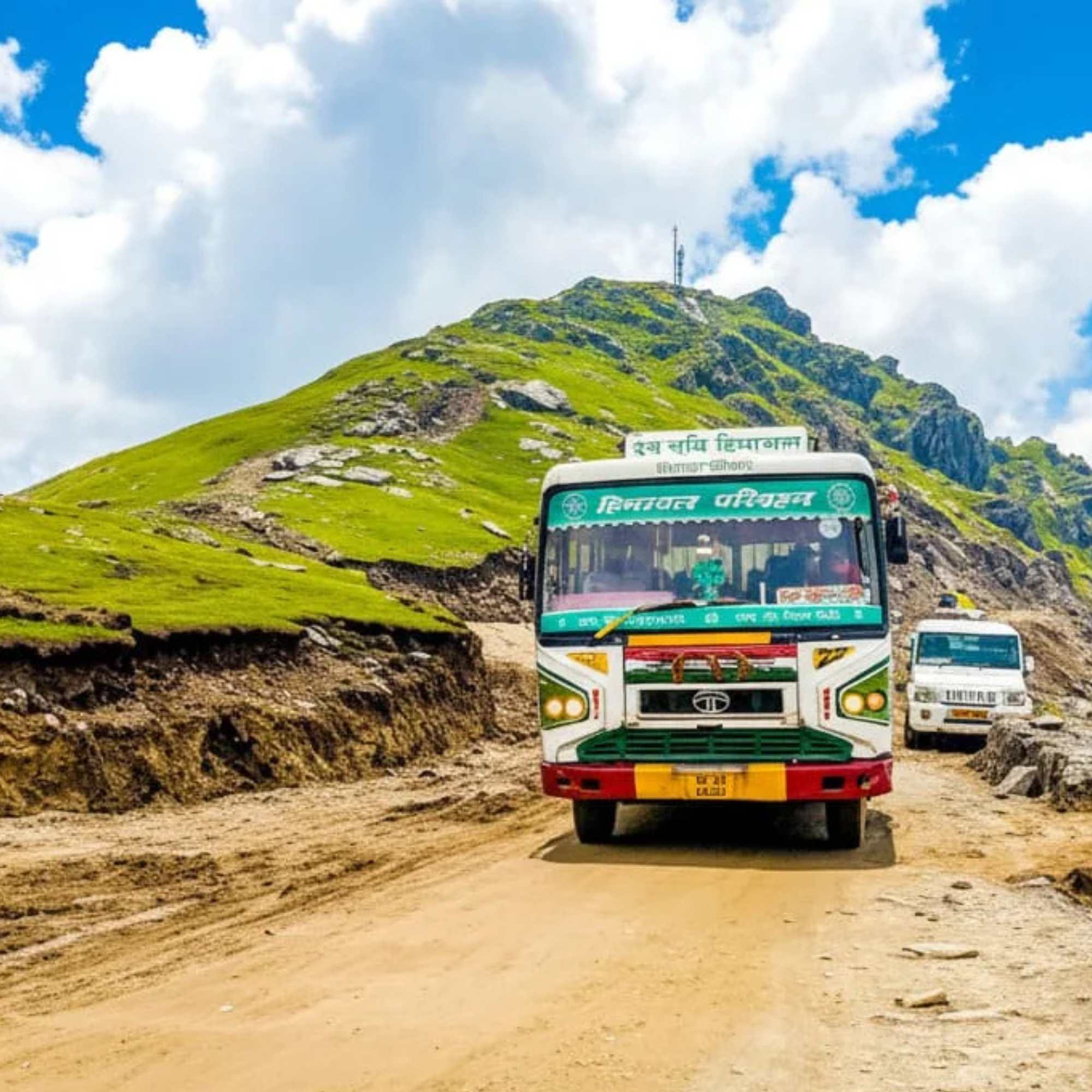
Costs swing a lot depending on how you travel, so treat every figure here as a starting point, not a quote.
Online group and package examples range from around ₹8,000 per person on quad sharing to roughly ₹8,999 to ₹12,999 per person for group trips. The final number shifts with your start point, inclusions, vehicle, month and stay type.
The main cost heads are your cab or self-drive fuel, your stay, meals, driver allowance, a local guide if you add optional hikes, and an emergency buffer.
That buffer matters more here than on easy routes. A blocked road or an extra night can change your budget fast.
We do not quote a fixed Travel Coffee price in a blog, because real pricing depends on your dates and group. Check current rates with us before you plan around a number.
Which Vehicle Is Best for Chanshal Pass?
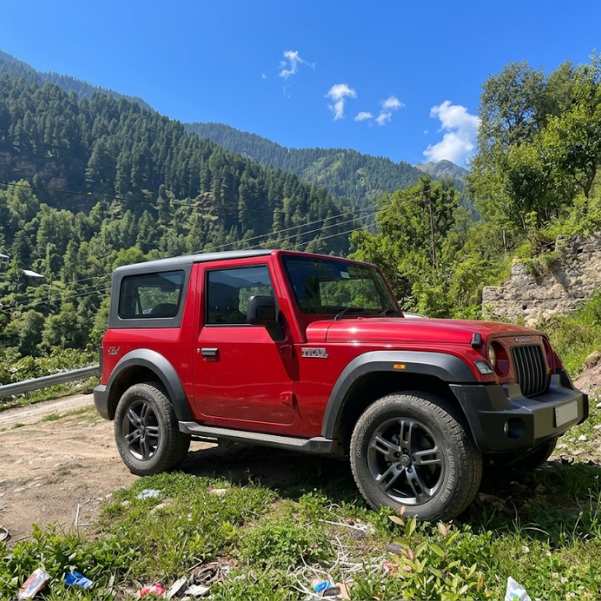
A high-ground-clearance SUV is the most comfortable choice for this route. The rough sections punish low cars.
Bikes are possible in the right season, and riders do this run. But the route has rough, bumpy stretches, and remember the official line that the shorter 160 km route is not suitable for bike rides.
Sedans and small cars should avoid slush, monsoon, fresh snow and late-evening driving here. If that is your only vehicle, time the trip very carefully.
In our experience, vehicle choice matters less than timing, road status and driver confidence, but ground clearance always helps when the surface turns bad.
Permits, Network, Fuel and ATMs
No official Chanshal tourist permit page turned up during our research. An older travel guide says no special permit is required for Chanshal or Dodra Kwar, but this is not an official source, so verify before you travel.
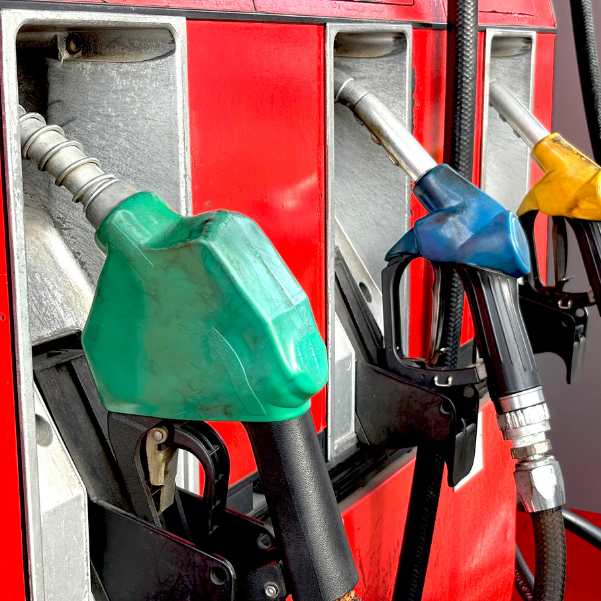
Sort your fuel and cash in Rohru. This is your last reliable point for ATMs and a fuel top-up before the climb.
Network gets unreliable as you head towards Larot and Chanshal. BSNL or MTNL may catch a signal in some pockets, but do not count on staying connected up there.
Before you lose signal, carry cash, your vehicle documents, ID proof and offline maps. Tell someone your plan so they know roughly where you are.
What to Pack for Chanshal Pass
Pack for cold even if the valley feels warm. The pass can feel bitter when Rohru below is pleasant, and that gap catches people off guard.
Bring layered warm clothes, a windproof jacket and a rain cover, plus good shoes with grip. The wind near the top does most of the damage.
Carry water, snacks, basic medicines, a power bank, sunglasses and sunscreen, because the high-altitude sun is strong even on cool days.
Round it off with cash, your ID proof, offline maps and a small day bag for the pass. That covers you for the parts of this trip where help is far away.
Who Should Choose Which Itinerary?
Couples and families should pick the 4 or 5 day plan. The slower pace makes the long drives far more enjoyable and easier on everyone.
Delhi travellers should choose 5 days. The distance simply does not suit a shorter window without it feeling like a marathon.
Bikers can manage 4 days if road status is good, though they should respect that the shorter route is not bike-friendly.
Photographers should aim for September or October when the skies are clearest and the valley looks its best.
If you are mapping a bigger Himachal road-trip year, you might also like our Kinnaur tour packages, our Jibhi and Tirthan Valley packages, and our Spiti Valley road trip packages for routes that pair well with the upper Shimla belt.
Final Recommendation
Four days is the sweet spot for a Chanshal Pass itinerary. Five days is the safest call from Delhi, and three days should be treated as a fast road trip, not a relaxed holiday.
Chanshal is best enjoyed slowly, because the route through Pabbar Valley is part of the experience, not just the drive to it.
Explore Our Curated Chanshal Pass Tour Packages
- Group Tour5D/4N
Chanshal Pass Weekend Group Trip With Giri Ganga and Kuppar Bugyal
1D Kharapathar / Kotkhai•1D Rohru / Chirgaon (Pabbar Valley)
₹8,999₹12,999SAVE INR 4,000/ person 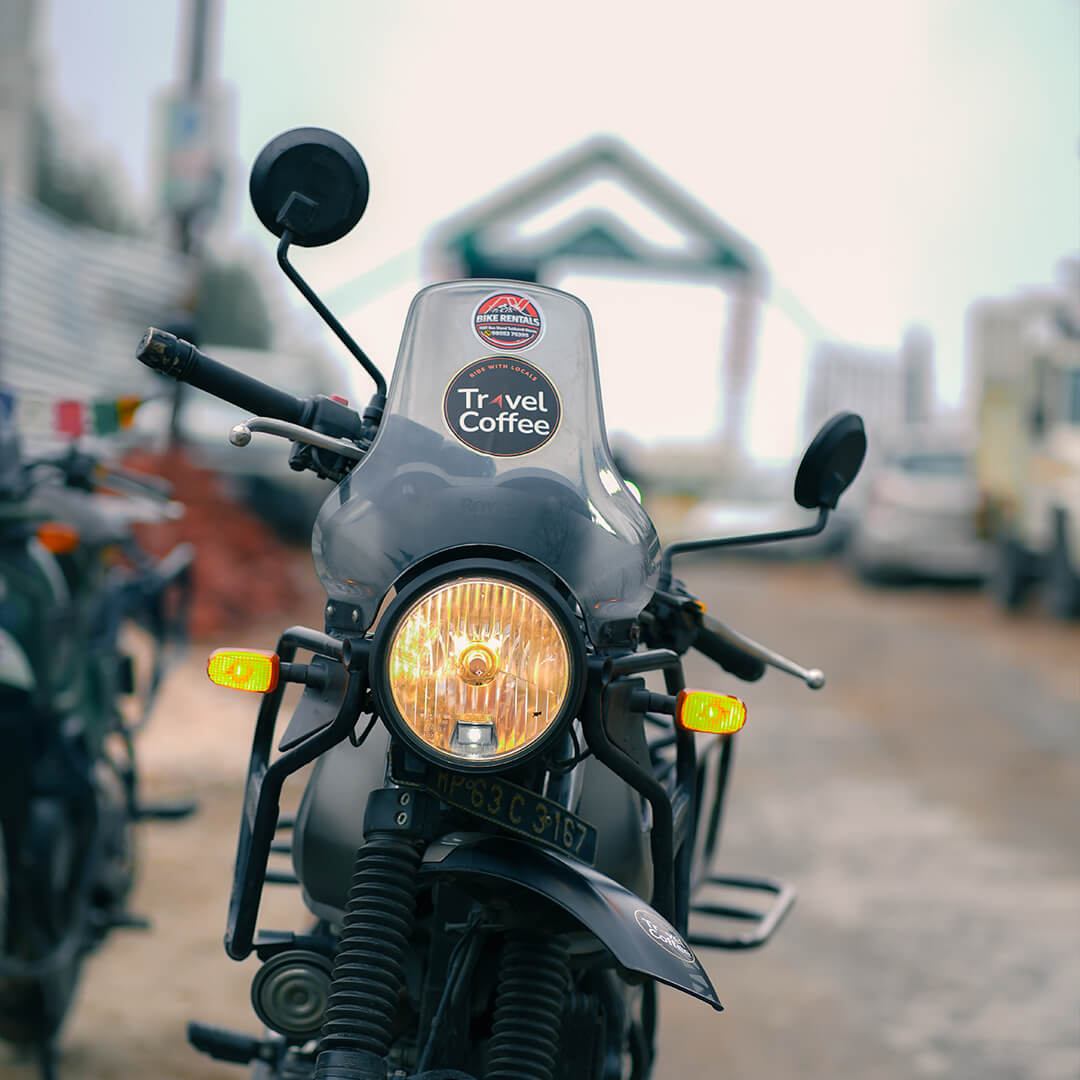 8D/7N
8D/7NUltimate Pabbar Valley Bike Expedition With Giri Ganga Kuppar Bugyal Chanshal Pass and Dodra Kwar
1D Kharapathar / Kotkhai•2D Rohru / Chirgaon (Pabbar Valley)+1
₹29,999/ person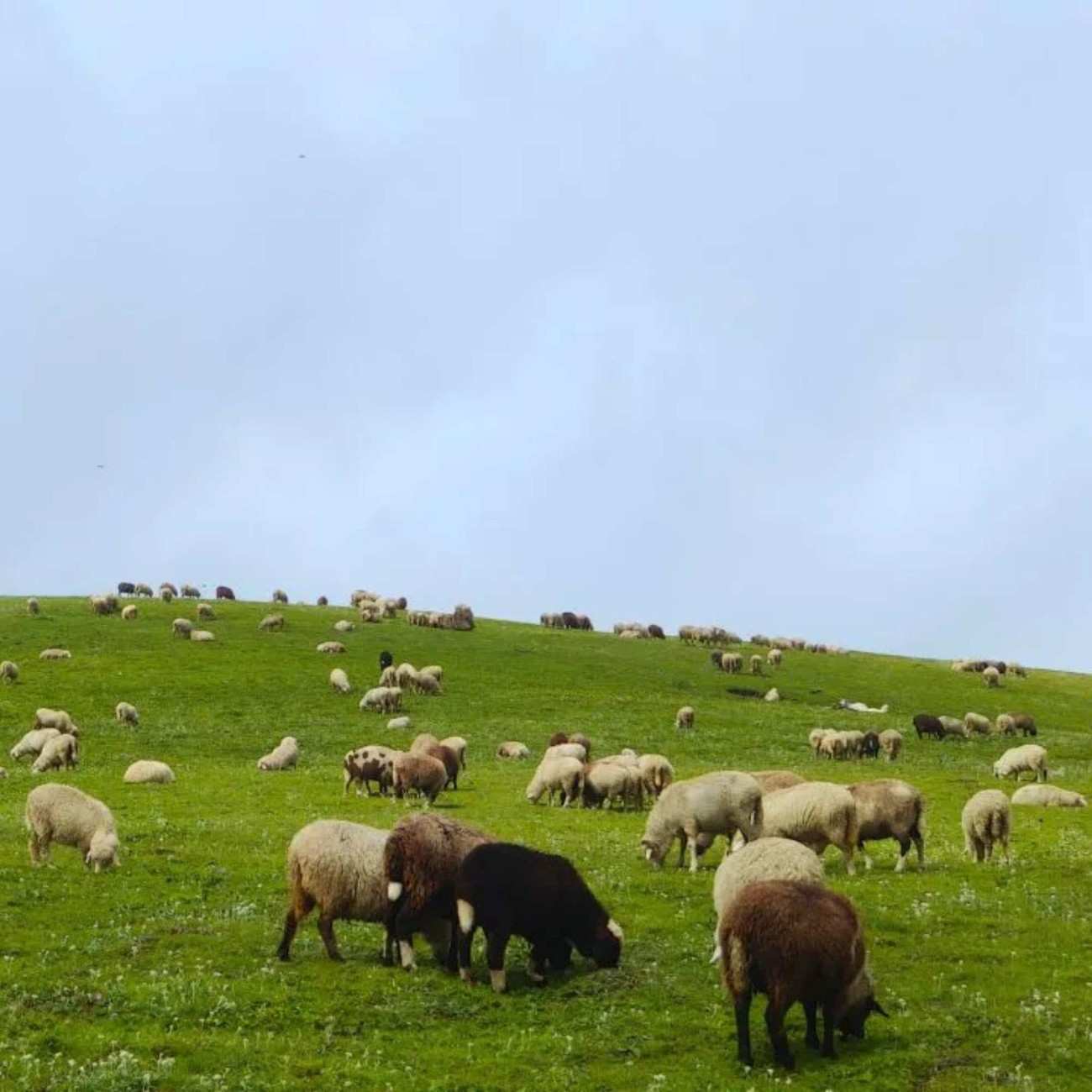 8D/7N
8D/7NMost Loved 4x4 Pabbar Valley Expedition With Giri Ganga Kuppar Bugyal Chanshal Pass and Dodra Kwar
1D Kharapathar / Kotkhai•2D Rohru / Chirgaon (Pabbar Valley)+1
₹32,999₹39,999SAVE INR 7,000/ person
Related topics
Frequently Asked Questions
How many days are enough for Chanshal Pass?
Four days is enough for most travellers and feels balanced. Three days works if you are short on time, and five days is best from Delhi.
Can Chanshal Pass be done in 3 days?
Yes, but it is rushed. You will spend most of the three days driving, with little buffer if the road or weather causes a delay.
What is the best 4 day Chanshal Pass itinerary?
Reach Rohru or Kharapathar on Day 1, take a slow Pabbar Valley day on Day 2, do the pass via Larot on Day 3, and return on Day 4.
What is the best 5 day Chanshal Pass itinerary from Delhi?
Break the drive on Day 1, reach Rohru on Day 2, do the pass on Day 3, keep Day 4 as an optional slow day, and return on Day 5.
Is Chanshal Pass open in 2026?
Rohru to Chanshal Pass was listed open on 11 June 2026 on a live road status page. Always verify again with a local operator or the administration before you leave.
What is the best time to visit Chanshal Pass?
Late June, September and October are the best windows. The road is normally open from May to November and closed the rest of the year due to snow.
Which vehicle is best for Chanshal Pass?
A high-ground-clearance SUV is the most comfortable. Bikes are possible in the right season, but the rough sections make ground clearance a real advantage.
Can small cars go to Chanshal Pass?
They can in good, dry conditions, but they should avoid slush, monsoon, fresh snow and late-evening driving. The rough stretches are hard on small cars.
Do I need a permit for Chanshal Pass?
No official permit page was found, and an older guide says no special permit is needed for Chanshal or Dodra Kwar. Confirm the current rule before travel.
Where should I stay for Chanshal Pass?
Rohru is the most practical base for hotels, fuel and ATMs. Larot and Dodra Kwar stays are limited, so pre-book and verify if you want to sleep closer.
Is Chanshal Pass safe for families and couples?
Yes, with a slower 4 or 5 day plan, good timing and a verified road status. The risks come from the road, weather and altitude, not the destination itself.
Can Chanshal Pass be combined with Dodra Kwar or Giri Ganga?
Yes. Giri Ganga fits well as a slow-day stop, and Dodra Kwar lies beyond the pass, so only add it with confirmed road status.
More about Chanshal Pass
 Chanshal Pass
Buran Ghati Trek Complete Guide 2026: Route, Cost, Difficulty, Best Time
Planning the Buran Ghati Trek in 2026? Explore the complete guide covering the route, itinerary, cost, difficulty, best time to visit, fitness tips, and essential trekking advice.
- Things to Do
 Chanshal Pass
Chandranahan Lake Trek 2026: Source of the Pabbar River
Discover the Chandranahan Lake Trek 2026, a breathtaking Himalayan adventure to the sacred source of the Pabbar River in Himachal Pradesh. Explore pristine alpine meadows, glacial lakes, and spectacular mountain landscapes with this complete trekking guide.
- Things to Do
 Chanshal Pass
Treks in Pabbar Valley: The Complete List for 2026
Planning to explore the treks in Pabbar Valley in 2026? This complete guide covers the region's best hiking trails, difficulty levels, ideal seasons, trail highlights, and essential planning tips for discovering one of Himachal Pradesh's most rewarding trekking destinations.
- Things to Do