
Chanshal Pass in September 2026: Weather, Road Status, Itinerary and Local Travel Tips
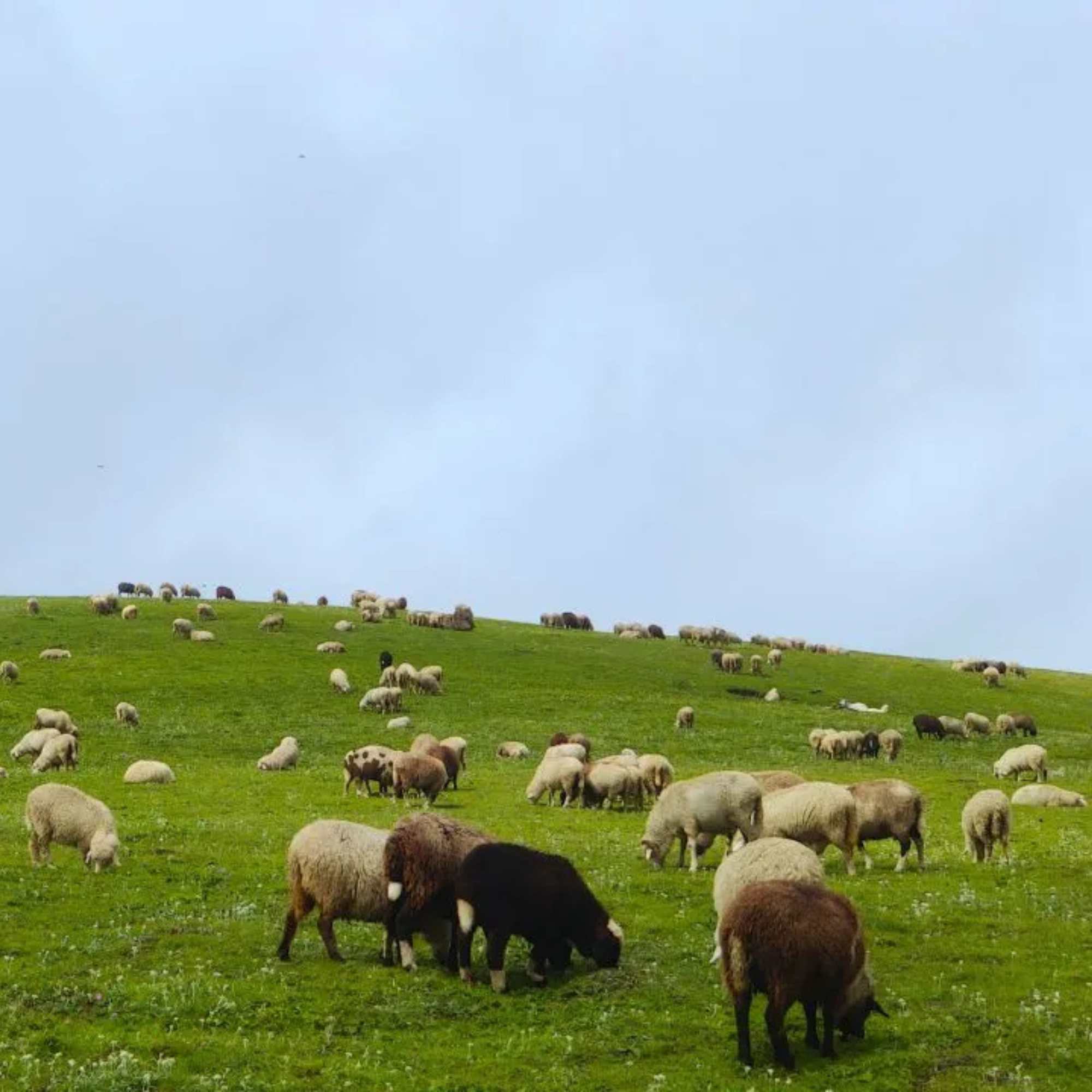
If you are planning Chanshal Pass in September, you have picked one of the better months to do it. The monsoon usually starts backing off by mid September, the views open up, and the road normally sits inside the open season.
But Chanshal is not a smooth hill-station drive. The last stretch after Larot is rough, the wind at the top cuts straight through you, and there is almost nothing up there in terms of facilities.
This guide by Travel Coffee gives you the real picture. Road status, weather week by week, vehicle advice, a clear itinerary, and the things we actually tell our own travellers before they leave Shimla.
Quick Answer: Is September Good for Chanshal Pass?
Yes. September is one of the better months for Chanshal Pass, especially mid to late September when the monsoon usually weakens.
The road generally stays open from May to November, so September sits inside the window. But check the Rohru to Chanshal road status before you leave, because rain and landslides can change things fast.
Expect cold winds at the top, rough roads after Larot, and very basic facilities along the way.
And do not go expecting snow. September is about open roads and big valley views, not a guaranteed white landscape.
>>Want current road and weather updates? Message us on WhatsApp.
What Is Chanshal Pass and Why Is It Special?
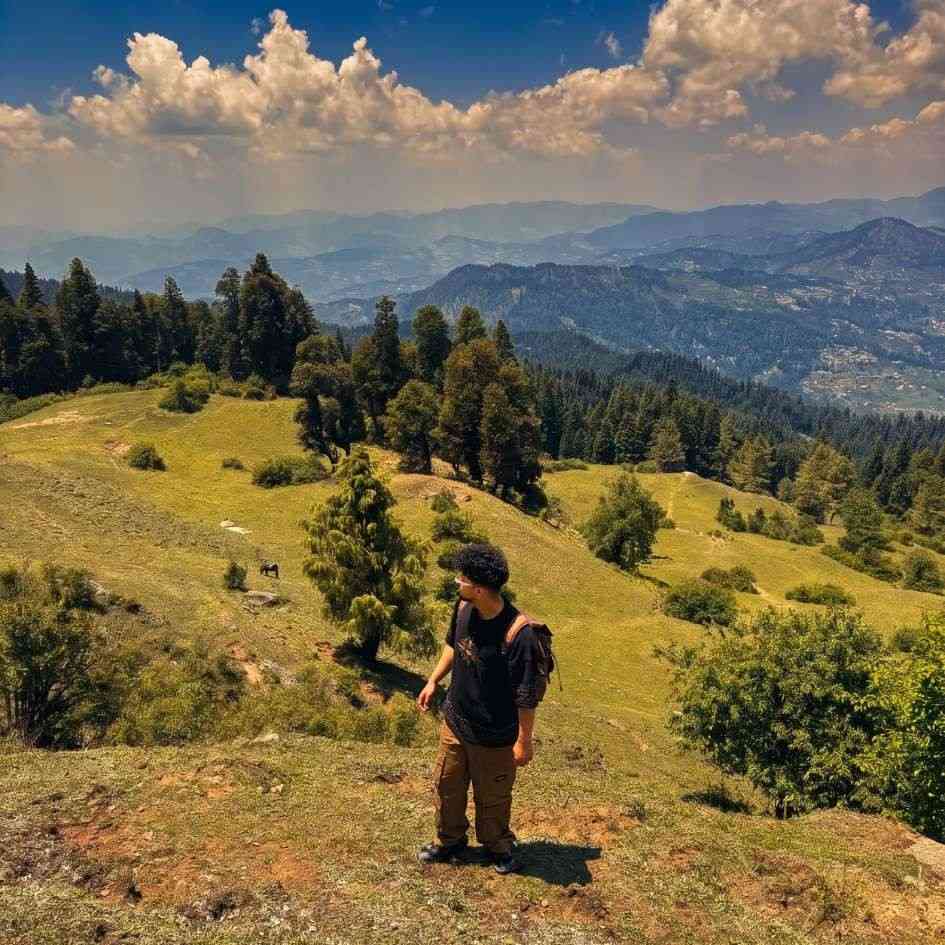
Chanshal Pass sits in Shimla district, Himachal Pradesh. The official Shimla District page lists the pass area altitude as 3,755 m, with Chanshal Peak going up to 4,520 m as listed by HPTDC.
The pass connects the Rohru and Chirgaon side with the remote Dodra Kwar Valley. You reach it through Larot, which is the last real settlement before the climb.
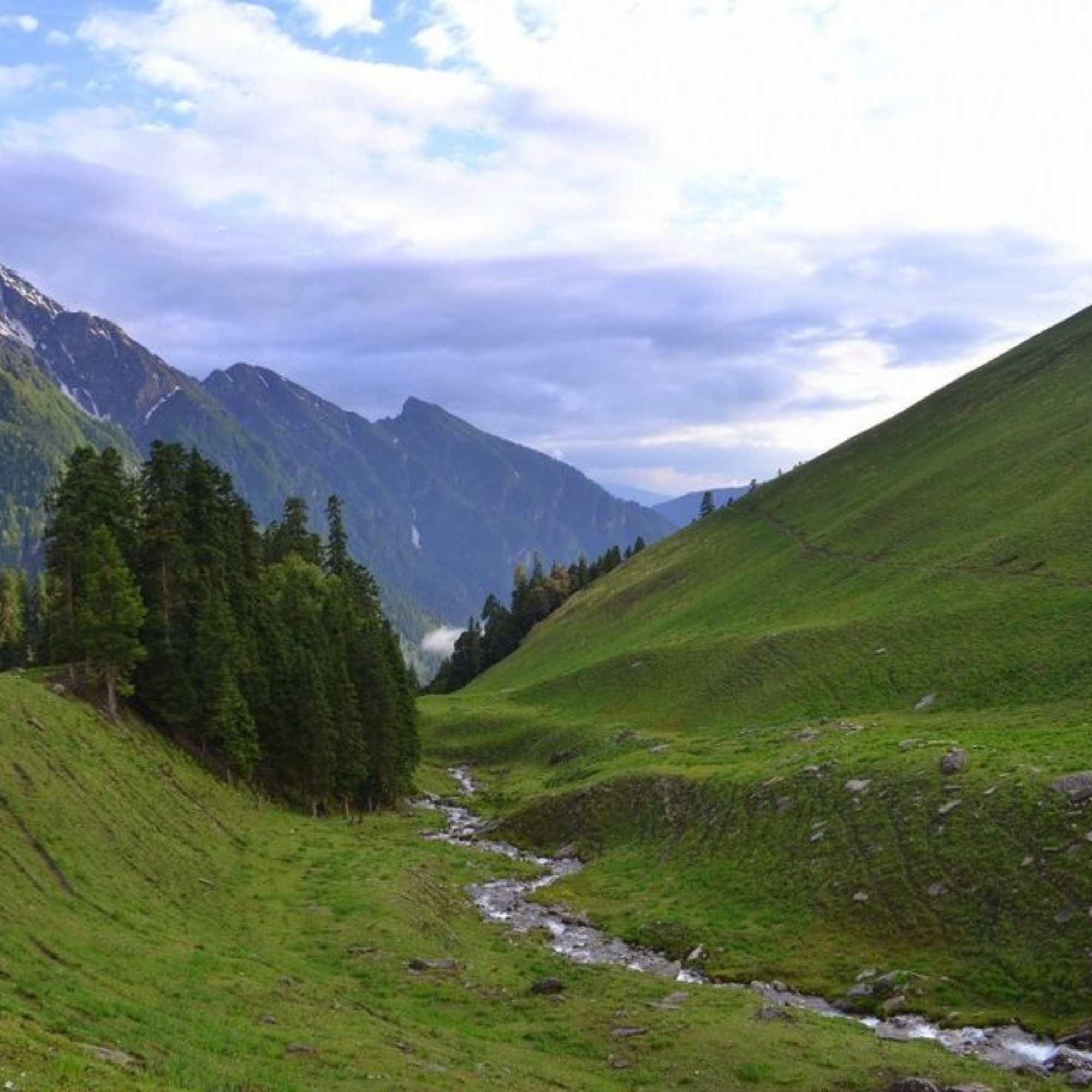
What makes it special is how raw it still feels. This is Pabbar Valley country, with apple orchards lower down and open meadows higher up.
The roads here are not polished. The wind never really stops at the top. And you will not see the tourist crowds you get on the Shimla and Manali routes.
In our experience running trips across this belt, Chanshal lands with people who have already done the usual Himachal circuit and now want something quieter and rougher.
If you want a base to build the trip around, our Shimla tour packages cover stays and transport on this side of the state.
What Most Tourists Get Wrong About Chanshal
Most people treat Chanshal as a quick weekend dash and push past Larot late in the evening to reach the top in one go.
That single rushed decision is what causes trouble. You hit the roughest stretch in fading light, the wind picks up, and a manageable drive turns stressful.
Give yourself a night at Rohru or Larot first. The pass is always better when you reach the bad road fresh in the morning.
Is Chanshal Pass Open in September 2026?
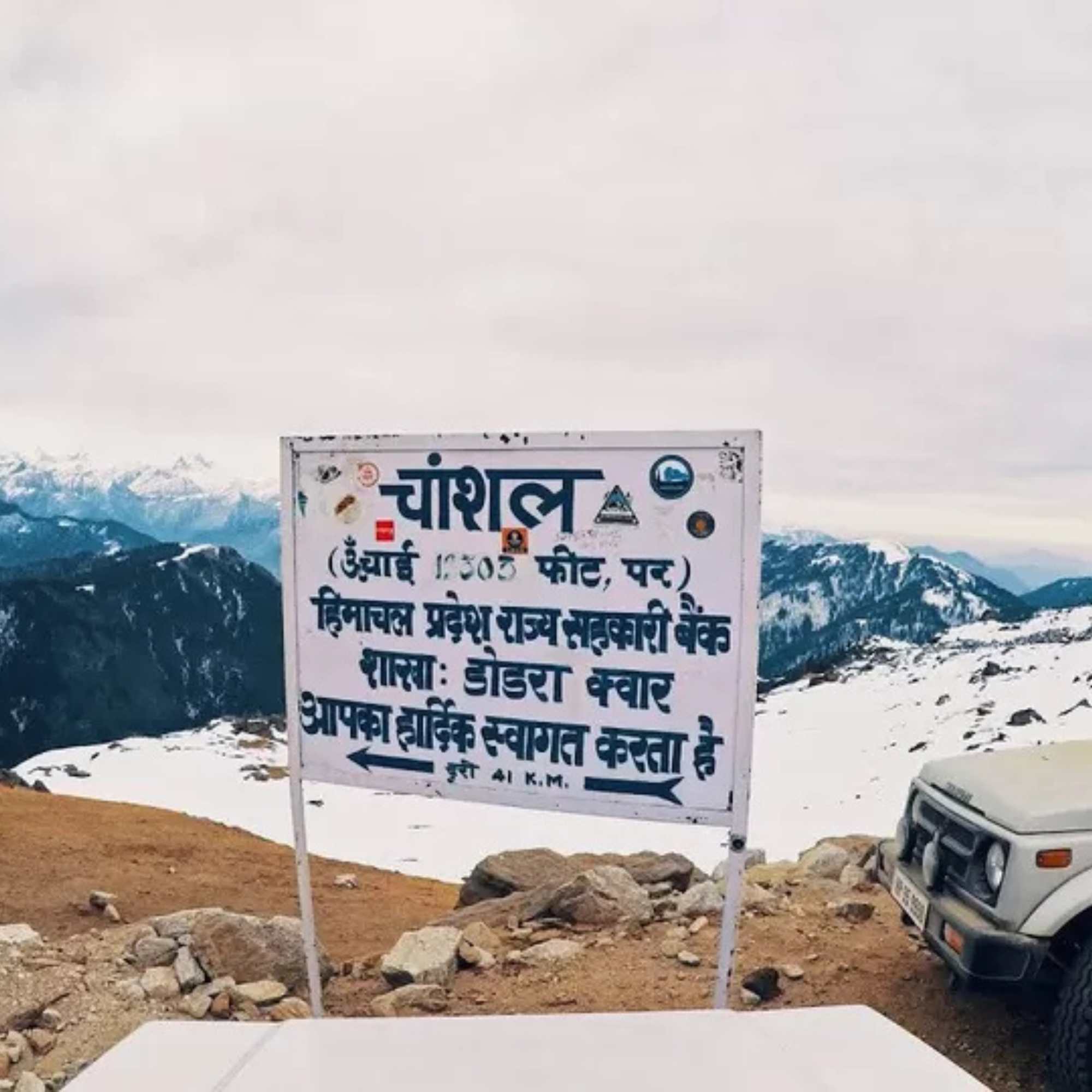
The road to Chanshal Pass is generally open from May to November according to the Shimla District official page, and closed through the snow season. September normally falls comfortably inside that travel window.
That said, an open season does not mean open every single day. Road status in Himachal still shifts because of rain, landslides, repair work, or local decisions.
A third-party road tracker listed Rohru to Chanshal Pass as open on 11 June 2026. That is useful as a signal, but it is not a guarantee for your travel dates.
So check again close to your trip. The smartest move is a quick local check at Rohru before you head toward Larot.
What we tell every traveller is simple. Treat the road as open in principle for September, but confirm it as open in practice the week you actually go.
The cleanest way to check is to ask people on the ground. A local stay owner, a Rohru taxi driver, or our own team will know the real condition of the Larot stretch before any website updates.
Blogs and old forum posts are the worst source for this. A road that was fine last September means nothing for the exact week you plan to drive.
Chanshal Pass Weather in September
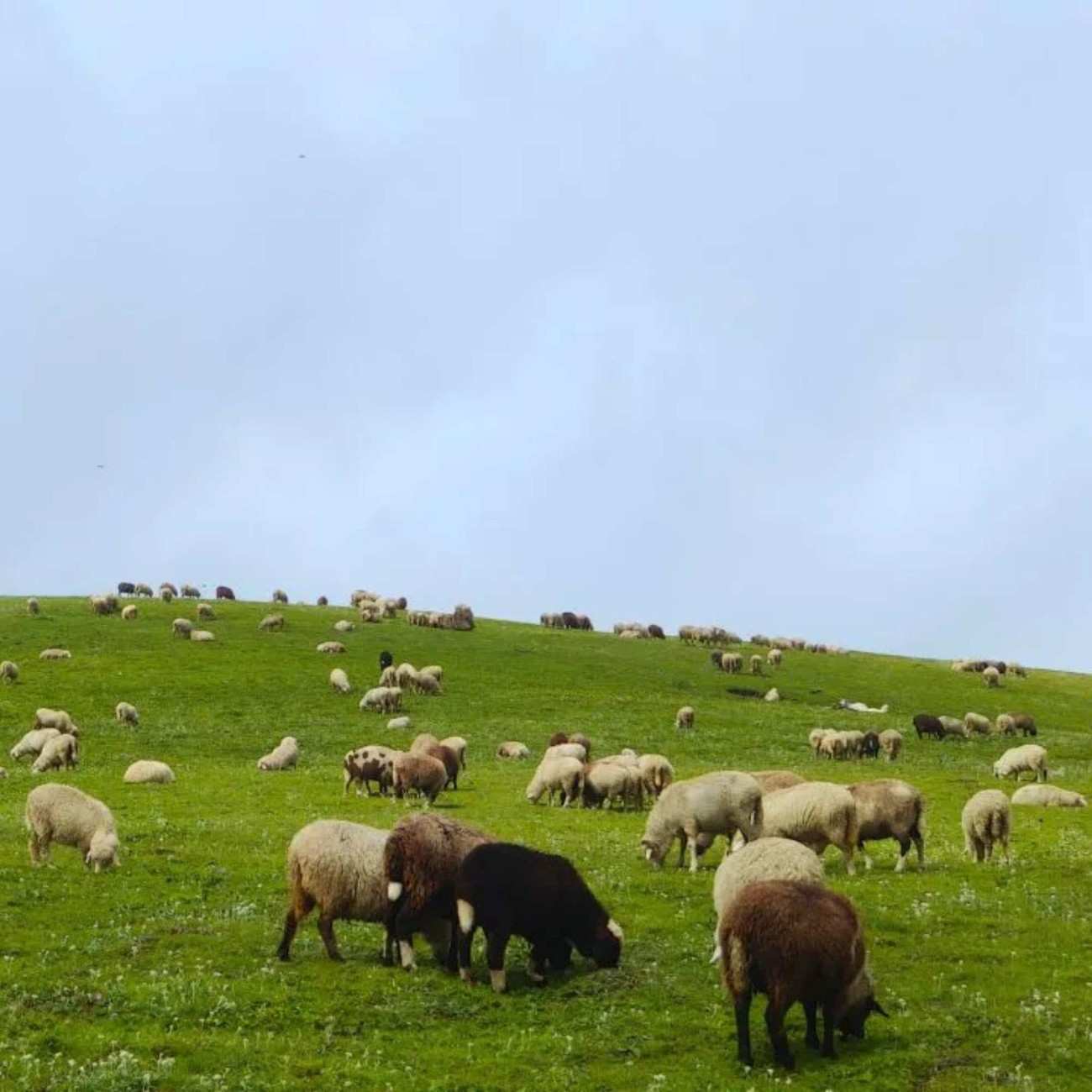
The weather for Chanshal Pass in September really splits into two halves, and the difference matters a lot for your trip.
Early September
Early September can still carry leftover monsoon risk. You may hit fog, low cloud, and wet patches on the road, especially on the climb after Larot.
The valley can still be green and pretty, but views get hidden behind cloud, and the rough sections turn slippery when wet.
Mid to Late September
Mid to late September is usually the better window. The rain eases, the air clears, and you get the kind of sharp valley views photographers come for.
Roads also dry out, which makes the final stretch a little less punishing.
One thing catches almost everyone off guard. Even when Rohru feels mild and comfortable, the pass top can feel very cold because of the wind.
We have seen travellers reach the top in a hoodie, step out of the car, and rush straight back in. Carry proper warm layers even on a sunny day.
Road Conditions in September: Rohru to Larot to Chanshal Top
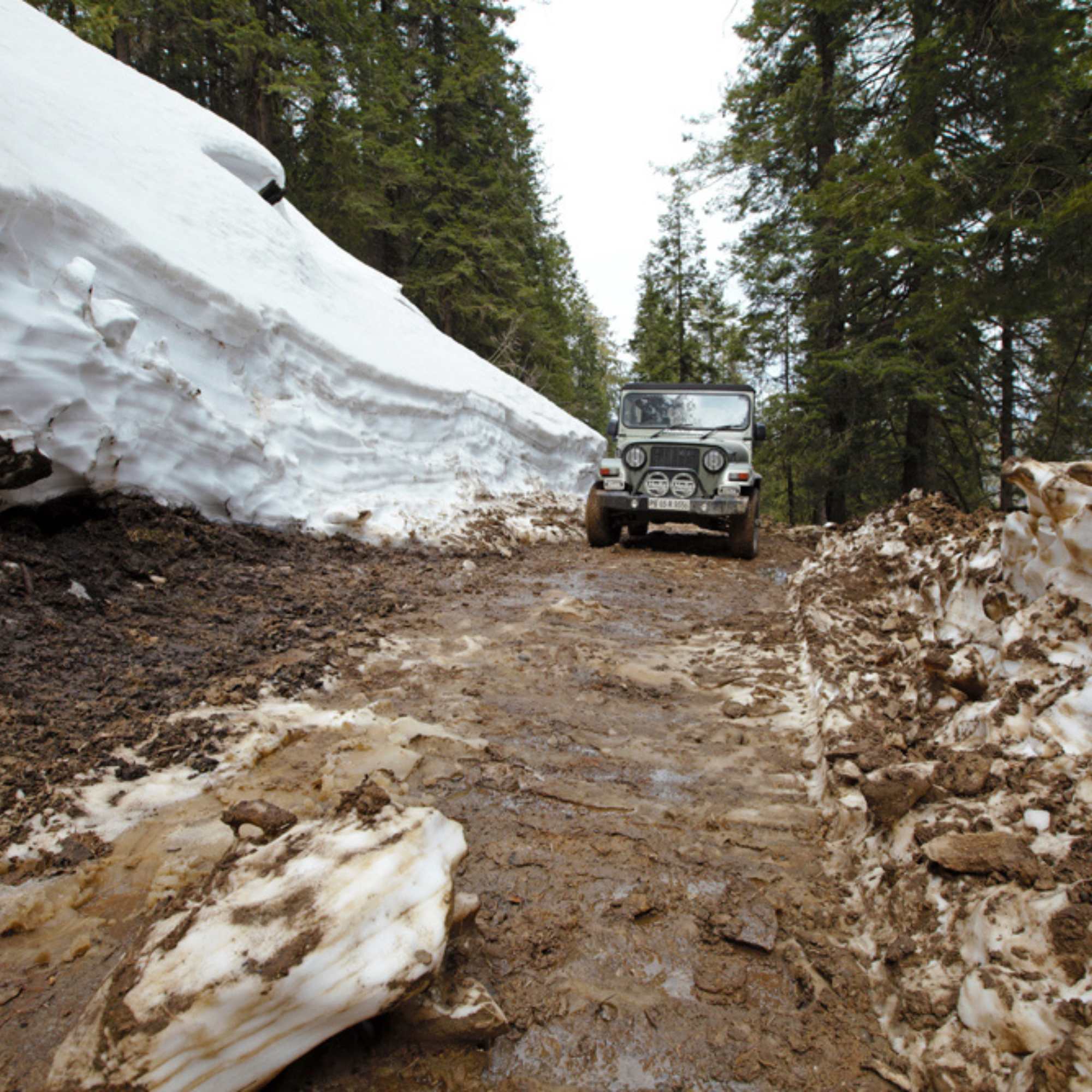
The drive runs from Rohru to Chirgaon to Larot and then up to the Chanshal top.
According to Discover with Dheeraj, Rohru to Chanshal Pass and back is around 100 to 110 km. Rohru to Chirgaon is about 20 km, and the final Larot to Chanshal stretch is about 20 km.
The first part, up to Larot, is the easier section. It is the kind of mountain road you expect in Himachal, with some rough patches but nothing extreme.
The last 20 km from Larot to the top is where it gets real. This stretch is rough, rocky, muddy in patches, and steep.
You will move slowly here. Loose surface, tight climbs, and the odd water crossing mean your average speed drops hard.
One road source claims this final climb has 55 hairpin turns. Whatever the exact count, expect a lot of tight switchbacks and a tiring drive.
Our drivers always plan this final stretch for daylight only. Doing it in the evening or in active rain is asking for trouble.
Can You Visit Chanshal Pass by Sedan, SUV or Bike in September?
Here is the honest vehicle verdict, because this question makes or breaks the trip.
By SUV
For the final climb, take an SUV or high-clearance vehicle. The ground clearance, traction, and suspension all matter on that last 20 km.
If you are booking a vehicle for this trip, get the SUV. Do not try to save money here.
By Sedan
A sedan may manage in dry conditions if the driver is careful and patient. But it can struggle on the rough sections and risks underbody hits, especially after rain.
This is exactly where the money tip comes in. Trying to push a sedan up to save on SUV rental often ends in a scraped underbody or a damaged part, which costs far more than the SUV would have. Skip the false saving.
By Bike
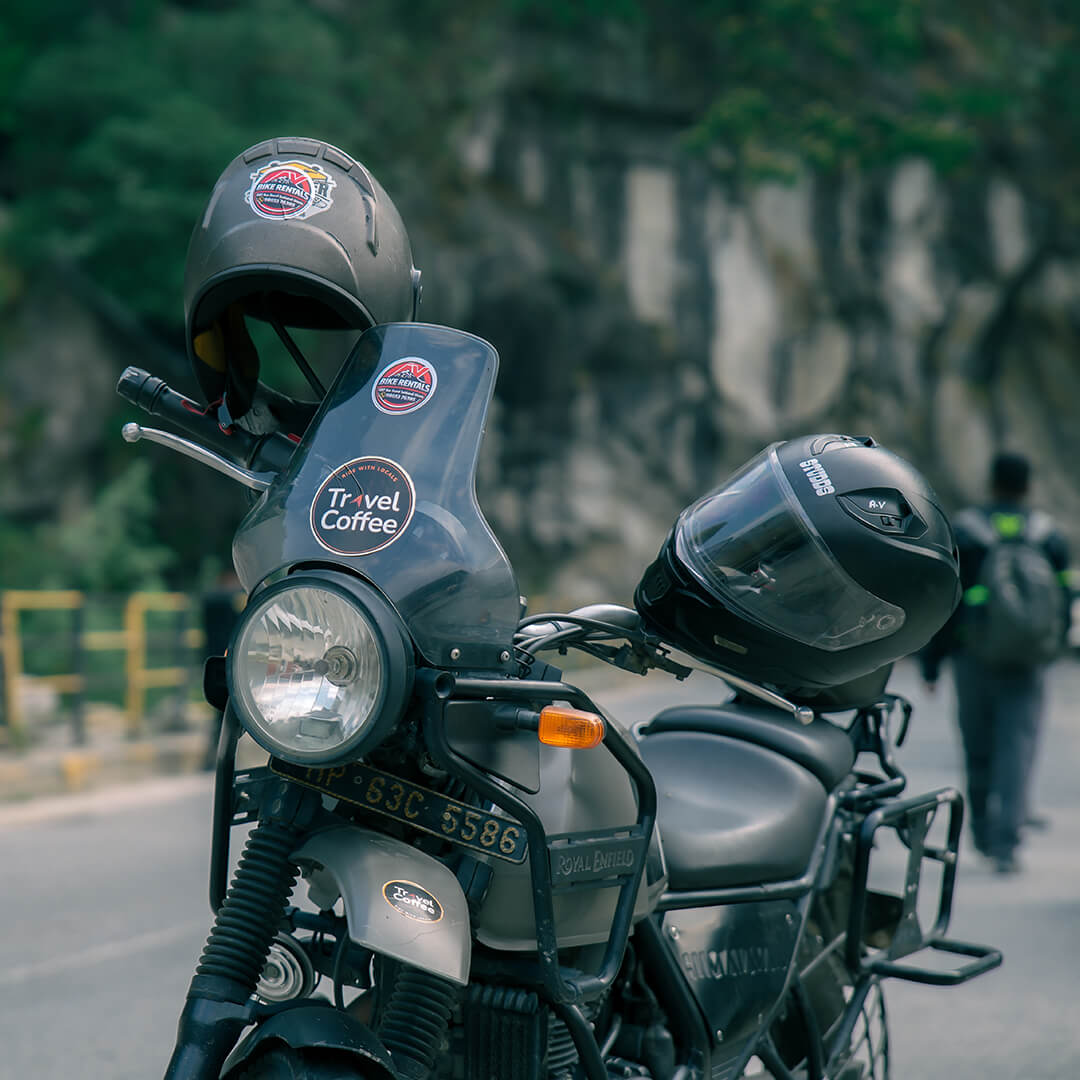
Bikes can do Chanshal Pass if the machine is serviced well and the rider is comfortable on rough mountain roads.
This is a proper road-trip pass for riders, not a beginner route. Loose gravel, steep climbs, and wind at the top all test you.
Whatever you ride or drive, two rules stay fixed. Do not drive late in the evening on the upper stretch, and do not push ahead through active rain or thick fog.
Is There Snow at Chanshal Pass in September?
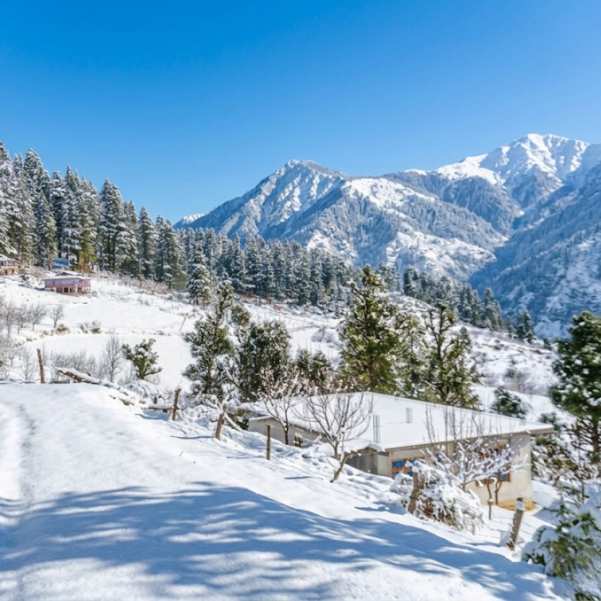
Short answer. Do not plan Chanshal Pass in September for guaranteed snow.
September is better for open roads, wide valley views, the apple belt scenery of Pabbar Valley, windy meadows, and an offbeat road-trip feel.
You might get a dusting on the high peaks if the weather turns, but that is luck, not a plan. If snow is your main goal, September is the wrong month to bet on it.
This is one of those expectations we reset early. People picture a white pass and arrive to brown-gold meadows and big skies, which is its own kind of beautiful once you let go of the snow idea.
Best Route to Chanshal Pass in September
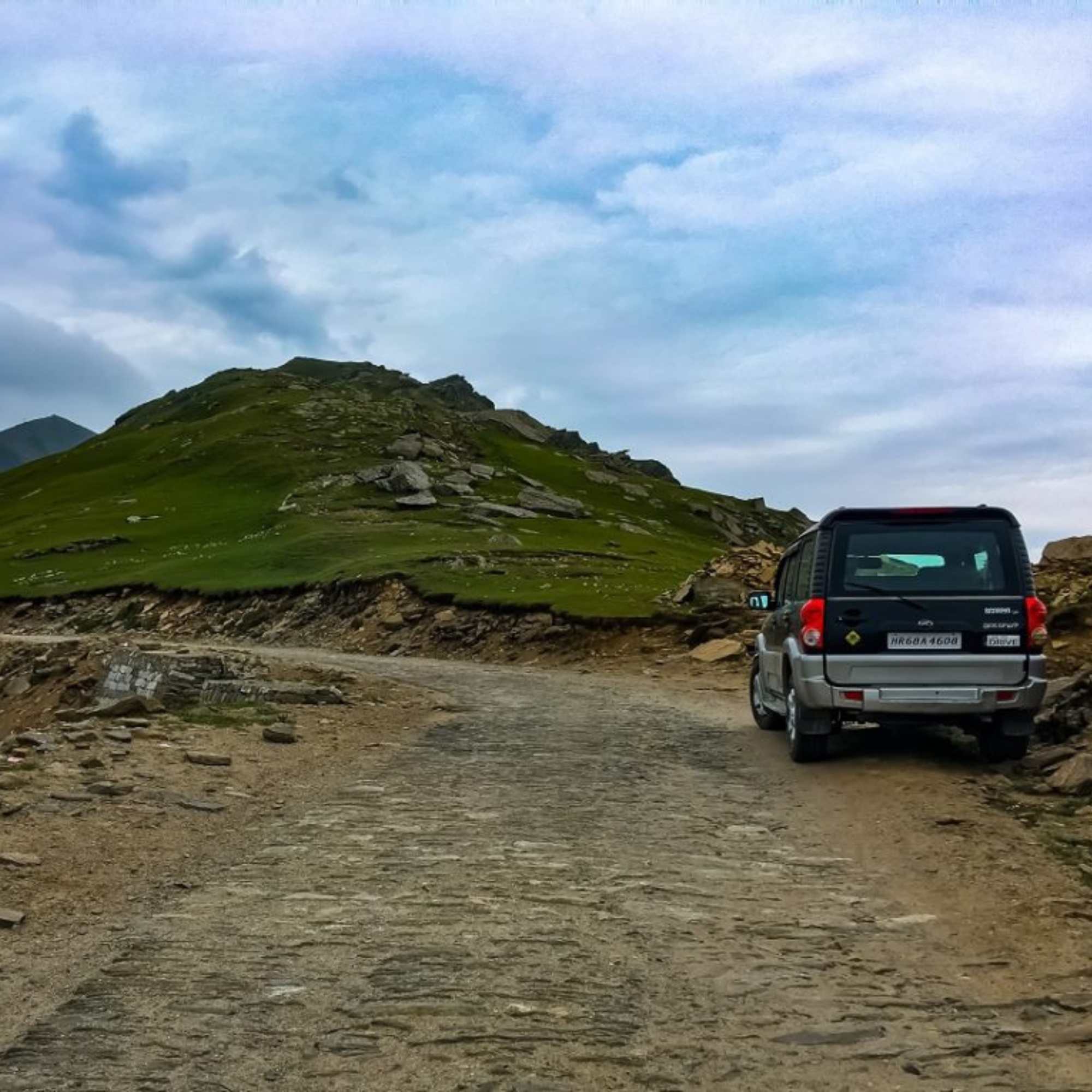
Most travellers reach Chanshal through Rohru, no matter where they start. Here is how the main routes work.
Shimla to Chanshal Pass
Chanshal is about 160 km from Shimla according to the Shimla District official page.
There are two official route options. Route one runs Shimla, Theog, Kotkhai, Kharapathar, Hatkoti, Rohru, Larot, Chanshal Pass.
Route two runs Shimla, Theog, Narkanda, Tikkar, Rohru, Larot, Chanshal Pass.
HPTDC lists Shimla to Rohru as 108 km and around 3 hours. In real mountain conditions, that timing can stretch, so do not plan your day to the minute.
Between the two route options, the choice often comes down to the season and your stops. The Hatkoti route gives you a temple stop and the apple-belt feel of the lower Pabbar Valley.
The Narkanda route works well if you want to break the drive at Narkanda itself, which sits higher and helps your body start adjusting to altitude.
Either way, Rohru is the point where every route funnels together before the climb toward Larot and the pass. Plan your fuel, food, and cash around reaching Rohru in good shape.
Chandigarh to Chanshal Pass
HPTDC lists Chandigarh to Rohru as 225 km and around 6 hours.
If you are coming with family or as a couple and reaching Rohru late, stop there for the night. Do not push beyond Rohru toward Larot in the dark just to save a day.
Delhi to Chanshal Pass
From Delhi, skip the rushed weekend idea. Plan a 3N/4D or 4N/5D trip instead.
The main flow stays Rohru, Larot, and Chanshal. The Chakrata side can work as a scenic alternative loop, but only if road status that week is favourable.
Suggested Chanshal Pass Itinerary for September
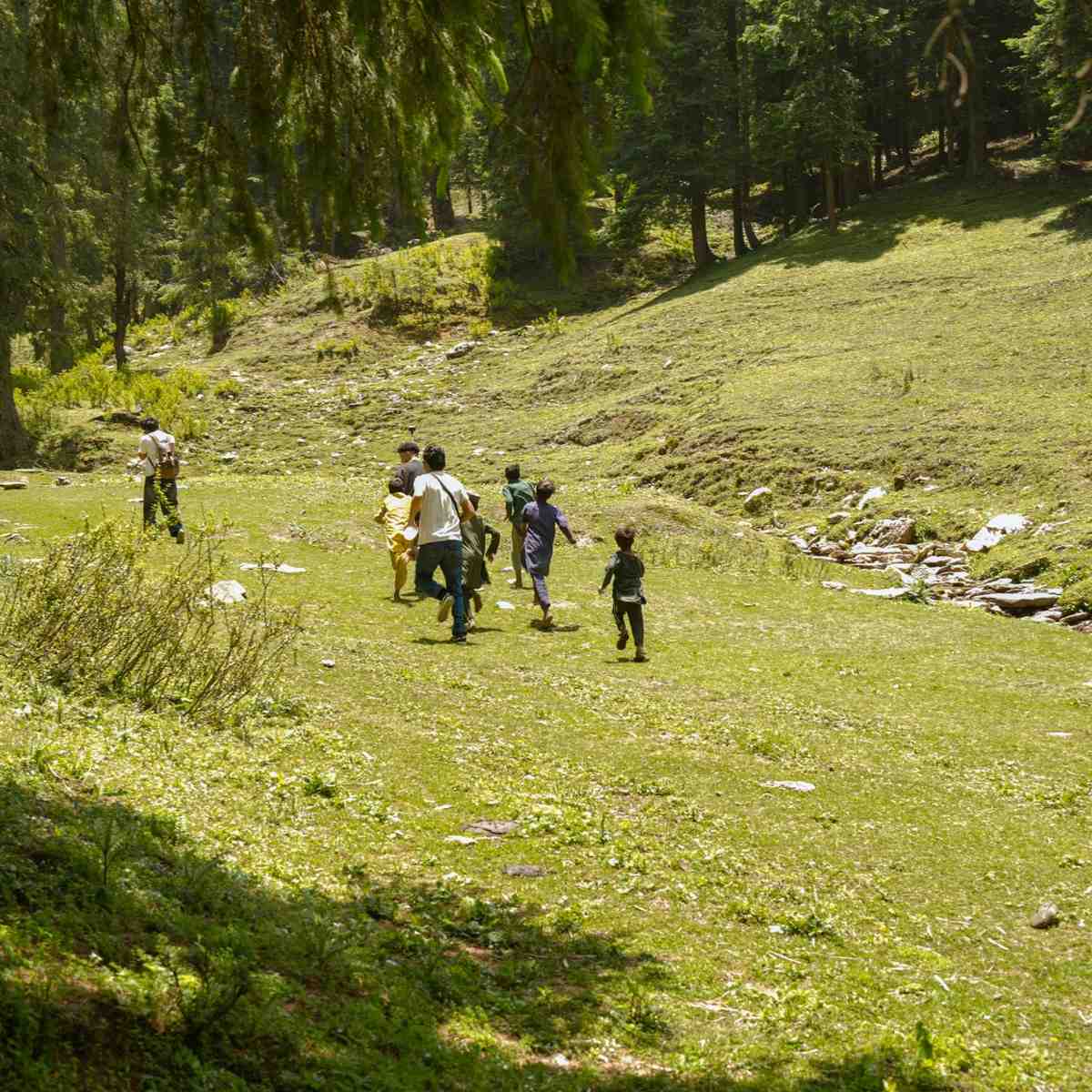
Here is a clean Chanshal Pass itinerary you can adjust to your start point and pace.
2N/3D from Shimla or Chandigarh
Day 1, drive to Rohru or Larot and settle in for the night.
Day 2, do Chanshal Pass as a day trip and return to Rohru or Larot by evening.
Day 3, head back via the Hatkoti or Narkanda side depending on the route you chose.
3N/4D from Delhi
Day 1, Delhi to Rohru or Narkanda.
Day 2, Rohru to Larot with slow, relaxed Pabbar Valley travel along the way.
Day 3, Chanshal Pass day trip and back to your base.
Day 4, return drive.
4N/5D Relaxed Offbeat Himachal Plan
This version adds Pabbar Valley, Giri Ganga, or Narkanda depending on road status.
It is the most comfortable way to do the area without rushing. We can tune the exact mix based on whether you are a couple, a friends group, a family, or a biker.
The big advantage of the longer plan is the buffer. If the Larot stretch is wet or the weather closes in on your chosen day, you simply shift the pass day by one and still have time in hand.
On every version, do the pass day as an early start. Reach the top in the morning while the light is clean and the wind is usually calmer, then drop back down before the afternoon cloud builds.
If you want to pair this with a deeper offbeat run, our Kinnaur tour packages connect well with this side of Himachal.
Where to Stay Near Chanshal Pass in September
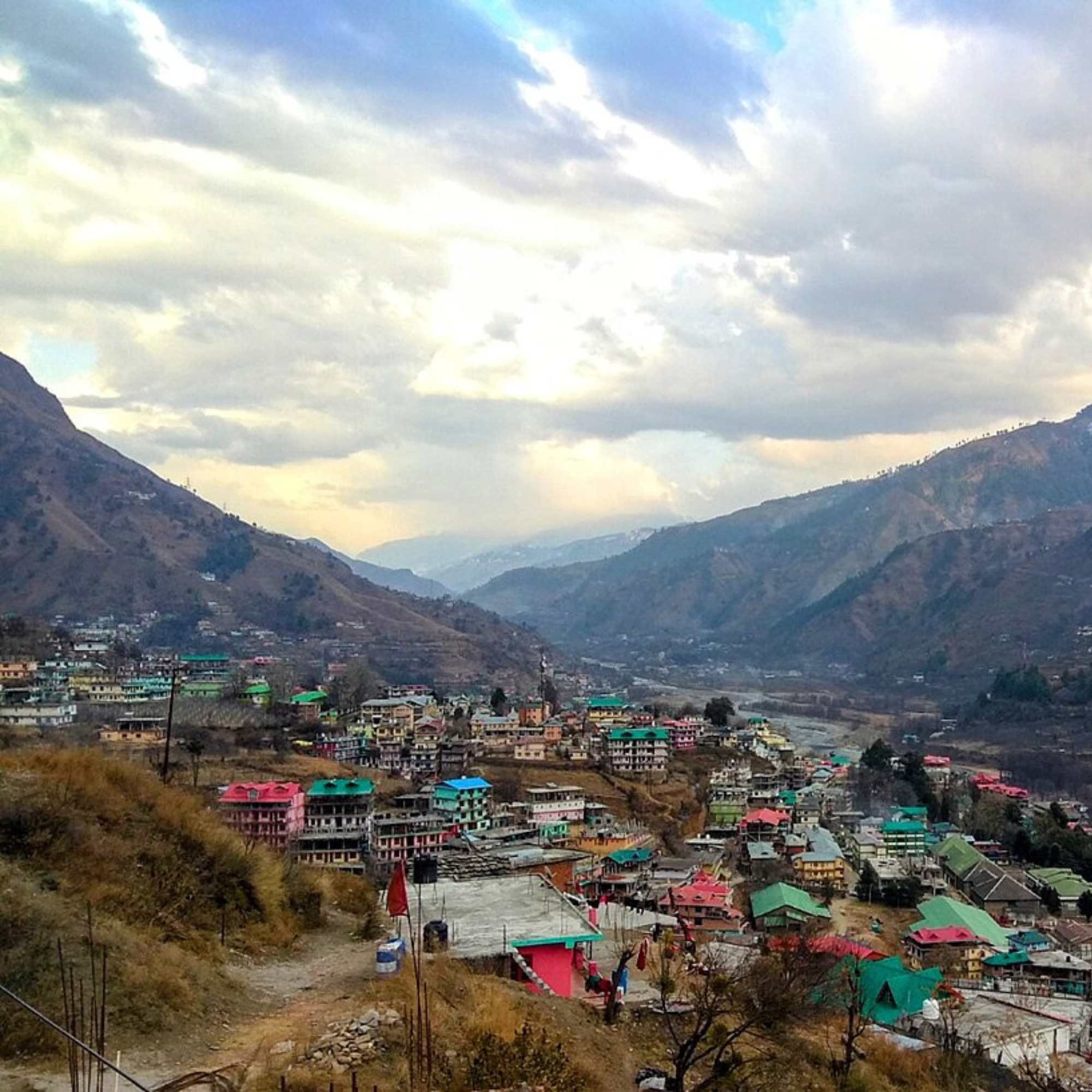
Your stay choice comes down to comfort versus closeness to the pass.
Rohru
Rohru is the practical base. It has more reliable hotels, proper food, fuel, and ATMs. If you want a comfortable bed and a real meal, sleep here.
Larot
Larot is the simpler, more local option. It is closer to the pass but basic, so set your expectations low on facilities.
A known stay option is HPTDC Hotel Chanshal in Rohru, near the Circuit House on the Hatkoti-Rohru road. Its facilities include a restaurant, parking, taxi on demand, doctor on call, card payment, and a public washroom.
For a camp-style stay, Chanshal Camps and Resort in Chirgaon is also listed. Prices there are dynamic, so confirm before booking.
Here is an honest negative worth saying plainly. There are no hotels at the pass top. So do not waste time hunting for a fancy stay near Chanshal itself. Book in Rohru, save the money, and do the pass as a day trip.
Food, Fuel, ATMs and Network
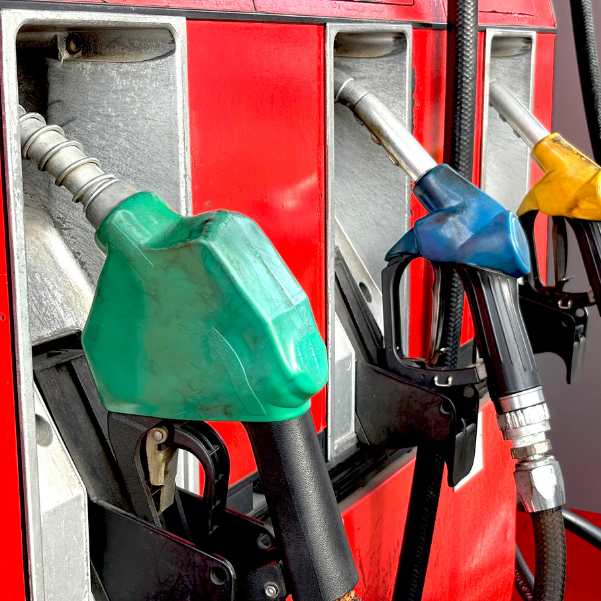
This section quietly decides how smooth your trip feels.
Fuel up fully at Rohru. Sources say there is no fuel station beyond Rohru toward the pass, so a half tank is a real risk.
Rohru also has ATMs. Pull out enough cash here, because beyond town the dhabas and small stays often will not take cards or UPI reliably.
Food becomes basic once you leave Rohru. Rohru is your last spot for a proper hot meal, so eat well before you head toward Larot, and carry some snacks for the road.
Network gets unreliable or drops out near Larot and at the pass top. Download offline maps before you lose signal, and tell someone your plan.
One small thing our drivers always carry is a thermos of hot tea or soup filled at Rohru. At the top, with the wind going, a warm drink does more for you than anything you will find up there, because there is no cafe waiting at the pass.
And keep a rough mental note of fuel. If your tank dips toward half on the way up, that is your cue to plan the return carefully, since the next pump is back down at Rohru.
What to Pack for Chanshal Pass in September

Pack for cold even on a warm-looking day, because the wind at altitude changes everything.
Carry a warm jacket and a windproof layer as your two non-negotiables, plus a rain cover since early September can still throw a shower at you.
Add good trekking shoes with grip, basic medicines for headache, nausea, and stomach issues, and enough cash since ATMs stop at Rohru.
Throw in a power bank, offline maps, snacks, and plenty of water, because facilities thin out fast after Rohru.
A torch helps for early starts and basic stays, a puncture kit is smart on these roads, and keep your ID proof and vehicle papers handy in case anyone checks at Rohru or beyond.
Is Chanshal Pass Safe in September?
Chanshal Pass in September is safe for travellers who come prepared. It is not a casual, polished hill-station drive, and treating it like one is where people get caught out.
The real risks are the altitude at 3,755 m, the strong wind at the top, the rough final 20 km, the limited facilities, and the weak network.
None of these are dramatic on their own. Together, they mean you need to plan rather than wing it.
Senior citizens with serious heart, breathing, or mobility issues should check with a doctor first and choose a private, flexible trip rather than a fixed group run.
Families with very young children should avoid rushed itineraries. Slow it down, keep buffer time, and stay at Rohru rather than pushing high in one shot.
We have run this route enough to know that the prepared travellers love it and the unprepared ones spend the trip stressed. The difference is almost always planning, not luck.
Do You Need a Permit for Chanshal Pass?
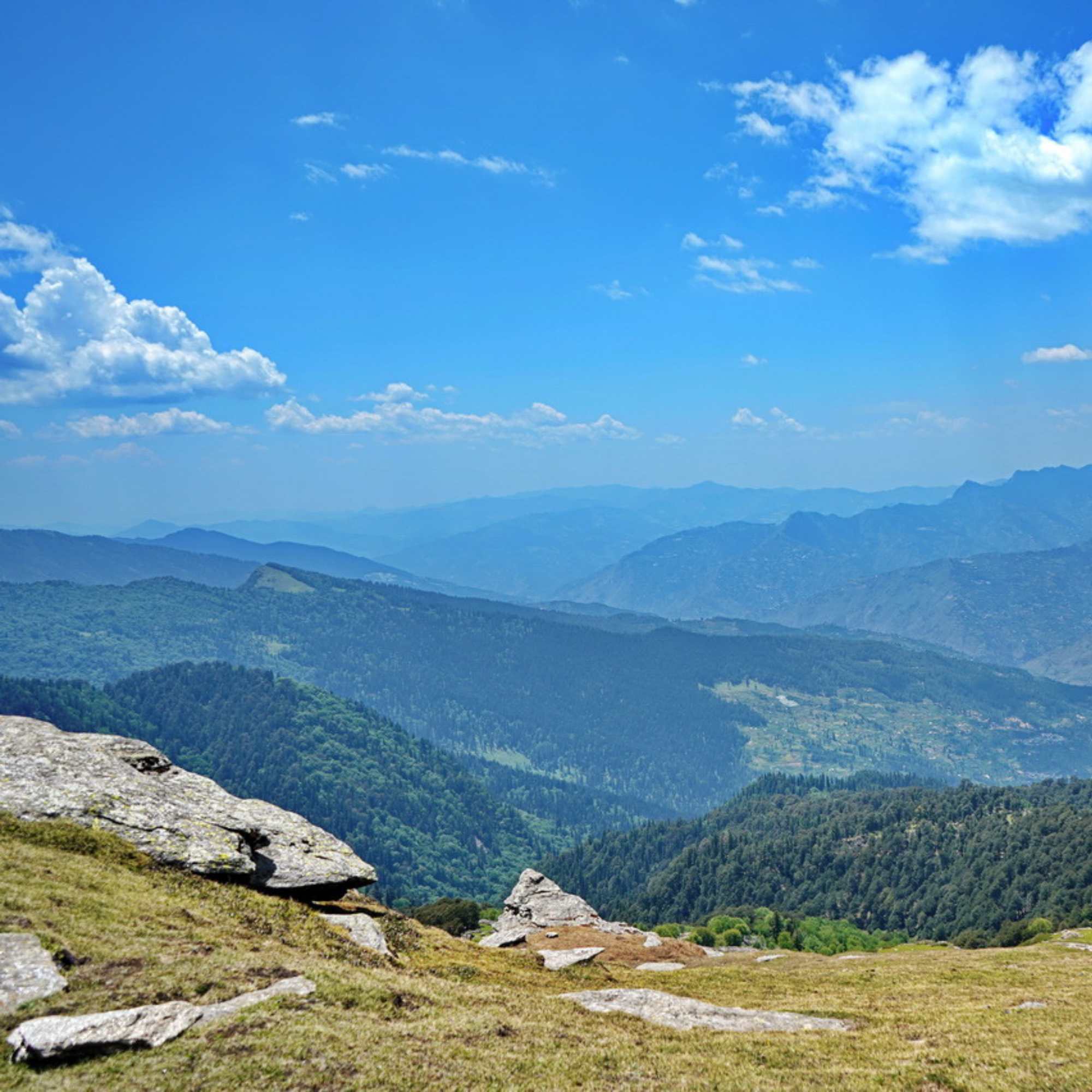
Here is the honest answer. Permit information for Chanshal Pass is conflicting online, and we will not pretend otherwise.
Some sources say a forest department permit is needed for the Chanshal Wildlife Sanctuary area. An older source says no permit is needed. The official district page does not clearly mention a permit either way.
So we are not going to make a final yes-or-no claim.
What you should do is straightforward. Carry your ID proof and vehicle papers, and verify the current permit position locally at Rohru before you head toward Larot and the pass.
A five-minute check in town beats getting turned back higher up.
Chanshal Pass vs Other Offbeat Himachal Trips in September
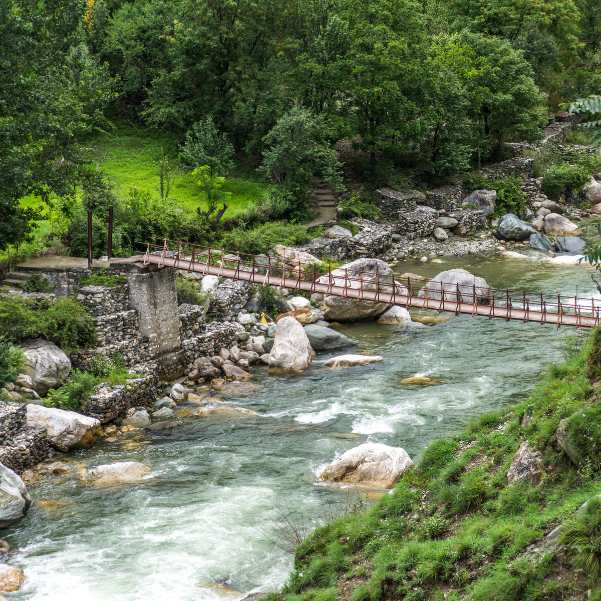
If you are weighing Chanshal against the usual offbeat names, here is the straight comparison.
Chanshal
Chanshal is more raw, remote, windy, and road-trip focused than almost any of them. It is about the drive, the meadows, and the silence, not cafes or nightlife.
Jibhi and Tirthan
Jibhi and Tirthan are greener, gentler, and full of cosy stays and riverside cafes. Our Jibhi Tirthan Valley trips suit people who want calm over rough roads.
Kasol
Kasol is more social and backpacker-driven, with a buzzing cafe scene. Our Kasol tour packages fit travellers who want company and easy access.
Kinnaur and Spiti
Kinnaur and Spiti are the bigger, higher, longer expeditions. If Chanshal sparks the high-altitude itch, our Spiti Valley tour packages are the natural next step.
Chanshal suits road-trip lovers, photographers, bikers, and travellers who have already done Shimla and Manali and now want something quieter and rougher.
Should You Book a Local Chanshal Pass Trip in September?
Chanshal is not hard, but it is fiddly. It needs route planning, honest vehicle judgement, the right local stay, road-status checks, and a backup plan if the weather turns.
That is exactly the kind of trip where a local team saves you stress. We are based in Shimla, Himachal Pradesh, and we plan and run this belt every season.
We can shape the trip for couples, friends groups, families, or bikers, and adjust it around live road conditions.
As a rough guide, our Delhi to Chanshal group trip usually runs around ₹8,999 to ₹12,999 per person, and our Chandigarh to Chanshal trip around ₹7,999 to ₹11,999 per person.
For the bigger loop, our Giri Ganga, Kuppar Bugyal and Chanshal trip usually runs around ₹11,999 to ₹16,999 per person.
If you would rather plan it slowly over a few messages, just WhatsApp us and we will take it from there.
>>Want a smoother Chanshal trip? Talk to our team on WhatsApp.
Explore Our Curated Chanshal Pass Tour Packages
- Group Tour5D/4N
Chanshal Pass Weekend Group Trip With Giri Ganga and Kuppar Bugyal
1D Kharapathar / Kotkhai•1D Rohru / Chirgaon (Pabbar Valley)
₹8,999₹12,999SAVE INR 4,000/ person 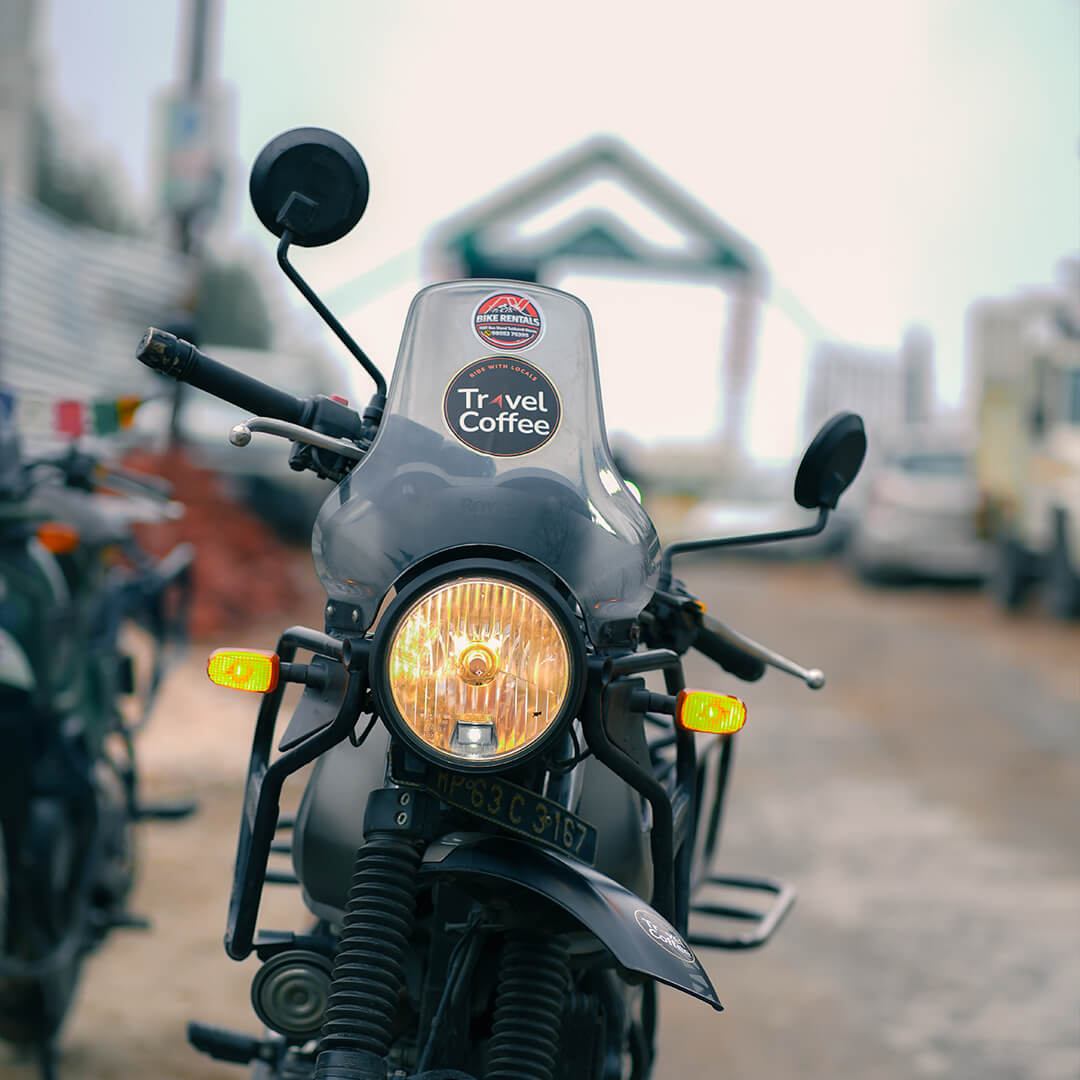 8D/7N
8D/7NUltimate Pabbar Valley Bike Expedition With Giri Ganga Kuppar Bugyal Chanshal Pass and Dodra Kwar
1D Kharapathar / Kotkhai•2D Rohru / Chirgaon (Pabbar Valley)+1
₹29,999/ person- 8D/7N
Most Loved 4x4 Pabbar Valley Expedition With Giri Ganga Kuppar Bugyal Chanshal Pass and Dodra Kwar
1D Kharapathar / Kotkhai•2D Rohru / Chirgaon (Pabbar Valley)+1
₹32,999₹39,999SAVE INR 7,000/ person
Related topics
Frequently Asked Questions
Is September a good time to visit Chanshal Pass?
Yes. Mid to late September is one of the better windows, with weaker monsoon, clearer views, and drier roads. Early September can still bring some rain and fog.
Is Chanshal Pass open in September?
Usually yes. The road generally stays open from May to November, so September sits inside the season. Always confirm the live road status before you travel.
How is the road condition from Rohru to Chanshal Pass in September?
The drive up to Larot is manageable. The final 20 km from Larot to the top is rough, rocky, muddy in patches, and steep, so it is slow going.
Can a sedan go to Chanshal Pass?
A sedan may manage in dry conditions with a careful driver, but it can struggle and risk underbody hits, especially after rain. An SUV is the safer choice.
Do I need an SUV or 4x4 for Chanshal Pass?
We strongly suggest an SUV or high-clearance vehicle for the last climb. It handles the rough surface, steep turns, and water crossings far better than a low car.
What is the temperature at Chanshal Pass in September?
It varies, but the pass top feels very cold because of the wind, even when Rohru feels mild. Carry warm and windproof layers no matter how sunny the day looks.
Is there snow at Chanshal Pass in September?
Do not count on it. September is about open roads and valley views, not guaranteed snow. Any snow you get on the high peaks is a bonus, not a plan.
How many days are needed for Chanshal Pass?
A 2N/3D trip works from Shimla or Chandigarh. From Delhi, plan 3N/4D or 4N/5D so you are not rushing the rough sections.
Where should I stay near Chanshal Pass?
Rohru is the comfortable base with hotels, food, fuel, and ATMs. Larot is simpler and closer to the pass. There are no hotels at the top itself.
Is Chanshal Pass safe for a bike trip?
Yes, if your bike is serviced well and you are comfortable on rough mountain roads. It is a real road-trip pass, not a beginner ride, so plan for daylight only.
Do I need a permit for Chanshal Pass?
The information is conflicting and there is no clear official answer. Carry ID and vehicle papers, and verify the current rule locally at Rohru before going beyond Larot.
Is there mobile network at Chanshal Pass?
Network gets unreliable or drops out near Larot and at the pass top. Download offline maps and tell someone your plan before you lose signal.
More about Chanshal Pass
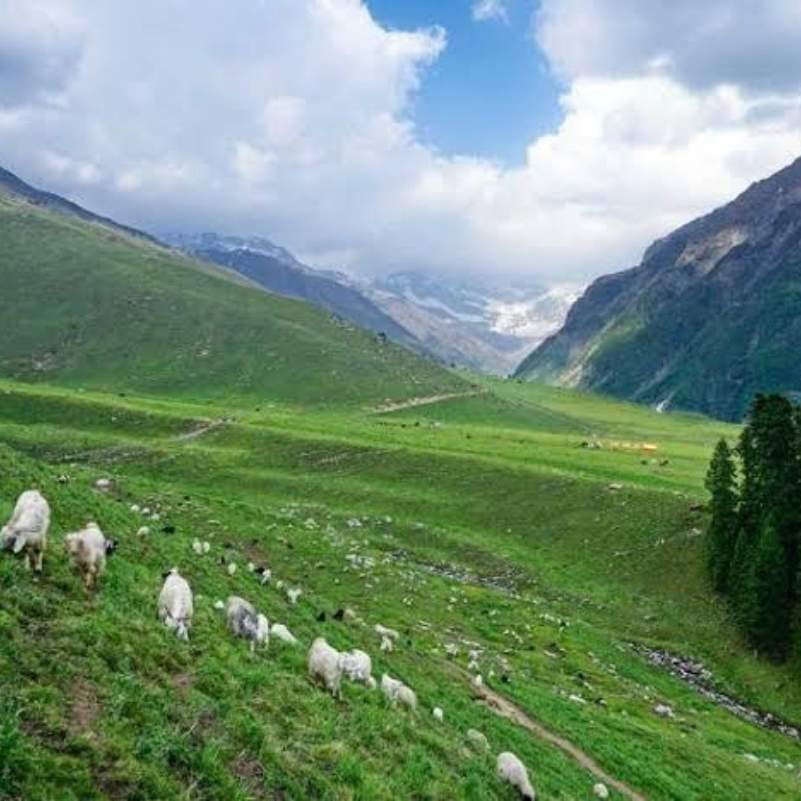 Chanshal Pass
Buran Ghati Trek Complete Guide 2026: Route, Cost, Difficulty, Best Time
Planning the Buran Ghati Trek in 2026? Explore the complete guide covering the route, itinerary, cost, difficulty, best time to visit, fitness tips, and essential trekking advice.
- Things to Do
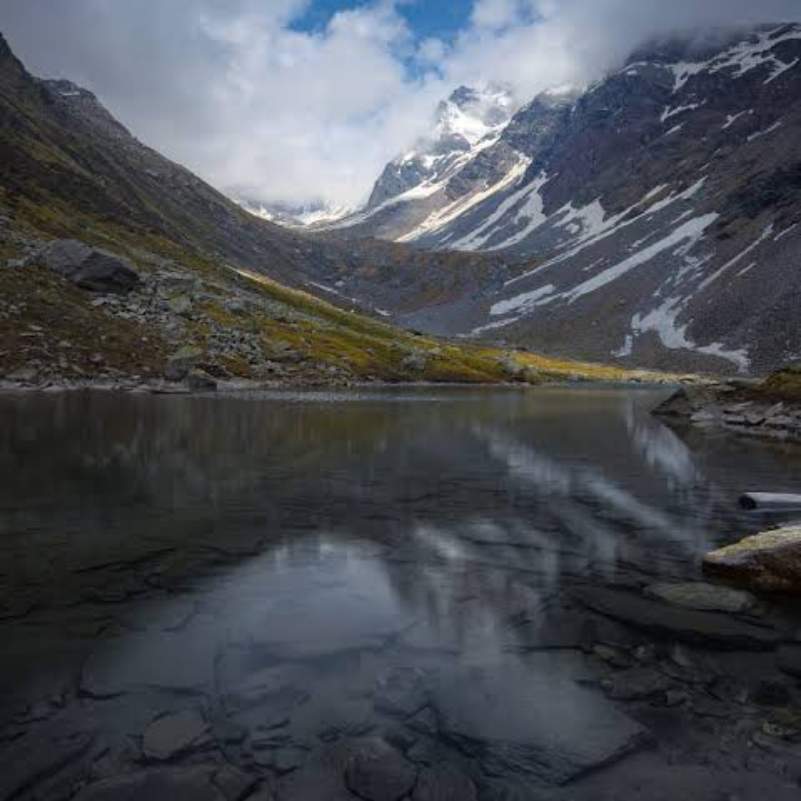 Chanshal Pass
Chandranahan Lake Trek 2026: Source of the Pabbar River
Discover the Chandranahan Lake Trek 2026, a breathtaking Himalayan adventure to the sacred source of the Pabbar River in Himachal Pradesh. Explore pristine alpine meadows, glacial lakes, and spectacular mountain landscapes with this complete trekking guide.
- Things to Do
 Chanshal Pass
Treks in Pabbar Valley: The Complete List for 2026
Planning to explore the treks in Pabbar Valley in 2026? This complete guide covers the region's best hiking trails, difficulty levels, ideal seasons, trail highlights, and essential planning tips for discovering one of Himachal Pradesh's most rewarding trekking destinations.
- Things to Do