
Chanshal Pass in June 2026: Road Status, Snow, Weather and Travel Guide
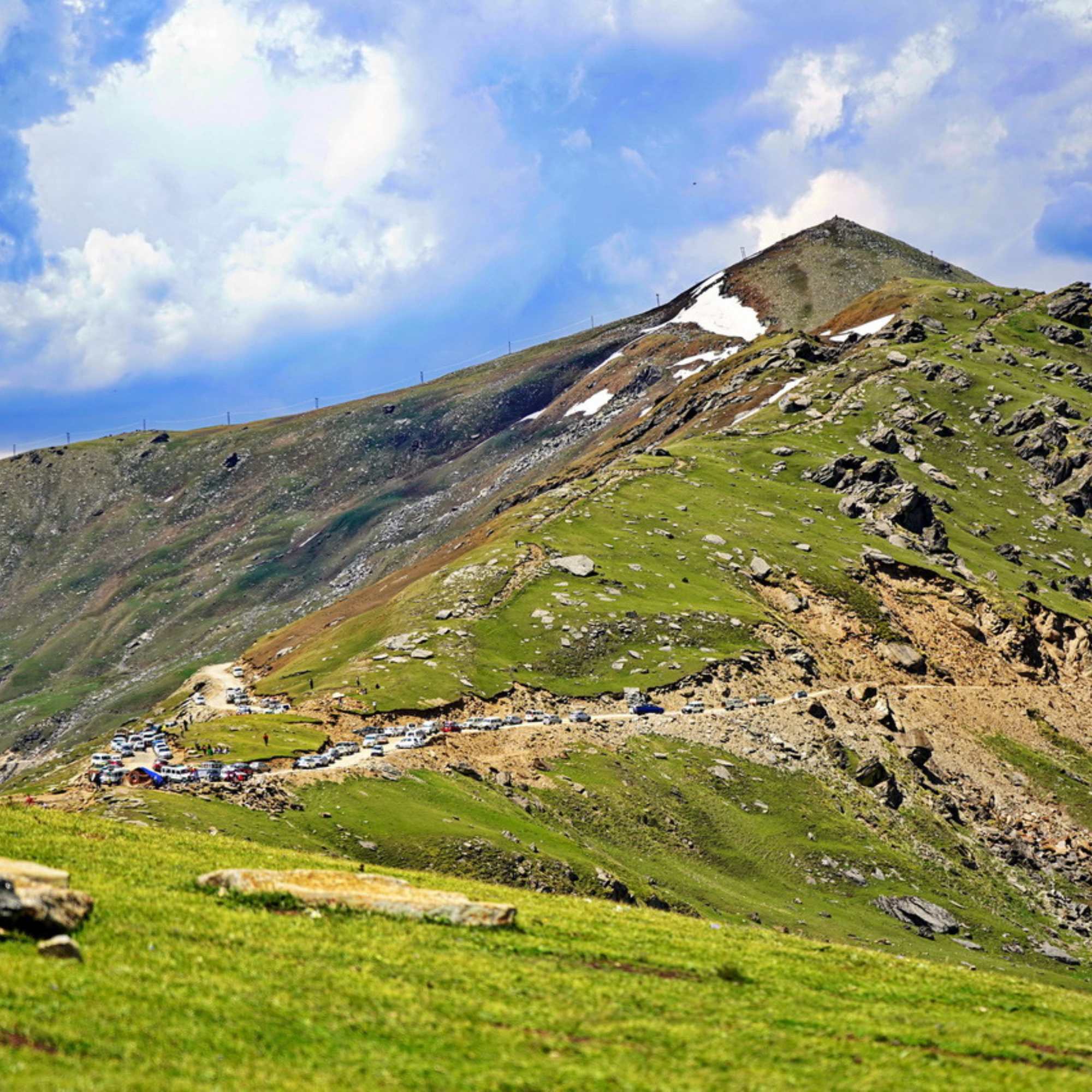
If you are trying to figure out whether Chanshal Pass in June is worth the long drive, the short answer is yes, with some planning.
June sits inside the normal open season for the pass, the meadows start turning green, and the monsoon has not fully landed yet.
But "June" covers two very different versions of this trip. Early June can still throw snow patches, slush, and fog at you. Late June is usually calmer.
We have planned plenty of Pabbar Valley trips over the years, and the same thing happens every season. People treat Chanshal like a quick Shimla add on. It is not.
This guide by Travel Coffee breaks down the real road status, the snow situation, the weather, the routes, and exactly how to plan Chanshal Pass in June without it turning into a stressful drive.
Quick Answer: Is Chanshal Pass Good in June 2026?
Yes. June is one of the best months for Chanshal Pass in June 2026, especially the second half of the month.
The road usually sits in its seasonal open window in June, and the heavy monsoon has not arrived yet, so the drive is more predictable than in July or August.
Early June can still surprise you with old snow, slush, fog, and cold wind on the rough sections. Late June usually means more melted snow and easier roads.
One 2026 road status source showed Rohru to Chanshal Pass open on 11 June 2026. Treat that as a hint, not a guarantee. Always verify locally before you leave.
If you want us to check the current condition and plan your dates, reach out here.
Is Chanshal Pass Open in June 2026?
The official Shimla District source says the Chanshal road is generally open from May to November and stays closed during the snowy months.
So June falls comfortably inside the normal open season. In most years, you can reach the pass without major drama.
But here is the part people miss. "Open" only means the road is accessible. It does not mean smooth, fast, or easy.
Road condition can change fast after rain, fresh snow, repair work, or a local restriction. A road that was fine on Monday can get blocked by Tuesday afternoon.
In our experience, the safest move is to confirm the live status a day before you leave and again on the morning you start. Old assumptions get people stuck out here.
Will You Find Snow at Chanshal Pass in June?
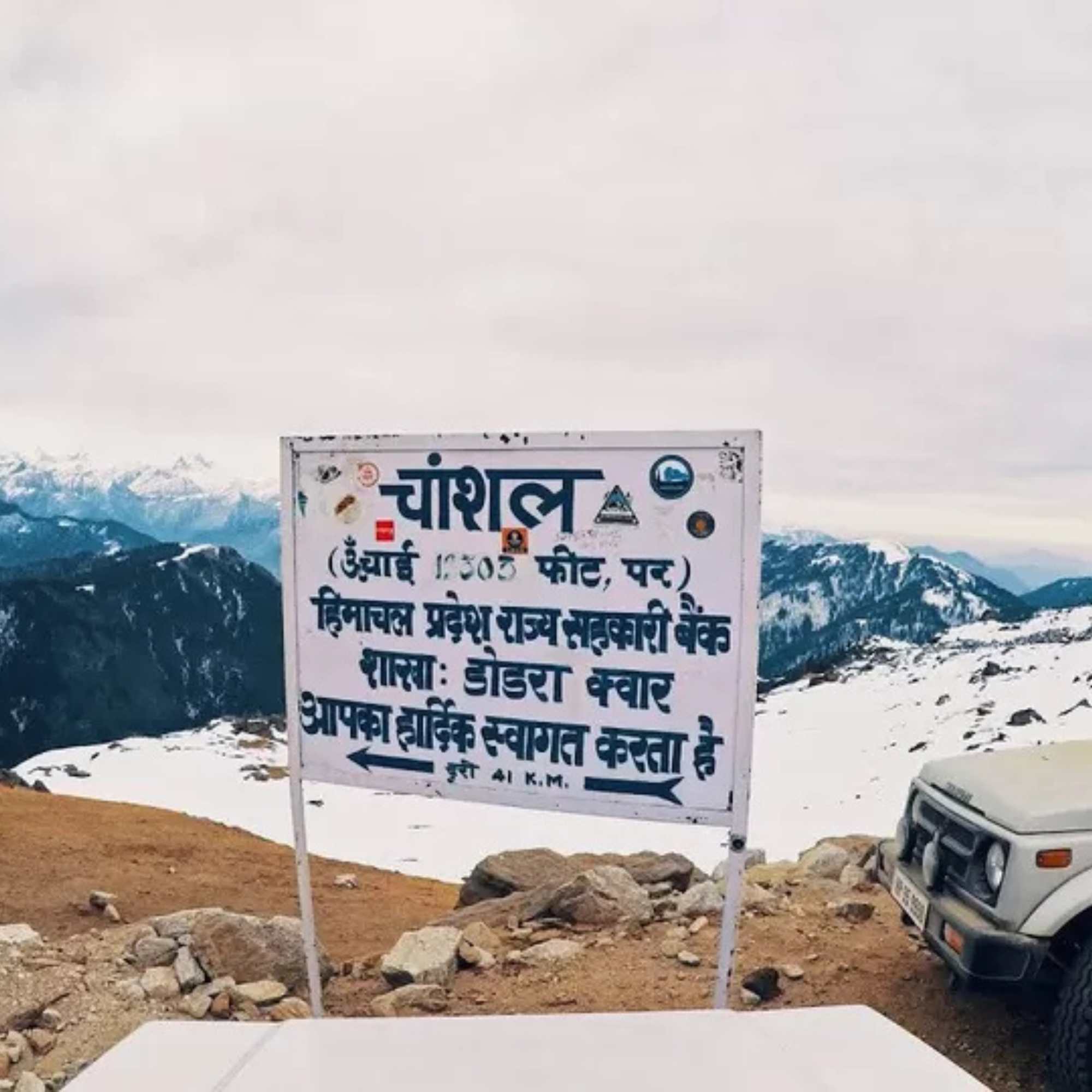
This depends entirely on whether you go early or late in the month.
Early June can still have old snow patches, snow walls along the cut sections, slush on the road, and the odd chance of fresh snowfall if the weather turns.
We cannot promise snowfall in June. Nobody honestly can. What we can say is that early June gives you the best shot at seeing snow up there.
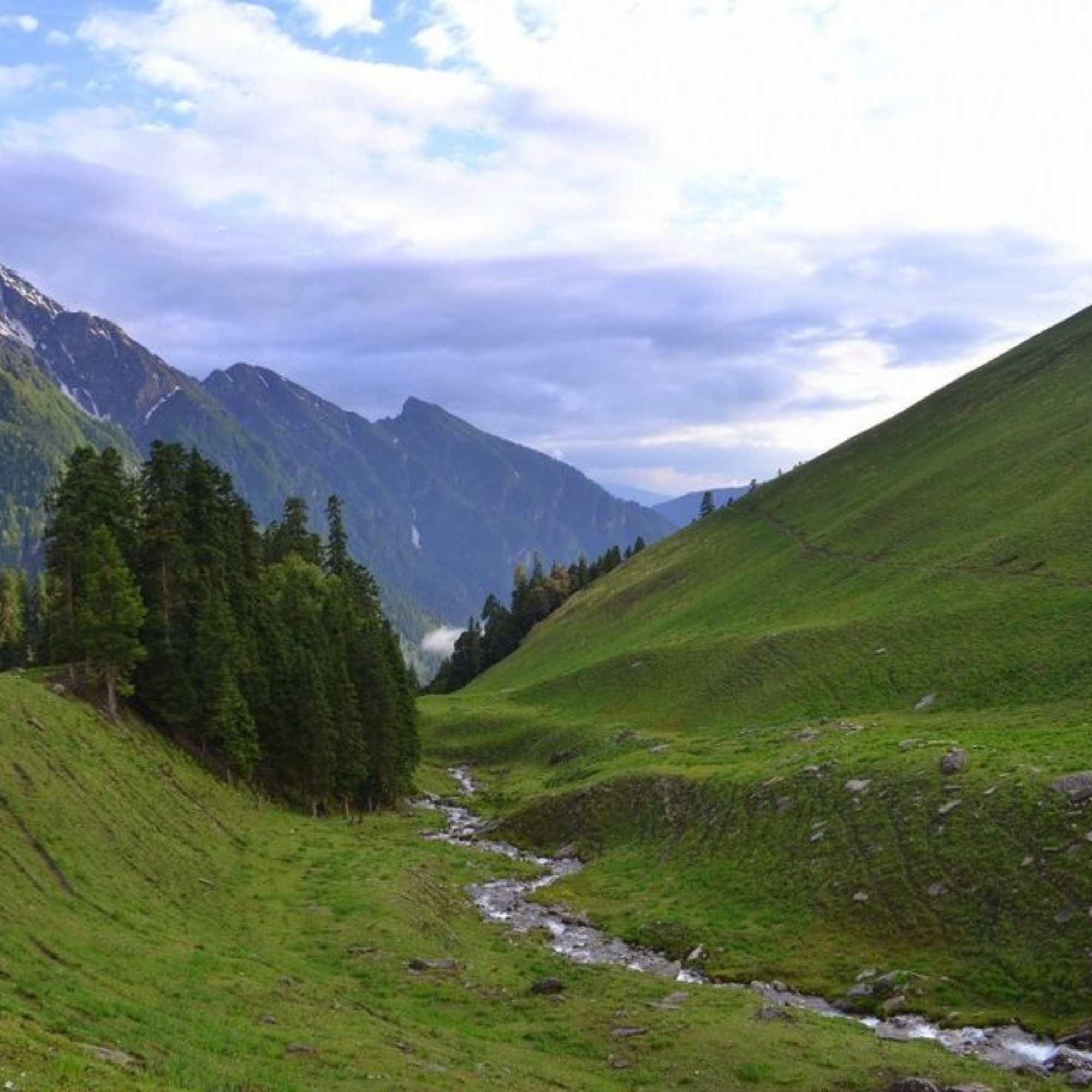
Late June usually has more melted snow, greener meadows, and better road comfort. The dramatic white walls thin out, but the drive gets friendlier.
Our team recommends early June if snow is your main reason for going, and late June if you care more about a smoother road and an easier trip overall.
Just go in with the right expectation. If you build your whole trip around guaranteed snow, June can disappoint you. The mountains do not run on a calendar.
What Is Chanshal Pass Weather Like in June?
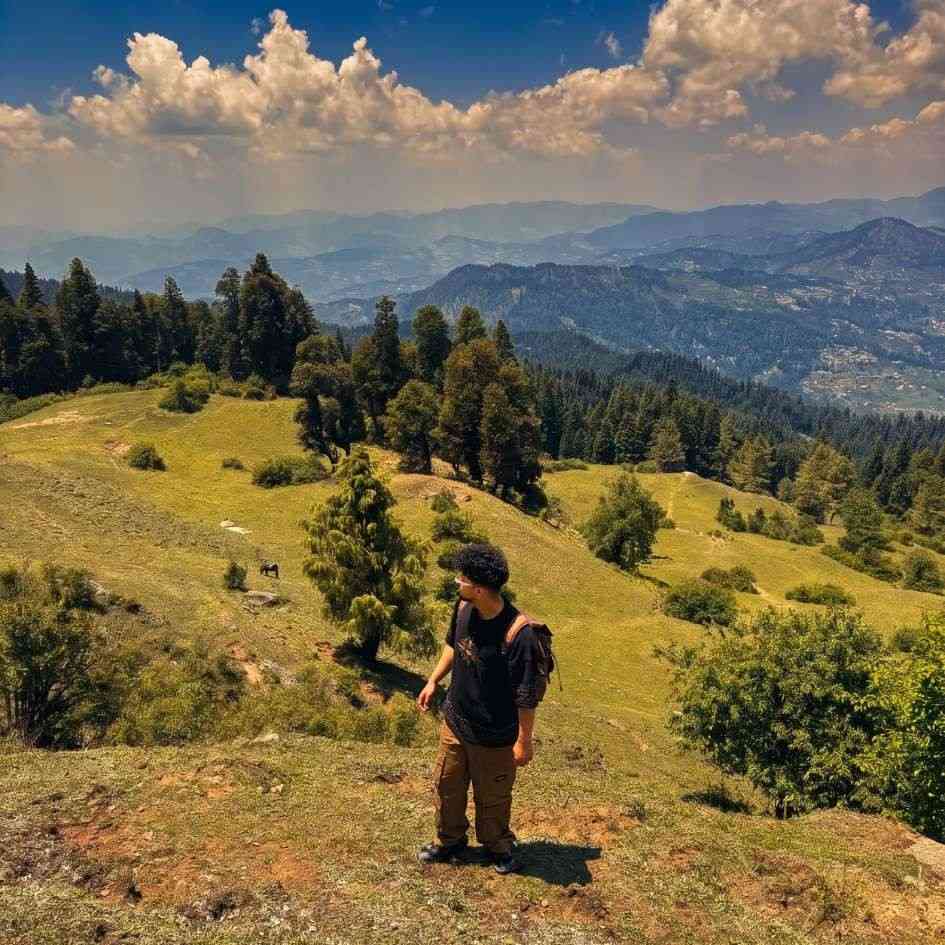
The numbers help here. AccuWeather's June 2026 forecast for Chanshal Dhar shows daytime highs from 18.6°C to 30.8°C and overnight lows from 11°C to 18.1°C.
That sounds mild on paper. The catch is that the pass top can feel a lot colder than those figures.
Wind, altitude, fog, and sudden cloud cover change the feel completely. A sunny 20°C afternoon can turn sharp and cold in minutes once a cloud rolls over the ridge.
So pack for both. Carry a warm jacket, a rain layer, waterproof shoes, sunglasses, sunscreen, and a cap.
We always tell our travellers that the weather they feel at Rohru is not the weather waiting at the top. Dress for the pass, not the base.
Chanshal Pass Road Condition in June: What to Expect
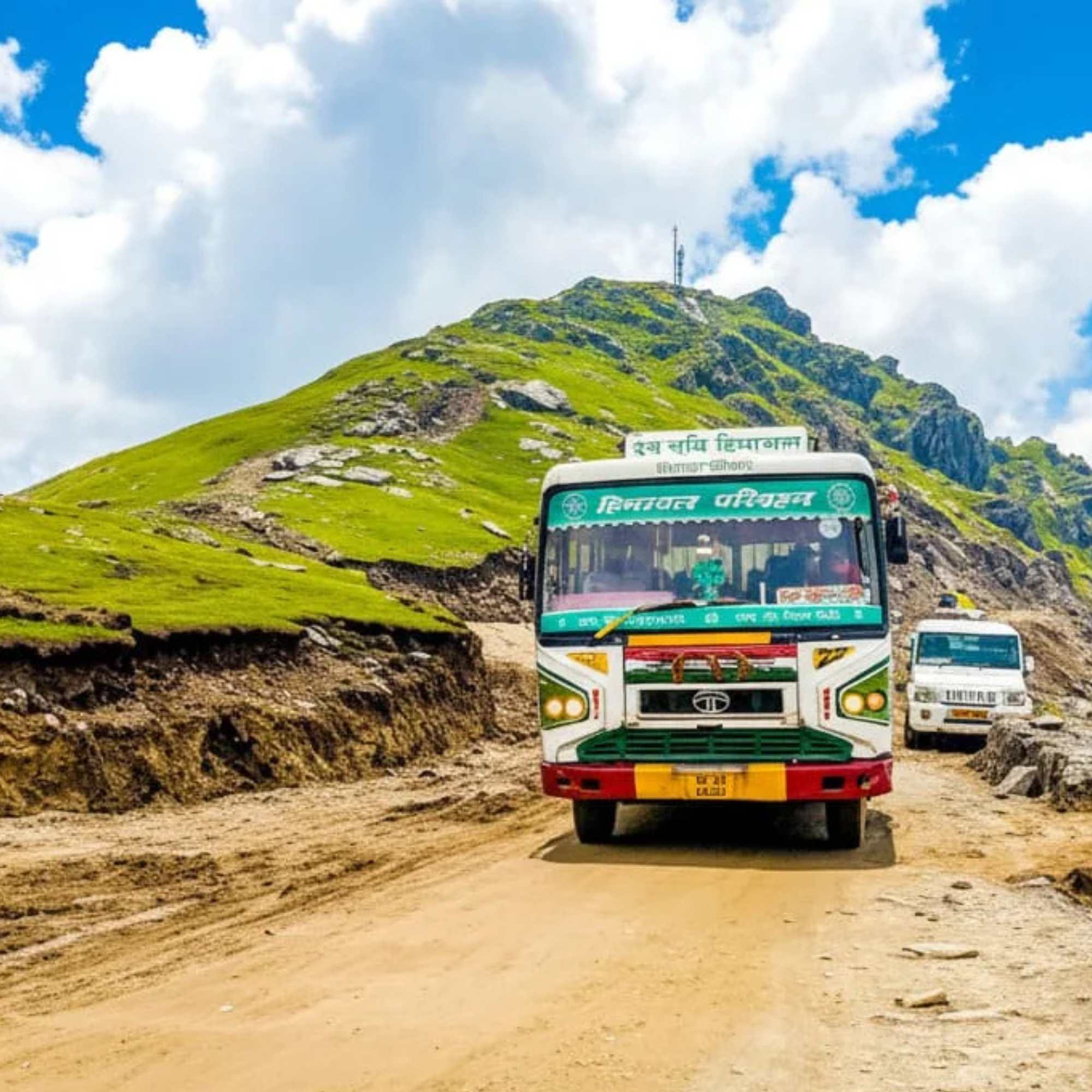
Let me break the road into simple sections so you know what is coming.
Shimla to Rohru
It is the long part and it changes depending on which route you take. We will cover both routes below.
Rohru to Chirgaon
It is roughly 20 km as per travel guide data. This stretch is the more settled, civilised part of the drive.
Chirgaon to Larot
It is remote and scenic. Fewer people, fewer stops, more raw landscape.
Larot to Chanshal
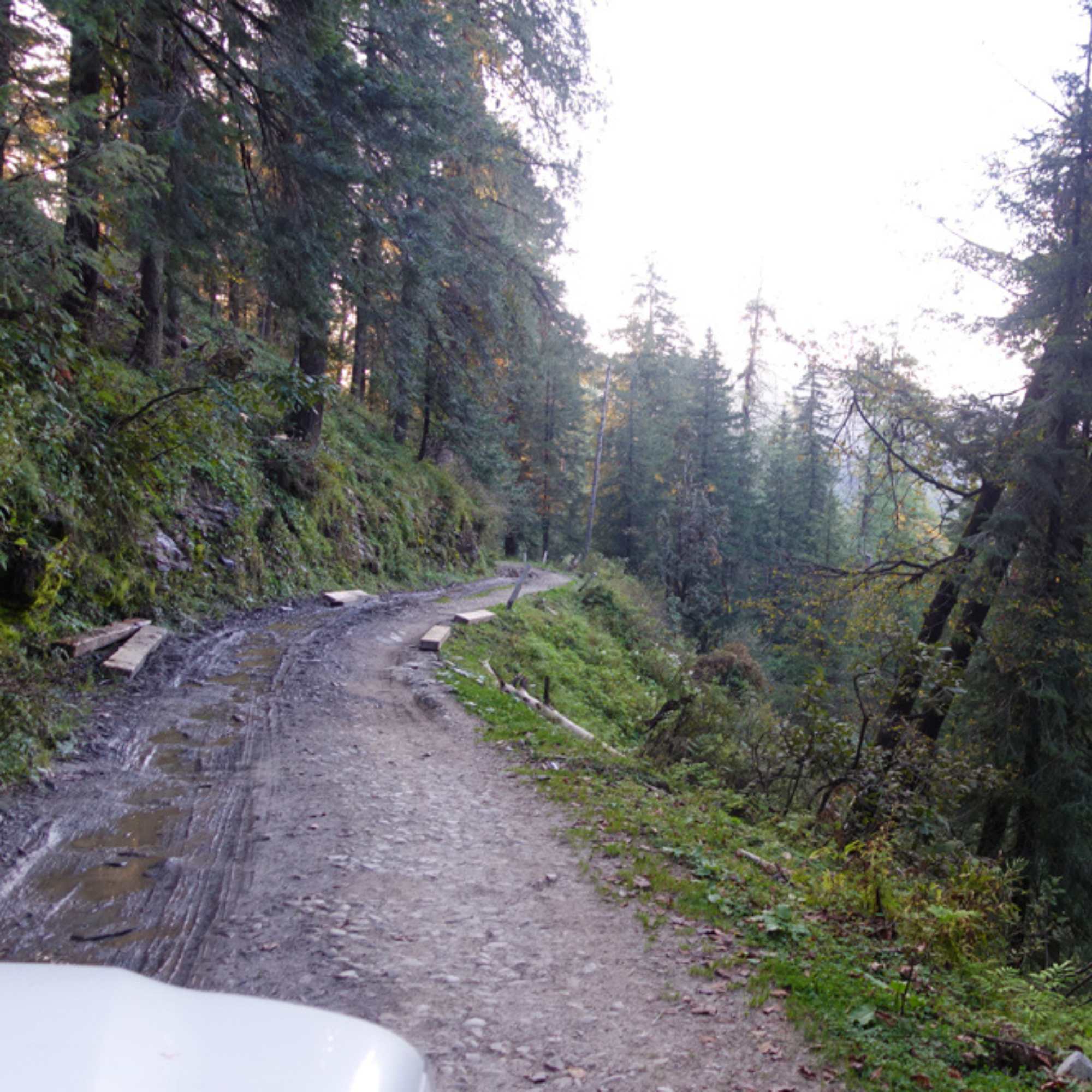
The final Larot to Chanshal stretch is around 20 km and this is the roughest part of the whole trip. Expect rocky, muddy, and off road sections.
One guide reports 55 hairpin turns on this last climb. Whether you count exactly that many or not, the point stands. The last 20 km is slow, twisting work.
For round trip planning, one travel guide puts Rohru to Chanshal and back at roughly 100 to 110 km. Indian Holiday lists the one way Rohru to Chanshal Pass distance at about 48 km.
Honest warning
This final section is where a careless plan falls apart. After rain or snowmelt, the mud and loose stones get worse, and there is no quick help nearby.
Can You Take a Sedan, Bike or SUV to Chanshal Pass in June?
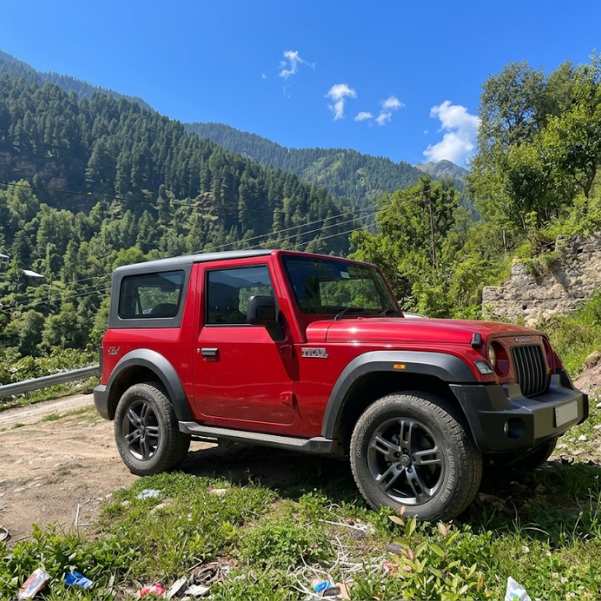
A high clearance SUV is the safest choice in June. It handles the rough Larot to Chanshal section far better than anything low to the ground.
Can a sedan make it? Sometimes, depending on the road condition that week. But the final rough stretch can scrape and damage the underbody, especially after rain or snowmelt.
We have seen sedans reach in good conditions and we have heard the horror stories when the road was wet. It is a gamble, not a plan.
Bikes work well, but only for experienced riders. You will face slush, loose stones, steep turns, and long stretches with no quick help around.
If this is your first proper mountain ride, do not treat Chanshal like a normal Shimla day ride. It asks for more skill and patience than that.
What we tell first timers is simple. If you are unsure about your vehicle or your driving on bad roads, take an experienced driver in an SUV and enjoy the view instead of fighting the road.
Best Route to Chanshal Pass in June
There is more than one way in, and the route you pick shapes your whole trip.
Shimla to Rohru to Larot to Chanshal Pass
The main route runs through Shimla, Fagu, Theog, Kharapathar, Hatkoti, Rohru, Larot, and then up to Chanshal Pass.
There is also an alternate line through Shimla, Fagu, Theog, Narkanda, Tikkar, Rohru, Larot, and Chanshal. Both bring you to Rohru, just by different valleys.
The official Shimla District page lists Chanshal Pass at about 160 km from Shimla. Some travel sites quote closer to 180 km depending on the route.
So plan for around 160 to 180 km from Shimla depending on the road you take, and do not lock yourself to one rigid number.
If you want a comfortable base before the rough section, our Shimla tour packages can sort your stay, driver, and pacing so you reach Rohru fresh.
Delhi to Chanshal Pass via Shimla
If you are starting from Delhi, the Shimla route to Rohru is around 500 km and takes about 12 to 14 hours depending on stops and road conditions.
This route works better if you want to fold in Shimla, Narkanda, or Kharapathar along the way and break the drive sensibly.
Delhi to Chanshal Pass via Chakrata and Tiuni
The other line from Delhi goes via Chakrata and Tiuni to Rohru, at around 420 km and roughly 10 to 12 hours.
This route feels more offbeat and scenic. It is quieter and prettier in parts, but the road condition still needs checking before you commit to it.
Suggested Chanshal Pass Itinerary for June
Here are two plans we actually use, depending on how much time and energy you have.
3 Nights and 4 Days from Delhi or Chandigarh
Day 1 is your long drive. Depending on your start time, aim to reach Shimla, Narkanda, or Rohru and rest for the night.
Day 2 should bring you to Rohru and let you settle in. Eat well, refuel, and check the latest road update for the pass.
Day 3 is the main event. Drive Rohru to Chanshal Pass and back, starting early so you have full daylight for the rough Larot section.
Day 4 is your return drive home. This plan is tight but doable for fit travellers comfortable with long hours on the road.
4 Nights and 5 Days Slow Trip
This version gives you room to breathe. Spend time around Rohru and the Pabbar Valley, then take Chanshal Pass at a relaxed pace before returning via Shimla, Narkanda, or Chakrata depending on road conditions.
Our team recommends the slower plan for couples, families, photographers, and anyone not used to long Himalayan drives.
The extra day is not wasted time. It is your buffer for bad weather, a tired body, or a road that needs an extra day to clear.
Where to Stay for Chanshal Pass in June
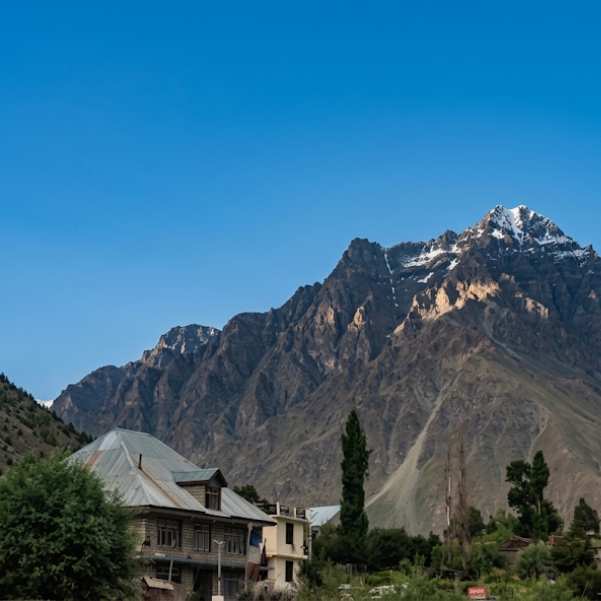
Rohru is the most practical base for this trip. It has the food, fuel, ATMs, and stay options you will need before heading up.
HPTDC Hotel Chanshal sits in Rohru near the Circuit House on the Hatkoti to Rohru road. It lists a restaurant, parking, taxi on demand, doctor on call, card payment, and a public washroom.
That mix of doctor on call and taxi on demand is genuinely useful out here, where help is thin once you leave town.
Stays at Chirgaon and Larot can be limited. If you want to break the journey closer to the pass, pre confirm your room before you drive up. Do not assume something will be open.
We do not list a fixed room price here because tariffs shift by season and demand.
Food, Fuel, ATMs and Mobile Network
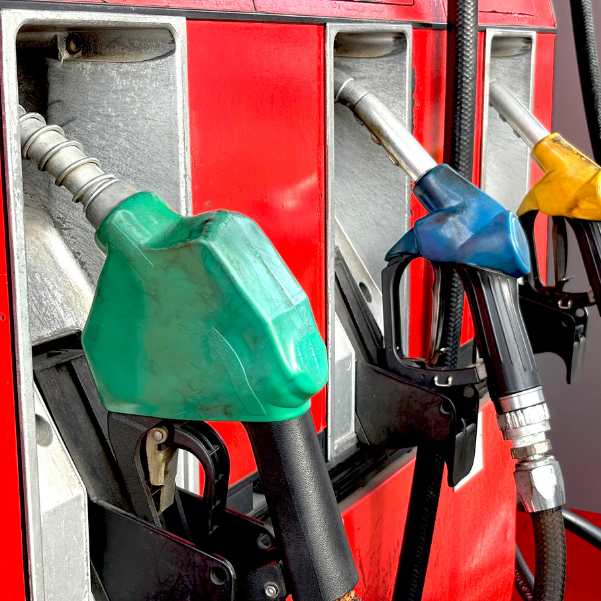
Rohru is your last reliable stop for the basics. It has fuel, food, and ATMs according to travel guide data.
Beyond Rohru towards the pass, there are no fuel or ATM options according to the same guide. So fill your tank and carry enough cash in Rohru.
This is also your food checkpoint. Eat a proper hot meal in Rohru and carry snacks and water for the rough stretch, because the road past town does not hand you options.
Mobile network works around Rohru. Past Rohru, Chirgaon, and Larot it gets patchy and can disappear completely near the pass.
Download offline maps before you go, and tell your family or a friend your plan before you leave Rohru. Once the signal drops, nobody can reach you for hours.
Do You Need a Permit for Chanshal Pass?
Some travel guides report a forest department permit requirement for the Chanshal Wildlife Sanctuary area.
Permit rules in these zones can change from season to season, so confirm the latest local requirements before planning your trip instead of relying on older travel information.
The fastest way to check is to ask the Rohru Forest Office, a local taxi union, your homestay host, or a Travel Coffee planner before you go. A quick call saves you a wasted drive.
Is Chanshal Pass Safe in June for Couples, Families and Groups?
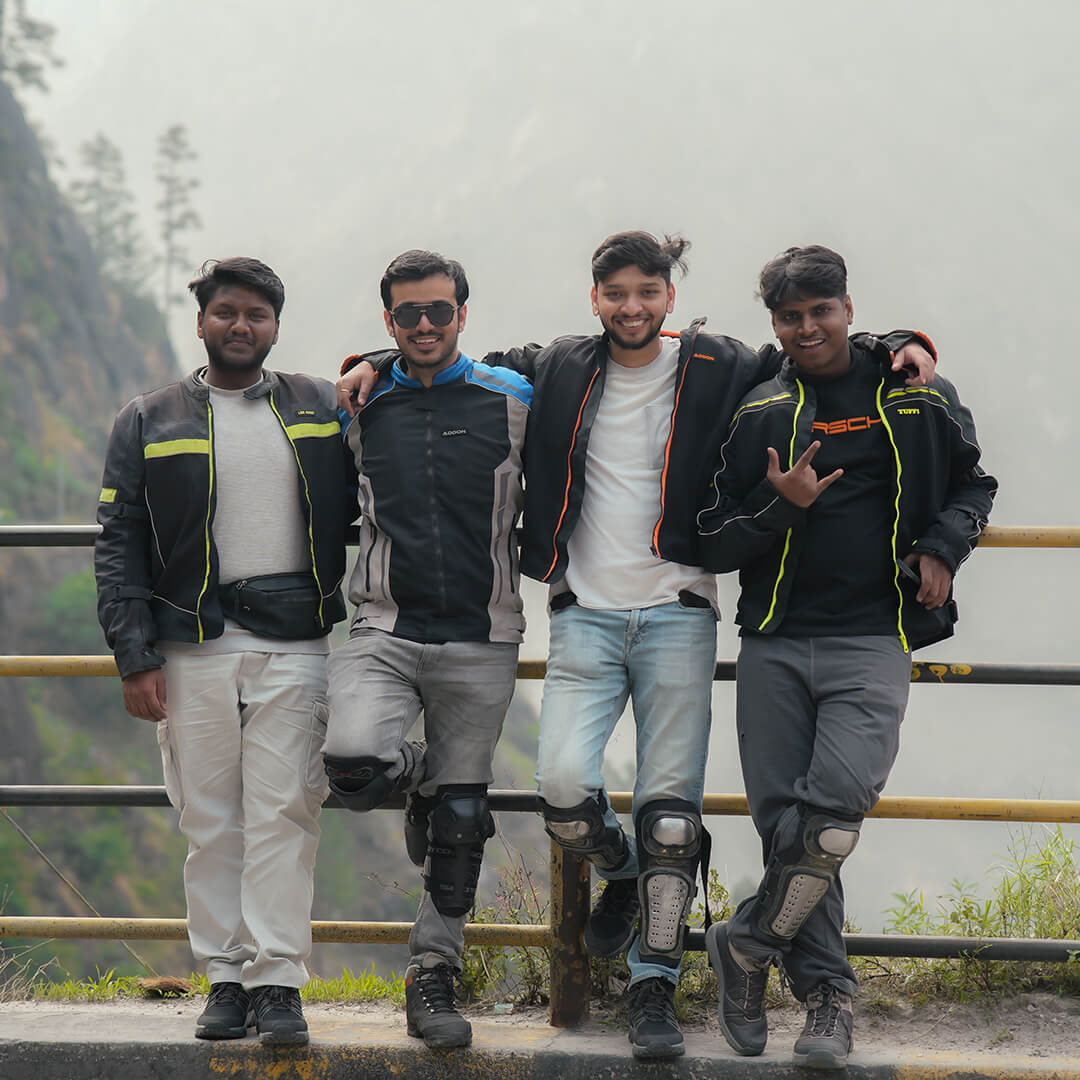
Yes, but only with planning. June is one of the friendlier months, yet this is still a remote high road.
It works well for private trips, small groups, experienced drivers, and travellers who can start early and respect the road.
It is not ideal for rushed night drives, elderly travellers with serious breathing or heart concerns, small kids in bad weather, or first time mountain drivers in a low car.
If your group falls into the careful category, plan a slower trip, keep a day in hand, and do not push the pass in poor weather.
We would rather tell you honestly that a rushed Chanshal plan is a bad idea than watch you struggle on a road that gives no second chances.
What to Pack for Chanshal Pass in June
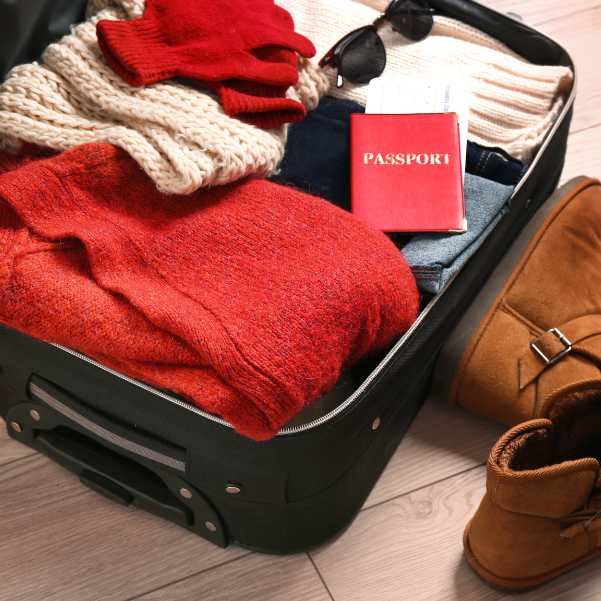
Pack like the weather will change twice in a day, because it will.
Carry a warm jacket, a rain jacket, waterproof shoes, and a few extra pairs of socks. Wet feet at altitude ruin a good day fast.
Add a power bank, offline maps, snacks, and enough water for the rough stretch where nothing is open.
Bring sunglasses, sunscreen, and a cap for the strong high altitude sun, plus a small basic medicine kit for headaches and stomach trouble.
Keep your ID proof and cash handy, and carry the usual vehicle basics like a spare, a jack, and a tyre inflator. The pass is remote, and out here your comfort depends almost entirely on what you carried with you.
Chanshal Pass vs Other Himachal Trips in June
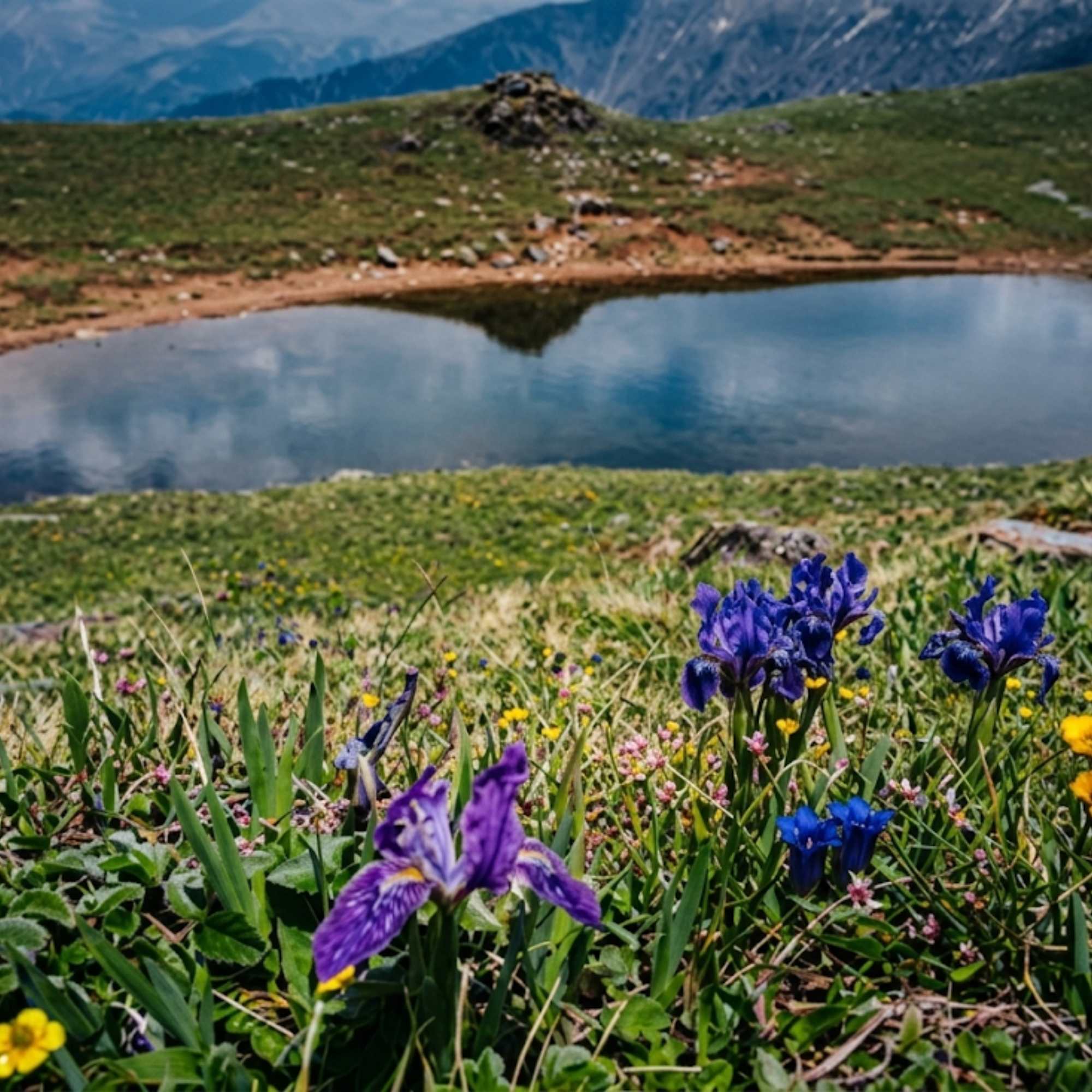
If you are choosing between Chanshal and the usual June options, here is the honest comparison.
Chanshal is far more raw and remote than Shimla. You trade cafes and crowds for empty roads and big silence.
It is rougher than Jibhi, which stays soft, green, and easy. If you want comfort over adventure, our Jibhi and Tirthan Valley trips are the gentler pick.
It is less commercial than Manali, where everything is set up and easy to reach. Our Manali tour packages suit travellers who want convenience and lots of activity.
Compared to Kinnaur, Chanshal is shorter and tighter, but Kinnaur gives you a bigger, longer circuit. See our Kinnaur tour packages if you have more days.
And against Spiti, Chanshal is much easier to fit into a short trip, though it still needs a serious road plan. For the full high altitude circuit, look at our Spiti Valley tour packages.
In short, Chanshal is the quick raw escape. It is not the easy one.
Common Mistakes to Avoid in June
The first mistake is leaving Rohru late. Start early so you have full daylight for the rough Larot to Chanshal section and time to get back before dark.
The second is trusting old videos and reels for current road status. A clip from last September tells you nothing about this week.
Do not drive the final stretch after rain without local confirmation. Mud and loose stones turn that road nasty fast.
Do not depend on mobile network past Rohru, and never head up without cash, fuel, and warm clothing.
The biggest mistake is treating Chanshal like a normal Shimla sightseeing stop. It is a remote high pass that needs its own plan, not a casual half day add on.
Explore Our Curated Chanshal Pass Tour Packages
- Group Tour5D/4N
Chanshal Pass Weekend Group Trip With Giri Ganga and Kuppar Bugyal
1D Kharapathar / Kotkhai•1D Rohru / Chirgaon (Pabbar Valley)
₹8,999₹12,999SAVE INR 4,000/ person 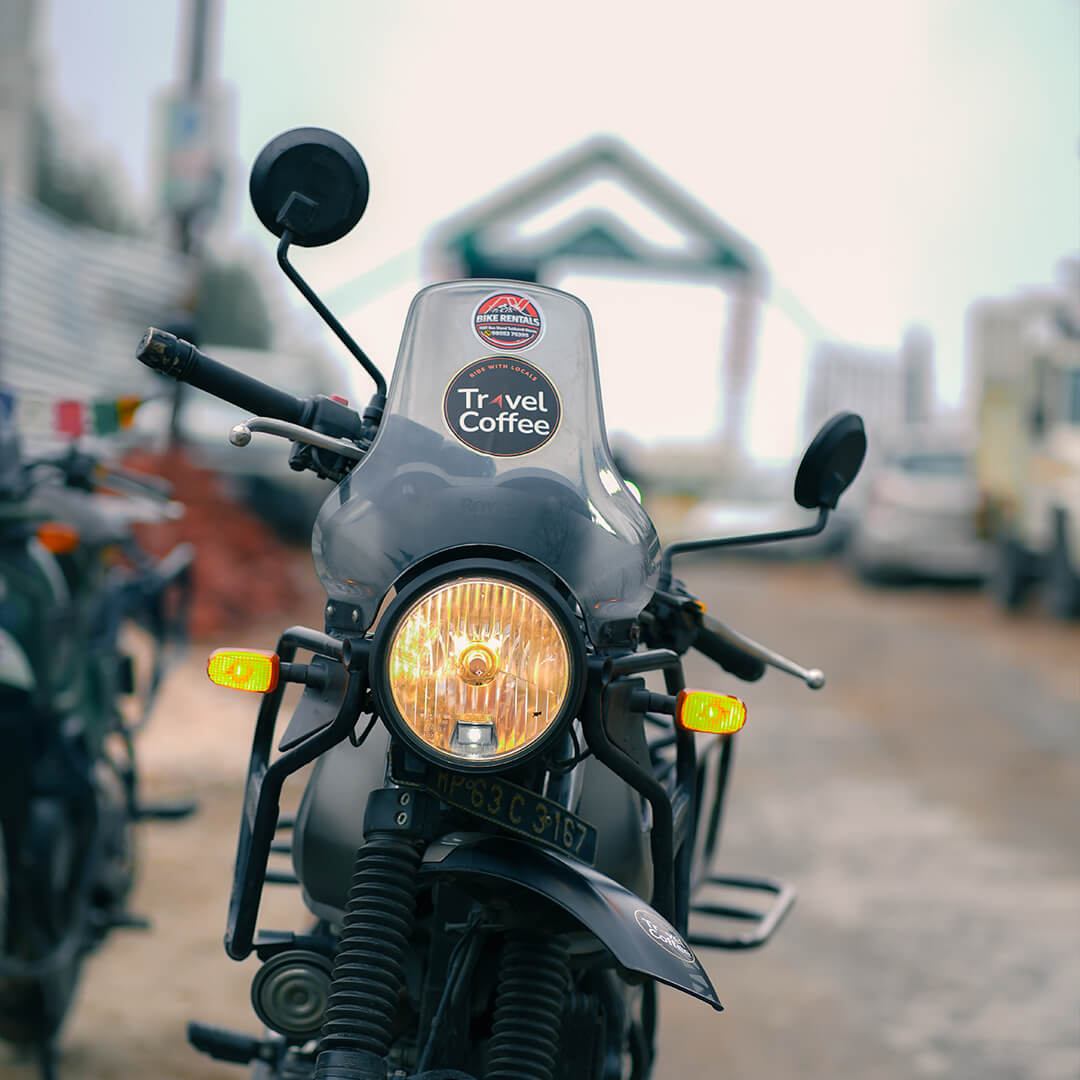 8D/7N
8D/7NUltimate Pabbar Valley Bike Expedition With Giri Ganga Kuppar Bugyal Chanshal Pass and Dodra Kwar
1D Kharapathar / Kotkhai•2D Rohru / Chirgaon (Pabbar Valley)+1
₹29,999/ person- 8D/7N
Most Loved 4x4 Pabbar Valley Expedition With Giri Ganga Kuppar Bugyal Chanshal Pass and Dodra Kwar
1D Kharapathar / Kotkhai•2D Rohru / Chirgaon (Pabbar Valley)+1
₹32,999₹39,999SAVE INR 7,000/ person
Related topics
Frequently Asked Questions
Is Chanshal Pass open in June 2026?
In most years yes, since the road is generally open from May to November. A 2026 source showed Rohru to Chanshal open on 11 June 2026, but verify locally before you leave.
Is June a good time to visit Chanshal Pass?
Yes, especially late June. The road usually sits in its open window and the heavy monsoon has not arrived, so conditions are more predictable than July or August.
Will I find snow at Chanshal Pass in June?
Maybe. Early June can still have old snow patches, walls, and the odd fresh snowfall. Late June usually has more melted snow. Nobody can promise snowfall.
What is the road condition from Rohru to Chanshal Pass in June?
The early part is manageable, but the final 20 km from Larot to Chanshal is rough, rocky, muddy, and off road in nature, with many tight hairpin turns.
Can a sedan go to Chanshal Pass?
Sometimes, in good conditions. But the rough final section can damage a low car, especially after rain or snowmelt. A high clearance SUV is much safer.
Do I need a permit for Chanshal Pass?
Some guides report a forest department permit for the Chanshal Wildlife Sanctuary area. Rules change, so verify with the Rohru Forest Office or a local host before you go.
How far is Chanshal Pass from Shimla?
The official Shimla District figure is about 160 km. Some travel sites quote up to 180 km, so plan for around 160 to 180 km depending on your route.
How many days are needed for Chanshal Pass from Delhi?
A minimum of 3 days works, but 4 to 5 days is far more comfortable and gives you a buffer for weather or road delays.
Where should I stay for Chanshal Pass?
Rohru is the most practical base for fuel, food, ATMs, and stay. HPTDC Hotel Chanshal in Rohru is a solid option with a restaurant, parking, and a doctor on call.
Is there mobile network at Chanshal Pass?
Network works around Rohru but turns patchy or vanishes past Rohru, Chirgaon, and Larot. Download offline maps and inform someone before you lose signal.
Can I visit Dodra Kwar from Chanshal Pass?
Chanshal Pass connects the Rohru and Chirgaon side with the Dodra Kwar Valley via Larot. Whether you continue depends on time, road condition, and weather, so check locally first.
Is Chanshal Pass safe for families in June?
Yes, with the right plan. It suits families who start early, keep a buffer day, and use a capable vehicle. It is not ideal for rushed trips, very young kids in bad weather, or elderly members with health concerns.
More about Chanshal Pass
 Chanshal Pass
Buran Ghati Trek Complete Guide 2026: Route, Cost, Difficulty, Best Time
Planning the Buran Ghati Trek in 2026? Explore the complete guide covering the route, itinerary, cost, difficulty, best time to visit, fitness tips, and essential trekking advice.
- Things to Do
 Chanshal Pass
Chandranahan Lake Trek 2026: Source of the Pabbar River
Discover the Chandranahan Lake Trek 2026, a breathtaking Himalayan adventure to the sacred source of the Pabbar River in Himachal Pradesh. Explore pristine alpine meadows, glacial lakes, and spectacular mountain landscapes with this complete trekking guide.
- Things to Do
 Chanshal Pass
Treks in Pabbar Valley: The Complete List for 2026
Planning to explore the treks in Pabbar Valley in 2026? This complete guide covers the region's best hiking trails, difficulty levels, ideal seasons, trail highlights, and essential planning tips for discovering one of Himachal Pradesh's most rewarding trekking destinations.
- Things to Do