
Chanshal Pass in July 2026: Road Status, Weather, Route and Local Advice
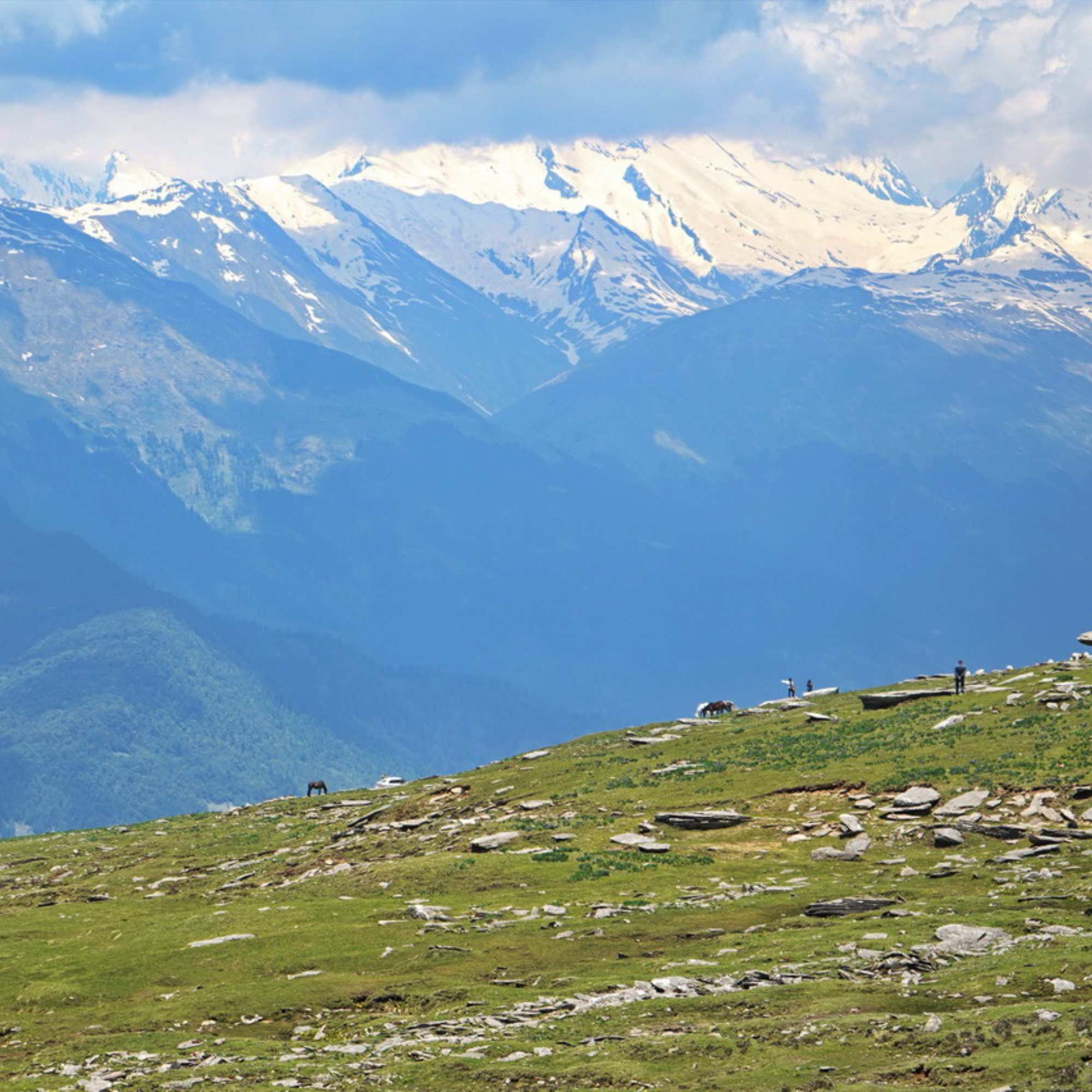
If you are planning Chanshal Pass in July, the honest first thing to know is that the road is usually open, but July is monsoon, and monsoon changes everything up here.
The pass sits high in the Pabbar Valley, near the Himachal and Uttarakhand border, and the green meadows in July look unreal. The problem is the rain that comes with that green.
In our experience running trips in this belt, July is the month where a beautiful plan and a stuck car are only one afternoon shower apart. So let us get into what actually matters before you lock your dates.
Quick Answer: Should You Visit Chanshal Pass in July?
Yes, Chanshal Pass in July is usually reachable, because the road is officially open from May to November. But July is monsoon, so treat it with real caution.
Early July is safer than mid or late July, since the rain gets heavier as the month goes on.
Go with an SUV or a high-ground-clearance vehicle, start early in the morning, and check the live road condition 24 to 48 hours before you leave.
If you want clear views with less risk, September and October are the smarter months. July is for travellers who can stay flexible.
Is Chanshal Pass Open in July 2026?
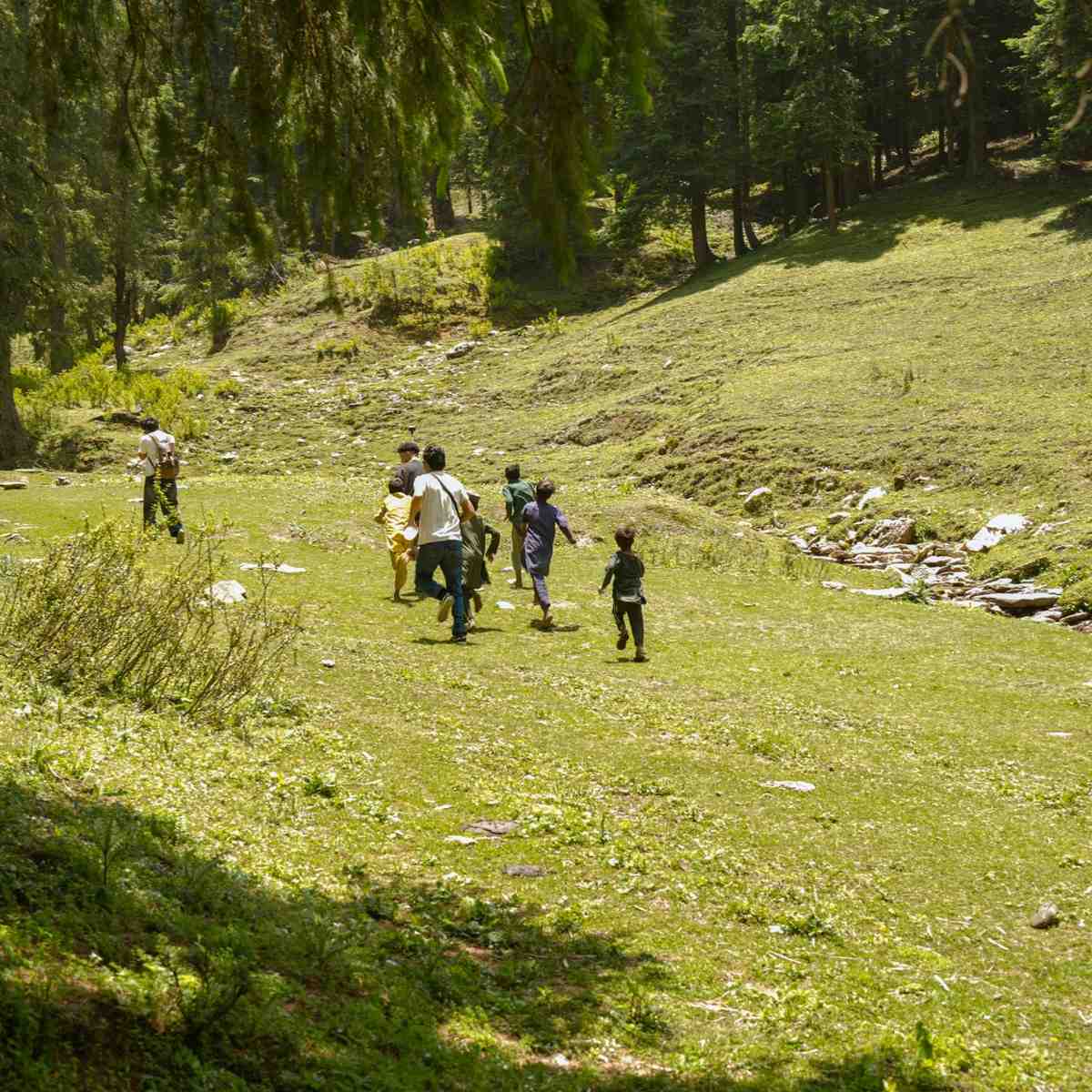
The official Shimla District page (last updated June 6, 2026) says the Chanshal Pass road is open from May to November and closed the rest of the year because of snow.
So on paper, July falls well inside the open season. That part is simple.
Here is the catch. A non-official 2026 road-status tracker listed Rohru to Chanshal Pass as open on 11 June 2026. That is good early-season news, but it is not a promise for your July date.
July rain can damage or block a road that was fine the day before. A clear Tuesday can become a slush-covered Wednesday with one heavy night of rain.
So please do not assume the pass is guaranteed open on your exact travel day. Verify again 24 to 48 hours before you start.
What we always tell our travellers is to treat road status as a live thing in July, not a fact you read once and forget.
>>Road conditions can change quickly in July. Reach out for the latest updates before you travel.
Is July a Good Time to Visit Chanshal Pass?
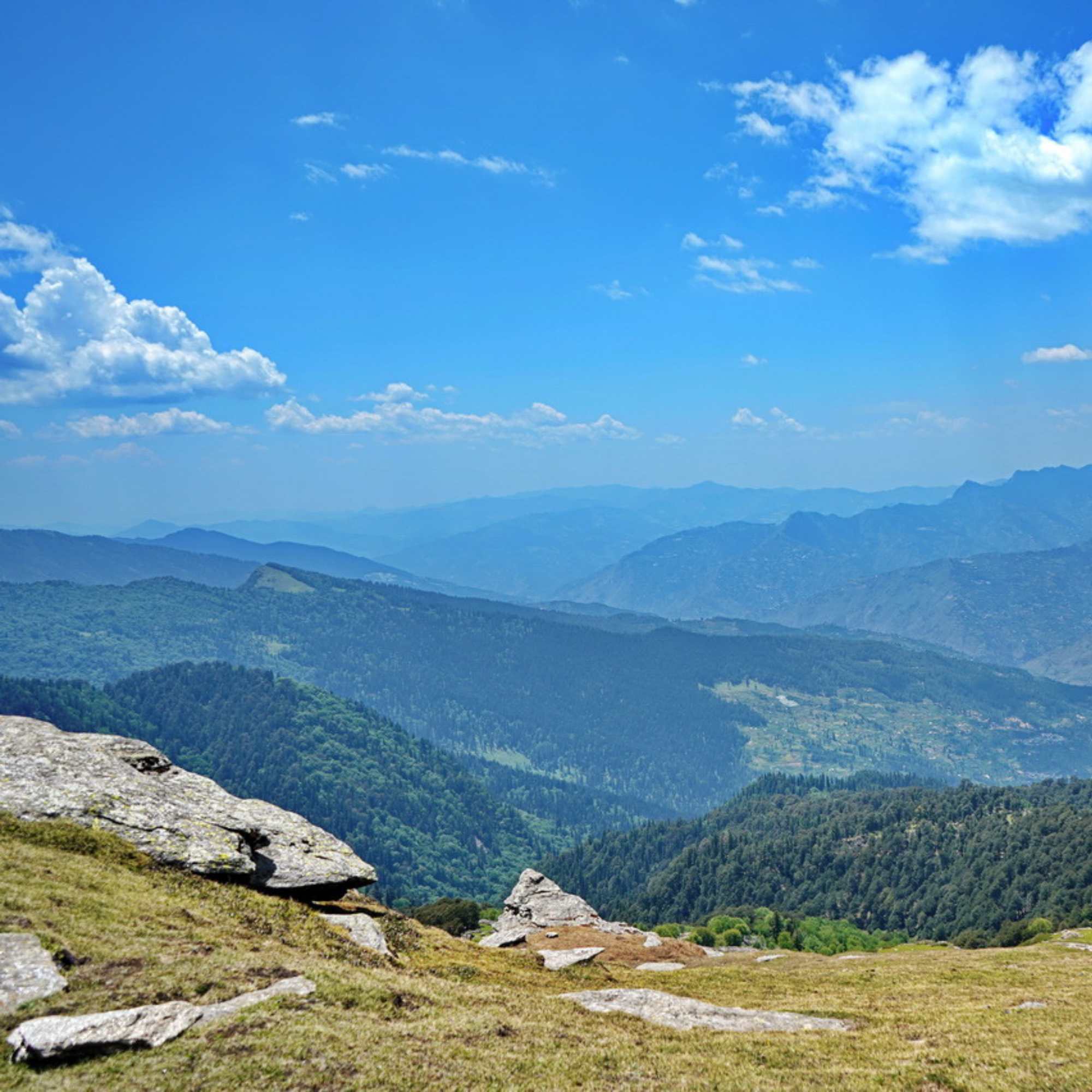
July is beautiful and tricky at the same time. The meadows turn deep green, the clouds roll dramatically over the ridges, and Pabbar Valley feels fresh and washed clean.
But that same rain brings fog, slush, water crossings on the road, and landslide risk. You trade some safety and clear views for that green drama.
Here is the honest part most blogs skip. What most tourists get wrong is treating July like a stable summer month. It is not. It is active monsoon at altitude.
Early July
Early July can be manageable if the weather stays dry for a few days. Roads are still settling but the heaviest rain often comes later.
Mid and Late July
Mid and late July need more caution. This is when the rain peaks, fog sits on the pass for hours, and the final climb gets slippery.
If your heart is set on clear skies and safer driving, the official page itself recommends late June, early September, September and October as the better windows.
We have sent enough travellers up this way to say it plainly. July rewards the flexible and punishes the rushed.
How Is the Weather at Chanshal Pass in July?
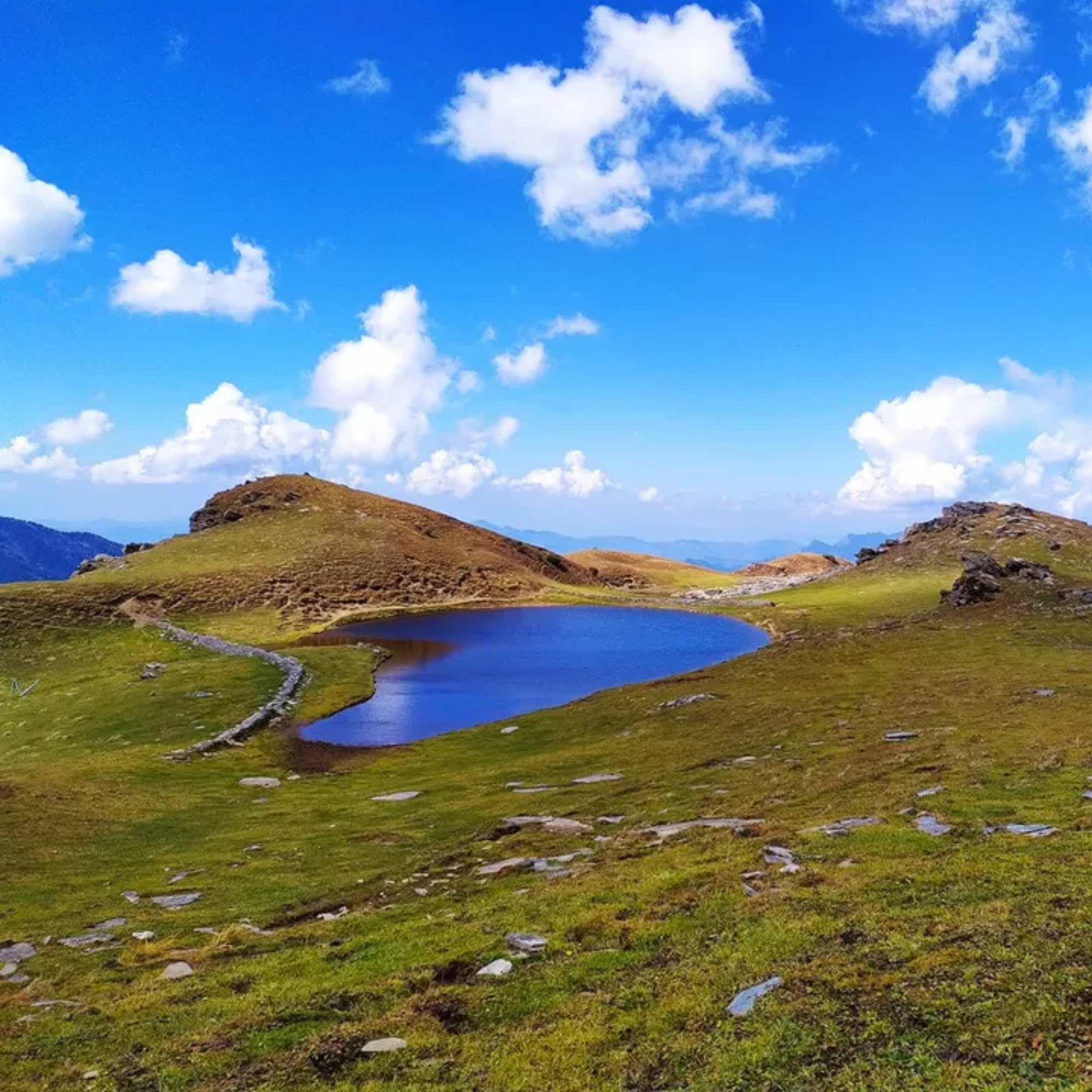
July weather here is all about monsoon. Shimla district's monsoon season runs from July to mid September, and July and August are the rainiest months.
The numbers tell the story. Rohru's July normal rainfall is 179.0 mm spread over 11.5 rainy days. That is a lot of wet days packed into one month.
Humidity stays over 80 percent from July to September, so the air feels damp even when it is not actively raining.
Skies are heavy too. July and August have heavily clouded to overcast skies for about 14 days each month in the district. That means roughly half of July is grey.
Now the temperature difference. Rohru down in the valley is warmer and more forgiving. The pass top is colder, windier, and far more exposed.
You can be sweating in Rohru and then need a windproof layer at the top within the same drive. Pack for both.
Weather around Chanshal changes fast. A sunny morning near Larot can turn foggy near the top within an hour, so always check the latest local conditions before you start and keep warm layers ready.
How Is the Road Condition from Rohru to Chanshal Pass in July?
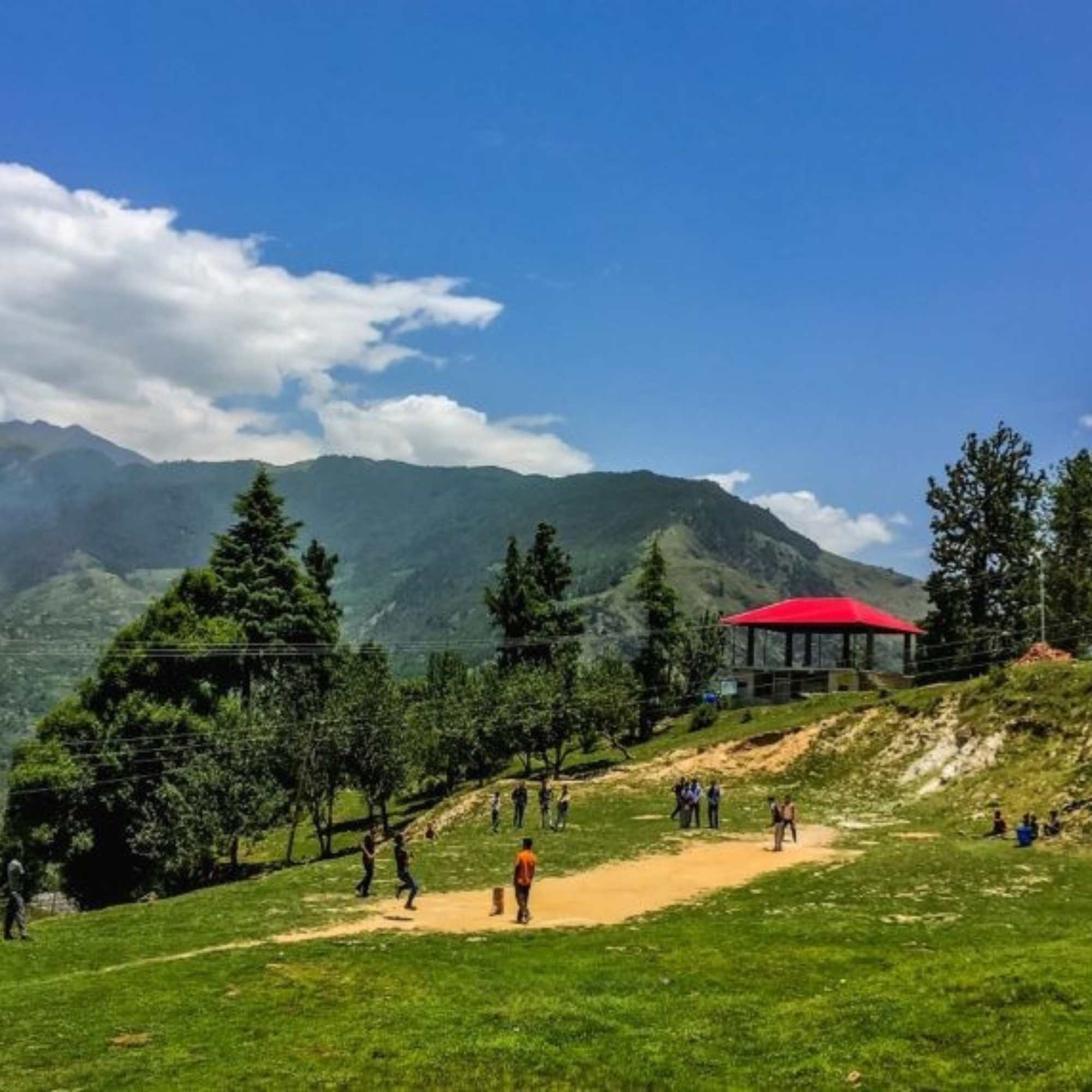
Rohru to Chanshal Pass is about 48 km. The route runs toward Chirgaon, then Tikri, then Larot, and finally climbs to the pass.
In dry months this is a manageable mountain drive. In July it gets harder, mostly on the final approach.
Rain turns the upper stretch muddy, broken, and slippery. You will meet steep sections, loose stones, blind curves, and patches where water flows straight across the road after a shower.
Fog is the other problem. When it drops, you lose the road edge and the drop beside it at the same time, which is exactly when people make mistakes.
So start early and never drive this stretch after dark. Daylight is your biggest safety tool here.
Our drivers always plan to be on the top section in the morning window, before the afternoon clouds build and the rain usually starts.
Which Route Is Better in July: Kotkhai-Kharapathar or Narkanda-Tikkar?
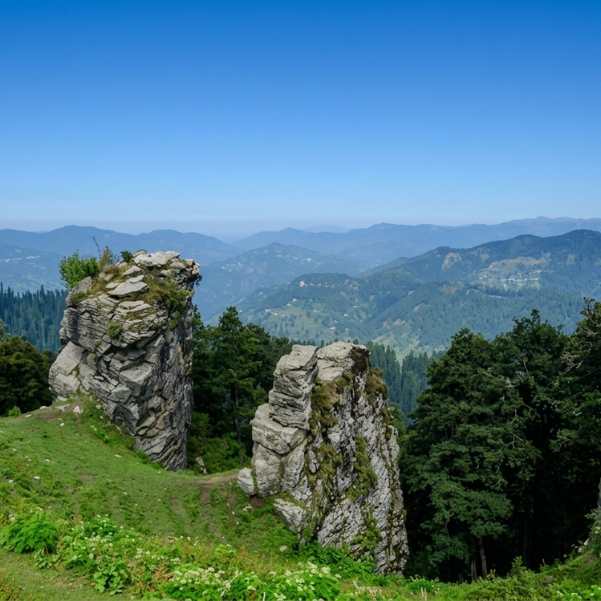
There are two official routes from Shimla, and both end at Rohru and Larot before the pass.
Route one is Shimla, Theog, Kotkhai, Kharapathar, Hatkoti, Rohru, Larot, Chanshal Pass and runs about 160 km.
Route two is Shimla, Theog, Narkanda, Tikkar, Rohru, Larot, Chanshal Pass and runs about 175 km.
The official Shimla page notes that the shorter 160 km route is bumpy and not suitable for bike rides. So shorter does not mean easier here.
In July the better route can change week to week depending on where the rain has done damage. A road that is fine in early July can have a fresh landslide patch by month-end.
This is why we do not name one route as the permanent winner. Take local advice close to your travel date and pick based on current conditions, not a fixed map.
If you want the full Shimla side handled with a local driver who knows both routes, look at our Shimla tour packages and let the road call decide the routing.
Can Sedans, Hatchbacks and Bikes Go to Chanshal Pass in July?
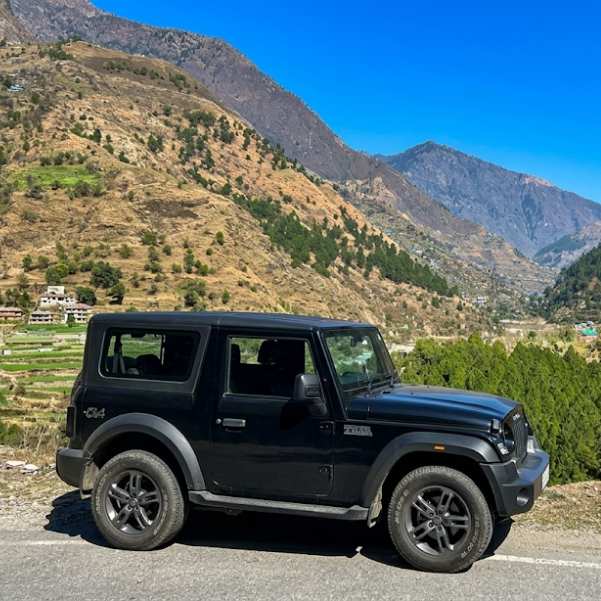
For July, an SUV or high-ground-clearance vehicle is the safer choice. A full 4x4 is not always mandatory when conditions are dry, but rain can flip the route fast.
Sedans and hatchbacks should avoid this drive after rain or during any active monsoon alert. The slush and broken patches on the final climb are not kind to low cars.
If you only have a sedan, the honest call is to either postpone or hire a proper hill vehicle for the pass section.
Bikes in July
Bikes are doable, but only for experienced hill riders. This is wet, slippery, high-altitude riding, not a casual weekend ride.
Carry waterproof luggage, a proper riding jacket, gloves, and full rain gear. And no late-evening riding, because cold, fog, and wet roads after dark are a bad mix.
If you are a confident rider who has done monsoon hill roads before, you will manage. If this is your first big hill ride, please do not make Chanshal in July your training ground.
Best 2-Day and 3-Day Chanshal Pass Itinerary for July
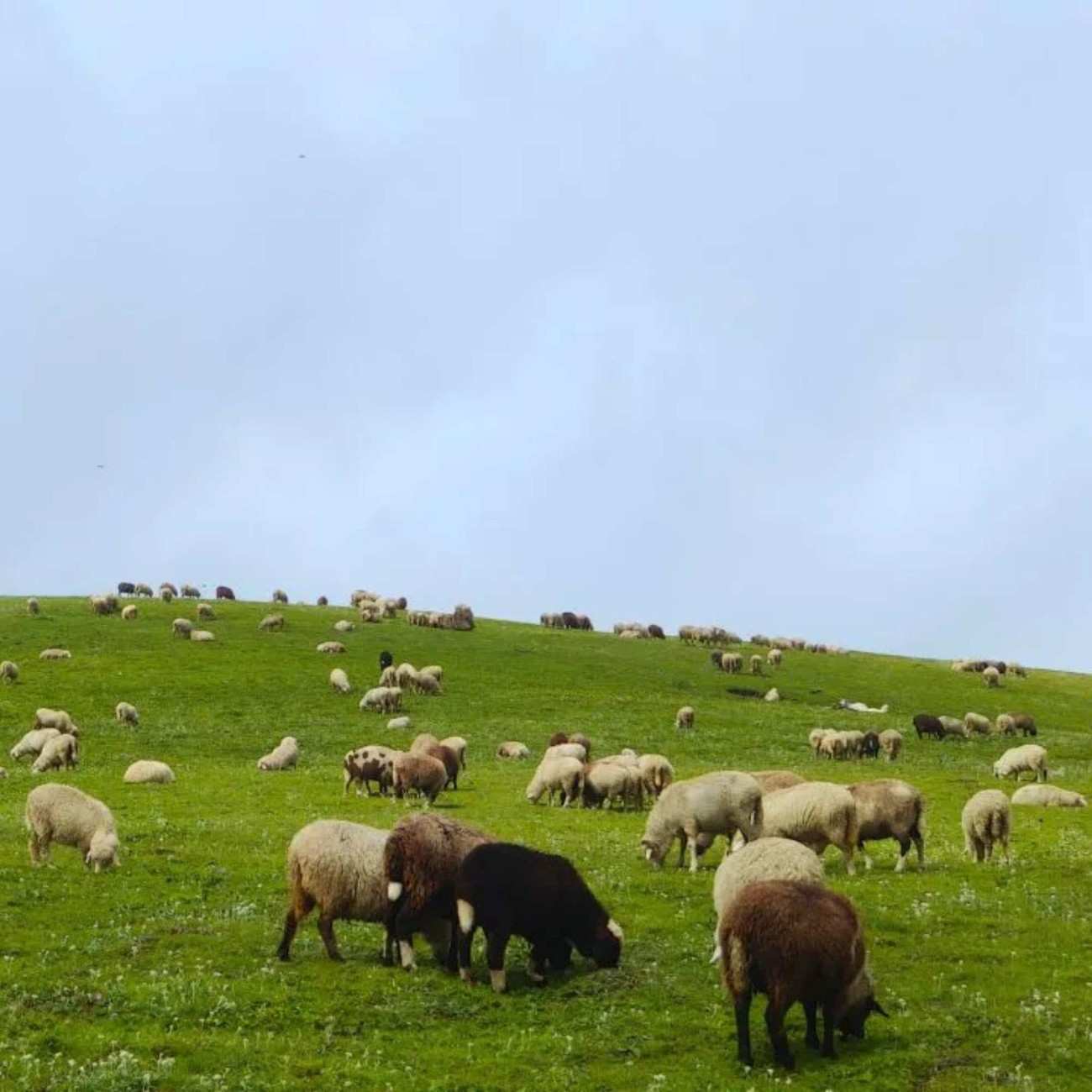
July plans should always carry a little extra room. Here is how we usually shape them.
2-Day Plan from Shimla
Day 1 is Shimla to Rohru or Larot. Settle in, eat well, and rest so you are fresh for the climb.
Day 2 is an early morning run from Rohru or Larot to Chanshal Pass and back the same day.
Shimla to Rohru is listed at about 108 km and around 3 hours by road, but July travel can take longer because of monsoon rain, landslide delays and slower hill traffic. Start early and keep a flexible arrival time.
3-Day Plan from Chandigarh or Delhi
Day 1 reach Rohru and stop for the night. Do not push for the pass on the same day you arrive.
Day 2 visit Chanshal Pass early in the morning and return to Rohru. Day 3 is your drive back.
Chandigarh to Rohru is listed at around 225 km and roughly 6 hours by road, but July journeys can take longer because of monsoon rain, landslide delays and slow hill sections. Start early and keep your schedule flexible.
4-Day Safer Monsoon Plan
In July we genuinely prefer adding one buffer day. Landslides, fog, or a small local closure can delay you by hours, and a buffer day saves the whole trip.
A buffer day is not a wasted day. It is the difference between turning back disappointed and actually reaching the pass.
Where Should You Stay Near Chanshal Pass in July?
Rohru
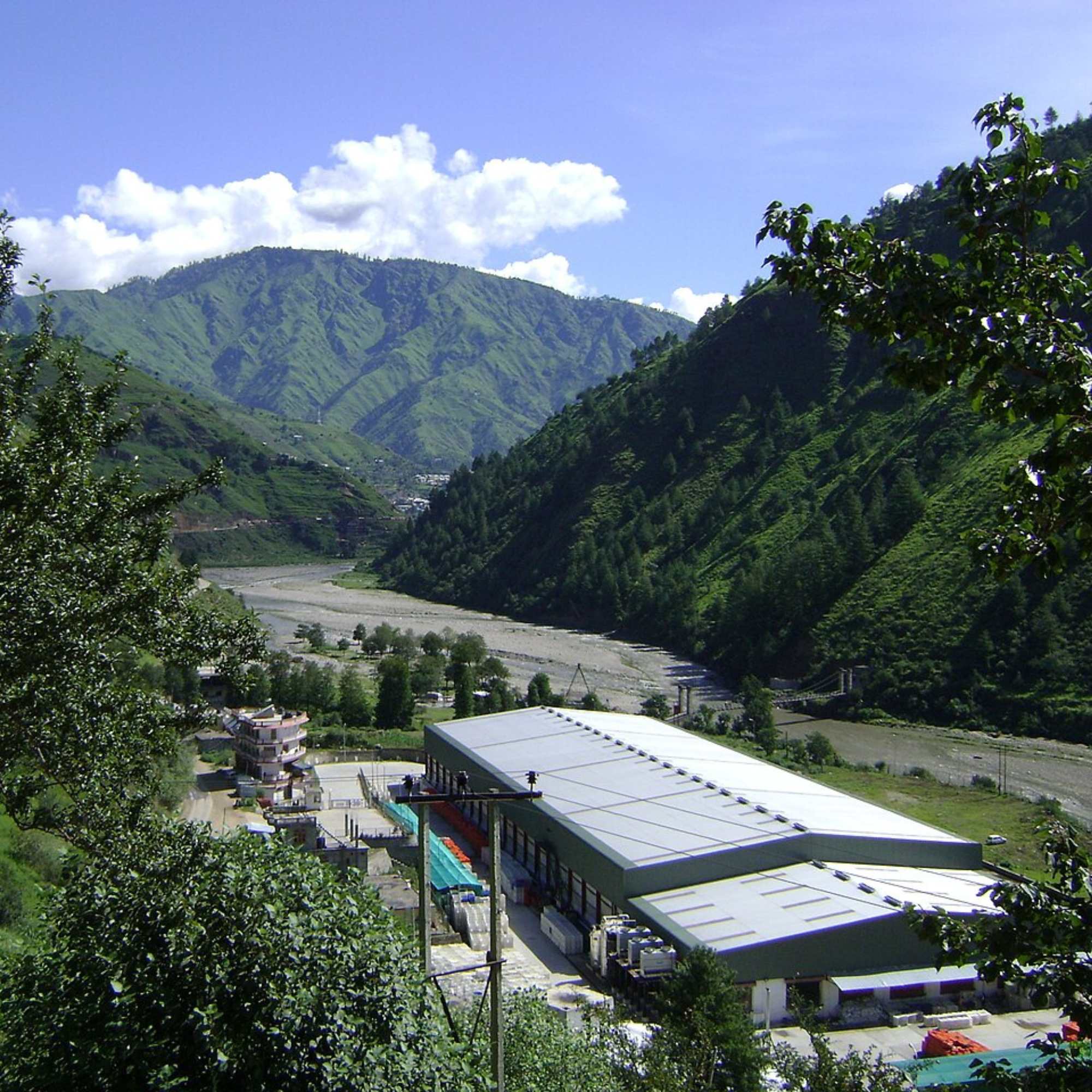
Rohru is the safest and most practical base. It has more facilities than anything closer to the pass, which matters a lot in monsoon when you may need a doctor, a mechanic, or just a dry room.
A solid option is HPTDC Hotel Chanshal in Rohru. It sits next to the Circuit House on the Hatkoti-Rohru road.
It lists a restaurant, parking, taxi on demand, doctor on call, card acceptance, and a public washroom. For July, having a doctor on call and parking sorted is worth more than a fancier view.
Larot
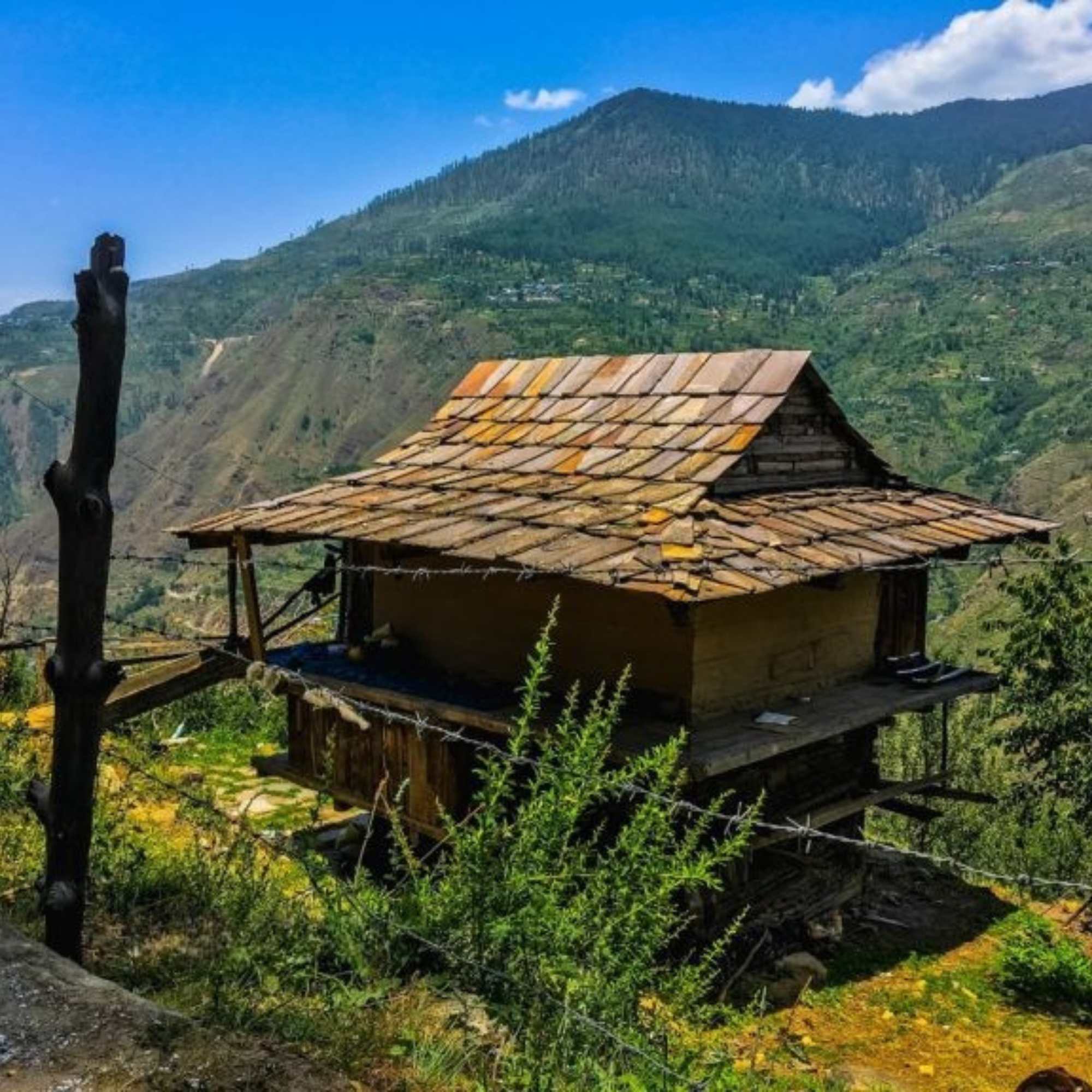
Larot is closer to the pass but a limited stay option. Think basic, not comfortable. It works if you want a head start on the morning climb but do not expect much choice.
Dodra Kwar
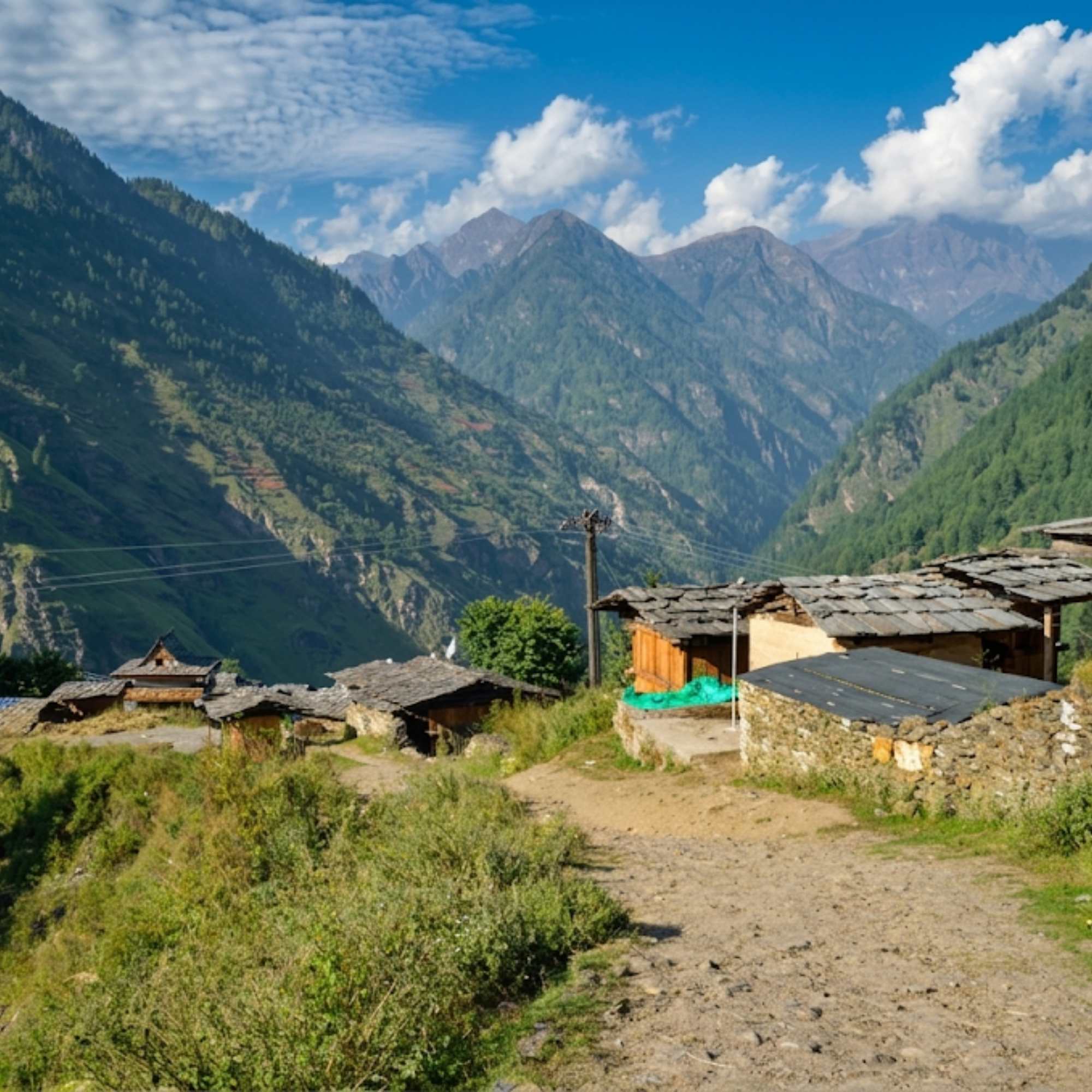
Dodra Kwar is only for travellers continuing beyond the pass, and only when the road is genuinely safe. Do not treat it as a casual July add-on.
On pricing, Chanshal Camps & Resort showed a dynamic listing of around ₹2,733 to ₹3,123 plus taxes per night for certain July dates. Verify this before booking, because these prices move with demand and dates.
A small money tip from running this belt for years
Base yourself in Rohru and treat the pass as a day trip. Chasing the few limited stays near Larot often costs more stress than it saves, and Rohru gives you a fallback if the weather turns.
Do You Need a Permit for Chanshal Pass?
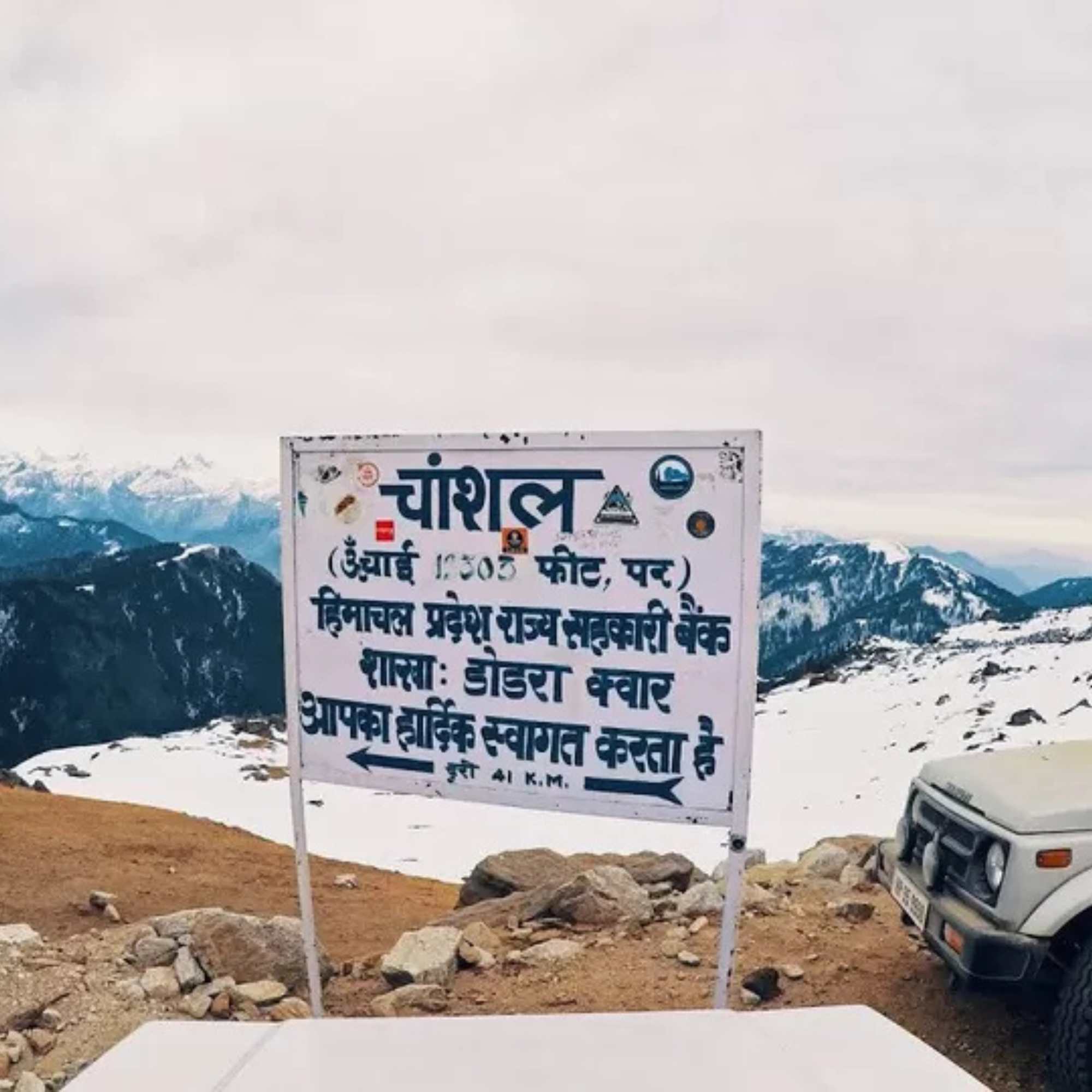
Be careful here, because permit information online is genuinely conflicting.
Some travel blogs mention forest permission for the Chanshal Wildlife Sanctuary area. Others say nothing about it at all.
The official Shimla District tourist page does not mention a regular tourist permit for Chanshal. And a broader Himachal permit guide says Indian citizens generally do not need permits in Himachal, except for specific regulated areas.
So we are not going to give you a clean yes or no, because the honest answer is that it depends and it is not clearly documented.
Before you leave, check with the Rohru Forest Department, the local police, or the SDM office. Verify the current permit position directly with them rather than trusting a single blog.
This is the kind of detail that changes quietly, and getting it wrong at a checkpoint can end your day.
What Should You Pack for Chanshal Pass in July?

Pack for rain, cold, and a weak phone signal, all at once.
For yourself, carry a rain jacket, a warm layer, a windproof jacket, waterproof shoes, and extra socks. Wet feet at altitude make a long day miserable.
Add offline maps, cash, a power bank, basic medicines, water, and snacks. Mobile network can be weak near the top, so do not plan the route on live maps alone.
For the vehicle, check your spare tyre, a puncture kit, a tow rope, full fuel, working brakes, and clear windshield visibility. In fog and rain, your wipers and brakes are the trip.
The thing travellers underestimate most is the network gap. Download your maps before Rohru, because near the pass you may have nothing to rely on.
Safety Tips for Chanshal Pass During Monsoon
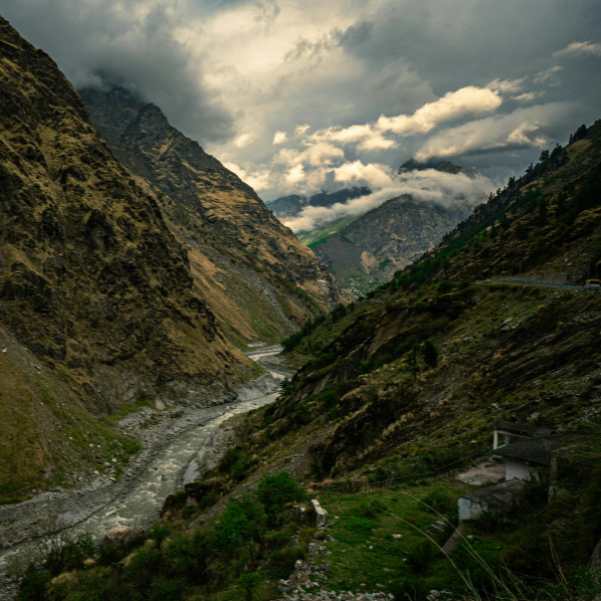
These are the things that actually keep a July trip safe, learned from the road and not a textbook.
Start early from Rohru or Larot so you clear the top section before the afternoon rain usually arrives.
Do not attempt the pass during active heavy rain. If it is pouring, wait it out or turn back. The road will still be there tomorrow.
Avoid stopping or parking below unstable slopes. Loose, rain-soaked hillsides are where rockfall happens.
Keep a buffer day, share your plan with your hotel or family, and turn back the moment visibility drops or water flow across the road looks unsafe.
Remember those rain numbers. 179 mm over 11.5 rainy days in Rohru in July means closures and delays are normal, not rare. Plan as if a wet day will land on you, because it probably will.
In our experience, the safest Chanshal plan in July is flexible, not fixed minute by minute. The travellers who insist on a rigid schedule are the ones who end up taking real risks to keep it.
Places to See Around Chanshal Pass in July
The good news is the area gives you more than just the pass, even when the weather is moody.
Pabbar Valley
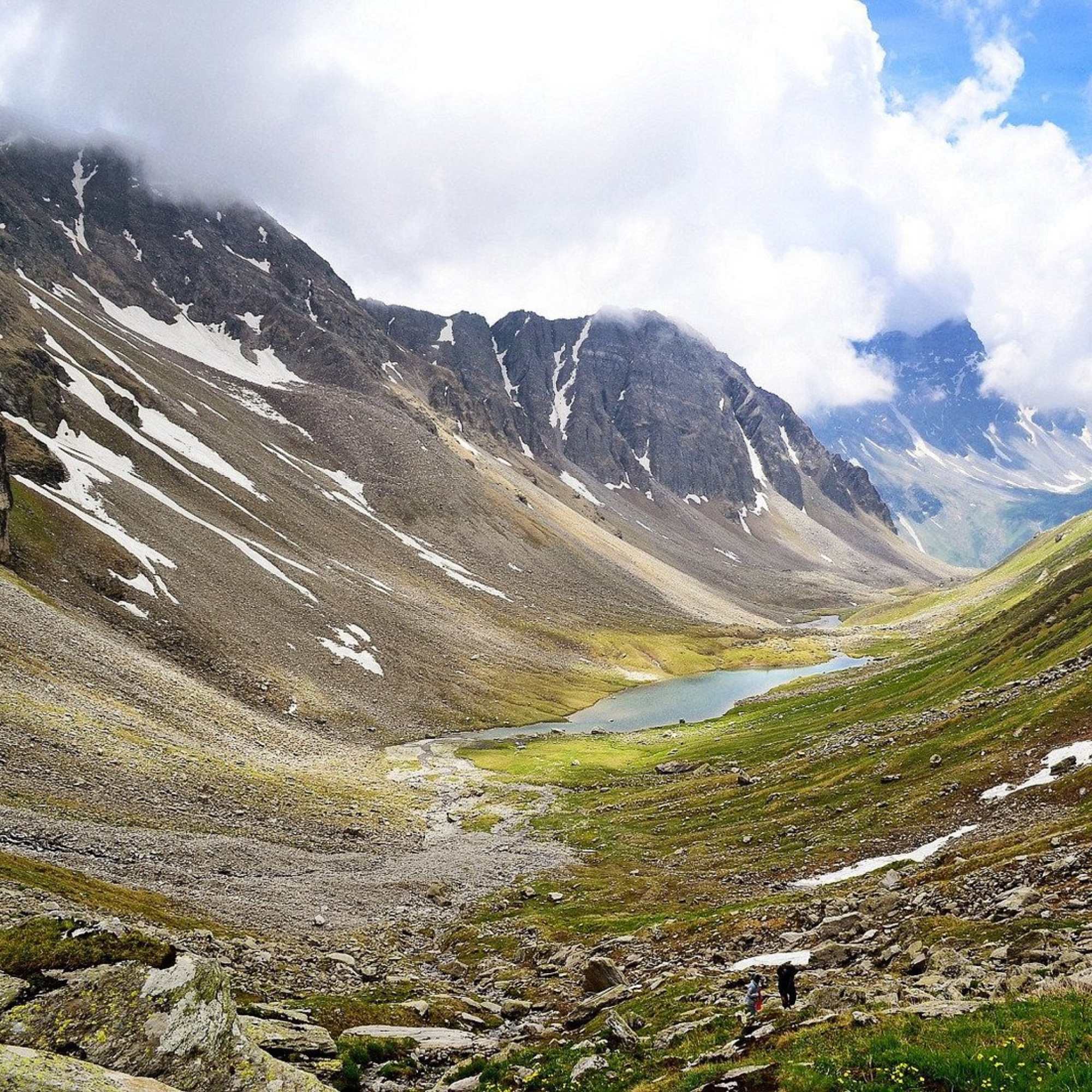
It is the heart of it, green and full of rivers in July. The Rohru apple belt is in season through summer, and the orchards along the road are a sight on their own.
This is also where a simple food tip helps. Eat a proper hot meal in Rohru before you climb, because options thin out fast past Larot. In apple season, the fresh local apples in the Rohru belt are worth a stop too.
Larot village
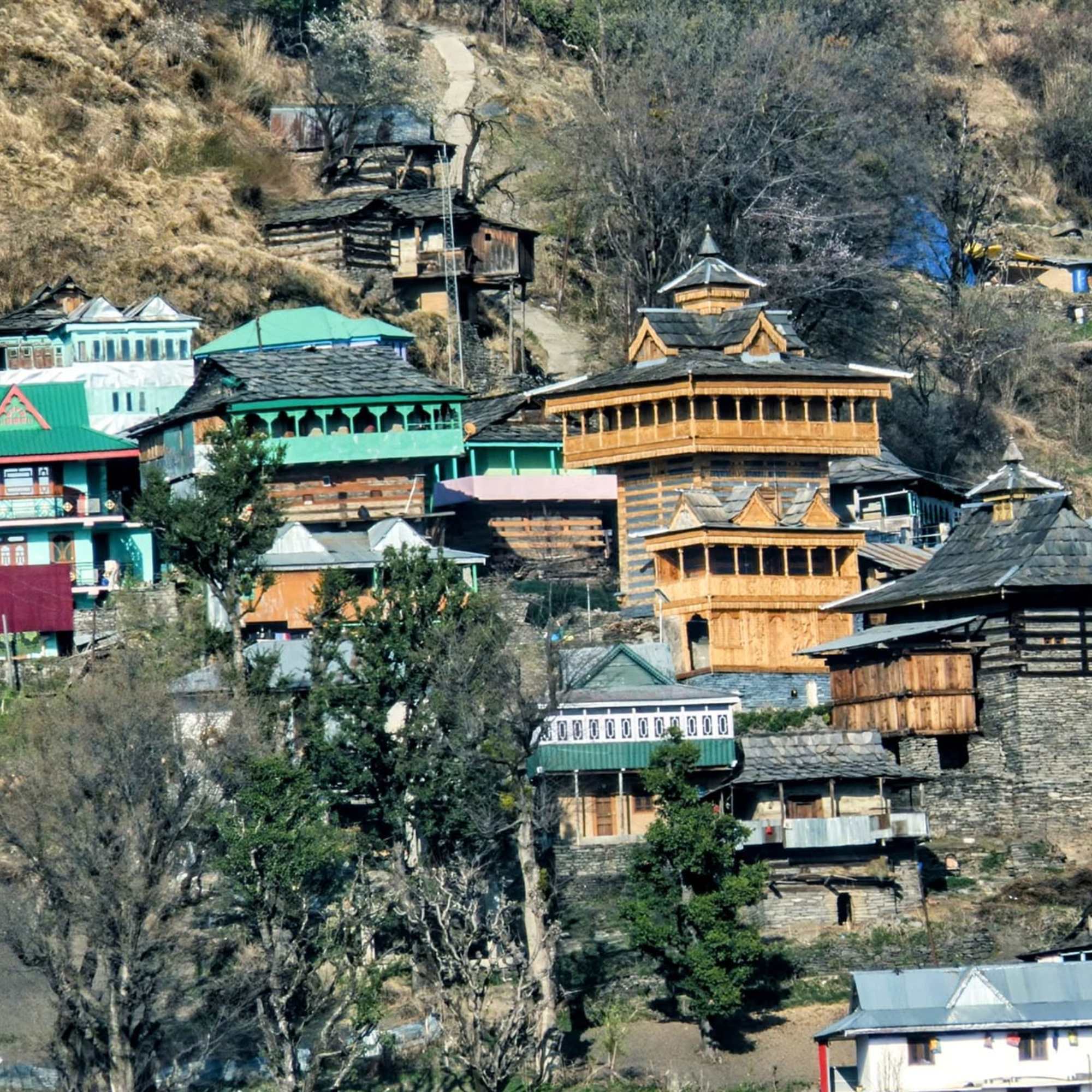
It is a small, quiet stop on the way up, and the alpine meadows around the pass are the real reason people make the effort in July.
Hatkoti Temple
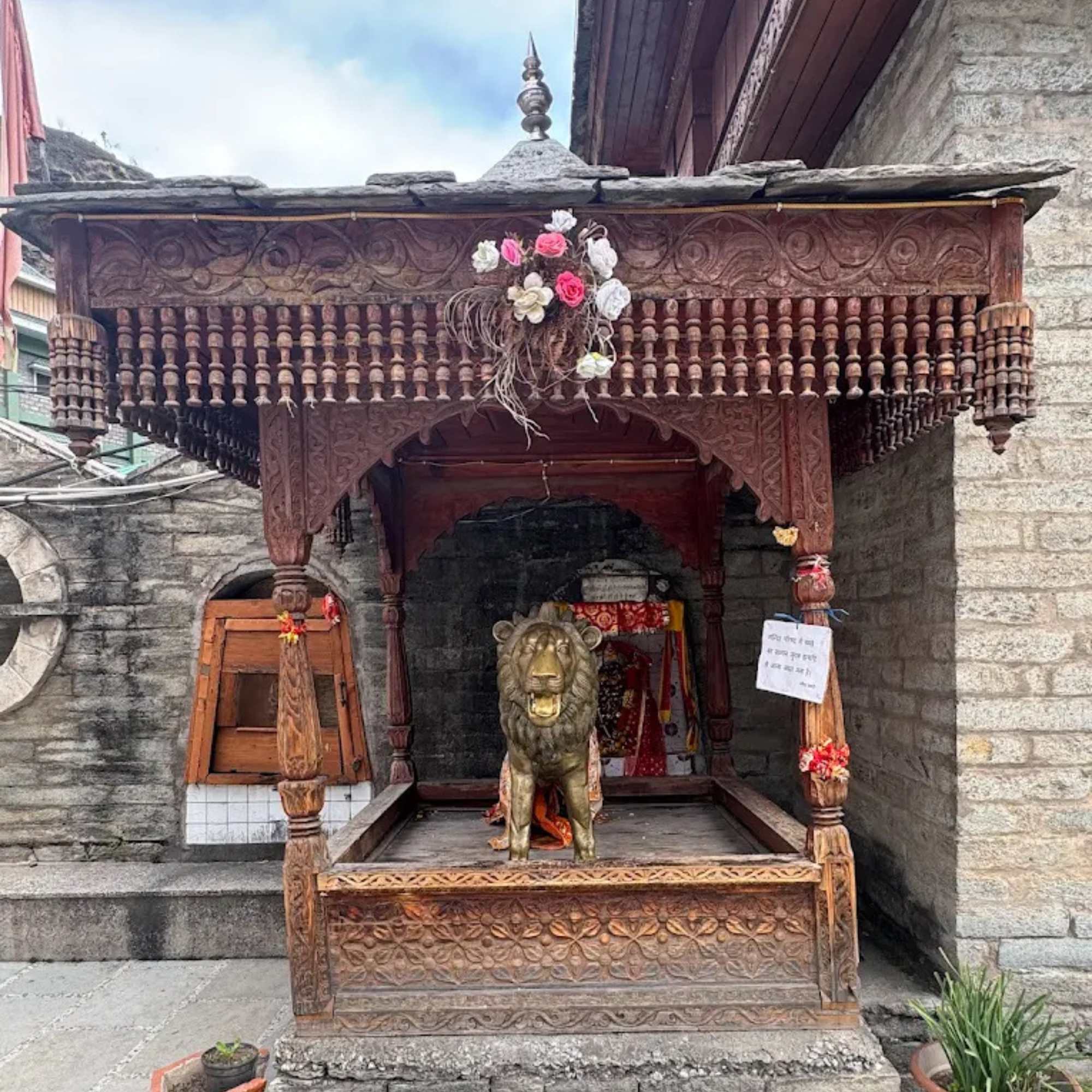
It sits on the route and is an easy, worthwhile pause. Dodra Kwar is stunning but only if the road is confirmed safe, so do not force it in heavy rain.
Saru Lake or Chanshal trek
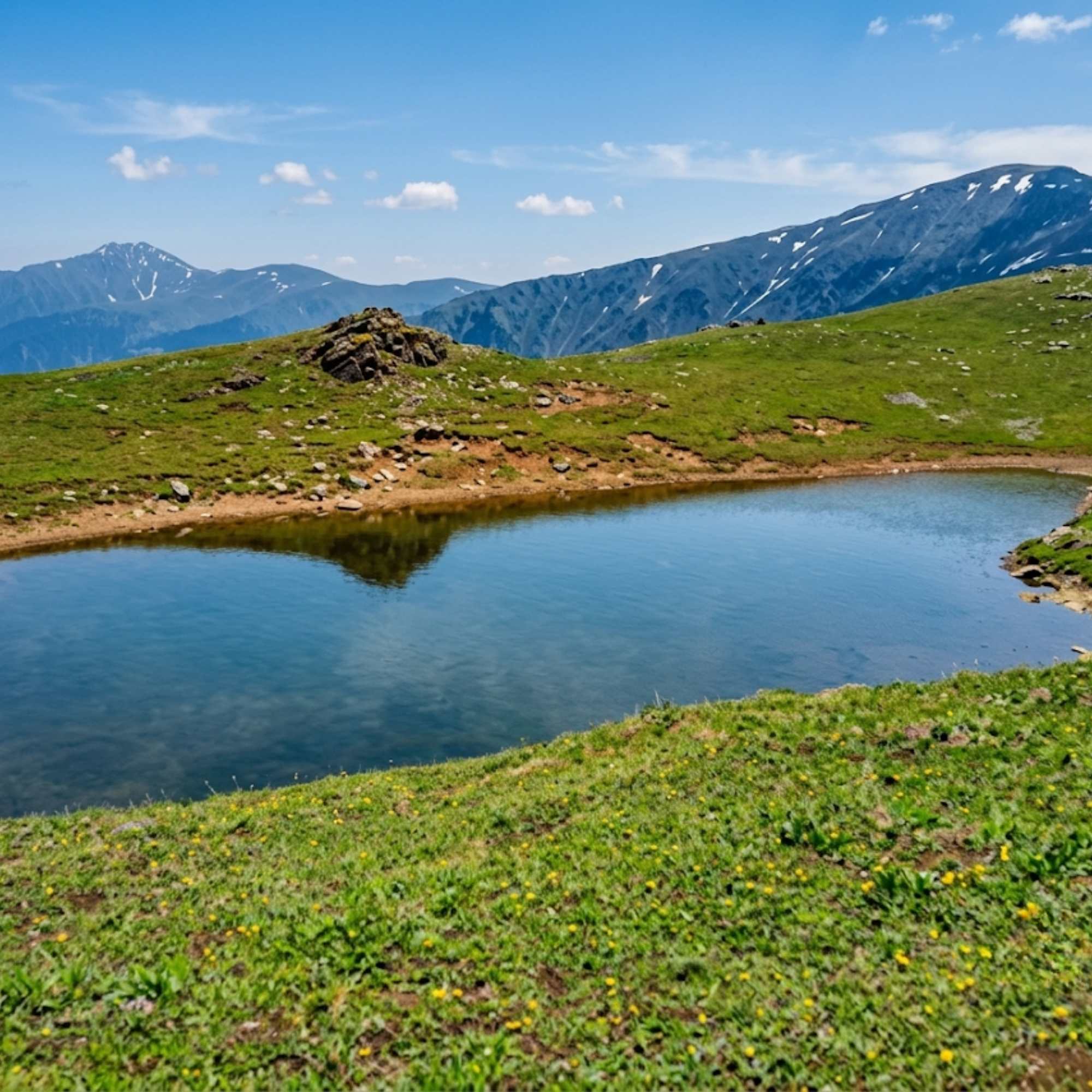
If a longer trek tempts you, the Saru Lake or Chanshal trek route, guide availability, and weather all need local checking in July. Verify before committing to any trek here, because monsoon changes trek conditions a lot.
Here is a clear skip. Do not push to Dodra Kwar in active monsoon just to tick it off. That stretch is not worth the risk in heavy rain, and you can save it for a drier return trip.
If you like this kind of high-mountain travel, our Kinnaur tour packages and our Jibhi and Tirthan Valley trips cover similar terrain with easier monsoon access.
Who Should Avoid Chanshal Pass in July?
Some travellers should simply pick a different month, and that is fine.
First-time hill drivers should not learn on this road in monsoon. The wet, narrow, foggy climb is not a beginner stretch.
Low-ground-clearance cars, families with small kids during active rain, and anyone with fixed flights should also postpone or skip July here. A delayed road plus a fixed flight is a recipe for stress.
If broken mountain roads make you nervous, this is not the July trip for you, and there is no shame in that.
For those travellers, easier Himachal options often work better in monsoon. Depending on the weather, Shimla, Jibhi, Kinnaur, or a well-planned Spiti trip can give you mountains without the same risk.
Spiti, in particular, has a rain-shadow advantage in parts. You can read more on our Spiti Valley tour packages page if Chanshal feels too tight for your dates.
Explore Our Curated Chanshal Pass Tour Packages
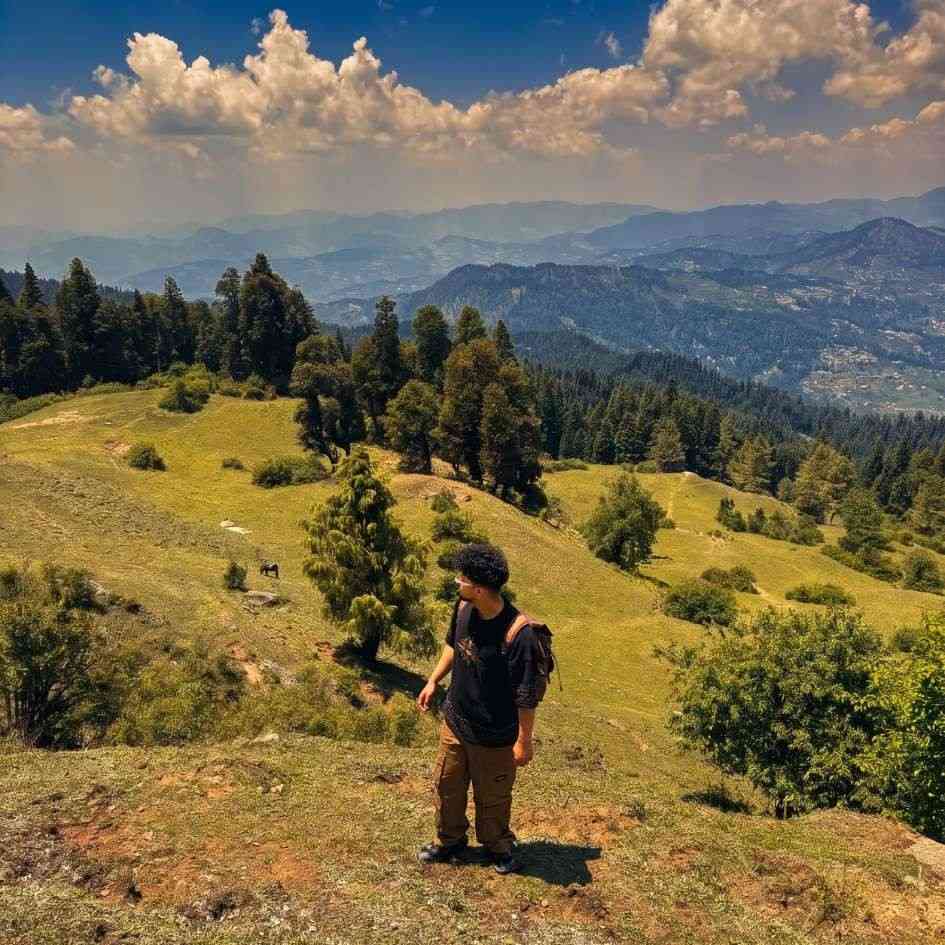 Group Tour5D/4N
Chanshal Pass Weekend Group Trip With Giri Ganga and Kuppar Bugyal
1D Kharapathar / Kotkhai•1D Rohru / Chirgaon (Pabbar Valley)
₹8,999₹12,999SAVE INR 4,000/ person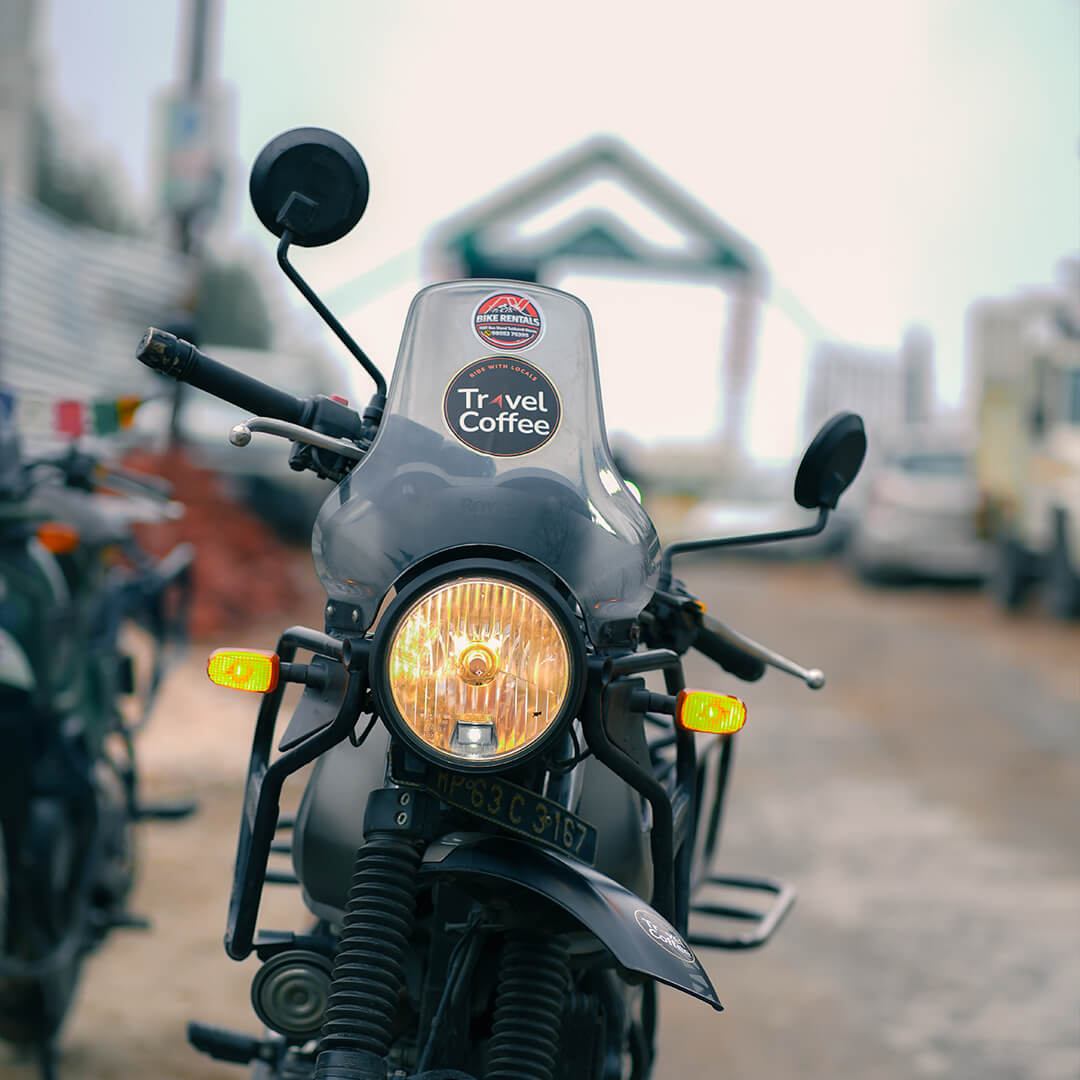 8D/7N
8D/7NUltimate Pabbar Valley Bike Expedition With Giri Ganga Kuppar Bugyal Chanshal Pass and Dodra Kwar
1D Kharapathar / Kotkhai•2D Rohru / Chirgaon (Pabbar Valley)+1
₹29,999/ person- 8D/7N
Most Loved 4x4 Pabbar Valley Expedition With Giri Ganga Kuppar Bugyal Chanshal Pass and Dodra Kwar
1D Kharapathar / Kotkhai•2D Rohru / Chirgaon (Pabbar Valley)+1
₹32,999₹39,999SAVE INR 7,000/ person
Related topics
Frequently Asked Questions
Is Chanshal Pass open in July 2026?
It is usually open, since the road is officially open from May to November. But July is monsoon, so verify the live road status 24 to 48 hours before you travel.
Is July a good time to visit Chanshal Pass?
July is green and dramatic but risky because of rain, fog, and landslides. Early July is more manageable than mid or late July, and September to October are safer for clear views.
How risky is Chanshal Pass road in July?
The risk is real but manageable with care. Rain makes the final climb muddy and slippery, fog cuts visibility, and Rohru gets about 11.5 rainy days in July, so delays are common.
Can a sedan go to Chanshal Pass in July?
A sedan should avoid the drive after rain or during monsoon alerts. The final stretch is rough and slippery, so an SUV or high-ground-clearance vehicle is the safer choice in July.
Do I need a 4x4 for Chanshal Pass?
A full 4x4 is not always mandatory in dry conditions, but July rain can change the route fast. A high-ground-clearance vehicle is strongly recommended for this month.
Can I visit Chanshal Pass by bike in July?
Only experienced hill riders should attempt it. Carry waterproof luggage, a riding jacket, gloves, and rain gear, and avoid riding after dark on wet, foggy roads.
Does Chanshal Pass need a permit?
Permit information is conflicting. The official Shimla page does not mention a tourist permit, but some blogs mention forest permission. Check with the Rohru Forest Department, local police, or SDM office before you go.
Where should I stay for Chanshal Pass?
Rohru is the safest and most practical base because it has more facilities. HPTDC Hotel Chanshal in Rohru is a solid option, with Larot as a closer but very limited choice.
Is there snow at Chanshal Pass in July?
The road is open through summer, so the route is usually clear of snow in July. You may still spot snow on higher peaks or shaded slopes early in the season. Verify current conditions locally.
How far is Chanshal Pass from Rohru?
Chanshal Pass is about 48 km from Rohru, going via Chirgaon, Tikri, and Larot. In July, allow extra time because the final climb slows down a lot after rain.
How far is Chanshal Pass from Shimla?
Chanshal Pass is about 160 km from Shimla. The shorter route via Kotkhai and Kharapathar is bumpy and not suitable for bikes, while the Narkanda route runs about 175 km.
Is Chanshal Pass safe for families in July?
It can be, with an SUV, an early start, and a buffer day. But families with small children should avoid the drive during active rain and consider a calmer Himachal trip instead.
More about Chanshal Pass
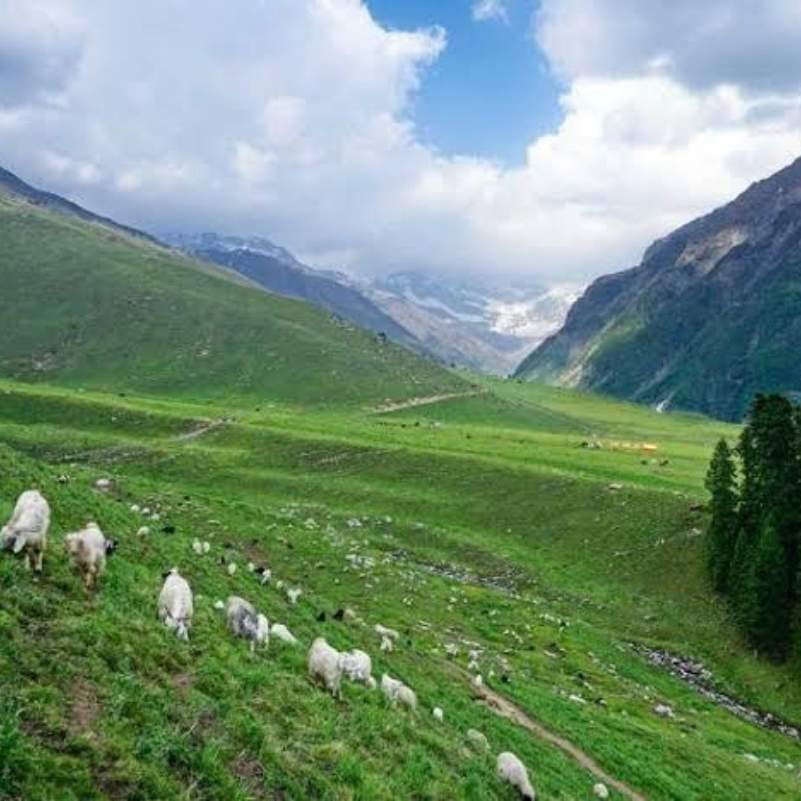 Chanshal Pass
Buran Ghati Trek Complete Guide 2026: Route, Cost, Difficulty, Best Time
Planning the Buran Ghati Trek in 2026? Explore the complete guide covering the route, itinerary, cost, difficulty, best time to visit, fitness tips, and essential trekking advice.
- Things to Do
 Chanshal Pass
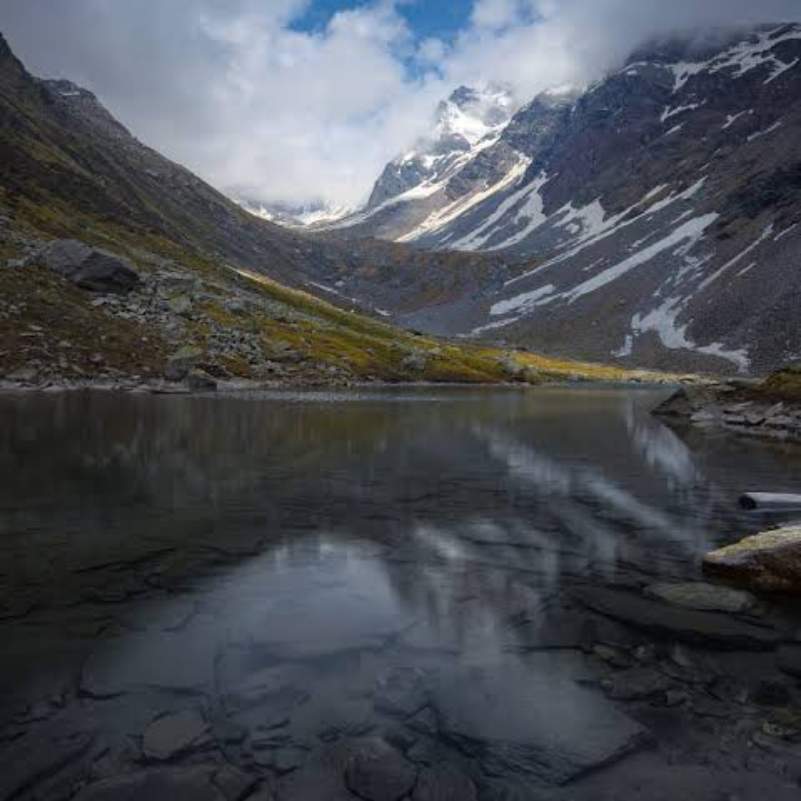
Chandranahan Lake Trek 2026: Source of the Pabbar River
Discover the Chandranahan Lake Trek 2026, a breathtaking Himalayan adventure to the sacred source of the Pabbar River in Himachal Pradesh. Explore pristine alpine meadows, glacial lakes, and spectacular mountain landscapes with this complete trekking guide.
- Things to Do
 Chanshal Pass
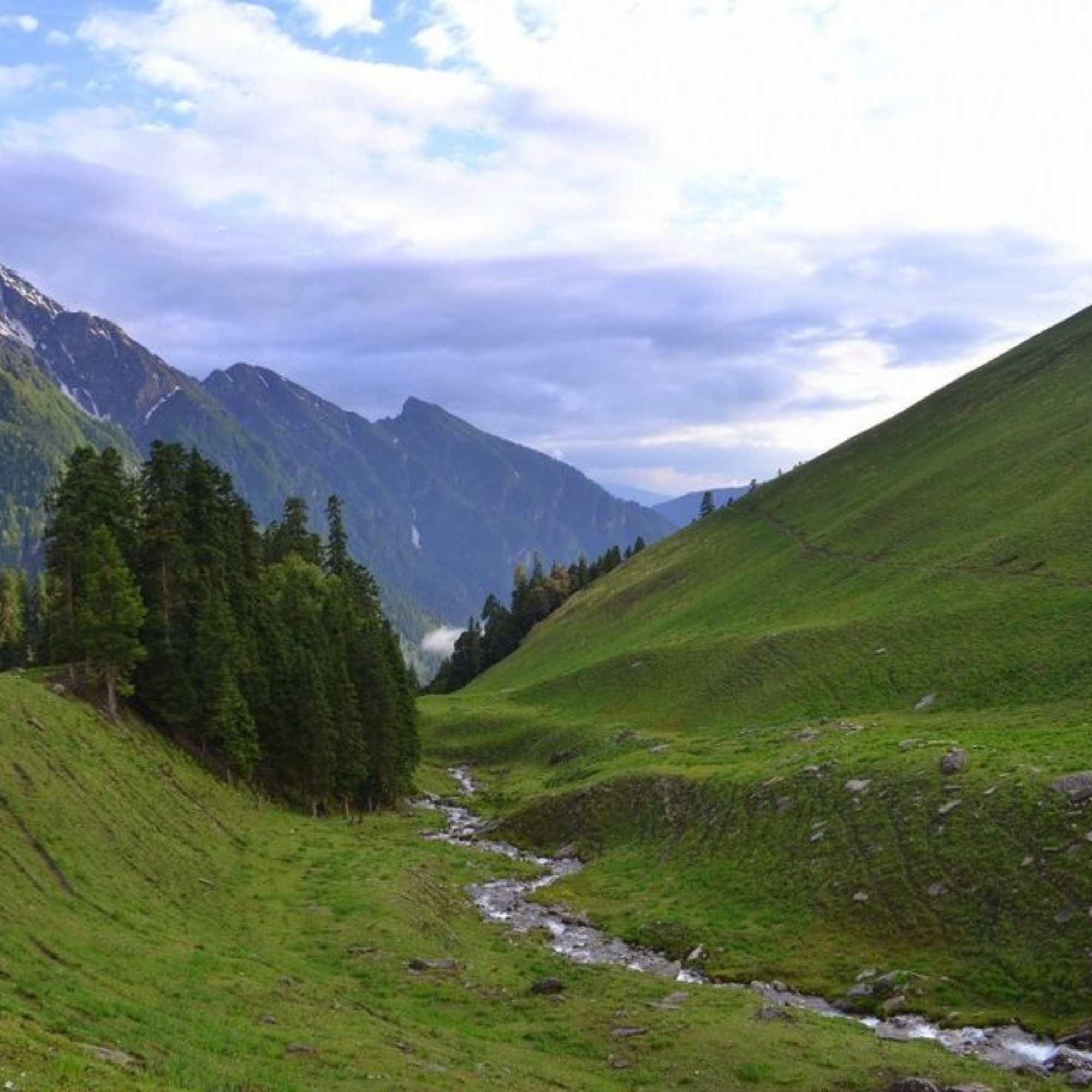
Treks in Pabbar Valley: The Complete List for 2026
Planning to explore the treks in Pabbar Valley in 2026? This complete guide covers the region's best hiking trails, difficulty levels, ideal seasons, trail highlights, and essential planning tips for discovering one of Himachal Pradesh's most rewarding trekking destinations.
- Things to Do