
Chandigarh to Chanshal Pass Road Trip Guide 2026: Route, Itinerary & Driving Tips
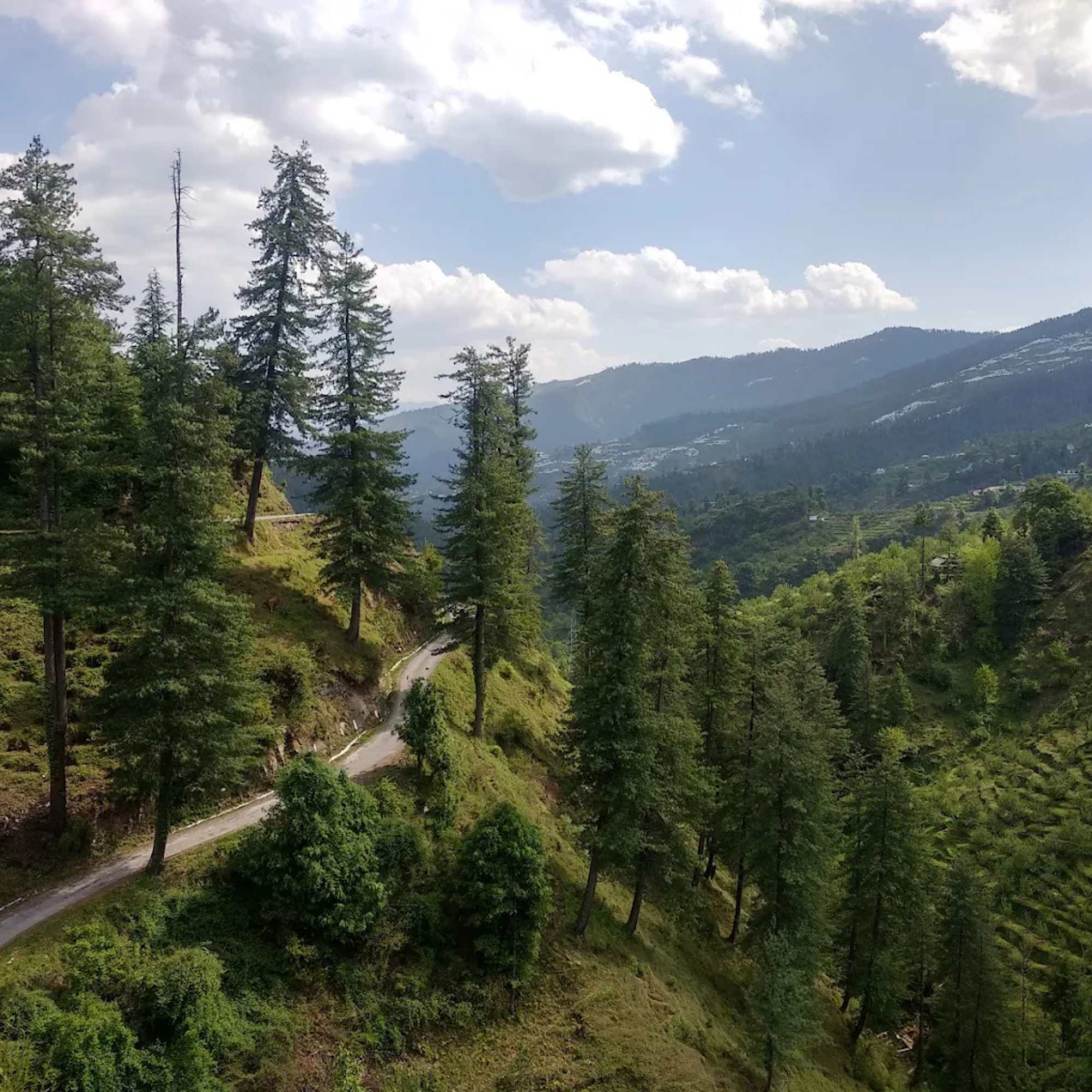
The Chandigarh to Chanshal Pass drive is not for people who want a smooth hill-station holiday. After Rohru, the road turns into a broken dirt climb with 55 hairpin turns and no fuel pump in sight.
But if you want empty mountain roads, apple orchards, the Pabbar River, and a high meadow at 3,755 m where almost nobody is around, this is one of the best offbeat drives in Himachal right now.
Most people have never heard of Chanshal Pass. That is exactly why it is worth doing in 2026 before the crowds find it.
Quick Answer: How Do You Plan Chandigarh to Chanshal Pass in 2026?
Drive from Chandigarh to Rohru on Day 1 and stay the night. Rohru is your base because it has fuel, ATMs, food and rooms.
On Day 2, do Chanshal Pass as a day drive from Rohru through Chirgaon and Larot, then come back to Rohru before dark.
Return to Chandigarh on Day 3, or add a Day 4 if you want a relaxed pace.
This is a seasonal high-altitude road. Check live road status before the Rohru to Larot to Chanshal climb, because snow, rain and slush can shut it without warning.
Is Chandigarh to Chanshal Pass Worth the Road Trip?
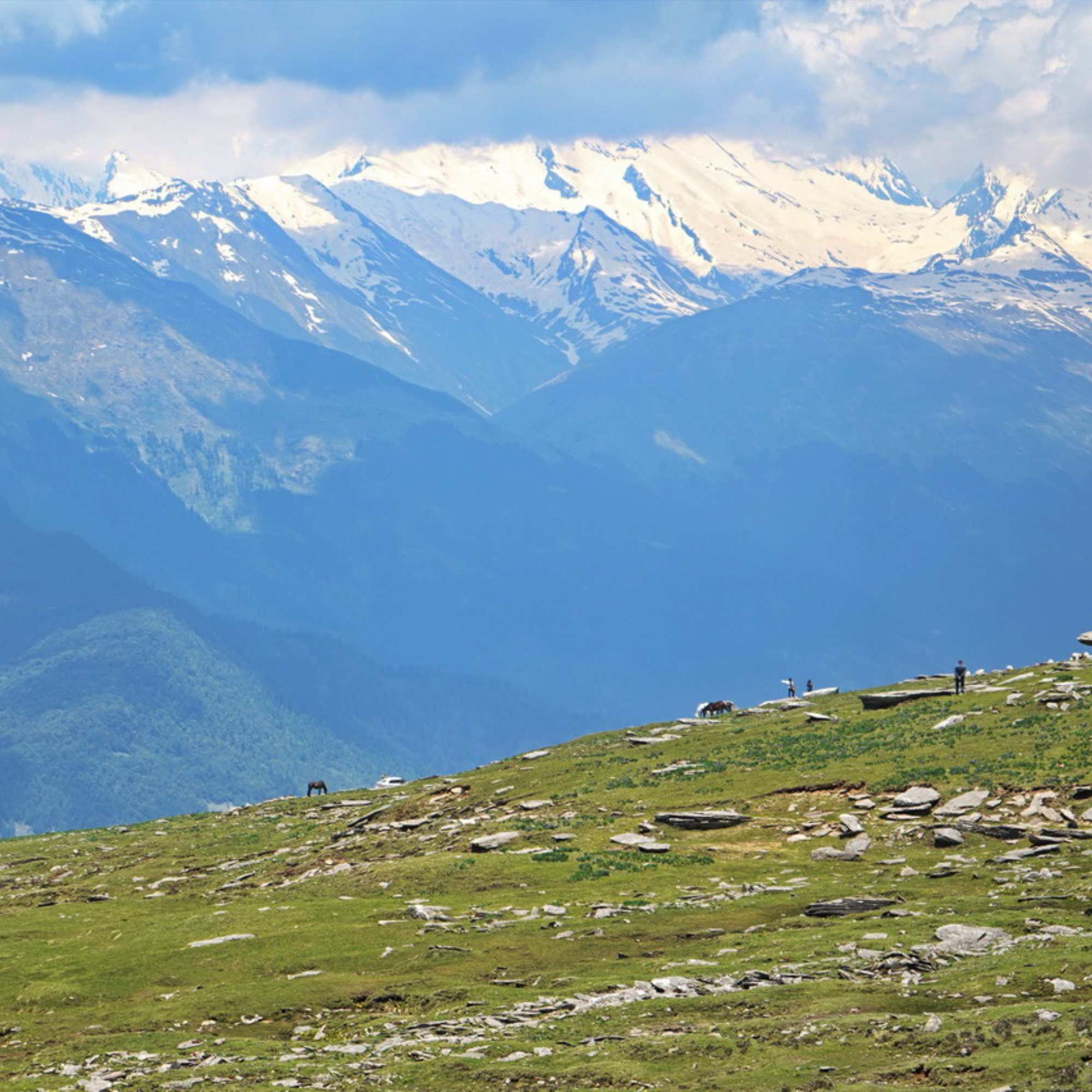
Yes, but only if you know what you are signing up for. This trip suits travellers who want rough roads, alpine meadows and fewer people, not a polished Shimla-Manali weekend.
The reward is real. You drive through the apple belt, follow the Pabbar River, and end up at a high pass that feels completely untouched.
Here is the honest part. After Rohru, there is no luxury, no big hotels, no fancy cafes. The last stretch is genuinely rough and will rattle your car.
In our experience running trips in this part of Shimla district, the people who love Chanshal are the ones who came for the road itself, not for comfort. If you need attached bathrooms and room service at the end of each day, this is the wrong trip.
What most tourists get wrong is treating Chanshal like a quick add-on. They rush, skip the Rohru night, and end up doing the worst road in fading light. That one mistake turns a beautiful drive into a stressful one.
What Is the Best Chandigarh to Chanshal Pass Route?
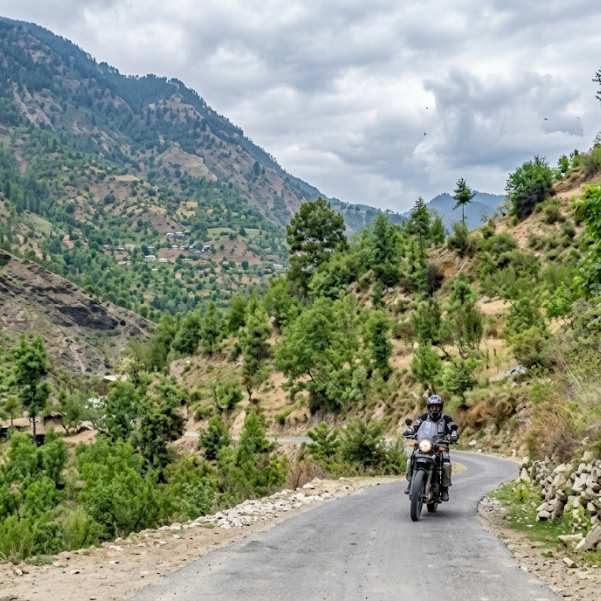
Recommended Route via Shimla, Theog, Hatkoti, Rohru, Chirgaon and Larot
The cleanest way to plan the Chandigarh to Chanshal Pass route is to think of it in two halves. The first half is the easy highway run. The second half is the rough mountain climb.
From Chandigarh you head to Shimla, then Theog, then towards Kotkhai or Kharapathar, down to Hatkoti, and into Rohru.
From Rohru the road continues to Chirgaon, then Larot, and finally up to Chanshal Pass. This second half is where the real mountain driving begins.
Shimla district lists two official approaches from Shimla itself. One goes via Kotkhai, Kharapathar, Hatkoti and Rohru at 160 km.
The other goes via Narkanda, Tikkar and Rohru at 175 km. Both end at Rohru and then climb to Chanshal through Larot.
We usually send travellers on the Kotkhai and Hatkoti line on the way up. It is shorter and the apple-belt scenery near Kotkhai is some of the best on the whole route.
Return Route via Narkanda and Hatu Peak
For the return, you can come back through Sungri, Narkanda and Hatu Peak instead of repeating the same road. This breaks the monotony and gives you a high viewpoint near Narkanda.
Only take this loop if the road and weather are good. If it has been raining, stick to the known Hatkoti road back.
If you want to slow this down and spend a proper night around Shimla, our Shimla tour packages can sort the stays and driver for you.
Chandigarh to Chanshal Pass Distance and Driving Time
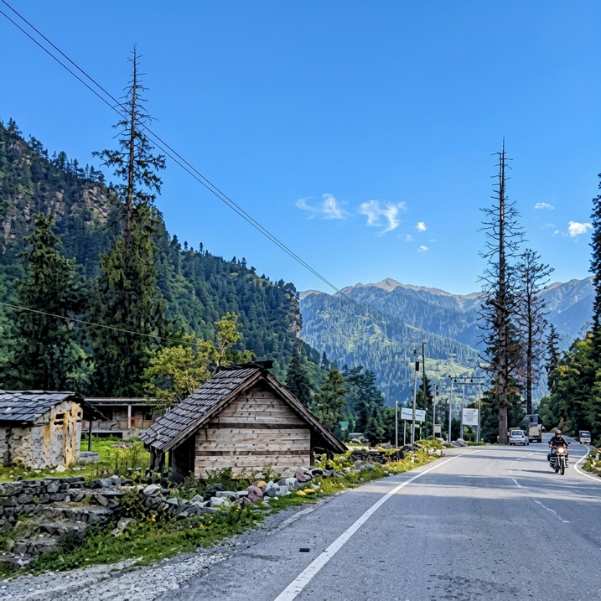
The total Chandigarh to Chanshal Pass distance can change slightly depending on the route, detours and map source you follow, so treat it as an approximate driving distance rather than one fixed number.
For planning, it is better to break the journey into two parts: Chandigarh to Rohru, and Rohru to Chanshal Pass.
Most route estimates place Chandigarh to Rohru at around 207 to 225 km, with a driving time of roughly 6 to 8 hours depending on traffic, road conditions, stops and weather.
From Rohru, the climb towards Chanshal Pass via Chirgaon and Larot is around 48 to 50 km. This part looks short on paper, but it is the slowest and most sensitive section of the route.
That is the trap. The kilometres after Rohru are not very high, but the road is narrow, remote and slow. Do not judge the day only by distance. Judge it by road quality, weather and daylight.
3-Day Chandigarh to Chanshal Pass Itinerary
Day 1: Chandigarh to Rohru
Start early from Chandigarh. A 5 to 6 AM departure gives you daylight buffer and a relaxed evening in Rohru.
The drive runs through Shimla, Theog, Kotkhai or Kharapathar, Hatkoti and into Rohru. Expect roughly 207 to 225 km and a long day on the wheel.
Break the drive properly. Stop for tea near Theog and a real lunch around Kharapathar or Hatkoti.
Rohru is the practical base for this trip. It sits on the Pabbar River and has fuel, ATMs, food and stay options. It is about 115 km from Shimla city.
Eat a proper hot meal in the Rohru market before you sleep. After Larot the next day, there is nothing reliable, so a good dinner and a packed breakfast from Rohru make a real difference.
Day 2: Rohru to Chanshal Pass and Back
This is the day you came for. Leave Rohru early and drive through Chirgaon, then Larot, then up to Chanshal Pass, and back to Rohru the same day.
The first part to Larot is manageable. The final 20 km from Larot to Chanshal is the rough section that tests your car and your nerves.
Do not start late. Aim to reach the pass by late morning so you have time at the top and a full afternoon to get back down.
Do not drive this road back after dark. The hairpins, loose rocks and zero lighting make night driving here genuinely dangerous.
Our drivers always tell groups the same thing. Be back below Larot before the light fades, even if it means cutting your time at the top short.
>>Want the latest road updates before you drive to Chanshal Pass? Talk to our team on WhatsApp.
Day 3: Rohru to Chandigarh via Narkanda or Shimla
Drive back to Chandigarh on Day 3. If the weather is good, take the loop via Sungri and Narkanda for a change of scenery and a stop at Hatu Peak.
Thrill Himalaya lists the Rohru to Sungri to Narkanda to Hatu Peak to Chandigarh route as 240 km and 7 to 8 hours. It is a longer day, so start early again.
If it is raining or the Narkanda side looks risky, just return the way you came. There is no prize for forcing a scenic loop in bad weather.
4-Day Safer Itinerary for Families and First-Time Mountain Drivers
If you are travelling with family, seniors, or you are not used to rough mountain roads, add a day and slow everything down.
Day 1
Day 1 is Chandigarh to Shimla or Narkanda. You break the long highway run and sleep at a comfortable altitude.
Day 2
Day 2 is Shimla or Narkanda to Rohru, a shorter and easier drive that leaves you fresh.
Day 3
Day 3 is the Chanshal Pass day trip from Rohru, when you are rested and ready for the rough section.
Day 4
Day 4 is Rohru back to Chandigarh. No rushing, no doing the worst road tired.
Our team recommends this 4-day version for families, senior travellers and anyone nervous about steep, broken mountain roads. The extra night costs a little more but removes most of the stress.
How Bad Is the Rohru to Chanshal Pass Road in 2026?
This is the most important section if you are self-driving. Read it twice.
The road up to Larot is rough but generally doable. After Larot, the road becomes much more challenging.
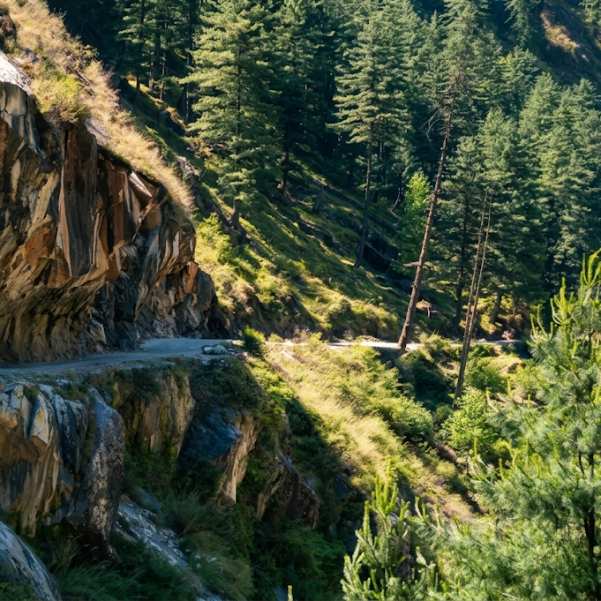
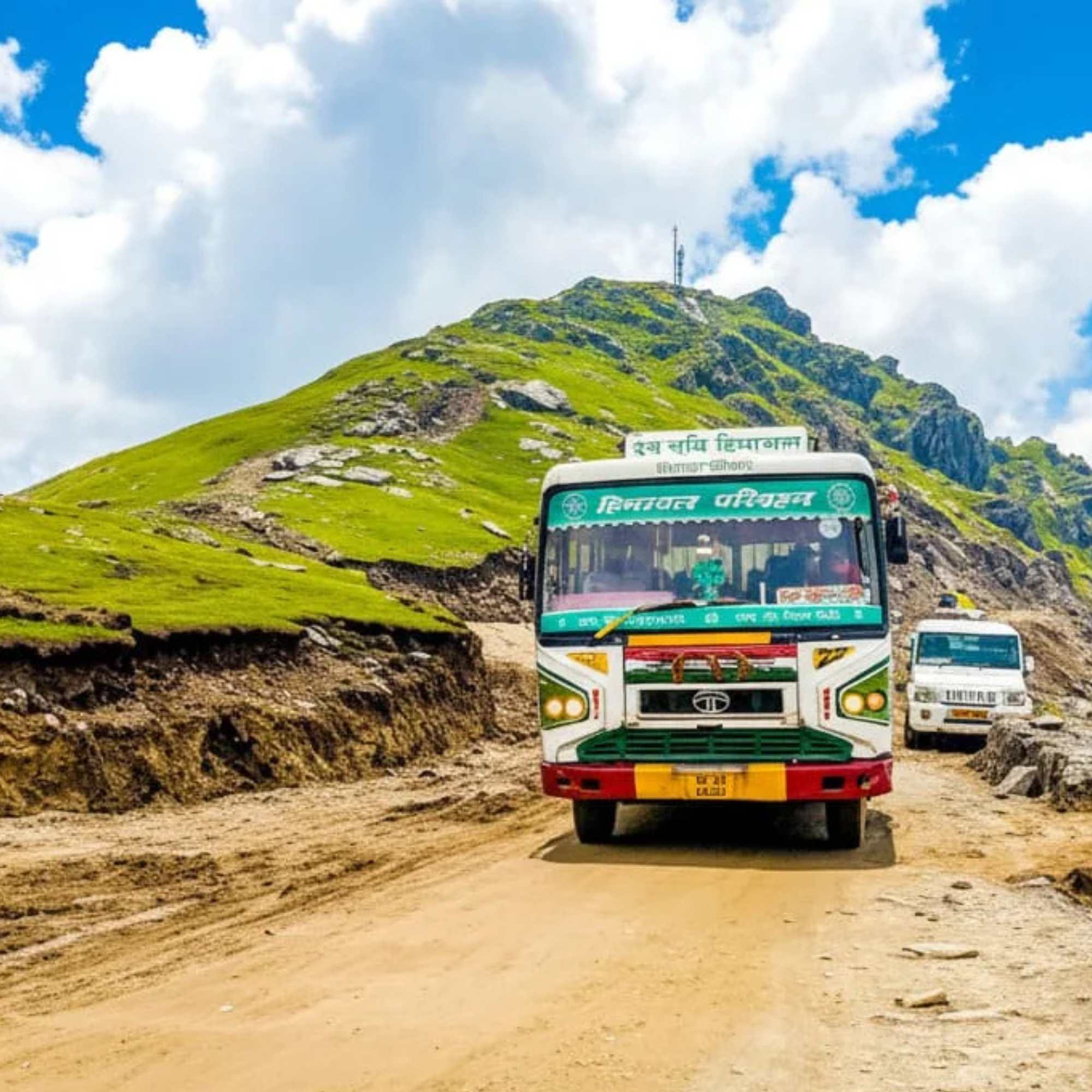
The final climb towards Chanshal Pass is narrow, steep and broken in many places. Expect rocky patches, mud, slush, loose stones, sharp hairpin bends and off-road style driving conditions. In many sections, it feels less like a normal road and more like a mountain track.
In our experience, the people who struggle most are the ones who underestimate this stretch. The distance is small, but every kilometre is slow, bumpy and tiring. Do not judge this drive by kilometres alone.
The honest warning is simple. Avoid night driving here completely. A narrow dirt trail with 55 hairpins and loose rock is risky enough in daylight, and there is no margin for error after dark.
Which Vehicle Is Best for Chanshal Pass?
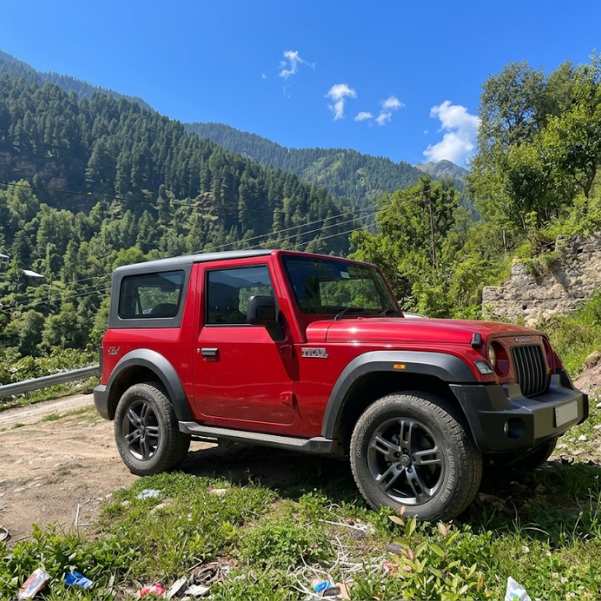
For the Chanshal Pass SUV drive, a high-ground-clearance SUV or 4x4 is the right tool. The Larot to Chanshal section is built for exactly this kind of vehicle.
A sedan can reach Rohru, and sometimes Chirgaon, with care. But the final climb to Chanshal can damage a low car on the rocks and ruts.
Here is a money tip most travel agents will not tell you. If you only own a low car, do not drag it up the worst stretch. Drive your own car to Rohru and hire a local SUV or driver for the final Chanshal section. You protect your car and your back.
For the Chanshal Pass bike trip, experienced riders can do it and many love it. But beginners should not attempt this road solo. The slush, loose rocks and hairpins are a lot to handle alone at altitude.
Is Chanshal Pass Open in 2026?
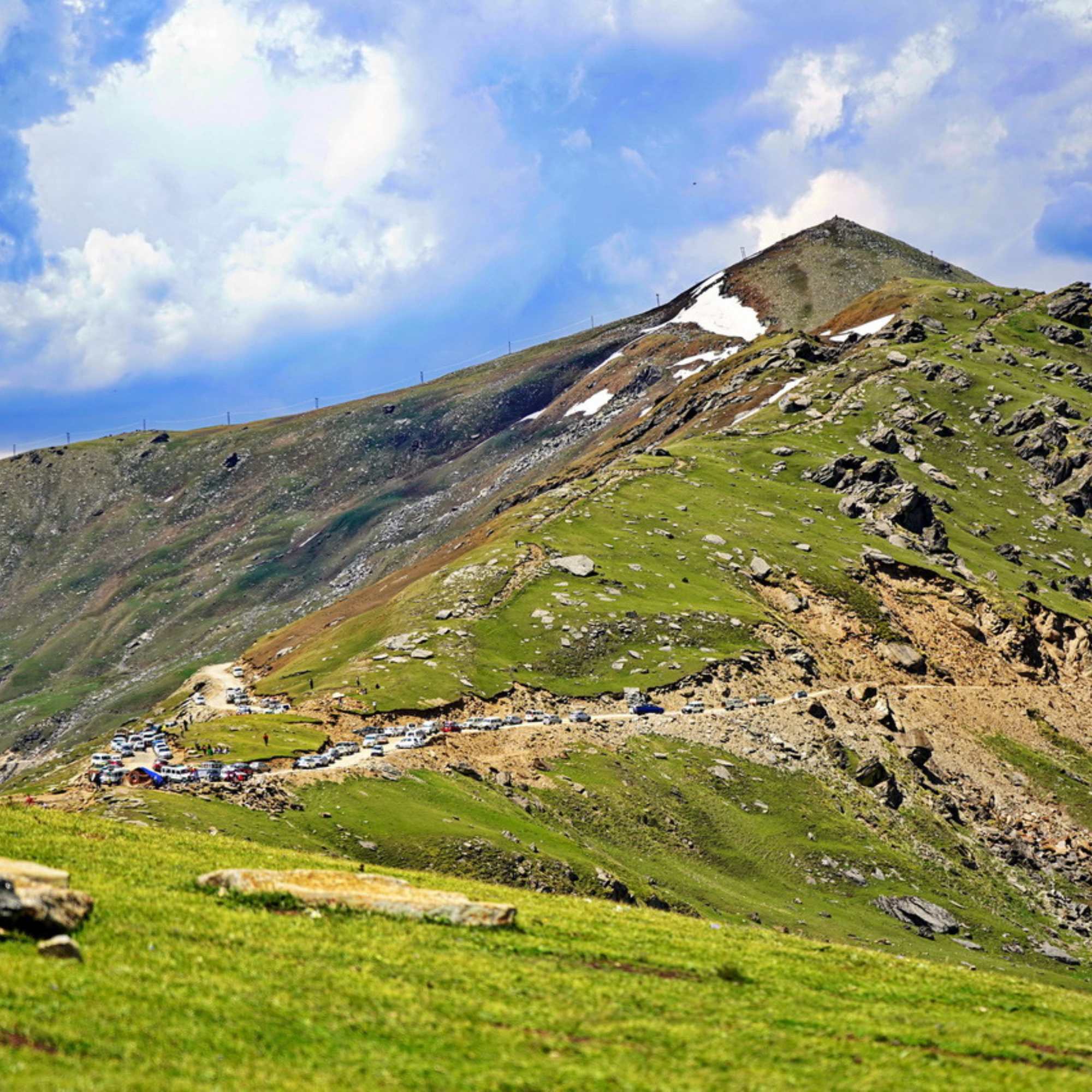
The Chanshal Pass open date is not fixed, but there is a clear seasonal pattern. The Shimla district official page says the Chanshal road is generally open from May to November and closed the rest of the year due to snow.
A private Himachal road-status tracker showed Rohru to Chanshal Pass as open on 12-06-2026, but live road updates should always be treated as a temporary indication, not a final guarantee.
Check the latest status with local drivers, authorities or your stay before starting the drive.
Conditions here change fast. Snow, rain, slush and landslides can shut access in a day.
Always check the latest Chanshal Pass road status 2026 before you leave Rohru. The smartest travellers we deal with confirm with their hotel or a local driver in Rohru the night before the climb.
>>Need current road status, vehicle advice, and route guidance? Chat with our team on WhatsApp.
Do You Need a Permit for Chanshal Pass?
The honest answer is that Chanshal Pass permit information is not always clear, and rules can vary depending on the season, route condition and the exact area you plan to enter.
Some travellers report that permits may be needed around forest or wildlife-sensitive areas, while others complete the regular Chanshal Pass drive without any special permit. Because of this, do not assume one rule applies every day.
The safe move is to check before the climb. Ask the Rohru Forest Office, your driver, your hotel, or a local operator about the current rule for your travel date.
Carry your ID proof either way. If a permit or entry permission is required, you do not want to be stopped near Larot for missing paperwork.
Where to Stay on the Chandigarh to Chanshal Pass Route
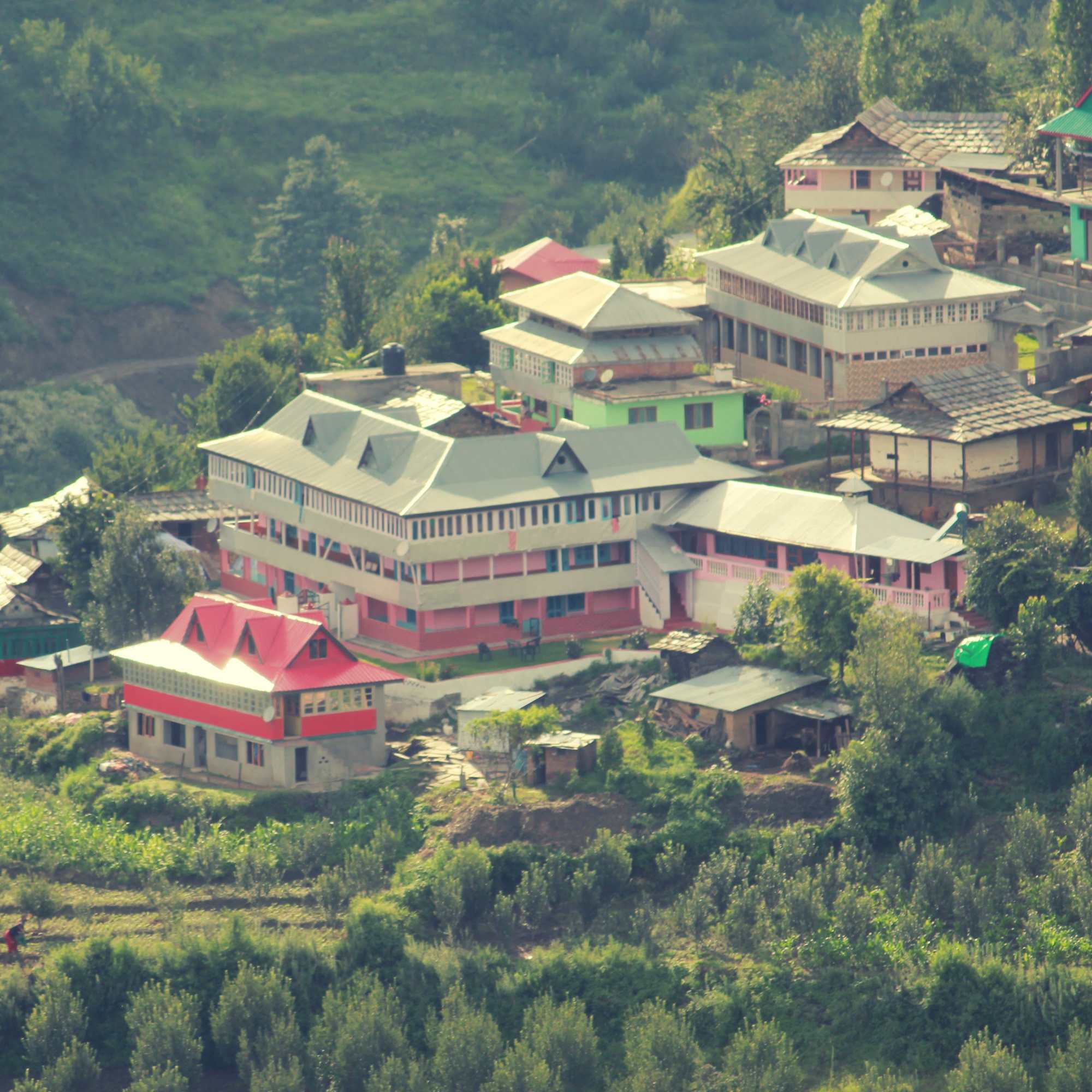
Rohru is the safest practical base for this trip. It has the fuel, food and rooms you need before and after the Chanshal climb.
A reliable option is HPTDC Hotel Chanshal in Rohru, located next to the Circuit House on the Hatkoti-Rohru road.
Its facilities include a restaurant, parking, taxi on demand, doctor on call and public washroom facilities. The doctor-on-call point matters at this altitude, so it is worth knowing about.
If you want to stay closer to Chirgaon, Chanshal Camps & Resort is one option on that side.
Sample online rates have shown around ₹2,733 plus taxes, or around ₹3,123 plus taxes with breakfast, but hotel prices change with dates, season, availability and booking platform. Check the current tariff before you book.
We always tell travellers to confirm the room rate and what is included over a call before driving up. Mountain hotel prices shift with season and demand.
Fuel, ATMs, Food and Mobile Network
Rohru is your last dependable base for fuel, cash and food. Plan around it.
Fill your tank completely in Rohru, because fuel options become unreliable once you start moving towards Larot and Chanshal Pass.
Carry enough cash before leaving Rohru. ATMs are available in town, but once you move higher, small dhabas, homestays and local stops may not accept cards or UPI consistently.
Mobile network also gets weak after Rohru and may disappear around Larot or near the Chanshal top. Download offline maps, save important contacts and tell someone your plan before you lose signal.
Chandigarh to Chanshal Pass Budget for 2026
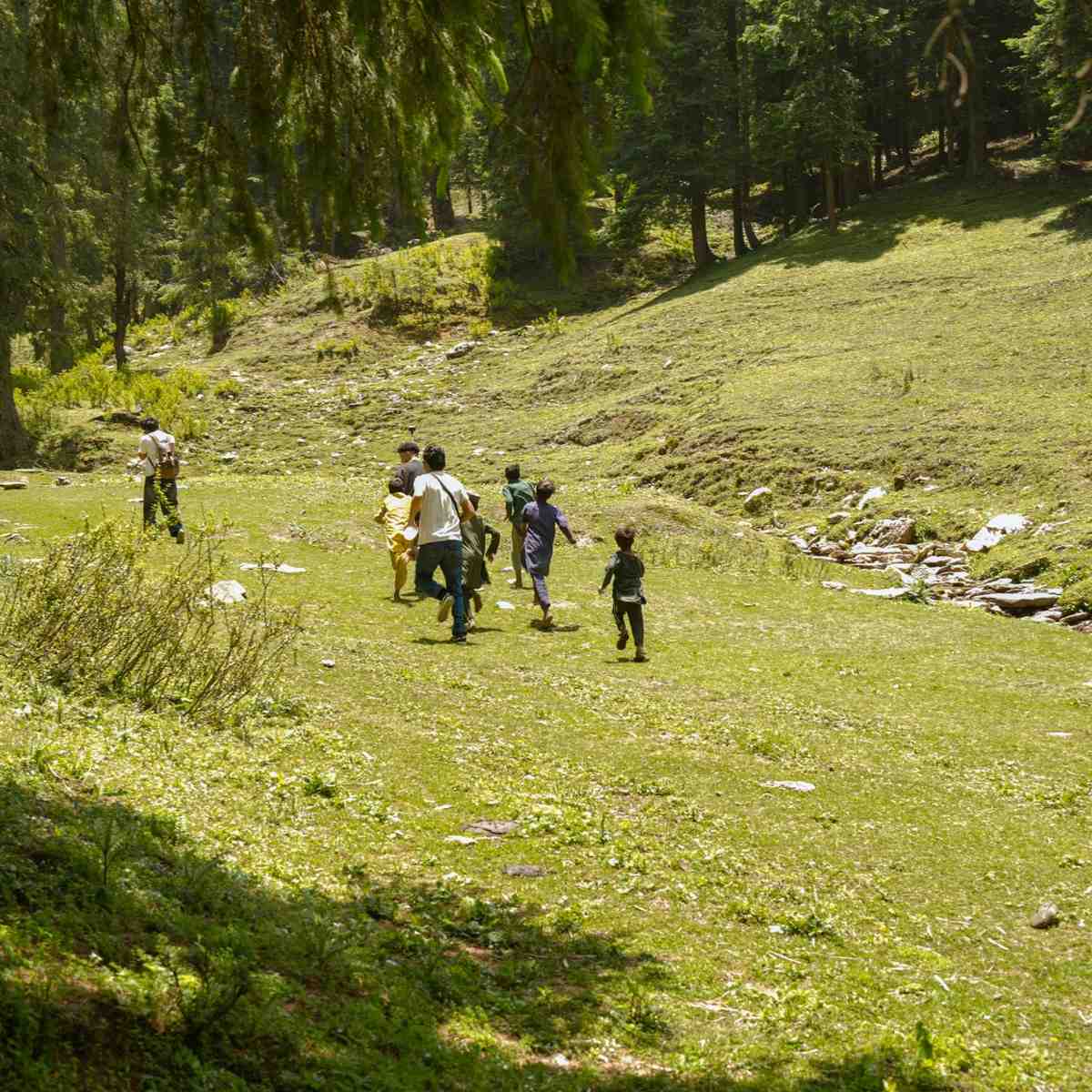
We will not throw a fake package price at you. Costs depend on your vehicle, stay category, group size and the route status on your dates.
As a market reference only, Thrill Himalaya lists a 2 nights and 3 days ex-Chandigarh package from ₹10,500 per person for 6 pax, without GST. That is not Travel Coffee pricing, just a number to set expectations.
Your real budget shifts with fuel, the type of SUV, how many of you share a vehicle, and whether you add the safer fourth day.
For a proper custom quote based on your dates and group, message us and we will build it around what you actually need.
Best Time to Visit Chanshal Pass from Chandigarh
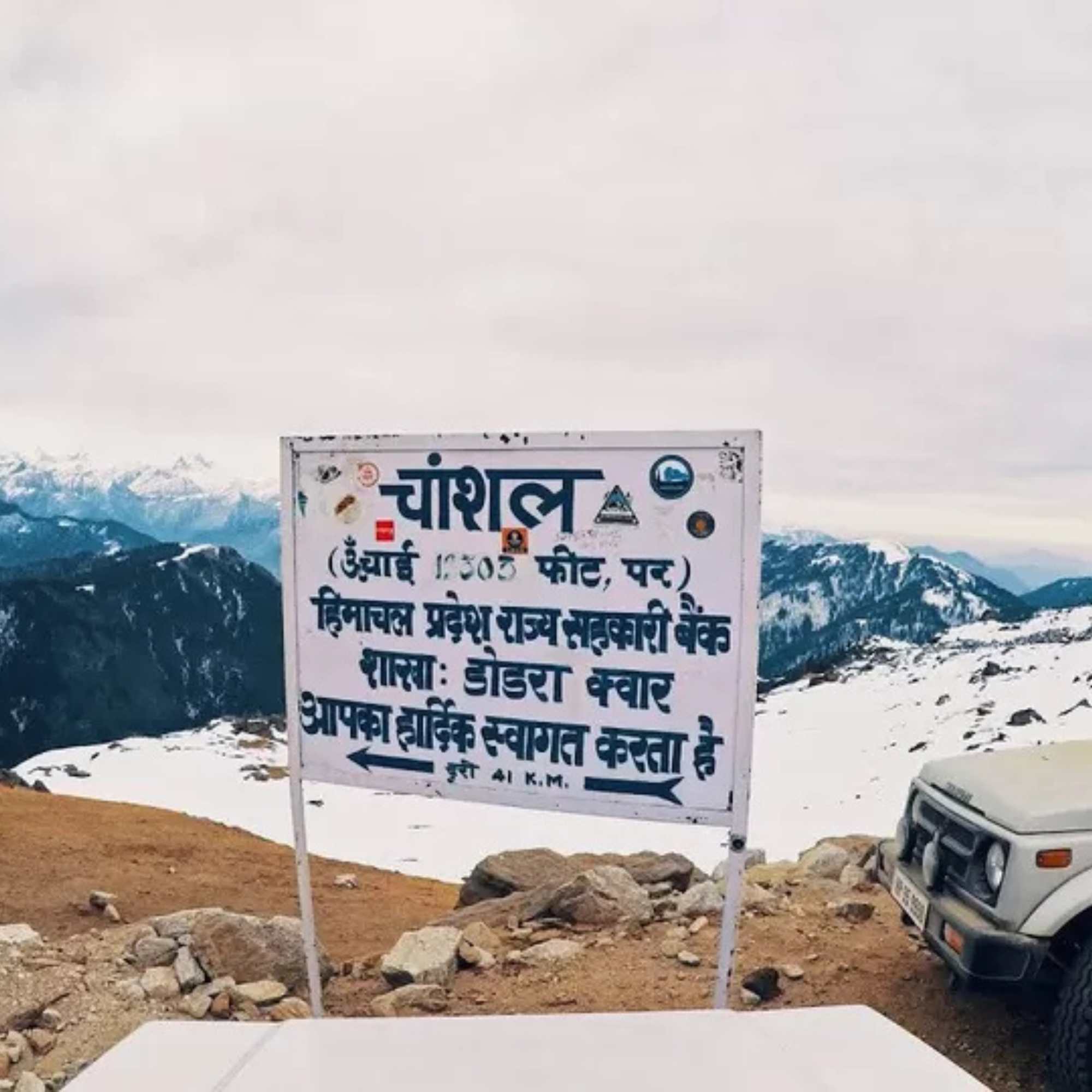
The best time to visit Chanshal Pass is late June, September and October. These months give you the most stable roads and the cleanest views.
May and early June can still have snowmelt and slush near the top, which makes the final climb messier.
July and August are risky because of monsoon rain and landslides on the approach roads. We usually steer families away from this window.
November to April is generally closed or snowbound, based on official and travel-source data. If your dates fall here, this trip is off the table.
For most travellers, September is the sweet spot. Clear skies, settled roads, and the apple belt looking its best on the way up.
What to Pack for Chanshal Pass Road Trip
Pack for cold even in summer. Carry warm layers, a fleece, and a windproof jacket, because the top gets cold and windy fast once the sun drops.
Carry offline maps and plenty of cash. Network and ATMs both vanish after Rohru.
For the car, carry a tyre inflator and a puncture kit. On a rocky 20 km stretch with 55 hairpins, a flat is a real possibility and there is no help nearby.
Throw in a power bank, water, dry snacks, basic medicines for headache and nausea, and ID proof for any permit check.
Keep rain protection handy too. A compact rain jacket or poncho saves the day if a sudden shower hits near Larot.
Places to See on the Way to Chanshal Pass
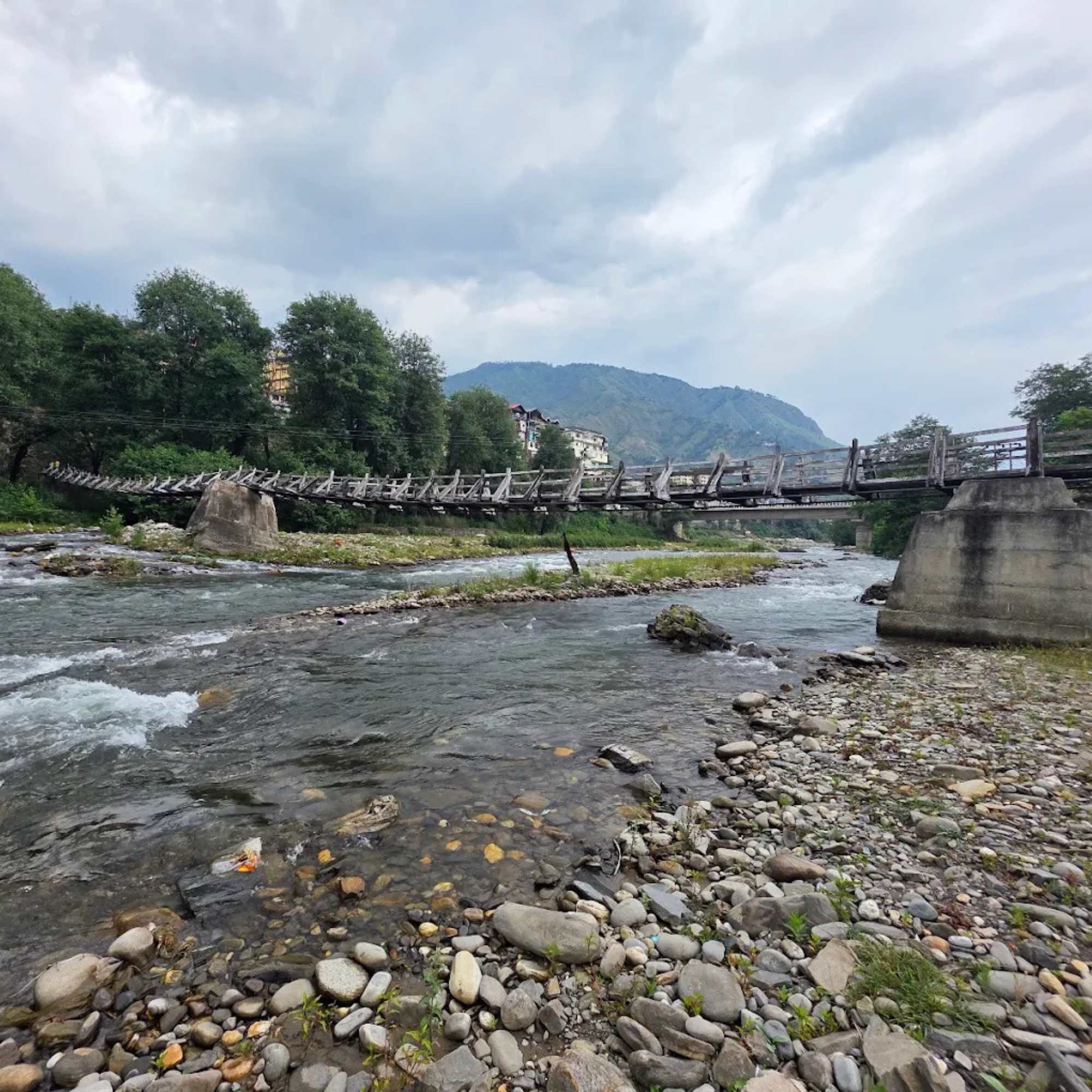
The drive is half the trip. Break it up and enjoy the stops.
Shimla is your first major point, good for a stretch and a meal. Theog and Kharapathar follow, with apple orchards and pine all around.
Hatkoti is worth a short halt for the Hateshwari Temple before you push to Rohru. Rohru itself sits on the Pabbar River, which is a lovely spot to slow down for an evening.
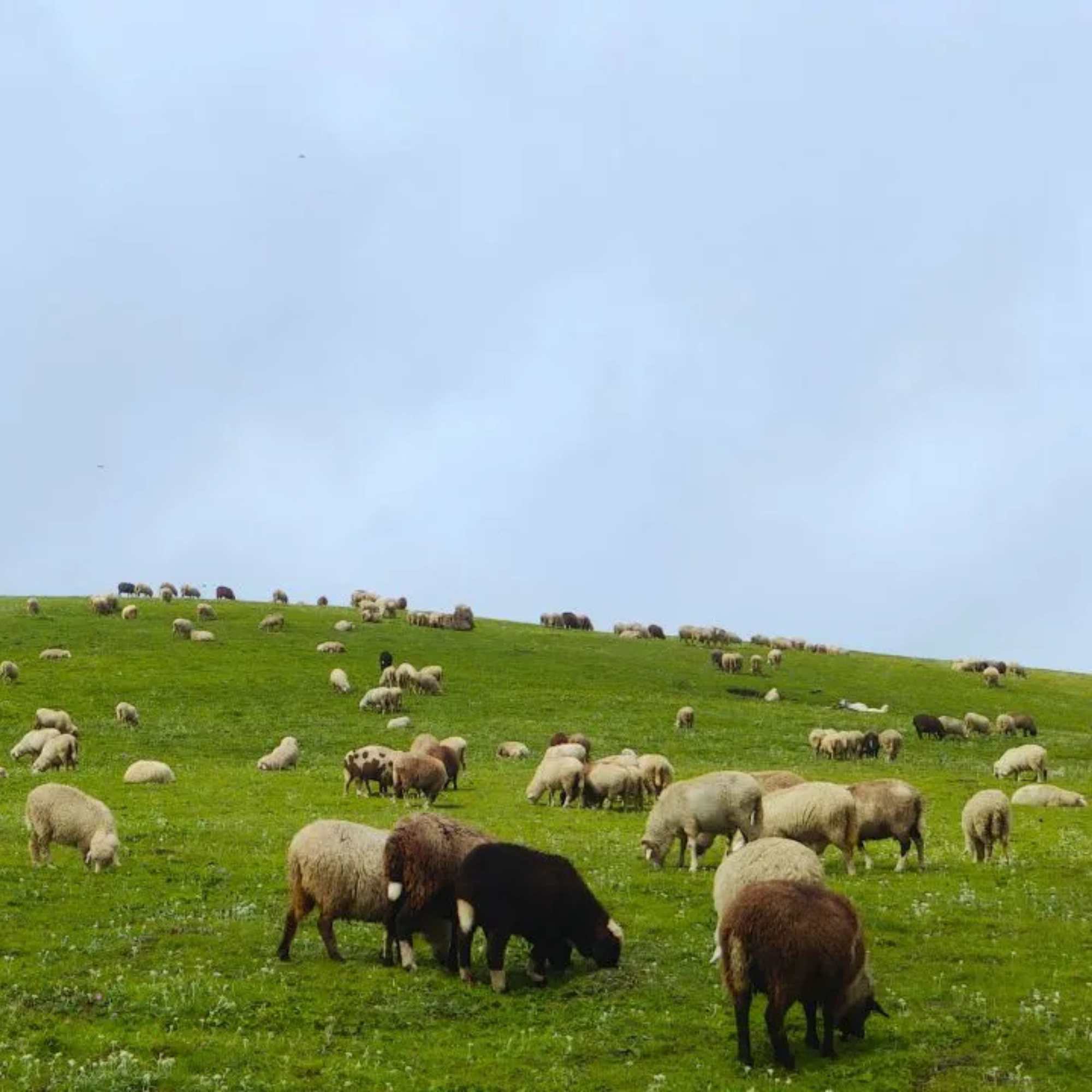
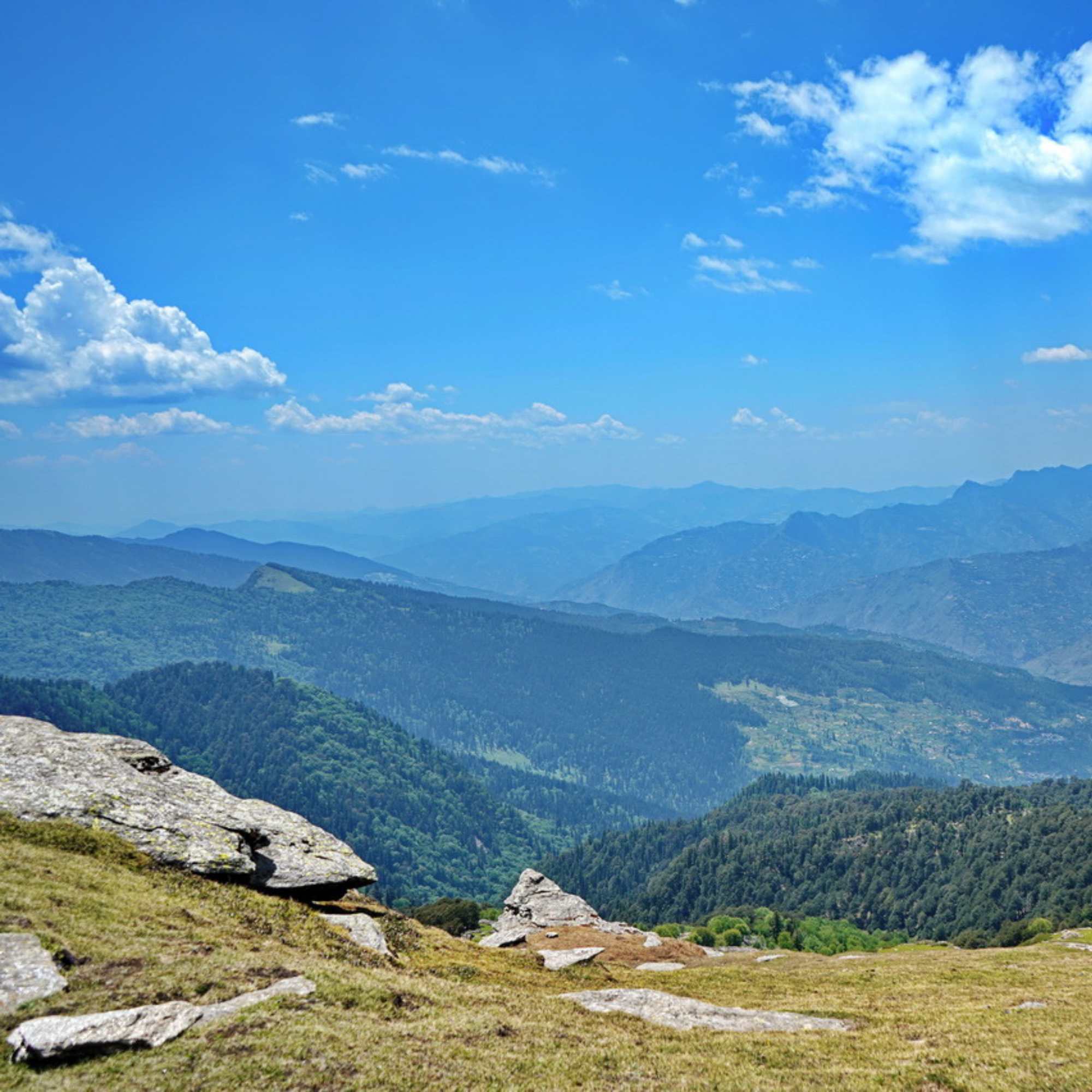
Beyond Rohru, Chirgaon and Larot are small mountain settlements before the climb. The Chanshal meadows near the top are the highlight, wide open and quiet.
On the return, Narkanda and Hatu Peak add one more viewpoint if you take the loop.
If this whets your appetite for more of inner Himachal, our Shimla travel package and Kinnaur tour packages cover other routes in the same rough, beautiful style.
Who Should Avoid This Road Trip?
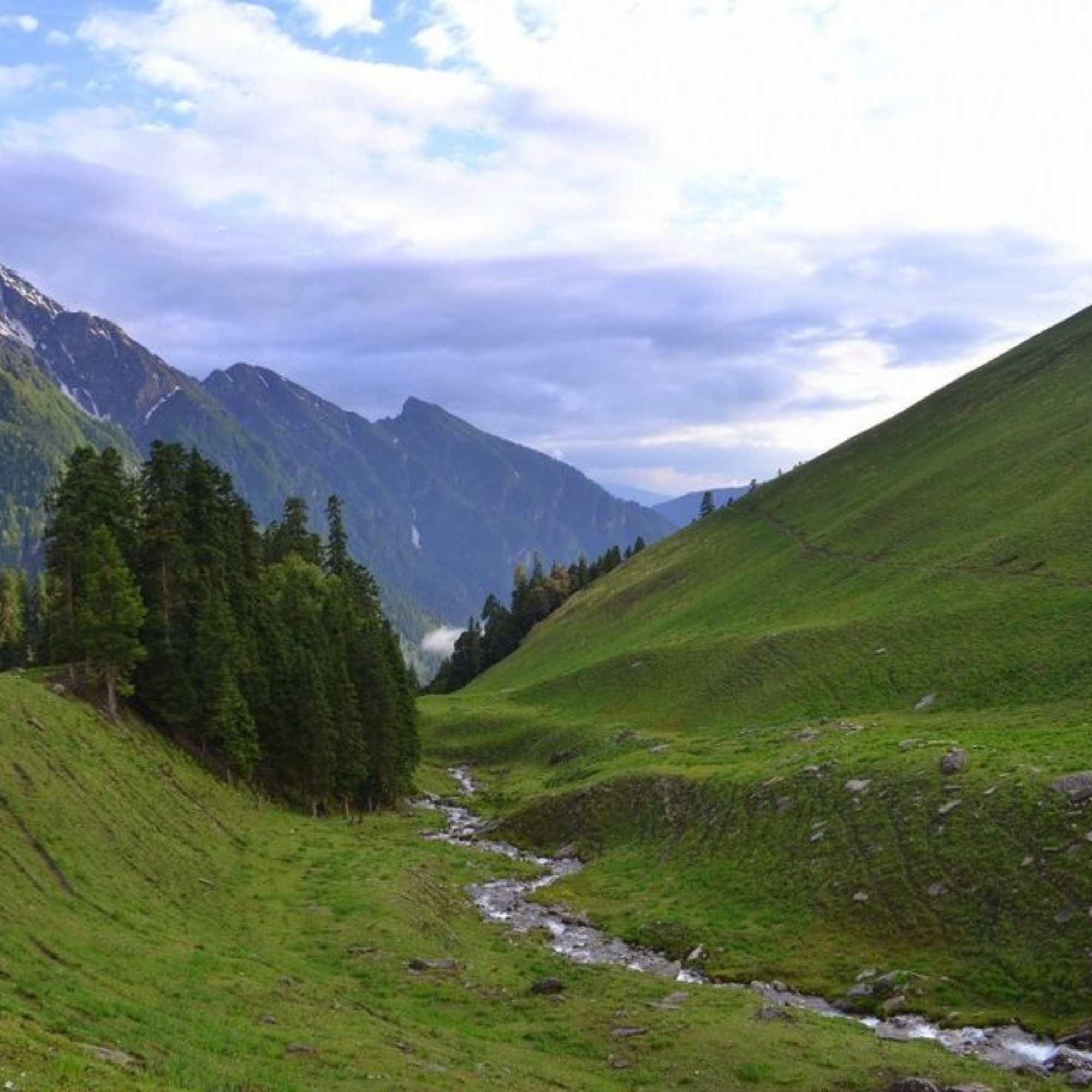
Be honest with yourself before booking. Some people should skip this one.
Skip it if you have a low-ground-clearance car and no plan to swap vehicles in Rohru. The final climb will punish the car.
Skip it if you are a nervous mountain driver, or if you are travelling with family during the monsoon when landslides are likely.
Skip it if you only have one night. Rushing this road is how trips go wrong.
And skip it if you expect luxury after Rohru, or if you are not willing to turn back when locals tell you the road is unsafe. On Chanshal, listening to local advice is not optional.
Can Travel Coffee Plan This Trip for You?
We are Travel Coffee, a Shimla-based Himachal team, and we drive these roads every season. We can build the whole Chandigarh to Chanshal Pass trip around your dates.
That means a customised itinerary, experienced local drivers who know the Larot stretch, live route checks before you leave, Rohru stay planning, and a flexible return route if weather changes.
The selling point is simple. We would rather plan this right than watch you struggle with something avoidable on a road most agents have never driven.
If you are also weighing other Himachal drives, our Manali tour packages and our What to Pack for Manali are good next reads.
And if you are thinking of a bigger high-altitude trip later in the year, our Chandratal opening 2026 guide breaks down another seasonal road in the same honest detail.
Explore Our Curated Chanshal Pass Tour Packages
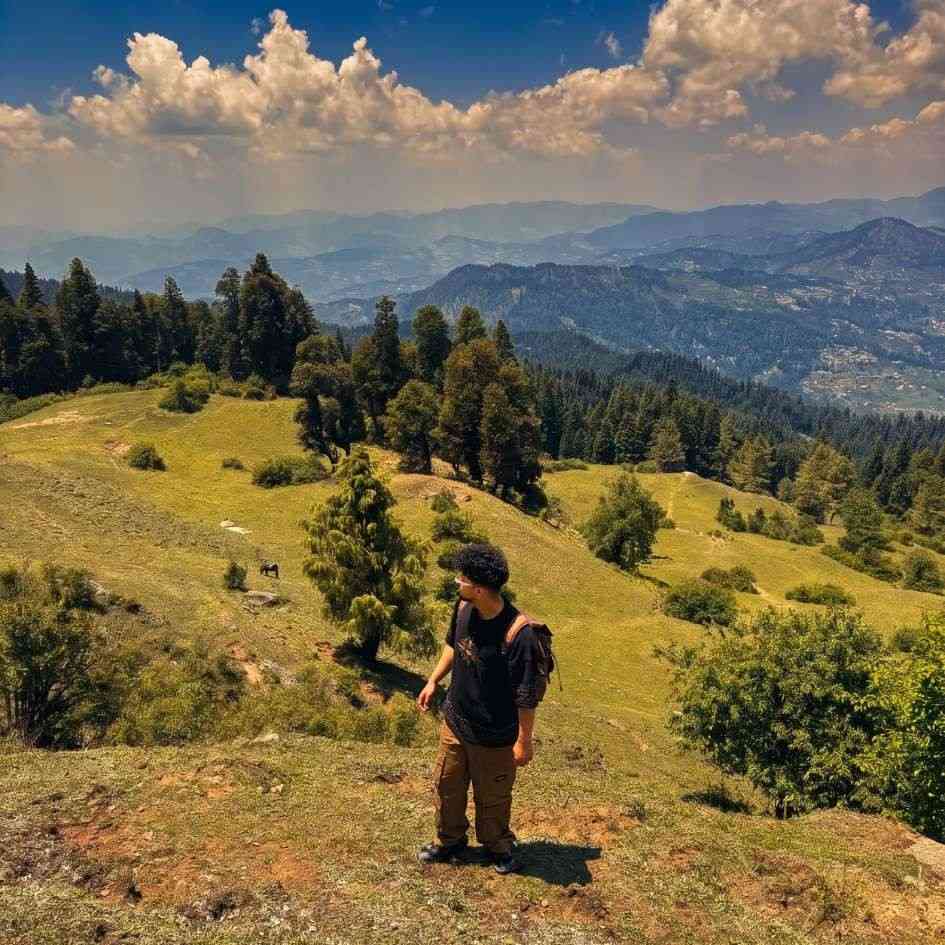 Group Tour5D/4N
Chanshal Pass Weekend Group Trip With Giri Ganga and Kuppar Bugyal
1D Kharapathar / Kotkhai•1D Rohru / Chirgaon (Pabbar Valley)
₹8,999₹12,999SAVE INR 4,000/ person 8D/7N
8D/7NUltimate Pabbar Valley Bike Expedition With Giri Ganga Kuppar Bugyal Chanshal Pass and Dodra Kwar
1D Kharapathar / Kotkhai•2D Rohru / Chirgaon (Pabbar Valley)+1
₹29,999/ person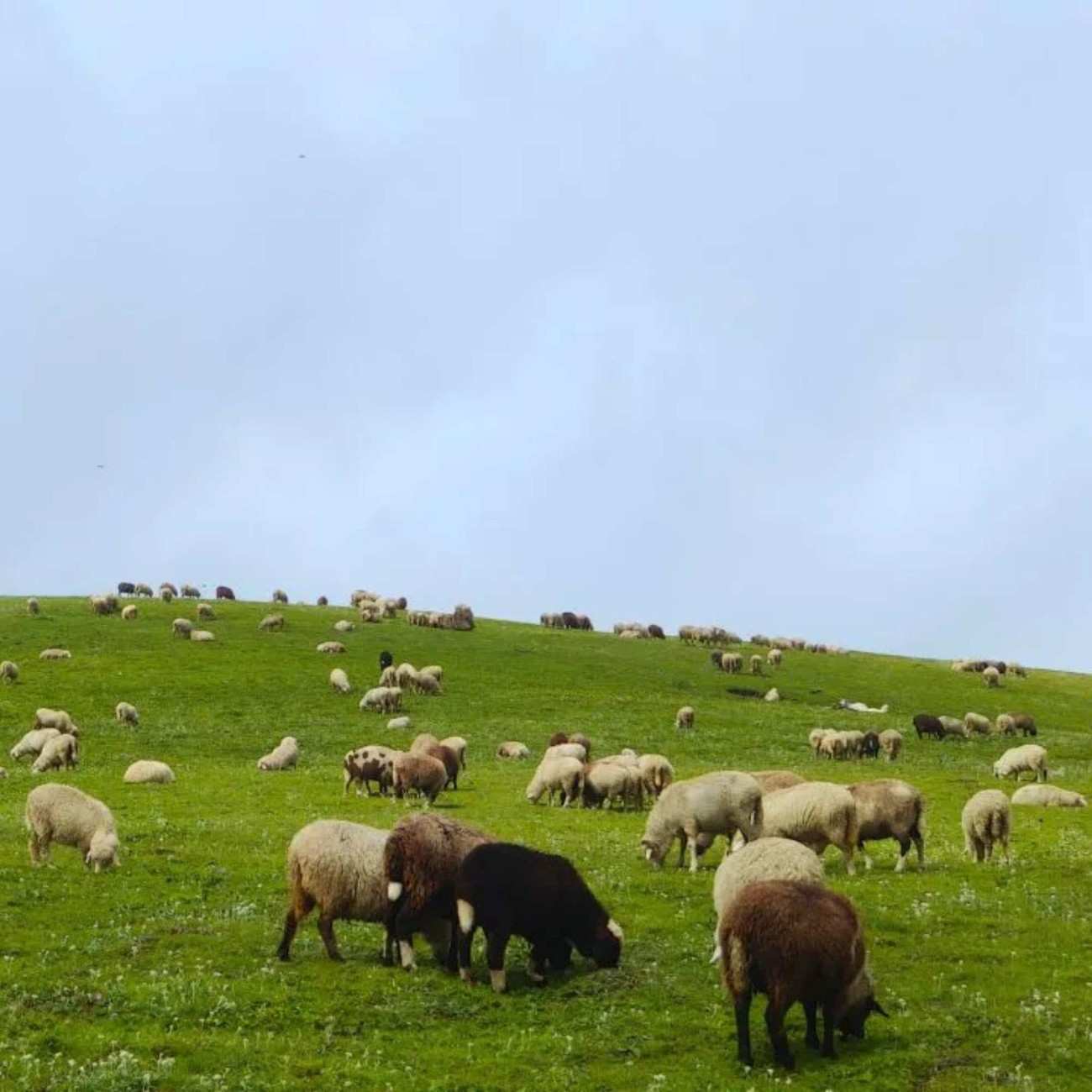 8D/7N
8D/7NMost Loved 4x4 Pabbar Valley Expedition With Giri Ganga Kuppar Bugyal Chanshal Pass and Dodra Kwar
1D Kharapathar / Kotkhai•2D Rohru / Chirgaon (Pabbar Valley)+1
₹32,999₹39,999SAVE INR 7,000/ person
Related topics
Frequently Asked Questions
What is the distance from Chandigarh to Chanshal Pass?
The total distance varies by route and map source. As a guide, Chandigarh to Rohru is roughly 207–225 km, and Rohru to Chanshal adds about 48 km more.
How many days are enough for Chanshal Pass from Chandigarh?
Three days work if you are an experienced driver. Four days are safer and more comfortable for families and first-timers.
Is Chanshal Pass open in 2026?
The road is generally open May to November and closed the rest of the year due to snow. A tracker showed it open on 12-06-2026, but verify live status before you go.
What is the best time to visit Chanshal Pass?
Late June, September and October are best. Avoid July and August because of monsoon landslides, and avoid November to April when it is snowbound.
Can a sedan go to Chanshal Pass?
A sedan can reach Rohru and sometimes Chirgaon. The final Larot to Chanshal stretch can damage low cars, so a high-clearance SUV is strongly preferred.
Do I need a permit for Chanshal Pass?
The information is conflicting. One source says a forest permit is needed for the sanctuary area, another says Indian travellers usually do not need one. Check with the Rohru Forest Office or a local operator and carry ID.
Where should I stay for Chanshal Pass?
Rohru is the best base. HPTDC Hotel Chanshal in Rohru, near the Circuit House on the Hatkoti-Rohru road, is a reliable choice with a restaurant and doctor on call.
Is Chanshal Pass safe for families?
It can be, with the right vehicle, good weather and an extra acclimatisation day. Families should avoid the monsoon and never drive the final stretch after dark.
How is the road from Rohru to Chanshal Pass?
The last 20 km from Larot to Chanshal is extremely rough, off-road style, with rocky and muddy sections and 55 hairpin turns. A 4x4 and daylight driving are both important.
Is there mobile network at Chanshal Pass?
No reliable network. Signal becomes poor or unavailable after Rohru, especially beyond Larot and at the Chanshal top. Download offline maps before you leave Rohru.
Can I visit Dodra Kwar from Chanshal Pass?
Chanshal connects the Rohru and Chirgaon side with the Dodra-Kwar Valley, so it is geographically possible to continue. This needs more time, a capable vehicle and a current road check, so plan it separately rather than as a rushed add-on.
Is Chanshal Pass better by bike or car?
A high-clearance SUV is the safest and most comfortable choice. Experienced bikers enjoy the route, but beginners should not ride this rough, high-altitude road alone.
More about Chanshal Pass
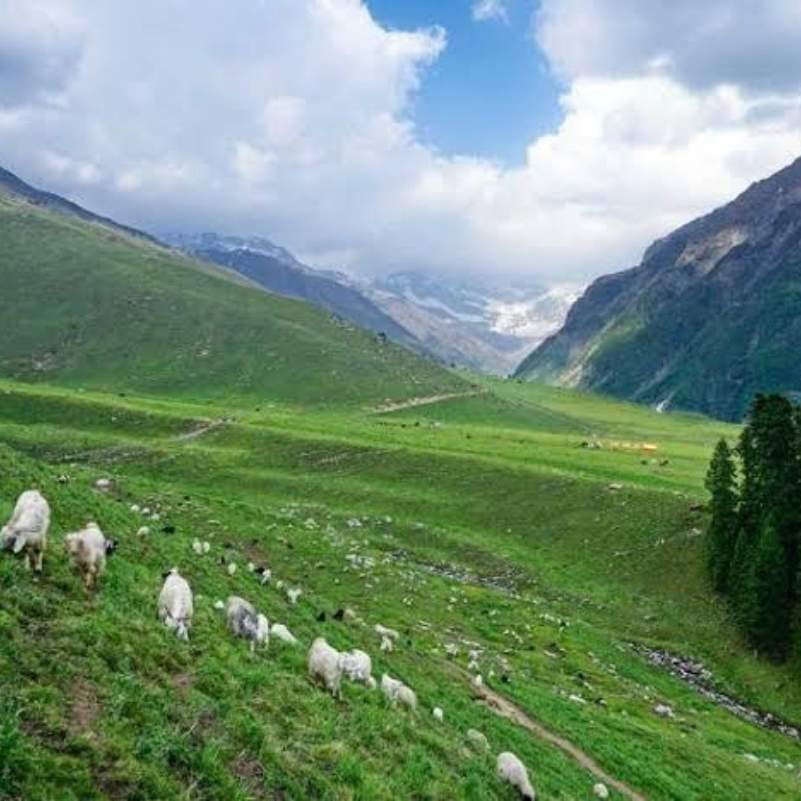 Chanshal Pass
Buran Ghati Trek Complete Guide 2026: Route, Cost, Difficulty, Best Time
Planning the Buran Ghati Trek in 2026? Explore the complete guide covering the route, itinerary, cost, difficulty, best time to visit, fitness tips, and essential trekking advice.
- Things to Do
 Chanshal Pass
Chandranahan Lake Trek 2026: Source of the Pabbar River
Discover the Chandranahan Lake Trek 2026, a breathtaking Himalayan adventure to the sacred source of the Pabbar River in Himachal Pradesh. Explore pristine alpine meadows, glacial lakes, and spectacular mountain landscapes with this complete trekking guide.
- Things to Do
- Chanshal Pass
Treks in Pabbar Valley: The Complete List for 2026
Planning to explore the treks in Pabbar Valley in 2026? This complete guide covers the region's best hiking trails, difficulty levels, ideal seasons, trail highlights, and essential planning tips for discovering one of Himachal Pradesh's most rewarding trekking destinations.
- Things to Do