
Chalal Village Trek from Kasol 2026: Distance, Route, Time & Local Tips
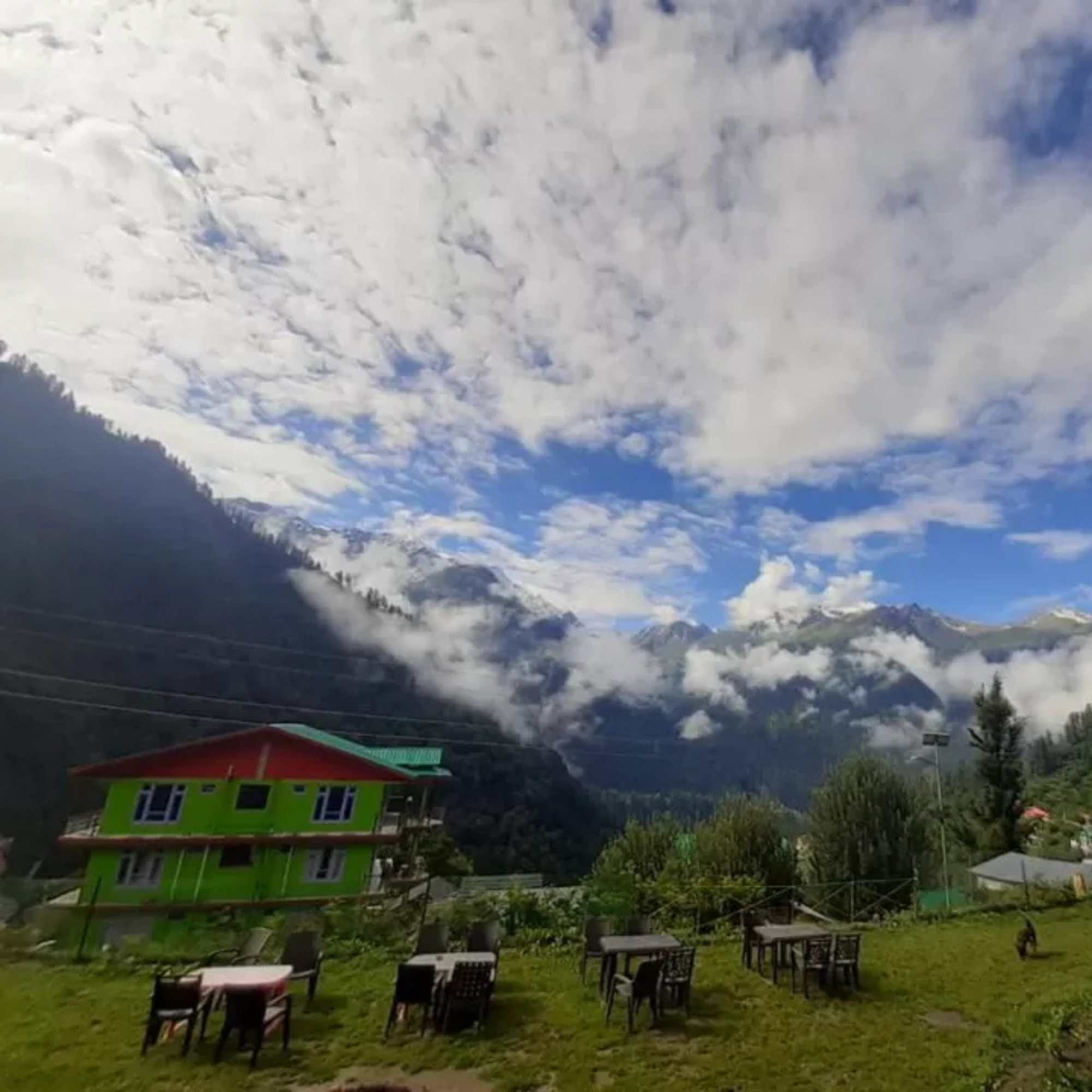
If you want one easy walk that gives you the real Parvati Valley without breaking your legs, the Chalal village trek is it.
It is short, it is pretty, and it ends at a quiet riverside village full of cafes. Most people who come to Kasol do this on their first afternoon, and almost everyone tells us it was their favourite slow moment of the trip.
We have sent hundreds of travellers on this walk over the years. Here is exactly how to do it right, what to skip, and the small things most blogs leave out.
Quick Answer: How Long Is the Chalal Village Trek from Kasol?
Chalal is around 1.5 to 2 km from Kasol on foot. That is roughly 30 to 45 minutes one-way depending on your pace and how often you stop for photos.
The route starts near Kasol Market, crosses the suspension bridge over the Parvati River, then follows a riverside forest trail straight into Chalal.
This is an easy beginner walk, not a hard Himalayan trek. If you can walk on an uneven forest path for half an hour, you can do this.
Want it built into a proper trip? Our Kasol tour packages cover stays, transport, and a local team that actually picks up the phone.
What Is Chalal Village Famous For?
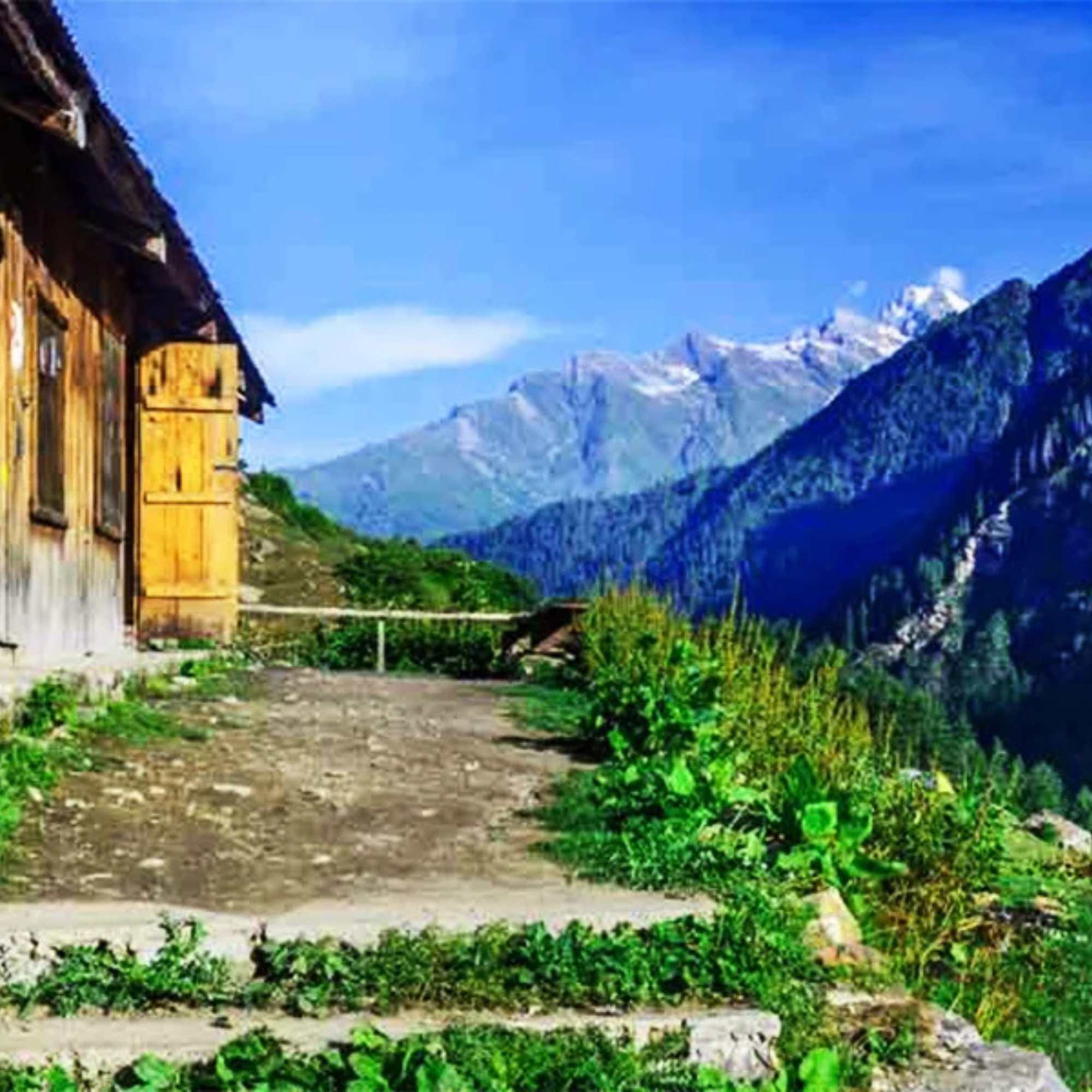
Chalal is the quieter, slower version of Kasol. Same river, same valley, but without the crowds and traffic.
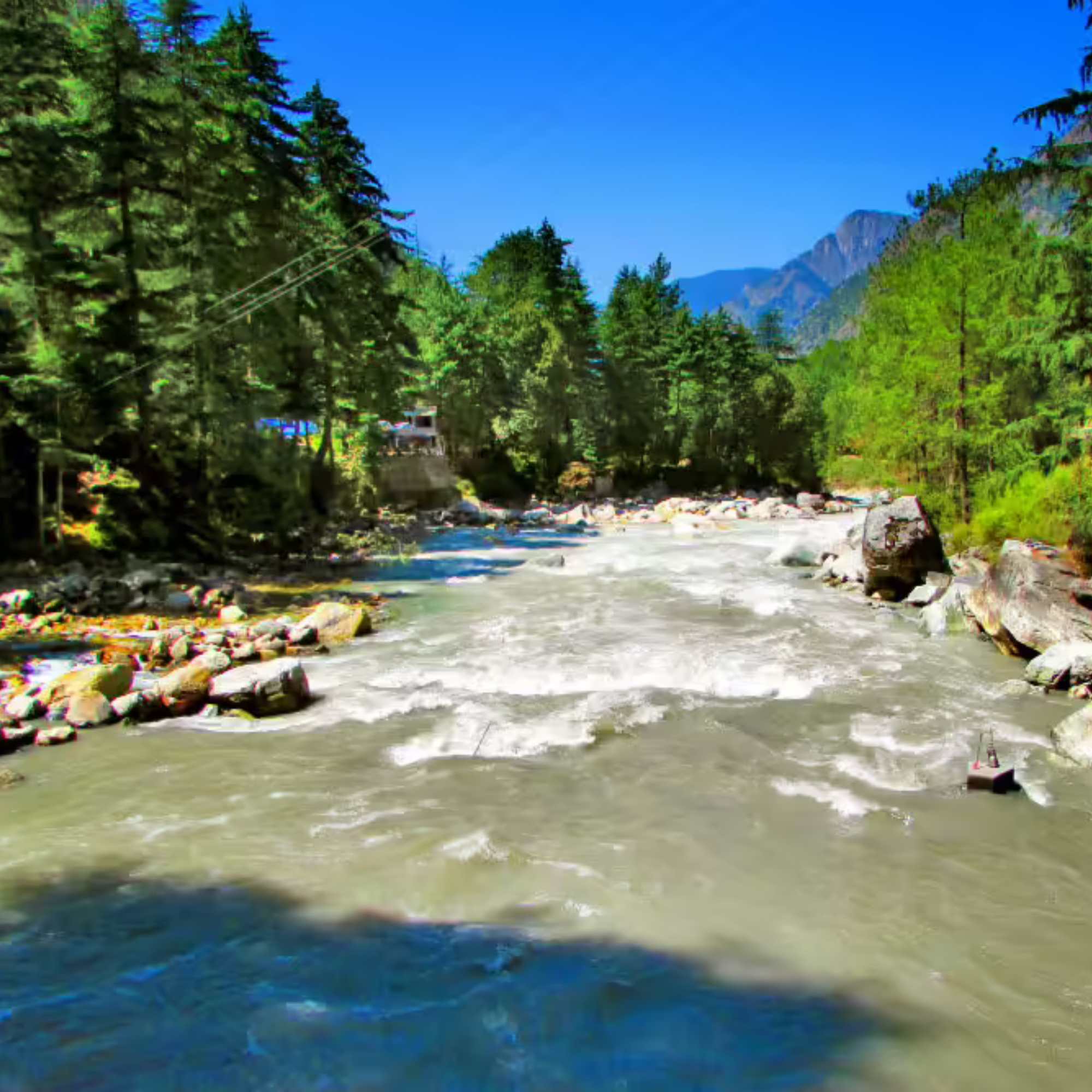
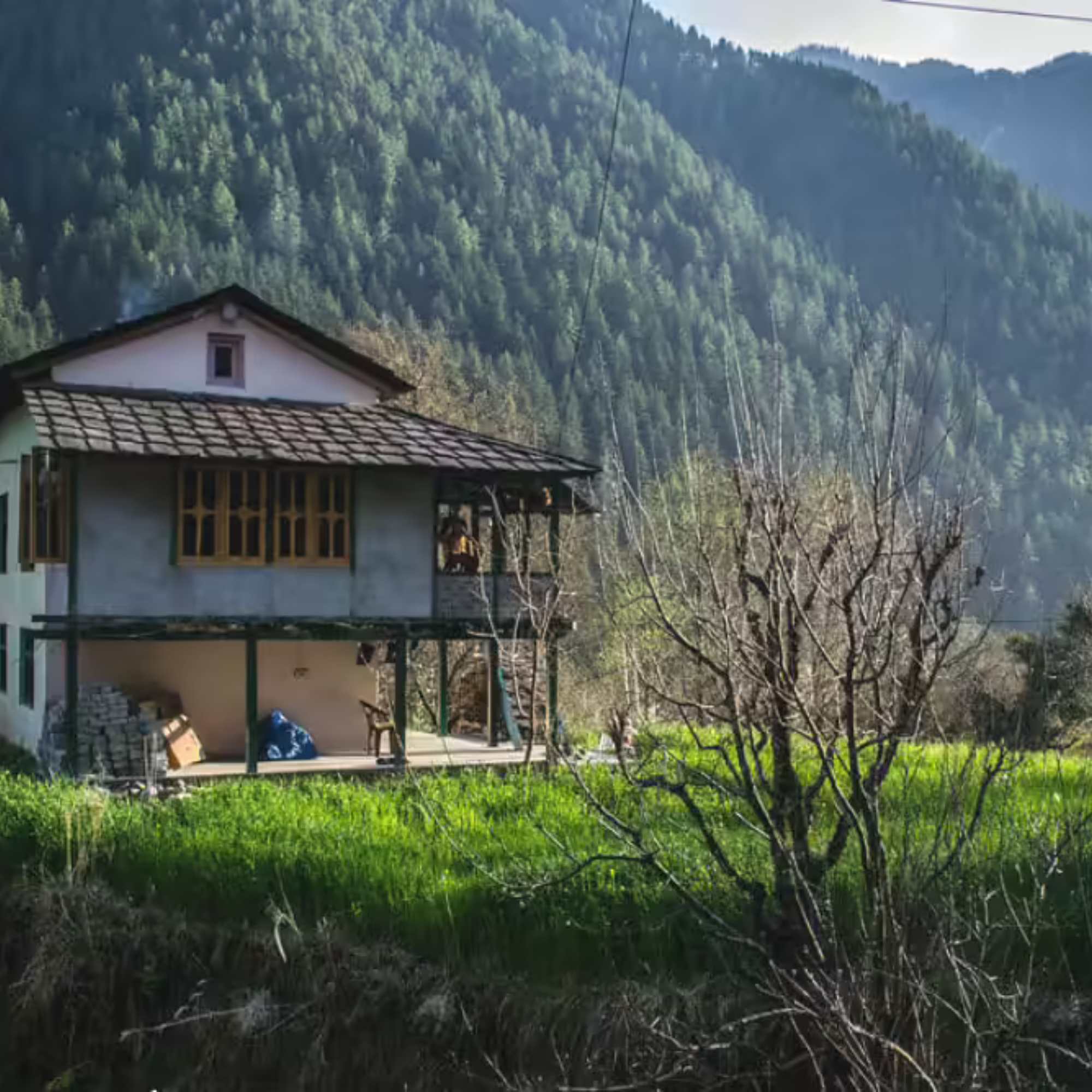
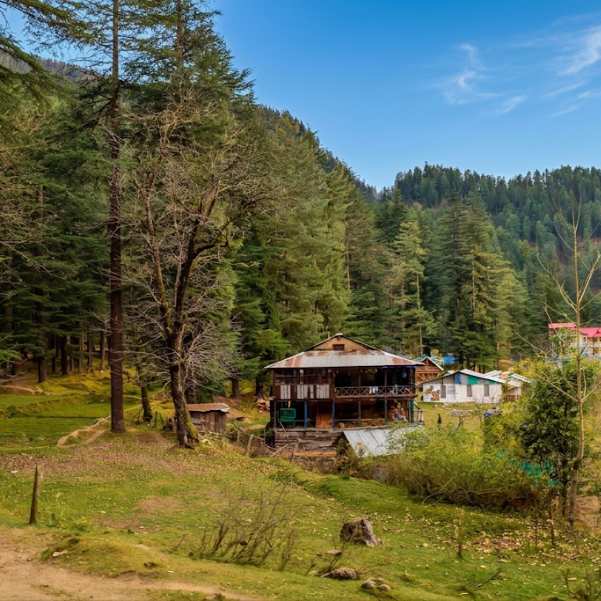
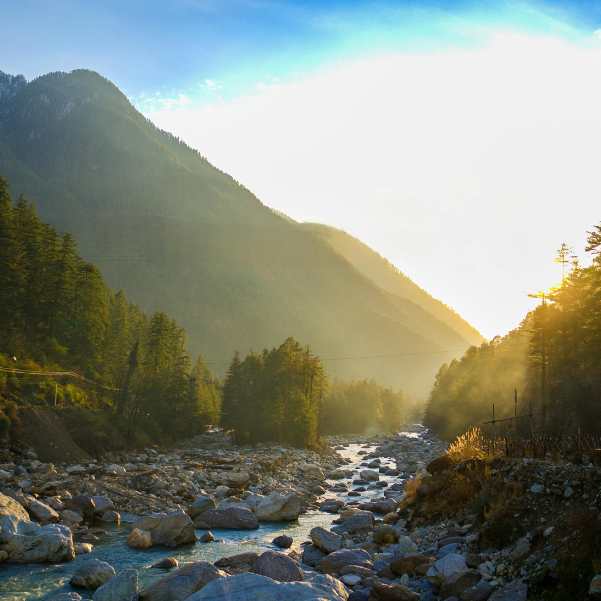
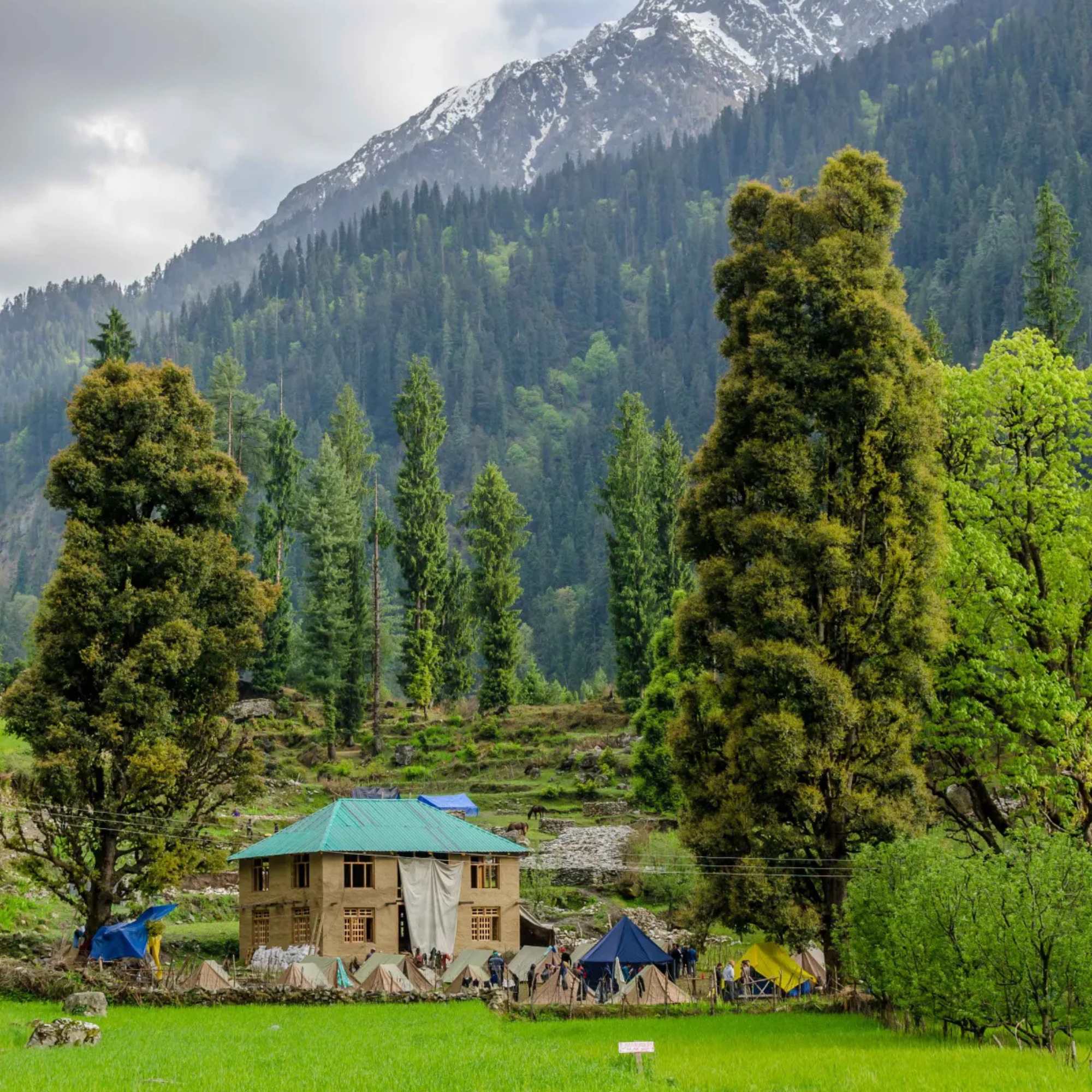
You walk through pine forest with the Parvati River rushing beside you the whole way. The village itself is old wooden houses, narrow lanes, and a string of small cafes that backpackers have loved for years.
People come here for the calm. There are homestays, guesthouses, and tucked-away cafes where nobody is rushing you. It feels like Kasol did fifteen years ago.
Here is the honest part most guides skip. Kasol and the villages around it have taken a real hit from waste and overtourism. You will see plastic in spots where there should not be any.
So carry your trash back. Do not leave anything on the trail or near the cafes. In our experience, the travellers who treat Chalal gently are the reason it still feels worth visiting.
👉 Want a Chalal trip that feels unhurried? Talk to our team on WhatsApp.
Where Does the Chalal Trek Start in Kasol?
Start from Kasol main market. Walk towards the bridge area, which everyone locally just calls the Chalal side.
Cross the suspension or cable bridge over the Parvati River. Once you are on the other side, stay on the village path that locals and hikers use. It runs left along the river.
There is no normal motor road to Chalal. You reach it on foot, and that is exactly why it stays peaceful. No cars, no horns, just the trail.
If you are standing in Kasol market and feel lost, ask any shopkeeper for the Chalal bridge. Everyone knows it, and it is a two-minute pointer.
Kasol to Chalal Trek Distance, Time and Difficulty
The one-way Chalal trek distance is around 1.5 to 2 km based on the sources we trust. So your total return walk lands around 3 to 4 km.
Normal walkers take about 30 minutes one-way. Add cafe stops and photos and you are looking at 45 to 60 minutes. One source lists the full guided activity at around 4 km and 3 to 4 hours including time spent at the village.
Difficulty is easy. This suits beginners, couples, and most families, as long as everyone is okay walking on a path that gets uneven and rocky in places.
What most tourists get wrong is treating Chalal like a casual flip-flop stroll. The walk is short, but the path is forest ground, not a footpath. Loose stones and tree roots will trip you if you are not wearing real shoes.
Step-by-Step Chalal Trek Route
Kasol Market to Chalal Bridge
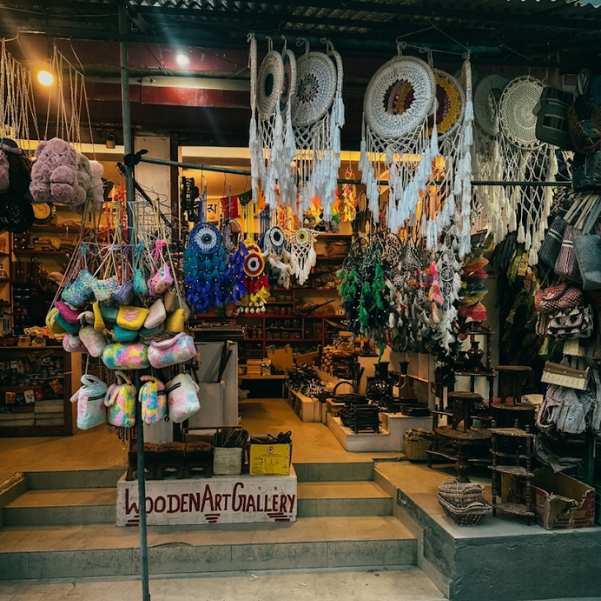
Start at the market. Fill a water bottle before you leave, because there is no shop on the trail itself.
Use the toilet in Kasol before you go. There is nothing reliable along the walk.
Start before late afternoon. You want daylight for the way back, especially in the forest section where it gets dark earlier than you expect.
Crossing the Parvati River Bridge
The bridge is your big landmark. It is a suspension or cable bridge over the river, and it can feel shaky if it is your first time on one.
Walk slowly and hold the side. Do not crowd it with your whole group at once.
Do not stop in the middle for a long photo session. The bridge bounces, people are waiting, and a quick clip is enough. Cross first, shoot from the bank later.
Forest Trail to Chalal Village
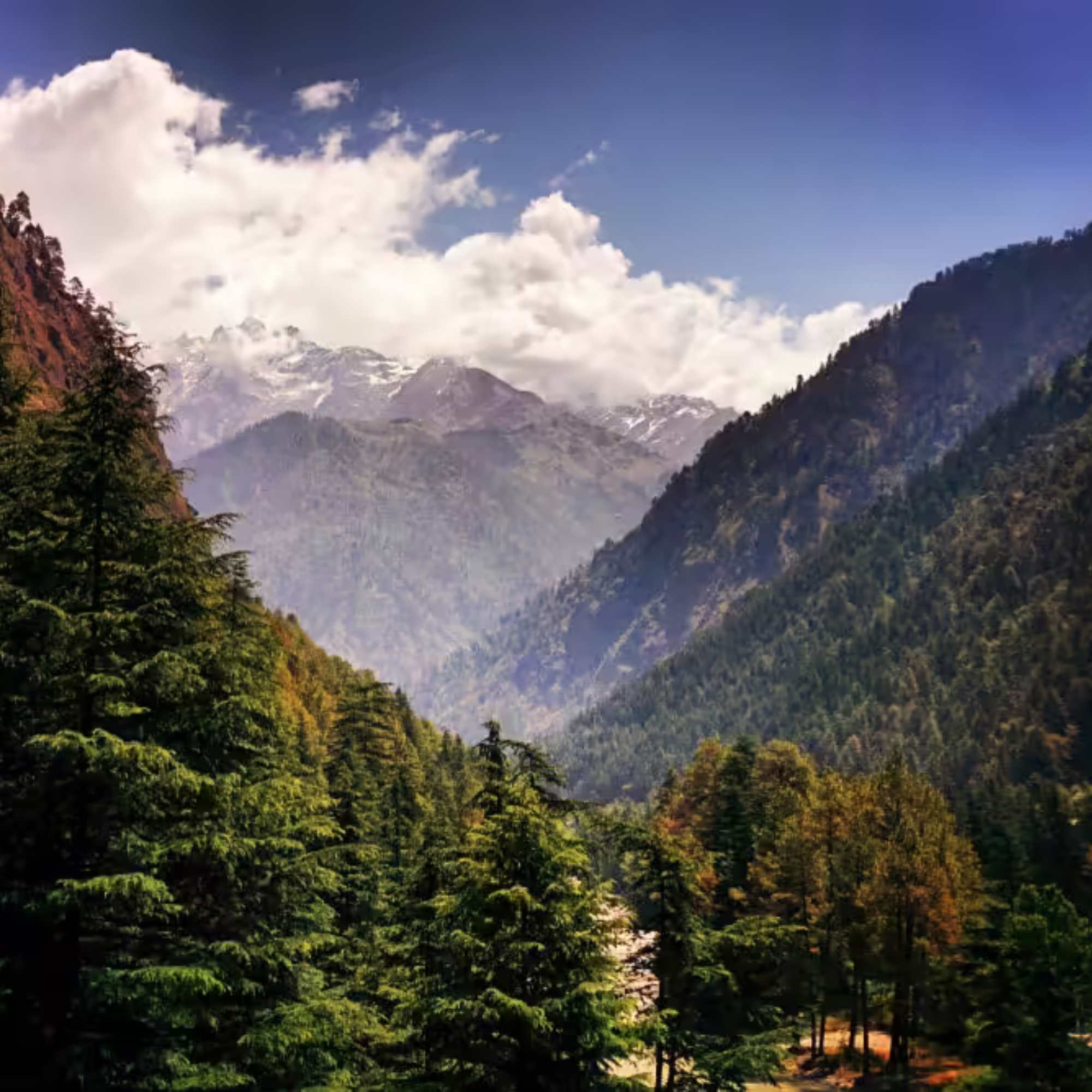
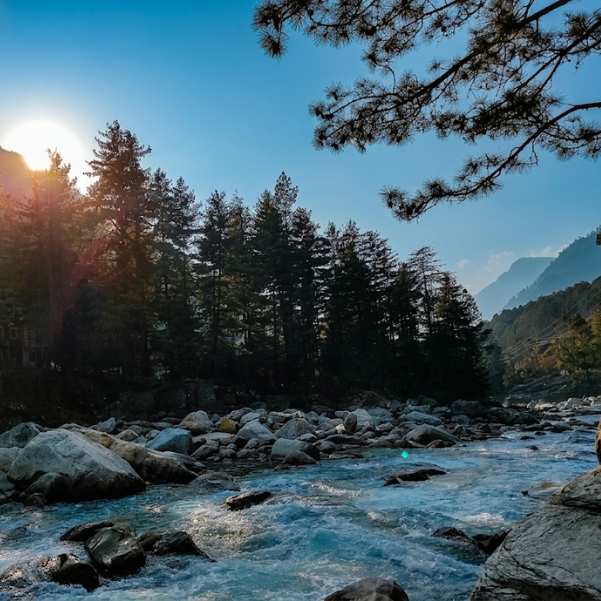
After the bridge, the path runs left into pine forest along the river. It is narrow, with rocks and the occasional muddy patch.
You will get river views the whole way, and you may pass a local or a mule on the trail. Step to the side and let them through.
Stay on the main path. People who wander off looking for a shortcut are the ones who end up scrambling near the water, which you do not want.
Reaching Chalal Village and Cafes
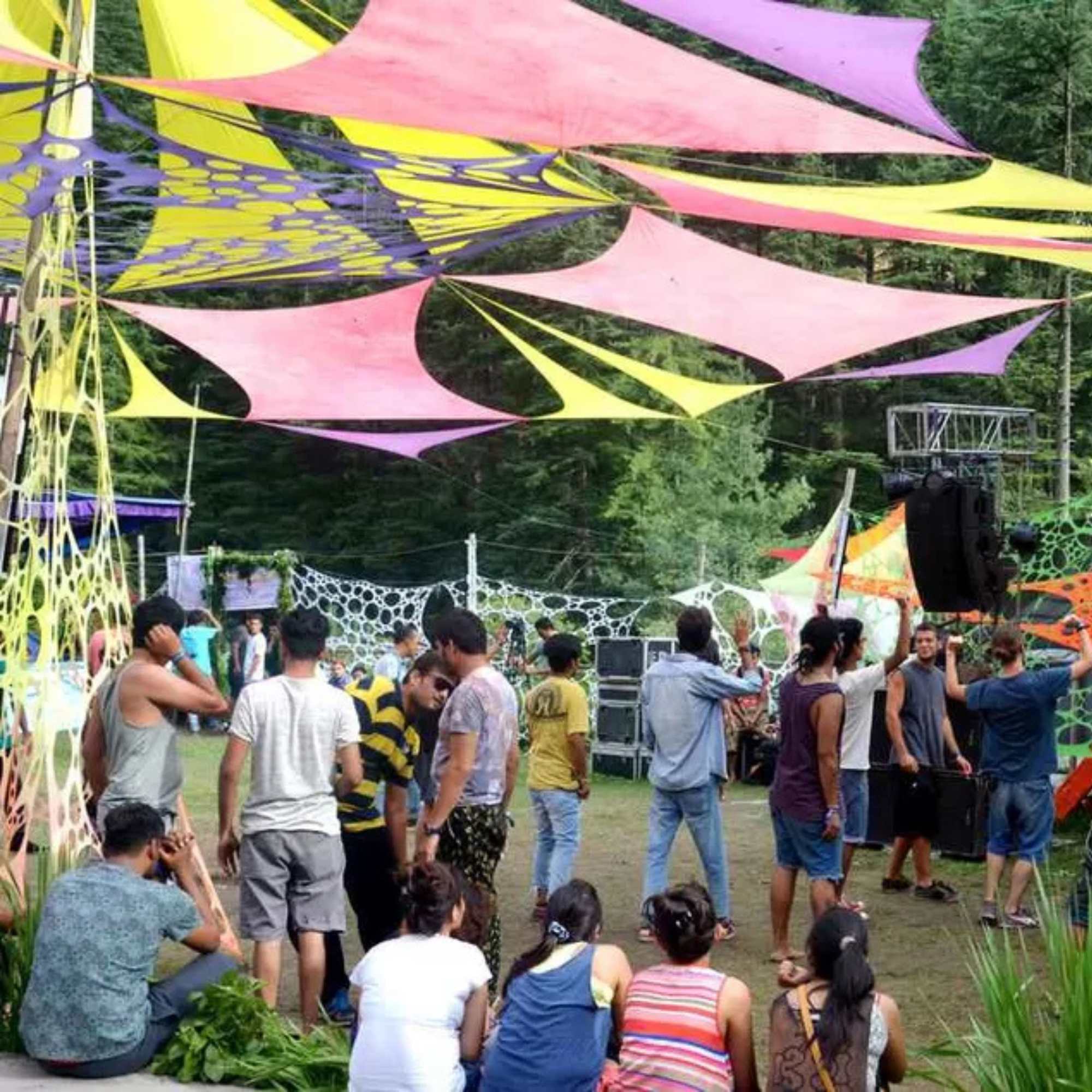
The walk ends around the village and its cafe zone. This is where you slow down, grab a chai, and breathe.
One thing we always tell our travellers: do not walk into private homes, farms, or orchards. These are people's actual houses and fields, not a backdrop. Ask before you enter anything, and most of the time a smile and a nod is all it takes.
Do You Need a Guide for Chalal Village Trek?
In clear weather, most travellers do not need a guide. The trail is short, well used, and easy to follow.
Get a local guide if you are a nervous first-timer, travelling with small kids, walking late in the evening, or going during uncertain monsoon weather. A guide also helps if you plan to push on towards Rasol afterwards.
On permits, we could not find any official permit requirement for the Chalal trek in the sources we checked. Confirm locally before you assume one way or the other.
Best Time to Visit Chalal Village in 2026
March to June
This is the most comfortable window. Clear trails, green forest, open cafes, and easy walking. If you want the simplest version of this trek, come now.
One source puts summer temperatures around 15°C to 28°C, which feels right for a daytime walk in light layers.
July to September
Monsoon turns the valley lush and green, and it also turns the trail slippery and risky. Wet stones and mud make a short walk more annoying than it should be.
The bigger problem is the approach roads. Parvati Valley sees landslides and mudslides in the rains. A 2025 report noted flash flood and mudslide disruption on the Bhuntar-Manikaran road near Kasol.
Check same-day road and weather status before you commit. Do not trust an old forecast.
October to November
Clear skies, fewer crowds, cooler evenings. This is a lovely quiet time to walk to Chalal, and the light through the pines is at its best.
December to February
Mornings and evenings get cold. Walk in daylight and carry warm layers.
One source lists winter temperatures around 2°C to 15°C. We will not pretend Chalal gets dramatic snowfall, because that is not something we can confirm for this exact village.
Is Chalal Trek Safe?
For beginners, yes, with basic sense. The single biggest safety fix is proper walking shoes, not slippers.
Start in daylight and finish before dark. The forest section is not where you want to be fumbling with a phone torch.
Be careful on the bridge and on the slippery stones near the river. The Parvati River is fast and cold. Do not climb onto rocks at the edge for a photo.
Network is patchy and cafes here do not always take cards, so carry small cash.
If you are solo or a couple, return before dark and skip isolated forest stretches or empty cafe corners late at night. The walk is safe, but quiet places are quiet for a reason after sunset.
What to Carry for Chalal Trek

Keep it light, because this is a short trek. You do not need a full hiking kit.
Carry walking shoes, a light jacket, a water bottle, and small cash. Add an offline map and a power bank since network drops.
Throw in basic medicines, a rain layer if it is monsoon, and a small trash bag so you carry your waste back out. That last one matters more here than almost anywhere.
Cafes, Food and Stays in Chalal
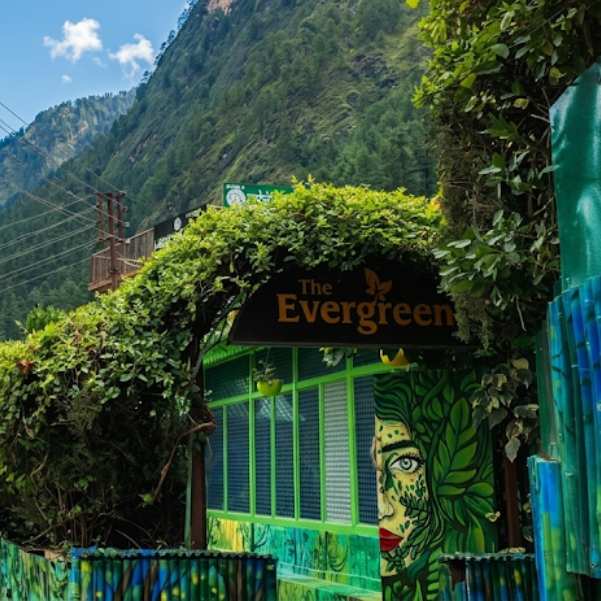
Chalal is known for its cafes. Names that come up across sources include Freedom Cafe, Fusion Cafe, Shiva Cafe, and Guru Cafe.
Which ones are open changes by season, so do not lock your heart on one specific place. In the off months, expect fewer to be running.
On money, older sources list stays around ₹400 to ₹1,000 depending on season and place. A 2026 Kasol guide mentions meals around ₹200 to ₹400 per plate.
The same 2026 guide gives a wider Kasol-area range: hostel dorms around ₹400 to ₹700, budget guesthouses around ₹1,000 to ₹2,000, and riverside camps around ₹1,500 to ₹2,500. Prices shift with season and demand, so confirm before you book.
A small money tip from our drivers: eating in Chalal instead of the busiest Kasol market cafes usually gets you a calmer table for similar money, especially in peak season when Kasol fills up.
Can You Do Chalal Trek in One Day from Kasol?
Yes, easily. This is a half-day thing, not an expedition.
Keep 3 to 4 hours total if you want relaxed cafe stops, or 1.5 to 2 hours if you only want the walk.
A simple plan works like this. Have breakfast in Kasol, walk to Chalal, settle in for a long cafe stop, then return before evening. After that you still have time for Kasol market or a run to Manikaran.
How to Combine Chalal with Nearby Places
Chalal + Kasol Market
This is the best combo for your first day after reaching Kasol. Walk to Chalal, come back, and end the evening in the market. Low effort, good vibe, no pressure on a tired body.
Chalal + Manikaran Sahib
A solid half-day mix of nature and the spiritual. Manikaran is around 3.5 to 4 km from Kasol, sits at 1,829 metres, and is about 40 km from Kullu.
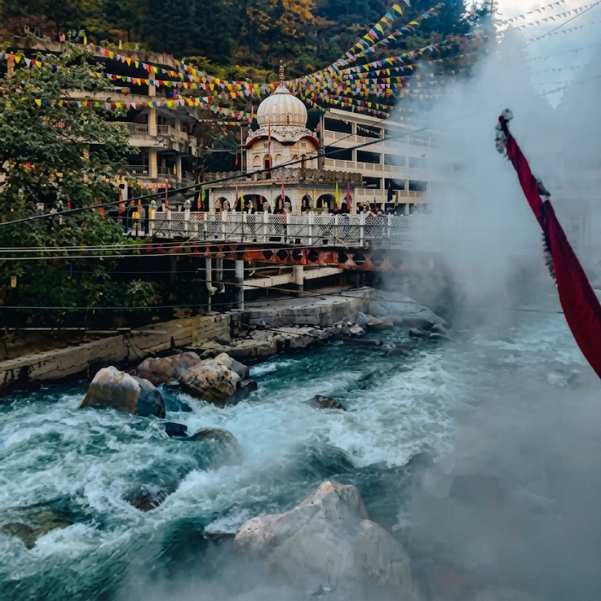
Do Chalal in the morning, then head to Manikaran Sahib for the gurudwara and the hot springs.
One heads-up: a February 2026 report noted a landslide on the Manikaran-Barshaini link road at Ghatigarh, so check current road status before you go further than Manikaran.
Chalal + Tosh or Kheerganga
This only works if you have multiple days in Parvati Valley. Tosh and Kheerganga are separate trips, not same-day add-ons to a Chalal walk.
Use Chalal as your easy warm-up day, then build the bigger treks around it.
Chalal + Rasol
Fitter travellers can continue from Chalal towards Rasol. But do not confuse the two.
The Chalal walk is easy and flat-ish. The onward Rasol trail is a real climb that is much tougher and longer. Treat them as different difficulty levels, and take a guide if you are linking them.
Still deciding between valleys? Our Jibhi or Kasol comparison helps you pick the right base. And if you are routing through Manali first, check our Manali tour packages.
Common Mistakes to Avoid on the Chalal Trek
Starting late is the classic one. People leave at 5 PM and end up walking back through a dark forest. Start earlier.
Wearing slippers is the second. The path has rocks and roots, and flip-flops here mean a twisted ankle.
Getting too close to the river for photos is a real risk. The current is strong. Stay back from the edge.
Littering ruins the place for everyone. Carry your trash out.
Assuming every cafe is open all year will disappoint you in the off months. Many run seasonally.
Relying only on phone network is a mistake when signal drops in the forest. Carry an offline map.
And walking alone after dark in the quiet forest stretch is the one we most strongly warn against. Finish before sunset.
Travel Coffee Local Tips for Chalal Village Trek
In our experience, Chalal works best as your first easy walk after reaching Kasol. It loosens your legs, gets you used to the valley, and sets a relaxed tone before any bigger trek.
Our team always recommends starting before late afternoon and checking the weather the same morning. Roads and trails in Parvati Valley change fast in the rains.
We also tell travellers to keep the walk slow. This is not a race to the cafe. The whole point of Chalal is the unhurried bit, the river noise, the pine smell, the chai with no clock running.
If you want the trek built into a smooth, customised Kasol or Parvati Valley plan with stays and transport sorted, we can put that together for you.
👉 Want stays, transport and local tips sorted? Chat with our team on WhatsApp.
Explore Our Curated Kasol Tour Packages
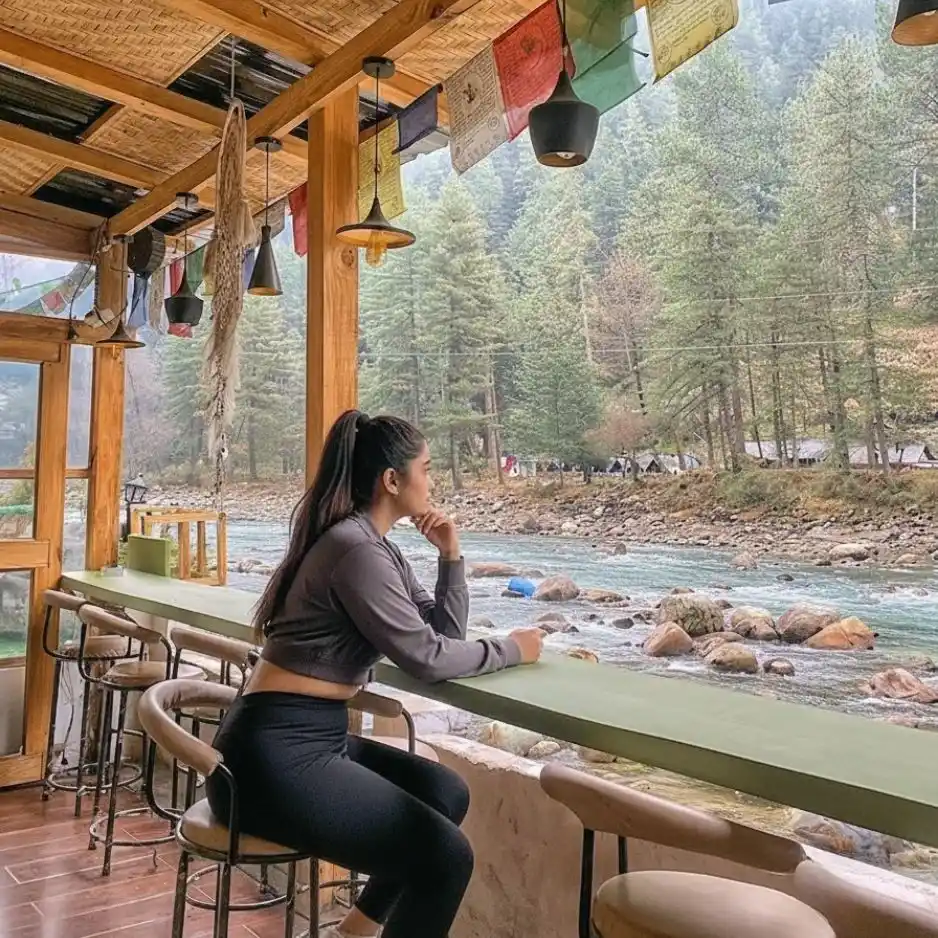 4D/3N
4D/3NPerfect Manikaran Kasol Tosh Weekend Getaway
1D Delhi•2D Kasol+1
₹15,999₹19,999SAVE INR 4,000/ person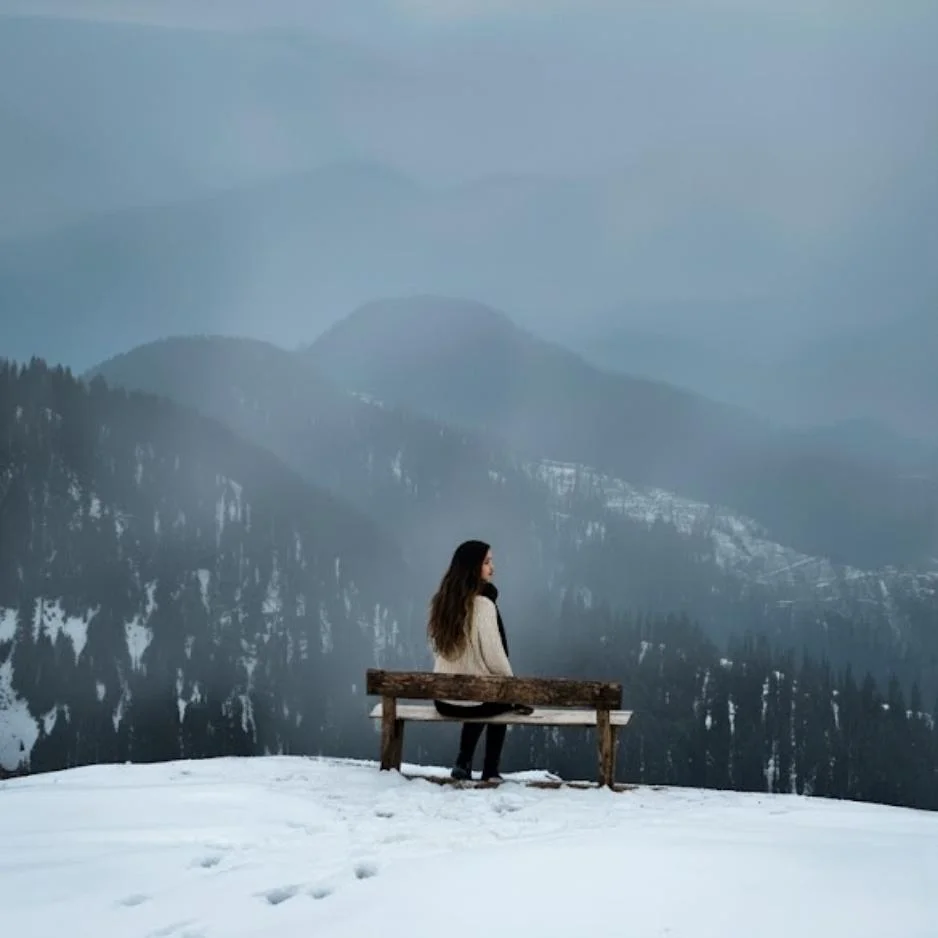 7D/6N
7D/6NManali Kasol Jibhi Valley Trip
1D Delhi•2D Manali+3
₹25,799₹32,999SAVE INR 7,200/ person 8D/7N
8D/7NManali Kasol Bir Himalayan Explorer
1D Delhi•2D Bir+3
₹21,999₹27,999SAVE INR 6,000/ person
Related topics
Frequently Asked Questions
How far is Chalal village from Kasol?
Chalal is around 1.5 to 2 km from Kasol on foot, one-way. The return walk works out to roughly 3 to 4 km.
How much time does Chalal trek take?
About 30 minutes one-way at a normal pace. Some sources say 25 to 30 minutes. With cafe and photo stops, plan for 45 to 60 minutes each way.
Is Chalal trek difficult?
No. It is an easy walk on an uneven forest path. Anyone comfortable walking for half an hour can do it.
Can beginners do Chalal trek?
Yes. This is one of the best beginner walks near Kasol. Just wear proper shoes and start in daylight.
Is Chalal trek safe for solo travellers?
Yes, in daylight. Solo travellers and couples should return before dark and avoid isolated forest or cafe areas late at night.
Can I go to Chalal by car?
No. There is no normal motor road to Chalal. You reach it on foot across the bridge over the Parvati River.
What is the best time to visit Chalal?
March to June is the most comfortable. October and November are also great for clear skies and fewer crowds.
Do I need a guide for Chalal trek?
Usually not, in clear weather. Consider a guide if you are nervous, travelling with small kids, walking in monsoon, or continuing to Rasol.
Are there cafes in Chalal?
Yes. Known names include Freedom Cafe, Fusion Cafe, Shiva Cafe, and Guru Cafe. Opening depends on the season.
Can I stay overnight in Chalal?
Yes, Chalal has homestays and guesthouses. Older sources list stays around ₹400 to ₹1,000, so confirm current rates before booking.
Is Chalal trek open in winter?
Yes, but mornings and evenings get cold. Walk in daylight and carry warm layers. Winter temperatures sit around 2°C to 15°C.
Can I do Chalal and Manikaran on the same day?
Yes. Manikaran is only 3.5 to 4 km from Kasol, so a Chalal morning and a Manikaran afternoon fit comfortably in one day.
More about Kasol
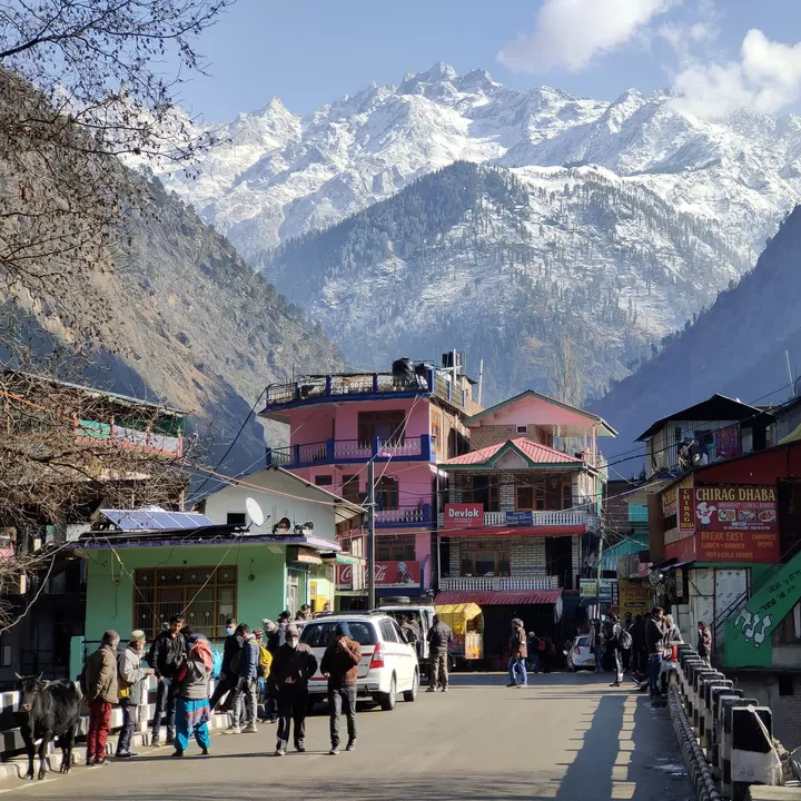 Kasol
KasolShimla Manali Kasol Itinerary 2026: 7, 8 and 9 Day Routes Without Rushing
Plan a relaxed Shimla Manali Kasol itinerary for 2026 with practical 7, 8 and 9 day routes covering Himachal’s key sights without rushing between destinations.
- Itinerary
- Places to Visit
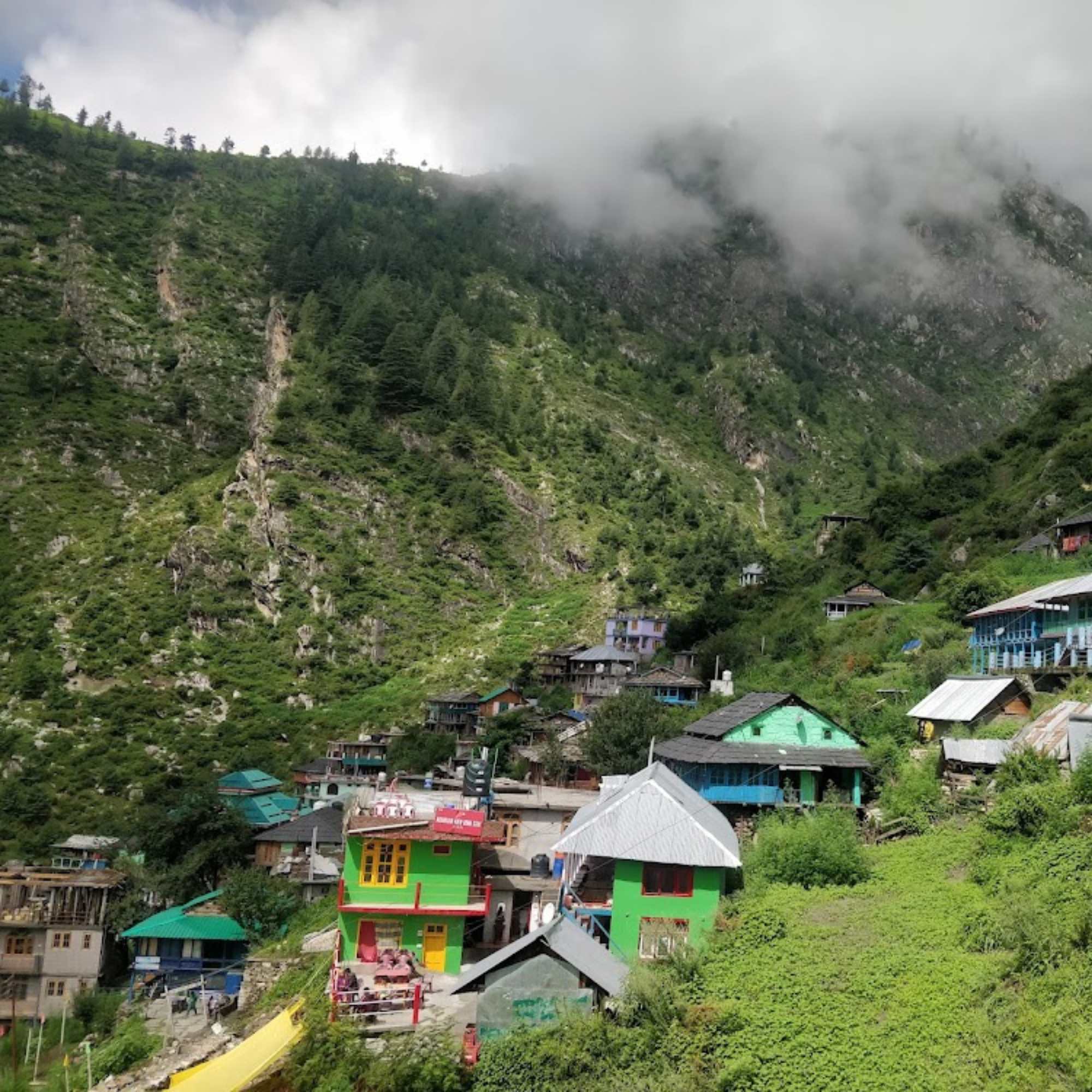 Kasol
KasolBest Offbeat Places Near Kasol Most Tourists Miss in 2026
Escape the crowds and discover the hidden side of Kasol in 2026. From peaceful villages and untouched valleys to scenic trails and secret viewpoints, these offbeat places near Kasol offer authentic Himalayan experiences that most tourists completely miss.
- Places to Visit
- Things to Do
 Kasol
KasolRasol Village Trek From Kasol 2026: Route, Distance & What to Expect
Planning the Rasol Village Trek from Kasol in 2026? Explore the complete trekking route, distance, difficulty level, stay options, and essential travel tips to experience one of Parvati Valley’s most peaceful and offbeat Himalayan villages.
- Things to Do