
Bir Billing Paragliding 2026: Complete Guide and How to Reach from Dharamshala
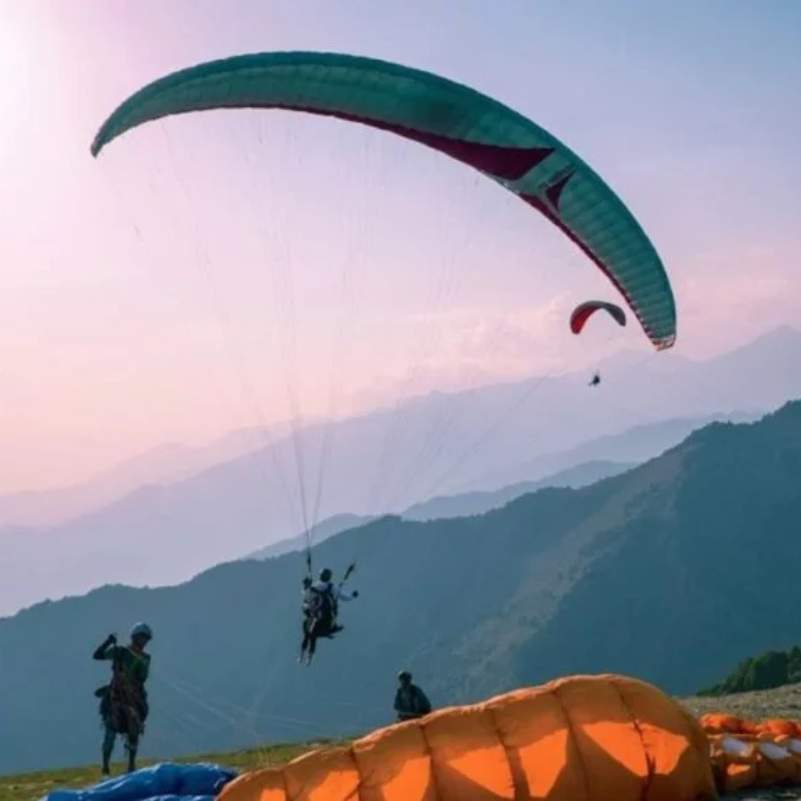
You drive up to Billing, strap into a harness, run a few steps down a grassy slope, and suddenly your feet leave the ground. Below you is the entire Kangra valley. That is bir billing paragliding, and it is the single best reason people make the trip out here.
We have sent a lot of travellers up that hill over the years, and almost every one comes down saying the same thing. The flight feels shorter than they expected and bigger than they imagined.
This guide by Travel Coffee covers the real cost, the best season, how to reach from Dharamshala, and the things most blogs skip.
Quick Answer: Is Bir Billing Paragliding Worth It in 2026?
Yes, it is worth it, and it is still the most accessible paragliding spot in the country.
A standard 15 to 20 minute flight costs around ₹3,000 per person. The takeoff is at Billing and you land at Bir.
Bir is about 65 km from Dharamshala, roughly a 2 to 2.5 hour drive by taxi.
The best flying months sit outside the monsoon, mainly October to November and March to June. Avoid the rainy months when flights often shut down.
Why Is Bir Billing Famous for Paragliding?
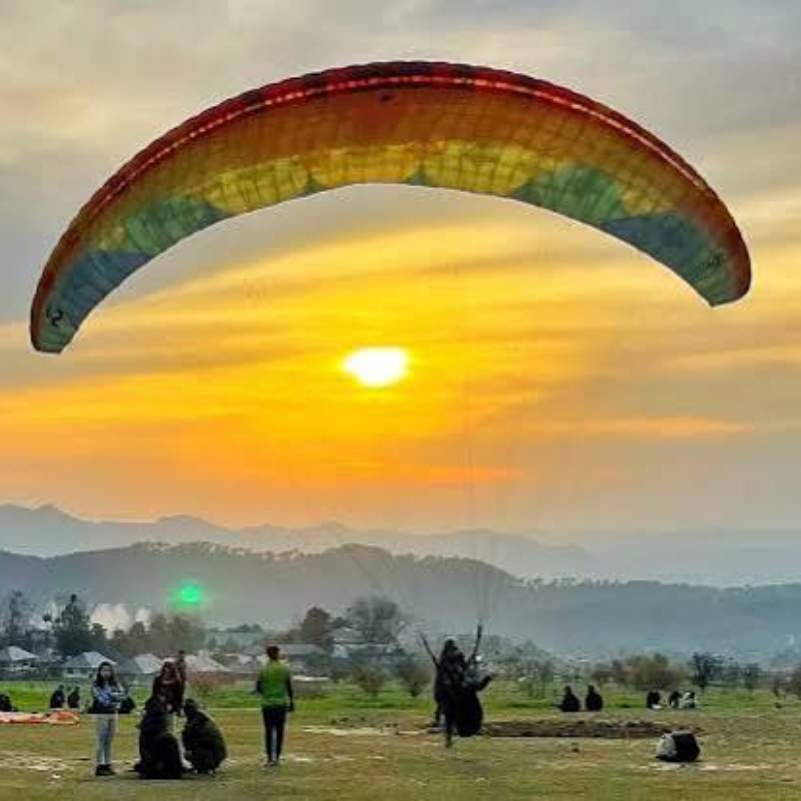
People call Bir Billing the Paragliding Capital of India, and for once the title is earned. The mix of altitude, wind conditions, and a clean valley below makes it one of the few places where beginners can fly tandem safely.
Here is the part that confuses first-timers. Billing is the takeoff site high up the hill, and Bir is the landing site down in the valley. They are two different places, not one.
You drive up to Billing, fly off, and float down to Bir. The two are connected by a rough mountain road.
The views are the real draw. From the air you see the Kangra valley spread out below, with the Dhauladhar range standing behind you.
Bir itself has a strong Tibetan community. The colony, the monasteries, and the cafes give the town a slow, easy feel that suits the day after a flight.
What Most Tourists Get Wrong
Most people treat the flight like a 15 minute activity and plan nothing around the weather. Then the wind picks up, flights stop for the afternoon, and they have a train to catch.
In our experience, the travellers who enjoy Bir the most keep a half-day buffer. The sky decides when you fly, not your schedule.
Bir Billing Paragliding Cost in 2026
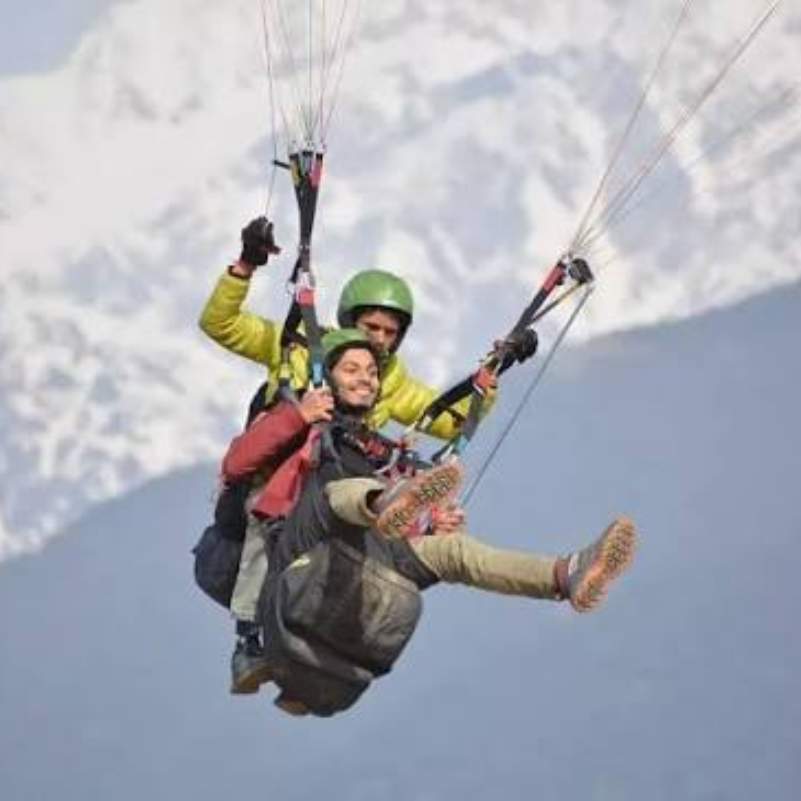
Prices change with the length of the flight, and this is where a lot of confusion starts. Operators sell flights by duration, so the longer you stay up, the more you pay.
A standard 15 to 20 minute flight costs around ₹3,000. This is what most first-timers pick, and for a first flight it is plenty.
A 20 to 30 minute flight costs around ₹4,200. You get a bit more air time and usually a higher takeoff window.
A 30 to 45 minute flight costs around ₹5,500. This one suits people who want time to actually settle in and enjoy the view instead of just reacting to it.
A 45 to 60 minute flight costs around ₹6,500. At this point you are paying for a proper long cross-country style ride.
Very long flights can go much higher, anywhere from ₹15,000 to ₹25,000, depending on the operator, season, and pilot. Always confirm the exact price and what is included before you pay.
A Money Tip Most People Miss
The video and photo package is almost always charged on top of the flight price. Ask whether the GoPro footage is included or extra before you commit, because adding it later usually costs more.
What we tell our travellers is simple. Pick the flight duration first, then negotiate the camera separately. Bundling them in a hurry on the takeoff hill is how people overpay.
What Is the Best Time for Paragliding in Bir Billing?
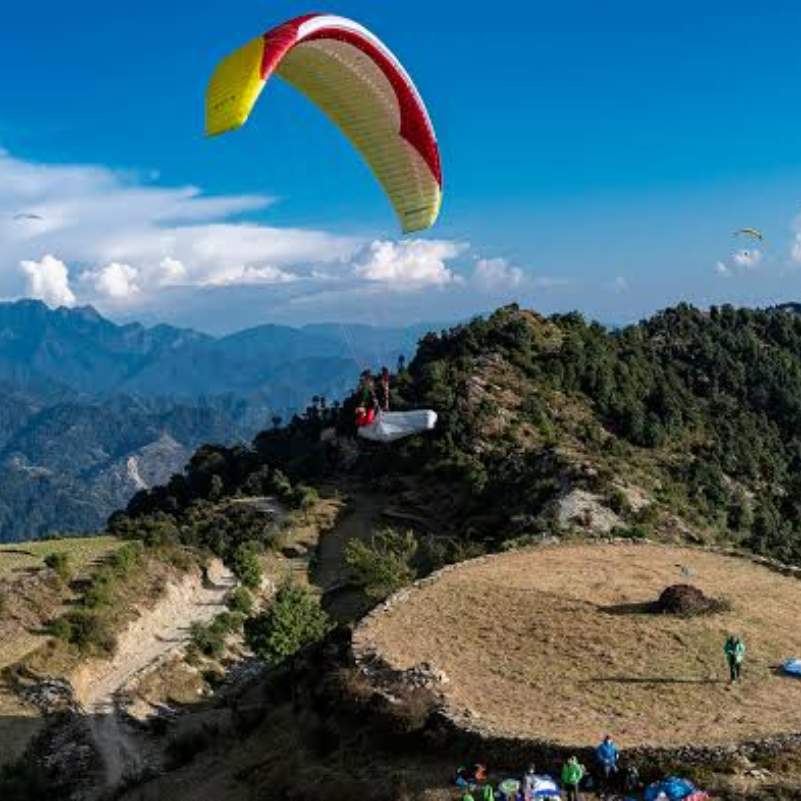
The flying season splits into two clean windows, and both sit around the monsoon, not through it.
October and November
October and November are the post-monsoon months. Skies are clear, the air is stable, and the valley looks its sharpest.
March to June
March to June is the spring and early summer window. Conditions are mostly reliable, though June can get patchy as the pre-monsoon weather builds.
Flights usually shut down or get suspended through the monsoon, roughly July to mid-September. The clouds drop low, visibility falls, and pilots simply will not fly in those conditions.
The Timing Tip That Changes Everything
Fly in the morning if you can. The air is calmer right after sunrise, and the queues at the takeoff site are shorter before the day-trip crowd rolls in from Dharamshala and McLeodganj.
By midday the wind can turn gusty and flights sometimes pause. We have watched plenty of afternoon arrivals end up waiting hours, then go home without flying.
How to Reach Bir Billing from Dharamshala?
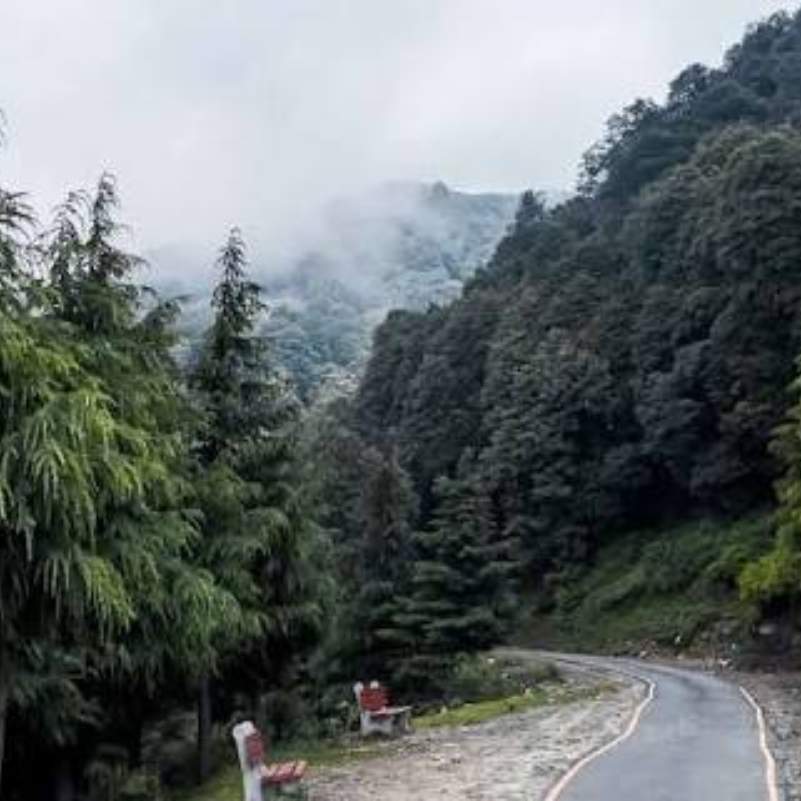
The Dharamshala to Bir Billing distance is around 65 km, and how long it takes depends entirely on how you travel.
The drive cuts through small Kangra towns and tea-growing slopes, so it is a pretty stretch even before you reach Bir.
If you want a proper feel for the wider area first, we put together a Dharamshala travel guide that pairs well with a Bir day out.
Dharamshala to Bir Billing by Taxi
A private taxi is the easiest option and what most of our travellers choose. It takes about 2 to 2.5 hours door to door.
You get to leave when you want, stop for chai on the way, and skip the bus changes. Fix the fare before you sit in the car so there is no argument later.
Dharamshala to Bir Billing by Bus
The bus is the cheapest way but also the slowest. Depending on connections and stops, it can take 4 to 5 hours.
There is usually no single direct bus that suits flight timings well, so you may change at a junction town along the way. If you are tight on time, this is not the route for you.
Dharamshala to Bir Billing by Self Drive
Self-drive works if you have your own car and are comfortable on hill roads. The road is mostly fine, with the rough patch being the final climb up to Billing.
Start early. You want to reach Bir with the morning flying window still open, not arrive at noon when the wind has already turned.
Can You Do Bir Billing as a Day Trip from Dharamshala?
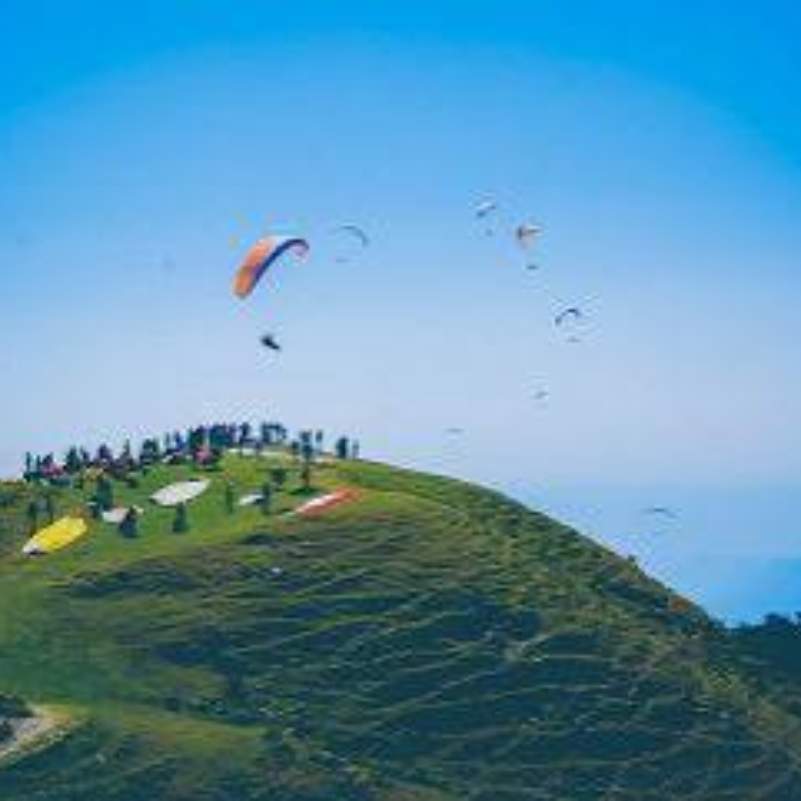
Yes, a Bir Billing day trip from Dharamshala is doable, and a lot of people do exactly that.
The plan is straightforward. Leave Dharamshala early in the morning, reach Bir in 2 to 2.5 hours, complete your flight, grab food and a quick wander around town, and head back before late evening.
The catch is the weather buffer. If flights get delayed or cancelled for the day, a tight day trip leaves you no second chance.
We usually suggest an overnight stay if you want more than just the flight. The cafes, the monasteries, the landing-site evenings, and the sunset are worth a slow night in Bir.
What Happens During the Bir Billing Paragliding Flight?
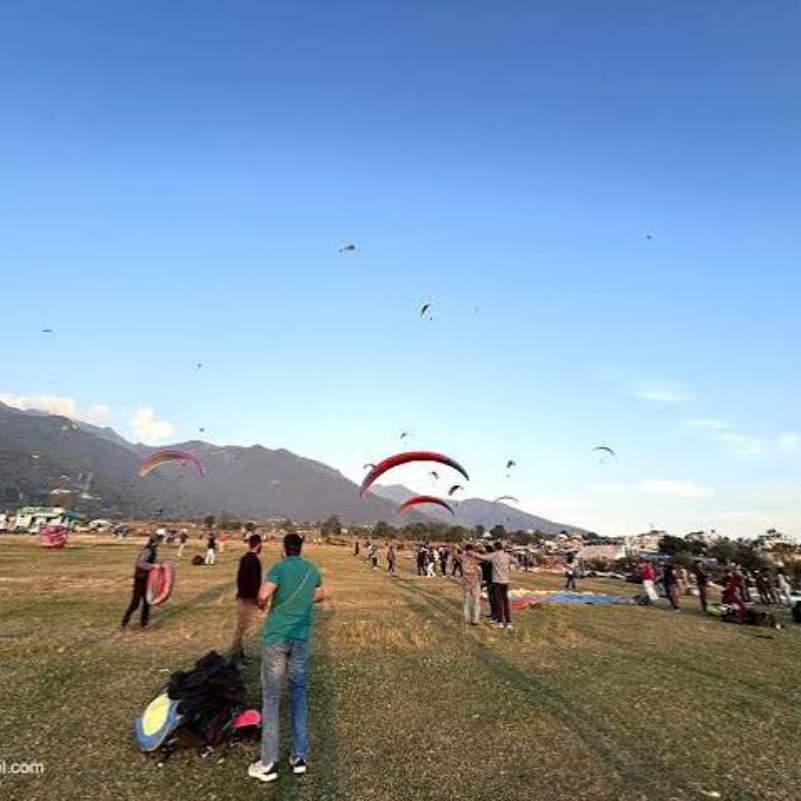
The whole thing is more relaxed than it sounds, even if your nerves disagree on the takeoff hill.
First comes a short briefing from your pilot. They explain the run, where to sit back into the harness, and what to do with your legs on takeoff and landing.
Then there is a vehicle transfer up to Billing, the takeoff site high on the ridge. This drive itself takes time on a narrow road.
At the top, you do the takeoff run. A few quick steps downhill, the wing fills with air, and you are off the ground before you fully register it.
The flight carries you out over the valley toward Bir. A standard ride is 15 to 20 minutes, then a gentle running landing at the Bir landing site.
One honest point. The actual air time is short, but the full experience eats up hours because of the waiting, the transfer, and the queue. Plan for a half day, not a quick stop.
Is Bir Billing Paragliding Safe?
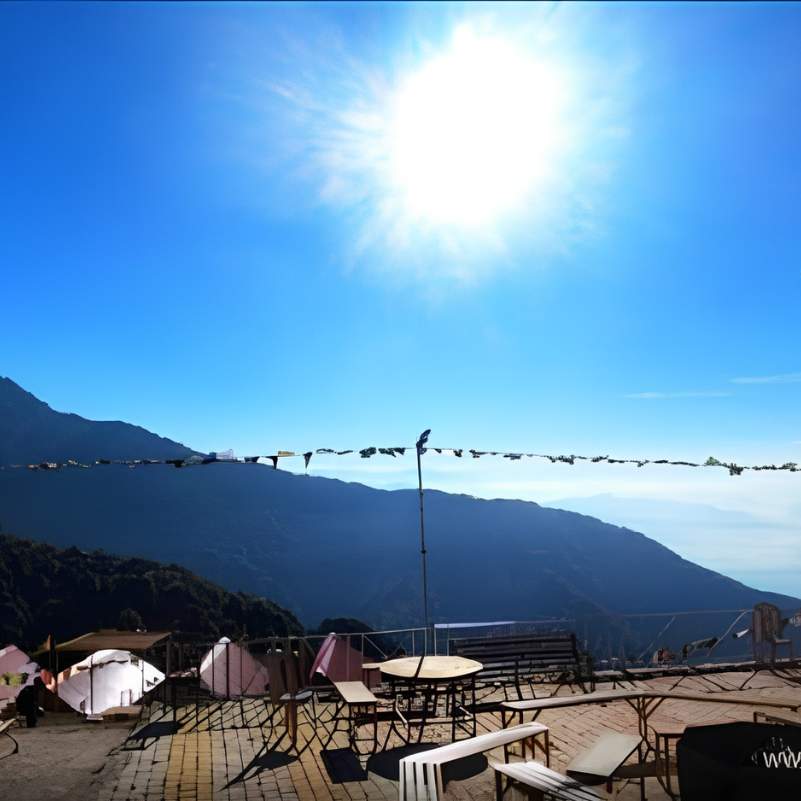
Tandem paragliding here is generally safe when you fly with the right people in the right conditions. The risk goes up sharply when either of those slips.
Pick a licensed and experienced operator. Cheaper is not better when a stranger is steering you through the air at altitude.
Check the weather before you commit, and never push a pilot to fly in poor visibility. If the clouds are low or the wind is gusting, a cancelled flight is the safe call, not a problem.
Make sure your helmet and harness are fitted properly before takeoff. Ask the operator about insurance too, and what it actually covers.
Accidents and temporary suspensions have been reported here over the years, which is exactly why this matters. Treat safety as the deciding factor, not the lowest quote on the hill.
A Warning Worth Repeating
Some touts at the landing site push walk-up "deals" with no clear operator name or paperwork. A flight that is ₹500 cheaper means nothing if you cannot tell who is flying you.
In our experience, the travellers who get burned are the ones who booked on the spot from whoever shouted the loudest. Know the operator first.
>>Want a safe and hassle-free paragliding experience? Message us on WhatsApp.
Bir Billing Weight Limit, Age Limit and Health Rules
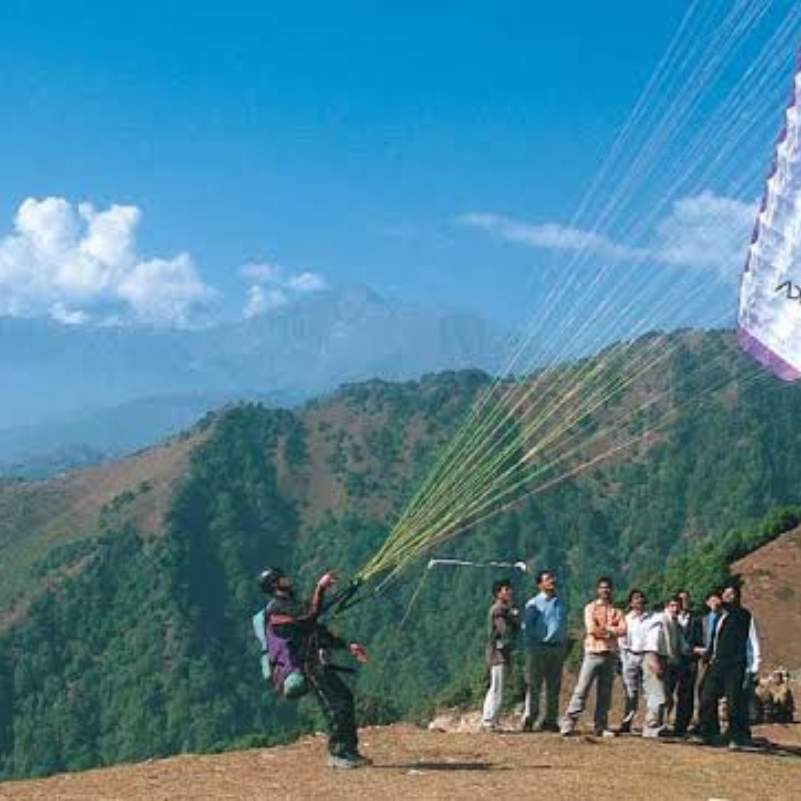
The Bir Billing weight limit is where you will find the most contradictory information online, so read this carefully.
Many operators work with a weight range of roughly 20 to 95 kg. Some quote different numbers, around 30 to 90 kg or up to 100 kg.
Because these limits vary by operator and pilot, you must confirm your exact weight eligibility with the operator before you travel. Do not assume one blog's number applies to everyone.
Health matters as much as weight. People with serious heart conditions, back problems, pregnancy, or a recent injury should avoid the flight or speak to a doctor first.
The takeoff and landing involve a short run and a sudden change in pressure, so do not take any of these conditions lightly.
What to Wear and Carry for Paragliding
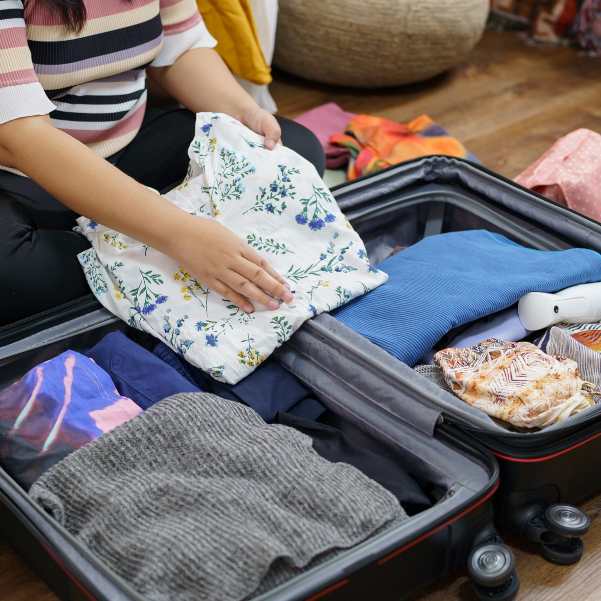
Keep it simple and keep it secure. The wind up at Billing pulls at anything loose.
Wear closed shoes with grip, never sandals or slippers. You run on takeoff and landing, and loose footwear is a quick way to trip.
Carry a light jacket because it is colder at the takeoff altitude than in the valley. Comfortable pants beat shorts up there.
Bring sunglasses with a strap so they do not fly off mid-air. Keep loose items to a minimum.
Secure your phone properly, ideally with a strap or a zipped pocket. Phones slip out of hands at the worst moment, and there is no getting them back from up there.
Where to Stay and What to Do in Bir After Paragliding
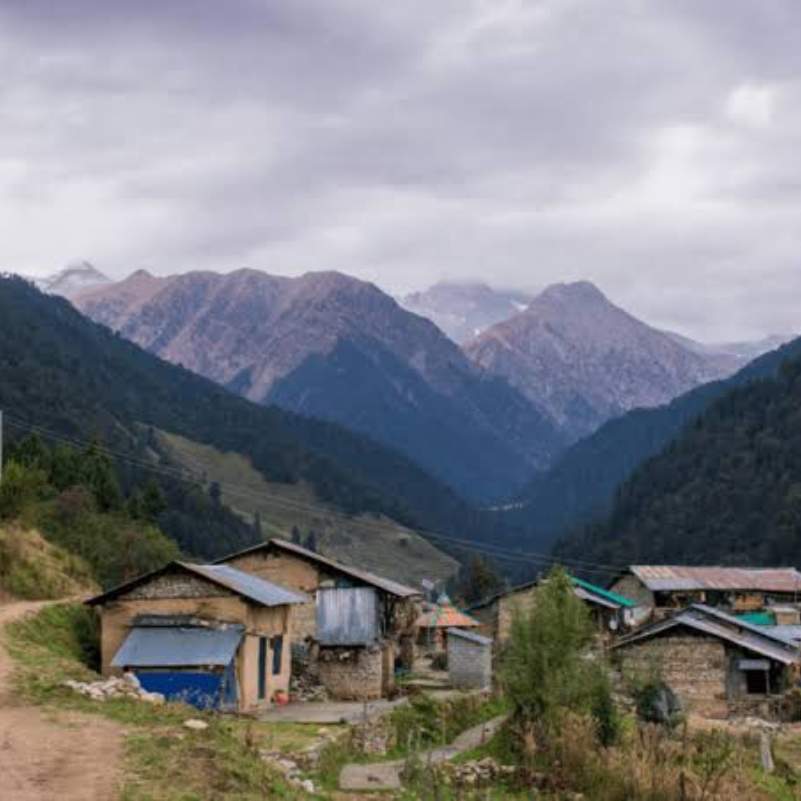
Bir is worth more than just the flight, and the hours after landing are some of the nicest of the trip.
The Tibetan Colony is the heart of it. Quiet lanes, prayer flags, and a calm that feels a world away from the takeoff adrenaline.
Visit the monasteries for a slow afternoon. They are peaceful and add a different texture to the day.
The cafes in Bir are genuinely good and the town runs on a slow-travel rhythm that suits doing nothing in particular. The landing site itself fills up with people watching flights come in around evening.
For ideas on combining Bir with the wider region, our roundup of the best places to visit near Dharamshala and McLeodganj is a good place to start.
Skip This
Skip rushing straight back to Dharamshala the second you land. Most day-trippers do, and they miss the best part of Bir entirely.
The town opens up in the late afternoon. Stay for one cafe and one slow walk and you will see why people linger here.
1-Day Bir Billing Itinerary from Dharamshala

This plan works if your weather holds and you start on time.
Leave Dharamshala by around 6:30 to 7:00 AM. You want to beat the crowd and reach Bir while the morning flying window is open.
Reach Bir by mid-morning, sort out your operator, and complete your paragliding flight. Morning air is calmer and the queue is shorter.
After landing, eat at one of the cafes near the landing site and take a short walk through the Tibetan Colony.
Start your drive back by late afternoon so you reach Dharamshala before dark. Hill roads after sunset are best avoided.
2-Day Bir Billing Itinerary from Dharamshala
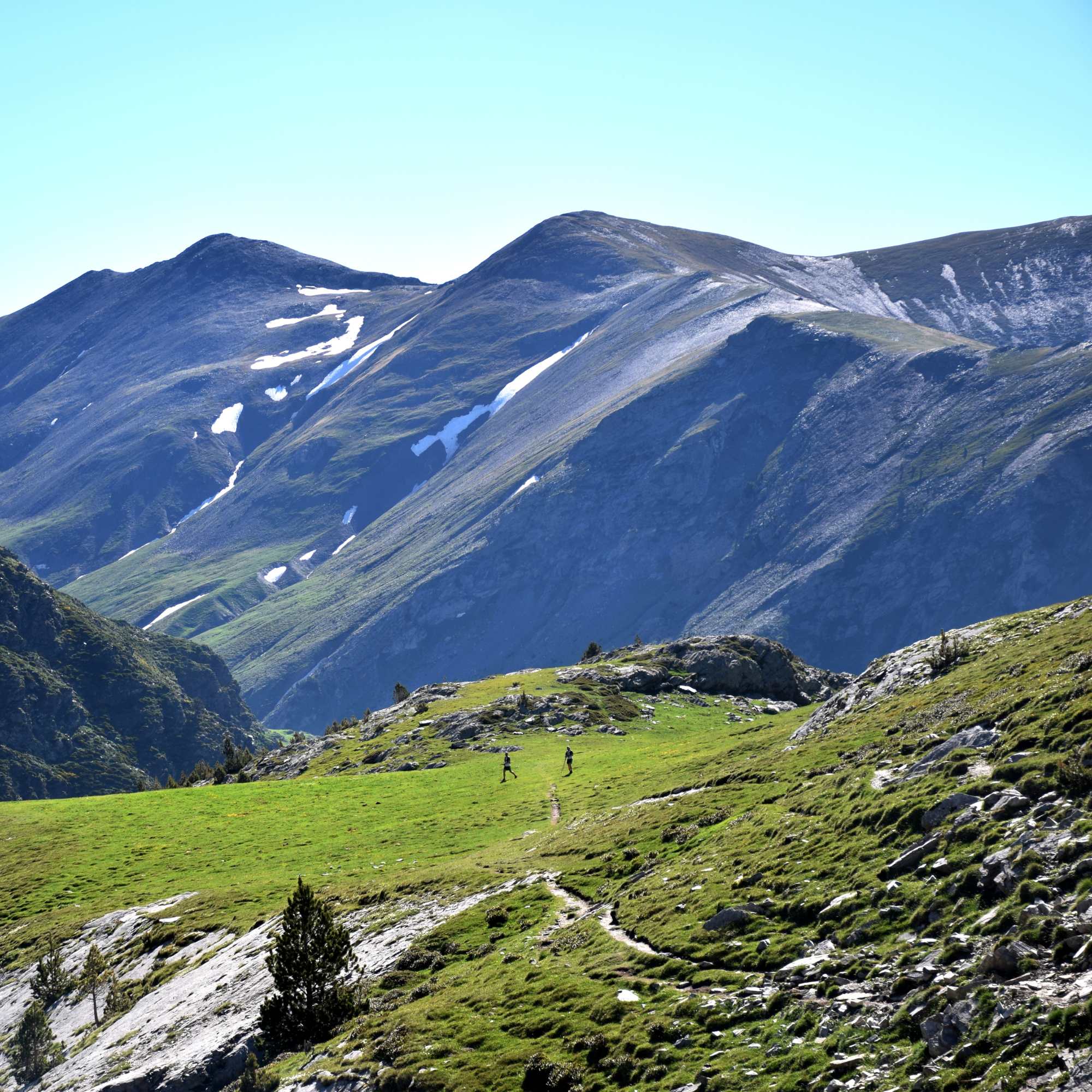
This is the version we recommend, because it removes the one thing that ruins day trips: a tight weather window.
On day one, drive over from Dharamshala in the morning, settle into a stay in Bir, and spend the afternoon at the cafes and monasteries. Keep the flight loose in case conditions are better tomorrow.
Catch the sunset at the landing site. It is one of the calmest evenings you will have in Himachal.
On day two, fly in the morning when the air is freshest, then explore the Tibetan Colony at an easy pace before driving back.
The overnight buffer means a cancelled flight on day one is not the end of your trip. You simply try again the next morning.
Should You Book Bir Billing Paragliding in Advance?
In peak season, October to November and the spring window, booking ahead saves you from standing on the hill hoping for a slot. The popular operators fill up fast on weekends and holidays.
But paragliding is weather-dependent, so any booking should come with a clear refund or reschedule policy. Ask what happens if your flight is cancelled for wind or rain.
Verify the operator before you pay anything. A booking is only as good as the people behind it.
This is exactly the kind of thing we sort out for travellers. If you want a verified pilot, a confirmed slot, and transport that lines up with the morning flying window, talk to our team and we will set it up.
>>Planning to fly at Bir Billing? Message us on WhatsApp for a hassle-free booking.
If you would rather have the whole trip handled, our Dharamshala tour package covers stays, transport, and a Bir day. Many people pair it with a Manali tour package to build a longer loop.
Explore Our Curated Dharamshala Tour Packages
 6D/5N
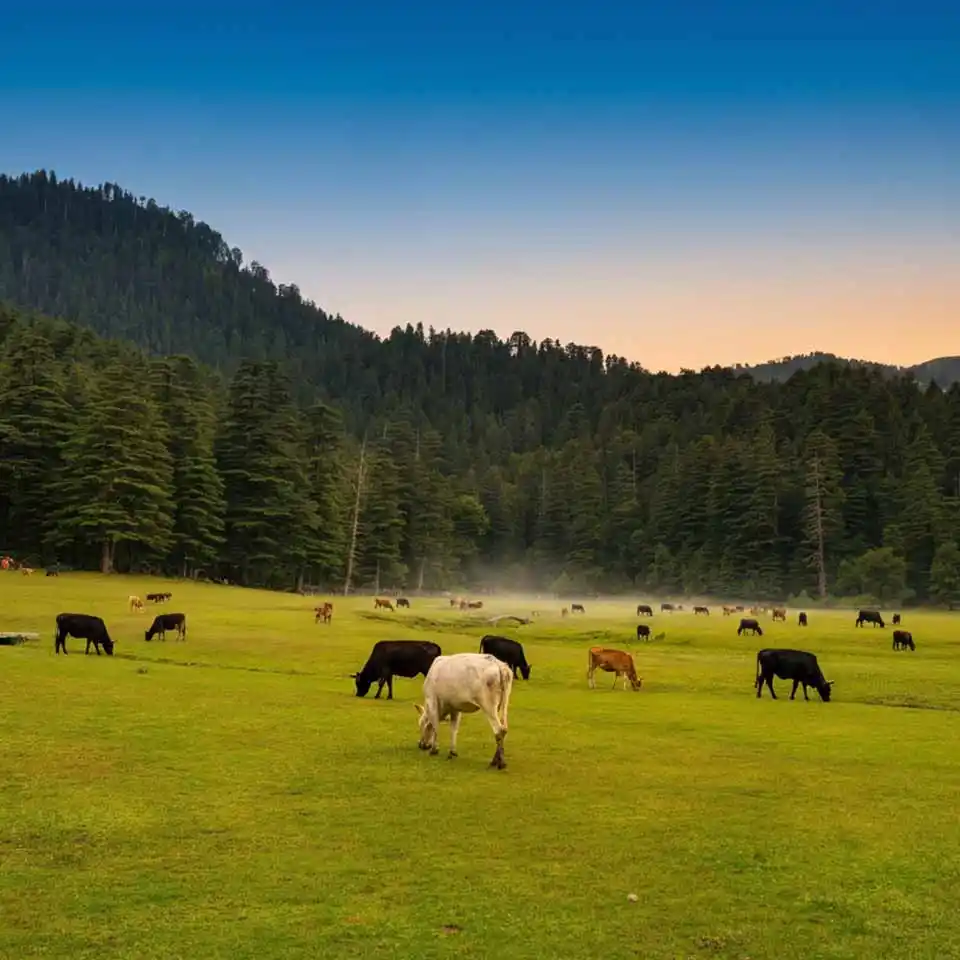
6D/5NDharamshala Dalhousie Khajjiar Meadow Circuit
1D Delhi•2D McLeodganj+1
₹19,999₹25,999SAVE INR 6,000/ person 7D/6N
7D/6NDharamshala–McLeod Ganj, Dalhousie & Khajjiar With Amritsar
1D Delhi•2D McLeod Ganj / Dharamshala+3
₹23,999₹28,999SAVE INR 5,000/ person 3D/2N
3D/2NDharamshala & McLeodganj Weekend Tour
1D Delhi•2D Dharamshala / McLeodganj
₹8,799₹17,880SAVE INR 9,081/ person
Related topics
Frequently Asked Questions
What is the cost of paragliding in Bir Billing in 2026?
A standard 15 to 20 minute flight costs around ₹3,000. Longer flights run higher, up to ₹6,500 for 45 to 60 minutes, with very long flights costing much more.
How far is Bir Billing from Dharamshala?
Bir Billing is around 65 km from Dharamshala. By taxi it takes about 2 to 2.5 hours.
Can I do Bir Billing as a day trip from Dharamshala?
Yes, but you must start early and accept the weather risk. An overnight stay gives you a buffer if flights are cancelled.
What is the best month for Bir Billing paragliding?
October and November and the March to June window are the best. They sit outside the monsoon when conditions are clear and stable.
Is Bir Billing paragliding open in July or August?
Usually no. Flights are commonly suspended through the monsoon, roughly July to mid-September, because of low clouds and poor visibility.
How long is the paragliding flight?
A standard flight is 15 to 20 minutes in the air. The full experience takes longer because of the briefing, transfer, and waiting.
What is the weight limit?
Many operators use a range of about 20 to 95 kg, while some quote 30 to 90 or 100 kg. Confirm your exact eligibility with the operator before you travel.
Is Bir Billing safe for first-timers?
Yes, tandem flights are beginner-friendly when you fly with a licensed, experienced operator in good weather. Never fly in poor visibility.
Where does the flight take off and land?
You take off from Billing, the high ridge site, and land at Bir down in the valley. The two are connected by a mountain road.
Do I need to book in advance?
In peak season, yes, especially on weekends. Make sure any booking comes with a clear refund or reschedule policy for weather cancellations.
What should I wear?
Closed shoes with grip, a light jacket, comfortable pants, and sunglasses with a strap. Secure your phone and skip loose items.
What happens if weather cancels the flight?
Flights are paused or cancelled when wind or visibility is poor. This is why a refund policy and a buffer day matter, so you can fly the next morning instead.
More about Dharamshala
 Dharamshala
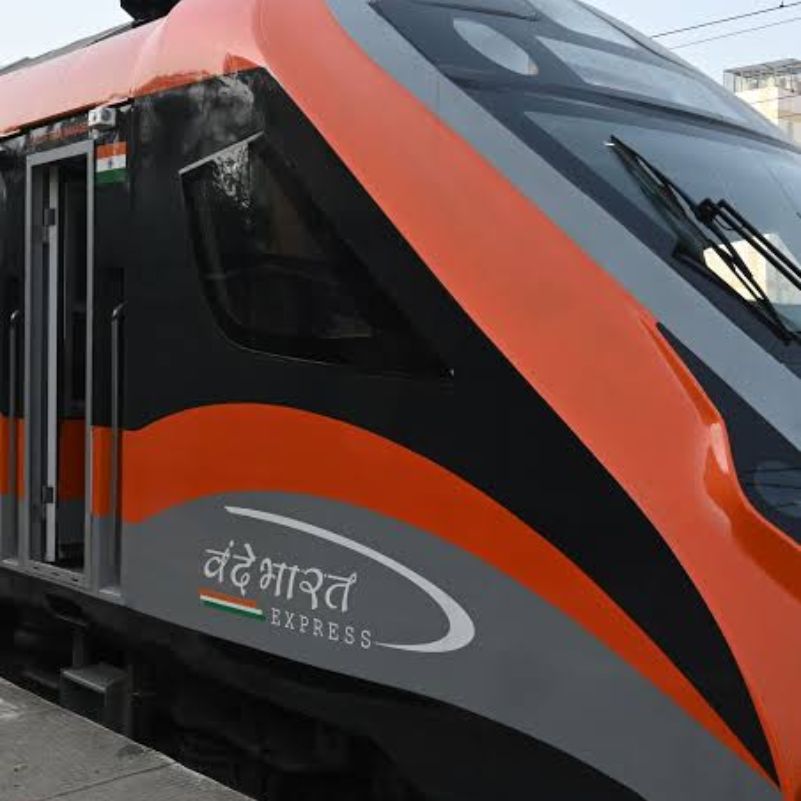
Delhi to Dharamshala by Vande Bharat in 2026: Amb Andaura Transfer & Return Guide
Planning to travel from Delhi to Dharamshala by Vande Bharat? Learn the best rail route, where to get off, and how to arrange your onward transfer to Dharamshala by taxi or bus.
 Dharamshala
Dharamshala Group Trip with Friends 2026: Cabs, Rooms, Triund and Shared Costs
Planning a Dharamshala group trip with friends in 2026? Explore cab options, estimated travel costs, group budgeting tips, and practical ways to plan an affordable trip to Dharamshala and McLeod Ganj.
 Dharamshala
Dharamshala Trip Cancellation Due to Weather in 2026: Refunds, Rescheduling and What Happens Next?
Planning a Dharamshala trip in 2026? Learn when severe weather, heavy rain, snowfall, landslides or road disruptions may require you to cancel or postpone your trip, and what to check before travelling.