
Best Time to Visit Chanshal Pass & Pabbar Valley in 2026
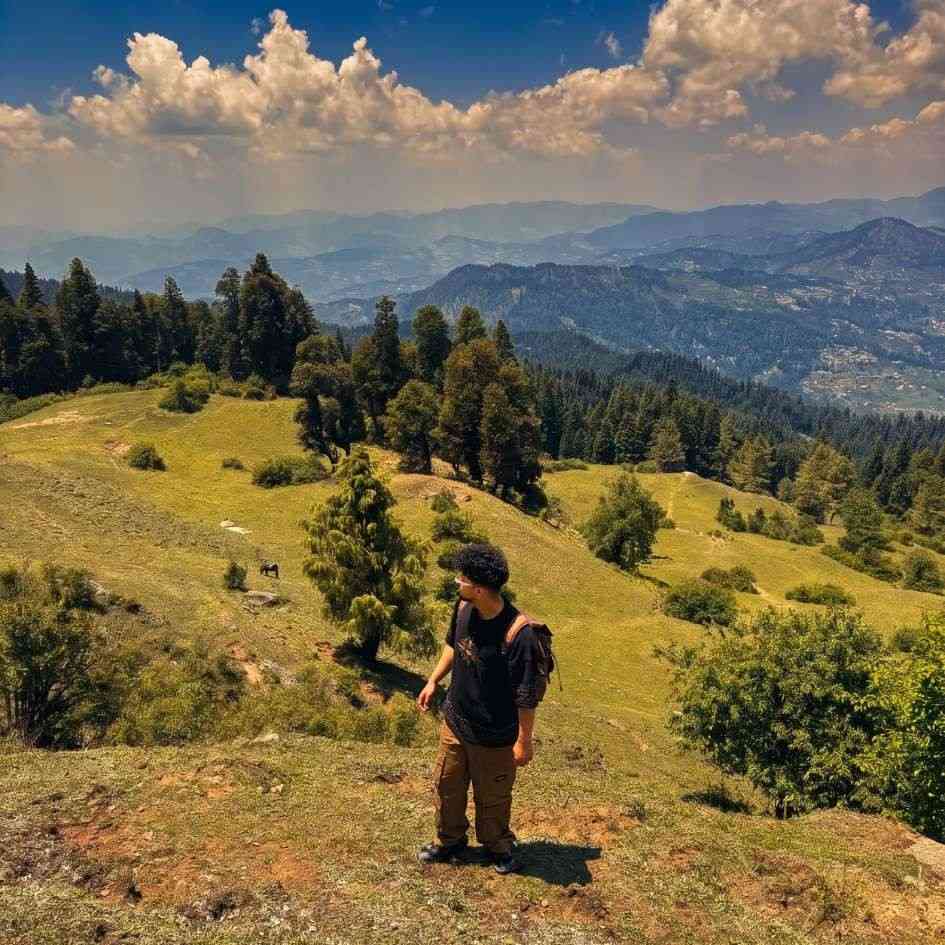
The best time to visit Chanshal Pass is late June, September, and October.
That is the short answer. The longer one is that Chanshal is one of those Himachal roads where the calendar matters less than the weather on the day you actually drive it.
Most people pick a date, book a cab, and assume the pass will behave. It does not work like that here. The road sits high, it gets snow late and early, and a single afternoon of rain can change everything.
Here is what most travellers get wrong: they treat Chanshal Pass and Pabbar Valley as the same trip with the same season. They are not. The lower valley around Rohru opens early and stays friendly for months. The pass itself is a short, weather-dependent window on top of that.
Get this difference right and you will plan a trip that actually works.
Quick Answer: Best Time to Visit Chanshal Pass
The best time to visit Chanshal Pass is late June, September, and October. June gives you fresh post-snow access, September gives you clean post-monsoon views, and October gives you cold, crisp mountain air.
Lower Pabbar Valley around Rohru, Hatkoti, and Jubbal is best from March to June and September to November.
Chanshal road access depends entirely on snow, rain, and local conditions, so it changes year to year. As of 11 June 2026, the Rohru to Chanshal Pass road is listed Open, but you must verify this yourself before you start driving.
>>Not sure which season is right for your Chanshal Pass trip? Talk to our team on WhatsApp.
When Is the Best Time to Visit Chanshal Pass in 2026?
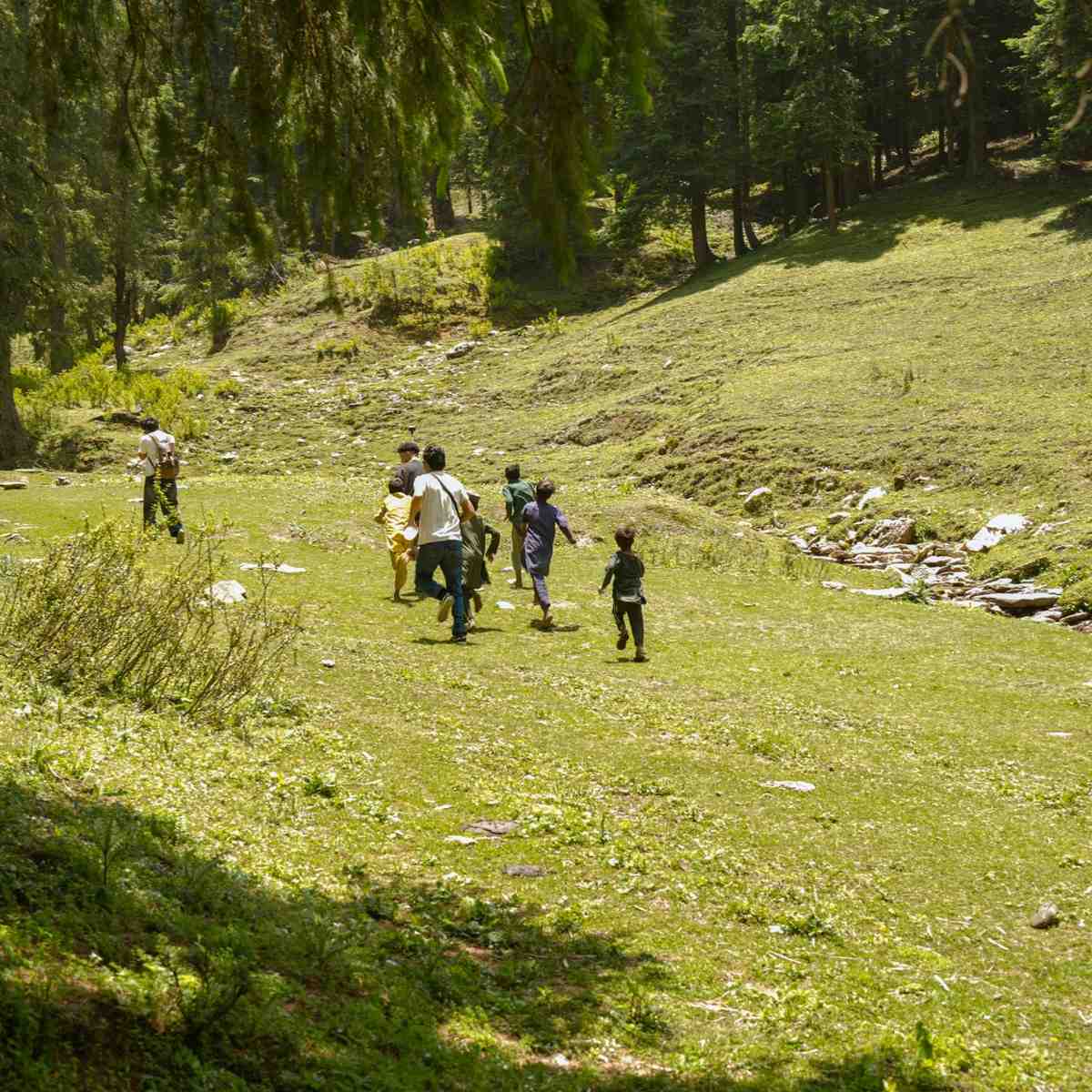
Chanshal is far more weather-dependent than Shimla, Rohru, or Hatkoti. Those places stay open and easy almost all year. The pass does not.
Sitting at 3,755 metres, Chanshal holds snow long after the valley below has turned green. So the question is never just "what month is it." The real question is whether the road has cleared and stayed clear.
Late June
It is one of the most reliable windows. By then the snow has usually melted enough for the road to be motorable, and the high meadows start opening up.
September
It is the other strong window. The monsoon settles, the air clears, and you get those long, sharp mountain views that make the drive worth it.
October
It is for travellers who want cold and clarity. The views are excellent, the crowds thin out, and the light is clean. Just know that mornings and evenings get very cold up there.
May
It is a gamble. The road may be opening, but melting snow leaves slush and rough patches that catch out small cars. Check locally before you commit.
July and August
These are the months we usually steer people away from. The monsoon brings rain, fog, slush, and landslide risk. Even when the road is technically open, it is rarely a pleasant or safe drive.
Winter is simply not the season for a normal road trip to the pass. More on that below.
In our experience running trips through this belt, the travellers who come back happiest are the ones who picked late June or September and kept a buffer day in hand.
When Is the Best Time to Visit Pabbar Valley?
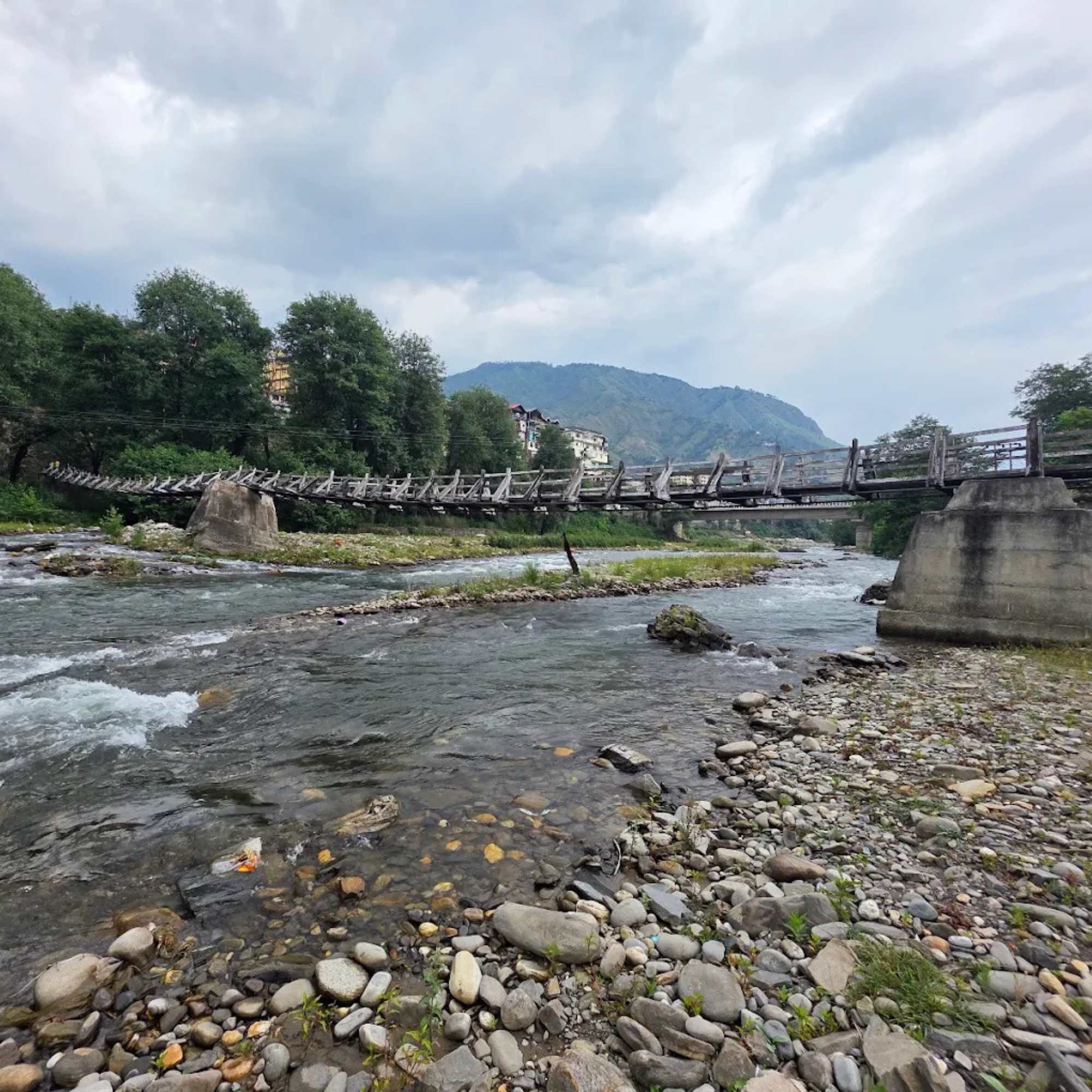
Here is the part most blogs blur together. Pabbar Valley and Chanshal Pass are not on the same schedule.
The lower valley around Rohru, Hatkoti, Jubbal, and Chirgaon is a gentle, green river belt. It is best from March to June and again from September to November.
March to June is the season for greenery, clear weather, apple orchards waking up, and slow time by the Pabbar River. Daytime temperatures sit around a comfortable 18°C to 24°C, so it feels easy.
September to November is the season for apples coming off the trees, autumn colour creeping into the orchards, and clean light for photography.
So if your travel dates fall outside the Chanshal window, you can still have a brilliant trip. You just base it in the valley instead of forcing the pass.
If you want a base in this region with someone handling the bookings, our Shimla tour packages cover this side of Himachal and can be shaped around Rohru and Pabbar Valley.
Month-by-Month Guide to Chanshal Pass and Pabbar Valley
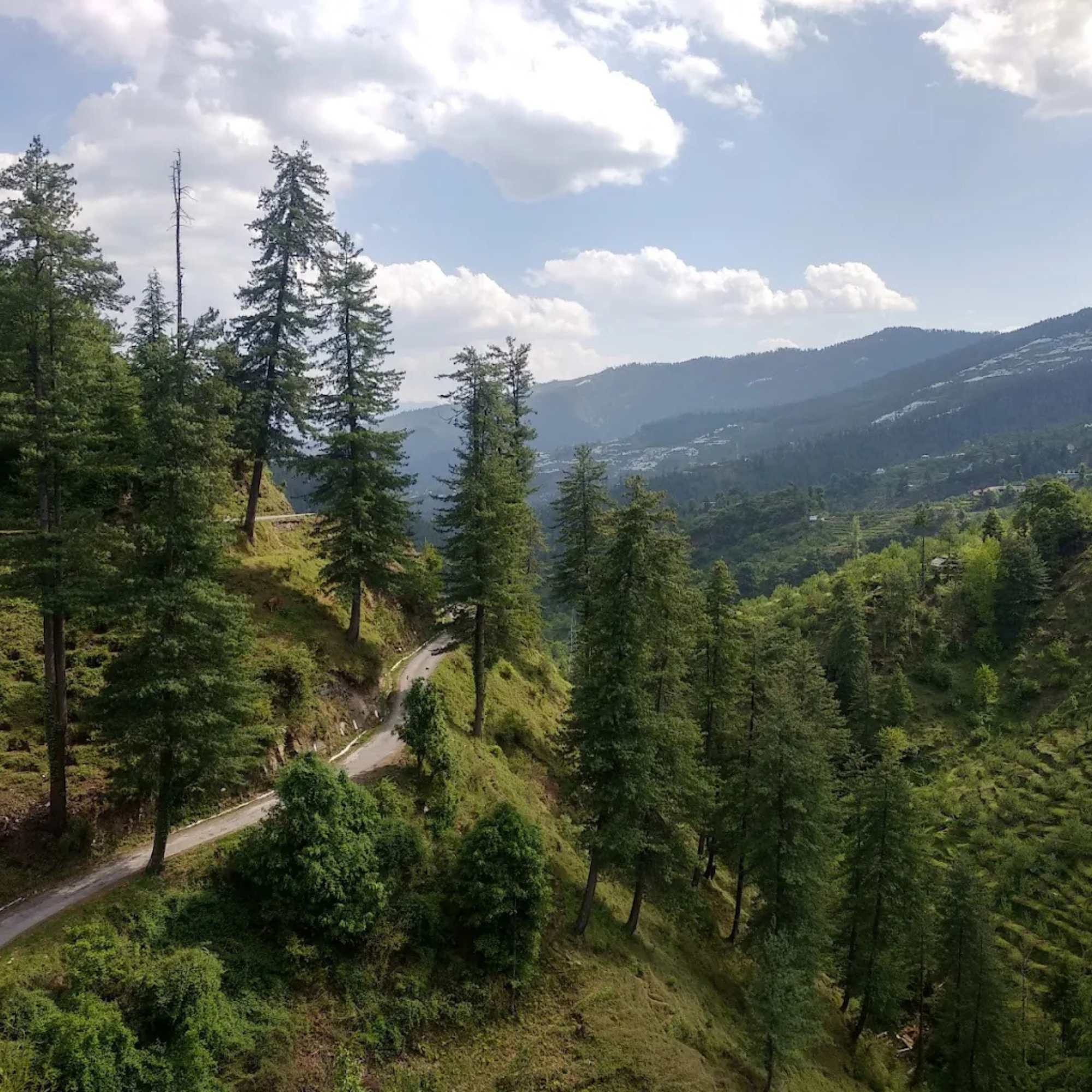
Here is the honest month-by-month picture, written the way we would explain it to you on the phone.
March and April
Lower Pabbar Valley is peaceful and pretty in these months. The orchards are stirring, the river runs clear, and the towns are quiet.
Chanshal Pass itself usually stays closed or uncertain because of snow. Do not build your trip around the pass this early.
Base yourself in Rohru, Hatkoti, Jubbal, and the riverside stays instead. You will get the best of the valley without gambling on a road that may not be through.
May
May is the in-between month. The road to the pass may start opening, but melting snow creates slush and broken patches that are hard on a normal car.
Before you attempt Chanshal in May, ask locally from Rohru or Larot. The drivers and hotel owners there know the ground truth days before any update reaches the internet.
June
Late June is one of the best windows of the whole year for Chanshal Pass.
By this time the road is usually motorable, the high meadows begin to open, and the views get genuinely good. Snow still sits on the surrounding peaks, which makes the drive feel dramatic without being dangerous.
If you want an early-season trip, late June is the safer half of the month to aim for.
July and August
We do not recommend these months to most travellers.
This is peak monsoon. You get rain, landslides, slush, fog, and poor visibility. The valley can flood at the edges and the higher road turns risky.
Even if someone tells you the road is open, an open road in August is not the same as a safe or enjoyable one. Our team has turned trips around in these months when the weather refused to cooperate.
September
September is one of the best months overall, full stop.
The monsoon starts pulling back, the air clears, and the mountain views sharpen up. The apple belt around Rohru and Kotkhai is busy and alive, which adds a lot of colour to the drive in.
Roads tend to settle after the rains, so the whole trip feels smoother. If you want one safe bet for Chanshal, September is it.
October
October is excellent for cold, clear views and clean photography.
The light is crisp, the haze is gone, and the peaks stand out against deep blue skies. It is a quiet, beautiful time to be up there.
Just pack for serious cold. Mornings and evenings get sharp, and road status still depends on early snowfall, so keep checking before you go.
November to February
The lower valley around Rohru may still be reachable in these months, but Chanshal Pass and the higher areas usually close under snow.
This window suits travellers who want a quiet winter stay in Rohru or the lower valley, not a guaranteed drive over the pass. Do not plan a winter trip expecting to reach Chanshal.
Is Chanshal Pass Open in 2026?
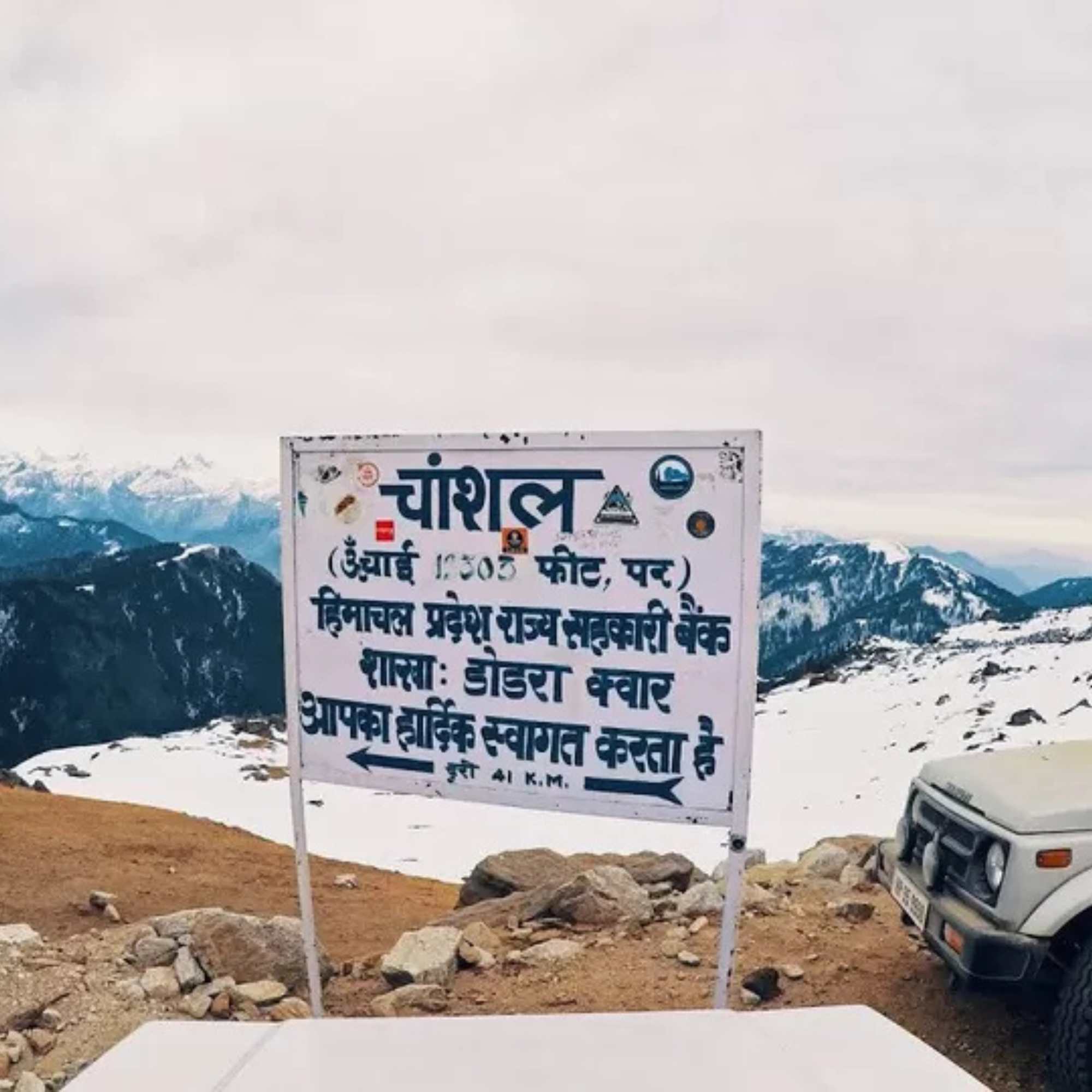
As of 11 June 2026, the Rohru to Chanshal Pass road is listed Open.
That is good news if you are planning soon. But it is not a permanent guarantee, and it is important you understand why.
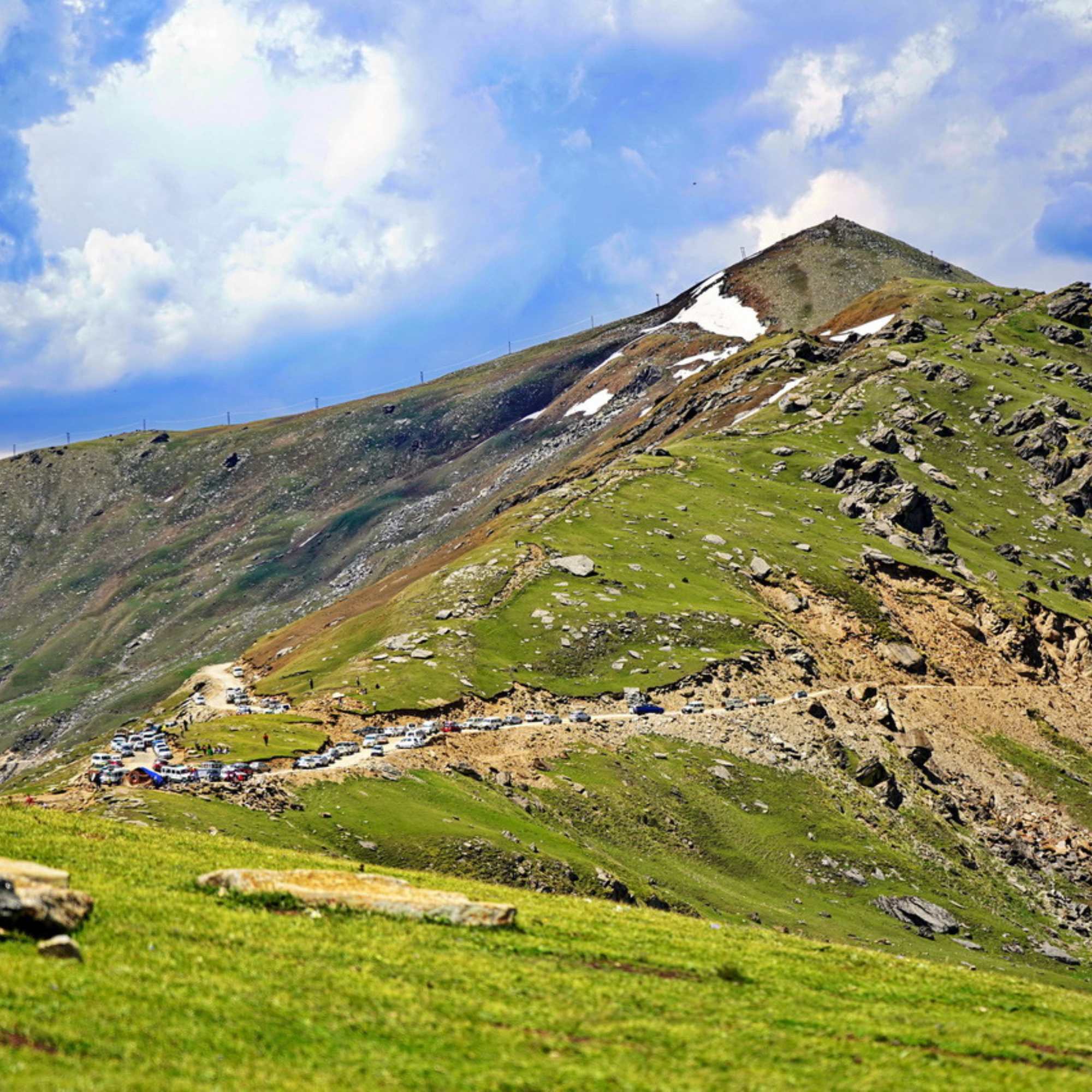
Broadly, the Chanshal Pass road is open to traffic from roughly May to October or November, depending on snow and road clearance. Within that window, a high mountain road like this can still close suddenly because of fresh snowfall, heavy rain, landslides, road repairs, or local restrictions.
So "open today" can become "blocked tomorrow afternoon." It happens here more than people expect.
Before you leave, verify the status with local drivers, hotel owners, Rohru locals, or us. A quick message saves you a wasted day of driving.
>>Need the latest Chanshal Pass road status before you travel? Talk to our team on WhatsApp.
How to Reach Chanshal Pass from Shimla, Delhi, and Chandigarh
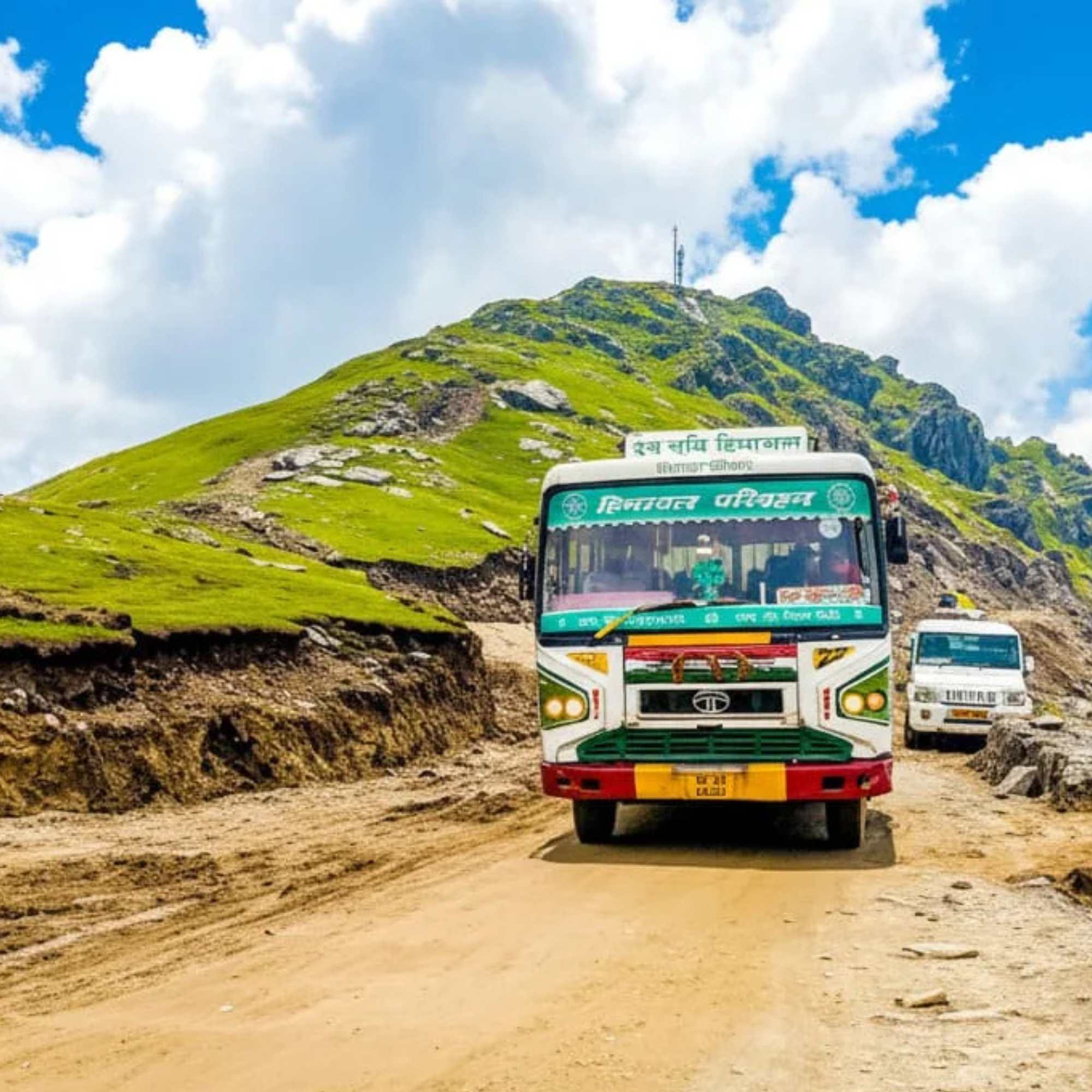
The main route runs from Shimla through Theog, Kotkhai, Jubbal, Hatkoti, Rohru, Chirgaon, Larot, and finally up to Chanshal Pass.
Rohru is the most practical base for the whole trip. It is the last proper town with everything you need before the road gets rough and remote.
From Shimla, Rohru is about 115 km and takes around 3 to 4 hours depending on road conditions. The drive is scenic and mostly easy, winding through the apple belt and along the Pabbar River.
From Rohru, Chanshal Pass is about 48 km. Drive time can run anywhere from 2 to 3 hours because the last stretch is slow, narrow, and weather-sensitive. The kilometres are short but the road eats time.
Coming from Delhi or Chandigarh, the smart move is to break the journey at Shimla first, then push to Rohru, and only attempt the pass once you are rested and the morning looks clear. Do not try to barrel from the plains straight to the pass in one shot.
Chanshal Pass itself is about 160 km from Shimla, so the pass is a full commitment, not a quick add-on.
Can Small Cars and Bikes Go to Chanshal Pass?
Let me be honest about the road, because this is where people get into trouble.
A high-ground-clearance SUV or a local jeep is the safer choice for Chanshal. The last stretch towards the pass is rough, and a sturdy vehicle handles it far better.
Small cars can manage, but only in dry, stable conditions. Avoid taking a hatchback through May slush, the monsoon, or any fresh snowfall. The car will struggle and you will spend the day stressed instead of enjoying the views.
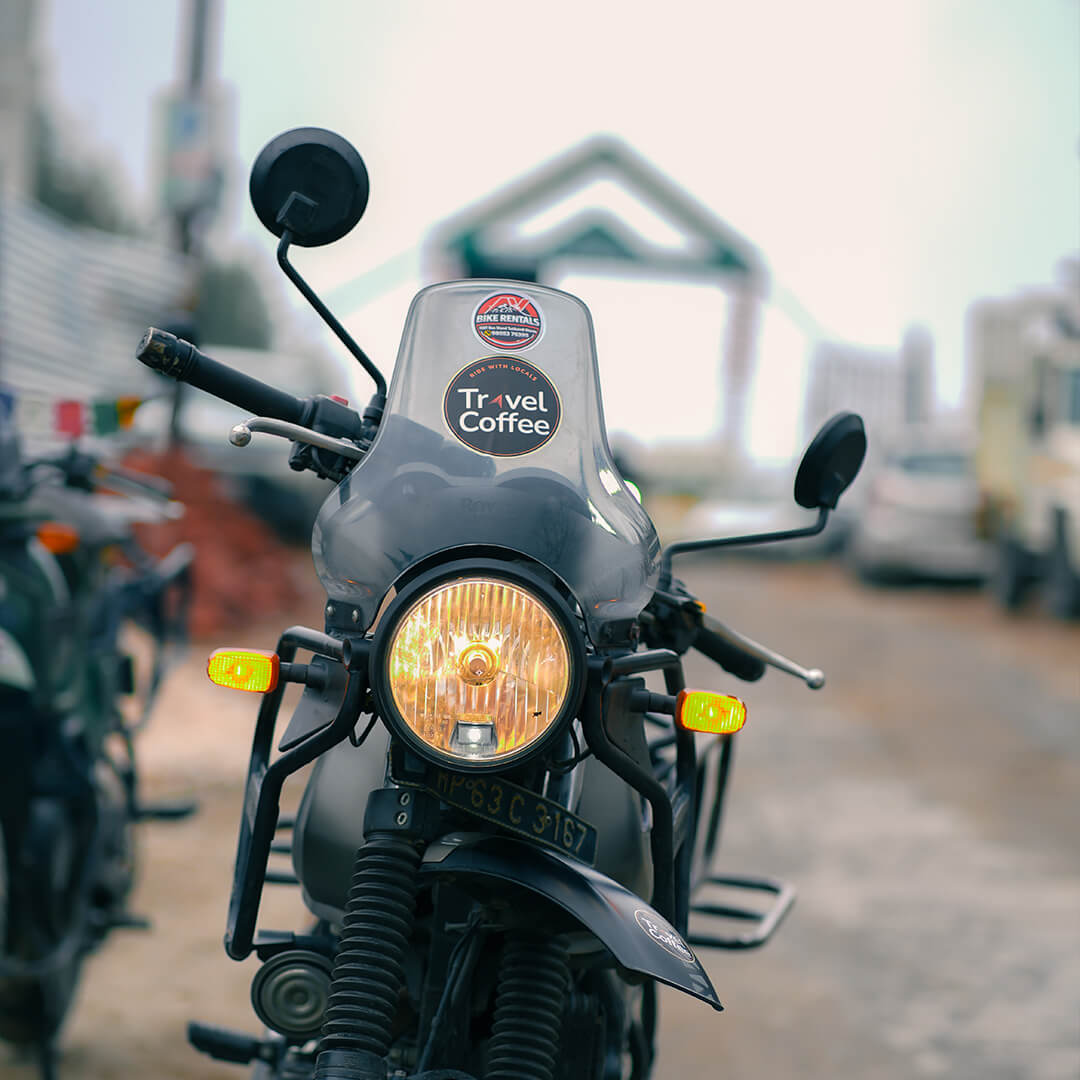
Bikers do reach Chanshal, and it is a fantastic ride when the weather holds. If you are riding, carry gloves, proper rain gear, a puncture kit, and warm layers. Avoid late-day rides, because the weather and the light both turn against you quickly up there.
Our drivers always say the same thing about this road. It is not about how fast your vehicle is. It is about whether it can take the terrain without leaving you stranded.
Where to Stay for Chanshal Pass and Pabbar Valley
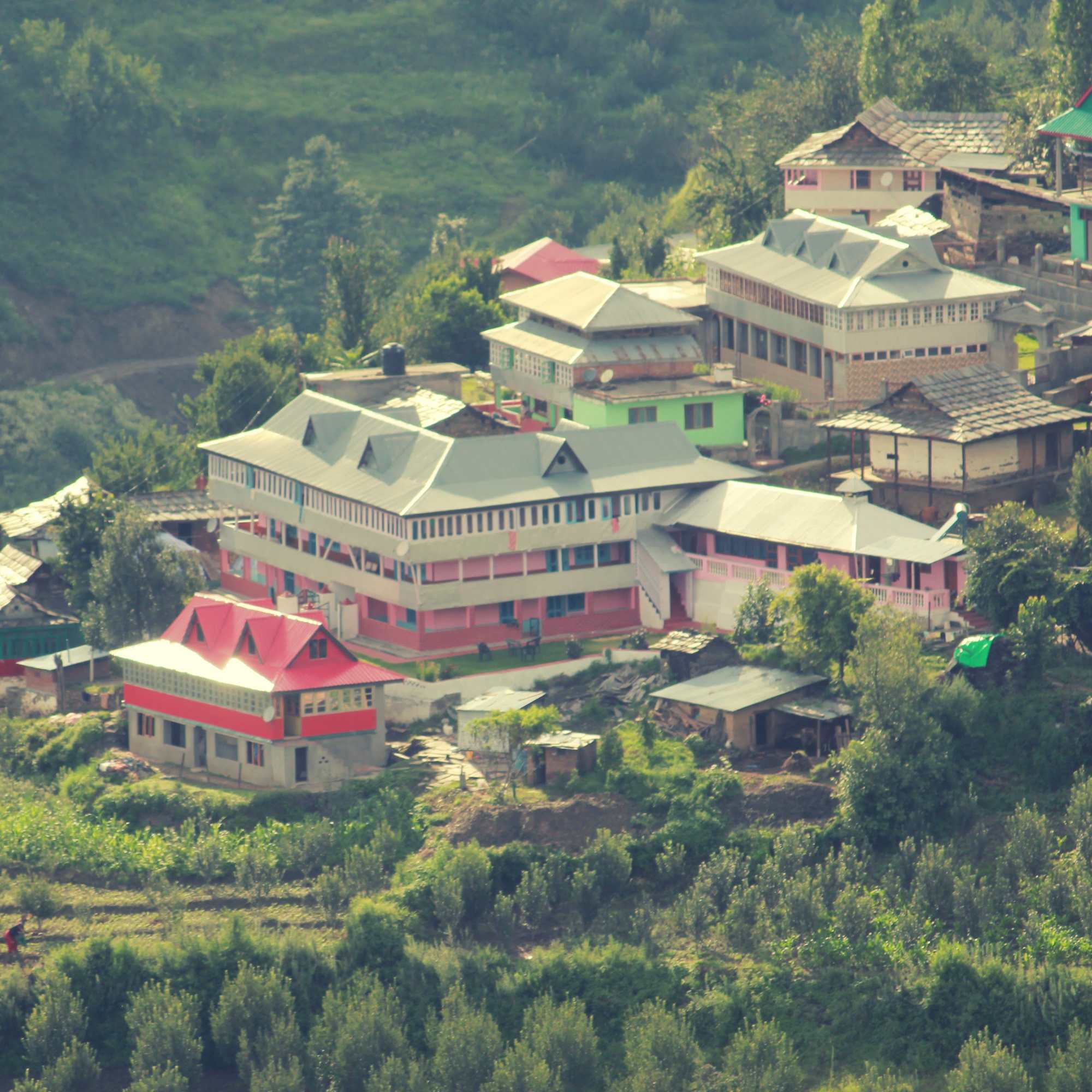
Rohru is the best base, and it is not close.
Rohru has hotels, ATMs, a petrol pump, food options, mobile connectivity, and HRTC bus services. Once you go past it towards the pass, all of that thins out fast.
Budget hotels in Rohru cost around ₹800 to ₹1,500 per night. They are simple but clean enough for a night or two.
Homestays in Rohru, Chirgaon, and the nearby villages cost around ₹500 to ₹1,200 per night, and they often include meals. Here is the money tip most people miss: a homestay with meals usually works out cheaper and warmer than a hotel plus separate dhaba bills, and the food is better too.
For a more formal option, HPTDC The Chanshal is in Rohru, near the Circuit House on the Hatkoti-Rohru road.
If you want to stay closer to the pass, Chirgaon and Larot have basic options, but only go there if you are comfortable with fewer facilities and patchy network.
What to See in Pabbar Valley Along with Chanshal Pass
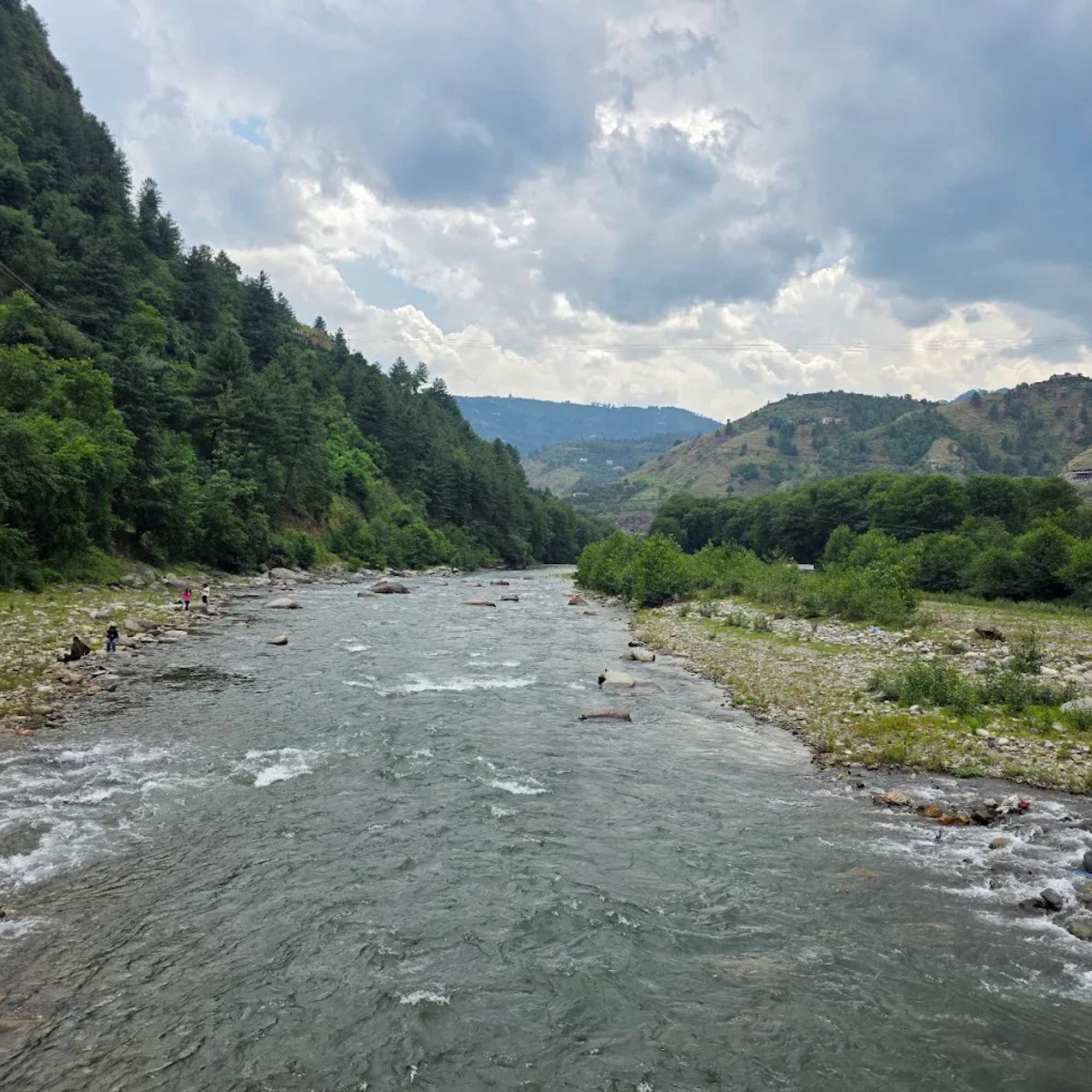
Chanshal is the headline, but Pabbar Valley is what makes the whole trip worth it even if the pass does not open.
Rohru and the Pabbar River are the heart of it. The river is clean and fast, and the town is a real working apple town, not a tourist set piece. Spend an evening by the water and you will understand why people keep coming back here.
Hatkoti Temple is a major stop on the way in, about 102 km from Shimla, with no entry fee. It is an old, quiet temple complex worth an hour of your time as you head towards Rohru.
Jubbal Palace is about 90 km from Shimla and sits at around 7,000 ft. The architecture is striking and the setting is calm, a good leg-stretch break on the drive.
Chirgaon and Larot are useful stops before the pass, both as places to rest and as the last points to gauge road conditions ahead.
For serious trekkers, Chandernahan Lake sits at 4,260 metres. The trek runs about 20 to 24 km and usually takes 3 to 4 days from Janglik.
This is not a casual add-on. It is a proper high-altitude trek that needs planning and fitness. The nearby Chanshal/Saru Lake trek runs roughly 22 km.
If this kind of high-mountain landscape is your thing, our Kinnaur tour packages cover similarly raw, offbeat terrain on the other side of Himachal.
Suggested Itineraries for Chanshal Pass and Pabbar Valley
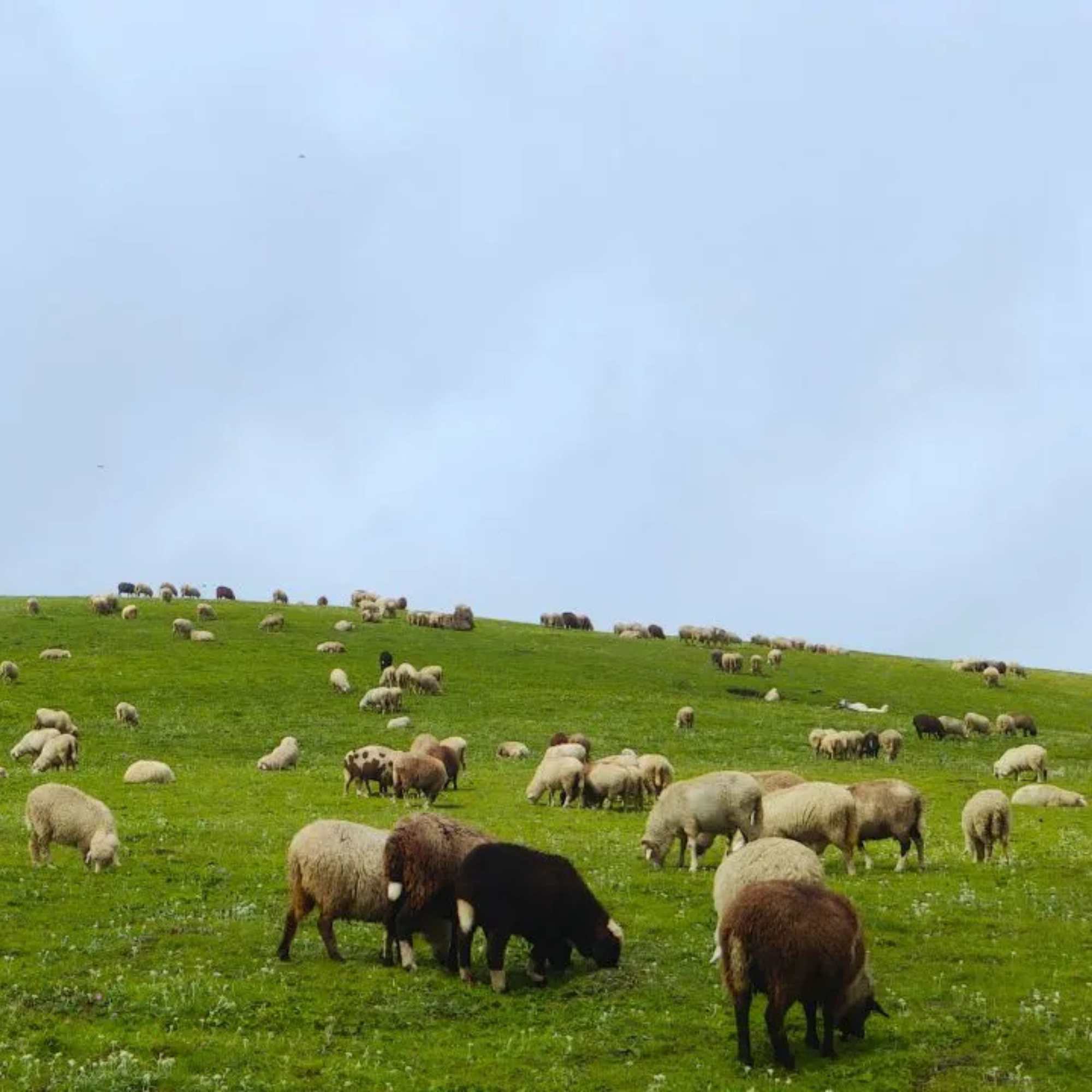
Here are three plans depending on how much time you have. Pick the one that matches your pace, not your ego.
2-Day Shimla to Chanshal Plan
Day 1, drive from Shimla to Rohru via Hatkoti, with a stop at the temple and time by the Pabbar in the evening. Stay the night in Rohru.
Day 2, start early and head to Chanshal Pass via Chirgaon and Larot. Spend time at the top, then return to Rohru or push on to Shimla depending on daylight and how tired you are.
This plan works, but it is tight. Here is the one thing to skip: do not try to do Chanshal as a same-day return all the way to Shimla. People attempt it, get caught by afternoon weather or fading light on a bad road, and regret it. Give the pass a proper morning.
3-Day Relaxed Pabbar Valley Plan
Day 1, Shimla to Rohru. Settle in, eat well, sleep early.
Day 2, Chanshal Pass as a focused day trip, with an early start for the clearest views.
Day 3, an easy loop back through Hatkoti, Jubbal, and Kotkhai before returning to Shimla.
This is the plan we recommend most. It gives you the pass and the valley without rushing either.
4-Day Delhi or Chandigarh Plan
Do not rush straight from the plains to the pass. The altitude gain and the long drive will wear you down.
Break the journey at Shimla or Rohru first, give your body a day to settle, and keep the Chanshal attempt for the clearest morning you get. A buffer day here is not wasted time. It is the difference between a good trip and a frustrating one.
If you like this slower, offbeat style of travel, you might also enjoy our offbeat Jibhi and Tirthan Valley trips, which run on the same relaxed logic.
Expected Trip Cost in 2026
These are honest estimates, and they shift with the season, so treat them as a guide, not a quote.
Local dhaba meals run around ₹100 to ₹200 per meal. The food is simple, hot, and filling, mostly dal, rice, rajma, and local fare. Try the trout if you find it, since the Pabbar belt is known for it.
A Shimla to Rohru taxi costs around ₹2,500 to ₹3,500 one way. Here is the safety tip: agree on the price before you sit in the car. Some drivers quote high once they sense you are new to the route, so lock the number first.
The Shimla to Rohru bus fare starts at around ₹300 onwards, since different sources quote different figures.
A basic 3-day trip from Shimla by bus, budget stay, and dhaba food can cost around ₹3,000 to ₹5,000 per person. Add a private vehicle and the number climbs, but you gain a lot of flexibility on a road like this.
What to Pack for Chanshal Pass
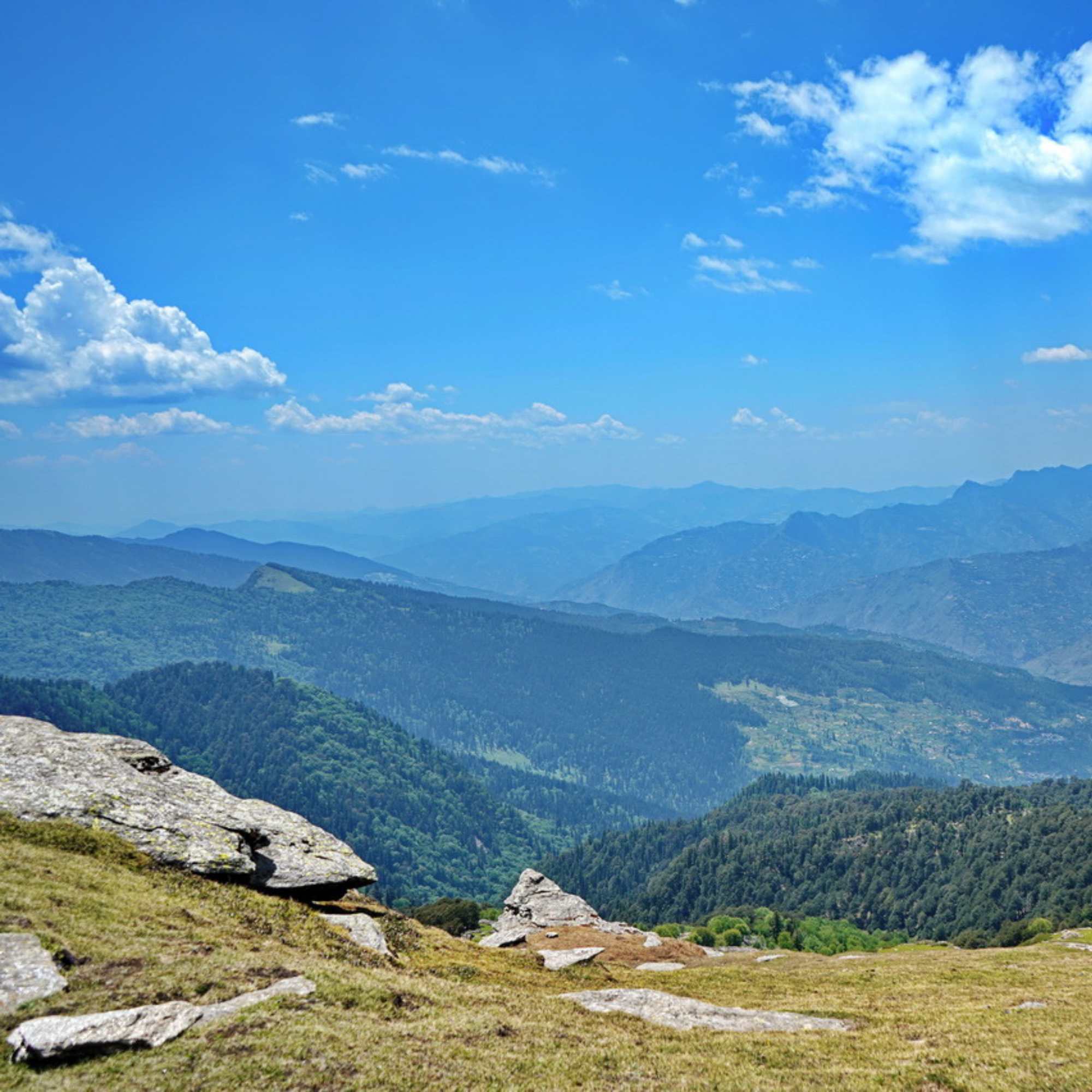
Pack for cold even in summer. The valley can be warm at midday while the pass is freezing the same afternoon.
Carry a warm jacket, waterproof shoes, water, snacks, basic medicines, and cash, because cards and UPI are not reliable out here.
Bring a power bank, offline maps, sunglasses, and sunscreen. The sun at altitude burns faster than you expect, even on cool days.
Check your vehicle before you go, and fill fuel in Rohru. There is no reliable pump beyond it, so do not leave town with a half tank.
One more thing. Mobile network becomes unreliable or disappears once you go past Chirgaon and near the pass. Tell someone your plan before you lose signal.
If you want to pair this trip with something more active later, our guide to adventure activities in Manali is a good read for the next leg.
Who Should Visit Chanshal Pass and Who Should Avoid It?
Chanshal is perfect for offbeat travellers, bikers, photographers, and people who love slow road trips and do not mind rough roads. If a remote, quiet, raw mountain pass sounds like your idea of a good trip, you will love it.
It is not the right place if you want cafes, nightlife, luxury stays, fixed schedules, or guaranteed road conditions. None of that exists up there, and pretending otherwise will only disappoint you.
Families can enjoy lower Pabbar Valley far more easily. The river, the orchards, and the towns are gentle and easy. Save the Chanshal decision for the day itself, based on weather and road status.
What we always tell our travellers is simple. Treat the valley as the sure thing and the pass as the bonus. Plan it that way and you will never come back unhappy.
If you would rather build a wider Himachal loop around this, our Manali tour packages connect well with this side of the state.
Explore Our Curated Chanshal Pass Tour Packages
- Group Tour5D/4N
Chanshal Pass Weekend Group Trip With Giri Ganga and Kuppar Bugyal
1D Kharapathar / Kotkhai•1D Rohru / Chirgaon (Pabbar Valley)
₹8,999₹12,999SAVE INR 4,000/ person 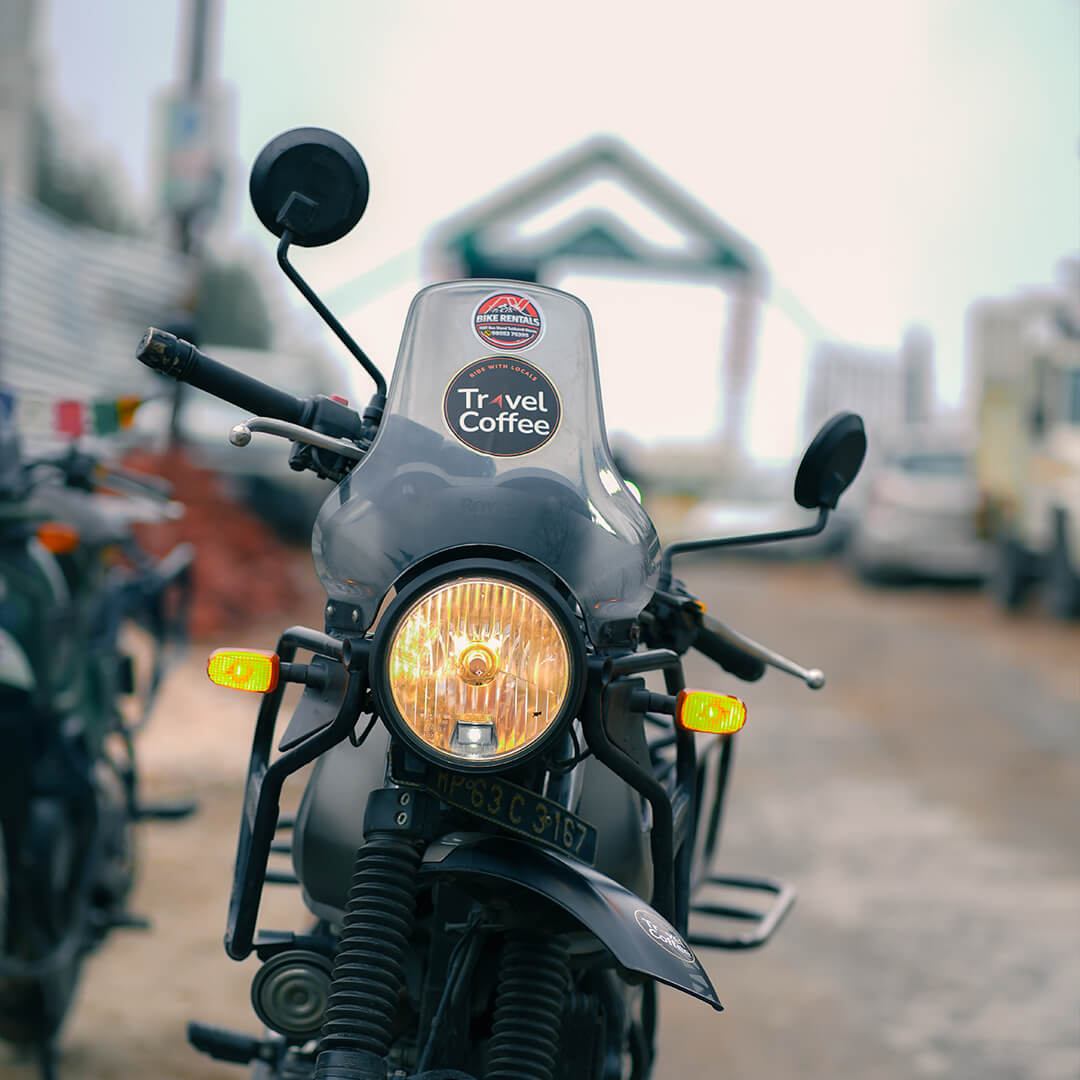 8D/7N
8D/7NUltimate Pabbar Valley Bike Expedition With Giri Ganga Kuppar Bugyal Chanshal Pass and Dodra Kwar
1D Kharapathar / Kotkhai•2D Rohru / Chirgaon (Pabbar Valley)+1
₹29,999/ person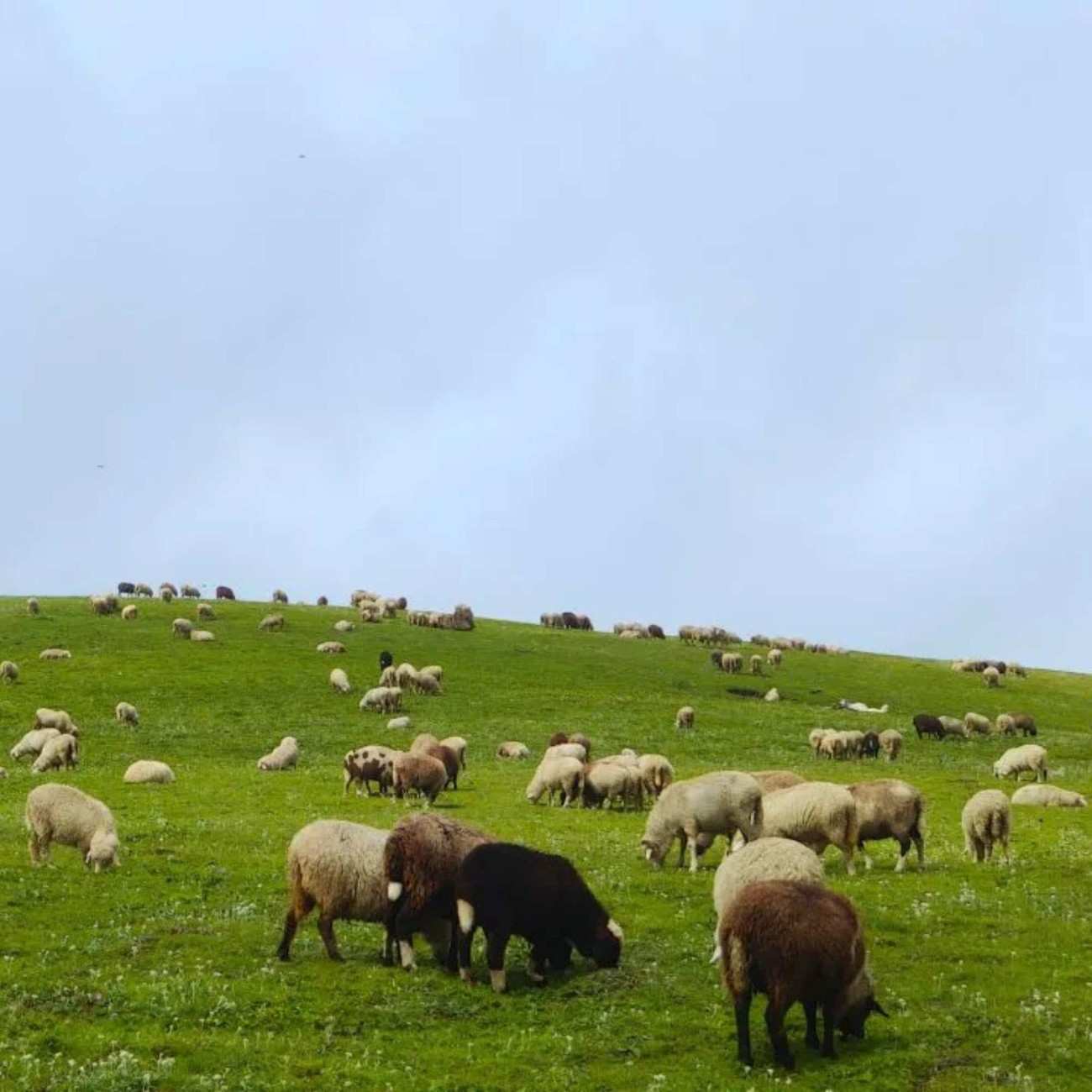 8D/7N
8D/7NMost Loved 4x4 Pabbar Valley Expedition With Giri Ganga Kuppar Bugyal Chanshal Pass and Dodra Kwar
1D Kharapathar / Kotkhai•2D Rohru / Chirgaon (Pabbar Valley)+1
₹32,999₹39,999SAVE INR 7,000/ person
Related topics
Frequently Asked Questions
What is the best time to visit Chanshal Pass?
The best time to visit Chanshal Pass is late June, September, and October. June gives post-snow access, while September and October give the clearest mountain views.
Is Chanshal Pass open in 2026?
As of 11 June 2026, the Rohru to Chanshal Pass road is listed Open. This can change with snow, rain, or landslides, so verify locally before you travel.
Which month is best for Pabbar Valley?
Lower Pabbar Valley is best from March to June and again from September to November. Spring brings greenery and orchards, while autumn brings apples and clean light.
Can I visit Chanshal Pass in May?
You can try, but May is uncertain. Melting snow leaves slush and rough patches, so check with Rohru or Larot locals before attempting the pass.
Is September good for Chanshal Pass?
Yes, September is one of the best months. The monsoon settles, the air clears, and the apple belt around Rohru is busy and beautiful.
Is October safe for Chanshal Pass?
October is excellent for cold, clear views, but it gets very cold morning and evening. Road status still depends on early snowfall, so keep checking.
Can I visit Chanshal Pass in winter?
The lower valley around Rohru may be reachable, but Chanshal Pass and the higher areas usually close under snow. Winter suits a valley stay, not a pass drive.
Do I need a permit for Chanshal Pass?
Indian nationals do not need a special permit for Pabbar Valley or Chanshal Pass. Always carry a valid ID for any local checks along the way.
Can small cars go to Chanshal Pass?
Small cars can manage only in dry, stable conditions. A high-ground-clearance SUV or local jeep is safer, and small cars should avoid May slush, monsoon, and fresh snow.
Where should I stay for Chanshal Pass?
Rohru is the best base, with hotels, ATMs, a petrol pump, and bus services. Budget hotels run around ₹800 to ₹1,500 and homestays around ₹500 to ₹1,200 with meals.
How far is Chanshal Pass from Rohru and Shimla?
Chanshal Pass is about 48 km from Rohru and about 160 km from Shimla. Shimla to Rohru is about 115 km and takes around 3 to 4 hours.
Is Pabbar Valley safe for families?
Yes, lower Pabbar Valley is gentle and family-friendly, with easy access to Rohru, Hatkoti, and Jubbal. Decide the Chanshal Pass leg based on the day's weather and road status.
More about Chanshal Pass
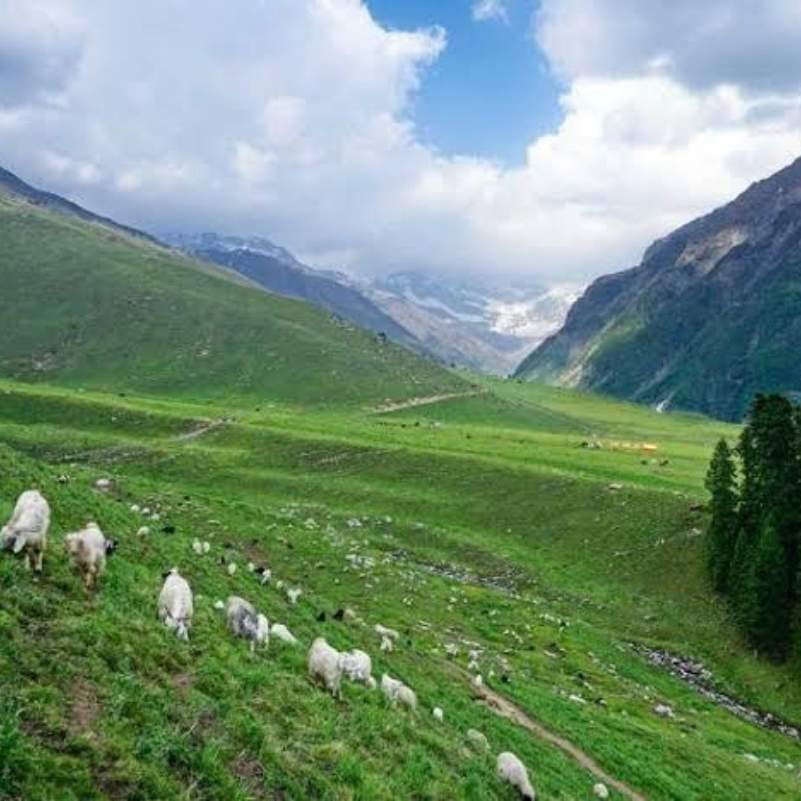 Chanshal Pass
Buran Ghati Trek Complete Guide 2026: Route, Cost, Difficulty, Best Time
Planning the Buran Ghati Trek in 2026? Explore the complete guide covering the route, itinerary, cost, difficulty, best time to visit, fitness tips, and essential trekking advice.
- Things to Do
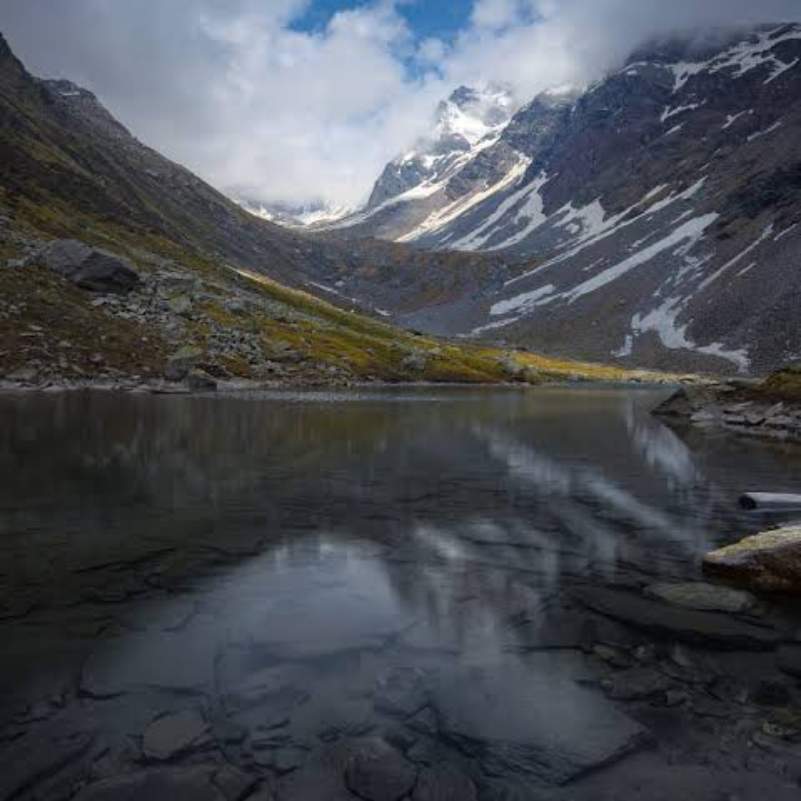 Chanshal Pass
Chandranahan Lake Trek 2026: Source of the Pabbar River
Discover the Chandranahan Lake Trek 2026, a breathtaking Himalayan adventure to the sacred source of the Pabbar River in Himachal Pradesh. Explore pristine alpine meadows, glacial lakes, and spectacular mountain landscapes with this complete trekking guide.
- Things to Do
 Chanshal Pass
Treks in Pabbar Valley: The Complete List for 2026
Planning to explore the treks in Pabbar Valley in 2026? This complete guide covers the region's best hiking trails, difficulty levels, ideal seasons, trail highlights, and essential planning tips for discovering one of Himachal Pradesh's most rewarding trekking destinations.
- Things to Do