
Best Places to Visit in Leh Ladakh in 2026 for Sightseeing, Lakes and Monasteries
Most people planning a Ladakh trip make the same mistake. They land in Leh, ignore the 48-hour acclimatization rule, and rush to Pangong Lake on Day 2.
Then they spend the rest of the trip dealing with headaches, nausea and a body that just cannot keep up at 14,000 feet.
The places to visit in Leh Ladakh are extraordinary. But the order in which you visit them matters more than the list itself. Get the sequence wrong and you will feel terrible at the most beautiful spots in the country.
Travel Coffee’s this guide breaks down every major place worth your time, organized by route and grouped by how many days you actually have.
No generic lists. Just practical, route-based planning from a team that sends travellers to Ladakh every season.
Quick Answer
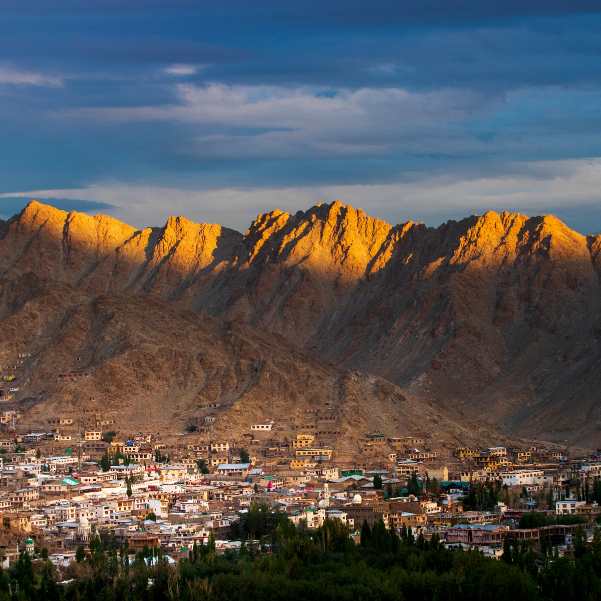
If you have 5 days, stick to Leh local sightseeing, Nubra Valley and Pangong Lake. That is the strongest first-timer combination and it gives your body enough time to adjust to the altitude.
If you have 7 days, add the Sham Valley route (Magnetic Hill, Sangam, monasteries) or swap Sham for Tso Moriri if you want a quieter lake.
If you have 9 days or more, you can properly include Hanle for stargazing and Tso Moriri without rushing.
The standout places across any trip length are Leh Palace, Shanti Stupa, Thiksey Monastery, Magnetic Hill, the Indus-Zanskar Sangam, Nubra Valley, Pangong Lake, Lamayuru and, for longer trips, Tso Moriri and Hanle.
But your first two days should always be slow acclimatization around Leh town. Skip this step and your body will punish you for it.
How Should You Plan Leh Ladakh Sightseeing Without Rushing?
Here is what most tourists get wrong about Ladakh. They treat it like Goa or Rajasthan where you can just jump from one spot to the next. Ladakh does not work that way.
Every major destination sits on a different route from Leh, at a different altitude. Pangong is east. Nubra is north. Tso Moriri is south.
You cannot club them all in one loop without backtracking, wasting full days on driving, and exhausting yourself.
The smart way to plan Ladakh sightseeing is by route clusters. Think of Leh as your base and plan outward in circuits.
Leh local covers your first two acclimatization days. Sham Valley (towards Kargil) is a one-day circuit for Magnetic Hill, Sangam and nearby monasteries.
Nubra Valley is a 2-day circuit via Khardung La. Pangong Lake is a 1 to 2-day circuit going east. Tso Moriri and Hanle are southern circuits that need 2 to 3 days each.
Your trip length decides which clusters you pick. Trying to force all of them into a 5-day trip is a recipe for exhaustion and wasted money on fuel.
Which Places Can You Cover Around Leh During Acclimatization?
Your first two days in Leh should be slow. Not lazy, just slow. Walk around, eat well, drink lots of water and let your lungs figure out how to work at 11,500 feet.
In our experience, the travellers who take acclimatization seriously enjoy Pangong and Nubra ten times more than the ones who rush. A bad headache at Pangong ruins the entire point of going there.
Leh Palace
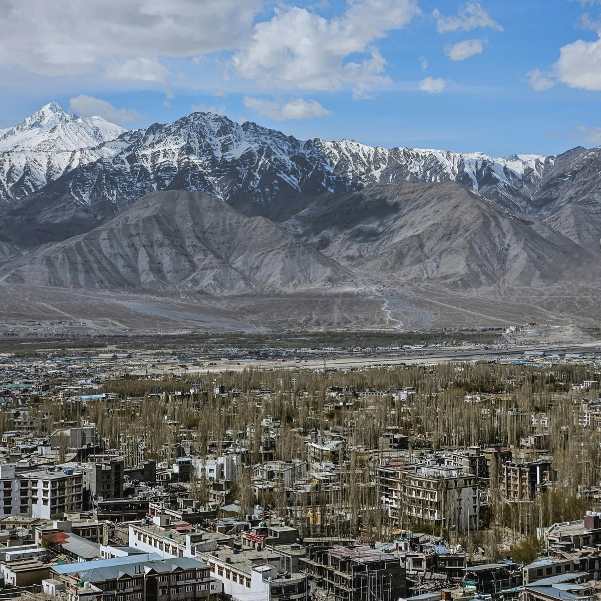
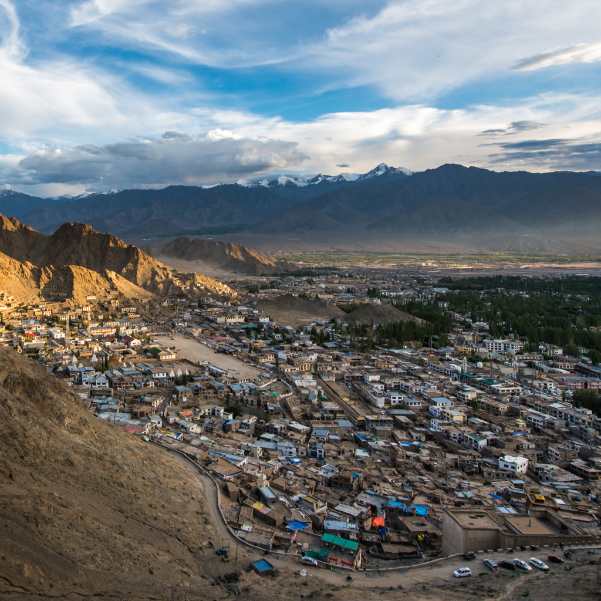
Leh Palace is a 9-storeyed structure built by King Singge Namgyal. It sits on a hill overlooking the entire town.
The palace itself is partly in ruins, but the views from the top are worth the walk. You can see the Stok Range, the Leh airfield, and the old town spread out below you.
Go in the late afternoon when the light is soft and the crowds thin out. Morning visitors pile in with tour groups and it gets noisy.
Shanti Stupa
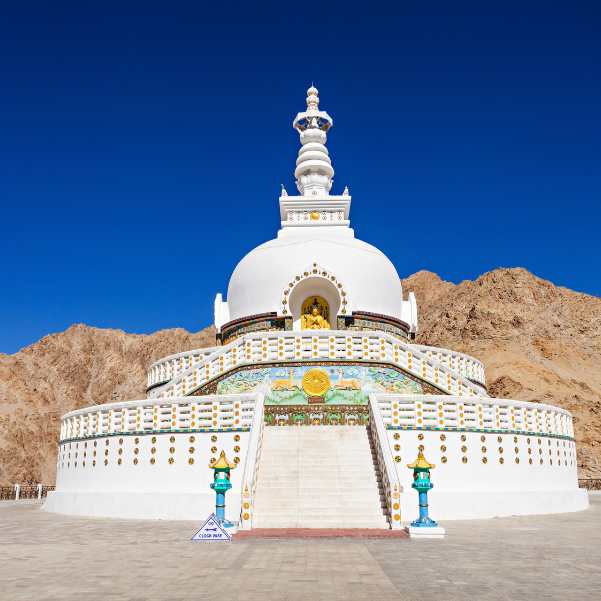
Shanti Stupa was built in 1991 by Japanese Buddhist Bhikshu Gyomyo Nakamura. It is open from 5:00 AM to 9:00 PM.
The best time to visit is sunrise. You will have the place almost to yourself, and watching the sun hit the mountains from up there is one of the quietest, most beautiful moments you can have in Leh.
Skip the paid taxis that wait at the bottom. The walk up takes about 15 minutes and doubles as a gentle altitude test for your body.
Hall of Fame
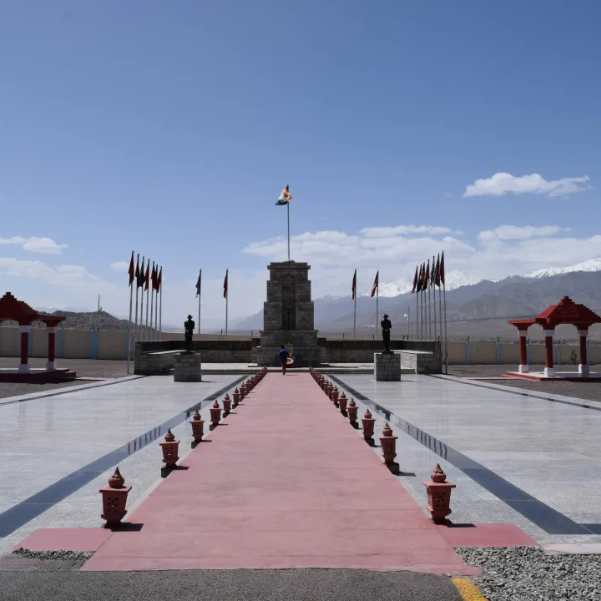
Hall of Fame is near the Leh airfield and the Indian Army maintains it. It covers the history of Indian Army operations in the region, including Siachen and Kargil.
The entry fee is currently unclear, as different sources report conflicting information about whether it is free or requires payment.Plan about 45 minutes to an hour inside.
Leh Main Market
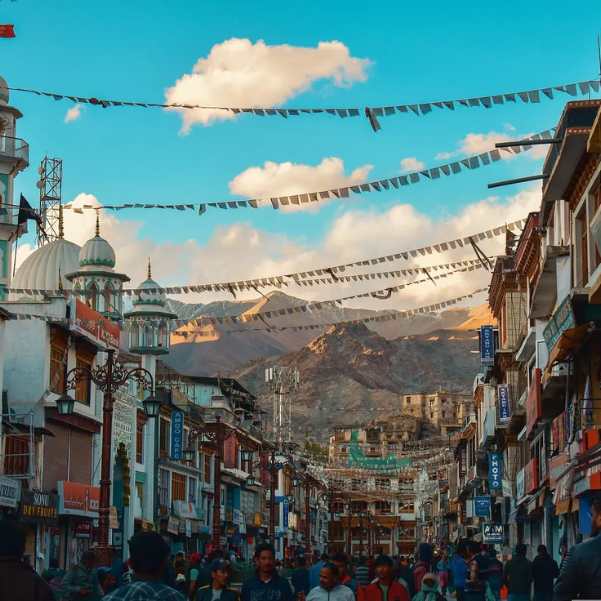
Leh Market is where you eat, shop and people-watch. The food options range from Tibetan thukpa and momos to proper Ladakhi skyu.
Our team always recommends trying the apricot jam and seabuckthorn juice from the local shops here. You will not find this quality outside Ladakh.
If you want a monastery experience without a long drive, Thiksey Monastery is only 19 km from Leh and works well as a half-day add-on during acclimatization. More on Thiksey below.
Which Monasteries Near Leh Are Actually Worth Your Time?
Ladakh has dozens of monasteries. You do not need to see all of them. Four stand out, and each one is different enough to justify the visit.
Thiksey Monastery
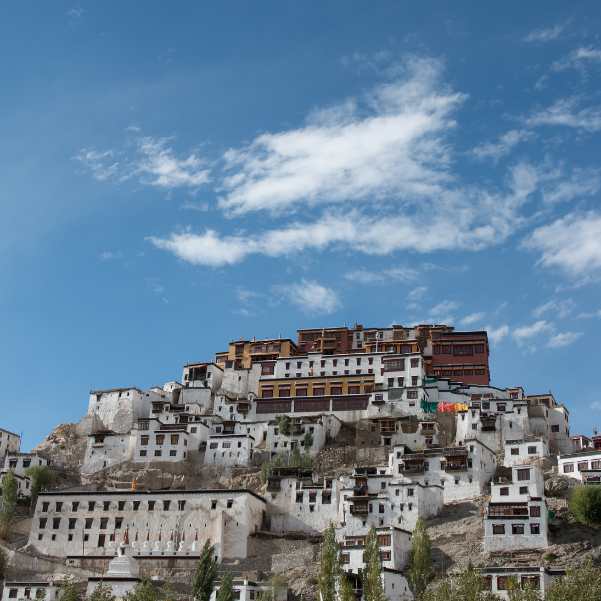
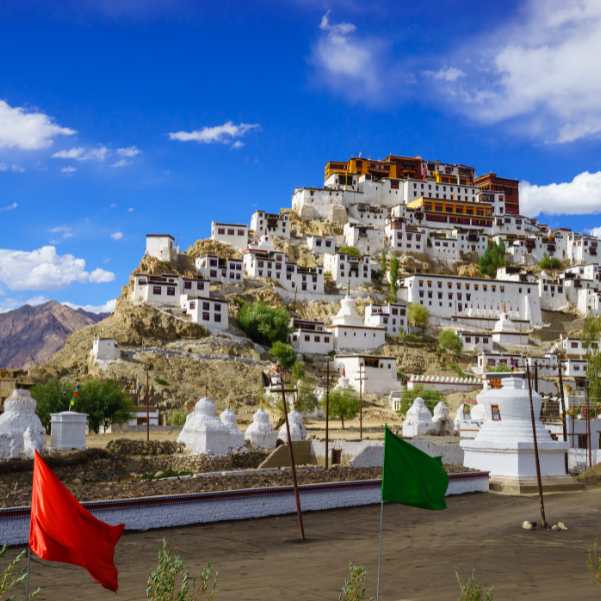
Thiksey, founded in 1433, is the one most people photograph because its multi-level white structure on a hilltop looks like a mini Potala Palace.
The real draw inside is the 15-metre (48 ft) Maitreya Buddha statue, the largest of its kind in Ladakh.
Go early. The morning prayer ceremony usually starts around 5:30 to 6 AM and sitting in that hall while monks chant is the kind of experience that stays with you.
Hemis Monastery
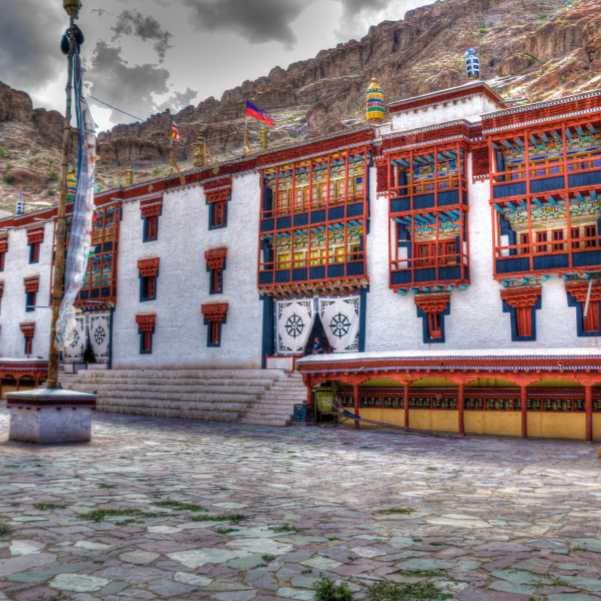
Hemis is the richest and largest monastery in Ladakh. It does not look dramatic from outside, but the inner courtyards and the museum collection are impressive.
If you time your trip right, the Hemis Festival usually falls in late June or the first half of July and it draws masked dances, music and big crowds.
Alchi Monastery
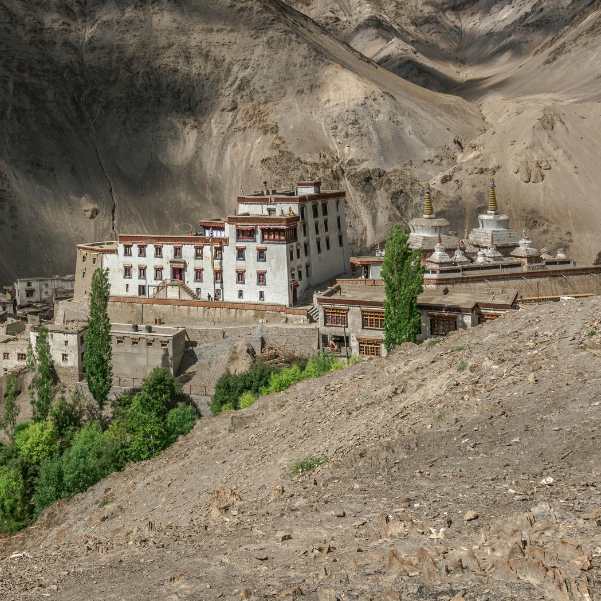
Alchi is different from every other Ladakhi monastery because it sits in a valley, not on a hilltop. The 11th-century murals inside are some of the oldest Buddhist wall paintings you will see anywhere in the region.
Photography inside is not allowed, but spend 30 minutes just looking at the detail in those paintings. It is remarkable.
Lamayuru Monastery and Moonland
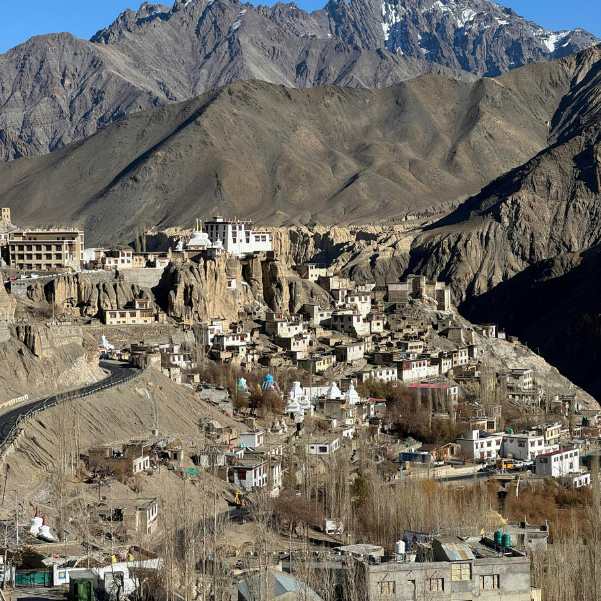
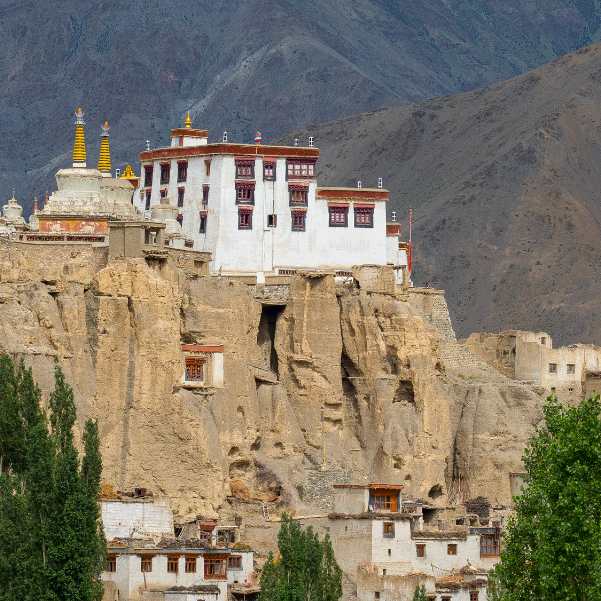
Lamayuru is 115 km from Leh and most people visit it as part of a Sham Valley or Kargil-side day trip. The monastery itself is ancient and photogenic, but the real reason to come here is the landscape around it.
The eroded rock formations are called Moonland because the terrain looks like a lunar surface. Brown, barren, layered ridges with nothing growing on them. It feels like another planet.
If you are doing the Sham Valley route, Lamayuru is the farthest point and takes a full day. Combine it with Alchi and the Sangam for the most complete version of that circuit.
What Can You See on the Leh to Kargil or Sham Valley Sightseeing Route?
The Sham Valley route runs west from Leh towards Kargil. You do not need to go all the way to Kargil. Most travellers cover the highlights in one long day trip and return to Leh by evening.
Magnetic Hill
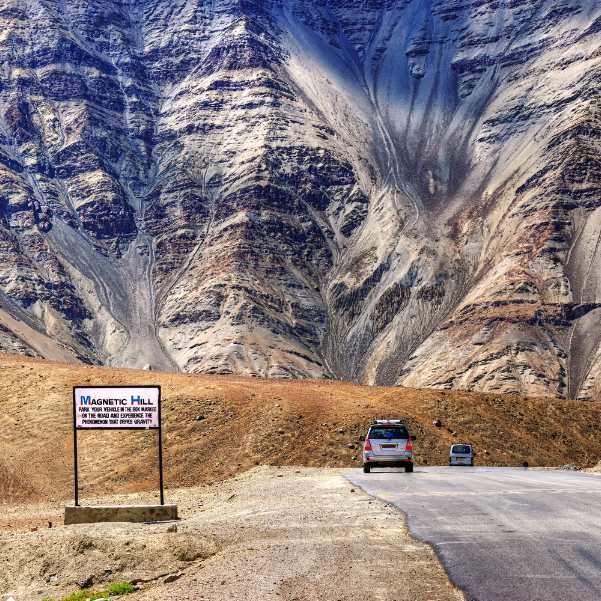
Magnetic Hill is 30 km from Leh on the Leh-Kargil Highway. The road has a stretch where your car appears to roll uphill on its own when you put it in neutral.
It is an optical illusion created by the landscape, but it is fun to try once. Spend 10 minutes here, not more. It is a novelty stop, not a destination.
Here is the money-saving tip most blogs will not mention. The paid Magnetic Hill viewpoint charges you for the same view you get free from the road itself. Save your ₹100 and keep driving.
Gurudwara Pathar Sahib
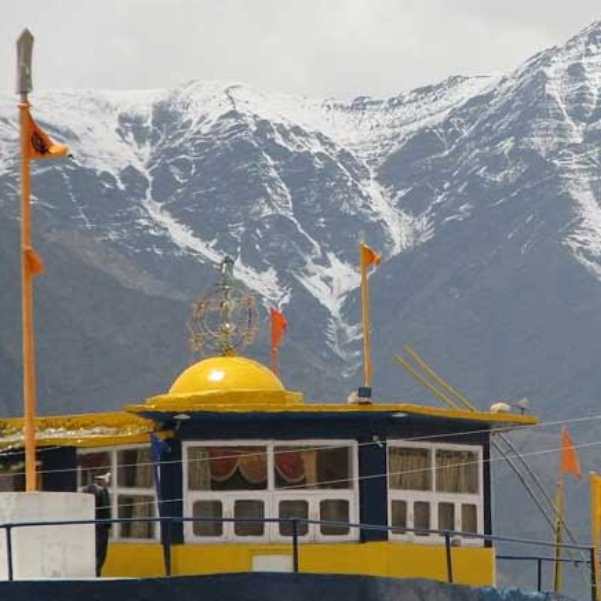
A few kilometres before Magnetic Hill, Gurudwara Pathar Sahib sits right on the highway. The Indian Army maintains the road approach and the Gurudwara itself.
Stop for the langar if it is running. Hot chai and simple food at that altitude, after a cold morning drive, feels like luxury.
Indus-Zanskar Sangam
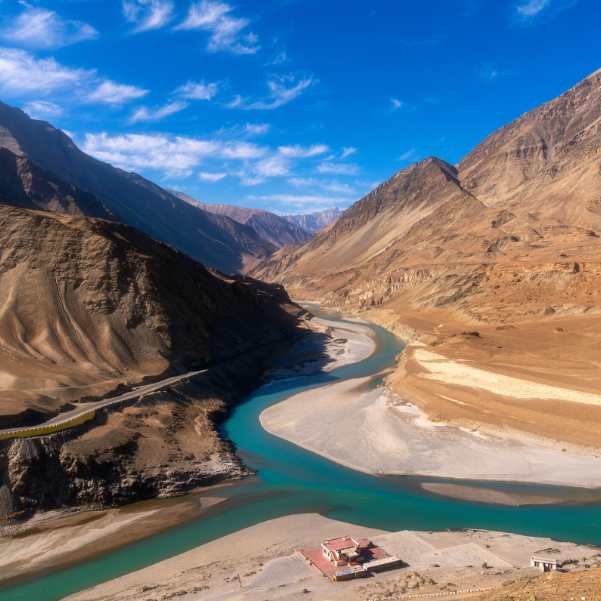
This is where the Indus and Zanskar rivers merge. You can actually see the two different colours of water mixing.
On clear days, one side runs muddy green and the other runs a clean blue-grey. The viewpoint is right off the highway and takes about 20 minutes to enjoy properly.
What we tell our travellers is this: plan the Sham Valley day trip for Day 3 of your Ladakh trip. By then your body is adjusted, you have seen Leh, and this route gives you a full day of varied scenery without extreme altitude gains.
If you want someone to handle the logistics for your Ladakh trip, our Leh Ladakh tour packages come with a local driver who knows these roads, handpicked stays and a team that actually picks up the phone when things change on the ground.
Why Is Nubra Valley Still One of the Best Ladakh Tourist Places?
Nubra Valley is about 120 km north of Leh and getting there means crossing Khardung La, which stands at 18,379 ft (5,602 m). That pass alone is a major experience. The air is thin, the wind bites, and the views stretch endlessly in every direction.
But here is the honest part. Khardung La is a photo stop, not a hangout spot. Do not spend more than 15 to 20 minutes at the top.
The altitude is brutal and staying longer can trigger headaches and nausea fast. Get your photos and keep moving downhill towards Nubra.
Diskit Monastery and the Maitreya Buddha
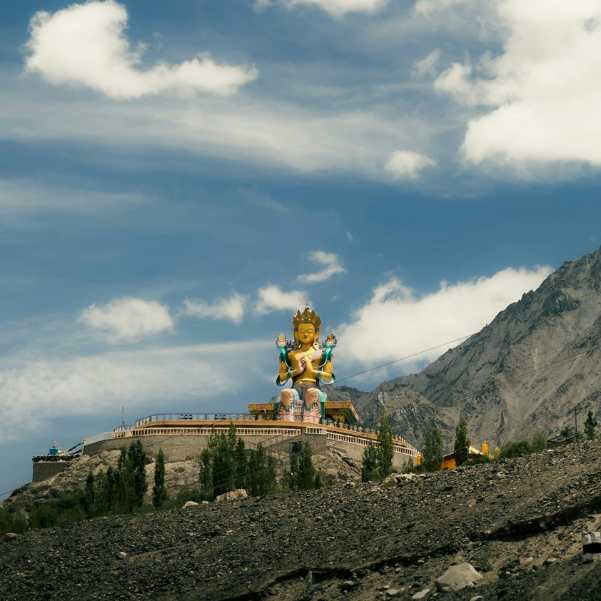
Diskit is the main town in Nubra Valley. The monastery overlooks the valley and has a large Maitreya Buddha statue facing the Shyok River.
The evening light here is particularly good for photos. Below the monastery, the valley floor stretches out in a mix of sand, river and mountain that looks nothing like the rest of Ladakh.
Hunder Sand Dunes
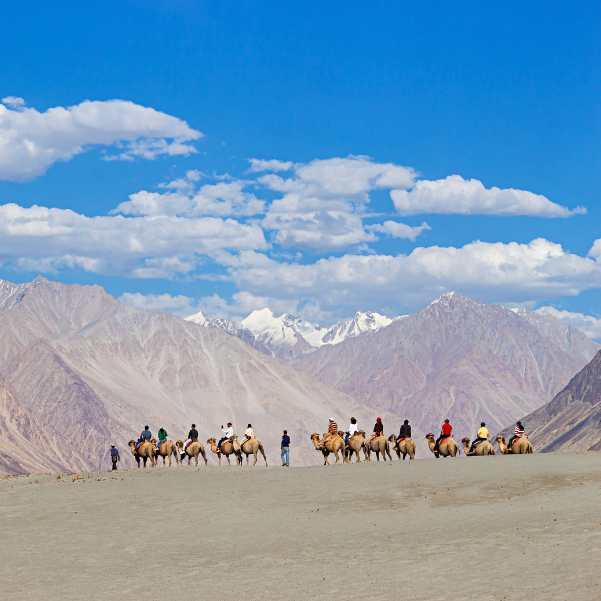
Hunder is where you see the famous Bactrian double-humped camels walking across sand dunes with snow-capped mountains behind them. It is one of those visuals that looks unreal even when you are standing right in it.
The camel ride costs about ₹300 to ₹600 per person. Skip it if you are short on time. The dunes are just as good to walk on by yourself.
Turtuk
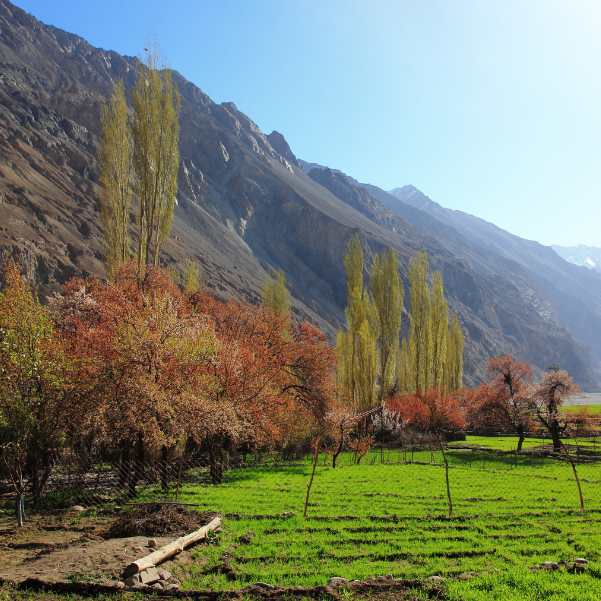
Turtuk is the farthest village you can visit in Nubra Valley and it was only opened to tourists in 2010. It has a Balti culture that feels completely different from the rest of Ladakh. The apricot orchards, the narrow lanes, the old wooden houses. It is genuinely unique.
But Turtuk adds half a day to your Nubra itinerary. If you have only 2 days for Nubra, you can include it with an early start. If you are tight on time, Diskit and Hunder give you the core Nubra experience.
Is Pangong Lake Worth the Long Drive from Leh?
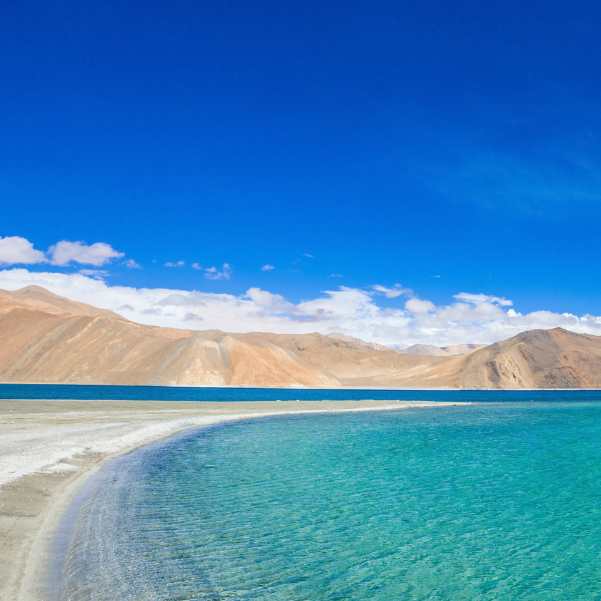
Pangong Lake is 140 km from Leh, sits at 14,270 ft, and stretches about 134 km long and almost 5 km wide. It is the lake you have seen in every Ladakh photo and every Bollywood movie set here.
And yes, it lives up to it. The colour of the water changes depending on the time of day and the angle of the sun.
Deep blue in the morning, turquoise by midday, almost grey in the evening. Mountains drop straight into the water on both sides. There is no greenery, no trees, just rock and water and sky.
The drive from Leh takes about 5 to 6 hours one way. A day trip is technically possible, but you will spend 10 to 12 hours driving for maybe 2 hours at the lake. That is a bad trade.
An overnight stay at one of the lakeside camps or guesthouses near Spangmik or Man makes far more sense. You get the sunset, the stars (no light pollution at all), and the sunrise on the lake. That sunrise alone justifies the overnight.
One thing we always tell our groups: do not plan Pangong for your first or second day. Your body is not ready for 14,270 ft on Day 1. Give yourself at least 2 full acclimatization days in Leh before attempting this drive.
If you are still figuring out your Ladakh route and want help building a day-wise plan that makes sense, talk to our team on WhatsApp. We will help you sort the route based on your dates and group size.
👉 WhatsApp us to plan your Ladakh route properly
Should You Add Tso Moriri and Tso Kar to Your Itinerary?
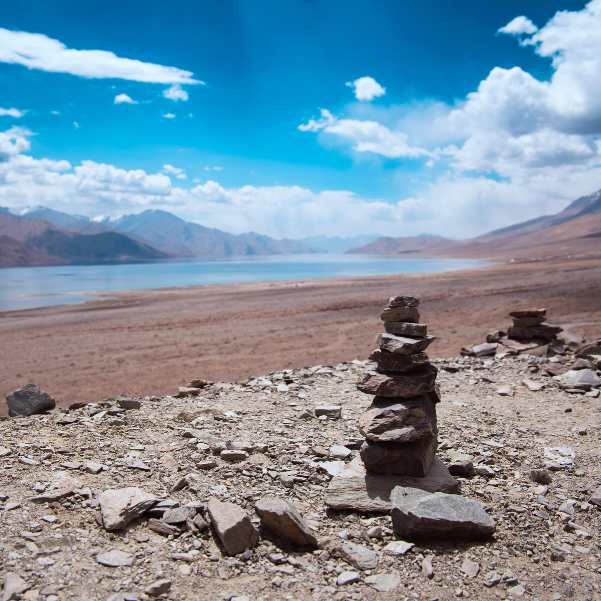
Tso Moriri sits at about 4,000 m elevation, is about 19 km long and up to 8 km wide. It is quieter than Pangong, less touristy, and surrounded by wildlife you will not see anywhere else in Ladakh.
The lake is a high-altitude wetland and a protected area. You might spot Tibetan wild ass (kiang), marmots and migratory birds. The village of Korzok on the lakeshore is one of the highest inhabited settlements in India.
Why would you choose Tso Moriri over Pangong? If you have already seen Pangong, or if you want a less crowded lake experience where you can actually sit in silence for an hour without a tour bus pulling up behind you.
Photographers love Tso Moriri because the reflections and the wildlife give them more to work with.
Be honest with your itinerary though. Tso Moriri needs at least 2 full days added to your trip. If you only have 5 days, skip it and come back another time. Cramming it in will just mean long drives and no time to actually enjoy the lake.
Is Hanle Worth Adding for Dark Skies and Offbeat Sightseeing?
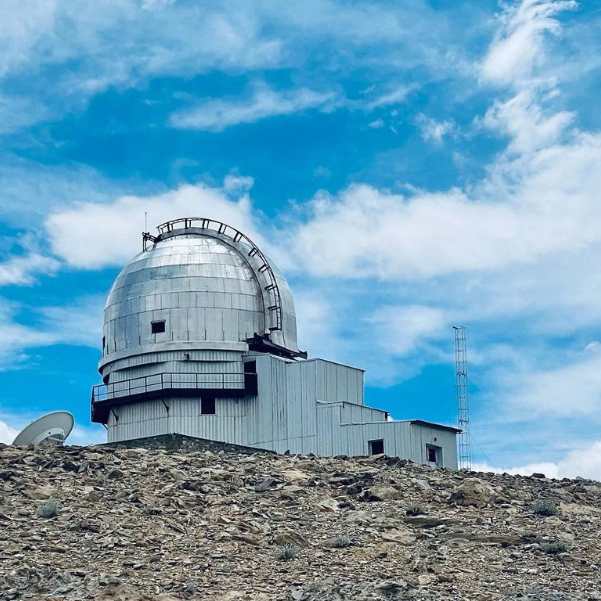
Hanle is about 260 km from Leh and sits at about 4,500 m. It is home to the Indian Astronomical Observatory and is one of the best spots in India for stargazing because of how dry and high the air is.
But Hanle is not for every trip. The drive is long, the accommodation is very basic, and the area is remote even by Ladakh standards.
If you have 9 or more days and you care about dark skies, astrophotography, or just being somewhere that feels genuinely empty and wild, Hanle will reward you.
For a first-time 5 or 7-day trip, skip Hanle without guilt. It will still be there when you come back. And most people do come back to Ladakh.
Best Leh Ladakh Sightseeing Itineraries for 5, 7 and 9 Days
5-Day Itinerary: Leh, Nubra, Pangong
Day 1: Arrive in Leh. Rest and acclimatize. Walk to Leh Market in the evening. Eat light, drink water, sleep early.
Day 2: Leh local sightseeing. Shanti Stupa at sunrise, Leh Palace, Hall of Fame. Easy pace, no heavy driving.
Day 3: Leh to Nubra Valley via Khardung La. Photo stop at the pass, then drive down to Diskit and Hunder. Overnight in Nubra.
Day 4: Nubra to Pangong via Shyok Road (if open) or back to Leh and then to Pangong. Overnight at Pangong.
Day 5: Pangong back to Leh. Return drive and departure.
This is tight but it works if the Shyok Road connecting Nubra to Pangong is open. If it is not, you lose a day backtracking and the itinerary becomes uncomfortable. Always check road status before committing.
7-Day Itinerary: Add Sham Valley or Tso Moriri
Days 1 to 4: Same as the 5-day plan above.
Day 5: Rest day in Leh or Sham Valley day trip covering Magnetic Hill, Sangam, Gurudwara Pathar Sahib and optionally Alchi or Likir monastery.
Day 6: If skipping Sham, use Days 5 and 6 for Tso Moriri instead. Drive to Tso Moriri via Chumur/Korzok, overnight at the lake.
Day 7: Return to Leh and departure.
With 7 days you get breathing room. You can absorb a road closure or a bad weather day without your entire plan falling apart.
9-Day Itinerary: The Full Spread
Days 1 to 5: Leh local, Sham Valley, Nubra Valley, Pangong Lake (same structure as above).
Days 6 to 7: Tso Moriri circuit. Drive south from Leh, overnight at Korzok, return via Tso Kar.
Days 8 to 9: Hanle if permits and weather allow. Or use these as buffer days in Leh for monastery visits, Hemis, or a second Sham Valley outing to Lamayuru.
Nine days is what we recommend for anyone who wants to see the full range of what Ladakh offers without feeling like they are in a car more than they are outside one.
Browse our popular tours to see how we structure these routes with proper acclimatization built in. And if you are thinking of combining Ladakh with a few days in Manali or Kashmir, we build those combo itineraries regularly.
Explore Our Curated Leh Ladakh Tours
 6D/5N
6D/5NBest Selling Leh Ladakh Tour With Nubra Valley and Pangong Lake
2D Leh•1D Nubra Valley+1
₹23,999₹28,599SAVE INR 4,600/ person 4D/3N
4D/3NLeh Ladakh Winter Getaway
1D Leh•1D Leh Local+2
₹19,999₹22,999SAVE INR 3,000/ person 6D/5N
6D/5NUltimate Leh Ladakh Tour Package with Nubra Valley & Pangong Lake
2D Leh•1D Nubra Valley+1
₹28,999₹35,999SAVE INR 7,000/ person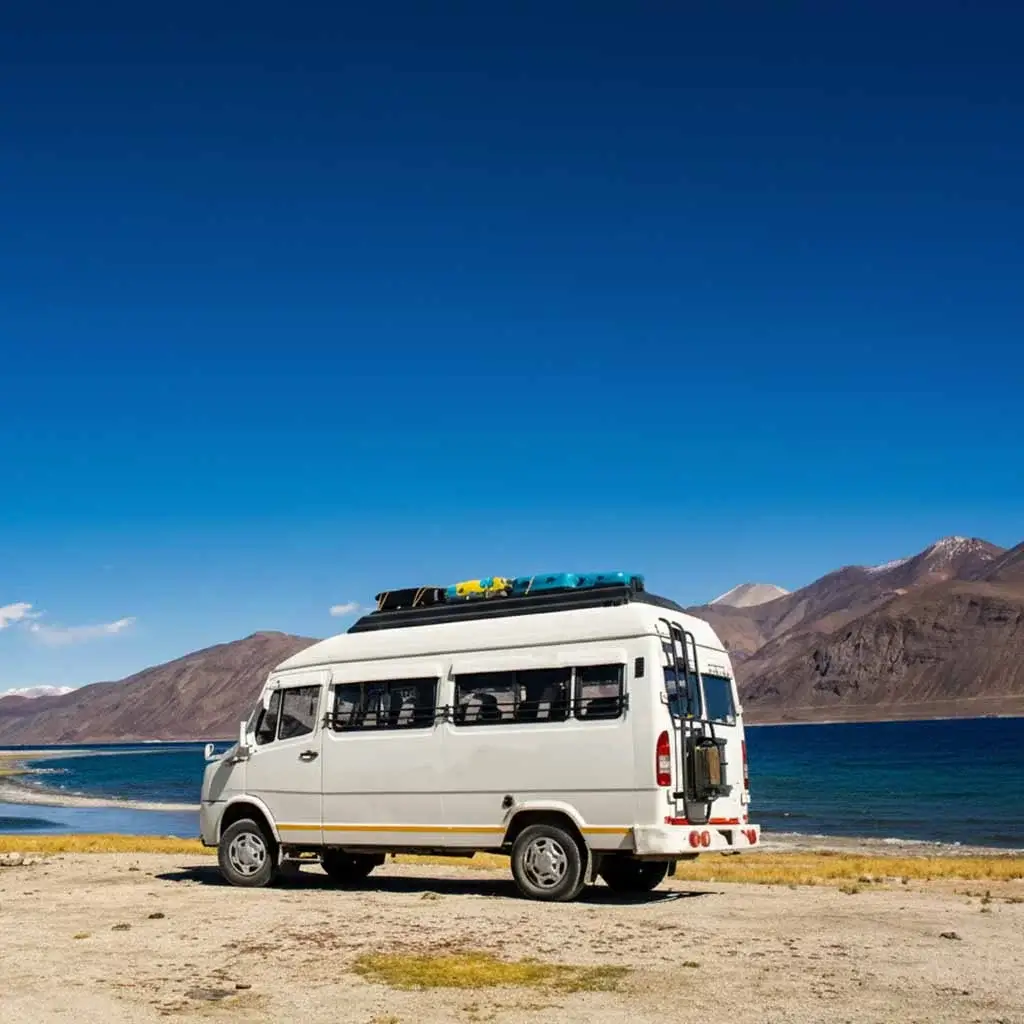 Group Tour6D/5N
Leh Ladakh Group Tour With Nubra Valley and Pangong Lake
2D Leh•1D Nubra Valley+1
₹18,999/ person
What Is the Best Time to Visit These Places in Ladakh?
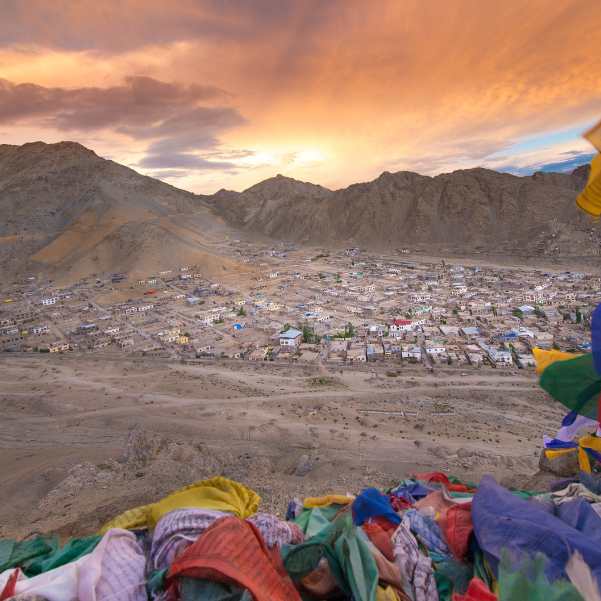
June
June is when most roads open and the season begins. Early June can still have pass closures, but by mid-June the Manali-Leh and Srinagar-Leh highways are usually running. This is a good month if you want fewer crowds and do not mind some unpredictability.
July
July is peak season. Everything is open, camps are running, weather is warm during the day. It is also when the Hemis Festival happens, usually in late June or early July. Tourist crowds are at their highest.
August
August is warm but monsoon-affected. The Manali-Leh road can get disrupted by landslides. Srinagar-Leh is more reliable in August, but even that can close temporarily.
September
September brings post-monsoon clarity. The skies are clean, the light is golden, and the crowds drop sharply. Nights are cold. This is one of the best months for photography and for anyone who values quiet over convenience.
October
October is the tail end. Some camps start shutting down. Passes can close with early snowfall. Only plan an October trip if your dates are flexible.
Winter (December to February)
Winter is for the Chadar Trek and frozen-lake experiences, not for the sightseeing circuit described in this guide. Most roads are closed.
In our experience, the sweet spot for most first-time Ladakh travellers is late June to mid-September. You get the best road conditions, the widest range of accessible places, and enough warmth during the day to enjoy being outdoors.
Permits, Acclimatization and Road Checks for 2026
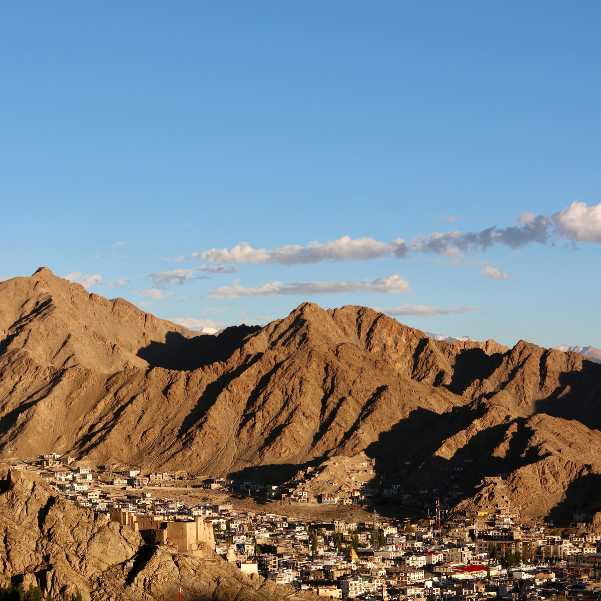
The 48-Hour Acclimatization Rule
The official travel advisory says tourists should do at least 48 hours of acclimatization in Leh before heading to higher-altitude places like Khardung La and Pangong Lake. This is not a suggestion. Your body genuinely needs this time.
Most altitude-related emergencies in Ladakh happen because travellers ignored this rule. We have seen fit, young people get hit with severe headaches and vomiting on Day 2 at Pangong simply because they skipped acclimatization. Take those two days seriously.
Permits in 2026
Domestic tourists can make the official online payment and go directly to the destination. The payment slip is checked at the respective checkposts.
The fee includes environmental fee, Red Cross Fund and wildlife fee. Do not mention an exact permit amount here because rates can change.
Permit circuits officially listed on the Leh permit portal include Pangong, Nubra, Tso Moriri/Korzok, Hanle and Umling La.
Some foreign nationalities and passport categories require a separate Protected Area Permit for restricted areas like Pangong, Nubra, Khardung La and Tso Moriri.
If you are a foreign national, check the exact requirements on the Leh DC permit portal before booking anything.
Road Status Reality for 2026
This is where it gets tricky. The official Leh road-status page was updated in late March 2026 but still showed a status table dated 08/10/2025.
One official Himachal page updated on 2 March 2026 said Keylong to Leh was open. But news reports said the Srinagar-Leh highway was blocked after the 27 March 2026 Zoji La avalanches.
A 29 March 2026 traffic advisory allowed limited movement on the Zoji La axis with anti-skid chains and cut-off timing.
The point is this: official websites and actual field conditions do not always match. Always check same-day updates from local drivers, your hotel in Leh, or a local operator before heading out on any route. A road that was open yesterday can be blocked today.
What we do for every group we send to Ladakh is check with our local contacts on the morning of departure. Not the night before. The morning of. That is how fast things change here.
What Does Leh Ladakh Sightseeing Cost in 2026?
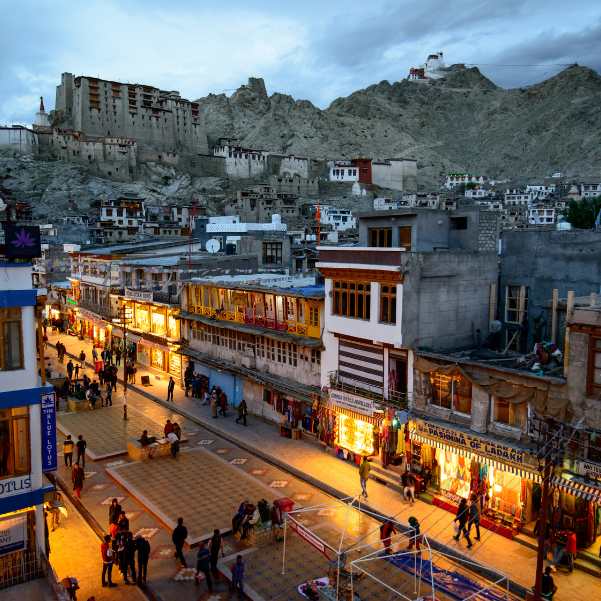
Transport is the biggest cost in Ladakh because distances are huge and fuel is expensive.
Here are the 2026 taxi rates for common sightseeing circuits from Leh. These are starting prices per car, not per person.
Monastery tour (Thiksey, Hemis, Shey): estimated prices starts from ₹4,865 per car.
Sham tour (Magnetic Hill, Sangam, Gurudwara, monasteries): estimated prices starts from ₹3,910 per car.
Nubra Valley (via Khardung La, 2 days): estimated prices starts from ₹16,176 per car.
Pangong Lake (2 days): estimated prices starts from ₹13,700 per car.
Nubra plus Pangong (combined loop): estimated prices starts from ₹26,597 per car.
Tso Moriri (2 to 3 days): estimated prices starts from ₹19,767 per car.
Stays in Nubra, Pangong and Tso Moriri do not fall into one simple price band: Nubra can still be relatively budget-friendly, but Pangong and Tso Moriri usually cost more, with basic stays often starting closer to ₹2,500 to ₹4,500 per person depending on the location, season, and property type.
A practical budget for a 7-day Ladakh trip, including transport, stays, food and permits, sits somewhere between ₹25,000 to ₹45,000 per person depending on whether you share a car, where you stay, and how far you go.
Remote circuits like Tso Moriri and Hanle cost significantly more because the fuel and time commitment is higher.
Common Mistakes People Make While Covering Ladakh Tourist Places
Going to Pangong or Nubra on Day 1 or Day 2.
This is the number one mistake. Your body has not adjusted to Leh's altitude yet. You will feel sick at higher altitudes and ruin the experience. Take 2 full days in Leh before any high-altitude circuit.
Stuffing Nubra, Pangong, Tso Moriri and Hanle into a 5-day trip.
It does not work. You will spend 80% of your trip in a car and 20% actually seeing things. Pick 2 circuits max for a 5-day trip.
Ignoring checkpost and pass updates.
The road was open yesterday. That means nothing today. One landslide, one avalanche, one heavy rain can close a route for hours or days. Check with your driver or hotel every single morning before heading out.
Underestimating the cold.
Even in July, evenings and early mornings in Ladakh are cold. At Pangong and Tso Moriri, night temperatures drop close to zero. Pack a proper down jacket, thermals, and warm socks even if you are travelling in "summer."
Not carrying cash.
ATMs in Leh work, but once you leave town there are essentially no ATMs. UPI coverage is patchy outside Leh. Carry enough cash for your entire trip beyond Leh.
Skipping offline maps.
Mobile network coverage outside Leh is unreliable at best, nonexistent at worst. Download offline maps before you leave Leh.
Want Help Planning a Ladakh Trip Without Guesswork?
If reading all of this makes you think "I just want someone to sort this out for me," that is exactly what our team does.
We plan Ladakh trips based on your exact dates, group size and pace. We handle the permits, the vehicle, the stays and the route logic so you do not end up at a closed road with no Plan B.
We also build combo trips. Ladakh with Kashmir is popular. Ladakh with Manali is another common one, especially for travellers coming overland.
Talk to our team on WhatsApp and tell us your dates. We will send you a route plan within 24 hours.
👉 WhatsApp us now and receive your custom route within a day
Related topics
Frequently Asked Questions
What are the best places to visit in Leh Ladakh for first timers?
For a first trip, focus on Leh Palace, Shanti Stupa, Thiksey Monastery, the Sham Valley circuit (Magnetic Hill, Sangam), Nubra Valley and Pangong Lake. These give you the full range of Ladakh without overextending your itinerary.
How many days are enough for Leh Ladakh sightseeing?
5 days is the minimum for a meaningful trip covering Leh, Nubra and Pangong. 7 days is the sweet spot for most travellers. 9 to 10 days lets you cover everything including Tso Moriri and Hanle without feeling rushed.
Which places can I visit in Leh during acclimatization?
Leh Palace, Shanti Stupa, Hall of Fame and Leh Main Market are all walkable or a short drive from town. Thiksey Monastery at 19 km is a good half-day add-on that does not push your altitude too high.
Is Pangong better than Tso Moriri?
Pangong is bigger, more famous and more visually dramatic. Tso Moriri is quieter, less crowded and better for wildlife and photography. If you have time for both, do both. If you have to pick one on a first trip, go with Pangong.
Is Nubra Valley worth adding on a short trip?
Yes. Nubra gives you Khardung La, the sand dunes at Hunder, Diskit Monastery and a landscape that looks nothing like the rest of Ladakh. Even on a 5-day trip, 2 days for Nubra is a solid use of time.
Do I need a permit for Pangong, Nubra and Hanle in 2026?
Yes. Domestic tourists can make the official online payment and carry the slip. It is checked at checkposts. Foreign nationals from certain countries need a Protected Area Permit. Check the Leh DC permit portal for current requirements.
What is the best month for Ladakh sightseeing?
Late June to mid-September is the safest window. July is peak season with the most reliable road access. September offers cleaner skies and fewer crowds but colder nights.
Can I cover Pangong in one day from Leh?
Technically yes, but you will spend 10 to 12 hours driving for about 2 hours at the lake. An overnight stay makes far more sense and gives you the sunset and sunrise on the water.
Is Hanle worth it for first-time visitors?
For most first-timers, no. Hanle is best on a 9-day or longer trip where you have already covered the core highlights. It is excellent for stargazing and astrophotography but the long drive and basic facilities make it a poor fit for shorter trips.
Which is better for reaching Ladakh, Srinagar or Manali?
Srinagar is a shorter, smoother drive (2 days) with better road quality. Manali is a longer, rougher drive (2 days via Atal Tunnel and Tanglang La) but passes through dramatic high-altitude landscapes. Flying into Leh is the fastest and avoids both.
Can families with kids do a Ladakh sightseeing trip?
Yes, families with kids above 8 to 10 years can do Ladakh comfortably in July or August. Stick to Leh local, Nubra and Pangong. Avoid Tso Moriri and Hanle with young children because of the altitude, rough roads and limited medical facilities.
What should I skip if I only have 5 days?
Skip Tso Moriri, Hanle and the full Sham Valley day trip. Focus on Leh local sightseeing, Nubra Valley and Pangong Lake. That is more than enough for an incredible 5-day trip.
More about Ladakh
 Ladakh
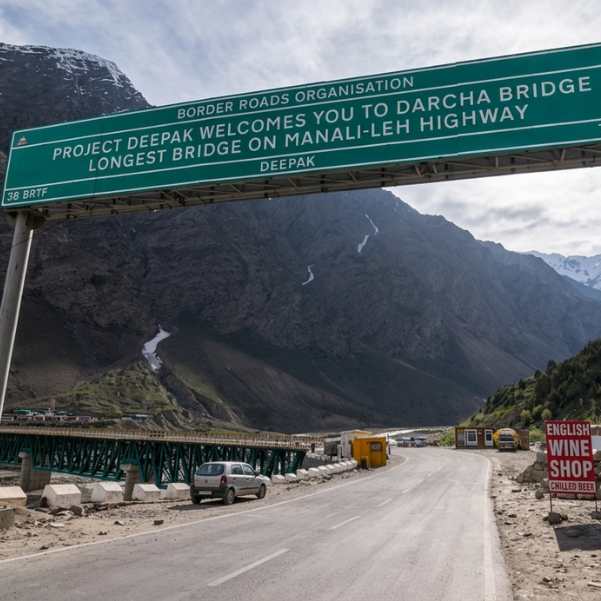
Manali to Leh Highway 2026: Every Pass, Stop and Distance
Plan your Manali to Leh Highway journey in 2026 with a complete guide to major mountain passes, overnight stops, route highlights, and distance. Discover key stops like Jispa, Sarchu, and Pang, along with famous passes including Baralacha La and Tanglang La.
- Road Trips
- How to Reach
 Ladakh
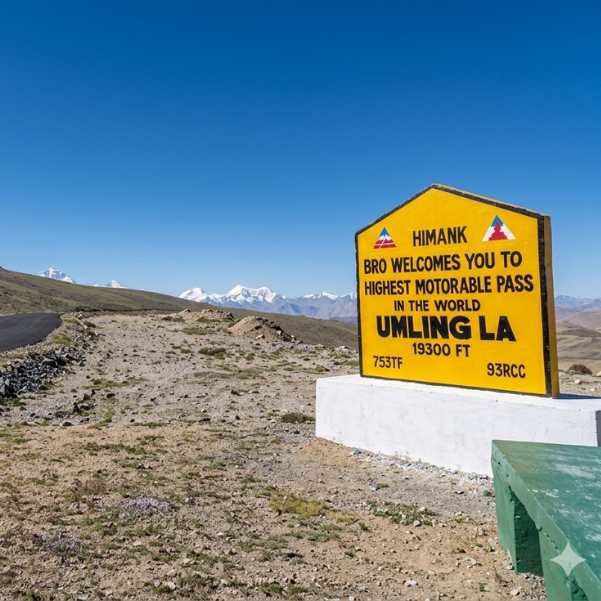
Umling La Ladakh Guide 2026: Route, Altitude, Permit, Safety & Reality Check
Planning to visit Umling La in 2026? This complete guide covers the route, altitude, permit requirements, road conditions, safety tips, and the realities of travelling to one of the world's highest motorable roads.
- Road Status
- Altitude & Health
 Ladakh
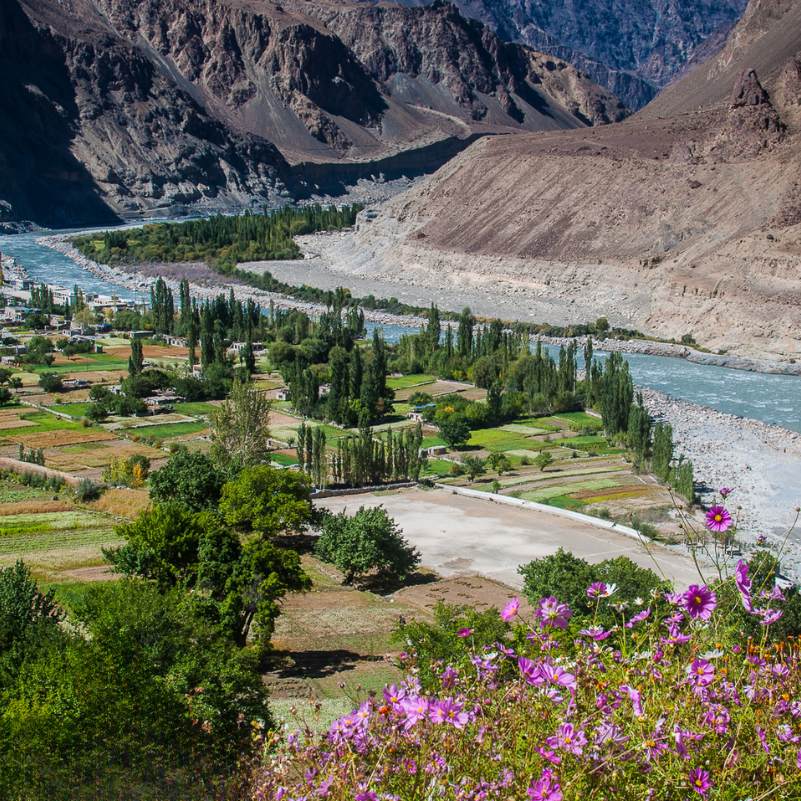
Turtuk Ladakh Travel Guide 2026: Balti Culture, Apricot Orchards and Why It Is Perfect for Families
Planning a trip to Turtuk? This 2026 travel guide explores the village's rich Balti culture, beautiful apricot orchards, top attractions, travel route, and why Turtuk is one of the best family-friendly destinations in Ladakh.
- Places to Visit
- Family Travel