
Baralacha Pass in June 2026: Is It Open, Safe and Worth Visiting?
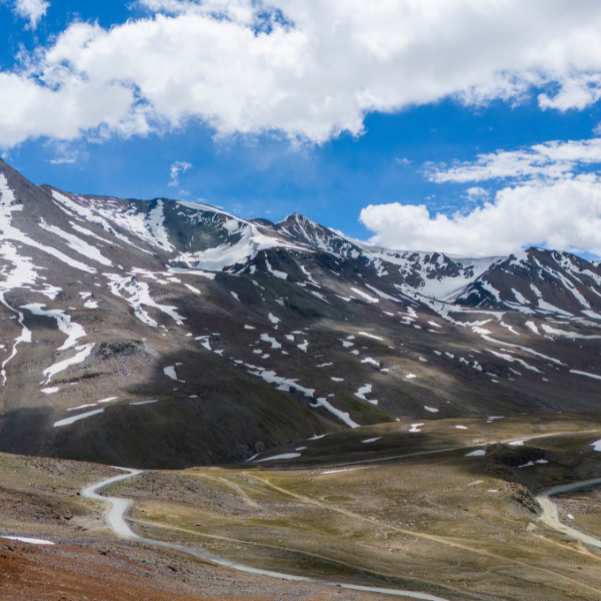
If you are planning Baralacha Pass in June this year, here is the short version before anything else.
The road is open. BRO restored the 427 km Manali-Leh highway on May 12, 2026, after 42 days of snow clearance carried out in extreme weather. A couple of days later the Baralacha stretch itself reopened to traffic.
So yes, by June, you can reach the pass. The harder question is whether your dates, your vehicle, and your body are ready for it. That is exactly what this guide by Travel Coffee is here to help you with.
Quick Answer: Is Baralacha Pass Open in June 2026?
Yes, in June 2026 access to Baralacha is open. BRO reopened the Manali-Leh highway via Darcha-Sarchu, which passes through Baralacha La, after a 42-day operation.
The Manali-Leh highway via Darcha-Sarchu through Baralacha-La was reopened for light motor vehicles, on a route sitting at over 16,000 feet that had stayed shut for months under snow.
But open today does not mean open the day you arrive. Check live road status 24 to 48 hours before you leave, because weather, BRO repair work and police regulation can shut a section with almost no warning.
>>Talk to our on WhatsApp team before planning your Baralacha trip.
What Is the Current Baralacha Pass Road Status for June 2026?
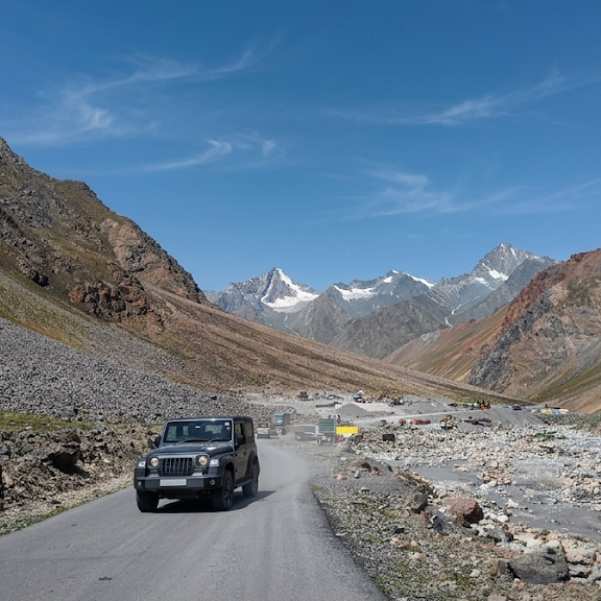
Here is the full picture, in order.
The highway was closed for all vehicles from November 20, 2025. It stayed buried under snow through the long winter.
The road restoration work began on March 27 and was completed on May 12, after BRO teams fought heavy snowfall, avalanches and sub-zero temperatures.
Two days later, the pass section itself opened up. The Darcha-Sarchu stretch through Baralacha La reopened for light motor vehicles by May 14, 2026.
The official Lahaul-Spiti road-status page now lists Keylong to Leh as open.
Here is the part most blogs skip
Open does not mean smooth, especially in early June. Authorities said vehicular movement would be permitted only after joint assessment with the Lahaul-Spiti administration in the days that followed.
In early June you should expect freshly cleared road, not a finished one. There is a difference.
What Is Baralacha Pass Like in June?
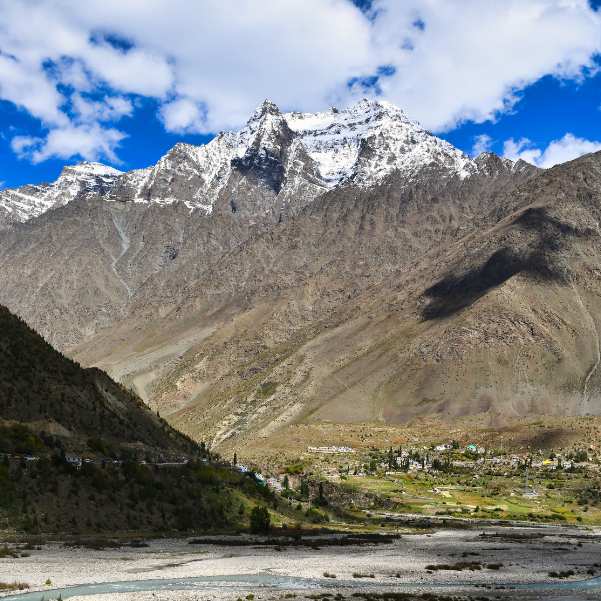
June at Baralacha is two different months wearing the same name.
Early June is raw. The road just came out of winter, so you get snow walls on the sides, slush across the surface, meltwater streams cutting over the tarmac and loose gravel where BRO is still patching damage.
You may also drive straight into active repair work and short waits while machines clear a section.
Late June settles down. The slush dries, the water crossings calm, and the road becomes more predictable. It is still cold, still windy and still very remote.
What makes June special is exactly this rawness. You are seeing a high Himalayan pass days or weeks after it woke up from six months of ice. Few places feel this untouched.
In our experience running early-season Lahaul trips, the travellers who love June most are the ones who came for the drama, not for comfort.
Can You See Snow at Baralacha Pass in June?
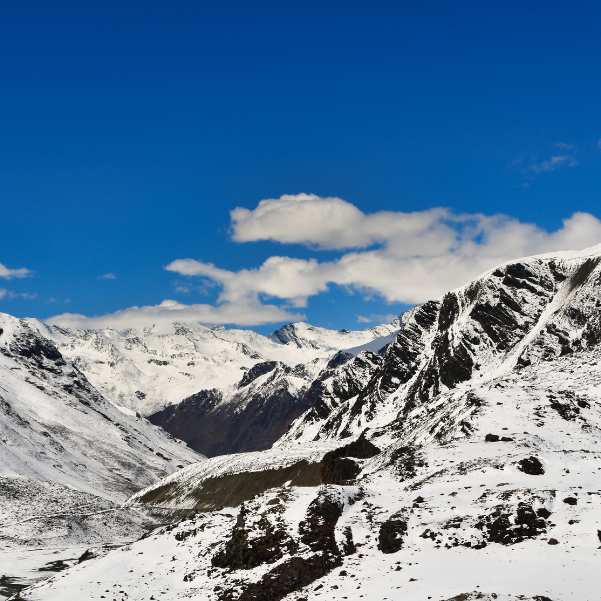
Almost always, yes. Even in peak summer months like June and July, you can find huge snow walls and frozen patches along the road at Baralacha La.
You will usually see old snow, snow walls cut by BRO, frozen patches and white peaks all around, especially in early and mid-June.
One honest warning
Nobody can promise you fresh snowfall in June. If a fresh dusting is the only reason you are going, you may come back disappointed. Treat snow walls as the realistic prize, not a fresh blizzard.
And please do not run around in the snow for photos. Baralacha sits at around 16,040 feet. At that height, sprinting for a reel can leave you breathless and dizzy fast.
What most tourists get wrong here is treating the snow like a Manali snow point. This is not Solang. The altitude is more than double, and your body knows it even when your excitement does not.
What Is the Weather and Temperature at Baralacha Pass in June?
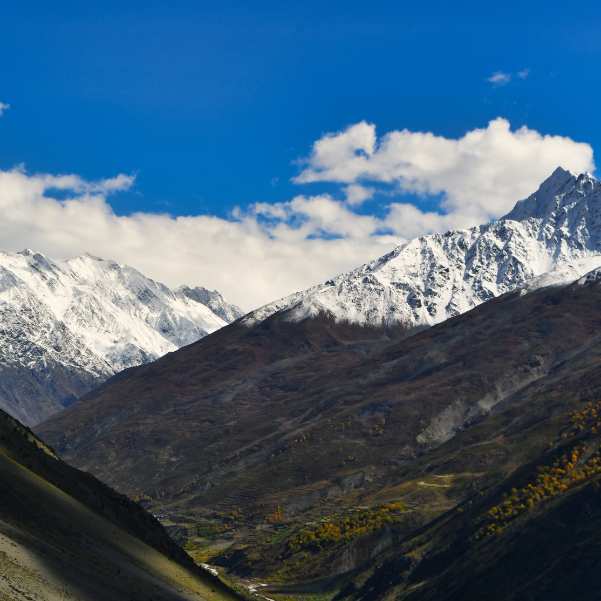
Set your expectations cold.
June daytime temperature at the pass sits around 0°C to 10°C. Another way travellers describe it is a daytime feel of around 10°C with nights dropping below freezing.
But the number on a weather app is not what you actually feel. Wind chill is the real story at Baralacha. A still 5°C morning turns brutal the moment the wind picks up, and at this altitude the wind almost always picks up.
Add intense UV that burns your skin even on a cool day, plus fog and sudden cloud build-up that can drop visibility within minutes.
So pack like it is winter even though the calendar says summer. Carry thermals, a fleece, a windproof jacket, gloves, a woollen cap, sunglasses, sunscreen and waterproof shoes.
The one item people skip and regret most is waterproof shoes. Wet feet in slush at 16,000 feet make the whole day miserable.
How Do You Reach Baralacha Pass from Manali?
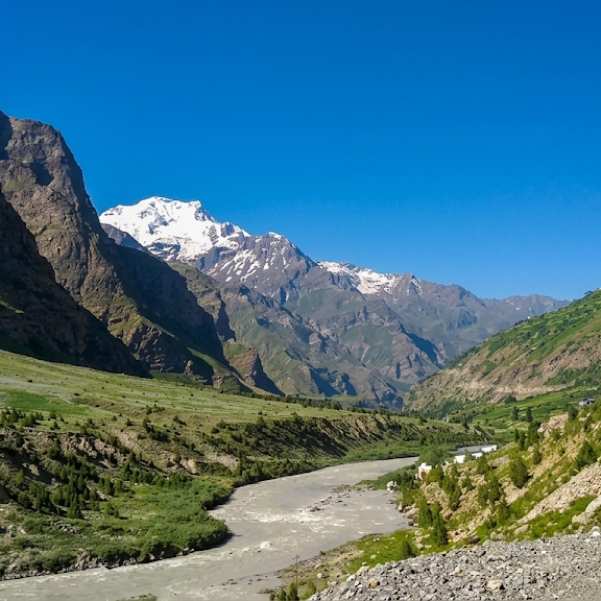
The route flows like this. You start in Manali, cross the Atal Tunnel, then pass Sissu, Tandi, Keylong, Jispa, Darcha, Zingzingbar and Suraj Tal before reaching Baralacha La.
The tunnel is the game-changer here. The Atal Tunnel stays open year-round and lets you travel from Manali to Keylong via the tunnel even in winter.
The Atal Tunnel is 9.02 km long and connects Manali to Lahaul-Spiti through the year. It cuts the distance by 46 km and saves about 4 to 5 hours compared with the old Rohtang route.
If you want to break the journey early and adjust to altitude, the Lahaul side around Sissu is a smart first base. Our Sissu tour packages cover stays and timing on this stretch.
Now, distance. Be careful here, because online sources disagree. Depending on the route and the measuring point, sources place Manali to Baralacha anywhere from around 145 km via the Atal Tunnel to 180-190 km on broader route estimates, so confirm the exact driving distance on your own map before departure.
Do not lock one number in your head as final. From the Keylong base, Baralacha is around 72 to 73 km.
Can You Do Baralacha Pass as a Day Trip from Manali?
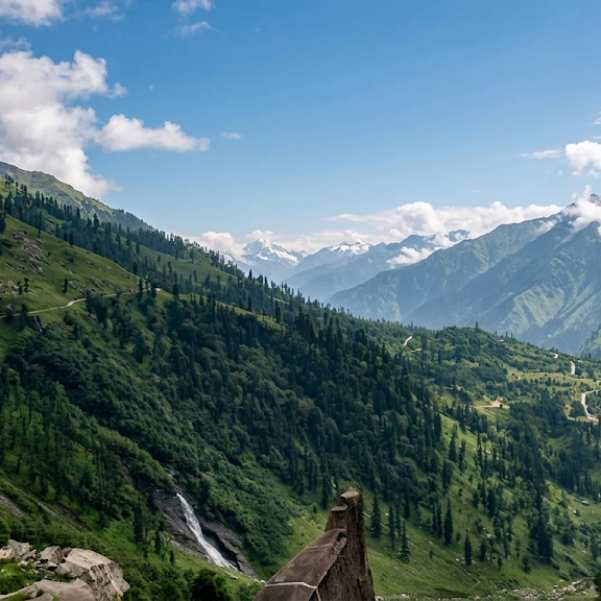
You can. You probably should not.
A one-way drive from Manali to Baralacha takes around 6 to 8 hours. Turn that into a same-day return and you are looking at 12 to 16 hours of driving on hard mountain roads.
That is not a trip. That is an endurance test. You reach the pass tired, spend twenty rushed minutes, and drive back in fading light when these roads are at their most dangerous.
For most travellers, we strongly suggest a 2-day plan with a night at Keylong or Jispa. You arrive at the pass fresher, safer and actually able to enjoy it.
The slower plan also helps your body adjust to altitude, which matters more than people think when jumping from Manali's 2,000 metres toward 16,000 feet in a day.
If you want the logistics handled with a driver who knows this road, our Manali tour packages are built around realistic timing, not Instagram timing.
Where Should You Stay Before Visiting Baralacha Pass?
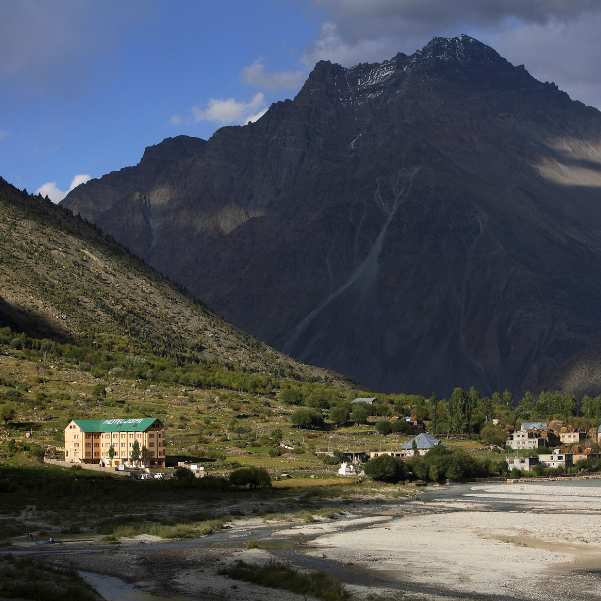
First thing to know. There are no hotels or guesthouses at Baralacha top. None. It is a pass, not a town.
Your practical bases are Keylong, Jispa and Sarchu.
Keylong has the best facilities and is the safer base. It has proper rooms, shops, fuel and a hospital. If you are travelling with family or anyone unsure about altitude, stay here.
Jispa is quieter and sits a little closer to the pass. It is lovely, calmer and a favourite with riders who want an early start.
Sarchu has seasonal camps but sits at around 14,000 feet. That is too high for your first high-altitude night if you have just come up from Manali. Sleeping at Sarchu before your body adjusts is how altitude sickness ruins a trip.
Our team almost always books first-timers a Keylong or Jispa night rather than Sarchu, purely for safety.
Is Baralacha Pass Safe in June?
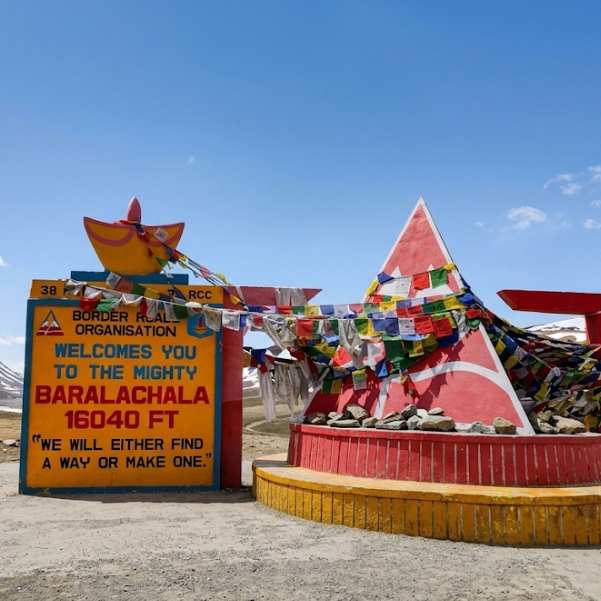
Baralacha is safe in June, but only on two conditions. The road must be officially open, and the weather must be stable.
When those two line up, the pass itself is not dangerous. The risks come from everything around it.
Altitude sickness is the biggest one. At 16,040 feet, thin air affects fit people and gym regulars too. Then add cold wind, slush, water crossings, weak mobile network and very limited medical help.
Watch for AMS symptoms: headache, nausea, dizziness, fatigue, loss of appetite and breathlessness. Mild signs are common and often pass with rest and water.
But if symptoms get worse, or someone shows confusion, shortness of breath even while resting, or poor coordination, do not wait it out. Bring them down to lower altitude and get medical help.
Two practical safety facts worth knowing. It is best to start your drive early, because in the afternoon the sun melts the snow and creates slush and small streams on the road that make driving harder.
And keep someone informed of your plan, because mobile network is unreliable between Jispa and Pang. You can be out of signal for long stretches.
Can Cars and Bikes Go to Baralacha Pass in June?
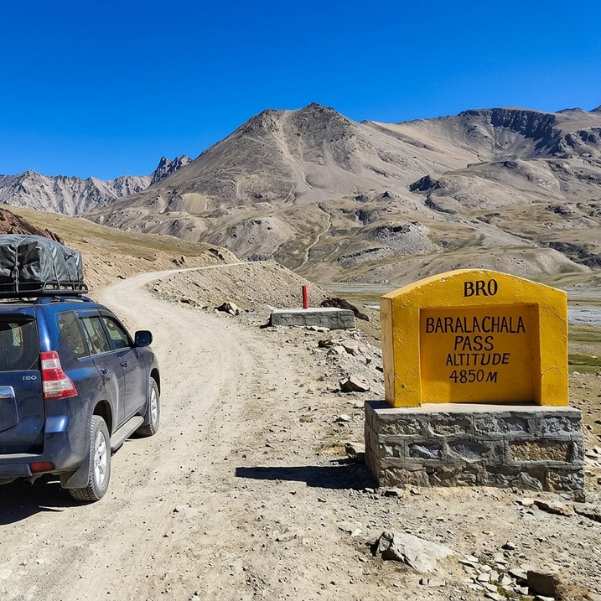
In early June, a high-ground-clearance vehicle is much safer. The slush, gravel and water crossings punish low cars. Small cars may manage in late June if conditions are stable, but you must verify that locally before betting your trip on it.
Taking a hatchback up a fresh-cleared June road is the kind of decision that ends with a scraped underbody and a long, lonely wait for help.
For bikers, June is rewarding but demanding. Start early, well before the afternoon slush forms. Avoid crossing the pass in the late evening.
Carry waterproof gloves and shoes, and do not push through slush when visibility drops. The pass is locally nicknamed the moody one for a reason.
What we always tell our riders is to treat the early start as non-negotiable. The same stretch that is firm at 8 AM can turn into a slush trap by 1 PM.
Do You Need a Permit for Baralacha Pass in June?
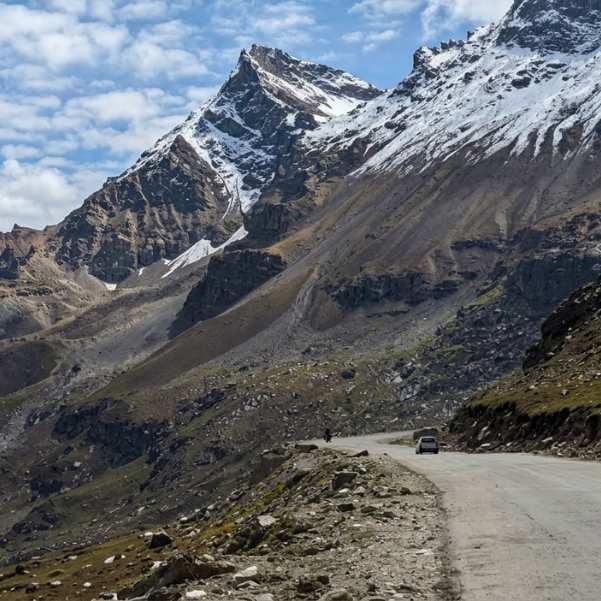
Skip the "no permit needed" line you see on random blogs. It is not that simple.
Vehicles entering Lahaul and Spiti must apply for an e-pass on the e-Aagman portal. E-permit and e-ticket rules can change by route and season, so check the portal before you travel rather than assuming.
The Rohtang permit categories are a separate thing. They apply to Rohtang and beyond-Rohtang tourism routes, not your Lahaul entry, so do not confuse the two.
And if you plan to continue into Ladakh's restricted areas beyond Baralacha, Ladakh's online payment and permit slip rules apply separately. That is a different system again.
Bottom line. Check the relevant portal for your exact route a few days before leaving. Rules here shift more often than travellers expect.
Best Stops Near Baralacha Pass in June
You will pass several spots worth a short halt. Keep stops short at high altitude, because lingering too long up here drains you.
Deepak Tal
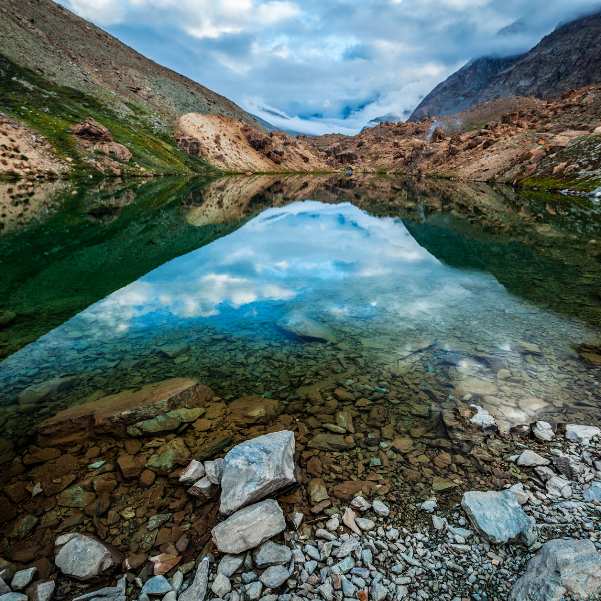
Deepak Tal is a small, still lake on the way up, good for a quick photo break. Darcha is a key checkpoint and a sensible spot to stretch and check conditions ahead.
Zingzingbar
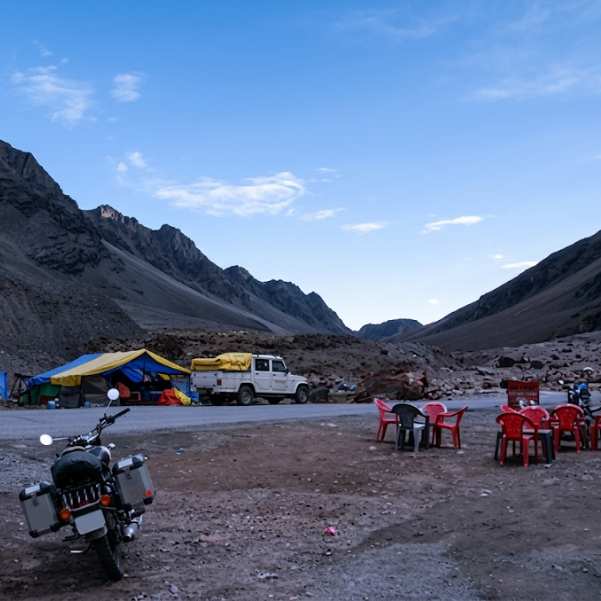
Zingzingbar is a tiny halt with a dhaba or two, the kind of place that feels like the edge of the world. Then comes the highlight.
Suraj Tal
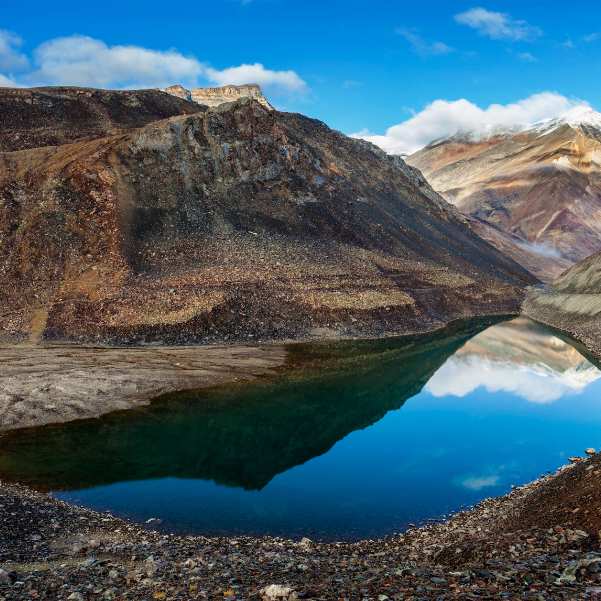
Suraj Tal sits just below the pass and is one of the highest lakes in India. It is linked with the source of the Bhaga River and is genuinely stunning when the light is right.
Baralacha top
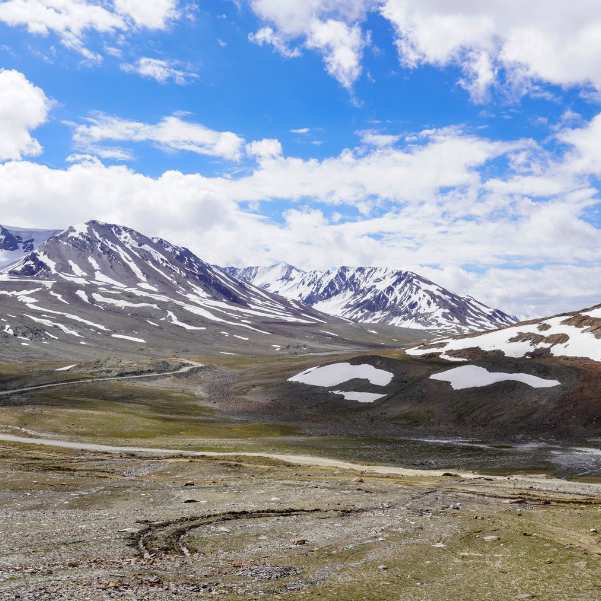
Baralacha top itself is your turnaround photo point, and Sarchu lies beyond it toward the Ladakh side.
Mornings usually give clearer light and calmer water flow at the crossings, but if you want an exact best hour, treat that as something to confirm on the ground, because conditions shift daily.
The momos and hot dal at the small Zingzingbar dhaba are the last proper warm meal before the pass. Do not roll past it assuming you will find something better higher up. You will not.
Suggested Baralacha Pass Itineraries for June 2026
Three ways to do this, depending on how much time and patience you have.
1-day plan
The 1-day plan is Manali to Baralacha and back. It is doable but exhausting, and we discourage it for most people. You will spend the whole day driving and barely any time at the top.
2-day plan
The 2-day plan is the one we recommend. Day 1 Manali to Jispa or Keylong. Day 2 to Baralacha and back toward Manali. You sleep at altitude, adjust your body, and reach the pass fresh. This is the sweet spot for most travellers.
The bigger plan is Manali to Leh via Baralacha, broken into sensible halts rather than one brutal push. You stay at Jispa or Keylong, then Sarchu or beyond, and arrive in Leh having actually acclimatised.
One fuel note for the Leh-bound. Tandi is the last major fuel stop before a long gap on the Leh side, reported to be around 345 km to the next reliable pump near Karu. Fill up and carry extra.
If Ladakh is your real goal, our Ladakh tour packages build in these halts so you are not gambling on one long drive.
Baralacha Pass vs Rohtang vs Shinkula in June
Quick, honest comparison so you pick right.
Rohtang
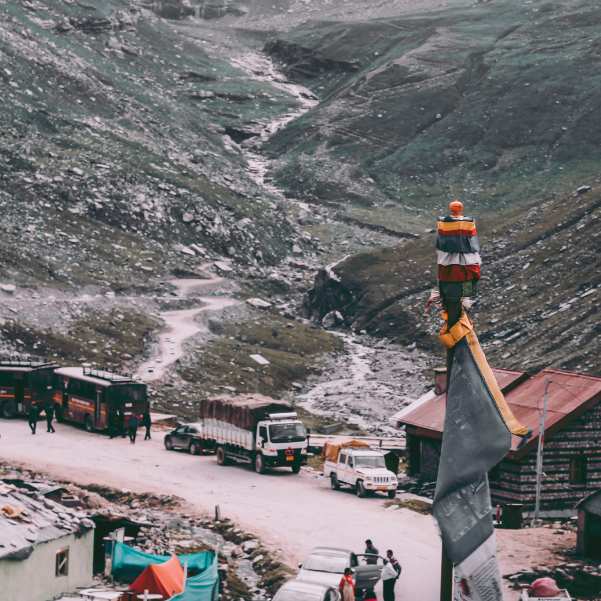
Rohtang is closer to Manali, easier to reach and far more crowded. It is the safe, popular choice for a quick snow day. We broke down the early-season picture in our Rohtang Pass in May guide if you want detail.
Baralacha
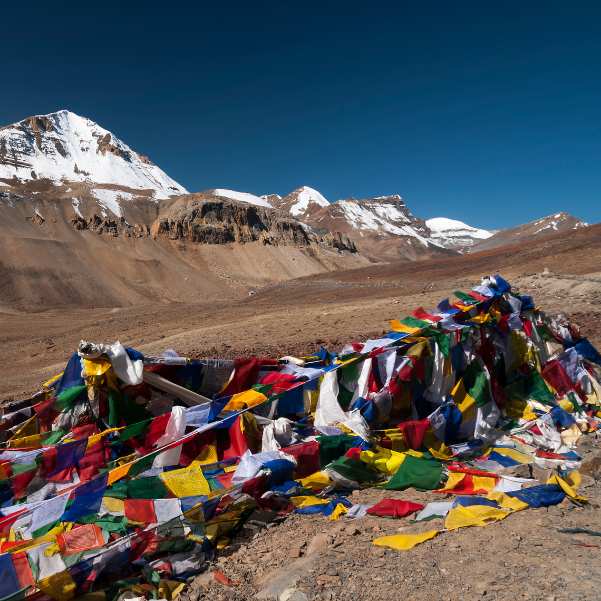
Baralacha is higher, farther, colder and much more raw. You go here for the journey and the remoteness, not for an easy outing.
Shinkula
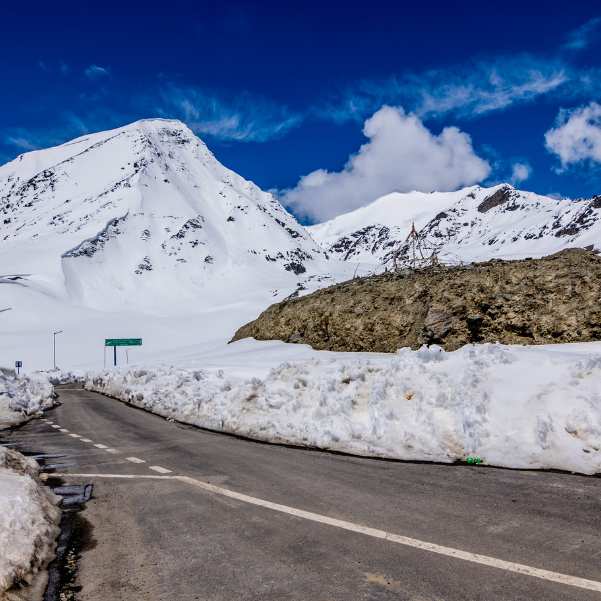
Shinkula is a Zanskar-side detour and a different animal altogether. Check its road status separately, because it opens and behaves on its own timeline.
If you only want snow and convenience, Rohtang wins. If you want a real high-Himalayan road experience, Baralacha is the one.
Who Should Avoid Baralacha Pass in June?
This is not for everyone, and that is fine.
Skip it if you are travelling with infants or very young children. The altitude and cold are too much for small kids.
Be cautious with elderly travellers who have heart or breathing conditions. The thin air at 16,000 feet is a real strain.
Anyone already feeling unwell at Manali or Jispa should not push higher. Going up while sick almost always gets worse, not better.
And if remote mountain roads make you very anxious, this drive will test you. There are long, lonely stretches with no signal and no quick help. Know that about yourself before you commit.
None of this is meant to scare you off. It is just the honest version that helps you choose well.
Planning Baralacha Pass with Travel Coffee
We are a Himachal-based travel company from Shimla, and we drive these roads every season.
Before we plan any Baralacha, Lahaul or Ladakh trip, our team checks the live route status, matches the right vehicle to early-season conditions, confirms stay availability at Keylong or Jispa, and builds in realistic timing instead of optimistic timing.
In our experience, the trips that go wrong are almost always the ones planned around the kilometres on a map rather than the reality of the road. We plan for the reality.
If you want help getting the dates, route and vehicle right, talk to us before you lock anything. You can also explore our Spiti Valley and Lahaul tour packages.
>>Planning Baralacha La in June? Talk to our team on WhatsApp.
Related topics
Frequently Asked Questions
Is Baralacha Pass open in June 2026?
Yes. BRO reopened the Manali-Leh highway through Baralacha in mid-May 2026, so June access is open. Still verify live status a day or two before you leave.
Can we see snow at Baralacha Pass in June?
Almost always. You can expect old snow, snow walls and frozen patches in June, especially early in the month. Fresh snowfall is not guaranteed.
What is the temperature at Baralacha Pass in June?
Roughly 0°C to 10°C in the day, with nights below freezing. Wind chill makes it feel much colder, so dress in proper layers.
Is Baralacha Pass safe for families in June?
It can be for older children and healthy adults when the road is open and weather is stable. Avoid it with infants, very young kids or elders with heart or breathing issues.
Can small cars go to Baralacha Pass in June?
In early June, a high-clearance vehicle is far safer. Small cars may manage in late June if conditions are stable, but confirm locally before trying.
How far is Baralacha Pass from Manali?
Sources differ, placing it anywhere from around 145 km via the Atal Tunnel to 180-190 km on broader estimates. Confirm the exact distance on your own map.
How much time does Manali to Baralacha take?
A one-way drive takes around 6 to 8 hours depending on road and weather conditions. Plan generously, never tightly.
Can we do Baralacha as a day trip from Manali?
You can, but a same-day return runs 12 to 16 hours of driving and is exhausting. A 2-day trip with a night at Keylong or Jispa is far better.
Do I need a permit for Baralacha Pass?
Vehicles entering Lahaul and Spiti must apply for an e-pass on e-Aagman. Rules vary by route, and Ladakh restricted areas have separate permit rules, so check before travel.
Where should we stay before visiting Baralacha?
Keylong, Jispa or Sarchu. Keylong has the best facilities and is the safest base. Sarchu sits at around 14,000 feet, so it is not ideal as your first high-altitude night.
Is Baralacha better than Rohtang for snow in June?
For convenience and easy snow, Rohtang is simpler and closer. Baralacha is higher and more raw, better suited to travellers who want the full journey.
Is Suraj Tal accessible in June?
Yes, Suraj Tal sits just below the pass and is usually reachable once the road is open in June. It is one of the highlights near Baralacha.
More about Lahaul and Spiti
 Lahaul and Spiti
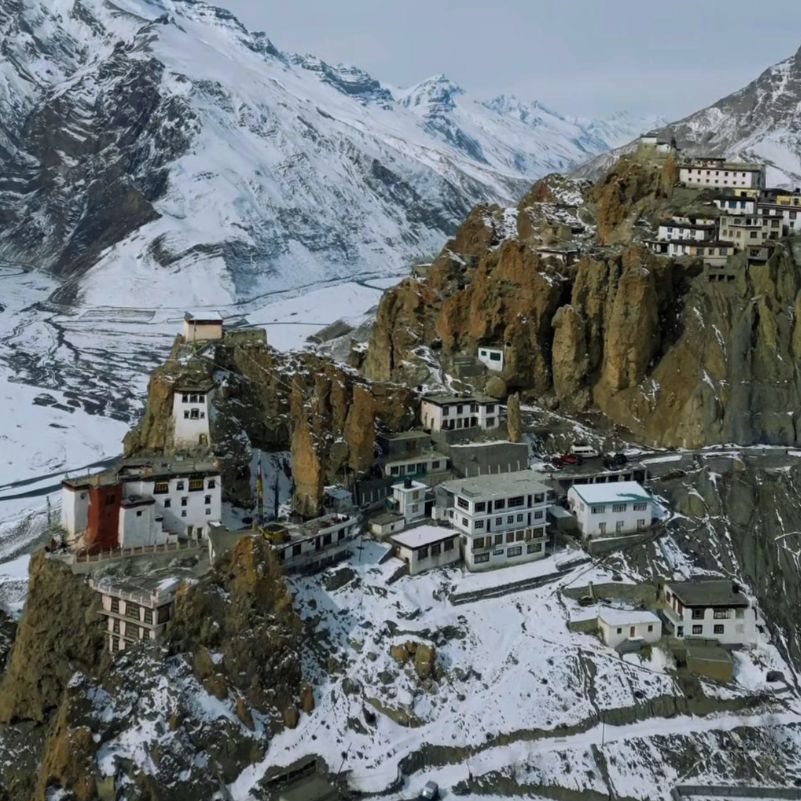
Winter Spiti from Bangalore in 2026-27: Flights, Leave Days & Delhi 4x4 Departures
Planning a Winter Spiti trip from Bangalore in 2026-27? Explore flight options, Delhi pickup points, leave requirements, 4x4 group expeditions, travel costs and a practical itinerary to help you plan your Himalayan winter adventure.
 Lahaul and Spiti
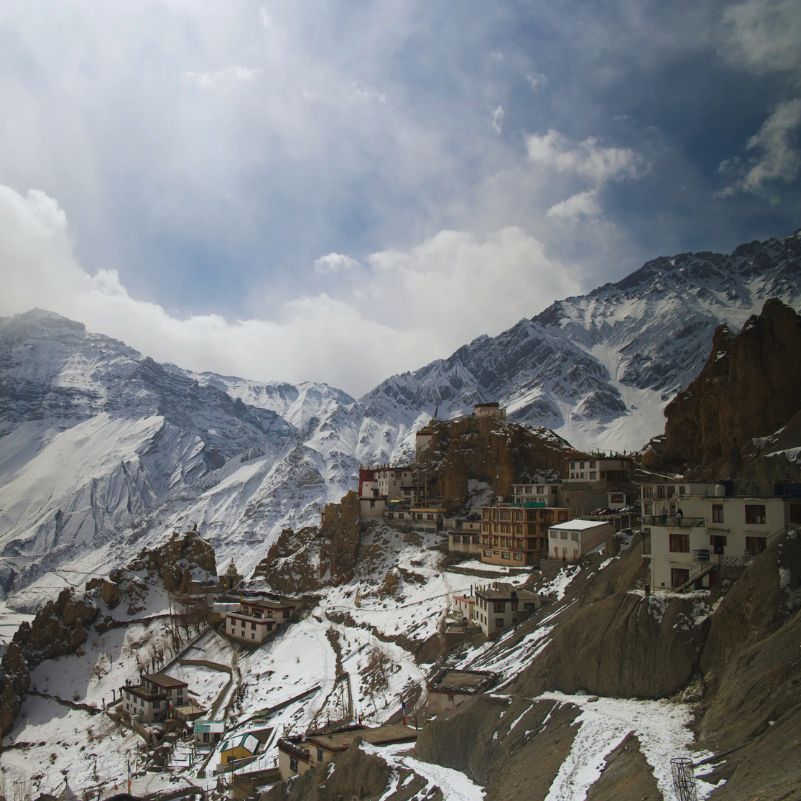
What Does a Winter Spiti 4x4 Trip Really Cost in 2026-27? Package Price vs Total Holiday Budget
Planning a Winter Spiti 4x4 trip in 2026-27? Discover the real travel budget, including package prices, transport, meals, winter essentials and hidden expenses. Learn what your package covers, what costs extra and how to plan your Spiti Valley adventure without unexpected spending.
 Lahaul and Spiti
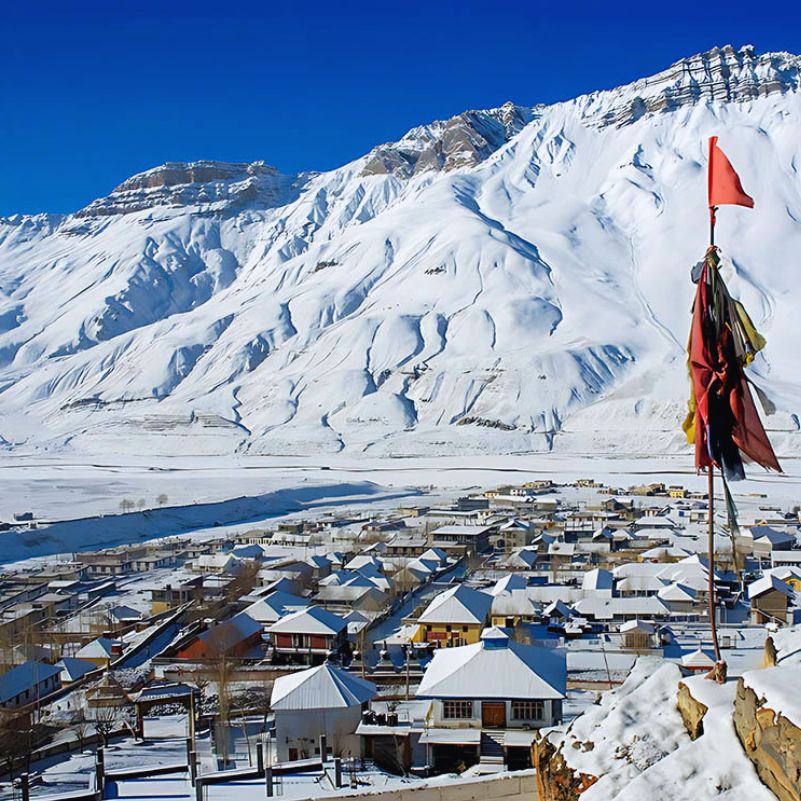
How Many Leave Days Do You Need for a 9-Day Winter Spiti Trip in 2026-27?
Planning a 9 day Winter Spiti trip in 2026 to 2027 requires careful leave planning, especially for working professionals travelling from cities like Bangalore, Mumbai, Hyderabad and Delhi.