
Apple Orchard Stay Himachal 2026: Slow Travel in Kotkhai & the Pabbar Belt
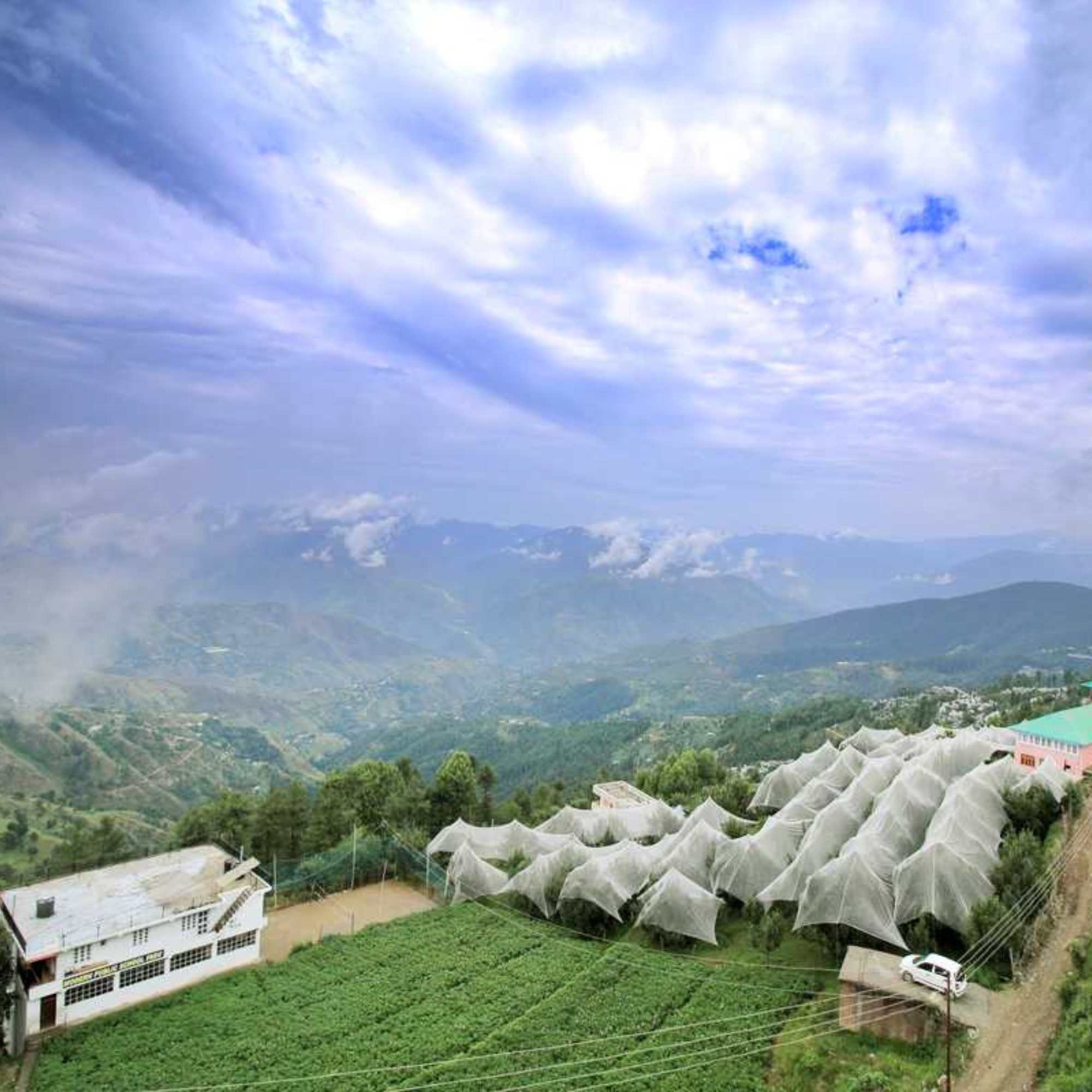
If you want an apple orchard stay Himachal travellers actually slow down in, skip the usual Shimla and Manali crowd and look toward Kotkhai and the wider Pabbar belt.
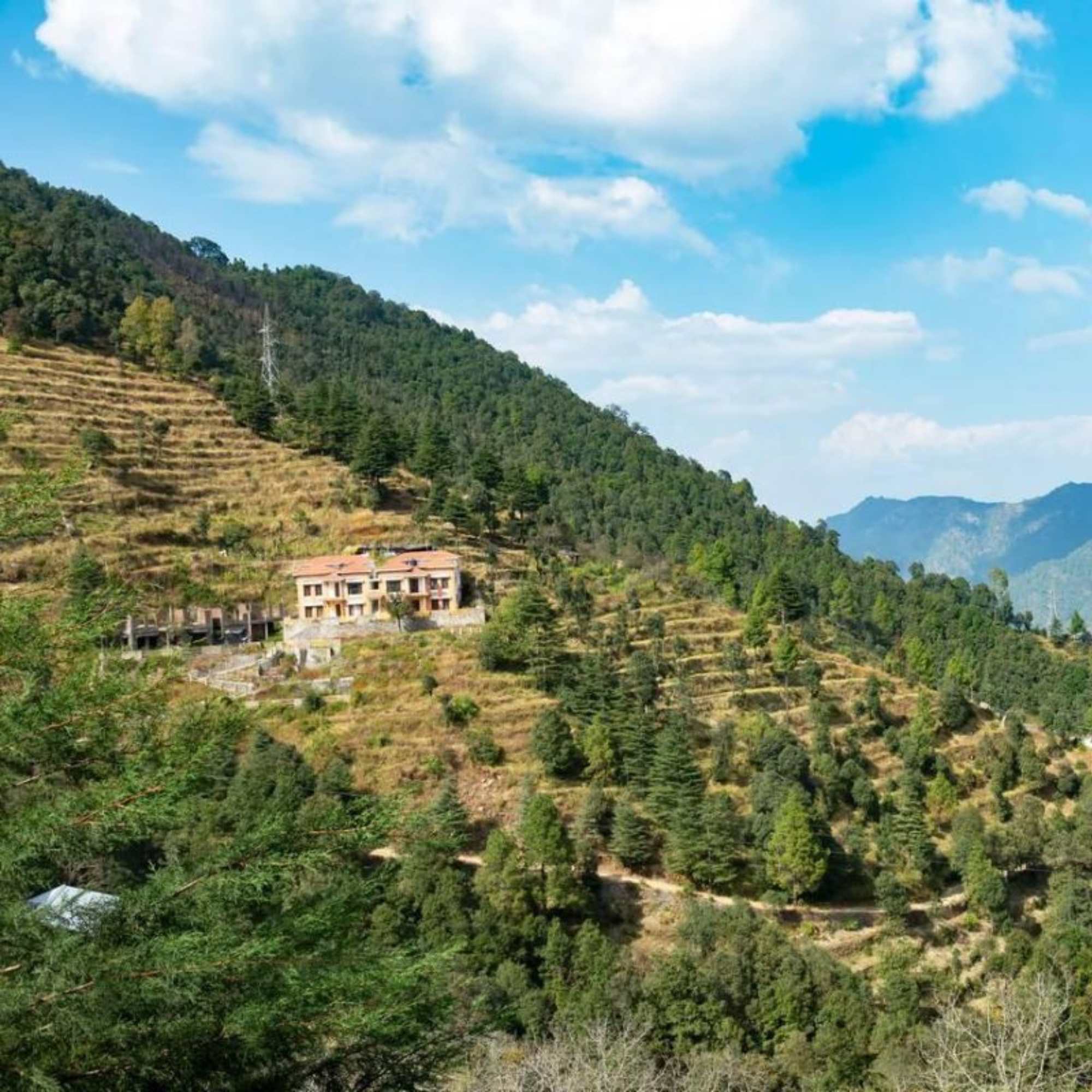
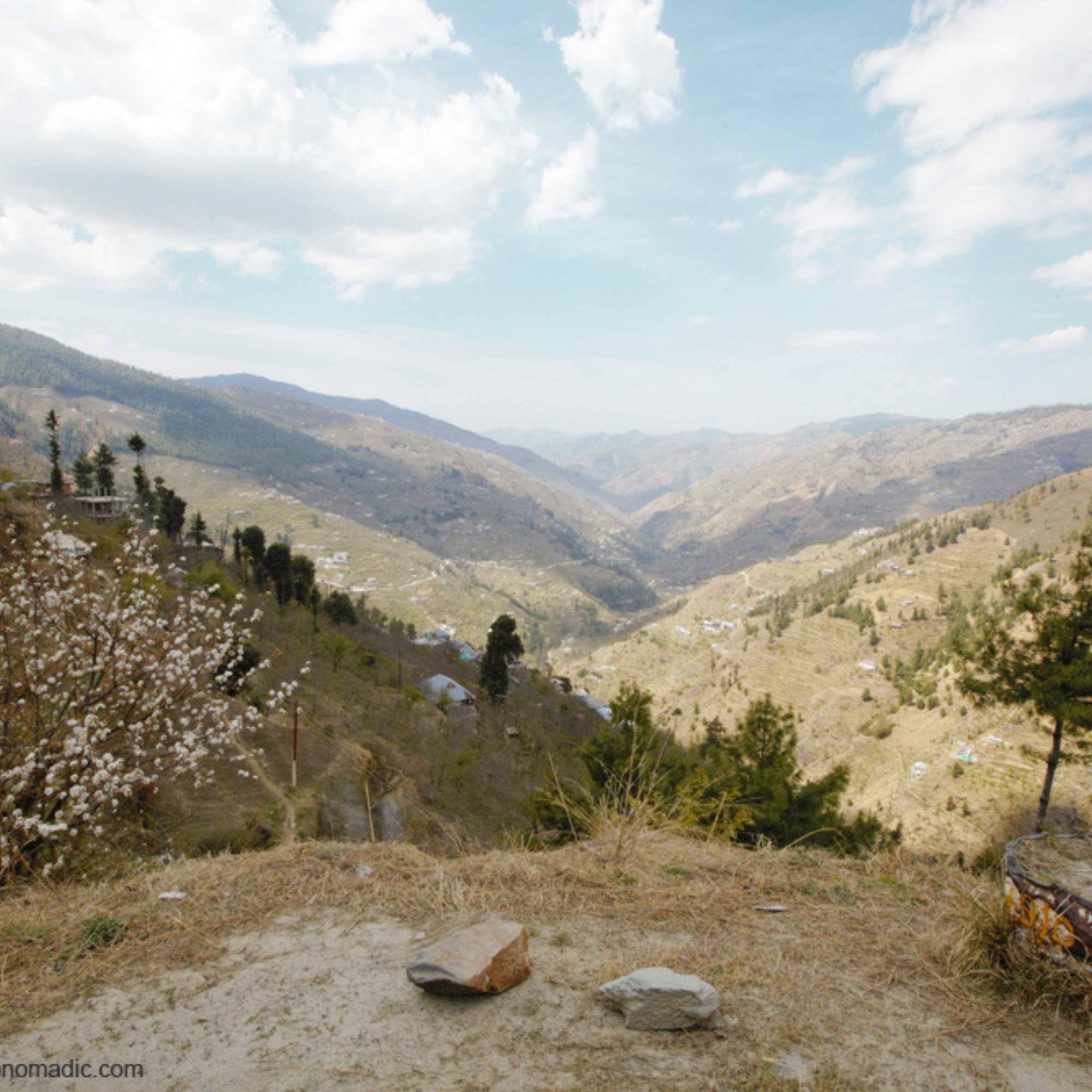
This is orchard country. Apple trees on every slope, small homes between them, and mornings so quiet you can hear the river before you see it.
We send a lot of travellers here every season, and the ones who love it most are the ones who came to do nothing in particular. That is the whole point of an apple orchard stay in this part of Himachal.
This guide by Travel Coffee covers where to go, when, what it costs, the road truth in 2026, and the honest stuff most blogs skip.
Quick Answer: Is Kotkhai good for an apple orchard stay in Himachal?
Yes. Kotkhai and the wider Jubbal-Rohru-Pabbar belt are some of the best spots near Shimla for a quiet apple orchard stay in Himachal.
You get slow days, home-style food, village walks, and farm-style stays instead of resort crowds and car horns.
The best mood is usually around apple season, roughly July to September. But here is the honest part.
Apple picking is never guaranteed. You must confirm it with your host, and in 2026 it may be limited because weather-hit crop losses were reported across Himachal apple regions.
If you want help shaping this into a clean plan from Shimla, our Shimla tour packages are a good starting point.
Why choose Kotkhai and the Pabbar belt over Shimla or Manali?
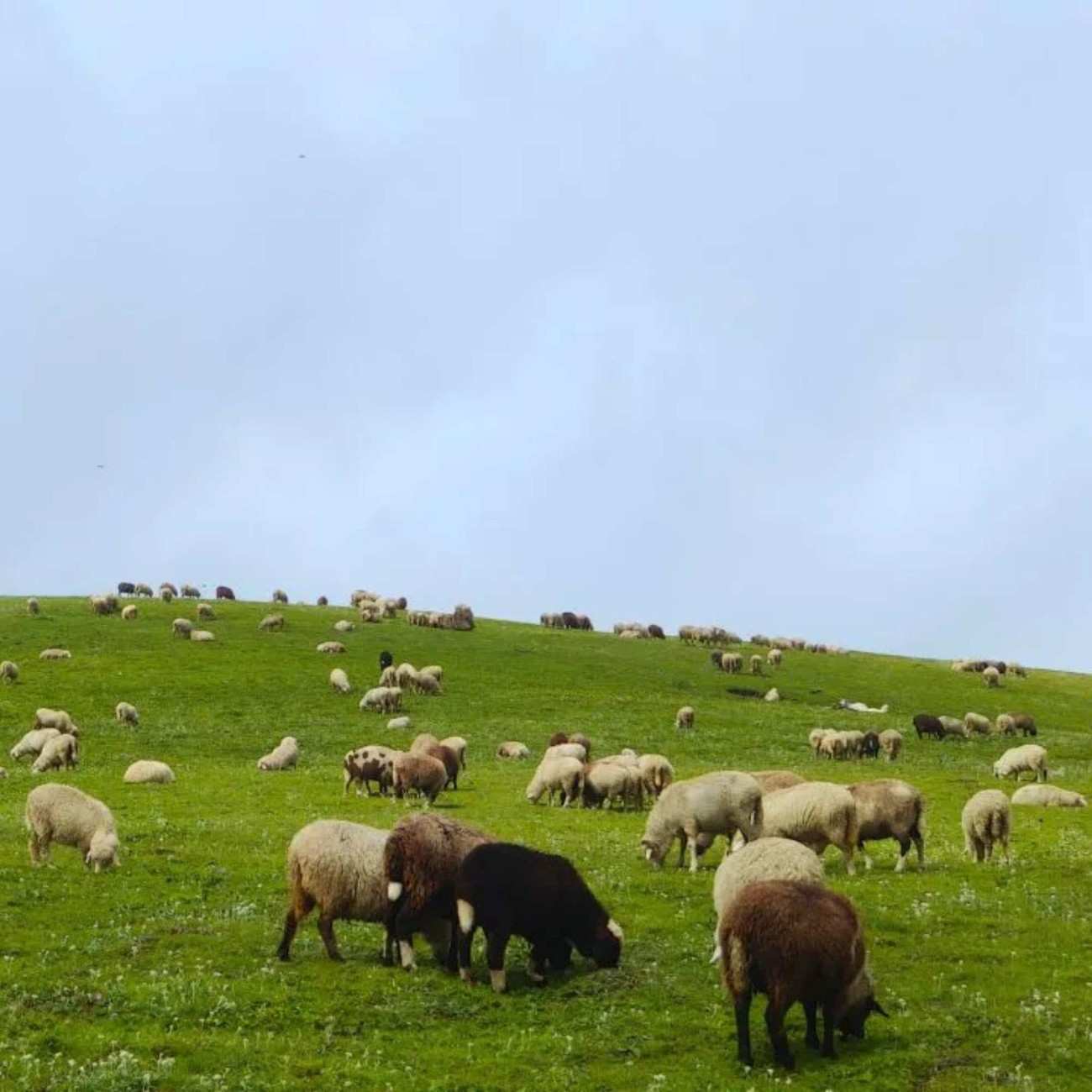
Shimla and Manali are easier if you want classic sightseeing, malls, viewpoints, and ready-made tourist activity.
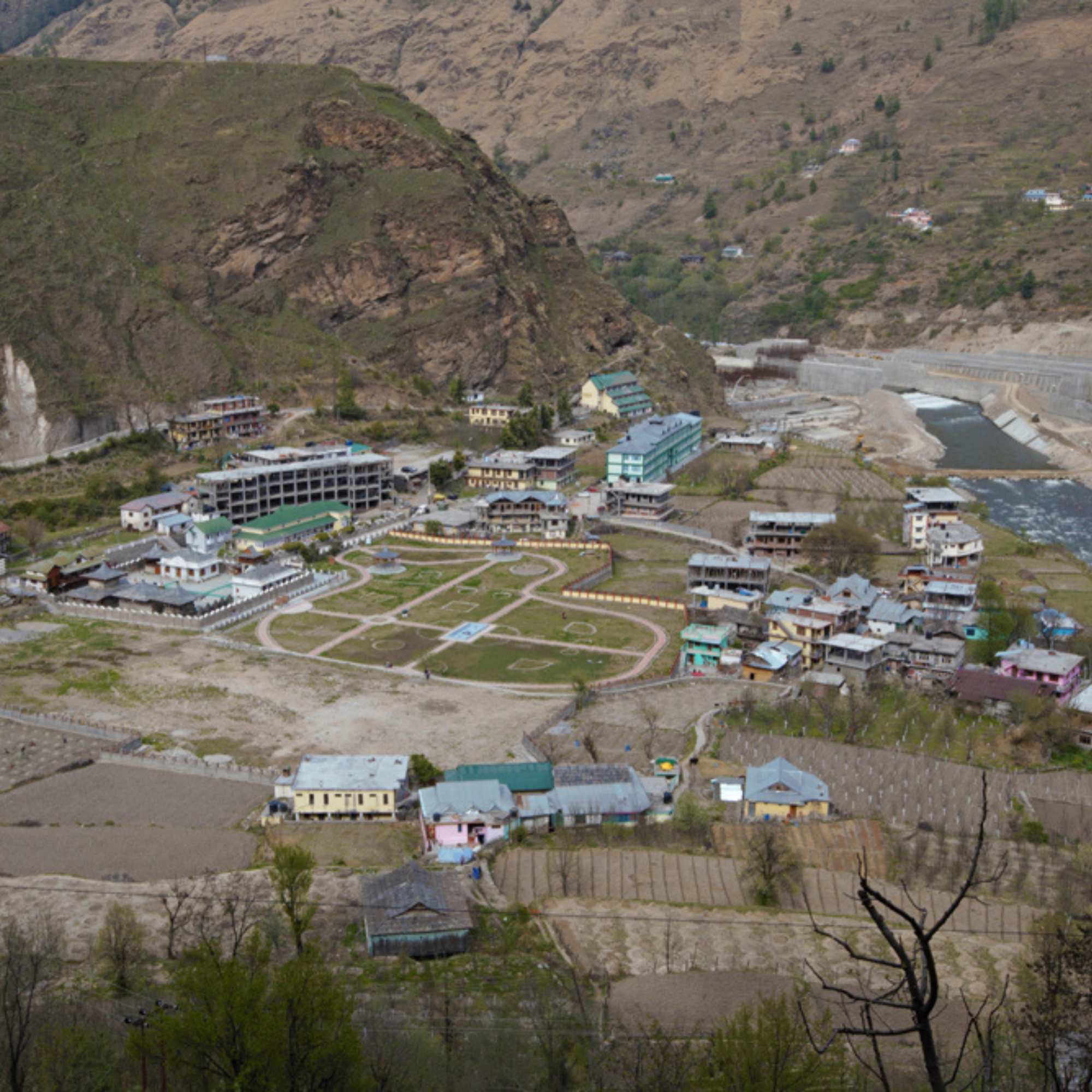
Kotkhai and the Pabbar belt are a different kind of trip. You come here for orchard silence, local homes, empty ridges, and days that do not rush you.
Let me be straight with you. This is not a nightlife place. There are no cafe streets to hop between and no clubs.
It suits couples, families, writers, workation travellers, photographers, and anyone who actually enjoys a slow mountain morning with chai and zero plans.
In our experience, travellers enjoy this belt most when they stop treating it like a checklist. Stay at least 2 nights. One night here always feels like a waste.
If you want the busier, more activity-packed side of Himachal instead, our Manali packages cover that better.
Where exactly is the Kotkhai-Pabbar apple belt?
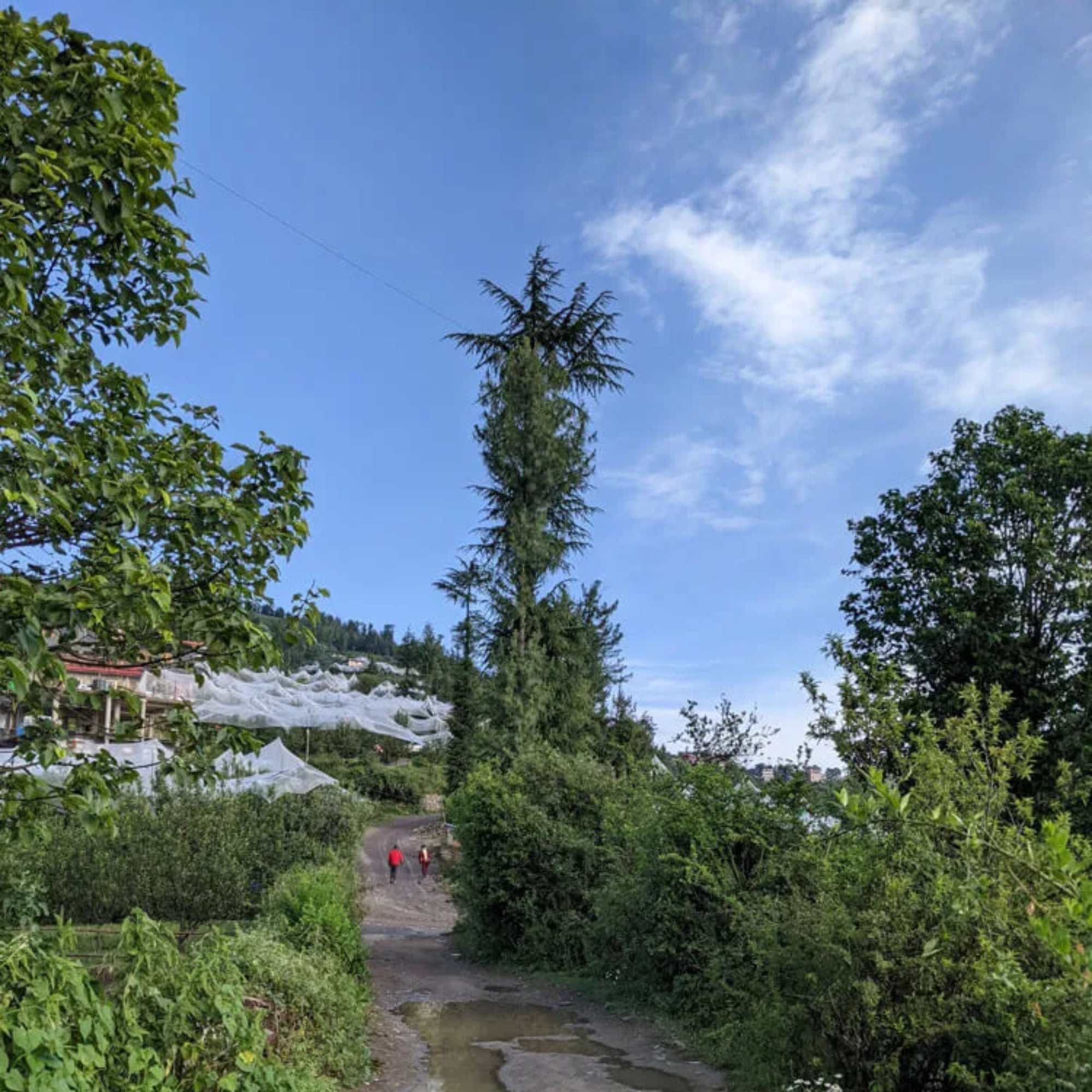
Picture one long travel line going deeper into Upper Shimla. You start at Shimla, then Theog, then Kotkhai, then Kharapathar, then Jubbal/Hatkoti, then Rohru, and further toward Larot/Chanshal if you go all the way.
Rohru sits in Shimla district on the banks of the Pabbar River, about 115 km from Shimla.
Hatkoti is 97 km from Shimla and 84 km from Kufri, so it lands neatly on the same route as a temple-and-orchard stop.
Chanshal Pass is the far end of this line, about 160 km from Shimla, and only worth it if you are doing the bigger loop.
One honest note on Kotkhai itself. Kotkhai is usually treated as an Upper Shimla orchard belt stop, but exact distance and time from Shimla should be checked before leaving because public sources show conflicting numbers.
What is the best time for an apple orchard stay in Himachal?
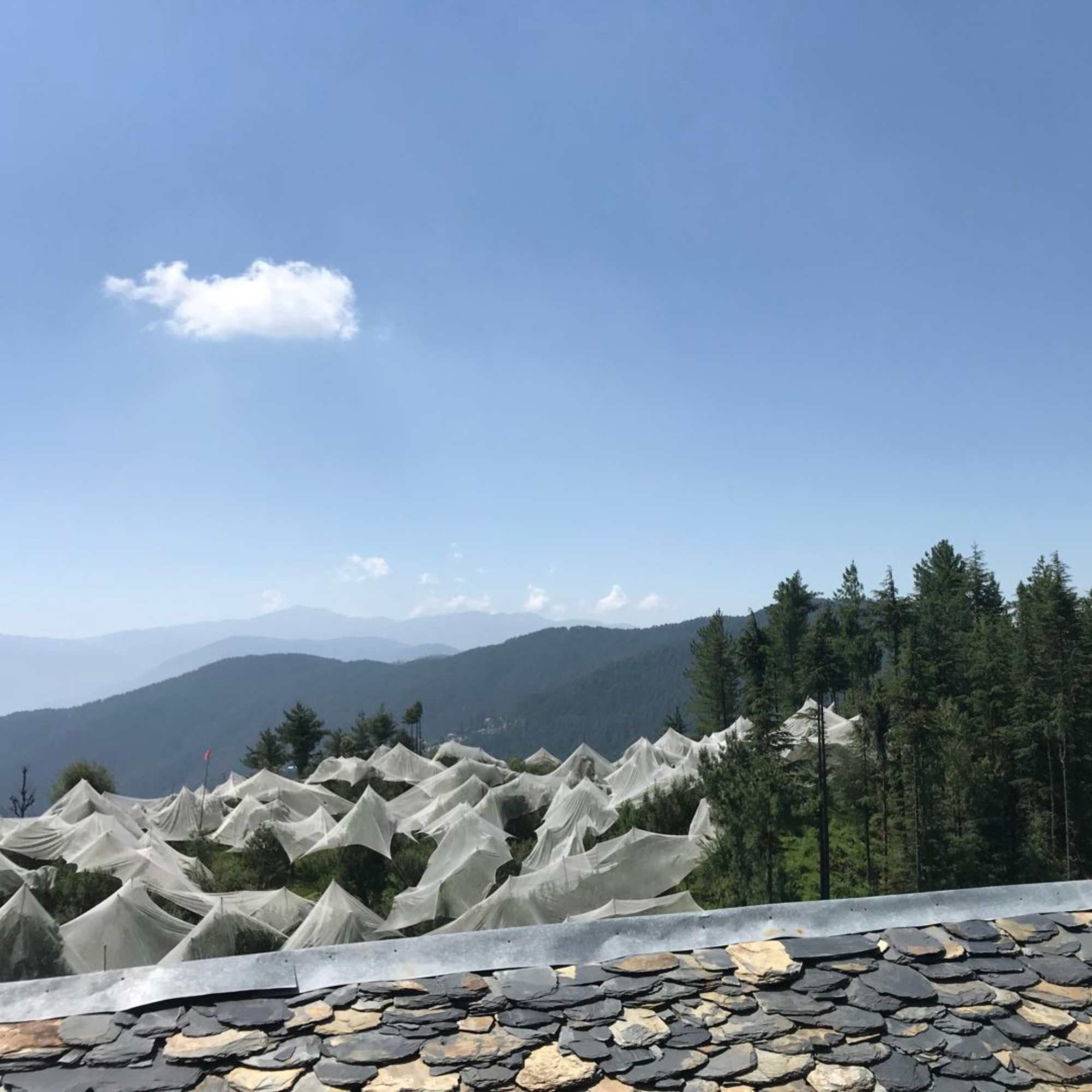
The apple part of this trip lives and dies by season, so let me break it down simply.
Spring is blossom season. White and pink flowers across the orchards, fresh weather, but no fruit to pick yet. Pretty, but not harvest.
Summer gives you green fruit on the trees and long bright days. The orchards look full, the apples are still ripening, and the weather is comfortable.
Apple harvest in Himachal is broadly reported from July to September. One apple-tour source suggests August, especially 10th to 30th, for the Thanedar-Kotkhai belt. A Shimla orchard article promotes September as a strong orchard month.
So if your whole reason for coming is seeing and maybe picking apples, aim for that July to September window.
But that window is also monsoon-sensitive. Rain can mean landslides, slow roads, and the odd washed-out afternoon.
October can be clearer and quieter, with fewer people. The catch is that apples may already be harvested by then depending on altitude and variety.
Now the 2026 caution. Reports in 2026 said Himachal apple regions faced weather-driven crop losses, with growers reporting up to 70% crop loss across major belts.
So do not picture every tree heavy with fruit this year. Some orchards will have plenty, some very little. Confirm with your host, not with Instagram.
Can you actually pick apples during an orchard stay?
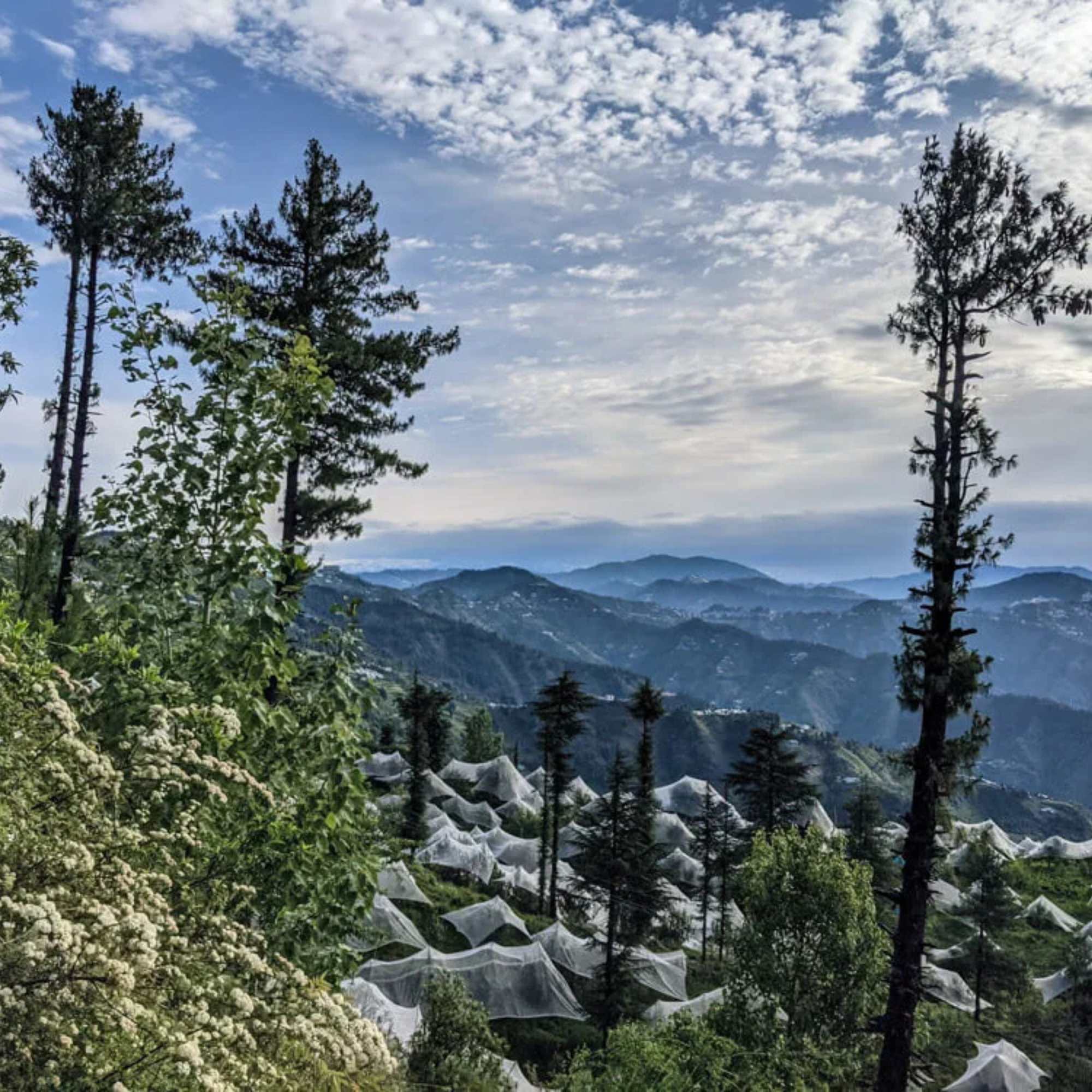
This is the question we get most, so let me clear it up properly. Apple picking is not automatically included in any orchard stay.
These orchards are private working farms. The apples on those trees are someone's yearly income, not free decoration for guests.
If you want to pick, you ask the host first. You use only the trees the host points to, you never climb branches, and you never waste fruit.
Here is why farmers are careful. A casual guest pulling unripe apples can damage the fruit and snap the branch, and that branch may not give fruit again that season.
Think of it like walking into a shop and grabbing things off the shelf. Nobody minds you looking. Everyone minds you helping yourself.
Our team recommends asking the host on the first evening itself whether any apple-picking experience is possible during your dates. That way you know early instead of feeling let down on day three.
Where should you stay: Kotkhai, Jubbal, Hatkoti, Rohru, or Larot?
Each base has a different vibe, so pick by what you want.
Kotkhai
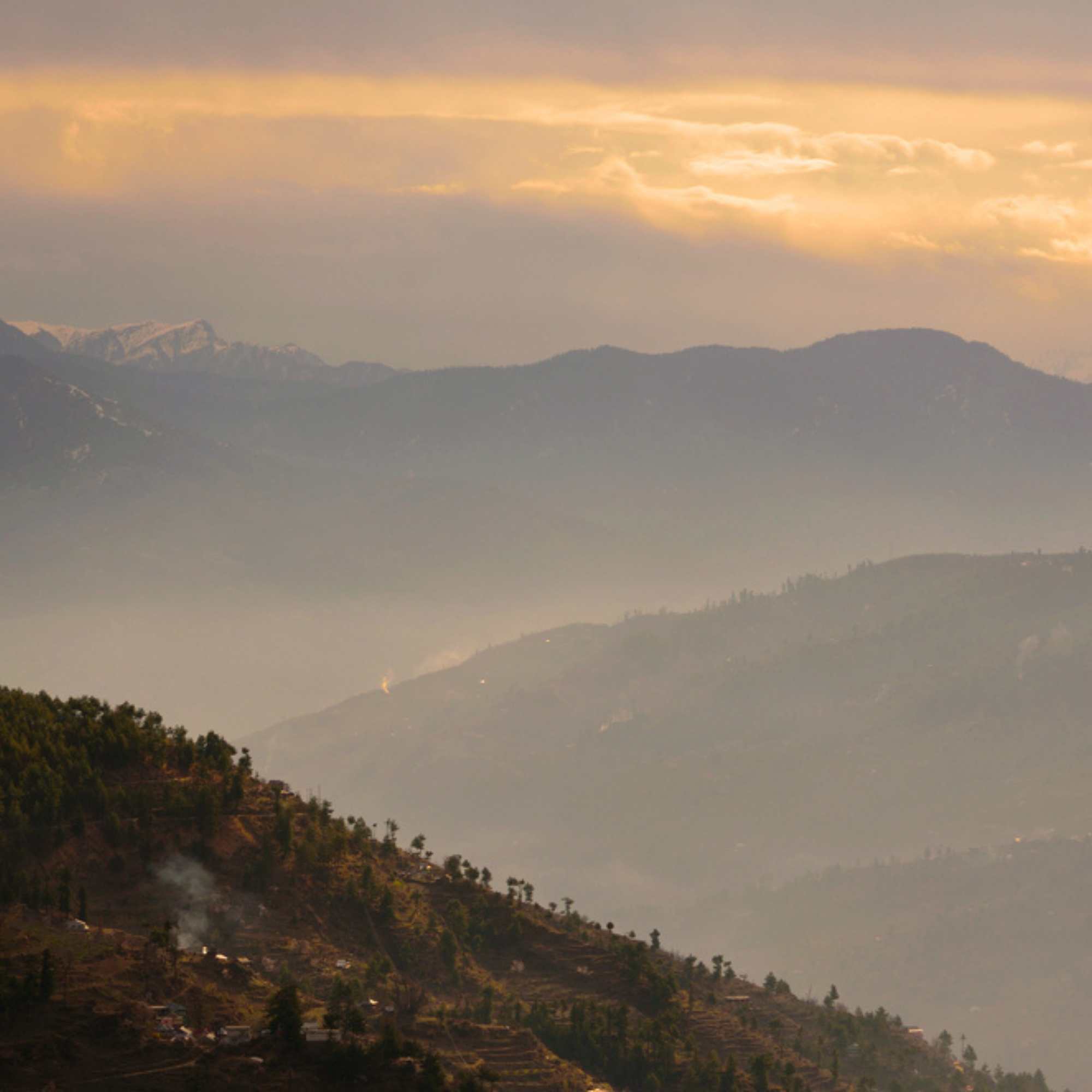
It is the classic orchard-stay mood and sits closer to the Shimla side. If you want the pure "apple homestay" feeling without going too deep, this is it.
Jubbal and Hatkoti
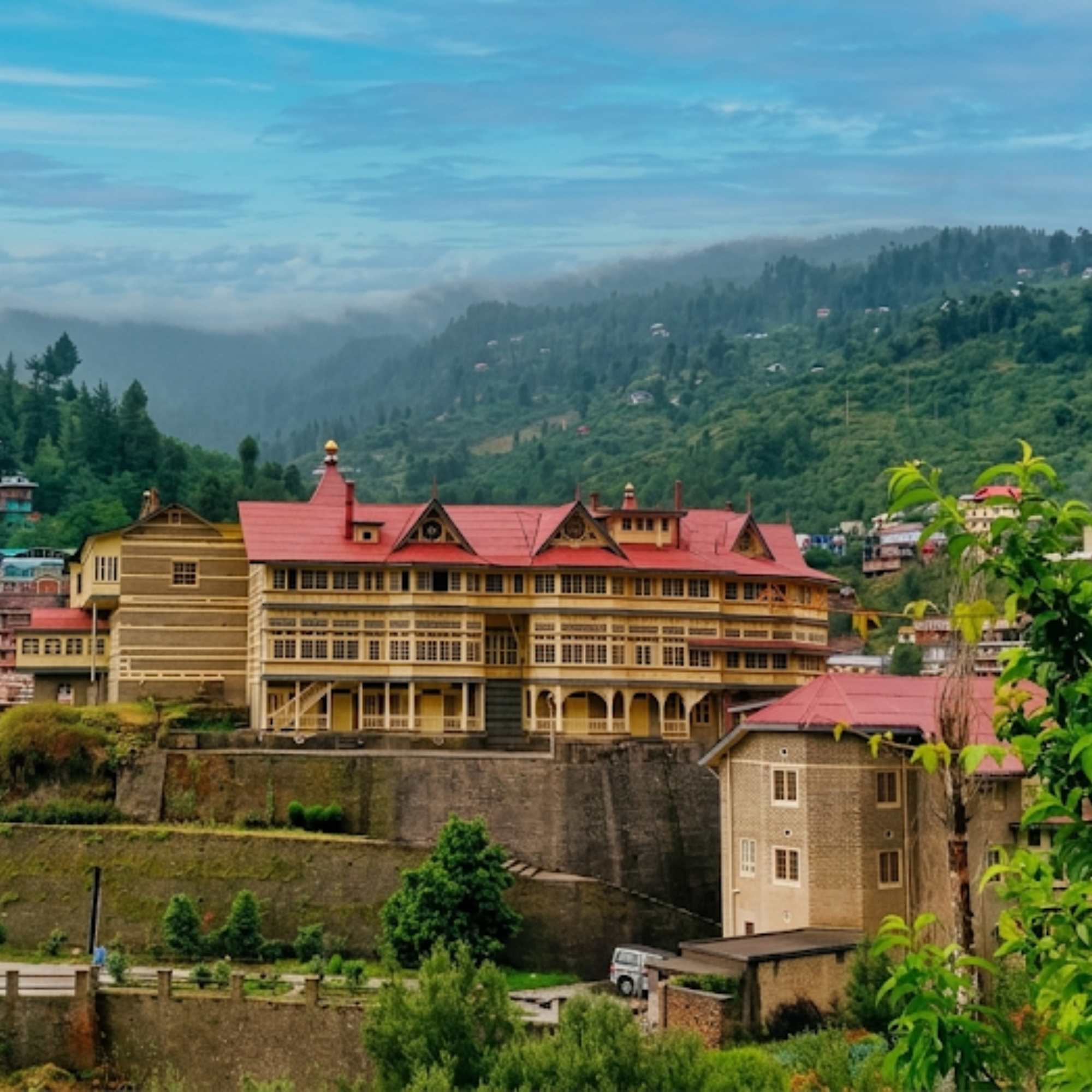
Jubbal and Hatkoti work well if you want temple stops, a bit of heritage, and orchard-route driving rolled into one. Good for travellers who like a little to look at.
Rohru
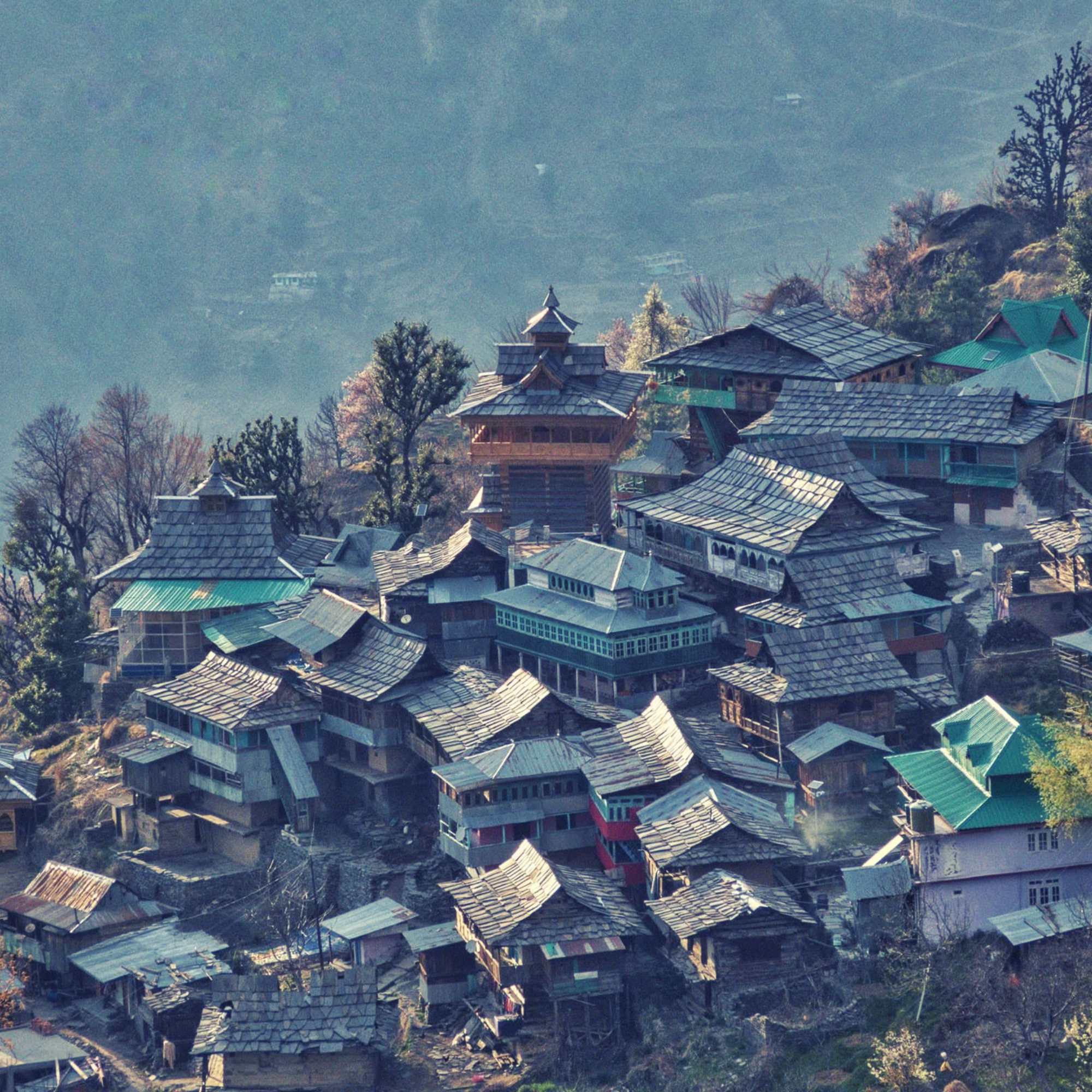
It is a larger town on the Pabbar River. It is most useful if you plan to keep going toward Chanshal or deeper into the Pabbar Valley, so treat it as a base for the bigger trip.
Larot
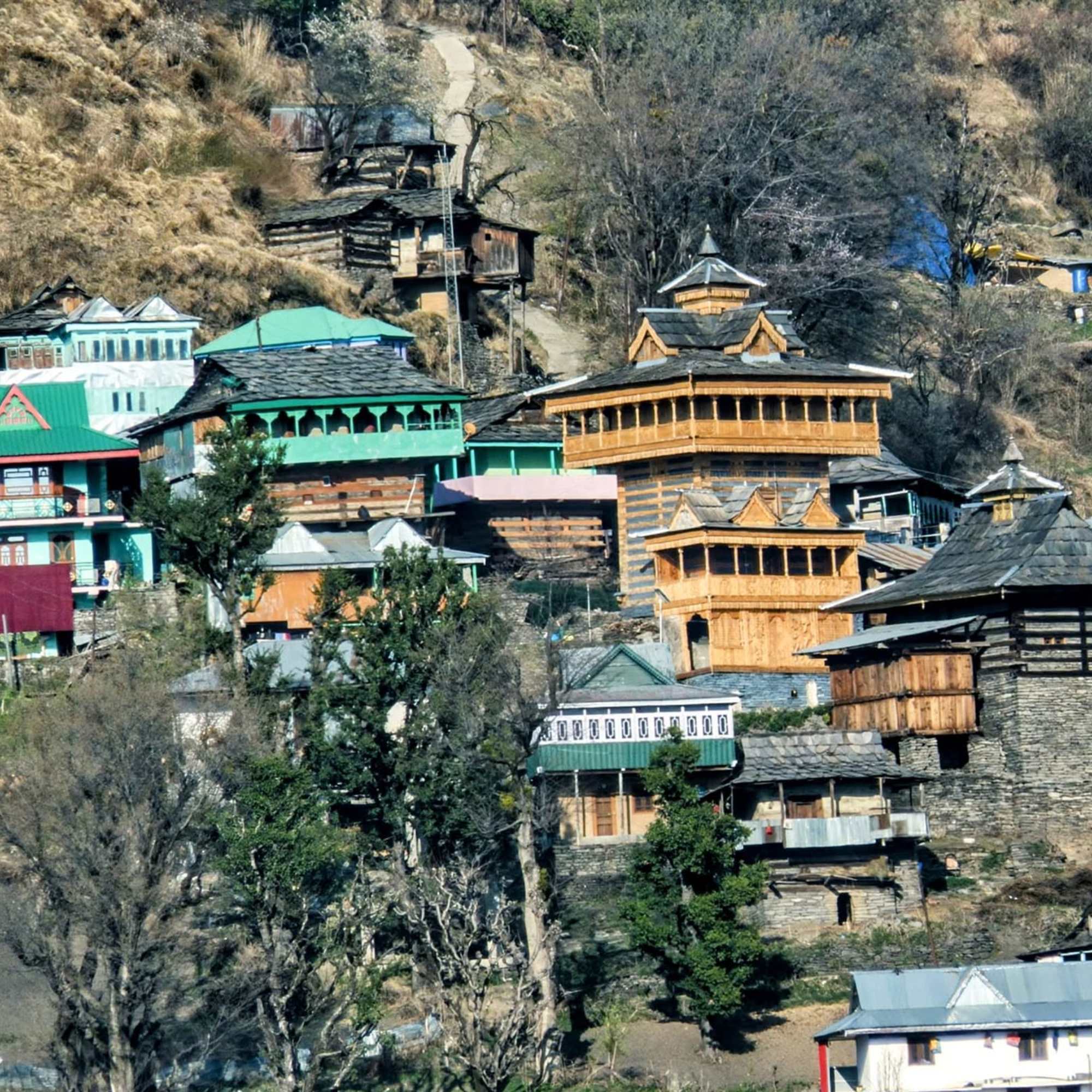
It is for serious Chanshal-side travel only. I will be honest, this is not a casual comfort stay, so do not pick it expecting a cosy orchard break.
One stay you will see listed online is The Himalayan Orchard in Kotkhai, around Reoghati Road, Rukhla (171204). OTA listings show 12 PM check-in and 12 PM check-out, a 4.3 rating from 16 ratings, and amenities like a living room, bonfire, caretaker, balcony or terrace, and dining area.
To be clear, that is not our property. We are just telling you what is out there so you can compare honestly.
What can you do during a 2 to 4 day orchard stay?
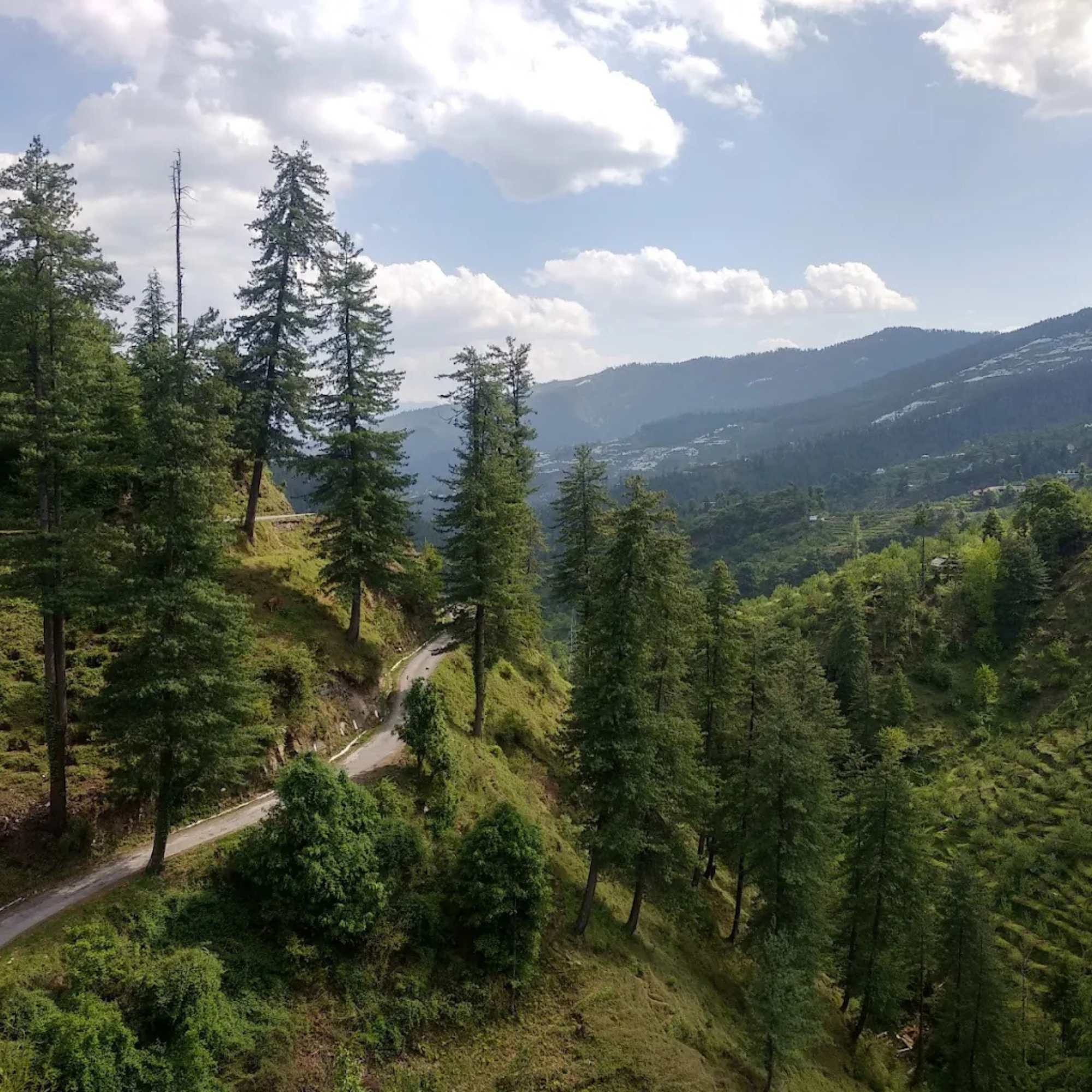
The honest answer is that the main activity here is slowing down. That sounds like nothing, but it is exactly why people love this belt.
Your days look like orchard walks with permission, village trails, a long home-style breakfast, and sitting in the sun with a book.
If the host offers a bonfire, take it. Evenings get cold and quiet, and a fire with a cup of tea is the whole mood of the place.
Short drives fill the gaps nicely. The Hatkoti temple route, time by the Pabbar River near Rohru, and the Kharapathar viewpoints are all easy half-day outings.
Chanshal is the big one, but only if road and weather allow, and only if you are set up for a longer day out.
Do not arrive expecting a packed adventure trip. This belt works best when one big thing a day is enough. A walk, a drive, a long lunch, then back to the orchard.
Suggested 4-day Kotkhai and Pabbar slow-travel itinerary
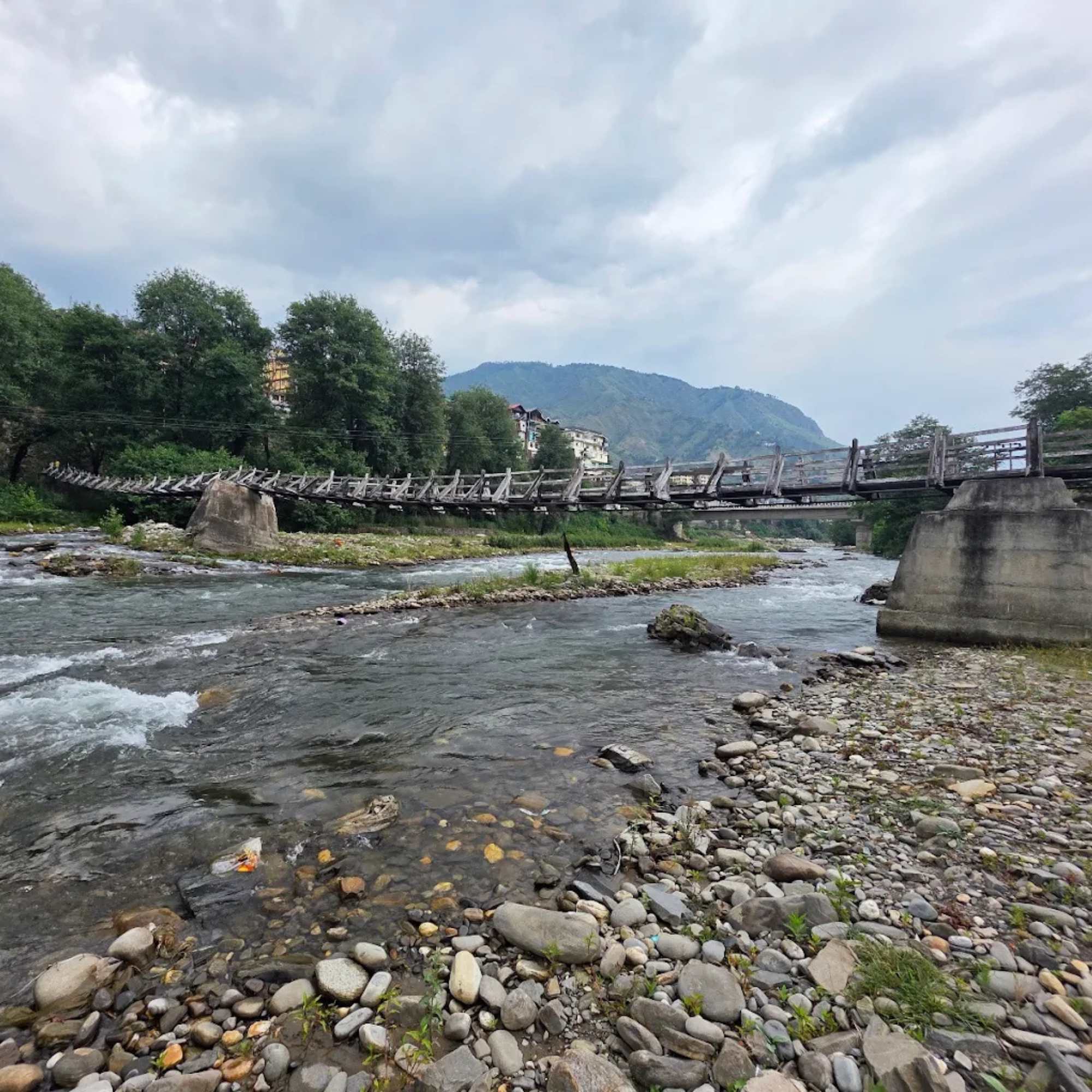
Here is the pace we usually suggest. It gives you orchard time without turning the trip into a driving marathon.
Day 1
Come in from the Shimla side, driving through Theog and into Kotkhai. Check in, take a short orchard walk if your host allows it, and keep dinner quiet and early.
Let the altitude and the silence settle in. Day one is for arriving, not rushing.
Day 2
Spend the full day around Kotkhai. Catch sunrise, eat a farm breakfast slowly, wander the local market, take a couple of slow walks, and watch the sunset from a ridge.
This is also your best day for apple picking, but only if the host has confirmed it.
Day 3
Drive toward Jubbal, Hatkoti, and Rohru. Remember Hatkoti is 97 km from Shimla and Rohru is about 115 km from Shimla, so this is a real drive, not a quick hop.
Spend time by the Pabbar River, then either return to your Kotkhai base or stay the night in Rohru depending on how tired you feel.
Day 4
Either roll slowly back toward Shimla, or push to Chanshal if local road status is good. Chanshal is about 160 km from Shimla, at 3,755 m, reached via the Rohru/Larot route, and the road is generally open May to November.
If anyone in the group is feeling the altitude, skip Chanshal without guilt. The orchards were always the main event.
How to reach Kotkhai and Pabbar Valley from Shimla, Chandigarh, and Delhi?
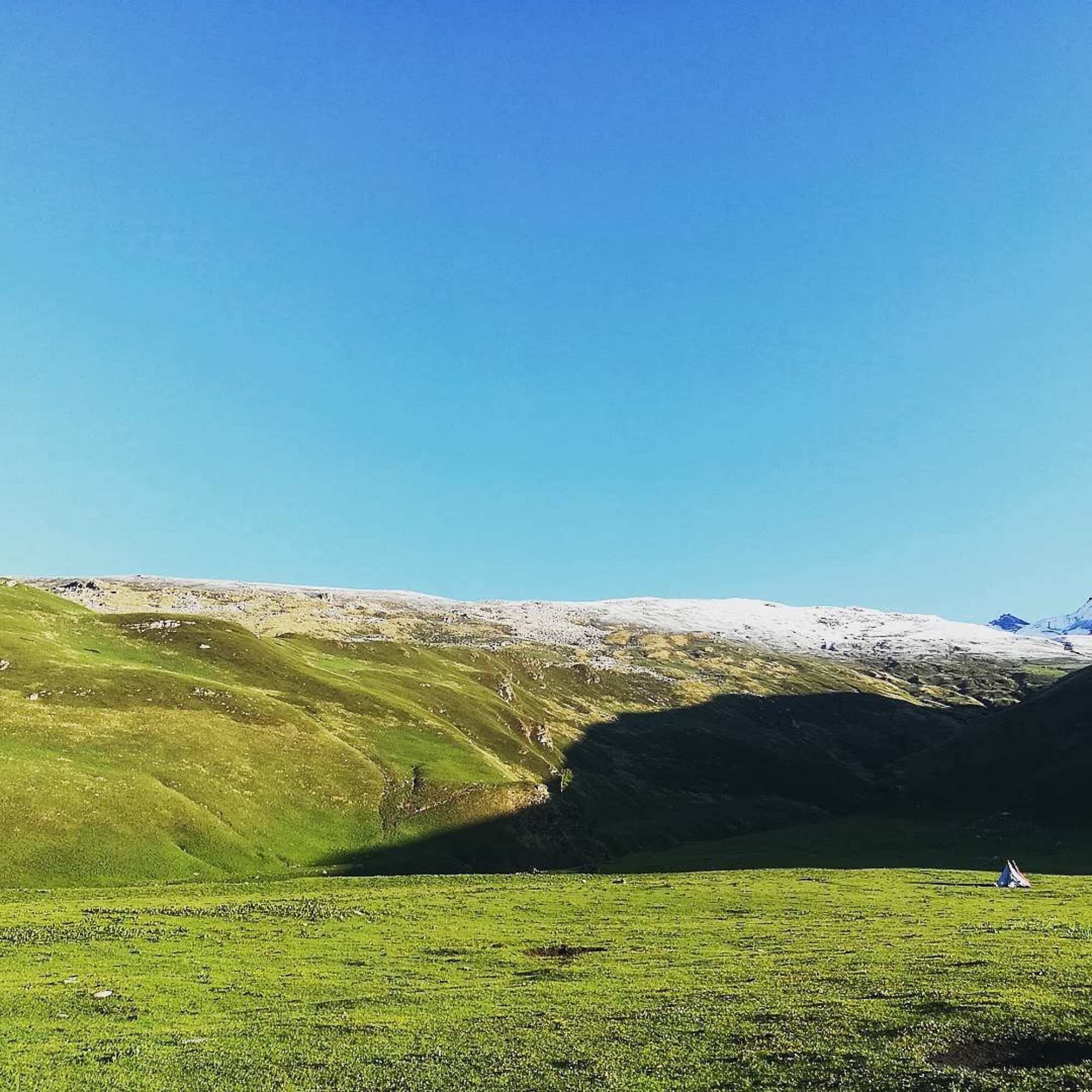
From Shimla, the route runs Shimla to Theog to Kotkhai to Kharapathar to Hatkoti to Rohru.
The verified markers on that line are Hatkoti at 97 km from Shimla and Rohru at about 115 km from Shimla, so you can roughly judge where you are along the way.
From Chandigarh and Delhi, I will not throw fixed distances at you because the reliable numbers vary. What actually happens is simple.
Most travellers first reach the Shimla or Theog side, then continue into the apple belt by private cab or self-drive vehicle.
One more honest thing. Your driving time depends heavily on road repairs, rain, halts, traffic near Shimla, and the last-mile road to your homestay. Two cars on the same day can have very different journeys.
If you prefer the train leg, the Kalka to Shimla railway is 96 km and takes about 6 hours, which many people enjoy as part of the trip rather than just transport.
What is the road condition like in 2026?
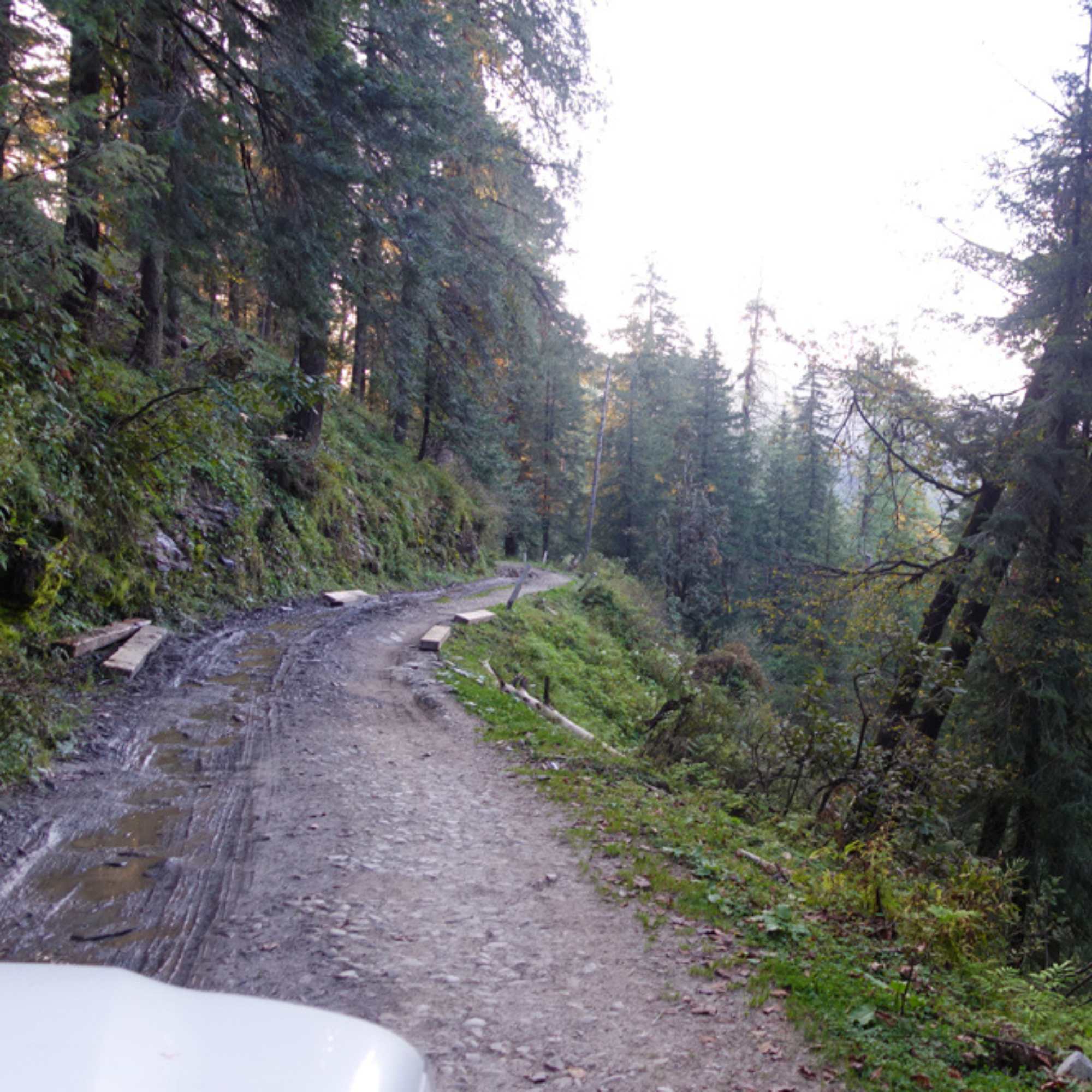
Let me set expectations honestly. These are real mountain roads, with narrow sections, rough patches, slow climbs, and genuine monsoon damage risk.
The Shimla-Theog-Hatkoti / NH-705 stretch had court-reported repair and pothole issues, with repair work expected by March 2026. Check the current status before you leave, because "expected" is not the same as "done".
There is some good news too. Road projects worth ₹500 crore were reported in the Jubbal-Nawar-Kotkhai region.
But do not read that as proof every route is smooth now. Big projects take time, and a fresh stretch can sit right next to a broken one.
In our experience, the right driver matters more than the right playlist on this route. Someone who knows these turns will get you there calmer and safer than any shortcut.
Is Chanshal Pass worth adding to an orchard stay?
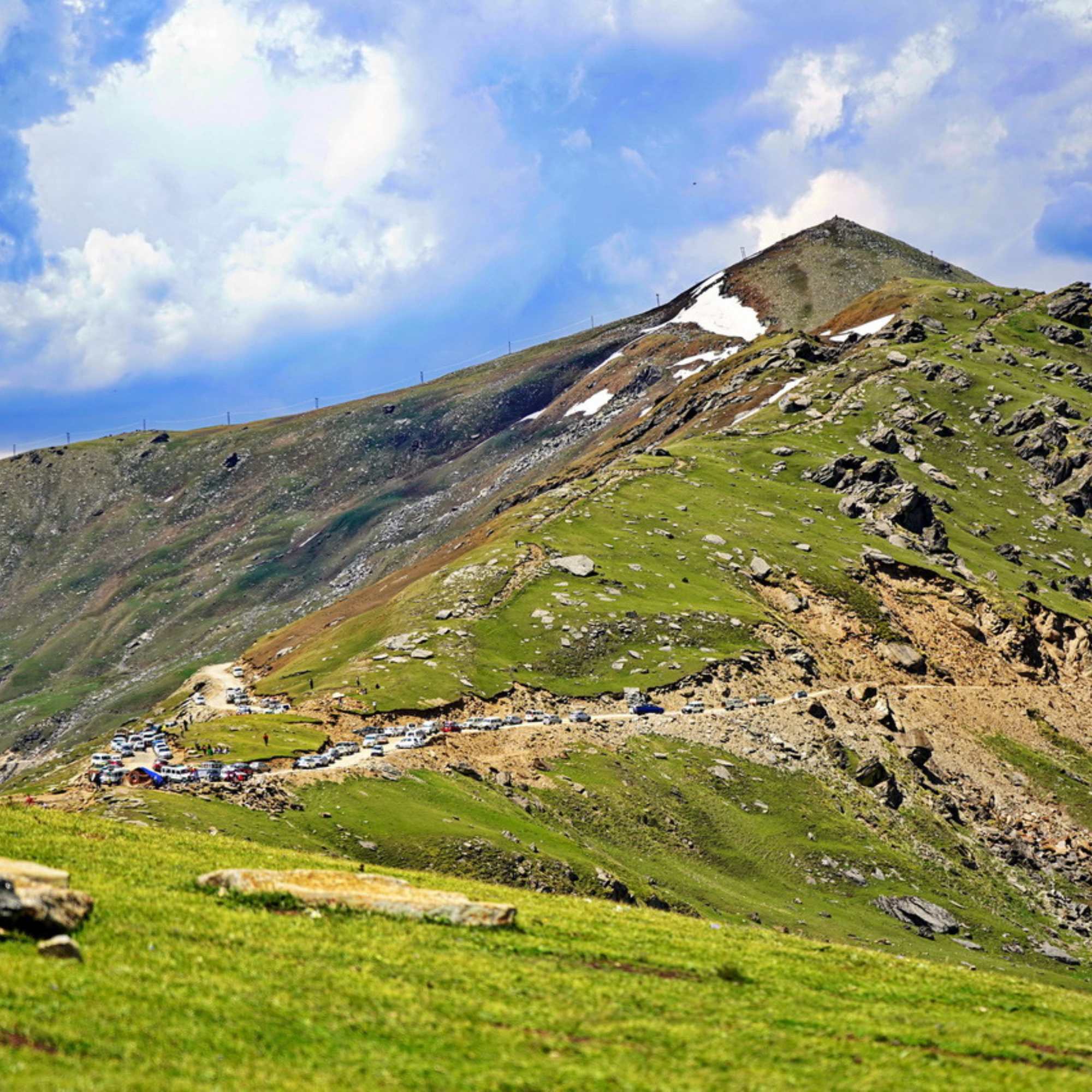
Chanshal is beautiful, but be clear with yourself. It is a serious add-on, not the orchard-stay itself.
Here is the factual picture. Chanshal Pass is about 160 km from Shimla, sits at 3,755 m, and connects the Rohru/Chirgaon side to the Dodra-Kwar valley via Larot.
The road is generally open May to November and closed the rest of the year due to snow. Officially recommended months are late June, early September, September, and October.
Winter is not a casual visit. Temperatures up there can drop below -10°C, so the season really does matter.
For the route, you have two main options. One is Shimla to Theog to Kotkhai to Kharapathar to Hatkoti to Rohru to Larot to Chanshal. The other is Shimla to Theog to Narkanda to Tikkar to Rohru to Larot to Chanshal.
Which one you take should be checked locally on the day, because conditions change and one route can be open while the other is not.
If high-altitude mountain passes are the part that excites you most, our Kinnaur tour packages cover similar terrain with proper planning built in.
What should you eat during an orchard stay?
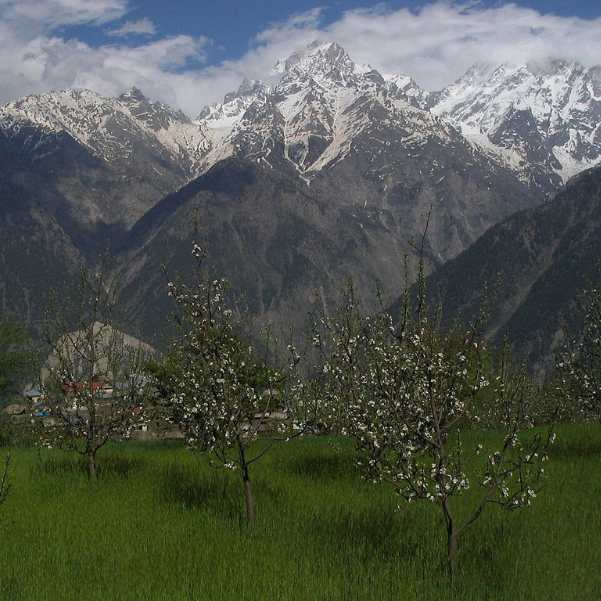
Food here is the quiet highlight. Simple, home-style Himachali cooking made in a family kitchen, not a hotel.
Expect local rajma, seasonal vegetables, siddu if you are lucky, fresh chutneys, and endless tea. If the host makes apple-based products, that is a nice bonus to try.
I will not promise you fixed menus, because that is not how these stays work. The food depends on the homestay, the season, the family kitchen, and whether you asked ahead.
That last bit matters. Tell your host in advance if you want Jain food, vegan food, kids' meals, or milder spice. A small heads-up turns an average meal into a great one.
How much does an apple orchard stay in Himachal cost?
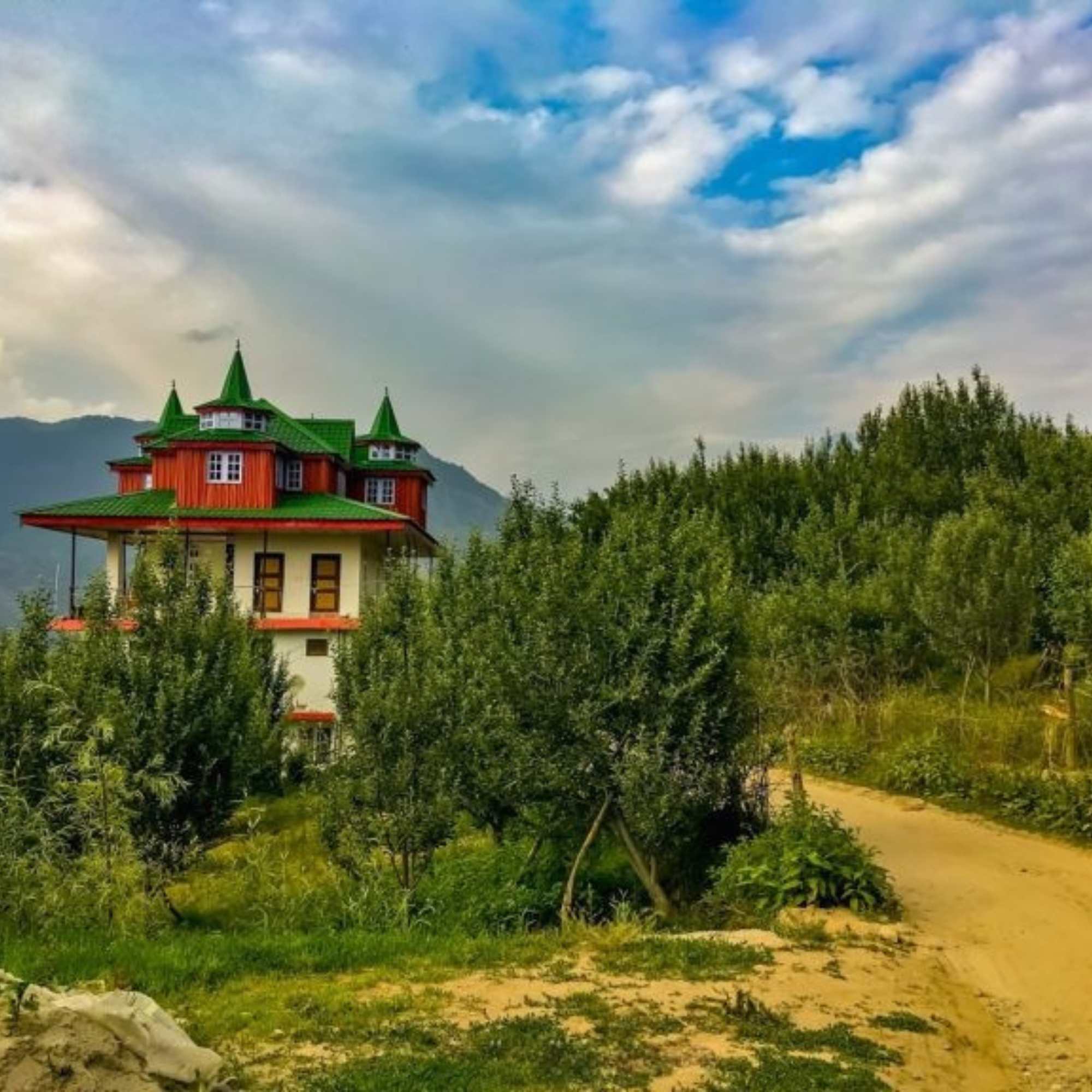
I am not going to invent a Travel Coffee price for you, because real costs swing a lot here.
For some context, Rohru OTA hotel listings showed a very wide range from ₹1,188 to ₹34,534 per night, updated June 10, 2026.
That is not a package quote. It is just the spread you see online, and it changes by property, season, food inclusion, view, room type, and date.
For Kotkhai orchard homestays, expect pricing to vary widely too. Confirm the exact room cost, meals, bonfire, local transfers, and taxes before booking.
Here is the local money tip most people miss
When you book an orchard homestay, ask whether meals are included in the room price or charged separately. Some hosts bundle everything, some bill each meal, and that single question can change your total by a lot.
Who should avoid this trip?
Let me save the wrong travellers a bad holiday. If you want nightlife, shopping streets, a luxury resort buffer, guaranteed apple picking, or smooth wide highways, you will not be happy here.
For that kind of trip, Shimla, Manali, or another better-connected destination will treat you far better.
Monsoon-sensitive travellers should plan carefully, because rain genuinely affects these roads. Elderly guests with mobility issues should think about the walking, the slopes, and the basic-stay reality.
And if you are self-driving a low-clearance car, the rough patches and last-mile orchard roads will stress both you and the car.
If you want a slow Himachal trip but with easier roads and more greenery, our Jibhi and Tirthan Valley packages are a gentler alternative.
Responsible orchard stay etiquette
This part is non-negotiable for us, because these orchards are private farms and local livelihoods, not a free attraction.
Do not pluck fruit without permission. Do not walk into fenced orchards. Do not blast loud music across someone's quiet farm.
Do not fly a drone without asking first, do not litter, and treat any temple or devta space with proper respect. These villages care deeply about that, and so should you.
There is also a fair-buying side to this. If your host sells apples, jams, juice, or other local produce, buy directly and do not bargain too hard.
That money goes straight to a farming family. Responsible travel is the only thing that keeps places like this welcoming for the next traveller.
2026 travel checklist before booking
Run through this before you lock anything. First, verify current road status on your route, especially after rain.
Confirm whether apple picking is even possible for your dates, and get the exact stay location, the last-mile road condition, and whether there is parking at the property.
Check the practical stuff most people forget: Wi-Fi, power backup, heating, food inclusions, and the cancellation policy. At altitude, a cold room with no backup heating is a real problem, not a minor one.
If you want Chanshal in the plan, confirm separately that the pass is open and the route is clear.
Two more 2026 notes. Apple-crop uncertainty is real this year, so do not bank your whole trip on heavy fruit. And as background only, anti-hail guns in apple regions including Rohru/Kumarsain were under court scrutiny in June 2026, which is context, not a reason to panic.
>>Want to avoid common planning mistakes before your trip? Talk to our team on WhatsApp.
Explore Our Curated Chanshal Pass Tour Packages
 Group Tour5D/4N
Chanshal Pass Weekend Group Trip With Giri Ganga and Kuppar Bugyal
1D Kharapathar / Kotkhai•1D Rohru / Chirgaon (Pabbar Valley)
₹8,999₹12,999SAVE INR 4,000/ person 8D/7N
8D/7NUltimate Pabbar Valley Bike Expedition With Giri Ganga Kuppar Bugyal Chanshal Pass and Dodra Kwar
1D Kharapathar / Kotkhai•2D Rohru / Chirgaon (Pabbar Valley)+1
₹29,999/ person- 8D/7N
Most Loved 4x4 Pabbar Valley Expedition With Giri Ganga Kuppar Bugyal Chanshal Pass and Dodra Kwar
1D Kharapathar / Kotkhai•2D Rohru / Chirgaon (Pabbar Valley)+1
₹32,999₹39,999SAVE INR 7,000/ person
Related topics
Frequently Asked Questions
What is the best time for an apple orchard stay in Himachal?
July to September is the main harvest window, with August and September often the sweet spot. October is quieter but apples may already be picked.
Can tourists pick apples in Kotkhai?
Only with the host's permission. Orchards are private farms, so ask first, use the trees the host shows you, and never pull fruit on your own.
Is Kotkhai better than Shimla for a quiet stay?
For silence, orchards, and slow days, yes. For sightseeing, food variety, and easy access, Shimla wins. They are different trips.
How many days are enough for Kotkhai and Pabbar Valley?
Two nights minimum, three or four if you want Hatkoti, Rohru, and maybe Chanshal without rushing.
Is Pabbar Valley safe for families?
Yes, with sensible planning. Pick a comfortable base like Kotkhai, avoid heavy monsoon dates, and skip Chanshal with very young kids unless conditions are good.
How far is Rohru from Shimla?
Rohru is about 115 km from Shimla, sitting on the banks of the Pabbar River.
Is Hatkoti worth visiting on this route?
Yes. At 97 km from Shimla, it adds a temple and heritage stop that fits naturally between Kotkhai and Rohru.
Is Chanshal Pass open in 2026?
The road is generally open May to November, with late June and September to October recommended. Always confirm local status before you go.
Do I need a permit for Chanshal Pass?
One older guide says no permit is needed for Chanshal/Dodra-Kwar, and the official district page does not mention one. Check locally before travelling.
Can I do this trip without a private cab?
It is harder. Public transport exists in patches, but a private cab or self-drive vehicle gives you the freedom this slow trip needs.
Is this route good for workation?
For the mood, yes. For the connectivity, confirm Wi-Fi, power backup, and mobile signal with your host first, because these can be patchy.
What should I pack for an orchard stay?
Warm layers even in summer, a windproof jacket, sturdy shoes, a torch, basic medicines, cash, and a power bank for patchy electricity and signal.