
What to Pack for Ladakh in 2026: Complete Leh Ladakh Packing List for Every Traveller
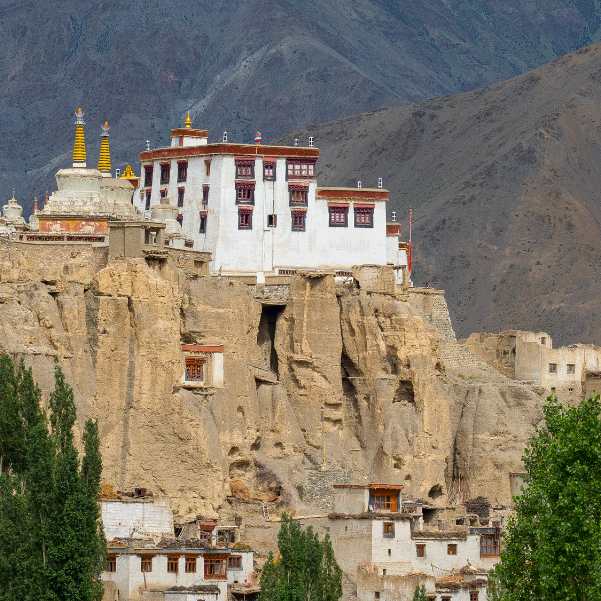
Ladakh is not a normal hill trip. Most people figure that out somewhere between Leh airport and their first night, when the sun is warm and the headache is real and they realise they packed three pairs of jeans and forgot their thermals.
We have helped hundreds of travellers plan Ladakh trips over the years, and the packing mistakes are always the same. This guide fixes that before you zip your bag.
Quick Answer
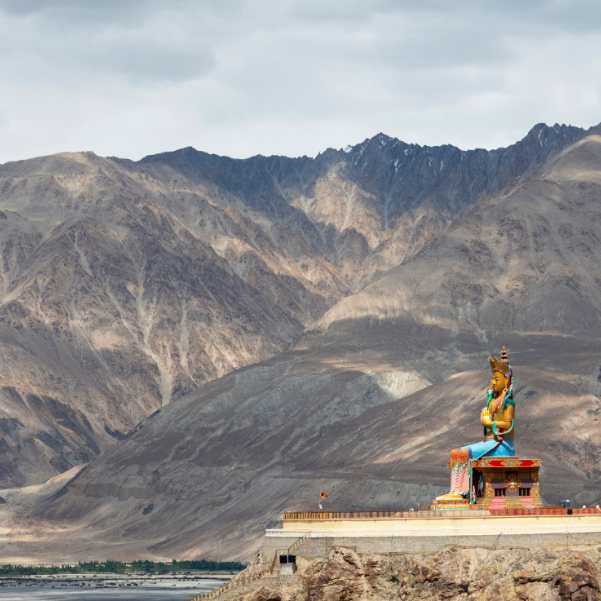
What to pack for Ladakh comes down to five things: layers for temperature swings, serious sun protection, essential medicines, your documents and permits, and route-specific backups for road delays.
Even in June and July, mornings, evenings, and high passes like Khardung La and Chang La feel genuinely cold. Pack for that, not for what the daytime temperature says.
Spend at least 48 hours acclimatising in Leh before heading to higher areas. Those first two days change everything you will carry in your day bag. And carry a reusable water bottle. You will need 2 to 3 litres per day, and Ladakh has banned single-use plastic.
Why Packing for Ladakh Is Different from a Normal Hill Trip
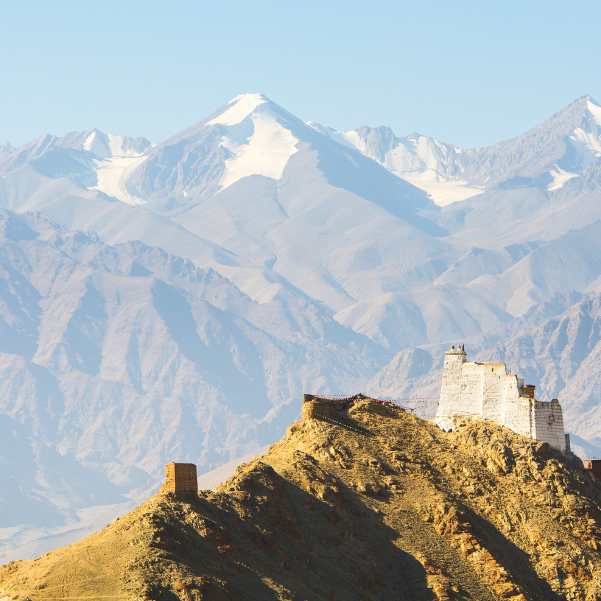
Ladakh sits between 3,500 metres in Leh town and above 5,300 metres on high passes. The air is thin, dry, and cold the moment the sun moves.
The UV intensity at this altitude is brutal. People who are careful about sunscreen back home and skip it here end up with a face that looks sunburned after one afternoon at Pangong.
Road conditions in 2026 are also worth thinking about when you pack. As of late March 2026, the Manali-Leh Highway was reported closed for civilian traffic, and the Srinagar-Leh highway was blocked after avalanches at Zoji La.
Being stuck at a checkpoint or a dhaba for several hours with the wrong bag is a miserable experience.
Pack for uncertainty. A bag that handles a cold night, a sunny afternoon, and a road delay with no shop in sight is a good bag.
What Clothes Should You Pack for Ladakh?
The layering system is your best friend in Ladakh. One heavy jacket is not the answer. Three layers you can add or remove depending on the hour are.
On flight days and arrival days in Leh, keep your warmest items accessible. The airport is at about 3,500 metres and people sometimes feel altitude effects within hours of landing.
Cotton alone will not work. It holds moisture and dries slowly at altitude. Mix in synthetics and wool.
What to Pack for Ladakh in Summer (June, July, August)
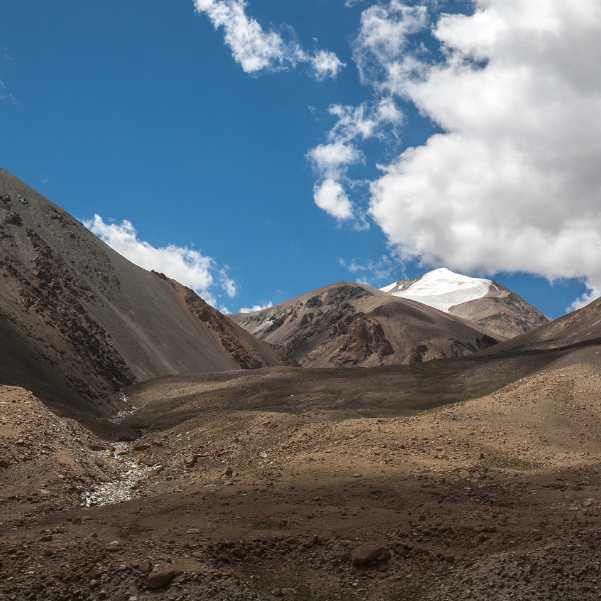
In June, carry a good fleece or light woollen jacket, a couple of full-sleeve tops, a windproof layer for passes and early mornings, thermals as a backup, warm socks, and a heavier jacket as contingency.
In July and August, light woollens usually manage the days, but a fleece and windproof layer should always be in your day bag. Pangong Tso and Nubra mornings are consistently colder than Leh town, sometimes by 5 to 7 degrees. Do not let anyone tell you otherwise.
What most tourists get wrong: they pack for Leh's afternoon temperature (which can feel warm in July) and arrive at Pangong at 7 AM in a T-shirt. Pack for where you are going, not where you are starting.
What to Pack for Ladakh in September and October
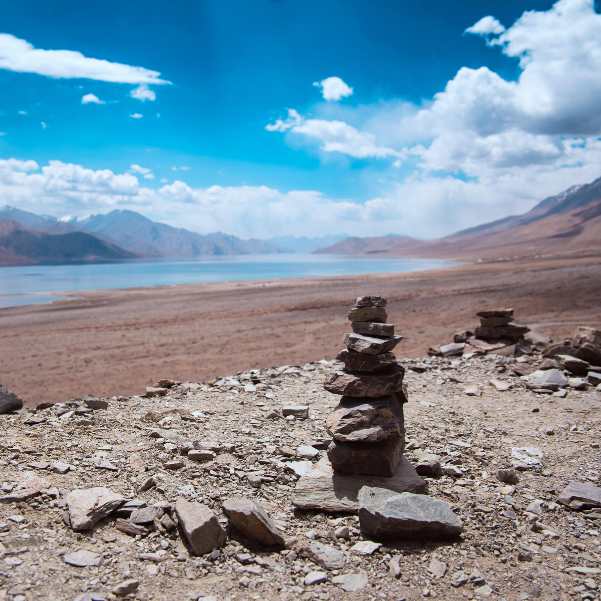
Evenings drop quickly in September. By October, night temperatures at Pangong or Tso Moriri can go well below zero.
Carry a solid fleece, thermals (top and bottom), light to medium woollens, woollen socks, trekking shoes, and a heavier contingency jacket.
Do not pack your October wardrobe based on what August in Leh looked like in a YouTube vlog.
What to Pack for Ladakh in Winter
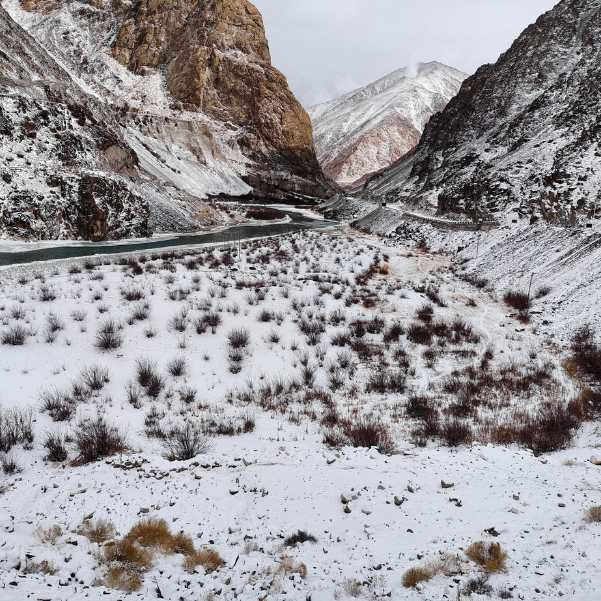
Winter in Ladakh is a different world. You need a heavy down parka, full thermal sets, a fleece mid-layer, insulated gloves (not just light knit ones), insulated boots, a balaclava, and warm accessories for face coverage.
City winterwear rarely works here. The cold is dry and sharp, and the wind makes it feel sharper. In our experience, travellers who pack "Delhi-level December clothes" for a January Leh trip end up buying or renting half their wardrobe from the Leh market.
Which Footwear Works Best for a Leh Ladakh Trip?
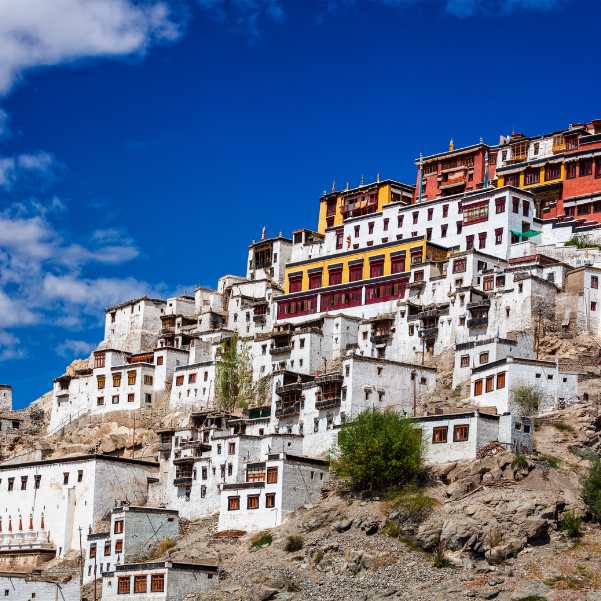
Grippy walking or hiking shoes work best for the everyday Ladakh experience. Monastery steps, village paths, and uneven terrain are everywhere.
Carry two or three extra pairs of socks. Wet socks at altitude are miserable and take time to dry. A pair of light slippers or sandals for hotel evenings saves your hiking shoes from doing double duty.
For bike travellers, waterproof riding boots are worth it on the Manali-Leh or Srinagar-Leh route. Water crossings on the old Manali highway are real, and riding shoes that soak through are both cold and dangerous.
What Documents Should You Carry for Ladakh?
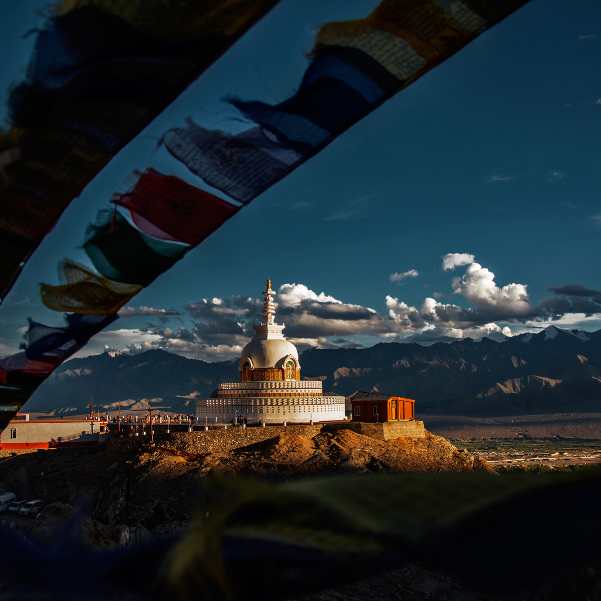
Carry your original government-issued photo ID and a few photocopies. The official tourism advisory says visitors should always carry a valid government ID proof.
Keep permit printouts or screenshots accessible, not buried in your bag. If you are driving, carry your vehicle papers, licence, and insurance copy.
For foreign nationals, a passport is mandatory and specific area permits are required. The official advisory confirms this.
Write down two or three emergency contacts somewhere that is not your phone. Hotel bookings, local operator contacts, and insurance details should be easy to find in case your phone dies.
Need help with permits, documents, or trip planning? Reach out to Travel Coffee for quick, reliable guidance before you travel.
Do You Need Permits for Pangong, Nubra, and Tso Moriri?
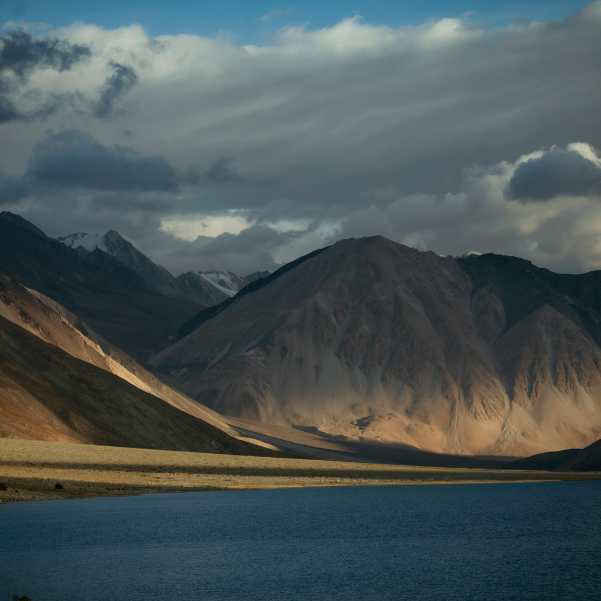
Yes. The official permit circuits include Pangong, Nubra, and TsomoRiRi/Korzok sectors. You need permits for all three.
The Leh District Tourists Management System handles permit-related fees online. The fee structure includes environmental fee, Red Cross Fund, and wildlife fee.
Get your permits in advance. The official tourism advisory says to get requisite permits to avoid last-minute hassle. Many travellers arrive in Leh and try to sort permits the morning they want to leave. That plan regularly fails.
Rules and fees can change by season. Check the latest requirements before your departure date, not just before you book your flights.
What Medicines and Health Items Should You Carry for Ladakh?
Start with your personal prescriptions. Non-negotiable. Do not assume you can get a specific medicine in Leh.
For general travel health, carry ORS sachets (you will use them), a basic first aid kit with bandages and antiseptic, blister care pads, pain relief for headaches, and anti-nausea tablets.
The official health advisory says visitors arriving in Leh should undergo at least 48 hours of acclimatisation before going to higher altitude areas, and that there should be no active physical exertion on the first two days. Pack accordingly.
Day one and day two are rest days, not sightseeing days. Keep your day bag light during this window.
The official advisory mentions Diamox-250 mg in acclimatisation guidance, but this must be discussed with your doctor before you travel.
Do not take Diamox based on what someone in a travel group told you. It is a prescription medicine.
The official advisory also says tourists should avoid alcohol, smoking, and sedatives in Ladakh. This is not just a guideline. At altitude, these genuinely increase the risk and severity of altitude sickness.
Talk to our team on WhatsApp if you want advice on timing, routes, and how to structure your acclimatisation days into the itinerary properly.
👉 WhatsApp us for advice on timing, routes, and acclimatisation
Which Toiletries and Skin-Care Items Matter Most in Ladakh?
Sunscreen with SPF 50 or higher is non-negotiable. The UV exposure at high altitude is intense even on overcast days. People burn faster here than anywhere in the plains.
Carry a good lip balm with SPF. Lips crack badly in dry altitude air, especially after a few days. Pack a rich moisturiser for your face and hands.
Ladakh's dry air pulls moisture from skin quickly, and most people notice it by day two.
Carry tissues and a small roll of toilet paper separately from your bag. Many stops on the road, especially between passes, have no facilities at all.
Hand sanitiser, a quick-dry travel towel, and basic wet wipes make the long road days much more comfortable. Ladakh's water supply at remote camps is limited, and these items reduce how much you need it.
What Electronics and Utility Items Should You Pack?
A fully charged power bank is essential. There is no reliable electricity on the road between passes, and many guesthouses in Nubra and Pangong run on generators with limited hours.
Carry a headlamp or small torch. Power cuts happen, and navigating a guesthouse corridor at 2 AM without one is not fun.
Cold temperatures drain batteries faster than normal. Camera batteries, phone batteries, and power banks all lose charge more quickly in Ladakh cold. Carry spares and keep them in an inner pocket close to your body.
Download offline maps before leaving Leh. The mobile network disappears well before the interesting places start. Memory cards, backup camera batteries, and a basic charging adapter for Indian sockets round out the electronics list.
Should You Carry Snacks, Water, and a Thermos in Ladakh?
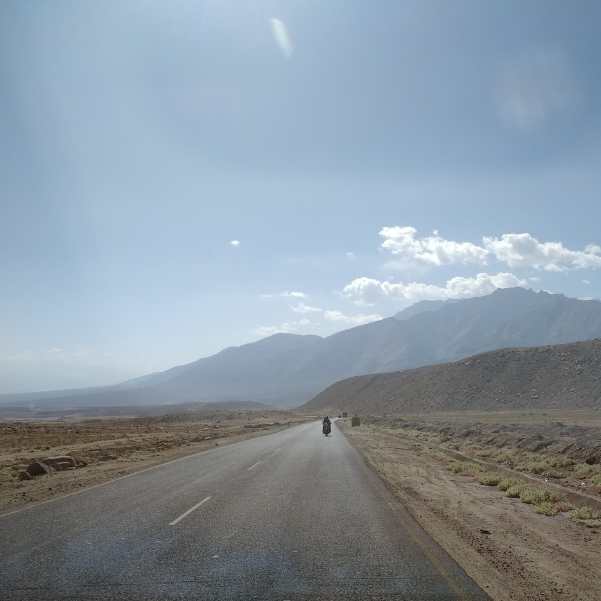
Yes to all three. The official advisory says tourists should have 2 to 3 litres of water per day, and staying hydrated is one of the most practical things you can do for altitude adjustment.
Carry a reusable water bottle. The official tourism advisory specifically says visitors should bring reusable water bottles and bags and avoid single-use plastics. Ladakh has moved toward plastic-free tourism in a real way, and travellers should match that effort.
Our team always tells first-timers to carry a thermos with ginger tea from Leh. At 5,000 metres on Khardung La with wind cutting through everything, that thermos is worth more than anything else in your bag.
Dry snacks like nuts, dates, chocolates, and energy bars are important for long road days. There are dhabas at key stops, but timing is unpredictable and the gaps between them can be longer than expected.
What Extra Things Should You Pack for a Ladakh Bike Trip?
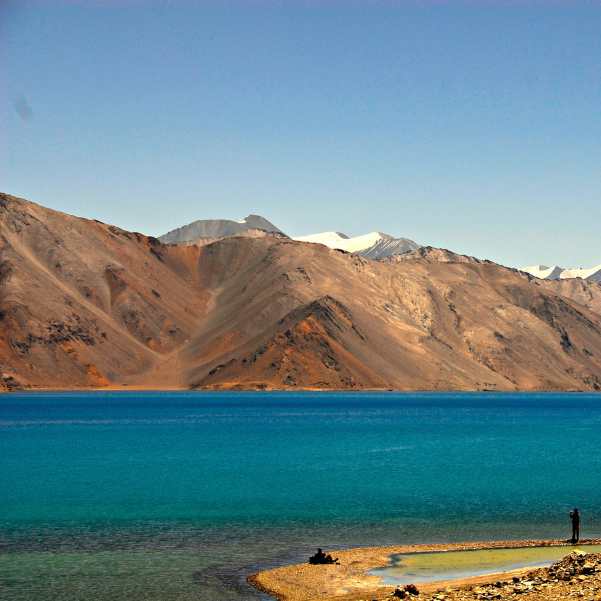
Riding gloves are a must. Hands at high altitude in wind and cold are the first thing that becomes painful.
Carry a balaclava for your face. A helmet alone does not protect from the wind chill at passes. Waterproof bags or dry sacks for your luggage are important because rain on the Manali-Leh stretch is real, and soaked gear in cold air is a serious problem.
Carry your vehicle papers, insurance, and registration in a waterproof pouch. Checkpoints on this route are thorough.
Pack bungee cords for securing luggage. A basic puncture kit, a small tool kit, and cable ties will get you out of more problems than most bike travellers expect. You will not always be near a mechanic.
What Not to Pack for Ladakh?
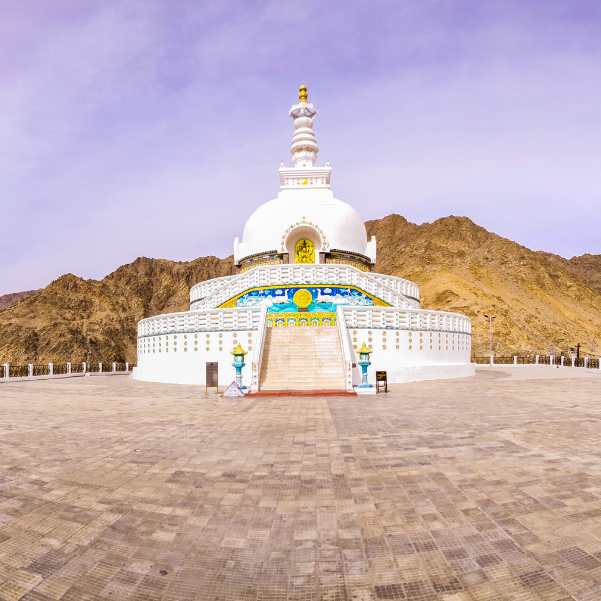
Skip the oversized hard luggage. Guesthouse rooms are often small, vehicles are shared, and you will move luggage in and out of the car on rough roads every day.
Leave the fashion wardrobe at home. This is a mountain trip, not a hill station resort vacation. Nobody cares what you are wearing at Pangong at 6 AM. They are too cold.
The official tourism advisory is explicit about this: possession of a satellite phone is strictly prohibited in Ladakh unless specifically approved by the UT Administration for a particular activity. Do not carry one and do not buy one assuming it will be fine.
Skip single-use plastic bags, disposable water bottles, and anything you will not responsibly carry back out. Ladakh's environment is fragile and that fragility is worth protecting.
Can You Buy Winter Wear, Medicines, and Essentials in Leh?
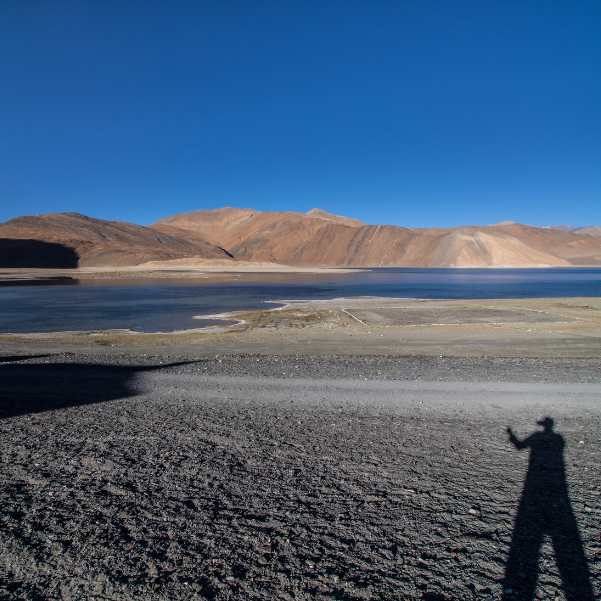
Leh has markets and you can find warm layers, basic medicines, and some toiletries in town. But do not plan on relying on it.
In our experience, the gear available in Leh market ranges from useful to borderline useless depending on what you need.
Critical medicines, specific medical items, and quality warm layers should be packed from home.
For items like extra socks, basic gloves, or a backup beanie, Leh markets work fine. For your main jacket or your prescribed medicines, bring them yourself.
Our Practical Packing Checklist for Ladakh
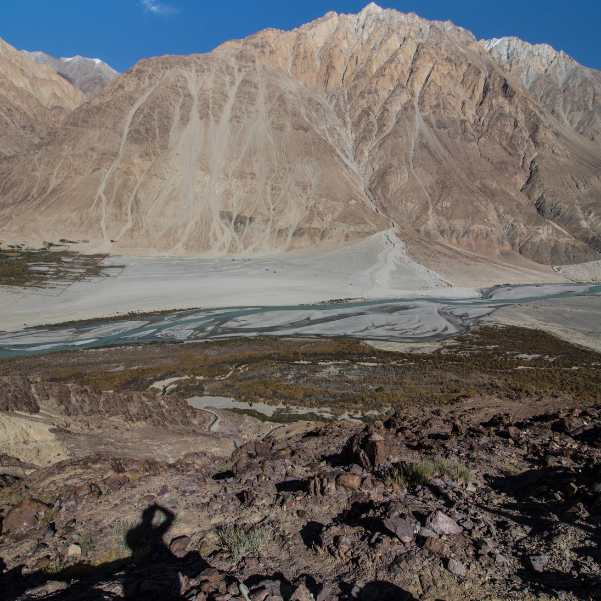
Here is how to think through your bag before you close it.
Clothing
Thermals (top and bottom), fleece or light woollen jacket, windproof outer layer, full-sleeve base layers (2 to 3), a heavier down jacket for contingency and evenings, warm socks (carry at least 3 to 4 pairs), a warm cap or beanie, gloves, and a balaclava if you are riding or travelling in shoulder season. Add a scarf and light rain layer in late June through August.
Documents
Original government ID and copies, permit printouts or screenshots, hotel booking confirmations, vehicle papers if self-driving, insurance documents, and emergency contacts written on paper.
Medicines
Personal prescriptions, ORS, basic first aid kit, pain relief, anti-nausea, blister pads, antiseptic, and altitude-related health planning as discussed with your doctor.
Toiletries
High-SPF sunscreen, SPF lip balm, moisturiser, tissues and toilet paper roll, wet wipes, hand sanitiser, and a quick-dry towel.
Electronics
Phone and charger, power bank (fully charged), headlamp with spare batteries, camera with extra batteries and memory cards, and a charging adapter. Offline maps downloaded before you leave Leh.
Food and water
Reusable water bottle, thermos if possible, dry snacks like nuts and chocolates, and energy bars for long road days.
Bike extras (if applicable)
Riding gloves, balaclava, waterproof luggage bags, bungee cords, basic tool kit and puncture repair, and vehicle documents in a waterproof pouch.
Eco items
Reusable bags and bottles, waste bags for carrying your own rubbish out of remote areas.
Final Tips Before Leaving for Ladakh in 2026
Recheck road status the week before you leave. The Manali-Leh and Srinagar-Leh highways are seasonal and can close with little warning. Your operator or our WhatsApp team can give you live ground status.
Confirm permit rules just before your trip, not just when you are planning. Rules around circuits, fees, and online booking can update between the time you read this and when you travel.
Build your acclimatisation plan into your actual itinerary, not as an afterthought. Two days of rest in Leh before heading to Pangong or Nubra is not optional. It is the single biggest factor in how your body handles the altitude.
If you are combining Ladakh with Spiti Valley, both destinations require similar packing logic. The layering, sun protection, and altitude planning principles apply across both circuits.
Talk to our team on WhatsApp to sort your itinerary, permits, and packing plan in one conversation. We have been running these routes every season and the team knows what the roads actually look like right now.
👉 WhatsApp us and get your entire trip sorted in one conversation
Related topics
Frequently Asked Questions
What should I wear in Ladakh in June?
In June, carry a fleece or light woollen jacket, a windproof outer layer, thermals as a backup, full-sleeve tops, warm socks, and a heavier jacket for evenings and high passes. June afternoons in Leh feel warm but mornings at Pangong are cold.
Do I need thermals in Leh Ladakh in summer?
Yes, keep at least one set of thermals in your bag even in July. You may not wear them every day in Leh town, but on a cold evening at Pangong or during a pass crossing, you will be glad they are there.
How many warm jackets should I carry for Ladakh?
One main insulated or down jacket and one windproof fleece or shell is the practical answer. The fleece handles mild cold and activity. The heavier jacket handles evenings, high passes, and any unexpectedly cold day.
What medicines are useful for a Ladakh trip?
Carry your personal prescriptions, ORS sachets, pain relief for headaches, anti-nausea tablets, a basic first aid kit with antiseptic and bandages, and blister care. Discuss altitude-specific health planning with your doctor before you travel.
Is Diamox necessary for Leh Ladakh?
Not necessarily and not for everyone. The official health advisory mentions Diamox-250 mg in acclimatisation guidance, but it is a prescription medicine and should only be taken after speaking with a doctor. Proper acclimatisation, hydration, and rest are the first line of defence.
Do I need a permit for Pangong Lake?
Yes. Pangong, Nubra, and Tso Moriri are all protected circuits requiring permits. The Leh District Tourists Management System handles these online. Get them in advance and carry copies.
Should I carry cash in Ladakh?
Yes. ATMs are limited and often unreliable in remote areas. Dhabas, guesthouses at Pangong, and roadside stops often do not accept UPI or cards. Carry enough cash for the full trip.
What shoes are best for a Ladakh trip?
Hiking or trekking shoes with good grip work best for the daily Ladakh experience. Carry two to three extra pairs of socks. Add waterproof riding boots if you are on a bike.
What should bikers pack extra for Ladakh?
Riding gloves, a balaclava, waterproof luggage bags, bungee cords, a basic tool kit and puncture repair kit, and all vehicle documents in a waterproof pouch. The road has enough surprises that basic repair capacity matters.
Can I rent warm clothes in Leh?
Some rental options exist in Leh market for warm layers and riding gear. Quality varies. For your primary jacket, thermals, and essential items, pack from home rather than depending on availability in Leh.
What should women carry for a Ladakh trip?
The packing list is broadly the same. Add a few modest layers for monastery visits, as the official advisory says to dress modestly at religious sites. A scarf doubles as warmth and modesty.
What should I avoid carrying to Ladakh?
Avoid large hard luggage, too many fashion clothes, single-use plastic bottles and bags, and a satellite phone. The official tourism advisory explicitly prohibits satellite phones in Ladakh unless the UT Administration has specifically approved it for an activity.
More about Ladakh
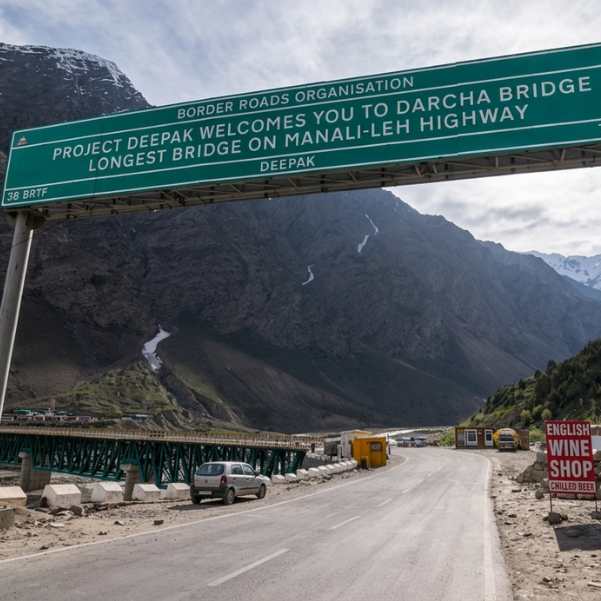 Ladakh
Manali to Leh Highway 2026: Every Pass, Stop and Distance
Plan your Manali to Leh Highway journey in 2026 with a complete guide to major mountain passes, overnight stops, route highlights, and distance. Discover key stops like Jispa, Sarchu, and Pang, along with famous passes including Baralacha La and Tanglang La.
- Road Trips
- How to Reach
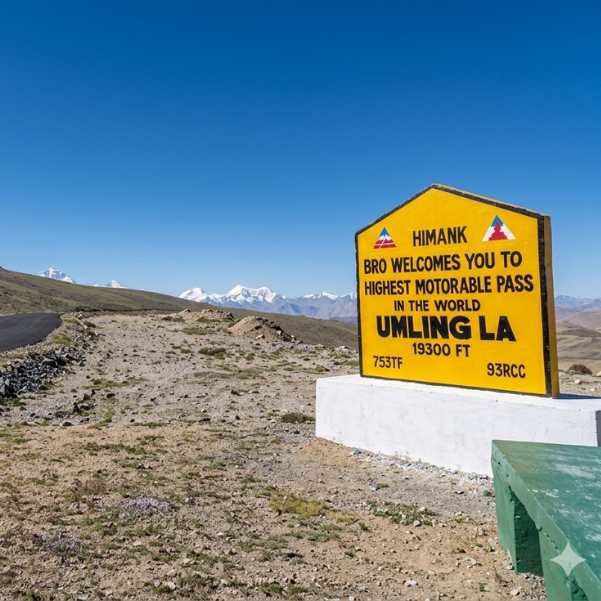 Ladakh
Umling La Ladakh Guide 2026: Route, Altitude, Permit, Safety & Reality Check
Planning to visit Umling La in 2026? This complete guide covers the route, altitude, permit requirements, road conditions, safety tips, and the realities of travelling to one of the world's highest motorable roads.
- Road Status
- Altitude & Health
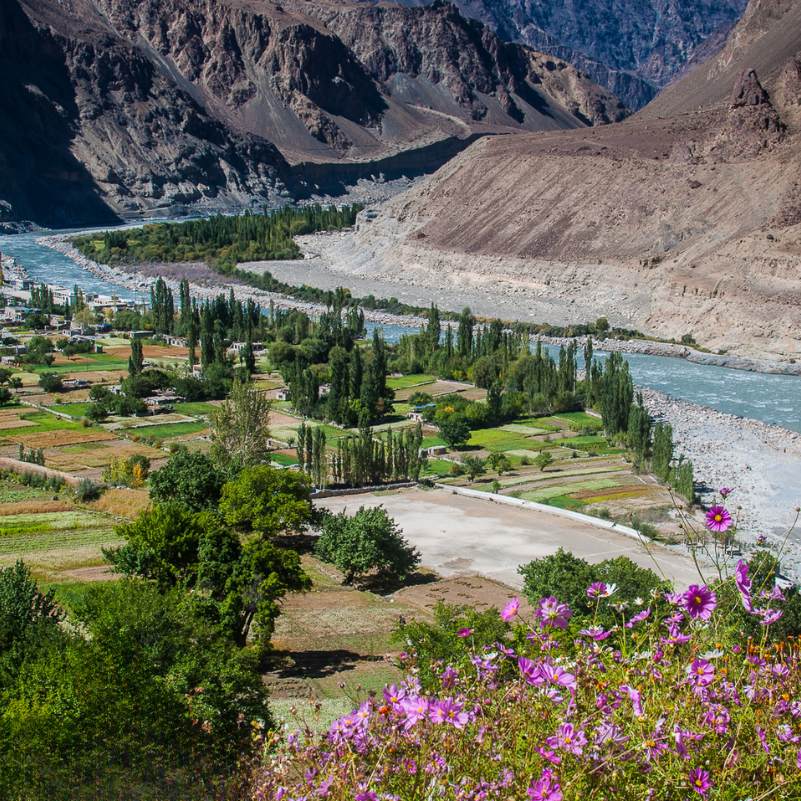 Ladakh
Turtuk Ladakh Travel Guide 2026: Balti Culture, Apricot Orchards and Why It Is Perfect for Families
Planning a trip to Turtuk? This 2026 travel guide explores the village's rich Balti culture, beautiful apricot orchards, top attractions, travel route, and why Turtuk is one of the best family-friendly destinations in Ladakh.
- Places to Visit
- Family Travel