
Turtuk Ladakh Travel Guide 2026: Balti Culture, Apricot Orchards and Why It Is Perfect for Families
Most people who plan Ladakh stop at Leh, Nubra and Pangong and call it a trip. This Turtuk Ladakh travel guide is for the ones who want something slower, greener and more human than another monastery or another blue lake.
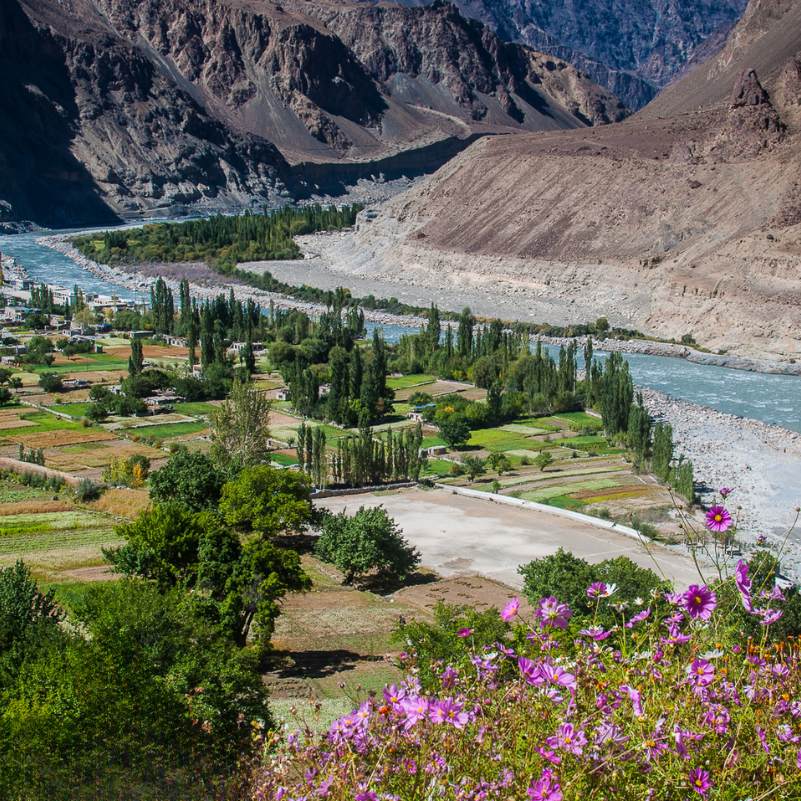
Turtuk sits in the far corner of Nubra, near the Shyok River, and it feels nothing like the rest of Ladakh. Stone lanes, apricot orchards, walnut trees, and a Balti Muslim village that only opened to tourists in 2010.
We send a lot of families this way every season, and the feedback is always the same. The kids remember the orchards. The parents remember the quiet. Nobody remembers being rushed.
Quick Answer: Is Turtuk Worth Visiting in 2026?
Yes, Turtuk is worth visiting if you want slow village life, Balti culture, apricot orchards, easy family walks and a quieter side of Nubra Valley.
It is not ideal if you only have 5 to 6 days in Ladakh or if your family hates long drives. The road is long and the facilities are basic.
It works best after you have acclimatized properly in Leh, and when you add it as part of a wider Nubra Valley plan rather than a rushed standalone trip.
If you want the logistics handled, our Leh Ladakh tour packages come with a local driver, family-friendly stays and a team that actually picks up the phone.
👉Wondering if Turtuk is right for your Ladakh trip? Chat with our experts on WhatsApp.
Where Is Turtuk Village in Ladakh?
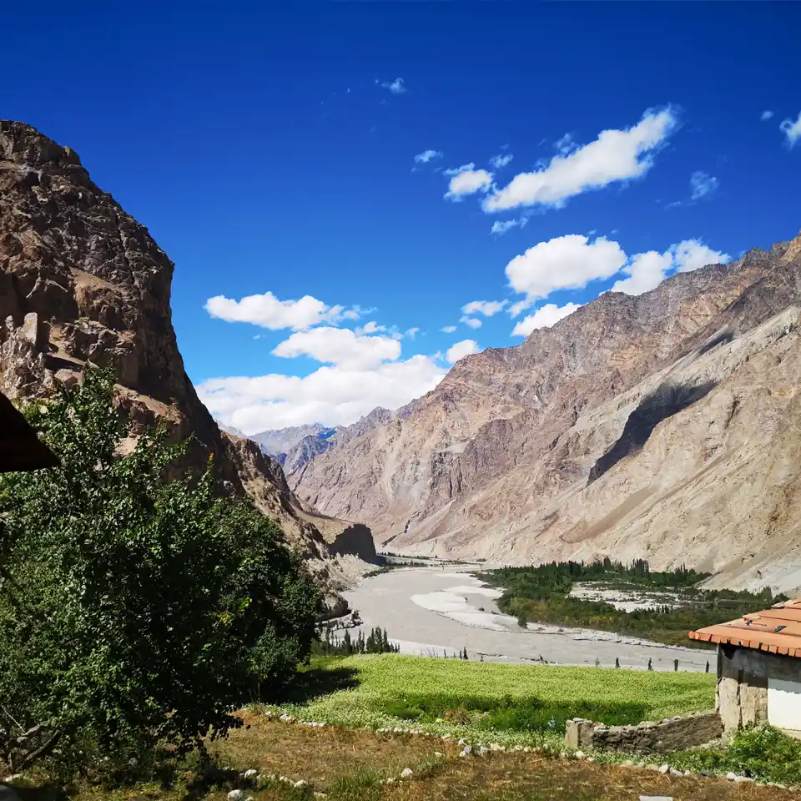
Turtuk is in Ladakh's Nubra/Shyok region, in the far north of the union territory. You reach it on the route from Leh over Khardung La, down to Khalsar, then Diskit, Hunder and finally Turtuk.
The village sits along the Shyok River, in green fields that feel out of place after the brown desert mountains you cross to get there.
Turtuk is close to the Line of Control, but there is nothing dramatic about it on the ground. It is a quiet farming village where life moves slowly.
What makes it special is the culture. Turtuk village Ladakh is one of the few places in India where Balti culture is still part of daily life, in the language, the food and the houses.
Why Is Turtuk Different From the Rest of Ladakh?
Most of Ladakh is about monasteries, high passes and lakes. Turtuk is about people and orchards.
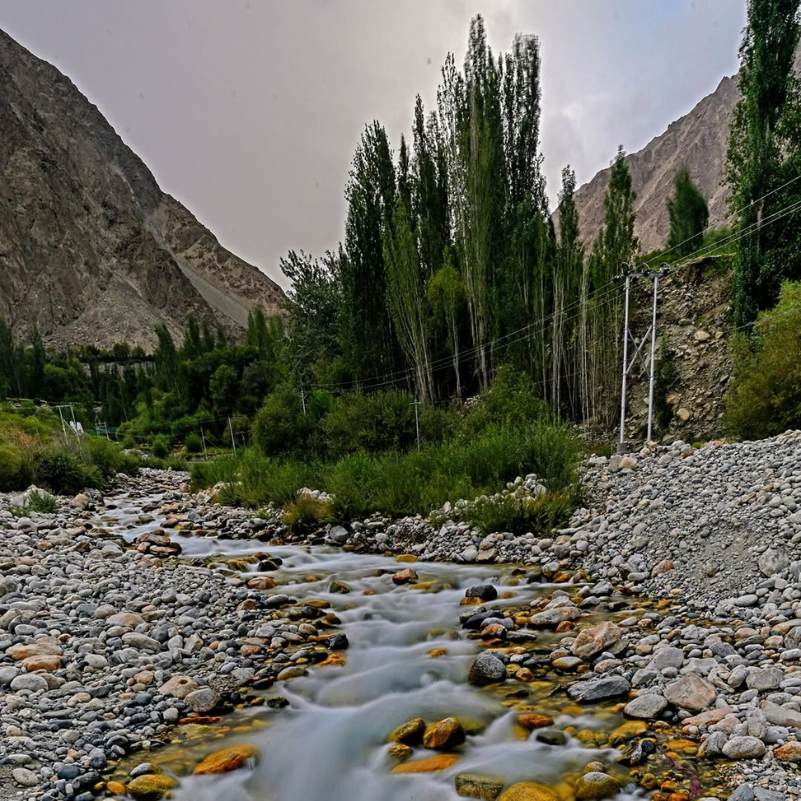
You walk through green buckwheat fields, past apricot and walnut trees, over small wooden bridges, into narrow stone lanes where someone is almost always working in a garden.
The culture here is Balti Muslim, not Buddhist. You hear Balti, Ladakhi and Urdu spoken in the same lane. The rhythm of the village is built around farming, prayer and family.
There is also history you should know. Turtuk was under Pakistani control until the 1971 war, after which it became part of India. Many older villagers still have relatives on the other side of the border.
In our experience, this is what makes Turtuk stick with families long after the trip. It is not a viewpoint. It is a living village with a story.
What most travellers get wrong about Turtuk
Most people treat Turtuk as a quick photo stop and drive back the same day. That is the mistake.
The whole point of Turtuk is to walk slowly, sit in an orchard, talk to a local, and eat a homestay meal. Rush it and you have driven 200 km for nothing.
Is Turtuk Good for Families With Kids or Parents?
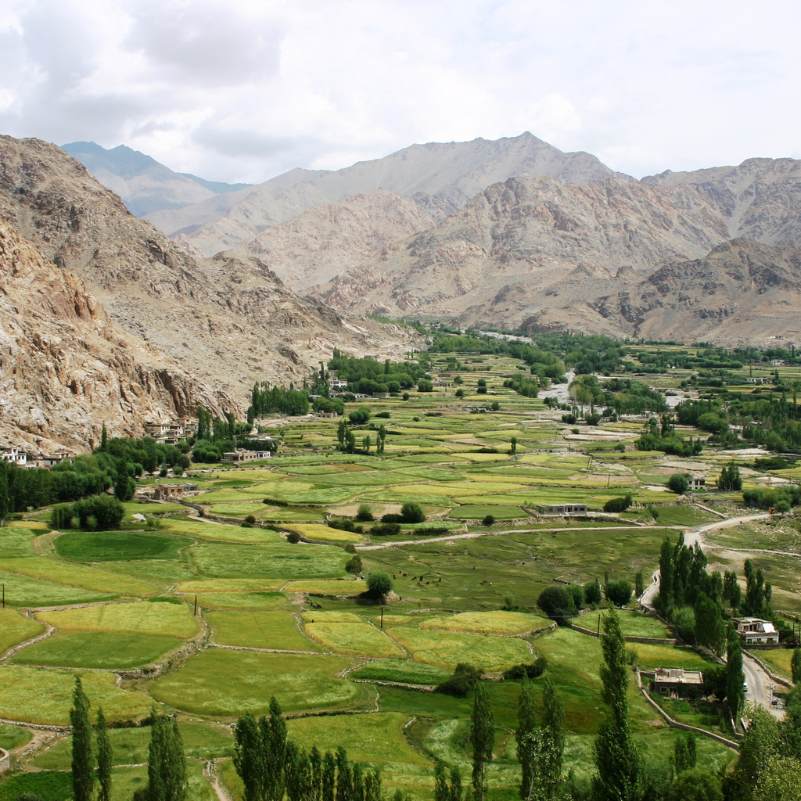
For most families, yes. The pace is calm, the village is compact, and the walks are gentle compared to the rest of Ladakh.
Turtuk's altitude is 3,001 m / 9,846 ft, which is lower than many Ladakh stops. That lower altitude makes a real difference for kids and older parents who struggle higher up.
You get homestays, orchards, simple local food and a place where children can roam without traffic. It is one of the few spots in Ladakh that genuinely suits slow family travel.
Now the honest part. The drive is long and tiring, the facilities are basic, mobile network is unreliable, and electricity can be limited.
The walking paths are old stone lanes with steps and uneven ground. They may not suit a stroller or anyone with knee trouble.
What we always tell families is to plan Turtuk as a rest stop, not a sightseeing sprint. Treat it like a slow village stay and everyone enjoys it more.
How to Reach Turtuk From Leh, Diskit and Hunder?
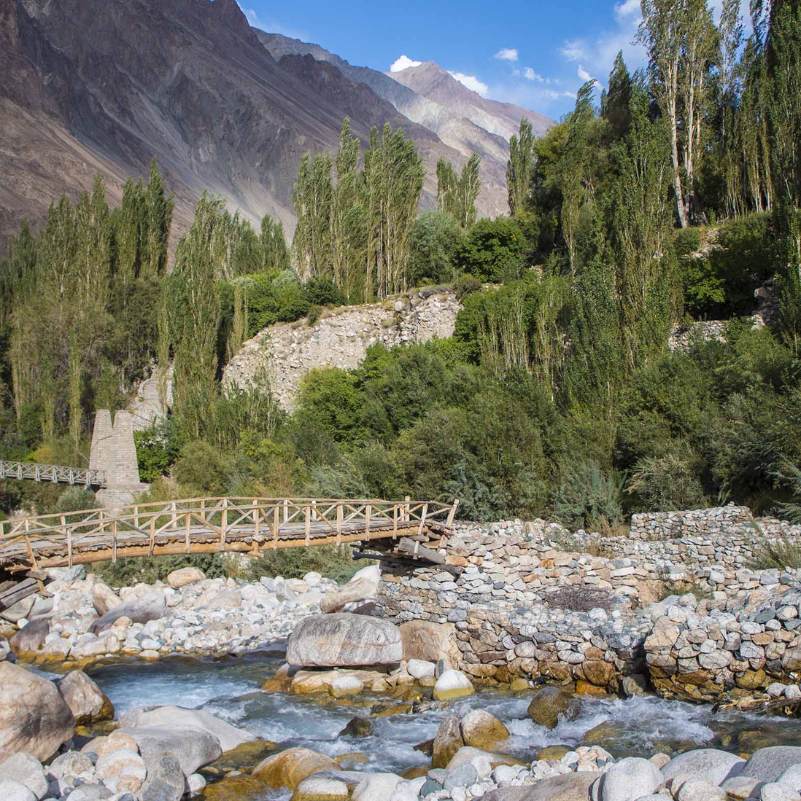
Leh to Turtuk route
The route runs from Leh over Khardung La, then down to Khalsar, Diskit, Hunder, past Thoise and Bogdang, and finally into Turtuk.
The Leh to Turtuk distance is around 200 to 205 km. On a map that looks doable in a few hours. On these roads it is not.
Travel time depends on who you ask. Some sources say 6 to 8 hours, others say 10 to 12 hours. Either way, treat it as a full-day road journey and start early.
We always tell our travellers to leave Leh by early morning so you cross Khardung La before the traffic builds and reach Turtuk with daylight to spare.
Hunder or Diskit to Turtuk
If you are already in Nubra, the drive is much shorter. Hunder to Turtuk distance is around 80 to 83 km and usually takes about 2.5 to 3 hours in good conditions.
Expect ID checks along the way. Carry your documents where you can reach them easily.
Avoid photography near military areas on this stretch, especially around sensitive points like Thoise. This is not the place to point a camera around freely.
Best transport choice for families
For families, a private taxi is the easiest choice. It gives you the freedom to stop for washroom breaks, snacks, and motion sickness, and to drive at a slower pace.
Public buses and shared taxis do exist, but they run on fixed schedules and are not comfortable with small kids or elderly parents.
One source quotes a private taxi cost of ₹13,000 to ₹14,000 one way for the Leh to Nubra circuit including Turtuk. Always lock the price and the route before you start.
If Ladakh feels like too much driving, our Manali tour packages and Kashmir tour packages are gentler mountain options for families with very young kids.
What Permits Do You Need for Turtuk in 2026?
This part confuses everyone, so let us keep it simple.
The official Leh tourist portal collects the environmental fee, Red Cross Fund and wildlife fee online. You complete these before you travel into Nubra and Turtuk.
The good news is you do not need to physically visit the DC office for the online fee process. You do it online and carry your receipts.
Older blogs and even some travellers still use terms like ILP for Indians and PAP for foreigners. Terminology varies and sources conflict.
The safest approach is this. Complete the official LAHDC Leh tourist permit and fee process before travelling, and carry printed copies or receipts with you.
In our experience, the travellers who get stuck at checkpoints are the ones who relied on a single old blog. Carry printouts and you will be fine.
Best Time to Visit Turtuk for Families
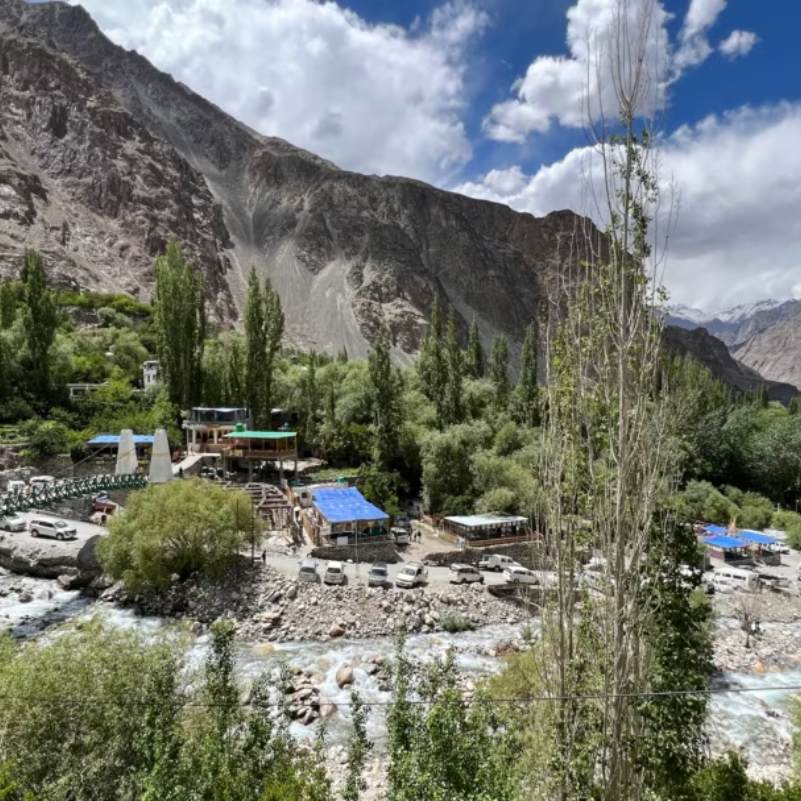
The practical family window is roughly May/June to September.
Sources differ a little. Some say June to September, some say mid-May to late September, some say May to September. Treat the shoulder weeks as flexible and the core summer months as safe.
July and August are often linked with apricot season in traveller guides, but bloom and fruit timing changes year to year. If apricots are your reason to go, message a local first to check.
Winter is a different story. Extreme cold, fewer open homestays and tougher access make it the hardest season for families. We do not recommend a winter Turtuk trip with kids or parents.
Best Turtuk Itinerary for Families
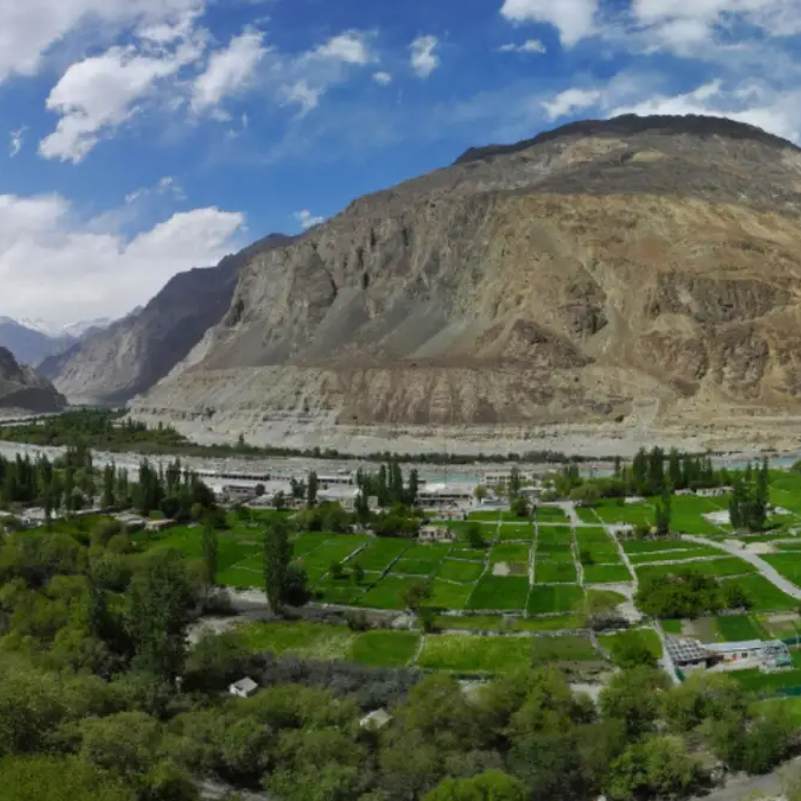
Comfortable Nubra plus Turtuk itinerary
Start slow. Spend your first days acclimatizing in Leh before going anywhere high or far.
Then drive Leh to Hunder or Diskit and stay the night. The next day, do the shorter Hunder to Turtuk drive and settle into a homestay.
Keep one slow village day in Turtuk. After that, return towards Leh, or continue only if road conditions allow. This is the Turtuk itinerary we suggest most often because nobody ends up exhausted.
One-night Turtuk itinerary
If you are short on time, drive Leh to Hunder or Diskit first, then go to Turtuk for one overnight, then return through Nubra.
One night beats a day trip every time. You catch the village in the evening and early morning, which is when it feels most alive and least crowded.
Can Turtuk be done as a day trip from Hunder?
Yes, from Hunder a day trip is possible. But do not rush it.
The charm of Turtuk is slow walking, talking to locals, eating at a homestay and letting kids wander through orchards and old lanes. A two-hour stop cannot give you that.
👉Have questions about Turtuk? Get honest advice from our Ladakh travel specialists on WhatsApp.
Best Things to Do in Turtuk Village
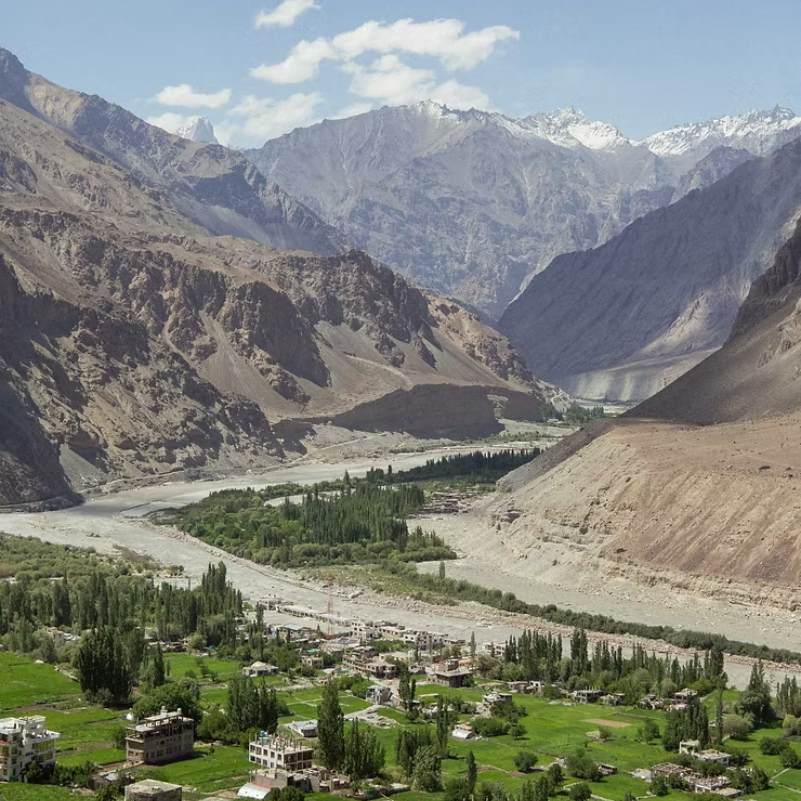
Walk through apricot orchards and stone lanes
This is the heart of any Turtuk trip. Walk slowly through the apricot orchards, past walnut trees, over small bridges, into the old stone lanes.
Turtuk is best explored on foot. Let the kids set the pace and you will see the village the way it is meant to be seen.
Visit Balti Heritage House and Museum
The Balti Heritage House and Museum sits in upper Farol/Pharol. It gives you a real look at Balti life through traditional tools, household items, manuscripts and textiles.
It is small, but it ties the whole village together for families who want to understand what they are seeing.
See the natural freezer
Ask a local to show you the natural freezer. These are naturally cold glacial and stone chambers where families stored perishables long before electricity arrived.
Kids love this one. It is a simple thing that makes the old way of life click instantly.
Try the Turtuk waterfall walk
The Turtuk waterfall is a popular short walk. Some sources call it a moderate 60-minute hike, while another says it can take around 3 hours on a steeper route.
Ask locals about the current path before you set out with small children or elderly parents. Conditions and routes change, and a friendly villager will give you the real answer.
Consider Thang only if allowed
Thang is another spot near Turtuk that some travellers visit. Keep it optional.
Rules near border areas can change without notice. Always follow local and army instructions, and do not push if access is restricted that day.
What to Eat in Turtuk
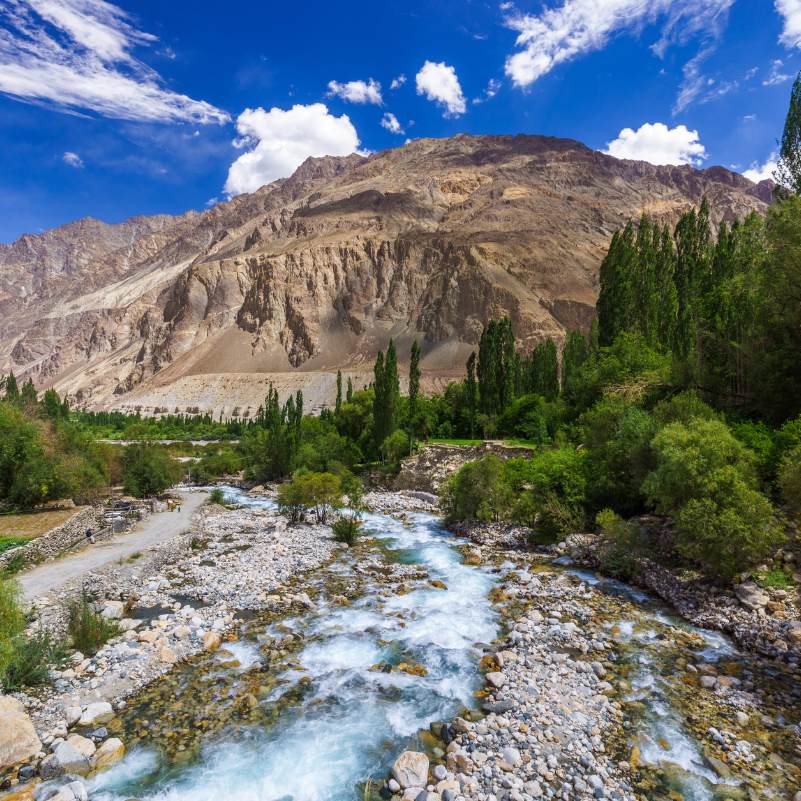
Turtuk food is Balti food, and the best place to eat it is inside a homestay. This is the part most families end up loving the most.
The local diet leans on buckwheat, apricots and walnuts, grown right around the village.
The dishes worth trying are Zan with Tsamig, Kissir with Grangtur, Brakoo and Muskat, Moskot, Squu and Mamtu.
Homestay meals are often the most memorable way to taste this. One source puts a homestay meal at ₹200 to ₹400 per person, so confirm with your host.
Here is a small insider tip. Ask your homestay host the night before if they can make a Balti dish for the next day. Many of these meals are slow-cooked and taste better when planned, not rushed.
Where to Stay in Turtuk With Family
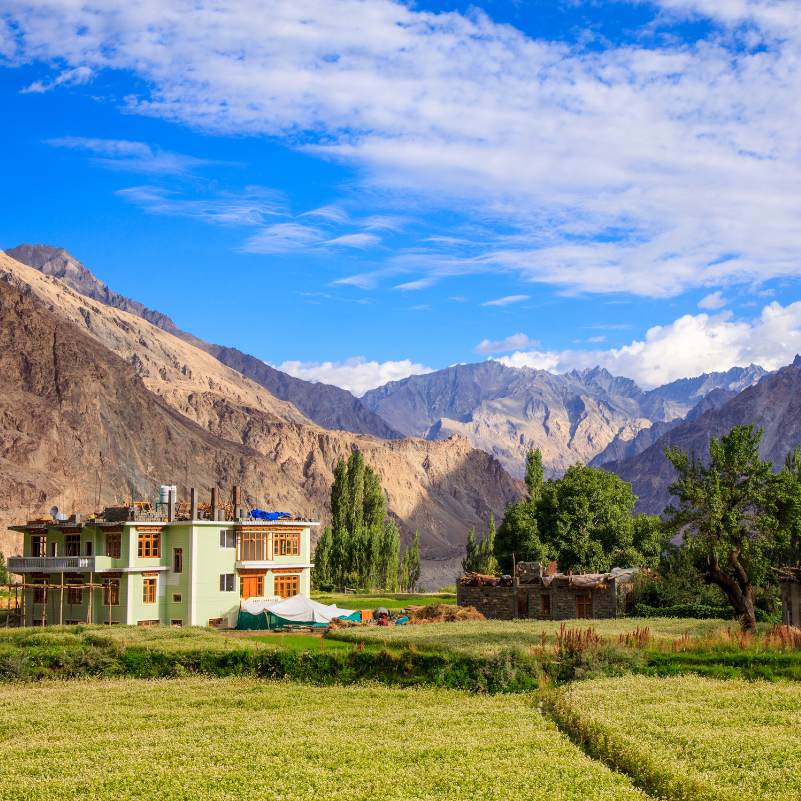
You have three broad options. Simple homestays, small guesthouses, and a few boutique stays.
One source lists Turtuk homestay costs around ₹800 to ₹1,500 per person per night including meals. Prices change by season and host, so confirm before booking.
Before you book anything, check the basics. Attached bathroom, hot water, heating, parking, food for children, and how far the stay is from where the vehicle drops you.
That last point matters more than people expect. Some stays sit a short walk up the lanes, which is lovely until you are carrying a sleepy toddler and three bags.
For a boutique option, one source lists Virsa Baltistan starting at ₹14,000 per night. It is on the higher end, so weigh it against a homestay that gives you more local feel for less.
Practical Family Tips Before Visiting Turtuk
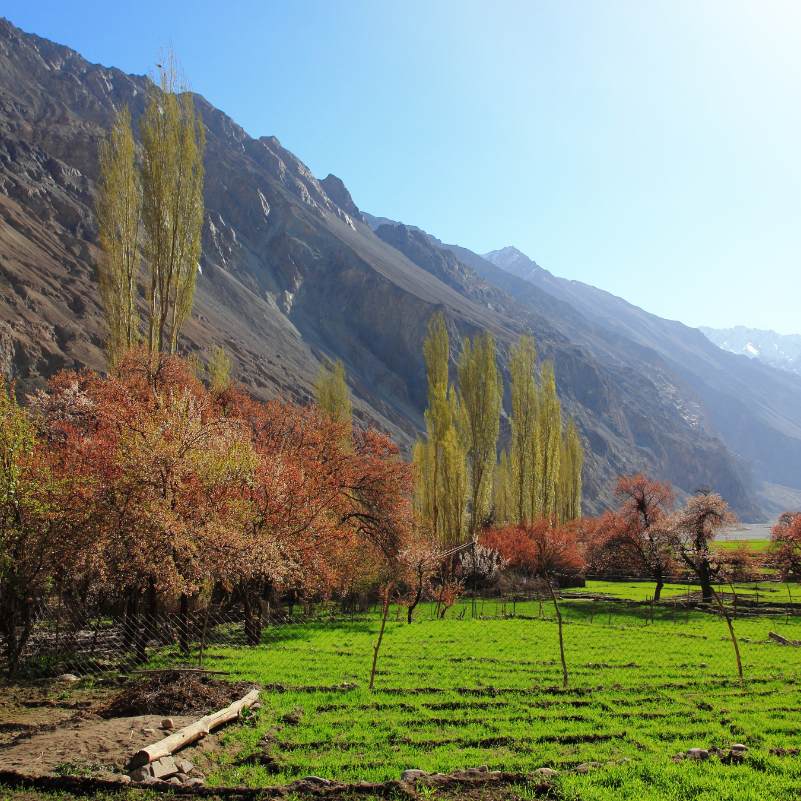
Altitude first. The official Leh portal advises at least 48 hours of acclimatization after arriving in Leh before heading to high-altitude areas. Do not skip this with kids or parents.
Drink 2 to 3 litres of water per day. Dehydration makes altitude feel worse, and it sneaks up on you in dry mountain air.
Carry cash, snacks, warm layers, basic medicines, printed permit and fee receipts, ID cards and offline maps. Mobile network is sparse, so do not rely on your phone for anything important.
BSNL postpaid may work on and off, but treat connectivity as unreliable. Tell someone your plan before you lose signal.
Electricity can be limited, so charge everything fully when you have the chance and carry a power bank.
Plan fuel from Leh or Diskit. If you are self-driving, carry enough for the full return. There is no reliable pump waiting for you out there.
One more thing on respect. No photography near military areas, dress modestly, no public alcohol or smoking, and follow local customs. Turtuk is a Muslim village and a little courtesy goes a long way.
Is Turtuk Worth Visiting or Overhyped?
Let us be honest. Turtuk does not have big-ticket attractions. There is no giant monastery, no famous lake, no adventure park.
What it has is slow culture, orchards, Balti food, borderland history and gentle village walks. It is the softer side of Ladakh.
Families who want a relaxed, meaningful memory will love it. The orchards, the homestay dinners and the unhurried pace are the things people talk about afterwards.
But if your Ladakh trip is short, be realistic. Focus on Leh, Nubra and Pangong first, and save Turtuk for a longer trip when you have the days to do it slowly.
That is the honest answer we give every traveller who asks. Turtuk rewards time. Give it time and it is worth every kilometre.
Explore Our Curated Leh Ladakh Tours
 6D/5N
6D/5NUltimate Leh Ladakh Tour Package with Nubra Valley & Pangong Lake
2D Leh•1D Nubra Valley+1
₹28,999₹35,999SAVE INR 7,000/ person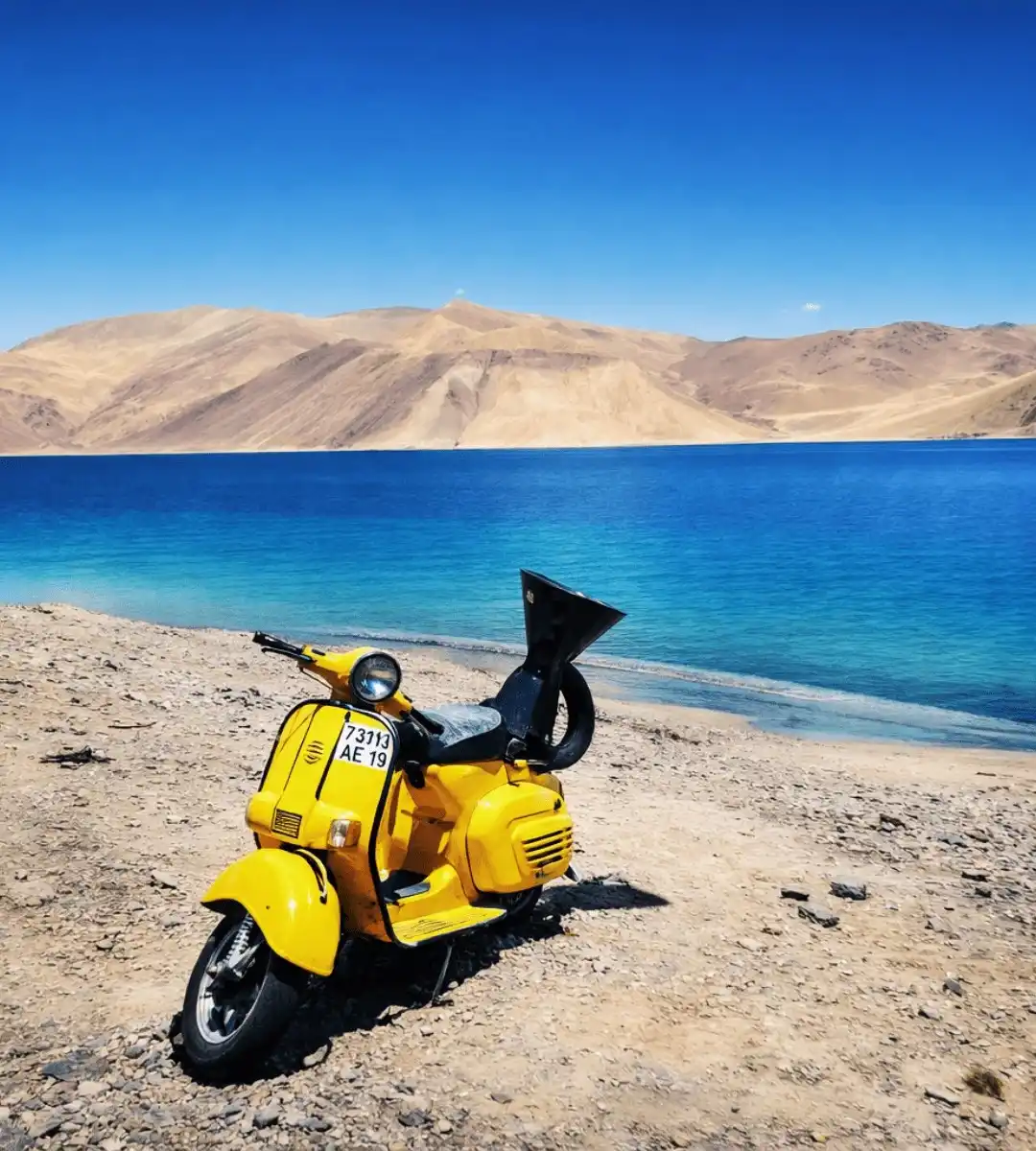 6D/5N
6D/5NBest Selling Leh Ladakh Tour With Nubra Valley and Pangong Lake
2D Leh•1D Nubra Valley+1
₹23,999₹28,599SAVE INR 4,600/ person 4D/3N
4D/3NLeh Ladakh Short Getaway
2D Leh•1D Pangong Lake
₹16,499₹19,999SAVE INR 3,500/ person
Related topics
Frequently Asked Questions
Is Turtuk worth visiting in 2026?
Yes, if you want slow village life, Balti culture, apricot orchards and a quiet family-friendly corner of Nubra. It is less suited to very short or fast-paced Ladakh trips.
How many days are enough for Turtuk?
One overnight is the sweet spot. It lets you see the village in the evening and early morning without the exhaustion of a rushed day trip.
Is Turtuk safe for families?
Yes. The village is calm and welcoming. The main concerns are altitude, long road time and basic facilities, not safety in the village itself.
Can kids visit Turtuk Ladakh?
Yes. The lower altitude of around 3,001 m and the gentle village walks make it one of the more child-friendly stops in Ladakh, as long as they are acclimatized first.
Where is Turtuk village in Ladakh?
Turtuk is in the Nubra/Shyok region in the far north of Ladakh, along the Shyok River, reached via Khardung La, Diskit and Hunder.
How far is Turtuk from Leh?
The Leh to Turtuk distance is around 200 to 205 km. Travel time varies by source, so treat it as a full-day drive and start early.
How far is Turtuk from Hunder?
Hunder to Turtuk is around 80 to 83 km and usually takes about 2.5 to 3 hours in good conditions.
Do Indians need a permit for Turtuk?
You complete the official Leh tourist fee process online, which covers the environmental fee, Red Cross Fund and wildlife fee. Terminology like ILP varies, so carry printed receipts.
Can foreigners visit Turtuk?
Yes. Foreigners can visit, though older sources mention PAP-style permits. Complete the official Leh portal process and carry your documents.
What is the best time to visit Turtuk?
Roughly May/June to September for families. July and August are linked to apricot season in many guides, but fruit timing changes each year.
Can Turtuk be done as a day trip from Nubra Valley?
Yes, from Hunder a day trip is possible. But an overnight is much better because Turtuk is about slow walks, homestay meals and time with locals.
Is there mobile network or ATM in Turtuk?
Network is sparse and BSNL postpaid may work only intermittently. ATMs are limited or unreliable, so carry enough cash for your whole stay.
More about Ladakh
 Ladakh
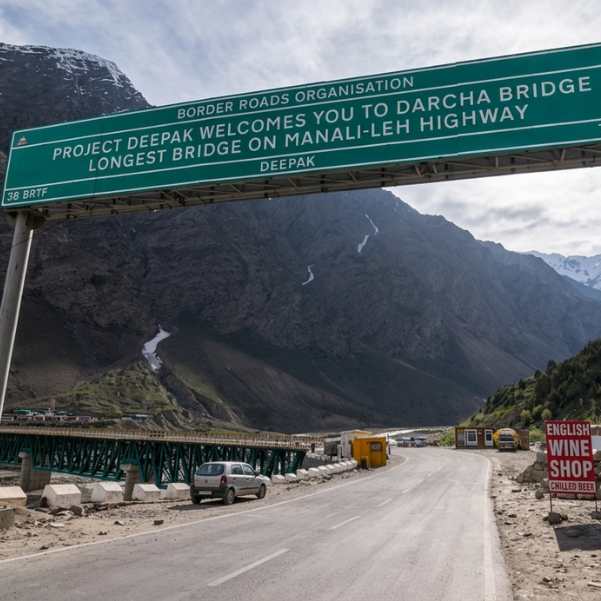
Manali to Leh Highway 2026: Every Pass, Stop and Distance
Plan your Manali to Leh Highway journey in 2026 with a complete guide to major mountain passes, overnight stops, route highlights, and distance. Discover key stops like Jispa, Sarchu, and Pang, along with famous passes including Baralacha La and Tanglang La.
- Road Trips
- How to Reach
 Ladakh
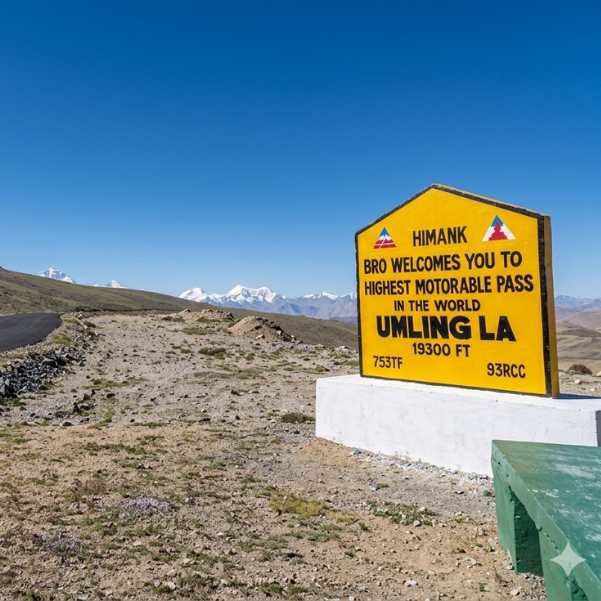
Umling La Ladakh Guide 2026: Route, Altitude, Permit, Safety & Reality Check
Planning to visit Umling La in 2026? This complete guide covers the route, altitude, permit requirements, road conditions, safety tips, and the realities of travelling to one of the world's highest motorable roads.
- Road Status
- Altitude & Health
- Ladakh
Offbeat Ladakh for Couples in 2026: Quiet Routes Beyond Pangong and Nubra
Looking for a peaceful Ladakh getaway? This 2026 guide explores quiet routes and hidden destinations beyond Pangong and Nubra, helping couples discover scenic landscapes, unique stays, and unforgettable offbeat experiences.
- Places to Visit
- Things to Do