
Tso Moriri Lake in September 2026: Weather, Road Conditions, Stays, Permit and Travel Tips
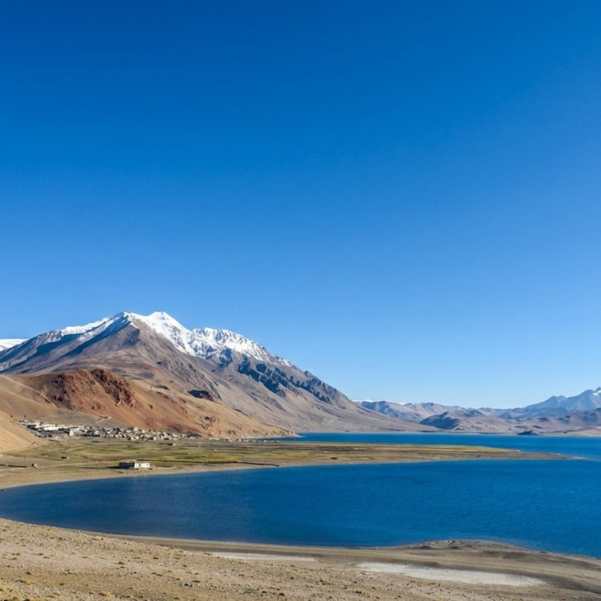
September is when Tso Moriri Lake quietly becomes the best version of itself. The monsoon has pulled back from most of Ladakh, the skies settle into that deep, clear blue that only happens in autumn, and the tourists who crowd Pangong through July and August are already thinning out.
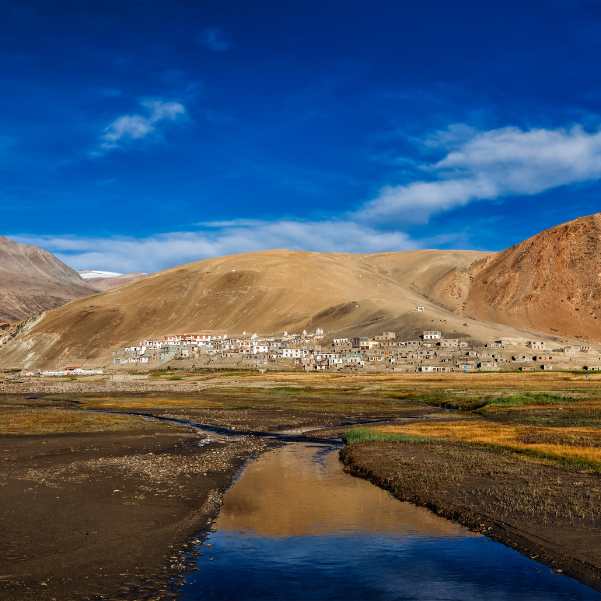
What you get at Tso Moriri in September is a 19 km stretch of turquoise water sitting in the middle of the Changthang plateau, surrounded by treeless mountains, with almost no noise.
No music from adjacent camps. No souvenir stalls every 50 metres. Just the lake, the wind, and the birds.
But this is still Ladakh at over 4,500 metres. September nights test every warm layer you brought. Acclimatization is not a suggestion. And the permit situation trips up more first-time visitors than the roads do.
Quick Answer: Is Tso Moriri Worth Visiting in September?
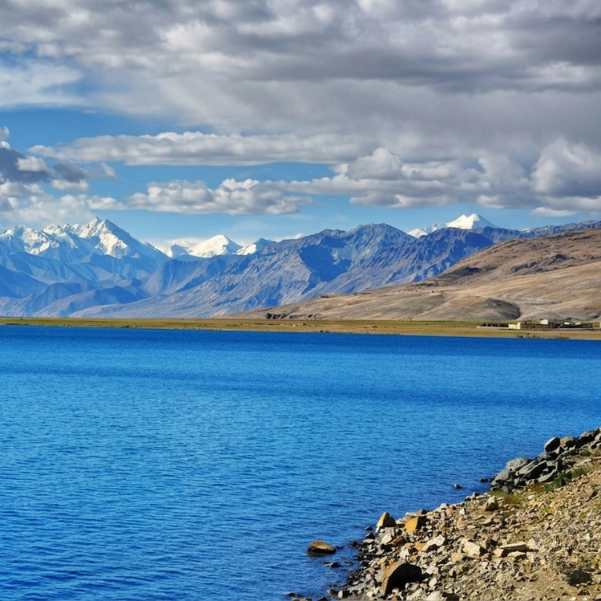
Yes. September is one of the three best months to visit, alongside July and early August. The lake colours reach their deepest after the monsoon season, skies are cleaner than in peak summer, and you will find fewer vehicles on the Leh to Korzok road than in July or August.
Nights drop well below freezing, especially in the second half of September. Pack thermals, a down jacket, and gloves, not just a fleece.
You also need a permit before you reach the check post, not at it. Carry a printed copy and your Leh arrival boarding pass. More on both below.
Overnight in Korzok is the right call for most travellers. A same-day return from Leh is technically possible but leaves you feeling like you drove 8 hours for a 2-hour visit at the lake.
What Most Tourists Get Wrong About Tso Moriri in September
Most first-time visitors focus entirely on the permit and the drive. What they do not plan for is the acclimatization gap.
Travellers flying into Leh and heading to Tso Moriri the next morning skip the most important step of the whole trip.
They arrive in Korzok feeling fine, go to sleep at over 4,500 metres, and wake up at 2 AM with a headache that ruins the entire experience.
We have seen this happen to fit, experienced travellers more times than we can count. Two nights in Leh before heading out is not tourism caution, it is just how your body works at altitude.
What is Tso Moriri Like in September?
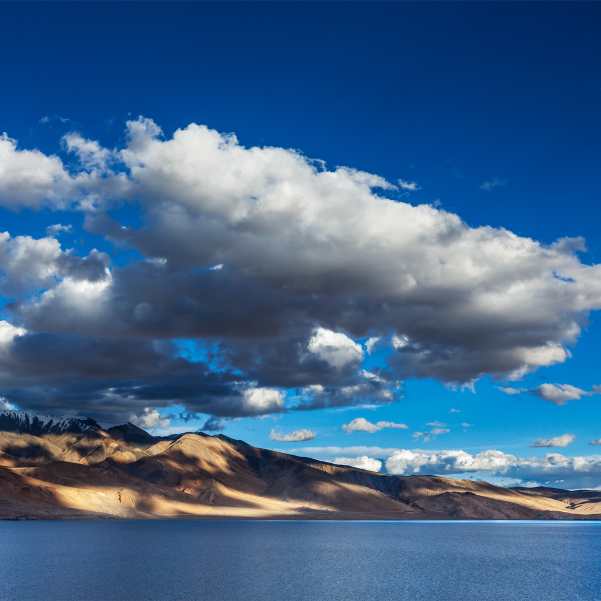
The Indian government designated Tso Moriri a Ramsar wetland in August 2002 (site number 1213, covering 12,000 hectares).
The lake is about 19 km long and up to 8 km wide. What that protected status tells you is that this place is actively kept from the kind of development that has changed other Ladakh lakes.
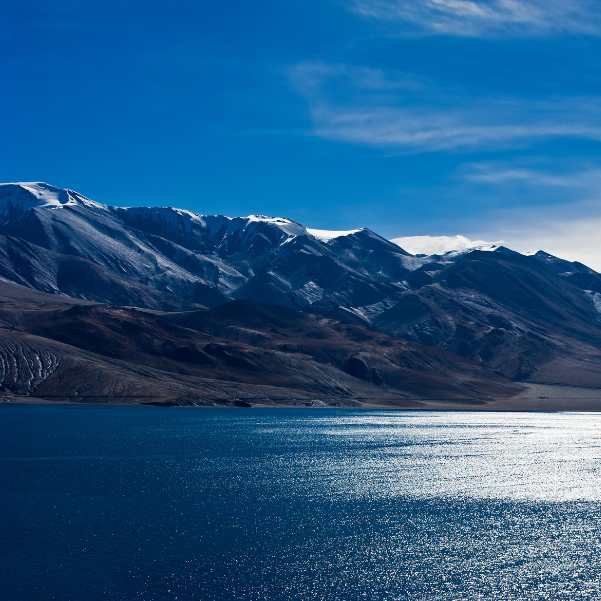
The landscape in September feels stripped back. Open plateau, mountains on three sides, water that shifts between turquoise and deep blue depending on cloud cover and the angle of the sun.
Bar-headed geese and black-necked cranes are still present before they migrate south for winter.
Sit quietly near the shore for 20 minutes in the early morning and you will see more birds than most wildlife videos manage to capture.
Check Popular Tours on our site to see which Ladakh circuits other travellers are booking for September this year.
What is the Weather and Temperature at Tso Moriri in September?
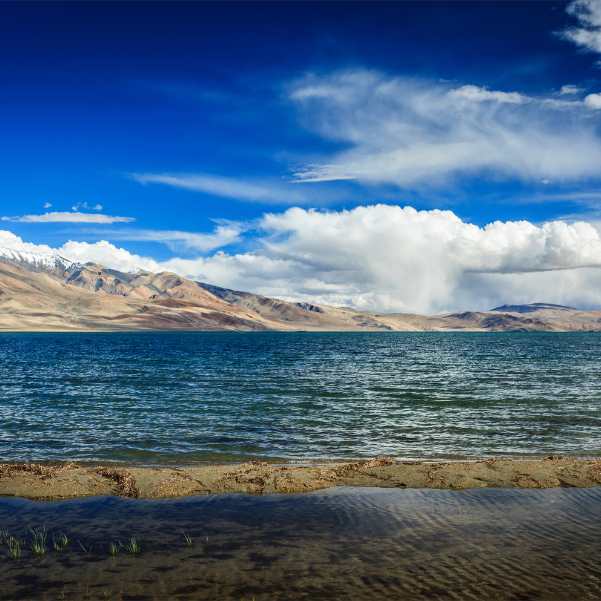
Days are bright and the sun is strong at this altitude. UV exposure is intense even when the air feels cool, sunscreen and sunglasses are genuinely non-negotiable, not just a packing checklist item.
Once the sun drops behind the mountains, which happens earlier in September than in July, the temperature falls fast.
Mornings near the lake in late September can feel brutal. Wind off the water makes everything colder than the thermometer suggests.
Pack windproof layers, not just warm ones. A 10-degree morning with a strong breeze at 4,500 metres feels very different from a 10-degree morning in the plains.
Are Roads to Tso Moriri Open in September?
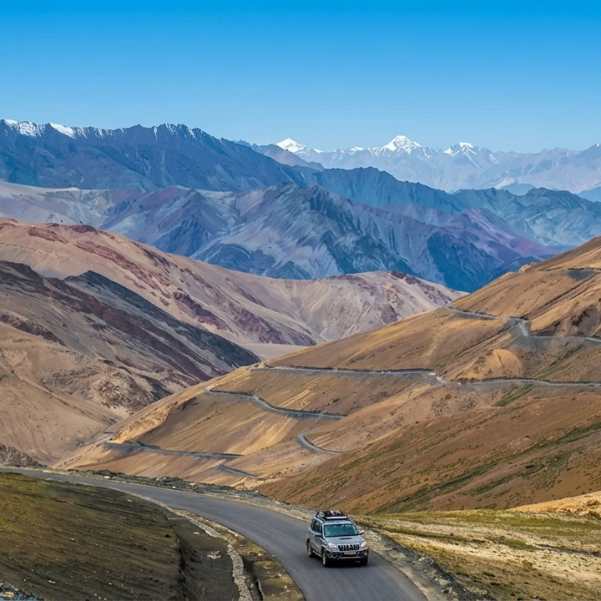
September falls within the main accessible travel season for Tso Moriri. No official 2026 closure notice has been issued at the time of writing.
That said, mountain roads in Ladakh respond to weather, not calendars. A sudden early snowfall can affect specific stretches without warning.
In our experience running Ladakh trips, the window from early September to around the 20th is the most reliable. After that, the chance of an early snowfall near the high passes increases.
Check with the Leh district administration or a local operator for live road status on your departure day. Do not rely on what a blog published two weeks earlier.
How Do You Reach Tso Moriri from Leh?
The standard route runs from Leh through Karu, Upshi, Chumathang, Mahe, and Sumdo before arriving at Korzok.
The total distance is about 240 km and the drive usually takes 6 to 7 hours in normal conditions.
The dhabas in Chumathang are the last proper hot meal stop before Korzok. The one run by a local family just past the hot springs area serves basic but genuinely warming dal and chai. Do not skip it, by the time you reach Korzok, you will wish you had eaten more.
Beyond Sumdo, the road narrows and gets rough. A high-clearance vehicle is strongly recommended. Sedans can manage in good conditions but are not the right vehicle for this route.
Start from Leh no later than 6:00 AM. This gives you enough daylight to reach Korzok comfortably and avoids any pressure to rush the rough sections past Sumdo.
Can You Combine Tso Moriri with Pangong or Tso Kar?
Tso Kar
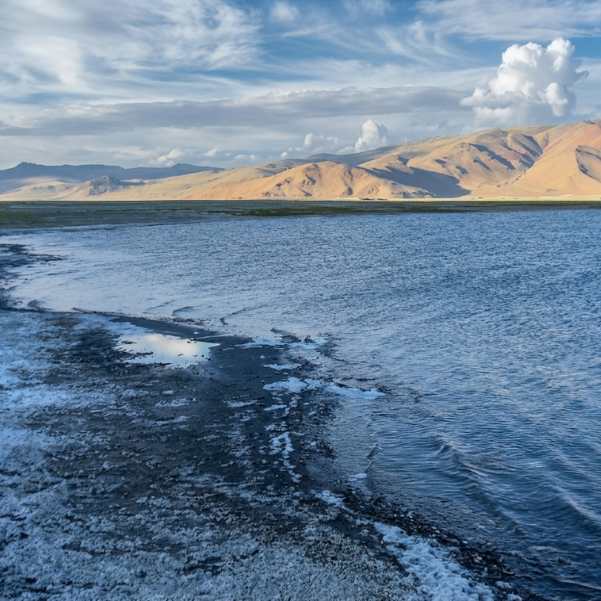
Tso Kar is the more practical addition. It sits roughly on the return route between Korzok and Leh, and you can stop there for an evening before heading back.
Many of the travellers we send on this circuit end up saying Tso Kar surprised them more than they expected.
Pangong
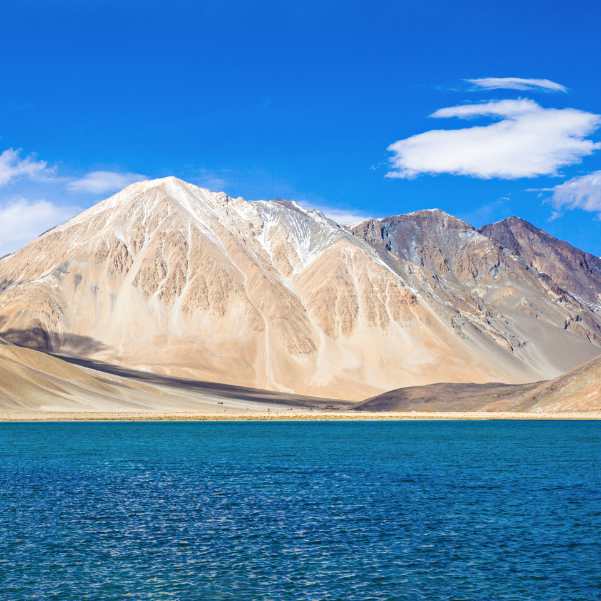
Pangong is harder to combine cleanly. The two lakes are in different directions from Leh, and stacking both into a tight itinerary means long consecutive driving days at high altitude.
We usually suggest spreading them across a 7 to 8-day Ladakh circuit rather than rushing both into 4 days.
If this is your first Ladakh trip, resist the urge to hit every lake. You will enjoy one properly more than three briefly.
Do You Need a Permit for Tso Moriri in 2026?
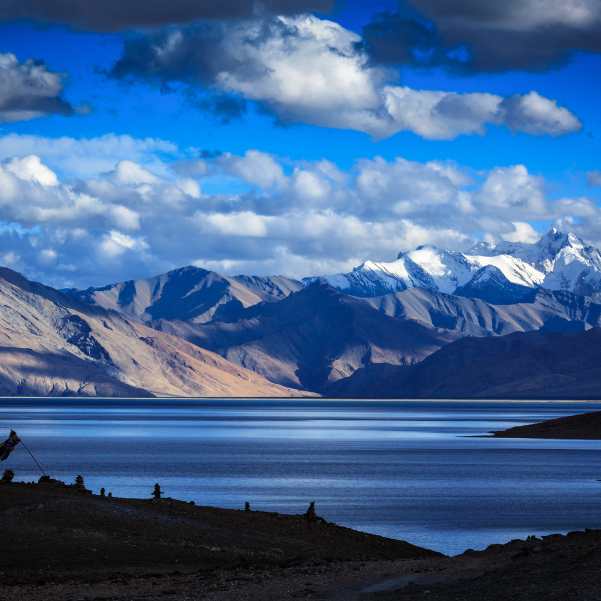
Yes. Tso Moriri requires a permit under the LAHDC Leh permit system. Domestic tourists can complete this online and pay the required fee. Carry a printed copy of the permit slip to show at check posts along the route.
One thing most first-time visitors miss: the official system requires you to show your Leh arrival boarding pass alongside the permit.
If you arrived by road from Manali or Srinagar, ask your operator or hotel exactly what alternative documentation you need before you leave Leh.
Foreign nationals with certain passport categories require a Protected Area Permit, which involves a separate process.
If you hold a foreign passport, do not assume the standard domestic permit applies, check well before your travel dates.
Talk to our team on WhatsApp if you want someone to walk you through the permit process before you reach Leh.
👉 WhatsApp us to understand permits before you reach Leh
How Many Days of Acclimatization Do You Need Before Tso Moriri?
At least two nights in Leh before heading out. This is the rule we follow for every single Ladakh trip we plan, and we have never regretted recommending it.
Tso Moriri sits at roughly 4,522 m. That is higher than most travellers have ever slept. Acute Mountain Sickness does not care how fit you are, it affects experienced trekkers and casual tourists alike when the altitude gain is too fast.
Drink water constantly from the moment you land in Leh. Avoid alcohol on the first two nights. Walk slowly.
And if a headache does not ease with rest and paracetamol after a few hours at altitude, descend. Do not wait it out.
If you are coming from the Manali side and thinking about transferring directly to Tso Moriri without stopping in Leh, you are taking a genuine health risk. Spend those two nights in Leh first.
Is One Day Enough for Tso Moriri in September?
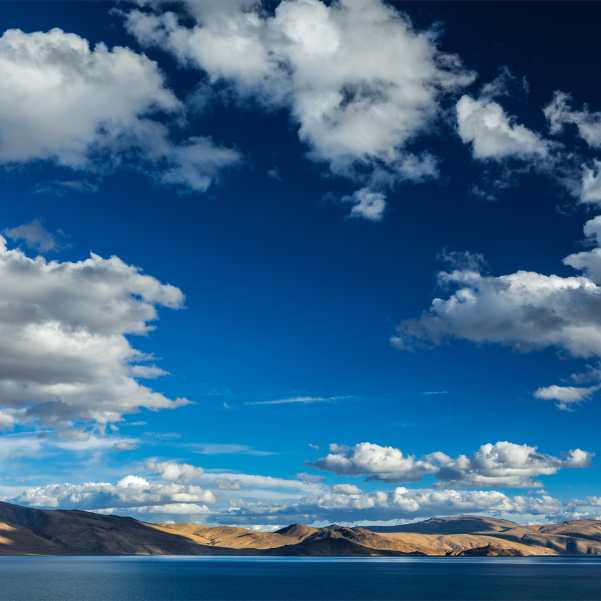
Technically yes, honestly no.
A same-day return from Leh gives you roughly 2 to 3 hours at the lake after 6 to 7 hours of driving each way. You will see the lake, take photographs, and spend most of both days sitting in a vehicle.
One night in Korzok changes everything. You get the sunrise on the water, the quiet before any day-trippers arrive, and the stillness that is the entire point of going to a place like this.
Photographers should plan two nights. The light on Tso Moriri shifts dramatically between dawn, midday, and late afternoon. One morning is not enough to catch it at its best across different conditions.
Where to Stay Near Tso Moriri in September?
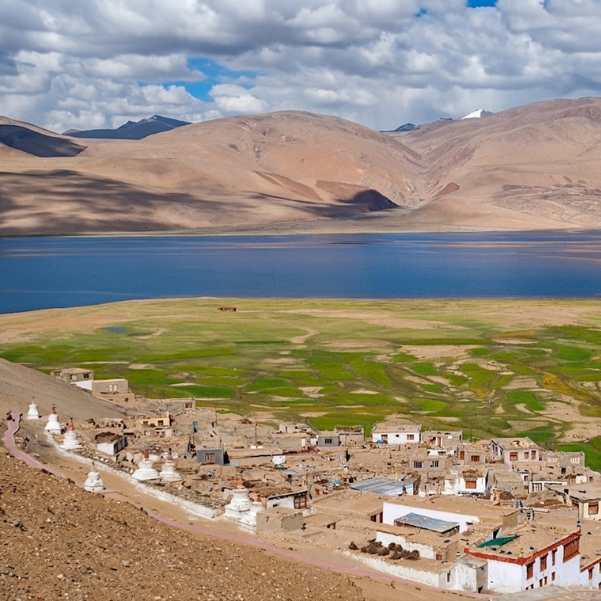
Korzok is the only base. It is a small village with homestays and basic seasonal camp setups. Do not expect guesthouses in the Leh sense of the word.
In our experience, Korzok homestays give a warmer and more honest experience than most camps. You sleep in a proper room, the host family feeds you hot meals, and the interaction with local Changpa families is something the camps simply cannot replicate.
September is still within the tourist season, but availability thins compared to July and August. Coordinate your stay at least 2 to 3 weeks in advance, either directly or through a local operator.
Explore our Ladakh tour packages if you want accommodation and logistics handled as part of a planned circuit, we have drivers who know Korzok and can sort the stay without the uncertainty of showing up and hoping something is available.
Can You Camp at Tso Moriri Lake?
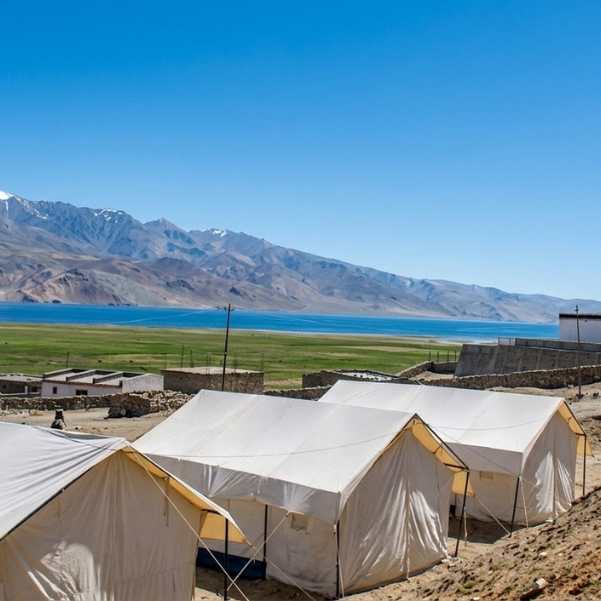
Camping directly on the lakeshore is not allowed. The area is a Ramsar-designated wetland and regulations protect the ecosystem from the kind of damage that unregulated camping causes.
Stay in Korzok and walk to the lake from there. The walk takes roughly 15 to 20 minutes from the village and is part of the experience, not an inconvenience.
Trying to pitch a tent at the water's edge is ecologically harmful and can attract action from local check post officials who monitor the area. It is not worth the photograph.
What Should You Pack for Tso Moriri in September?
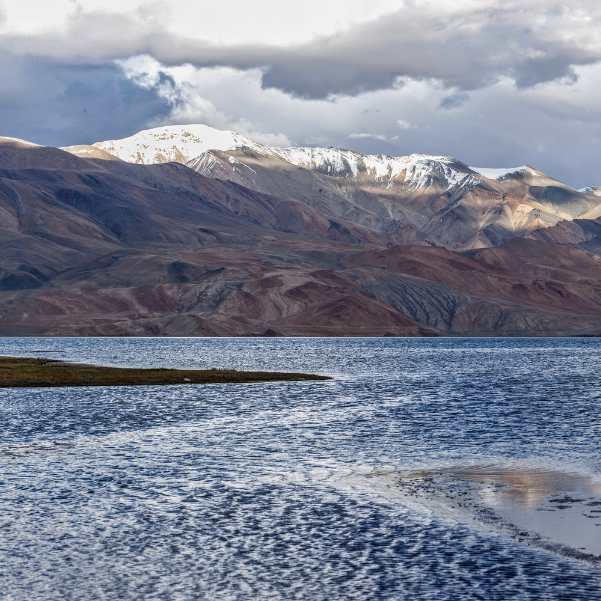
Layers are the answer to everything at this altitude in September.
Start with a thermal base layer; top and bottom. Add a fleece mid-layer. Then a windproof and water-resistant outer jacket.
Warm socks (carry two extra pairs), gloves, and a warm cap that covers your ears.
Even if it looks sunny in Leh at 6 AM when you leave, conditions at the lake will be completely different.
Sunscreen with SPF 50 or higher is not optional. UV at 4,500 metres is intense and you will burn faster than you expect, even on overcast days. Sunglasses with UV protection for the same reason.
Carry a power bank, no reliable electricity at most Korzok stays. Carry cash, no ATMs on this route. Dry snacks like nuts and energy bars for the drive.
A basic medicine kit with paracetamol, ORS, anti-nausea tablets, and any personal prescriptions. And a headlamp for moving around Korzok after dark, because the village has no streetlights.
Is Tso Moriri Safe in September?
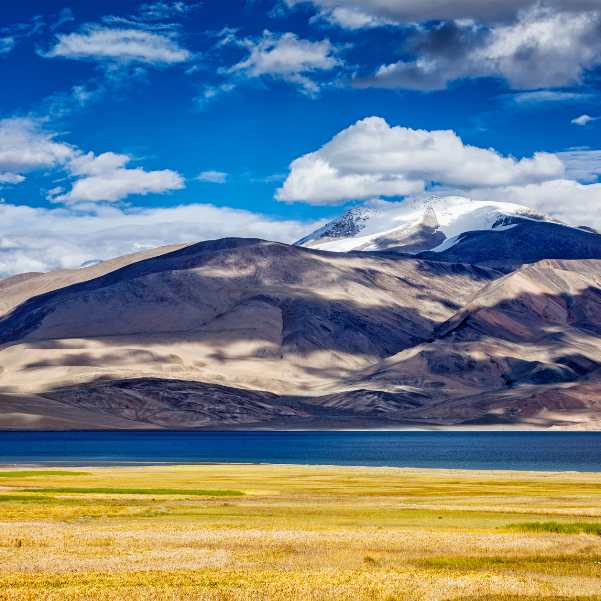
Yes, if you plan it correctly. The risks at Tso Moriri come from altitude, remoteness, and driving, not from the destination itself.
Mobile network is limited on most of this route and in Korzok. Inform someone in Leh of your plan and expected return time before you leave. If something goes wrong between Sumdo and Korzok, help is not nearby.
Avoid driving after dark on this route. The road past Chumathang has sections with sharp drops and no barriers.
Night driving on mountain roads at this altitude adds unnecessary risk when daylight driving is always possible with an early start.
One thing to know about shared taxis from Leh to Korzok: always agree on the rate before you sit in the car and confirm whether the driver waits overnight in Korzok or returns and picks you up the next day.
These details matter and misunderstandings about them are common. The going rate for a shared taxi seat should be confirmed with at least two operators before booking.
Tso Moriri in September vs Pangong in September
Both lakes are open in September. Both are worth the effort. But they are very different experiences.
Pangong
Pangong has a long stretch of camps, a busy road, and a cafe and tourism infrastructure that has developed over years. In September it quietens compared to August, but it is never truly quiet.
Tso Moriri
Tso Moriri has none of that. No camps dotting the shore for kilometres, no selfie spots with signs, no music from tents at night.
What you get is a more remote, more raw experience with real odds of having a quiet walk by the water to yourself in the early morning.
For travellers who want a comfortable, relatively easy Ladakh experience, Pangong works well. For travellers who want to feel genuinely far from everything, Tso Moriri wins in September.
If you have the time, do both, they are different enough that one does not substitute for the other.
What Are the Best Things to Do at Tso Moriri in September?
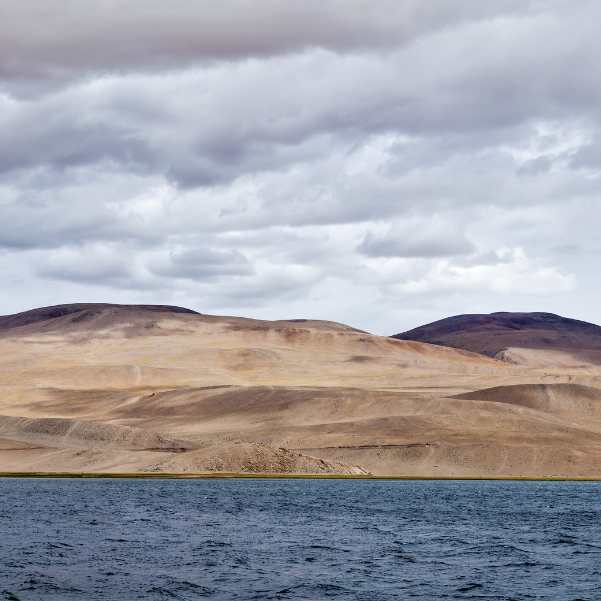
The most valuable thing, and the one most people do not budget time for, is to simply sit by the water for an hour. No phone, no camera, just the mountains reflected in still water and the sound of wind. This is what travellers remember years later.
Photography at sunrise is the real September prize. The light comes in at a low angle and turns the water copper and gold for about 20 minutes. Set your alarm for 5:30 AM.
The skip this tip: most visitors spend too long at the main parking area trying to get the "perfect shot" from the same angle as every photo online.
Walk another 10 minutes around the perimeter, especially toward the eastern shore, and you find angles almost nobody photographs from. September morning light on the eastern shore is something most people miss entirely.
Korzok Monastery sits at about 4,530 m above the village. The views looking over the lake from up there are wider and more dramatic than anything from the shoreline. The walk up takes about 20 minutes and is worth every step.
Bird watching at the lake's edge in the early morning is genuinely rewarding and underemphasised by most travel guides.
Tso Moriri is a known habitat for bar-headed geese and black-necked cranes. September is still within their presence window before migration south. Carry binoculars if you have them.
Sample Leh to Tso Moriri Itinerary for September
4-day Tso Moriri focused trip
Day 1 is your Leh arrival and rest day. Do not squeeze in sightseeing. Walk slowly, eat light, sleep early. Your body is adjusting to 3,500 metres.
Day 2 stays in Leh. Visit Shanti Stupa or Leh Palace, both involve walking, which helps acclimatization without overexertion. Avoid driving to higher altitudes today.
Day 3, leave Leh by 6:00 AM for Korzok. Reach by early afternoon. Spend the evening by the lake. Photograph the sunset from the eastern shore.
Day 4, wake up at 5:30 AM for sunrise. Visit the monastery. Drive back to Leh.
7 to 8-day Ladakh circuit including Nubra and Pangong
Days 1 and 2 in Leh for acclimatization. Days 3 and 4, head to Nubra Valley via Khardung La. Day 5, drive from Nubra to Pangong via the Shyok river route. Day 6, morning at Pangong, then drive back toward Leh via Chang La. Day 7, Leh to Korzok. Day 8, morning at Tso Moriri, return to Leh.
This circuit covers the main highlights without rushing. Build in one extra buffer day if you are travelling in late September, road conditions are slightly less predictable in the last 10 days of the month.
Our Ladakh tour packages follow a similar structure and include experienced local drivers who know both the Nubra and Korzok routes in every season.
What we always tell our travellers before a Tso Moriri trip: the drive from Upshi to Chumathang is one of the most dramatic stretches of road in all of Ladakh.
Put the phone down for at least part of it and look out the window. The photography at the lake will wait. That drive will not look the same on video.
Send us your dates and group size on WhatsApp and we will put together a September Ladakh itinerary that works for your pace and budget.
👉 WhatsApp us your dates and get a September Ladakh itinerary that works for you
September Travel Tips Before You Finalize the Trip
Sort your permit before you leave Leh, not at the check post. Carry a printed copy, signal on this route is patchy and a paper permit is what the officer wants to see, not a phone screenshot.
Carry your Leh arrival boarding pass if you flew in. This is mandatory alongside the permit and many first-timers discover this only when they are already at the check post.
Fill your fuel tank fully in Leh. There is no reliable fuel pump between Leh and Korzok. Ask your driver to carry a backup jerrycan.
Carry enough cash for 3 days. No ATMs, no UPI, no cards work on this route. Homestays and dhabas in Korzok work entirely on cash.
Keep one buffer day in your plan. A road delay at Chumathang or unexpected weather near Sumdo can push your schedule by half a day. A flexible plan handles this without stress.
If you are considering combining this trip with a Spiti Valley or Kinnaur circuit later in your Himachal travels, our Spiti Valley tours and Kinnaur tours give you a very different kind of Himalayan experience, worth comparing before you decide which one suits your travel style.
You can also reach us through the Contact page if you want to talk through the options before booking anything.
Explore Our Curated Leh Ladakh Tours
 6D/5N
6D/5NBest Selling Leh Ladakh Tour With Nubra Valley and Pangong Lake
2D Leh•1D Nubra Valley+1
₹23,999₹28,599SAVE INR 4,600/ person 6D/5N
6D/5NUltimate Leh Ladakh Tour Package with Nubra Valley & Pangong Lake
2D Leh•1D Nubra Valley+1
₹28,999₹35,999SAVE INR 7,000/ person 4D/3N
4D/3NLeh Ladakh Short Getaway
2D Leh•1D Pangong Lake
₹16,499₹19,999SAVE INR 3,500/ person
Related topics
Frequently Asked Questions
Is September a good time to visit Tso Moriri?
Yes. September gives you clear skies, fewer tourists compared to July and August, and some of the most vivid lake colours of the year. Nights are cold and acclimatization matters, but it is one of the best windows for most travellers.
How cold is Tso Moriri in September?
Daytime is pleasant in the sun. Nights and early mornings can drop well below freezing, especially in the second half of September. Carry thermals, a down jacket, gloves, and a warm cap regardless of what the daytime forecast says.
Is Tso Moriri open in September?
Yes, September falls within the main accessible season. No official 2026 closure notice has been issued. Check live road status with a local operator on your departure day since conditions can change quickly.
Do I need a permit for Tso Moriri?
Yes. You need a permit under the LAHDC Leh system. Complete it online before your trip, carry a printed copy, and bring your Leh arrival boarding pass for the check post. Foreign nationals may need additional Protected Area Permit processing.
Can I camp at Tso Moriri?
Camping directly on the lakeshore is not allowed. Stay in a homestay or camp in Korzok and walk to the lake from there. The lake is a protected Ramsar wetland and the restrictions exist for good reason.
Is one day enough for Tso Moriri from Leh?
It is possible but not worth it. One overnight stay in Korzok gives you the sunrise, the quiet early hours, and a real experience of the lake instead of a rushed 2-hour visit after 7 hours of driving each way.
Is Tso Moriri better than Pangong?
They are different. Tso Moriri is quieter, more remote, and has no tourist infrastructure along the shore. Pangong has more comfort and is easier to access. If you want a raw experience, Tso Moriri wins in September. If you have time, do both.
Is there network in Korzok?
Mobile network is limited on most of the route and in Korzok village. Inform someone in Leh of your plans before you leave and do not count on being reachable during the drive or overnight stay.
What is the Leh to Tso Moriri distance?
About 240 km via Karu, Upshi, Chumathang, Mahe, and Sumdo to Korzok. The drive usually takes 6 to 7 hours in normal September conditions.
Can I visit Tso Moriri from the Manali side?
You can route through Leh from Manali, but travelling directly to Tso Moriri from Manali without spending two nights acclimatizing in Leh is a real health risk. The sleeping altitude at Korzok is very high and AMS hits people who rush it harder than almost anything else on this route.
Where should I stay near Tso Moriri?
Korzok is the only base. Homestays in the village are warmer and more personal than most camp setups. Book at least 2 to 3 weeks ahead in September through a local operator or directly if you can make the contact.
How many nights should I spend at Tso Moriri?
One night as a minimum. Two nights if you are a photographer, a slow traveller, or simply want the flexibility of a cloudy first morning not ruining your only chance at sunrise on the water.
More about Ladakh
 Ladakh
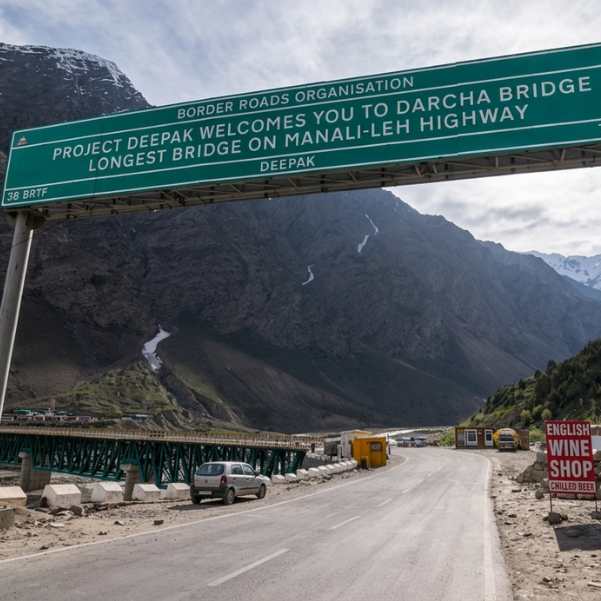
Manali to Leh Highway 2026: Every Pass, Stop and Distance
Plan your Manali to Leh Highway journey in 2026 with a complete guide to major mountain passes, overnight stops, route highlights, and distance. Discover key stops like Jispa, Sarchu, and Pang, along with famous passes including Baralacha La and Tanglang La.
- Road Trips
- How to Reach
 Ladakh
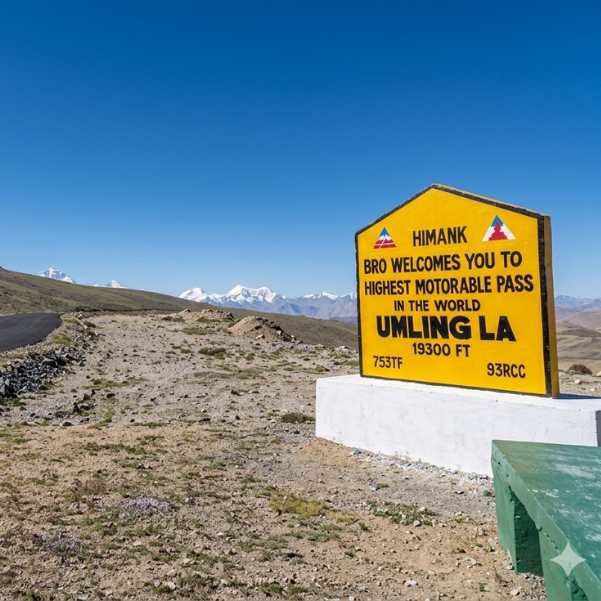
Umling La Ladakh Guide 2026: Route, Altitude, Permit, Safety & Reality Check
Planning to visit Umling La in 2026? This complete guide covers the route, altitude, permit requirements, road conditions, safety tips, and the realities of travelling to one of the world's highest motorable roads.
- Road Status
- Altitude & Health
 Ladakh
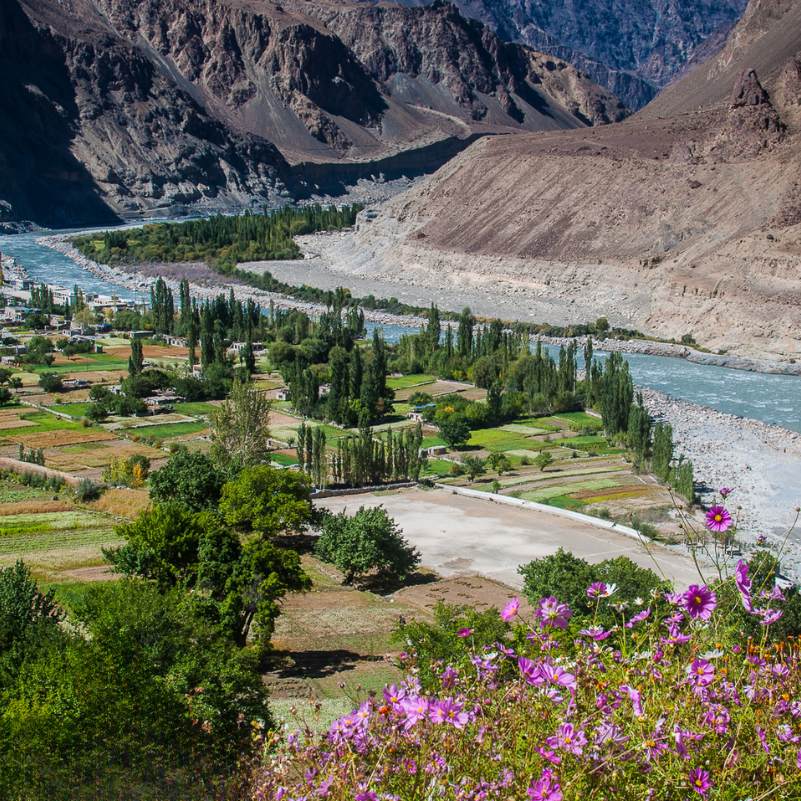
Turtuk Ladakh Travel Guide 2026: Balti Culture, Apricot Orchards and Why It Is Perfect for Families
Planning a trip to Turtuk? This 2026 travel guide explores the village's rich Balti culture, beautiful apricot orchards, top attractions, travel route, and why Turtuk is one of the best family-friendly destinations in Ladakh.
- Places to Visit
- Family Travel