
Tso Moriri Lake in June 2026: Weather, Road Trip, Stay and Permit Guide
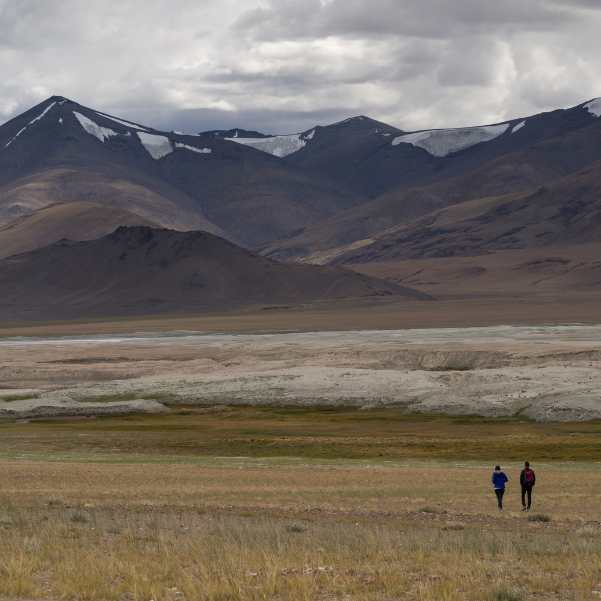
Most people planning Ladakh stick to Pangong and skip Tso Moriri entirely. That is a mistake. Tso Moriri is quieter, wilder, and in June, it gives you the kind of high altitude lake experience Pangong stopped offering years ago.
But it also demands more preparation, more acclimatisation, and more honesty about what your body can handle at 4,595 metres. This guide by Travel Coffee covers everything you need to plan it properly.
Quick Answer
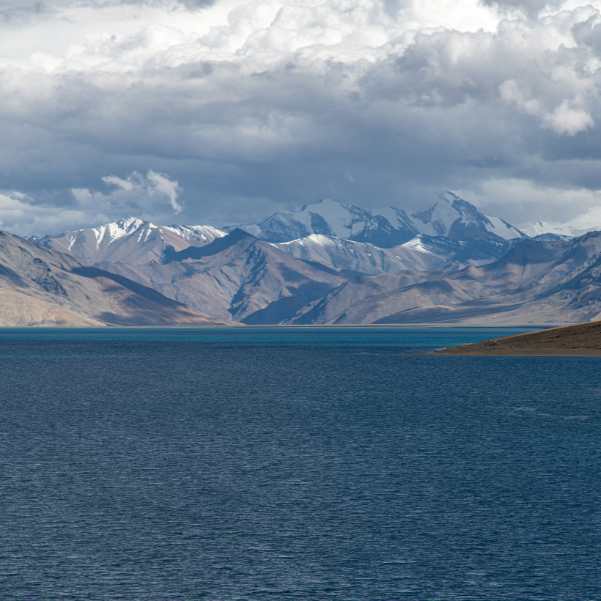
Tso Moriri Lake in June is generally a good time to visit. The road from Leh is usually open, the lake is accessible, and the crowds are far smaller than Pangong. You will see vivid blue water, open skies, and almost no one around you.
The catch: nights at 4,595 metres are genuinely cold, and the altitude will humble even fit travellers. Spend at least two nights in Leh before heading there. Do not plan this as a day trip. One night minimum, two nights is better.
Is June a Good Time to Visit Tso Moriri Lake?
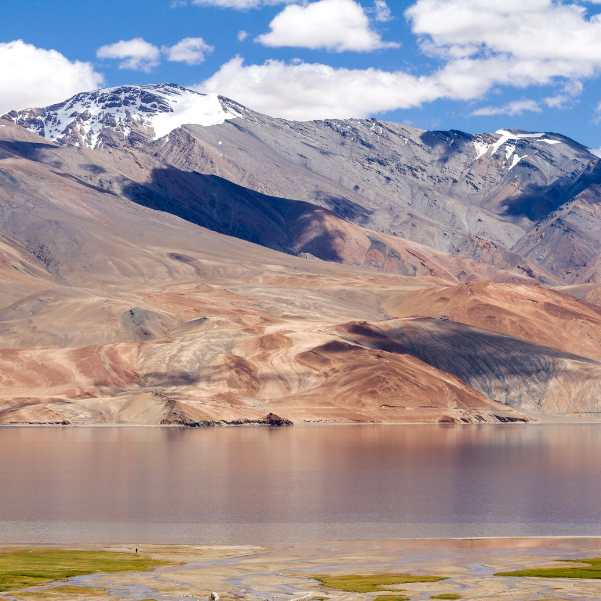
June works well for Tso Moriri for a few real reasons. The route from Leh is generally open by early June, the landscape is fresh after winter, and you avoid the July and August rush.
In our experience running Ladakh trips, travellers who go in June often describe Tso Moriri as one of the highlights of the entire trip. The silence alone is worth it.
That said, June is not without its challenges. Mornings and nights are harsh. Wind off the lake can cut through you fast. And if your body is still adjusting to Leh's altitude, the extra elevation at Tso Moriri will make it worse.
The advice we give every traveller: do not rush this one. Give your body two days in Leh first and go in with the right expectations about comfort.
What Is the Weather at Tso Moriri in June?
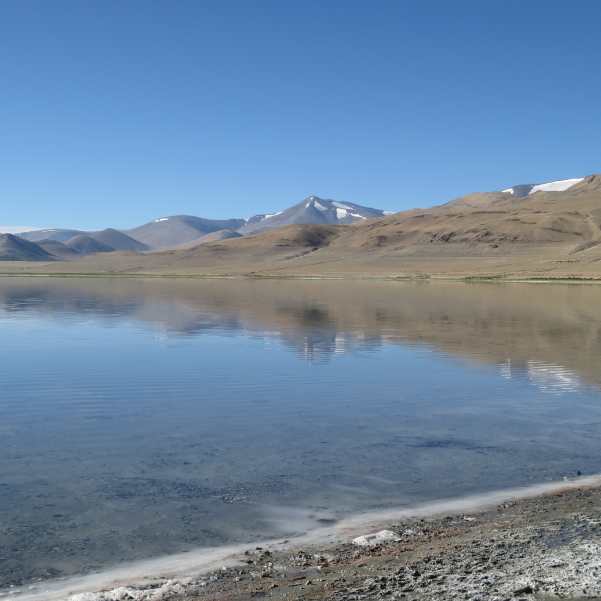
June days at Tso Moriri can feel pleasant in the sun, but mornings, evenings, and nights stay cold, so do not pack as if this is a warm mountain destination.
Midday under direct sun can feel genuinely warm, almost surprising given the altitude. But step into shade or wait for the sun to dip behind the mountains, and you are grabbing for every layer you packed.
Nights regularly drop to near zero or below. Wind makes it feel sharper. This is not a place where a light jacket cuts it.
Pack thermals for top and bottom, a thick fleece, a windproof outer layer, gloves, and a warm cap. Sunscreen with high SPF is non negotiable: the UV at 4,595 metres is intense even on overcast days. Sunglasses are not optional either.
Is Tso Moriri Open in June and What Are the Road Conditions Like?
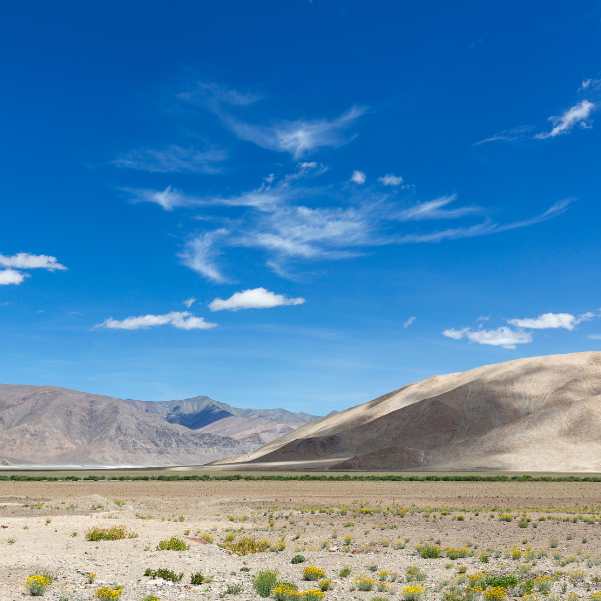
Yes, Tso Moriri is generally accessible in June. The Leh to Korzok route via Upshi, Chumathang, and Sumdo is usually open, and most travellers with a proper vehicle complete it without major issues.
But "generally open" in high altitude Ladakh is not a guarantee. A single landslide or rockfall can close a stretch for hours or even a full day. Check road status with a local operator the morning you plan to leave.
The route from Leh to Tso Moriri is completely separate from the Pangong route. Do not mix them up when planning. The Leh to Tso Moriri road goes south, not east. The two routes do not share any meaningful stretch.
How to Reach Tso Moriri from Leh in June
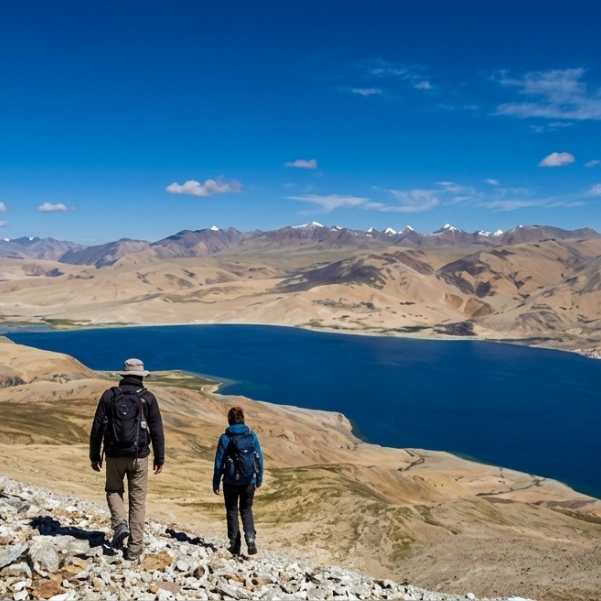
The standard route goes: Leh to Karu (36 km) to Upshi (13 km) to Kumdok (19 km) to Kere (53 km) to Chumathang (34 km) to Mahe (22 km) to Sumdo (10 km) to Korzok/Tso Moriri (53 km).
Total distance is around 240 km one way. Expect 6 to 8 hours of driving, including stops.
Chumathang is worth a stop. It has hot springs and is a natural midpoint for fuel, food, and a short break. It is the last real stop before the road turns rougher towards Korzok.
A high clearance vehicle is strongly recommended. Sedans can manage in dry conditions, but the stretch near Sumdo and beyond can get rough, especially after any rain. Our drivers always recommend an SUV for this route.
Can You Go from Pangong to Tso Moriri in June?
Yes, it is possible. The Pangong to Tso Moriri route covers roughly 220 to 291 km and typically takes 8 to 10 hours.
This route is doable but demanding. You are going from one high altitude lake to another across difficult mountain roads with limited services in between.
We only recommend this for travellers who are already well acclimatized, comfortable with long drives on rough mountain roads, and not travelling with children or elderly members who may struggle with the physical strain.
If this is your first Ladakh trip, do the Tso Moriri leg from Leh and save the Pangong to Tso Moriri circuit for a future trip when you know how your body handles the altitude.
Do You Need a Permit for Tso Moriri in 2026?
Yes. The Tso Moriri/Korzok circuit falls under the official Leh permit system, which was updated as recently as March 28, 2026.
For Indian nationals, the Inner Line Permit process applies. The fees seen across 2026 sources include a ₹400 environment fee, a ₹20 per person per day wildlife fee, and a Red Cross contribution. Check the official Leh district permit portal for the exact current total before you go.
Some foreign nationals and passport holders from specific countries require a Protected Area Permit for restricted areas including Tso Moriri.
If you are unsure whether this applies to you, check the live portal or contact the Leh district office directly. Do not assume it is covered by your regular Ladakh permit.
Talk to our Ladakh team on WhatsApp if you are unsure about your permit requirements.
>> WhatsApp our Ladakh team if you are unsure about permits
How Many Days Should You Plan for Tso Moriri?
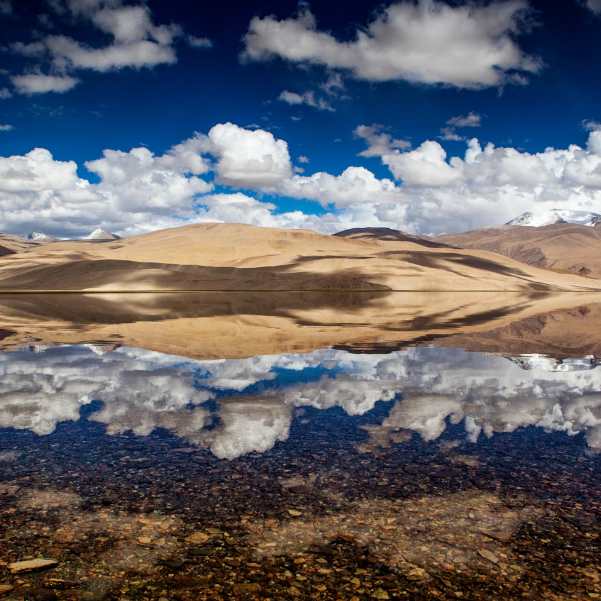
The minimum is one night at Korzok. That means two driving days plus your time at the lake. This works if you are already acclimatized, comfortable with long days, and have no flexibility issues.
Two nights is significantly better. You arrive on Day 1, rest, walk around the lake at sunset. Day 2 you explore properly, visit the monastery, sit by the water, and actually feel the place. Day 3 you head back.
What we always tell first timers: do not drive from Leh to Tso Moriri the day after you land.
The official health advisory says there should be no active physical exertion in the first two days after arriving in Leh. Spend two full nights in Leh, let your body settle, then head out.
Where to Stay Near Tso Moriri in June
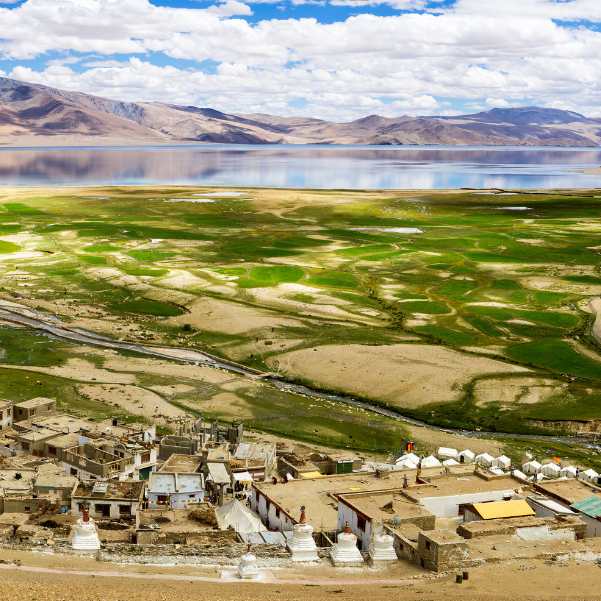
Korzok village is your only real base. It is a small settlement right at the lake edge, and in June, accommodation is operational but limited.
Most options are homestays or basic guesthouses run by local families. Rooms are simple: a bed, blankets, shared or attached toilet.
Do not expect hot showers or reliable electricity. A solar panel, a few power points, and basic lighting is the realistic picture.
Book ahead for any travel dates in mid June to September. In our experience helping people with this trip, Korzok fills up faster than expected, especially on weekends and during Indian holidays. Do not assume you can walk in.
One important rule: tents and structures cannot be set up close to the lake edge. This is not optional. Tso Moriri is a protected Ramsar wetland, and this restriction exists to protect the ecosystem. Your stay needs to be within the village.
What to Expect at Korzok and Around the Lake
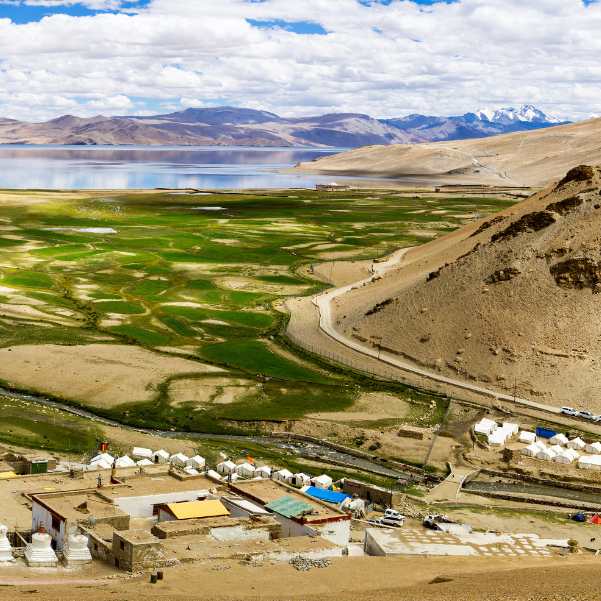
Korzok is small, quiet, and very far from everything. That is the point.
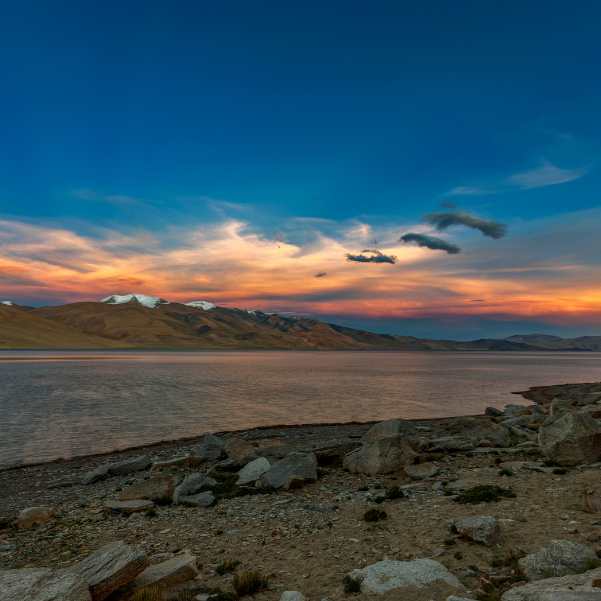
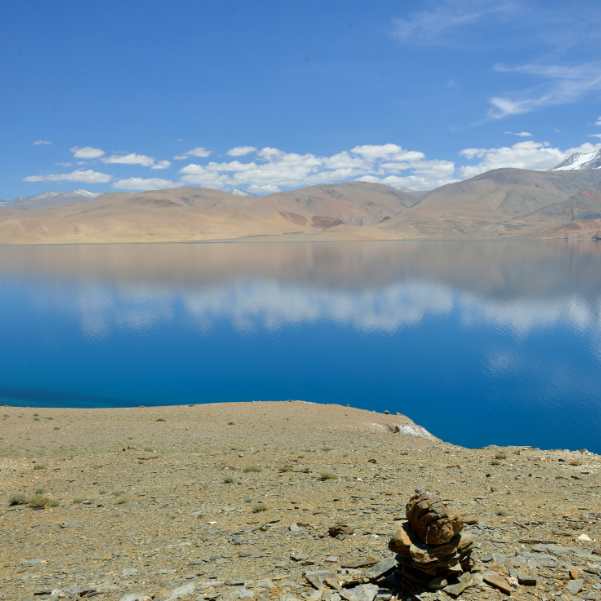
There is a monastery above the village worth visiting. The lake stretches 19 km long and up to 7 to 8 km wide.
Walking the shoreline near the village is the main activity, and it is genuinely one of the best walks in all of Ladakh.
Food at Korzok is simple. Dal, rice, roti, eggs, Maggi, chai. Do not go expecting a varied menu. Go expecting honest, warm food that hits differently at altitude.
The momos at the small homestay closest to the monastery are the best hot meal you will get in Korzok. Ask any local and they will point you there. Do not skip it.
Mobile signal is essentially absent. Download your offline maps before you leave Leh. Inform someone about your plan and expected return.
What Should You Pack for Tso Moriri in June?
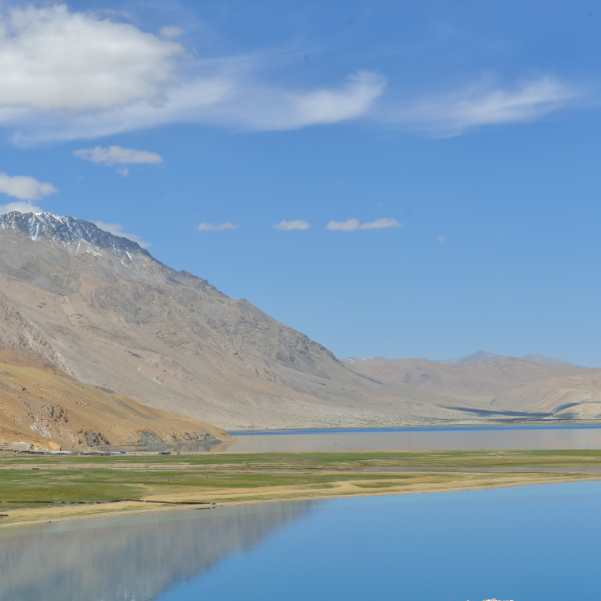
Thermal base layers for top and bottom are the foundation. Add a fleece mid layer and a windproof outer jacket. Warm socks, a heavy cap, and gloves are essential after sunset.
Sunscreen with SPF 50 or higher, UV blocking sunglasses, and lip balm with SPF will save you from the intense high altitude UV that catches people off guard even on cool days.
Carry a headlamp, a fully charged power bank, a reusable water bottle, and water purification tablets as backup. Basic medicines including paracetamol, ORS, anti nausea tablets, and something for stomach issues are worth having.
Print your permits before leaving Leh and carry your ID. Do not assume a digital copy will work at every checkpoint.
Is Tso Moriri Better Than Pangong in June?
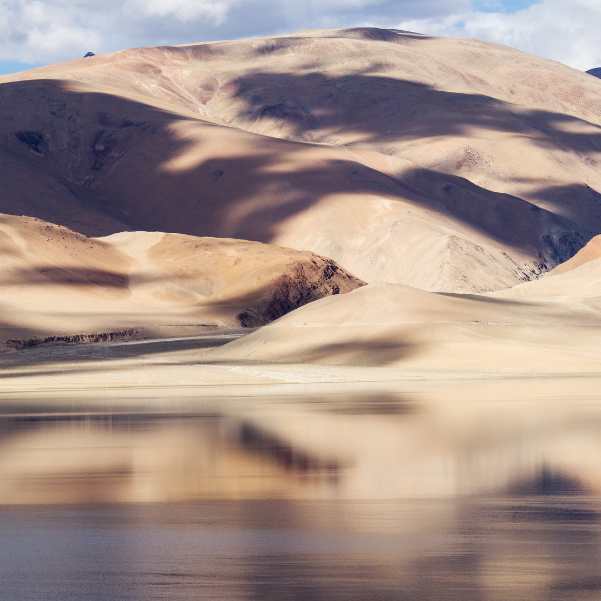
They are different experiences, and which is better depends entirely on what you want.
Tso Moriri is quieter, more remote, and less visited. The road is harder, the infrastructure is thinner, but the feeling of isolation is something Pangong cannot match in peak season.
Pangong is more accessible, better connected by accommodation options, and sits on the classic Leh Ladakh tourist circuit. For first time Ladakh visitors or anyone doing a short 4 to 5 day trip, Pangong is the more practical choice.
If you have done Pangong before or want fewer people and a rawer experience, Tso Moriri in June is the better answer.
If this is your first Ladakh trip and you only have a few days, do Pangong and save Tso Moriri for a longer return trip.
For a complete Ladakh circuit that fits your exact dates, our Leh Ladakh tour packages include both routes with local drivers and planned acclimatization stops.
Important Altitude and Health Tips Before Visiting Tso Moriri
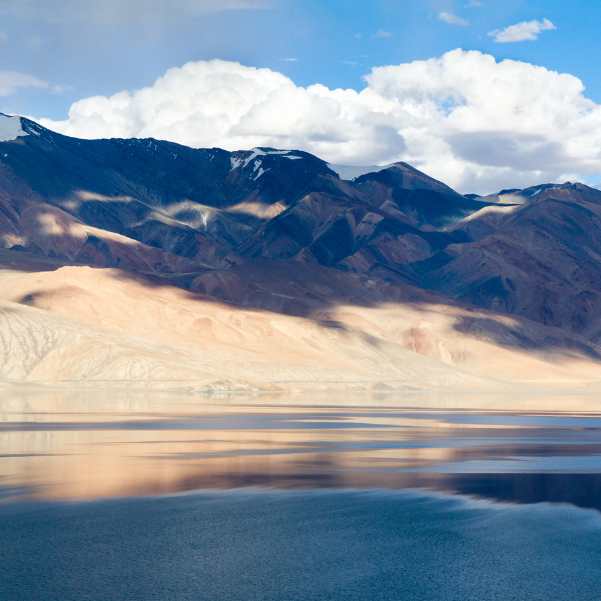
Tso Moriri sits at 4,595 metres / 15,075 feet. This is high. High enough that your body cannot simply muscle through it.
The official health advisory for Ladakh says there should be no active physical exertion during the first two days after arriving in Leh.
That means no hiking, no running, no ambitious sightseeing. Rest, hydrate, and let your body adjust.
Drink 2 to 3 litres of water per day while in Leh and at Tso Moriri. Avoid alcohol, smoking, and sedatives. These slow your body's acclimatization response.
Watch for AMS symptoms: persistent headache, nausea, dizziness, and shortness of breath at rest. If symptoms worsen instead of improving after rest, descend. Do not wait it out at altitude. There is no medical facility at Korzok.
Responsible Travel Tips for Tso Moriri Wetland Reserve
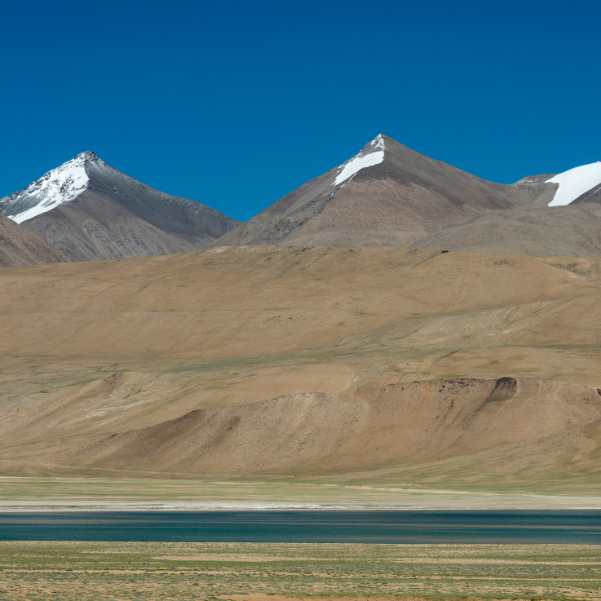
Tso Moriri is officially a Wetland Conservation Reserve and a Ramsar site, widely described as one of the world's highest Ramsar wetlands. The birds, the ecosystem, and the water quality depend on how visitors behave here.
Do not camp near the lake edge. Do not leave any waste behind, not even supposedly biodegradable items. Do not disturb nesting birds.
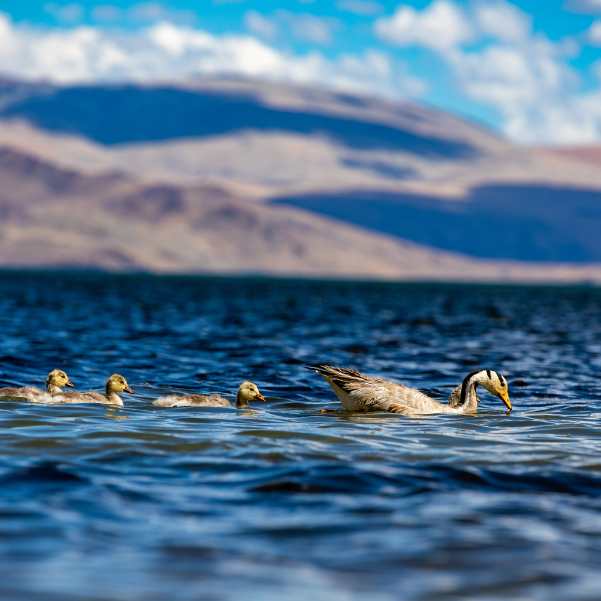
The lake hosts bar headed geese, black necked cranes, and other migratory species that need quiet and distance from human activity.
This is not a picnic destination. It is one of the last clean, undisturbed high altitude wetlands in India. Treat it accordingly.
What Most Tourists Get Wrong About Tso Moriri
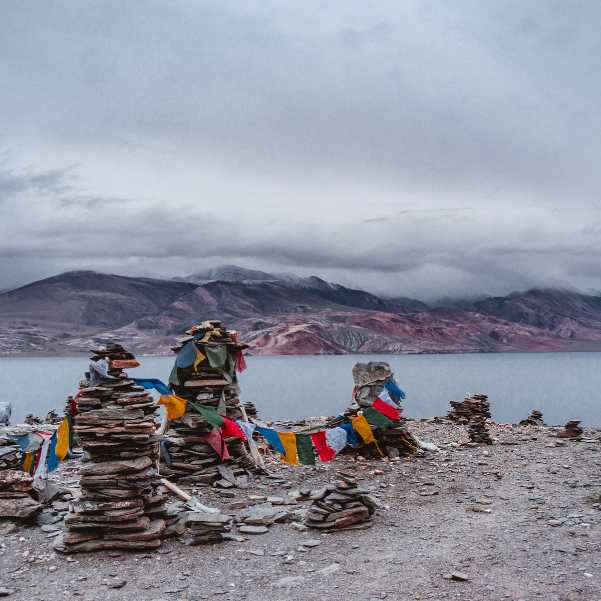
Most people treat Tso Moriri like a Pangong alternative and rush through it the same way. They drive in from Leh the morning after landing, spend 30 minutes at the lake, take photos, and leave before sunset. They miss the entire point.
Tso Moriri is not about the photograph. It is about the silence at 6 AM when you are the only person at the shore and the lake is perfectly still.
It is about the second morning when your body has adjusted and you can actually walk the shoreline without gasping. It is about staying long enough for the place to settle into you.
The travellers who love Tso Moriri most are the ones who gave it two nights and had nowhere else to rush to.
What We Tell Our Travellers Before Every Tso Moriri Trip
What we always tell first timers is to carry a thermos of ginger tea from Leh. At 15,000 feet, a warm drink does more for altitude adjustment than any tablet you will find at a chemist.
Fill it up at your Leh hotel before you leave in the morning. You will thank us somewhere near Chumathang.
Sample Tso Moriri in June Itinerary from Leh
Day 1
Leh arrival. Land, check in, drink water, and rest. Seriously. Do not try to see anything.
Day 2
Leh local and acclimatisation. Visit Leh Palace, the local market, or Shanti Stupa in the late morning. Nothing strenuous. Eat well, hydrate, sleep early.
Day 3
Leh to Tso Moriri via Chumathang. Leave by 7 AM. Stop at Chumathang for the hot springs and a meal. Arrive at Korzok by mid afternoon. Walk to the lake edge before sunset. Stay overnight at a Korzok homestay.
Day 4
Sunrise at Tso Moriri, then return. Wake up before 6 AM and walk to the lake. The early light on the water is unlike anything you will see at midday. Drive back to Leh, or continue onward if your itinerary connects to Manali or another route.
If you are combining this with a Spiti circuit via Manali, our guide on Spiti Valley travel covers the connecting route in detail.
What to Do If You Only Have 3 Days in Ladakh
Skip Tso Moriri. Seriously. Three days is not enough to acclimatize in Leh and then push to 4,595 metres safely. Do Pangong instead, or stick to Nubra Valley where the altitude gain from Leh is more manageable.
Save Tso Moriri for a trip where you have at least 5 to 6 full days in Ladakh. The lake is not going anywhere, and visiting it rushed and altitude sick is worse than not visiting at all.
WhatsApp us to check live road status to Tso Moriri before you lock your travel dates.
>> WhatsApp us to check live Tso Moriri road status
Should You Visit Tso Moriri in June? Final Verdict
Yes, if you are the right kind of traveller for it.
June at Tso Moriri suits people who have acclimatized properly, are comfortable with basic accommodation, and want a high altitude lake experience without the Pangong crowds.
The cold, the silence, the scale of the lake against the mountains: that combination is hard to find anywhere else in India.
It is not the right choice for someone on a 3 day Ladakh trip flying in and racing out. It is not suitable for families with very young children or anyone with altitude sensitivity. And it will not work if you try to rush it.
Plan it properly, give it enough days, and Tso Moriri in June will stay with you long after you are back in the plains.
For help building the right itinerary, our popular Ladakh tours are a good starting point. Or contact our team directly and we will build something around your exact dates.
👉 Find the Right Leh Ladakh Tour Package for Your Dates
Related topics
Frequently Asked Questions
Is Tso Moriri open in early June?
Generally yes. The Leh to Korzok route via Chumathang is usually accessible by early June. But road conditions in Ladakh can change fast, so check live status a day before you leave Leh.
How cold does Tso Moriri get in June?
Nights can drop to near zero or below even in June. Official June temperature data shows a range of 4.7°C to 30.7°C. Pack thermals, a heavy jacket, gloves, and a warm cap regardless of the daytime warmth.
Can I do Tso Moriri as a day trip from Leh?
Technically possible but strongly not recommended. The drive alone is 6 to 8 hours each way. A day trip means zero time at the lake and 14 plus hours in a vehicle. Plan at least one overnight stay.
Is one night enough at Tso Moriri?
One night gives you a sunset and a sunrise at the lake, which is meaningful. Two nights lets you actually rest, explore the area, and feel the place rather than just tick it. Two nights is better if your schedule allows.
Do Indians need an ILP for Tso Moriri?
Yes, the Tso Moriri/Korzok circuit requires an Inner Line Permit as part of the Leh permit system. You can apply online through the official Leh district portal before your trip.
Can foreigners visit Tso Moriri?
Foreign nationals can visit, but some passport holders require a Protected Area Permit for restricted zones including Tso Moriri. Check the official Leh district portal or contact a local operator to confirm your specific permit category before travel.
Is there mobile network at Tso Moriri?
Signal is essentially absent at Korzok and near the lake. Download offline maps in Leh, inform someone of your plans, and carry a satellite communicator if you need emergency connectivity.
Are camps and homestays open in June?
Most homestays and guesthouses in Korzok open for the June to September season. Book ahead, especially for mid June onward.
What is the best route from Leh to Tso Moriri?
The standard route is Leh to Karu to Upshi to Chumathang to Mahe to Sumdo to Korzok, totalling around 240 km. This is the most practical and reliable route in June.
Can I combine Pangong and Tso Moriri in one trip?
Yes, but it is a demanding combination. Pangong to Tso Moriri covers roughly 220 to 291 km and takes 8 to 10 hours. Plan at least 7 to 8 days total for a trip that includes both lakes without rushing.
What is the altitude of Tso Moriri?
Tso Moriri sits at 4,595 metres / 15,075 feet. This is significantly higher than Leh (around 3,500 metres), which is why acclimatisation in Leh before heading out is not optional.
Is Tso Moriri safe for families in June?
Families with older children (above 10 years) and no altitude related health concerns can visit in June. For families with young children or elderly members, consider a day visit from Korzok rather than an overnight stay, and avoid going without at least two nights of Leh acclimatization first.
More about Ladakh
 Ladakh
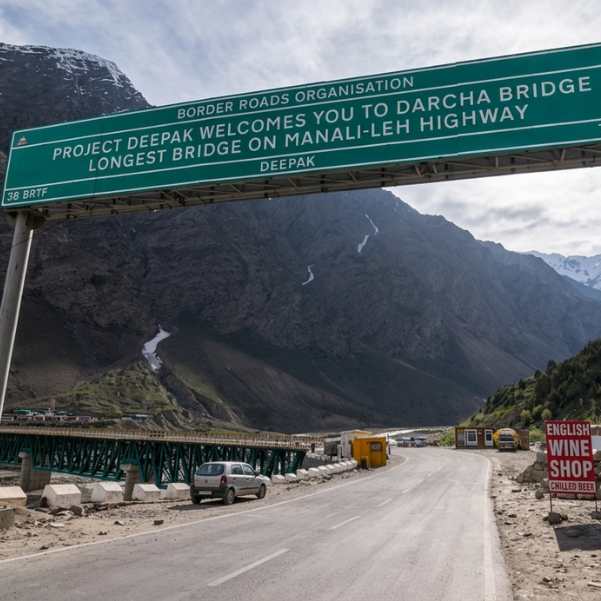
Manali to Leh Highway 2026: Every Pass, Stop and Distance
Plan your Manali to Leh Highway journey in 2026 with a complete guide to major mountain passes, overnight stops, route highlights, and distance. Discover key stops like Jispa, Sarchu, and Pang, along with famous passes including Baralacha La and Tanglang La.
- Road Trips
- How to Reach
 Ladakh
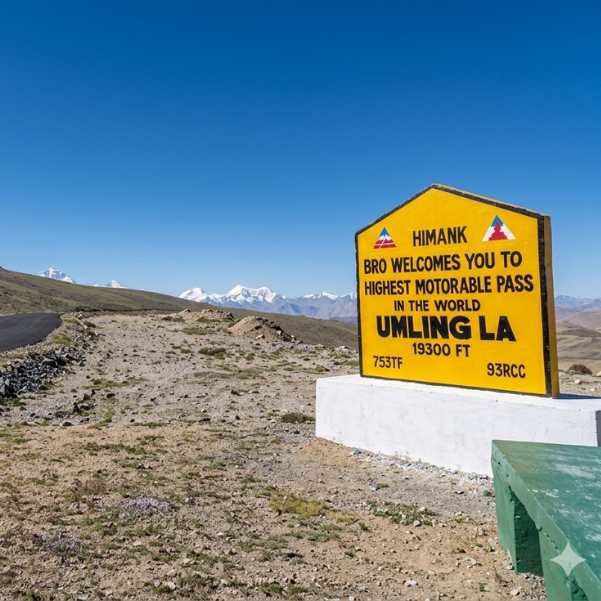
Umling La Ladakh Guide 2026: Route, Altitude, Permit, Safety & Reality Check
Planning to visit Umling La in 2026? This complete guide covers the route, altitude, permit requirements, road conditions, safety tips, and the realities of travelling to one of the world's highest motorable roads.
- Road Status
- Altitude & Health
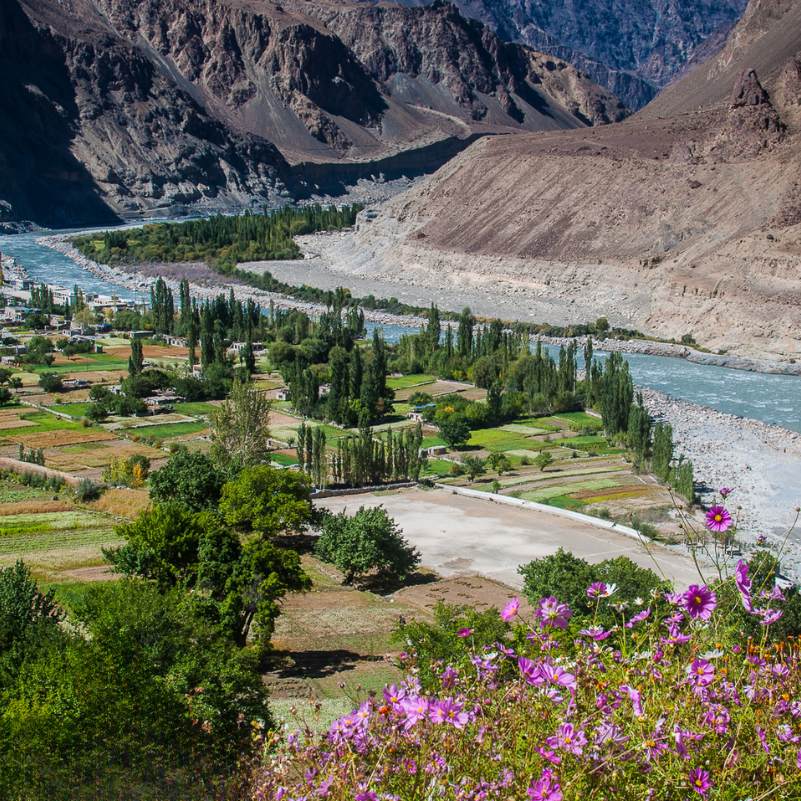 Ladakh
Turtuk Ladakh Travel Guide 2026: Balti Culture, Apricot Orchards and Why It Is Perfect for Families
Planning a trip to Turtuk? This 2026 travel guide explores the village's rich Balti culture, beautiful apricot orchards, top attractions, travel route, and why Turtuk is one of the best family-friendly destinations in Ladakh.
- Places to Visit
- Family Travel