
Tso Moriri Lake in August 2026: Weather, Road Status, Stay, Permit, and Travel Tips

August is one of the most reliable months to visit Tso Moriri Lake. The road is open, the camps and homestays in Korzok are running, and the lake is at its most vivid.
If you have acclimatized properly in Leh first, this trip is genuinely one of the best things you can do in Ladakh.
That said, a lot of people plan it wrong. They arrive in Leh, spend one night, and head straight out. At 4,522 metres, Tso Moriri does not forgive shortcuts. This guide by Travel Coffee is about doing it right.
Quick Answer
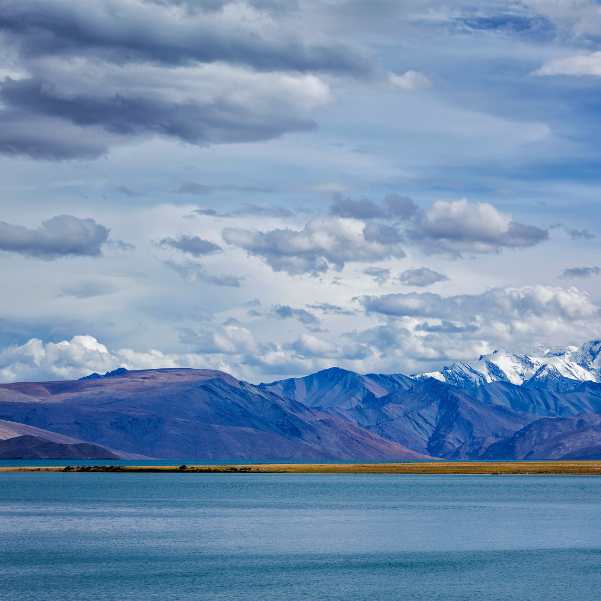
August falls inside the main travel season for Tso Moriri Lake. Roads are generally open, camping and homestay operations are running in Korzok, and the weather during the day is comfortable.
Daytime temperatures sit roughly between 10°C and 25°C, but nights are cold and basic.
Spend at least 48 hours acclimatizing in Leh before heading out. Do that, and August is a great month for first-time Ladakh travellers who want reliable access and a functioning trip.
Is August a Good Time to Visit Tso Moriri Lake?
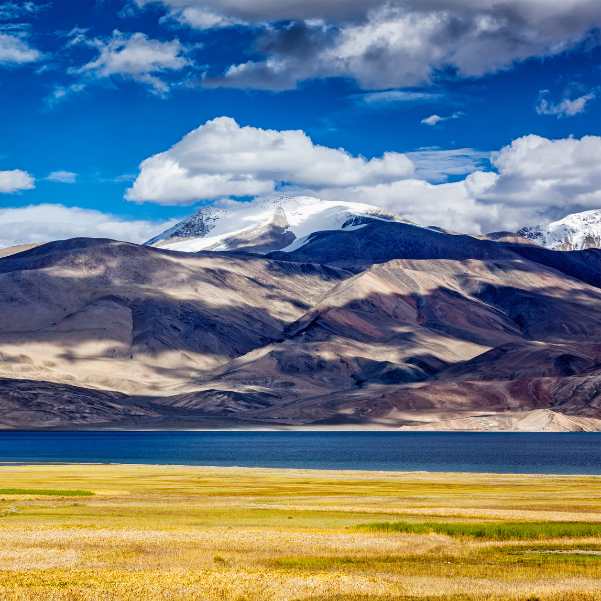
Yes, and here is why. August sits at the heart of the travel window when every part of the experience works: the road is open, the homestays and camps are running, birds are still active around the lake, and the skies are mostly clear on the Changthang side even if Leh gets some afternoon cloud.
Compare that to July, which is also open but sometimes sees more disruption on the approach roads from rain. September is slightly quieter and cleaner in terms of light, but some camps start winding down by late September.
If you have a fixed August window and you are doing your Leh acclimatization properly, there is no reason to wait. Go in August and enjoy it fully.
What Is the Weather at Tso Moriri in August?
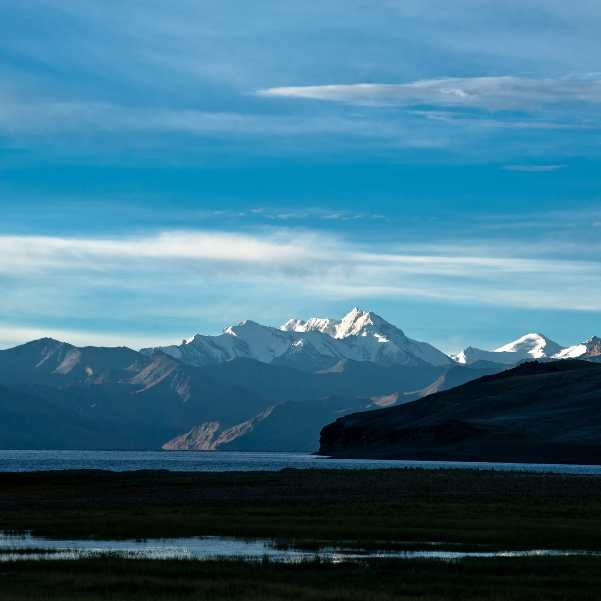
Days at the lake feel genuinely pleasant when the sun is out. Temperatures can go up to around 25°C in direct sunlight, and you will see people walking around in a light jacket or a fleece mid-morning.
Evenings are a different story. Once the sun drops behind the plateau, the temperature follows fast. By 7 PM, you want your down jacket.
By night, Korzok is properly cold, and basic homestays may not have much heating beyond extra blankets.
Pack for both. A base layer, a mid-layer fleece, and a windproof outer jacket will cover you through the entire day. Do not assume you can sort warm clothes once you get there.
What Does Tso Moriri Look Like in August?
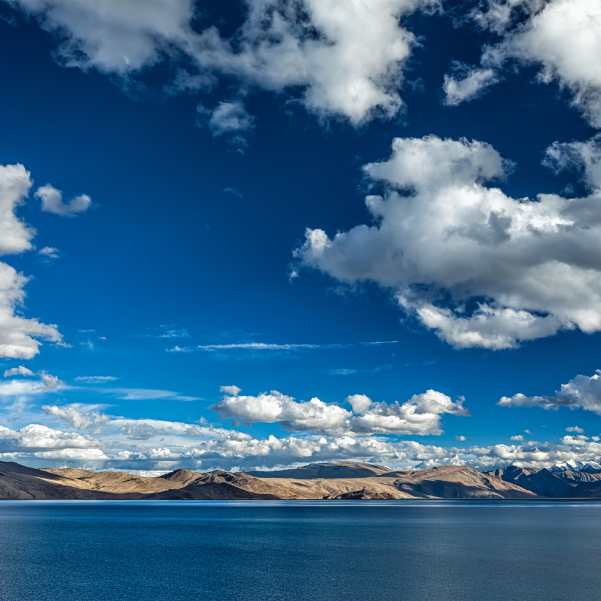
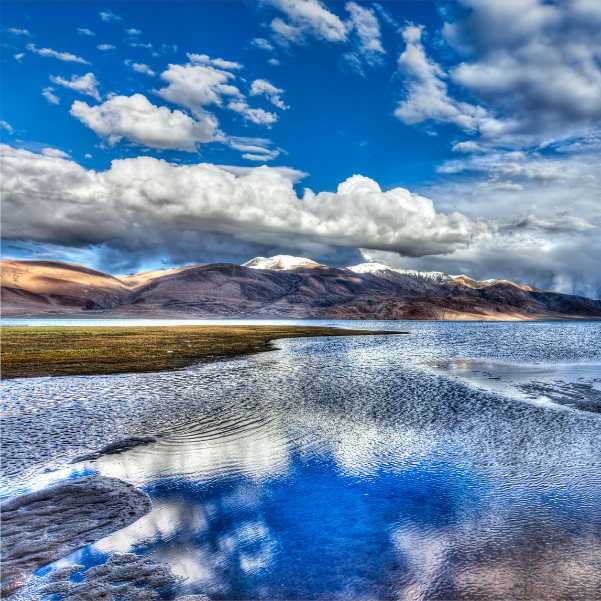
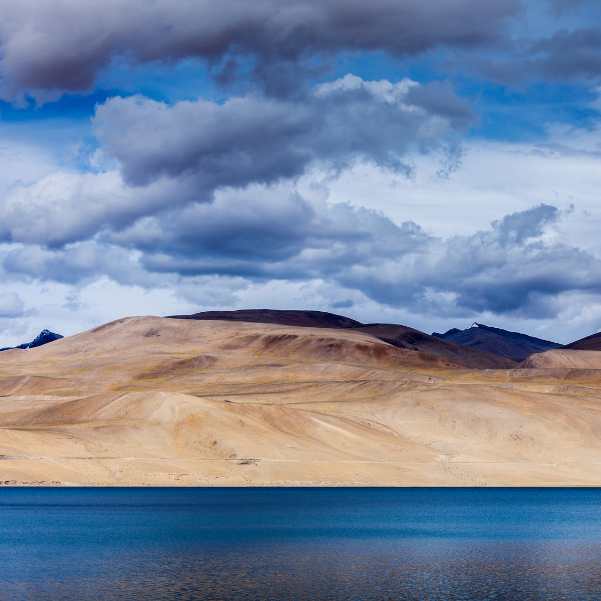
The lake stretches about 19 km long and up to 8 km wide across the open Changthang plateau. There is nothing to block the view.
No trees, no buildings, just open sky and mountains reflecting off water that shifts between blue and green depending on the time of day and the cloud above it.
In August, the surrounding hills still hold some green from summer, which makes the landscape slightly softer than it looks in the photographs from October.
The Korzok Monastery sits on the eastern ridge above the village, and most mornings you can walk up to it quietly before the day trippers arrive.
Bird activity is one of the things that surprises people most. Tso Moriri is part of the Tsomoriri Wetland Conservation Reserve, and the lake is considered the highest Ramsar site in the world.
In August, bar-headed geese, Brahminy ducks, and black-necked cranes are all around the lake. You do not need binoculars to spot them. Just walk slowly along the shore.
Can Altitude Sickness Ruin a Tso Moriri Trip in August?
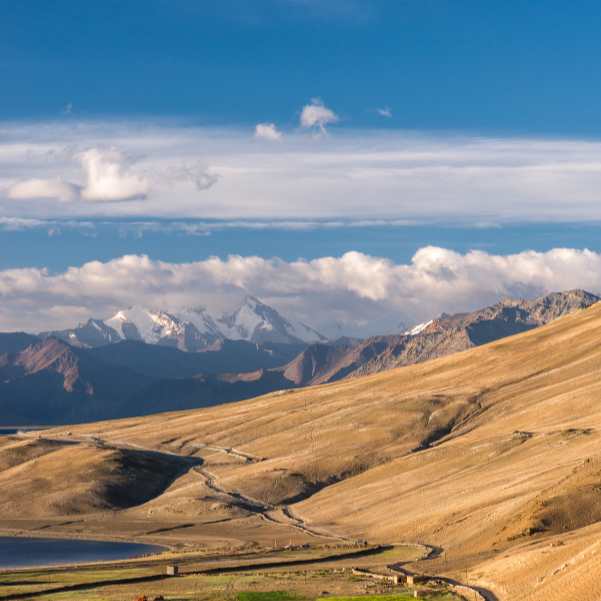
Yes, and it does ruin trips every season, regardless of month. Tso Moriri sits at over 4,500 metres. Most travellers arriving from the plains are at sea level two days before they want to camp there. That gap is too much to bridge without proper acclimatization.
The official Leh district advisory is clear on this: spend at least 48 hours in Leh before heading to higher-altitude destinations like Tso Moriri.
Leh itself is at 3,524 metres. Those two days let your body start adjusting before you add another thousand metres.
What we tell every traveller who books a Ladakh trip with us is this: do not plan Tso Moriri as your second or third day.
It sounds efficient on paper, but it puts you at serious risk of headaches, nausea, and breathlessness at a place where the nearest medical help is several hours away.
Even experienced mountain travellers get caught by altitude here. The plateau is exposed and dry. Drink more water than you think you need. Avoid alcohol for the first 48 hours. Walk slowly when you arrive at Korzok.
If anyone in your group shows worsening symptoms, headache that does not ease, confusion, or vomiting, the right move is to go back down toward Leh immediately. Do not wait it out at 4,500 metres.
How to Reach Tso Moriri from Leh in August
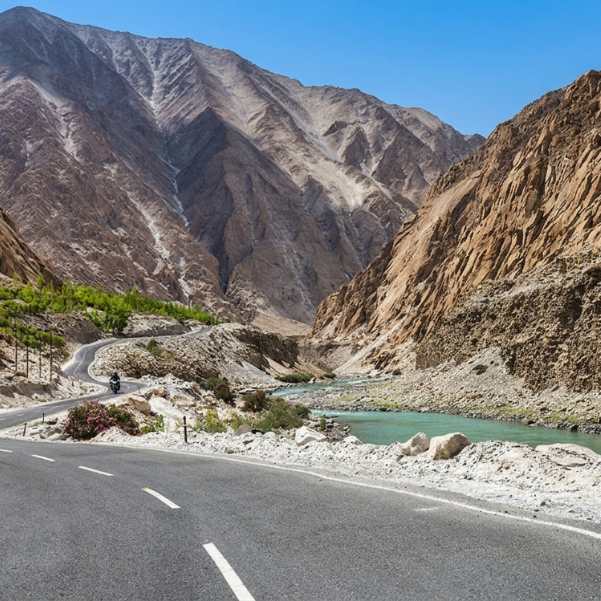
The standard route goes from Leh through Karu, Upshi, Kumdok, Kere, Chumathang, Mahe, Sumdo, and into Korzok. This is the route the Leh district administration uses and the one our drivers take every season.
The road passes through the Changthang plateau and follows river valleys for much of the middle section.
After Chumathang, the landscape opens up dramatically. For long stretches, you will not see another vehicle.
Do not rely on Google Maps for time estimates on this route. The app does not account for single-lane sections, water crossings, or road patches in variable condition. Drive in daylight only.
Leh to Tso Moriri Route Distance and Drive Time
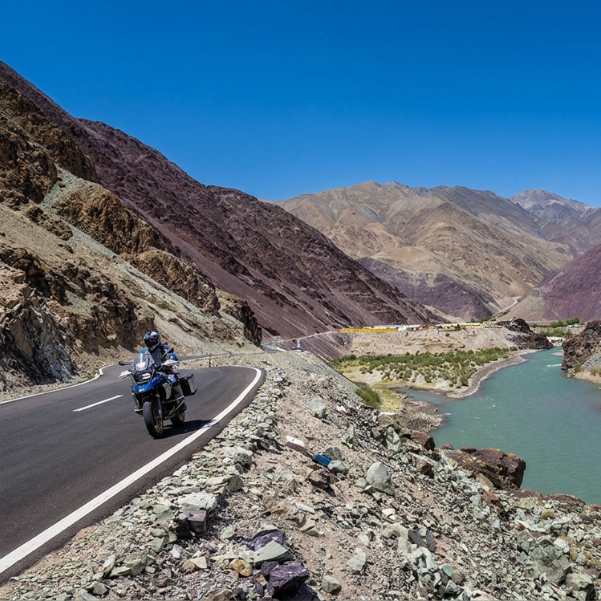
The official distance for the Leh to Korzok route is 240 km. Plan for about 6 to 7 hours of driving depending on breaks and road condition on the day.
Some blogs quote lower distances, but the route-based official figure from the Leh district page is the reliable one to use.
Start from Leh by 6:30 to 7 AM. That gives you daylight for the entire drive and gets you to Korzok with time to settle in before sunset.
Arriving in the dark at 4,500 metres with cold air and no street lights is not the experience you want.
Fill your fuel tank fully in Leh before leaving. There is no reliable fuel station along the route to Korzok.
Is the Tso Moriri Road Open in August 2026?
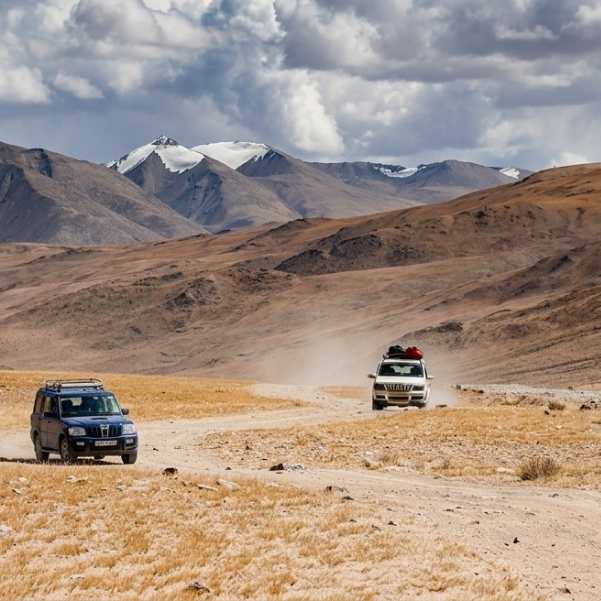
August falls within the open travel season for Tso Moriri, and in most years the road is passable without major issues. That said, mountain roads in Ladakh can change quickly after heavy rain or a landslide.
Check the official Leh district road-status page the day before you leave and again on the morning of departure.
A road that is clear on Monday can have a blocked section by Tuesday evening. This is not a scare tactic. It is just how mountain roads work.
If you are travelling with a tour operator, they should be doing this check for you automatically. If you are self-driving or hiring a cab independently, make this check your own responsibility.
Permit, Green Fee, and Document Rules for Tso Moriri in 2026
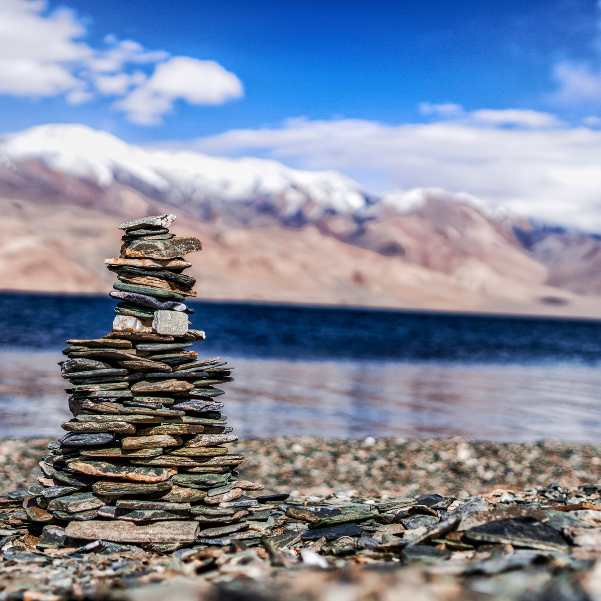
This is one section where a lot of online content creates unnecessary confusion, so here is the cleaner version.
Domestic Indian tourists pay the environmental or green fee of ₹400 per person online. The Leh permit portal allows you to complete this payment and get a slip. You carry that slip to the check posts along the route. No separate office visit is required.
Certain foreign nationals and travellers with specific passport categories require Protected Area Permit handling, which is a different process.
If this applies to you, check the official permit portal or contact a local operator to sort this out before you travel.
Do not show up at the check post without the payment slip. Keep a screenshot and a printed copy. Network is patchy before Korzok and you do not want to depend on loading a PDF on the road.
Talk to our team on WhatsApp if you need help sorting out the permit process before your trip
>> WhatsApp us to sort your permits before your trip
Where to Stay at Tso Moriri in August
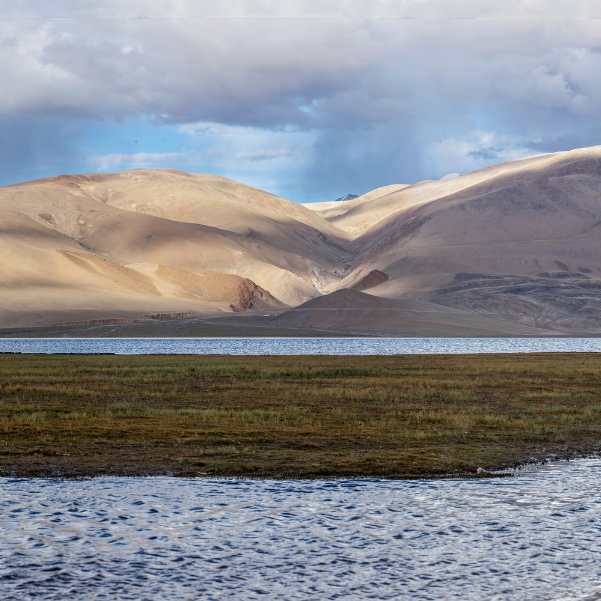
Korzok is your base. It is the main village on the Tso Moriri side and the only place with proper stay options, which are homestays and basic camps.
Do not expect hotel-level comfort. The rooms are simple, hot water depends on whether your host has a solar setup or a diesel boiler that is working that day, and electricity may be limited to a few hours in the evening.
This is not a complaint. It is just what a Changthang village at 4,500 metres looks like.
Nights are genuinely cold. Your host will usually provide extra blankets. Still carry a sleeping bag liner or a compact sleeping bag.
At this altitude, the difference between a good night's sleep and a miserable one is often one extra warm layer.
Book ahead if you are travelling in peak August when traffic to Tso Moriri is heavier. Do not assume you will find a bed when you arrive.
Is Camping Allowed Near Tso Moriri Lake?
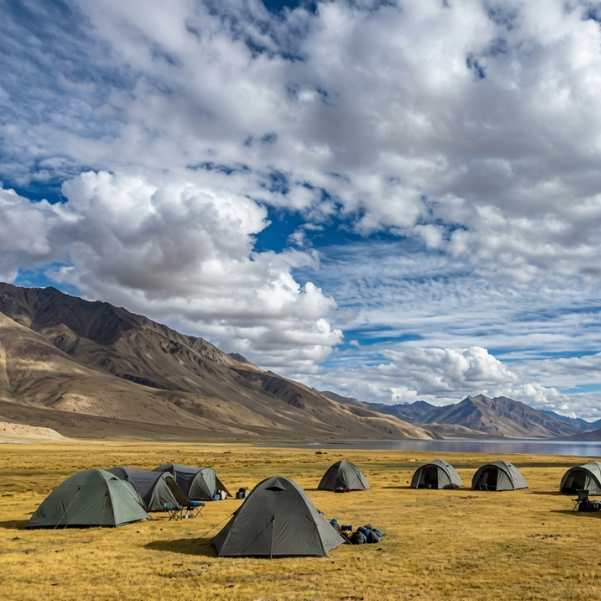
Camping directly on the lake banks is not allowed. Tso Moriri is a protected Ramsar wetland, and pitching a tent by the water causes direct ecological damage.
Stay in Korzok. Camp or homestay in the village area, and walk to the lake from there. This is the right way to do it and also the safe way, since temperatures on the open lakeside at night are significantly colder than in the village.
If a camp operator offers to set you up directly at the water's edge, that is a red flag. Politely decline and find a Korzok-based setup instead.
Things to Do at Tso Moriri in August
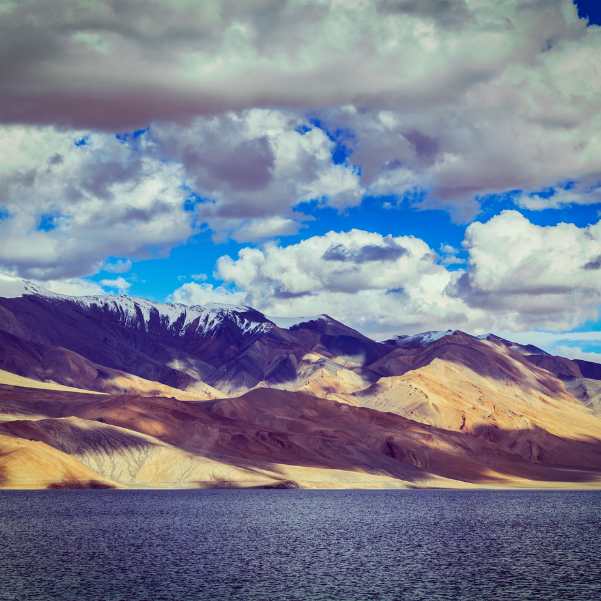
The lake itself is the main event. A slow walk along the accessible sections of the shore, watching the light shift on the water, is genuinely enough for most people. Do not rush it.
Birdwatching is excellent in August. Bar-headed geese are common. Black-necked cranes, if you spot them, are a reminder of how rare and protected this ecosystem is. Walk quietly and you will see more.
Korzok Monastery is worth an hour of your time. It sits above the village and the views from the monastery grounds over the lake are some of the best you will get. Go in the morning when the light is on the water.
One skip we always suggest: the paid photography spots that some local operators try to charge for near the parking area. You can find equally good angles for free by walking 200 metres further along the shore.
Can You Attend a Festival Near Tso Moriri in August?
Korzok Gustor, the main festival tied to Korzok Monastery, is listed in July on the official Leh district festival page. Non-official 2026 calendars suggest it may fall around 17 to 18 July 2026.
If you are visiting in August, do not plan your trip around catching the festival. It most likely will have already happened.
If the festival is a priority for you, aim for a mid-July visit and verify the exact dates from the official Leh district calendar closer to your travel window.
Sample 2-Day Leh to Tso Moriri August Itinerary
Day 1
Day 1 means leaving Leh by 6:30 AM. Drive via Upshi, Chumathang, and Sumdo into Korzok. The drive takes 6 to 7 hours including a tea stop. Reach Korzok by early afternoon, check into your homestay or camp, and rest.
Do not push yourself physically on arrival day. A short walk to the lake edge in the evening is enough.
Day 2
Day 2 means waking up before 7 AM to catch the lake at sunrise. This is the hour that makes the trip worth it. Walk to the monastery after. Then start driving back toward Leh by late morning.
If your energy is good and the road conditions allow, a stop at Tso Kar on the way back is possible, but only add this if you genuinely have the time and stamina. Do not force it into a tired, long return drive.
If you want someone to plan this properly with the right stops and a driver who knows the road, our Ladakh tour packages include Tso Moriri as part of a properly paced itinerary.
Tso Moriri in August vs Pangong in August
Pangong Tso
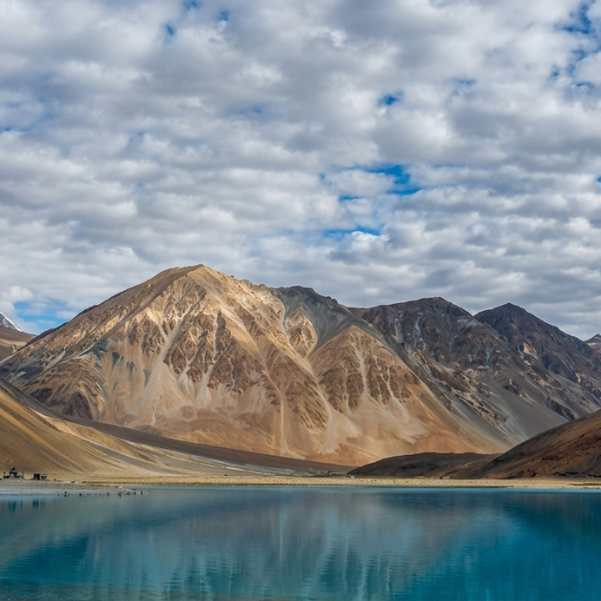
Pangong Tso is more famous, and August is its busiest month. The road from Leh is well-developed, the lake has multiple camps stretched along the shore, and by mid-morning the place is full of day visitors.
Tso Moriri
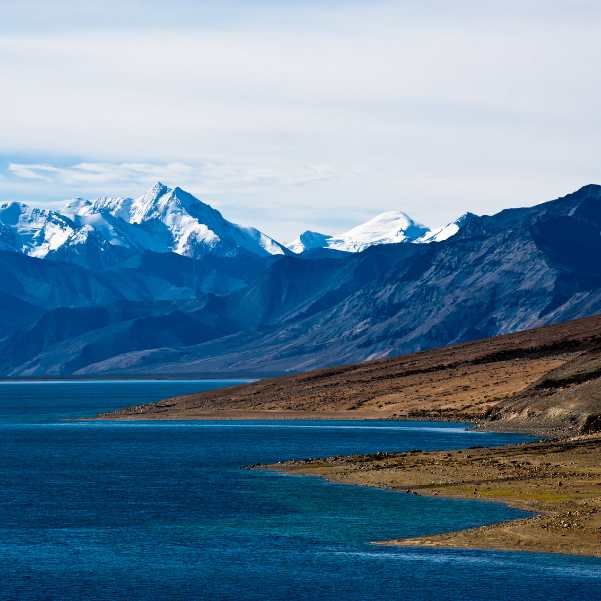
Tso Moriri feels entirely different. The drive is longer and more remote. Korzok has fewer options but more quiet.
You are far less likely to hear generators running all night or see organised group dinners playing Bollywood music at the lakeside.
If you have been to Pangong before and want something that feels more like the Ladakh people describe but fewer people actually see, Tso Moriri is that place.
If this is your first Ladakh trip and you want the famous blue water photographs with reliable facilities around you, Pangong is the easier choice.
Both are worth doing. But they are very different experiences.
Packing List for Tso Moriri in August
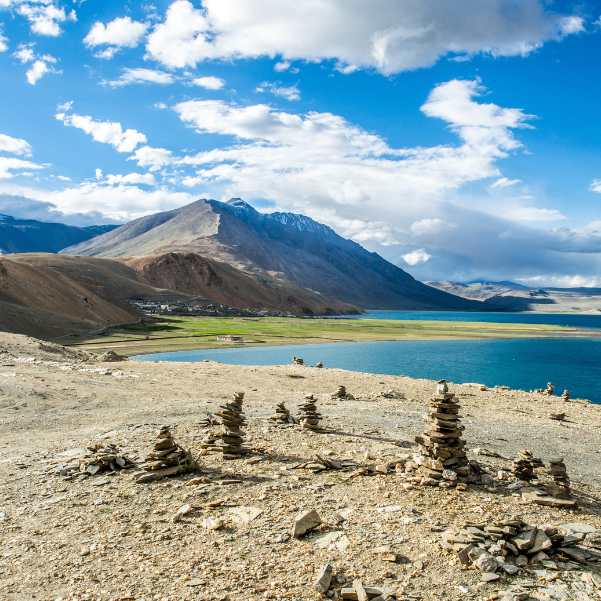
Thermals for nights and mornings are non-negotiable. Even if the day gets up to 20°C, the temperature drops hard after sunset.
Carry a proper down or insulated jacket, a fleece mid-layer, and a windproof outer. Warm socks, gloves, and a beanie are essential once you are in Korzok.
Sun protection is just as critical. The UV at 4,500 metres is strong enough to burn you on a cloudy day.
High-SPF sunscreen, UV-blocking sunglasses, and SPF lip balm are not optional items here. We have seen travellers get badly sunburnt after a 90-minute walk in overcast weather.
Carry a basic medical kit: paracetamol, anti-nausea tablets, ORS, antacid, and any personal prescriptions. If your doctor has recommended Diamox for altitude sickness prevention, carry it as directed.
Bring a fully charged power bank because electricity in Korzok is limited. Download offline maps before you leave Leh because mobile network near the lake is nearly nonexistent.
Carry cash. There are no ATMs on this route after you leave the Leh-Manali highway stretch.
Responsible Travel at Tso Moriri's Wetland Ecosystem
Do not camp on the lake banks. Do not feed the birds. Do not walk into restricted zones near nesting areas.
These rules exist because the lake is a Ramsar wetland and a protected wildlife habitat, not just a scenic backdrop for photographs.
Carry your waste back with you. Every wrapper, bottle, and tea cup. There is no municipal waste system in Korzok to absorb what tourists leave behind.
Keep your voice down near the water. The bird population here is genuinely vulnerable and direct, noisy human presence disrupts feeding and nesting patterns. Walk quietly, move slowly, and leave the lake looking the way you found it.
Final Verdict: Should You Visit Tso Moriri in August?
Yes. August is a reliable, rewarding month for Tso Moriri Lake in August. The road is open, accommodation is running, the lake is vivid, and the birds are active.
The one condition is acclimatization. Do not skip your 48 hours in Leh. Do not rush the itinerary. If you approach the trip at the right pace, August gives you one of the most memorable lake experiences in India.
September is worth considering if you want fewer visitors and cleaner light for photography. But August, done right, has nothing missing from it.
If you want help building an itinerary that actually works, including the acclimatization days, the Tso Moriri leg, and a realistic return plan, talk to our Ladakh team on WhatsApp and we will sort it out for you.
>> WhatsApp us to build a proper Ladakh itinerary with acclimatization
You can also browse our popular tours to see what a full Ladakh circuit looks like when planned by people who have driven these roads every season.
Explore Our Curated Leh Ladakh Tours
 6D/5N
6D/5NBest Selling Leh Ladakh Tour With Nubra Valley and Pangong Lake
2D Leh•1D Nubra Valley+1
₹23,999₹28,599SAVE INR 4,600/ person 6D/5N
6D/5NUltimate Leh Ladakh Tour Package with Nubra Valley & Pangong Lake
2D Leh•1D Nubra Valley+1
₹28,999₹35,999SAVE INR 7,000/ person 4D/3N
4D/3NLeh Ladakh Short Getaway
2D Leh•1D Pangong Lake
₹16,499₹19,999SAVE INR 3,500/ person
Related topics
Frequently Asked Questions
What is Tso Moriri like in August?
August is a full-season month at Tso Moriri. The lake is open, camps and homestays in Korzok are running, birds are active around the wetland, and the drive from Leh is manageable. Days are comfortable and nights are cold.
Is August a good time to visit Tso Moriri?
Yes. August falls in the main travel season. Roads are generally open, facilities in Korzok are running, and the weather during the day is pleasant. Acclimatize in Leh for 48 hours before heading out.
How cold is Tso Moriri in August?
Daytime temperatures can reach around 20°C to 25°C in direct sunlight. Nights drop significantly. Expect temperatures near or below freezing after sunset. Carry proper warm layers.
Do I need a permit for Tso Moriri in 2026?
Domestic tourists pay an environmental green fee of ₹400 per person through the Leh permit portal. You can pay online and carry the slip to the check posts. No separate office visit is required. Certain foreign nationals need Protected Area Permit handling.
Can I go to Tso Moriri directly from Manali?
Not directly in one day. The Manali route gets you into Leh or Leh-area first. The Leh district advisory recommends 48 hours of acclimatization in Leh before heading to Tso Moriri. Trying to push through without that stop significantly increases your altitude sickness risk.
How many days are needed for Tso Moriri from Leh?
A minimum of 2 nights is needed: one night in Korzok and the return the following day. But this is a tight schedule. Three nights total, including an extra buffer day in Leh before or after, is a more comfortable plan.
Is Tso Moriri better than Pangong in August?
Tso Moriri is quieter, more remote, and less crowded. Pangong is more famous and has better-developed facilities. If you want a peaceful, less-photographed lake experience, Tso Moriri wins. If you want the iconic Ladakh lake with more comfort options, Pangong is easier.
Is camping allowed near Tso Moriri Lake?
Camping directly on the lake banks is not allowed. The lake is a protected Ramsar wetland. Stay in Korzok village-side camps and homestays and walk to the lake from there.
Where should I stay at Tso Moriri in August?
Korzok village is the only practical base. Homestays and basic camps operate there during the season. Expect simple rooms, limited electricity, and cold nights. Book ahead in August as availability can be tight.
Can I see birds and wildlife at Tso Moriri in August?
Yes. August is a good month for birdwatching. Bar-headed geese and Brahminy ducks are common around the lake. Black-necked cranes are also spotted in this area. Walk quietly and move slowly for the best sightings.
What is the Leh to Tso Moriri distance?
The official route via Karu, Upshi, Chumathang, and Sumdo is 240 km. Drive time is roughly 6 to 7 hours depending on road condition and breaks. Start by 6:30 AM from Leh to reach Korzok comfortably before sunset.
Is Tso Moriri safe for families in August?
Families with older children (above 10) who are reasonably fit can visit safely in August, provided they acclimatize properly in Leh first. The altitude is significant and the facilities are basic. For very young children or elderly members with heart or breathing conditions, a day visit from a lower base is safer than an overnight stay at Korzok.
More about Ladakh
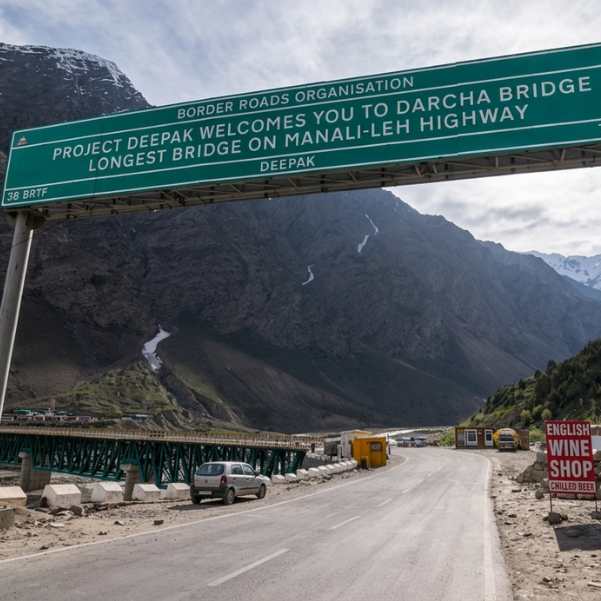 Ladakh
Manali to Leh Highway 2026: Every Pass, Stop and Distance
Plan your Manali to Leh Highway journey in 2026 with a complete guide to major mountain passes, overnight stops, route highlights, and distance. Discover key stops like Jispa, Sarchu, and Pang, along with famous passes including Baralacha La and Tanglang La.
- Road Trips
- How to Reach
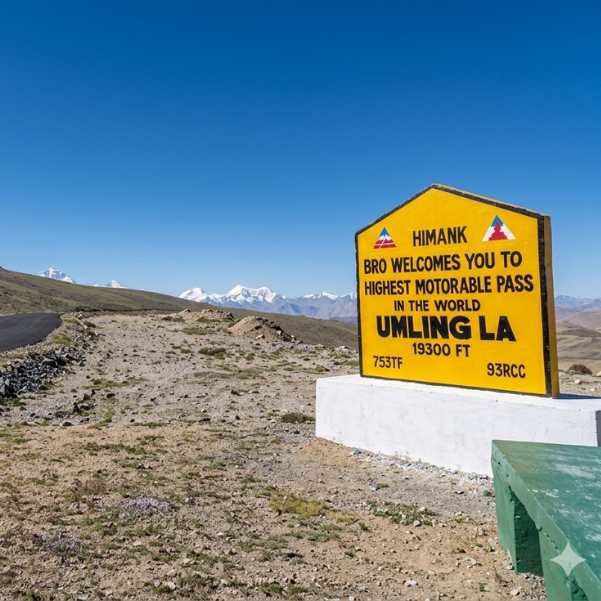 Ladakh
Umling La Ladakh Guide 2026: Route, Altitude, Permit, Safety & Reality Check
Planning to visit Umling La in 2026? This complete guide covers the route, altitude, permit requirements, road conditions, safety tips, and the realities of travelling to one of the world's highest motorable roads.
- Road Status
- Altitude & Health
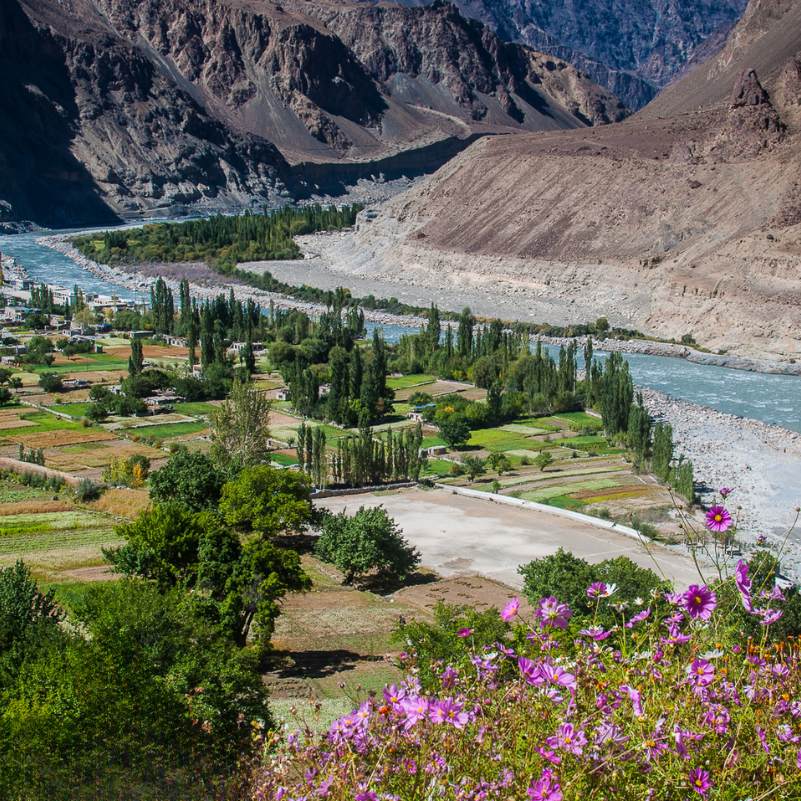 Ladakh
Turtuk Ladakh Travel Guide 2026: Balti Culture, Apricot Orchards and Why It Is Perfect for Families
Planning a trip to Turtuk? This 2026 travel guide explores the village's rich Balti culture, beautiful apricot orchards, top attractions, travel route, and why Turtuk is one of the best family-friendly destinations in Ladakh.
- Places to Visit
- Family Travel