
Sedan or SUV for Chanshal Pass in 2026? The Vehicle Question, Answered
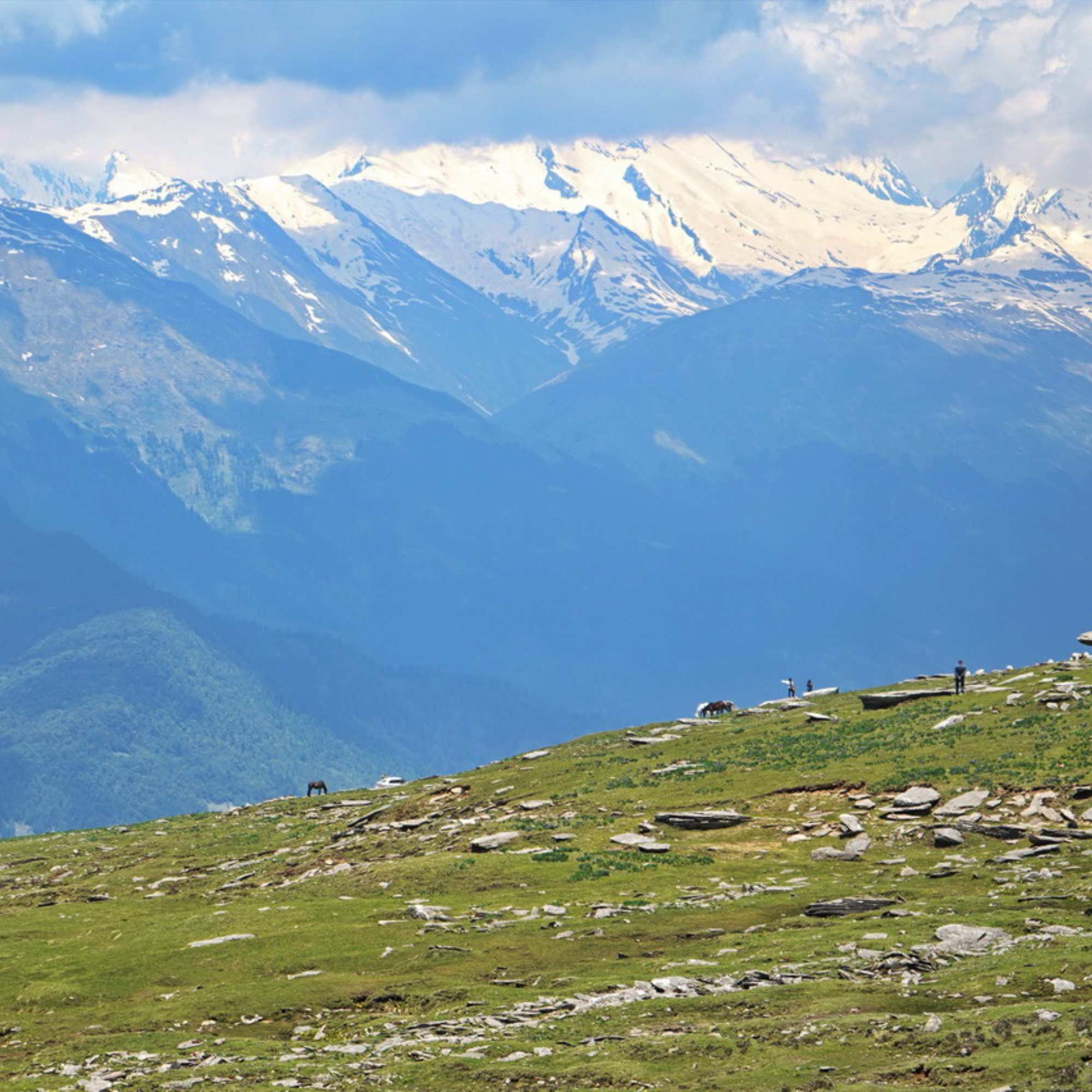
If you are stuck on whether to take a sedan or SUV for Chanshal Pass, here is the short version before you read anything else.
Your car choice decides how much of this trip you actually enjoy and how much of it you spend praying your bumper survives.
We run trips on this side of Shimla district every season, and the vehicle question is the one travellers get most wrong. So let us settle it properly.
Quick Answer: Should You Take a Sedan or SUV to Chanshal Pass?
An SUV or any high-ground-clearance vehicle is the safer and more comfortable choice for Chanshal Pass. Simple as that.
A sedan can reach in dry, settled-road conditions with an experienced mountain driver. But it is not the right car for the final Larot to Chanshal stretch.
Sedans should stay away during May snowmelt, late July, August, monsoon rain, fresh slush, and any day when locals tell you the road is broken.
So if you are choosing between a sedan or SUV for Chanshal Pass and your dates fall in those risky windows, the answer is easy. Take the SUV.
Why Is Chanshal Pass a Vehicle-Sensitive Route?
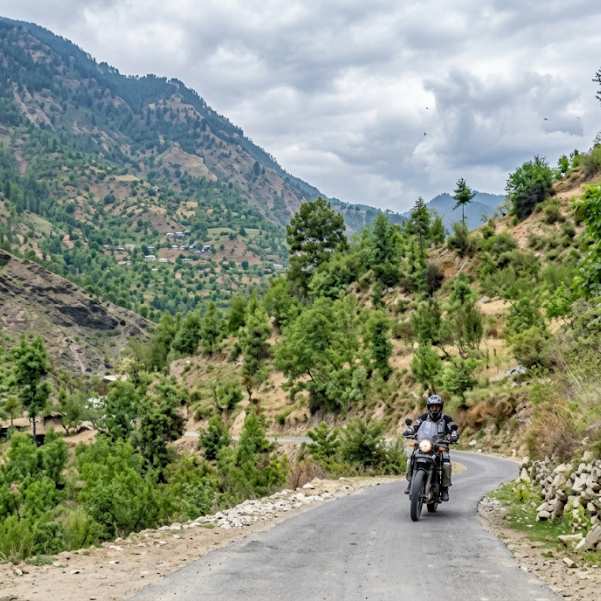
Chanshal is not a normal Shimla sightseeing drive. This is not Kufri or Mashobra where any car rolls up easily.
Chanshal Pass sits in Shimla district, near Rohru, and connects the Rohru side with the Dodra Kwar side. The pass is at around 3,750 to 3,755 metres.
You will hit narrow climbs, rough patches, loose stones, mud, and blind turns where you cannot see what is coming.
The weather flips fast up here. A clear morning can turn into fog or rain by afternoon, and that changes the road completely.
Help is also limited near the top. No mechanic is waiting to rescue your scraped sedan at 3,700 metres.
Most tourists get this wrong. They check the distance on Google Maps, see a small number, and assume their hatchback or sedan will manage like it does on a normal hill road. That assumption ruins trips.
This is exactly why we keep a serious eye on car choice in every Chanshal Pass tour package we send out.
What Is the Road Like from Rohru to Chanshal Pass?
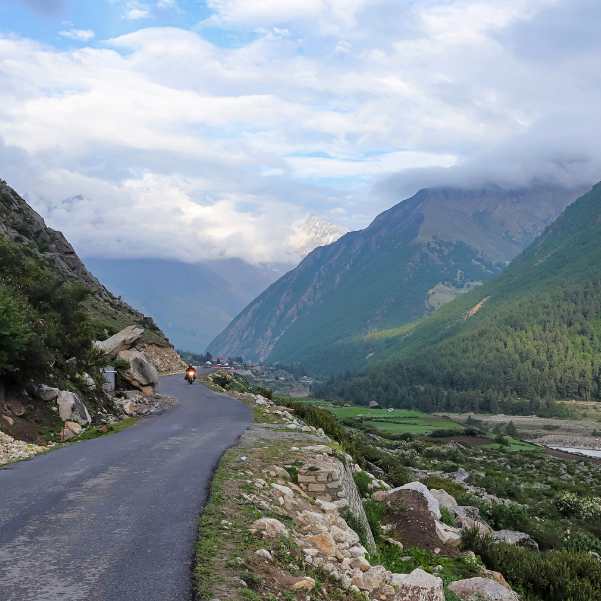
Think of this drive in two halves. The first half and the second half feel like two different trips.
The road up to Rohru is manageable. It is a normal hill road, paved in most parts, the kind any decent car handles.
Rohru to Chanshal Pass is commonly reported as around 50 km depending on how the route is measured.
The full Rohru to Chanshal and back run works out to around 95 to 100 km round trip. On paper that sounds like a quick day. It is not.
The second half is where everything changes. The final stretch after Larot is the roughest part of the entire route.
This stretch can be narrow, steep, rocky, muddy, broken, and basically off-road in patches. Some travellers report a long series of hairpin turns here, around 55 of them.
Do not compare these kilometres with highway kilometres. Around 50 km here is slow, tiring, and demands full concentration.
In our experience, travellers who plan their timing around the distance instead of the road condition always end up rushed and stressed by evening.
Can a Sedan Go to Chanshal Pass?
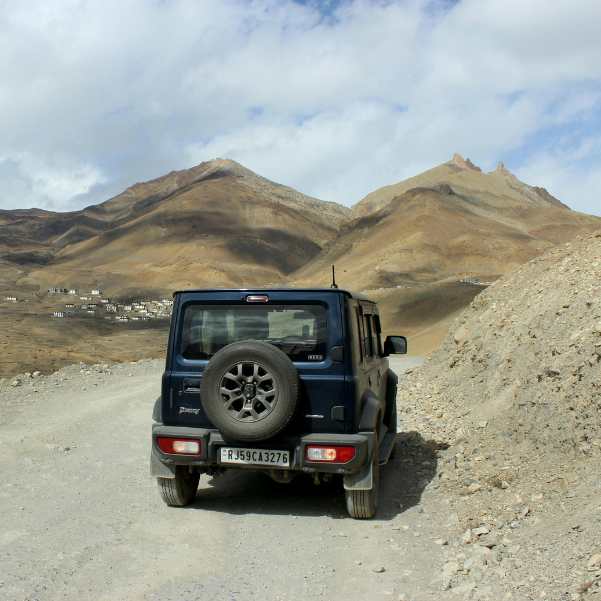
Yes, sedans have reached Chanshal in dry and settled conditions. We are not going to pretend it is impossible, because it is not.
But reaching is not the same as it being a good idea.
A sedan has lower ground clearance, a lower approach angle, and a much higher scraping risk. Load it with four passengers and luggage and that risk goes up further.
The belly of a sedan sits low. On a rocky, broken climb, that means contact with stones and ridges that an SUV simply clears.
A sedan should only be attempted by an experienced mountain driver with good tyres, a healthy clutch, and enough patience to turn back if the road says no.
If you are reading this and thinking "but someone on YouTube did it in a sedan," sure. One dry day with a skilled driver is not the same as your day with your load and your nerves.
When Should You Avoid Taking a Sedan to Chanshal Pass?
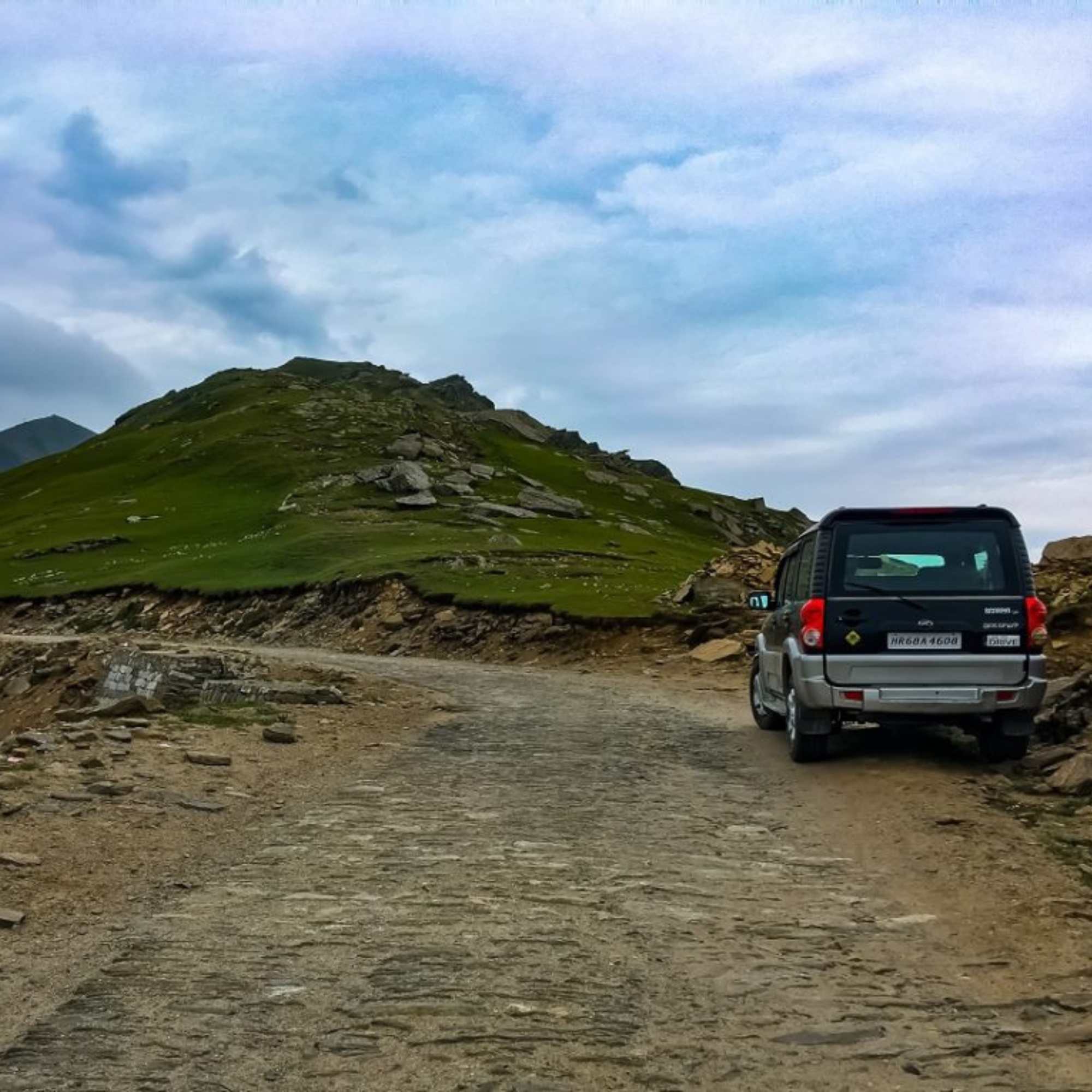
Timing matters more than ego here. Let us go month by month.
May can have snowmelt and slush right after the road opens. The surface is soft and unpredictable, so a sedan struggles.
Late July and August are the worst for a sedan. Rain, mud, and monsoon damage turn the final stretch into a trap for low cars.
November is uncertain. The pass can close any time after fresh snowfall, and you do not want to be caught up there in a sedan when it does.
The better sedan windows are late June, early July before the heavy rain, September, and early October. Even then, only after you check the road status locally.
In our experience, the travellers who get stuck are almost always the ones who picked a sedan for an August trip because the car was free or cheap. Wrong saving, wrong month.
Is an SUV Enough or Do You Need 4x4?
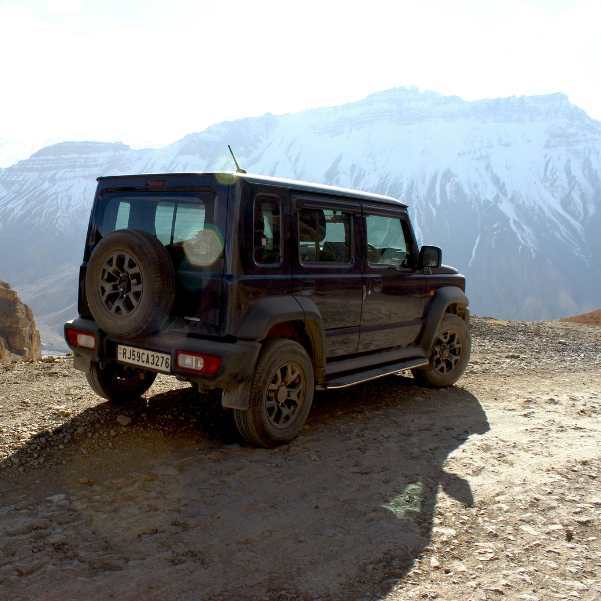
Good news for budget-conscious travellers. You do not always need a full 4x4.
A 4x4 helps, but it is not mandatory in dry open-season conditions. What matters more for most normal Chanshal trips is high ground clearance.
A 2WD SUV with a sensible driver beats a low sedan on this road almost every time. The clearance does the heavy lifting, not the four-wheel drive.
A 4x4 becomes genuinely useful after rain, in snow patches, on muddy climbs, or if your plan goes beyond regular tourist movement toward the Dodra Kwar side.
We will not promise that any SUV can go on any day, because that is simply not true on Chanshal. The day's road condition still decides everything.
Compact SUV vs Proper SUV: What Should You Choose?
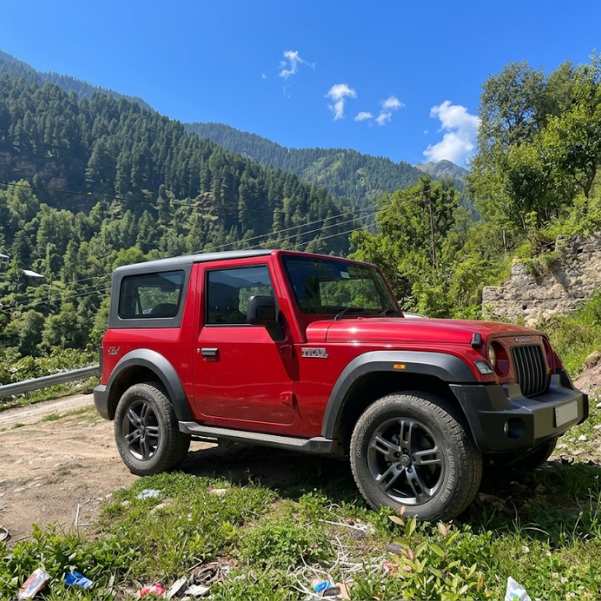
A compact SUV already puts you ahead of a sedan because of the extra clearance. That is the main win.
But a stronger SUV with better tyres and proper suspension feels far more settled on the last stretch. Less bouncing, less stress, fewer "did we just scrape" moments.
Here is the part people forget. A fully loaded compact SUV can still scrape on the worst patches.
So your luggage and passenger load matter. Pack light, do not cram five adults plus bags into a small SUV, and the car handles the rough sections much better.
We avoid exact model-by-model claims because every car ages differently and tyres make a huge difference. Clearance and load are what we actually look at.
What About Hatchbacks, Bikes, and Tempo Travellers?
Let us be honest about the in-between options.
A hatchback is possible in dry conditions, but it gets risky fast if the clearance is low or the road is broken. Some hatchbacks sit fine, others scrape like sedans.
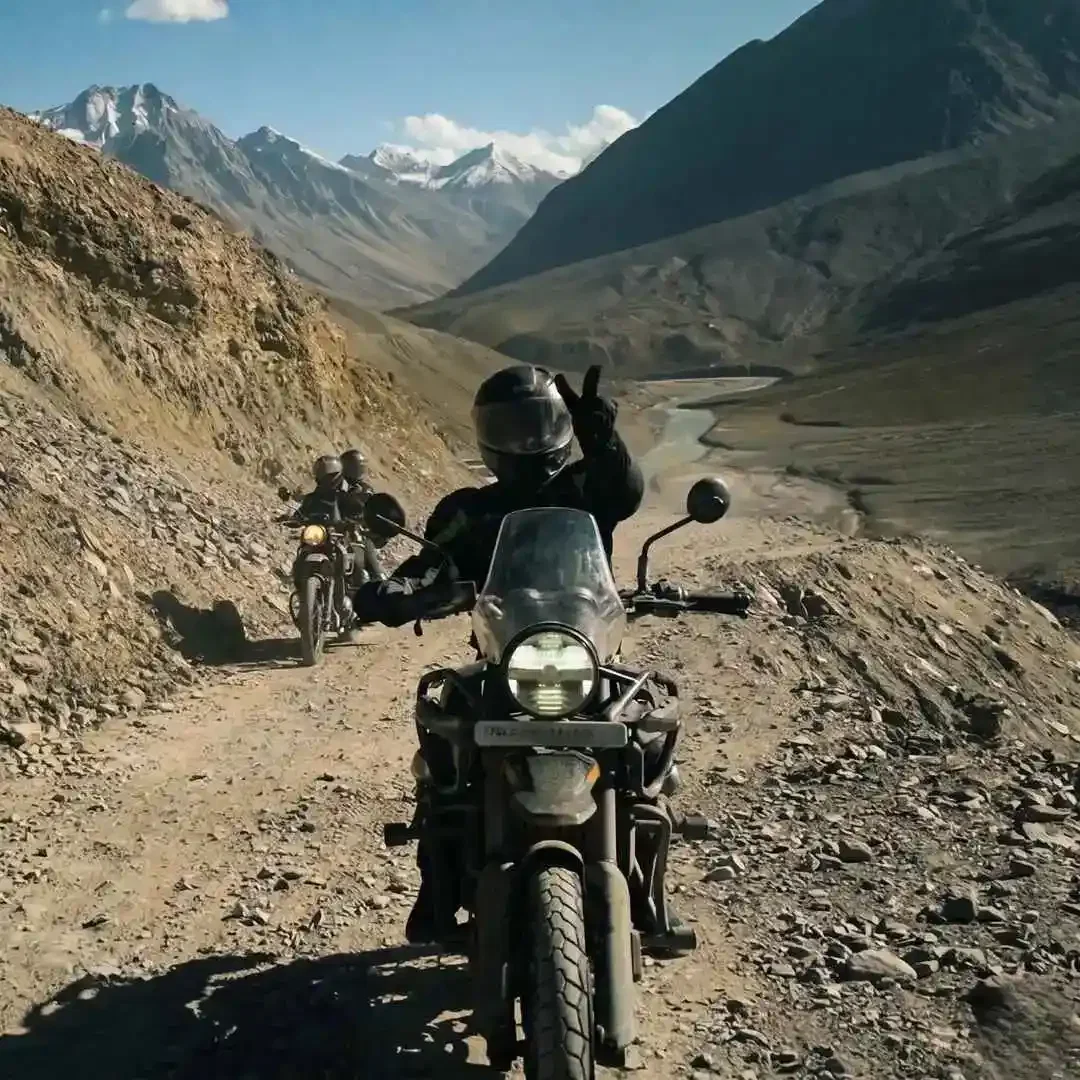
Bikes are doable, but only for experienced riders. The broken patches, loose gravel, and altitude make this a bad pick for a first-time mountain rider.
If you love riding and want a sense of what high mountain road riding involves, our guide on adventure activities in Manali gives you a feel for that kind of terrain.
A Tempo Traveller should only run when the road status is suitable and the driver knows this route well. We do not sell Chanshal as a smooth group-tour road, because it is not one.
If a travel agent promises you a comfortable Tempo Traveller ride to the pass in peak monsoon, treat that as a red flag.
What Vehicle Should Families, Couples, and First-Time Drivers Choose?
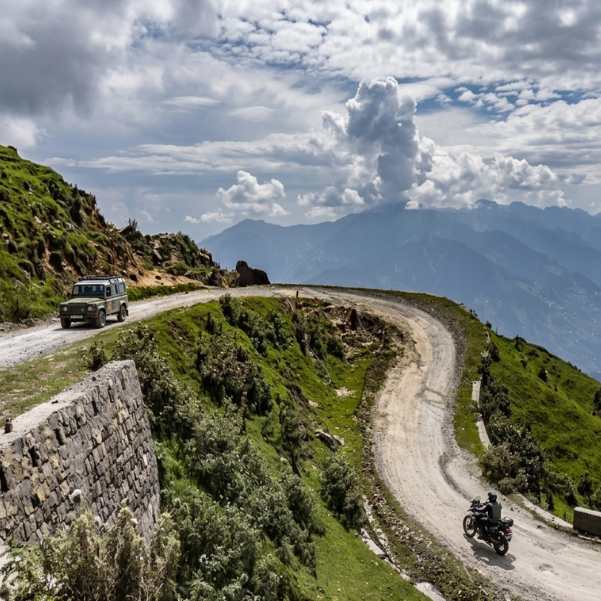
This one is simple. Families, couples, senior travellers, and first-time mountain drivers should take an SUV or a local taxi. Full stop.
The road is tiring even in a good vehicle. Comfort matters as much as capability when you have kids or older parents in the car.
Chanshal works best with flexible pacing and Rohru as your base, not as a rushed one-day gamble.
What we always tell our travellers is to treat Rohru as a real overnight stop, not just a fuel break. A night here makes the whole final stretch calmer the next morning.
If you want to build a relaxed Shimla-side plan around this, our Shimla tour packages can be shaped around Rohru and Chanshal.
Should You Hire a Local Taxi from Rohru or Larot?
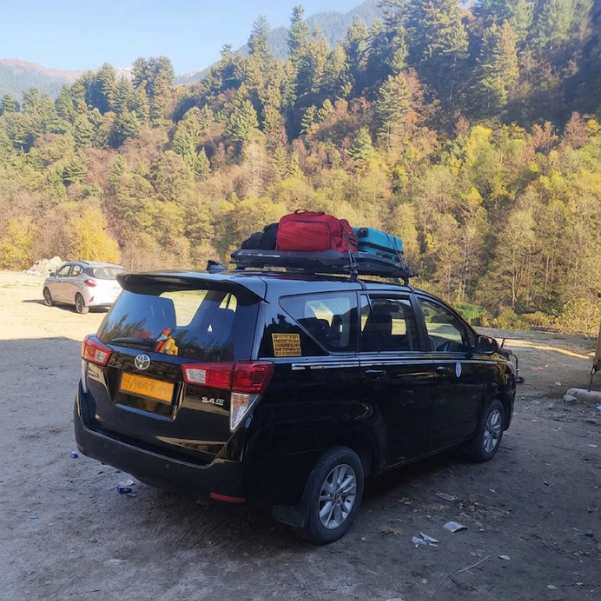
This is the smartest middle path, and not enough people think of it.
Say you have driven your own sedan comfortably till Rohru. From there, you can check the latest road condition and hire a local high-clearance vehicle for the final stretch if needed.
You leave your sedan parked safely lower down and let a car built for that road do the hard part.
Local drivers know the current water crossings, the broken patches, the safe turns, and exactly where not to push a car. That knowledge is worth more than any spec sheet.
This trick also saves money. Instead of renting an SUV for your entire trip from your home city, you only pay for the rough final leg.
One honest warning. Always fix the price with the local driver before you sit in the car. Settle the number first, then start the engine.
Best Vehicle Decision by Month
Let us match the car to the calendar, because Chanshal changes a lot through the season.
May
In May, take an SUV. We caution against sedans here because snowmelt and slush make the surface soft and slippery.
June
In June, an SUV is best. A sedan is fine only if the roads are dry and locals confirm the final stretch is settled. Late June is one of the better windows overall.
July and August
In July and August, skip the sedan. Monsoon rain, mud, and road damage make this the wrong time for a low car. SUV only, and even then with buffer days.
September and October
In September and October, you get the best window for most travellers. The road usually settles, the views are clean, and a sedan has its best chance here if conditions are confirmed good.
November to April
From November to April, regular access is usually not suitable. The route can close due to snow, and the official Shimla district line is that the road is generally open May to November and closed the rest of the year.
A live road-status page listed Rohru to Chanshal Pass as open on 12 June 2026, but you must still check road status close to your own travel date. A page from last week means nothing if it snowed yesterday.
What Should You Check Before Starting from Rohru?
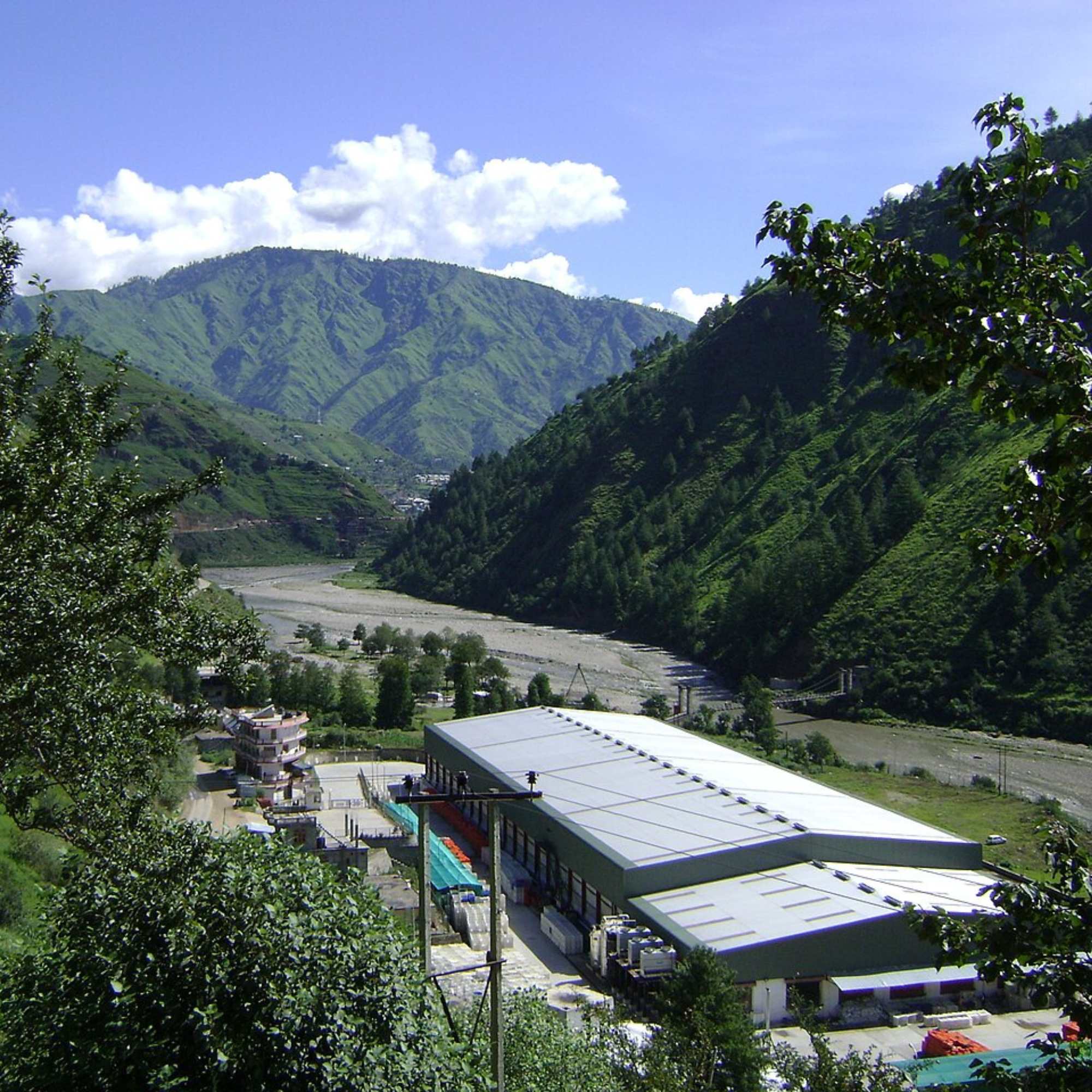
Rohru is your last proper checkpoint, so do not leave it half-prepared.
Check your tyres and carry a healthy spare wheel. On this road, one bad tyre can end your day.
Test your brakes and clutch before the climb. The final stretch punishes weak clutches badly.
Fill fuel at Rohru. Do not count on petrol beyond Rohru, because there is no reliable pump higher up.
Carry enough cash. ATMs are around Rohru, but do not rely on any machine beyond it toward the pass.
Download offline maps. Mobile network is patchy or absent near the top and beyond Larot, so live GPS will fail you.
Pack a warm jacket, snacks, water, and start early. Grab a hot meal and chai in Rohru market too, because that is the last proper food stop before things get basic.
Do not overload the vehicle. And do not drive the final stretch in darkness, heavy rain, fog, or after fresh snowfall.
What If Your Sedan Starts Scraping or Struggling?
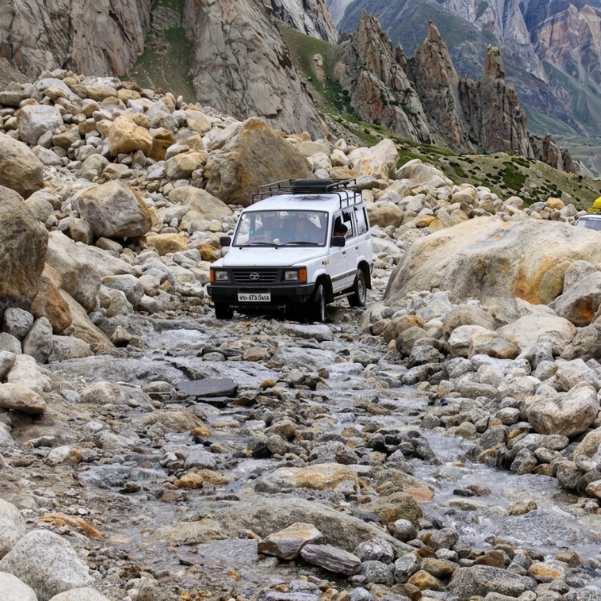
Stay calm. The best decision here is the boring one.
Stop before damage happens. The moment you hear repeated scraping or feel the car fighting the climb, that is your signal.
Turn around at a safe, wide spot. Do not try to muscle through "just a little more."
Do not ride the clutch up a steep muddy patch. Do not force a slushy climb. And do not copy local drivers blindly. Their cars and their muscle memory are not yours.
Park lower at a safe point and hire a local taxi for the rest if you really want to reach the top.
Turning back on Chanshal is not a failure. It is the move experienced mountain travellers make all the time. A scraped, stuck sedan at altitude is a much worse story than a sensible u-turn.
Our Local Recommendation
Here is what we honestly tell our guests.
Our team recommends an SUV or high-ground-clearance vehicle for most Chanshal trips. That covers almost everyone reading this.
Sedans are only for dry-season, experienced-driver, low-load situations. If you do not tick all three of those boxes, do not gamble.
We would rather suggest the right vehicle than push a risky trip just to make a booking happen. A bad day on this road is not worth a sale to us.
For travellers coming from Delhi, our group trips usually run as 3N/4D in the range of around ₹8,999 to ₹12,999 per person. From Chandigarh, private or group trips run as 2N/3D or 3N/4D in the range of around ₹7,999 to ₹11,999 per person.
Whatever you choose, verify same-week road conditions before you confirm your final vehicle. The road has the final say, not the brochure.
Explore Our Curated Chanshal Pass Tour Packages
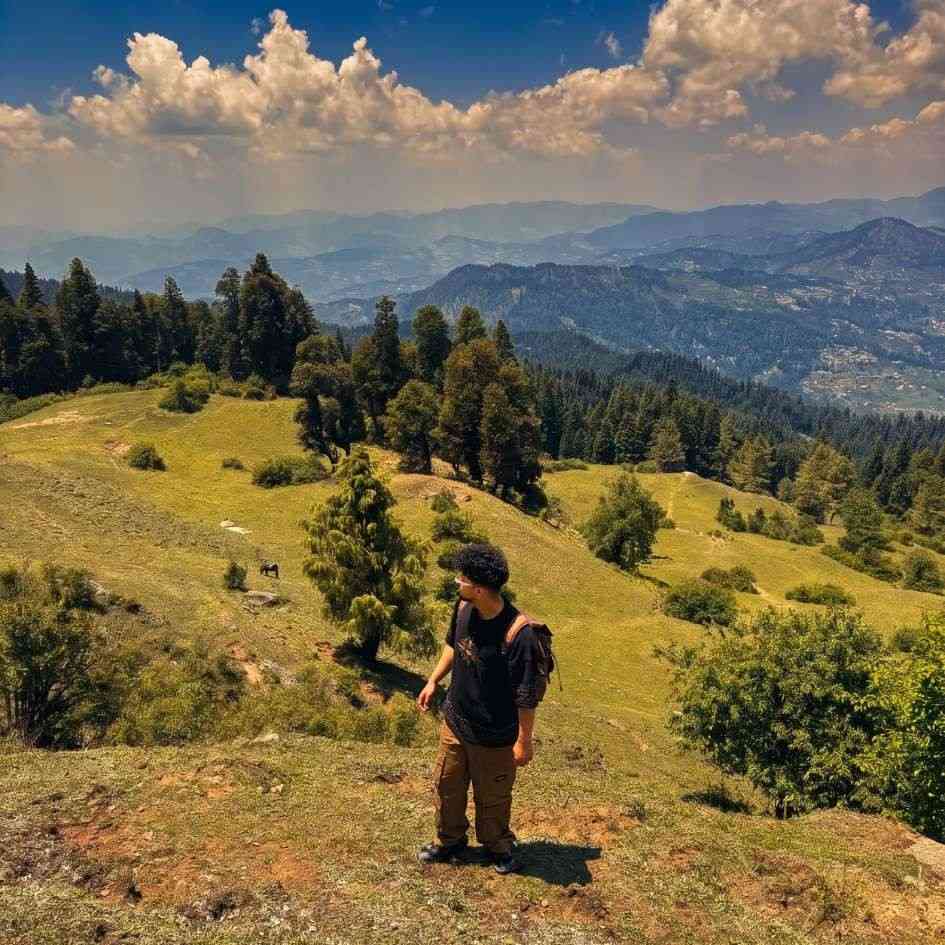 Group Tour5D/4N
Chanshal Pass Weekend Group Trip With Giri Ganga and Kuppar Bugyal
1D Kharapathar / Kotkhai•1D Rohru / Chirgaon (Pabbar Valley)
₹8,999₹12,999SAVE INR 4,000/ person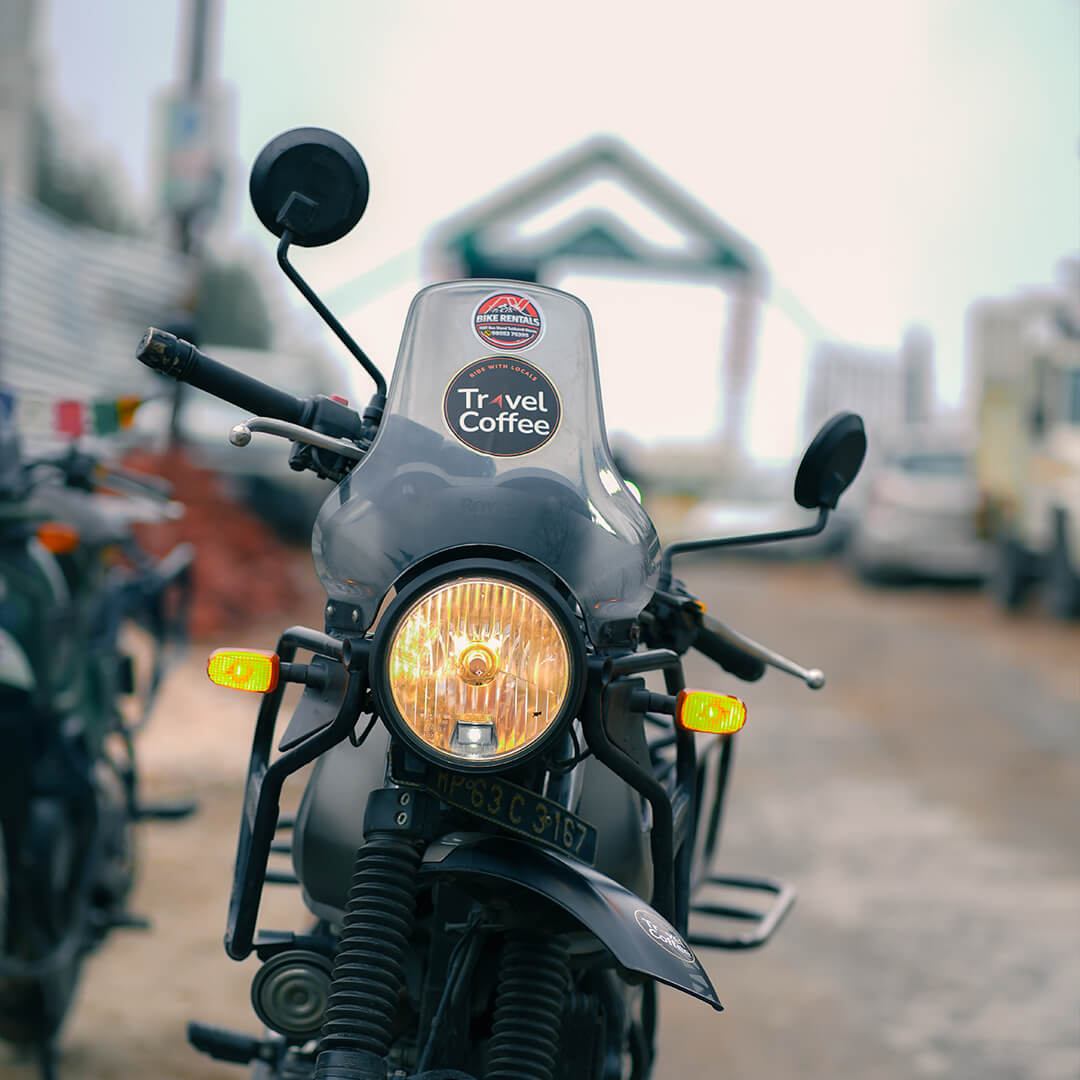 8D/7N
8D/7NUltimate Pabbar Valley Bike Expedition With Giri Ganga Kuppar Bugyal Chanshal Pass and Dodra Kwar
1D Kharapathar / Kotkhai•2D Rohru / Chirgaon (Pabbar Valley)+1
₹29,999/ person 8D/7N
8D/7NMost Loved 4x4 Pabbar Valley Expedition With Giri Ganga Kuppar Bugyal Chanshal Pass and Dodra Kwar
1D Kharapathar / Kotkhai•2D Rohru / Chirgaon (Pabbar Valley)+1
₹32,999₹39,999SAVE INR 7,000/ person
Related topics
Frequently Asked Questions
Can a sedan go to Chanshal Pass?
Yes, in dry and settled conditions with an experienced driver. But it is not the ideal car, especially on the final stretch after Larot. Avoid it in May slush and the monsoon months.
Which vehicle is best for Chanshal Pass?
An SUV or any high-ground-clearance vehicle. It handles the rough climb, the load, and the broken patches far better than a sedan.
Do I need 4x4 for Chanshal Pass?
Not always. In dry open-season conditions, high ground clearance matters more than four-wheel drive. A 4x4 helps after rain, in snow patches, and on muddy climbs.
Can a hatchback go to Chanshal Pass?
Possible in dry conditions, but risky if the clearance is low or the road is broken. A compact SUV is a safer bet for the same money.
Is Chanshal Pass road safe for families?
It is doable for families if you go in the right months, take an SUV or local taxi, and keep a relaxed pace with Rohru as your base. It is not a casual one-day drive.
Which month is best for a sedan to attempt Chanshal Pass?
Late June, early July before heavy rain, September, and early October give a sedan its best chance, but only after locals confirm the road is settled.
Is Chanshal Pass open in 2026?
The road is generally open from May to November and closed the rest of the year due to snow. A live status page listed it open on 12 June 2026, but always check close to your travel date.
How far is Chanshal Pass from Rohru?
Around 50 km one way, depending on the source and how the route is measured. The round trip works out to roughly 90 to 100 km.
Can I hire a taxi from Rohru to Chanshal Pass?
Yes, and it is often the smart move. Drive your own car till Rohru, then hire a local high-clearance taxi for the rough final stretch if needed.
Is there petrol available near Chanshal Pass?
No. Fill fuel at Rohru. Do not count on any reliable petrol pump beyond Rohru toward the pass.
Is mobile network available at Chanshal Pass?
Network is patchy or absent near the top and beyond Larot. Download offline maps and tell someone your plan before you lose signal.
Do I need a permit for Chanshal Pass?
Permit rules are not consistently reported online, so check locally with Rohru authorities or your trip planner before heading up.
More about Chanshal Pass
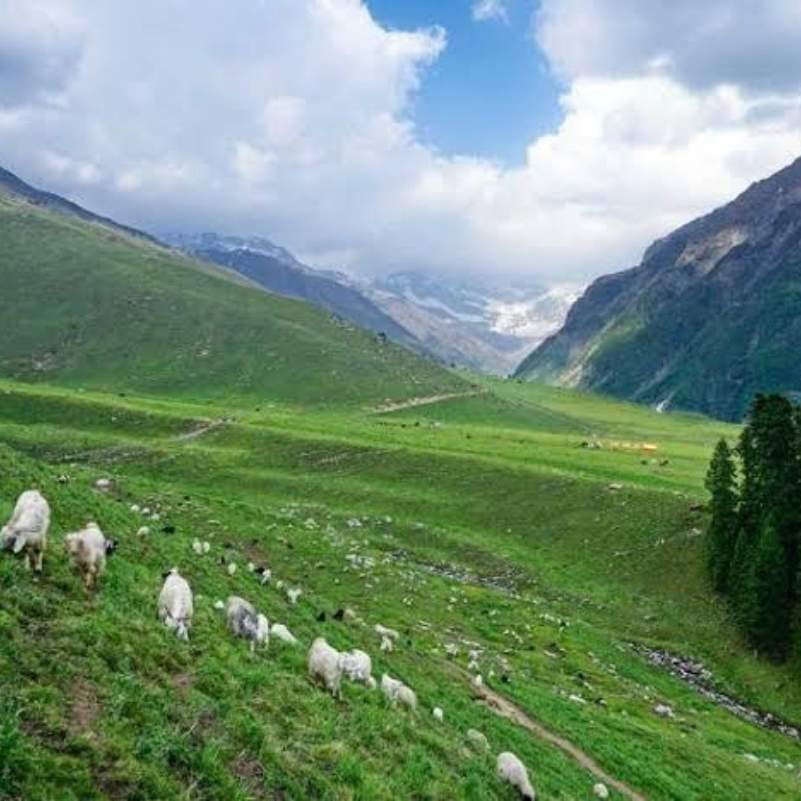 Chanshal Pass
Buran Ghati Trek Complete Guide 2026: Route, Cost, Difficulty, Best Time
Planning the Buran Ghati Trek in 2026? Explore the complete guide covering the route, itinerary, cost, difficulty, best time to visit, fitness tips, and essential trekking advice.
- Things to Do
 Chanshal Pass
Chandranahan Lake Trek 2026: Source of the Pabbar River
Discover the Chandranahan Lake Trek 2026, a breathtaking Himalayan adventure to the sacred source of the Pabbar River in Himachal Pradesh. Explore pristine alpine meadows, glacial lakes, and spectacular mountain landscapes with this complete trekking guide.
- Things to Do
 Chanshal Pass
Treks in Pabbar Valley: The Complete List for 2026
Planning to explore the treks in Pabbar Valley in 2026? This complete guide covers the region's best hiking trails, difficulty levels, ideal seasons, trail highlights, and essential planning tips for discovering one of Himachal Pradesh's most rewarding trekking destinations.
- Things to Do