
Places to Visit in Pabbar Valley in 2026: Rohru, Chanshal, Hatkoti and Hidden Treks
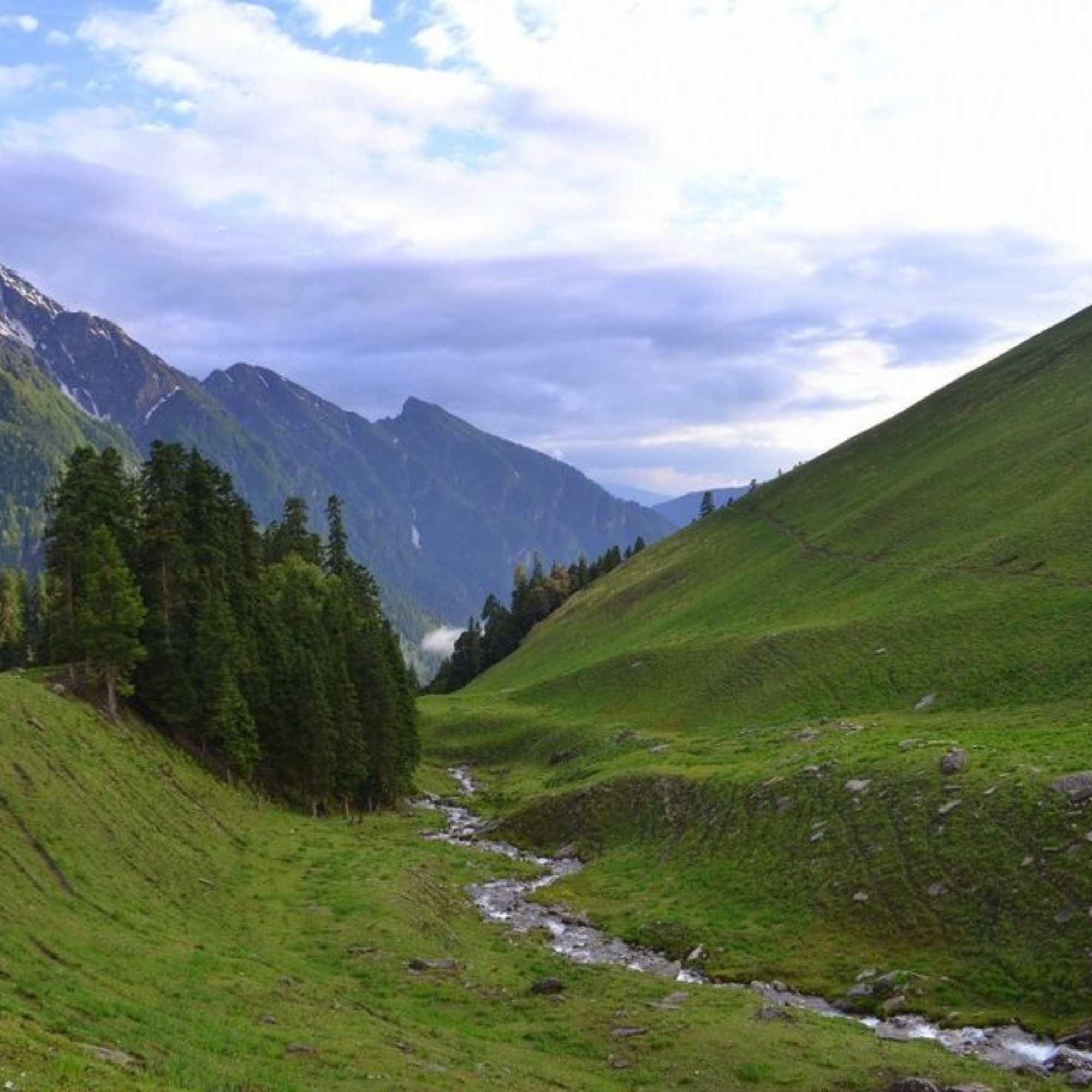
If you are looking for places to visit in Pabbar Valley without the crowds of Manali or Shimla, you have picked one of the quietest corners of Himachal still worth the drive.
This is apple country. River bends, deodar forests, old temples, one serious mountain pass, and treks that most people in your office have never heard of.
We send travellers here every season, and the feedback is always the same: it is rough around the edges, but it stays with you.
Here is exactly where to go, what to skip, and how to plan it so the roads do not ruin your trip.
Quick Answer: Best Places to Visit in Pabbar Valley
The best places to visit in Pabbar Valley are Rohru, Hatkoti Temple, Jubbal Palace, the Pabbar River viewpoints, Chirgaon, Larot, Chanshal Pass, Dodra Kwar, Kharapathar, Giri Ganga, the Chandernahan Lake trek and the Saru Lake trek.
Rohru is the best base for most travellers because it has hotels, a market, ATMs, buses and onward roads.
The best general months are March to June and September to November.
Chanshal Pass is usually open from May to November, depending on snow and road conditions.
Where is Pabbar Valley and why is it special?
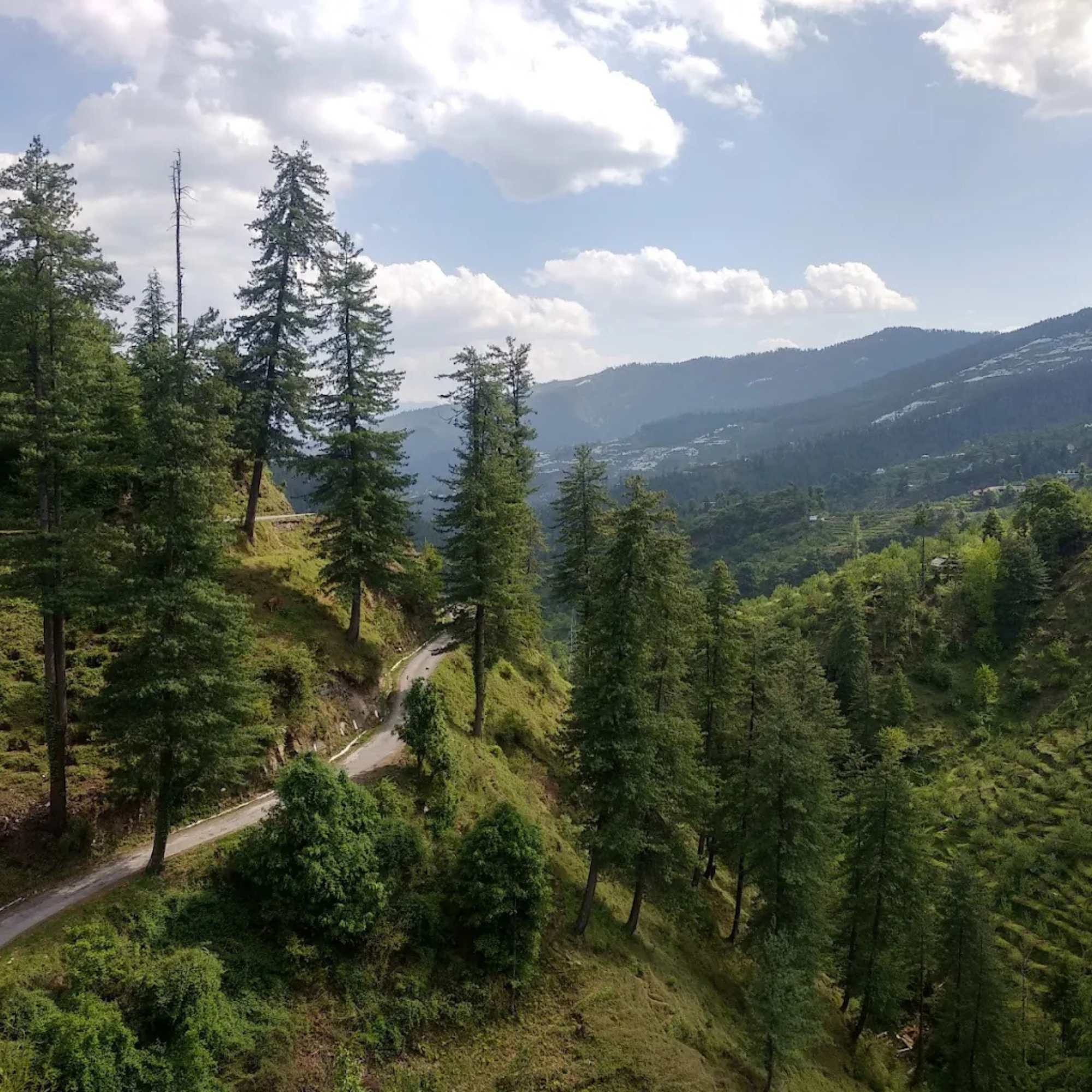
Pabbar Valley sits on the Rohru and Jubbal side of Shimla district, away from the main tourist highways.
The whole valley follows the Pabbar River, and the river decides everything here: the orchards, the villages, the bridges, the drives.
What you get is apple belts, thick forests, old stone temples, narrow mountain roads and one high pass with big views.
What you do not get is luxury tourism. There are no fancy resorts and no nightlife. Stays are simple. Roads can be slow.
In our experience, this is the trip for travellers who like quiet over comfort. If you need five-star polish, this is not your valley.
Most people start a trip like this from the state capital, so it helps to start your Himachal trip from Shimla and move towards Rohru from there.
What most tourists get wrong about Pabbar Valley
They treat Chanshal Pass like a sure thing and build the whole trip around it.
Then snow, a landslide or repair work blocks the road, and they have nothing else planned. Keep Chanshal flexible and the rest of the valley still gives you a full trip.
What are the best places to visit in Pabbar Valley?
The valley mixes three very different kinds of travel: easy sightseeing, rough-road adventure, and proper multi-day treks.
Not every place suits every traveller. A temple visit near Rohru is fine for grandparents and kids. Buran Ghati is not.
Read each one below and pick what matches your group, your fitness and your time.
Rohru
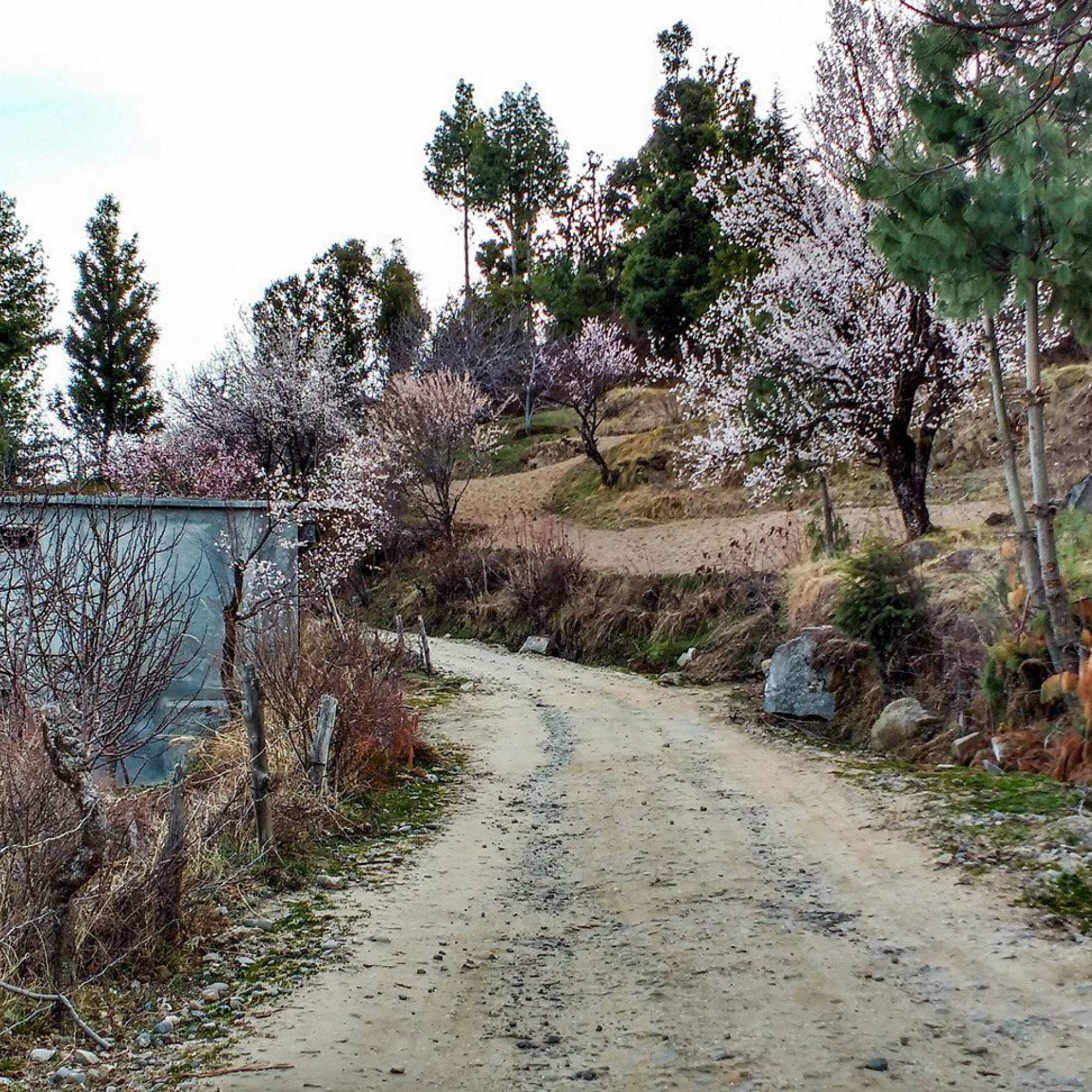
Rohru is the best base for Pabbar Valley, full stop.
It has hotels, a working market, bus connections, ATMs and the roads that take you onward to Chanshal.
Sit by the Pabbar River, walk through the apple belt in season, and use the local market to stock up before heading higher.
Rohru is also known for fishing along the Pabbar River, especially around quieter stretches of the valley. Before planning it as an activity, confirm the latest permit rules, fishing season, allowed zones and activity guidelines with the local fisheries office or local authorities in Rohru.
For most travellers, Rohru is where you sleep, eat properly and fuel up before the rough roads start.
Hatkoti Temple
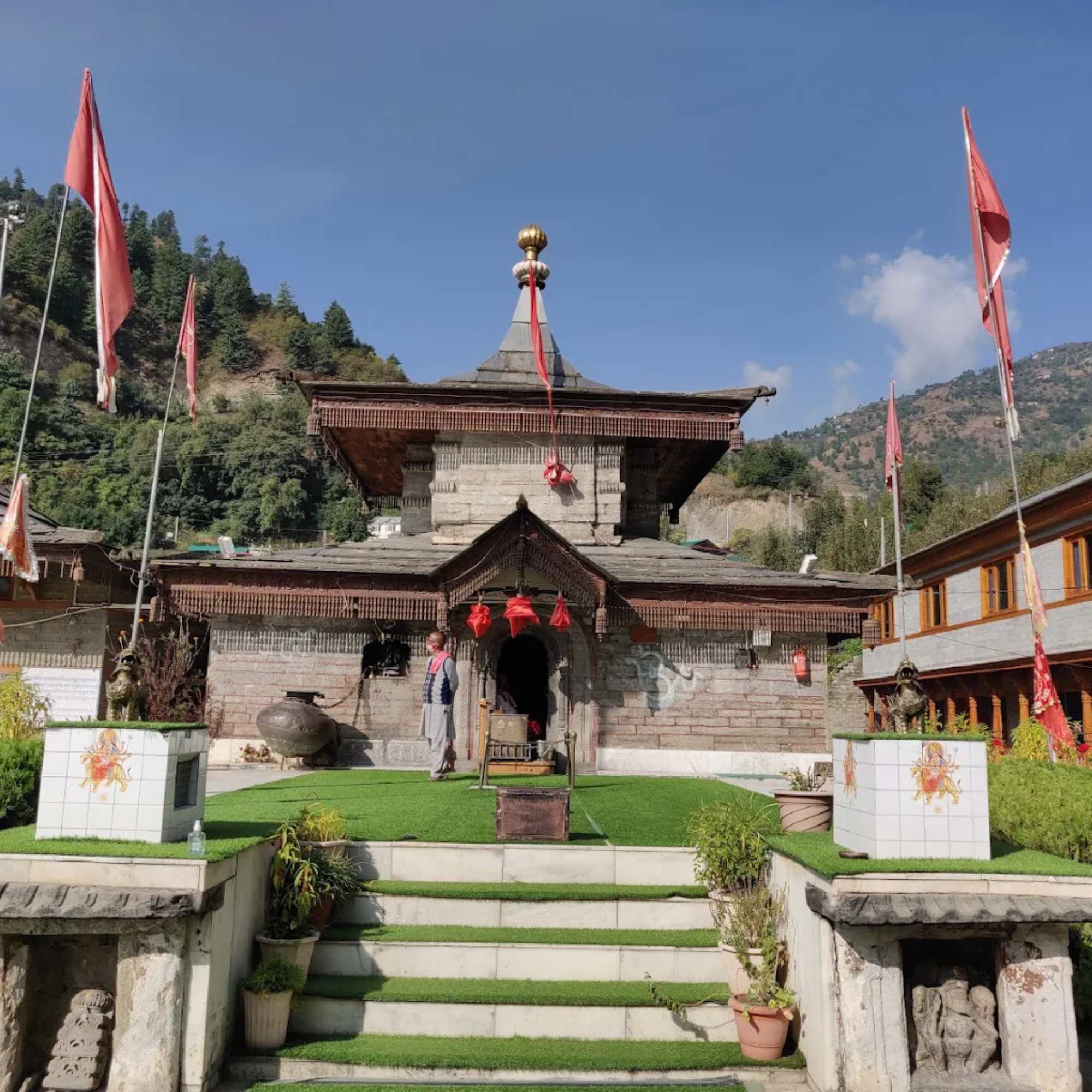
Hatkoti Temple is 97 km from Shimla and 84 km from Kufri, set in Hatkoti village in the Jubbal area.
It is best known for Hateshwari Mata and for its old temple architecture in the Shikhara or Nagara style, built right by the river.
Hatkoti sits at around 1,400 m, so it stays comfortable through most of the travel season.
The riverbank setting is the real draw here. It is calm, green, and a good first stop on the way to Rohru.
We are not listing temple timings or any entry fee because these change, so check on the ground when you arrive.
Jubbal Palace
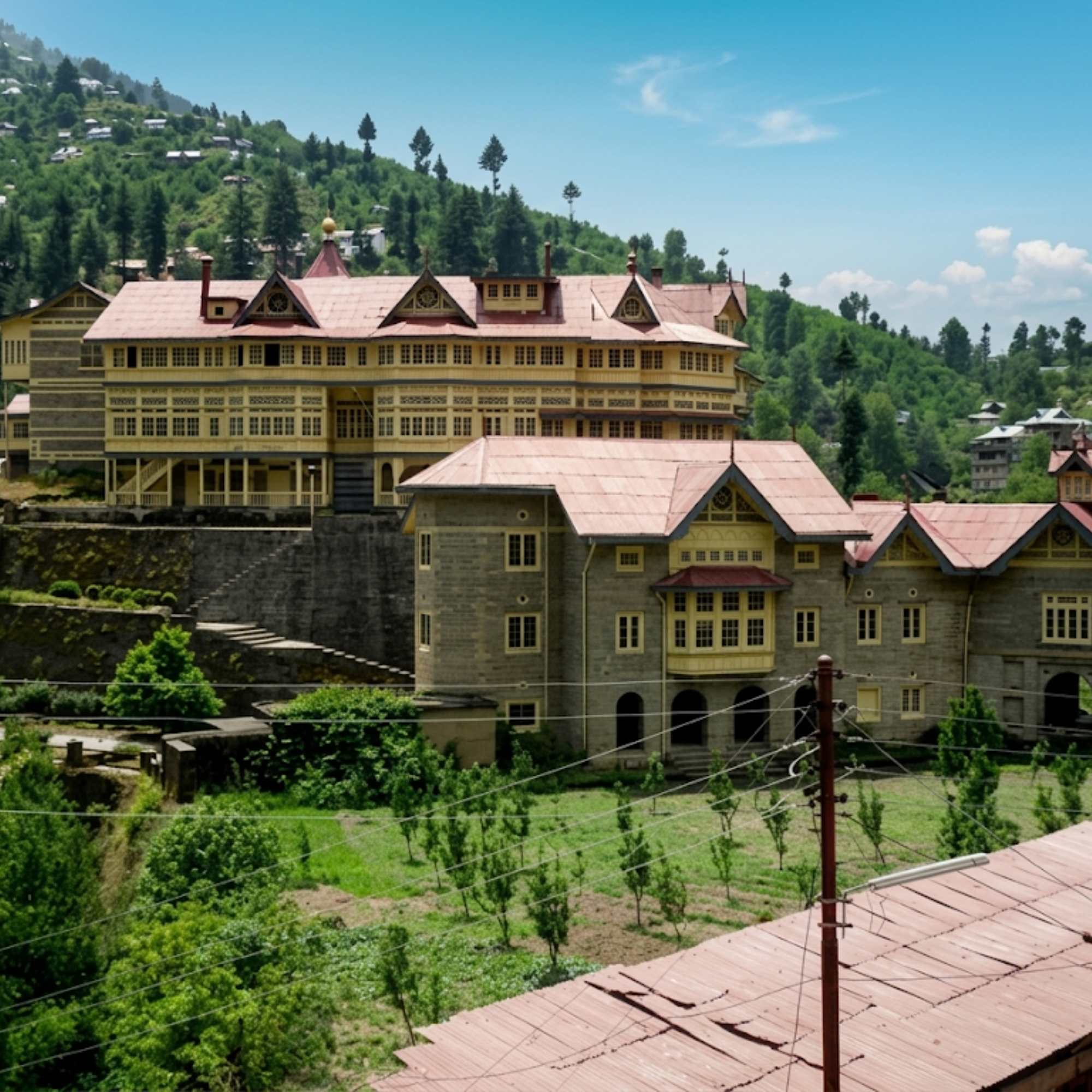
Jubbal is 90 km from Shimla and 20 km from Hatkoti, sitting at 1,892 m.
Jubbal Palace was designed by a French architect in 1930, and it mixes European styling with local Himachali building. That blend is what makes it worth a look.
The easy win here is to pair Jubbal Palace with Hatkoti and Rohru in one loop, since they are close together.
Pabbar River viewpoints
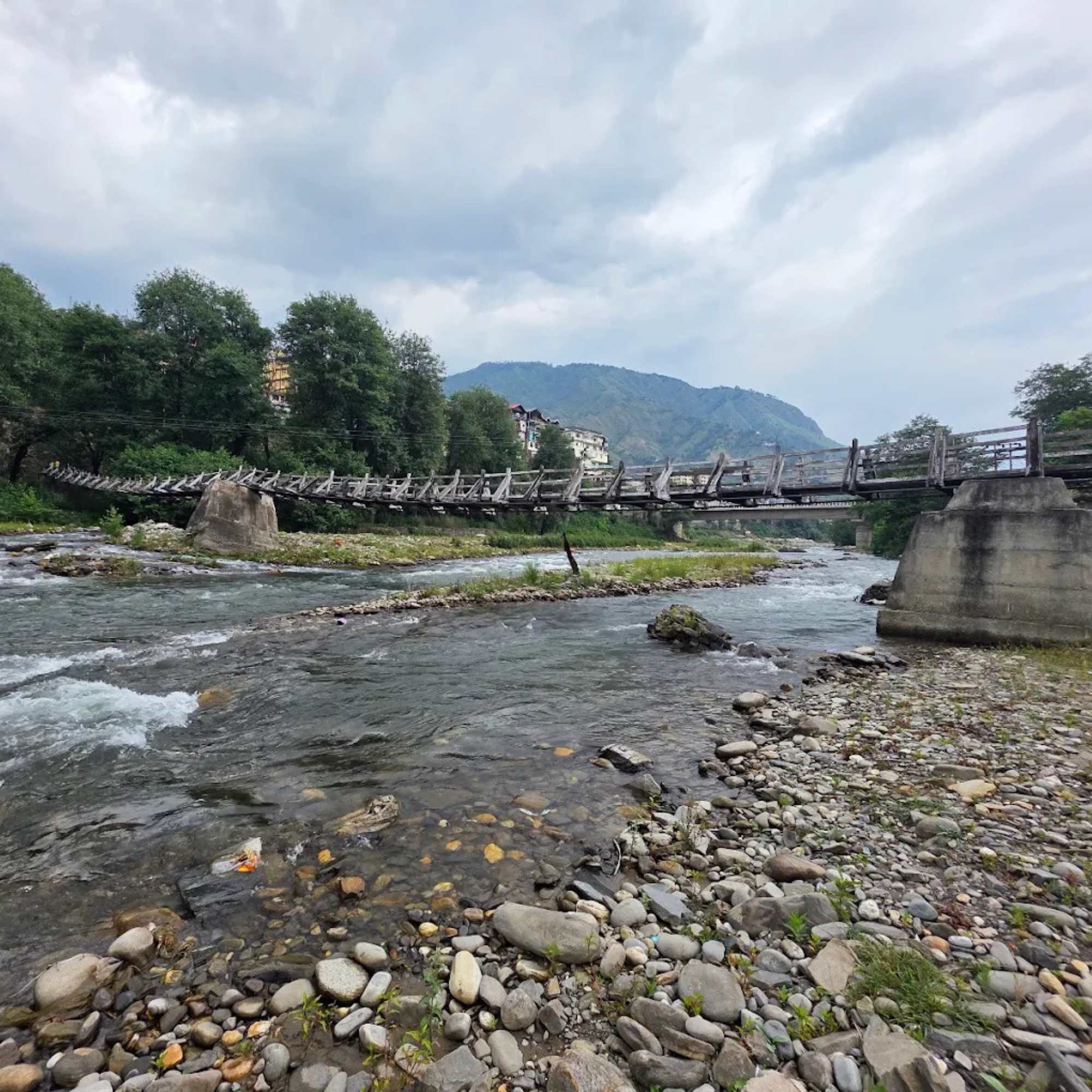
Some of the best moments in this valley are not big sights at all. They are slow riverside stops near Rohru and Hatkoti.
Park, take photos, have a chai, and walk a bit along the water. The valley feels different when you are not rushing through it.
One safety line that matters: do not step into strong river currents, and do not camp too close to the water in monsoon. The Pabbar rises fast after rain.
Chirgaon
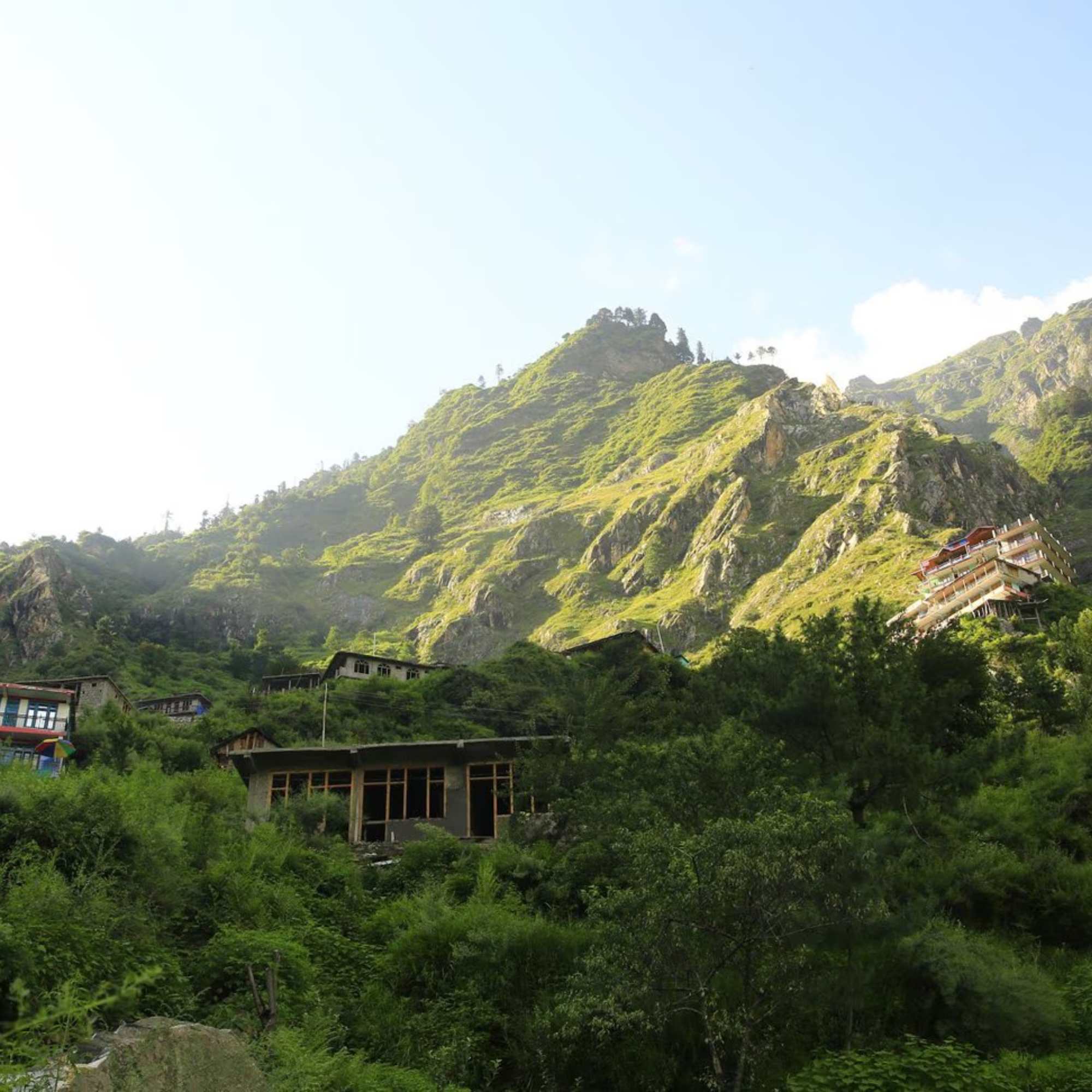
Chirgaon is more of a useful route stop than a headline attraction.
Use it for supplies, a tea break and a stretch of the legs on the way towards Larot and Chanshal.
After Chirgaon, the road towards Larot turns narrow and steep, so top up here while you still can.
Larot
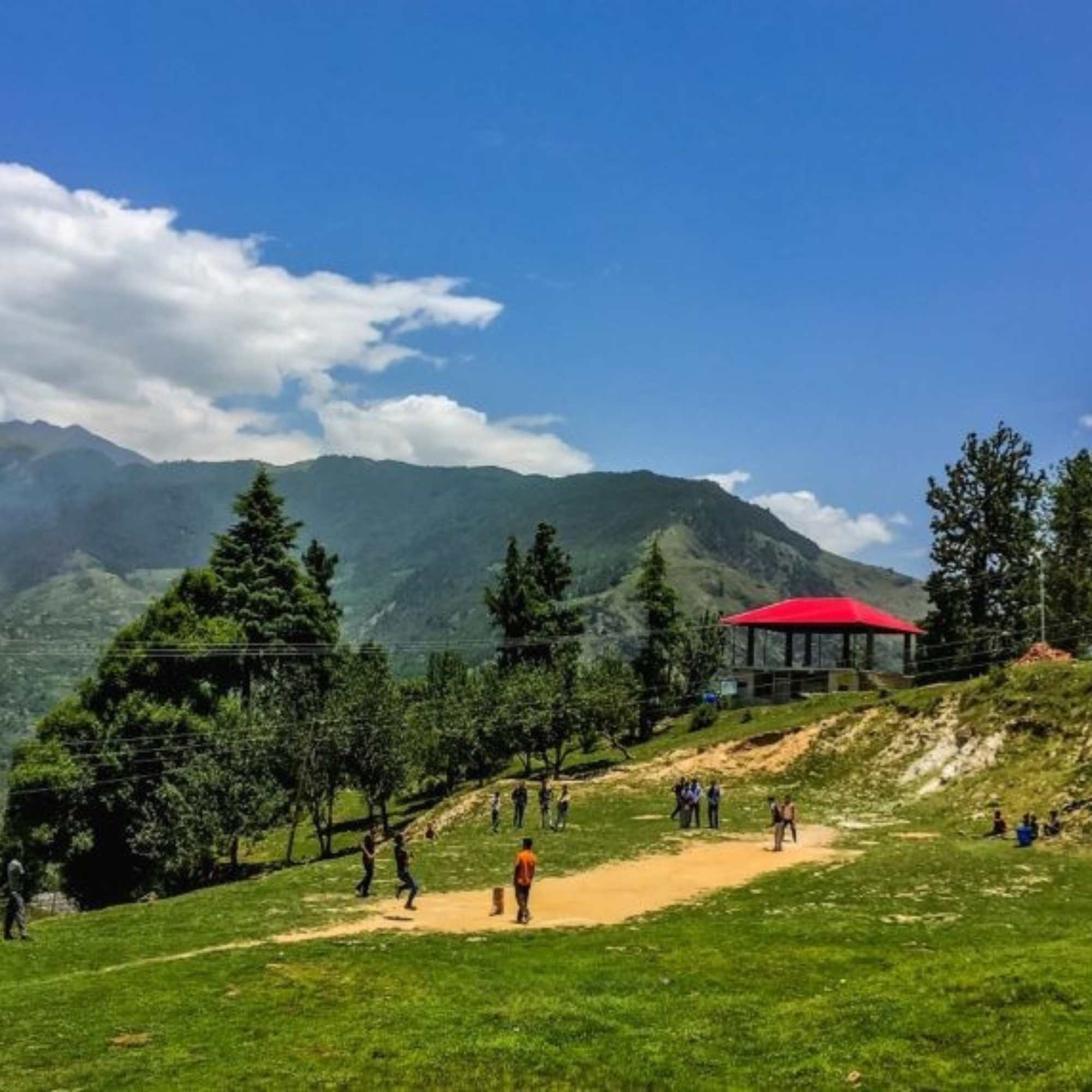
Larot sits about 15 km before Chanshal Pass according to travel sources, which makes it a handy base before you tackle the pass.
Facilities are limited up here. Carry cash, warm clothes, snacks and offline maps, and plan an early start the next morning.
This is the kind of place where you arrive prepared or you struggle. In our experience, the travellers who carry their own snacks and a power bank are the ones who relax and enjoy it.
Chanshal Pass
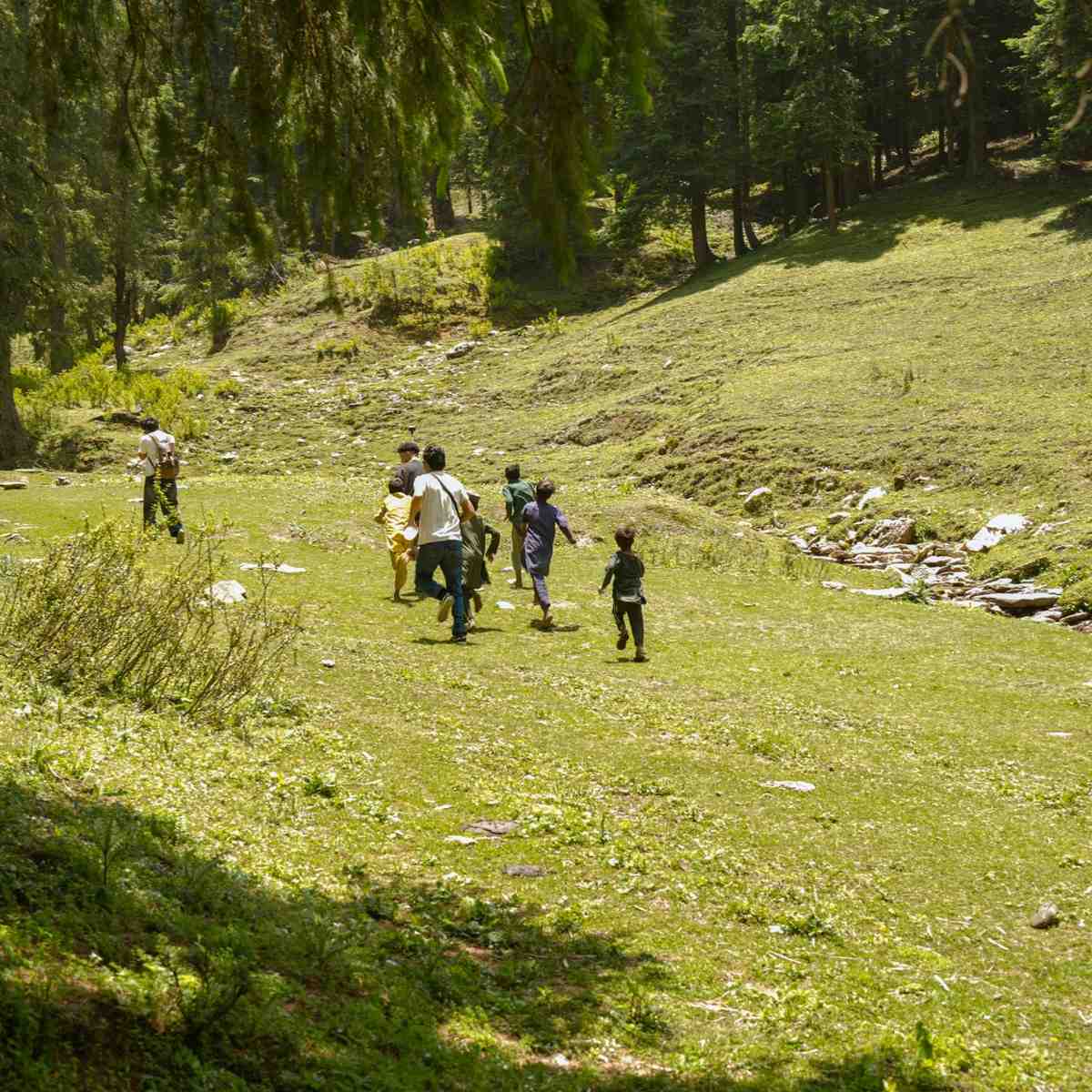
Chanshal Pass is about 160 km from Shimla, and this is the part people get confused about, so read carefully.
The official Shimla district page lists the pass altitude as 3,755 m. Many blogs quote 4,520 m, but that figure appears to be Chanshal Peak, not the pass. Do not mix the two up.
The road is generally open from May to November and closed the rest of the year because of snow.
The best months are late June, September and October, when the road is at its most settled.
Winter is brutal here. Temperatures can drop below minus 10 degrees Celsius, and the pass simply shuts.
We always tell our travellers to keep Chanshal as a goal, not a guarantee. If the road is open and clear, it is one of the best high-pass drives in this part of Himachal. If it is not, do not push it.
👉 Not sure which Pabbar Valley places match your travel style? Talk to our team on WhatsApp.
Dodra Kwar
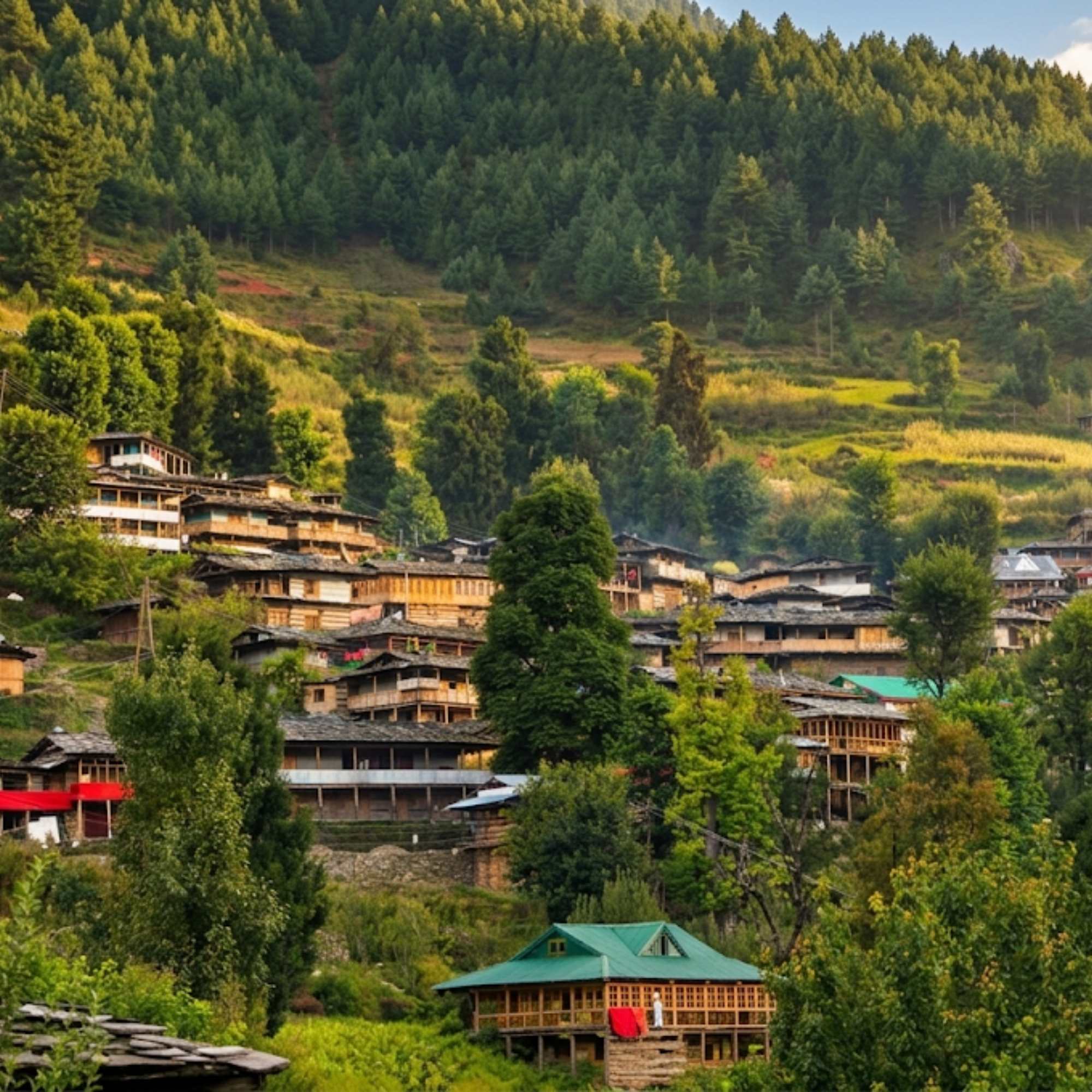
Dodra Kwar is a remote extension beyond Chanshal, and it is for experienced travellers only.
The whole thing depends on weather and road condition on the day. Roads here can change overnight.
We never lock Dodra Kwar into a fixed plan. We add it only after same-day confirmation that the road is through. If anyone promises it weeks in advance, be careful.
Kharapathar and Giri Ganga
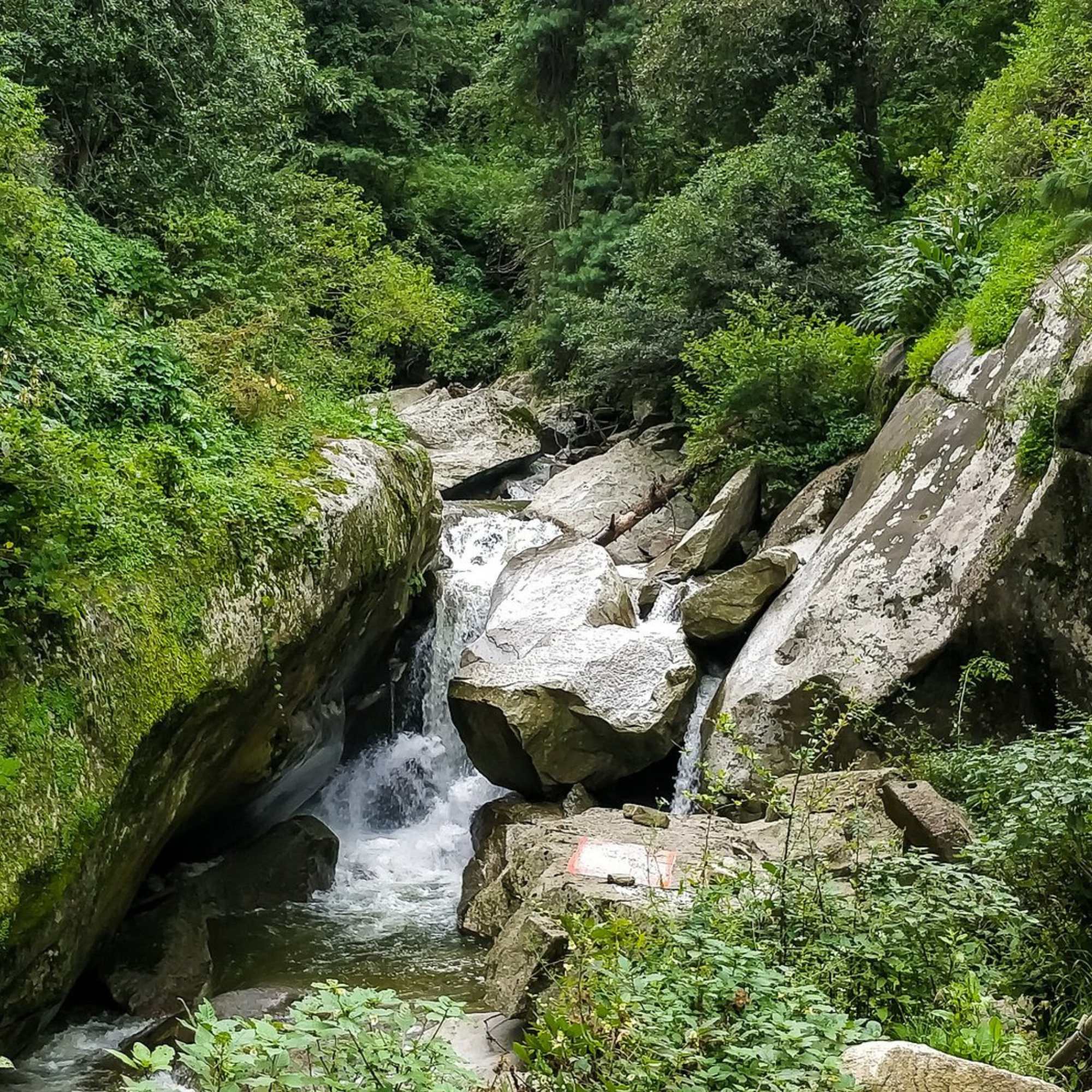
Kharapathar is the starting point for one of the nicer easy walks in the area.
Giri Ganga is a 7 km hike through deodar woods from Kharapathar, linked with the source of the Giri Ganga river.
This is the right pick if you want forest and quiet without a hard high-altitude trek. Families and casual walkers can manage it with a normal level of fitness.
Chandernahan Lake trek
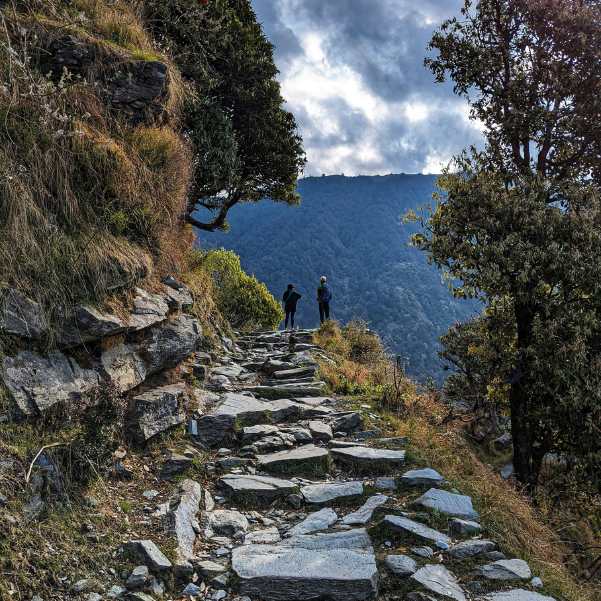
The Chandernahan Lake Trek is a proper Himalayan trek, not a casual day outing. Treat it with the same seriousness you would give any high-altitude trail.
The trek usually starts from Janglik and commonly takes 3 to 4 days, depending on the route, weather, group pace and campsite plan.
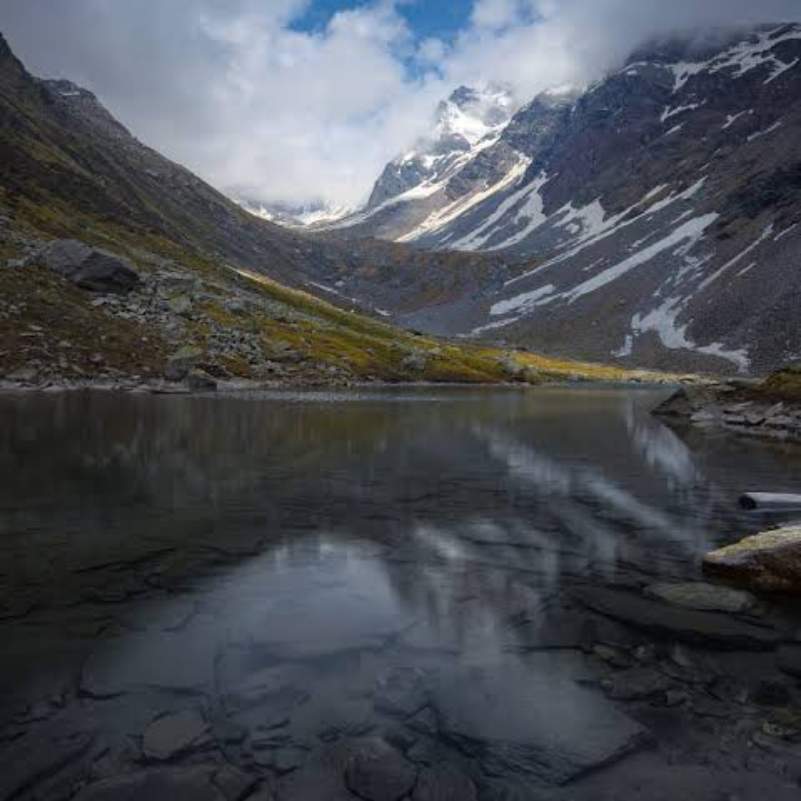
Since different sources mention different altitudes for Chandernahan Lake, it is better not to quote one fixed number. Describe it simply as a high-altitude glacial lake trek and confirm exact route details with a local guide before starting.
You will hear names like Dayara and Litham as route and camping stops. Treat them as route names only, and verify which camps are actually running before you depend on them.
Saru Lake and Gadsari trek
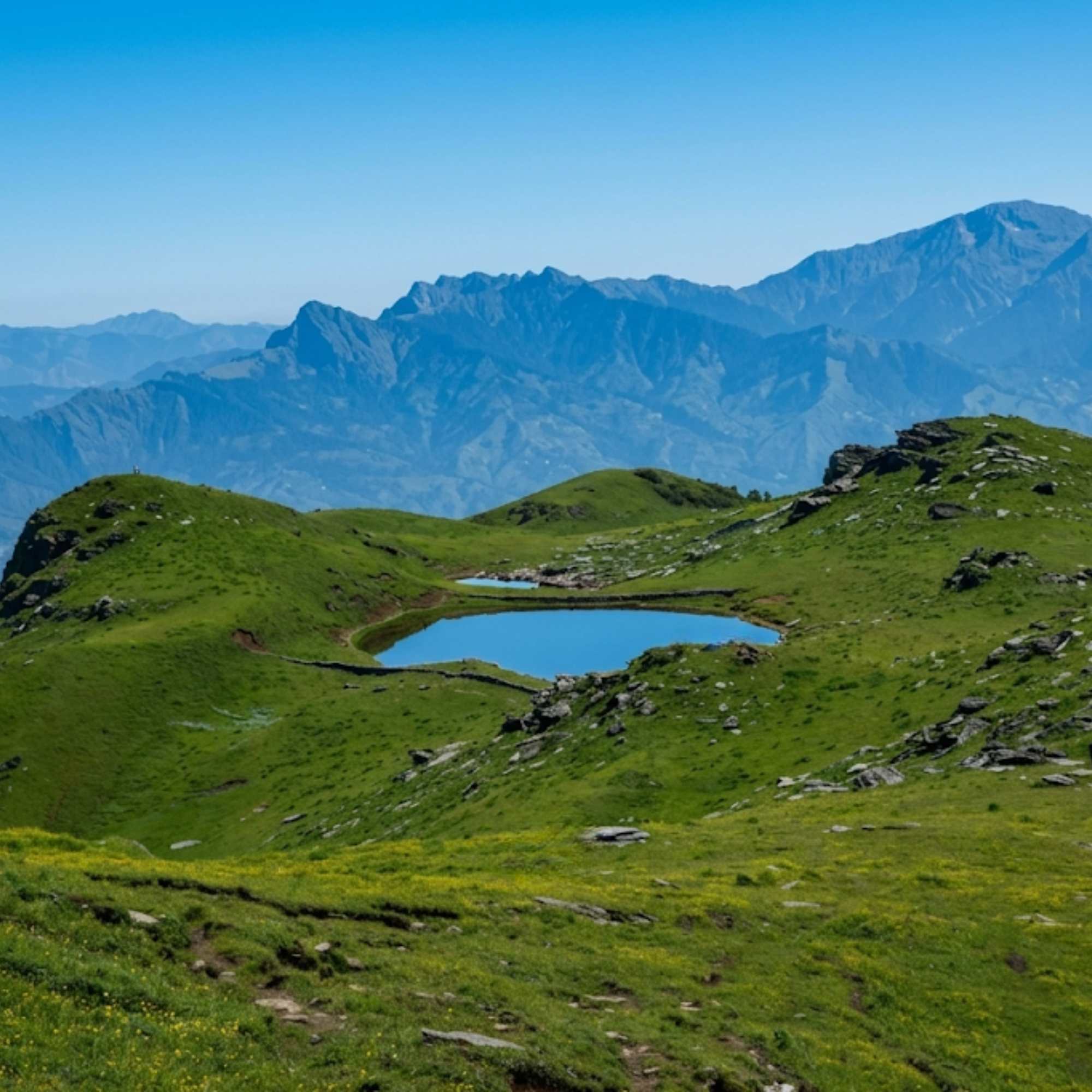
The Saru Lake trek is another one for trekkers, not for family sightseeing.
One travel source quotes Saru Lake at 11,865 ft, and Gadsari village at around 24 km from Rohru. Confirm both before planning exact distances.
If you have not done multi-day mountain treks before, this is not your starting point.
Buran Ghati and Rupin Pass
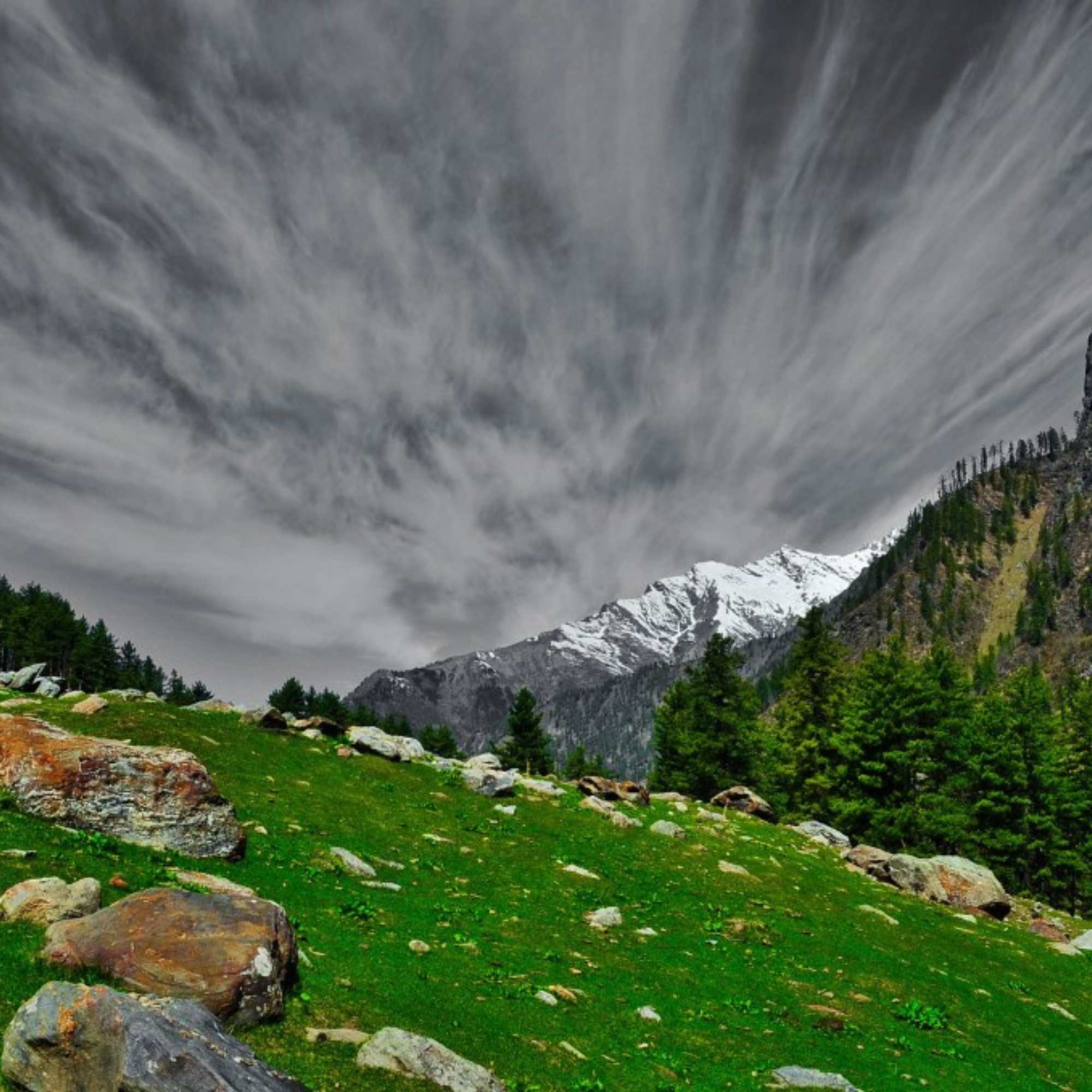
These are the serious treks of the region, and they need guides, gear and real fitness.
Buran Ghati is quoted at 4,578 m and usually takes 5 to 6 days. Rupin Pass is quoted at 4,619 m and usually takes 5 to 7 days.
Do not attempt either of these casually. Go with a proper guide and the right equipment, or do not go at all.
How many days are enough for Pabbar Valley?
Two days are enough only for Shimla to Hatkoti and Rohru. You see the temple, the river and the town, and that is it.
Three days are better, because you can add Chanshal Pass to the Rohru base if the road and weather allow.
Five to seven days are what you need if you want to add Dodra Kwar or any of the treks.
Be honest with yourself about time. Rushing this valley on bad roads is how trips go wrong.
Best 3-day Pabbar Valley itinerary
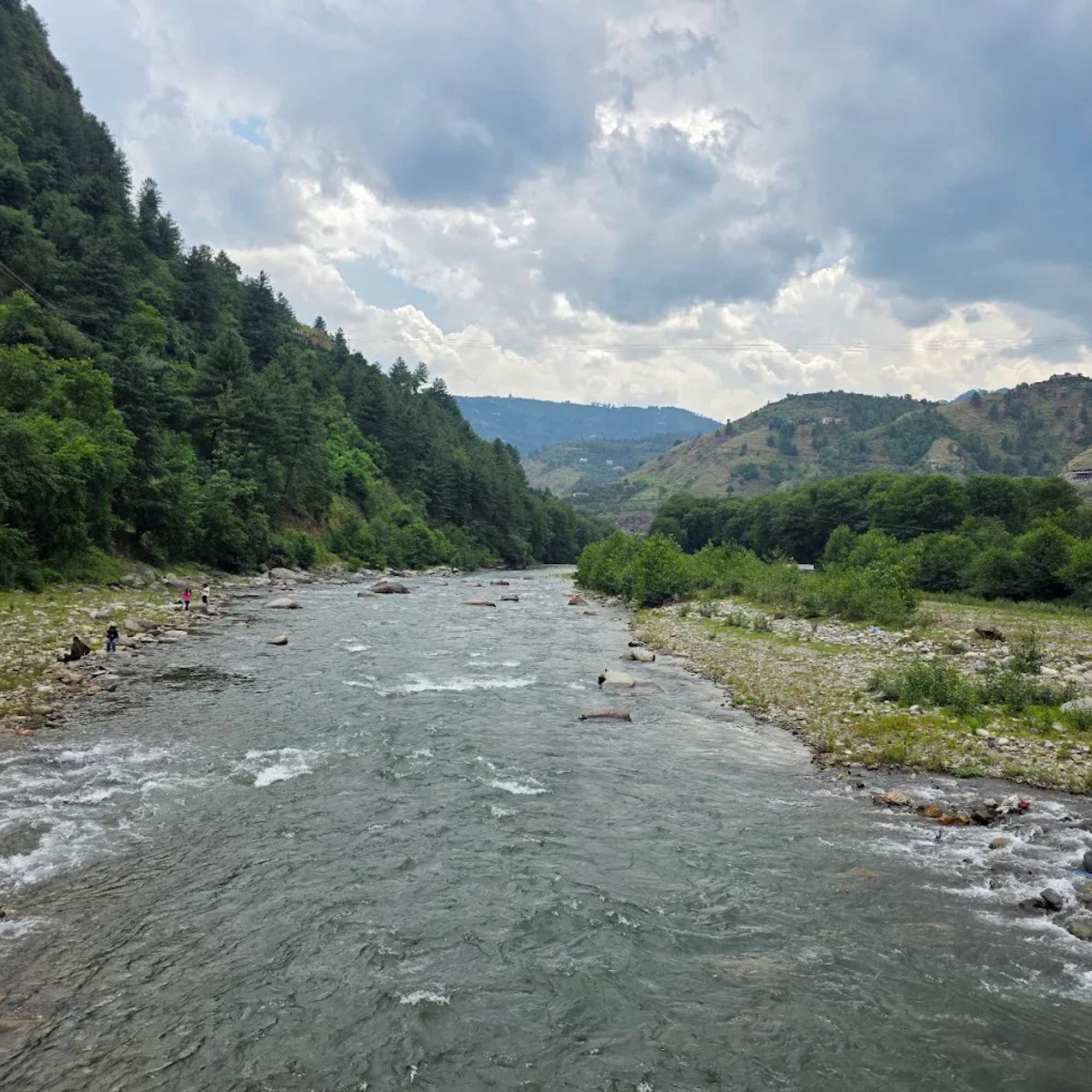
Here is the plan we use most often for a short, satisfying trip.
Day 1 runs from Shimla to Hatkoti to Rohru. Stop at Hatkoti Temple, take in the riverbank, then settle into Rohru for the night.
Day 2 goes from Rohru to Chirgaon, Larot and Chanshal Pass, returning to Rohru if the road and weather hold. Start early and keep the day flexible.
Day 3 covers Jubbal Palace and either Kharapathar or Giri Ganga, depending on your route home and how much energy you have left.
This plan gives you the valley's highlights without overloading any single day.
Best 5-day Pabbar Valley itinerary for offbeat travellers
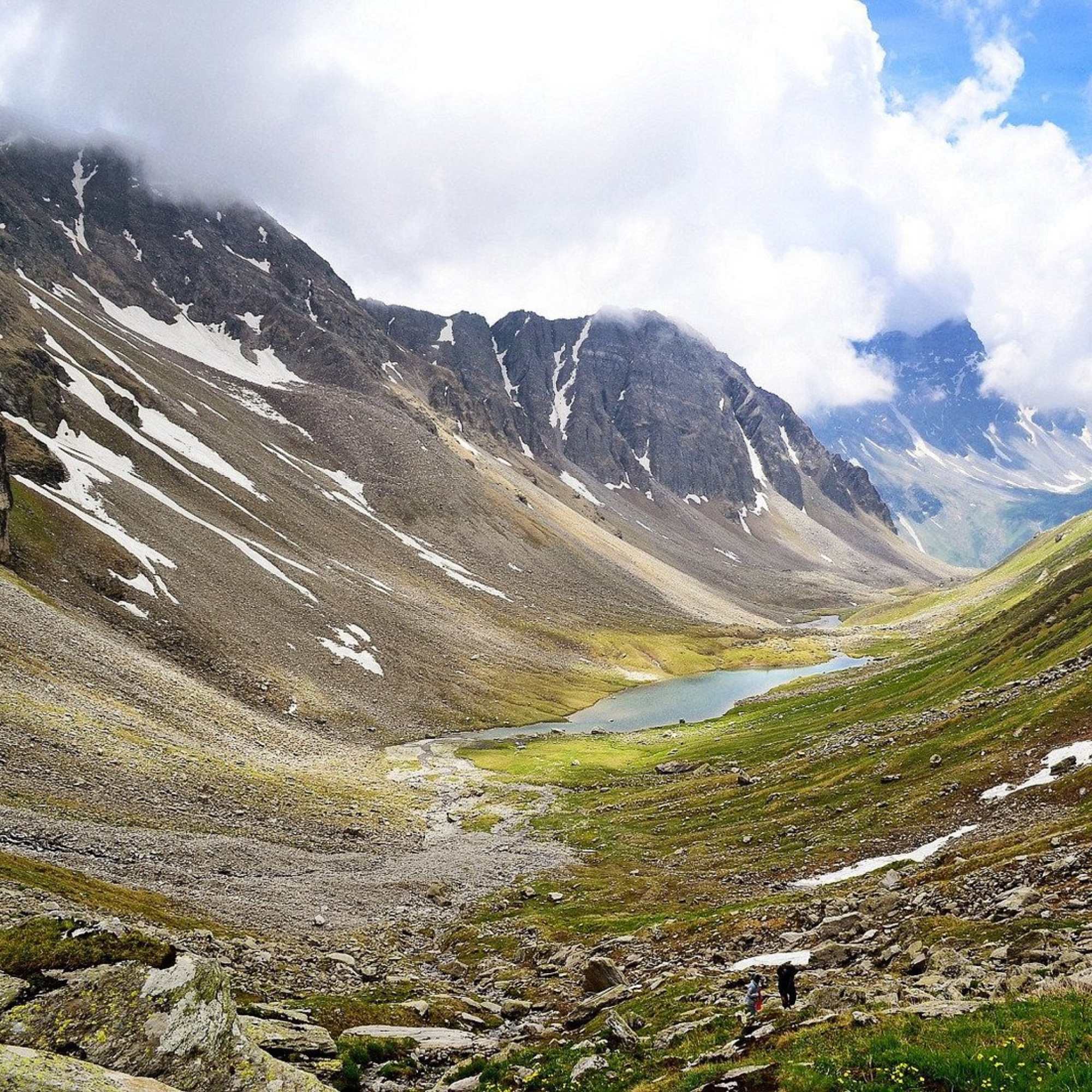
If you want to slow down and go deeper, give it five days.
Day 1 is Shimla to Hatkoti to Rohru, the same easy start.
Day 2 is your Chanshal day, with a built-in buffer. If the road is blocked, you have not wrecked the whole trip.
Day 3 is a slow Rohru day. River, market, orchards in season, and rest. The altitude and the roads earn you a quiet day.
Day 4 takes you to Kharapathar and Giri Ganga for that deodar forest walk.
Day 5 is for Dodra Kwar, but only if the road status is confirmed that morning. If it is not, swap in Jubbal Palace or an extra Rohru day instead.
If you have more time and want to keep going, you can extend the trip towards Kinnaur from this side of Himachal.
How to reach Pabbar Valley from Shimla, Delhi and Chandigarh?
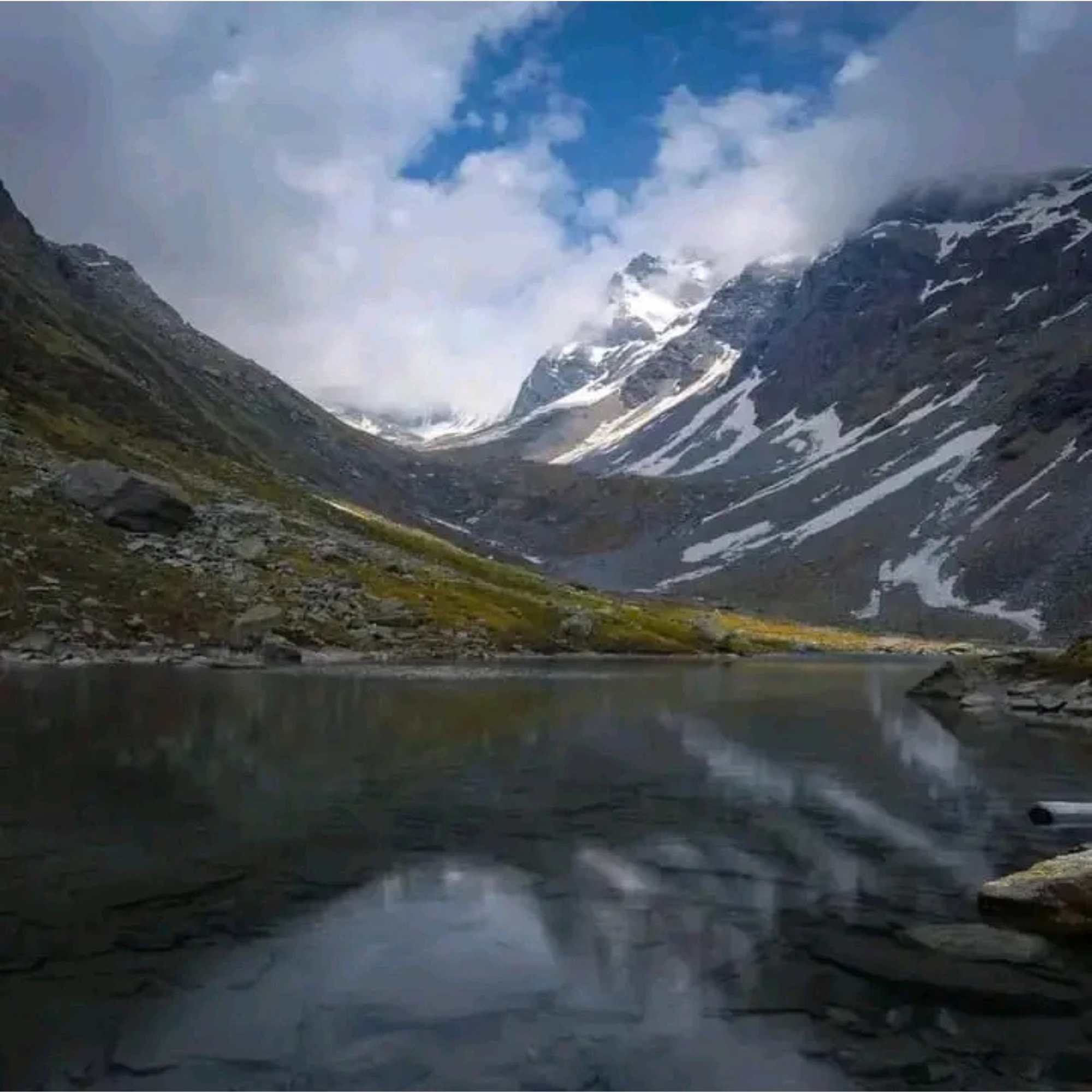
There are two official routes to Chanshal from Shimla, and the difference is which villages you pass through.
Route one is 160 km: Shimla, Theog, Kotkhai, Kharapathar, Hatkoti, Rohru, Larot, Chanshal Pass.
Route two is 175 km: Shimla, Theog, Narkanda, Tikkar, Rohru, Larot, Chanshal Pass.
If you are coming by train first, the Kalka to Shimla rail is 96 km and takes about 6 hours, then you drive onward from Shimla.
For Delhi and Chandigarh drive times, plan with a local operator, because we are not going to throw out numbers we have not checked.
You can also tie this in with a wider Himachal loop and combine with a classic Manali trip if you have the days.
What is the best time to visit Pabbar Valley in 2026?
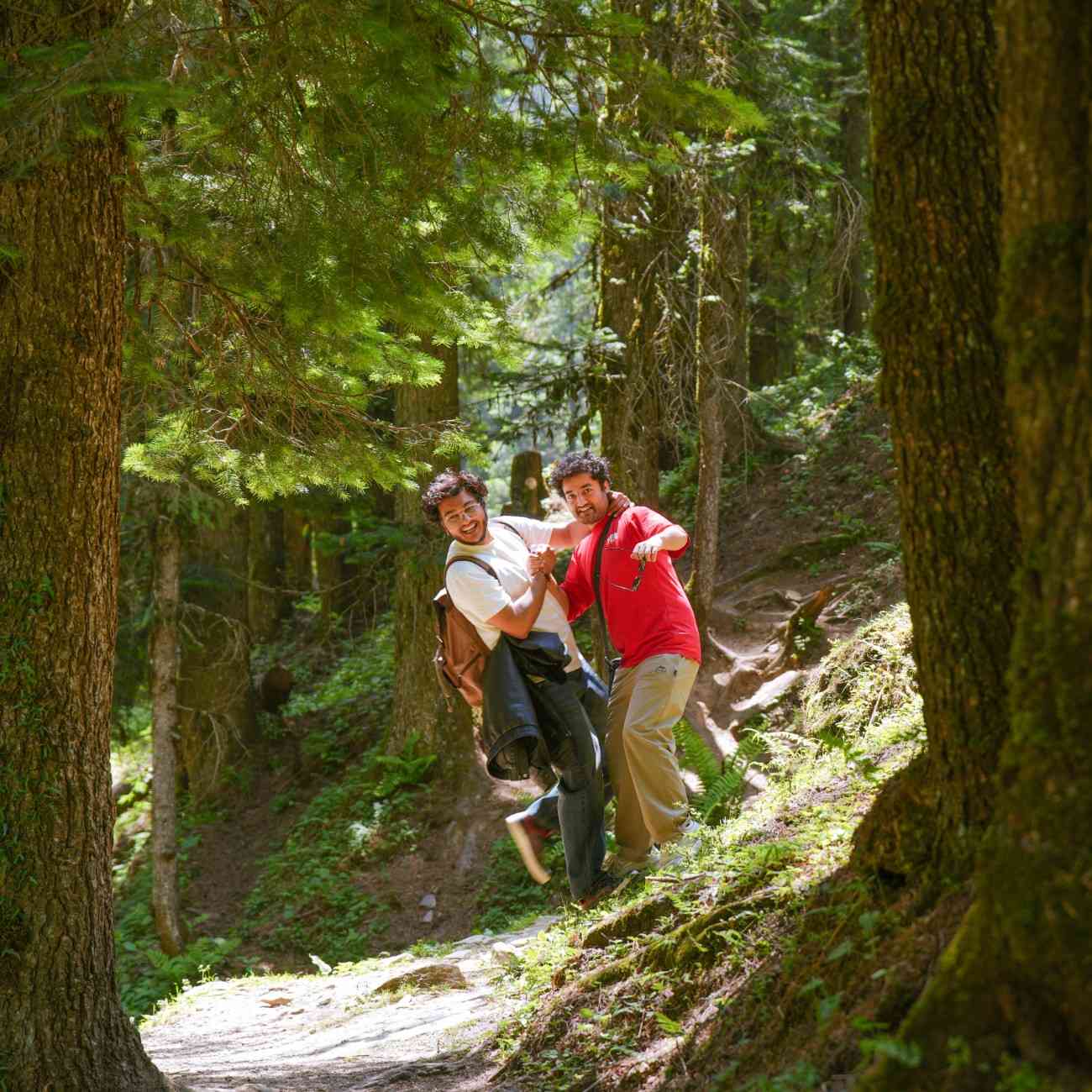
The best general windows are March to June and September to November.
For Chanshal Pass, the season is usually May to November, with late June, September and October being the best months according to official tourism information.
Avoid monsoon if you are travelling with family. Landslides and road delays are real risks on these roads in heavy rain.
Winter still works for lower Rohru and Hatkoti, but it is not the time for casual Chanshal access. The pass is shut and the cold is serious.
A timing tip that changes the drive
Start the Chanshal day at first light. Mountain roads in this region are far safer in daylight, and an early start gives you room if the road throws up a surprise.
Leaving Rohru at 9 or 10 in the morning is how people end up driving rough sections in fading light. Do not do that.
Is Chanshal Pass open now in 2026?
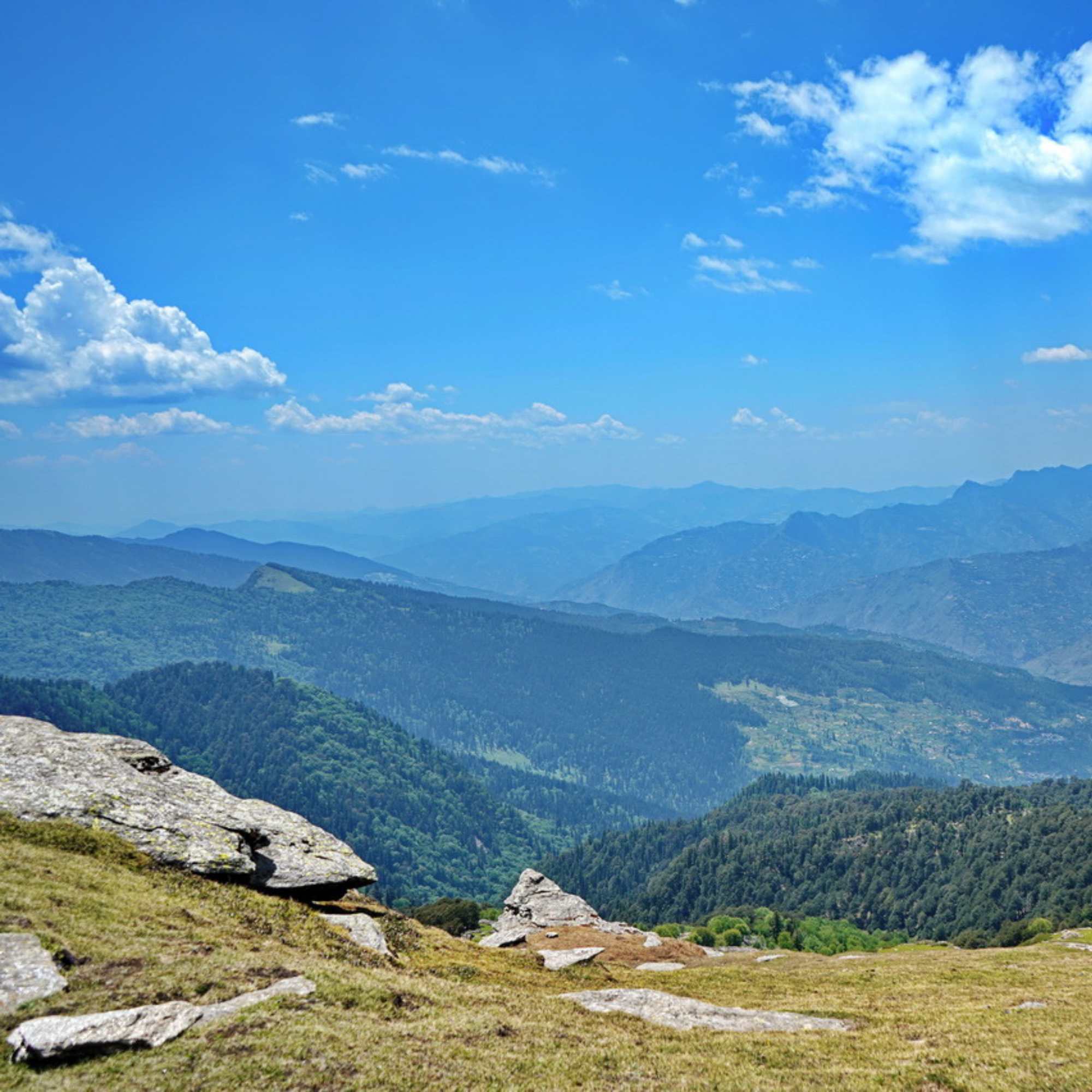
As of 11 June 2026, one live road-status source reported the Rohru to Chanshal Pass road open.
But road conditions in Himachal change fast. Snowfall, landslides, repair work or local restrictions can close a road within hours.
So treat this as a starting point, not a promise. Confirm locally in Rohru before you leave, and do not assume the pass is permanently open.
In our experience, a quick check with people on the ground in Rohru is worth more than any blog, including this one.
Do you need a permit for Pabbar Valley or Chanshal Pass?
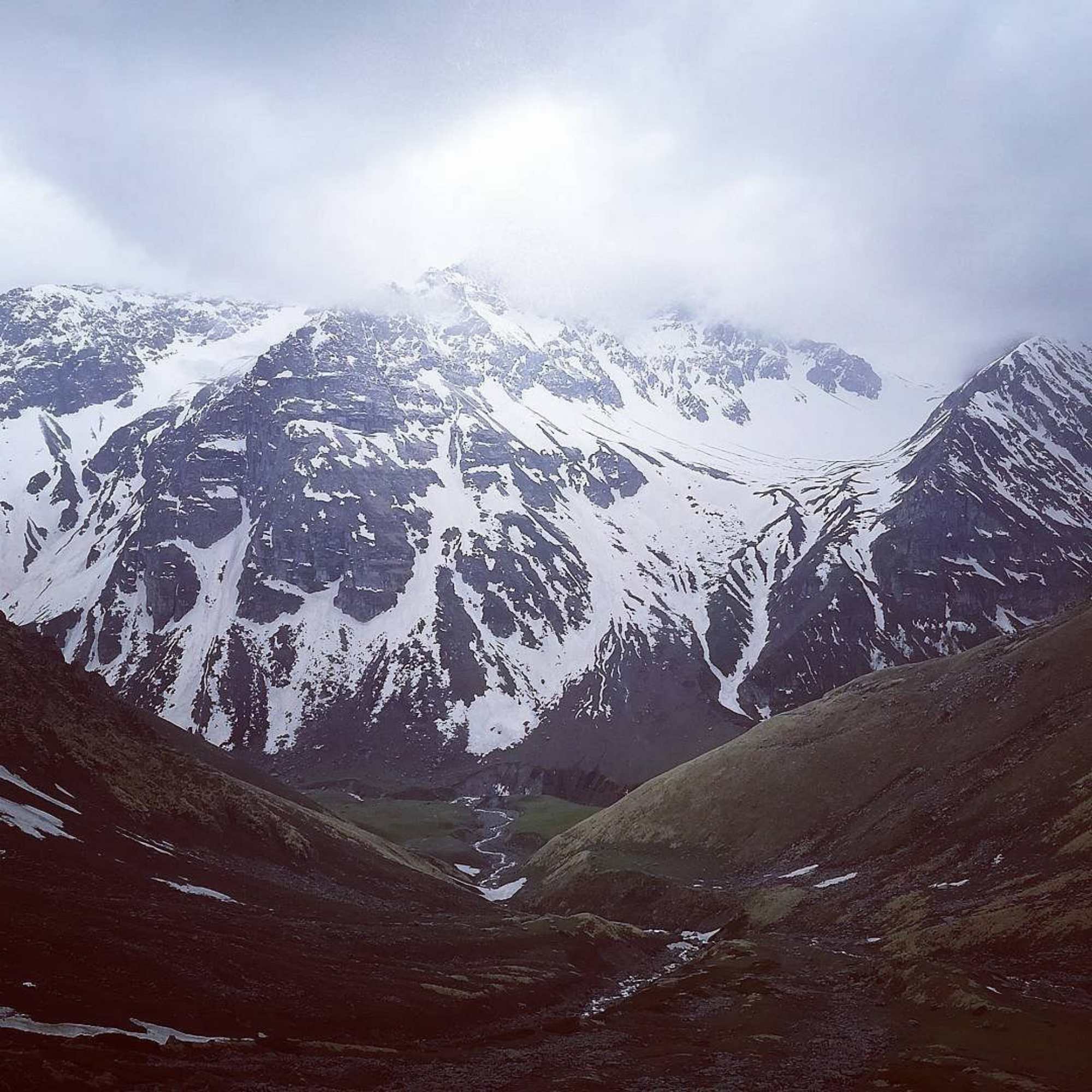
For Indian travellers, most recent travel guidance suggests that no special permit is usually required for the regular Pabbar Valley and Chanshal Pass route. However, permit rules can change with season, road status, forest access, camping rules or local administration decisions.
Foreign travellers should be extra careful and confirm the latest requirement locally before planning the trip.
Check with your driver, homestay, Rohru tourism contact, forest check post or local authorities before travelling, especially if you plan to camp, trek or continue towards Dodra-Kwar.
Where to stay in Pabbar Valley?
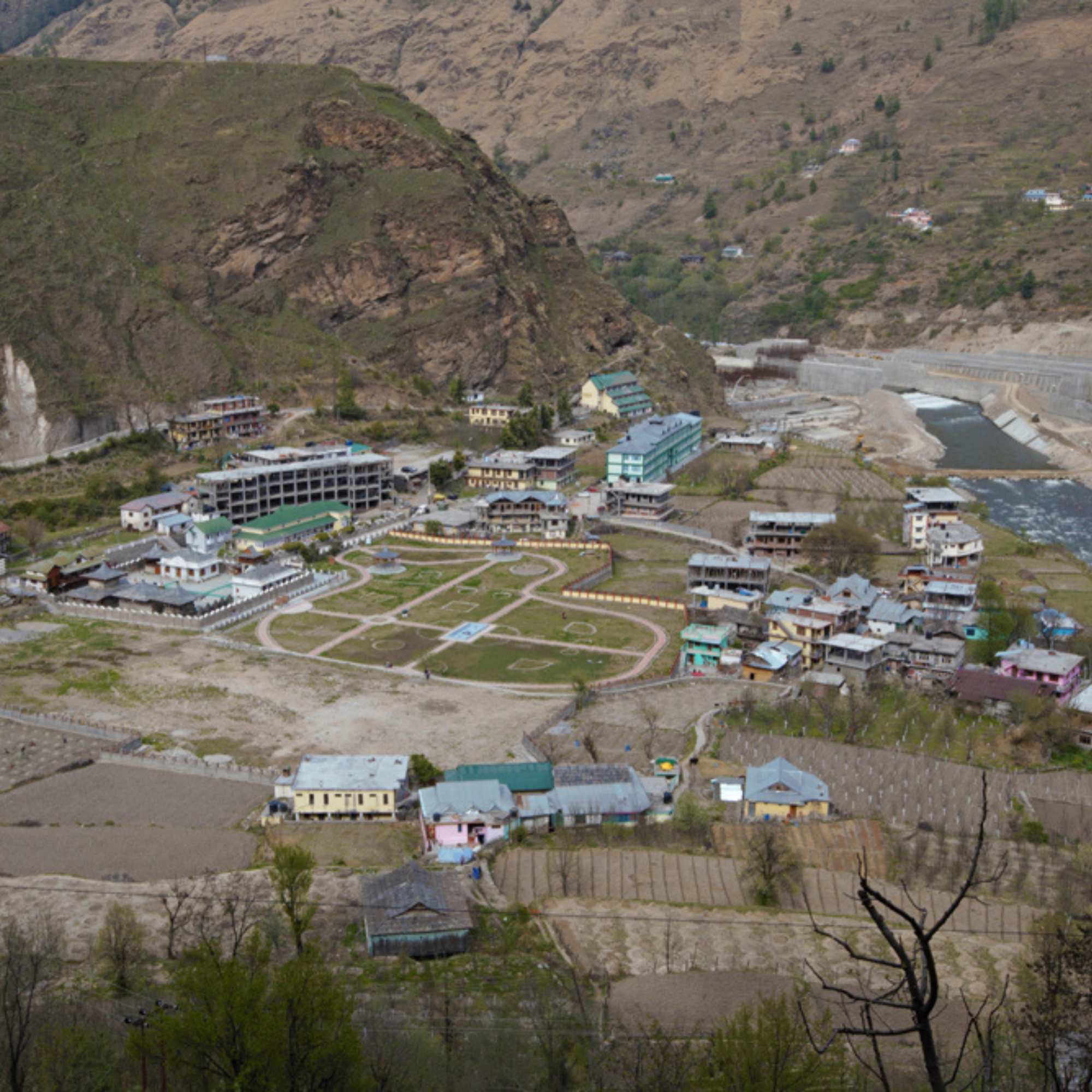
Rohru is the safest base for first-timers, with the most rooms and the easiest access to everything else.
Larot is useful if Chanshal is your main goal, since it puts you closer to the pass for an early start.
Kharapathar works well if you are mainly there for the Giri Ganga walk.
For budget planning, keep a flexible range. Basic hotels in Rohru may cost around ₹800 to ₹1,500 per night, homestays may fall around ₹500 to ₹1,200 per night, and simple local meals may cost around ₹100 to ₹200 per person.
These are rough planning estimates only, as prices can change with season, availability, room quality, meal choice and local demand.
We are not naming specific hotels here, because we only recommend stays we can stand behind, and those change year to year.
A money tip most agents will not share
If you are travelling light and solo or as a pair, the Shimla to Rohru ordinary bus runs roughly ₹150 to ₹200, while a one-way taxi sits around ₹2,500 to ₹3,500.
For a small group the taxi makes sense for comfort. For one or two budget travellers, the bus saves you serious money for the same view out the window.
What should you pack for Pabbar Valley?
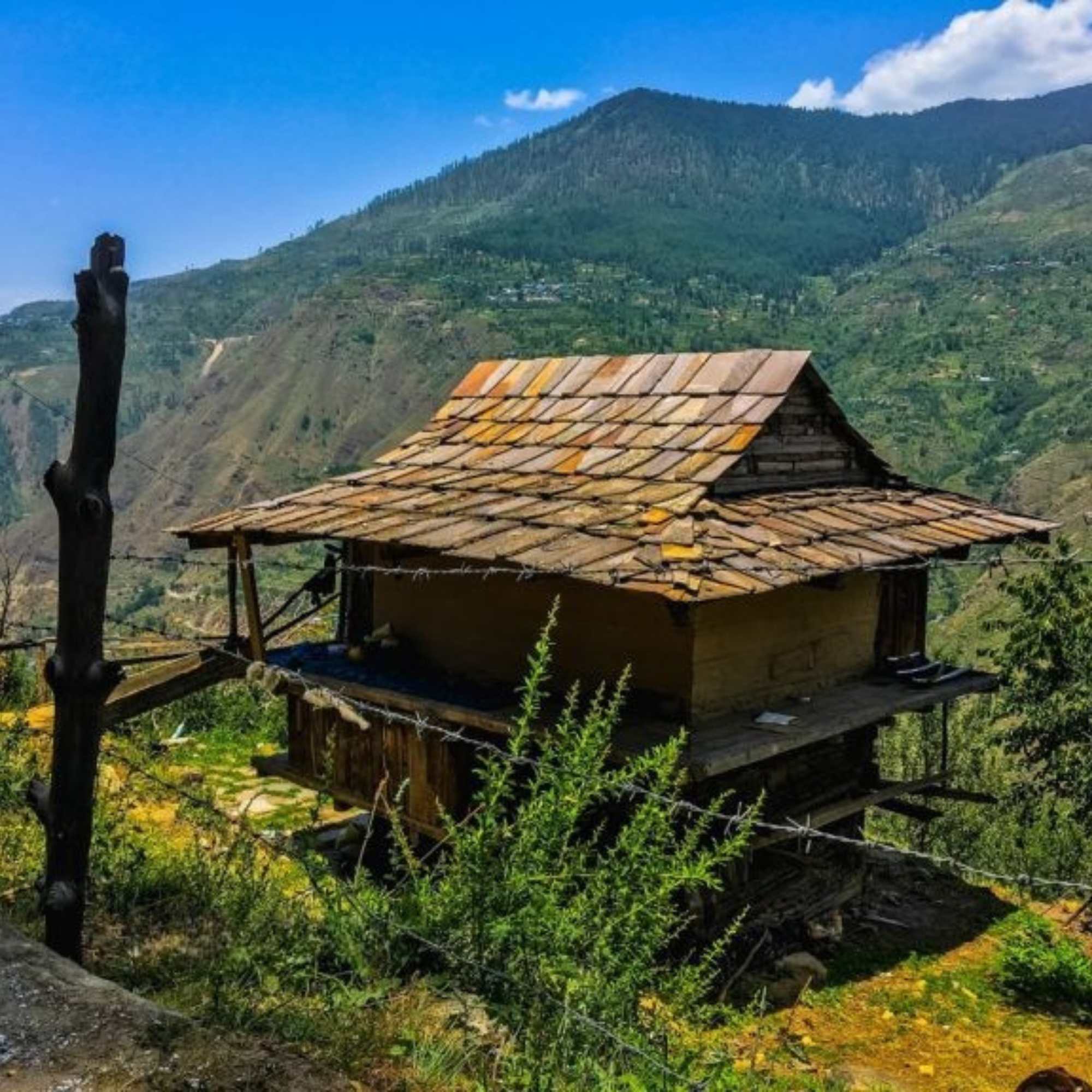
Carry warm layers even in summer. The valley days can be pleasant, but evenings and high spots near Chanshal get cold fast.
Pack rain protection, cash, offline maps, basic medicines, snacks and water. ATMs and signal both thin out as you go higher.
Bring proper trekking shoes if any trail is on your list, and a power bank, because charging is not reliable up here.
Fill fuel at Rohru before heading towards Chanshal. There is nothing dependable beyond the town.
And do not count on mobile network past the main towns. Tell someone your plan before you lose signal.
One thing to skip
Skip the idea of forcing Dodra Kwar or Chanshal into a fixed date when the weather is against you.
We have seen travellers waste a full day arguing with a blocked road instead of enjoying Rohru or Giri Ganga. A half-open pass is not worth a ruined day.
Travel Coffee local tips for Pabbar Valley
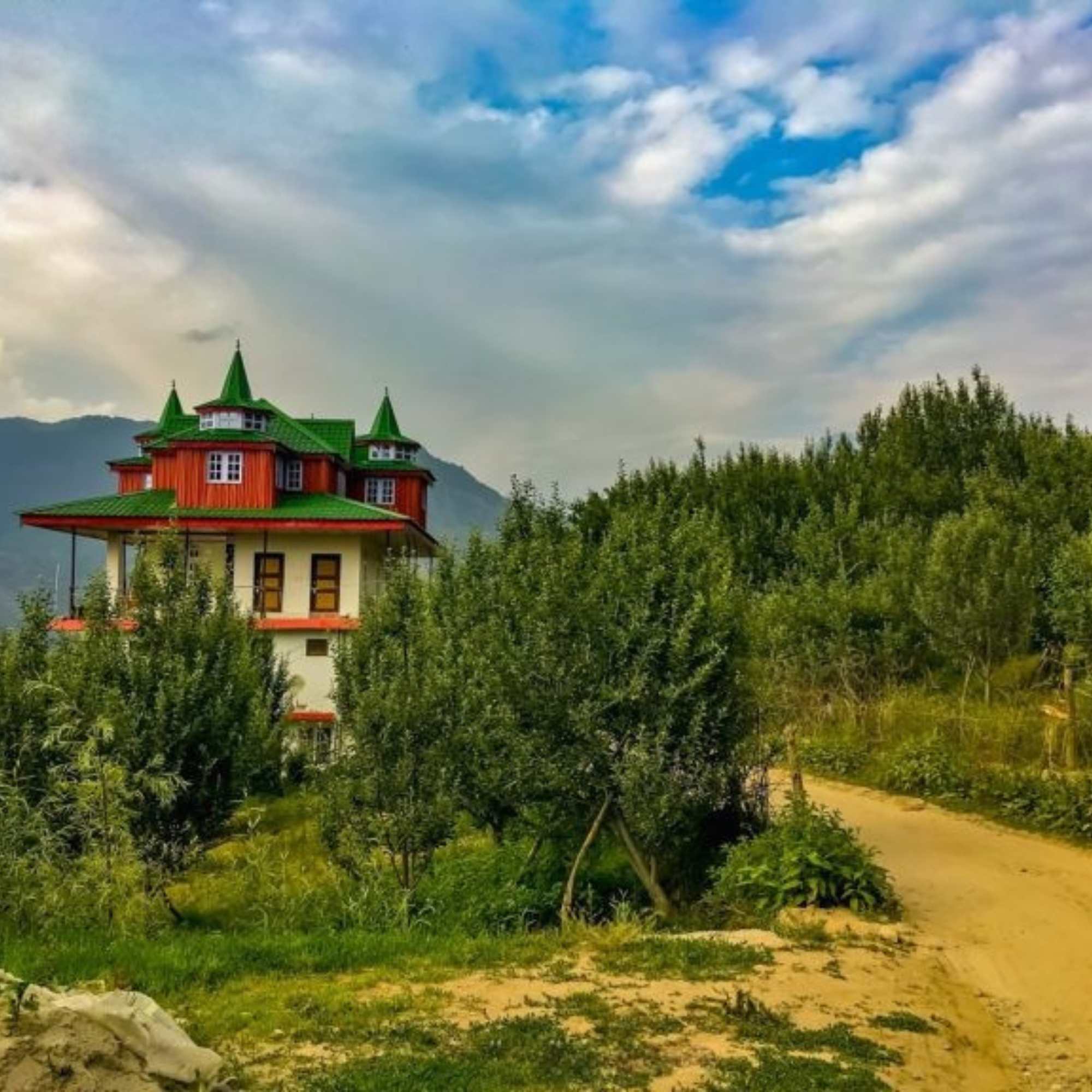
In our experience, Pabbar Valley rewards slow travel. The people who rush it leave disappointed, and the people who linger leave planning a second trip.
Start early every day and avoid night driving completely. These roads are not built for it.
Keep Chanshal flexible. Build your plan so the trip still works even if the pass is shut.
If you are travelling with children, avoid monsoon. The landslide risk is not worth it with kids in the car.
And if Chanshal is the whole reason you are going, keep at least one buffer day. That single extra day is the difference between making it and missing it.
If you want a hand putting the dates and route together, talk to Travel Coffee and we will help you plan around the road, not against it.
Should you combine Pabbar Valley with Shimla, Kinnaur or Spiti?
Pabbar combines naturally with Shimla and with Kinnaur-side planning, since both sit on routes you can stitch together without backtracking too hard.
One warning, though. Chanshal is not the standard route to Spiti, so do not let anyone sell it as a normal Spiti shortcut. It is not.
If Spiti is what you actually want, plan it properly and compare with Spiti Valley packages instead of routing through Chanshal by mistake.
Explore Our Curated Chanshal Pass Tour Packages
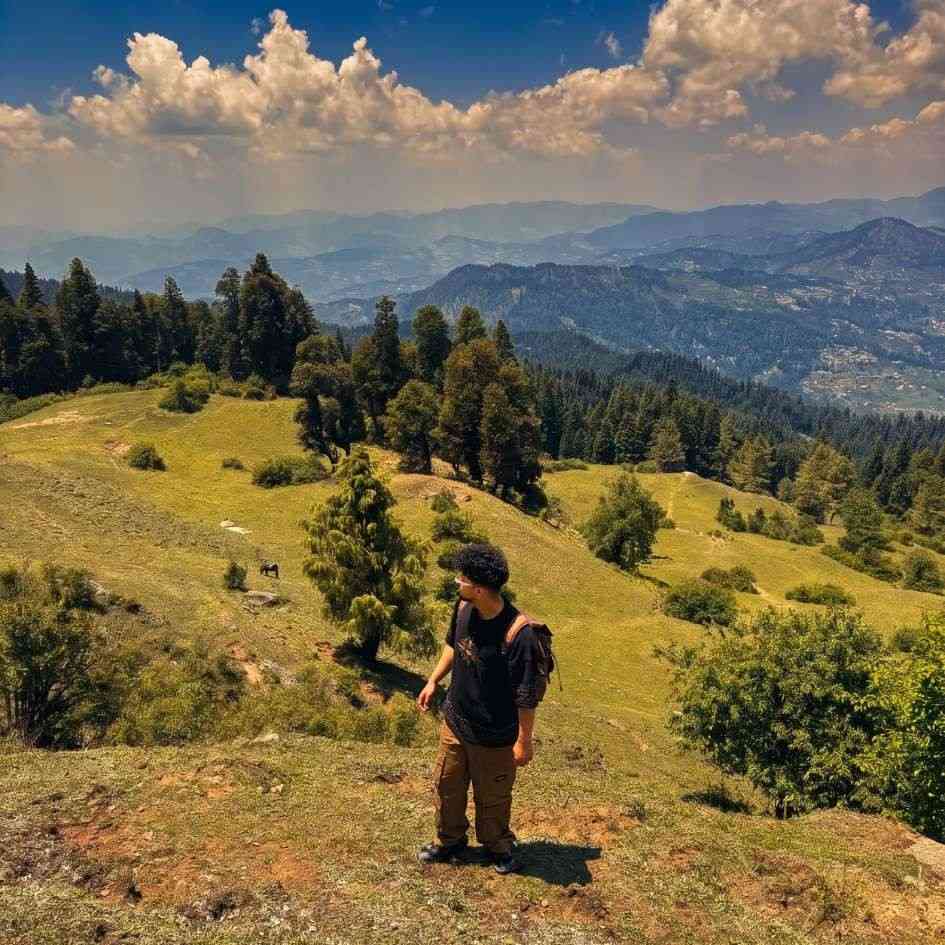 Group Tour5D/4N
Chanshal Pass Weekend Group Trip With Giri Ganga and Kuppar Bugyal
1D Kharapathar / Kotkhai•1D Rohru / Chirgaon (Pabbar Valley)
₹8,999₹12,999SAVE INR 4,000/ person 8D/7N
8D/7NUltimate Pabbar Valley Bike Expedition With Giri Ganga Kuppar Bugyal Chanshal Pass and Dodra Kwar
1D Kharapathar / Kotkhai•2D Rohru / Chirgaon (Pabbar Valley)+1
₹29,999/ person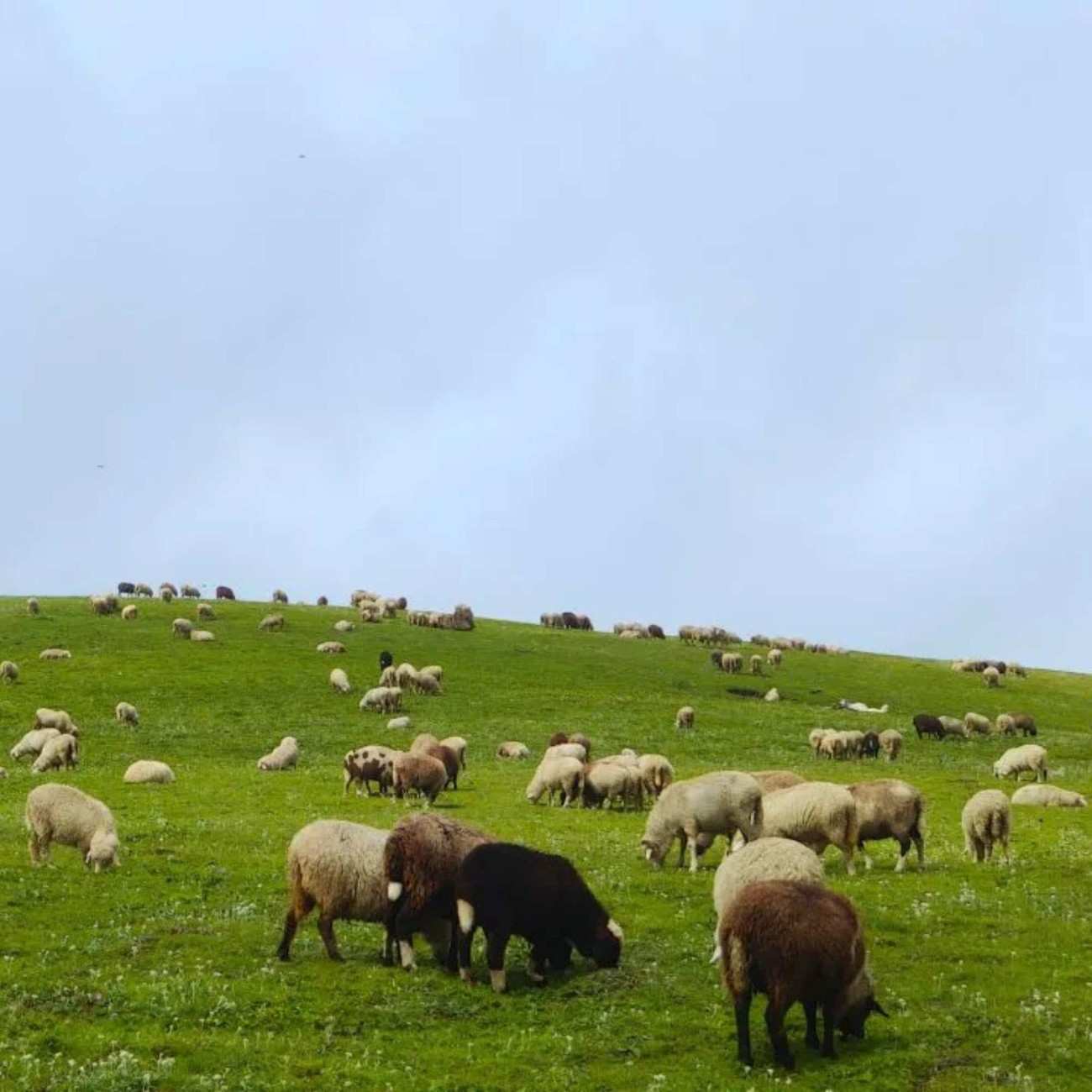 8D/7N
8D/7NMost Loved 4x4 Pabbar Valley Expedition With Giri Ganga Kuppar Bugyal Chanshal Pass and Dodra Kwar
1D Kharapathar / Kotkhai•2D Rohru / Chirgaon (Pabbar Valley)+1
₹32,999₹39,999SAVE INR 7,000/ person
Related topics
Frequently Asked Questions
What are the best places to visit in Pabbar Valley?
Rohru, Hatkoti Temple, Jubbal Palace, the Pabbar River viewpoints, Chirgaon, Larot, Chanshal Pass, Kharapathar and Giri Ganga, plus treks like Chandernahan Lake and Saru Lake for those with the fitness.
Is Pabbar Valley worth visiting?
Yes, if you like quiet over comfort. It is rough around the edges with simple stays, but the rivers, orchards, temples and Chanshal Pass make it special.
Where is Pabbar Valley located?
It lies on the Rohru and Jubbal side of Shimla district in Himachal Pradesh, shaped by the Pabbar River.
How do I reach Pabbar Valley from Shimla?
Drive via Theog, Kotkhai, Kharapathar, Hatkoti and Rohru, which is the 160 km route, or via Theog, Narkanda, Tikkar and Rohru, which is the 175 km route.
How far is Pabbar Valley from Shimla?
Hatkoti Temple is 97 km from Shimla, and Chanshal Pass is about 160 km from Shimla by the shorter route.
What is the best time to visit Pabbar Valley?
March to June and September to November are best overall. For Chanshal, aim for May to November, with late June, September and October being the strongest months.
Is Chanshal Pass open in 2026?
As of 11 June 2026, one live source reported the Rohru to Chanshal road open, but conditions change fast. Confirm locally in Rohru before you leave.
How many days are enough for Pabbar Valley?
Two days cover Hatkoti and Rohru, three days add Chanshal, and five to seven days let you add Dodra Kwar or the treks.
Is Pabbar Valley safe for families?
The lower areas like Rohru and Hatkoti are fine for families. Avoid monsoon, skip the hard treks with kids, and keep Chanshal flexible.
Where should I stay in Pabbar Valley?
Rohru is the best base for first-timers. Larot suits a Chanshal-focused trip, and Kharapathar works for the Giri Ganga walk.
Can I visit Pabbar Valley in winter?
Lower Rohru and Hatkoti are reachable in winter, but Chanshal Pass is closed under snow, with temperatures dropping below minus 10 degrees Celsius.
More about Chanshal Pass
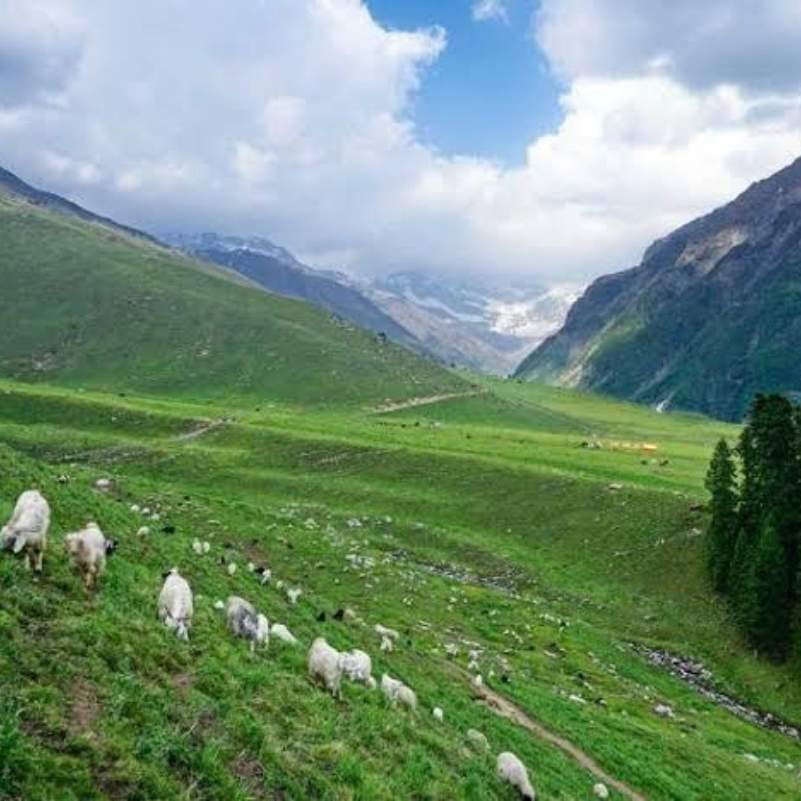 Chanshal Pass
Buran Ghati Trek Complete Guide 2026: Route, Cost, Difficulty, Best Time
Planning the Buran Ghati Trek in 2026? Explore the complete guide covering the route, itinerary, cost, difficulty, best time to visit, fitness tips, and essential trekking advice.
- Things to Do
 Chanshal Pass
Chandranahan Lake Trek 2026: Source of the Pabbar River
Discover the Chandranahan Lake Trek 2026, a breathtaking Himalayan adventure to the sacred source of the Pabbar River in Himachal Pradesh. Explore pristine alpine meadows, glacial lakes, and spectacular mountain landscapes with this complete trekking guide.
- Things to Do
- Chanshal Pass
Treks in Pabbar Valley: The Complete List for 2026
Planning to explore the treks in Pabbar Valley in 2026? This complete guide covers the region's best hiking trails, difficulty levels, ideal seasons, trail highlights, and essential planning tips for discovering one of Himachal Pradesh's most rewarding trekking destinations.
- Things to Do