
Ladakh Altitude Planning for Hanle, Tso Moriri and Umling La in 2026: What Not to Rush
Most people get Ladakh altitude planning wrong in the first 48 hours. They land in Leh, feel okay by evening, and book a car for Pangong or Tso Moriri the very next morning.
That single decision is what sends so many travellers home with headaches, vomiting and a ruined trip instead of photos from Umling La.
Hanle, Tso Moriri and Umling La are not normal sightseeing stops. You sleep at 4,500 m in some of these places. Umling La sits near 5,798 m. Your body needs days, not hours, to catch up.
We send travellers on these exact routes every season, and the ones who slow down at the start are always the ones who make it to the top feeling strong.
Quick Answer: What Is the Safe Altitude Plan for Hanle, Tso Moriri and Umling La?
Do not rush to Hanle, Tso Moriri or Umling La in your first 2 to 3 days after landing in Leh.
The safer pattern is simple. Spend a full 48 hours resting in Leh first. Then do easy, same-altitude sightseeing. Only after that should you start sleeping higher.
Save Umling La for late in the trip as a day trip from Hanle, not as an early trophy run. Keep Tso Moriri near the end too, once your body has settled.
Get this order right and the whole trip changes. Get it wrong and altitude sickness decides your itinerary for you.
Why Does Ladakh Altitude Planning Matter More for Hanle, Tso Moriri and Umling La?
Here is the thing most blogs skip. There is a big difference between the height you cross and the height you sleep at.
A high pass is hard, but you are there for 20 minutes and then you come down. A high sleeping altitude is harder, because your body has to survive the whole night up there.
Hanle and Tso Moriri are serious because you actually sleep around 4,500 m. That is where the real risk lives, not just on the passes.
Umling La is a different kind of serious. You do not sleep there, but you climb to an extreme height in a single day trip from Hanle. The gain is brutal even if it is short.
This is why distance-based planning fails in Ladakh. A route can look short on the map and still wreck you, because the number that matters is altitude, not kilometres.
If you want someone to handle this logic for you, our customised Ladakh tour package is built around sleeping altitudes, not just stops on a list.
What Are the Altitudes of Leh, Hanle, Tso Moriri and Umling La?
Let me give you the real numbers so you can plan around them.
Leh sits at around 3,500 m. That already counts as high altitude, even though it has hospitals, hotels and oxygen support nearby.
Hanle is about 4,500 m. The Indian Astronomical Observatory there sits at roughly the same height. This is a full kilometre higher than Leh.
Tso Moriri is around 4,522 to 4,530 m. Slightly higher than Hanle, and far more remote.
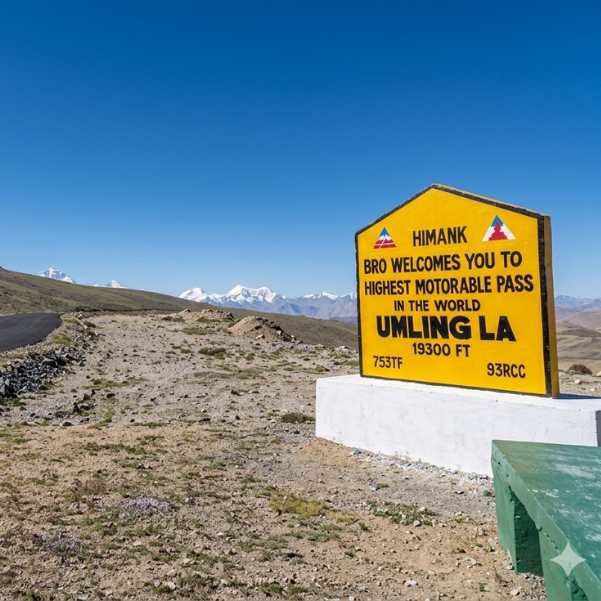
Umling La is around 19,024 ft, which is about 5,798 m. This is extreme altitude by any definition.
Now the important part. Feeling fine in Leh does not mean your body is ready for Changthang or Umling La.
In our experience, the travellers who struggle most are the ones who felt great on Day 1 in Leh and assumed that meant they were acclimatized. They were not.
What Should You Never Rush on This Route?
There are four mistakes we see again and again, and all four are avoidable.
Do not fly into Leh and leave for Pangong, Hanle or Tso Moriri the next day. Your body has barely landed.
Do not sleep at Tso Moriri early in your trip. Sleeping that high before you are acclimatized is asking for a rough night and a worse morning.
Do not attempt Umling La before your body has settled at Hanle. That extreme jump in altitude is not something to test cold.
And please do not treat Hanle, Umling La and Tso Moriri as one big sightseeing day. They are spread across different days for a reason.
What we always tell our travellers is this. In Ladakh, the slow person reaches the top and the fast person turns back. Rushing does not save time here. It costs you the trip.
How Many Days Should You Spend in Leh Before Going Higher?
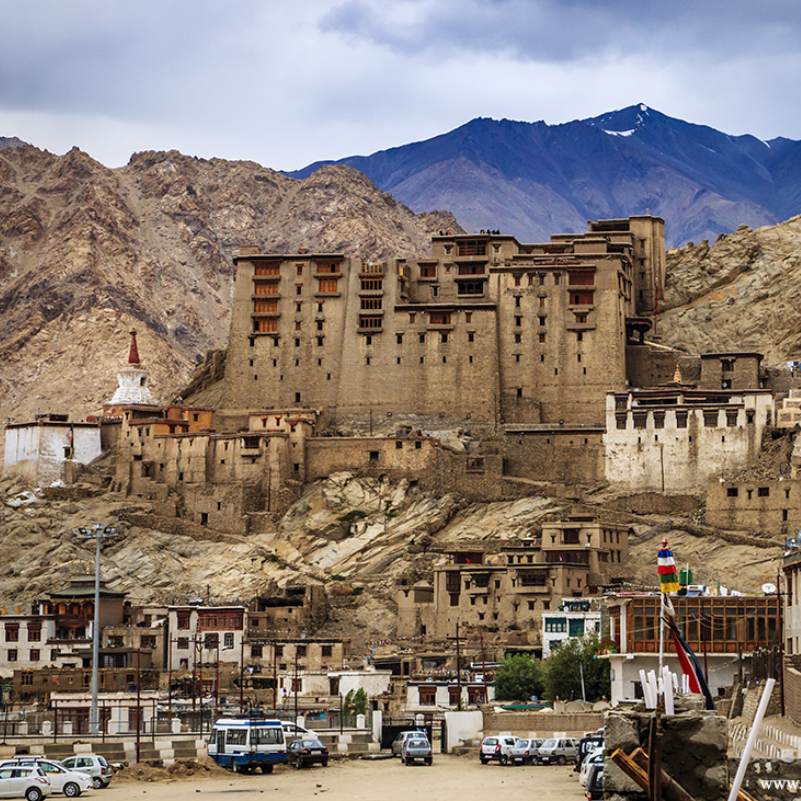
Official Ladakh Tourism is clear on this. Every tourist arriving in Leh must take at least 48 hours of complete rest before going to higher altitude areas.
District Leh says the same thing. At least 48 hours of acclimatization before any higher altitude travel.
So here is how to use those two days. Day 1 should be complete rest. Do not sightsee. Do not climb a monastery. Drink water, sleep, and let your body adjust.
Day 2 can include easy movement around Leh, but only if you feel fine. Light walking, a flat market, nothing that leaves you breathless.
Day 3 can add easy local sightseeing at the same altitude, like Sham valley. This is not the day to rush off to a high pass.
Travellers who climb fast above 3,500 m are at real risk of HAPE, which is fluid in the lungs. That is not a small thing. That is a medical emergency.
What Is a Safe Day by Day Itinerary for Hanle, Umling La and Tso Moriri?
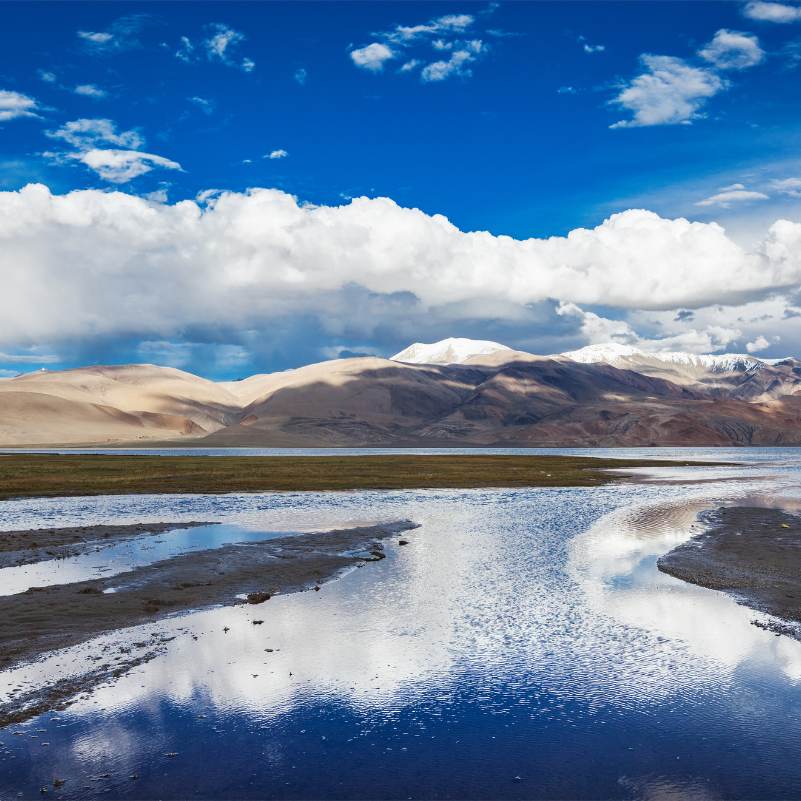
Here is a sample 10-day rhythm we use as a starting point. Read it as a rhythm, not a fixed medical prescription.
Day 1 is Leh rest. Nothing else. Let the altitude settle.
Day 2 is Leh rest with very easy local movement, only if you feel okay.
Day 3 is Sham valley or easy local sightseeing near Leh, all at a similar altitude.
Day 4 is Nubra or a gradual route, depending on your final package plan and permits.
Day 5 is Pangong, or a buffer day if your body needs more time. Pangong sits around 4,250 m, so it is already high.
Day 6 is the drive to Hanle, which is about 260 to 275 km from Leh.
Day 7 is Hanle rest or short local exploration. Give the altitude a day to sink in before pushing higher.
Day 8 is the Umling La day trip and back to Hanle the same night.
Day 9 is Tso Moriri or Korzok, but only if everyone in the group is genuinely well.
Day 10 is the return to Leh or onward travel, decided only after checking road status and everyone's health.
This is a sample rhythm, not a rule carved in stone. The real route depends on weather, permits, road status, traveller age and health. We adjust it for every group we send.
Is Hanle Altitude Sickness Common?
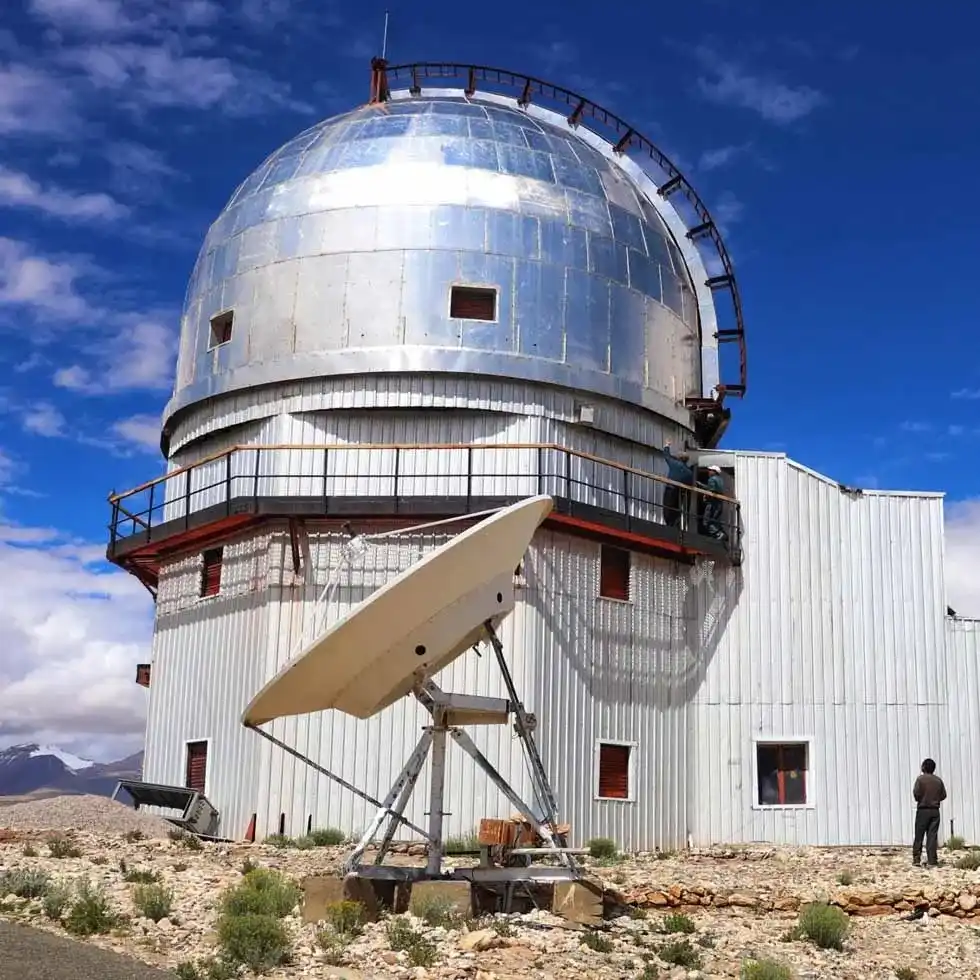
Yes, more than people expect. Hanle gets sold as a dreamy stargazing village, and it is. But it is still 4,500 m.
At that height, headache, nausea, poor sleep, appetite loss, dizziness and unusual tiredness are all signs your body is struggling. Take them seriously.
The honest negative about Hanle is this. It is stunning, but it is remote. Hanle and the wider Changthang region have very limited medical help compared to Leh.
If something goes wrong at night in Hanle, you are far from a proper hospital. That distance is the real risk, not the village itself.
So treat Hanle's beauty and its altitude as two separate facts. Enjoy the first. Respect the second.
Why Should Tso Moriri Come Late in Your Ladakh Trip?
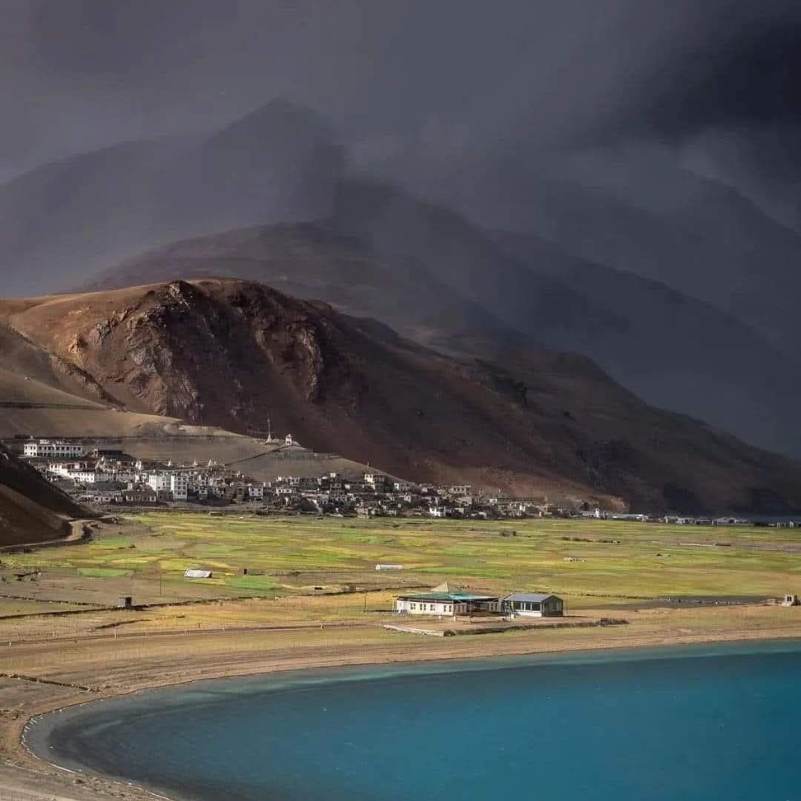
Tso Moriri sits around 4,522 to 4,530 m, and the safe approach is to visit it after proper acclimatization, not early in your trip.
One Ladakh taxi source we trust recommends a minimum of 4 days at lower altitude before heading to Tso Moriri. We agree with that thinking.
The drive matters too. Tso Moriri via Chumathang is around 213 km from Leh and takes about 7 hours depending on road and breaks. That is a long, draining day on its own.
Your stay base is Korzok village. You cannot camp on the lake shore, because the area is part of a nature reserve. Do not plan a lakeside tent night, it is not allowed.
In our experience, travellers who save Tso Moriri for the back half of the trip sleep better and actually enjoy the lake instead of fighting a headache the whole time.
Many of our travellers add a few easy days in Kashmir before Ladakh to ease into altitude. If that interests you, look at our Kashmir trip planning before Ladakh options.
How Should You Plan Umling La Acclimatization from Hanle?
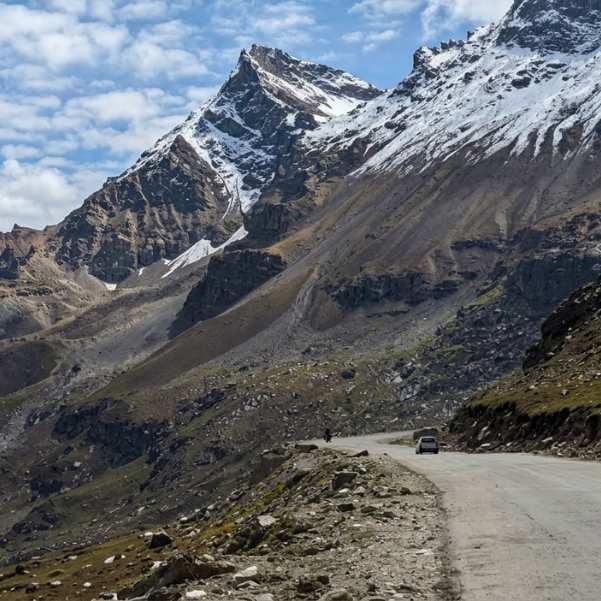
Treat Umling La as a late-trip altitude challenge, not a trophy stop you grab on Day 2.
From Hanle, the route via Photi La is around 75 km. The Nurbula or Ukdungle side is around 88 km. Photi La itself is around 18,124 ft, so even the approach is extreme.
Umling La sits at around 19,024 ft. When you reach the top, keep your stop short. Do not run, do not jump around for photos, do not test how fit you feel.
Take your pictures calmly, breathe, and get back in the car. If symptoms start, you descend. No debate.
Here is a 2026 update worth knowing. Mig La, at 19,400 ft, has now surpassed Umling La's earlier world record. But that does not make Umling La any easier on your body. The numbers are still extreme.
So skip the bragging-rights mindset. Umling La is not about a record anymore. It is about getting up and down safely.
Which Route Order Is Better: Pangong to Hanle to Umling La to Tso Moriri, or Leh to Tso Moriri First?
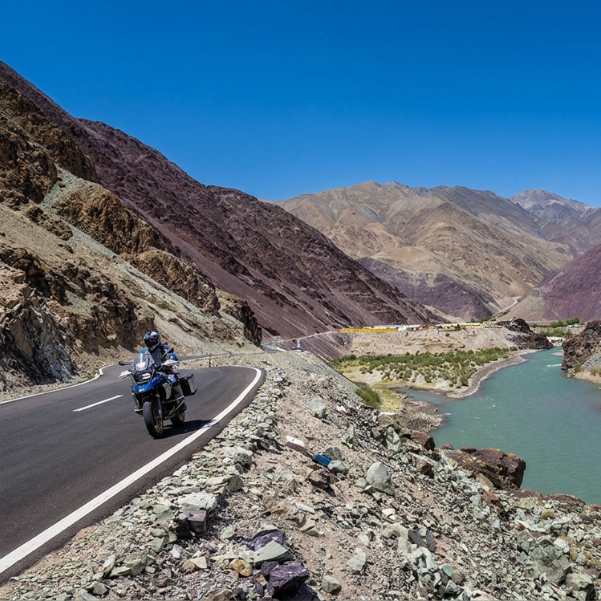
People love to plan Ladakh by distance. Shortest route wins, right? Wrong.
The best route is not decided by kilometres. It is decided by how well your body is acclimatized at each stage.
For most first-time travellers, Tso Moriri should never be the first high-altitude night after Leh. Jumping straight to a 4,500 m sleep is exactly how trips fall apart.
A gradual order, like easing up to Pangong, then Hanle, then Umling La as a day trip, then Tso Moriri near the end, lets your body climb in steps.
Distance-based planning fails in Ladakh because a short drive can still throw you 1,000 m higher in one go. Your lungs do not care that the road was only 200 km.
We have watched two groups do the same loop in opposite orders. The one that climbed gradually finished smiling. The one that rushed Tso Moriri early spent two days recovering in Leh.
What Are the AMS Symptoms You Should Not Ignore in Ladakh?
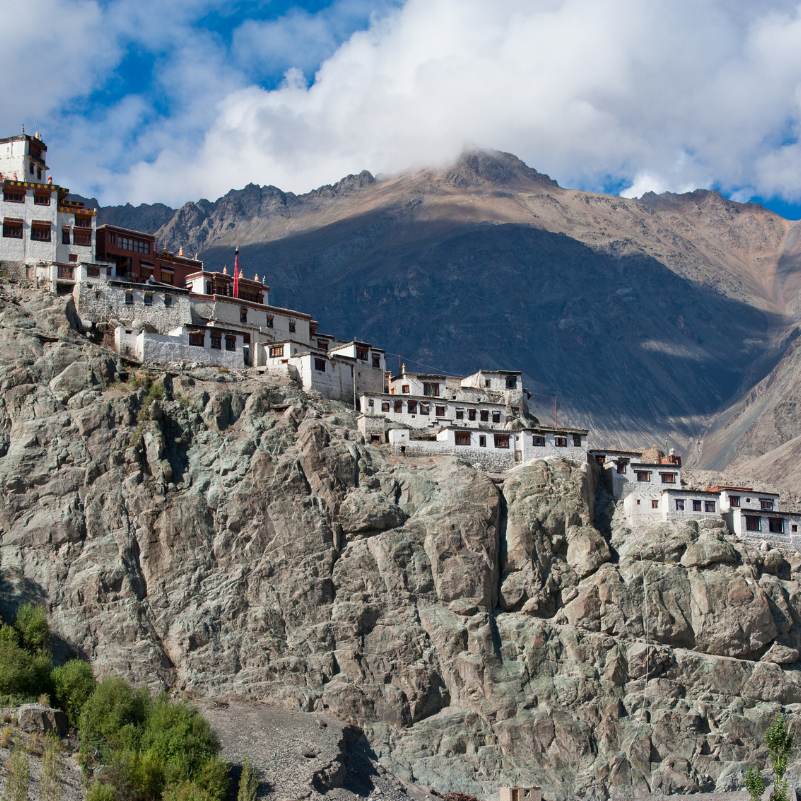
Learn these now so you can spot them on the road.
Mild AMS symptoms include a headache that will not go away, nausea, trouble sleeping, low appetite, dizziness, fatigue and general weakness. These are your body asking you to slow down.
Severe warning signs are different and dangerous. A worsening headache, repeated vomiting, confusion, loss of coordination, breathlessness even while resting, frothy or pink spit, blurred or double vision, altered consciousness and extreme drowsiness.
If any mild symptom appears, stop ascending immediately. Do not push higher hoping it passes.
If symptoms get worse, descend 500 to 1,000 m as safely and quickly as you can, use oxygen if you have it, and get medical help.
Keep these numbers in your phone before you lose signal. SNM Hospital Leh is 01982-252014. The CMO Office Leh is 01982-252012.
What Should You Carry for Hanle, Tso Moriri and Umling La?
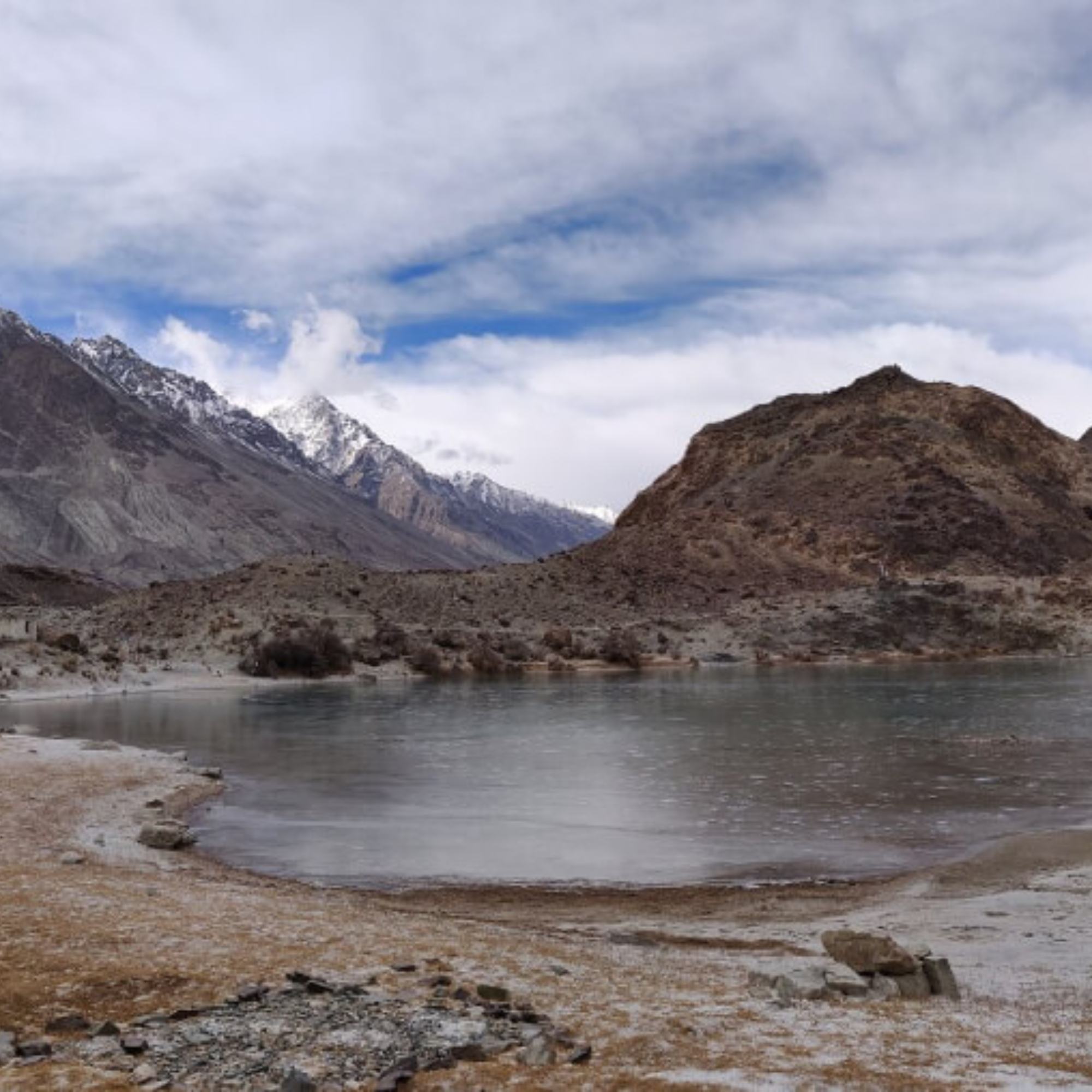
Pack like the road has no shops, because mostly it does not.
Carry an oxygen cylinder, a pulse oximeter, warm layers, ORS sachets, a personal first aid kit, any prescribed medicines, snacks, plenty of water, offline maps and a vehicle with a backup plan.
One thing to be honest about. Oxygen is emergency support, not a cure. If someone has serious AMS, oxygen buys you time to descend. It does not fix the problem.
Network beyond Hanle is unreliable or absent. Do not count on a phone signal to save you out there.
Fuel is the other big one. Check fuel availability beyond Hanle or Nyoma with locals before you leave. Tanks run dry on these stretches and there is no pump waiting.
Stay well hydrated through the whole trip, and avoid alcohol and smoking during your first 48 hours. Both make acclimatization harder.
If you are pairing Ladakh with a Manali leg by road, our Manali route planning for Ladakh road trips covers that side of the journey.
Who Should Avoid or Modify This Route?
Some travellers should think twice, or at least slow the plan down.
Infants, anyone with heart or breathing conditions, and seniors without a doctor's clearance should be careful with Hanle, Tso Moriri and Umling La.
People who have had serious AMS before are at higher risk of it happening again. And anyone trying to squeeze all of Ladakh into 5 or 6 days is setting up the exact rush that causes trouble.
None of this means you cannot enjoy Ladakh. It means you change the plan to fit your body.
A slower Ladakh route is still beautiful. You can skip Umling La, take Tso Moriri easy, and still have one of the best trips of your life. Nobody at the top is keeping score.
What Is the Best Travel Window for Hanle, Tso Moriri and Umling La in 2026?
For Umling La, the practical window is usually late May or June to September, with early October possible only if roads and weather allow.
Mark the current road status as because Ladakh roads change fast. A pass that was open last week can close overnight after snow.
Tso Moriri via Chumathang is reported accessible from Leh through the year, but do not confuse open with comfortable. Winter access and winter safety are two very different things.
Our money-saving tip here is timing. Travelling in the shoulder window, late September into early October, often means lower stay costs at Korzok and Hanle and far thinner crowds, as long as the roads hold.
The skip-this advice. Do not pay a premium for a peak-July rushed package that crams everything into a week. You pay more and acclimatize less. A slightly longer trip in a quieter window gives you better value and a safer body.
👉 Travel smarter, not faster. Chat with us on WhatsApp for the safest Ladakh route and itinerary.
Explore Our Curated Leh Ladakh Tours
 6D/5N
6D/5NUltimate Leh Ladakh Tour Package with Nubra Valley & Pangong Lake
2D Leh•1D Nubra Valley+1
₹28,999₹35,999SAVE INR 7,000/ person 6D/5N
6D/5NBest Selling Leh Ladakh Tour With Nubra Valley and Pangong Lake
2D Leh•1D Nubra Valley+1
₹23,999₹28,599SAVE INR 4,600/ person 4D/3N
4D/3NLeh Ladakh Short Getaway
2D Leh•1D Pangong Lake
₹16,499₹19,999SAVE INR 3,500/ person
Related topics
Frequently Asked Questions
How many days are needed for Ladakh altitude planning?
Plan at least 48 hours of rest in Leh first, then build a gradual route. For Hanle, Umling La and Tso Moriri together, a 9 to 10 day trip is realistic and much safer than rushing.
Is Hanle safe for people with altitude sickness?
Hanle sits at 4,500 m, so it is risky for anyone prone to AMS. Acclimatize first, watch for symptoms, and remember that medical help in Hanle is very limited compared to Leh.
What is the altitude of Hanle?
Hanle is about 4,500 m. The Indian Astronomical Observatory there sits at roughly the same height, a full kilometre above Leh.
What is the altitude of Tso Moriri?
Tso Moriri is around 4,522 to 4,530 m. That is slightly higher than Hanle and far more remote, which is why it belongs late in your trip.
How many days should I acclimatize before Tso Moriri?
After your 48 hours in Leh, aim to spend a few more days at gradual altitudes first. One Ladakh source recommends a minimum of 4 days at lower altitude before Tso Moriri.
Can I go to Umling La directly from Leh?
You should not. Umling La is around 5,798 m and the safe approach is a day trip from Hanle after you have already acclimatized. Going straight from Leh is a serious altitude jump.
How long should I stay at Umling La top?
Keep it short. Take your photos calmly, avoid running or jumping, and head down. If any symptoms start at the top, descend right away.
Is Tso Moriri higher than Pangong?
Yes. Tso Moriri sits around 4,522 to 4,530 m while Pangong is around 4,250 m. Both are high-altitude lakes, but Tso Moriri is the higher of the two.
Should I take Diamox for Ladakh?
Some official advisories mention Diamox or Acetazolamide 250 mg twice daily starting 2 days before arrival. Talk to your own doctor before taking it. Do not self-prescribe.
What are the first symptoms of AMS in Ladakh?
The early signs are a persistent headache, nausea, poor sleep, low appetite, dizziness, fatigue and weakness. Treat these as a signal to stop going higher.
What should I do if I feel sick in Hanle or Tso Moriri?
Stop ascending immediately. If symptoms worsen, descend 500 to 1,000 m as safely as you can, use oxygen if available, and seek medical help. Do not wait it out at altitude.
Is it safe to do Hanle, Umling La and Tso Moriri in one day?
No. These are spread across different days for a reason. Trying to combine them in one day is unsafe at these altitudes and almost guarantees AMS.
More about Ladakh
 Ladakh
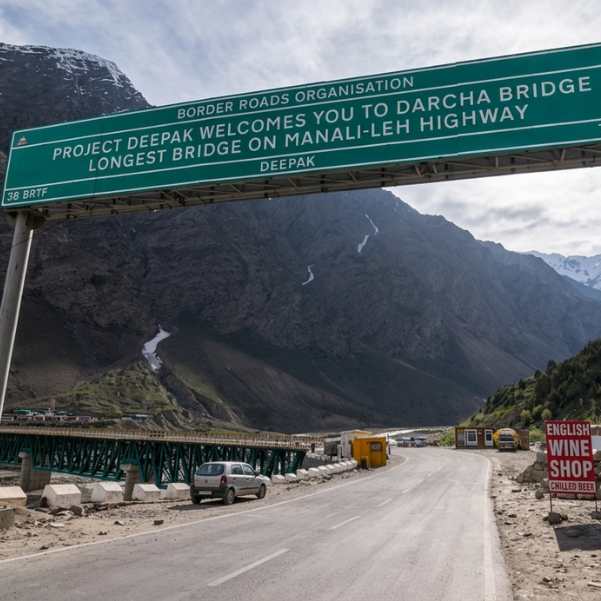
Manali to Leh Highway 2026: Every Pass, Stop and Distance
Plan your Manali to Leh Highway journey in 2026 with a complete guide to major mountain passes, overnight stops, route highlights, and distance. Discover key stops like Jispa, Sarchu, and Pang, along with famous passes including Baralacha La and Tanglang La.
- Road Trips
- How to Reach
- Ladakh
Umling La Ladakh Guide 2026: Route, Altitude, Permit, Safety & Reality Check
Planning to visit Umling La in 2026? This complete guide covers the route, altitude, permit requirements, road conditions, safety tips, and the realities of travelling to one of the world's highest motorable roads.
- Road Status
- Altitude & Health
 Ladakh
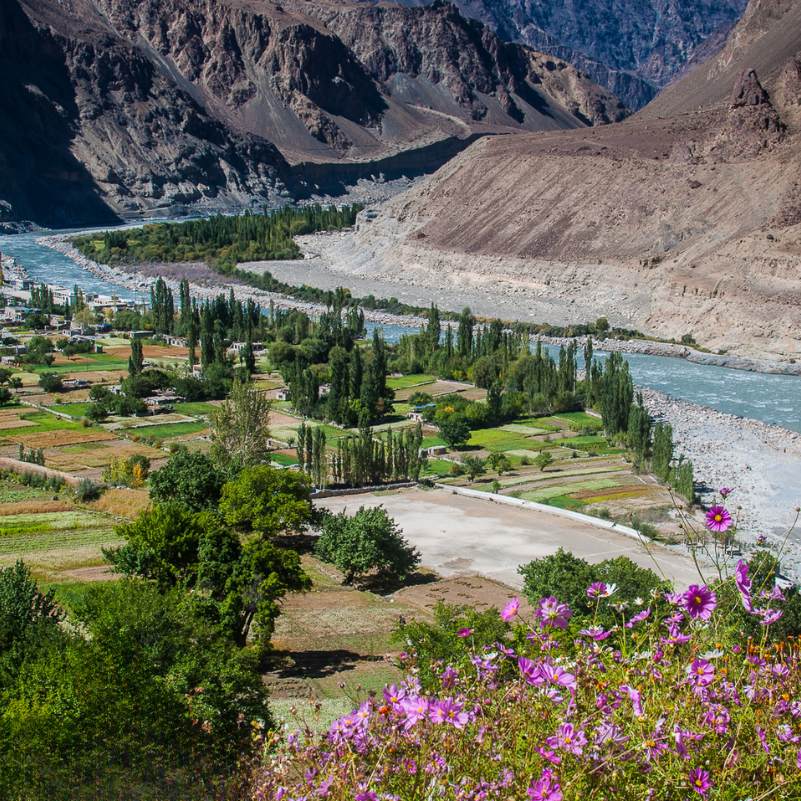
Turtuk Ladakh Travel Guide 2026: Balti Culture, Apricot Orchards and Why It Is Perfect for Families
Planning a trip to Turtuk? This 2026 travel guide explores the village's rich Balti culture, beautiful apricot orchards, top attractions, travel route, and why Turtuk is one of the best family-friendly destinations in Ladakh.
- Places to Visit
- Family Travel