
Khardung La Pass in September: Weather, Road Status, Snow Chances and Travel Tips for 2026

Every year, thousands of travellers time their Ladakh trip around one question: when is the best month to cross Khardung La? If you are reading this, chances are you are weighing September as your window. Good instinct.
Here is exactly what September at this pass looks like, what it demands, and how to plan it so you actually enjoy it instead of just surviving it.
Quick Answer
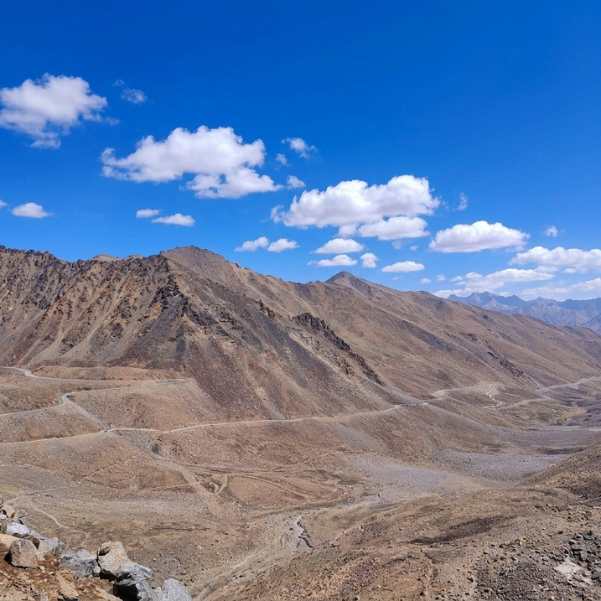
September is one of the better months to visit Khardung La Pass. Roads are usually open, the worst of the monsoon is behind you, and the crowds from July and August start to thin out. Views tend to be clearer too.
That said, this is still a high mountain pass and the weather can change fast. Late September gets noticeably colder, and brief closures after rain or fresh snow are always possible.
One specific thing to keep in mind for 2026: the Ladakh Marathon 13th Edition runs from 10 to 13 September 2026, with the Khardung La Challenge on 11 September.
There is a reported road closure on 13 September until 1:15 PM. Confirm movement restrictions locally before finalising your dates around that window.
And please do not skip acclimatisation. Official guidance says at least 48 hours in Leh before heading to any high altitude point. That rule exists for a reason.
Is September a Good Time to Visit Khardung La Pass?
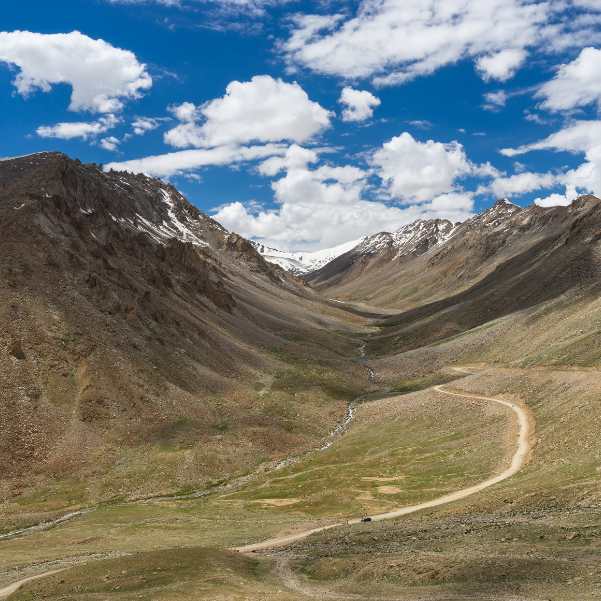
Yes, and here is why it works so well. By September the monsoon has mostly pulled back from Ladakh, the skies are cleaner, and the roads have had time to settle after the August rush.
Compare that to June, when you get dramatic snow walls but rough roads and unpredictable clearances.
July and August are peak seasons with more traffic, more people at the top, and the Manali side can be messy with rain.
October brings colder temperatures and a real risk of early snowfall closing the pass without warning.
September sits right in the sweet spot. Early September feels almost comfortable during the day. Late September gets sharper with colder winds, the possibility of fresh snow, and a clear reminder that winter is not far off.
If this is your first time in Ladakh, early to mid September is probably the most forgiving window. If you are an experienced rider or traveller and want fewer people at the top, late September is worth considering. Just pack accordingly.
What Is the Weather Like at Khardung La in September?
Here is something that catches people off guard every year. The weather in Leh in September feels fairly pleasant.
A regional benchmark from Ladakh climate sources puts it around 21°C during the day and 5°C at night. That sounds manageable.
But Khardung La is not Leh. The pass sits significantly higher, and the wind exposure there is constant. A sunny morning in Leh can still mean freezing, biting wind at the summit.
What you should expect at the pass in September is: cold air, strong wind chill that makes the real feel temperature much lower than any number suggests, and fast changing conditions. The sun can be intense one hour and clouds can roll in the next.
We always tell our travellers: dress for Khardung La, not for Leh. Two different packing decisions.
Does It Snow at Khardung La in September?
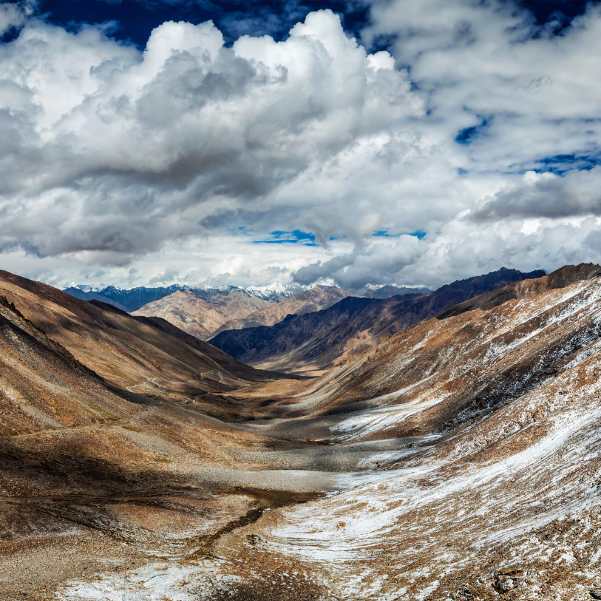
Snowfall is possible but not guaranteed. Fresh snow is more likely in late September, especially if a western disturbance moves through the region. But many travellers visit in September and see no snow at all at the top.
If you are coming specifically for snow walls and white landscapes, late May to early June is the window for that.
September gives you snow on the surrounding peaks and occasionally a fresh dusting, but do not plan your trip around guaranteed snowfall.
What September does give you is cleaner skies, better mountain visibility, and post monsoon sharpness in the landscape. That is honestly more valuable for most travellers than a snow photo.
Is Khardung La Open in September and How Is the Road Condition?
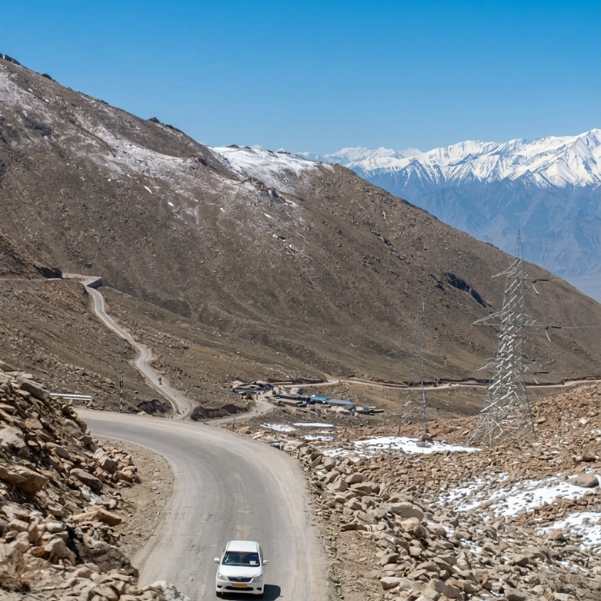
September generally falls within the accessible travel window for Khardung La Pass. The route to Nubra Valley via Khardung La is typically open and in reasonably good condition during this month.
That does not mean it is smooth. A recent snapshot of the official Leh road status page showed Leh to Nubra listed as Green (Road Slippery), which tells you that even when open, wet or cold conditions can affect grip.
The road gets rougher closer to the top, and sections near the summit are always patchier than the stretch from Leh to South Pullu.
Always check the official District Leh road status page on the morning of your departure. Conditions can change overnight, especially after rain or cold temperatures.
>> WhatsApp us to check the latest Khardung La road status
What Time Should You Leave Leh for Khardung La in September?
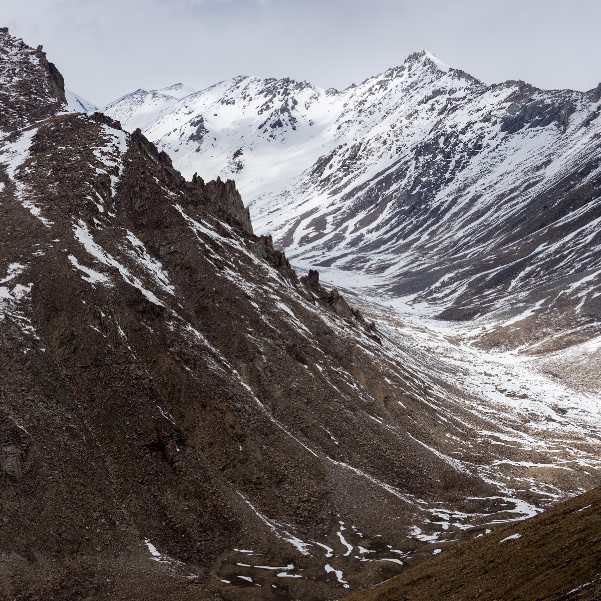
Leave early. An early morning start gives you better weather at the top, easier traffic, and more time to adjust before the cold sets in at higher altitude.
Some older travel sources mention directional timing controls, roughly 9 AM to 1 PM from Leh and 1 PM to 5 PM for the return, but verify this locally before your trip because on ground rules can change and may not always be enforced the same way.
What is consistently true: crossing before noon gives you a better experience. Afternoon brings stronger winds, more cloud cover, and if you are continuing to Nubra, it means arriving in the dark. Nobody wants that on this road.
The round trip from Leh to Khardung La and back often takes around 3 to 4 hours depending on stops and traffic.
Do You Need a Permit for Khardung La in September?
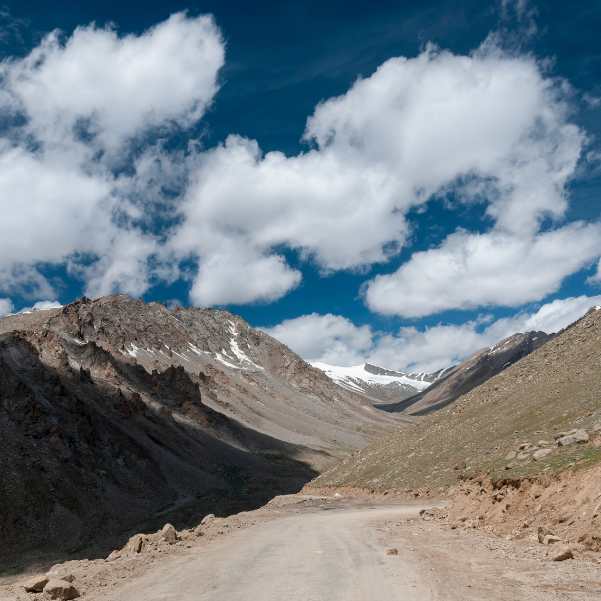
For Indian travellers, the process has moved online. You pay through the official Leh tourist management portal and carry the receipt, both digital and printed, because network is not reliable everywhere.
The fee includes an environmental fee, Red Cross Fund contribution, and wildlife fee. A commonly cited 2026 breakdown is ₹400 environment fee + ₹20 per person per day wildlife fee + ₹50 optional Red Cross.
For foreign nationals, the situation is slightly more complex. Certain passport categories still require a Protected Area Permit for restricted and protected areas, including routes that cover the Khardung La circuit. Check the current requirements specific to your nationality before departure.
Do not assume because someone else did not need a particular permit that you will not need one. Permit requirements can and do change.
How Many Days of Acclimatisation Do You Need Before Visiting Khardung La?
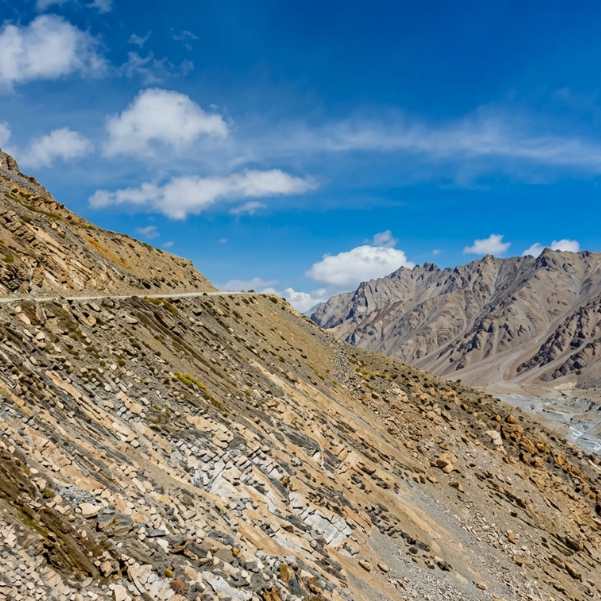
The official health guidance on the Leh permit portal says at least 48 hours in Leh before heading to high altitude points. That is not a suggestion. It is official advice, and we have seen what happens when people ignore it.
Altitude sickness symptoms include headache, nausea, breathlessness, dizziness, and fatigue. They can hit fit, healthy people with no warning. The risk goes up when you gain altitude too fast.
Practically: rest completely on the day you arrive in Leh. Do not try to see everything. Eat light, drink 2 to 3 litres of water per day (this is specifically recommended by the official advisory), and avoid alcohol in the first 48 hours.
On day two, light sightseeing around Leh town at the same altitude is fine. Leh Palace, the market, a monastery nearby. Nothing that takes you significantly higher.
Day three onwards, your body is in much better shape for Khardung La.
How Long Can You Stay at the Top of Khardung La?
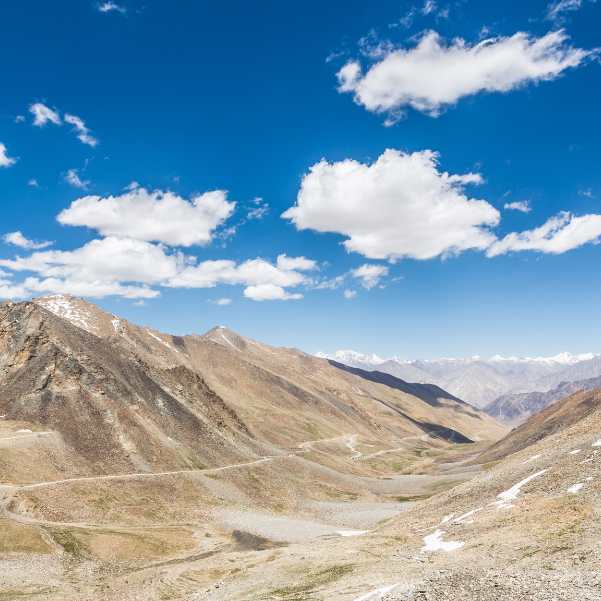
The honest answer: not very long, unless you have spent several days acclimatising at altitude.
Most travellers stop for photos, a chai at the stall if it is operating, and a few minutes taking in the view. 15 to 30 minutes at the summit is typical and safe for most people who have properly acclimatised in Leh.
If you start feeling dizzy, short of breath beyond what the altitude normally causes, or develop a sudden headache, get back in the vehicle and descend.
Do not try to push through it at the top of a pass with no medical support nearby.
In our experience running Ladakh trips, the people who struggle at Khardung La are almost always the ones who rushed from Leh to the pass within 24 hours of arriving. The 48 hour rule is there for a reason.
Can You Do Khardung La as a Day Trip from Leh?
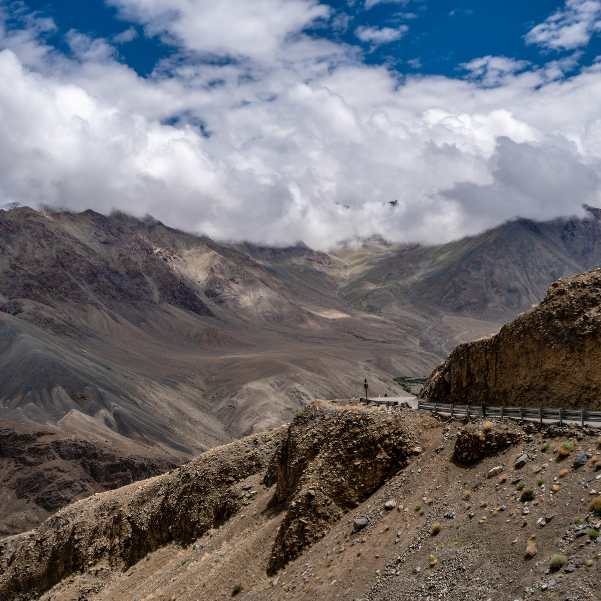
Yes, many travellers do exactly this. You drive up, spend time at the top, and return to Leh the same day. It is a popular format for those who want the Khardung La experience without continuing to Nubra.
The alternative is using Khardung La as the route into Nubra Valley, crossing the pass and continuing to Diskit or Hunder for one or two nights, then returning via the same route or connecting onward.
Which makes more sense depends on your time, your acclimatisation level, and what you actually want from the trip.
If Nubra Valley is on your list (the sand dunes at Hunder, the double humped Bactrian camels, the silence of the Shyok River) then crossing Khardung La as part of that journey is worth it.
If you just want the high pass experience and a view from nearly the top of the world, the day trip works fine.
Our Leh Ladakh tour packages can be shaped around either format. We design them based on your pace, not a template.
Khardung La in September for Bike Riders and Self Drivers
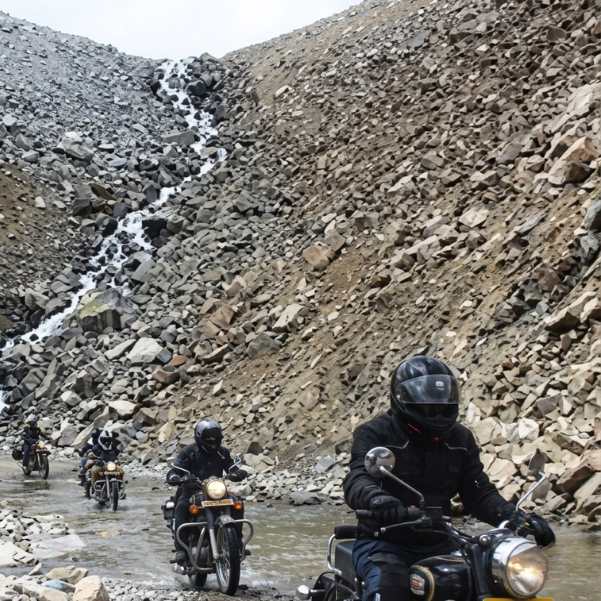
September is a popular month for riders on the Manali to Leh to Khardung La route. The roads are generally more stable than June, and the scenery is at its post monsoon best.
But even in September, this is a serious mountain road. Broken patches near the summit, slush after recent rainfall, cold hands affecting grip, and fatigue from the altitude are all real factors.
Before you go: make sure your brakes are recently checked and your fuel tank is full from Leh. There is no fuel between Leh and the pass.
Carry warm gloves that still allow you to operate the bike controls. Riders often underestimate how much cold affects hand function at altitude.
Self drivers in SUVs will find the road manageable but not comfortable. A sedan is not suitable for the upper stretches beyond South Pullu. High clearance helps. Confidence on narrow, uneven mountain roads is non negotiable.
One thing most biking blogs skip: the small mechanic workshop about 2 km before South Pullu checkpoint has saved more than a few riders we know.
If your chain is loose or brakes feel off after the climb, stop there rather than pushing ahead. It is not always open, but when it is, it is a lifesaver.
What to Pack for Khardung La in September
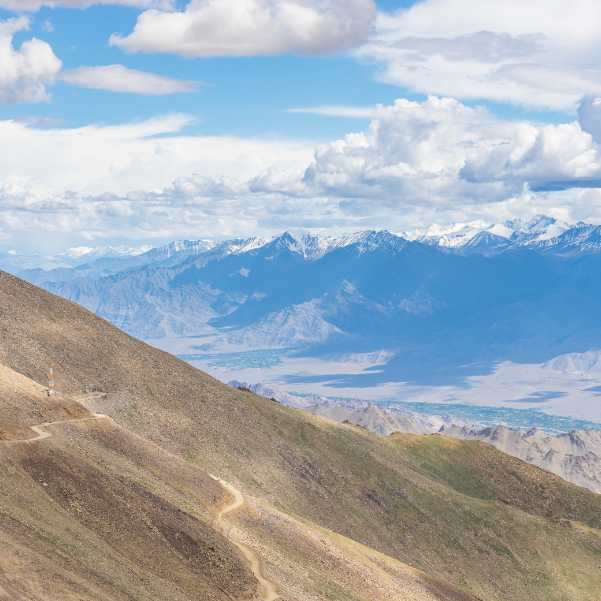
Pack for a cold, windy, high altitude environment. Not for a mountain holiday photo.
Thermal base layers (top and bottom) go on before everything else. A fleece mid layer on top of that. A windproof outer jacket over everything. Warm gloves.
Sunglasses with UV protection because the UV at this altitude is intense even on cool days. High SPF sunscreen and lip balm because your lips will crack at altitude without it.
Carry your own water and some dry snacks. A basic medicine kit with paracetamol, ORS, and anti nausea tablets is worth having. Download offline maps before you leave Leh because network gets patchy on the way up.
Most importantly: carry both digital and printed copies of your permit fee receipt and ID. Checkpoints exist and you need documentation.
What we tell every group we send to Khardung La: carry a thermos of hot ginger tea from Leh. At 18,000 feet, a warm drink in your hands does more for your body and your mood than any expensive gear.
Important 2026 Update: Ladakh Marathon Dates and Traffic Disruption
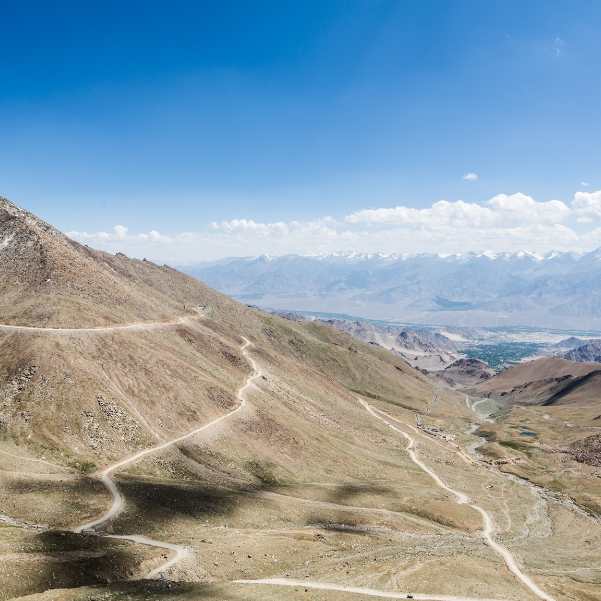
If you are planning Khardung La in September 2026, this matters. The Ladakh Marathon 13th Edition is scheduled from 10 to 13 September 2026. The Khardung La Challenge, the high altitude component of the marathon, is on 11 September 2026.
Official marathon information also indicates a road closure on 13 September until 1:15 PM. This directly affects access to Khardung La during that window.
If your trip falls between 10 and 13 September, build in buffer time and confirm current movement restrictions from local sources before finalising your plan. Conditions around event days can be unpredictable. Either adjust your dates or go in knowing that flexibility is necessary.
Our Suggested Itinerary for Visiting Khardung La in September
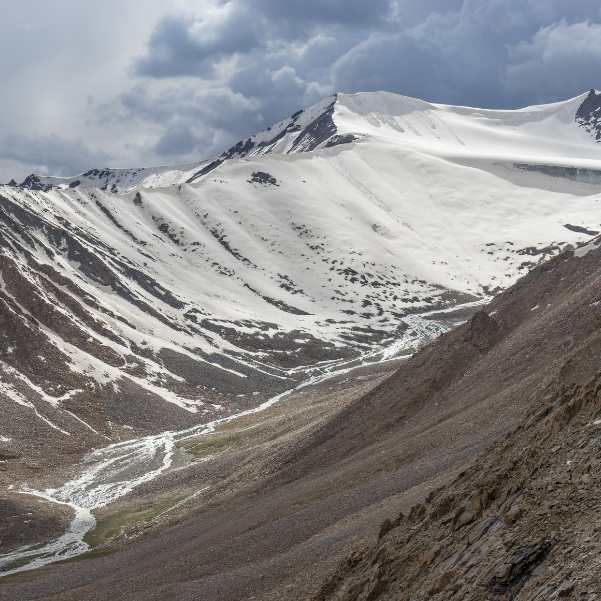
Day 1
Day one is Leh arrival. Nothing else. Eat light, drink water, sleep early. Your body needs the rest more than your itinerary needs activity.
Day 2
Day two is acclimatisation in Leh. Walk around the old market, visit Leh Palace, sit at a café. Keep everything at the same altitude. This day is not wasted. It is what makes day three safe.
Day 3
Day three is Khardung La. Leave by 7 AM to 8 AM. Drive up, spend time at the top, and either return to Leh by afternoon or continue into Nubra Valley if that is your plan.
This pacing works every time. The people who rush it on day two of a Ladakh trip are the ones who end up spending day three in bed with a headache.
Skip the overpriced "Khardung La certificates" that vendors sell at the top for ₹200 to ₹500. They are laminated printouts with your name scribbled on them. Your own photo at the signboard is a better souvenir and it is free.
Planning a Ladakh trip? Send us your dates on WhatsApp and receive a ready-to-book itinerary.
>> WhatsApp us your dates for a ready-to-book Ladakh itinerary
Khardung La in September vs Other Months
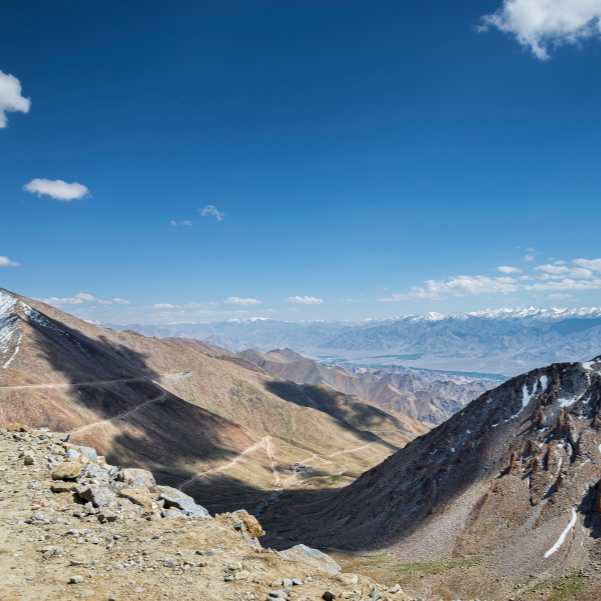
June gives you dramatic snow walls and a post winter rawness that is genuinely spectacular. But roads are rougher, conditions less predictable, and some stretches may still be clearing.
July and August are peak season. The roads are busy, the summit gets crowded during weekends and holidays, and the Manali approach can be affected by rain. Still good months, just louder.
September has the best balance for most travellers. Better visibility, manageable crowds, stable roads, and the landscape has a crispness to it that summer months sometimes lack.
October is colder and riskier. Early October can be excellent, but an unexpected snowfall can close Kunzum Pass or Khardung La with very little warning. Only attempt it if you are flexible and experienced.
Final Verdict
Khardung La in September is genuinely one of the better windows to do this route. Roads are typically open, views are clear, and the post monsoon atmosphere of Ladakh in September is hard to beat.
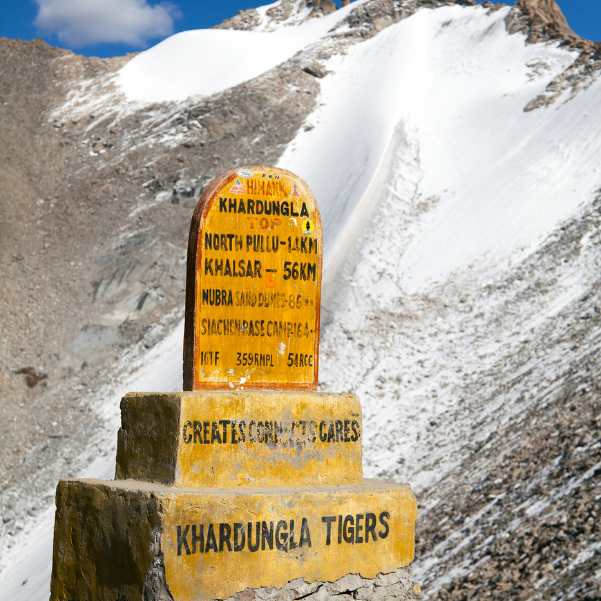
But altitude is not something September takes away. This pass sits at a cited height of 18,379 ft (5,602 m) per District Leh, though a widely used modern elevation figure is 17,582 ft (5,359 m) and altitude figures do vary across sources.
Whatever the exact number, it is high enough to affect anyone who rushes in from the plains.
Respect the 48 hour rule. Start early. Check road status the morning you go. And if you are planning around 10 to 13 September, sort out the marathon traffic situation before you finalise.
If you want help building a Khardung La visit into a proper Ladakh itinerary that allows real acclimatization time, reach out to us directly and we will put something together.
Related topics
Frequently Asked Questions
Is Khardung La safe in September?
Yes, within the normal travel window and with proper acclimatisation. The risks come from altitude and sudden weather changes, not from the destination itself. Spend 48 hours in Leh first, check road status before departure, and leave early in the morning.
Can kids go to Khardung La in September?
Older children above 8 to 10 years can make the trip if they are in good health and have had proper acclimatisation time in Leh. Younger children and elderly family members with heart or breathing conditions should avoid the summit and consider staying at a lower altitude.
Is snowfall guaranteed in September?
No. Snowfall at the pass in September is possible, especially in late September during a western disturbance, but it is not guaranteed. Plan for cold and wind. Do not plan specifically for snow.
Can hatchbacks reach Khardung La?
The road from Leh to South Pullu is manageable for most vehicles. The stretch beyond South Pullu towards the summit is rough and uneven. A hatchback can make it, but it is not comfortable and depends on current road conditions. A high clearance vehicle is always a better choice.
Is there oxygen available at Khardung La?
There is no hospital or guaranteed medical oxygen at the pass. Some camps or stalls may carry emergency oxygen cylinders but do not count on it. Descend immediately if someone in your group shows serious altitude sickness symptoms.
Do Indians need ILP for Khardung La?
Indian travellers do not need an Inner Line Permit for the Khardung La road itself. You need to pay the environmental and related fees through the official Leh tourist management portal. Some areas in Nubra or Pangong circuits have additional permit requirements, so confirm based on your specific route.
Can I visit Khardung La without going to Nubra?
Yes. Many travellers do Khardung La as a day trip from Leh, going up and returning the same day without continuing to Nubra Valley. It is a valid and popular format.
How cold is Khardung La in mid September?
Daytime temperatures in Leh in September are around 21°C at a regional level, but that number means very little at the pass. Expect much colder temperatures at the summit with strong wind chill. Wear full warm layers regardless of what the weather in Leh feels like.
Is late September too risky?
Late September is doable but comes with more variables. Colder nights, greater chance of fresh snow, and a shorter window before winter closures begin. Experienced travellers comfortable with unpredictability will be fine. First timers should aim for early to mid September.
Can I visit Khardung La during Ladakh Marathon week?
You can, but plan carefully around the 10 to 13 September 2026 dates. The Khardung La Challenge is on 11 September, and there is a reported road closure on 13 September until 1:15 PM. Confirm all movement restrictions locally before finalising plans for that window.
How much time does Leh to Khardung La take?
The summit is roughly 40 km from Leh. The drive often takes around 3 to 4 hours for the round trip depending on stops and traffic. Build in more time if you plan to spend meaningful time at the top.
Is Khardung La better in September or October?
September is the safer choice for most travellers. October can be spectacular in the first two weeks, but the risk of sudden snowfall closing the pass increases significantly after the 10th. Unless you are experienced and have flexible dates, September wins.
More about Ladakh
 Ladakh
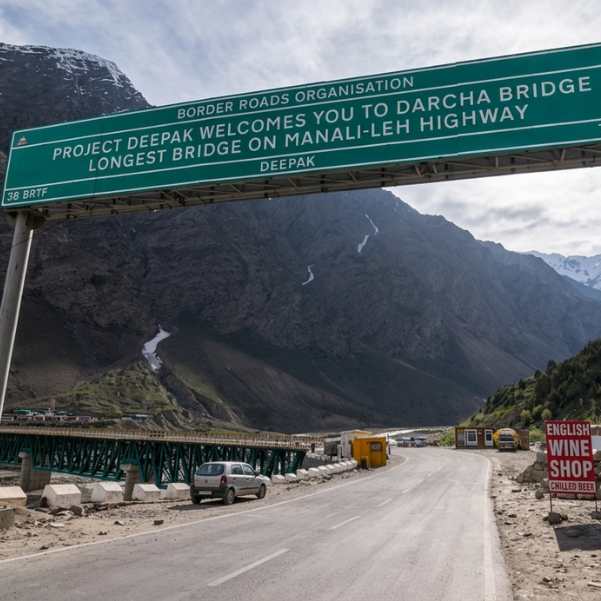
Manali to Leh Highway 2026: Every Pass, Stop and Distance
Plan your Manali to Leh Highway journey in 2026 with a complete guide to major mountain passes, overnight stops, route highlights, and distance. Discover key stops like Jispa, Sarchu, and Pang, along with famous passes including Baralacha La and Tanglang La.
- Road Trips
- How to Reach
 Ladakh
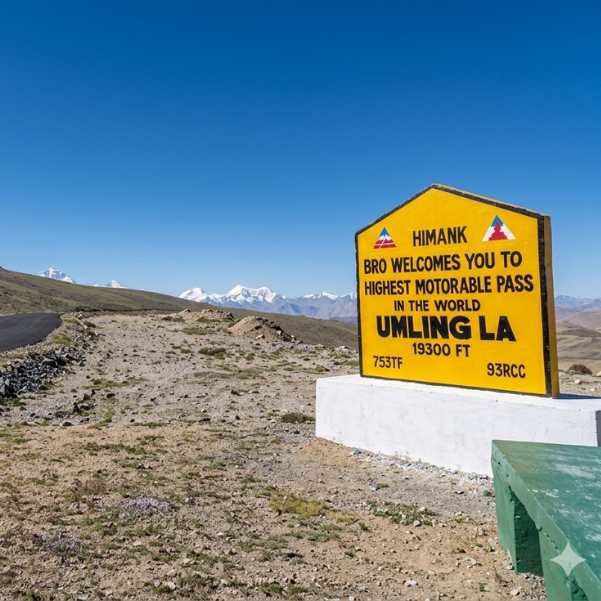
Umling La Ladakh Guide 2026: Route, Altitude, Permit, Safety & Reality Check
Planning to visit Umling La in 2026? This complete guide covers the route, altitude, permit requirements, road conditions, safety tips, and the realities of travelling to one of the world's highest motorable roads.
- Road Status
- Altitude & Health
 Ladakh
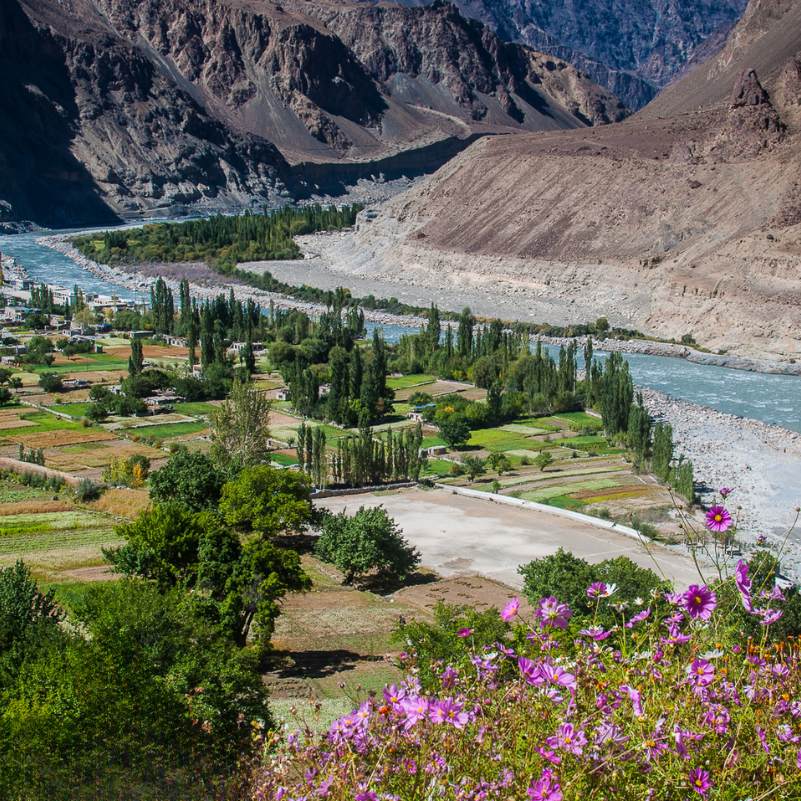
Turtuk Ladakh Travel Guide 2026: Balti Culture, Apricot Orchards and Why It Is Perfect for Families
Planning a trip to Turtuk? This 2026 travel guide explores the village's rich Balti culture, beautiful apricot orchards, top attractions, travel route, and why Turtuk is one of the best family-friendly destinations in Ladakh.
- Places to Visit
- Family Travel