
Khardung La Pass in July 2026: Weather, Road Status, Snow, Permits and Travel Tips

If you are planning to cross Khardung La in July 2026, this is usually a comfortable time to do it because the road is mostly open, travel conditions are more stable, and the route to Nubra Valley is well into the season.
This guide by Travel Coffee walks you through the weather, road conditions, permits, itinerary ideas, and practical travel tips so you can plan your trip with more clarity and confidence.
Quick Answer
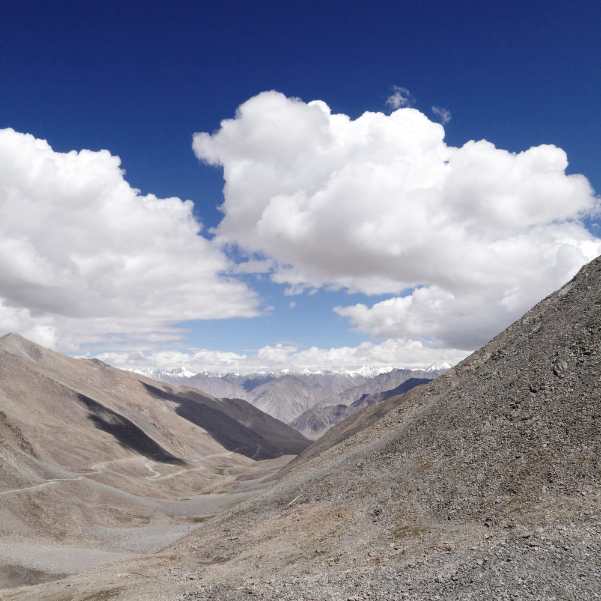
Khardung La is open in July and it is one of the more reliable months to cross the pass. The road to Nubra Valley via Khardung La is generally accessible, conditions are more stable than June, and snowfall at the top is possible but not guaranteed.
That said, altitude is the real challenge here, not the road. The Leh district administration's official advisory is to spend at least 48 hours in Leh before going to any higher altitude. If you land in Leh and head straight to Khardung La the next morning, you are asking for trouble.
Weather can change fast. Check road status one day before you go.
Talk to our team on WhatsApp before locking your dates. We track road conditions every season and can tell you what to realistically expect.
>> WhatsApp us for real-time road and travel insights
Is Khardung La Open in July?
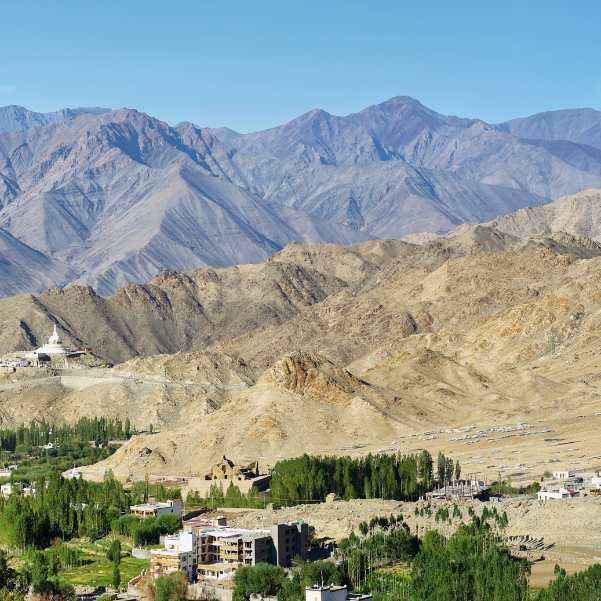
Yes. July falls well inside the normal open season for Khardung La. No official July 2026 closure notice was found at the time of writing, and recent travel guides consistently list July to August as among the more accessible months on this route.
That does not mean there are zero surprises. Temporary stoppages can still happen because of fresh snowfall, slush after rain, or BRO clearance work on a blocked section. These are usually resolved within hours, but they can slow down your day.
Check the official LAHDC Leh road status page on the morning you plan to go. Do not rely on a blog post from two weeks ago.
Is July a Good Time to Visit Khardung La?
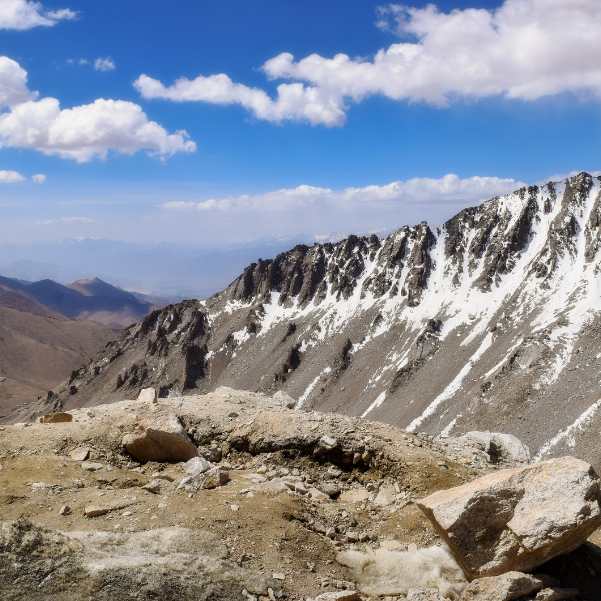
If you compare the options across the year, July holds up well. May and early June can still have unstable road sections, ice patches, and unpredictable closures.
Deep winter (November to March) means the pass is shut and Nubra is completely cut off. October gets dicey towards the end.
July is when the roads are open, the pass is accessible to most vehicles, and you are not racing against an early winter closure.
For families going to Nubra Valley, July is one of the safer months because daytime conditions are the most forgiving.
For bikers, July gives you open roads without the peak August crowd. For first-timers who want to tick Khardung La without a survival-level experience, July is a reasonable window.
September is slightly quieter and the skies are often cleaner, but July works well for most people.
What Is the Weather and Temperature at Khardung La in July?
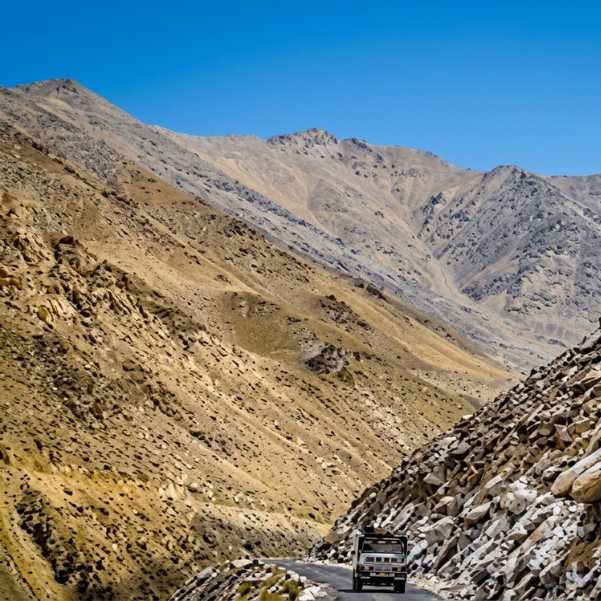
Leh in July can feel almost warm. Sunny afternoons, clear skies, and temperatures that let you walk around in a light jacket. People see that Leh weather and assume the pass will be similar.
It is not.
Khardung La sits at an officially listed elevation of 18,379 feet (5,602 m) according to the Leh district tourism page, though other sources cite figures between 17,580 feet and 17,982 feet.
Regardless of the exact number, you are at serious altitude, and the temperature difference between Leh and the top of the pass is significant.
At the top, even in July, expect wind chill that makes it feel much colder than the air temperature.
It can be bright and sunny when you leave Leh and grey and biting by the time you reach the summit. Pack a down jacket, thermal layers, gloves, and a warm cap. Dress for the pass, not for Leh.
Does Khardung La Have Snow in July?
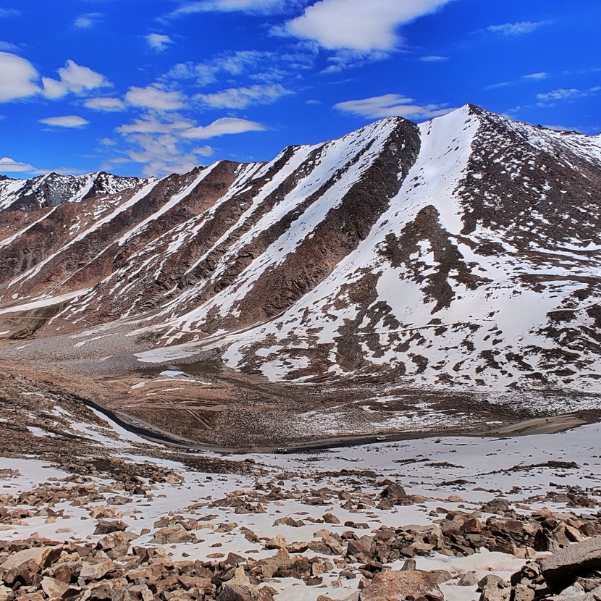
It depends on the year and how recent the last snowfall was.
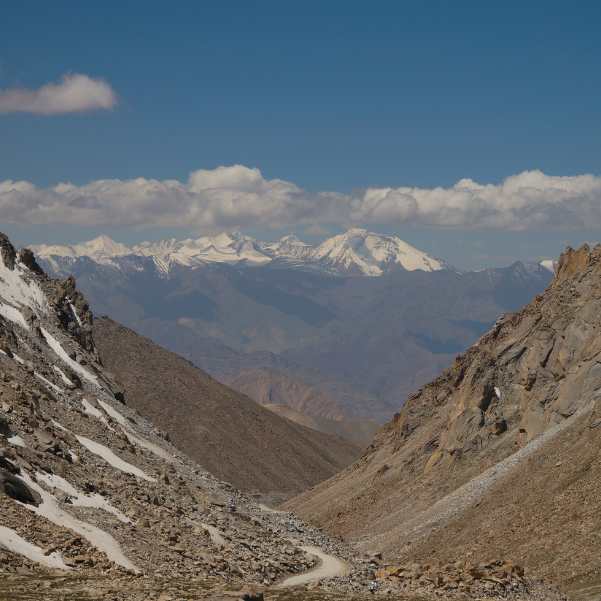
In most years, the road itself is clear of heavy snow by July. But you will likely see snow patches on the slopes around the pass, and in some years remnant snow walls are still visible along the road, especially in the higher sections.
July is not the month to visit if your primary goal is dramatic snowfall and winter-like landscapes.
For that, late May or early June gives you a better chance, though with rougher roads. In July, the experience is more about the high-altitude drive, the open landscape, and the crossing itself.
The pass is striking regardless of whether there is snow. Mountains at 5,600 metres need no decoration.
How Difficult Is Khardung La in July for First-Time Ladakh Travellers?
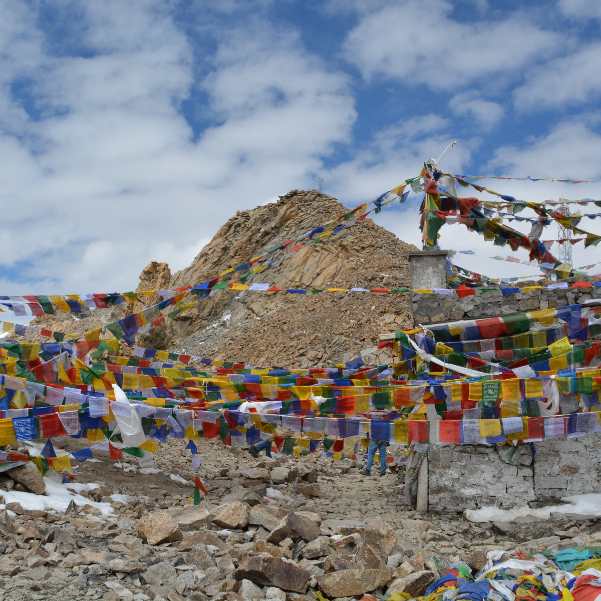
The road is not the hard part. The altitude is.
Khardung La is the highest most first-time Ladakh visitors will go, and your body needs time to prepare for it.
The official Leh district administration advisory is clear: spend at least 48 hours in Leh before heading to any higher altitude. This applies to Khardung La just as much as it applies to Pangong or Hanle.
What most tourists get wrong is landing in Leh, sleeping one night, and driving to Khardung La the next morning.
The result is almost always a headache at the top, nausea on the way back, and an afternoon in the hotel feeling rough.
We have seen this pattern enough times to say it plainly: one night in Leh is not acclimatization. It is just sleeping.
People who should be especially careful are travellers above 60, anyone with a history of heart or blood pressure conditions, and children under 10.
A day trip to a lower-altitude place like Magnetic Hill or the Leh market works better for your first full day.
How Long Should You Stay at Khardung La Top?
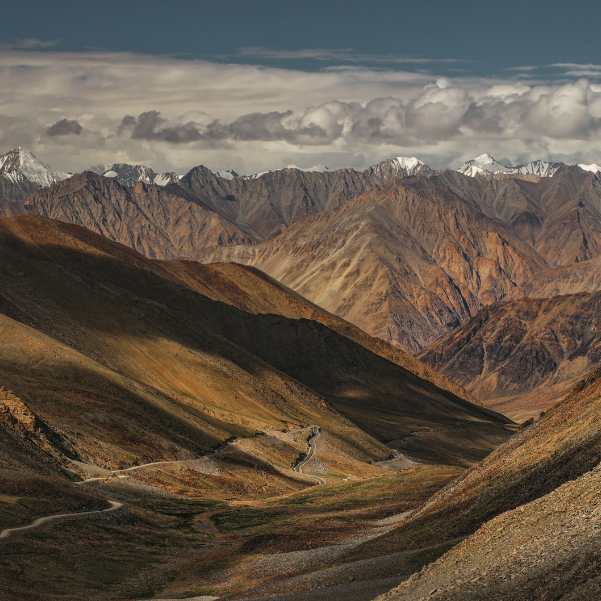
Not long. This is advice we give every traveller we send on this route.
A stop of around 30 to 40 minutes is generally what people manage comfortably. You get to see the signboard, click photos, have a cup of tea from the small stalls near the top, and take in the view. That is enough.
Spending longer at the summit is not recommended. The thin air, cold wind, and altitude combine to make extended stays uncomfortable and occasionally risky.
You may feel fine for the first 20 minutes and then suddenly feel dizzy or short of breath. Descend before that happens.
The top of Khardung La is a milestone, not a destination. Treat it that way.
Leh to Khardung La Distance, Drive Time and Best Departure Time in July
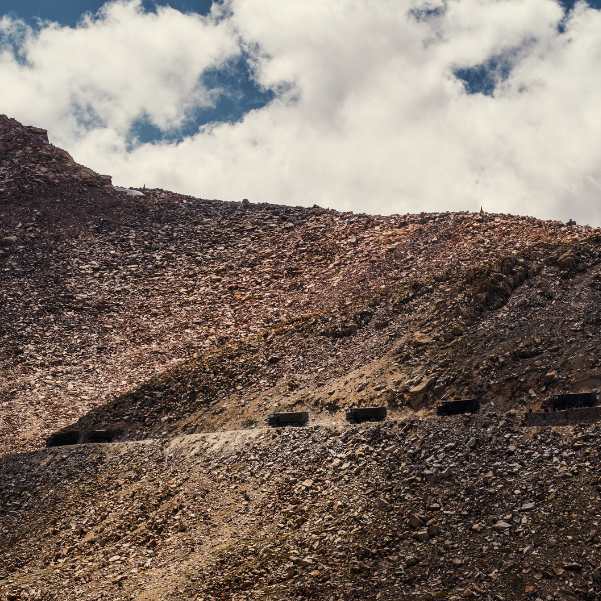
The distance from Leh to Khardung La is around 40 km, with some sources citing approximately 38 km. On a normal day, the drive takes 1.5 to 2.5 hours depending on your vehicle, road conditions, and how much traffic has built up at checkpoints.
Leave Leh early. We mean 6 to 7 AM early.
The South Pullu checkpoint is where traffic from Leh to Nubra gets checked, and by 9 AM in July, you can find queues backed up for 20 to 30 minutes.
An early start gives you a cleaner road, better morning light for photos, and you reach the top before the midday rush.
If you are continuing to Nubra Valley, an early departure also means you arrive at your Nubra camp or guesthouse while it is still light. The road from the pass down to Diskit covers a lot of ground and you want daylight for it.
Do You Need a Permit for Khardung La in 2026?
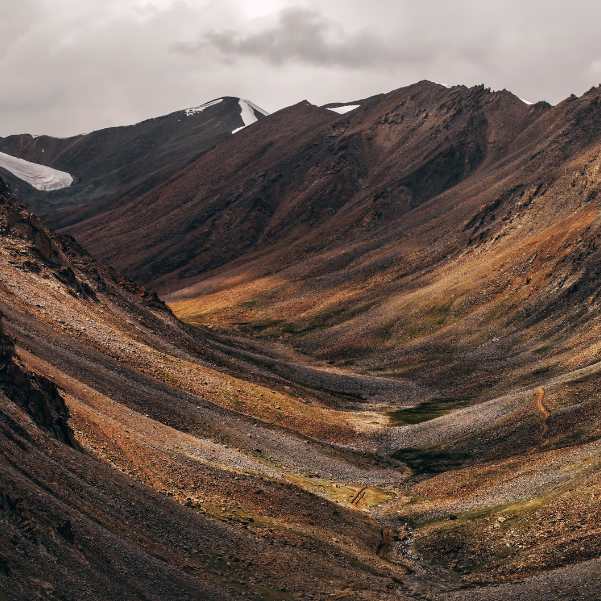
This is where most travel blogs cause confusion. The old ILP (Inner Line Permit) language for Indian travellers is outdated. What currently applies for domestic travellers is the LAHDC Leh online environment fee system.
Indian travellers register through the official LAHDC Leh permit portal. The fee covers the environment fee, wildlife fee, and a Red Cross contribution. Print or save your receipt because checkpoints do ask for it.
A 10 percent discount is available if you process the fee through a registered local travel agent rather than directly.
For foreign nationals, a Protected Area Permit (PAP) is required for restricted areas, and Khardung La and the Nubra route fall under that category.
Foreign travellers should confirm current PAP requirements before arrival because rules can change. Check directly with the Leh district administration or through a registered local operator.
What Does the Ladakh Environment Fee Cost in 2026?
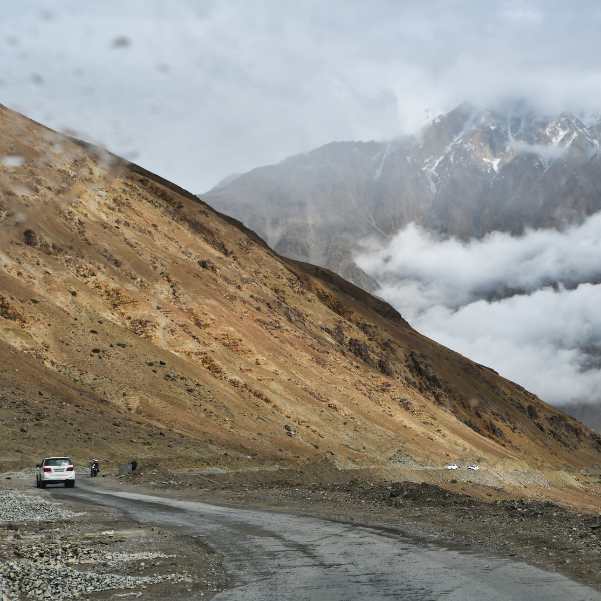
Based on the most recent information available at the time of research, the fee structure for domestic travellers is approximately ₹400 as a one-time environment fee, ₹20 per person per day as a wildlife fee, and ₹50 as an optional Red Cross contribution (verify with the official LAHDC Leh portal before your trip, as fees can be revised).
These fees cover the duration of your stay in the region, not just Khardung La specifically.
Keep the payment confirmation on your phone or as a printout. Checkpoints on routes to Nubra, Pangong, and other areas will ask to see it.
If you are booking through a local operator like Travel Coffee, we handle the fee registration as part of the trip setup. If you are doing it yourself, allow 30 minutes to complete the online process before your departure date.
Can You Do Khardung La as a Day Trip from Leh in July?
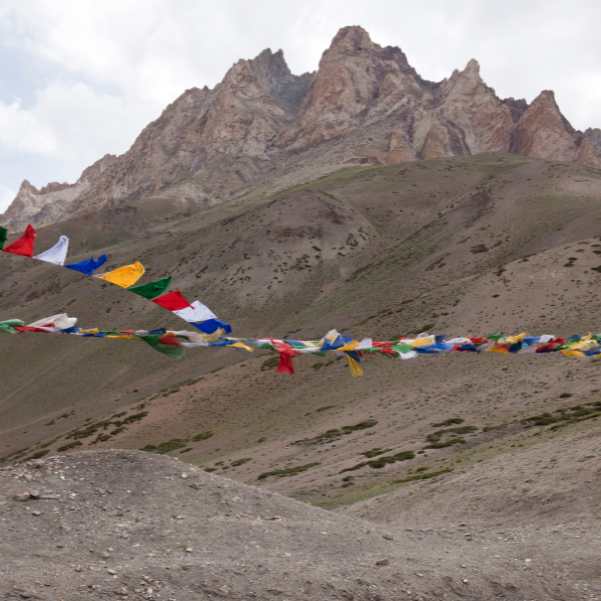
Yes, but only if you have already spent at least two full nights in Leh.
A same-day Khardung La trip makes sense for travellers who want to see the pass and come back without committing to a full Nubra Valley overnight. You drive up, spend time at the top, and return to Leh by afternoon.
What does not make sense is rushing up on your first or second day after arrival. In our experience running Ladakh trips, the travellers who regret a Khardung La visit almost always did it too early in their trip. Their bodies were still adjusting and the altitude hit them hard.
If your plan is only a day trip, do it on Day 3 or Day 4 of your Leh stay. Use the earlier days to explore Leh town, visit monasteries at lower altitude, and let your body settle.
If you have more time, the better move is to continue to Nubra. You descend to a slightly lower altitude on the Nubra side, which many travellers find more comfortable than spending another night in Leh after the summit.
Is Khardung La Better by Taxi, Self-Drive Car, or Rented Bike in July?
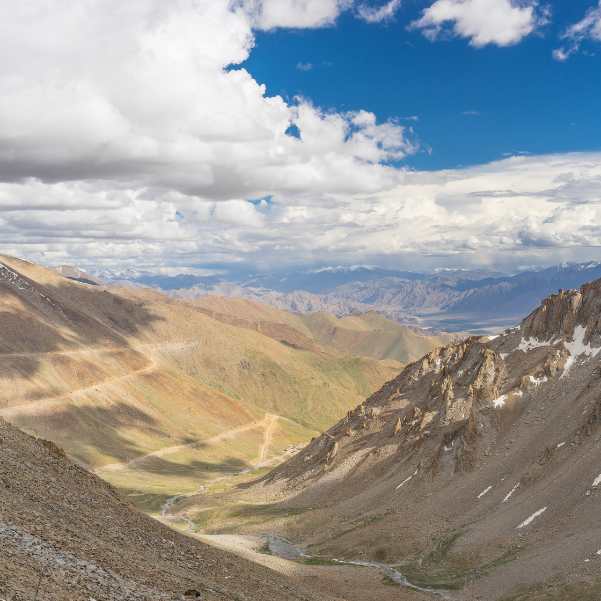
For families and first-timers, a hired taxi with a driver who knows the route is the safest and easiest option. Your driver handles the road, the checkpoints, and any unexpected stops. You focus on the experience.
Negotiate the full-day taxi price in Leh before you get in. For a Leh to Khardung La day trip, a taxi will typically quote somewhere between ₹2,500 and ₹4,000 depending on vehicle type and season.
For a self-drive SUV or car, the road is manageable for confident drivers. The sections near the top can have sharp turns and loose gravel, but nothing that a properly driven high-clearance vehicle cannot handle. Sedans are not suitable beyond the South Pullu checkpoint.
For bikers, Khardung La is one of the iconic rides in the country. July is a solid month for it; roads are open, conditions are relatively stable, and the cold at the top is intense but manageable with the right gear.
If you are renting a bike in Leh, go with a Royal Enfield Himalayan or a similar purpose-built bike. Avoid a smaller engine for this altitude.
For couples doing Nubra as an overnight, the taxi option gives you more flexibility and less stress. You can stop whenever you want without worrying about the bike.
What Are the Biggest Mistakes People Make at Khardung La in July?
The biggest one, every single year, is skipping proper acclimatization. Travellers fly into Leh from Delhi or Chandigarh, sleep one night, and head straight to Khardung La. The altitude sickness that follows is predictable and avoidable.
The second most common mistake is dressing for Leh. People see a warm sunny morning in Leh, wear a light shirt, and then stand shivering on the pass for 40 minutes. Carry your down jacket in your bag even if the morning feels warm.
Overstaying at the top is another one. The view is extraordinary and it feels fine for the first 20 minutes, so people linger. Then the headache sets in. Stick to your 30 to 45 minutes and descend.
Finally, not checking road updates on the day of departure. A section that was clear yesterday can have a landslide or BRO machinery block by morning. One quick check saves you hours of frustration.
Sample July Itinerary Including Khardung La
Option 1: Khardung La Day Trip from Leh
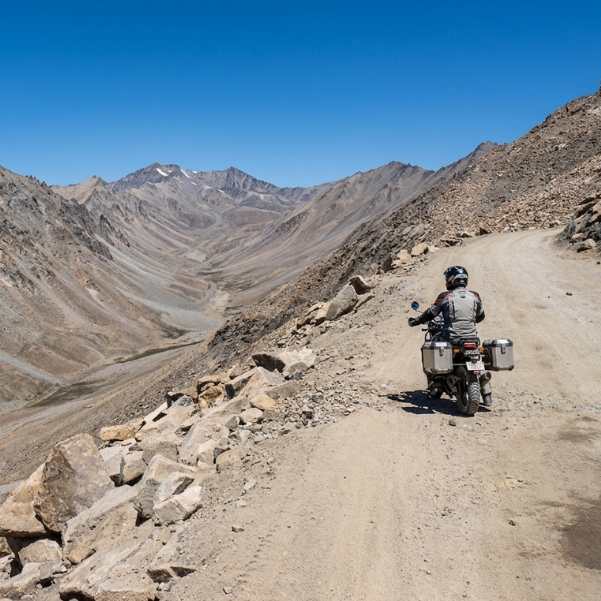
This works for travellers who are already on Day 3 or later in Leh and want to see the pass without extending their trip.
Leave Leh by 6:30 AM. Reach the South Pullu checkpoint by 7:30 AM. Reach the top by 9 to 9:30 AM. Spend 30 to 45 minutes at the summit, then start descending. You are back in Leh by early afternoon with the rest of the day free.
Keep this simple. Do not add other sites on the same day, the altitude and drive are enough.
Option 2: Leh to Nubra via Khardung La
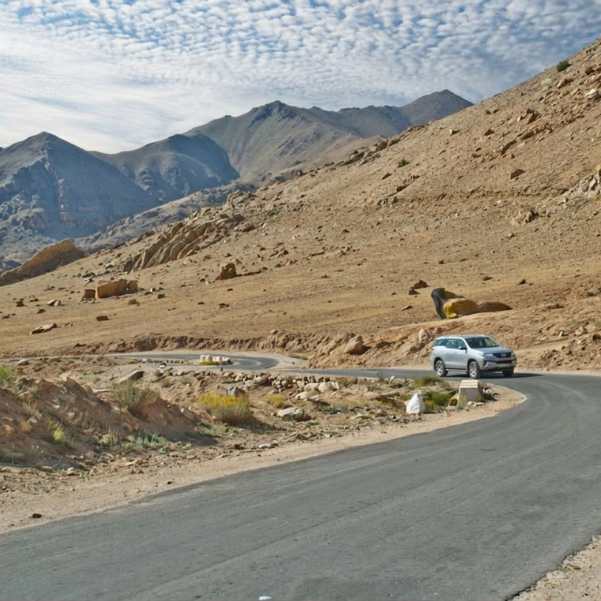
This is the version we recommend to most travellers.
Leave Leh by 6:30 AM. Cross Khardung La, descend into Nubra Valley, and reach Hunder or Diskit by early afternoon. Spend one or two nights in Nubra at around 10,000 feet, which many people find easier to sleep at than Leh.
Explore the sand dunes, the Diskit Monastery, and the Shyok river valley. Return to Leh on Day 2 or 3.
This loop is part of what makes a Ladakh trip feel complete. Khardung La is the gateway, not the destination.
Explore our Ladakh tour packages to see how we build this circuit with proper acclimatization days built in.
Our Practical Advice for Visiting Khardung La in July
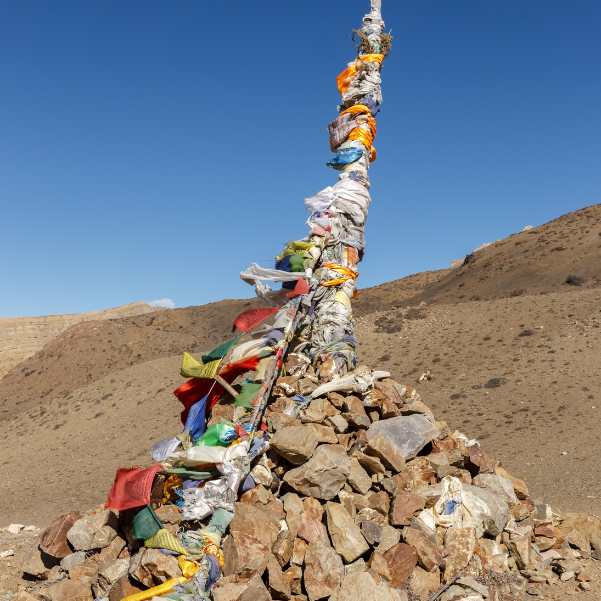
We have helped travellers plan Ladakh trips for years, and the advice we repeat more than anything else is this: treat Khardung La as a pass to cross, not a summit to conquer.
The people who enjoy it most are the ones who show up acclimatized, dressed for the cold, and with a clear plan for what comes after. They spend 30 minutes at the top, take their photos by the signboard, and continue onward to Nubra.
Leave Leh by 6 or 6:30 AM. This gives you the best road conditions, smaller checkpoint queues, and cooler temperatures at the top that are still manageable.
By the time you are descending toward Nubra, you will be warm, relaxed, and glad you did not linger.
Also: the tea stalls at the top charge more than dhabas in Leh, which is expected. But the small dhaba at South Pullu on your way up serves better chai and simpler food at normal prices.
We always tell our travellers to stop there on the way rather than overpaying at the summit stalls.
Our Ladakh packages include a guide who drives this route regularly. If you want to piece together your own trip, check our popular tour formats for reference.
Send us your Ladakh dates and group size on WhatsApp and we will tell you exactly what to expect in July based on recent road and weather patterns.
>> WhatsApp us to plan your Ladakh trip based on current conditions
Related topics
Frequently Asked Questions
Is Khardung La open in July?
Yes. July is within the normal open season and both the Leh-Nubra route and the pass itself are generally accessible. Check road status one day before you depart.
Is July a good month for Khardung La?
July is one of the better months; roads are open, conditions are more stable than early June, and you are not risking a surprise winter closure. It works well for families, bikers, and first-timers.
Does Khardung La have snow in July?
The road is usually clear, but you may see snow patches and remnant snow on the surrounding slopes. Do not expect a full winter landscape, but the pass still looks dramatic in July.
How cold is Khardung La in July?
Leh in July feels warm, but the pass is a different story. At the top, wind chill can make it feel genuinely cold even on a sunny day. Carry a down jacket, gloves, and a warm cap regardless of what the Leh morning feels like.
Can kids visit Khardung La in July?
Older children who are already acclimatized to Leh can visit. For children under 10 or those who show any altitude symptoms in Leh, a visit to the pass is not advisable. A day trip to lower-altitude sites in Leh is a better option.
Can senior citizens go to Khardung La?
Healthy seniors who have acclimatized well in Leh and have no heart or blood pressure conditions can cross the pass, ideally in a comfortable vehicle with a driver. Anyone with a pre-existing condition should consult a doctor before the trip and consider skipping the summit.
How far is Khardung La from Leh?
The distance is around 40 km, with some sources citing approximately 38 km. The drive typically takes 1.5 to 2.5 hours depending on road conditions and checkpoint wait time.
Do Indians need a permit for Khardung La?
Yes, but not the old-style ILP. Domestic travellers need to complete the fee registration on the LAHDC Leh official portal, which covers the environment fee, wildlife fee, and Red Cross contribution. Keep the payment receipt for checkpoints.
Do foreigners need a permit for Khardung La?
Yes. Foreign nationals require a Protected Area Permit (PAP) to travel on routes that include Khardung La and Nubra Valley. Confirm current requirements directly with the Leh district administration or a registered local operator before your trip.
How long can you stay at Khardung La top?
Around 30 to 40 minutes is the practical maximum for most people. Take your photos, have a tea, and start descending. Prolonged exposure at this altitude in the cold wind can cause headaches and nausea.
Can Khardung La close even in summer?
Yes. Temporary closures due to snowfall, slush, or BRO road work can happen even in July. These are usually resolved within a few hours, but check road status on the morning of your trip.
Is Khardung La still the highest motorable road in the world?
No. According to the official Leh district tourism page, Khardung La is the second highest motorable pass in the world after Umling La, which is also in Ladakh. The "world's highest" signboard at Khardung La has been a source of confusion for years, but the record now officially belongs to Umling La.
More about Ladakh
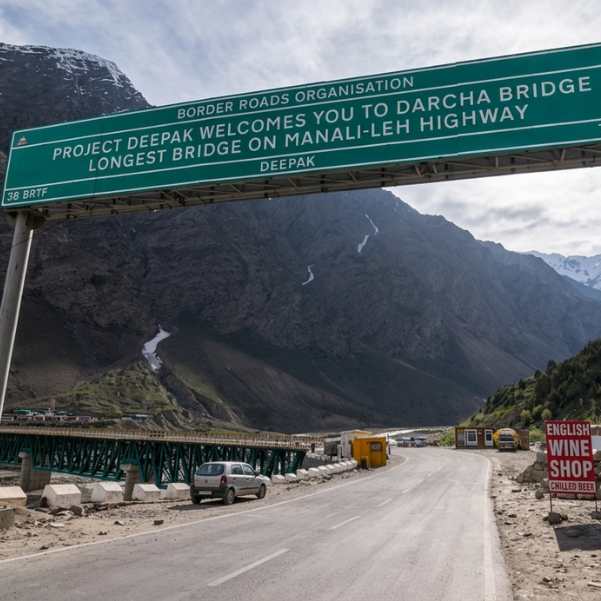 Ladakh
Manali to Leh Highway 2026: Every Pass, Stop and Distance
Plan your Manali to Leh Highway journey in 2026 with a complete guide to major mountain passes, overnight stops, route highlights, and distance. Discover key stops like Jispa, Sarchu, and Pang, along with famous passes including Baralacha La and Tanglang La.
- Road Trips
- How to Reach
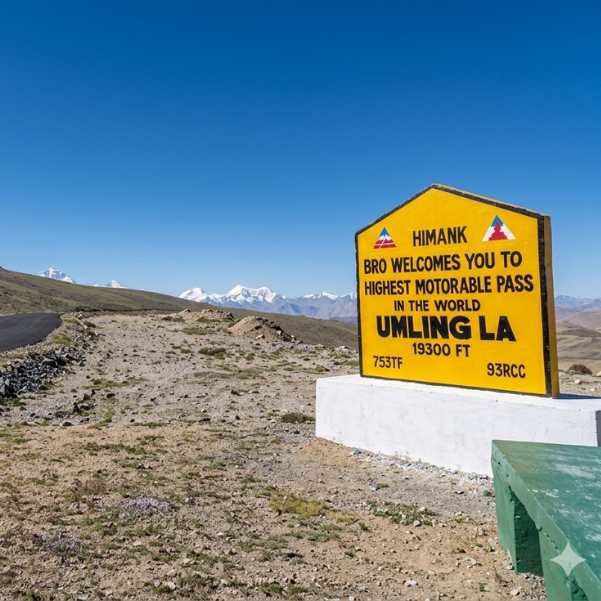 Ladakh
Umling La Ladakh Guide 2026: Route, Altitude, Permit, Safety & Reality Check
Planning to visit Umling La in 2026? This complete guide covers the route, altitude, permit requirements, road conditions, safety tips, and the realities of travelling to one of the world's highest motorable roads.
- Road Status
- Altitude & Health
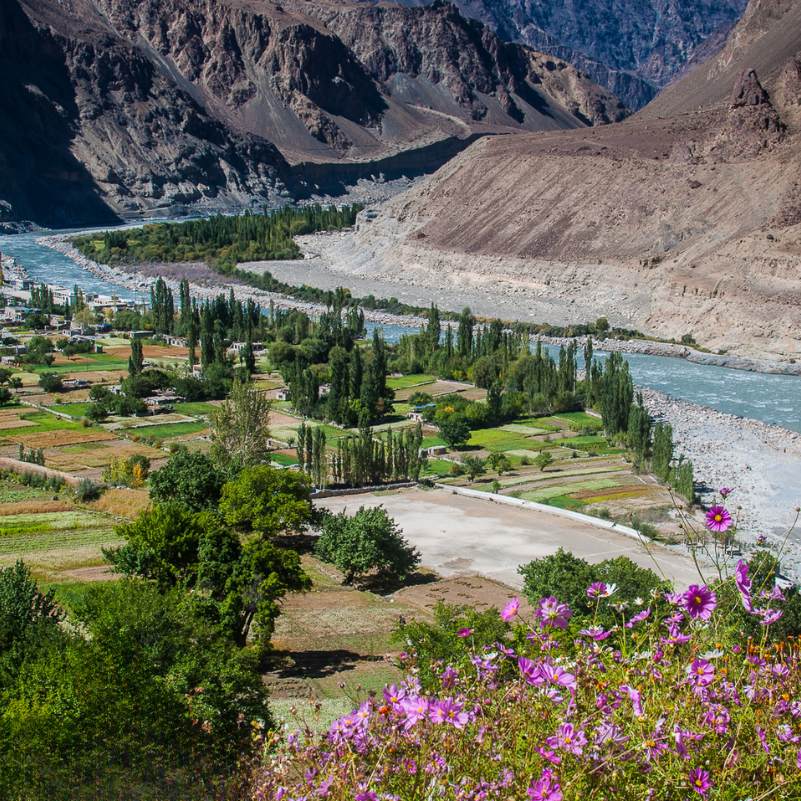 Ladakh
Turtuk Ladakh Travel Guide 2026: Balti Culture, Apricot Orchards and Why It Is Perfect for Families
Planning a trip to Turtuk? This 2026 travel guide explores the village's rich Balti culture, beautiful apricot orchards, top attractions, travel route, and why Turtuk is one of the best family-friendly destinations in Ladakh.
- Places to Visit
- Family Travel