
Khardung La Pass in August 2026: Weather, Road Status, Permits and Travel Tips
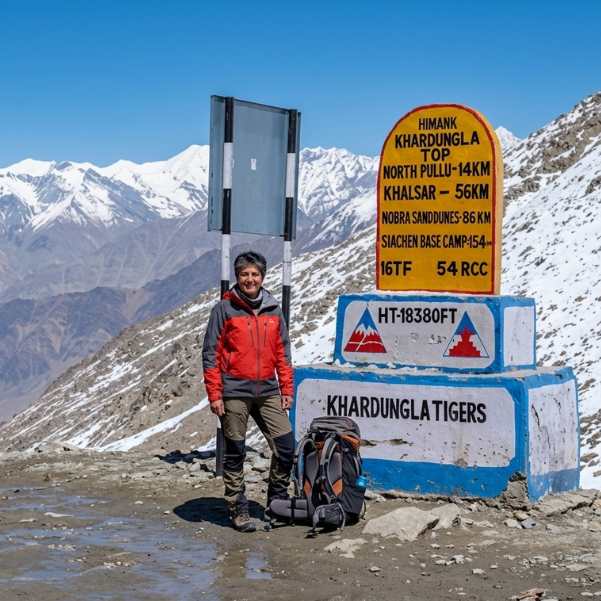
Most people planning a Ladakh trip in August have Khardung La somewhere on their list. And most of them have the same three questions: is it open, is it safe, and is it worth the effort?
This guide by Travel Coffee answers all of that with the kind of detail that actually helps you plan, not the vague "it depends" advice you find on most blogs.
Quick Answer
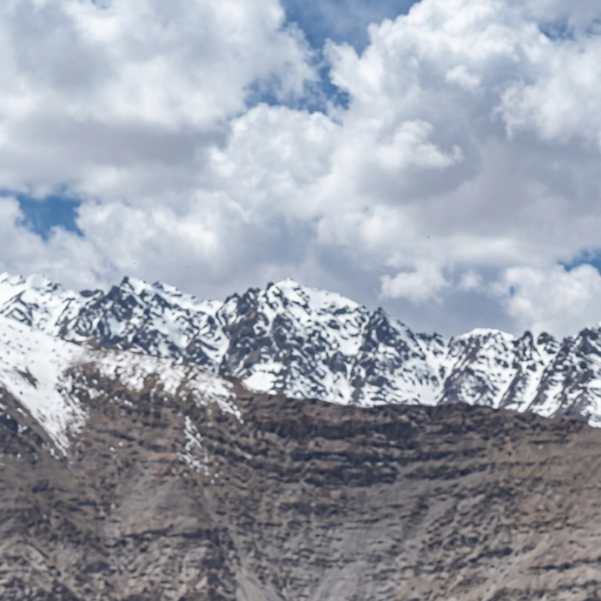
August is generally a workable month for Khardung La, and most acclimatized travellers cross it without major trouble. That said, weather at 17,000+ feet changes faster than any weather app can predict.
Fresh snowfall, slippery patches, and sudden fog can shut the pass even in peak season. There were temporary closures in late August 2025 after unexpected snowfall.
The most important thing before you attempt this pass is at least 48 hours of acclimatization in Leh. No shortcuts.
Is Khardung La Worth Visiting in August?
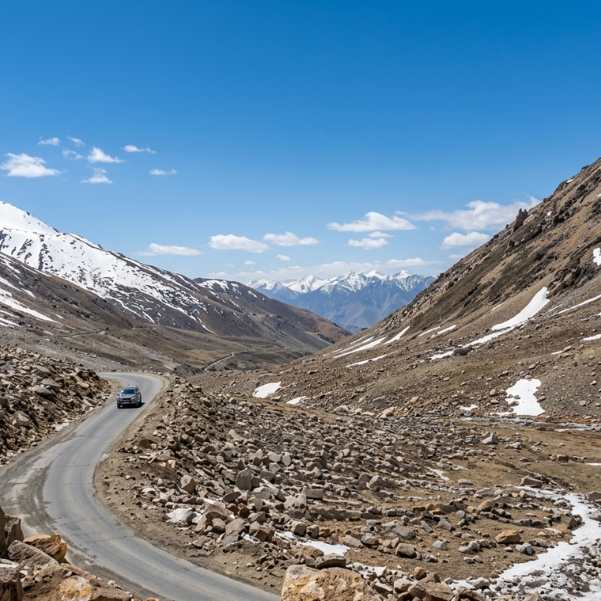
Yes, for most travellers doing a Ladakh trip, Khardung La is absolutely worth it. But the reason it is worth it matters.The drive from Leh to the pass is genuinely dramatic.
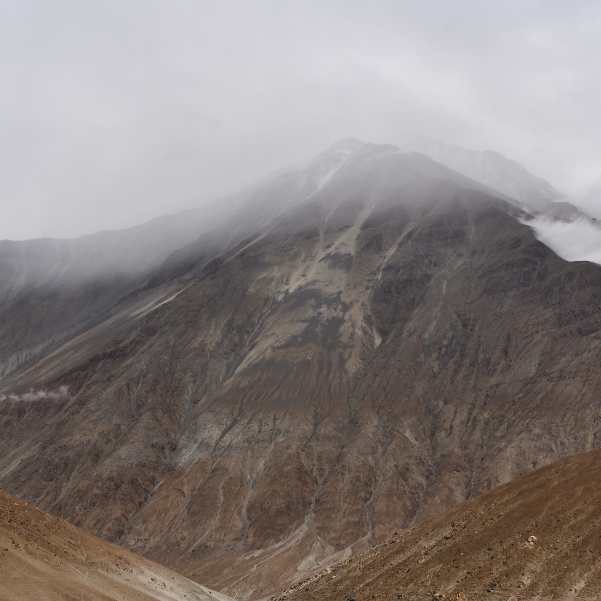
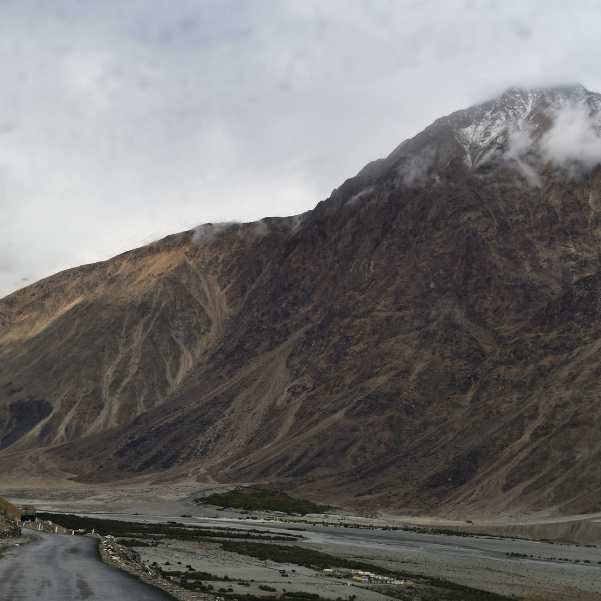
You leave the town behind, climb through open rocky terrain, pass South Pullu checkpoint, and slowly watch the landscape change from dusty brown to white and grey. By the time you reach the top, the wind is cutting through every layer you brought.
The views are not lush or green the way Himachal passes can be. It is raw, cold, and wide open. If you are someone who responds to that kind of landscape, Khardung La will stay with you.
If you are only doing a quick photo stop and heading back, that is fine too. But most of our travellers get more value by crossing it on the way to Nubra Valley, which turns a good moment into an entire chapter of the trip.
Our Leh Ladakh tour packages include this crossing as part of the full circuit, which is how it was always meant to be done.
Is Khardung La Open in August 2026?
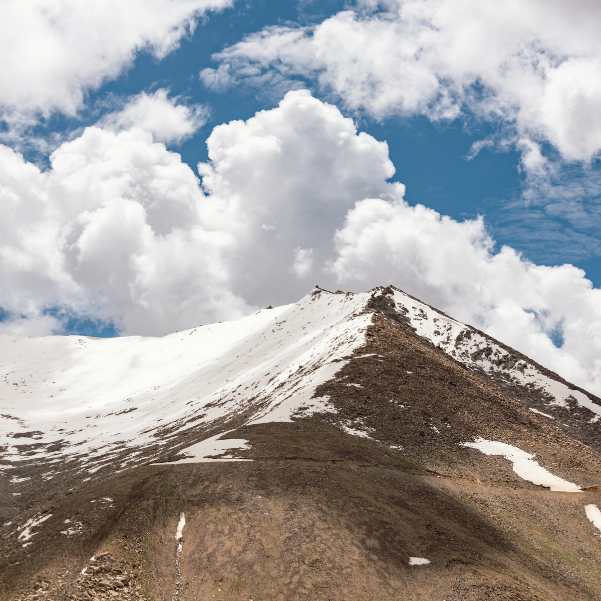
Generally yes, but "open" does not mean what you might think it means.
In August 2025, there was a temporary closure after fresh snowfall in the last week of the month. The district Leh administration publishes live road status updates, and those are the only numbers worth trusting.
When we checked a recent status post from the official page, the Leh to Nubra route showed as Green (Road Slippery).
That means the pass was technically open but slippery. Two very different experiences depending on your vehicle and your confidence level.
Check the official road status on the morning you plan to leave. Not the night before. The morning. Conditions at this altitude change overnight, and a clear evening does not guarantee a clear pass at 7 AM.
If you need someone on the ground to check for you, reach out to us at travelcoffee.in/contact before you go.
What Is the Weather at Khardung La in August?
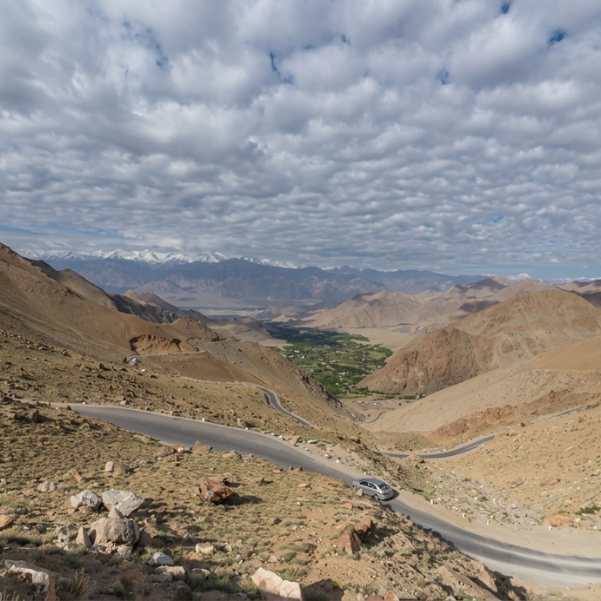
Leh town in August sits around 27.8°C max and 14.9°C min on average. That feels comfortable, maybe even warm in the afternoon sun.
Khardung La feels nothing like that.
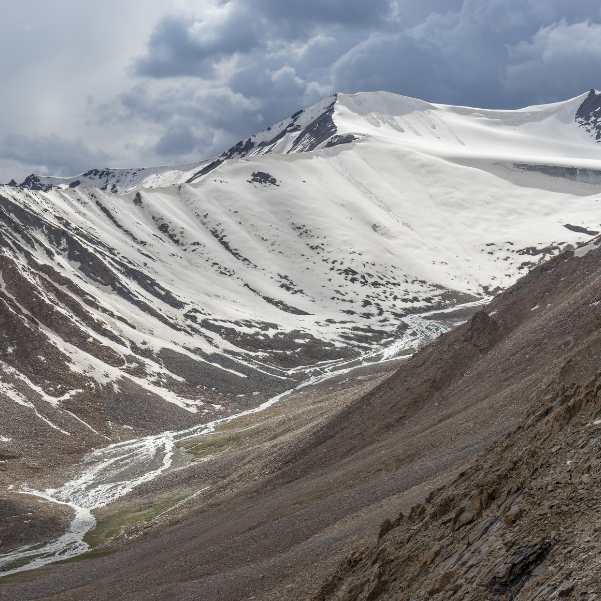
The altitude alone, somewhere between 17,582 ft and 18,379 ft depending on which source you trust, means the air is thinner and colder. Wind chill makes it feel sharper still.
We have seen travellers leave Leh in a T shirt because the morning felt warm, reach the pass, and stand there shivering for ten minutes before they turned around. Always dress for the pass, not for Leh.
Does It Snow or Rain at Khardung La in August?
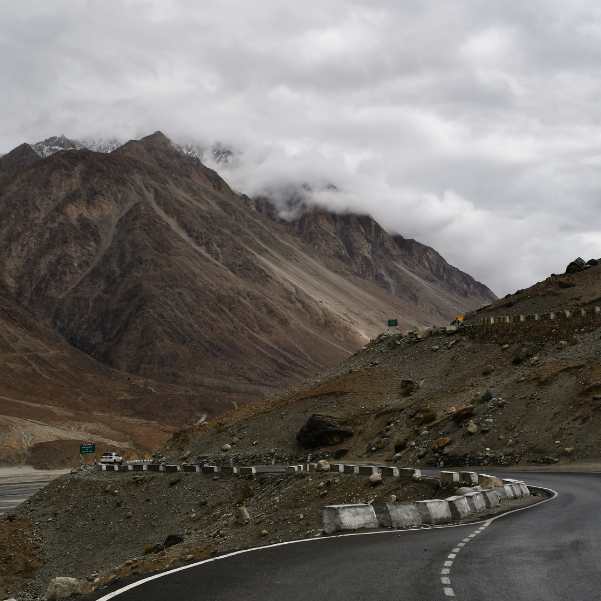
Yes, it can snow in August. Not frequently, not predictably, but it happens.The bigger everyday concern for most travellers is not snowfall itself but what comes after.
Slush on the road, meltwater crossings, poor visibility during cloud cover, and stretches that look fine from a distance but are genuinely slippery underfoot. The pass sits high enough that even a short rain shower in the valley below becomes snow at the top.
In our experience helping travellers plan Ladakh trips every season, August is one of the more manageable months. But it is not risk free. Treat the weather as a variable, not a given.
How Difficult Is the Road to Khardung La in August?
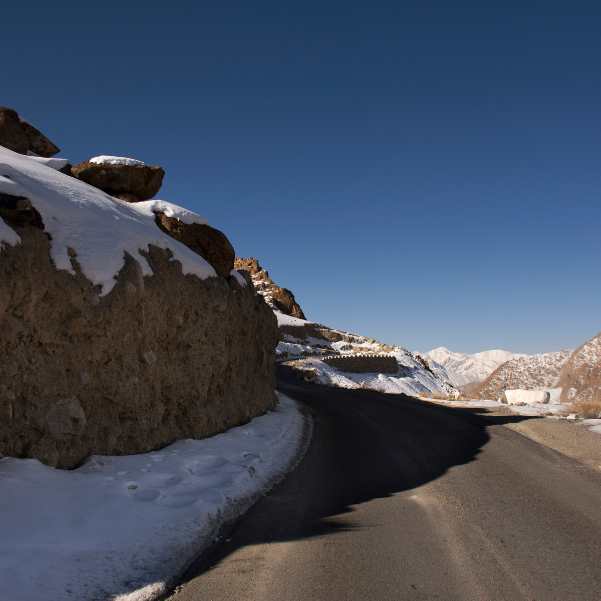
The road from Leh to South Pullu is the easier section. Paved in most parts, relatively smooth, and manageable in most vehicles. South Pullu is also where you show your permit for the first time.
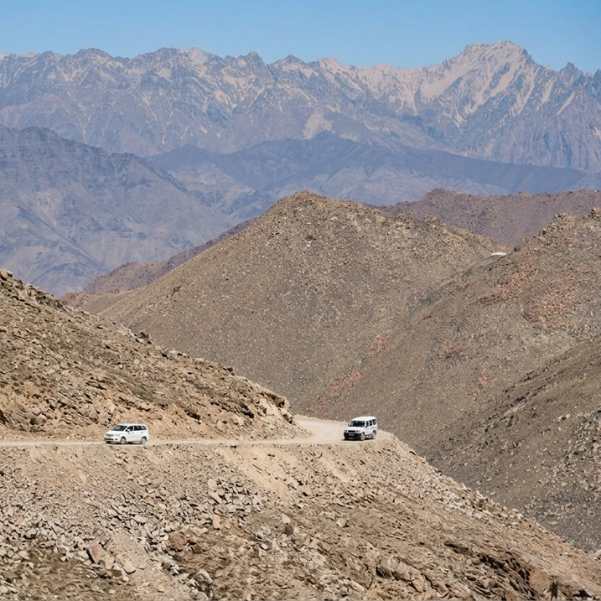
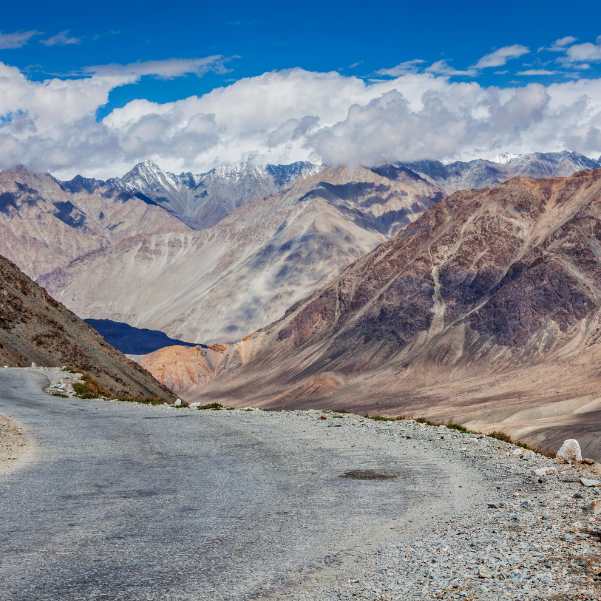
After South Pullu, things change. The road gets rougher, narrower, and more unpredictable. Loose gravel, broken stretches, and the occasional water crossing are standard.
In August specifically, snowmelt can create soft patches and slippery sections even after a clear night.
Go early. We always tell travellers to leave Leh by 6 to 7 AM at the latest. Roads that are firm and clear in the morning can become slushy and congested by midday when the sun starts melting ice patches and tourist traffic picks up from both sides.
How Far Is Khardung La from Leh and How Long Does It Take?
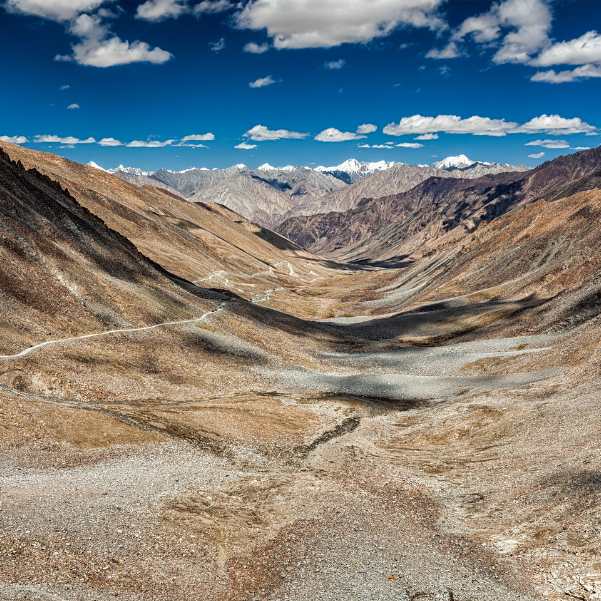
Khardung La is about 40 km from Leh, which sounds like a short drive. It is not.
Plan for 1.5 to 2.5 hours one way depending on road conditions, traffic near the top, and your vehicle. In Ladakh, distance and time have almost no relationship to what you are used to on the plains.
A 10 km stretch on the upper section can take 45 minutes on a rough day. Build that uncertainty into your plan from the start.
Do You Need a Permit for Khardung La in August?
Indian travellers need to register and pay the tourist fee through the official Leh permit portal at lahdclehpermit.in. This applies to everyone crossing the pass, whether you are going just to the top and back, or continuing to Nubra Valley.
Certain foreign nationals and certain passport categories require a Protected Area Permit (PAP) for Khardung La and the areas beyond. This is not a blanket rule for all foreigners. It depends on your nationality and passport.
If you are an international traveller, confirm your specific requirement well before your trip date.
The Leh district administration also has an official vehicle e pass page, which is worth checking if you want the latest entry requirements for your vehicle type.
Our Leh Ladakh tour packages include permit coordination, which saves travellers the confusion of navigating multiple portals in an area with patchy connectivity.
Is Acclimatization Mandatory Before Going to Khardung La?
The official Leh administration is clear on this: at least 48 hours in Leh before heading to higher altitude areas like Khardung La. That is not a suggestion. That is the official guidance, and there is a reason it exists.
The official permit portal also notes that road travel does not count as acclimatization. You might have driven 12 hours from Manali and feel fine.
Your body has not actually adjusted yet. The first 48 hours in Leh, ideally with rest, short walks, good hydration, and no alcohol, are what genuinely prepare your body.
Drink 2 to 3 litres of water per day, which is what the official guidance recommends. Watch for headaches, nausea, shortness of breath at rest, or any confusion.
These are not things to push through. If any of these show up, do not go higher until they clear.
We have seen physically fit people struggle badly at Khardung La because they skipped the acclimatization step.
And we have seen people in their 60s have a perfectly smooth crossing because they were patient the first two days in Leh.
The altitude does not care how fit you are. It cares how long you gave your body to adjust.
Can You Visit Khardung La as a Day Trip from Leh?
Yes, and many travellers do exactly that. You leave early, reach the top, spend some time there, and are back in Leh for lunch.
The honest answer is that a day trip works fine if you have already spent your 48 hours acclimatizing, you start early, and you manage your time at the top. What it does not give you is context.
Khardung La on its own is a cold summit with a signboard and a tea stall. Combined with Nubra Valley, it becomes the gateway to a completely different world.
Check our popular Ladakh tours if you want to see how we structure the crossing as part of a larger itinerary rather than an isolated stop.
Should You Club Khardung La with Nubra Valley?
Almost always yes, in our view.
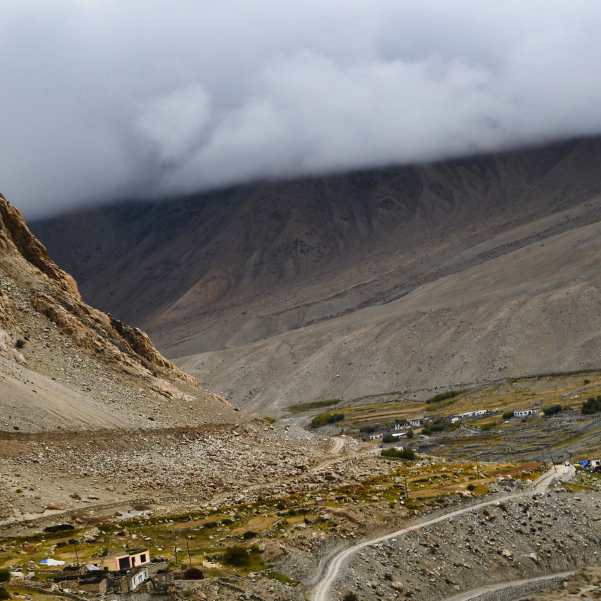
Crossing Khardung La and descending to the Shyok or Nubra river valley is the full experience. You go from a frozen, windswept pass at 17,000+ feet down to sand dunes and Bactrian camels in about 90 minutes.
That contrast is what makes the crossing memorable rather than just another high point on a map.
If your Ladakh itinerary already includes Nubra, there is no reason to cross Khardung La twice. Go one way, stay a night or two in Nubra, and use the return journey for something else or the same road at a different time of day when the light is different.
Talk to our team on WhatsApp if you want help figuring out whether Khardung La makes more sense as a day trip or as part of a Nubra crossing for your specific dates and group.
👉 WhatsApp us and decide the best way to do Khardung La for your trip
What Should You Wear and Carry for Khardung La in August?
Thermal base layers underneath, a fleece mid layer, and a windproof outer shell. All three, even in August. The wind at the top strips heat faster than the cold alone.
Gloves are not optional. Neither are sunglasses. UV exposure at this altitude is intense and the reflection off any remaining snow or ice makes it worse. Sunscreen with a high SPF on your face and the backs of your hands.
Carry your permit copies and a government issued photo ID. The checkpoints at South Pullu and North Pullu will ask for these. A power bank is worth having since the cold can drain phone batteries faster than you expect.
Carry your own water and some dry snacks. The tea stall at the top is not always open and you do not want to be hungry and cold at 17,000 feet with no backup.
Basic altitude medicine (paracetamol, Diamox if prescribed by your doctor) and a small first aid kit round out what you actually need. Travelling light is smart but not at the cost of warmth and safety.
Can Beginners, Families, Kids, or Older Travellers Go in August?
Many people across a wide range of ages and fitness levels cross Khardung La comfortably in August. The key variable is always acclimatization, not fitness.
For families, children above 8 to 10 years old generally manage the crossing fine, provided they have had proper rest and hydration in Leh first.
Very young children and elderly family members with any heart or respiratory conditions should consult a doctor before the trip and consider whether a day trip to the top is worth the altitude stress.
What we tell every family we help plan this route: do not rush the time at the top. Spend 15 to 20 minutes, take the photos, have your moment, and get back in the vehicle. Extended time at this altitude is unnecessary and adds unnecessary strain, especially for younger or older travellers.
Self Drive, Taxi, or Bike: What Is Best in August?
Taxis suit most travellers who want reliability without the stress of navigating an unfamiliar mountain road. A round trip taxi from Leh typically costs around ₹3,000 to ₹5,000 depending on the vehicle and waiting time.
Shared taxis are less predictable for this route, and while they may be cheaper, availability and pricing vary. Confirm pricing before you get in the vehicle and agree on the rate in advance.
Bikes are popular, especially Royal Enfields, and Khardung La is a classic on the Ladakh biking circuit. For riders comfortable with high altitude mountain roads, August riding conditions are manageable.
Be prepared for slippery patches post South Pullu and make sure you have experience with broken gravel sections before committing.
Self driving in your own car or a rental is possible but genuinely stressful if you are not familiar with high altitude driving. The rougher upper section demands patience and confidence. If this is your first time in Ladakh, a taxi is the smarter call.
One thing most blogs will not mention: taxi drivers at Leh will quote ₹4,000 or more for the round trip if you look like a tourist who has not asked around.
The going rate is closer to ₹2,500 to ₹3,000 for a return trip to just the pass. Confirm the rate with your hotel or with at least two drivers before settling.
Important Mistakes to Avoid at Khardung La in August
The single biggest mistake is going too soon after landing in Leh. We see this every season. Travellers land, feel fine, and want to tick Khardung La off the list the next morning.
By the time they reach the pass, the headache hits, nausea follows, and what should have been a highlight becomes a miserable hour. The 48 hour rule exists for a reason.
The second mistake is spending too long at the top. There is not much to do at the summit beyond photographs and a hot chai if the stall is open.
20 minutes is enough. Staying an hour because the scenery is dramatic pushes your body harder at altitude than necessary.
A common third mistake is trusting outdated blog posts for road status. Claims like "Khardung La stays closed from July to August" still circulate online and are simply wrong based on current conditions.
Always check the official Leh district administration page on the day you travel, not a travel forum post from two years ago.
Skip the "world's highest motorable road" photo op obsession. Half the travellers we meet spend 30 minutes in line waiting to take a photo with the famous signboard. The sign itself is a disputed claim (Umling La is officially higher now).
Take a quick photo if the line is short, but do not waste your limited time at 17,000+ feet standing in a queue. Walk 50 metres past the signboard and you get a much better view of the valley below with nobody blocking it.
Our Suggested August Itinerary for Khardung La
Option 1: Khardung La as a Half Day Trip from Leh
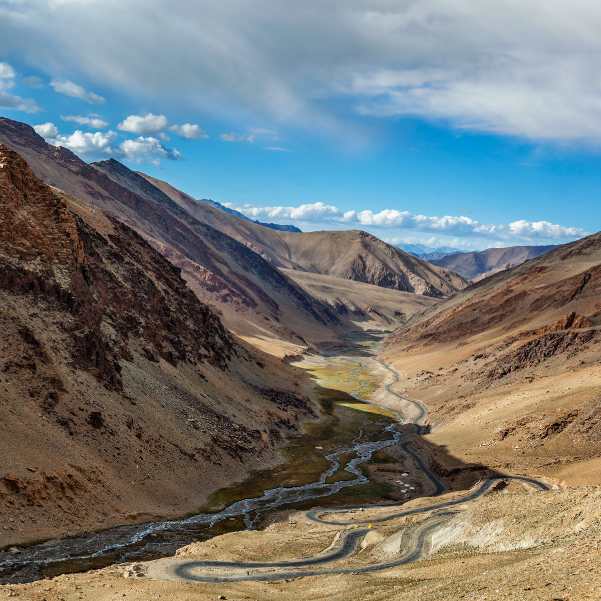
Leave Leh by 6:30 AM. Reach the pass by around 8 to 9 AM. Spend 15 to 20 minutes at the top, take your photographs, and head back. You are back in Leh by noon.
This suits travellers who are already deep into their Ladakh trip, have acclimatized well, and want to experience the pass without building an extra overnight stop into the itinerary. It does not suit anyone on their first or second day in Leh.
Option 2: Leh to Nubra via Khardung La
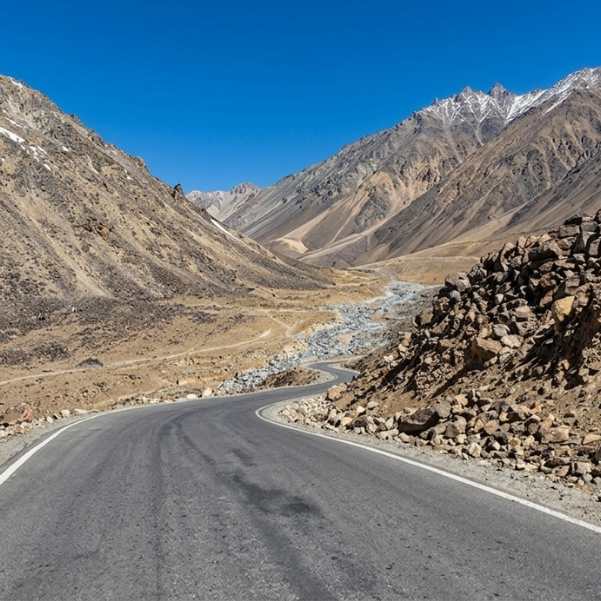
Leave Leh by 7 AM. Cross Khardung La and descend toward Nubra Valley. Reach Hunder or Diskit by early afternoon. Spend the night in Nubra. Return via the same route the next day or continue toward Pangong depending on your overall plan.
This is how most of our travellers experience Khardung La, and it consistently gets the best feedback. The pass becomes the threshold you cross to enter somewhere completely different, rather than a turnaround point.
Our Leh Ladakh tour packages are structured around this route for exactly that reason.
What we always tell our travellers: carry a thermos of ginger tea from your hotel in Leh before you leave.
At 17,000+ feet, a warm drink does more for altitude adjustment than any tablet you will find at a chemist.
Ask your hotel the night before and they will usually fill it for ₹50 to ₹100. Every driver we work with swears by this.
One more thing most people miss: if you are doing the Nubra crossing, stop at the small chai stall about 3 km before South Pullu on the way up.
The guy running it makes the best butter tea on the route, and it is your last comfortable stop before the road gets rough. He is usually there from May through September.
Send us your dates and group size on WhatsApp and we can help you figure out which option fits your travel dates, group size, and how far into your acclimatization you will be at that point.
👉 WhatsApp us your dates and group size to choose the right option
Final Verdict: Should You Plan Khardung La in August 2026?
Yes, for most acclimatized travellers, August is a solid month for Khardung La.
The pass is generally open, the season is active, and the crossing, especially as part of a Nubra Valley trip, delivers the kind of experience that stays with you.
But August at 17,000+ feet still demands respect. The late August 2025 closure from sudden snowfall is a reminder that high altitude weather does not follow seasonal calendars.
Go prepared, go acclimatized, go early in the day, and keep your plans flexible enough to handle a one day delay. That is the honest framework for making this trip work.
Explore Our Curated Leh Ladakh Tours
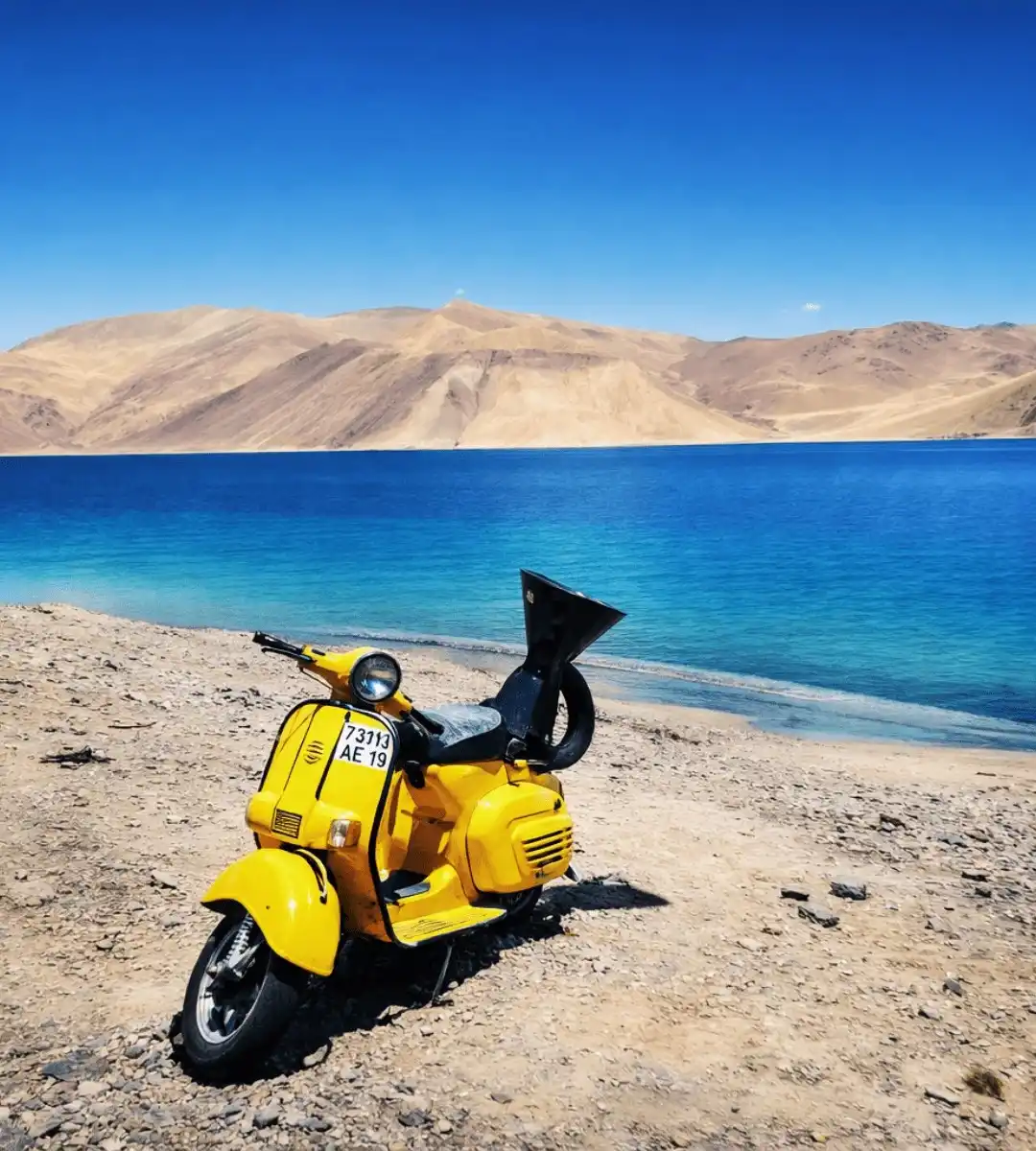 6D/5N
6D/5NBest Selling Leh Ladakh Tour With Nubra Valley and Pangong Lake
2D Leh•1D Nubra Valley+1
₹23,999₹28,599SAVE INR 4,600/ person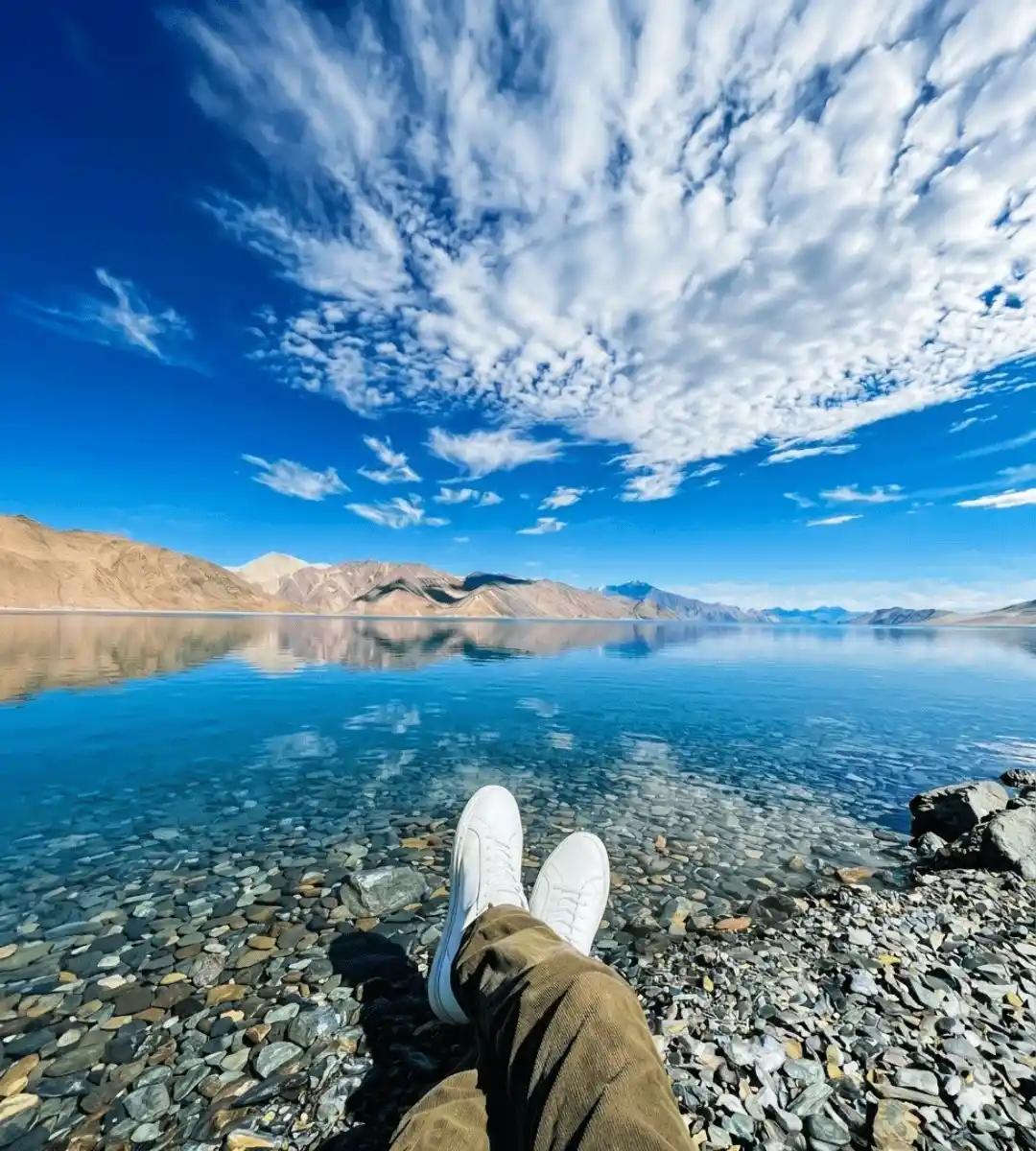 6D/5N
6D/5NUltimate Leh Ladakh Tour Package with Nubra Valley & Pangong Lake
2D Leh•1D Nubra Valley+1
₹28,999₹35,999SAVE INR 7,000/ person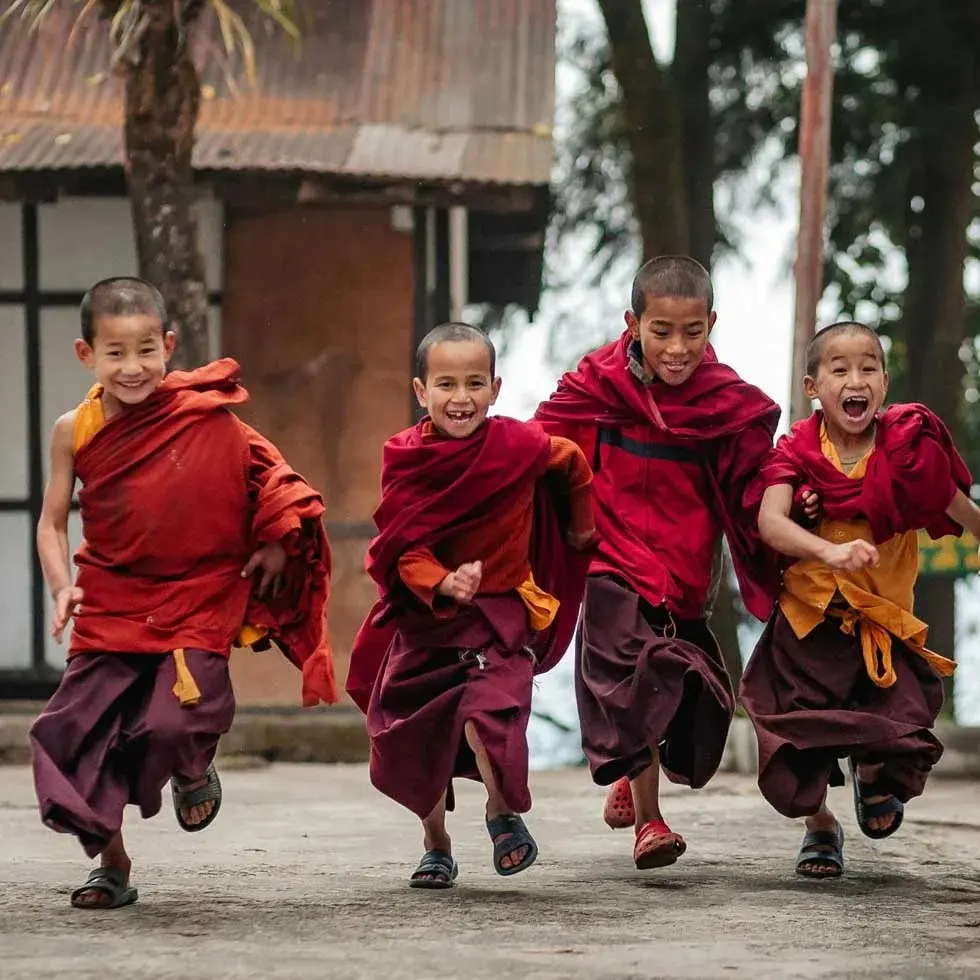 4D/3N
4D/3NLeh Ladakh Short Getaway
2D Leh•1D Pangong Lake
₹16,499₹19,999SAVE INR 3,500/ person
Related topics
Frequently Asked Questions
Is Khardung La open every day in August?
Generally yes, but temporary closures do happen. Fresh snowfall in late August 2025 caused a brief closure. Check the official Leh district administration road status update on the morning you plan to travel.
Can it snow at Khardung La in August?
Yes. Snowfall at the summit is possible even in August. The more common issue is slush, meltwater, and slippery sections rather than heavy snowfall, but fresh snow can and does fall at this altitude in the monsoon adjacent months.
How cold is Khardung La in August?
Leh town averages around 27.8°C max and 14.9°C min in August, but Khardung La sits roughly 3,000 metres higher than Leh and feels significantly colder. Wind chill makes the effective temperature feel sharper still. Always carry warm layers regardless of what Leh felt like when you left.
Do I need an Inner Line Permit for Khardung La?
Indian travellers need to register and pay the tourist fee through the official Leh permit portal. Certain foreign nationals and certain passport categories require a Protected Area Permit for the pass and the areas beyond. Check your specific requirement before the trip since it varies by nationality.
Can I visit Khardung La after landing in Leh the same day?
No. The official Leh administration guidance is at least 48 hours of acclimatization before heading to higher altitude areas like Khardung La. Going the same day or the next morning without adequate rest significantly increases your risk of altitude sickness.
Is Khardung La safe for kids?
Children above 8 to 10 years old can generally make the crossing safely if they have acclimatized properly in Leh first. Keep the time at the top short, watch for any signs of headache or nausea, and do not push kids to stay longer than needed at the summit.
How much time should I spend at the top?
Around 15 to 20 minutes is enough. Take the photos, have a chai if the stall is open, and get back in the vehicle. Extended time at over 17,000 feet is unnecessary and adds altitude stress without adding experience.
Is Khardung La better in August or September?
September is generally more stable for roads and often has cleaner skies after the monsoon retreats. August is busier and has slightly more weather unpredictability. Both months work for an acclimatized traveller. September gives you more reliable conditions while August gives you a slightly greener approach road below the tree line.
Can I go by scooty or only by bike or car?
Scooty or gearless scooters are generally not suited for the Khardung La road, especially the rough sections above South Pullu. Manual bikes, particularly something with enough torque for high altitude gravel, handle it far better. In a car, go with an SUV or high clearance vehicle rather than a sedan.
What time should I leave Leh for Khardung La?
Leave by 6 to 7 AM at the latest. Morning roads are firmer, less slushy, and less congested. By midday, solar warming softens ice patches, traffic builds up from both the Leh and Nubra sides, and the pass can feel chaotic on peak days.
Is Khardung La worth it if I am already going to Nubra Valley?
Absolutely. You literally cannot go to Nubra from Leh without crossing Khardung La. It is not an add on. It is the route. The crossing becomes part of the Nubra experience rather than a separate attraction, which is exactly why combining both into one trip is the smarter, more rewarding way to do it.
More about Ladakh
 Ladakh
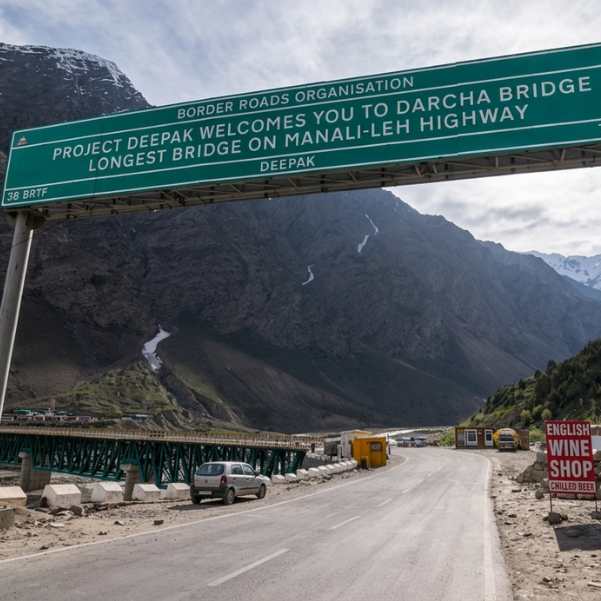
Manali to Leh Highway 2026: Every Pass, Stop and Distance
Plan your Manali to Leh Highway journey in 2026 with a complete guide to major mountain passes, overnight stops, route highlights, and distance. Discover key stops like Jispa, Sarchu, and Pang, along with famous passes including Baralacha La and Tanglang La.
- Road Trips
- How to Reach
 Ladakh
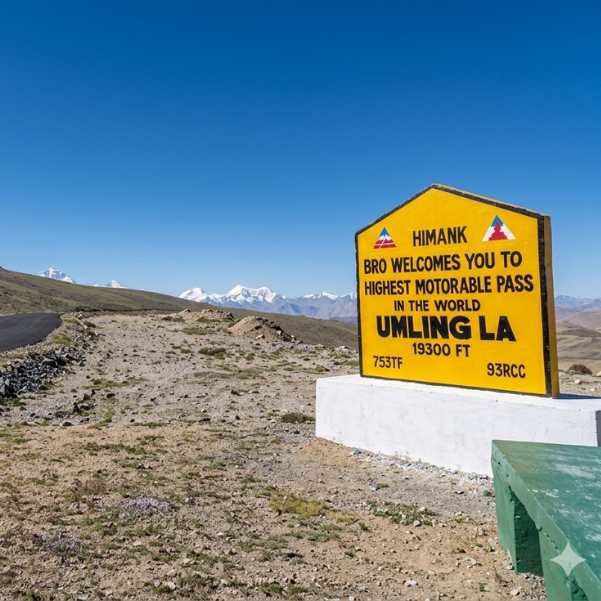
Umling La Ladakh Guide 2026: Route, Altitude, Permit, Safety & Reality Check
Planning to visit Umling La in 2026? This complete guide covers the route, altitude, permit requirements, road conditions, safety tips, and the realities of travelling to one of the world's highest motorable roads.
- Road Status
- Altitude & Health
 Ladakh
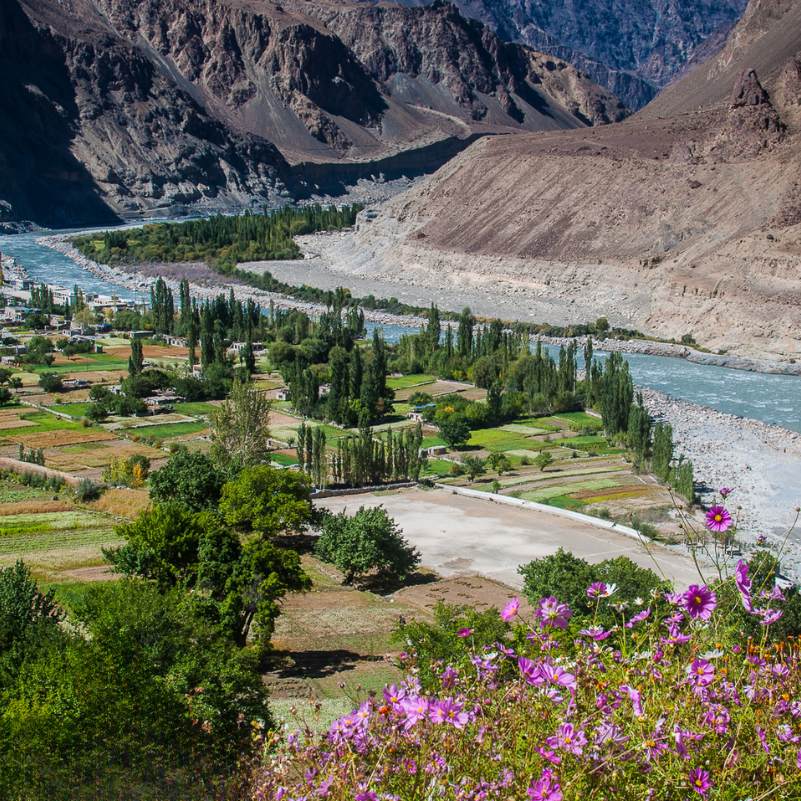
Turtuk Ladakh Travel Guide 2026: Balti Culture, Apricot Orchards and Why It Is Perfect for Families
Planning a trip to Turtuk? This 2026 travel guide explores the village's rich Balti culture, beautiful apricot orchards, top attractions, travel route, and why Turtuk is one of the best family-friendly destinations in Ladakh.
- Places to Visit
- Family Travel