
Kalpa & Chitkul by Bike in November 2026: What to Plan For
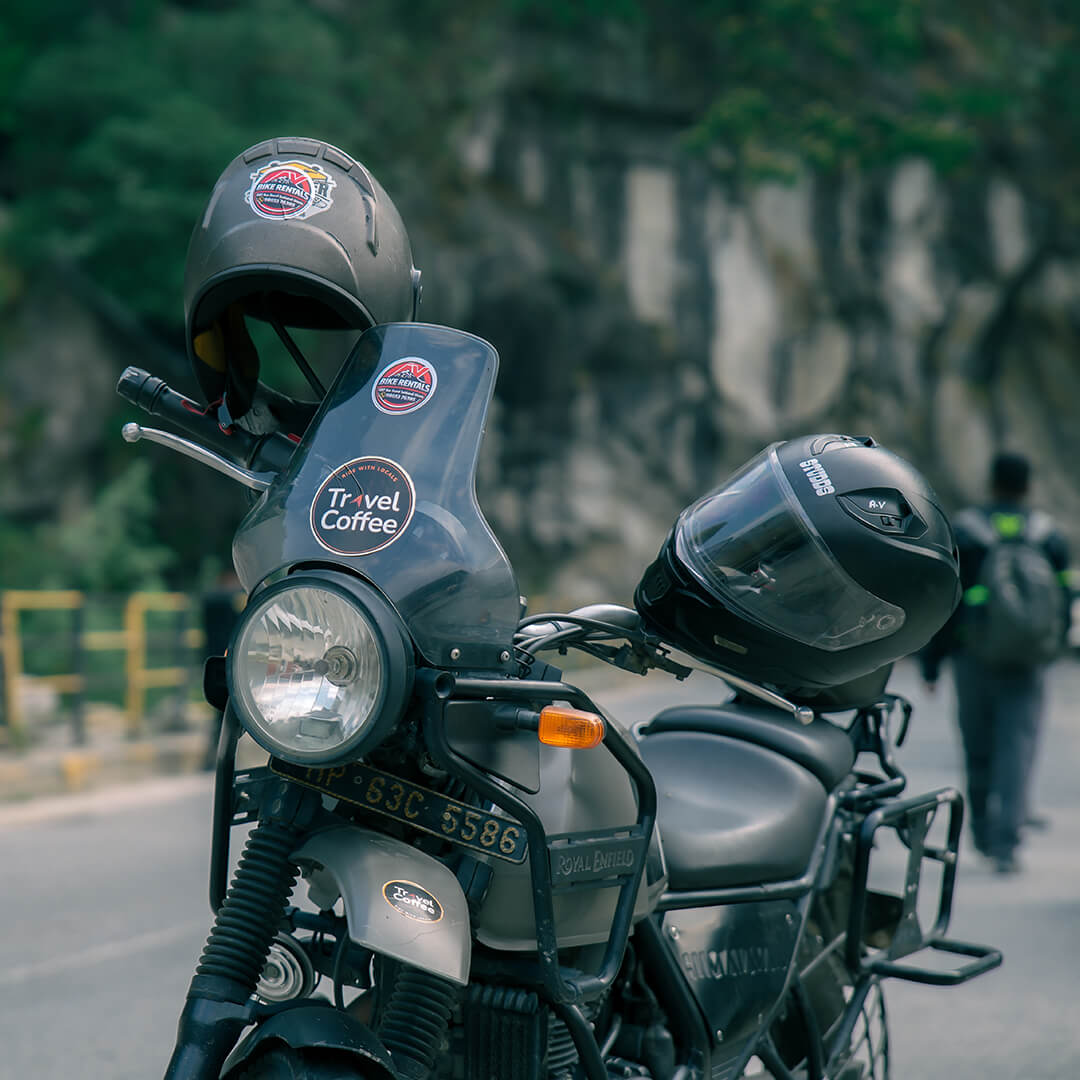
Riding to Kalpa and Chitkul by bike in November 2026 can be an incredible experience, with quiet mountain roads, cold weather, clear views and the possibility of early snowfall.
However, this time of year also brings lower temperatures, shorter daylight hours and changing road conditions in Kinnaur.
If you are planning a bike trip to Kalpa and Chitkul in November, you need to prepare carefully for the weather, road accessibility, fuel stops, bike condition and warm riding gear.
This guide by Travel Coffee explains what to expect and how to plan your November bike trip safely and realistically
Quick Answer
A November bike trip to Kalpa can work, depending on the road and weather at the time you ride. Chitkul is different. Treat it as an optional extension, never a fixed stop.
No reliable fixed November closure date exists for Chitkul. Check the official Kinnaur traffic notices and the current forecast, ride mountain sections only in daylight, and keep Sangla or Kalpa as your fallback base.
If you want a route built around these conditions, our Kinnaur tour packages start from this same flexible approach.
Is a Kalpa and Chitkul Bike Trip in November Actually Doable?
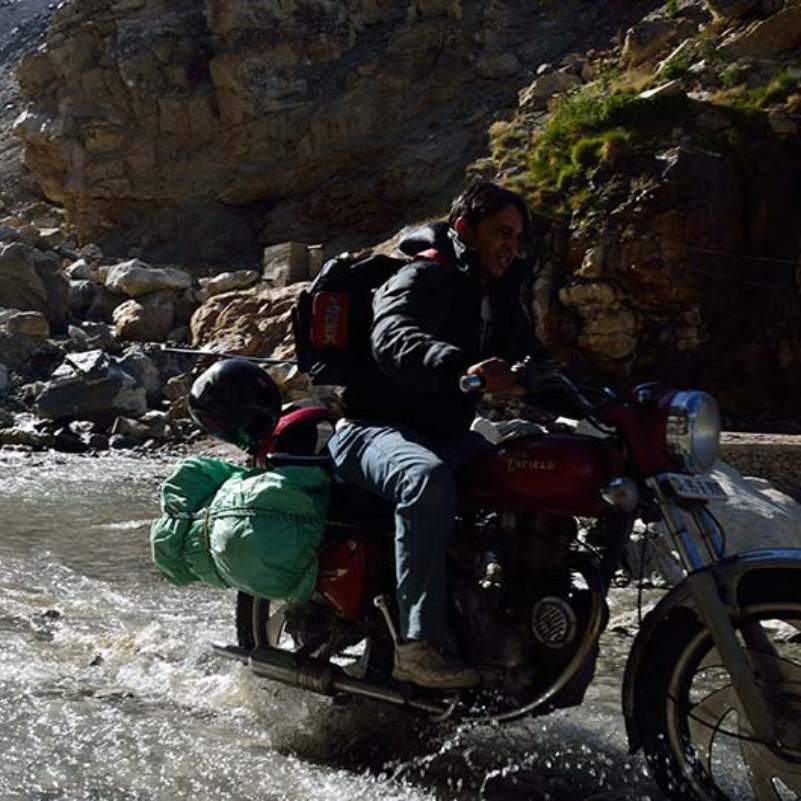
Yes, it can be. But most riders make one mistake. They plan Kalpa & Chitkul by Bike in November as one locked package, as if both places behave the same way in winter. They don't.
Himachal Tourism treats April to October as the main Kinnaur travel season. It describes November as the month when temperatures start dropping as winter begins.
So November is a transition month. Some days feel like a crisp extension of autumn. Other days give you wet roads, cold shade and early snow on the higher stretches.
Why November Is Different from October
In October, your main worry is usually traffic and roadwork. In November, you add cold mornings, shorter days and a rising chance of snowfall as winter approaches.
Because November weather can change quickly, check the latest forecast for Kalpa and Chitkul a few days before your ride and keep your route flexible if snow or rain is expected.
What we can say is that the cold matters far more on a bike than in a car. You sit in the wind for hours, and your hands and feet feel every degree.
Kalpa and Chitkul Are Not the Same November Proposition
Kalpa sits at 2,759 metres, just 13 to 14 km from Reckong Peo. That puts you close to the district headquarters, its services and its road network.
Chitkul sits higher, at 3,450 metres, deep in the Baspa Valley. It lies 65 km from Reckong Peo and about 25 km beyond Sangla.
The motorable road ends at Chitkul. That means the last stretch is a dead end ride in and the same ride back out. If conditions turn while you are there, you have no alternate exit.
That difference shapes everything in this article. Kalpa is a destination you can usually plan around. Chitkul is a decision you make on the day.
Early Versus Late November
Weather risk generally climbs as November moves towards December. But we won't tell you that the first half is safe and the second half is closed. Mountains don't follow that neat rule.
One Kalpa travel guide reports occasional first or light snowfall towards late November. Treat that as a seasonal possibility, not a forecast for 2026. Some years it comes earlier, some years later.
When we plan Kinnaur trips for November, we never promise Chitkul to anyone. We build the trip so that missing it still leaves the rider with a good journey.
What Weather and Road Conditions Should Bikers Expect in November?
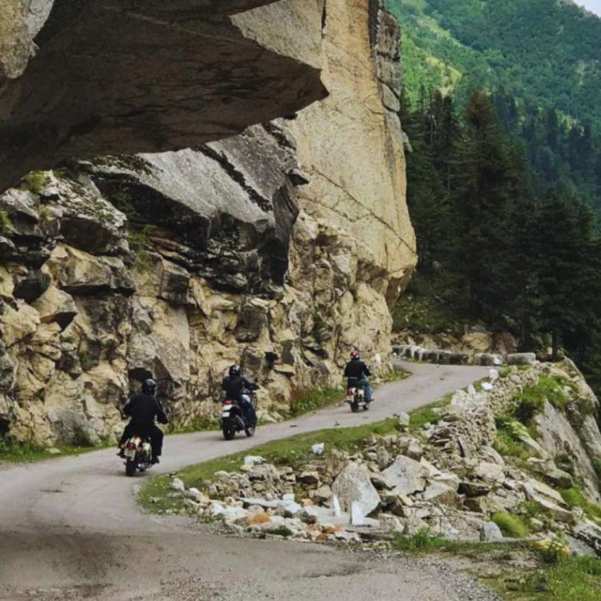
For a biker, the big November question is not whether you will see pretty snow on the peaks. It is what the road surface under your front tyre looks like at 8 in the morning.
Cold Mornings and Changing Surface Conditions
A road that looks fine at noon can feel completely different the next morning. Water from a stream, a melting patch or overnight rain can sit on the tarmac and turn slippery as the temperature drops near freezing.
That is the real risk on a Kalpa Chitkul bike trip in November. Not dramatic snowstorms, but quiet, wet, cold patches you don't notice until you are on them.
We can't tell you there will be black ice on any particular date. Nobody can. But you should ride as if any shaded wet patch could be one.
Why Black Ice Deserves Your Attention
Black ice is thin and clear. It looks like a wet road, and that's exactly why it catches riders out.
It forms most often on shaded bends, under cliff faces, near seepage and on any stretch the sun doesn't reach until late morning. A bike gives you very little warning once the front wheel starts to slide.
Here is an insider tip most guides skip: The sun warms open stretches first, but the shaded bend right after a sunny straight often stays frozen much longer. Slow down before every shaded turn, even if the last kilometre felt perfect.
Ride upright, avoid sudden braking, and stay off the front brake on any surface you aren't sure about. If you can't tell whether a patch is wet or frozen, treat it as frozen.
Why Daylight Matters So Much
Reach your stop before dark, every single day. In November this matters more than in any summer month.
Once the sun drops, the temperature falls fast, visibility falls with it, and you lose the ability to read wet or icy patches ahead. Your headlight shows you the road, not its texture.
Our team recommends planning each day backwards from sunset. Decide when you need to park the bike, then work out when you must leave. If that start time feels too early, the day's plan is too long.
What Has Changed on the Kinnaur Roads in 2026?
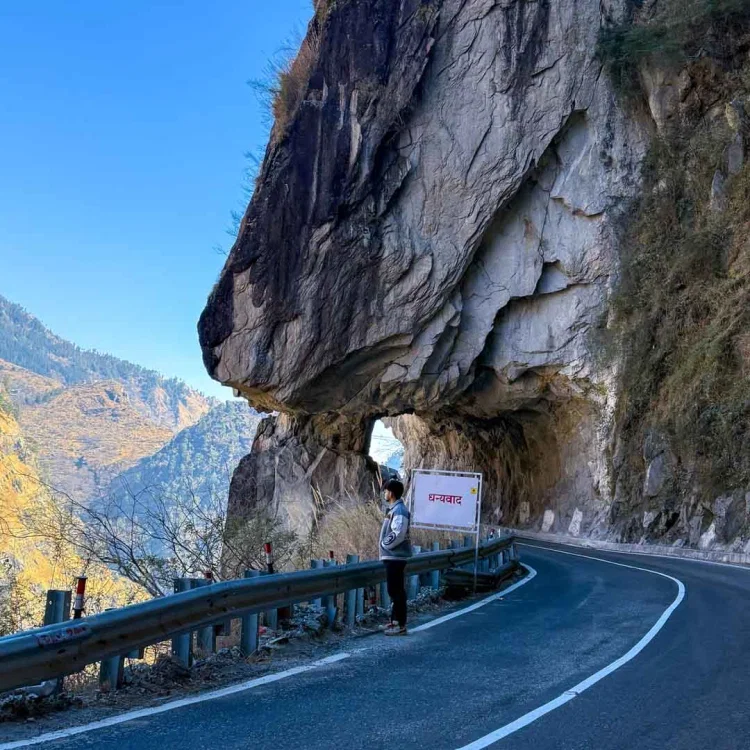
This year has already shown how quickly Kinnaur roads change. Three updates matter for your Kinnaur bike trip in November.
Reports show BRO began road renewal work on the Karcham Sangla Chitkul road on May 22, 2026. Renewal work usually improves a road over time, but active work sites can also mean stoppages and loose surfaces.
In July 2026, a flash flood blocked the Sangla Chitkul road for more than 20 hours before BRO restored it. One storm took the road out for nearly a day.
As of October 6, 2026, the official District Kinnaur website shows traffic regulation and temporary restriction notices for locations including Nathpa and Nigulsari on NH 5.
Read these carefully. They don't prove that the same restrictions will exist in November. They prove something more useful: an itinerary from last year or a friend's old timetable tells you nothing about the road you will actually ride.
We won't reproduce an old roadwork timetable here. Timings at work sites change, and a stale timetable can leave you waiting at a barrier in the cold. Always check the current notice.
Which Route Should You Take to Kalpa and Chitkul by Bike?
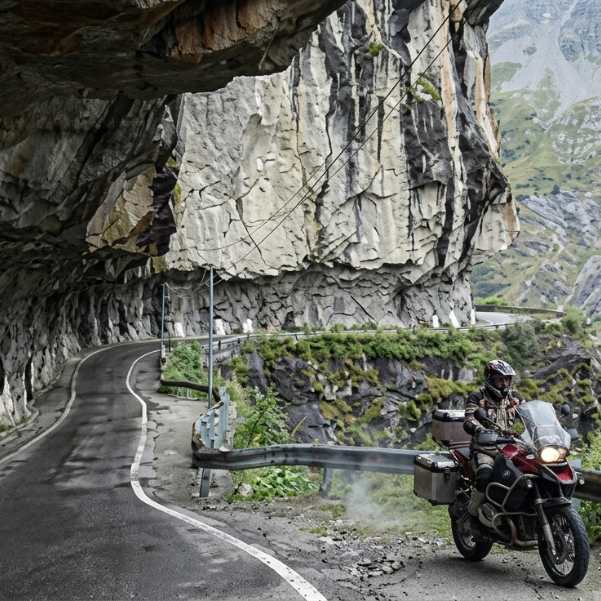
The standard Shimla to Kalpa bike trip follows Shimla, Narkanda, Rampur and Karcham along the NH 5 Kinnaur bike route. This is the route we suggest for November.
From Karcham into the Baspa Valley
At Karcham, the Baspa Valley branch leaves the main road. It climbs towards Sangla, then Rakcham, and finally ends at Chitkul.
Sangla sits 38 km from Reckong Peo. From there, Chitkul is about 25 km further up the valley. Short on paper, but in November that 25 km deserves a full day's attention.
From Sangla to Kalpa
For Kalpa, ride back down the valley to the main Kinnaur route. Continue through the Reckong Peo area and climb the short distance up to Kalpa.
If you are starting from Shimla, our Shimla tour packages show how we break up the first leg so you don't arrive at Narkanda exhausted.
Why We Don't Suggest the Manali Side in November
Some riders want to come in from Manali via Kaza and exit through Kinnaur. In November we don't recommend this as your normal approach.
Winter closures can interrupt those high altitude connections without much warning. If you are thinking about Manali first, plan it as a separate trip. Our Manali tour packages cover that side on its own terms.
The same applies to Spiti. A full Spiti loop belongs in a warmer month. Look at our Spiti Valley tour packages if you want to plan that for next summer.
A Flexible 5 Day Kalpa Chitkul November Bike Itinerary
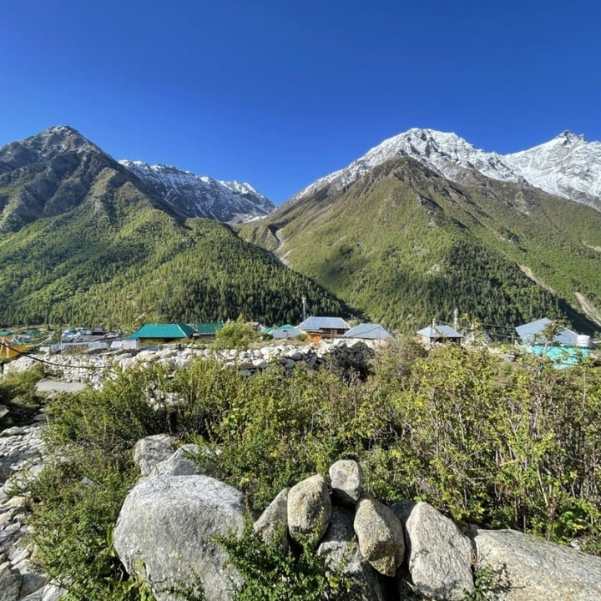
We won't give you hour by hour ride times. Roadwork, weather and traffic controls can make riding times unpredictable in November, so it is better to plan your day around route conditions rather than fixed hourly timings.
Day 1: Reach Shimla or Narkanda
Your only goal today is to reach Shimla or Narkanda comfortably. Don't push further and start the serious mountain sections after dark.
Use the evening to check your bike, lay out your riding gear and read the latest District Kinnaur traffic notices.
Day 2: Continue Towards Sangla
Ride the NH 5 approach through Rampur and branch towards Sangla at Karcham.
Before you commit to the climb into the Baspa Valley, stop and reassess. Check the weather and any fresh road notices. If something looks wrong, Kalpa is still an option for tonight.
Day 3: Ride to Chitkul Only if the Road Is Suitable
This is the decision day. Sangla is your base.
If the road is officially open, the surface is dry enough, the weather looks stable and you have plenty of daylight, you can ride up through Rakcham to Chitkul and come back to Sangla.
A timing tip that changes the whole ride: don't leave Sangla for Chitkul at first light. Give the sun time to reach the road, recheck conditions after breakfast, then go. Turn back towards Sangla with a big margin of daylight in hand.
On the way, stop for a hot chai and a simple meal at a dhaba in Rakcham village before the last stretch to Chitkul. Warm hands make for safer riding on the final section.
If conditions aren't right, spend another day around Sangla or change the plan. That's not a failed trip. That's a well planned one.
Day 4: Move to Kalpa
Ride back down to the main route, pass through the Reckong Peo area and climb up to Kalpa for the night.
Day 5: Return or Use It as a Weather Buffer
Keep this day open. In November, one road closure can wipe out a day without warning.
If you build the trip so tightly that a single closure ruins everything, you will feel pressure to ride when you shouldn't. A buffer day removes that pressure.
Starting from Chandigarh or Delhi? Add proper approach and return days on top of these five. Don't squeeze the mountain days to fit a Chandigarh to Chitkul bike trip into one long weekend.
What Should You Check on Your Bike Before Riding?
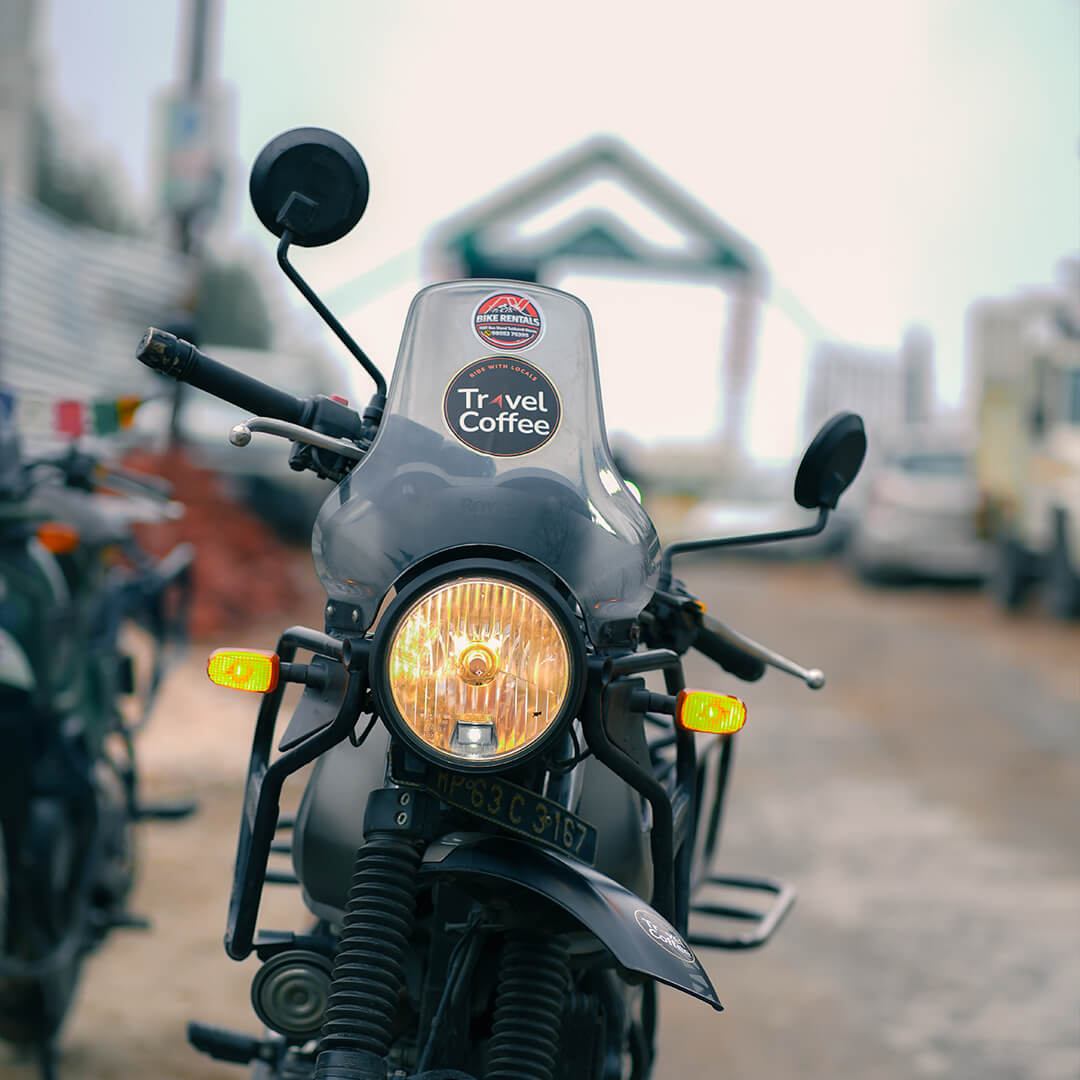
Your bike carries you through cold, wet and remote stretches with few repair options. Spend an hour on it before you leave home.
Start with the tyres. Check that the tread has enough depth left for wet and cold roads, and set the pressure correctly for the load you are carrying. Worn tyres are the last thing you want on a shaded, wet bend.
Next, check the brakes. Look at the pads, test the feel at both levers and make sure nothing feels spongy. You will lean on them hard on the descents.
Clean and lubricate the chain, and check its slack. A dry or loose chain on long climbs wears fast and can fail far from help.
Test your battery properly. Cold mornings are hard on weak batteries, and a bike that won't start at Sangla can cost you your whole Chitkul window.
Check the headlight, brake light and indicators. Fog, dust and evening shade make you harder to see, so all of them need to work.
Carry a puncture repair kit, a practical way to inflate the tyre and a basic motorcycle toolkit that fits your model. If you have room, spare clutch and accelerator cables or a spare lever make sensible extras.
We get asked about engine size a lot. No specific engine capacity is mandatory for this route. What matters is a well maintained bike and a rider who knows its limits.
One honest warning
No adventure motorcycle makes unsafe snow or ice safe. Good tyres and a big engine help on gravel. They don't help on black ice.
What Riding Gear Should You Carry in November?
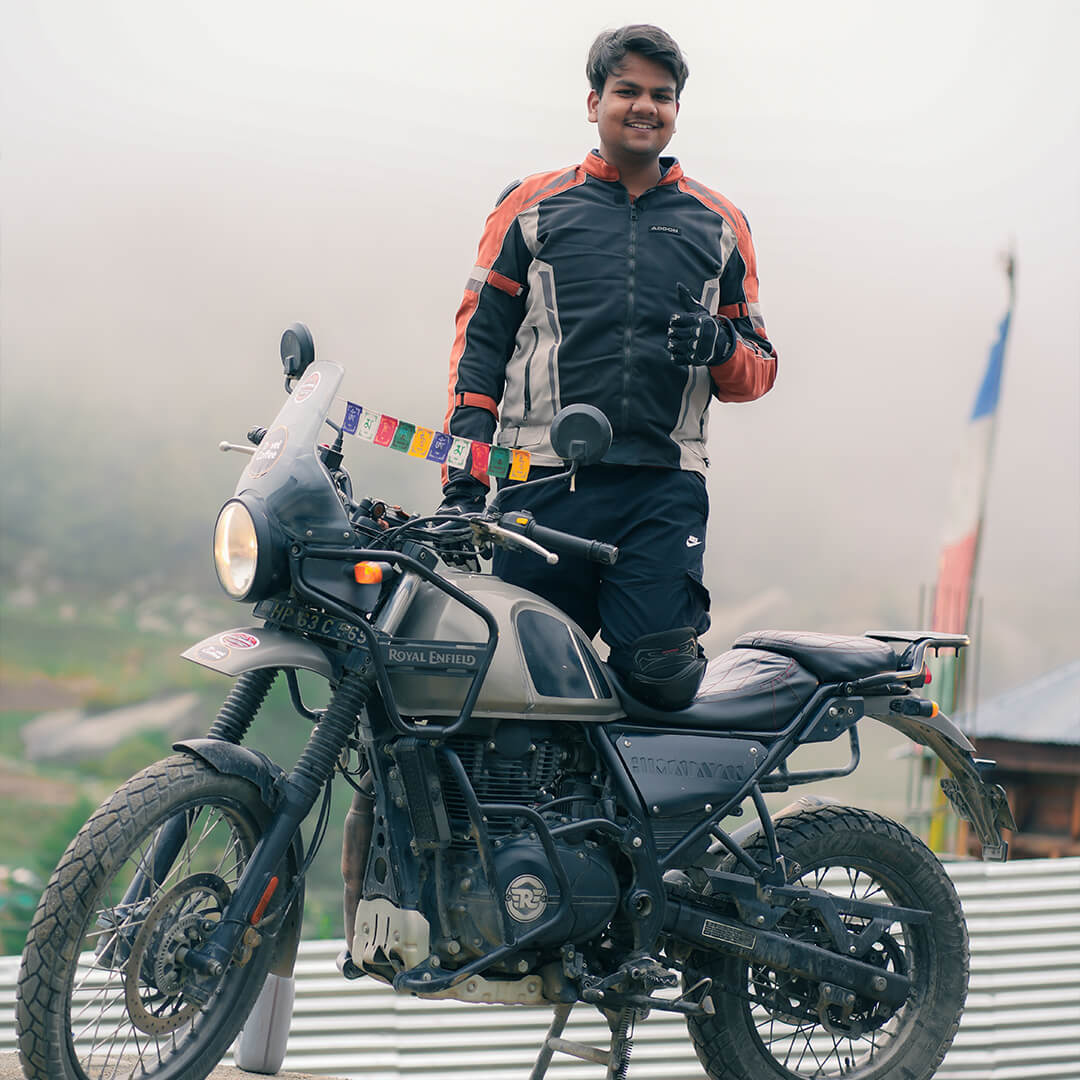
Here's what most riders get wrong. They pack the same woollens they would carry for sightseeing in Shimla. On a bike, that isn't enough.
Sitting on a moving motorcycle for hours exposes you to constant wind chill. A sweater that feels warm on a walk lets the wind straight through at riding speed.
Build your clothing in three layers. A thermal base layer sits against your skin. An insulating layer sits over it. A wind resistant riding outer layer sits on top and stops the wind from stealing your heat.
Your hands go numb first, and numb hands brake badly. Carry proper insulated riding gloves, not thin woollen ones.
Add a neck gaiter or balaclava. Cold air pouring in at the collar chills your whole body faster than you expect.
Wear waterproof footwear. Wet feet in November turn a cold ride into a miserable and unsafe one.
Pack spare dry socks and a spare pair of gloves. If one pair gets wet at a stream crossing or in rain, you need a dry pair to switch into.
Carry a clear visor and an anti fog solution. A fogged visor on a cold morning hides exactly the wet patches you need to see.
Here's an insider tip from our trips
Keep tomorrow's gloves and socks inside your sleeping bag or under your blanket overnight. You start the ride warm and dry instead of pulling on cold, damp gear.
We aren't giving temperature ratings for jackets or gloves, because we have no reliable figures for November 2026. Buy for cold and wind, and test the full layer system on a ride before the trip.
Where Should You Fuel, Eat and Stay?
Fuel Strategy for a Kinnaur Bike Trip
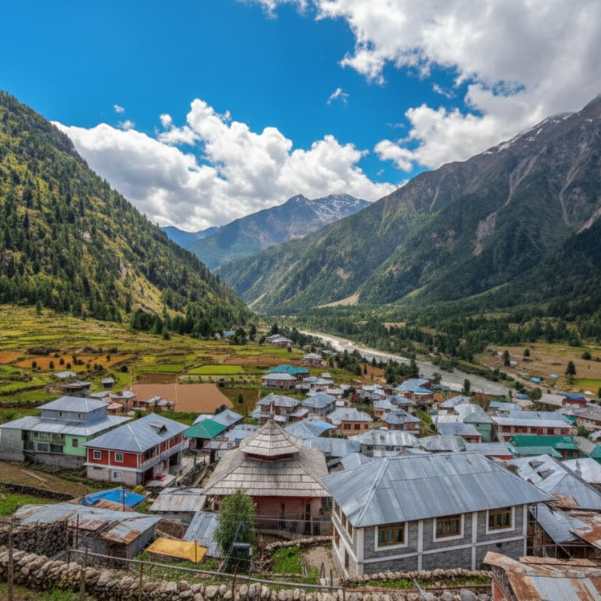
Fuel availability in the Sangla and Chitkul area can be limited or inconsistent, so the safest approach is to fill your tank completely around Reckong Peo or Powari before entering the Baspa Valley.
If you plan to use a Sangla area pump, confirm on the actual travel day that it has fuel and is operating. Don't ride up the valley on half a tank and hope.
Food and Accommodation in November
Confirm your hotel or homestay before you arrive. Don't assume a property you found online is running in November.
When you call, ask four things. Is the property open on your dates? Is there safe parking for a bike? Do they have hot water and enough blankets or heating? Will they serve dinner and breakfast?
That last question matters more than it sounds. After a cold ride, you don't want to go looking for food in the dark.
A local money saving tip: book your Sangla stay with free cancellation or pay on arrival where possible. If Chitkul is off, you lose nothing and can shift a night to Kalpa without paying twice.
We aren't quoting November 2026 hotel prices, because we don't have current figures. Ask for the rate directly when you confirm.
Skip the Chitkul Overnight in November
This is one popular plan we'd skip in November: staying the night in Chitkul itself.
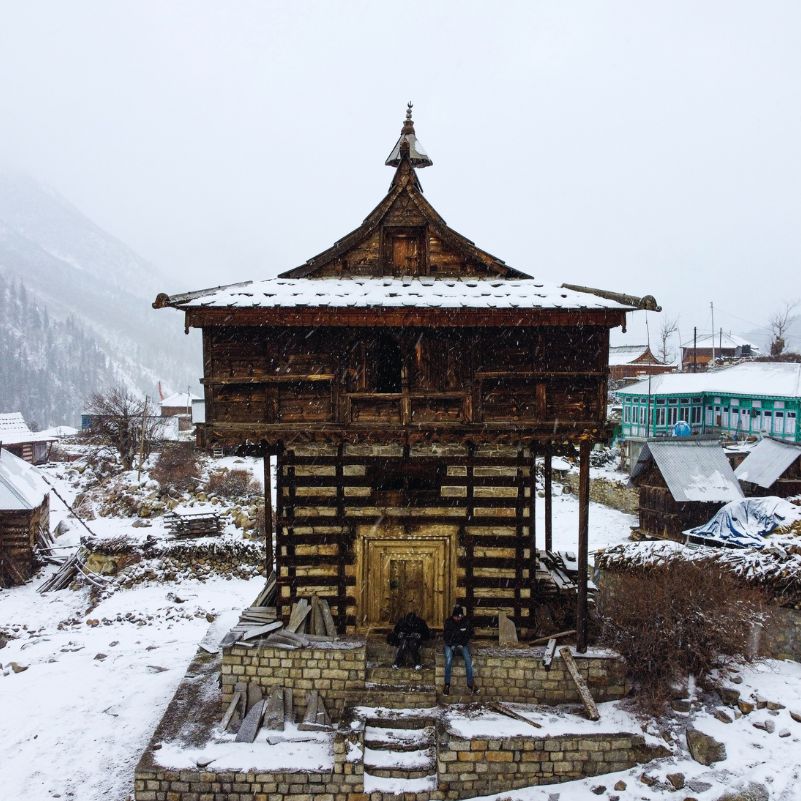
Chitkul is the highest point of the trip and the end of the road. If snow arrives overnight, you wake up at the far end of a dead end valley. Sleep in Sangla, ride to Chitkul if the day allows, and come back down.
Do You Need a Permit or Special Bike Documents?
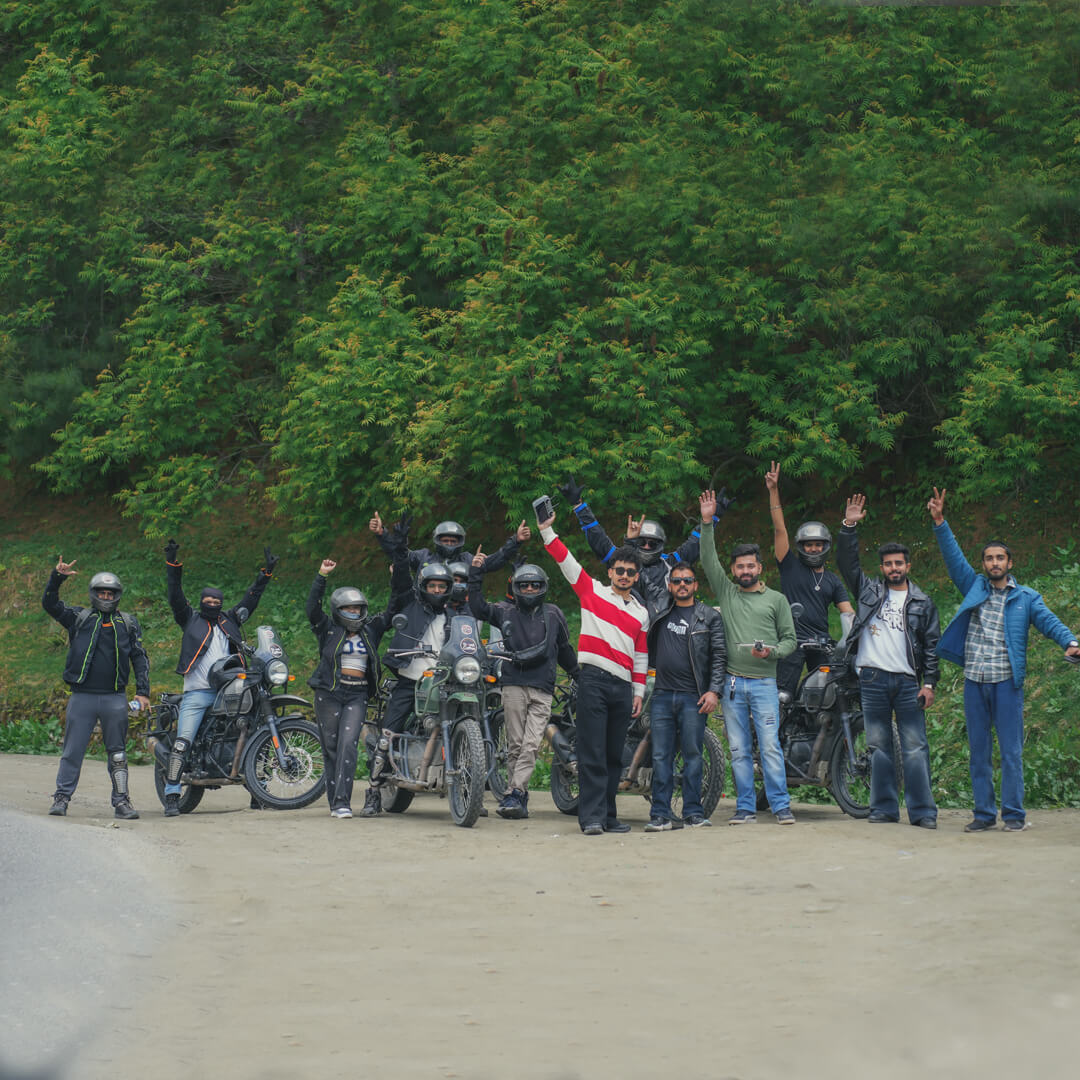
Current 2026 Kinnaur travel guidance reports that Indian citizens normally do not need a special permit for Kalpa, Sangla and Chitkul.
Keep that word "normally" in mind. A travel guide reports this, not a government permit notification. Rules can change, so check before you go.
Carry a valid photo ID. Then carry your bike documents: driving licence, registration certificate, insurance and PUC.
You can show government supported digital vehicle documents through authorised digital systems where they apply. But in an area with patchy signals, download them offline or carry paper copies as backup.
If you are a foreign national, don't use this Indian citizen guidance. Protected area rules for foreign nationals differ. Check the current official rule before you plan.
How Should You Check the Live Road Status Before Riding?
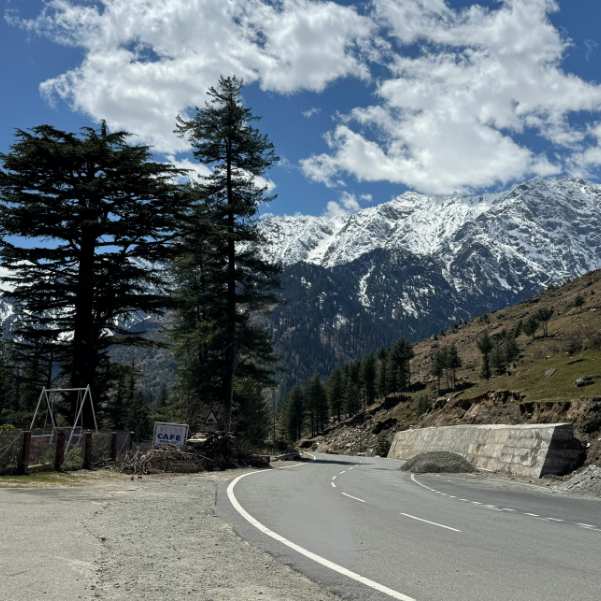
Checking the Sangla Chitkul road status is the single most important habit on this trip. Follow these steps every time.
First, open the official District Kinnaur website and read the latest traffic or road restriction notices. Look at the date on each notice.
Second, check the latest weather forecast for Sangla and Chitkul specifically. Don't rely on the forecast for Shimla or Rampur.
Third, ask the place where you stayed the previous night, or a reliable local contact who is there right now. Ask them whether vehicles came down from Chitkul that day and what they reported.
Fourth, recheck everything on the morning of your Chitkul ride. Conditions can change overnight.
A Safety Warning About Old Updates and Emergency Numbers
Be careful with forwarded road status screenshots in WhatsApp and social media groups. People share old updates in good faith, and an old "road open" message can put you on a road that has since changed.
Save these District Kinnaur emergency numbers before you lose signal. The disaster helpline is 1077. The district lists police contacts 100 and 94591-00100. For an ambulance, call 102 or 108.
Use these numbers only for real emergencies. They aren't tourist help desks, and every casual call takes time away from someone who needs help.
When Should You Turn Back and Skip Chitkul?
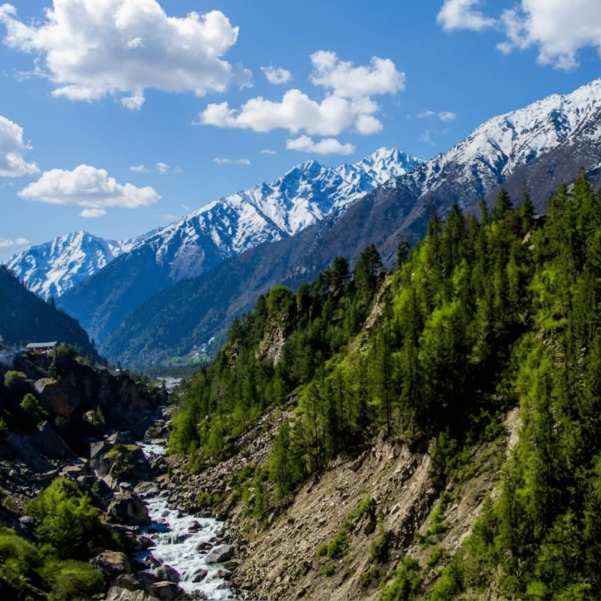
This is the section we want you to remember. Turning back is a skill, not a failure.
Skip Chitkul or turn around if you see an official closure or restriction. A notice exists for a reason, even if the road beyond it looks fine.
Turn back if fresh snow is settling on the road, if you can see ice, or if you find active road clearing work ahead.
Turn back if visibility is dropping fast, or if you no longer have enough daylight for a comfortable return to Sangla.
Listen to your own body too. If you are shivering hard, your fingers feel slow on the levers or you start making small mistakes, stop. Cold riders make poor decisions.
Watch the bike as well. If it struggles to start, a tyre looks soft or something feels wrong mechanically, don't push deeper up a dead end valley.
In our experience, the riders who enjoy Kinnaur most are the ones who decide calmly and early. We have never heard anyone regret turning back at Rakcham. We have heard plenty of stories from people who wish they had.
Chitkul is a destination, not a test of riding ability. It will still be there in May.
What Can You Do if Chitkul Is Inaccessible?
If Chitkul is off and Sangla is still safe to reach, spend more time around Sangla. A slow day there after a long ride is not a waste.
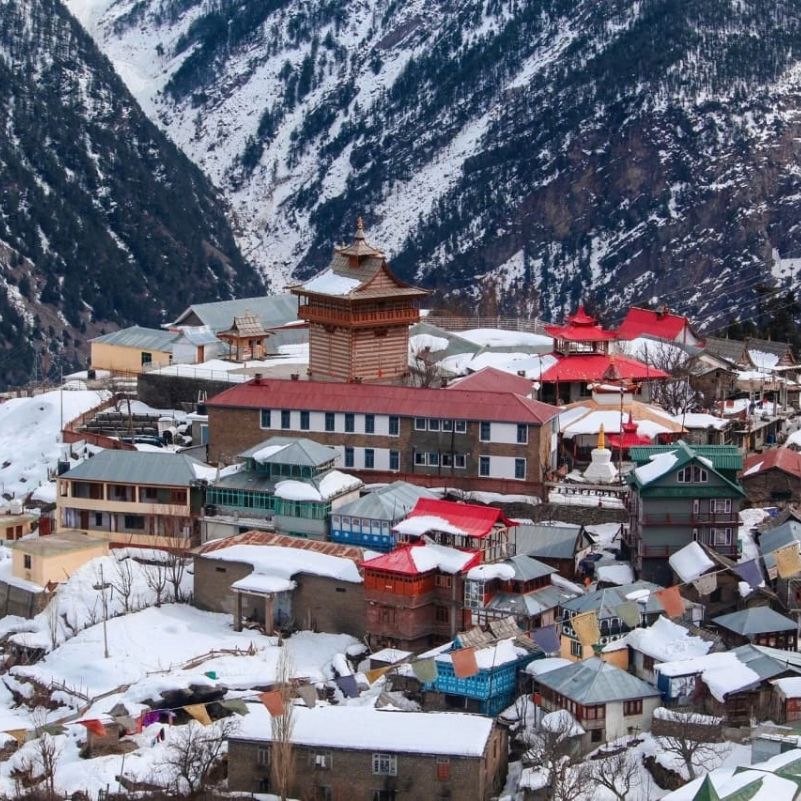
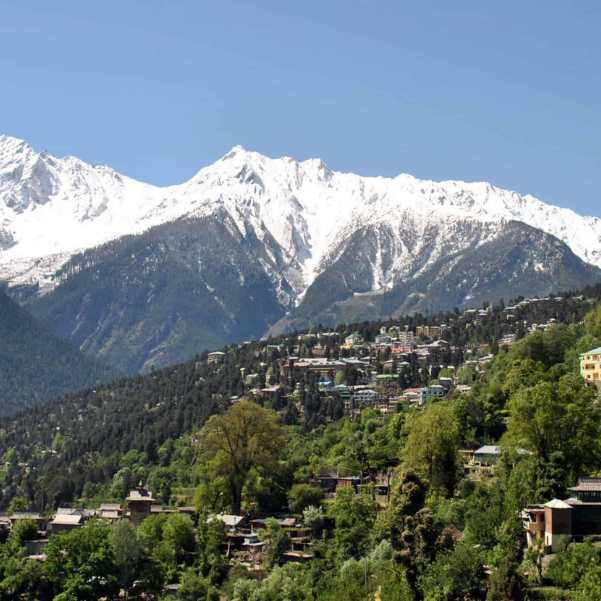
You can also move on to Kalpa and Reckong Peo. Kalpa is known for its views of the Kinner Kailash range, and on a clear November morning those views alone justify the trip.
Don't confuse those views with the Kinnaur Kailash Yatra. The administration postponed the official 2026 Yatra until further orders because of hazardous terrain conditions. Don't plan for it unless you verify separately that it has reopened.
Our honest view: a Kalpa only trip in November, done well and safely, beats a forced Chitkul ride every time.
Our Final Advice on Kalpa & Chitkul by Bike in November
Plan Kalpa & Chitkul by Bike in November as a Kalpa trip with a Chitkul option, not the other way around. That one shift in thinking makes every decision easier.
Ride in daylight, check the official notices, fuel up at Reckong Peo or Powari, and keep a buffer day. If the road says no, listen.
Explore Our Curated Kinnaur Tour Packages
 Group Tour5D/4N
Kinnaur Valley Weekend Group Trip With Sangla Chitkul and Kalpa
1D Sangla•1D Kalpa
₹7,999₹9,999SAVE INR 2,000/ person 4D/3N
4D/3NKinnaur Valley Scenic Circuit With Sangla Chitkul and Kalpa
1D Shimla•1D Sangla+1
₹16,999₹17,999SAVE INR 1,000/ person 5D/4N
5D/4NKinnaur Tour Package From Delhi With Sangla Chitkul and Kalpa
1D Sangla•1D Kalpa
₹14,999₹16,999SAVE INR 2,000/ person
Frequently Asked Questions
Is Chitkul open in November?
Nobody can guarantee it. Access depends on weather, snow, ice and official road notices at the time, so check the District Kinnaur website just before you ride.
Can I ride to Chitkul in November?
You can if the road is officially open, dry enough and the weather is stable. Treat it as a day ride from Sangla that you decide on that morning.
Does Chitkul get snow in November?
It can. One travel guide reports occasional first or light snowfall towards late November, but the timing varies every year.
Is Kalpa accessible in November?
Kalpa often remains practical because it sits just 13 to 14 km from Reckong Peo. Still, check current road notices and the forecast before you ride.
Is the Sangla to Chitkul road dangerous in November?
It can turn risky with wet, shaded or icy patches and cold mornings. Ride it only in daylight and turn back if you see snow, ice or road clearing work.
Which bike is suitable for Kalpa and Chitkul?
No specific engine size is mandatory. A well maintained bike with good tyres, brakes and battery matters more, and no bike makes ice safe.
Do Indian riders need a permit for Chitkul?
Current travel guidance says Indian citizens normally don't need a special permit. Carry photo ID, DL, RC, insurance and PUC anyway.
Where should I refuel before Chitkul?
Fill your tank completely around Reckong Peo or Powari. Confirm any Sangla area pump on the day you ride before relying on it.
Should I stay in Sangla or Chitkul in November?
Stay in Sangla. It keeps you lower and closer to the main route if snow arrives, and you can still ride to Chitkul as a day trip.
How many days should I keep for Kalpa and Chitkul?
Keep at least five days from Shimla, including one buffer day. Add a separate approach and return days if you start from Chandigarh or Delhi.
What riding clothes should I carry?
Carry a thermal base, an insulating layer, a wind resistant riding jacket, insulated gloves, a balaclava and waterproof boots. Pack spare dry socks and gloves too.
Can I combine Kalpa and Chitkul with Spiti in November?
We don't recommend it. Winter closures can cut the high altitude connections, so save Spiti for a warmer month.
More about Kalpa
 Kalpa
KalpaKalpa in November 2026: Weather, Snow Chances & Trip Costs
Planning a Kalpa trip in November 2026? This guide covers weather, snowfall chances, road conditions, stay options and expected trip costs to help you plan a practical early winter visit to Kalpa.
 Kalpa
KalpaKalpa in December 2026: Snow, Roads & Winter Stay Guide
Planning a Kalpa trip in December 2026? This guide covers snowfall chances, road conditions, winter temperatures, stay options and practical travel tips to help you plan a safe and comfortable winter visit.
 Kalpa
KalpaKalpa Workation in October-December 2026: Wi-Fi & Stay Guide
Planning a Kalpa workation between October and December 2026? This guide covers WiFi reliability, mobile networks, work friendly stays, weather and practical tips for working remotely from Kalpa during the colder months.