
Is Hanle Worth Visiting in Ladakh in 2026? Honest Guide for First-Time Travellers
You are probably here because someone showed you a Milky Way photo from Hanle and now you cannot stop thinking about it. Fair enough. But before you squeeze it into your Ladakh plan, you need the honest version, not the Instagram version.
So, is Hanle worth visiting in Ladakh? Short answer: yes, but only if your trip is built for it. Hanle rewards patience, days in hand, and a real love for silence and sky. It punishes people who rush.
We send travellers across Ladakh every season, and Hanle is the one place where the "worth it or not" question depends almost entirely on how you plan. Let us break it down properly.
Quick Answer: Is Hanle worth visiting in Ladakh?
Hanle is worth visiting if you have 8 to 10 days in Ladakh, you are properly acclimatised, and you actually want stargazing, silence, remote Changthang landscapes, and the Dark Sky Reserve experience. For that kind of traveller, Hanle is one of the best things in all of Ladakh.
Hanle is not worth forcing into a short trip if you have only 5 to 6 days, you are visiting near a full moon, you want luxury stays, you have altitude concerns, or you are travelling with family members who may struggle with remote high altitude.
That is the honest cut. Hanle is not a checklist stop. It is a slow, remote, sky-first place.
If you want a route that fits your dates, your moon phase, and your comfort level, that is exactly the kind of thing we customise. You can see our Ladakh tour packages or just tell us what you have in mind.
👉Planning Hanle? Get a personalized route with comfortable stays and local guidance.
What makes Hanle different from the usual Ladakh circuit?
Leh, Nubra, and Pangong are about sightseeing. You drive to a point, take photos, eat at a cafe, move on. Hanle is not that.
Hanle is about sky, silence, and landscape. There is no big tourist circus here, no row of cafes, no crowd waiting for the same photo.
What most tourists get wrong is treating Hanle like another Pangong. They arrive expecting a "spot," and they feel let down. The magic here is the whole atmosphere, not one viewpoint.
The big reason people come is the sky. The area around Hanle holds India's first Dark Sky Reserve, declared in December 2022.
It covers roughly a 22 km radius around Hanle, inside the Changthang Wildlife Reserve. The reserve runs through an MoU between UT Ladakh, LAHDC Leh, and the Indian Institute of Astrophysics.
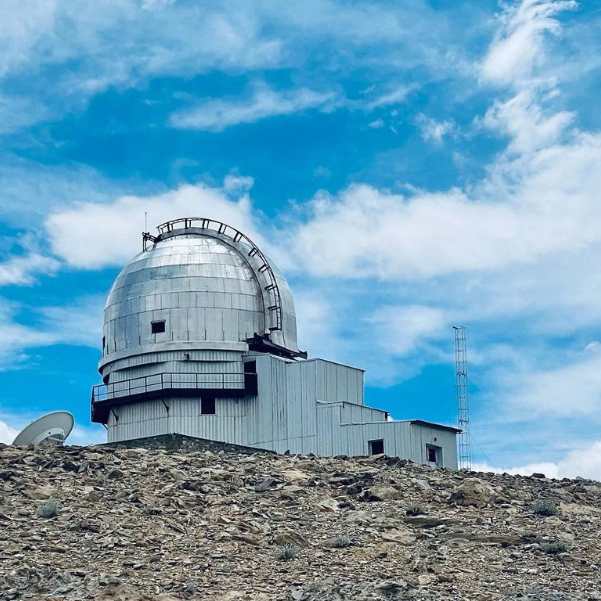
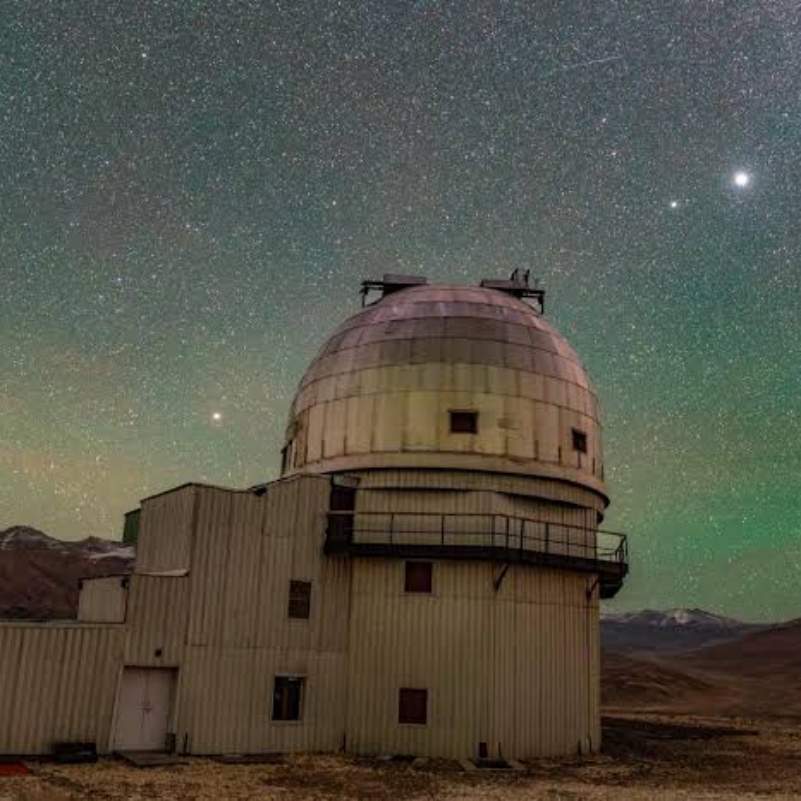
You will also hear about the Indian Astronomical Observatory and Hanle Monastery. Both are worth seeing. But set your expectations right: the real experience here is the feeling of standing under one of the darkest skies in the country, not ticking off attractions.
Who will love Hanle and who should skip it?
Hanle is made for certain travellers. If you are an astrophotographer, a biker, an offbeat traveller, a slow traveller, or a couple who enjoys quiet, you will love it. People doing a proper 8 to 10 day Ladakh trip almost always come back happy.
Hanle will disappoint a different crowd. If you want luxury, nightlife, lots of cafes, guaranteed observatory entry, or a quick checklist-style stop, you will feel short-changed.
In our experience, the travellers who regret Hanle are the ones who added it last minute to a packed plan and never gave it room to breathe.
Families with young children, elderly travellers, and anyone with altitude issues need to plan this one carefully. We do not say skip it outright, but talk to a doctor first if there is any health concern, and build in slow acclimatisation.
What can you actually see and do in Hanle?
Hanle Dark Sky Reserve and stargazing
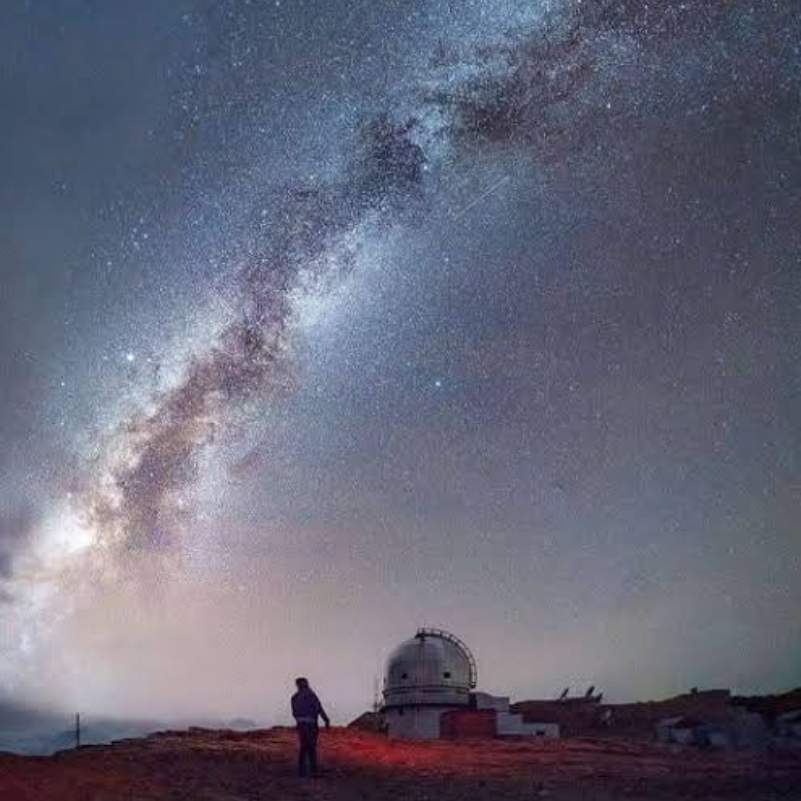
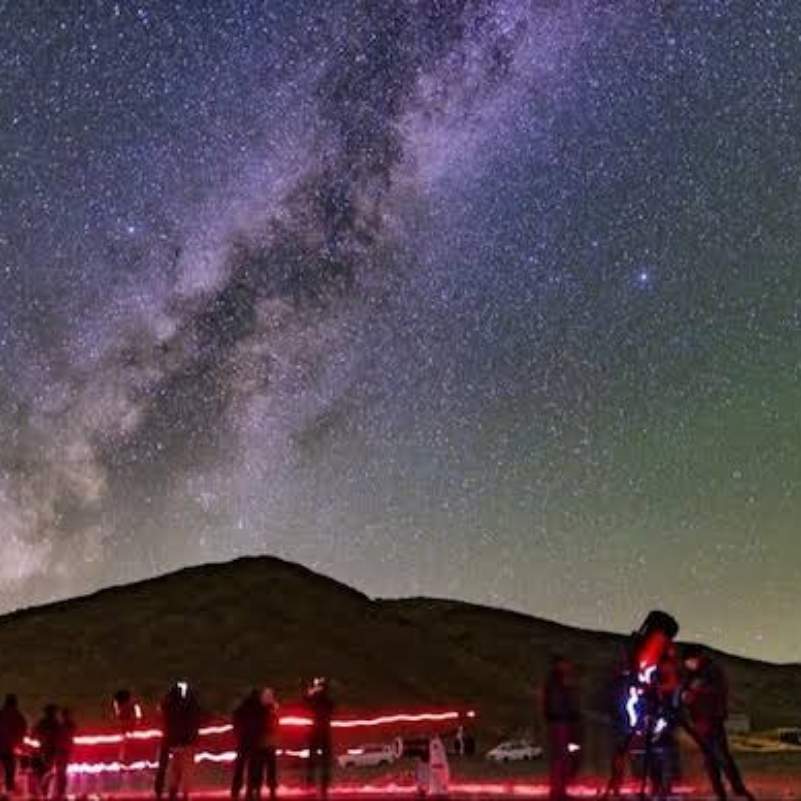
This is the headline. Hanle has some of India's darkest skies because of high altitude, dry air, very low population, and almost no light pollution.
On a clear, moonless night, the sky here genuinely looks unreal. Stars sit thick from horizon to horizon.
Plan your visit around the new moon. This single decision matters more than the month you pick. A bright moon washes out the faint detail you came all this way for.
We will be straight with you. Nobody can promise the Milky Way every night. Clouds, moonlight, and weather can all spoil a session, even in peak season.
If stargazing is your main reason to visit, avoid full moon dates completely. We have seen travellers reach Hanle on a full moon night and feel cheated, when the real problem was timing, not the place.
Indian Astronomical Observatory
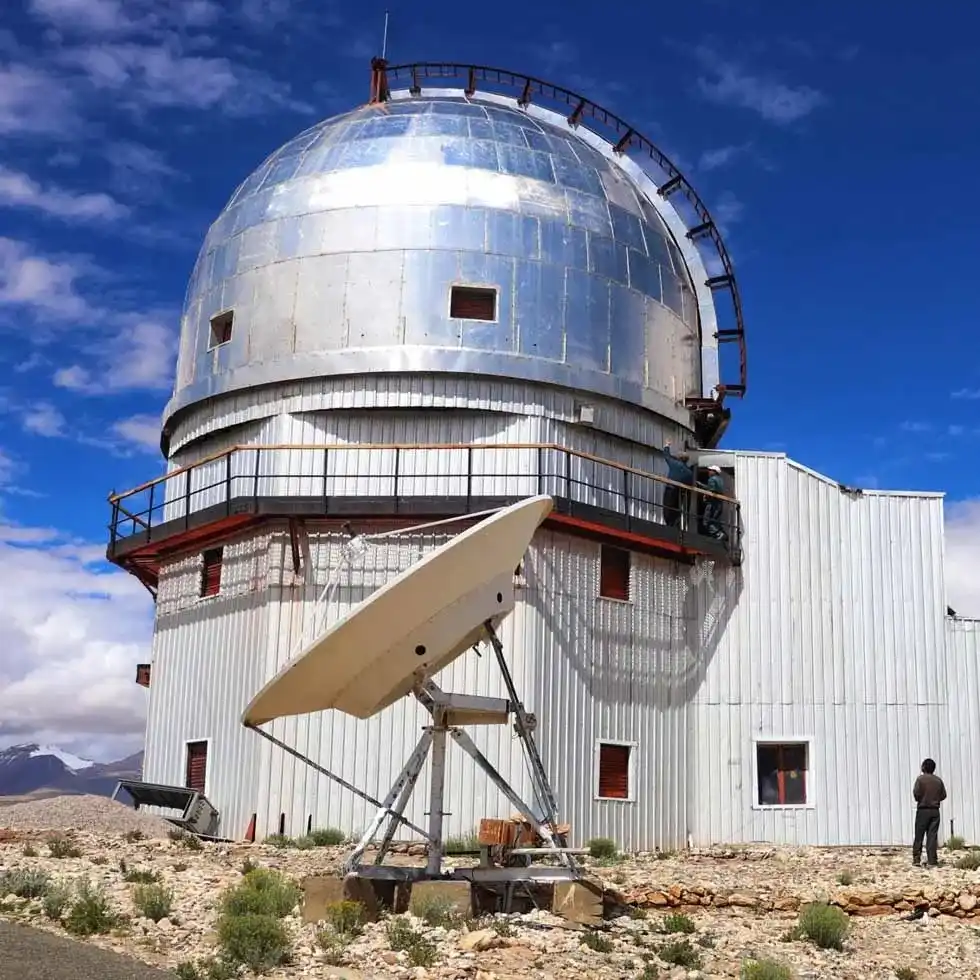
The Indian Astronomical Observatory sits near Hanle at an altitude of around 4,500 m (14,764 ft). It is one of the highest such facilities in the world.
Here is the honest part. This is a working scientific facility, not a tourist museum. Do not assume guaranteed access inside.
You can admire it from a distance and understand why it sits here, in this thin, dry, dark air. But go without an entry expectation, and you will not be disappointed.
Hanle Monastery and village views
Hanle Monastery makes a calm daytime visit. From up here you get lovely views over the village and the open plains around it.
Keep it respectful. This is a living religious site in a small community, so stay quiet, dress modestly, and do not disturb local life. Our team always reminds travellers that we are guests in these villages, not customers.
Umling La as an optional extension
Many travellers want to combine Hanle with Umling La, one of the highest motorable roads anywhere. It is tempting. It is also not a casual detour.
Before you add it, check permits, weather, acclimatisation, your driver's experience, and oxygen backup. The route and exact permit rules can change, so treat anything you read about it as something to confirm fresh before you go.
Honestly, Umling La is for travellers who are already deep into a long, well-acclimatised trip. Tacking it onto a rushed plan is asking for trouble.
How many days do you need for Hanle?
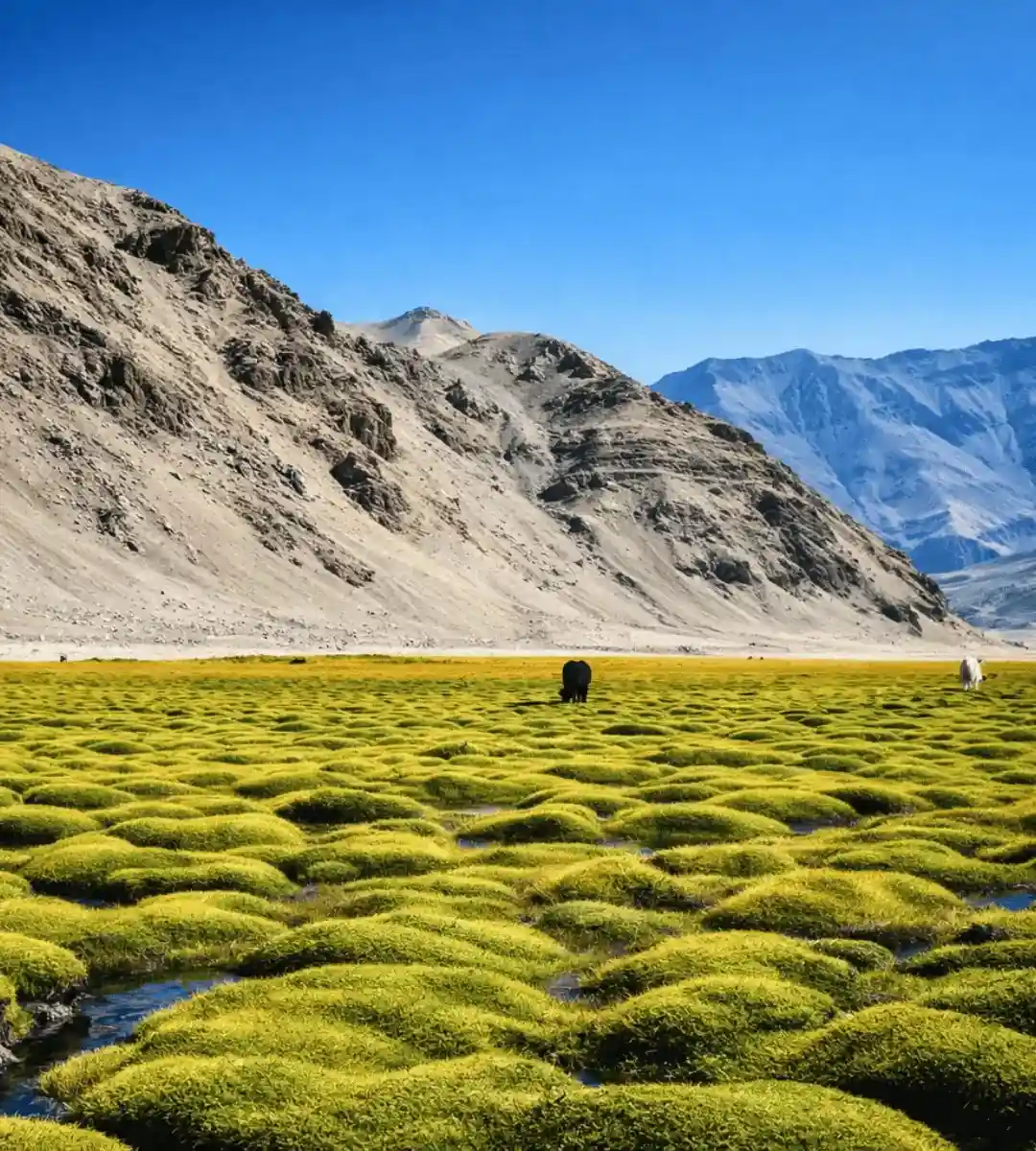
One night is the bare minimum, and only if you are already acclimatised and have enough total days in Ladakh.
Two nights are much better, mainly because of stargazing. One cloudy or moonlit night can ruin the whole reason you came, and a second night gives you a backup.
Do not rush to Hanle straight after landing in Leh. The altitude jump is serious, and your body needs days in Leh first before you push out to Changthang.
What we tell our travellers is simple: Hanle is the kind of place where an extra night almost always pays you back. Skies change fast out here.
Best itinerary options including Hanle
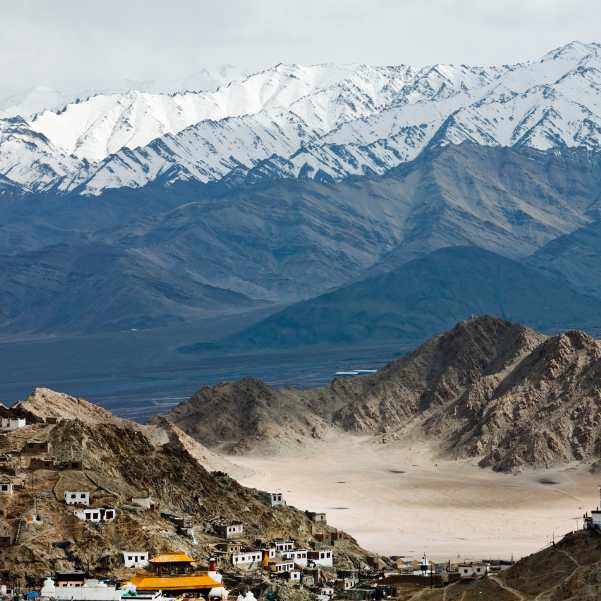
8-day first-time Ladakh itinerary with Hanle
Here is a flow that works for a first Ladakh trip. Arrive in Leh and spend the first couple of days doing nothing heavy, letting your body adjust to the altitude.
Then do a relaxed Leh local day or a Sham Valley loop. After that, head to Nubra for a night or two, then move to Pangong.
From the Pangong side or back via Leh, route towards Hanle for your dark-sky night. Depending on permits and road status, you either return via Leh or continue toward Tso Moriri to round off the trip.
We are not going to invent hotel names or fixed timings here, because road conditions and stays shift every season. The point is the shape: slow start, steady altitude gain, Hanle near the end when your body is ready.
10-day slow Ladakh itinerary with Hanle and Umling La
A 10-day plan is where Hanle really shines. You get more breathing room, safer acclimatisation, and a far better chance of catching a clear, moonless night.
With ten days you can fold in Umling La as an optional add-on, but only if permits and weather line up. Keep it flexible, not fixed.
In our experience, the travellers who give Hanle ten relaxed days almost never ask whether it was worth it. The ones who jam it into a tight loop sometimes do.
When to skip Hanle from your itinerary
If you only have 5 to 6 days, skip Hanle. We mean it.
You will get a far better trip doing Leh, Nubra, and Pangong at a comfortable pace than racing all the way to Hanle and back with no buffer. For shorter trips, we usually steer people toward a tighter, well-paced loop instead. You can see options on our custom Ladakh packages page.
👉Need the perfect Hanle itinerary? Chat with our Ladakh experts today.
How to reach Hanle from Leh, Pangong and Tso Moriri?
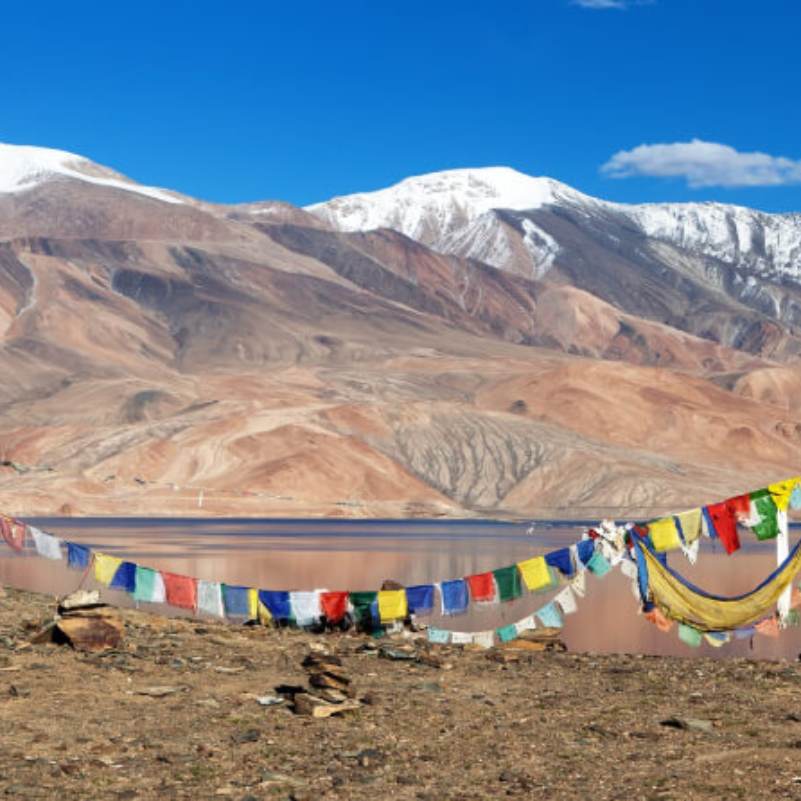
The common Leh to Hanle route runs through Karu, Upshi, Chumathang, Mahe, Nyoma, and Loma before reaching Hanle.
The Leh to Hanle distance is roughly 235 to 275 km, depending on which route you take. Most travellers should expect around 9 to 12 hours behind the wheel, depending on road, stops, and vehicle.
Another route source puts it at about 255 km via Chumathang, with a drive of around 10 to 12 hours. Either way, plan for a long day, not a quick hop.
Coming from the lakes, Pangong to Hanle is often quoted at around 176 km. This route depends more on permits and road conditions, especially around the Chushul and border areas, so it needs extra checking before you commit.
If you are coming up the southern stretch, Loma to Hanle is about 50 km according to one route guide. Loma is one of the last checkposts before the final run into Hanle.
A small but important tip from our drivers: do not judge these roads by Google's time estimates. Out here the kilometres are slow, and a "4-hour" stretch on the map can easily eat 6.
Chumathang, roughly halfway, is your practical tea-and-food halt with its hot springs, so plan a proper break there rather than pushing straight through.
Permits for Hanle in 2026: What first-timers must know
Hanle sits in a restricted area, so permits are not optional. Indian domestic tourists must go through the official Leh permit system and payment slip process, and carry the required slip at checkposts.
Here is what the official LAHDC permit portal currently says, and these are the rules that matter most. Domestic tourists no longer need to verify the payment contribution slip at the DM office after paying online.
You can carry the PDF or hard copy of the payment slip, and staff can check it at the respective checkposts. So keep both a phone copy and a printout, because the network out here is patchy.
One rule trips people up
It is mandatory to show your Leh arrival boarding pass along with the permit. Do not throw away that boarding pass when you land. Travellers forget this every season and then scramble at a checkpost.
Foreign traveller access to Hanle is where things get murky, and the rules can change for protected and restricted areas.
If you are a foreign national or hold a special passport, verify PAP requirements through official channels or a registered Ladakh travel agent before planning Hanle.
Is Hanle safe for first-time travellers?
Hanle is safe in the sense that it is calm and welcoming. The real risks here are not crime. They are altitude, cold, and remoteness.
Hanle village sits at around 4,300 m, and the observatory area is around 4,500 m. That is high enough that altitude sickness is a genuine concern, especially if you have not given your body time to adjust.
The main things to respect are altitude sickness, cold nights, very dry air, limited medical help, weak phone network, and long driving hours. None of these are dramatic on their own. Together, they mean you cannot treat Hanle casually.
The single best safety move is spending enough time acclimatising in Leh before heading out. We will not hand you medical guarantees, but we will always push first-timers to slow down their first few days. If anyone in your group has a heart or breathing condition, talk to a doctor before booking.
Where to stay in Hanle and what to expect?
Stays in Hanle are mostly homestays and basic guesthouses. There are no fancy hotels here, and that is part of the deal.
Expect simple rooms, basic home-cooked food, limited heating, and limited electricity. Carry cash, because card and UPI are unreliable, and phone connectivity is thin.
Book ahead in peak season. The good homestays fill up, especially around new moon dates when astrophotographers descend on the village.
Go in with the right mindset. This is warm local hospitality in a remote village, not hotel luxury. The families who host here are genuinely kind, and that is a big part of why people love Hanle.
Best time to visit Hanle for stargazing and road travel
For most travellers, May to October is the practical window for stargazing and road travel, with roads generally more manageable than in winter.
If the Milky Way is your goal, June to August is commonly suggested for visibility. But remember, the new moon matters more than the month. A clear, moonless night in May can beat a hazy, moonlit night in July.
Winter is a different beast. The skies can be incredibly clear, but it gets brutally cold, and we do not recommend it for normal first-time travellers.
You will see figures like -30°C thrown around, and while that is in the right ballpark, treat the exact number as something to confirm before you go.
The timing tip we give every stargazer
Check the moon calendar before you check anything else. Lock your Hanle nights as close to the new moon as your trip allows, and build the rest of the itinerary around that.
Hanle vs Pangong vs Tso Moriri: Which is better for first-timers?
These three get compared a lot, and they are honestly very different experiences.
Pangong
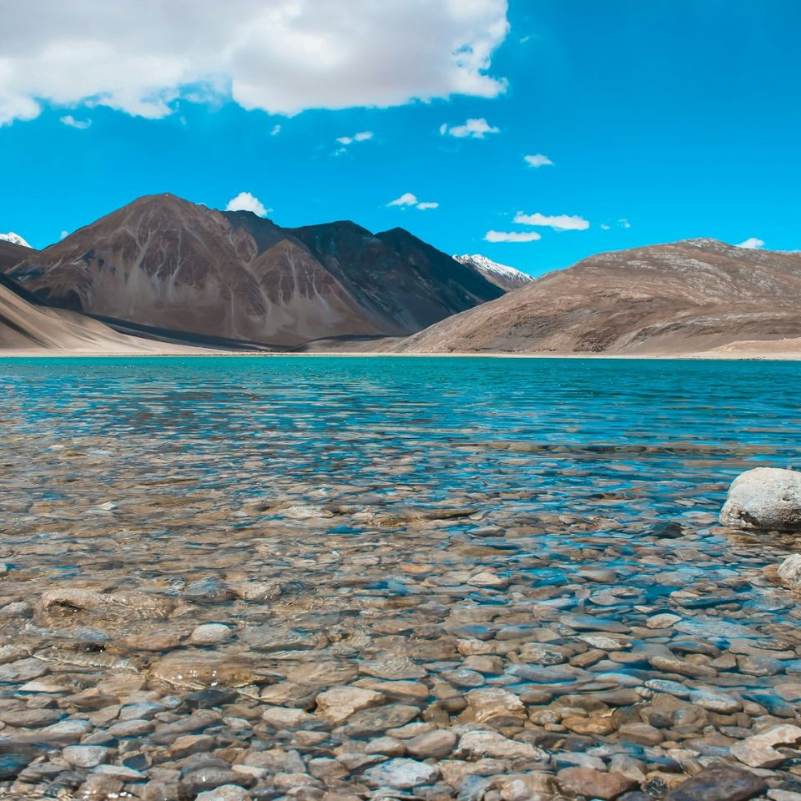
Pangong is the famous one. It is easier to fit into a first Ladakh trip, well connected on the usual circuit, and it delivers that classic blue-lake photo everyone knows.
Tso Moriri
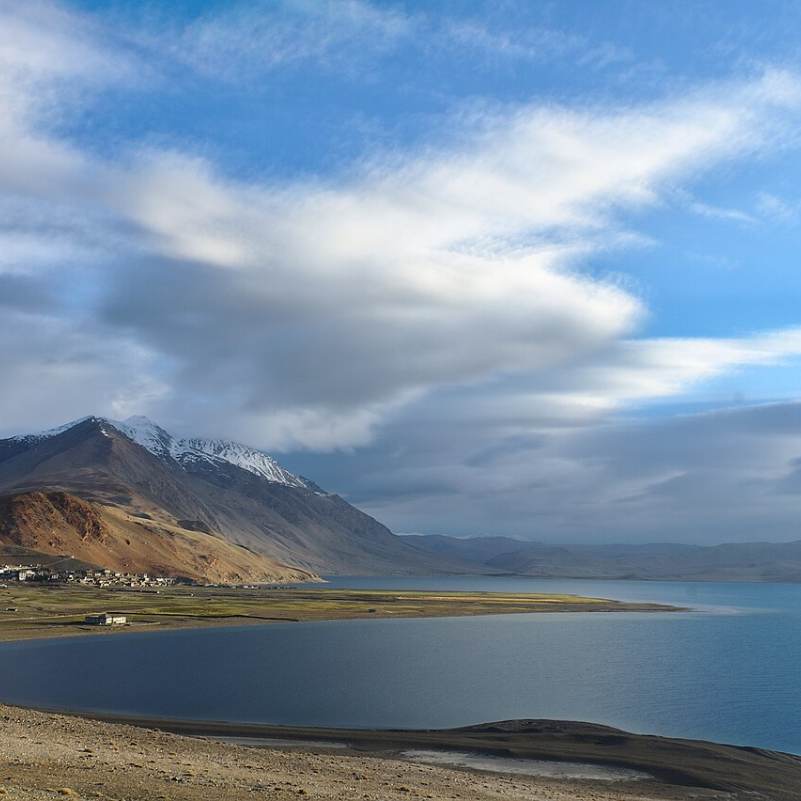
Tso Moriri is the calmer, quieter lake. It is scenic and peaceful, more about stillness than crowds, and a lovely add-on if you have the days.
Hanle
Hanle is in its own category. It is the best of the three for stargazing, silence, and pure remoteness, but it asks for more effort and better planning than either lake.
For a first Ladakh trip with limited days, Pangong is the safer pick. For a longer, slower trip, adding Hanle is what turns a good Ladakh trip into a memorable one.
If this kind of high-altitude road-trip travel is your thing, you might also like our writeups on the Spiti Valley circuit, or the gentler scenery of our Kashmir packages.
Common mistakes to avoid while visiting Hanle
The biggest mistake is going during a full moon. You drive all that way for dark skies, and the moon erases them. Plan around the new moon, always.
The second is skipping acclimatisation. Racing to Hanle straight after landing in Leh is how people end up sick at 4,300 m with no quick way out.
Do not assume observatory entry is guaranteed. It is a scientific facility, not a ticketed attraction, so go with no expectation of getting inside.
Do not ignore permits. Carry your payment slip in both PDF and printed form, and keep that Leh arrival boarding pass safe, because you must show it with your permit.
Carry cash. Out here, cards and UPI fail constantly, and homestays and dhabas run on cash.
Do not assume petrol is available in Hanle. There is no confirmed official petrol pump in the village. Travellers and travel sources report fuel at Nyoma, but confirm that close to your travel date too, and fill up fully in Leh regardless.
Never drive after dark on these roads. They are remote, unlit, and unforgiving of mistakes, so plan to reach before evening.
Do not underpack warm clothes. Even in summer the nights bite hard at this altitude, and you will be standing outside for hours stargazing.
Keep a buffer day. One cloudy night or one road delay should not be allowed to wreck your whole Hanle plan.
And finally, do not treat Hanle like a normal tourist town. It is a quiet village with limited everything. Arrive ready to slow down, and it gives you something most of Ladakh cannot.
Final verdict: Is Hanle worth the extra day in Ladakh?
Yes, Hanle is absolutely worth it for the right traveller. If you want the rare side of Ladakh, dark skies, deep silence, simple homestays, remote roads, and open Changthang landscapes, nothing else quite matches it.
But it is not compulsory for every first Ladakh trip. A well-paced Nubra and Pangong trip beats a rushed Hanle dash every single time.
So be honest about your days, your group, and your appetite for rough remote travel. If the answer is yes to all three, go. If not, save Hanle for a future, longer trip.
We have planned both versions many times, the relaxed Hanle nights and the smart "skip it this time" routes. If you want help shaping a comfortable Ladakh trip that fits your dates and your moon calendar, just talk to us.
👉Get a customized Ladakh itinerary based on your travel dates, moon phase, and available days.
Explore Our Curated Leh Ladakh Tours
 6D/5N
6D/5NUltimate Leh Ladakh Tour Package with Nubra Valley & Pangong Lake
2D Leh•1D Nubra Valley+1
₹28,999₹35,999SAVE INR 7,000/ person 6D/5N
6D/5NBest Selling Leh Ladakh Tour With Nubra Valley and Pangong Lake
2D Leh•1D Nubra Valley+1
₹23,999₹28,599SAVE INR 4,600/ person 4D/3N
4D/3NLeh Ladakh Short Getaway
2D Leh•1D Pangong Lake
₹16,499₹19,999SAVE INR 3,500/ person
Related topics
Frequently Asked Questions
Is Hanle worth visiting in Ladakh?
Yes, if you have 8 to 10 days, you are acclimatised, and you want stargazing and silence. It is not worth forcing into a rushed 5 to 6 day trip.
What is Hanle famous for?
Hanle is famous for India's first Dark Sky Reserve, declared in December 2022, and for some of the darkest, clearest night skies in the country.
Can we see the Milky Way in Hanle?
Often, yes, especially around the new moon between June and August. But clouds and moonlight can spoil any night, so nobody can promise it every time.
How many days are enough for Hanle?
One night is the minimum if you are already acclimatised. Two nights are better, because a single cloudy or moonlit night can spoil your main reason for visiting.
Is Hanle safe for first-time travellers?
Yes, if you respect the altitude and remoteness. The real risks are altitude sickness, cold, dryness, weak network, and long drives, not safety from people.
Do we need a permit to visit Hanle?
Yes. Domestic tourists use the official Leh permit and payment slip process, carry the slip in PDF or print, and must also show the Leh arrival boarding pass at checkposts.
Are foreigners allowed in Hanle?
Rules for foreign nationals in restricted areas can change, so this needs fresh checking. Verify PAP requirements through official channels or a registered Ladakh agent before planning.
What is the best time to visit Hanle?
May to October is the practical window for stargazing and roads. For the Milky Way, aim for June to August, and always plan around the new moon.
How far is Hanle from Leh?
Roughly 235 to 275 km depending on route, usually 9 to 12 hours of driving. One source gives about 255 km via Chumathang with a 10 to 12 hour drive.
Is there mobile network in Hanle?
Network is thin and unreliable in Hanle. Do not count on it, carry offline maps, and tell someone your plan before you head out.
Is there a petrol pump in Hanle?
There is no confirmed official petrol pump in Hanle. Fuel is reported at Nyoma by travellers, but verify that close to your travel date and fill up fully in Leh.
Can children stay overnight in Hanle?
Older children who handle altitude well can manage with careful planning. For young kids, the altitude, cold, and remoteness make it a careful decision, so consult a doctor first.
More about Ladakh
 Ladakh
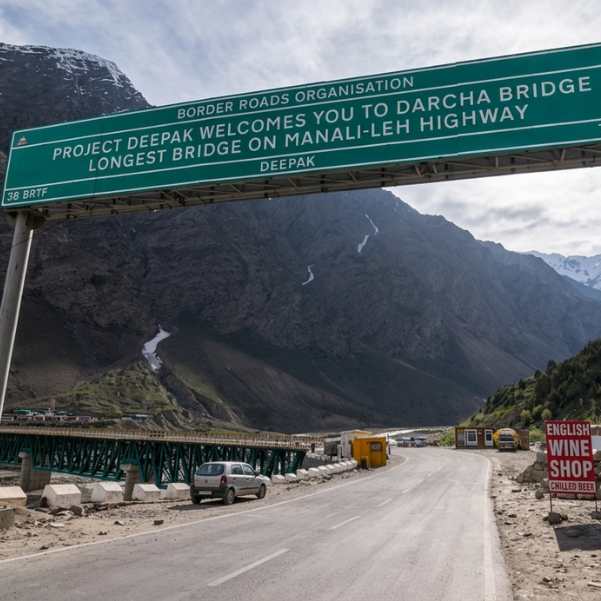
Manali to Leh Highway 2026: Every Pass, Stop and Distance
Plan your Manali to Leh Highway journey in 2026 with a complete guide to major mountain passes, overnight stops, route highlights, and distance. Discover key stops like Jispa, Sarchu, and Pang, along with famous passes including Baralacha La and Tanglang La.
- Road Trips
- How to Reach
 Ladakh
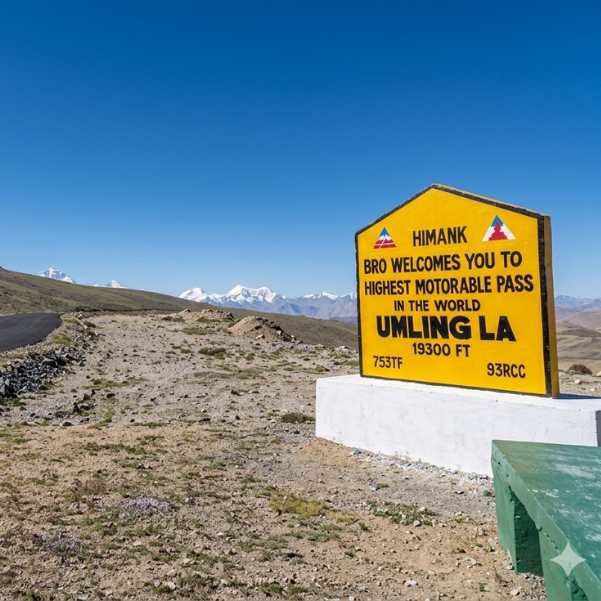
Umling La Ladakh Guide 2026: Route, Altitude, Permit, Safety & Reality Check
Planning to visit Umling La in 2026? This complete guide covers the route, altitude, permit requirements, road conditions, safety tips, and the realities of travelling to one of the world's highest motorable roads.
- Road Status
- Altitude & Health
 Ladakh
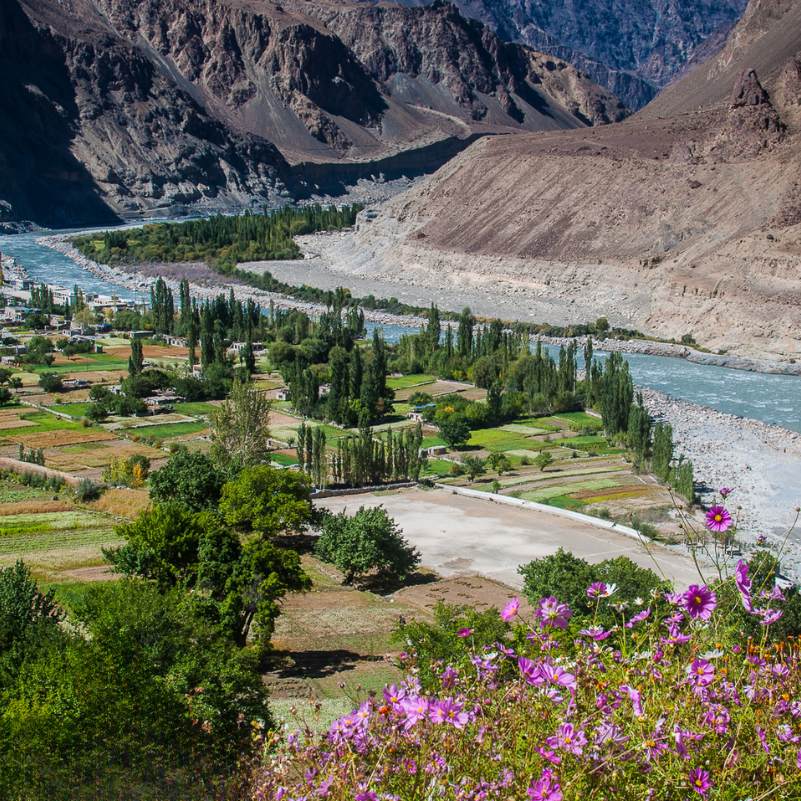
Turtuk Ladakh Travel Guide 2026: Balti Culture, Apricot Orchards and Why It Is Perfect for Families
Planning a trip to Turtuk? This 2026 travel guide explores the village's rich Balti culture, beautiful apricot orchards, top attractions, travel route, and why Turtuk is one of the best family-friendly destinations in Ladakh.
- Places to Visit
- Family Travel