
Is Chanshal Pass Safe in 2026? Honest Road Condition & Driving Guide
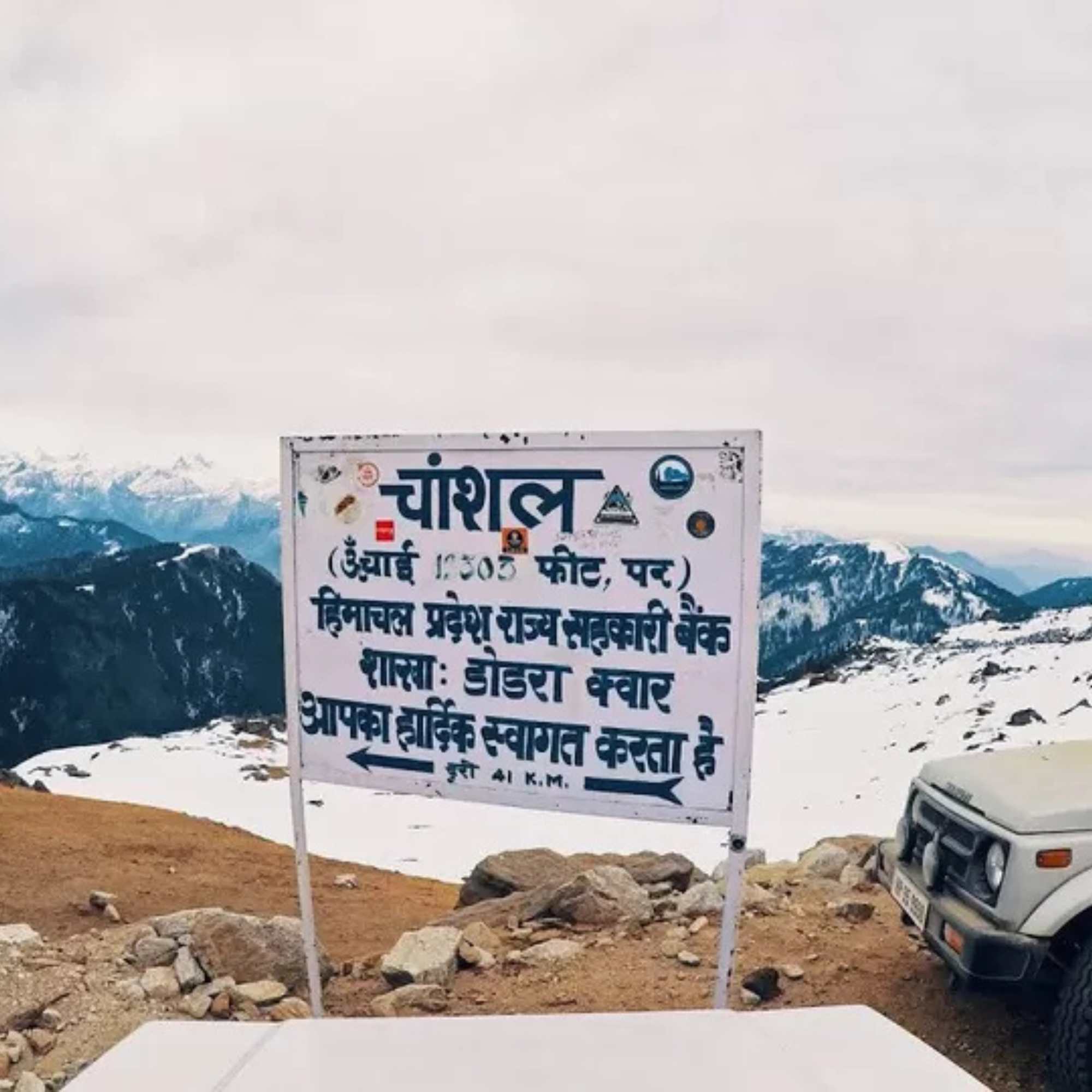
If you are asking Is Chanshal Pass Safe, the honest answer is: it depends on when you go, what you drive, and who is behind the wheel.
This is not a smooth Shimla viewpoint road. The last stretch is rough, narrow and remote, and the mountain decides the rules, not your calendar.
We have sent travellers toward this side of Shimla district for years, and the people who enjoy Chanshal most are the ones who treat it as a proper high-altitude drive, not a quick weekend selfie stop.
So before you lock your dates, here is everything that actually matters about the road, the season, your vehicle, and the real risks.
Quick Answer: Is Chanshal Pass Safe in 2026?
Yes, Chanshal Pass is safe, but only in the right season, in good weather, and with a driver who is comfortable on hill roads.
The safest windows are late June and September to October. Skip heavy rain, snow, late evening drives, and nervous first-time hill driving.
A high-clearance vehicle handles the road far better than a low car. The last 15 to 20 km is the part that catches people off guard.
One thing we cannot say often enough: check the road status locally before you leave. A road that was open yesterday can be blocked today.
Where Is Chanshal Pass and Why Is the Road Tricky?
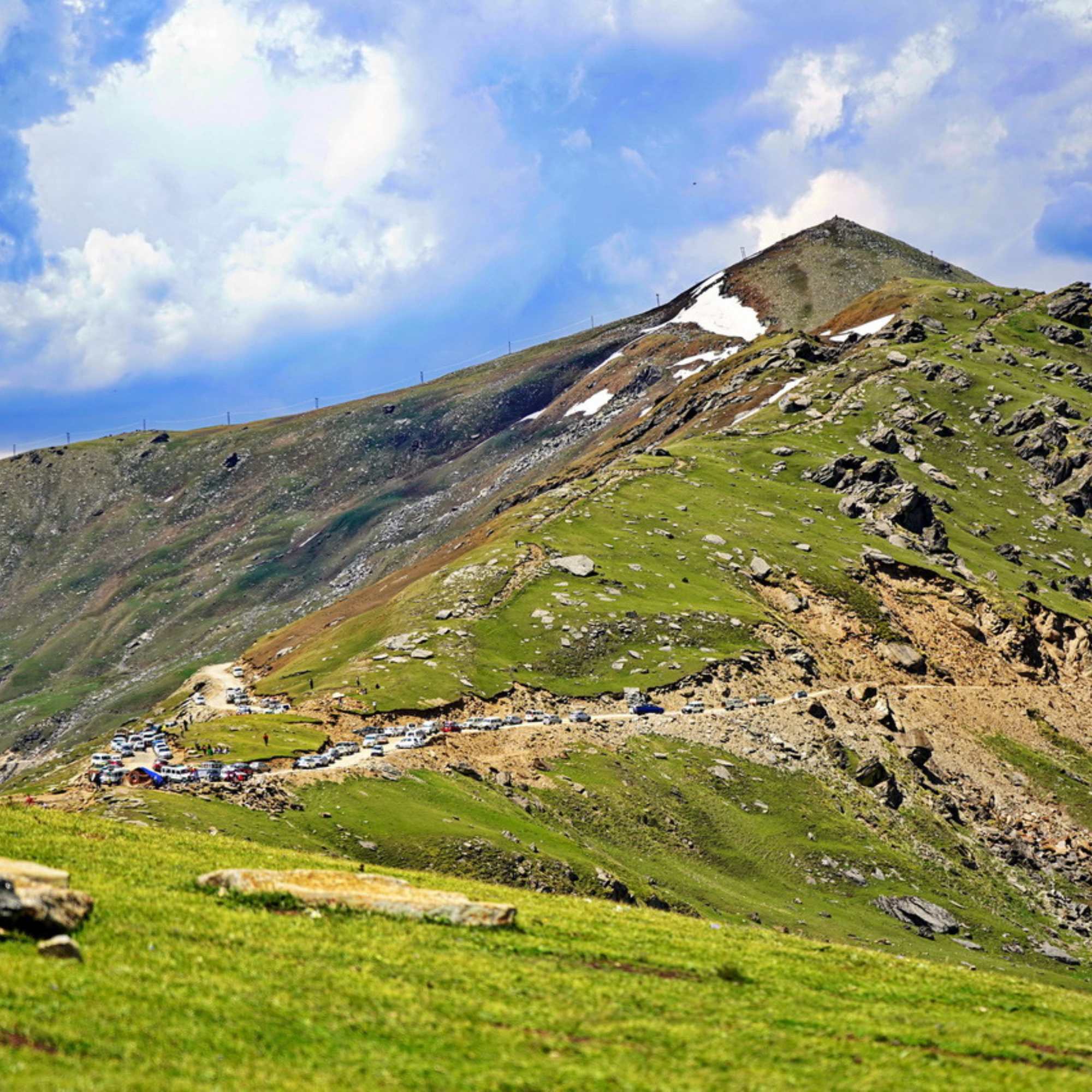
Chanshal Pass sits in Shimla district, towards the Himachal and Uttarakhand side. It is about 160 km from Shimla and you reach it through Rohru, Chirgaon and Larot.
Official Shimla district tourism puts Chanshal at about 3,755 m. It works as the road link between Rohru/Chirgaon and the Dodra Kwar Valley.
Now here is what most tourists get wrong. They assume a Shimla district road means a polished, easy drive like the ones near the town.
It is nothing like that. The final approach is remote, narrow, rough and very sensitive to weather. One bad spell of rain changes the whole picture.
If you want someone to handle the logistics and the road calls, our Chanshal Pass tour package comes with a local driver who has actually done this route.
You can also pair it with a couple of relaxed nights in town through our Shimla tour package if you want to ease into the altitude first.
What Is the Current Chanshal Pass Road Status in 2026?
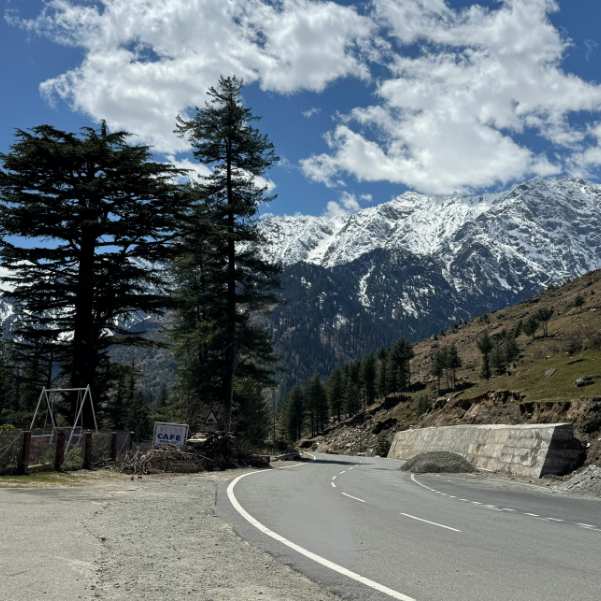
Official Shimla district tourism says the Chanshal Pass road is normally open from May to November. For the rest of the year it stays closed because of snow.
A third-party Himachal road-status tracker listed Rohru to Chanshal Pass as open on 12 June 2026. We are flagging this because the source is not an official government bulletin and road status flips fast here.
So do not treat any online status as final. Get a local confirmation from Rohru, Larot, taxi operators, your accommodation host, or the district administration before you start driving.
In our experience, a single WhatsApp message to someone in Rohru the night before tells you more than any blog or app.
How Bad Is the Road from Rohru to Chanshal Pass?
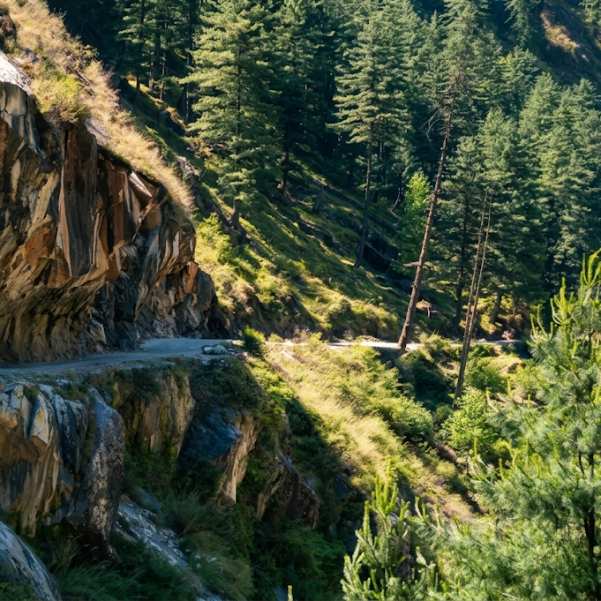
Let me break the road into stages so you know what is coming.
Rohru to Chirgaon is the easier section. One road-trip guide gives this as about 20 km, and it is the gentlest part of the day.
Rohru to Chanshal is commonly reported as about 48 km. Treat that as approximate, because mountain distances rarely match the map.
The real test is the final 15 to 20 km from Larot to Chanshal Pass. This part is steep, narrow, rocky, broken and slow.
When it rains, this same stretch turns muddy and slushy, and your tyres start to feel it.
How slow can it get? One traveller reported taking nearly 2 hours for the last 10 km in difficult conditions. That was their experience, not a fixed timing, but it tells you to plan for crawl speed near the top.
This is the safety reality in numbers: a 48 km approach where the final 10 km alone can eat two hours. Plan your day around that, not around Google's estimate.
Is Chanshal Pass Safe for Cars, SUVs and Bikes?
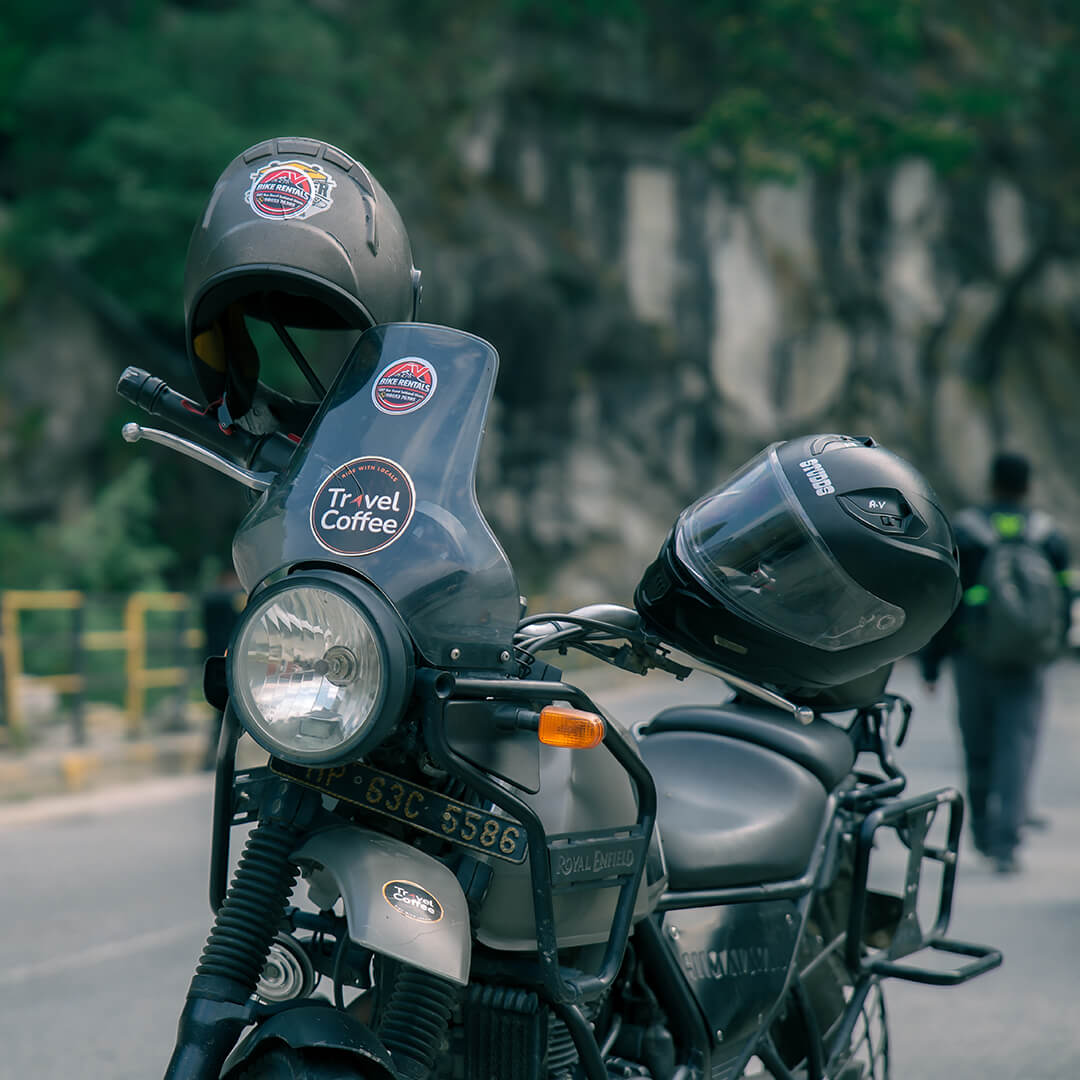
Here is the practical verdict, vehicle by vehicle.
A high-clearance SUV is the most comfortable and forgiving choice. You will spend less time worrying about your underbody and more time enjoying the drive.
A 4x4 is not always mandatory in dry weather. But it gives you more grip and more margin on the Larot to Chanshal stretch, which matters when the surface turns loose.
Sedans and hatchbacks can manage in the dry months with careful driving. They should avoid May slush, the July and August monsoon, fresh rain, snow, and a fully loaded car.
Bikes work for experienced riders in dry weather, mostly from June to September or early October. Carry basic spares and never plan an evening descent.
Is Chanshal Pass safe for sedans and hatchbacks?
It is possible in dry, clear weather, but it is not ideal. Low clearance is your enemy here.
Slush, loose stones and broken sections can hit your bumper, scrape your underbody, and stress your suspension. Go slow, pick your lines, and accept that you cannot rush.
Do you need a 4x4 for Chanshal Pass?
No, not always in dry weather. A high-clearance vehicle can do it without four-wheel drive.
That said, we strongly recommend high clearance or a 4x4 for confidence and safety. On a road like this, margin matters more than bragging rights.
This is also a quiet money tip. You do not need to pay extra for a hardcore 4x4 in a dry, clear window, so do not let anyone upsell you one if the conditions are good and you have a capable SUV.
Is Chanshal Pass safe for bikes?
Yes, for experienced hill riders in dry weather. The road rewards riders who know how to read broken surfaces.
It is not for first-time riders, night rides, wet months, snowfall, or solo riding without backup. If any of those describe your trip, rethink the bike plan.
Which Months Are Safest for Chanshal Pass?
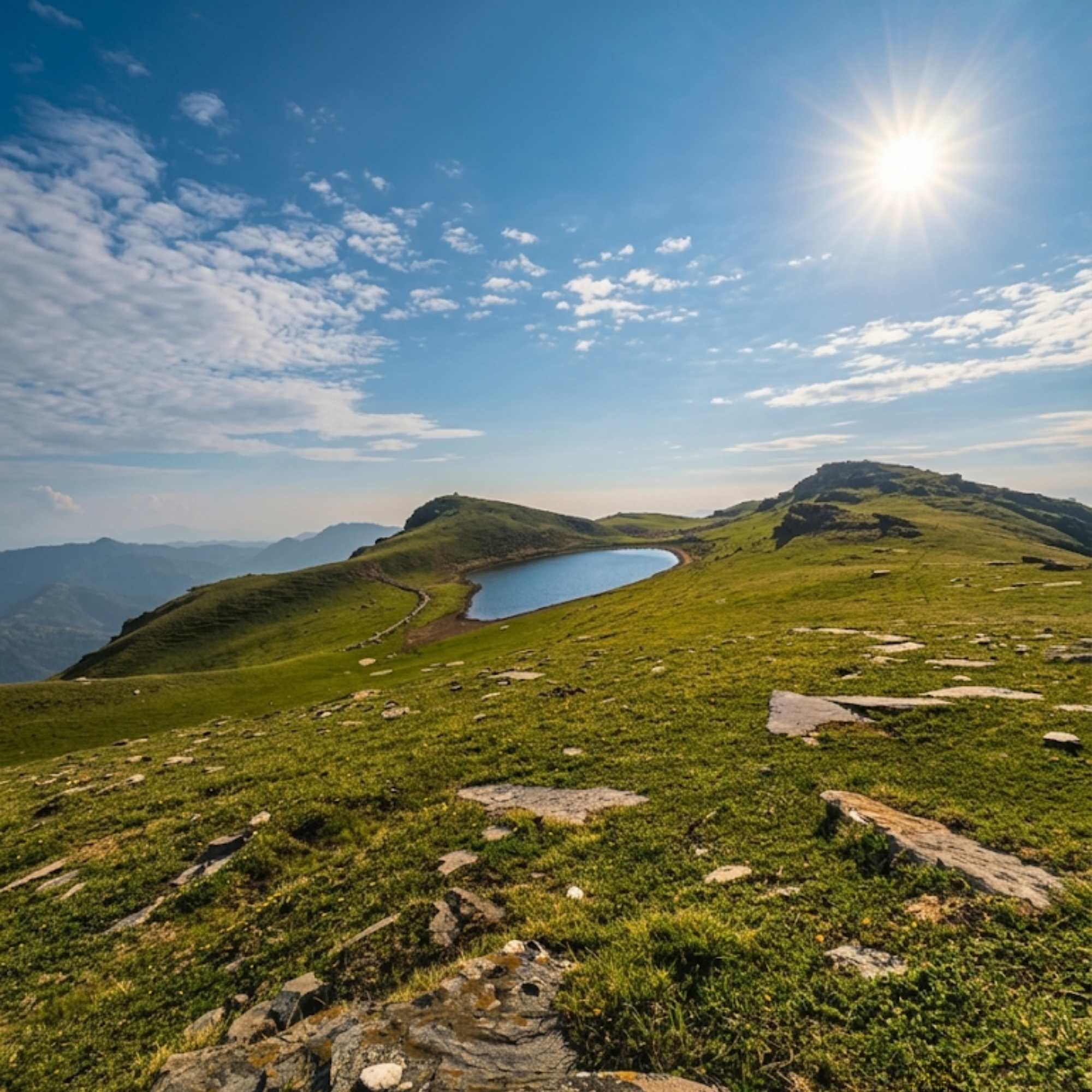
The season decides almost everything, so get this right.
The best months are late June, September and October. Clearer skies, drier roads, and fewer nasty surprises.
May and early June are okay but tricky. Snowmelt can leave slush and small water crossings on the final climb.
July and August are the months to avoid. Monsoon brings landslides, waterlogging, fog and slippery roads, and this is the single biggest reason trips go wrong.
November is risky. Snowfall can shut the pass suddenly, even mid-trip.
After the road closes outside the May to November window, it is simply not suitable for regular tourists. Official tourism says it stays closed due to snow, so do not test it.
When Is Chanshal Pass Not Safe?
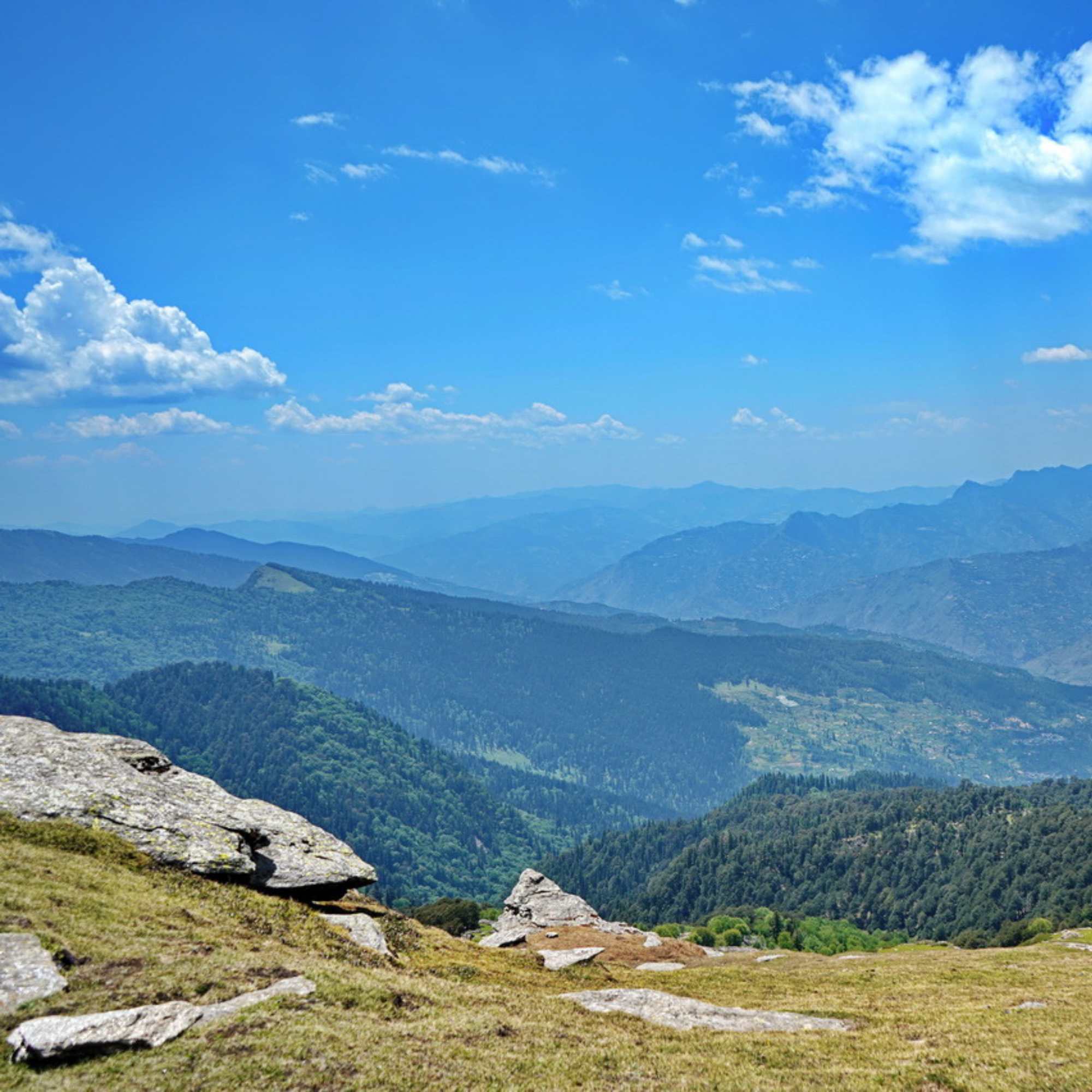
Some red flags are non-negotiable. Walk away from the plan if you see them.
Do not go if there is heavy rain, fresh snowfall, black ice risk, fog, or a landslide alert. And if locals tell you the road is blocked, believe them.
Do not start late from Rohru. Begin early and plan to be back before dark, because this is not a road you want to drive at night.
Do not go with bald tyres, weak brakes, low fuel, no offline maps, no warm layers, or no local update. Any one of these can turn a fine day into a stuck-on-the-mountain day.
And here is the honest negative most guides skip: Chanshal can be genuinely unforgiving when the weather turns. There is no quick rescue, no nearby help, and the road gets worse before it gets better.
So keep a turn-back mindset. If visibility drops, your tyres start spinning in slush, the clutch overheats, the road edges feel too soft, or water flow increases, turning around is the smart move. Pushing ahead is how people get stranded.
Is Chanshal Pass Safe for Families, Couples and Senior Travellers?
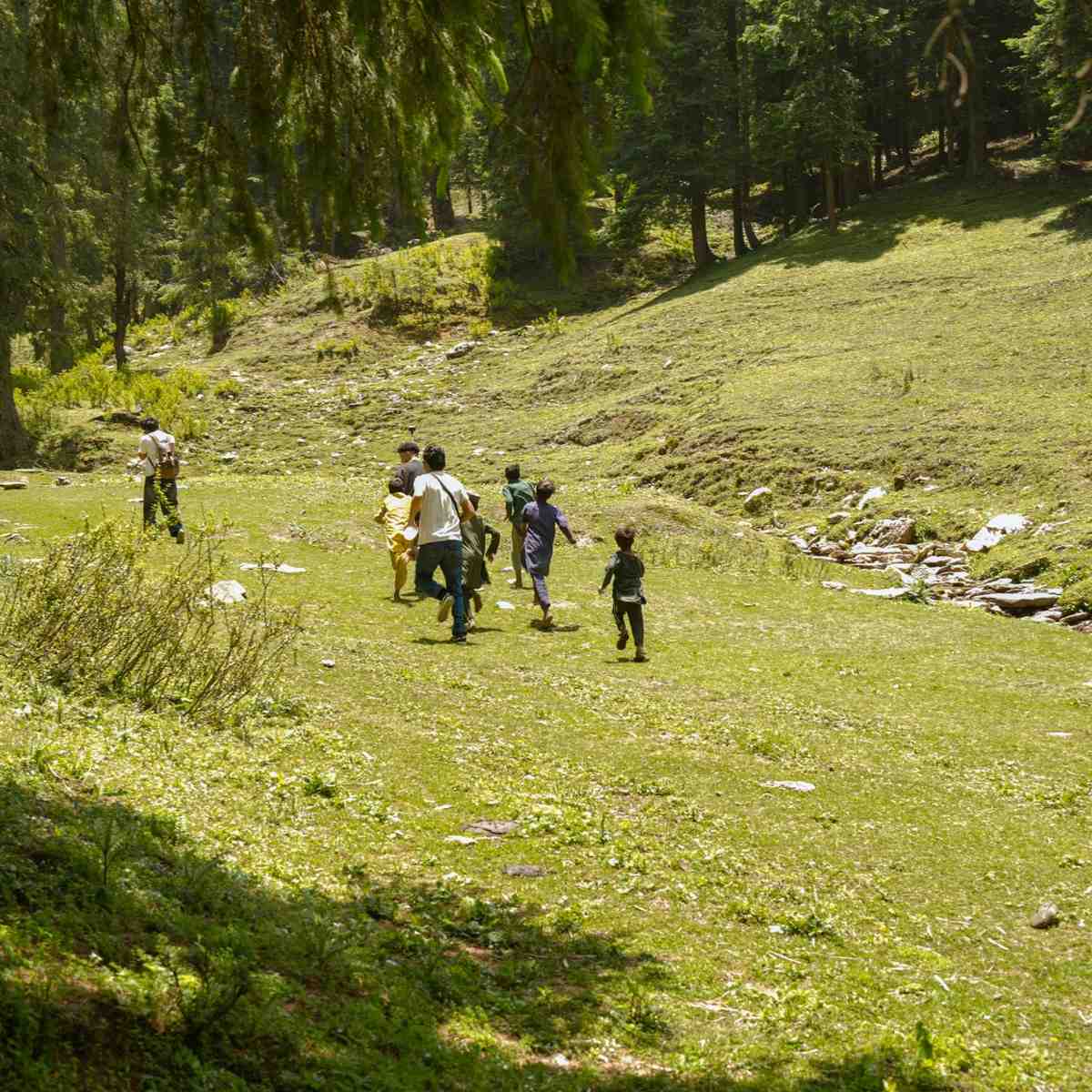
Chanshal can be safe for families and couples when you do it right. That means a private vehicle, a local driver, a dry month, and a flexible timing plan with no pressure to reach by a fixed hour.
It is not the best choice for very young children. Same for senior citizens with serious heart, breathing or mobility issues, or anyone who gets anxious on narrow cliff-side roads.
What we tell our travellers is simple. Chanshal suits people who are comfortable with long drives, basic stays, and offbeat mountain roads. If that sounds like your group, you will love it. If it does not, there are easier Himachal trips that will make you happier.
👉 Not sure if Chanshal Pass is the right fit for your family or group? Talk to our team on WhatsApp.
Which Route Is Better for Chanshal Pass: Shimla Side or Chakrata Side?
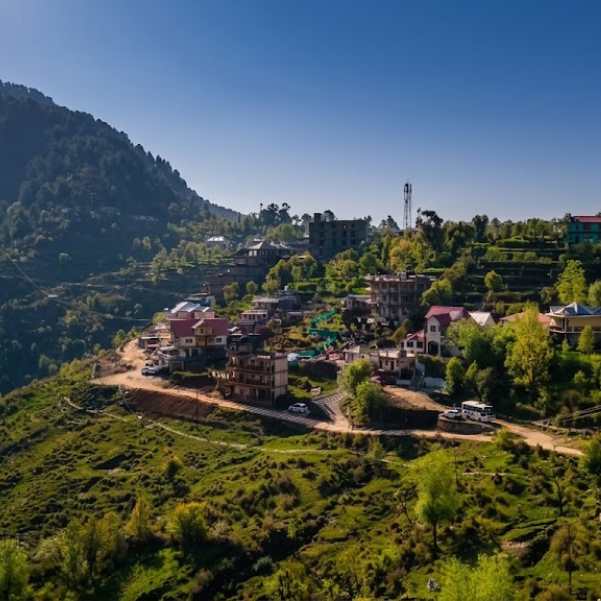
From Shimla, you have two official routes, and they are close in distance but not identical.
Route one runs Shimla to Theog to Kotkhai to Kharapathar to Hatkoti to Rohru to Larot to Chanshal Pass, about 160 km.
Route two runs Shimla to Theog to Narkanda to Tikkar to Rohru to Larot to Chanshal Pass, about 175 km.
Here is a detail bikers should not miss. The official Shimla district page says the shorter route is not suitable for bike rides because of bumpy roads. So riders, weigh the longer option.
For Delhi travellers, some road-trip blogs prefer the Chakrata and Tiuni side. We are flagging this because route conditions change every season and we would not commit you to it without a fresh local check.
If you are building a wider Himachal loop, you can also look at our Kinnaur tour package for a different but equally raw mountain experience.
How Early Should You Start and Where Should You Stay?
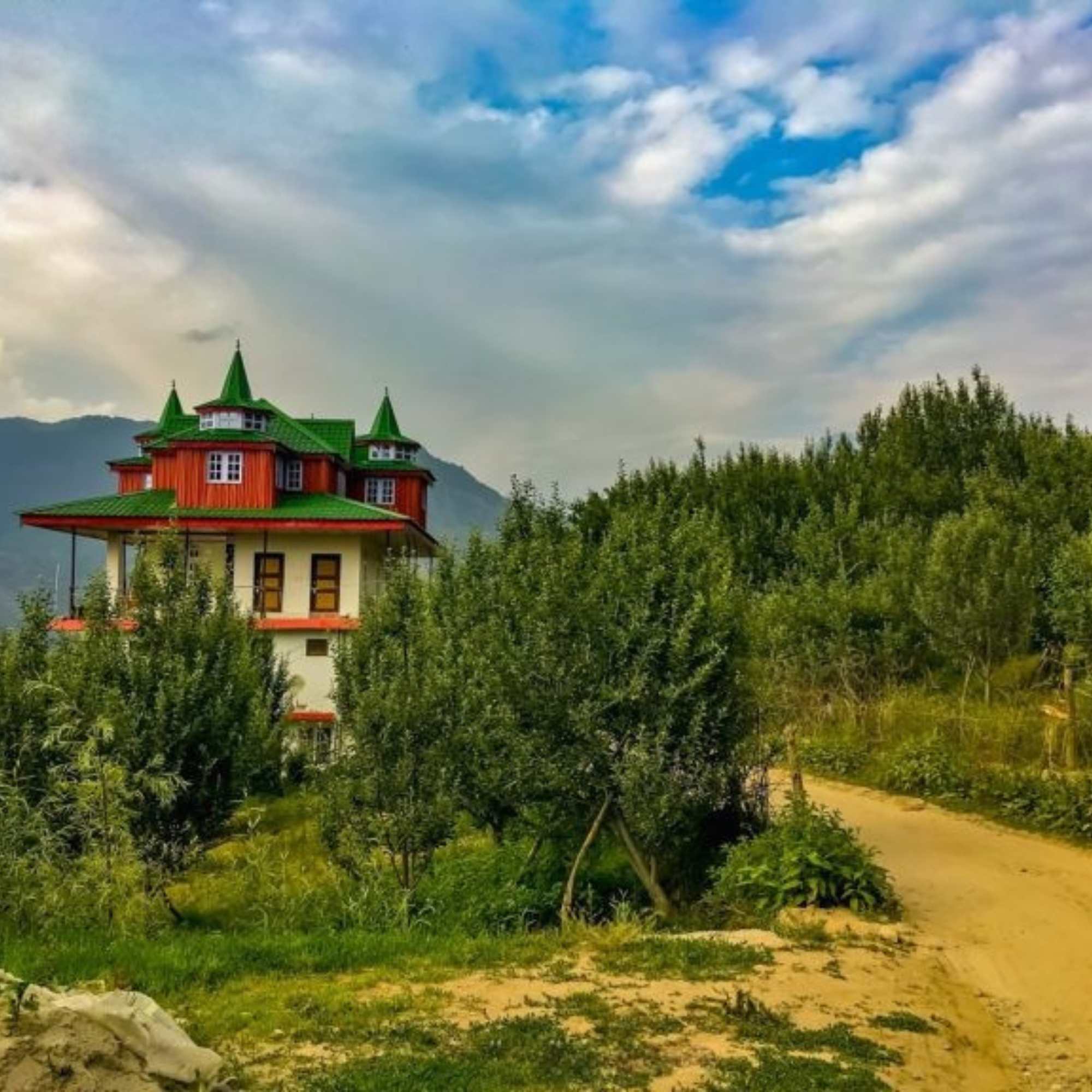
Start early. This is the timing tip that changes your whole day on Chanshal.
An early start from Rohru means you reach the rough Larot climb with full daylight and the buffer to turn back if needed. A late start pushes you into the worst sections as the light fades.
For your base, stay at Rohru or at Larot/Chirgaon only if availability is confirmed. Rohru is the safer choice for most travellers because it simply has more facilities.
A reliable option here is HPTDC Hotel Chanshal, which sits next to the Circuit House on the Hatkoti to Rohru road. It lists a restaurant, parking, taxi on demand, doctor on call, debit and credit card acceptance, and a public washroom.
Do not count on a stay at the pass itself. There is no reliable accommodation up there, and one road-trip guide flatly recommends returning to Rohru by evening because there is nothing beyond Larot.
So skip the idea of an overnight near the top. Chasing a stay at the pass wastes time and risks leaving you stuck with nowhere safe to sleep.
Fuel, ATMs, Network and Emergency Planning
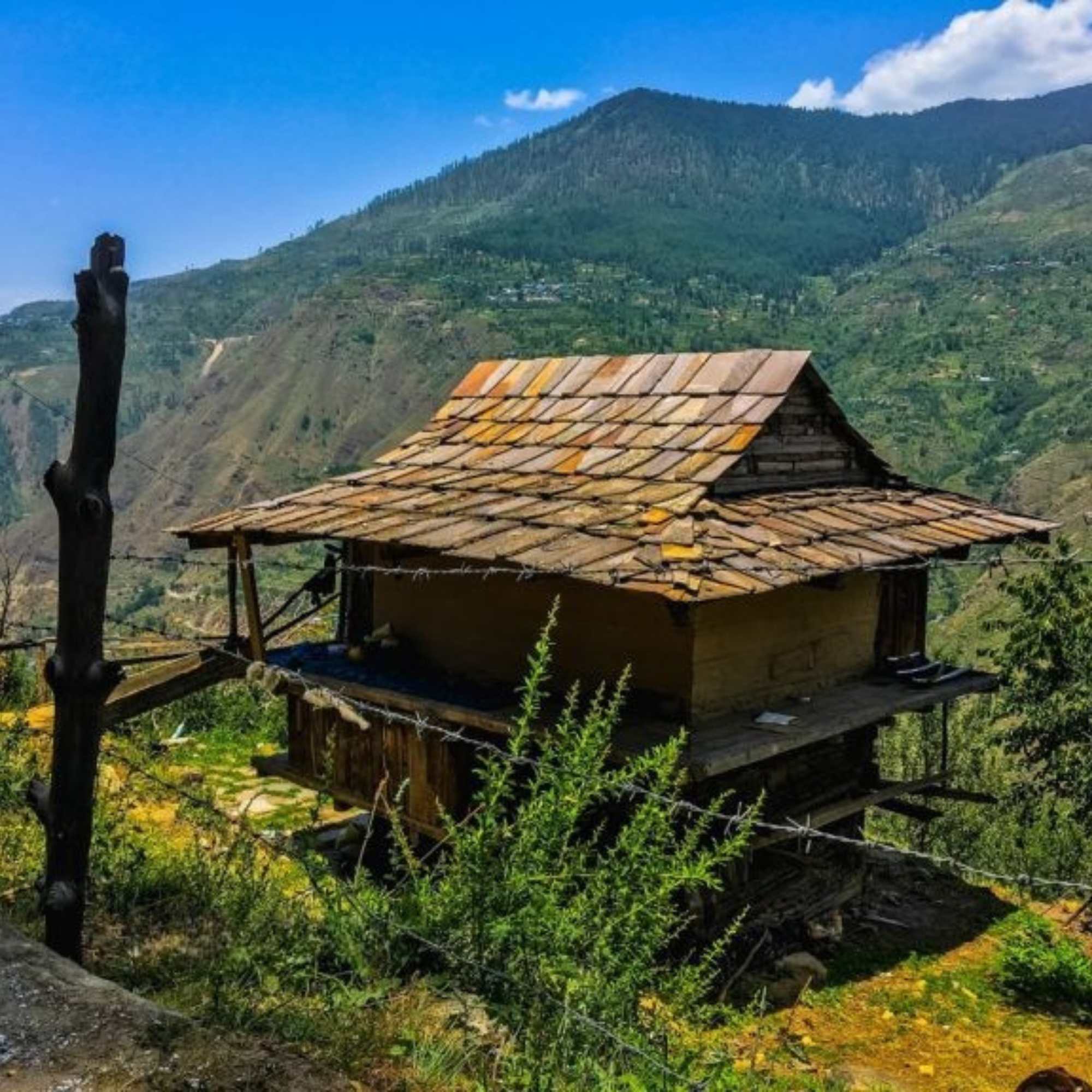
Fill your tank at Rohru before heading toward the pass. Some sources mention fuel options on the wider route, but do not expect any fuel after Rohru toward Chanshal.
Carry cash, and carry enough of it. ATMs exist in Rohru, but do not depend on any ATM beyond Rohru or Chirgaon.
Your mobile network gets patchy after Chirgaon or Larot and can disappear at the pass. Download offline maps before you leave Rohru, not after.
One small habit that has saved our travellers real trouble: share your route with family before you lose signal. A two-line message about your plan and expected return time is worth more than any gadget up there.
On the food side, Rohru is your last proper meal-and-chai stop before the climb, so eat well and fill a flask there rather than hoping for a dhaba higher up.
What Should You Carry for a Safe Chanshal Pass Drive?
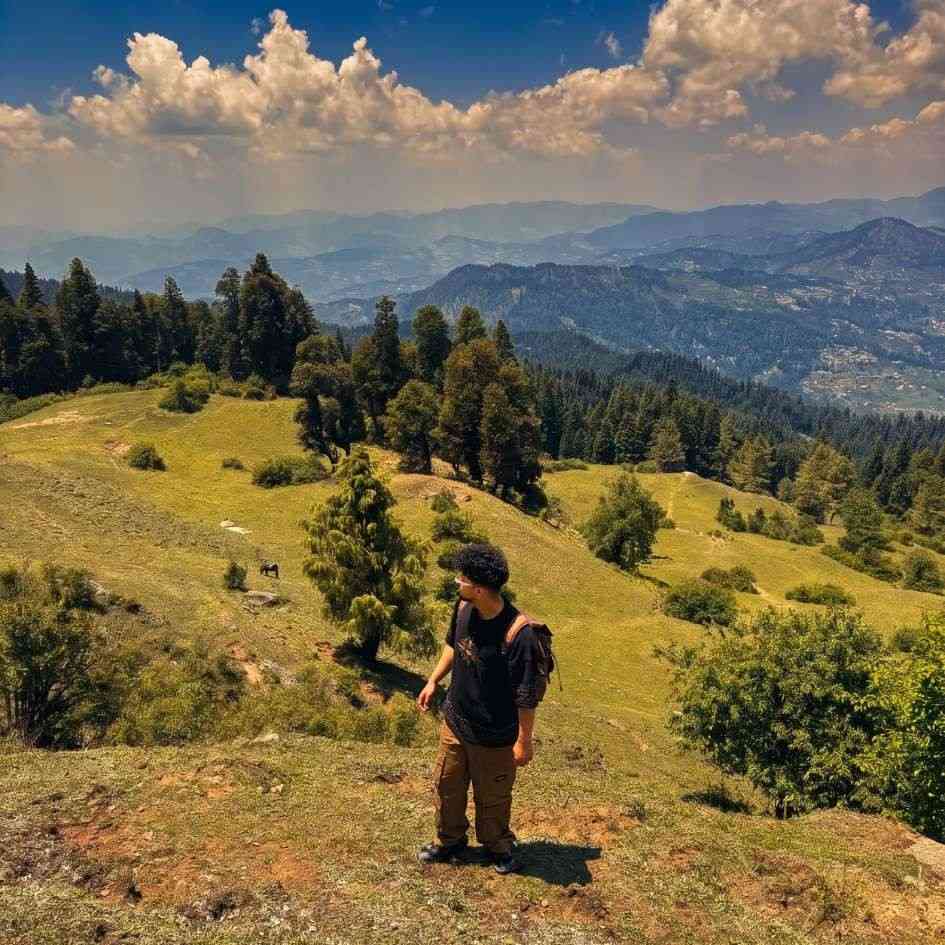
Pack for cold, wet and breakdown, all in the same bag.
For everyone, carry warm layers, a windproof jacket, rain protection, water, snacks, basic medicines, a first-aid kit, a power bank, offline maps, cash, your ID, and the vehicle RC.
For the road itself, add a puncture repair kit, a tyre inflator, and a tow rope. These are the things you will be very glad to have on a remote stretch with no help nearby.
If you are riding a bike, also carry a spare tube if applicable, a clutch cable, an accelerator cable, chain lube, a rain cover, gloves, and a basic toolkit. On this road, self-sufficiency is the whole game.
Our Honest Safety Verdict for Chanshal Pass 2026
Chanshal Pass is safe when you plan it like a remote high-altitude road, not like a casual Shimla sightseeing point. That mindset shift is the difference between a great trip and a stressful one.
The safest combination is a high-clearance vehicle, an early start, a dry month, a fresh local road confirmation, and a flexible plan that lets you turn back without ego.
In our experience, the travellers who enjoy Chanshal most are the ones who respect the road and never rush the mountain. Do that, and this becomes one of the most rewarding drives in Shimla district.
Explore Our Curated Chanshal Pass Tour Packages
- Group Tour5D/4N
Chanshal Pass Weekend Group Trip With Giri Ganga and Kuppar Bugyal
1D Kharapathar / Kotkhai•1D Rohru / Chirgaon (Pabbar Valley)
₹8,999₹12,999SAVE INR 4,000/ person 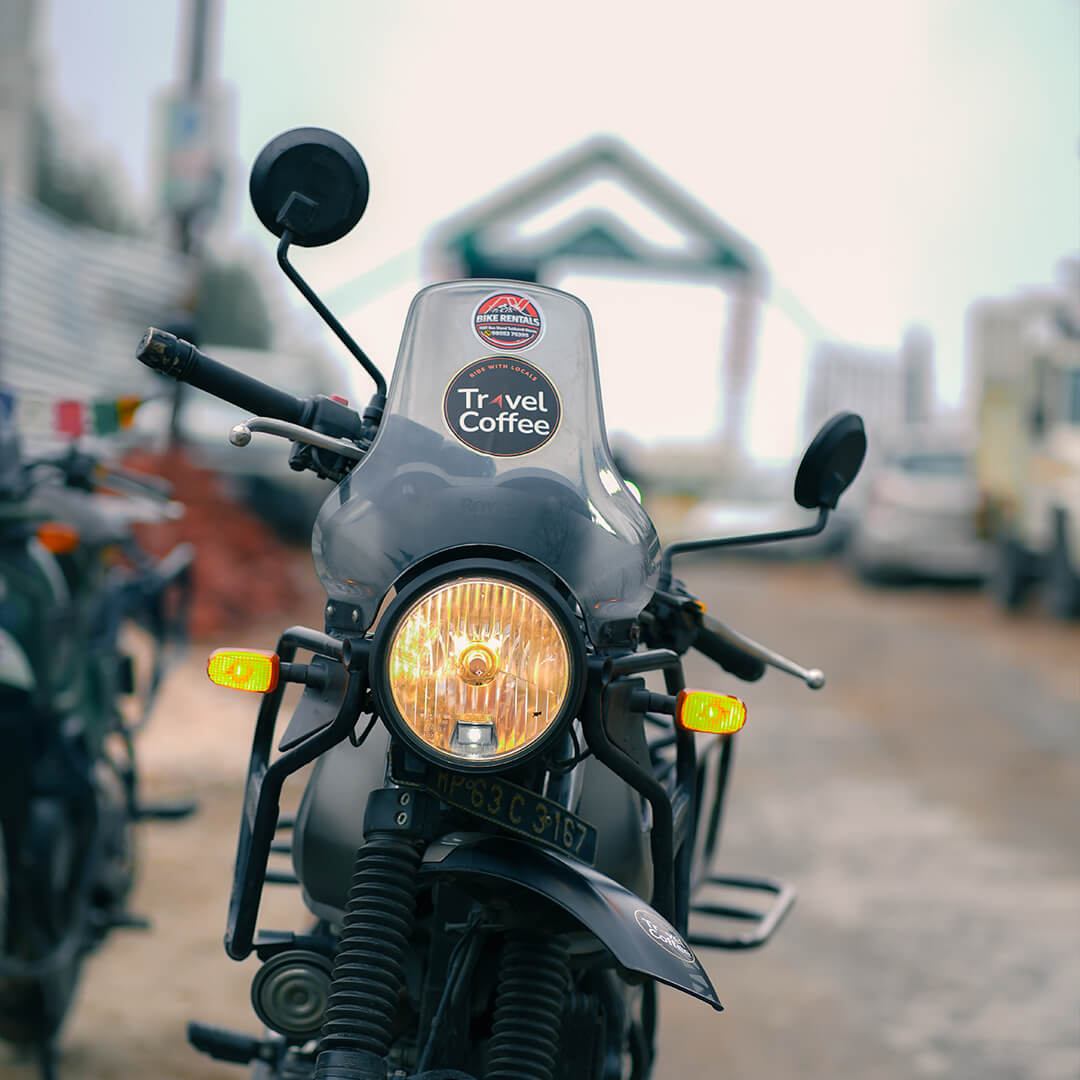 8D/7N
8D/7NUltimate Pabbar Valley Bike Expedition With Giri Ganga Kuppar Bugyal Chanshal Pass and Dodra Kwar
1D Kharapathar / Kotkhai•2D Rohru / Chirgaon (Pabbar Valley)+1
₹29,999/ person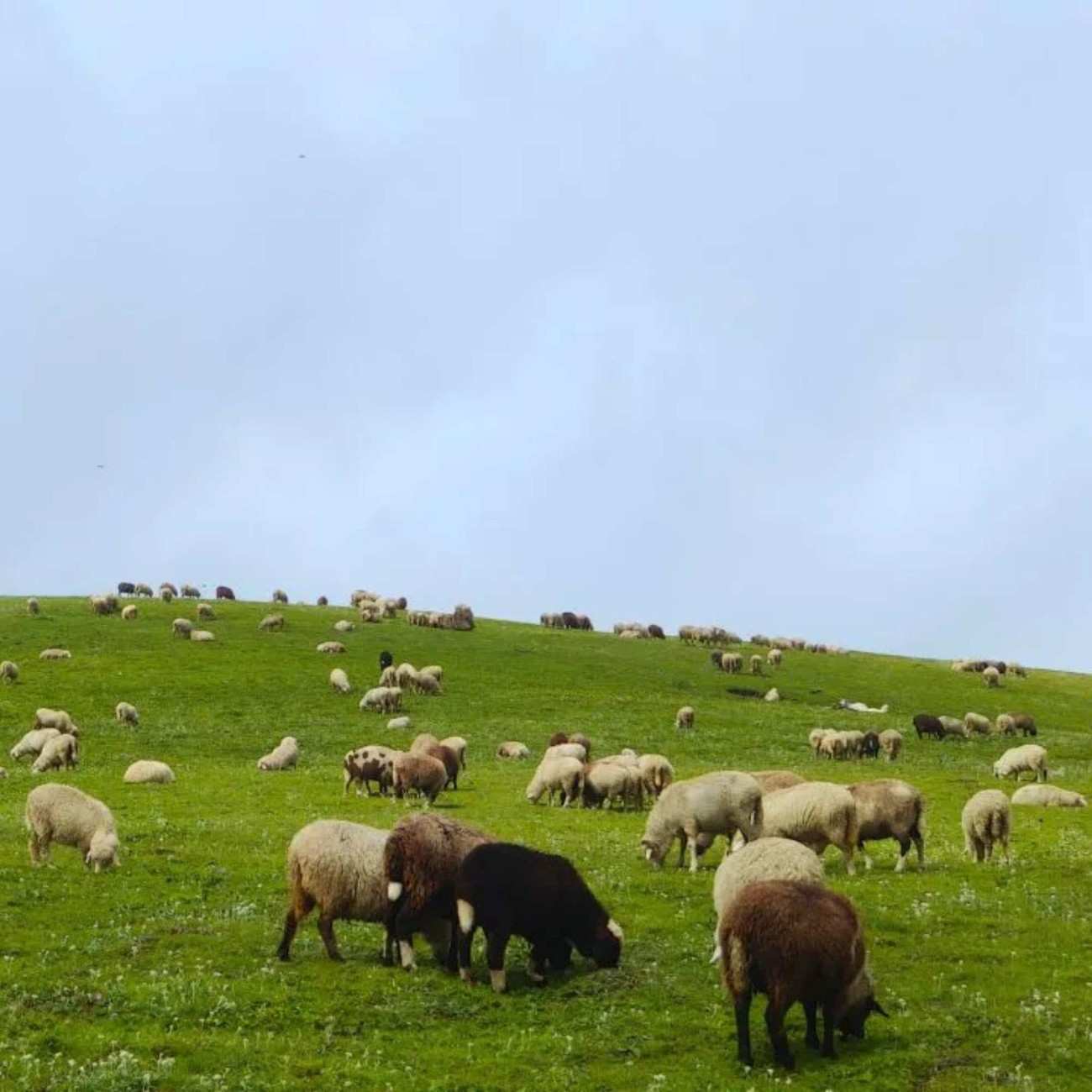 8D/7N
8D/7NMost Loved 4x4 Pabbar Valley Expedition With Giri Ganga Kuppar Bugyal Chanshal Pass and Dodra Kwar
1D Kharapathar / Kotkhai•2D Rohru / Chirgaon (Pabbar Valley)+1
₹32,999₹39,999SAVE INR 7,000/ person
Related topics
Frequently Asked Questions
Is Chanshal Pass safe to drive in 2026?
Yes, in the right season, good weather, and with an experienced hill driver. Late June and September to October are the safest windows, and you should always confirm the road status locally first.
Is Chanshal Pass open now in 2026?
Official tourism says the road is normally open May to November. A third-party tracker listed Rohru to Chanshal as open on 12 June 2026, so check a local source before you leave.
Is Chanshal Pass safe in April?
April falls outside the reliable open season, which officially runs May to November. Snow can still block the route, so it is not a safe bet for regular tourists.
Is Chanshal Pass safe in June?
Late June is one of the best windows. Early June can still throw up slush and small water crossings from snowmelt, so go prepared and drive slowly.
Is Chanshal Pass safe in monsoon?
July and August are risky. Monsoon brings landslides, waterlogging, fog and slippery roads, and we usually steer travellers away from these months.
Is Chanshal Pass safe for sedans and hatchbacks?
Only in dry, clear weather and with very careful driving. Low clearance, slush and loose stones can damage your bumper, underbody and suspension, so it is possible but not ideal.
Do I need a 4x4 for Chanshal Pass?
Not always in dry weather. A high-clearance vehicle can manage, but a 4x4 or good clearance is strongly recommended for confidence and safety on the Larot stretch.
Is Chanshal Pass safe for bike riders?
Yes for experienced hill riders in dry weather, mostly June to early October. It is not recommended for first-timers, night rides, wet months, snowfall, or solo riding without support.
Is Chanshal Pass safe for families?
It can be, in a private vehicle with a local driver, in a dry month, with flexible timing. It is not ideal for very young children, seniors with serious health issues, or anyone anxious on narrow roads.
Where should I stay before going to Chanshal Pass?
Rohru is the safer base because it has more facilities, including HPTDC Hotel Chanshal near the Circuit House. There is no reliable stay at the pass, so plan to return to Rohru by evening.
Is there mobile network at Chanshal Pass?
Expect it to fade after Chirgaon or Larot and possibly vanish at the pass. Download offline maps and share your route with family before you leave Rohru.
Do I need a permit for Chanshal Pass?
Permit information is conflicting. Some travel sources say no permit is needed, while others mention a forest permit for the Chanshal Wildlife Sanctuary area.
More about Chanshal Pass
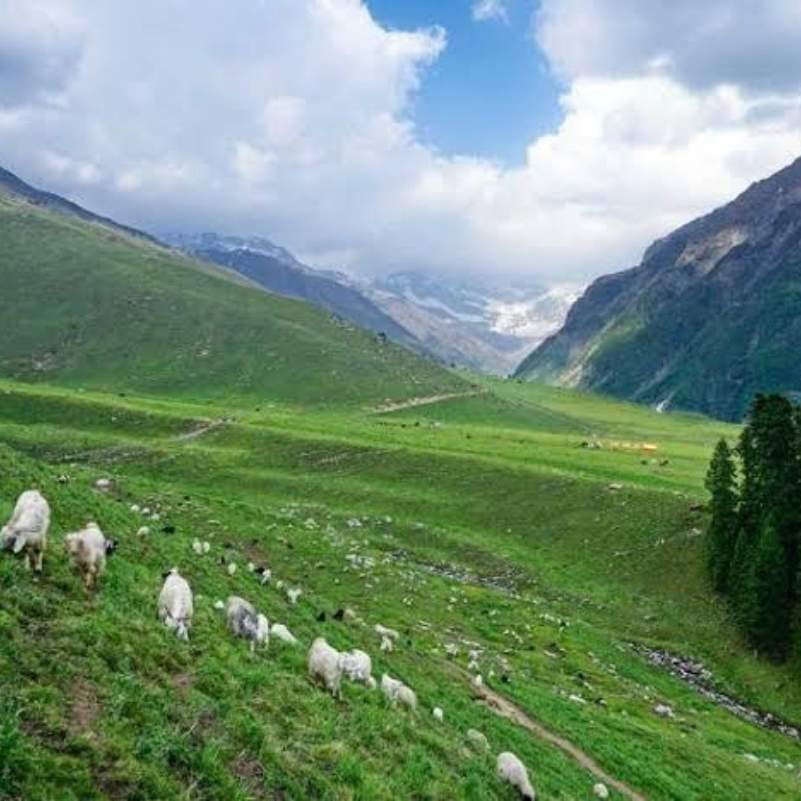 Chanshal Pass
Buran Ghati Trek Complete Guide 2026: Route, Cost, Difficulty, Best Time
Planning the Buran Ghati Trek in 2026? Explore the complete guide covering the route, itinerary, cost, difficulty, best time to visit, fitness tips, and essential trekking advice.
- Things to Do
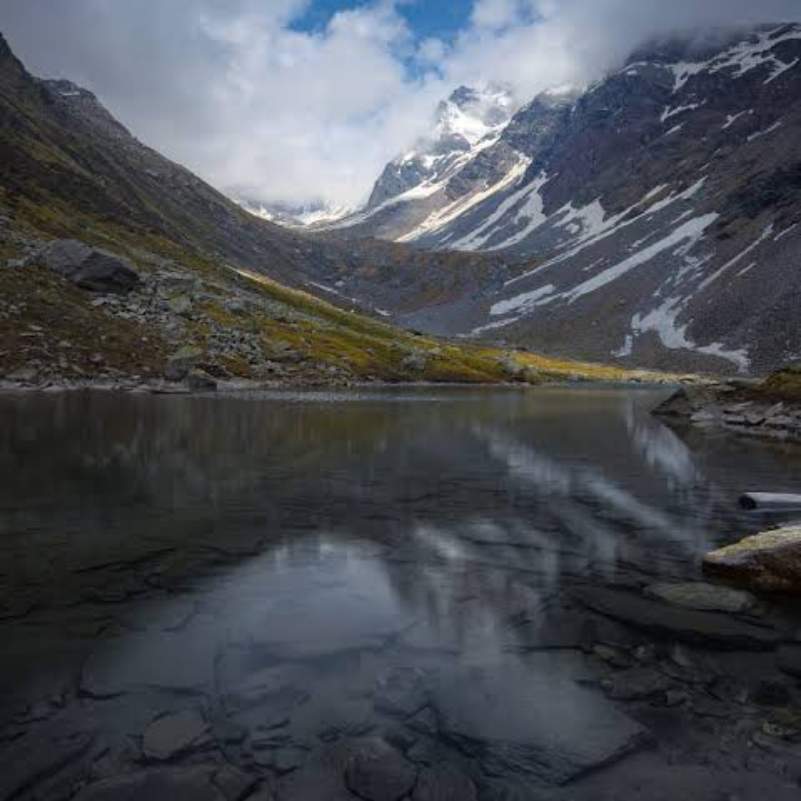 Chanshal Pass
Chandranahan Lake Trek 2026: Source of the Pabbar River
Discover the Chandranahan Lake Trek 2026, a breathtaking Himalayan adventure to the sacred source of the Pabbar River in Himachal Pradesh. Explore pristine alpine meadows, glacial lakes, and spectacular mountain landscapes with this complete trekking guide.
- Things to Do
 Chanshal Pass
Treks in Pabbar Valley: The Complete List for 2026
Planning to explore the treks in Pabbar Valley in 2026? This complete guide covers the region's best hiking trails, difficulty levels, ideal seasons, trail highlights, and essential planning tips for discovering one of Himachal Pradesh's most rewarding trekking destinations.
- Things to Do