
Hanle vs Tso Moriri vs Turtuk: Which Offbeat Ladakh Place Should You Choose in 2026?
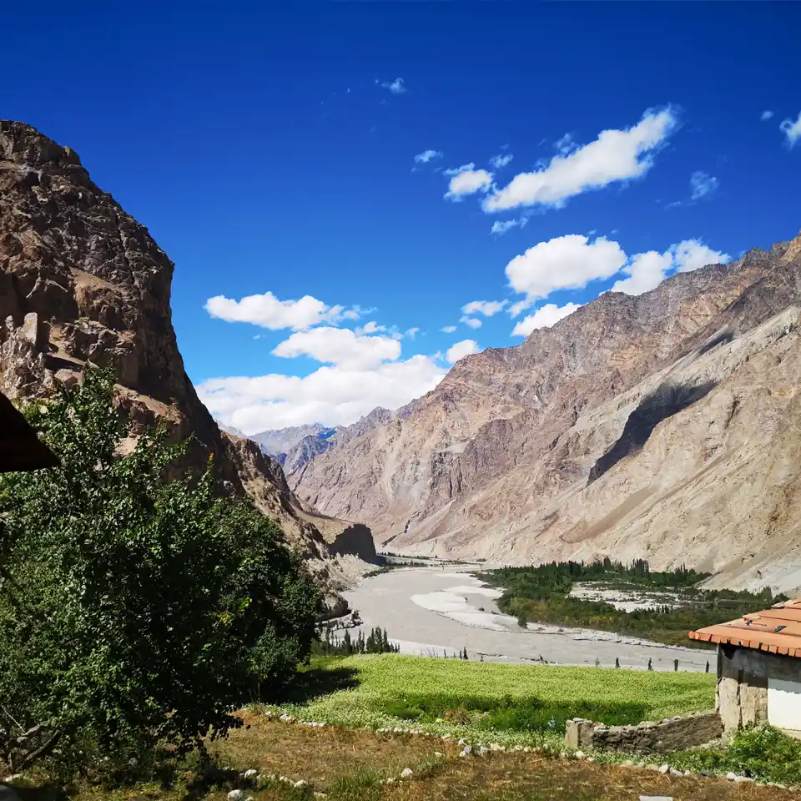
If you are stuck choosing between Hanle vs Tso Moriri vs Turtuk, you are not picking three versions of the same place. These are three completely different moods of Ladakh.
One gives you village life and culture. One gives you a silent high-altitude lake. One gives you the darkest sky and the most remote feeling in the whole region.
We have sent a lot of travellers down all three roads, and the people who came back happiest were the ones who matched the place to their days, their body, and their travel style. Not to a trend.
This guide by Travel Coffee breaks down exactly which of these offbeat Ladakh places fits you best in 2026.
Quick Answer: Which One Should You Choose?
Choose Turtuk if this is your first Ladakh trip and you want culture, lower altitude, apricot orchards, and an easy add-on to Nubra Valley.
Choose Tso Moriri if you want a quiet lake, wildlife, and a slower high-altitude trip away from the Pangong crowd.
Choose Hanle if you want stargazing, deep Changthang emptiness, and you are okay with basic stays and long drives.
In short, Turtuk is the easiest, Tso Moriri is the calmest, and Hanle is the most remote.
>>Not sure which destination suits you best? Chat with our Ladakh experts on WhatsApp.
How This Comparison Works
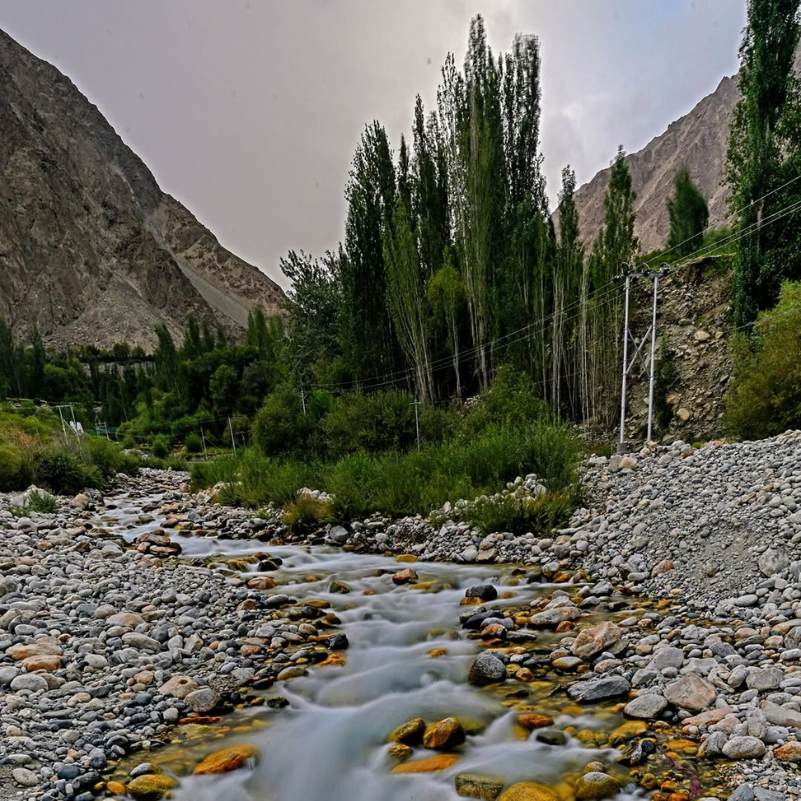
This is not a beauty contest. All three places are stunning. Picking the "prettiest" one is the wrong way to plan a Ladakh trip.
The real question is what fits you. Your number of days, your comfort with altitude, your route, your permits, the weather, and whether you are travelling with family or friends.
Hanle, Tso Moriri, and Turtuk are all offbeat. But they solve different problems.
One traveller wants people, food, and culture. Another wants silence and a lake to themselves. A third wants a sky full of stars and zero phone signal.
So instead of asking which is best, ask which mood you are travelling for. That answer decides everything.
Where Are Hanle, Tso Moriri and Turtuk in Ladakh?
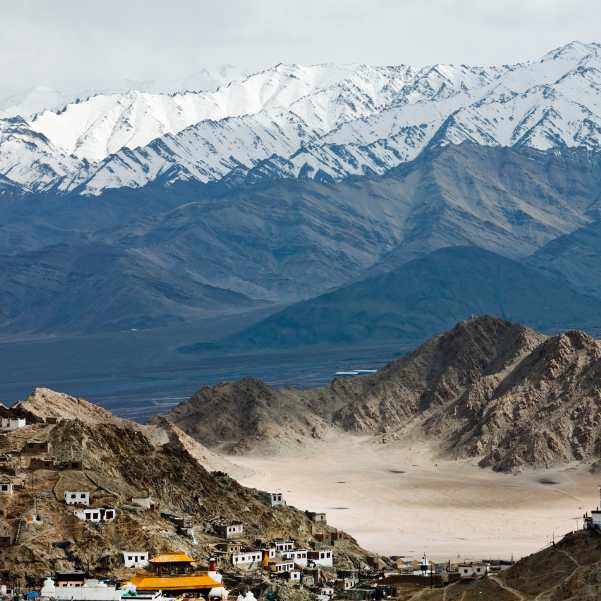
These three sit in three different corners of Ladakh, and that alone changes your whole route.
Turtuk is in Nubra Valley, near the Shyok River, up towards the India-Pakistan side of the map. It is the lowest and most northern of the three.
Tso Moriri sits in the Changthang plateau, on the Rupshu side, southeast of Leh. This is high, cold, open country.
Hanle is even further out, in remote eastern Ladakh, deep in Changthang near the border belt.
Here are the distances that actually matter when you plan.
Hanle is around 260 km from Leh and sits at about 4,500 m. Tso Moriri is around 240 km from Leh by the official Leh, Karu, Upshi, Chumathang, Mahe, Sumdo, Korzok route, and the drive takes about 6 to 7 hours.
Turtuk is about 205 km from Leh [Medium confidence], at roughly 3,001 m [Medium confidence].
So Turtuk is the lowest and closest. Hanle is the highest and furthest. Tso Moriri sits in between on distance but is just as high as Hanle.
If you want us to slot any of these into a full Ladakh route, our Leh Ladakh tour packages are built around real road conditions, not Google Maps fantasy.
Choose Turtuk If You Want Culture Without Extreme Altitude
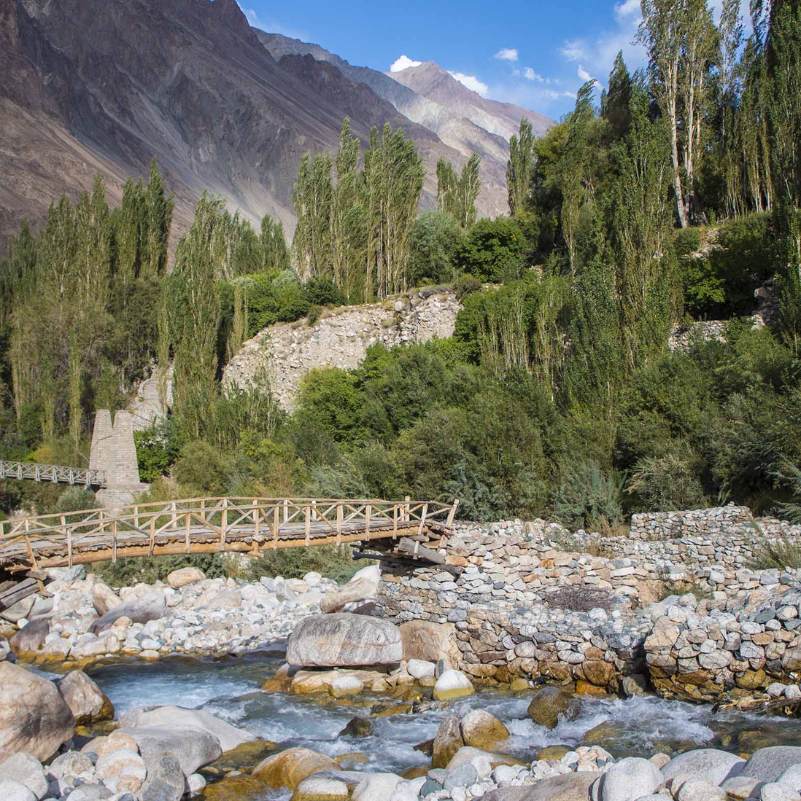
Turtuk is the place we recommend most for first-timers, and the reason is simple. It gives you a real experience without punishing your body.
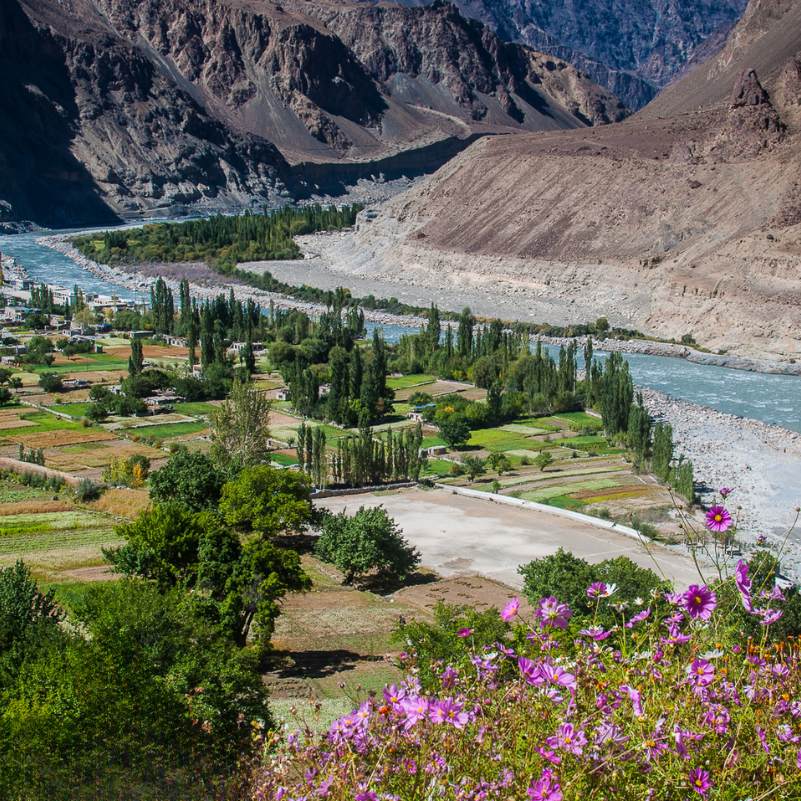
It is a Balti village, with its own language, Noorbakshia Muslim culture, and a way of life you will not see anywhere else in Ladakh. The food is different. The faces are different. The whole feeling is different.
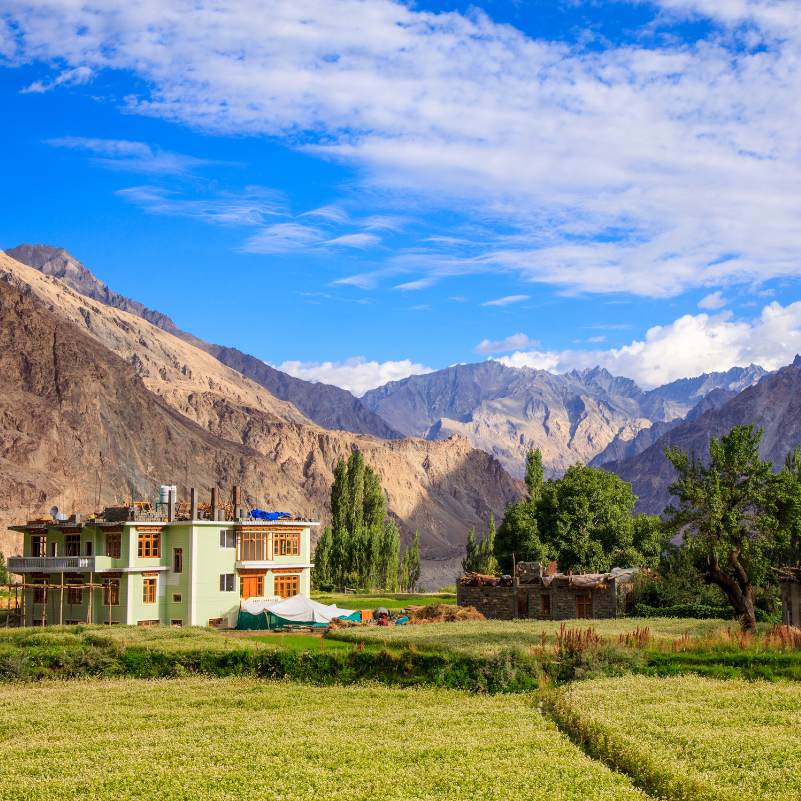
You walk through apricot orchards, along buckwheat fields, with the Shyok River running below. This is village life, not a viewpoint.
Here is a fact most tourists do not know. According to District Leh, Turtuk was under Pakistani occupation until the 1971 war, after which it became part of India.
District Leh also calls Turtuk the last outpost of India, which tells you exactly how far out you are standing.
One detail we love. District Leh says the heart of the village has no motor roads. You park and you walk. That is what keeps it feeling real.
In our experience, families and first-timers settle here far better than at Hanle or Tso Moriri because the altitude is kinder. If you are already planning Nubra Valley, adding Turtuk is the most practical offbeat choice you can make.
What most tourists get wrong is treating Turtuk as a quick photo stop. They drive in, click the orchards, and leave in an hour. That is a waste. Stay a night, eat with a local family, and the village opens up completely.
Choose Tso Moriri If You Want Silence, Lake Views and Wildlife
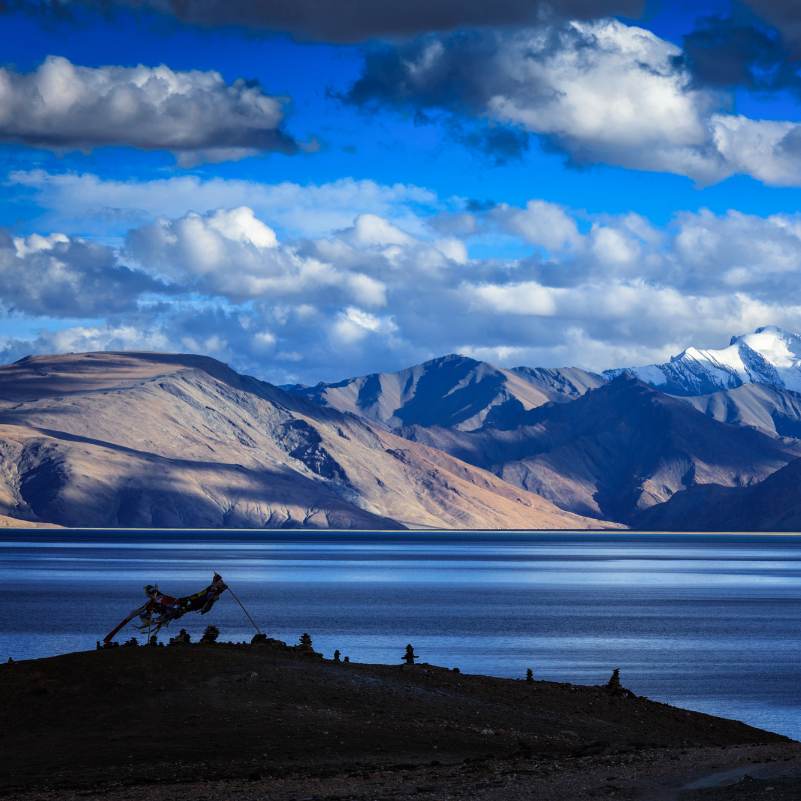
If Pangong feels too crowded for you, Tso Moriri is the answer. This is the lake people go to when they want to actually hear silence.
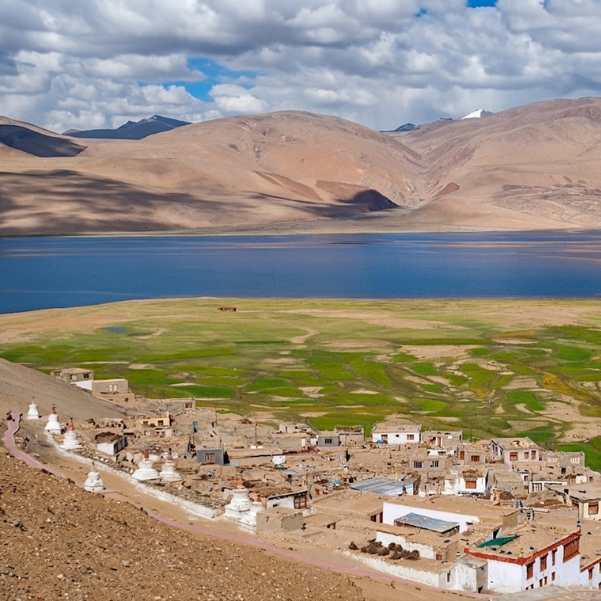
It sits on the Changthang plateau, in the Rupshu Valley. The official Leh page says it is about 19 km long and up to 8 km wide, so it is a serious body of water, not a pond.
This is also a protected zone. Tso Moriri is part of the Tsomoriri Wetland Conservation Reserve and is a Ramsar site, which means the wildlife and birdlife here are the real draw alongside the views.
Because it is protected, the rules are strict. Incredible India says tents and other structures are not allowed close to the lake edge. So do not arrive expecting to camp on the shore.
Your stay base is Korzok village, the small settlement near the lake. We will not throw a fake stay price at you here, because rates change every season and by camp. Confirm before you book.
The drive matters too. The standard road route from Leh to Korzok is 240 km and about 6 to 7 hours. That is a long, high day, so plan rest around it.
What we always tell our travellers heading to Tso Moriri is to slow down. People rush in, sleep badly at altitude, rush out, and then say the lake was "fine." Give it a night and a slow morning, and it becomes the quietest, most peaceful place on the trip.
Choose Hanle If You Want Stargazing and the Deep Changthang Feeling
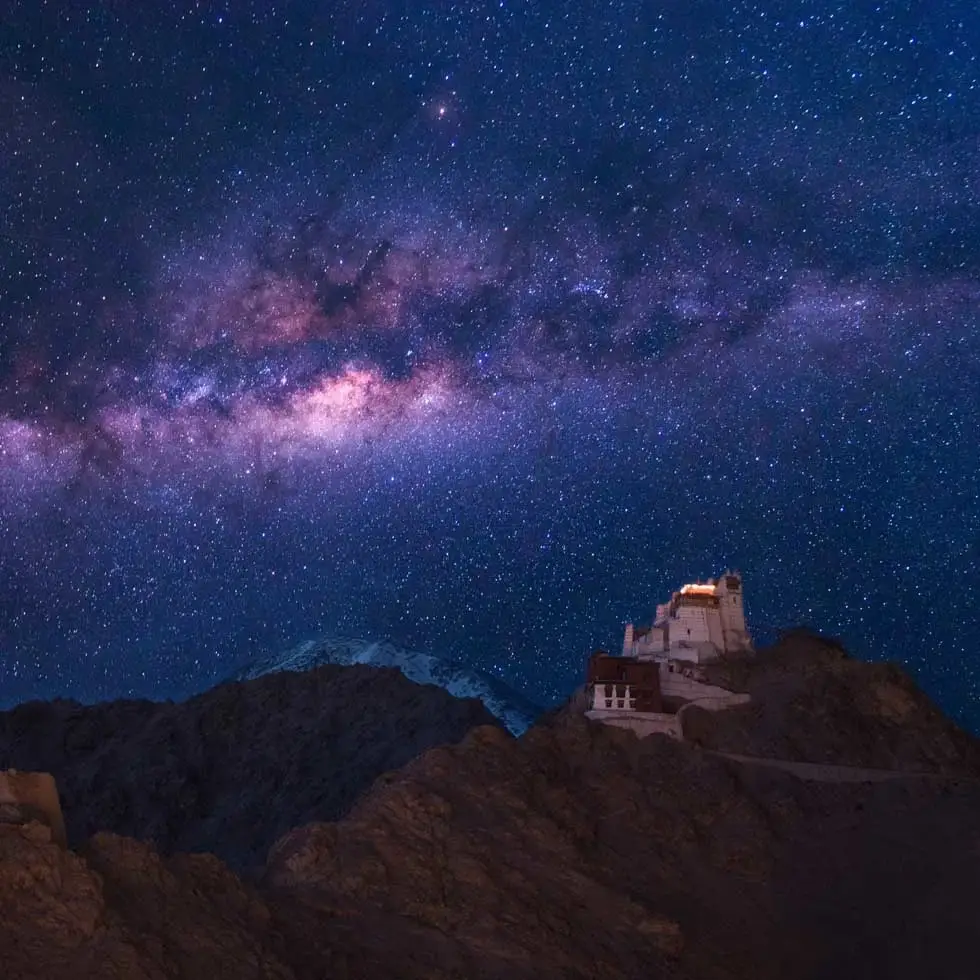
Hanle is for a specific kind of traveller. The one who wants to feel genuinely far from everything and look up at a sky with no city glow anywhere.
It sits around 260 km from Leh at about 4,500 m. This is deep Changthang, and the remoteness is the whole point.
Hanle is famous for clear skies and minimal light pollution, which is why it holds the Indian Astronomical Observatory. On a clear, moonless night, the sky here is unreal.
The area is now officially protected for its darkness. The Hanle Dark Sky Reserve covers a region of roughly 22 km radius around Hanle, according to IIA.
This is recent and official. PIB says the Hanle Dark Sky Reserve was notified by the Government of Ladakh in December 2022. PIB also mentions 24 Astronomy Ambassadors connected with the reserve, local people trained to help visitors with the night sky.
Now the honest warning. Do not plan Hanle right after you land in Leh. The altitude gain is brutal, the drive is long, and your body will hate you for it.
In our experience, Hanle works best as a later stop in your trip, once you are already adjusted to height. People who push it too early end up sick and miss the very sky they came for.
Hanle vs Tso Moriri vs Turtuk by Traveller Type
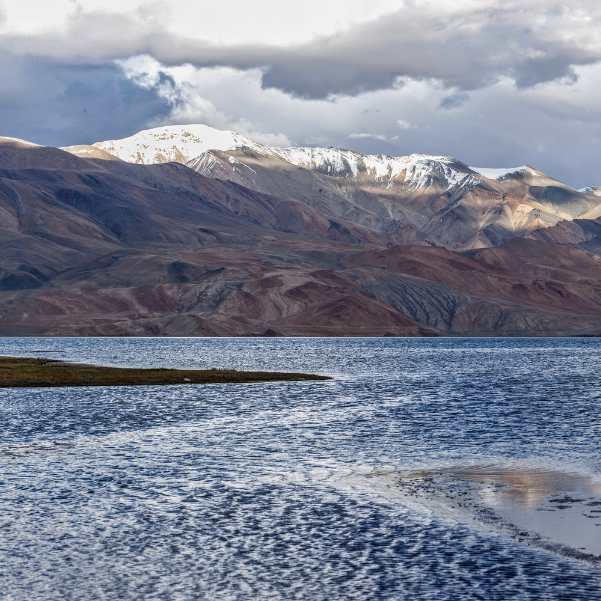
Best for first-time Ladakh travellers
Pick Turtuk first. It is lower, easier, and pairs naturally with Nubra Valley, so your logistics stay simple.
Tso Moriri is fine for first-timers, but only if you have 8 or more days and time to acclimatise. Hanle suits second-time or slow travellers far better than nervous first-timers.
Best for couples
Tso Moriri is the romantic pick if you want quiet, big landscapes, and a lake almost to yourselves.
Turtuk works beautifully for couples who like culture, slow village walks, and good local food. Pick Hanle as a couple only if both of you enjoy remote, basic stays and very cold nights without complaining.
Best for families and seniors
Turtuk is the safe default. The lower altitude makes it far more comfortable for kids and older travellers.
Tso Moriri and Hanle are both high and need proper acclimatisation, so they are riskier for families. Remember the official guidance of at least 48 hours of acclimatisation in Leh before heading to any high-altitude area.
Best for bikers and photographers
Hanle and Tso Moriri win for wide empty landscapes, star photography, and long open roads with nobody on them.
Turtuk is the better pick if your photography is about people, food, faces, and village detail. Different subjects, different places.
How Many Days Do You Need?
For Turtuk
Think of it as a Nubra extension, not a separate trip. A comfortable plan is Leh to Nubra, then Turtuk, then return or continue depending on your route. It slots in cleanly.
For Tso Moriri
The minimum is 2 days and 1 night from Leh. But honestly, slower is better. A rushed in-and-out at this height ruins the calm that makes the lake worth it.
For Hanle
It works best after you are already acclimatised. It usually fits better inside a Pangong, Hanle, Tso Moriri style loop, and only when permits and road status are confirmed clear.
>>Need help planning the perfect Ladakh circuit? Chat with our experts on WhatsApp.
Routes, Roads and Drive Difficulty in 2026
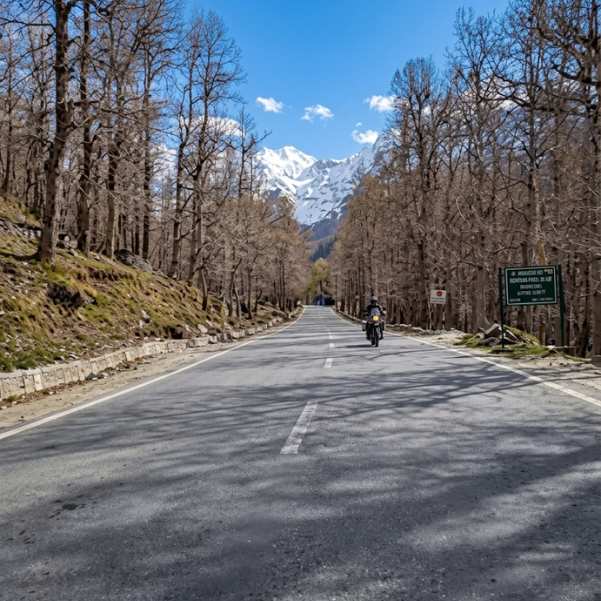
For Turtuk
You go Leh, over Khardung La, down to Diskit and Hunder in Nubra, then onward to Turtuk along the Shyok.
For Tso Moriri
The route runs Leh, Karu, Upshi, Chumathang, Mahe, Sumdo, and finally Korzok. This is the standard 240 km, 6 to 7 hour drive.
For Hanle
Travellers usually approach from the Loma or Nyoma side, often on a Pangong, Chushul, Loma, Hanle route. Only attempt this with current local confirmation, because this belt is sensitive.
Here is the rule that saves trips. Sensitive routes can change because of weather, army movement, and permit controls. So always verify the day before you travel, never just days in advance.
Permits for Hanle, Tso Moriri and Turtuk in 2026
All three need an Inner Line Permit, and the system has changed, so read this carefully.
Domestic tourists no longer need to verify the payment slip at the DM office. You handle it online and carry the slip.
The online payment slip, PDF or hard copy, is checked at the check posts. So print it or save it offline, because there is no signal out there to pull it up later.
One more must-have. Your Leh arrival boarding pass is mandatory along with the permit. Do not throw away your flight boarding pass when you land.
The official domestic circuits include Turtuk, Tso Moriri/Korzok, Hanley, Umling La, and the Chushul-Loma via Tsaga La and Hanle route, so all three places sit inside the approved permit system.
On cost, the Environmental or Green Fee is ₹400 per person. The LAHDC permit portal also includes other charges such as the Red Cross Fund contribution and wildlife fee, which are calculated based on the route and duration selected.
The final payable amount is shown on the official portal at the time of booking, so use that as the most accurate figure before completing your permit payment.
>>Confused about permits? Talk to our team before you start your Ladakh road trip.
For foreign travellers, the rules are different and stricter. PAP and restricted-area rules must be checked through a registered Leh agent or the DC office before you finalise Hanle, Tso Moriri, or any sensitive route. Do not assume access either way until it is confirmed for your nationality.
Altitude and Health: Which Place Is Easier on the Body?
This is where the choice gets serious, because altitude is the one thing that can ruin a Ladakh trip no matter how fit you are.
The official LAHDC health advisory says all tourists arriving in Leh should complete at least 48 hours of acclimatisation before going to high-altitude areas.
The same advisory suggests drinking 2 to 3 litres of water per day and avoiding alcohol, smoking, and sedatives. Simple, but most people ignore it.
Now the comparison. Turtuk at around 3,001 m [Medium confidence] is clearly the easiest on the body. Hanle at about 4,500 m and Tso Moriri at over 4,500 m are both demanding.
So if anyone in your group struggles with height, Turtuk is the kind choice. Hanle and Tso Moriri need real care, real acclimatisation, and no shortcuts.
Cost and Transport: Which One Is More Expensive?
Honest answer first. Cost depends on your route design, vehicle type, group size, and whether the place is a standalone visit or part of a bigger circuit. There is no single fixed price.
Here are reference numbers to give you a feel, not a final quote.
A Tso Moriri 2-day taxi reference from a public 2025-26 taxi rate guide is ₹14,276 for an XUV or Innova and ₹18,655 for a Tempo Traveller.
For Turtuk, the Ladakh Taxi Union table lists a “Turtuk in 2 days” rate, but confirm the latest fare and vehicle category with the union or your driver before booking, as route-wise rates can change season to season.
Hanle and Tso Moriri combo costs swing widely depending on how the circuit is built. For these, check the latest with us or with the current Leh taxi union and local drivers.
Best Season: When Should You Visit Each Place?
For Turtuk, May to September is generally the most comfortable visitor window.
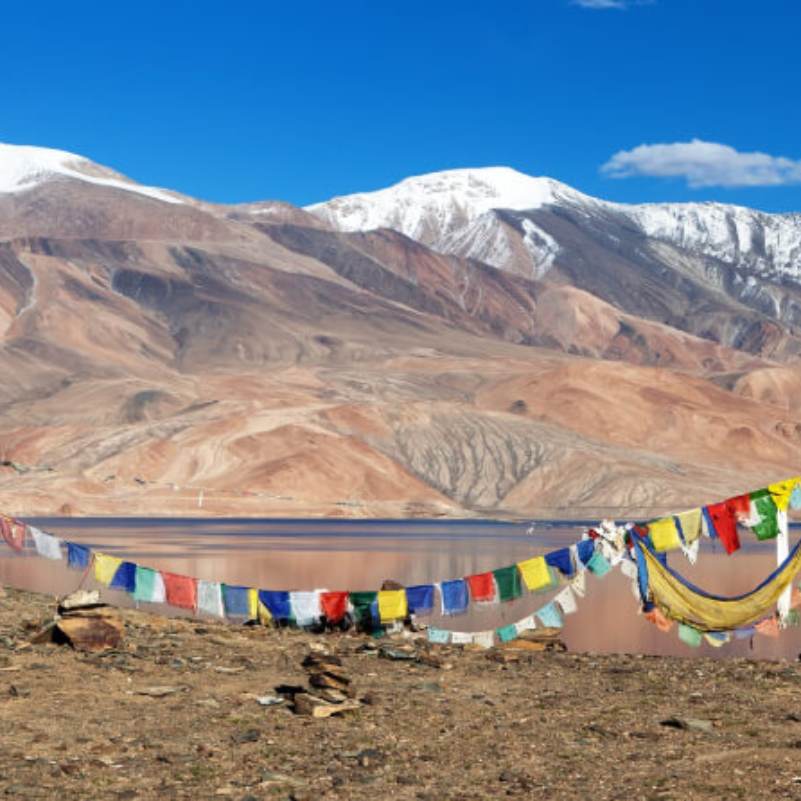
For Tso Moriri, late May or June to September is the practical tourist window.
For Hanle, June to September is generally better for road access. For stargazing, plan around moonless nights, because a bright moon washes out the very sky you came to see.
One live note. As of 25 June 2026, one road-status aggregator marked the Leh-Hunder and Hunder-Turtuk stretches as open. Even so, check live status before you leave, because this changes fast.
A wider point worth knowing
The Manali-Leh highway was reopened by BRO in May 2026, with civilian traffic allowed after trial runs. Still verify the current status before departure, because mountain roads do not stay predictable.
Sample Itineraries Based on Your Days
6 to 7 days in Ladakh
Go Leh, Nubra, Turtuk, Pangong, and back to Leh. This is a clean, satisfying loop that does not overload your body.
Skip Hanle and Tso Moriri on this length unless you genuinely accept a rushed, high-altitude trip. With 6 to 7 days, Turtuk is the smart offbeat pick.
8 days in Ladakh
Now you can add one of the harder places. Choose either Turtuk or Tso Moriri, not both at speed.
Turtuk gives you culture and easier logistics. Tso Moriri gives you silence and big lake landscapes. Pick the mood you want.
9 to 10 days in Ladakh
This length lets you slow down properly. A good route is Nubra and Turtuk, then Pangong, then Hanle and Tso Moriri.
Only attempt the full version if acclimatisation, permits, and roads are all clearly in your favour. Otherwise trim it.
10+ days in Ladakh
With this much time, all three can be done sensibly with buffer days built in. Buffer days are not wasted days here. They are the difference between a calm trip and a stressful one.
Mistakes to Avoid
First
The first mistake is choosing Hanle just because it is trending on social media. It is amazing, but only if it suits your days and your body. A trend is not a plan.
Second
The second is sleeping at Hanle or Tso Moriri too soon after landing in Leh. This is how people end up with bad altitude sickness. Acclimatise first, always.
Third
The third is treating Turtuk as a quick photo stop. The whole point of the village is the slow walk, the food, and the people. Rushing it misses everything.
Fourth
The fourth is assuming Chushul or sensitive border routes are always open. They are not. They shift with weather and army movement, so confirm the day before.
Fifth
The fifth is ignoring the printed permit and boarding pass rule. No signal out there means no last-minute downloads. Carry hard copies.
Last
The last one is camping at the lake edge near Tso Moriri. It is a protected Ramsar site and tents near the water are not allowed. Stay at Korzok instead.
Final Verdict: Hanle, Tso Moriri or Turtuk?
Here is the clear call after all of this.
Choose Turtuk for the most practical offbeat Ladakh experience. Lower altitude, real culture, easy to combine with Nubra. Best for first-timers and families.
Choose Tso Moriri for the most peaceful offbeat landscape. A huge quiet lake, wildlife, and silence Pangong cannot give you anymore.
Choose Hanle for the most unique and remote experience. Dark skies, the observatory, and a feeling of being genuinely far from everything.
We help travellers customise the exact route based on their health, days, season, and live road status, so the place actually matches the trip.
If a Ladakh circuit feels too high or too far this year, a Spiti Valley road trip is a gentler high-altitude alternative with similar wild landscapes.
And if you want to soften the end of a hard Ladakh trip, many of our travellers add Kashmir packages after Ladakh for green valleys and easy days.
Explore Our Curated Leh Ladakh Tours
 6D/5N
6D/5NUltimate Leh Ladakh Tour Package with Nubra Valley & Pangong Lake
2D Leh•1D Nubra Valley+1
₹28,999₹35,999SAVE INR 7,000/ person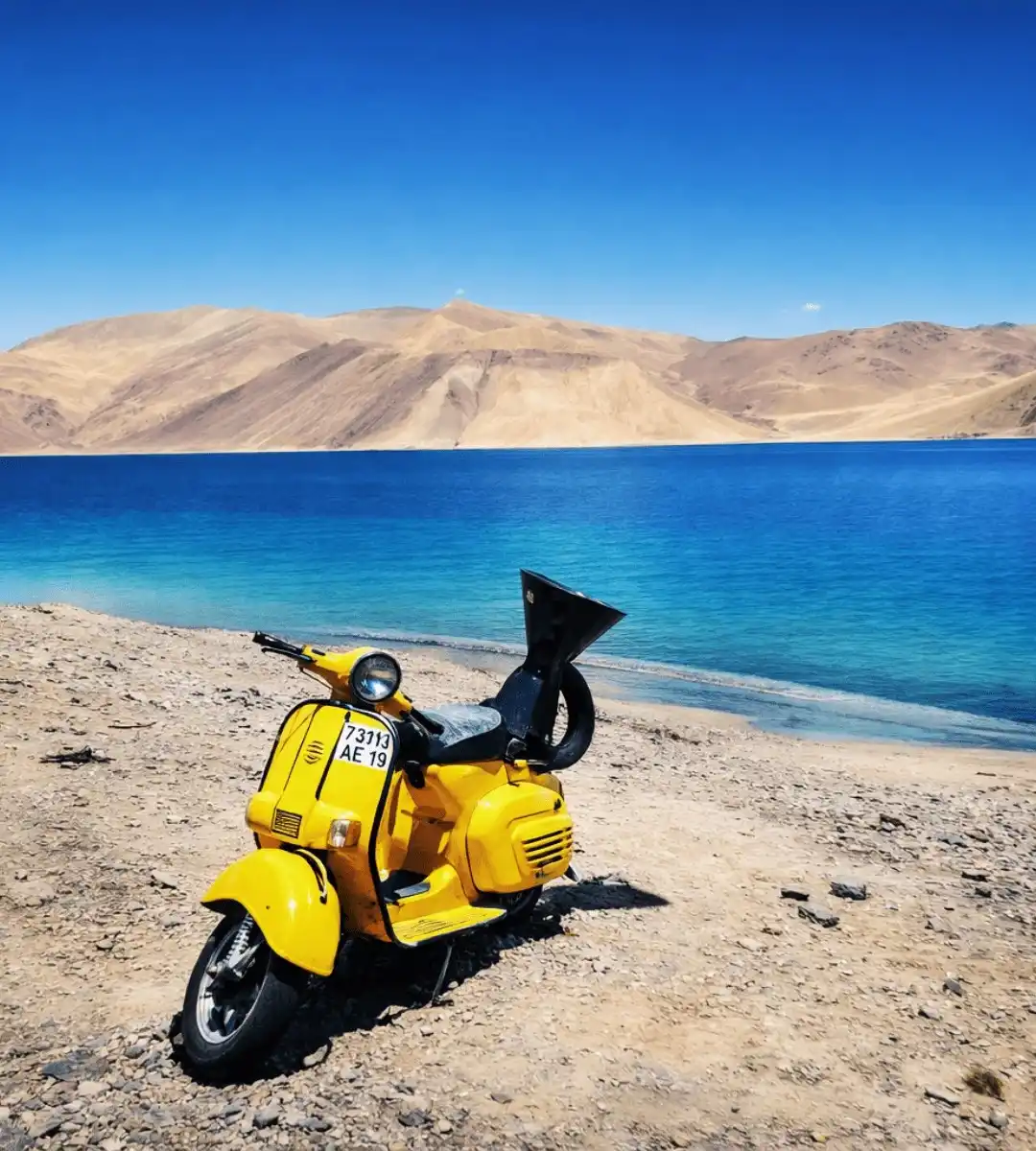 6D/5N
6D/5NBest Selling Leh Ladakh Tour With Nubra Valley and Pangong Lake
2D Leh•1D Nubra Valley+1
₹23,999₹28,599SAVE INR 4,600/ person 4D/3N
4D/3NLeh Ladakh Short Getaway
2D Leh•1D Pangong Lake
₹16,499₹19,999SAVE INR 3,500/ person
Related topics
Frequently Asked Questions
Which is better, Hanle or Tso Moriri?
Hanle is better for stargazing and pure remoteness. Tso Moriri is better for a quiet lake and wildlife. Both are high, so neither suits a rushed early-trip visit.
Is Turtuk worth visiting in Ladakh?
Yes, easily. It is a Balti village with its own culture, apricot orchards, and Shyok River views, at a kinder altitude. It is one of the best offbeat picks for first-timers.
Is Hanle worth visiting if I am not into stargazing?
It still offers deep Changthang emptiness, the observatory area, and a sense of total remoteness. But honestly, if you do not care about the night sky, Turtuk or Tso Moriri may reward you more.
Can I visit Hanle and Tso Moriri in one trip?
Yes, usually as part of a longer loop with Pangong. You need enough days, confirmed permits, and clear road status, so this works best on a 9 to 10 day or longer plan.
How many days are enough for Turtuk?
Turtuk fits as a Nubra extension. Plan Leh to Nubra, then Turtuk with at least a night there, then continue or return depending on your route.
How many days are needed for Tso Moriri?
The minimum is 2 days and 1 night from Leh. Slower is better, because the drive is long and high and you want time to rest near the lake.
Do I need a permit for Hanle, Tso Moriri and Turtuk?
Yes, all three need an Inner Line Permit. Domestic tourists pay online and carry the slip in PDF or hard copy, and you also need your Leh arrival boarding pass.
Which offbeat Ladakh place is best for first-timers?
Turtuk. It is the lowest of the three at around 3,001 m [Medium confidence], easier on the body, and combines naturally with Nubra Valley.
Is Tso Moriri safe for families?
It is safe with proper care, but it sits over 4,500 m, so families need full acclimatisation first. For young kids or seniors, Turtuk is the safer choice.
Can foreigners visit Hanle and Tso Moriri?
Rules for foreign travellers are stricter and involve PAP and restricted-area checks. Confirm your specific case through a registered Leh agent or the DC office before finalising anything.
Which is better for photography, Hanle, Tso Moriri or Turtuk?
Hanle and Tso Moriri win for landscapes, stars, and empty roads. Turtuk wins for people, food, and village culture photography. It depends on your subject.
Can Hanle and Tso Moriri be done in two days?
Not comfortably. Both are far from Leh and very high, so squeezing both into two days means rushing at altitude. Give them more time and a buffer day.
More about Ladakh
 Ladakh
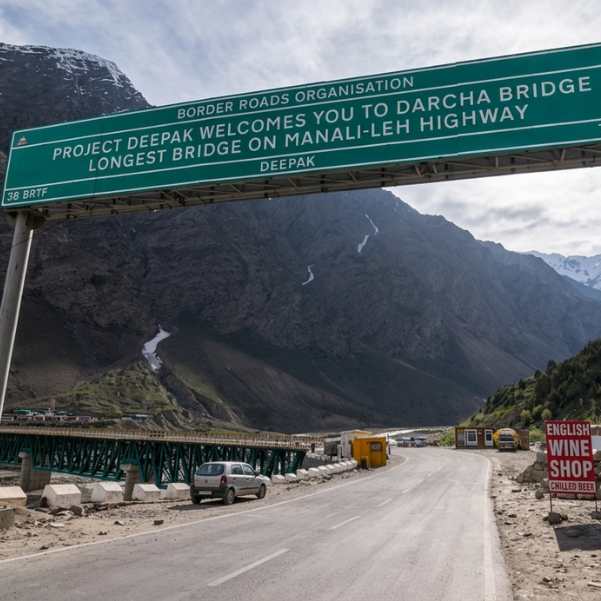
Manali to Leh Highway 2026: Every Pass, Stop and Distance
Plan your Manali to Leh Highway journey in 2026 with a complete guide to major mountain passes, overnight stops, route highlights, and distance. Discover key stops like Jispa, Sarchu, and Pang, along with famous passes including Baralacha La and Tanglang La.
- Road Trips
- How to Reach
 Ladakh
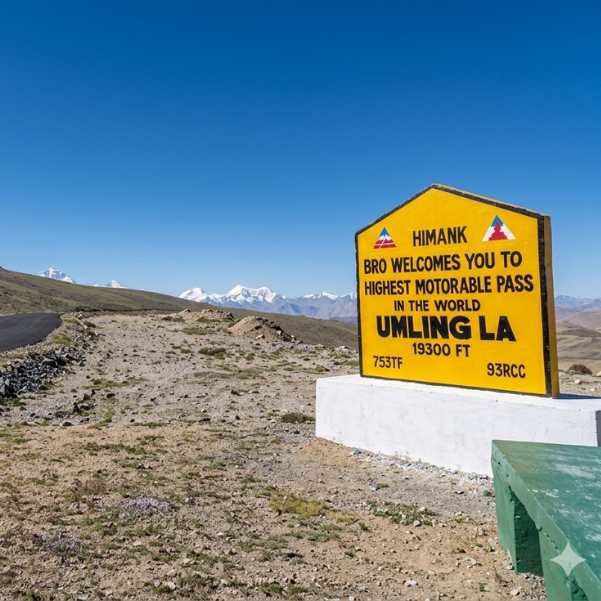
Umling La Ladakh Guide 2026: Route, Altitude, Permit, Safety & Reality Check
Planning to visit Umling La in 2026? This complete guide covers the route, altitude, permit requirements, road conditions, safety tips, and the realities of travelling to one of the world's highest motorable roads.
- Road Status
- Altitude & Health
- Ladakh
Turtuk Ladakh Travel Guide 2026: Balti Culture, Apricot Orchards and Why It Is Perfect for Families
Planning a trip to Turtuk? This 2026 travel guide explores the village's rich Balti culture, beautiful apricot orchards, top attractions, travel route, and why Turtuk is one of the best family-friendly destinations in Ladakh.
- Places to Visit
- Family Travel