
Dharamshala & McLeodganj in March: Weather, Snow Views, Best Places, Treks, Itinerary & Travel Tips
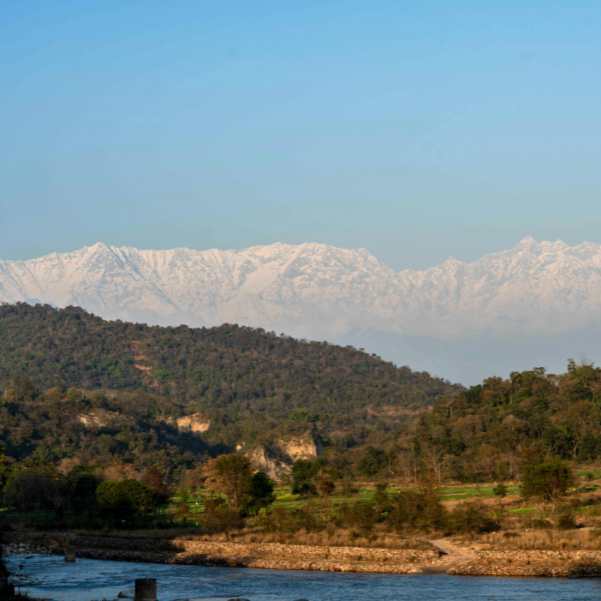
March is a genuinely rewarding time to visit Dharamshala and McLeodganj. The weather is transitioning from winter to spring, with daytime temperatures around 12 to 22 degrees Celsius, cool but comfortable mornings, and the Dhauladhar range still draped in snow.
It is a month that suits couples, solo travellers, small groups, and families who want pleasant walking weather, mountain views, Tibetan culture, cafe afternoons, and sightseeing without the intensity of full peak season.
The only things to plan around are chilly evenings, the occasional cloudy spell, and a shift in conditions between early and late March.
Dharamshala & McLeodganj in March
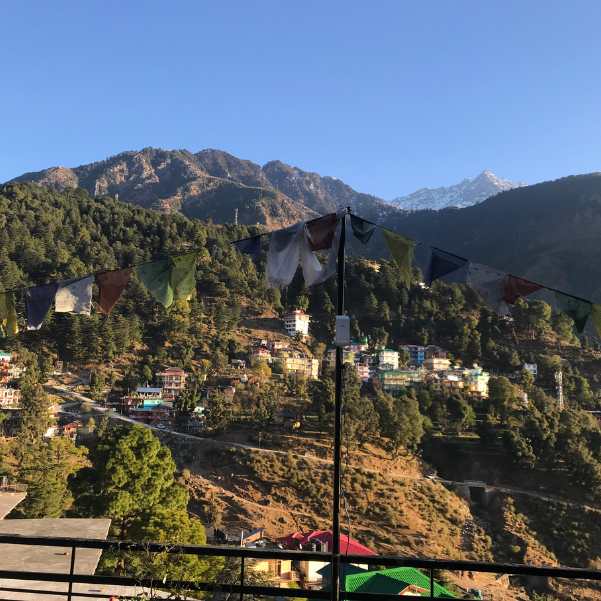
March sits in that sweet window between winter and tourist season when Dharamshala and McLeodganj feel genuinely inviting without feeling overrun. The cold starts retreating, the light gets warmer, and the mountains look extraordinary against skies that are often sharp and clear.
For travellers who time it right, especially in mid to late March, the region offers some of its most comfortable days for walking, exploring monasteries, sitting in cafes, and catching views that make every morning feel earned.
But March is not summer. It has a personality of its own. Early mornings are cold. Evenings demand layers. The difference between a sunny afternoon and a cloudy one can change what your day looks like.
And if you are expecting snowfall in town, that is rarely what March delivers, though the snow on the peaks more than makes up for it.
This guide is built for that kind of honest planning. It covers what March actually feels like on the ground, what to do with 2 to 4 days, where to stay, what to pack, what to skip, and how to plan a trip that works rather than one that looks good on paper.
Whether you are visiting Dharamshala and McLeodganj for the first time or returning in a different season, this will help you get March right.
If you want help putting together stays, transfers, and a day-wise route that actually works on the ground, Travel Coffee can help plan your Dharamshala trip. We know this region well and build trips around how the place actually moves.
Is March a Good Time to Visit Dharamshala and McLeodganj?
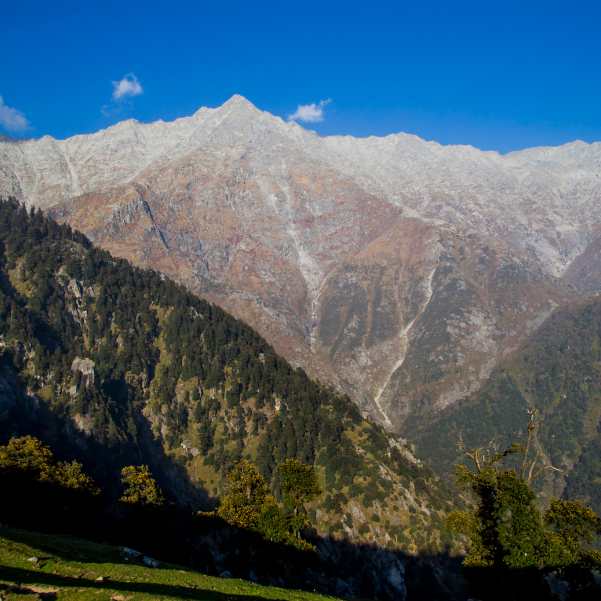
For most types of travellers, yes. March brings a shift that makes the region more accessible and enjoyable than deep winter, while still carrying the visual drama of snow-covered peaks and the crisp mountain air that gives this place its character.
The monasteries and cultural sites in McLeodganj are open and active. The cafes along Temple Road and in Bhagsu start buzzing with energy. The trails are largely walkable, and the days are long enough to fit in a full itinerary without feeling rushed.
If your trip is about Tibetan culture, mountain views, good food, nature walks, and a break from the plains, March checks nearly every box.
It works especially well for couples looking for a mix of sightseeing and cafe time, solo travellers who want to walk and explore at their own pace, and small groups of friends who are happy splitting days between culture and viewpoints.
Families with older kids can also have a solid trip, though the cooler evenings and some of the steeper walks need planning.
Who might prefer a different month? If you specifically want snow on the ground in McLeodganj itself, January or February is more likely.
If you want guaranteed warm weather with no chance of needing a jacket, May is your window. And if you want the quietest possible experience with almost no crowds, a weekday trip in November works well.
But for balance, March is hard to argue with. You get the views, the culture, the walks, the cafes, and comfortable daytime weather, all without the peak-season intensity that April and May bring.
Quick verdict: March is one of the smartest months to visit Dharamshala and McLeodganj, especially if you value spring weather, clear mountain views, and a slightly less crowded experience than the full tourist season.
Dharamshala and McLeodganj Weather in March
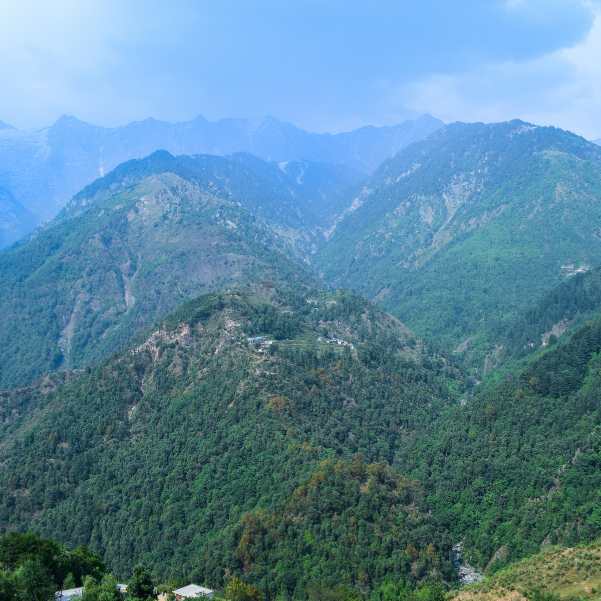
March weather here is transitional, which means it rewards planning more than any other month. The general feel is pleasant during the day and noticeably cool by evening, with conditions shifting depending on altitude, time of day, and whether you are in early or late March.
Lower Dharamshala, sitting at a lower elevation, typically sees daytime temperatures between 17 and 23 degrees Celsius by mid-March. In the sun, this is comfortable in a T-shirt. It feels mild, sometimes even warm if there is no breeze.
McLeodganj, a few hundred metres higher, is cooler. Daytime temperatures usually range from 12 to 19 degrees. Comfortable for walking, sitting in cafes, and moving between sightseeing spots, but the moment the sun disappears behind the ridge or a cloud rolls in, you feel the chill immediately. This catches a lot of first-time visitors off guard.
Dharamkot and Naddi, sitting higher still, are a few degrees cooler than McLeodganj. Morning temperatures in these areas can hover around 5 to 10 degrees in early March. By late March, mornings are less biting, but still require a proper warm layer if you are stepping out early.
Night temperatures across the region drop more than most plains travellers expect. In McLeodganj, nights in early March can go down to 4 to 7 degrees. Late March is milder, but 8 to 10 degrees after sunset is still common. If your hotel room does not have heating, you will feel it.
Rain in March is not a major factor, but it is not entirely absent either. A short drizzle or an unexpected cloudy spell can happen, especially towards the end of the month as pre-monsoon patterns start building. It is nothing disruptive, but it can affect viewpoint visits and trekking plans.
Wind is the other factor people underestimate. Viewpoints like Naddi and the upper sections of trails are exposed. Even at 14 degrees, a strong wind at a ridgeline makes it feel much colder. This is where cotton hoodies fail and proper wind-resistant layers earn their place.
What this means for travellers: Dress in layers, keep a warm jacket accessible at all times, and plan your best outdoor activities for mornings when the skies are usually clearest. March rewards flexible planning and smart packing far more than it punishes. The weather is mostly on your side, but it expects you to meet it halfway.
Can You See Snow in Dharamshala or McLeodganj in March?
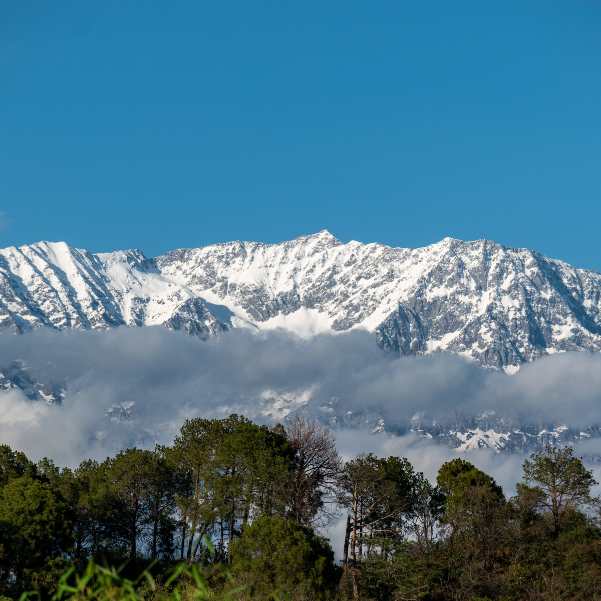
This is one of the most common questions travellers have, and the honest answer has a few layers.
Fresh snowfall in McLeodganj town during March is rare but not impossible. It sometimes happens in early March if a late winter system passes through, but it is unusual and should not be the basis of your trip plan.
If you are building your itinerary around the idea of waking up to snow-covered streets in McLeodganj, March is the wrong month for that. January and February are far more reliable for that experience.
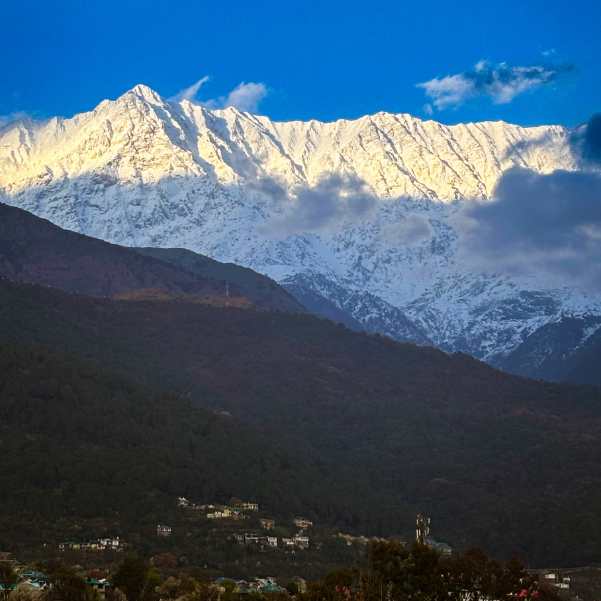
What March does deliver, and reliably, is stunning snow on the Dhauladhar range. The peaks are still carrying heavy winter snow through most of March, and on clear mornings, the contrast between white summits, blue sky, and green pine forest is genuinely breathtaking.
These views are best from Naddi, Dharamkot, the walk between McLeodganj and Dharamkot, and from the Triund ridge if you trek.
If you trek to Triund or higher, you are very likely to encounter snow on the ground in March, especially in early to mid-March.
The trail itself may have snow patches in the upper sections, and the summit area is often snow-covered. This is a different experience from seeing snow from a distance, and it adds a lot to the trek.
The practical distinction matters. March is a spring travel month with winter mountain views, not a snow travel month. If you set your expectations around clear views of snow-capped peaks rather than snow at your feet in town, you will find March deeply satisfying.
Dharamshala vs McLeodganj vs Dharamkot vs Naddi: Where Should You Stay in March?
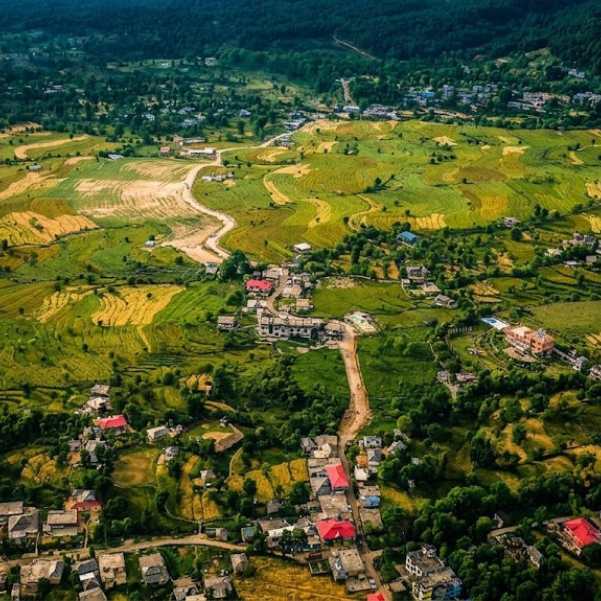
Where you base yourself in March shapes more of your trip than most people realise. The movement between these areas takes time, and the vibe of each is genuinely different.
McLeodganj is the natural base for first-time visitors. Everything you want to do in the first two days is walkable from here. The Tsuglagkhang Complex, Namgyal Monastery, Temple Road cafes, the Bhagsu trail, and the market are all within easy reach on foot. In March, McLeodganj has a comfortable energy.
Not as crowded as April or May, but active enough that the cafes and restaurants feel alive. The downside is that rooms near the main square can be noisy, and parking is always a challenge if you have a vehicle.
Best for: first-time visitors, couples who want convenience, anyone who values walkability.
Dharamkot is the quieter village above McLeodganj. It attracts solo travellers, yoga practitioners, digital nomads, and people who want a slower pace. In March, the views from Dharamkot are often spectacular on clear mornings, and it is the starting point for the Triund trek.
The trade-off is that getting to McLeodganj requires a 20 to 30-minute walk downhill or a short auto ride, which can feel tedious if repeated daily.
Best for: solo travellers, trekkers, people who prioritise quiet and views over convenience.
Naddi sits above McLeodganj and offers what is arguably the finest Dhauladhar panorama in the area. On a clear March morning, the view from Naddi is the kind that makes people stop talking.
It is peaceful and photogenic. But Naddi is not walkable to any major sightseeing, so you need transport for everything.
Best for: couples wanting romance and views, photographers, travellers who value scenery over access.
Lower Dharamshala is more spread out, slightly warmer, and has better road connectivity. Families who want spacious hotels with parking, or travellers planning day trips to Kangra Fort, Palampur, or Bir Billing, often find it more practical. But you will need a cab to reach McLeodganj each time.
Best for: families with vehicles, travellers focused on day trips, people wanting a calmer base.
Bhagsu sits between McLeodganj and Dharamkot. It has its own temple and waterfall, a lively backpacker-friendly cafe scene, and is a short walk from McLeodganj's main square. In March, it is quieter than peak season but still has enough going on to keep evenings interesting.
Best for: budget travellers, backpackers, travellers who want a balance of access and atmosphere.
If you want to explore all these places comfortably, have a look at our Dharamshala and McLeodganj tour packages.
How Many Days Do You Need in March?
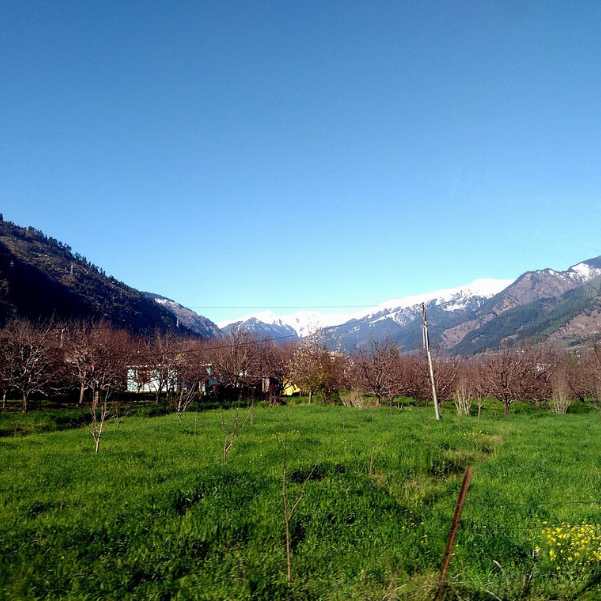
1 day
Tight, but possible if you focus. You can visit the Tsuglagkhang Complex, walk through the McLeodganj market, see Bhagsu Temple and the waterfall, and catch one viewpoint. But you will miss lower Dharamshala, any treks, and the slower cultural experiences that make this place special. One day gives you a taste, not a meal.
2 days
The most popular trip length, and it works well if you plan smartly. Day one for the McLeodganj cultural core, Bhagsu, and a viewpoint. Day two for lower Dharamshala attractions like Norbulingka, HPCA Stadium, and the Tea Gardens. Two days in March gives you a well-rounded trip without feeling frantic.
3 days
This is the sweet spot for March. Two full days of sightseeing plus one day for either the Triund trek (conditions permitting), a day trip to Kangra Fort and Masroor, or a trip to Bir Billing. Three days also gives you the breathing room to linger in a cafe, revisit a viewpoint on a clearer morning, or simply walk through McLeodganj without looking at a checklist.
4 days
Ideal for slow travellers. Cover everything a 3-day plan includes, add another day trip, attend a meditation session at Tushita, explore Dharamkot properly, or spend a leisurely morning at Norbulingka watching artisans work. This is the pace the region genuinely deserves, and March weather supports it well.
March weather supports all of these durations. The only caution is that if your trip includes Triund, keep a buffer day in case the weather shifts or trail conditions are not ideal.
Best Things to Do in Dharamshala and McLeodganj in March
Monastery and Tibetan culture experiences
This is the heart of what makes McLeodganj different from every other hill station. The Tsuglagkhang Complex, Namgyal Monastery, the Tibet Museum, and the Kalachakra Temple offer a depth of cultural experience you simply cannot find elsewhere.
In March, these spaces are active with monks, prayer sessions, and visitors, but not overwhelmingly crowded. The afternoon philosophical debate sessions at Namgyal Monastery are genuinely fascinating, even without understanding Tibetan.
For deeper spiritual engagement, Tushita Meditation Centre above McLeodganj offers drop-in sessions, and the forest setting feels especially peaceful in March's cool mornings.
Cafe and market walks
March is when McLeodganj's cafe culture starts warming up for the season. Temple Road cafes offer everything from Tibetan thukpa to Italian coffee. Bhagsu's lane is more bohemian, with traveller-friendly menus and a laid-back vibe.
Dharamkot's rooftop cafes serve valley views alongside vegan bowls and good chai. The McLeodganj evening market is a joy in March, with the air cool, the lights on, and momos steaming from street stalls.
Viewpoints and sunset stops
March mornings are often crystal clear, which makes this one of the best months for viewpoints. Naddi View Point on a cloudless morning offers a panorama that genuinely takes your breath away.
Sunset Point near Naddi catches the light on the Dhauladhar peaks beautifully. The key is to plan these for mornings or golden hour, not midday when clouds can build.
Nature walks and easy local exploration
The walk from McLeodganj to Dharamkot through pine forest is one of the loveliest 30-minute strolls in the area. In March, the light filters through the trees, the air smells of pine, and you are likely to have the trail mostly to yourself, especially on weekdays.
Bhagsu Waterfall is a short walk from Bhagsunag Temple and has moderate water flow in March. Dal Lake, though small, offers a quiet forest walk that works as a gentle detour. St. John in the Wilderness Church, set deep in deodar forest between Dharamshala and McLeodganj, is atmospheric in March morning light.
Tea gardens and lower Dharamshala sights
Norbulingka Institute is one of the most rewarding visits in the region. Watch Tibetan artisans paint thangkas and carve wood, then walk through the Japanese garden, which starts greening up in March.
HPCA Stadium, one of the most scenic cricket grounds in the world, has the Dhauladhar peaks as its backdrop, and on a clear March day, the view is surreal.
The Dharamshala Tea Gardens offer rolling green views with mountains behind. Gyuto Monastery in Sidhbari is spacious, quiet, and far less crowded than McLeodganj's monasteries.
Triund or other March-friendly trekking options
The Triund trek is the headline outdoor activity from this region, and March is often a good month for it with the right preparation. More on this in the dedicated section below.
For shorter walks, the Gallu Devi to Dharamkot loop, the Bhagsu Waterfall trail, and the McLeodganj to Dharamkot walk offer outdoor time without committing to a full trek day.
Short day trips if staying longer
March is excellent for day trips. Kangra Fort and the Masroor Rock Cut Temples make a superb combined history day. Bir Billing, about 2.5 to 3 hours away, is one of the best paragliding destinations in the country, and March conditions are often favourable.
Palampur and Andretta make a gentle day of tea gardens and pottery workshops. Chamunda Devi Temple, about an hour away, combines well with a Kangra Fort visit.
Best Places to Visit in Dharamshala and McLeodganj in March
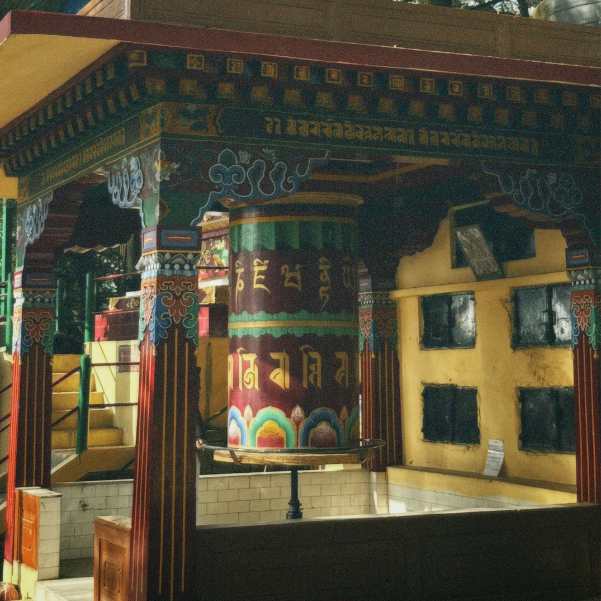
Rather than a random list, here are the places that genuinely reward a visit in March, grouped by area and type.
Spiritual and Tibetan Culture
Tsuglagkhang Complex (Dalai Lama Temple)
The spiritual centre of McLeodganj and the reason this town exists on the global map. The main temple, meditation hall, and courtyard are calm and deeply moving.
In March, the complex is active but not overwhelmed with visitors, which makes it easier to absorb the atmosphere. The kora (circumambulation path) lined with prayer wheels is a walk that stays with you. Morning visits have the most peaceful energy. Free entry. Allow 45 minutes to an hour.
Namgyal Monastery
Situated within the Tsuglagkhang Complex, Namgyal is where the afternoon philosophical debate sessions happen.
Monks engage in animated, gestured debates that are captivating to watch even without understanding Tibetan. In March, afternoons are cool but comfortable for sitting and watching. Free entry. 30 to 45 minutes.
Tibet Museum
Right beside the temple complex, this small but powerful museum documents the Tibetan refugee experience through photographs and personal accounts. Visit this before exploring the monasteries.
It gives depth and context to everything else you see. Free entry, donations welcome. Usually open 9 AM to 5 PM, often closed on Mondays. 30 to 45 minutes.
Kalachakra Temple
Near the main square, this temple features intricate murals and a quieter atmosphere than the main complex.
In March, it is rarely crowded, making it easy to spend time looking at the wall paintings without being jostled. Free entry. 20 to 30 minutes.
Tushita Meditation Centre
Set in the forest above McLeodganj, Tushita offers drop-in meditation sessions and longer residential retreats.
The morning sessions in March are held in cool, quiet conditions. If you have any interest in meditation, this is one of the most beautiful settings to try it. Check their schedule in advance.
Easy Viewpoints and Local Nature
Bhagsunag Temple
An ancient Shiva temple with a sacred spring-fed pool at the base of the Bhagsu Waterfall trail. Most people rush past it on the way to the waterfall, but the old stone structure and natural spring deserve a pause.
In March, mornings here are quiet and reflective. Free entry. 20 to 30 minutes. Best visited early before the waterfall crowd arrives.
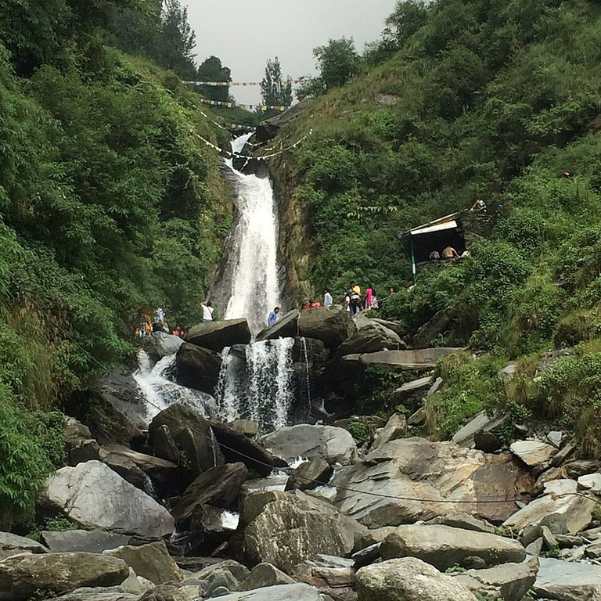
Bhagsu Waterfall
About a 20-minute uphill walk from the temple. In March, the water flow is steady, sometimes quite strong if there has been late winter precipitation.
The rocks around the cascade are good for photos, but wear shoes with grip. Free entry. 1 to 1.5 hours including the walk. Go before 10 AM on weekends.
Naddi View Point
One of the best panoramic spots in the entire region. On a clear March morning, the Dhauladhar range, the Kangra valley, and miles of forested hills unfold before you.
This is the kind of view that makes people rethink their screen savers. Free entry. 30 minutes to an hour. Go early. The view is entirely weather-dependent. Check the sky before making the trip.
Sunset Point. Near Naddi, this is the go-to spot for watching the Dhauladhar peaks catch the last light of the day.
In March, sunset happens earlier than in summer, so check timings. The wind can be brisk at this hour, so carry a warm layer. Free entry. 30 to 45 minutes.
Dharamkot
A quiet village above McLeodganj with valley views, relaxed cafes, yoga centres, and the start of the Triund trail. In March, Dharamkot has a calm, unhurried feel.
The walk up from McLeodganj through pine forest is one of the nicest strolls in the area. Allow 1 to 2 hours for a visit.
St. John in the Wilderness Church
A stone Anglican church built in 1852, set inside a deodar forest on the road between Dharamshala and McLeodganj.
The stained glass, old gravestones, and forest setting are atmospheric, especially in the soft light of a March morning. Ask your cab to stop on the way up or down. Free entry. 20 minutes. One of the most photogenic spots in the area.
Dal Lake
A small, tree-fringed lake that works as a gentle detour from McLeodganj. In March, the water level is moderate and the surrounding forest is quiet.
It is not a destination in itself, but the walk through deodar trees to get there is the real reward. A small Shiva temple sits by the water. Free entry. 20 to 30 minutes.
Lower Dharamshala and Surrounding Landmarks
HPCA Stadium
One of the most scenic cricket grounds in the world. The Dhauladhar peaks rising behind the stadium make for an extraordinary photograph.
In March, clear days make the mountain backdrop almost unbelievable. If a match is scheduled during your visit, try to get tickets. Free outside viewing. 15 to 30 minutes.
Norbulingka Institute
A beautifully maintained Tibetan cultural campus in lower Dharamshala. Watch artisans create thangka paintings, woodcarvings, and metalwork.
The Japanese garden begins greening up in March, and the whole campus feels serene. In March, the weather is perfect for the outdoor areas. Approximately Rs 50 to 100 entry. 1.5 to 2 hours. Morning or early afternoon.
Gyuto Monastery
In Sidhbari, about 8 km from McLeodganj. Spacious, architecturally impressive, and far quieter than the McLeodganj monasteries.
Known for its tradition of deep chanting. Free entry. 30 to 45 minutes. Pairs well with Norbulingka in a half-day lower Dharamshala loop.
War Memorial
A well-maintained memorial honouring soldiers from the region. Quiet and reflective. Free entry. 15 to 20 minutes. Near the HPCA Stadium area.
Dharamshala Tea Gardens
Rolling green tea bushes on the outskirts of town with mountains behind. In March, the bushes are starting their fresh growth cycle, and the light in late morning is excellent for photographs.
A refreshing change of scenery from the forest and temple visits of McLeodganj. Free entry. 30 to 45 minutes.
Day Trips if You Have More Time
Kangra Fort
One of the oldest and largest forts in India, with ruins that sprawl across a hilltop south of Dharamshala. In March, the weather is comfortable for walking the extensive grounds, and the views from the fort ramparts are clear. Allow 1.5 to 2 hours. Combines well with Masroor.
Masroor Rock Cut Temples
Carved from a single rock formation in the 8th century, these temples are seriously underrated. The craftsmanship is remarkable, and on a clear March day, you can see the Dhauladhar range from the temple complex. About an hour beyond Kangra Fort. 1 to 1.5 hours.
Palampur
A quiet town known for its tea gardens. The drive through the Kangra valley in March is scenic, with green fields and mountain views the entire way. Combine with Andretta, a small art village nearby with pottery workshops. A gentle half-day or full-day trip.
Bir Billing
About 2.5 to 3 hours from Dharamshala. One of India's best paragliding sites, and March often has good flying conditions. Even without paragliding, Bir has a lovely cafe culture and a few monasteries worth visiting.
Chamunda Devi Temple
About an hour from Dharamshala, this hilltop temple is a popular spiritual stop. It combines well with a Kangra Fort day trip for travellers who want a full day outside the McLeodganj area.
Triund Trek in March: Is It Worth It?
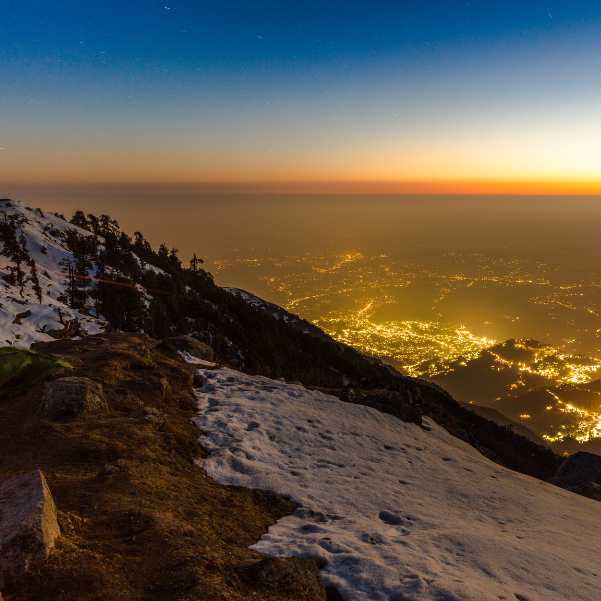
The Triund trek is the most popular trek from Dharamshala, reaching approximately 2,828 metres. In March, it is often doable but comes with conditions that are different from the warmer months, and preparation matters more.
The trail from Gallu Devi Temple near Dharamkot takes about 3 to 4 hours up and 2 to 3 hours down for a person with moderate fitness. The first half is a steady climb through oak and rhododendron forest. The last kilometre is steep and rocky, and in March, this upper section may have snow or ice patches depending on the year and recent weather.
In early March, snow on the trail is more likely, and the summit area may be well-covered. By late March, much of this starts melting, but patches often remain. The snow adds beauty but also adds difficulty. Trekking shoes with good grip are essential, not optional. Sneakers are a liability on snowy or icy terrain.
Daytime temperatures at the Triund summit in March can be around 3 to 8 degrees, but with wind, it feels significantly colder.
If you are camping overnight, expect nighttime temperatures to drop below zero. Proper warm layers, a good sleeping bag, and wind protection are critical for overnight treks.
Who should attempt Triund in March?
Travellers with reasonable fitness who are comfortable with cold conditions and potentially snowy terrain.
If you have trekked before and understand that mountain conditions change quickly, March adds a dimension to Triund that warmer months do not offer, especially the snow views from the top.
Who should skip it?
First-time trekkers who are not comfortable with cold or unpredictable conditions. Families with young children. Anyone who does not have proper footwear and layers.
What to carry?
Trekking shoes with proper grip, a warm base layer, fleece or puffer jacket, windproof outer layer, rain jacket, at least 2 litres of water, energy snacks, sunscreen, sunglasses, and a buff or scarf for wind protection. If camping overnight, a good sleeping bag rated for sub-zero temperatures.
Start early. Aim to begin by 7 AM. The morning light is better, the trail is quieter, and you avoid afternoon cloud buildup that can reduce visibility at the summit.
Important: Mountain conditions shift quickly. Trail status, permit rules, and camping regulations change from time to time. Always verify the latest weather, trail conditions, and permit requirements with local authorities or your accommodation before heading up. Do not rely solely on online information that may be outdated.
What to Wear in Dharamshala and McLeodganj in March

March packing is about layers. The temperature swing between a sunny afternoon and a cold evening is significant, and the altitude means the sun feels strong even when the air is cool.
Daytime sightseeing
T-shirts, light shirts, or dry-fit tops work well during sunny hours. Comfortable trousers, joggers, or chinos for walking. A cap or hat for sun protection, as the March sun at altitude is stronger than it feels. Expect 8,000 to 12,000 steps on an active sightseeing day.
Evenings and cooler spots
A fleece, hoodie, or light puffer jacket is essential. Dharamkot, Naddi, and even McLeodganj feel noticeably colder once the sun dips. If you are eating at an open-air cafe or watching sunset from a viewpoint, this layer is not optional. Warm socks help at night.
Early mornings
In early March, mornings can be properly cold, around 5 to 8 degrees at McLeodganj elevation. A warm mid-layer plus a wind-resistant outer jacket is needed if you are heading out for sunrise or an early walk.
Trekking (Triund or trails)
Quick-dry trek pants are far better than jeans. Jeans absorb water, restrict movement, and take forever to dry, all problems made worse if there is snow on the trail. A dry-fit base, fleece in the daypack for the summit, a rain jacket, proper trekking shoes, and a buff for wind on exposed sections.
For monastery and temple visits
Dress modestly, covering shoulders and legs. A light scarf or stole works well here and doubles as an extra wind layer.
Footwear
Comfortable walking shoes with grip for town. Trekking shoes if you plan to do Triund or any trail. Flip-flops for the hotel. McLeodganj has uneven surfaces, and paths around Bhagsu and Dharamkot can be slippery, especially after a drizzle.
Other essentials
Sunscreen with SPF 30 or higher (the March sun at altitude is deceptively strong), lip balm with SPF, sunglasses, a daypack, a power bank, a basic medicine kit, and cash alongside a UPI-enabled phone. McLeodganj accepts UPI widely, but autos, small shops, and some entry counters prefer cash.
2-Day Dharamshala McLeodganj Itinerary in March
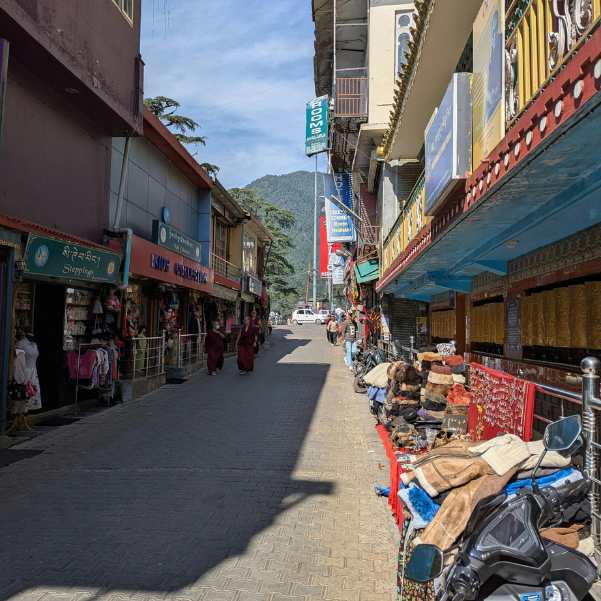
This itinerary is designed for March conditions: cool mornings, comfortable midday, clear skies in the early hours, and enough daylight for a full day.
Day 1: McLeodganj, Bhagsu, and a Viewpoint
Morning: Start at the Tsuglagkhang Complex. Walk through the main temple, Namgyal Monastery, and the Tibet Museum. March mornings here are cool and uncrowded, with a calm energy that makes the visit feel personal.
Afternoon: Walk to Bhagsunag Temple and continue up to Bhagsu Waterfall. Have lunch at one of the Bhagsu trail cafes. If you still have energy, walk up to Dharamkot for a coffee with a valley view.
Evening: Auto or cab to Naddi for sunset. In March, the late-afternoon light on the snow peaks is extraordinary when conditions cooperate. Return to McLeodganj for dinner and a market walk.
Day 2: Lower Dharamshala Cultural Loop
Morning: Cab to Norbulingka Institute. Allow a good 1.5 hours for the workshops and garden. The morning light in the garden is lovely.
Midday: Drive to Gyuto Monastery, then to the HPCA Stadium area for the mountain backdrop photograph.
Afternoon: Kangra Art Museum or War Memorial. Stop at the Tea Gardens if time allows.
Evening: Stop at St. John in the Wilderness on the way back to McLeodganj. Relaxed dinner and evening market browse.
3-Day Dharamshala McLeodganj Itinerary in March
Version 1: For General Travellers
Day 1 and Day 2 follow the 2-day plan above.
Day 3: Day Trip to Kangra Fort and Masroor
Morning: Drive to Kangra Fort. Explore the sprawling ruins with views of the valley. March light and temperatures make the walk through the fort comfortable.
Midday: Continue to Masroor Rock Cut Temples. The 8th-century carvings are stunning, and few tourists make it here.
Afternoon: Return to Dharamshala by late afternoon. Relaxed evening with a farewell dinner in McLeodganj.
Version 2: For Trek-Focused Travellers
Day 1 and Day 2 follow the 2-day plan above.
Day 3: Triund Trek
Early morning: Start from Dharamkot or the Gallu Devi trailhead by 7 AM. March mornings are cold at this altitude, but the early start gives you better mountain views before clouds build.
Late morning/Afternoon: Reach Triund summit in about 3 to 4 hours. Take in the panoramic views, eat lunch at the top. In March, snow on nearby ridges adds to the visual drama.
Late afternoon: Descend in about 2 to 3 hours. Back in McLeodganj by evening for a well-earned dinner.
Note: Always check trail conditions and weather locally before committing to this day. If conditions are not suitable, swap in the Kangra Fort day trip or a relaxed Dharamkot and cafe day.
4-Day Dharamshala McLeodganj Itinerary in March
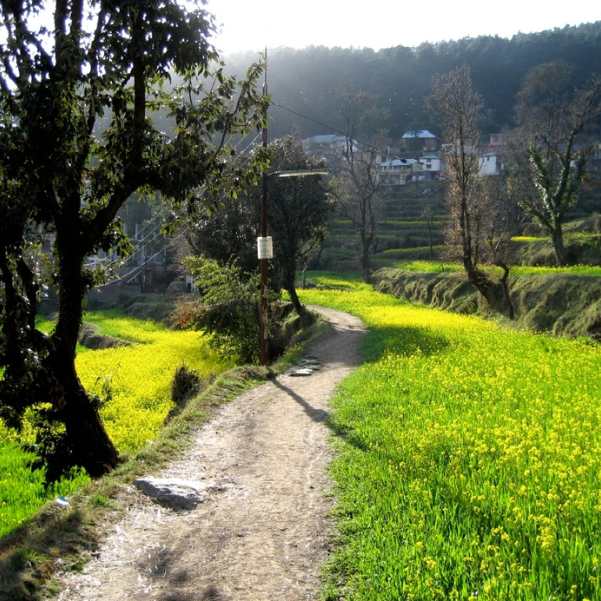
This itinerary is for travellers who want a slower pace and deeper exploration.
Day 1: McLeodganj cultural core. Tsuglagkhang Complex, Namgyal Monastery, Tibet Museum, Kalachakra Temple. Afternoon walk to Bhagsunag Temple and Bhagsu Waterfall. Evening market and cafes.
Day 2: Lower Dharamshala loop. Norbulingka Institute, Gyuto Monastery, HPCA Stadium, Tea Gardens, and St. John in the Wilderness. Evening at leisure.
Day 3: Triund trek (if conditions allow) or a full day in Dharamkot. Dharamkot offers yoga sessions, valley-view cafes, and the Gallu Devi temple area for shorter walks. Alternatively, spend the morning at Tushita Meditation Centre for a drop-in session, then have a slow lunch at a Dharamkot cafe with mountain views.
Day 4: Day trip to Bir Billing for paragliding and cafe culture (about 2.5 to 3 hours each way). Or a combined trip to Kangra Fort and Masroor Rock Cut Temples. Return to Dharamshala by evening.
Want all of this planned out with stays, transfers, and a day-wise route that fits your dates? Travel Coffee can put together your March trip. We build Dharamsala Tour Packages around how this region actually moves, not how it looks on a generic website.
Explore Our Curated Dharamshala & McLeodganj Tours
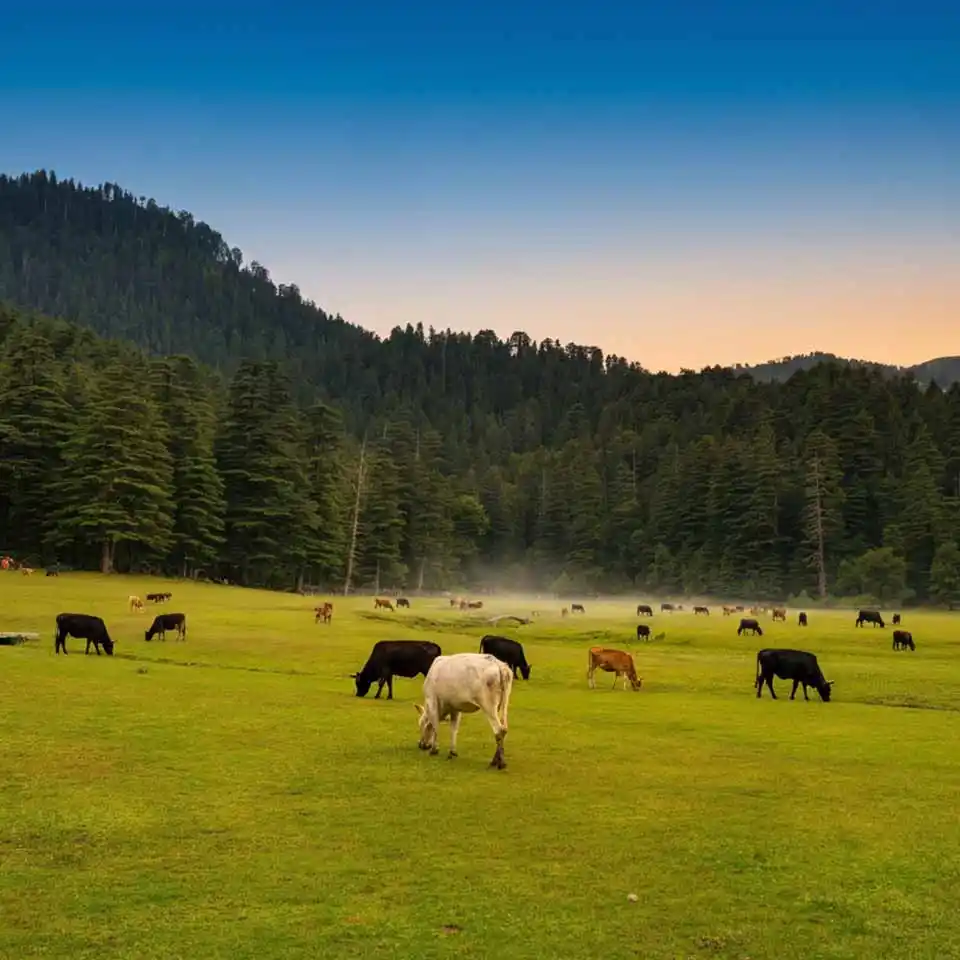 6D/5N
6D/5NDharamshala Dalhousie Khajjiar Meadow Circuit
1D Delhi•2D McLeodganj+1
₹19,999₹25,999SAVE INR 6,000/ person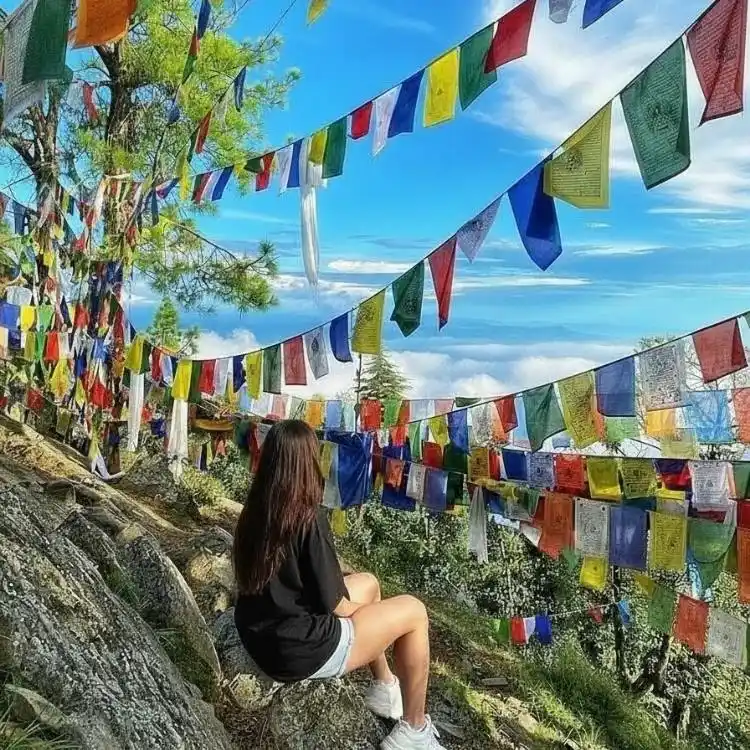 3D/2N
3D/2NDharamshala & McLeodganj Weekend Tour
1D Delhi•2D Dharamshala / McLeodganj
₹8,799₹17,880SAVE INR 9,081/ person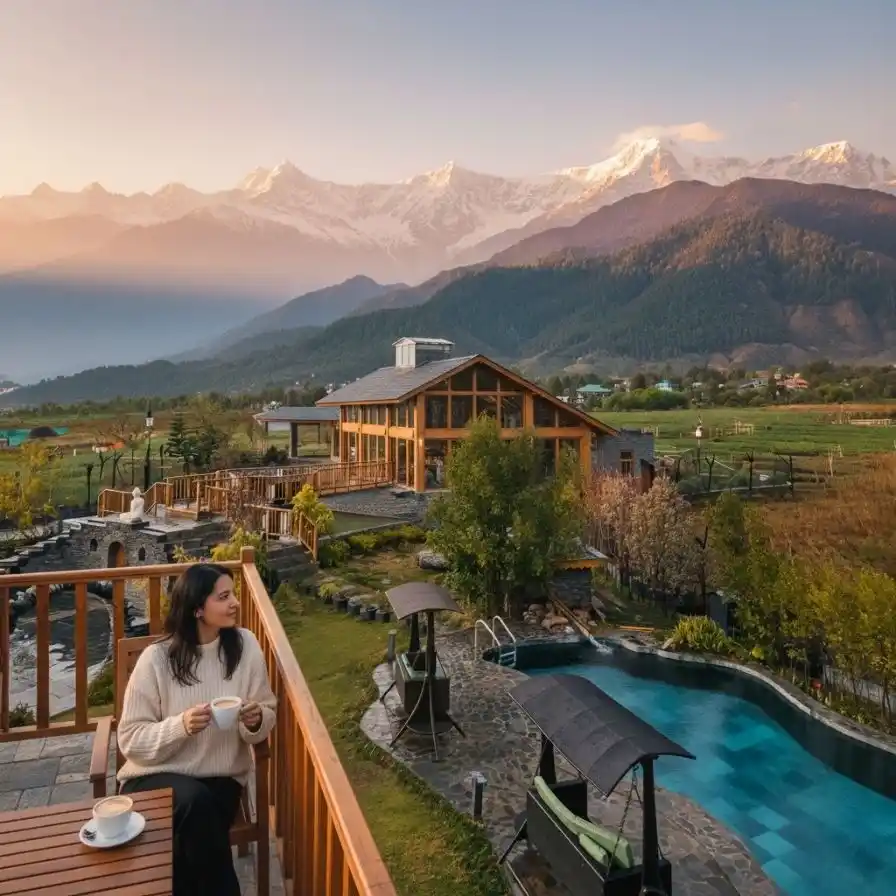 3D/2N
3D/2NDharamshala & McLeodganj Luxury Hideaway
1D Delhi•2D Dharamshala / McLeodganj
₹23,799₹29,999SAVE INR 6,200/ person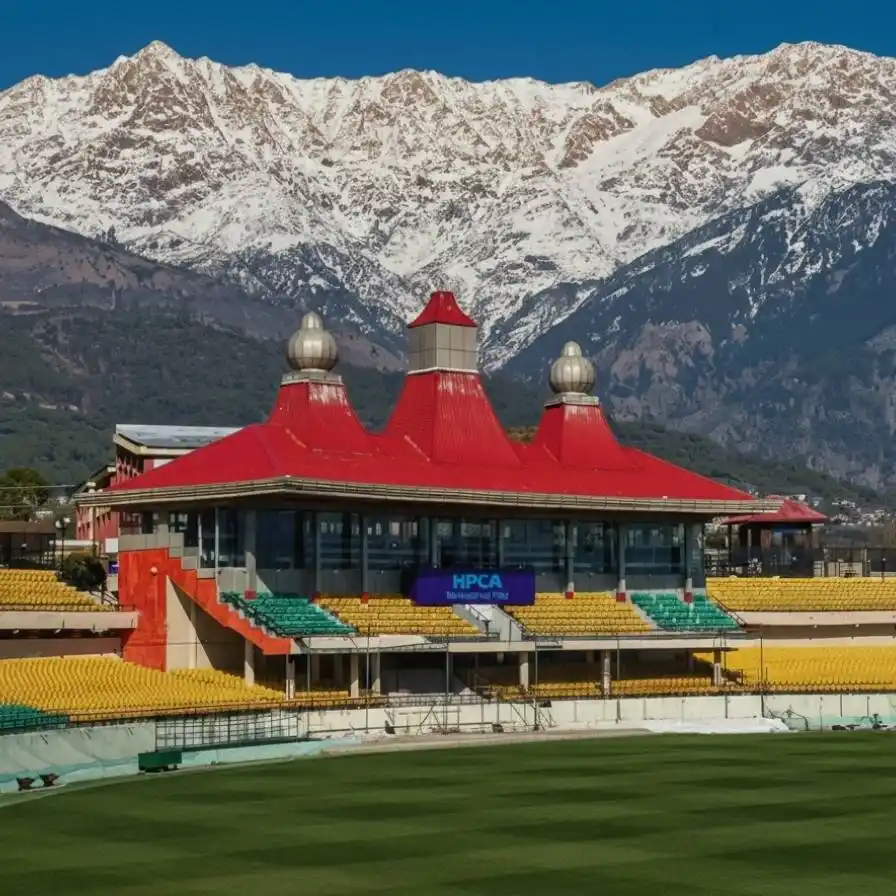 6D/5N
6D/5NDharamshala Dalhousie Khajjiar Himalayan Retreat
1D Delhi•2D McLeodganj+1
₹25,999₹32,999SAVE INR 7,000/ person
Dharamshala Trip Cost in March
March is shoulder-to-peak season, so hotel rates are higher than deep winter but generally lower than April and May weekends. Here are realistic daily budget ranges.
Backpackers and solo travellers
Budget stays in Bhagsu or Dharamkot typically cost around Rs 400 to 1,200 per night. Meals at local eateries run Rs 250 to 450 per day. Shared autos and walking keep transport costs low, around Rs 100 to 250 per day. Total: roughly Rs 800 to 2,000 per person per day.
Mid-range couples
A comfortable hotel in McLeodganj or Naddi costs Rs 1,800 to 4,500 per night in March. Early booking helps. Meals at cafes and restaurants run Rs 700 to 1,300 per day. Cabs for half-day sightseeing loops cost Rs 700 to 1,400 per trip. Total: roughly Rs 3,500 to 7,000 per couple per day.
Families with taxis
A family hotel or homestay costs Rs 2,500 to 6,000 per night. Meals for four run Rs 1,200 to 2,200 per day. Full-day taxi hire costs Rs 1,500 to 2,800. Day trip taxis (Kangra Fort, Bir Billing) cost Rs 1,800 to 3,000. Total: roughly Rs 6,000 to 11,000 per family per day.
Most sightseeing is free or has nominal fees. The biggest variable costs are accommodation and transport for day trips. Book stays early for better rates and availability, especially if your trip includes a weekend.
Best Cafes, Market Areas, and Evening Vibe in March
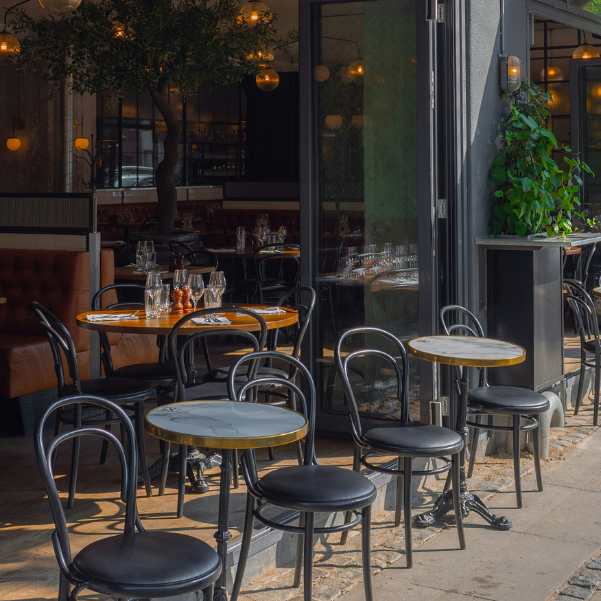
March is when the cafe scene starts coming alive after the quieter winter months.
McLeodganj Main Square and Temple Road have the highest concentration of options. Tibetan restaurants with steaming thukpa and momos sit next to Italian espresso places and multi-cuisine cafes.
The market along Temple Road is good for Tibetan souvenirs, singing bowls, prayer flags, and warm clothing if you forgot to pack a layer. In March, the evenings are cool enough to make hot drinks feel essential, and the market picks up after 5 PM as fairy lights come on and the air gets crisp.
Bhagsu has a more laid-back, bohemian energy. Cafes lean towards traveller menus with pancakes, shakshouka, hummus, and good coffee. Some spots have partial waterfall views. In March, outdoor seating is pleasant during sunny afternoons but you will want to move inside or add a layer as evening approaches.
Dharamkot has the quietest cafe scene. Valley views, vegan menus, and absolutely no rush. If you want to sit for two hours with a book and a coffee and feel zero pressure, this is the area. In March, the morning light at Dharamkot's rooftop cafes is beautiful, and the cool air makes hot chai taste better than it should.
The vibe shifts depending on your preference. If you want energy and variety, McLeodganj. If you want character and calm, Bhagsu or Dharamkot. All three are within easy reach of each other.
Travel Tips for Visiting Dharamshala and McLeodganj in March
Start your mornings early
March mornings are when the views are sharpest and the skies are clearest. Naddi, Dharamkot, and any elevated viewpoint are best before noon. Afternoon clouds are common, especially by late March.
Book your stay in advance
March sees increasing visitor numbers, especially towards the second half as the weather improves. The best-value rooms fill up faster than you expect. Booking 2 to 3 weeks ahead gives you better options.
Weekdays are better than weekends
The difference between a Wednesday and a Saturday in McLeodganj during March is noticeable. If you have flexibility, a mid-week trip is more relaxed and more enjoyable.
Keep a warm layer accessible
Do not bury your fleece at the bottom of your bag. March evenings cool down fast, and you will reach for a warm layer more often than you think.
Use mornings for viewpoints and outdoors, evenings for cafes and markets
This is the smartest daily rhythm for March. The weather supports it, and the market energy in McLeodganj peaks after sunset.
Plan in loops, not random lists
Group nearby places together. Do not zigzag between McLeodganj and lower Dharamshala in a single day unless you enjoy sitting in cabs more than sightseeing.
Walking versus cabs
Within McLeodganj and between McLeodganj, Bhagsu, and Dharamkot, walking is entirely feasible and often enjoyable. For lower Dharamshala, Naddi, and day trips, cabs are necessary. Budget accordingly.
Night temperature reality
Even in late March, nights in McLeodganj can drop to 8 to 10 degrees. Early March nights are colder. If your stay does not have heating, ask before booking. An extra blanket makes a difference.
Keep trek plans flexible
If Triund is part of your plan, do not lock it to a specific day. Watch the weather, check locally, and be prepared to swap it for a backup plan.
Carry cash alongside UPI
Most McLeodganj cafes and shops accept digital payments, but autos, smaller vendors, and some entry counters still prefer cash. ATMs can have queues on weekends.
Mistakes Travellers Make in March
Expecting fresh snowfall in McLeodganj town
This is the most common expectation-versus-reality gap. March occasionally delivers light snow in early March, but planning your trip around it is setting yourself up for disappointment. Come for the snow views on the peaks, not for snow at your feet.
Underpacking for mornings and evenings
The midday sun fools people into thinking March is warm all day. It is not. Mornings and evenings are cold enough that a T-shirt and a hoodie will leave you shivering. A proper fleece or puffer plus a wind-resistant jacket should be in your bag.
Treating Dharamshala and McLeodganj as one walkable zone
They are connected but not close. Lower Dharamshala and McLeodganj are about 9 km apart. Moving between them takes time and transport. Plan your days by area, not by random attraction-hopping.
Planning viewpoints on the wrong day
If your single viewpoint morning turns out cloudy, you have missed it. Keep mornings flexible. Check the sky before committing to Naddi or Sunset Point. If it is overcast, swap in a museum or cafe visit and try the viewpoint the next morning.
Adding a Triund trek without checking weather
Triund in March can be stunning or miserable depending on conditions. Always check weather forecasts and trail status locally, not just on the internet, before heading up.
Choosing the wrong stay area for their trip style
A family that books in Dharamkot because they liked the photos will spend too much time on transport. A solo trekker who books in lower Dharamshala will feel disconnected from the McLeodganj vibe. Match your stay base to your itinerary.
Skipping lower Dharamshala entirely
Many visitors spend their entire trip in McLeodganj and never visit Norbulingka, the Tea Gardens, HPCA, or Gyuto Monastery. These are some of the most rewarding stops in the area and deserve at least a half-day.
Not carrying sunscreen
The March sun at altitude is deceptively strong. You can get sunburnt at a viewpoint or on a trek without realising it until the evening. SPF 30+ sunscreen and lip balm with SPF are small items that make a real difference.
Final Thoughts
March gives you a version of Dharamshala and McLeodganj that feels fresh, clear, and unhurried. The weather is transitioning in the best way: winter's edge is softening, the mountains are still dramatically white, the cafes are warming up for the season, and the cultural heart of McLeodganj beats steadily without the congestion that later months bring.
It is not the month for snowfall at your feet in town, and it requires smarter packing than a summer trip. But if you are the kind of traveller who values views over crowds, culture over checklists, and real comfort over peak-season energy, March is quietly one of the most rewarding months to be here.
Plan in loops. Mornings for mountains and viewpoints, evenings for cafes and markets. Keep your layers close and your itinerary flexible. And give yourself enough days to let the place breathe. That is how you get the most from Dharamshala and McLeodganj in March.
If you want your trip planned end to end with stays, transfers, and a realistic day-wise route, Travel Coffee can help. We know these mountains and we build trips that actually work on the ground.
>>Find the Right Dharamshala & McLeodganj Package for Your Travel Dates
Related topics
Frequently Asked Questions
Is March a good time to visit Dharamshala?
Yes. March offers pleasant daytime weather, snow-capped mountain views, comfortable walking conditions, and a less crowded experience than the full peak season of April and May. It is one of the better months for a balanced trip combining sightseeing, culture, and outdoor activities.
What is the temperature in McLeodganj in March?
Daytime temperatures in McLeodganj generally range from 12 to 19 degrees Celsius. Evenings and nights can drop to 5 to 10 degrees, colder in early March. Higher areas like Dharamkot and Naddi feel a few degrees cooler. The temperature swing between day and night is wider than most visitors expect.
Can we see snow in Dharamshala in March?
Fresh snowfall in McLeodganj town is rare in March, though it sometimes happens in early March. However, the Dhauladhar range is clearly visible with heavy snow on the peaks on most clear days. If you trek to Triund, you are likely to find snow on the ground, especially in the first half of the month. The snow-capped mountain views from Naddi and Dharamkot in March are stunning.
Is Triund open in March?
In most years, the trail is accessible, though upper sections may have snow or ice patches, especially in early March. The difficulty is higher than in warmer months because of cold conditions and potentially slippery terrain. Proper trekking shoes and warm layers are essential. Always check trail conditions, weather, and permit requirements locally before trekking.
What should I wear in Dharamshala in March?
Layer your clothing. T-shirts or light shirts for daytime. A fleece, hoodie, or light puffer for evenings and early mornings. A windproof, water-resistant outer jacket. Comfortable trousers or joggers for walking. Quick-dry trek pants if trekking. Shoes with good grip. A scarf or stole for temple visits and wind protection.
Is March crowded in McLeodganj?
Less than April and May, but weekends in the second half of March can get busy, especially with visitors from Delhi, Chandigarh, and Punjab. Weekdays are noticeably calmer. If you can plan a mid-week visit, the experience is significantly more relaxed.
Which is better in March, Dharamshala or McLeodganj?
For most travellers, McLeodganj is the better base. It is walkable to the main monasteries, cafes, markets, and trails. Lower Dharamshala is better for families wanting spacious accommodation with road access, or for travellers planning extensive day trips. They are connected but serve different travel styles.
How many days are enough for Dharamshala and McLeodganj?
Two full days covers the main sightseeing well. Three days is ideal if you want to add a Triund trek or a day trip. Four to five days suits slow travellers who want to combine everything with Bir Billing, Kang
Is March good for couples?
Very much so. The weather is comfortable for walking and cafe visits, the mountain views are romantic, and the monasteries and markets have a lovely energy. Stay in McLeodganj for convenience or Naddi for views and quiet. March offers a slightly less crowded alternative to April, which many couples appreciate.
Is March good for families with kids?
Yes, for families with older kids. The weather is pleasant for sightseeing, and places like Norbulingka, HPCA, Bhagsu Waterfall, and the monasteries work well for families. Avoid long treks with very young children, and plan for a relaxed pace. The cooler evenings mean kids will need warm layers.
More about Dharamshala
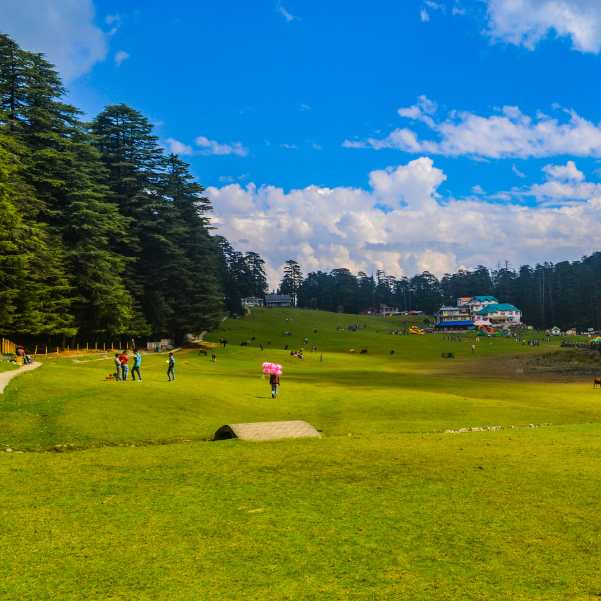 Dharamshala
Dharamshala Dalhousie Khajjiar Itinerary 2026: 4N5D & 5N6D Plans That Actually Work
Two Dharamshala–Dalhousie–Khajjiar itineraries that survive contact with real mountain roads: a tight 4N5D and a calmer 5N6D. Route order, transfer distances, what to skip when time is short, and how monsoon and winter change the plan.
- Itinerary
- Places to Visit
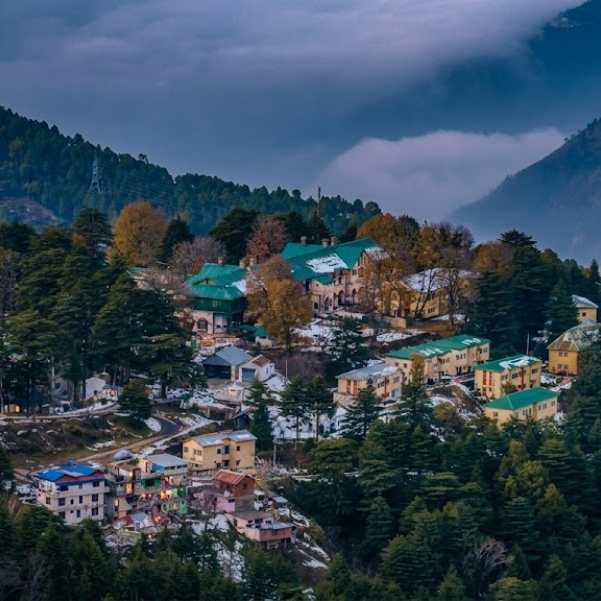 Dharamshala
How Many Days for the Dharamshala Dalhousie Circuit in 2026? 3N4D vs 5N6D vs 7N8D
How many days does the Dharamshala–Dalhousie circuit actually need? A straight comparison of 3N4D, 5N6D and 7N8D-what each one buys you, what it costs you in car time, and which traveller type each length suits.
- Itinerary
- First-Time Travellers
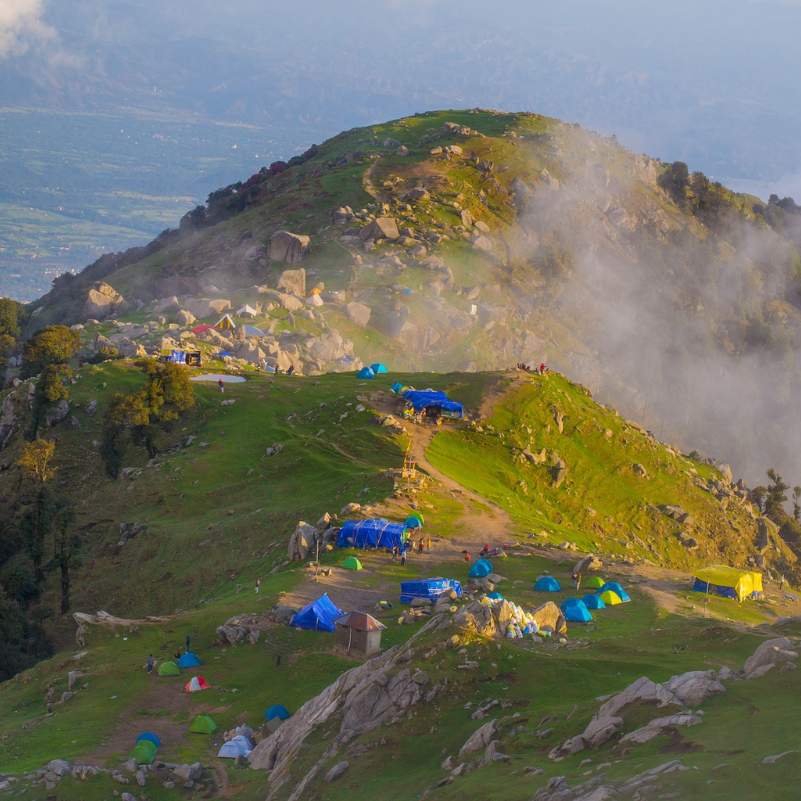 Dharamshala
Trekking in Dharamshala: Every Major Trek Ranked (2026 Guide)
Planning to go trekking in Dharamshala in 2026? This complete guide ranks the region's best treks by difficulty, scenery, and experience, while covering ideal seasons, trail highlights, and practical planning tips for every type of trekker.
- Things to Do