
Delhi to Chanshal Pass Road Trip Guide 2026: Weekend Route, Itinerary & Road Conditions
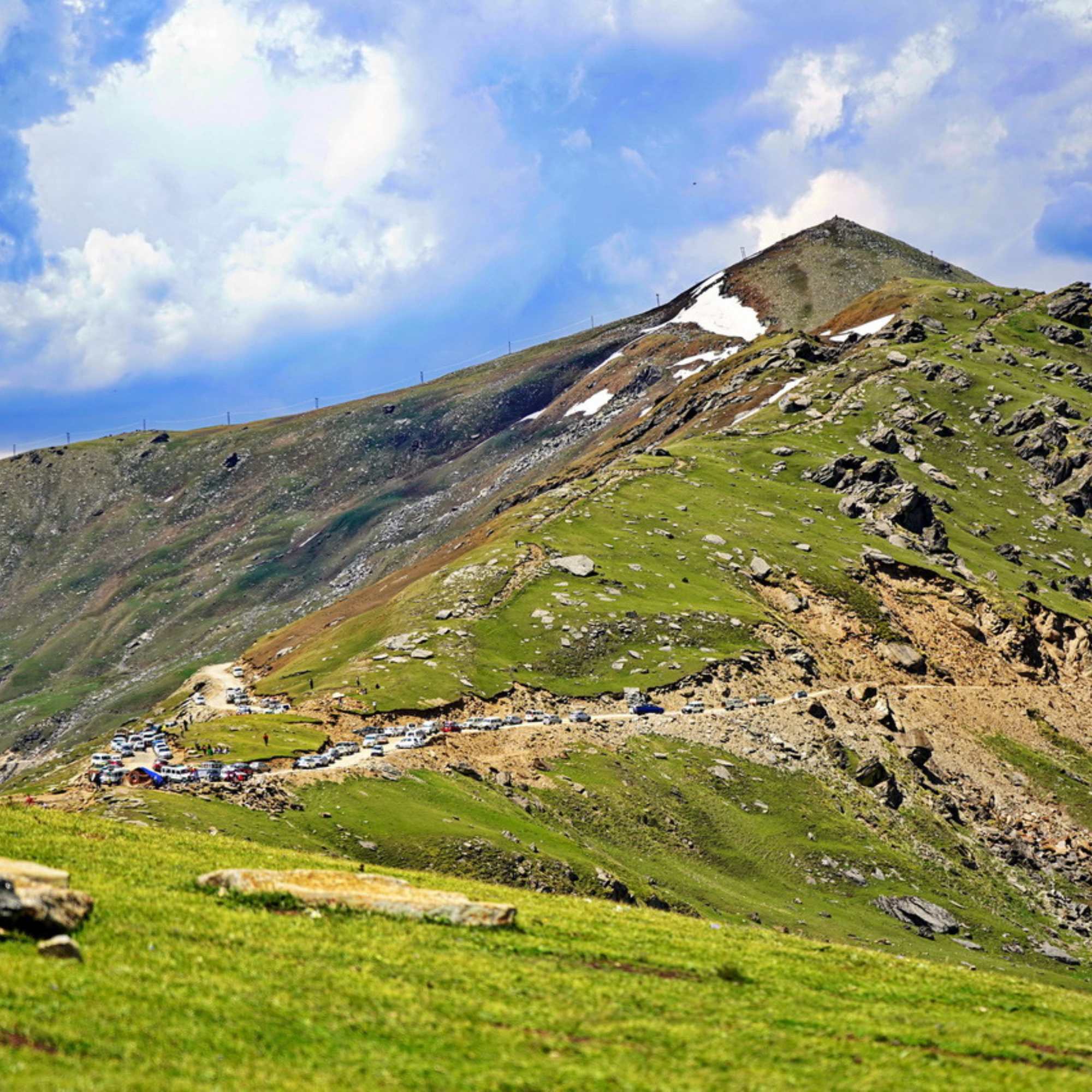
If you are searching for a delhi to chanshal pass plan that actually works, here is the honest truth before you read anything else.
This is not a quick weekend you knock out with a Friday-night drive and a Sunday return. It is a real high-altitude run, and the last stretch will humble both your patience and your car.
We run trips into the Pabbar Valley every season, and the question we get most is whether Chanshal can be done as a short trip from Delhi. The answer is yes, but only if you plan it right.
This guide by Travel Coffee gives you the route, the distances, the road reality, a proper itinerary, and the things most blogs skip.
Quick Answer: Is Delhi to Chanshal Pass possible on a weekend?
Yes, the delhi to chanshal pass trip works as a weekend-style journey, but only as a 3N/4D plan. It is not a relaxed one-day trip and not a rushed two-night dash.
The practical route runs Delhi, Shimla, Kharapathar, Hatkoti, Rohru, Larot, Chanshal Pass. There is also an alternate circuit through Chakrata and Tiuni.
Chanshal is seasonal. The road opens and closes with the snow, so you must check local road status before you lock dates.
>>Want us to help plan your Delhi to Chanshal Pass weekend getaway? Talk to our team on WhatsApp.
What is the best Delhi to Chanshal Pass route in 2026?
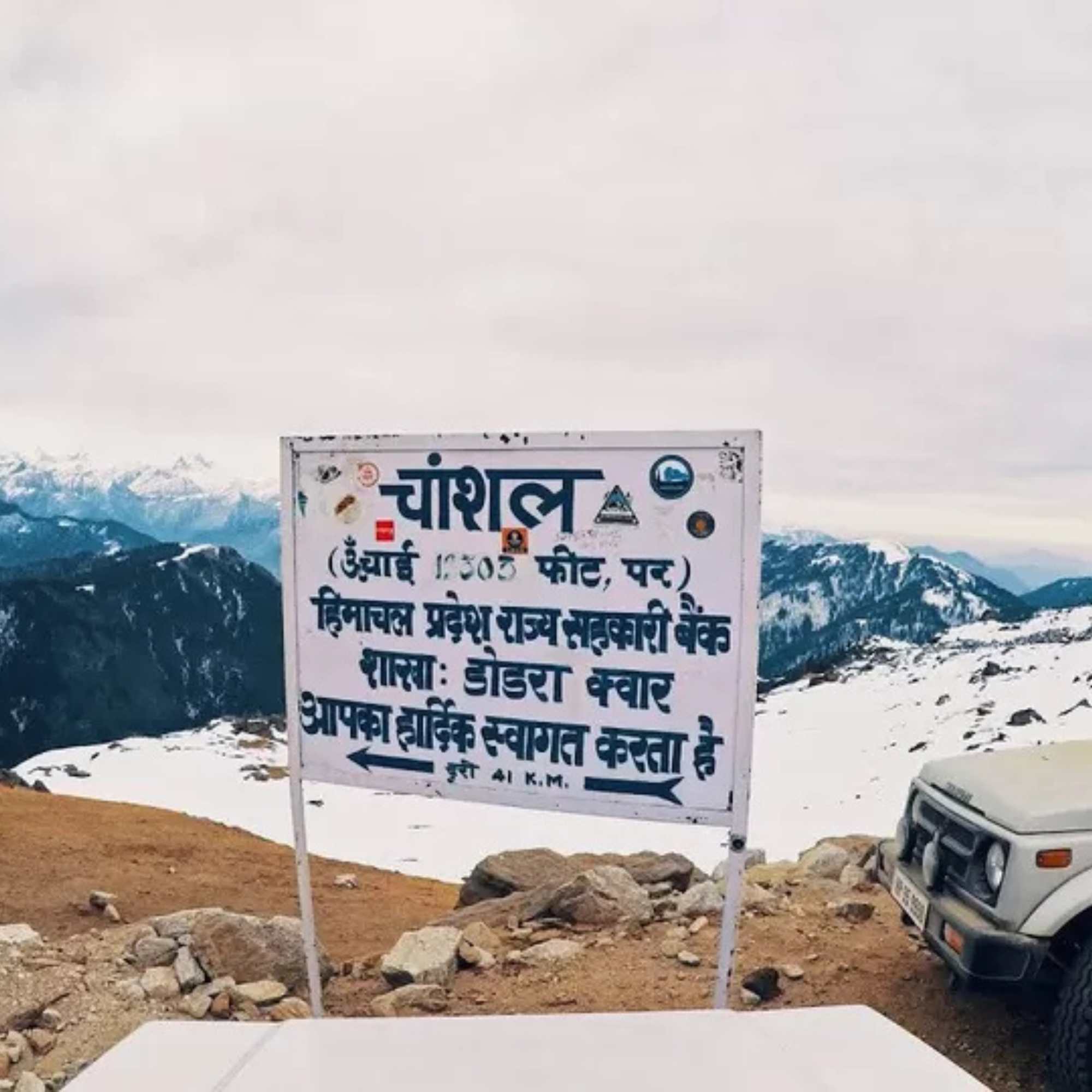
There are two main ways to do this drive, and they suit very different kinds of travellers.
One is built for comfort and predictability. The other is for people who want the scenic, adventurous version and do not mind rougher roads.
Here is what most tourists get wrong. They pick the route based on which one looks shorter on the map, not which one their vehicle and their group can actually handle. That choice decides whether your trip is smooth or stressful.
Route via Shimla, Theog, Kharapathar and Rohru
This is the route we use for most of our packages and for Delhi NCR groups. It is the most straightforward way in.
The broad line is Delhi, Chandigarh, Shimla, Theog, Kharapathar, Hatkoti, Rohru, Larot, Chanshal Pass.
The road is smooth and fast up to Shimla. After Shimla it slows down, and it gets rougher as you move toward Rohru, Chirgaon, Larot and Chanshal.
If this is your first time on these roads, this is the side we point you to. It has more towns, more fuel, and fewer surprises.
You can see the full plan on our Chanshal Pass tour package page, and our Shimla tour packages work well if you want to break the journey there.
Route via Dehradun, Chakrata, Tiuni and Rohru
This is the scenic circuit option. A 2026 travel source rates the Chakrata and Tiuni side as a good balance of road condition and scenery.
We treat this as an adventure route, not the default for every family. The drive is prettier, but it asks more of you and your vehicle.
If you have a strong group and a capable car, this side rewards you. If you have kids and grandparents in the back, think twice.
Which route should you choose?
For first-time package travellers and fixed departures, take the Shimla side. It is the safer, calmer choice.
For adventure groups, the Chakrata circuit is worth it, but only after you check road and weather conditions for that week.
In our experience, the route is never a fixed answer. Our team usually decides it based on the vehicle, the group's comfort level, the dates, and the same-week road updates.
Delhi to Chanshal Pass distance, driving time and road reality
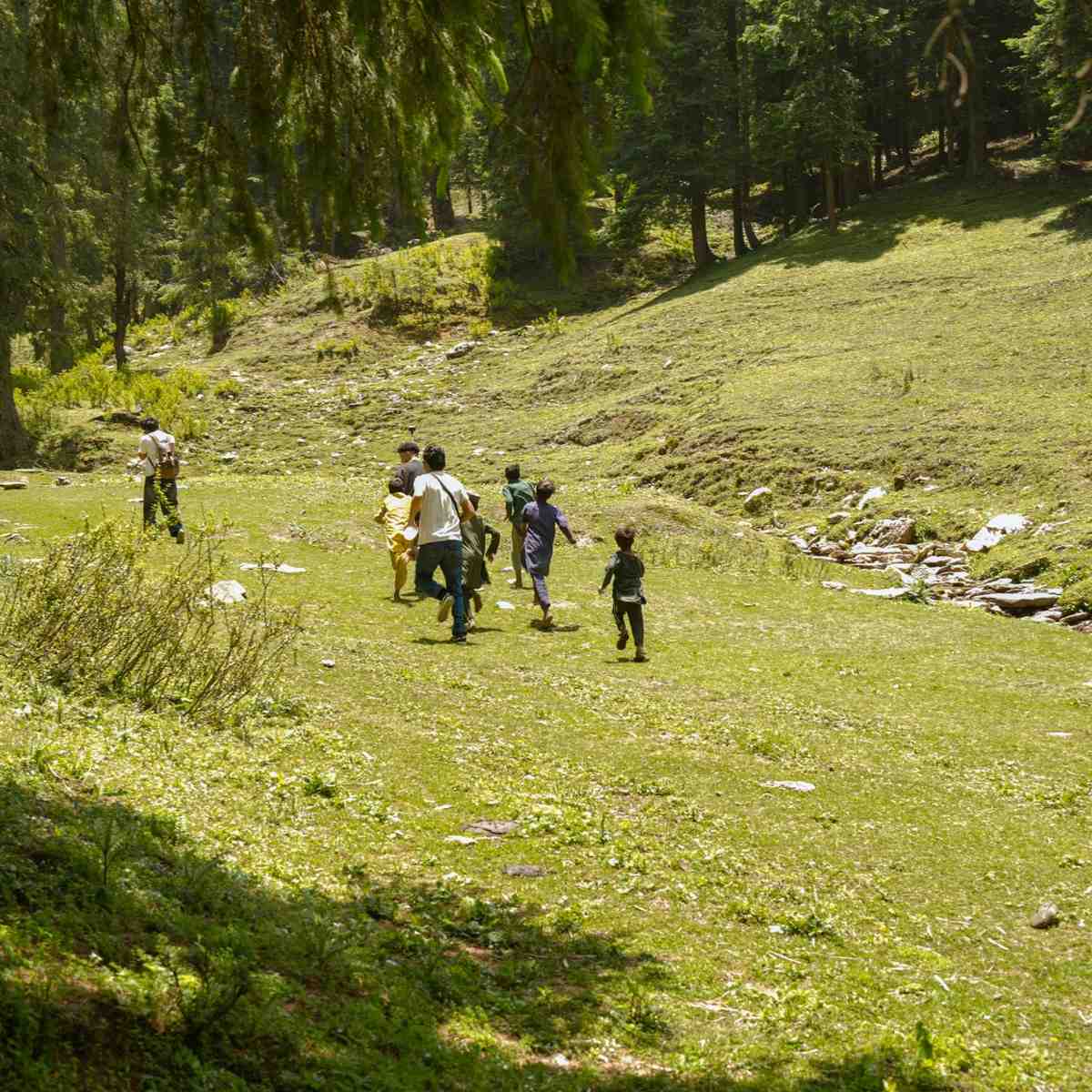
Let us talk numbers, because this is where people misjudge the trip the most.
The delhi to chanshal pass distance via Shimla and Rohru is roughly 489 to 500 km according to travel sources. Via Chakrata and Tiuni it is about 420 km according to a 2026 travel source.
If you are mapping the wider region, Delhi to Pabbar Valley is about 450 km, and adding Chanshal can tack on around 100 km according to Vargis Khan.
Once you reach the base, Rohru to Chanshal is commonly reported as about 48 to 50 km.
Now here is the part nobody warns you about. We will not give you one neat Google Maps time, because that number lies on this route.
The last mountain stretch is slow. Very slow. A short distance on paper can eat hours in reality, so plan for the road, not the kilometres.
Is Chanshal Pass open in 2026?
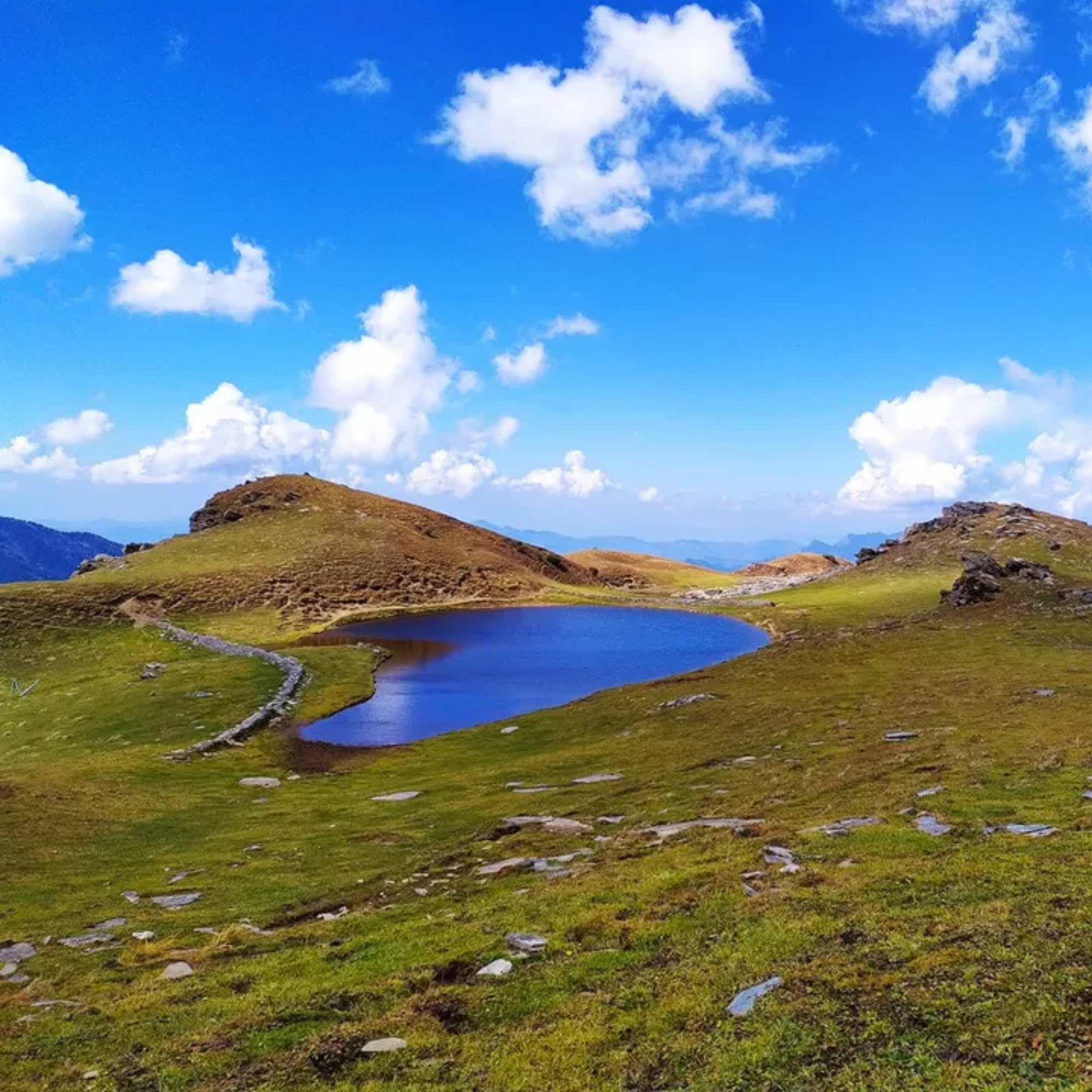
The official Shimla district page says Chanshal Pass road is generally open from May to November and stays closed the rest of the year because of snow.
An unofficial 2026 road status tracker showed Rohru to Chanshal Pass open on 11 June 2026 (verify before travel, because high-altitude roads change fast).
For planning, the best windows are late June to early July, and September to October.
Avoid July and August. The monsoon brings slush, landslide risk and slippery roads, and the chanshal pass road status 2026 can flip from open to blocked in a single afternoon.
We covered the broader season logic in our Chanshal Pass tour package notes, but the short version is simple. Check the road the same week you travel, not a month before.
Best 3N/4D Delhi to Chanshal Pass weekend itinerary
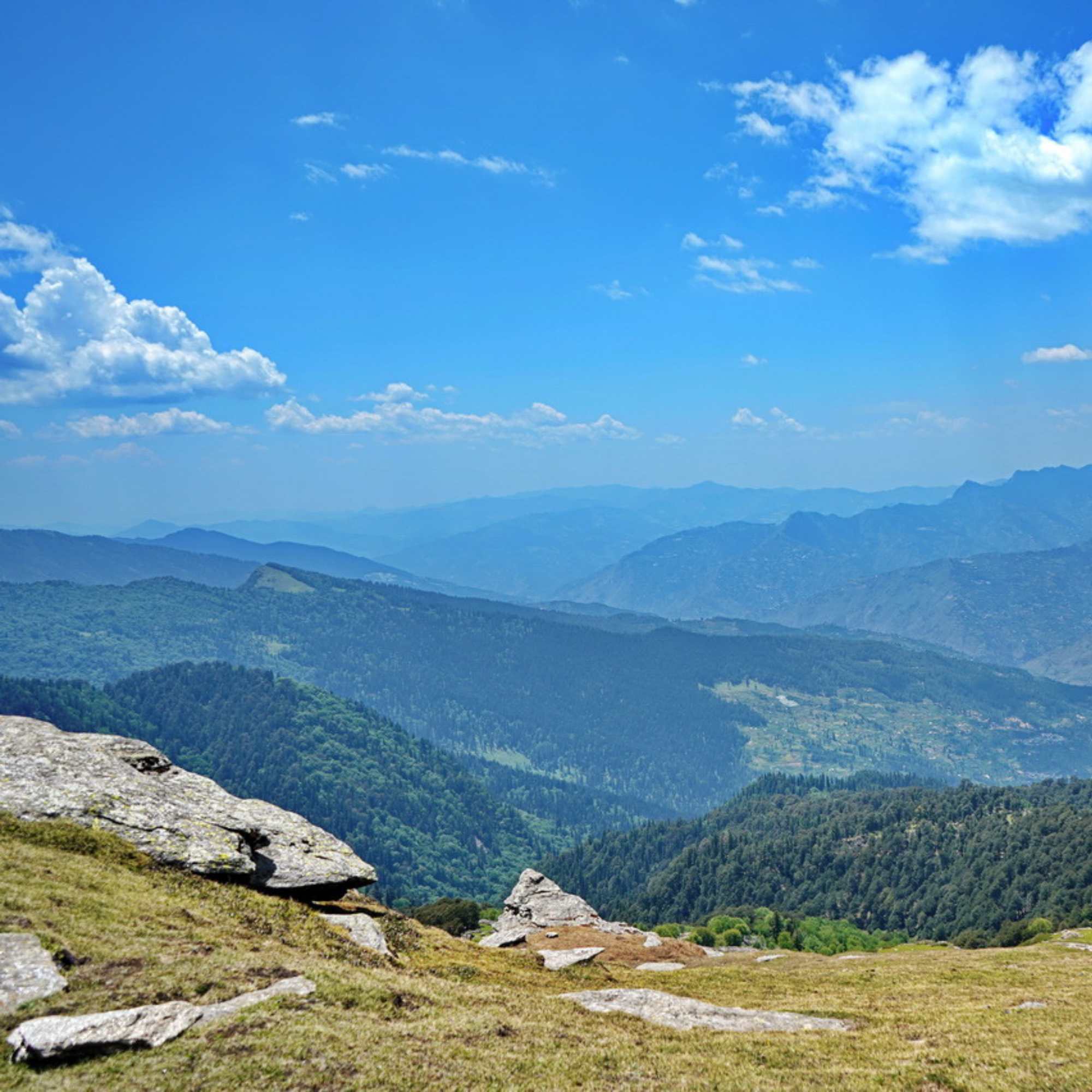
This is the plan we recommend most often for Delhi travellers. It gives you enough buffer without dragging the trip out.
Day 0: Delhi evening departure
This day is for Delhi NCR, Noida, Gurugram, Faridabad and nearby travellers who want to save their first full day.
The aim is simple. Get out of the plains in the evening and reach the upper Shimla side so you are not wasting daylight on flat, boring highway the next morning.
A night start means you wake up already in the hills, with the hard part of the distance behind you.
Day 1: Reach Kharapathar or Rohru and rest
This is a recovery and acclimatisation day. Do not turn it into a rushed Chanshal attempt.
Reach Kharapathar or Rohru, settle in, and let your body adjust to the altitude. This single slow day saves you from headaches later.
If you have time and energy, Hatkoti Temple, Pabbar Valley views and the apple belt stops are all worth a short pause. None of them are mandatory.
Here is what we always tell our travellers. The day you skip rest is the day altitude catches up with you at the top. Take the slow day.
Day 2: Rohru to Larot to Chanshal Pass and back
This is the main Chanshal day, and it is a long one.
Rohru to Chanshal is around 48 to 50 km, and a 2026 source gives the Rohru to Chanshal and back run as roughly 100 to 110 km round trip.
Start early. Like, properly early. You want to return to your base before dark.
The final Larot to Chanshal stretch is the slowest and roughest part of the whole drive. Give it respect and give it time.
Reach the top in the morning if you can. The light is cleaner, the air is calmer, and you get the pass mostly to yourself before any other vehicles grind their way up.
Day 3 and Day 4: Return to Delhi
If timing allows, stop at Hatkoti or Kharapathar on the way back before you start the long return.
Your Delhi arrival depends on traffic, weather and the road condition that day, so keep the last leg flexible.
We never promise an exact arrival time on this route. Anyone who does has not driven it enough.
4N/5D relaxed route for families, couples and photographers
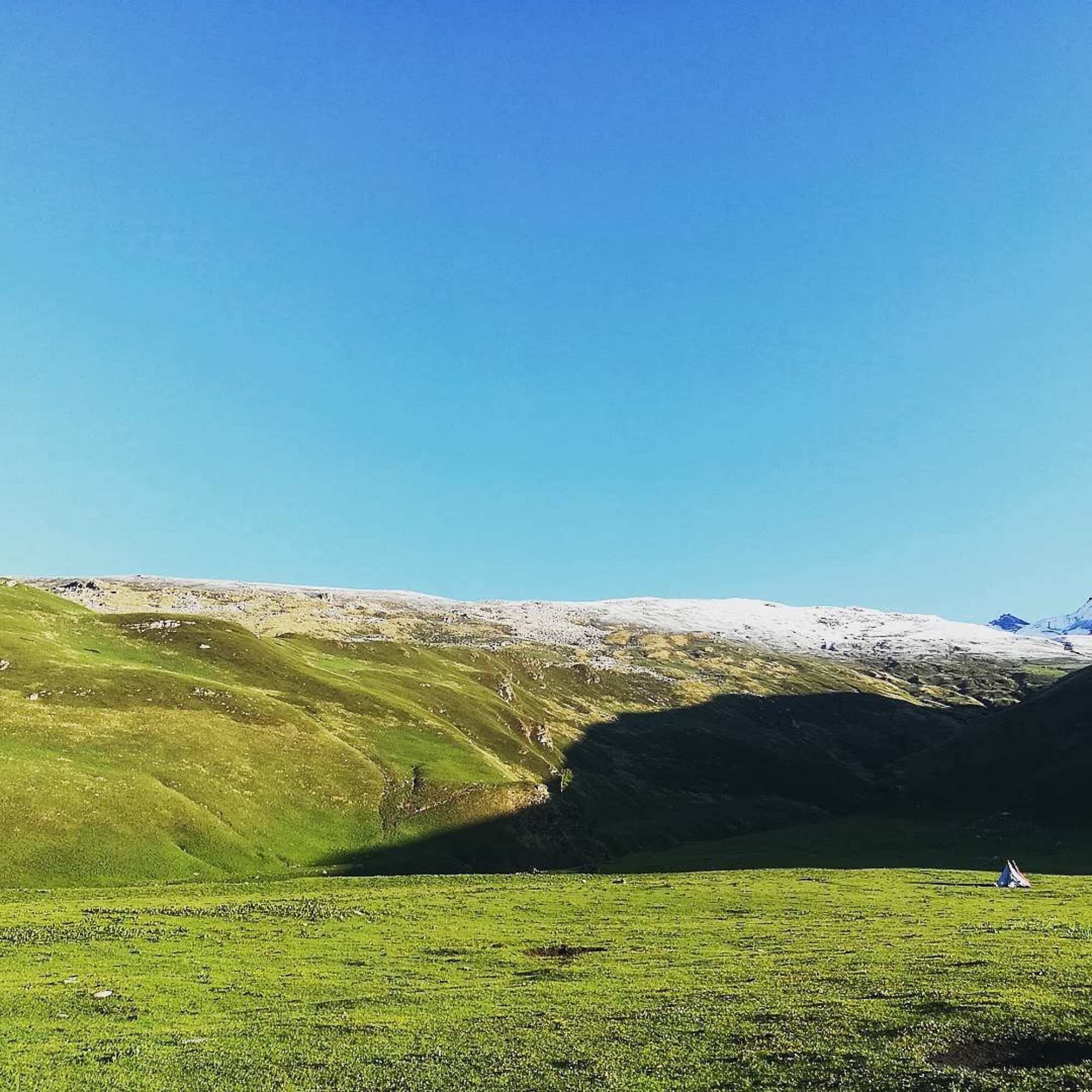
If you are travelling with family, as a couple, in a private group, or you are a photographer who wants time at the top, do the 4N/5D version instead.
The extra night changes everything. You stop racing the clock and start enjoying the valley.
A good shape for this is one night around Shimla or Kharapathar, one full Pabbar Valley day, one Chanshal day, and one return day.
Giri Ganga and Kuppar Bugyal make lovely add-ons, but only if the road, the weather and your group's fitness allow it. Do not force them.
What are the road conditions from Rohru to Chanshal Pass?
Rohru is your base town. It has fuel, ATMs, food and stays, and it is the last place you can count on for all of that.
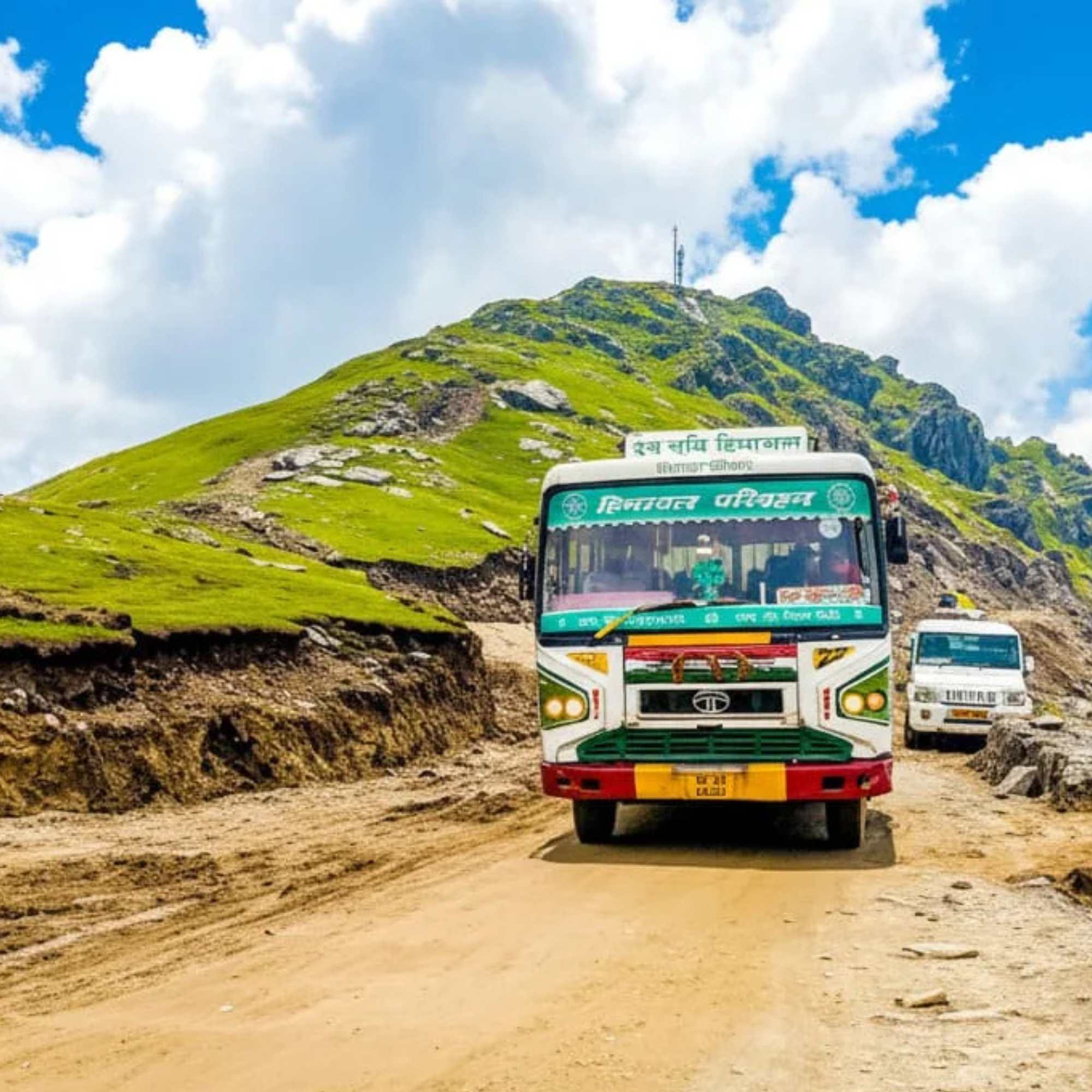
After Chirgaon and Larot, the road gets narrower and rougher. The surface changes, the turns tighten, and the pace drops.
The final 15 to 20 km from Larot to Chanshal is the roughest stretch, with rocky, muddy and steep patches depending on the season.
Do not judge this drive by kilometres alone. A short number on the map can mean a long, jaw-rattling crawl in real life.
Honestly, this is the part of the trip people complain about and remember at the same time. The road is hard, but the top is worth it.
Which vehicle is best for Delhi to Chanshal Pass?
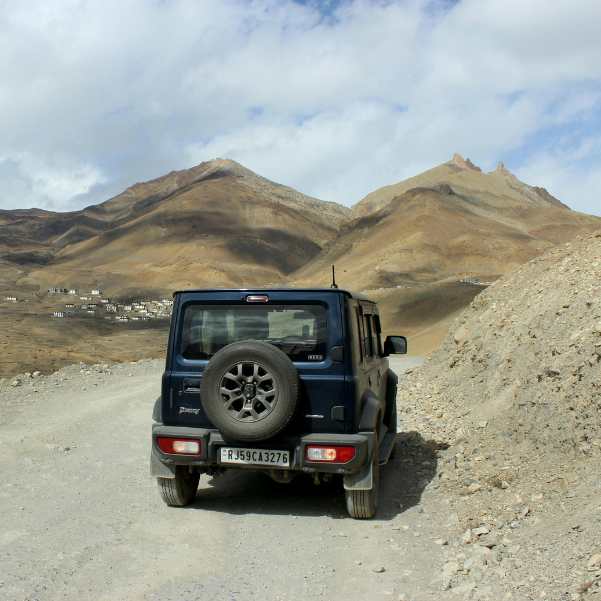
For the chanshal pass by car crowd, an SUV or high-clearance vehicle is the right call.
Sedans and hatchbacks may reach in dry conditions, but they risk underbody damage on that last stretch. We have seen scraped bumpers and cracked guards on this road more than once.
A 4x4 is not mandatory. It is ideal, though, if you hit bad weather, slush or snow.
For the chanshal pass by bike plan, ride in June after the roads settle, or in September and early October. Avoid the monsoon, and avoid riding late in the evening when visibility and road edges get dangerous.
Where to stay near Chanshal Pass?
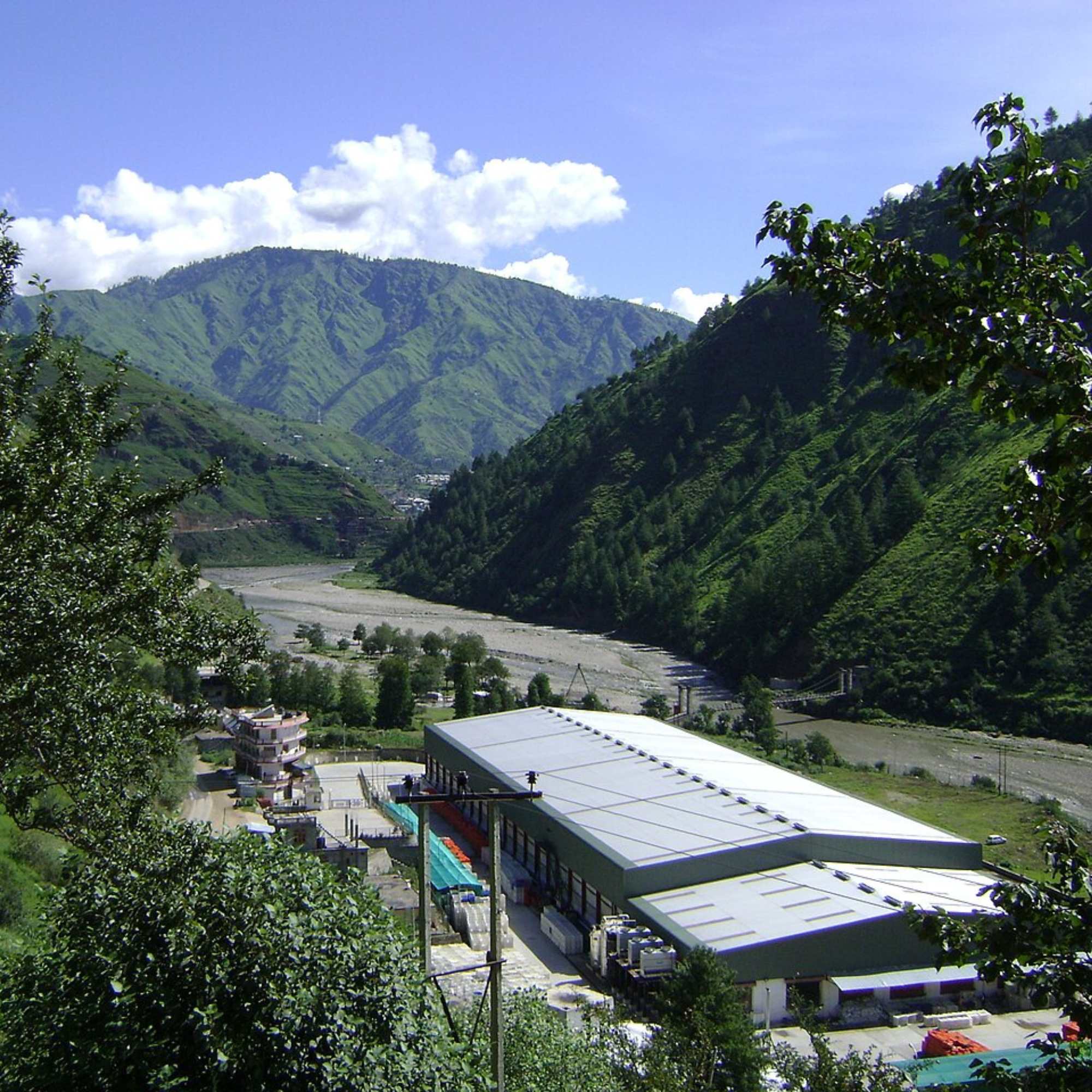
Rohru is the most practical base, and most travellers sleep here before and after the pass run.
One solid option is the HPTDC Hotel Chanshal in Rohru, next to the Circuit House on the Hatkoti-Rohru road. It has a restaurant, parking, taxi on demand, doctor on call, card acceptance and a public washroom.
Larot has basic guesthouses and hostels, but the facilities are limited. Set your expectations low and you will be fine.
There is no dependable hotel at the Chanshal Pass top, so almost everyone returns to Rohru or Larot for the night.
How much does a Delhi to Chanshal Pass trip cost?
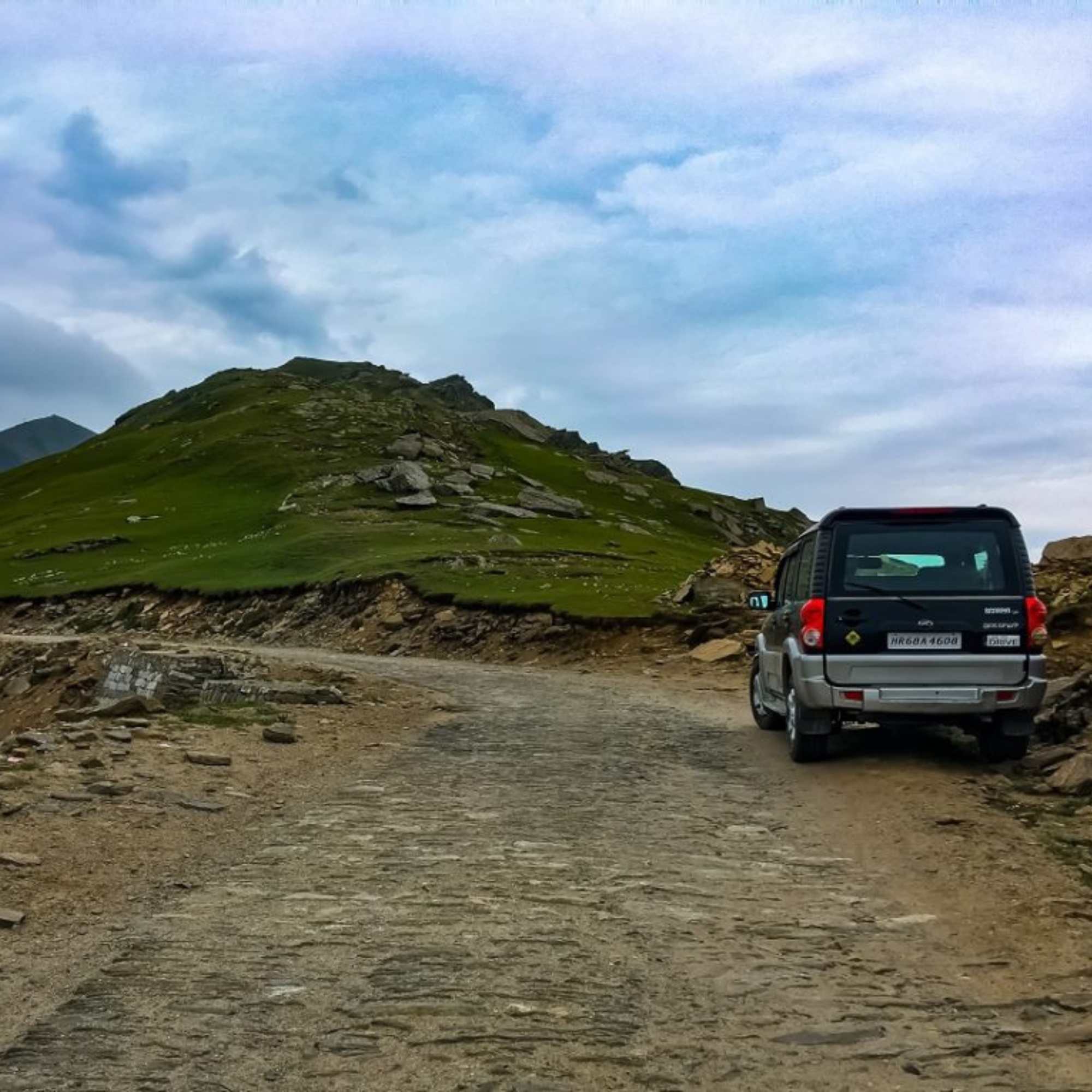
For self-drive travellers, a 2026 travel source gives a car-sharing estimate of ₹3,700 to ₹5,800 per person for a 3-day trip, assuming 4 people share one car.
For bikers, the same source puts the budget at ₹2,500 to ₹3,500 per person for 3 days.
For a planned package, the cost is not fixed. It depends on the vehicle type, stay category, meals, group size, pickup point and travel dates. Instead of giving a random number, it is better to calculate the trip price after checking your exact route, group size and comfort level.
Tell us your group size and dates and we will give you a real figure, not a guess.
Is Chanshal Pass safe for families, couples and solo travellers?
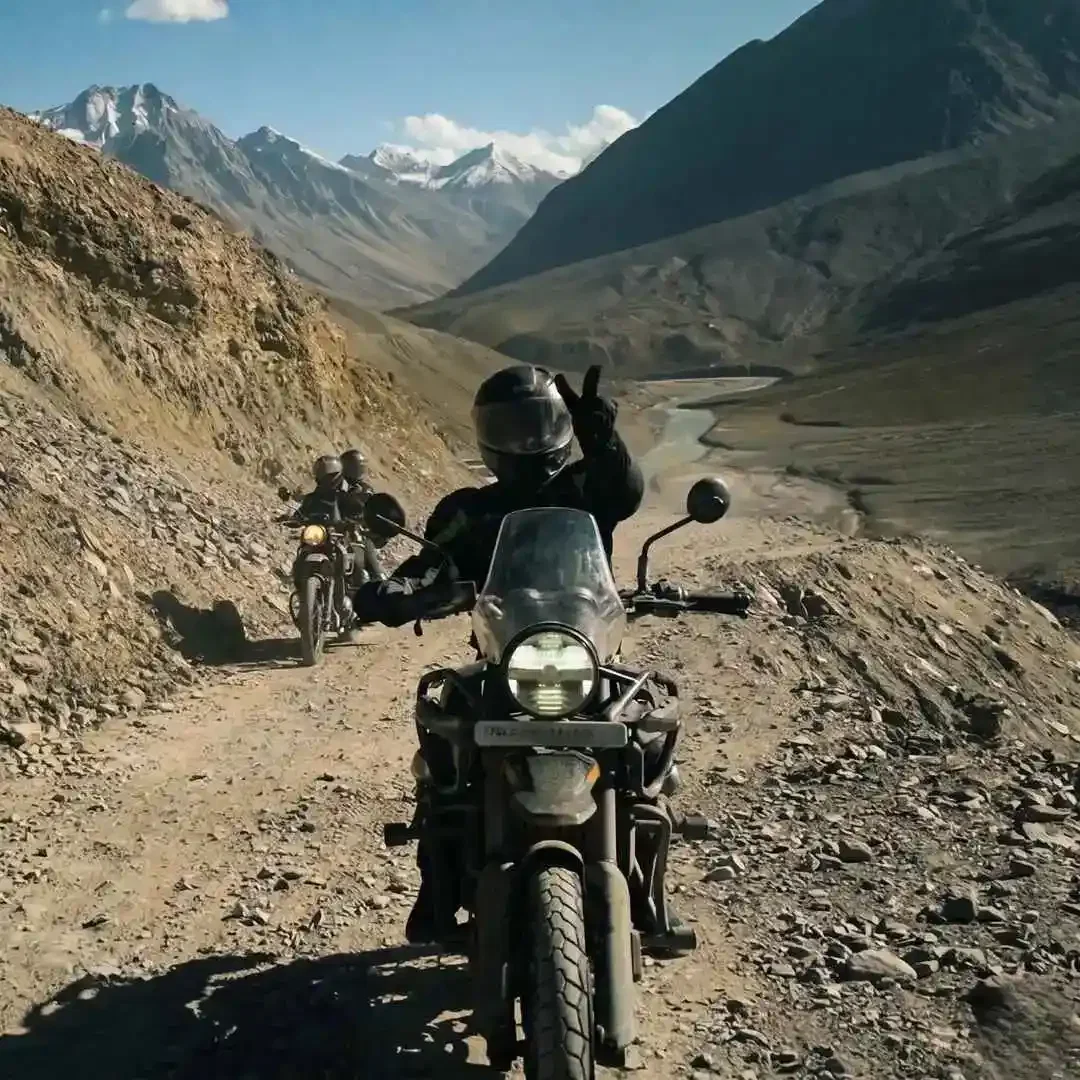
Chanshal is safe when you plan it properly, with a suitable vehicle, fresh local road updates and buffer time in your schedule.
It is not safe as a rushed one-day plan from Delhi. That version is how people end up driving the worst stretch in the dark, which is exactly what you want to avoid.
Families and couples should pick the 4N/5D plan for the slower pace and the breathing room.
Solo travellers should avoid night driving beyond Rohru, and should tell family before leaving Rohru or Larot, because the network gets weak or vanishes past that point.
What should you pack for Chanshal Pass?
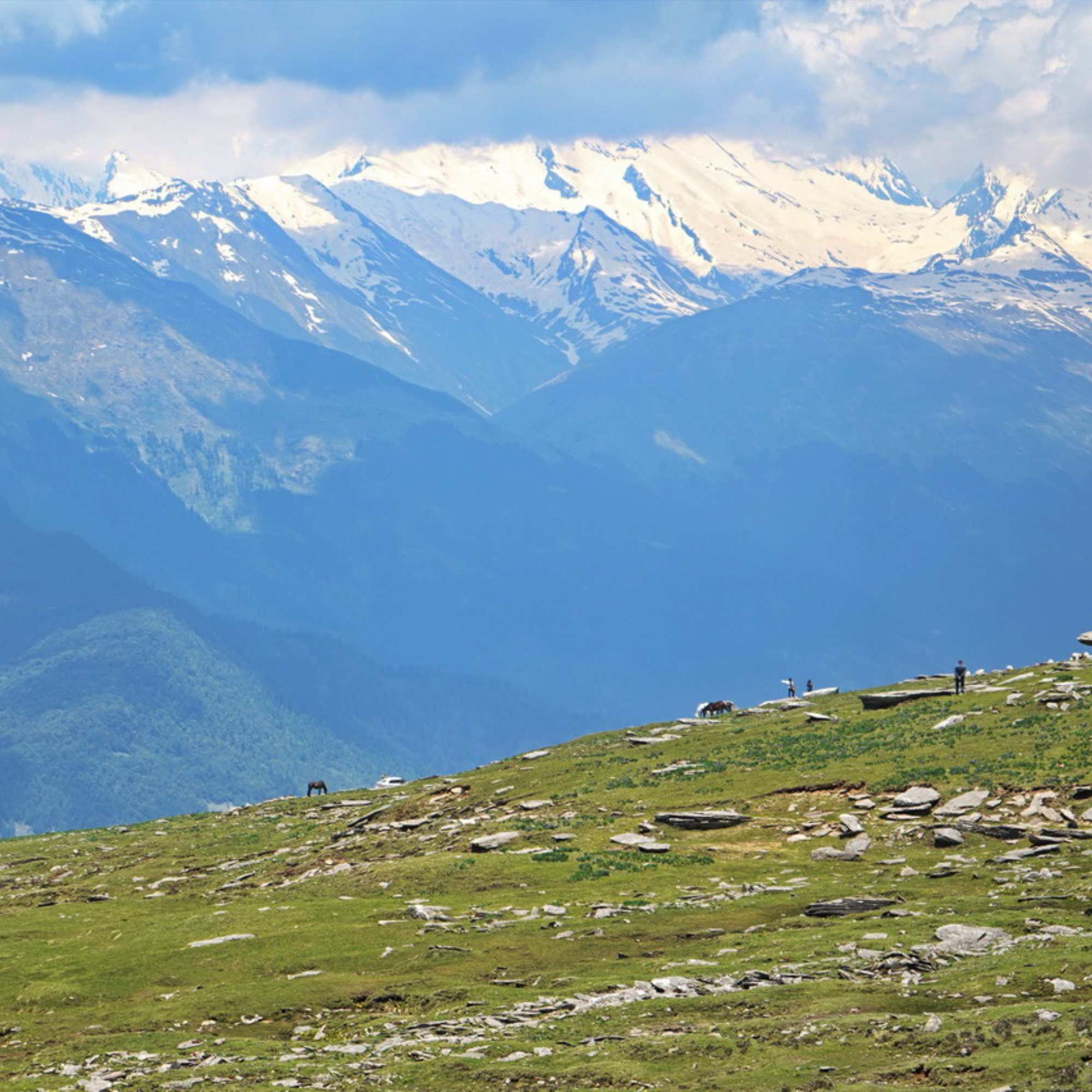
Pack warm layers even in summer. The pass sits high enough that nights and mornings bite, no matter how warm the plains felt.
Add a windproof jacket and rain protection. Weather here turns without asking, and a dry layer makes a bad afternoon bearable.
Carry cash, offline maps, snacks, water and basic medicines. Network and shops thin out fast once you leave Rohru.
Keep your ID proof, driving licence, RC and a basic vehicle tool kit handy. Sort your fuel and ATM needs at Rohru, because facilities beyond it are limited.
What are the best places to visit around Chanshal Pass?
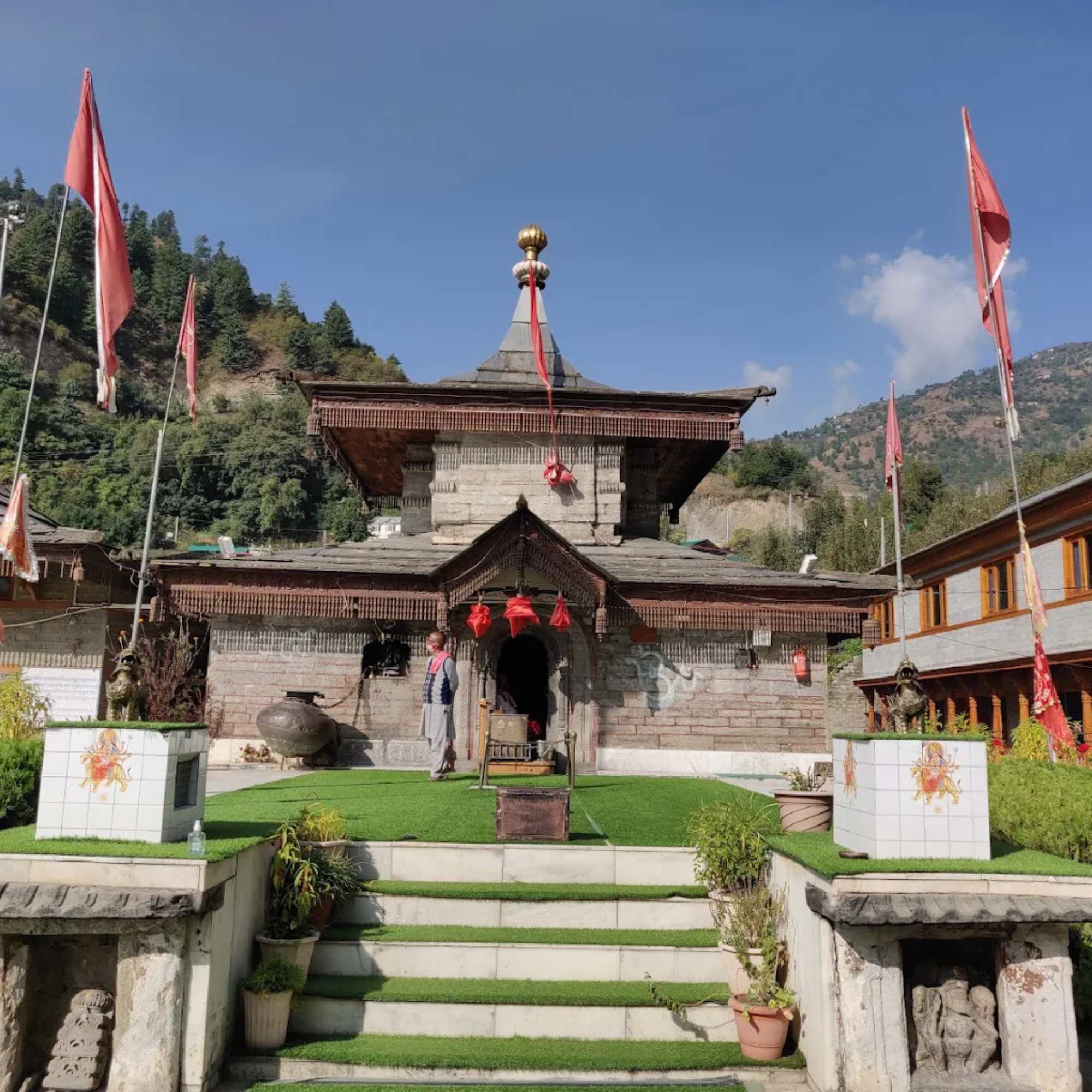
The region has more than just the pass, and the extra stops make the long drive feel worth it.
Start with Hatkoti Temple, the wider Pabbar Valley, and the Rohru apple belt. These sit along your route and need no detour.
Push a little and you reach Chirgaon, Larot, Giri Ganga, Kuppar Bugyal and the Chanshal Peak viewpoint. Some of these depend on road and fitness, so judge them on the day.
If you take the circuit route, Chakrata and Tiger Falls fit in nicely on the way.
Dodra-Kwar is an advanced extension, not a casual weekend add-on. The road beyond Chanshal Pass can be rough, remote and weather-dependent, so regular vehicles should not treat it as an easy extra leg.
Plan this route only with a suitable vehicle, experienced driver, confirmed open roads and flexible timing.
For travellers who want to pair this with another corner of Himachal, our Kinnaur tour packages cover a beautiful neighbouring belt, and if you are reading up on high-pass driving in general, our Rohtang Pass in May guide gives you a feel for early-season mountain roads.
Should you book a Chanshal Pass package or self-drive?
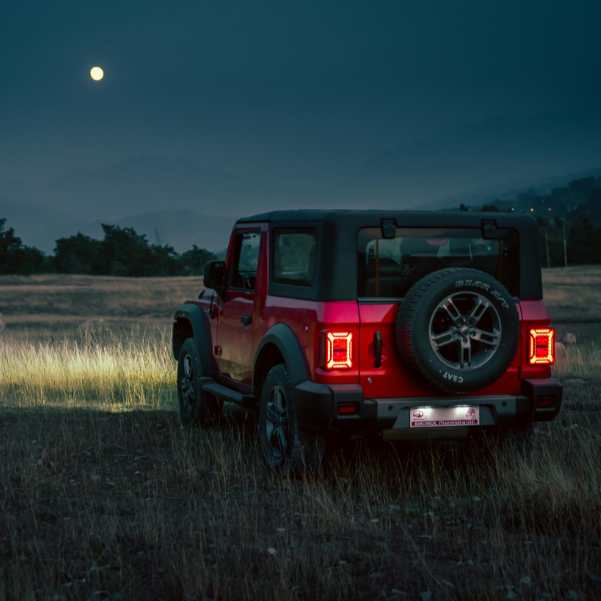
Self-drive works well if you are an experienced mountain driver, you have a suitable vehicle, and you have built in buffer days.
A package is the better call for first-time mountain travellers, families, office groups, couples who do not want the road stress, and anyone with a low-clearance car.
We are based in Himachal, so we can check road conditions the same week you travel, plan the right halt, arrange a vehicle that suits the terrain, and shape the route around your group.
That local presence is the difference between a plan made from a map and a plan made by people who actually drive these roads.
Explore Our Curated Chanshal Pass Tour Packages
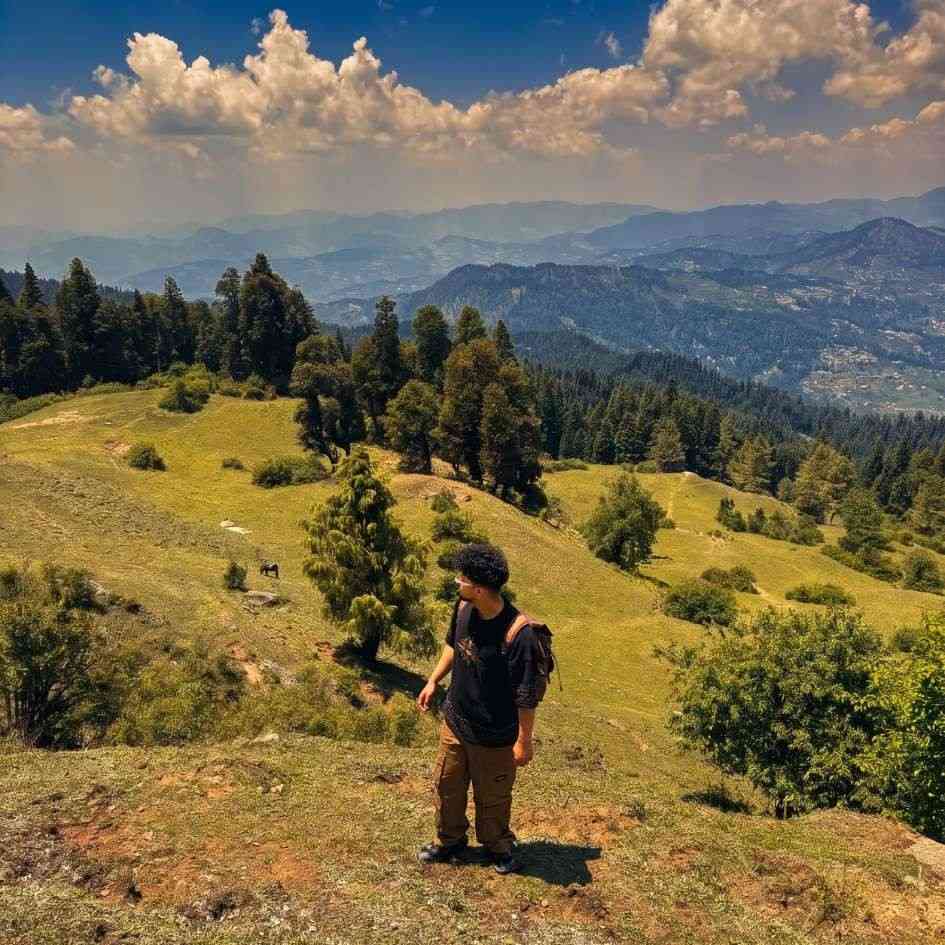 Group Tour5D/4N
Chanshal Pass Weekend Group Trip With Giri Ganga and Kuppar Bugyal
1D Kharapathar / Kotkhai•1D Rohru / Chirgaon (Pabbar Valley)
₹8,999₹12,999SAVE INR 4,000/ person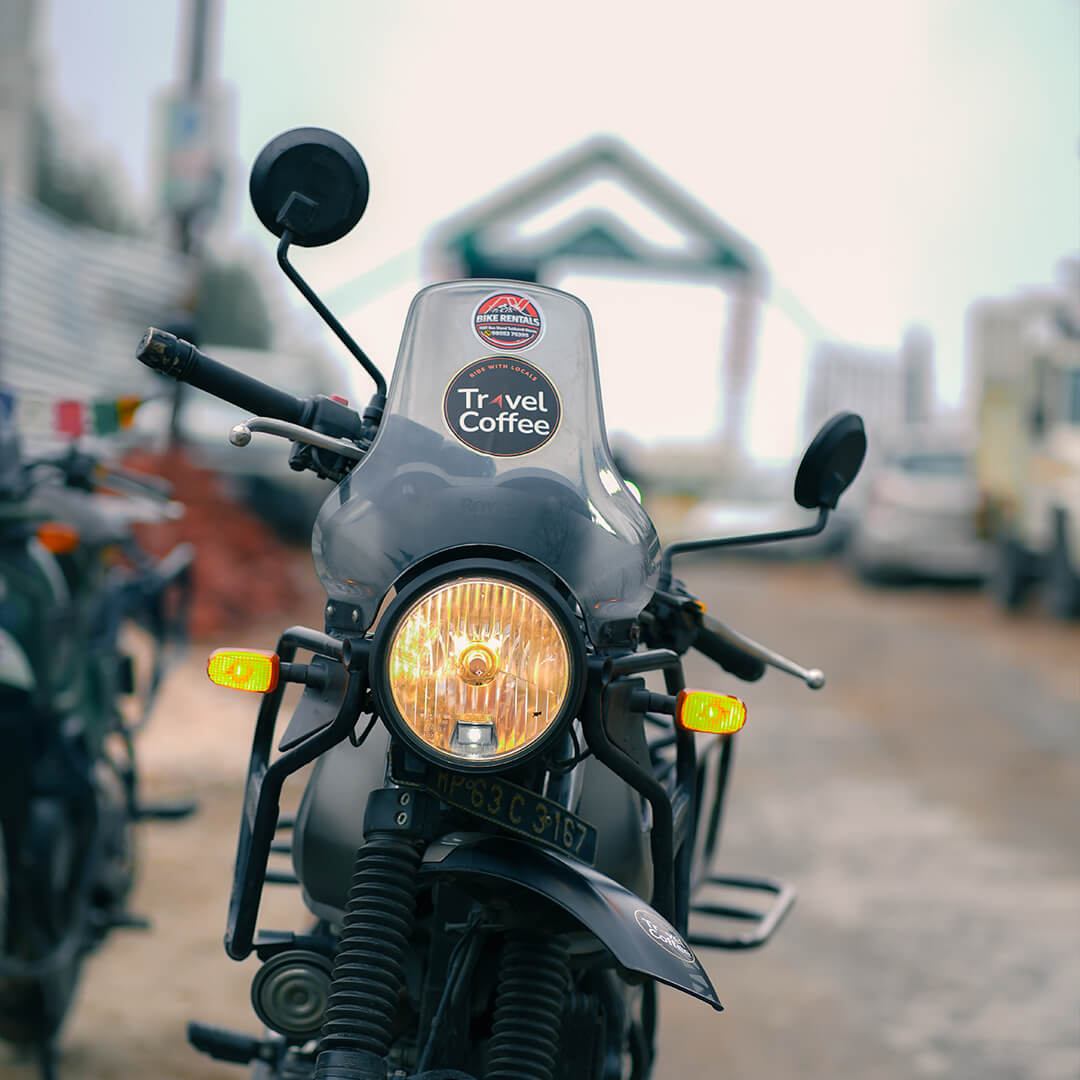 8D/7N
8D/7NUltimate Pabbar Valley Bike Expedition With Giri Ganga Kuppar Bugyal Chanshal Pass and Dodra Kwar
1D Kharapathar / Kotkhai•2D Rohru / Chirgaon (Pabbar Valley)+1
₹29,999/ person 8D/7N
8D/7NMost Loved 4x4 Pabbar Valley Expedition With Giri Ganga Kuppar Bugyal Chanshal Pass and Dodra Kwar
1D Kharapathar / Kotkhai•2D Rohru / Chirgaon (Pabbar Valley)+1
₹32,999₹39,999SAVE INR 7,000/ person
Related topics
Frequently Asked Questions
How far is Chanshal Pass from Delhi?
The delhi to chanshal pass distance is roughly 489 to 500 km via Shimla and Rohru, or about 420 km via Chakrata and Tiuni.
How many days are enough for Delhi to Chanshal Pass?
A 3-day trip from Delhi is possible but exhausting. We recommend 3N/4D, and 4 to 5 days if you want it comfortable.
Is Chanshal Pass open in 2026?
The Shimla district page says the road is generally open from May to November. One tracker showed it open on 11 June 2026 (verify before you travel).
What is the best time to visit Chanshal Pass?
Late June, early September, and September to October are the best windows. Skip July and August because of monsoon slush and landslide risk.
Is Chanshal Pass safe for a sedan or hatchback?
A sedan or hatchback may manage in dry conditions, but it risks underbody damage on the last stretch. An SUV or high-clearance vehicle is much safer.
Do I need a permit for Chanshal Pass?
Permit information is mixed. Some sources mention a forest or wildlife sanctuary permit, others say none is needed. Carry ID and check with the Rohru Forest Office or your local driver before travel, especially for camping.
Can Chanshal Pass be done in a weekend from Delhi?
Only as a 3N/4D weekend-style trip. A rushed one-day or two-night plan from Delhi is not realistic or safe.
Which route is better from Delhi to Chanshal Pass?
The Shimla side suits first-timers and fixed departures. The Chakrata circuit suits adventure groups, but only after checking road and weather for that week.
Where should I stay near Chanshal Pass?
Rohru is the most practical base, with options like HPTDC Hotel Chanshal next to the Circuit House. Larot has basic stays, and there is no dependable hotel at the pass top.
Is there mobile network at Chanshal Pass?
No. The network is weak or absent at the Chanshal top and beyond Larot. Tell someone your plan before you lose signal.
Can I camp at Chanshal Pass?
Camping near Chanshal is possible, but you must be fully self-sufficient and verify permission locally before you set up.
Is Chanshal Pass better by bike or car?
Both work in the right season. A car suits families and bad weather, while a bike suits experienced riders in June, September or early October, away from the monsoon.
More about Chanshal Pass
 Chanshal Pass
Buran Ghati Trek Complete Guide 2026: Route, Cost, Difficulty, Best Time
Planning the Buran Ghati Trek in 2026? Explore the complete guide covering the route, itinerary, cost, difficulty, best time to visit, fitness tips, and essential trekking advice.
- Things to Do
 Chanshal Pass
Chandranahan Lake Trek 2026: Source of the Pabbar River
Discover the Chandranahan Lake Trek 2026, a breathtaking Himalayan adventure to the sacred source of the Pabbar River in Himachal Pradesh. Explore pristine alpine meadows, glacial lakes, and spectacular mountain landscapes with this complete trekking guide.
- Things to Do
 Chanshal Pass
Treks in Pabbar Valley: The Complete List for 2026
Planning to explore the treks in Pabbar Valley in 2026? This complete guide covers the region's best hiking trails, difficulty levels, ideal seasons, trail highlights, and essential planning tips for discovering one of Himachal Pradesh's most rewarding trekking destinations.
- Things to Do