
Chanshal Pass Road Status 2026: Live Opening Dates, Route & Travel Advice
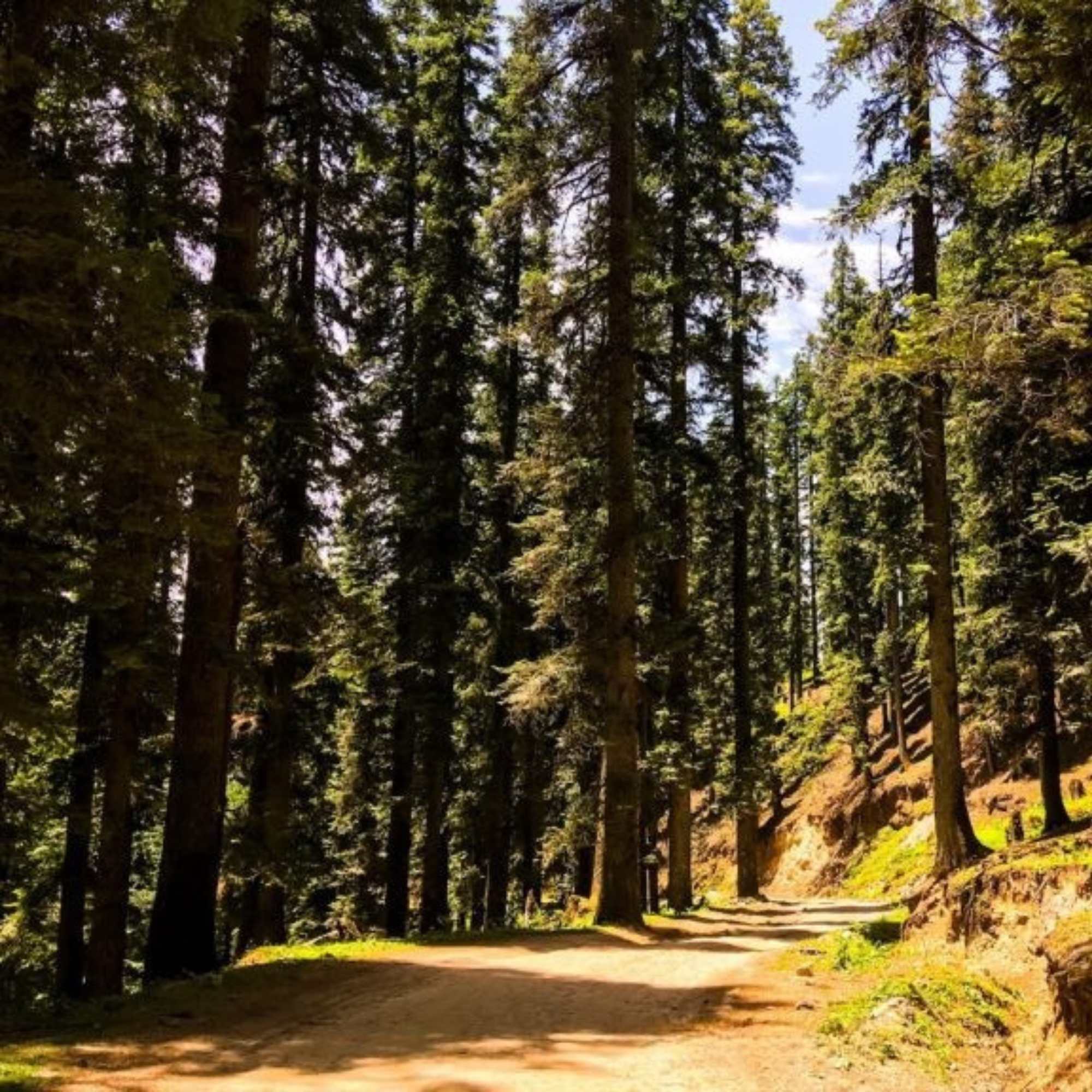
If you are checking the chanshal pass road status before locking your dates, you are doing the smart thing. This is one of those roads where the answer changes by the week, sometimes by the day.
As per the latest live road update, the Rohru to Chanshal Pass road is listed as open on 11 June 2026.
We run trips across this side of the Pabbar Valley every season, and the one thing we tell every traveller is simple. Never trust a status you checked three days ago. Check it again the morning you leave.
Quick Answer: Is Chanshal Pass Road Open Today?
Yes. As of 11 June 2026, a live Himachal road-status page lists Rohru to Chanshal Pass as open.
But open today does not mean open tomorrow. Snow, rain, landslides, repair work, or a sudden local restriction can shut this road within hours.
So here is our honest advice. Confirm the chanshal pass road status before you leave Rohru, and again before you even start from Shimla.
The road may be listed open while the final climb is still slushy and slow. More on that below.
Chanshal Pass Road Status Today: What "Open" Really Means
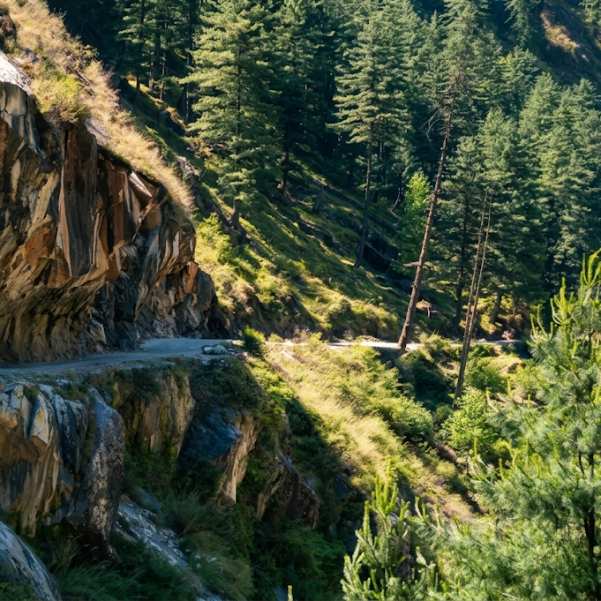
Here is what most people get wrong. They see "open" on a website and assume the whole road is smooth for any car. It is not that simple.
Online, "open" usually means vehicles can move through. It does not mean the road is good. The final climb can still be rough, muddy, and slow even on an open day.
Let us break the route into three parts so you know what you are getting into.
Rohru to Chirgaon
This first stretch is the easiest of the three. The road is mixed, with some smooth sections and some patches that have seen better days. Most cars handle it fine in dry weather.
Chirgaon to Larot
This is where things start getting real. The road narrows and the surface gets less reliable. You climb steadily, and the average speed drops a lot from here.
Larot to Chanshal Top
This is the stretch you should actually worry about. It is the toughest part of the whole drive, and it is the part that decides whether your trip is smooth or stressful.
If a road status page says open but it rained last night, this final section is where you will feel it most.
👉 Planning a drive to Chanshal Pass soon? Talk to our team on WhatsApp for current route conditions.
When Does Chanshal Pass Usually Open and Close?
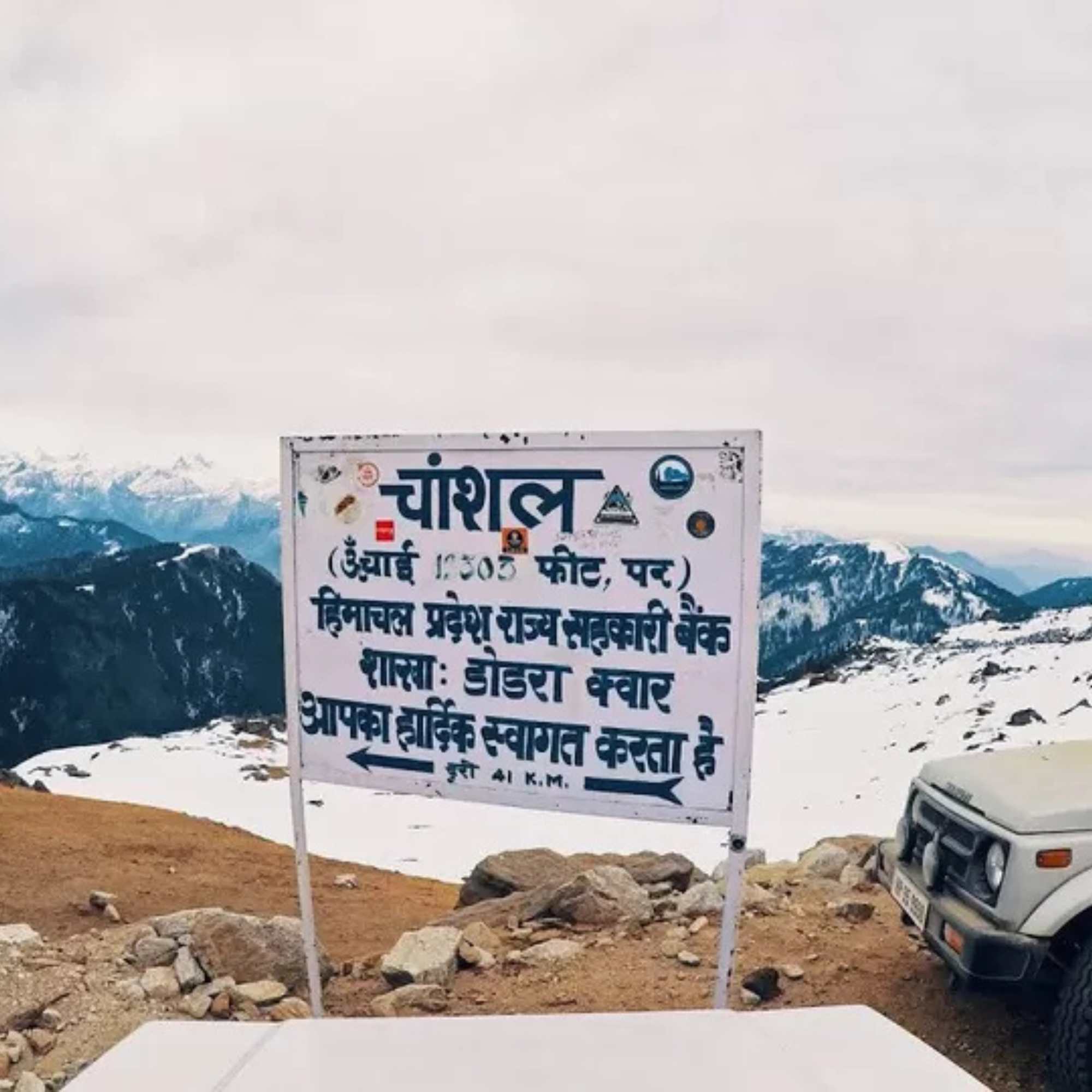
The official Shimla district information says the Chanshal Pass road is generally open from May to November and closed for the rest of the year because of snow.
That sounds clean on paper. The reality is messier.
May is not the same every year. Some years the road opens early and you can drive up by the first or second week. Other years, snow and slush hold things back well into the month.
So for your 2026 planning, here is the safest way to think about it. Check live status first, always.
Then treat late June, September, and October as more reliable windows than the early-season rush. We have seen too many travellers chase May snow and end up stuck behind a slush patch for hours.
What Is the Best Time to Visit Chanshal Pass in 2026?
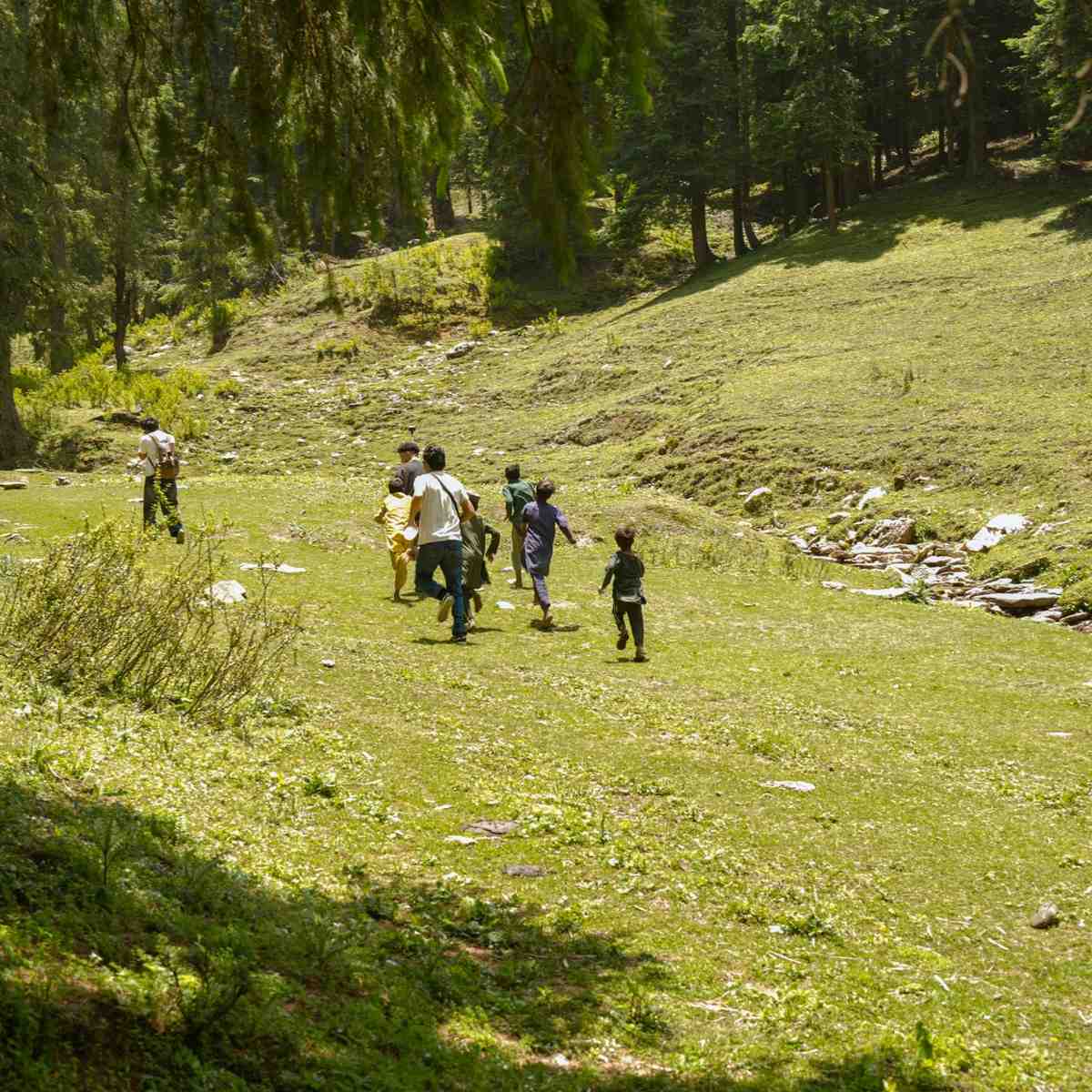
There is no single perfect month. It depends on what you actually want from the trip.
Late May to Mid June for Snow Seekers
If you want snow near the pass, this is your window. You might find white walls along the road and snow patches near the top.
But we will not promise you snow. Some years it is there, some years it has already melted. And the roads can be slushy and tricky in this period, so come ready for slow going.
Late June for Safer Road Conditions
Official sources also point to late June as a good time. By then the road usually settles better than it does in May.
That said, rain and sudden weather swings can still mess with your plans. Keep a buffer day if you can.
July and August Monsoon Caution
This is the part we are honest about even though some blogs skip it. Monsoon brings slippery roads, slush, landslides, fog, and bad visibility.
Our team recommends avoiding Chanshal Pass during heavy rain unless there is a strong local update saying the road is genuinely fine. A wet hairpin climb at altitude is not worth the risk.
September and October for Families and Relaxed Travellers
These two months are usually the sweet spot. Clearer skies, more settled roads, and a calmer drive overall.
Our team recommends this window for families, couples, and anyone who does not want a rough snow chase. If you are bringing kids or older parents, plan for September or October.
Route to Chanshal Pass: Shimla, Rohru, Larot and the Final Climb
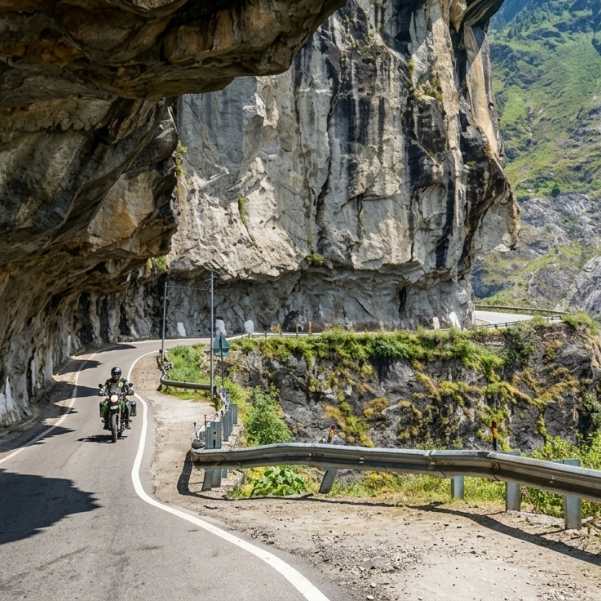
There are two official routes from Shimla. Both end at the same place, just through different valleys.
Route 1
Route 1 runs Shimla, Theog, Kotkhai, Kharapathar, Hatkoti, Rohru, Larot, Chanshal. This one is listed at around 160 km from Shimla.
Route 2
Route 2 runs Shimla, Theog, Narkanda, Tikkar, Rohru, Larot, Chanshal. This one comes in at around 175 km from Shimla.
Both funnel you through Rohru, which is the gateway town. From Rohru to Chanshal is about 48 to 50 km.
Larot is the last practical base before the pass. After Larot, you are on the final climb with very little around you.
If you want to break the journey and explore the Shimla side properly first, our Shimla tour packages cover stays and a local driver who knows these roads.
How Is the Road Condition from Rohru to Chanshal Pass?
Let me put it in plain words.
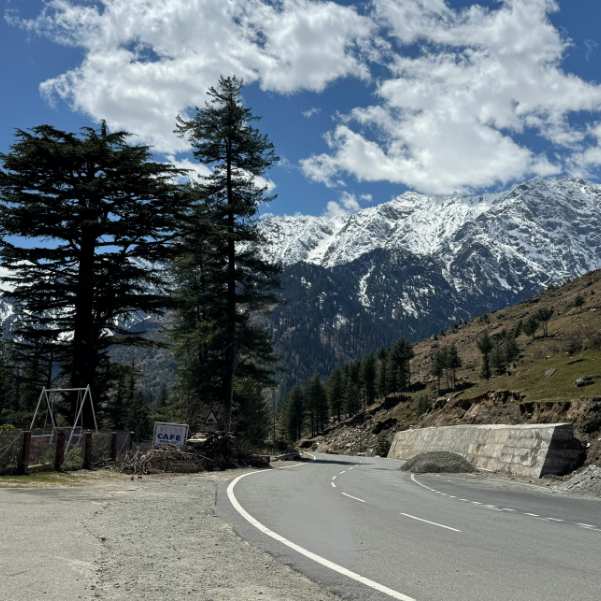
From Rohru to Chirgaon and Larot, the road is mixed. You get average patches and bad patches. Nothing too scary if the weather is dry.
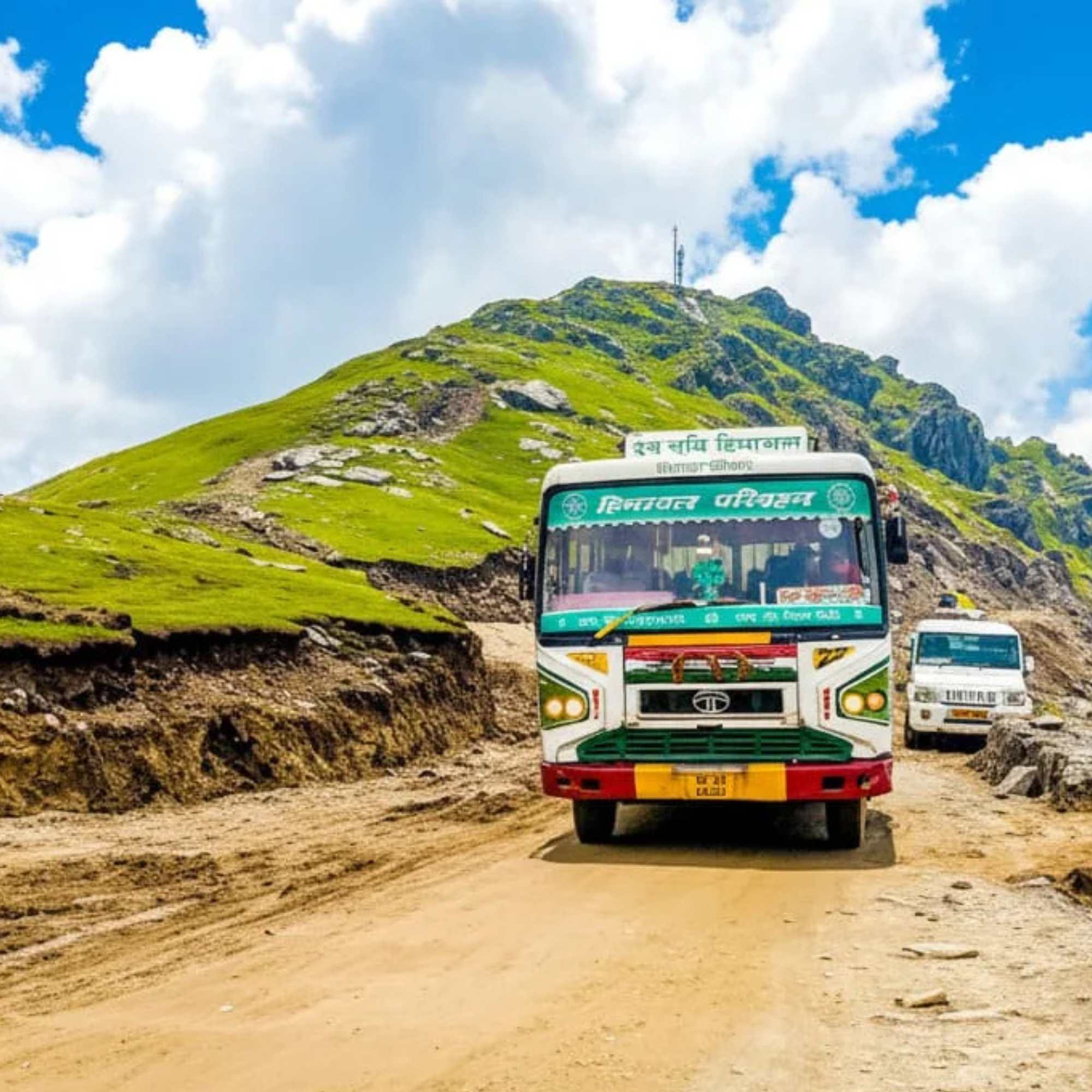
The final Larot to Chanshal stretch is around 20 km, and this is the hard part. It is reported as rough, rocky, muddy, steep, and slow.
One traveller guide reports around 55 hairpin turns on this final climb. Whether the exact number is right or not, expect a lot of tight bends and a slow crawl upward.
Here is what our drivers always say. Start early from Rohru, do not drive this road at night, and plan to be back down before dark. The combination of altitude, bad surface, and fading light is the worst mix you can put yourself in.
Can Small Cars, Sedans, Bikes and SUVs Reach Chanshal Pass?
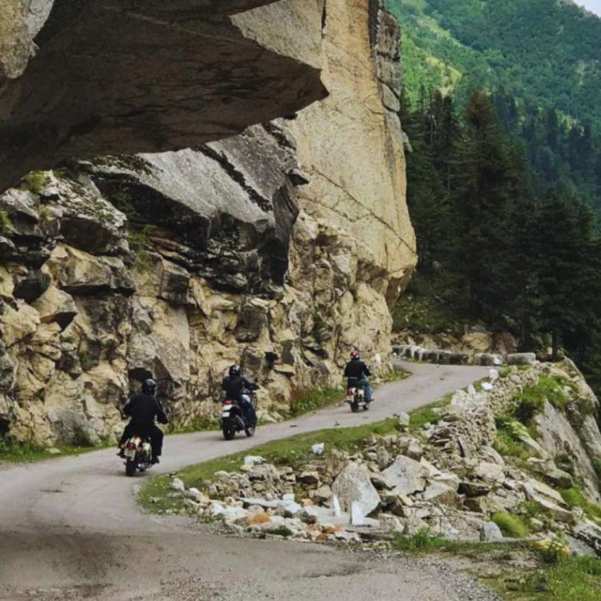
This is where sources openly disagree. Some guides say a sedan can make it in good weather. Others strongly push you toward a high-clearance SUV for the final climb.
Here is our practical take from years on this route. A high-clearance SUV or an experienced mountain-bike rider is the safer choice, especially after rain, in May slush, during monsoon, or after fresh snowfall.
Can a small car make it? In dry, settled weather, maybe. We have seen small cars reach the top on a good day.
But the risk of underbody damage or getting stuck on that final 20 km is real and higher than people think. If your car has low ground clearance, that last stretch will punish it.
For bikes, this is a doable but demanding ride. Only take it on if you are comfortable on broken mountain roads at altitude.
👉 Need advice based on your vehicle type and travel dates? Message our team on WhatsApp.
Do You Need a Permit for Chanshal Pass?
Let me be straight here because this is where blogs love to guess. Permit information is not fully clear from official live pages.
Some travel guides report a forest department permit for the Chanshal Wildlife Sanctuary area. This kind of rule can change season to season.
So do not take anyone's word for it, including ours. Ask at Rohru before you head beyond Larot, and confirm the current rule on the ground. We are not going to invent a fee or office timing that might be wrong.
Where to Stay Before Visiting Chanshal Pass?
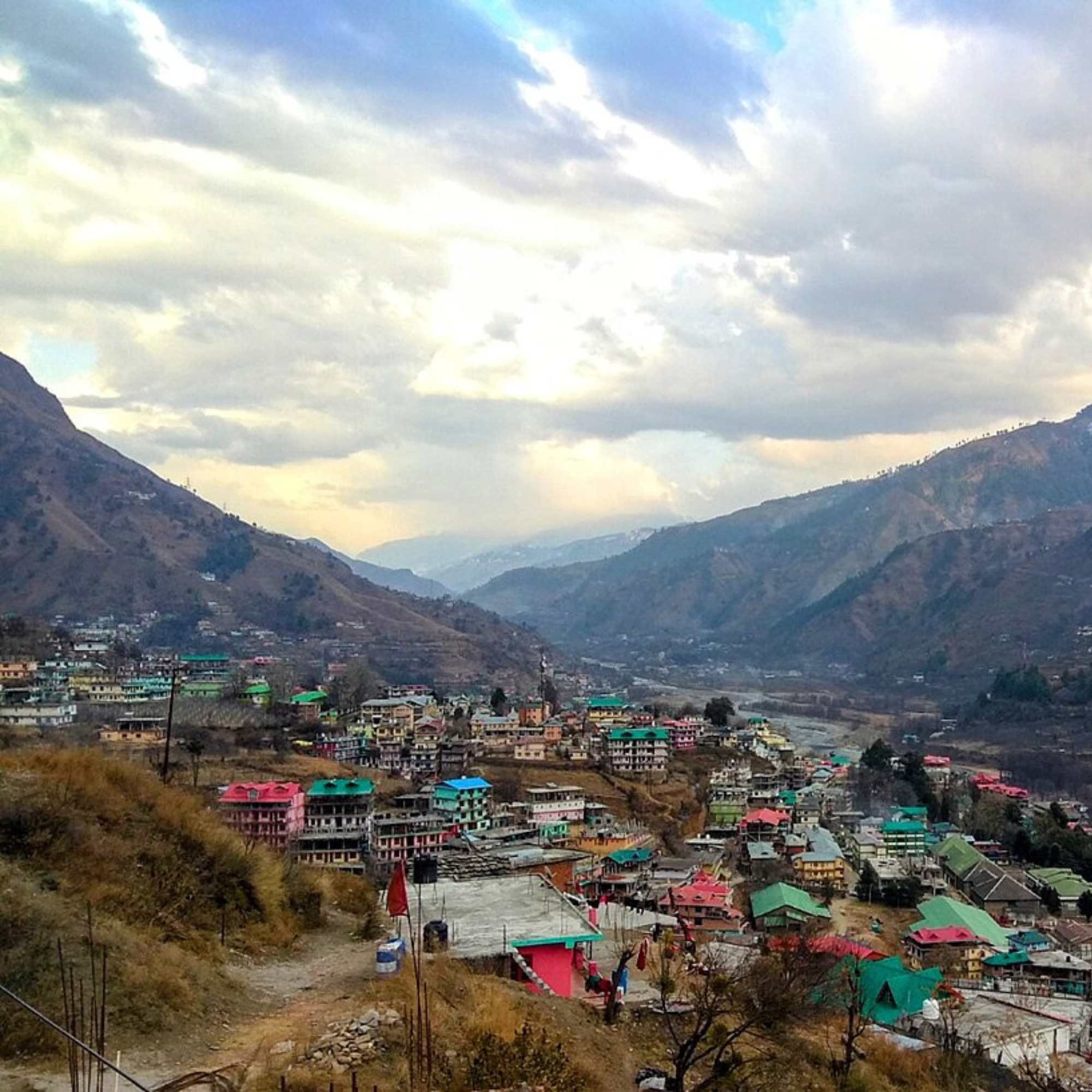
Rohru is the most practical base town. It has the most stay options, fuel, and basic supplies, which is exactly what you want before a rough climb.
Larot is closer to the pass, but the facilities there are basic. Think simple stays, not comfort.
There is no proper accommodation at Chanshal Pass top. So most travellers go up, spend time at the pass, and come back down to Rohru or Larot for the night.
One official option in Rohru is the HPTDC Hotel Chanshal, located next to the Circuit House on the Hatkoti to Rohru road. It has a restaurant, parking, taxi on demand, and a doctor on call, which is reassuring at this altitude.
If you would rather have the whole thing handled, our Chanshal Pass tour packages sort out stays, transport, and timing so you are not figuring it out on the road.
Fuel, ATMs, Food and Mobile Network
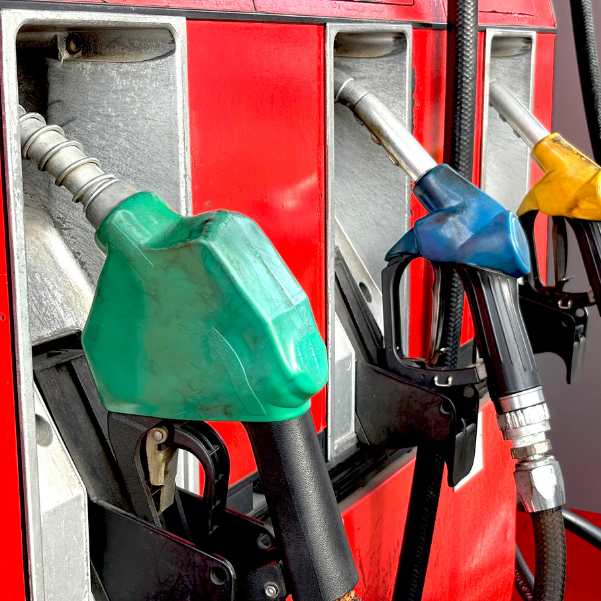
Fill your fuel tank at Rohru. Fuel availability beyond Rohru toward the pass is not reliable, so do not gamble on finding a pump up there.
ATMs are available in Rohru. But carry cash before you head toward Larot and Chanshal, because you will not find machines up the climb.
Food gets basic as you go higher. Do not depend on shops after Larot. Carry your own water and snacks.
Mobile network is patchy. Some travellers report no signal at all at Chanshal Pass top and beyond Larot. Download offline maps before you lose connection, and tell someone your plan.
Is Chanshal Pass Safe for Families?
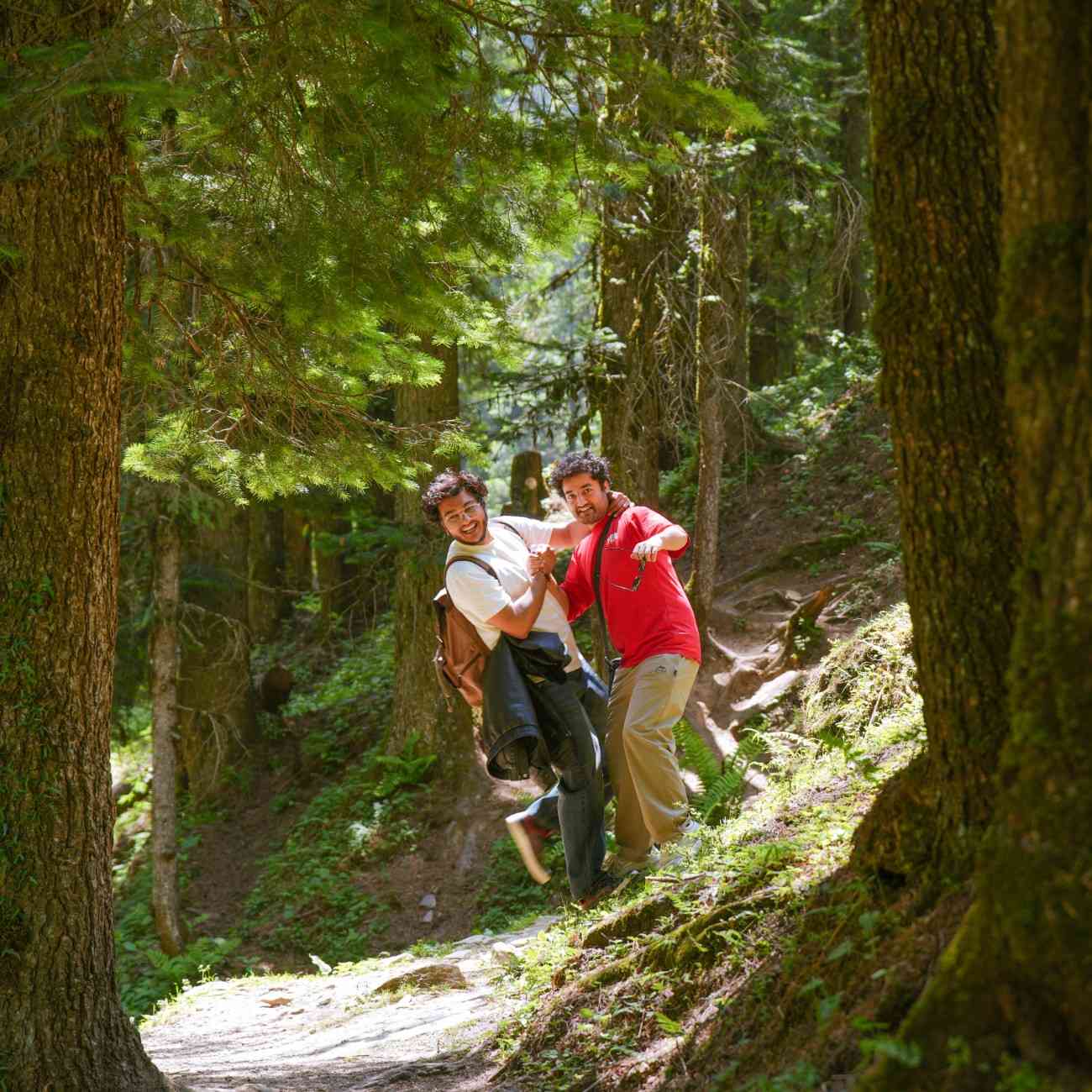
Yes, but only in the right season, with the right vehicle, and after a proper local road-status check.
September and October are far better for families than May slush or monsoon. The roads are calmer and the weather is more predictable.
We would not recommend this route for very young kids, senior citizens with serious breathing, heart, or mobility issues, or anyone who needs luxury comforts. The basic facilities and rough final climb are not built for that.
Chanshal Pass Opening Month by Month
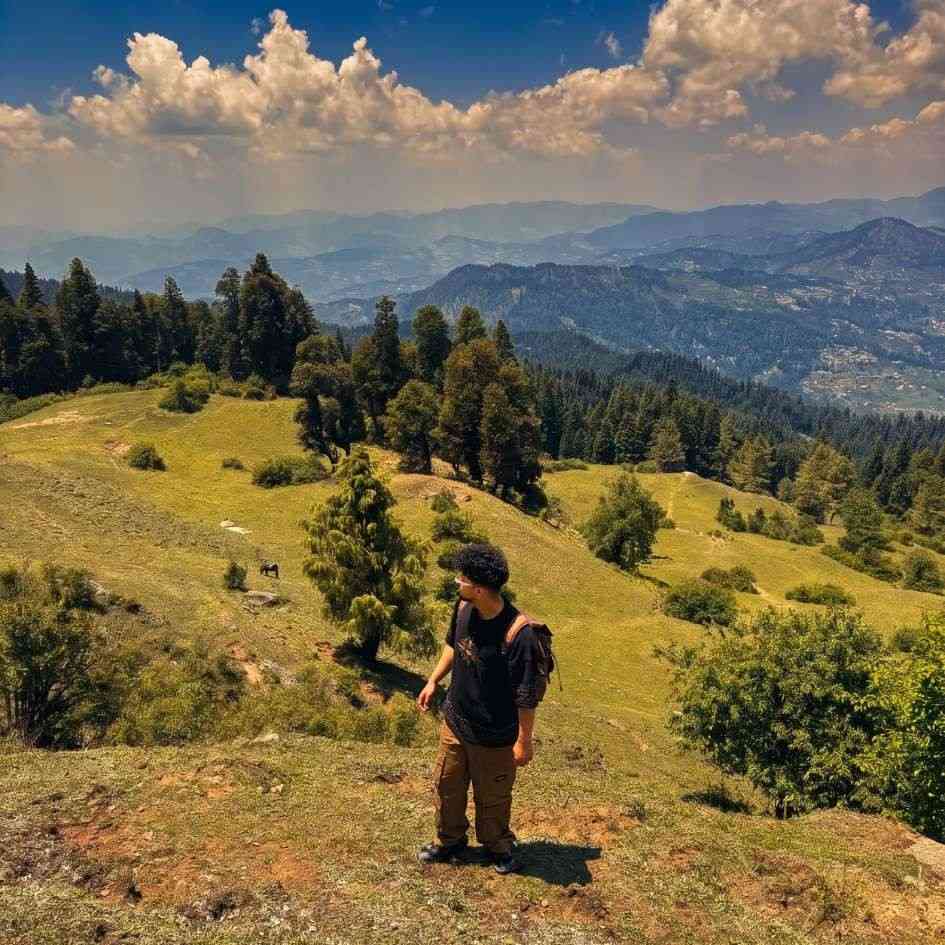
January to April
From January to April, the pass is mostly closed. You might get access to lower areas depending on how the snow sits, but the top is out of reach.
May
May is a possible opening month. Still, slush, snow walls, and rough patches can hang around, so go in with low expectations and a flexible plan.
June
June gets better later in the month. Early June can still surprise you with weather changes, but by the last week the road usually settles.
July and August
July and August call for monsoon caution. Rain, landslides, slippery road, fog, and slush make this a risky window. We usually steer travellers away unless the local update is strong.
September and October
September and October are the best overall months for most travellers. Clearer skies, settled roads, calmer driving.
November
November carries real closure risk once early snowfall starts. Do not plan a November trip without local confirmation first.
December
December is generally not suitable for a regular Chanshal Pass road trip. The snow takes over.
Common Mistakes Travellers Make with Chanshal Road Status
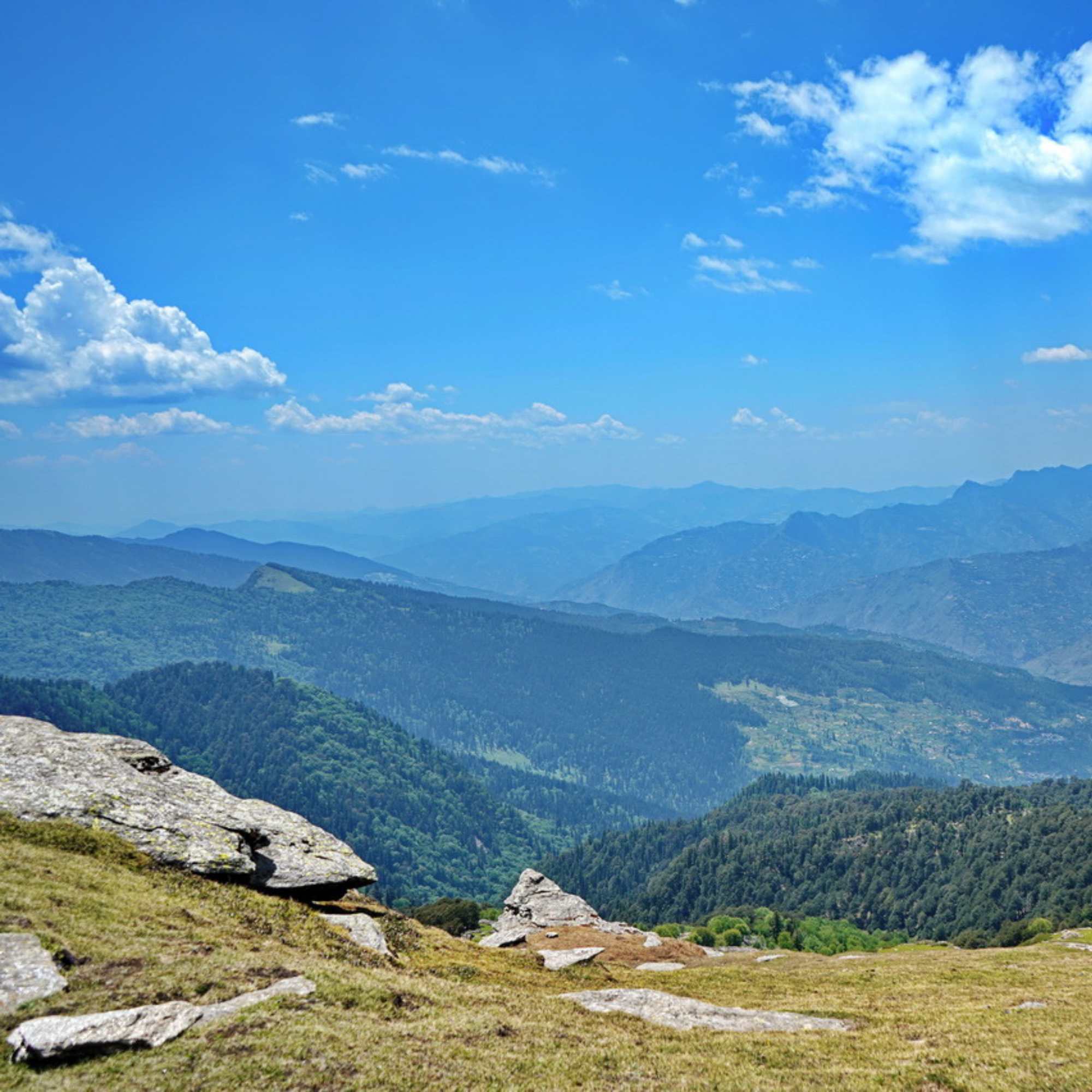
The first mistake is checking a live page once and never confirming again. We have seen people read an "open" status on Monday and drive up Thursday into a fresh block. Always recheck right before you leave.
The second is leaving Rohru late. A late start pushes you onto the rough final climb as light fades, which is exactly when you do not want to be there.
The third is taking a low-clearance car after rain. A small car on a wet, muddy Larot to Chanshal stretch is asking for damage or a long wait for help.
The fourth is assuming the road beyond Chanshal toward Dodra Kwar is also motorable for regular vehicles. Do not assume this. Confirm locally before you commit to it.
The fifth is going up without cash, water, snacks, warm layers, and offline maps. There is very little out there once you pass Larot, so carry your own backup.
Final Local Advice from Travel Coffee
In our experience, the travellers who enjoy Chanshal the most are the ones who plan loose and stay flexible.
Check the latest chanshal pass road status first. Start early. Keep a buffer day. Choose a high-clearance vehicle. Avoid monsoon.
And the big one. Do not force the final climb if locals on the ground are telling you to wait. They know this road better than any website, and we always trust their read over a status page.
Our team recommends pairing Chanshal with a slower Himachal plan rather than rushing it as a one-day dash. If you fancy a different high-mountain route, our Kinnaur tour packages are a strong alternative.
Explore Our Curated Chanshal Pass Tour Packages
- Group Tour5D/4N
Chanshal Pass Weekend Group Trip With Giri Ganga and Kuppar Bugyal
1D Kharapathar / Kotkhai•1D Rohru / Chirgaon (Pabbar Valley)
₹8,999₹12,999SAVE INR 4,000/ person 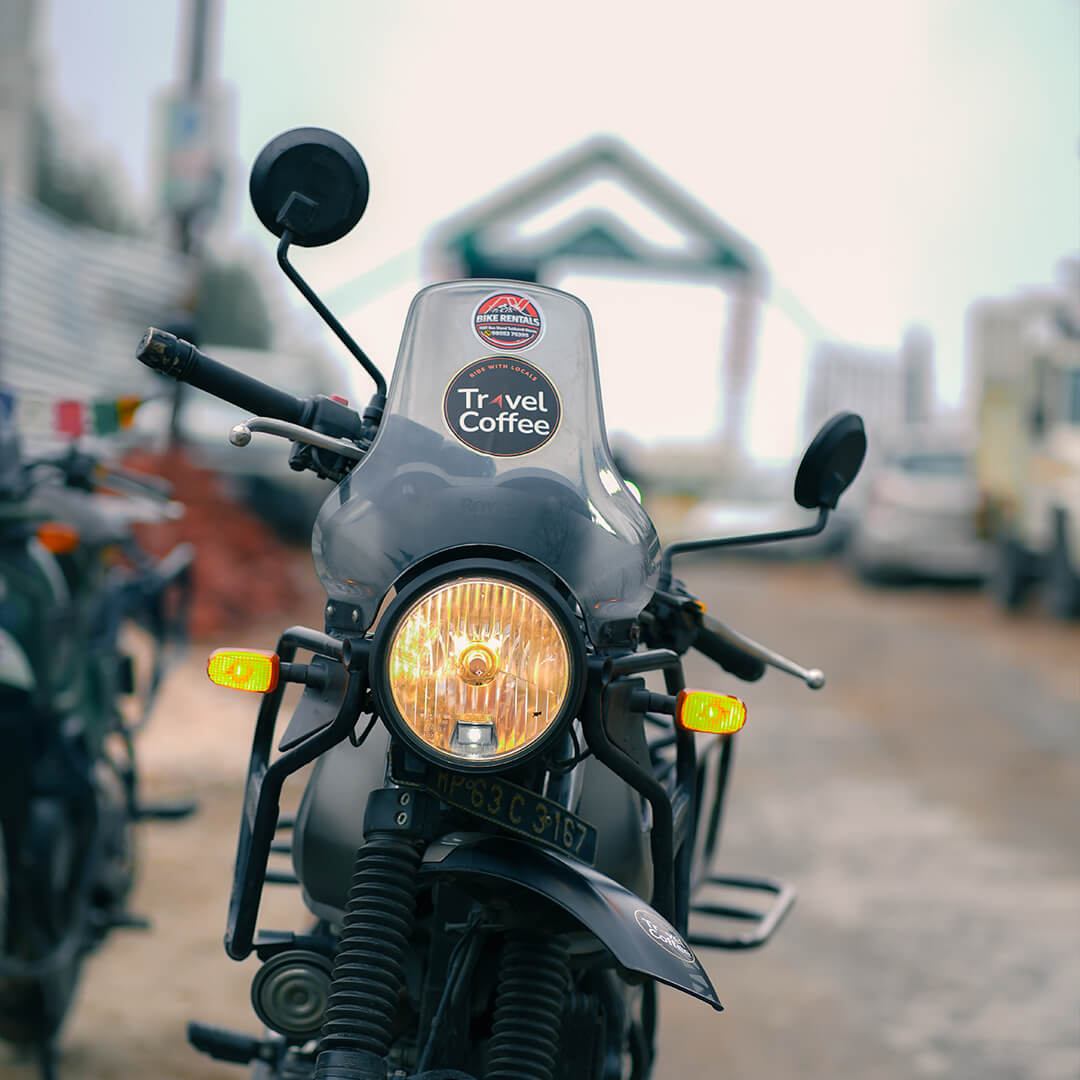 8D/7N
8D/7NUltimate Pabbar Valley Bike Expedition With Giri Ganga Kuppar Bugyal Chanshal Pass and Dodra Kwar
1D Kharapathar / Kotkhai•2D Rohru / Chirgaon (Pabbar Valley)+1
₹29,999/ person 8D/7N
8D/7NMost Loved 4x4 Pabbar Valley Expedition With Giri Ganga Kuppar Bugyal Chanshal Pass and Dodra Kwar
1D Kharapathar / Kotkhai•2D Rohru / Chirgaon (Pabbar Valley)+1
₹32,999₹39,999SAVE INR 7,000/ person
Related topics
Frequently Asked Questions
Is Chanshal Pass open today?
As of 11 June 2026, a live road-status page lists Rohru to Chanshal Pass as open. Confirm again before you travel, because this changes fast.
When will Chanshal Pass open in 2026?
The road is generally open from May to November. The exact 2026 date depends on snow clearance, so check live status before planning around early-season dates.
What is the best month to visit Chanshal Pass?
September and October are the best overall for most travellers. Late June is also good. May is for snow seekers who can handle slush.
Is Chanshal Pass open in May?
Sometimes. May is a possible opening month, but slush, snow walls, and rough patches can remain. Always check live status first.
Is Chanshal Pass open in June?
Usually yes, and it gets more reliable later in the month. Early June can still see sudden weather changes, so keep a buffer day.
Is Chanshal Pass open in November?
Closure risk rises in November once early snowfall begins. Do not plan a November trip without confirming the road status locally.
Can a small car go to Chanshal Pass?
Maybe, in dry settled weather. But the final Larot to Chanshal climb is risky for low-clearance cars, especially after rain. A high-clearance SUV is safer.
Is 4x4 required for Chanshal Pass?
Not strictly required in good conditions, but a high-clearance SUV is strongly safer for the final stretch, particularly after rain, in slush, or after fresh snow.
How far is Chanshal Pass from Rohru?
Rohru to Chanshal is about 48 to 50 km. The last roughly 20 km from Larot is the slow, rough part of the drive.
How far is Chanshal Pass from Shimla?
Around 160 km via the Kotkhai and Hatkoti route, or around 175 km via the Narkanda and Tikkar route. Both pass through Rohru.
Do I need a permit for Chanshal Pass?
Some guides mention a forest department permit for the wildlife sanctuary area, but official details are unclear. Confirm at Rohru before heading beyond Larot.
Is there mobile network at Chanshal Pass?
Expect patchy or no signal at the pass top and beyond Larot. Download offline maps and tell someone your plan before you lose connection.
Where should I stay for Chanshal Pass?
Rohru is the most practical base with the most stay options, including HPTDC Hotel Chanshal. Larot is closer but basic. There is no proper stay at the pass top.
Can I go to Dodra Kwar from Chanshal Pass?
Do not assume the road beyond Chanshal toward Dodra Kwar is motorable for regular vehicles. Confirm with locals at Rohru before attempting it.
More about Chanshal Pass
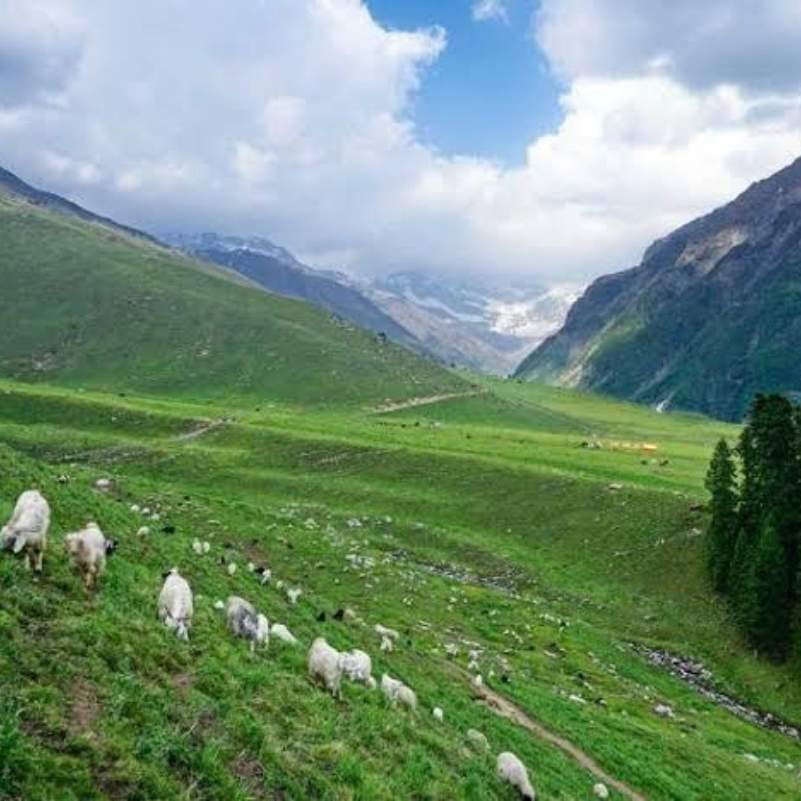 Chanshal Pass
Buran Ghati Trek Complete Guide 2026: Route, Cost, Difficulty, Best Time
Planning the Buran Ghati Trek in 2026? Explore the complete guide covering the route, itinerary, cost, difficulty, best time to visit, fitness tips, and essential trekking advice.
- Things to Do
 Chanshal Pass
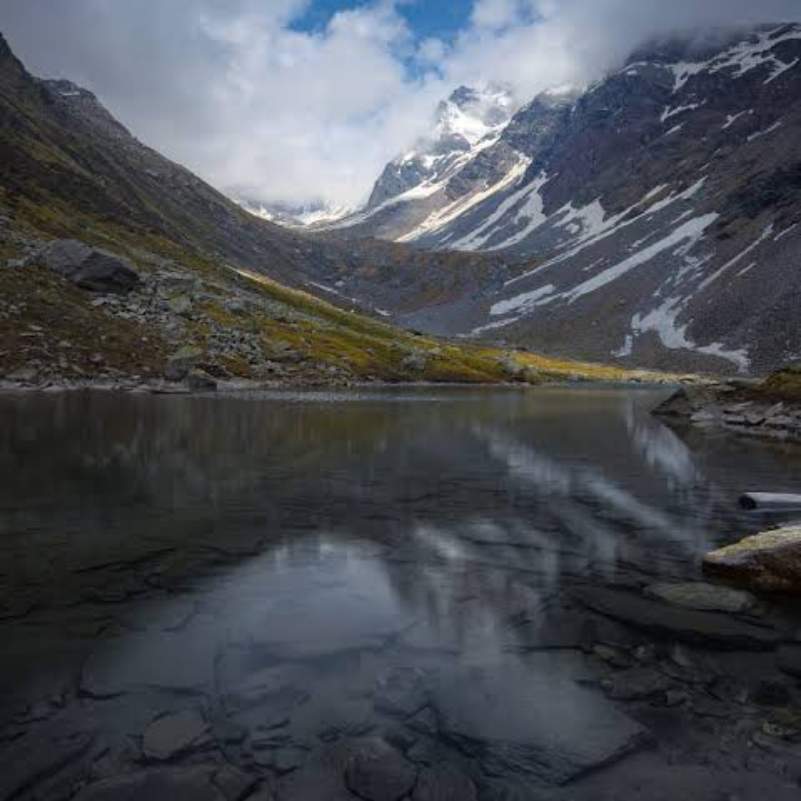
Chandranahan Lake Trek 2026: Source of the Pabbar River
Discover the Chandranahan Lake Trek 2026, a breathtaking Himalayan adventure to the sacred source of the Pabbar River in Himachal Pradesh. Explore pristine alpine meadows, glacial lakes, and spectacular mountain landscapes with this complete trekking guide.
- Things to Do
 Chanshal Pass
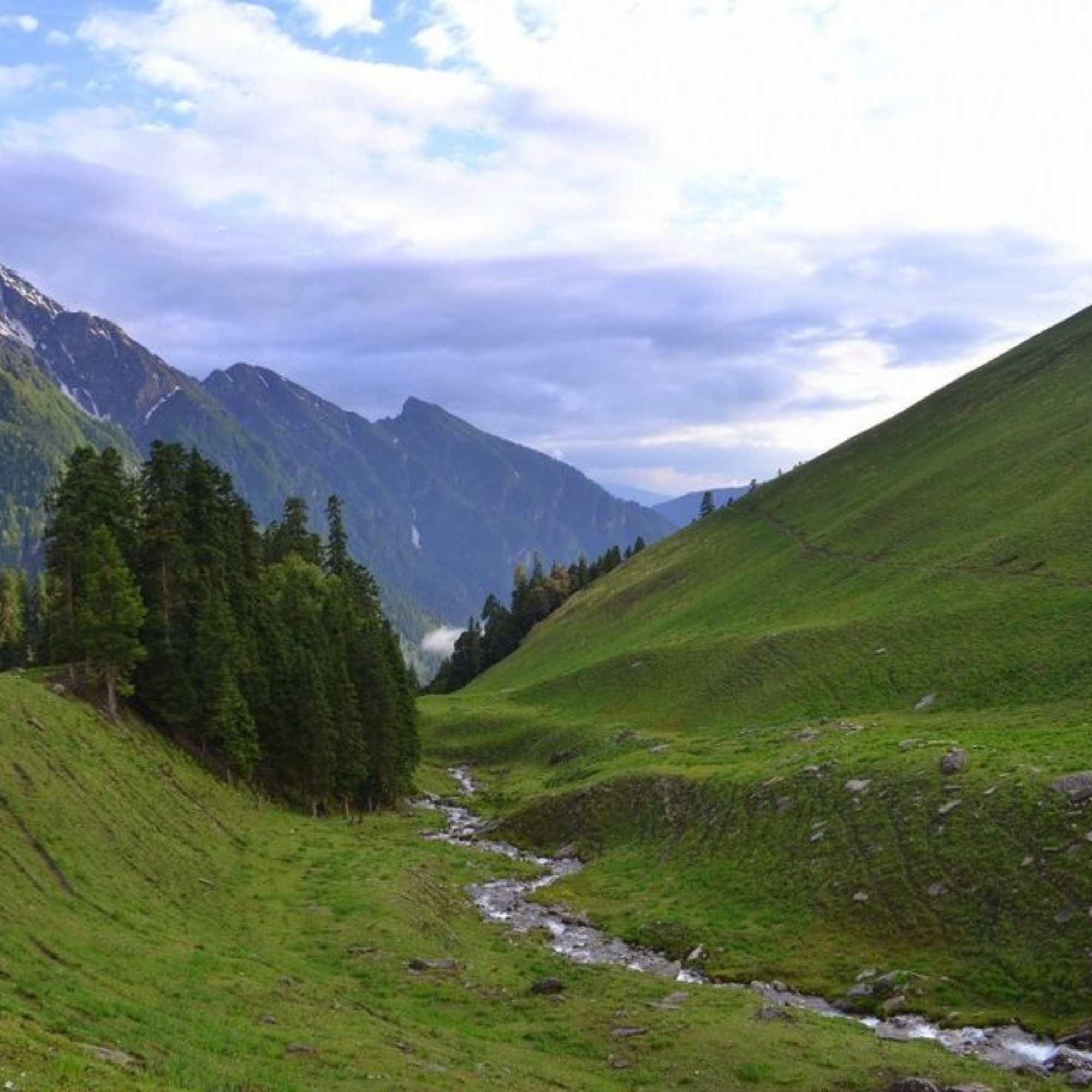
Treks in Pabbar Valley: The Complete List for 2026
Planning to explore the treks in Pabbar Valley in 2026? This complete guide covers the region's best hiking trails, difficulty levels, ideal seasons, trail highlights, and essential planning tips for discovering one of Himachal Pradesh's most rewarding trekking destinations.
- Things to Do