
Chanshal Pass in August 2026: Weather, Road Status and Travel Tips
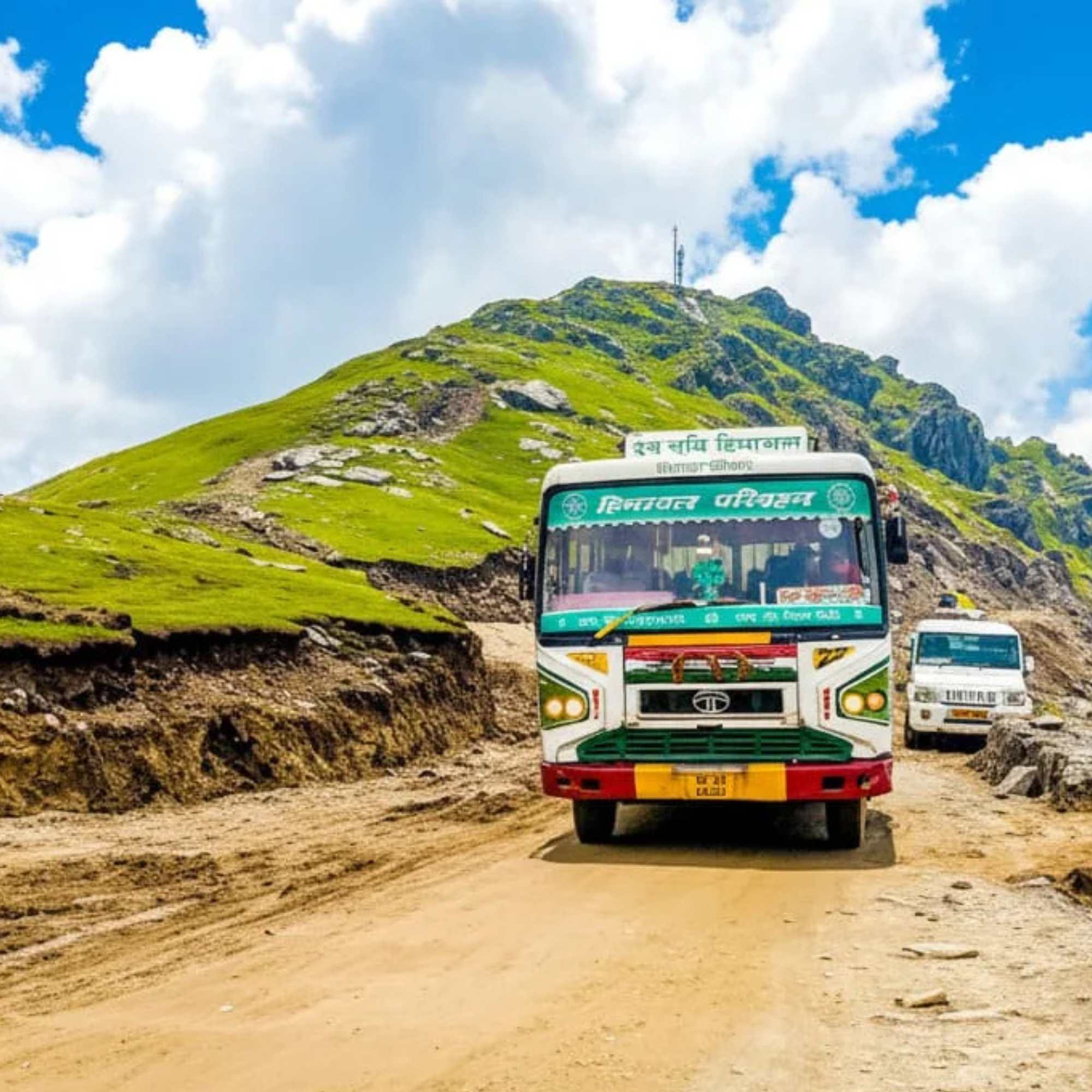
If you are planning Chanshal Pass in August, the honest truth is that you are picking one of the trickier months to do it.
The road is usually in its open season, but August is monsoon. That means rain, slush, fog, and a real chance of landslides on the way up.
We run trips on these Shimla side roads every season, and August is the month we get the most worried phone calls about. So let us walk you through it properly.
Quick Answer: Should You Visit Chanshal Pass in August?
Yes, you can visit, but August is not the best month. The road is generally open, yet monsoon rain, slush, fog, poor visibility, and landslide risk make it risky.
Go in August only if you are an experienced mountain driver or rider with flexible plans and a buffer day.
If you want clearer views and smoother planning, September is the safer and better choice.
In our experience, the people who enjoy Chanshal in August are the ones who treat their dates as flexible and turn back the moment the weather turns ugly.
👉 Need honest advice for August travel? Talk to our team on WhatsApp.
What Is Chanshal Pass and Why Is It Special?
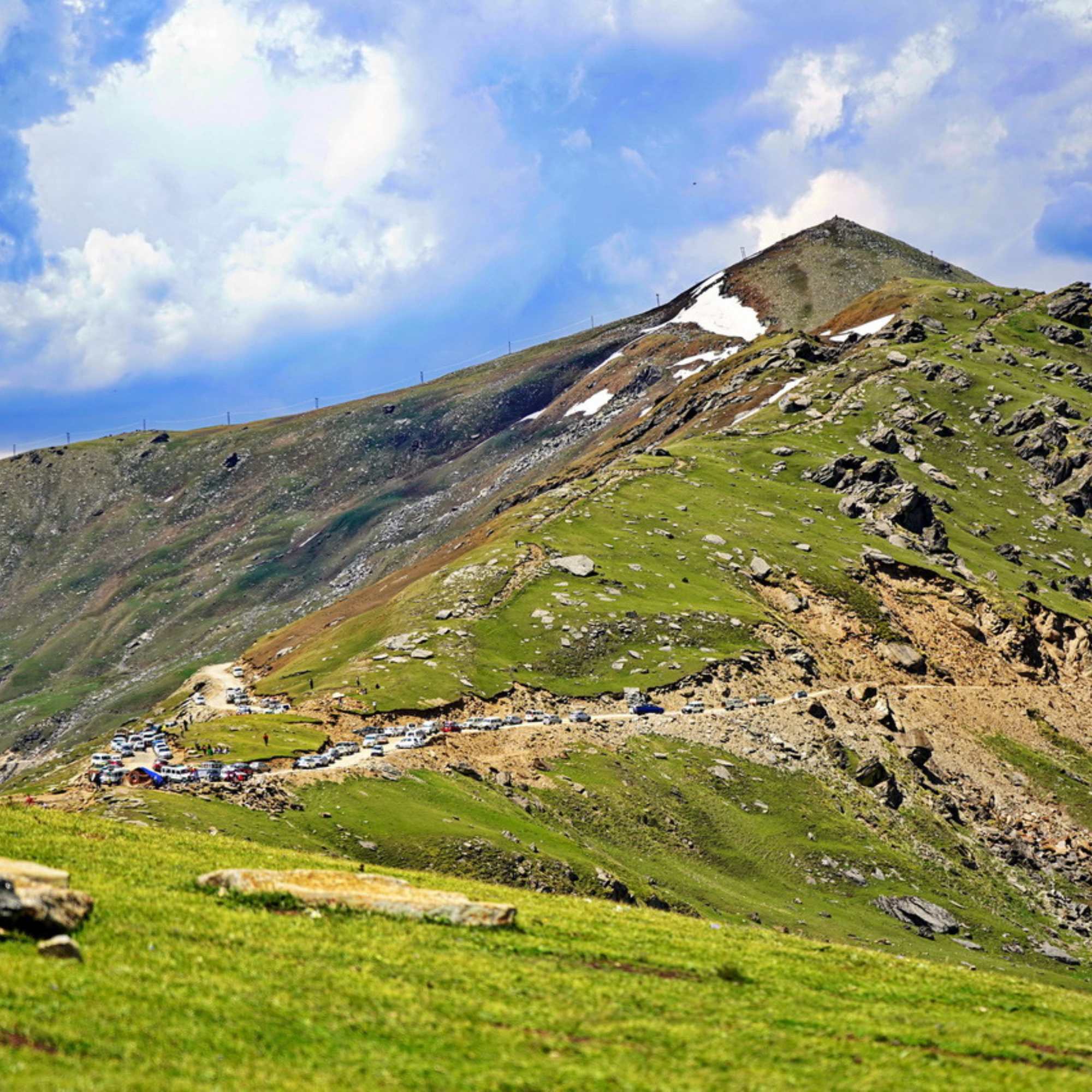
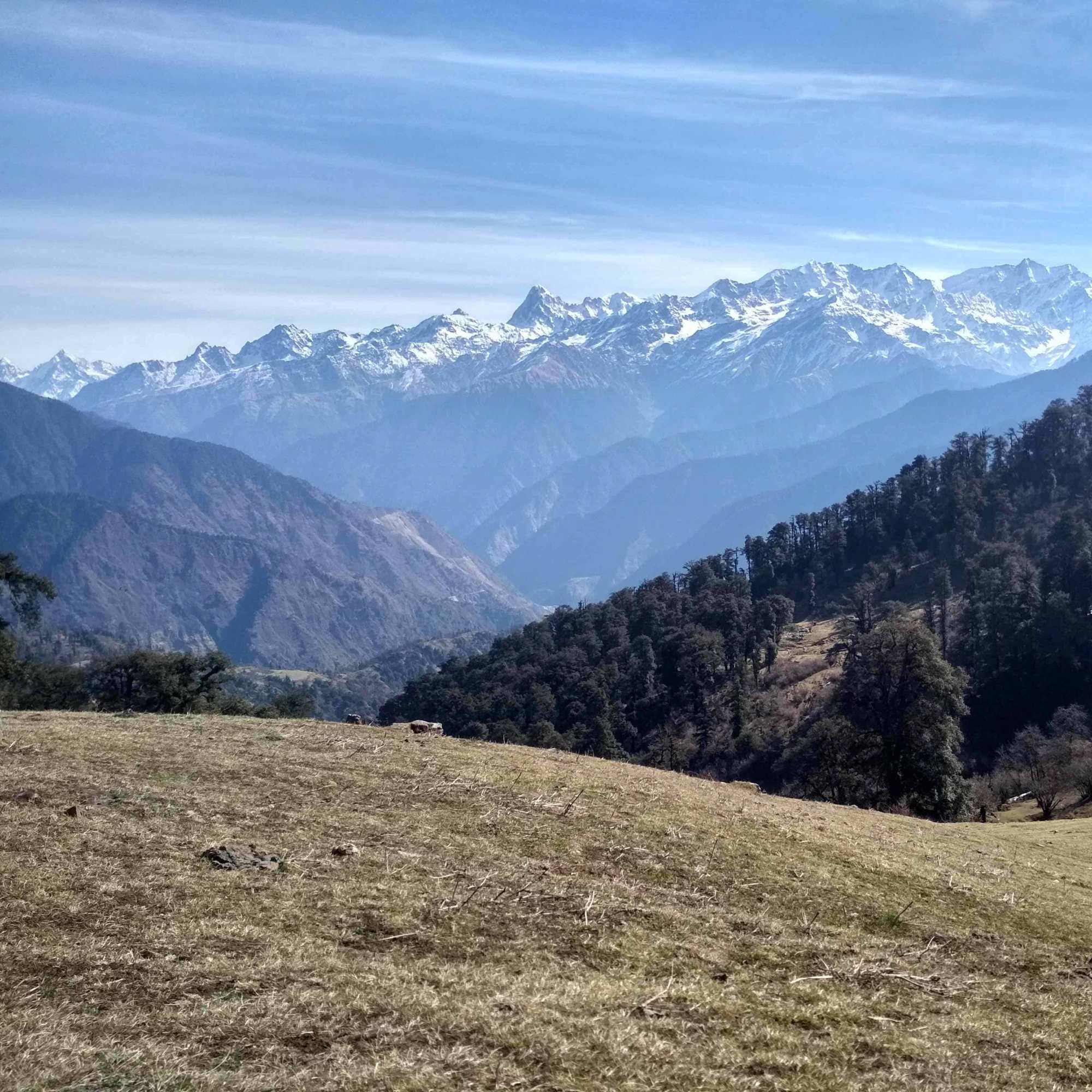
Chanshal Pass connects the Rohru and Chirgaon side with Dodra Kwar, a remote belt in Shimla district.
The pass sits at around 3,750 to 3,755 metres. Above it, Chanshal Peak rises to about 4,520 metres.
This is not a polished hill station route. There are no big malls, no crowded view points, no traffic jams of tourist cabs.
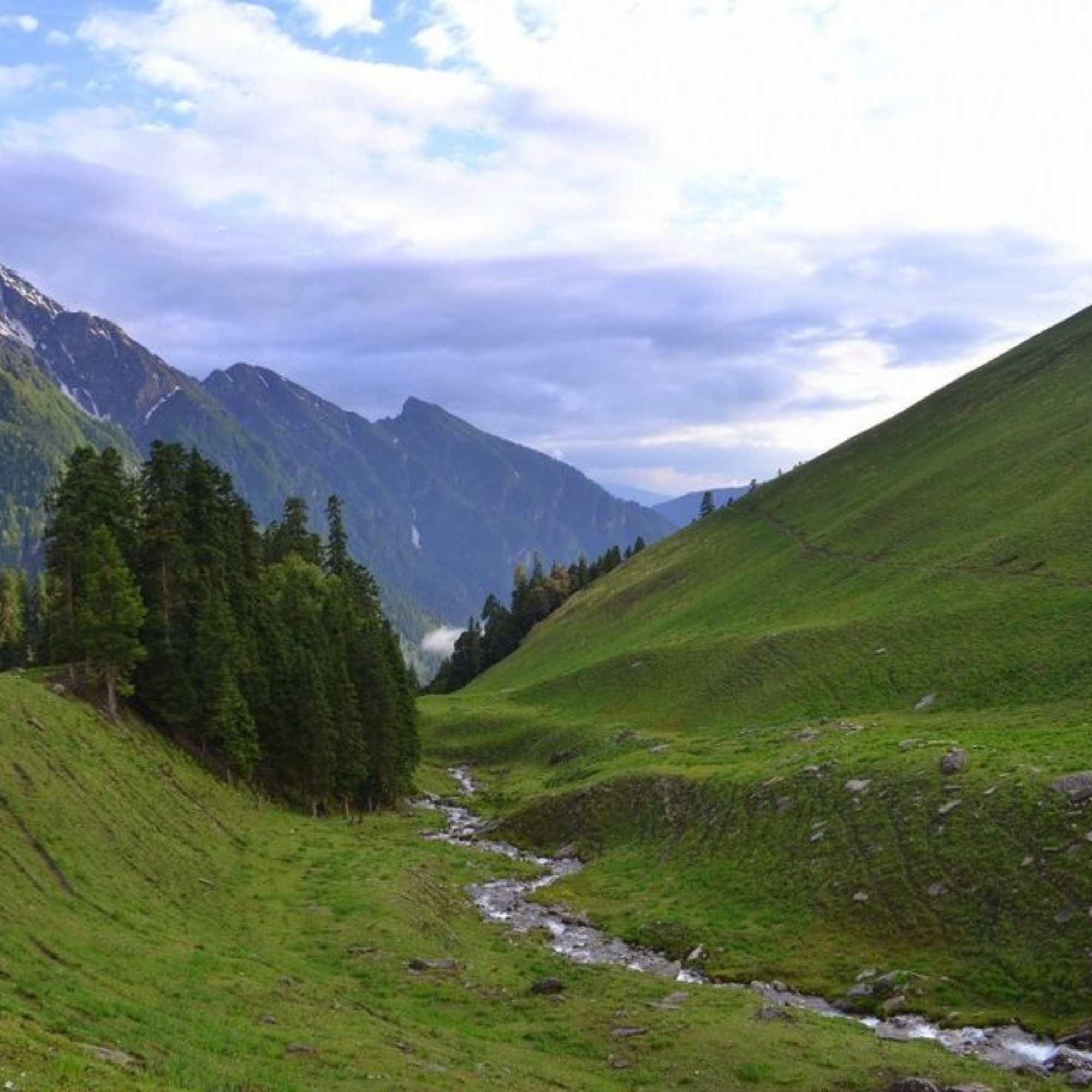
It feels raw and quiet. You drive through apple country, then climb into open meadows where the only sound is wind.
That is exactly why people who have done Shimla, Manali, and Kasol a dozen times come looking for Chanshal. It still feels like a place most tourists have not reached yet.
What most tourists get wrong is treating Chanshal like a casual weekend drive. It is not. The remoteness that makes it special is the same thing that makes it demanding in bad weather.
If you want a base for exploring this side of the state, our Shimla tour packages cover the wider region and can be shaped around a Chanshal add on.
Is Chanshal Pass Open in August 2026?
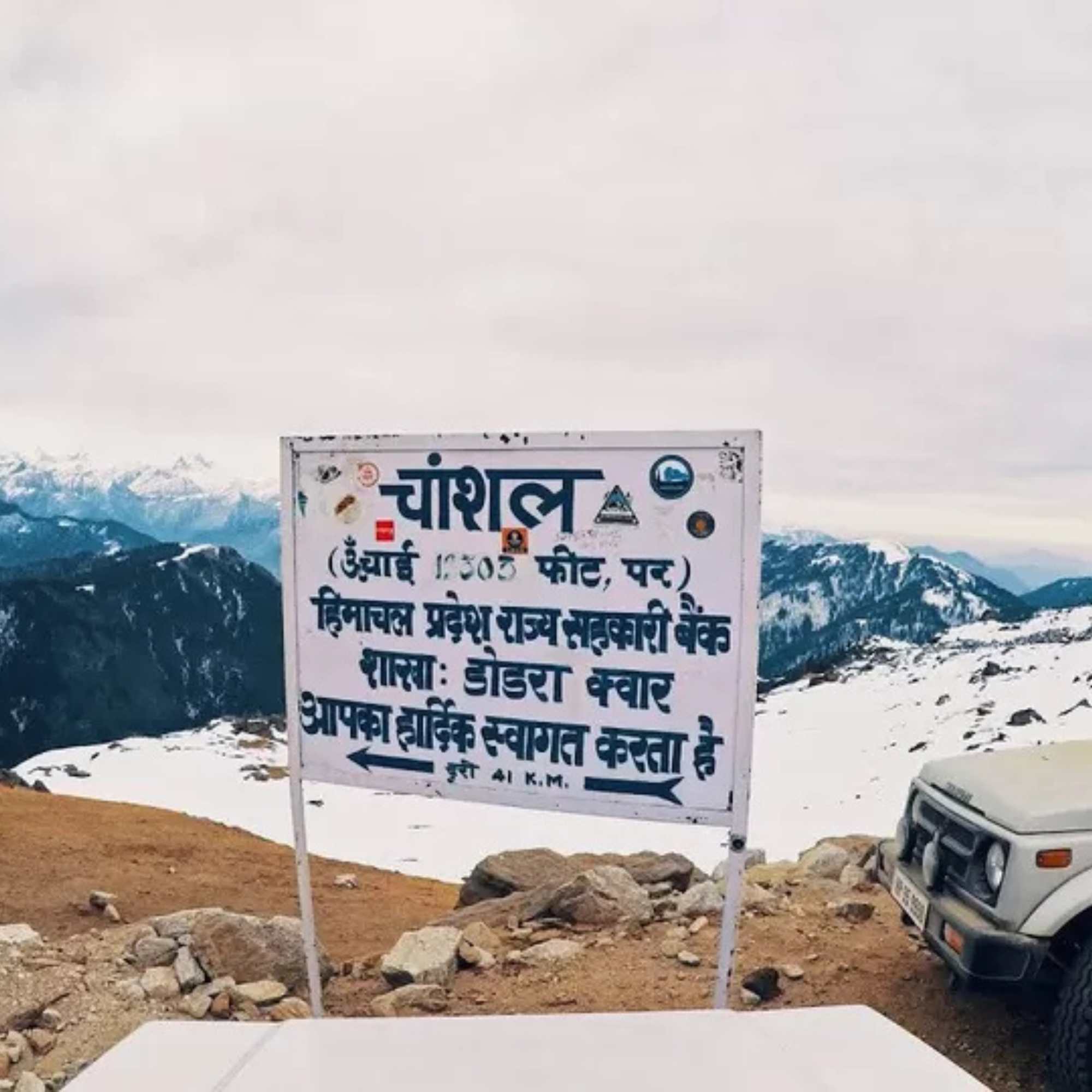
In most years, yes. The official Shimla District page says the Chanshal Pass road is generally open from May to November and stays closed the rest of the year because of snow.
That page was last updated on June 6, 2026, so it reflects the current season.
A third-party road tracker listed the Rohru to Chanshal Pass stretch as open in mid-June 2026. Use that only as a recent road-status clue, not as a guarantee for August travel, because monsoon weather can change road conditions quickly.
Here is the catch. August weather can shut a road that was perfectly fine a day earlier. One heavy night of rain and a fresh landslide can block the route for hours.
So do not assume August is automatically open just because the season says open. Always check live road status before you leave Shimla or Rohru.
Our team always verifies the Rohru side road condition the morning of departure, never the night before.
How Is the Weather at Chanshal Pass in August?
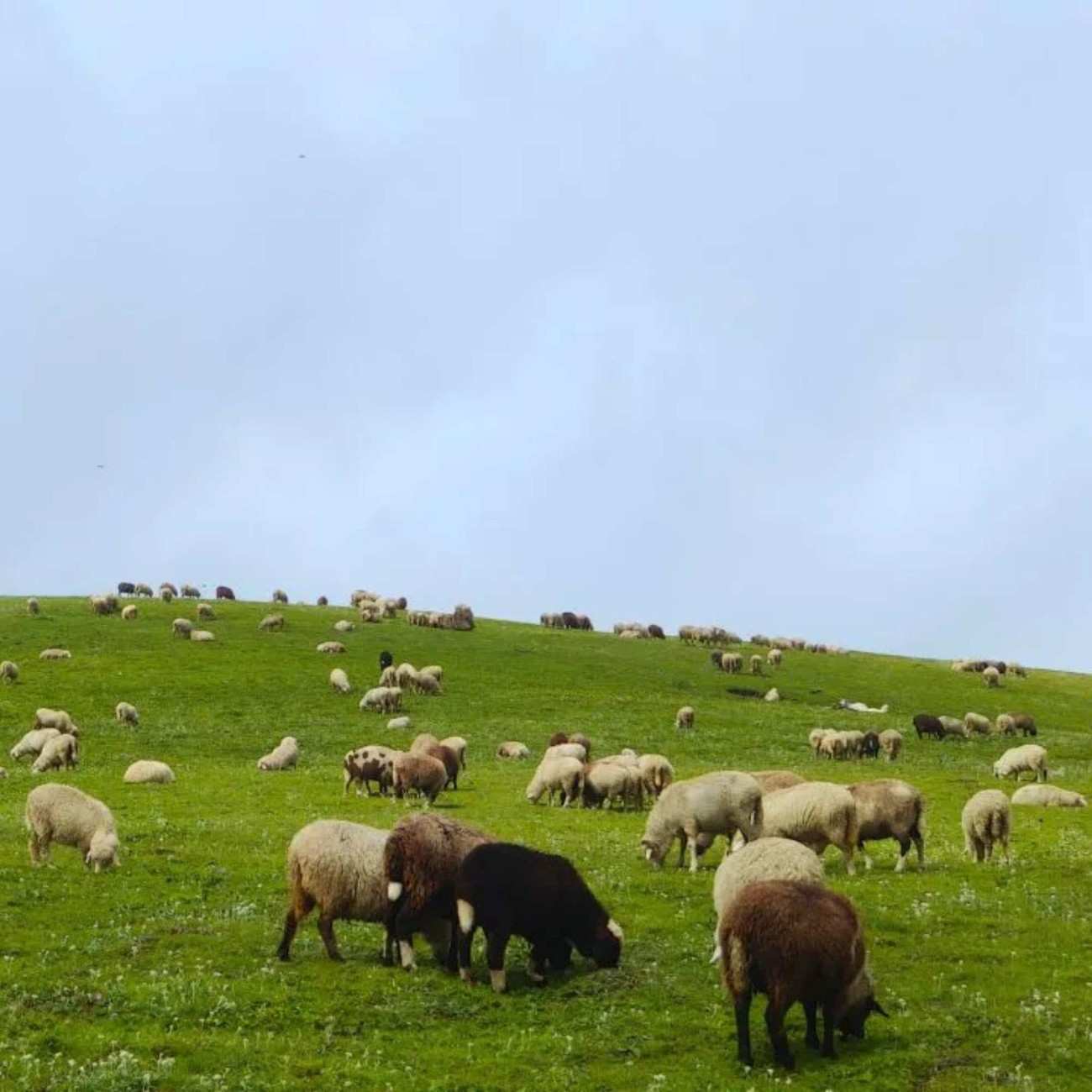
August is full monsoon. The valleys are at their greenest, the clouds sit low, and the whole place looks moody and dramatic.
That sounds nice until you realise clouds also mean you may reach the top and see almost nothing. Fog can swallow the view in minutes.
Expect rain, wet ground, slippery tracks, and sudden gusts of wind right at the pass. The top is exposed and the wind there can hit hard.
We will not throw a fake August temperature at you, because the numbers swing a lot with rain and altitude. Just plan for cold at the top even in summer.
One pattern holds fairly well. Mornings are usually safer and clearer than evenings, but weather here can flip fast, so an early window is your friend.
How Bad Is the Road to Chanshal Pass in August?
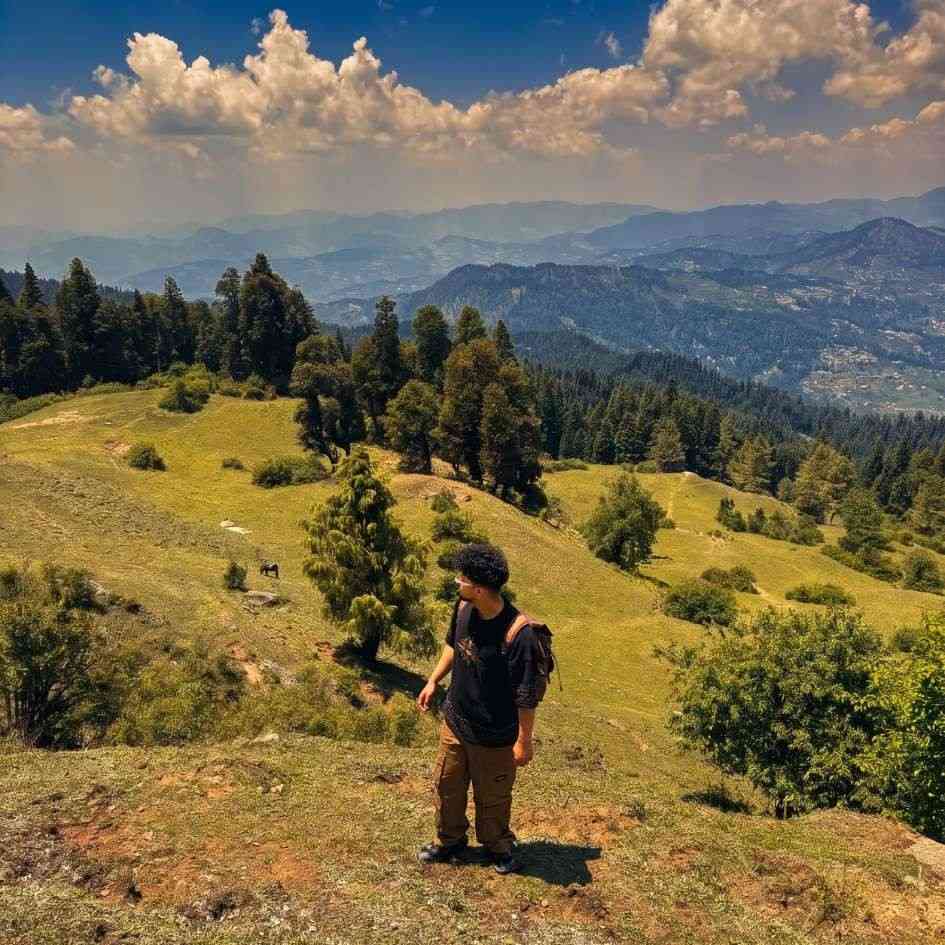
In plain words, the road is fine in parts and rough in others, and August makes the rough parts worse.
The route stays reasonable till Chirgaon and Larot, then gets rougher as you climb towards the pass.
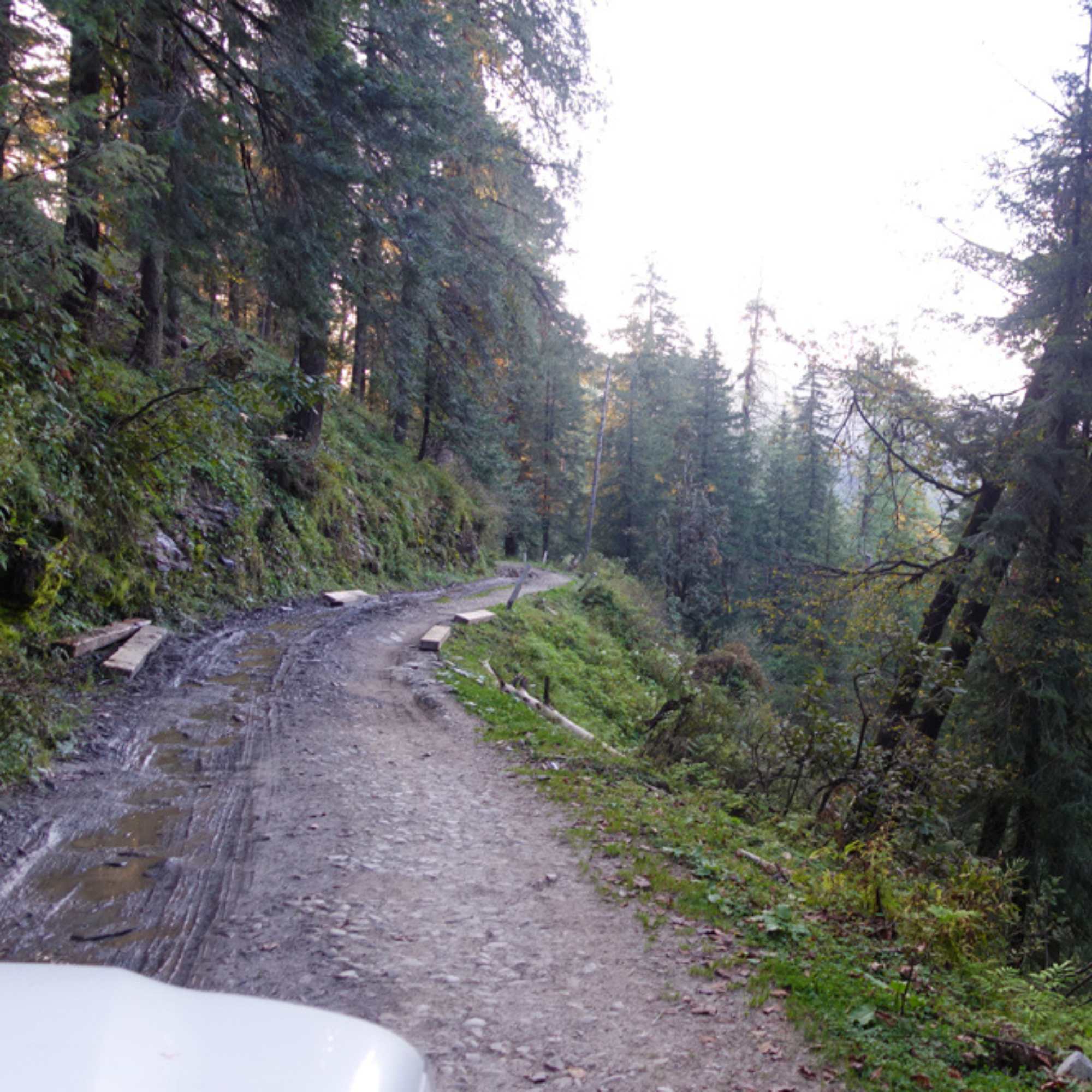
August brings muddy roads, slush, and a real landslide risk on this stretch. Loose hillsides plus rain is never a good mix.
This is why a short distance eats a lot of time. The Rohru to Chanshal Pass stretch is only about 48 km, but in rain it can take far longer than the kilometres suggest.
Do not drive this road after dark. Visibility drops, water crossings get harder to read, and there is no safety net if something goes wrong up there.
In our experience, the drivers who get into trouble are the ones racing daylight in the rain. The ones who finish early and relaxed are the ones who left at sunrise.
Can You Take a Small Car to Chanshal Pass in August?
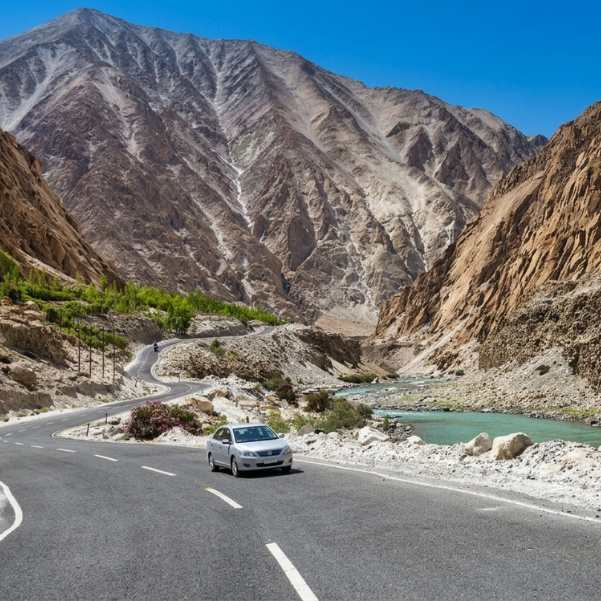
We would not recommend it in late July and August. The slush and rough patches near the top are not kind to small cars.
A 4x4 is not always compulsory, but a high ground clearance SUV is much safer in August conditions.
Be honest with yourself about your setup. A low sedan, full luggage, a family on board, and heavy rain is asking for a stuck car in a remote spot.
If your only option is a small car, push your trip to September or October when the road dries out and the risk drops sharply.
Can You Visit Chanshal Pass by Bike in August?
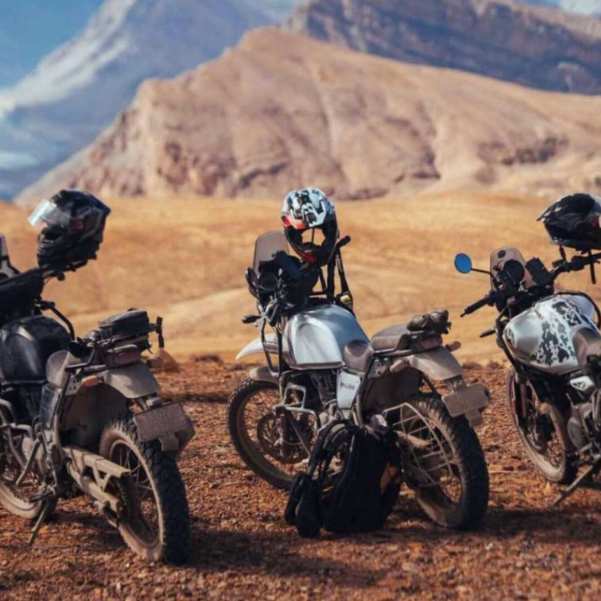
Yes, but only if you are an experienced rider who is comfortable on wet, broken mountain roads.
Carry proper rain gear, waterproof luggage, gloves, a puncture kit, basic tools, and ride a fully serviced bike. None of this is optional in August.
Do not ride in heavy rain or thick fog. Wet slush plus poor visibility on a narrow climb is exactly how riders come off their bikes here.
Solo riders need to be extra careful. Network is unreliable after Rohru, and no network has been reported at the pass itself, so help is not a quick phone call away.
If you are unsure about riding in monsoon, our team is happy to sanity check your bike plan before you commit.
Best Route to Chanshal Pass in August
There are two main ways to reach Chanshal from Shimla. Both go through Rohru and Larot near the end. The total Shimla to Chanshal distance lands somewhere around 160 to 180 km depending on which way you go, since sources do not fully agree.
Route 1: Shimla, Theog, Kotkhai, Kharapathar, Hatkoti, Rohru, Larot, Chanshal Pass
This is the official Route 1 and it runs about 160 km.
It is the shorter option, but the official Hindi page notes it is not suitable for bike rides because of bumpy roads. So bikers should weigh this carefully.
Route 2: Shimla, Theog, Narkanda, Tikkar, Rohru, Larot, Chanshal Pass
This official Route 2 runs about 175 km.
Some travellers prefer it because it takes you via the Narkanda side, which is a pleasant stretch. Just remember the road condition still needs a local check before you rely on it.
Rohru to Chanshal Pass
Whichever route you pick, the final climb is Rohru to Chanshal Pass, around 48 km.
Larot sits about 15 to 16 km before the pass and works as a practical last base. Leave early and aim to be back before late afternoon, especially in August rain.
Where Should You Stay for Chanshal Pass in August?
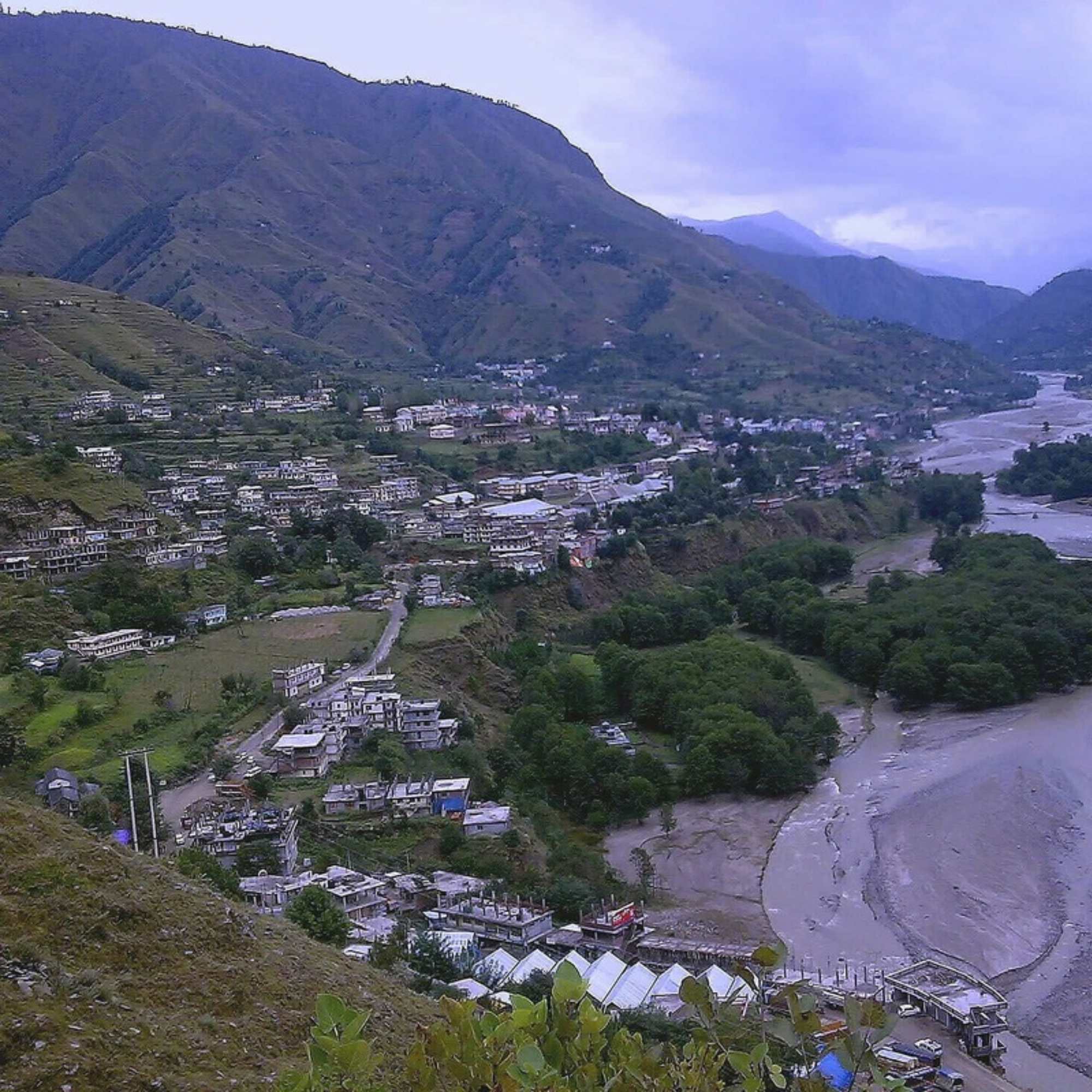
Rohru is the most practical base, especially for families. It has shops, basic services, and more stay options than anywhere closer to the pass.
The HPTDC Hotel Chanshal in Rohru is a solid pick. It has a restaurant, parking, taxi on demand, doctor on call, and a public washroom.
That doctor on call detail matters more than it sounds at this altitude in monsoon. It is one reason we steer nervous first timers towards Rohru rather than a basic camp.
Larot is closer to the pass but far more basic. It suits riders and self sufficient travellers more than families wanting comfort.
For camps, a sample online rate for Chanshal Camps Resort showed ₹2,733 to ₹3,123 plus taxes for July dates. Confirm the current price before you book, because these rates move with season and demand.
A money tip from us. Do not lock a camp blindly off an old online rate. Message the property or our team for the live August price first, because what shows online is often stale.
Suggested 2 Night Itinerary for Chanshal Pass in August
Day 1: Shimla to Rohru or Larot
Start early from Shimla. The earlier you leave, the more daylight buffer you keep for rain delays.
Use Rohru as your night halt if rain is active. It is the safer, better serviced base when the weather is unpredictable.
You can break the drive with a stop near Hatkoti on the way. We are not going to hand you a fake timing for it, so just treat it as a stretch and tea stop, not a fixed schedule.
Day 2: Rohru or Larot to Chanshal Pass and Back
Aim for a sunrise or early morning start. Mornings give you the best shot at clearer skies and safer roads before the day clouds build.
Reach the pass, soak it in, take your photos, and head back the same day. Do not push on towards Dodra Kwar unless the road and weather are confirmed locally on the spot.
This is the honest, cautious plan, and it is the one we actually recommend in August.
Day 3: Return to Shimla
Check the rain forecast and local road status before you start. A wet night can change everything on the descent.
One thing to keep in mind in August is apple season. Loaded trucks can share these roads, so allow for slower stretches rather than assuming a clear run.
What Should You Pack for Chanshal Pass in August?

Pack for rain first and cold second. A good rain jacket, a warm layer, and waterproof shoes are the three things you will be glad you carried.
Add offline maps, since network is patchy past Rohru and gone at the pass. Download your route before you lose signal.
Carry cash, basic medicines, snacks, water, and a power bank. There is no ATM in Larot, so withdraw what you need in Rohru or Chirgaon before climbing.
For the vehicle, keep a tyre inflator, a puncture kit, and basic tools. On a remote monsoon road, being able to fix a flat yourself is worth a lot.
What we always tell our travellers is to keep dry clothes in a waterproof bag inside the luggage. Reaching a cold pass soaked through is miserable, and dry layers fix it instantly.
Is Chanshal Pass Safe for Families in August?
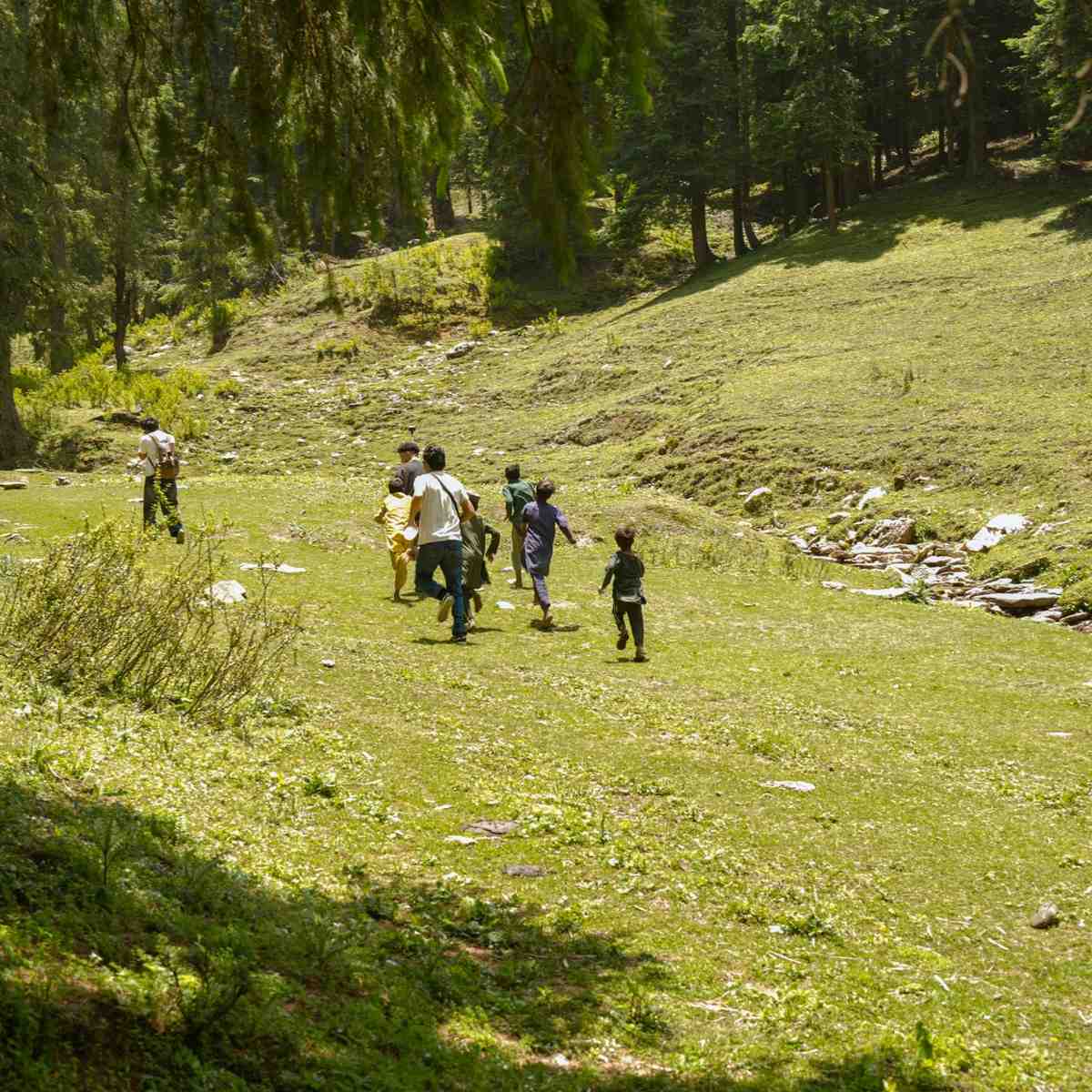
Honestly, August is not ideal for families with small kids, elderly travellers, nervous drivers, or anyone with a fixed return flight.
The mix of altitude, rain, slush, and no network near the pass is a lot to manage with young children in the car.
Families are far better off in September or October, when the road dries and the views open up.
If you must go in August, stay in Rohru, use a reliable SUV, keep your day flexible, and turn back without hesitation if the rain gets heavy. No view is worth a stuck car at altitude in a downpour.
Chanshal Pass in August vs September: Which Is Better?
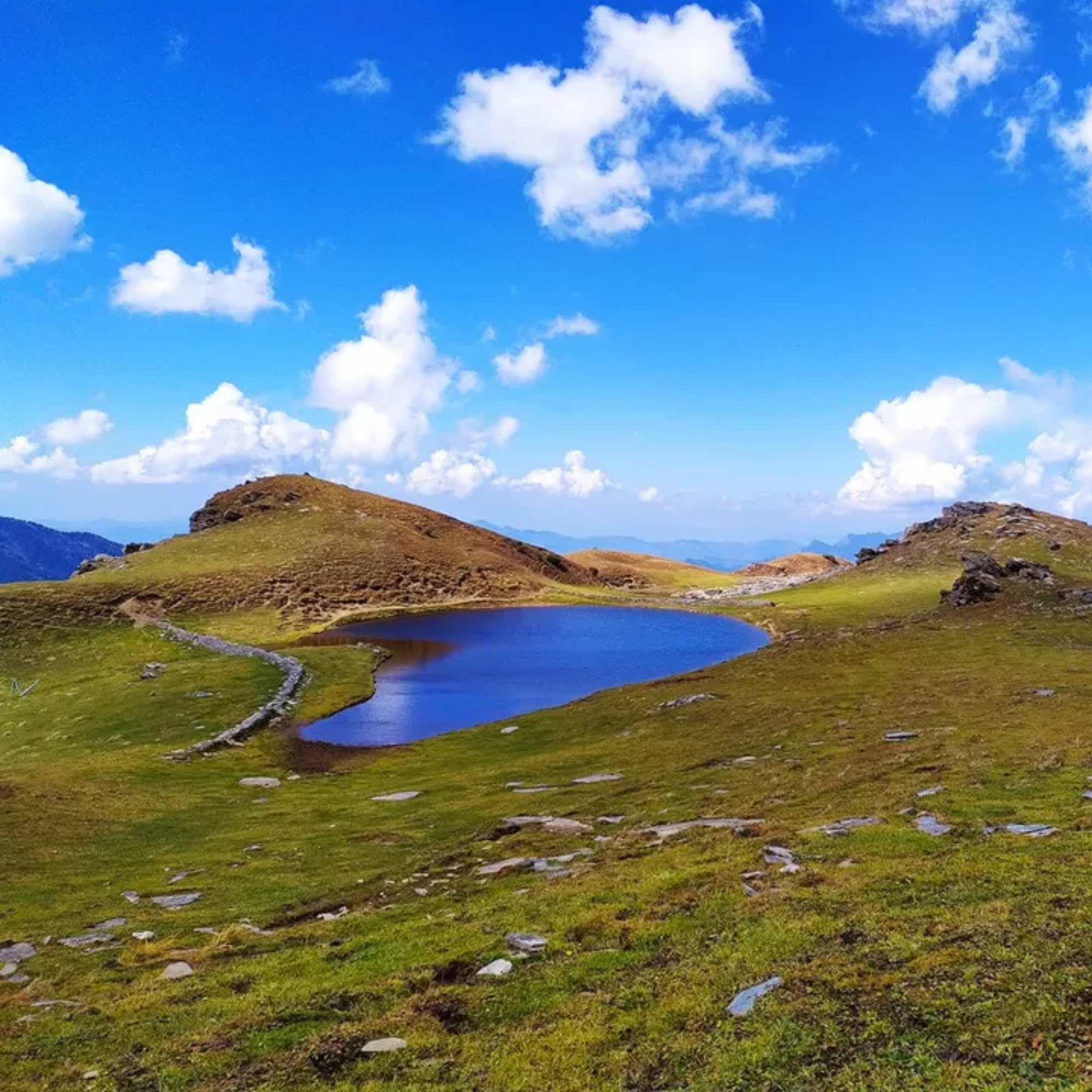
August is greener and moodier. The valleys glow, the clouds roll in, and it feels wild. But you trade that for rain, slush, and a real chance of clouded out views.
September is clearer, safer, and much better for photography. The skies open up, the roads settle, and planning gets easier.
The official best time guidance leans towards late June, early September, September, and October. Notice that August is not on that list, and that tells you something.
If you can move your dates even a few weeks, September wins for most travellers. We say this even though it means fewer August bookings for us, because it is the truth.
If you want to pair this with another offbeat belt, take a look at our Kinnaur tour packages for a longer Himachal plan.
Nearby Places You Can Add
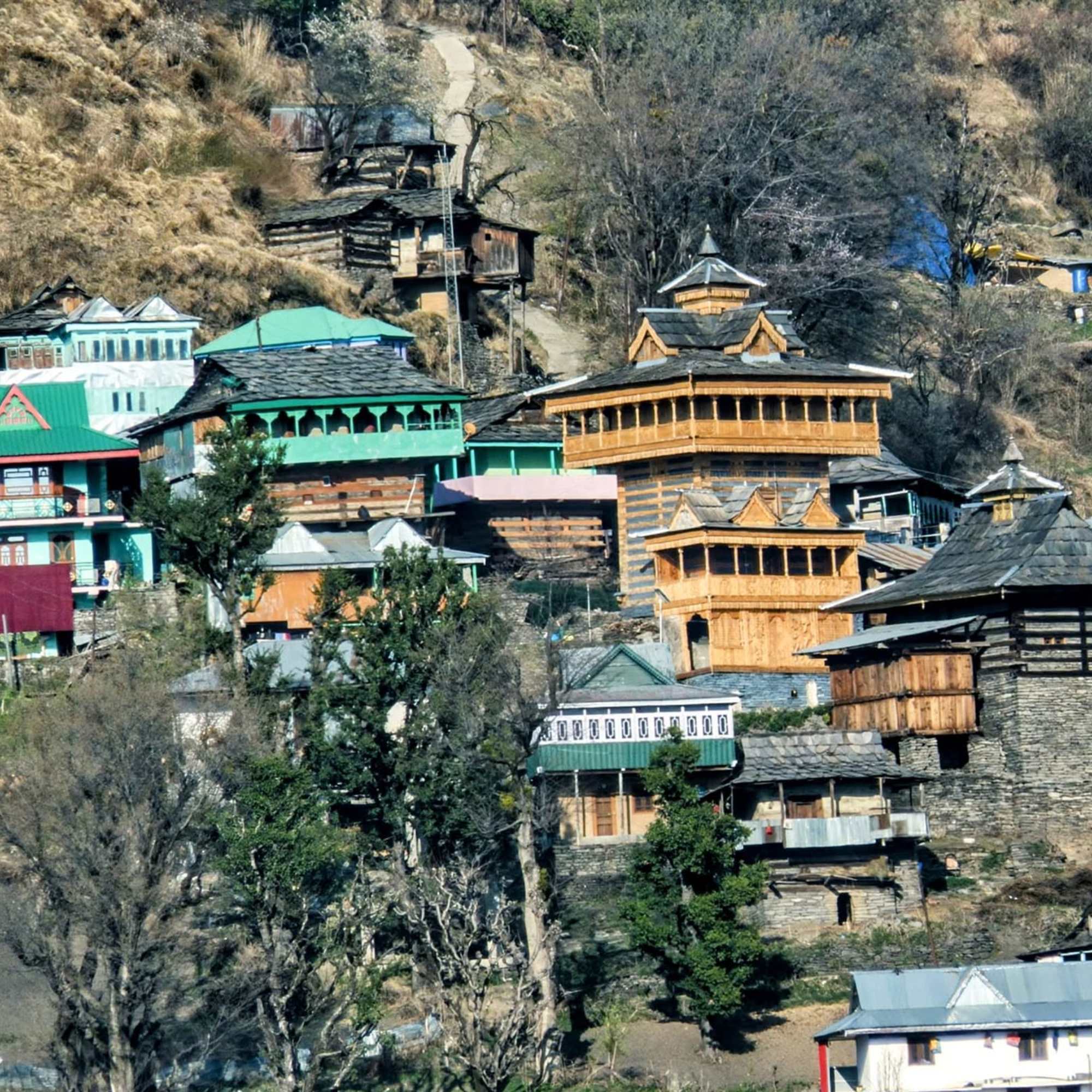
You can pair Chanshal with Rohru, Larot, and Hatkoti easily, since they sit on or near your route.
Dodra Kwar is worth it only if the road beyond the pass is confirmed open and safe on the day. In August, never assume that, check it locally first.
Skip the idea of bolting Kinnaur or Spiti onto a Chanshal trip as a quick same day add on. Those are separate extended mountain journeys, not casual detours.
If a bigger loop is what you actually want, our Spiti Valley packages are built as full trips with proper acclimatisation, not rushed extensions.
Do You Need a Permit for Chanshal Pass?
This one is genuinely unclear, so we will not pretend otherwise.
Permit information is conflicting. One travel source says a forest permit is needed, while another says no permit is required.
Because of that, do not trust a single blog either way. Check with the local administration, the forest checkpost, or our team before you travel.
We would rather you ask and carry nothing extra than skip a required permit and get turned back at a checkpost.
Local Travel Coffee Advice for August
In our experience, the single biggest thing that decides whether an August Chanshal trip goes well is flexibility. Lock yourself into rigid dates and the monsoon will punish you.
Our team recommends an early start every day, no night driving at all, and Rohru as your night base when rain is around. That combination alone prevents most problems.
Carry cash, keep offline maps ready, and verify the road locally the morning you climb. These small habits are what separate a smooth trip from a stranded one.
And if anyone in your group feels unwell at altitude or the weather turns hostile, turn around. The pass will still be there next year.
Explore Our Curated Chanshal Pass Tour Packages
- Group Tour5D/4N
Chanshal Pass Weekend Group Trip With Giri Ganga and Kuppar Bugyal
1D Kharapathar / Kotkhai•1D Rohru / Chirgaon (Pabbar Valley)
₹8,999₹12,999SAVE INR 4,000/ person 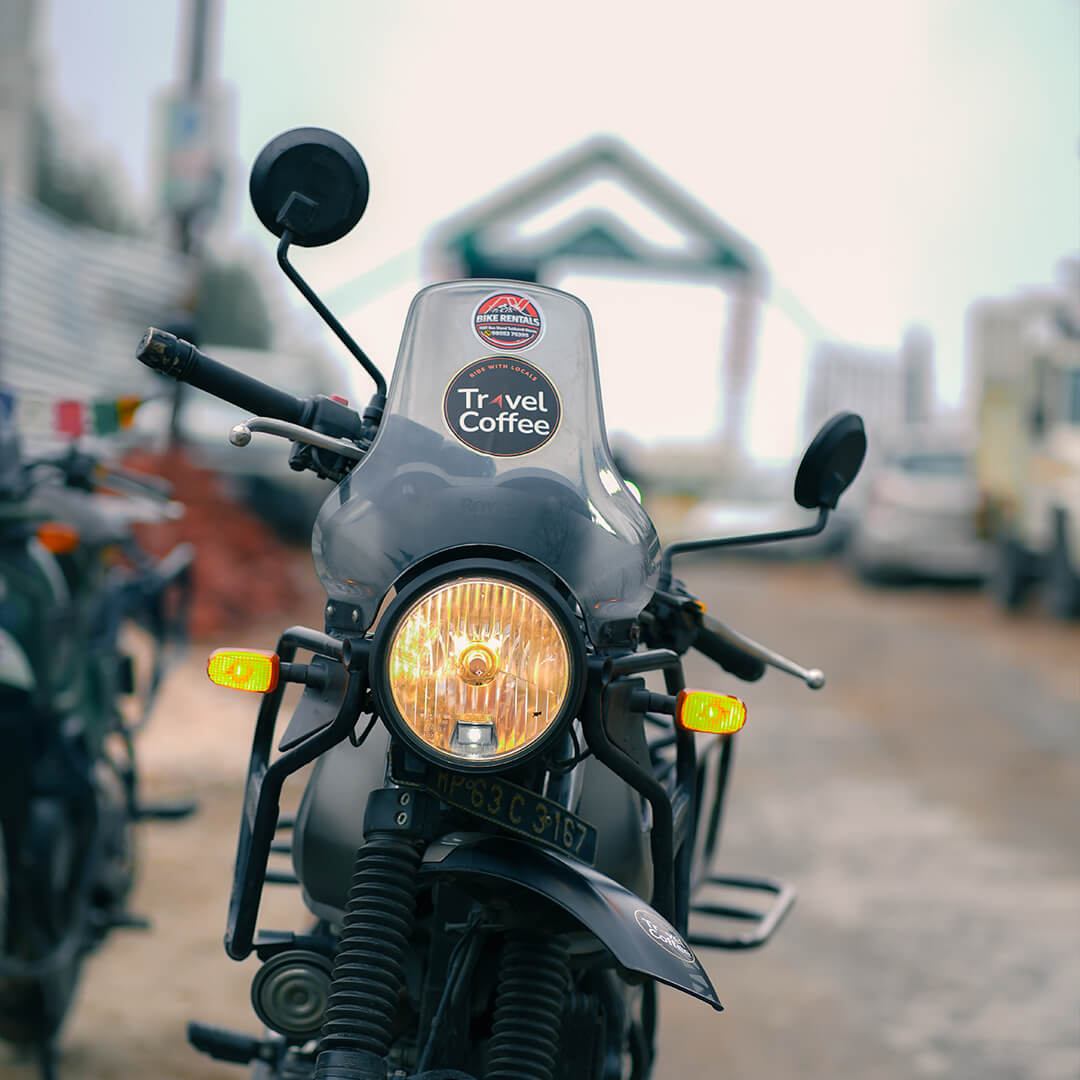 8D/7N
8D/7NUltimate Pabbar Valley Bike Expedition With Giri Ganga Kuppar Bugyal Chanshal Pass and Dodra Kwar
1D Kharapathar / Kotkhai•2D Rohru / Chirgaon (Pabbar Valley)+1
₹29,999/ person- 8D/7N
Most Loved 4x4 Pabbar Valley Expedition With Giri Ganga Kuppar Bugyal Chanshal Pass and Dodra Kwar
1D Kharapathar / Kotkhai•2D Rohru / Chirgaon (Pabbar Valley)+1
₹32,999₹39,999SAVE INR 7,000/ person
Related topics
Frequently Asked Questions
Is Chanshal Pass open in August?
Usually yes. The official Shimla District page lists the road as generally open from May to November. But August weather can cause sudden closures, so check live status before you leave.
Is August a good time to visit Chanshal Pass?
It is possible but not the best. August is monsoon, with rain, slush, fog, and landslide risk. September is clearer and safer for most travellers.
How is the road from Rohru to Chanshal Pass in August?
The roughly 48 km Rohru to Chanshal stretch gets muddy and slushy in August, with landslide risk near the top. It takes longer than the distance suggests, so leave early.
Can a small car go to Chanshal Pass in August?
We would not recommend it in late July and August. Slush and rough patches make a high ground clearance SUV the safer choice.
Is 4x4 required for Chanshal Pass?
A 4x4 is not always compulsory, but in August an SUV or high ground clearance vehicle is strongly preferred over a low car.
Can I visit Chanshal Pass by bike in August?
Yes, but only for experienced riders with rain gear, waterproof luggage, tools, and a serviced bike. Avoid riding in heavy rain or fog.
Which is the best route from Shimla to Chanshal Pass?
Route 1 via Kotkhai, Kharapathar, Hatkoti and Rohru is about 160 km and shorter. Route 2 via Narkanda and Tikkar is about 175 km. Both end through Rohru and Larot.
Where should I stay before visiting Chanshal Pass?
Rohru is the most practical base with shops and services like the HPTDC Hotel Chanshal. Larot is closer to the pass but more basic.
Is there mobile network at Chanshal Pass?
Network is more reliable till Rohru, then becomes patchy. No network has been reported at the pass itself, so carry offline maps and tell someone your plan.
Do I need a permit for Chanshal Pass?
Permit information is conflicting, with sources saying both yes and no. Check with local administration, the forest checkpost, or our team before travel.
What is the best month to visit Chanshal Pass?
Official best time guidance points to late June, early September, September, and October. September is the standout month for clear views and stable roads.
Is September better than August for Chanshal Pass?
For most travellers, yes. September gives clearer skies, safer roads, and far better photography, while August trades that for green valleys and higher risk.
More about Chanshal Pass
 Chanshal Pass
Buran Ghati Trek Complete Guide 2026: Route, Cost, Difficulty, Best Time
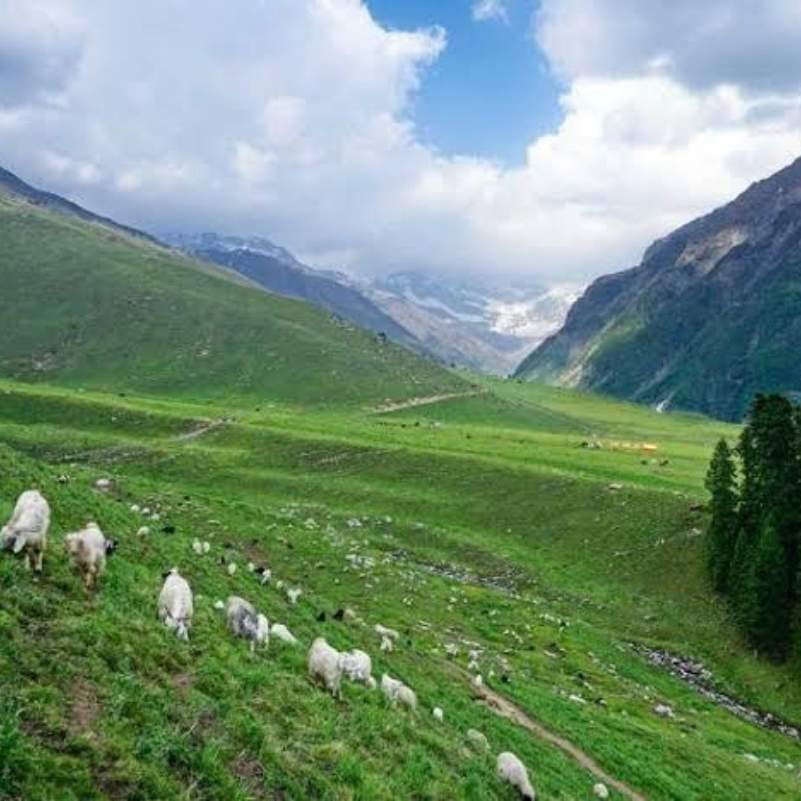
Planning the Buran Ghati Trek in 2026? Explore the complete guide covering the route, itinerary, cost, difficulty, best time to visit, fitness tips, and essential trekking advice.
- Things to Do
 Chanshal Pass
Chandranahan Lake Trek 2026: Source of the Pabbar River
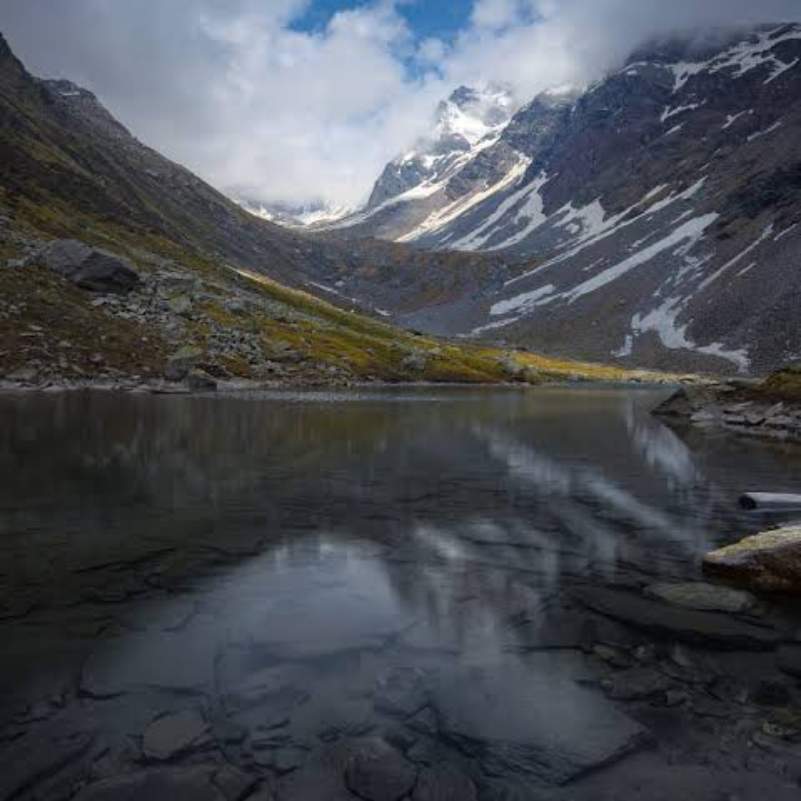
Discover the Chandranahan Lake Trek 2026, a breathtaking Himalayan adventure to the sacred source of the Pabbar River in Himachal Pradesh. Explore pristine alpine meadows, glacial lakes, and spectacular mountain landscapes with this complete trekking guide.
- Things to Do
 Chanshal Pass
Treks in Pabbar Valley: The Complete List for 2026
Planning to explore the treks in Pabbar Valley in 2026? This complete guide covers the region's best hiking trails, difficulty levels, ideal seasons, trail highlights, and essential planning tips for discovering one of Himachal Pradesh's most rewarding trekking destinations.
- Things to Do