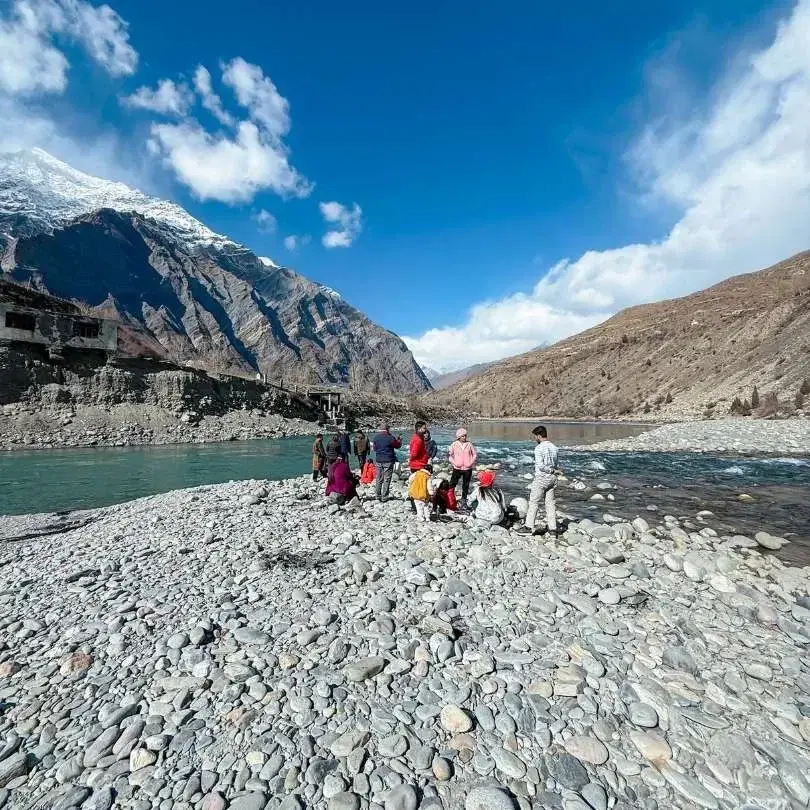
A Baralacha Pass tour package is a road trip through upper Lahaul that takes you over one of the high points on the Manali Leh Highway, at roughly 4,890 metres. Baralacha is not a resort town, and there is nothing to stay in at the pass itself. So a package is built around the drive to it and the places along the way, not around the pass as a base. Manali is the main gateway, because almost every route into Lahaul starts there through the Atal Tunnel. Jispa or Keylong then work as the practical overnight bases before the high climb. Deepak Tal and Suraj Tal sit naturally along that upper route, so you see them on the same day you reach the pass. These trips run as private trips, small group tours, bike expeditions, or as one leg of a longer Zanskar or Ladakh journey. Access stays seasonal and road dependent, which we cover in detail below. Baralacha Pass, Baralacha La and Bara Lacha La are all the same place, so you will see the names used interchangeably. The package cards above show durations, starting cities and current prices. If nothing fits your dates, ask us for a custom plan. Baralacha Pass Quick Planner A fast orientation before the detail. Best gateway: Manali, through the Atal Tunnel into Lahaul. Most practical overnight base: Jispa or Keylong, both closer to the pass than Manali. Approximate altitude: around 4,890 metres, or about 16,040 feet. Core highlights: Deepak Tal, Suraj Tal, the Baralacha La marker, and the drive through upper Lahaul. Broad travel season: usually late May or early June until about October, depending on the year. Winter access: normally closed once heavy snow sets in. Recommended trip style: a private or group road trip with a Jispa or Keylong overnight. Bike expeditions in peak season. Vehicle planning: depends on the month and road. Good ground clearance helps in the early and late season. Permit and checkpoints: no separate tourist permit for the Manali Leh Highway itself, but there is a registration checkpoint at Darcha. Verify for your travel date. Current road status: changes through the season, so confirm it close to departure. Find the Right Baralacha Pass Tour Package The best package depends less on Baralacha and more on how you want to travel to it. Package fit changes with your starting city, how many of you are travelling, whether you want a private or shared trip, the vehicle you prefer, how many days you have, your stay category, and whether Baralacha is the main goal or part of a bigger loop. Most travellers start from Manali, Chandigarh or Delhi, and pick a private trip, a group departure, a bike expedition or a longer road trip. Popular combinations include Jispa and Baralacha, Sissu with Jispa and Baralacha, Baralacha with Shinku La, Baralacha with Zanskar, and Manali to Leh via Baralacha. Which Baralacha Pass Package Is Right for You? Couples. A private trip with a night at Jispa suits most couples. You get a calmer pace, a riverside stay, and time at Suraj Tal without a full vehicle of strangers. Families. Usually better on a private trip with an unhurried plan and a Keylong or Jispa overnight, so everyone adjusts to the height gradually. Friends. A group tour or a shared private vehicle works well for keeping the cost sensible and enjoying the drive together. Solo travellers. A group departure is the easiest way to reach Baralacha solo, since it splits the transport cost and gives you a ready travel group. Bike travellers. Usually take Baralacha as part of a Manali to Leh ride or a Lahaul loop. A backup vehicle and a fixed departure window matter more here than on a car trip. Limited time. A shorter Manali based plan with one Lahaul overnight is realistic, though you accept less flexibility if the road slows down. Continuing to Ladakh. If Leh is the real goal, Baralacha becomes one crossing on a longer highway trip, and the plan is built around the full Manali to Leh route. How Much Does a Baralacha Pass Tour Package Cost? Take the current starting price from the live package cards above, because prices move with season, vehicle and group size. There is no single fixed price. The main cost factors are your starting city, how many people share the vehicle, whether transport is private or shared, the vehicle category, the trip duration, the stay category, and the travel month. Whether you need a Delhi or Chandigarh transfer, and whether the trip is Baralacha only or a longer Zanskar or Ladakh extension, changes the total the most. As a rough sense of scale, our shared group departures sit at the more affordable end, while private and four wheel drive expeditions cost more because you are paying for the whole vehicle and a tougher route. Private trip or group trip, which is better value? Neither is always better. A group trip usually lowers the per person transport cost, because the vehicle and driver are shared across everyone. A private trip costs more per head but gives you control over timing, stops and pace, which matters on a long mountain day. For couples and families who want flexibility, private often feels worth it. For solo travellers and friends watching the budget, a group departure is usually the smarter spend. What Is Usually Included in a Baralacha Pass Package? Inclusions vary by package, so the package card is always the final word. As a general guide, most trips cover accommodation for the nights listed, a meal plan according to the package, and a private or shared vehicle for the route. They also usually cover the driver allowance, fuel, and parking or tolls where they apply, along with trip coordination before and during the journey, road status checks close to departure, and on trip support if something changes on the ground. What is usually not included. Lunch unless the package states otherwise, personal expenses, and snow clothing. Optional activities, travel insurance, medical expenses, and emergency evacuation. Any extra nights caused by road or weather disruption, unless your specific package says these are covered. Anything not clearly mentioned in the inclusions. If the package card and this page ever disagree, the package card is correct. Is Baralacha Pass Open Right Now? Treat access as live information and check it close to your travel date, because the status changes through the season. The Atal Tunnel keeps Manali to Lahaul open for much of the year, so Sissu, Keylong and Jispa are often reachable even when the high road beyond is not. The stretch past Darcha, over Baralacha and towards Sarchu is the part that opens and closes with the snow. That is the section to confirm before you travel. What we check before your trip. Before we send a Baralacha trip out, we look at road clearance status, fresh snowfall, and the weather forecast for the pass window. We factor in any local administration or police movement restrictions, current Border Roads Organisation activity where relevant, and water crossings that can rise through the day. Most of all, we rely on driver and ground reports from people who were recently on that road. Ask us for the latest ground update for your dates before you book. Can Anyone Guarantee Baralacha Pass Access in Advance? No. Nobody can honestly guarantee that you will stand at Baralacha on a fixed date, and you should be cautious of anyone who does. Access can change at short notice because of fresh snowfall, slow road clearance, sudden weather, landslides, road repairs, traffic regulation, administrative restrictions, or general high mountain conditions. This is normal for a road at this height, and it is why flexible planning matters more than a rigid promise. What happens if Baralacha is closed. If the pass is not open or safe on your dates, we plan around what is genuinely accessible instead. Depending on the day, that might mean spending more time in Lahaul around Jispa and Keylong, reaching a lower high point that is open, or reshaping the route. The alternative depends on real conditions, so we do not pretend one fixed substitute exists, and we do not claim another spot gives you exactly the same experience. We give you the best real option available. Manali to Baralacha Pass, the Actual Route The drive climbs steadily from Manali into thinning air and emptier country as you go. You start in Manali , then pass under the Rohtang ridge through the Atal Tunnel and drop straight into Lahaul. Sissu is your first proper Lahaul stop, followed by Tandi , where you fill fuel before the remote stretch, and then Keylong , the main town with the last reliable ATM and hospital. From Keylong the road runs on to Jispa , the calm riverside village closest to the pass, then Darcha , the last settled point and the registration checkpoint. Past Darcha you climb by Deepak Tal , then the rough seasonal halt at Zingzing Bar , up to Suraj Tal just below the top, and finally Baralacha La itself at roughly 4,890 metres. Beyond the tunnel, the road turns barer, the towns become single villages and then nothing, and the altitude does most of the work on how you feel. Full stop by stop notes are in the places section further down. Should You Stay in Manali, Sissu, Keylong or Jispa? Manali. Suits travellers who want comfort, choice of hotels and a proper town before and after the mountains. The limitation is distance, since Baralacha from Manali is a long single day. Sissu. Suits people who want their first night inside Lahaul with easy access from the tunnel. It shortens the next day a little, but it is still well short of the pass. Keylong. Suits travellers who want a real town closer to the high road, with basic services and the last ATM and hospital. It makes the pass day shorter and helps with the height. Jispa. Suits travellers who want the closest calm base to the pass, on the river, with a shorter final climb. The limitation is that it is a small village with limited choice, not a town. Sarchu. Suits people continuing towards Leh who want to break the drive on the far side of the pass. It sits very high, so a first high night here is harder on the body than Jispa or Keylong. For most first time travellers whose main goal is Baralacha, building the excursion around Jispa or Keylong is usually more practical than treating it as a rushed Manali day trip. It shortens the high drive and gives your body time to adjust. If your dates are tight, a Manali based plan can still work, it just leaves less room when the road is slow. How Far Is Baralacha Pass? Distances shift a little by route and by which map you trust, so treat these as close estimates. From Manali: roughly 150 to 190 kilometres, depending on whether you travel via the Atal Tunnel or the older Rohtang road. From Sissu: approximately 100 to 110 kilometres. From Keylong: approximately 70 kilometres. From Jispa: approximately 50 kilometres. From Darcha: approximately 40 kilometres. From Chandigarh: roughly 480 kilometres in total, which realistically means at least one overnight before you even reach Lahaul. From Delhi: roughly 700 kilometres in total, which is a two to three day plan overall. From Leh: approximately 250 to 280 kilometres over the far side of the highway. The numbers only tell half the story, though. Mountain travel time is not Google Maps time. A short looking distance can take far longer than an app suggests, because of road work, traffic on narrow stretches, weather, water crossings, photo and tea stops, altitude, and checkpoints. Plan by the day, not by the minute, and start early so the road has room to misbehave. Can You Visit Baralacha Pass From Manali in One Day? It is technically possible in good conditions, but it is a long, tiring day and not the most comfortable way to do it. A Manali to Baralacha day trip means many hours of driving, a very large altitude gain in one push, and little time for stops, all with real exposure to road delays. It can work when the road is clear, the weather is settled, you start very early, and you accept a full day in the vehicle. For most people, an overnight at Jispa or Keylong turns the same trip into a calmer, safer and more enjoyable one, with proper time at Suraj Tal and the pass. Best Time to Visit Baralacha Pass The season usually runs from late May or early June to about October, but the exact window depends on the road each year. March. Deep winter conditions at the pass. The high road is normally closed. April. Usually still the snow clearance period, not a normal Baralacha tourism month. The pass is generally not yet open. For the full picture, see our guide on Baralacha Pass in April . May. Access is uncertain and often too early. The road sometimes opens in the second half of the month, and sometimes not until June. See Baralacha Pass in May before you plan. June. Often an excellent early season window once the road is officially open, with strong snow scenery on a freshly cleared road. Read Baralacha Pass in June for what to expect. July and August. Usually well open, but the monsoon can trigger landslides and raise water crossings, so current checks matter. September. Often clearer skies and thinner crowds, and a favourite month for many travellers. October. Colder, quieter, and increasingly exposed to fresh snowfall and early seasonal closure as the month goes on. November to February. Normally closed. The pass sits under deep snow. We do not publish a fixed annual opening date, because there is not one. The road opens when clearance is complete and the administration allows traffic, which varies year to year. When Should You Visit Baralacha Pass Based on What You Want? Roadside snow. Early in the open season, usually June, when snow still lines the cleared road. Snow walls. Right after the road opens, when clearance has cut through deep drifts, most often June. This is not guaranteed and depends on the winter. Clear mountain views. September tends to offer the cleanest skies and the sharpest views. Photography. June for snow and drama, September for clarity and calm light. Fewer tourists. September and early October, once the peak rush eases. The most dependable planning window. Roughly late June through August, when the road is most reliably open, weather permitting. Travelling in May. Keep the plan flexible and have a backup, because the pass may not be open yet. Travelling in October. Watch the forecast closely, since an early snowfall can close the road with little warning. Snow lying on the ground is not the same as fresh snowfall, and neither can be promised on a specific date. When Can You See Snow at Baralacha Pass? Snow is common around the pass across the open season, but the kind of snow you see changes through the year. Fresh snowfall can happen almost any time at this height, even in summer, and it is never guaranteed on a given day. Existing roadside snow and the tall snow walls cut by clearance machines are most striking soon after the road opens, usually in June. Later in summer you are more likely to see old snow patches on the slopes and a partly frozen Suraj Tal earlier in the season. A high altitude means snow is likely at some point, but it does not promise a particular snow experience on a particular date. Can You Visit Suraj Tal and Baralacha Pass Together? Yes, when the road is open, you see both on the same drive. Suraj Tal sits immediately below the Baralacha area, only two to three kilometres from the pass, so it is covered naturally during the same climb. It is one of the main highlights of the whole route, not a separate excursion, and most travellers stop here on the way up or down. You do not need an extra day for it. If you reach Baralacha, you have effectively reached Suraj Tal too. Baralacha Pass vs Rohtang Pass vs Shinku La Three different mountain decisions, compared simply. Altitude. Rohtang sits around 3,980 metres. Baralacha is higher, at roughly 4,890 metres. Shinku La is higher still, at around 5,090 metres. Starting base. Rohtang is a short trip from Manali. Baralacha works best from Jispa or Keylong. Shinku La is reached from the Darcha side on the way to Zanskar. Travel commitment. Rohtang is a half to full day from Manali. Baralacha is a committed high day, better with an overnight. Shinku La is part of a longer Zanskar journey. Road and crowds. Rohtang is a familiar, busy tourist road. Baralacha is a remote high highway with thinner facilities and far fewer people. Shinku La is the quietest and most remote of the three. Seasonality and snow. All three are seasonal. Rohtang opens earlier and lower and draws crowds for easy snow. Baralacha and Shinku La open later, once high clearance is done, and offer snow in wilder, emptier settings. Who each suits. Rohtang generally suits travellers wanting an easier Manali based mountain excursion, and you can compare our Rohtang Pass tour packages . Baralacha suits travellers wanting a deeper high altitude Lahaul road journey. Shinku La makes more sense when Zanskar is a real part of the plan, which our Zanskar Valley tour packages cover. All three are good trips. They simply answer different wishes. Baralacha Pass Altitude, What Travellers Need to Know Baralacha sits at roughly 4,890 metres, or about 16,040 feet, which is high enough to affect how you feel. At this height the air holds less oxygen, so even fit, healthy people can feel breathless, slower or lightheaded, especially if they climbed quickly. This is exactly why a gradual approach through Lahaul, with a night at Jispa or Keylong, tends to make more sense than racing from low altitude to the top in one push. It is also why you should not linger at the highest point. A short stop to take it in is fine. A long halt at the pass is not the place to rest. Watch for symptoms you should not ignore, such as headache, nausea, dizziness, unusual breathlessness, or loss of coordination. If these appear and worsen, the answer is to descend. Anyone with a heart, lung, or other relevant health condition, and anyone unsure about high altitude travel, should speak with their doctor before the trip. We are not able to give medical advice, and oxygen support is not a substitute for sensible acclimatisation. Who Is Baralacha Pass Suitable For? Altitude tolerance varies from person to person, so this is about fit, not a blanket promise that it is safe for everyone. Couples. Generally fine with a sensible pace and an overnight before the climb. Families. Workable with careful planning, gradual height gain and a flexible day. Young children. Need extra caution, because very young children can struggle to communicate altitude discomfort. Discuss it honestly before booking, and keep time at the top short. Senior citizens. Can travel when they are in reasonable health, with a slower plan, an overnight to adjust, and their doctor's input if they have any conditions. Friends and solo travellers. A natural fit for a group or private road trip, with a group departure the easiest option for solo travellers. Bike travellers. Suited to experienced riders in the right season, with a backup vehicle and the right gear. Travellers with health concerns. Should not treat the pass as routine. A conversation with a doctor about high altitude travel comes first. We would rather help you plan a trip that fits your group honestly than sell a day that leaves someone unwell at 16,000 feet. Which Vehicle Is Best for Baralacha Pass? There is no single right vehicle. The best choice depends on the month, the road and your group. A sedan can manage in peak season on a good road, but has the least ground clearance for water crossings and rough patches. An Ertiga type MUV is a reasonable, comfortable choice for small groups in settled conditions, while an Innova or Crysta type MUV adds space and capability. A Scorpio type SUV handles rough sections well, and a four wheel drive SUV is the most capable in early or late season, snow patches and deep water crossings. A Tempo Traveller is sensible for larger groups, though slower on tight, rough stretches, and a motorcycle is a classic way to ride the highway for experienced riders in the right season. The right vehicle depends on the current road condition, the travel month, the weather, your group size, luggage, ground clearance and how much comfort you want. A four wheel drive vehicle is not always required, and it is not a magic pass by itself. An experienced mountain driver who knows this road often matters more than a vehicle simply carrying a four wheel drive badge. Can You Take Your Own Car or Bike to Baralacha Pass? Yes, private vehicles use this road, but route rules and conditions should always be checked for your actual travel date. Own private car. Allowed on the highway. Make sure it has the ground clearance and condition for a rough high road, and carry your documents. Self drive rental car. Possible, but check the rental terms for this route, and be honest about your comfort with narrow, high mountain driving. Own motorcycle. A common choice for the Manali Leh line. Ride in season, carry spares and gear, and do not ride it as your first ever high altitude trip without preparation. Rental motorcycle. Widely done from Manali. Confirm the bike's condition and the rental's route rules before you set off. The Manali Leh Highway does not carry the same tourist permit system that applies to Rohtang Pass sightseeing traffic, so do not assume Rohtang rules apply here. Check the current position for your date, which we are happy to help with. Do You Need a Permit for Baralacha Pass? For the Manali Leh Highway itself, a special tourist permit is normally not required, for Indian or foreign travellers. This is different from the Rohtang Pass permit system, so do not assume those rules apply. There is a registration checkpoint at Darcha, where travellers log their name and vehicle details in the passing record, which helps in case of any rescue or emergency. Foreign nationals usually have their passports verified here. If you continue deeper into Ladakh's inner areas, separate requirements can apply, and these differ for Indian and foreign travellers. Baralacha and Suraj Tal on the Manali Leh Highway are not the same as those restricted inner zones. If you take the older Rohtang route instead of the Atal Tunnel, the Rohtang side has its own permit rules to check separately. Local regulations can change, so we verify the current requirements for your exact route and date before you travel. For the Ladakh side of the picture, see our Ladakh permit guide . Fuel, Food, Mobile Network, ATMs and Medical Help Facilities thin out fast once you leave the main towns of Lahaul, so plan for self reliance on the high stretch. Fuel. The last reliable petrol pump is at Tandi. Fill up fully there and do not count on finding fuel higher up. Food. Proper restaurants stop after the towns. Beyond that you may find seasonal dhabas around Jispa, Darcha and Zingzing Bar, but only when they are open for the season. Carry your own snacks. Mobile network. Signal becomes patchy in upper Lahaul and is unreliable or absent beyond Darcha. Do not expect coverage at Suraj Tal or the pass. Tell someone your plan before you lose signal. ATMs, cash and payments. The last reliable ATM is in Keylong. Draw the cash you need before you go higher, and do not rely on UPI or cards past the towns, since the networks are too weak to trust for payments. Carry enough physical cash, in small notes where you can. Toilets. Basic and occasional. Expect dhaba toilets at seasonal stops and little else near the pass. Medical support. The last hospital is in Keylong, with a basic army medical presence near Darcha. There is no medical facility at the pass, so carry your own personal medication. Treat Suraj Tal and the upper pass area as places with no shops, no fuel and no normal tourist infrastructure. What you carry up is what you have. How Many Days Do You Need for Baralacha Pass? Enough that you are not gaining all the altitude in a single rushed push. A very short trip as a Manali based day run to the pass and back is possible in good conditions, but it is long and tiring with little slack. A two night plan is a sensible minimum for comfort, with a Jispa or Keylong overnight, the pass day, and a calmer return. A three night plan gives room to enjoy Lahaul, add Sissu and Deepak Tal properly, and keep a buffer if the road is slow. Four to five nights is comfortable for a fuller Lahaul loop or the start of a Sarchu or Zanskar extension, and six nights or longer suits a Manali to Leh journey or a wider high mountain trip. Remember that travel days from Delhi or Chandigarh add to the overall holiday, even when the Lahaul portion is short. A three night Lahaul plan can still be a five or six day trip once you account for reaching Manali and getting home. What Can You Combine With Baralacha Pass? Baralacha sits on a route that links naturally to several bigger trips. Manali, Jispa and Baralacha. The core short loop, best for travellers who want the pass and upper Lahaul without a huge itinerary. See our Jispa tour packages . Sissu, Jispa and Baralacha. Adds an easy Lahaul day at the start for a gentler build up. See our Sissu tour packages . Baralacha and Shinku La. For travellers heading towards Zanskar, since the routes share the same spine as far as Darcha before Shinku La branches off. Baralacha and Zanskar. A deeper expedition for adventure travellers who want Padum and the far valleys. See our Zanskar Valley tour packages . Manali, Baralacha and Leh. The classic Manali to Leh highway journey, where Baralacha is one of several passes. See our Leh Ladakh tour packages . A wider Lahaul Valley road trip. For those who want to explore Lahaul and the Spiti side more fully, our Lahaul and Spiti tour packages are the place to start. Tell us which of these appeals, and we will shape the route around your dates. What Should You Carry for Baralacha Pass? Keep it simple and practical. Warm layers you can add and remove, a wind resistant outer layer, gloves and a warm cap. Sunglasses and sunscreen, because sun at altitude is stronger than it feels. Comfortable footwear, water, and light snacks for the high stretch. Personal medication, a power bank, an offline map, an identity document, and some cash in small notes. For bike travellers. A proper helmet, riding gloves, and windproof, layered riding gear. Basic spares and tools, waterproofs, and warm inner layers for the cold at the top. Ride within your ability and keep the group together. Common Baralacha Pass Planning Mistakes Treating Baralacha like a short Manali sightseeing point. It is a committed high drive, not a quick spin like a nearby viewpoint. Trusting Google Maps travel time blindly. Mountain time runs longer, and planning to the app's estimate leaves you rushed. Travelling without checking the current road status. Conditions change through the season, and a route that was fine last week may not be today. Assuming Baralacha is automatically open in May. Early May is often too early, and the road may still be under clearance. Assuming snow is guaranteed. Snow is likely at some point, but no one can promise a specific snow experience on your exact date. Spending unnecessarily long at very high altitude. Lingering at the pass increases the chance of feeling unwell. Take it in and move down. Starting the upper route too late. A late start leaves no room for delays. Early mornings are safer on this road. Planning Baralacha exactly like Rohtang Pass. Different route, different height, different facilities and different rules. Plan it on its own terms. Why Book Your Baralacha Pass Trip With Travel Coffee? We are a Himachal based team, and this route is in our own backyard, so the value is in what we know and check, not in slogans. We run trips through Lahaul regularly, so our route familiarity is practical, not theoretical. Our drivers are experienced on high mountain roads, which matters more on this route than the badge on the vehicle. We check road conditions before your trip, and we tell you honestly when access is uncertain rather than promising a pass we cannot promise. We offer both private and group options, and we coordinate your stay and vehicle to suit the plan. You get human support during the trip if something changes on the ground, practical alternative planning if conditions shift, and inclusions set out clearly on each package so you know what you are paying for. Compare the package cards above for durations, starting cities and current prices. If your dates are fixed, or Baralacha is the whole reason for the trip, send us a message with your travel dates, starting city, number of travellers and whether you want a private or group trip. We will build the plan around the road rather than around a template.
The long tunnel that carries you under the Rohtang ridge and into Lahaul. It matters because it makes Lahaul reachable quickly and reliably, and it is where the Manali side of the trip really begins. There is no stopping inside.
Tip: keep a warm layer handy, because the Lahaul side is often much colder than Manali.
An open Lahaul village with a waterfall and wide valley views, and your first proper stop after the tunnel. Good for a short leg stretch and photos before you push on to Keylong.
Tip: it is a calmer, lower alternative base when the high road beyond is closed.
The main town of Lahaul and a common overnight before the pass, with basic markets and the last reliable ATM and hospital on the route. Staying here shortens the pass day and helps your body adjust to the height.
Tip: draw the cash you need here, because there is nothing dependable higher up.
Jispa
A quiet riverside village on the Bhaga, and the closest calm base to the pass. A shorter final climb from here makes for an easier pass morning, and the evenings by the river are the nicest part of many trips.
Tip: start early from Jispa so you reach the pass before the day warms and water crossings rise.
Darcha
The last settled point before the climb, and the site of the registration checkpoint where travellers log their details. Foreign nationals usually have passports verified here.
Tip: expect a short stop to register, and treat this as the point where facilities effectively end.
Deepak Tal
A small high lake beside the road as you gain height past Darcha. Not a destination on its own, but a lovely few minutes for the reflection and the quiet.
Tip: the light is best early, so it fits naturally into a morning start towards the pass.
Zingzing Bar
A rough, high seasonal halt where a few dhabas may open in season, and the point where the real climb steepens. A useful tea and Maggi stop when they are running.
Tip: do not count on anything being open here. Carry your own water and snacks.
Suraj Tal
A high lake just below the pass, and one of the main sights of the whole day. It sits only two to three kilometres from the top, so you see it on the same drive.
Tip: stay near the road edge and keep your walk gentle at this height.
Baralacha La
The top of the drive at roughly 4,890 metres, where three ranges meet. Step out, take it in, and keep your time short before you head back down.
Tip: a few minutes is plenty at 16,000 feet. Do not linger if anyone feels unwell.
Best Things to Do on a Baralacha Pass Trip
Drive the upper Lahaul road
The drive is most of the experience. You climb from Manali through the Atal Tunnel into Lahaul, past Keylong and Jispa, then up an emptying high road towards the pass. A clear morning is the difference between a great drive and a slow one, so start early.
Stand at Baralacha La
The point of the trip. At roughly 4,890 metres, three mountain ranges meet and the world goes quiet. Stop the vehicle, step out, and take a few minutes, then head down before the altitude catches up with you.
Stop at Suraj Tal
One of the highest lakes on the route, sitting just below the pass. The colour shifts with the light through the day, and it is only a short walk from the road. Keep it gentle at this height and do not rush.
See the snow walls when they are standing
In the weeks just after the road opens, the cleared snow stands in walls on both sides of the upper road, and it is the most photographed thing on this drive. They shrink through the season and are usually an early season sight, most often in June, rather than a promise.
Ride the Manali Leh line on a motorcycle
For experienced riders, this is one of the great Himalayan rides, and Baralacha is one of its high crossings. Ride in season, carry spares and warm gear, and travel with a backup plan. It is not a first high altitude ride to take lightly.
Extend towards Sarchu, Shinku La or Zanskar
Baralacha does not have to be the turnaround. Push on to Sarchu towards Leh, branch at Darcha for Shinku La, or carry on into Zanskar for a deeper expedition. Tell us your bigger plan and we will shape the route.
Often the best early season window once the road opens, with snow still lining the freshly cleared highway. Access is never guaranteed.
Late June to August
The most reliably open stretch of the season, weather permitting, with the fewest road surprises.
September
Clearer skies, fewer travellers and calm light. Usually less snow than June.
Recommended trip duration
5 Days
Packages available on Travel Coffee
5
Why People Love Baralacha Pass
FANBOOK
Testimonials
"Travel Coffee truly went above and beyond. Even though we booked from Indonesia without meeting them, we always felt secure — their team was available..."
— Andre & Angel
Baralacha Pass Tour Packages FAQs
Take the current starting price from the live package cards above, as prices change with season, vehicle and group size. Cost mainly depends on your starting city, private or shared transport, duration and whether it is Baralacha only or a longer Zanskar or Ladakh trip.